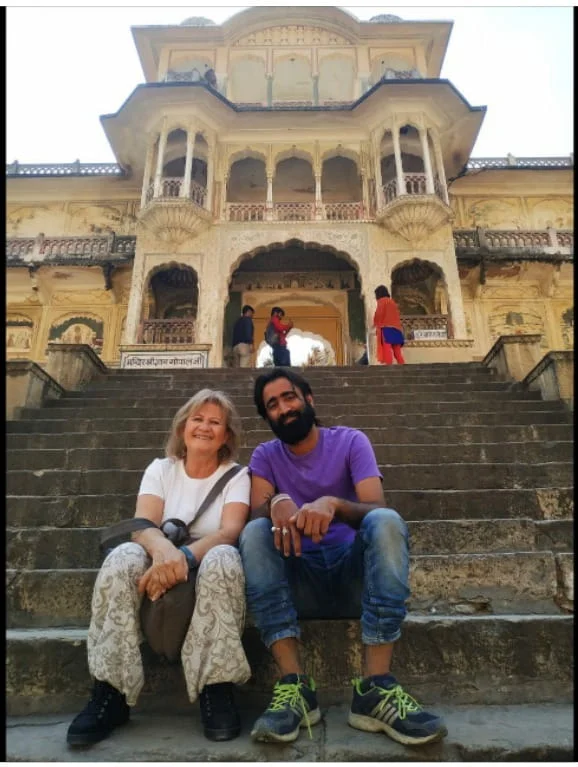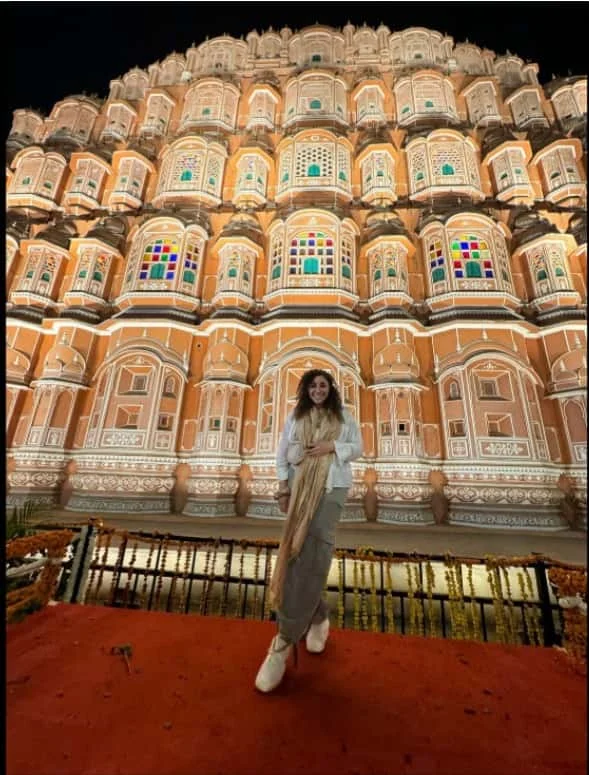
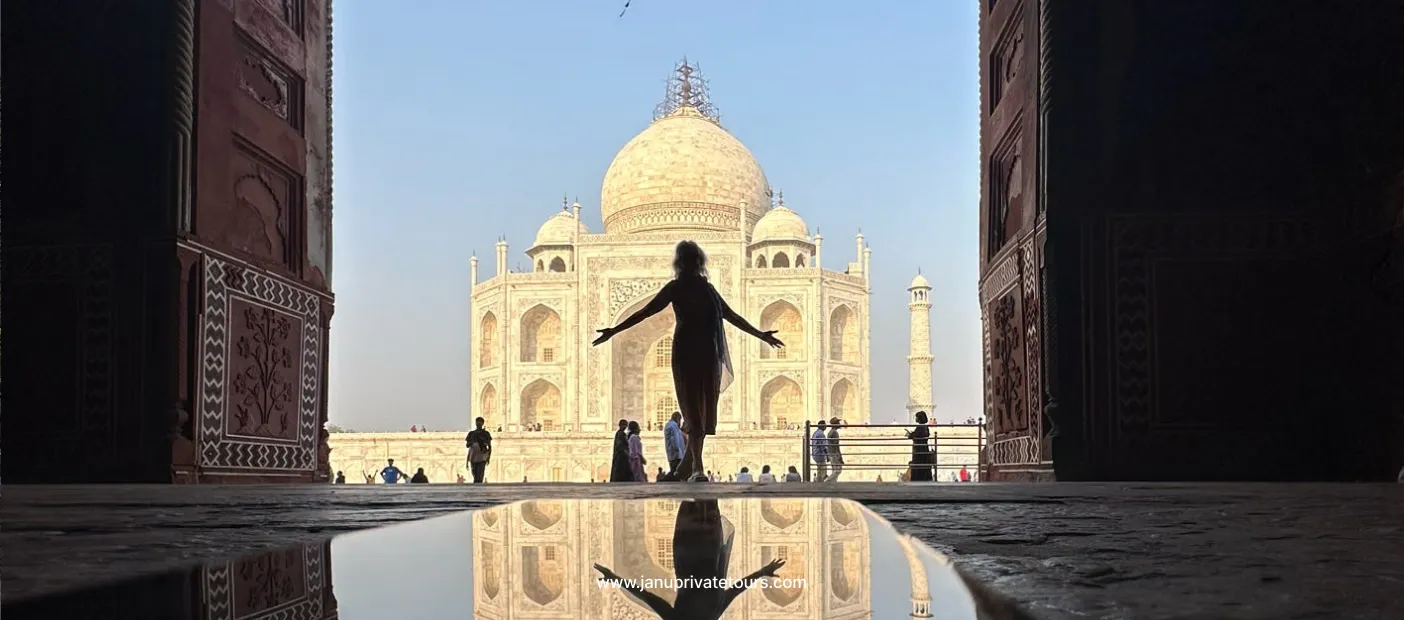
Planning a trip to India but also wondering when the best time to travel is? To be honest, it depends on what a visitor is actually looking for. India is huge, and the best time to visit will change accordingly if you want to explore Rajasthan’s forts, or see the Taj Mahal, relax in Kerala, or admire the mountains.
But October to March is a popular travel period for many because here the weather is generally more comfortable.
But does this automatically make it the best time to visit India for you or your family?
No, not necessarily!
In this guide, we’ll delve into some main travel seasons, the best months to visit different regions, or the ideal time for sightseeing, wildlife and festivals, as well as what to consider if you’re travelling on a budget and more.
Let’s find the right season for your adventure…
Know About India’s Travel Seasons: Weather, Crowds and Experiences
The best season to go to India really depends on what you want to experience along with how comfortable you want to feel while travelling.
Want to explore forts and palaces in Rajasthan without intense heat? Or you’re dreaming of lush green landscapes or a monsoon escape?
Each season will show you a different side of India. Here’s a quick look at what you can expect throughout the year:
|
Travel Season |
What You Can Expect |
|
October–March |
Cooler weather in many regions, making it popular for sightseeing and heritage tours. |
|
April–June |
Hotter weather across many plains, while hill stations can offer a more comfortable escape. |
|
June–September |
Monsoon rain, greener landscapes and different travel conditions across regions. |
|
September–November |
Changing weather, improving conditions in many areas and the beginning of the popular travel season. |
October to March: Is This the Best Time to Visit India?
Planning your first trip? If Delhi, Agra, Jaipur or even Rajasthan is on your list, October to March will be a more comfortable time for you. You’ll generally get better conditions for taking walks around forts and spending full days sightseeing.
Here’s the quick breakdown:
-
October–November: Pleasant for sightseeing along with improving weather across North India.
-
December–January: Cooler mornings, but also comfortable for exploring many popular tourist spots. Fog affects some parts of North India.
-
February: A good balance of cooler weather as well as thrilling sightseeing in many northern destinations.
-
March: Warmer days begin, although it will still work well for many city and heritage trips.
Looking for classic routes such as the Golden Triangle Tour? Then hotels and private transfers can get busier, especially around Christmas, New Year along with major festivals. SO make sure you check the details before you visit…
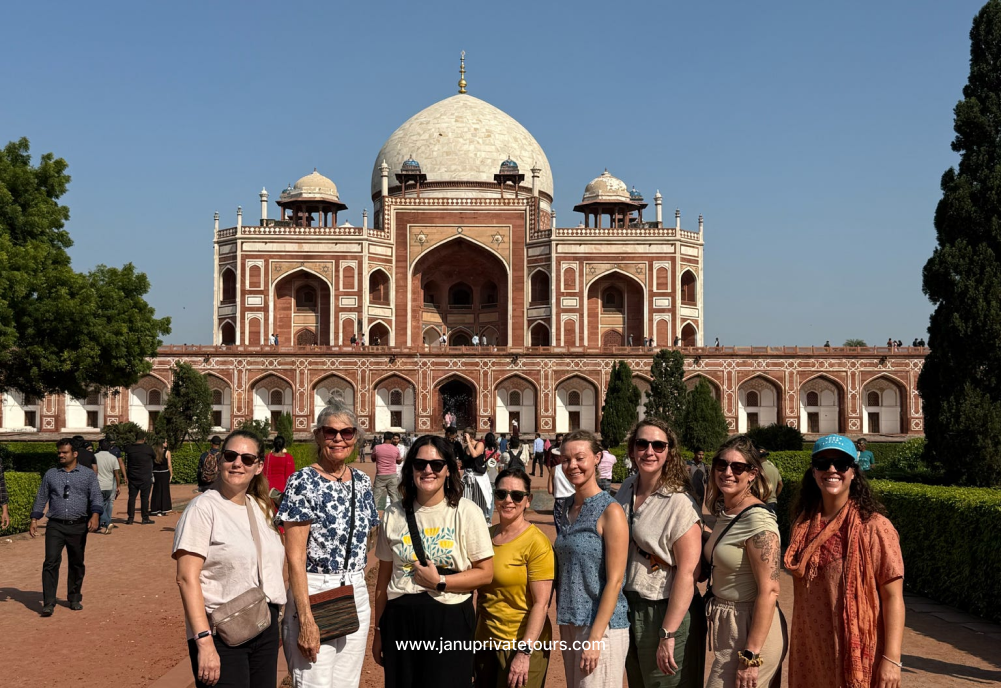
Best Time to Visit India by Region: Where Should You Go and When?
Here’s where India gets interesting: the best time to visit India can change completely from one region to another. So, instead of picking one season for the whole country, match your dates accordingly to your destinations.
— North India: Delhi, Agra, Jaipur, Varanasi & Rajasthan
Planning the classic India experience? October to March is generally comfortable for exploring North India’s cities, monuments, forts as well as markets, especially when you’ll be outdoors for hours.
Quick takeaways:
-
Best window: October–March
-
Great for: Golden Triangle, Rajasthan, Varanasi
-
Watch for: Chilly mornings or fog in December–January
— South India: Kerala, Tamil Nadu & Coastal Destinations
Going south? Kerala, Tamil Nadu, as well as coastal areas will all have different weather patterns. Check your specific destination before deciding when the best time to travel is.
Simple takeaways:
-
Kerala: November–February is popular for comfortable travel
-
Tamil Nadu: Cooler months can suit sightseeing
-
Coastal trips: Check local rainfall patterns
— Himalayas: Himachal Pradesh, Uttarakhand & Ladakh
Dreaming of mountains? Don’t automatically follow the usual India travel season. Himachal Pradesh, Uttarakhand as well as Ladakh have extremely different conditions, particularly at higher elevations.
Quick conclusions:
-
Hill stations: Spring and summer can be pleasant
-
Ladakh: Summer is generally the main travel window
-
Winter: Snow can create a completely different experience—and road access can vary
— Goa & the Western Coast
Time is of the essence if beaches are calling. Monsoon brings heavier rain, but Goa along with parts of the western coast are popular during the dry months.
Key takeaways:
You will see the Northeast as if it were another world, complete with its own weather. Assam, Meghalaya, Sikkim, as well as other destinations. Each has unique conditions.
-
Beach holidays: November–February is popular
-
Monsoon: Lush scenery and a different coastal experience
-
Tip: Check seasonal conditions before planning outdoor activities
— Northeast India: A Different Seasonal Story
Quick highlights:
-
Weather varies: Region to region
-
Nature trips: Choose dates around your planned activities
-
Tip: Don’t assume the usual October–March window works equally everywhere
A useful rule? Start with your destination, not the calendar. Once you know where you want to go, choosing the best season to go to India becomes much easier.
What Is the Best Month to Visit India? A Month-by-Month Guide
Still wondering, “Okay, but which month should I actually choose?” Good question! So instead of going through all those 12 months, group them smartly by weather as well as travel experience so you will quickly spot the period that fits your plans.
— January–February: Looking for Comfortable Winter Sightseeing?
Want to spend your days exploring forts, palaces, temples and historic cities without intense heat? January and February are popular for North India sightseeing and cultural trips, with generally cooler conditions across many tourist destinations.
Good for:
Delhi, Agra, Jaipur, Rajasthan, cultural tours and heritage trips.
— March: Fancy Festivals Along With Your Trip?
Thinking about experiencing India during a festival? March brings warmer days in many places, while Holi can add a colourful cultural experience, depending on the year and location. It can be an exciting month if festivals are part of your plans.
Good for:
Cultural experiences, festivals, heritage trips and selected wildlife destinations.
— April–June: Too Hot for the Plains? Head to the Hills!
Wondering if summer means skipping India altogether? Not necessarily!
While many plains become very hot, hill destinations can offer a more comfortable escape. This period can work well if mountains, cooler temperatures or high-altitude landscapes are on your list.
Good for:
Himachal Pradesh, Uttarakhand and selected mountain destinations.
— July–September: What If You Want to See India in the Rain?
Monsoon changes the experience completely. You’ll find greener landscapes and fewer typical sightseeing conditions in some destinations. But for travelers who enjoy dramatic scenery and slower journeys, it can be an interesting time.
Good for:
Monsoon landscapes, greenery, selected Kerala trips and nature experiences.
— October–November: Ready for India’s Travel Season to Pick Up?
As the weather improves across many popular destinations, October and November can be an appealing time to travel. These months are especially useful if you’re planning North India sightseeing, heritage tours or a longer multi-city itinerary.
Good for:
Delhi, Agra, Jaipur, Rajasthan, heritage tours and wildlife trips.
— December: Want a Classic Winter India Experience?
December is a popular travel month, particularly for first-time visitors exploring North India. Cooler weather, festive celebrations and the excitement of peak travel season make it appealing—but popular destinations can also become busier.
Good for:
Golden Triangle, Rajasthan, cultural tours and festive travel.
So, what’s the best month to visit India? There’s no single answer. The best months to visit India depend on your destination, weather preference and travel plans. Start with where you want to go, then choose the month that makes the experience work for you.
Best Time to Visit India for Different Travel Experiences
So, what are you actually coming to India for? A Taj Mahal sunrise, a wildlife safari, a beach break, or a few quiet days in the mountains? Your ideal travel season can change depending on the experience you have in mind.
— Planning a Golden Triangle or Heritage Tour?
If Delhi, Agra, Jaipur and Rajasthan are on your list, October to March is generally a comfortable period for long sightseeing days and outdoor heritage visits.
|
Quick question |
Your answer |
|
Best window? |
October–March |
|
What can you enjoy? |
Forts, palaces, markets and monuments |
|
One thing to know? |
December–January can bring cooler mornings and fog |
— Hoping to Spot Wildlife?
Thinking about a safari? The best time to go to India for wildlife depends on the park, but many popular safari destinations are especially suitable during cooler, drier months.
|
Quick question |
Your answer |
|
Often suitable? |
October–April |
|
What can you enjoy? |
Safari drives and wildlife viewing |
|
Before you book? |
Check the park’s opening dates |
— Dreaming of Beaches and Backwaters?
If your idea of India involves beaches, palm-lined coastlines or Kerala’s backwaters, cooler and drier months can make outdoor activities more comfortable.
|
Quick question |
Your answer |
|
Popular period? |
November–February |
|
What can you enjoy? |
Goa, Kerala and coastal escapes |
|
Want something different? |
Monsoon brings lush landscapes and a greener Kerala |
— Want Mountains, Trekking or a Cooler Escape?
Here’s where choosing the best season to go to India gets interesting. Himalayan destinations follow different seasonal patterns, so your dates depend on altitude and the experience you want.
|
Planning this? |
Consider this |
|
Hill stations |
Spring and summer can work well |
|
Ladakh |
Summer is generally the main travel period |
|
Snow experience |
Winter can offer a completely different trip |
— Want Festivals and Local Culture?
If festivals are a big reason you’re visiting, don’t choose your dates based on weather alone. Plan around the celebration you actually want to experience—and remember that festival dates can change each year.
|
Curious about? |
Usually falls around |
|
Holi |
February–March |
|
Diwali |
October–November |
|
Planning tip |
Check the exact dates before booking |
— Looking for a Spiritual or Wellness Retreat?
Want to slow things down rather than race between sightseeing spots? For spiritual and wellness trips, the best time to visit India depends on your destination, retreat schedule and preferred weather.
|
Thinking About? |
What to know |
|
Popular choices |
Rishikesh, Kerala and other wellness destinations |
|
Northern retreats |
October–March can be comfortable |
|
Before booking |
Check the retreat’s seasonal schedule |
The simple rule? Choose the experience first, then the season. That way, you’re not just picking a convenient travel date—you’re choosing a time that actually fits the India trip you’ve been imagining.
When Is the Best Time to Travel to India on a Budget?
Trying to keep your India trip within budget? There’s no magic “cheapest month.” Prices can change with destination, festivals, hotel demand and how flexible your dates are. Instead, think about what kind of travel period suits your priorities.
— Peak, Shoulder or Low Season — What’s the Difference?
Peak season usually means more travellers and stronger demand. Shoulder periods sit between busy and quieter seasons, while low season can bring fewer visitors—but sometimes less predictable weather too.
-
Peak: More demand, busier attractions and potentially higher prices
-
Shoulder: A possible balance between weather, crowds and costs
-
Low: Fewer tourists, but weather may be less comfortable
— Does Weather Affect Your Travel Budget?
Absolutely. When weather is comfortable, popular destinations can become busier. During hotter or wetter periods, demand may change, but that doesn’t mean every hotel or tour automatically becomes cheaper.
-
Check hotel prices for your exact dates
-
Compare different accommodation options
-
Look at tour and transport availability before booking
— Fewer Tourists Doesn’t Always Mean Better
A quieter season might sound perfect, right? But if heavy rain, extreme heat or limited access affects your plans, saving money may not be worth much. The best time of year to visit India should still work for your itinerary.
-
Check local weather conditions
-
Consider outdoor activities carefully
-
Look beyond price when choosing dates
— Got Flexible Dates? Use That to Your Advantage
If your schedule allows some flexibility, compare nearby dates instead of locking yourself into one exact week. You may find differences in accommodation or travel demand without having to change your entire itinerary.
-
Compare dates around peak periods
-
Avoid major festivals if crowds aren’t your thing
-
Keep a little flexibility in your itinerary
— Why Does Your Destination Matter So Much?
This is the big one. The best season to go to India on a budget can be completely different depending on where you’re headed. A season that works for Rajasthan may not suit Kerala, Goa or the Himalayas.
Don’t ask only, “When is the cheapest time to visit India?” Ask, “When can I get the weather and experience I’m comfortable with?” That’s a much better way to plan.
When Should You Avoid Visiting India? Weather and Planning Challenges
There’s no single “bad” season for all of India. Some periods can simply be more challenging depending on where you’re going.
April–June can be very hot across parts of North and Central India, while June–September may bring heavy monsoon rain and travel disruptions. In high-altitude Himalayan areas, winter can mean snow, colder conditions and road closures.
Keep these in mind:
-
Summer: Very hot in many plains; plan outdoor sightseeing carefully.
-
Monsoon: Rain can affect roads, transfers and outdoor activities.
-
Winter: Check accessibility before heading to high-altitude destinations.
-
Destination matters: Conditions vary widely across India.
-
Stay flexible: Leave some room to adjust your itinerary if weather changes.
So, when is the best time to travel to India? Rather than avoiding an entire season, match your dates to your destination, activities and comfort level.
Planning Your India Trip? Start With What Matters to You
Still wondering about the best time to visit India? Start with your destinations, then work backwards to your travel dates. The best time of the year to visit India isn’t just about weather—it’s about making sure the season actually fits the kind of trip you want.
Before you book, keep these simple things in mind:
|
Step |
Quick Check |
|
1. Pick your places |
Rajasthan, Kerala, Goa, Himalayas—or a mix? |
|
2. Match the season |
Does the weather suit your route? |
|
3. Choose your pace |
Packed sightseeing or slow exploration? |
|
4. Check the calendar |
Any festivals or holidays during your trip? |
|
5. Build breathing room |
Enough time for transfers and unexpected changes? |
|
6. Review the whole route |
Does everything work together? |
And if you’re still asking, “When is the best time to travel to India for my trip?”—you don’t have to figure it all out alone.
Planning your India adventure? Let Janu Private Tours help you choose the right travel season and create a private journey you actually want.
Planning Your India Journey With Janu Private Tours
India can be wonderfully exciting—and a little overwhelming when you’re trying to connect different cities, seasons and experiences on your own. The right itinerary should feel thoughtful, comfortable and personal, not like you’re simply ticking destinations off a list.
Before you finalize your plans, think about:
-
Where you want to go
-
What you want to experience
-
Which season feels right for you
-
How much time you have
-
How you want to travel between destinations
Still unsure how to put it all together? Janu Private Tours can help you choose the right travel period and create a private India journey around your interests and travel style. Your India trip shouldn’t feel like someone else’s itinerary. Let us help you make it yours.