

Jaipur, commonly known as the Pink City, is a land of grandeur, with opulent forts, palaces, bustling bazaars, rich culture and delicious food. A lot of travelers want to know how to quickly see all the most important sights. A Jaipur Tour Package can help them plan and simplify their trip.
With private tours, one can explore at their own pace, be it a 2-day tour or a 4-day tour. As there is no strict schedule to follow, itineraries can be created keeping in mind your personal preferences. You may want to relax and do other things apart from sightseeing, such as shopping and local dining.
A Jaipur Tour Package could include private transfers and hotel pickups and drop-offs, sightseeing and local tours with a guide and heritage walks. It may also feature food tasting, shopping stops and more. So what should you include in a 2-day Jaipur tour package or 3-day Jaipur tour package, or a four-day private tour of Jaipur? Here is a sample itinerary.
What Should a Jaipur Tour Package Include?
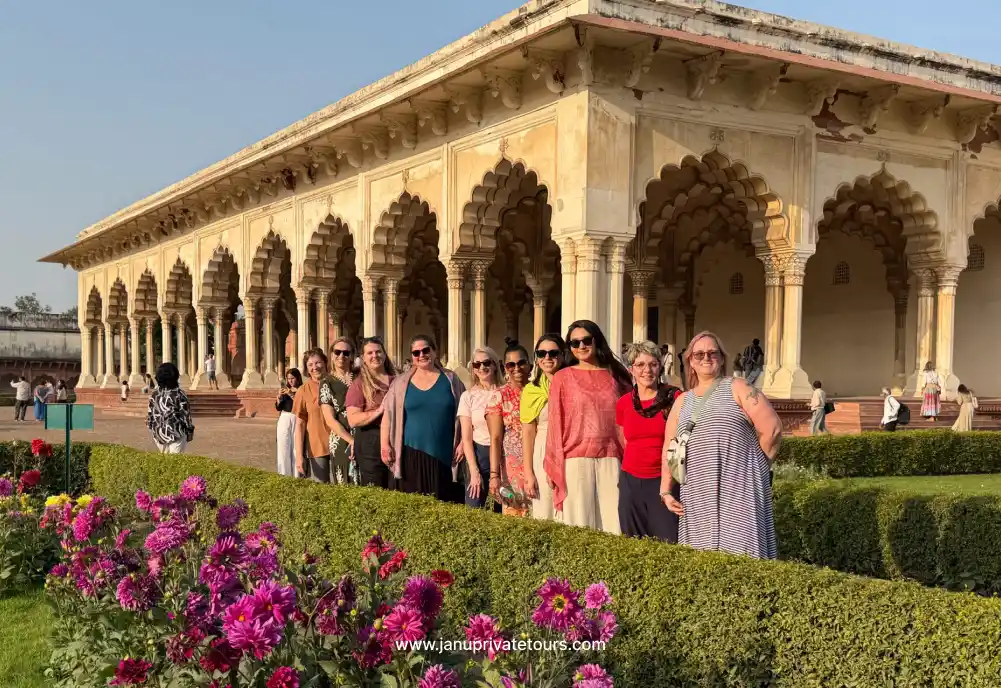
Before you decide on how many days to plan for, it helps to know what experiences make a Jaipur trip perfect. A nice Jaipur Tour Package can include:
- Amber Fort and Jaipur’s royal heritage
- City Palace and its historic courtyards
- Hawa Mahal and its famous pink façade
- Jantar Mantar and Jaipur’s astronomical heritage
- Jal Mahal and scenic photography stops
- Nahargarh Fort and panoramic city views
- Jaipur Old City and local neighbourhoods
- Traditional Rajasthani food
- Local bazaars and handicraft shopping
- Evening sightseeing and illuminated monuments
- Private, chauffeur-driven transportation
- Guided experiences for deeper historical and cultural understanding
2-Day Jaipur Tour Package: The Essentials
If you have only two days, concentrate on the most important royal sights of Jaipur and then a sample of its local culture.
If it’s your first time visiting Jaipur, a 2-day Jaipur tour package is great. Whether you’re a couple, a family, or adding Jaipur to a longer Rajasthan or Golden Triangle trip, this package works perfectly for you.
Day 1: Forts, Palaces and Iconic Jaipur
Start your first day with the city’s major heritage attractions.
Morning
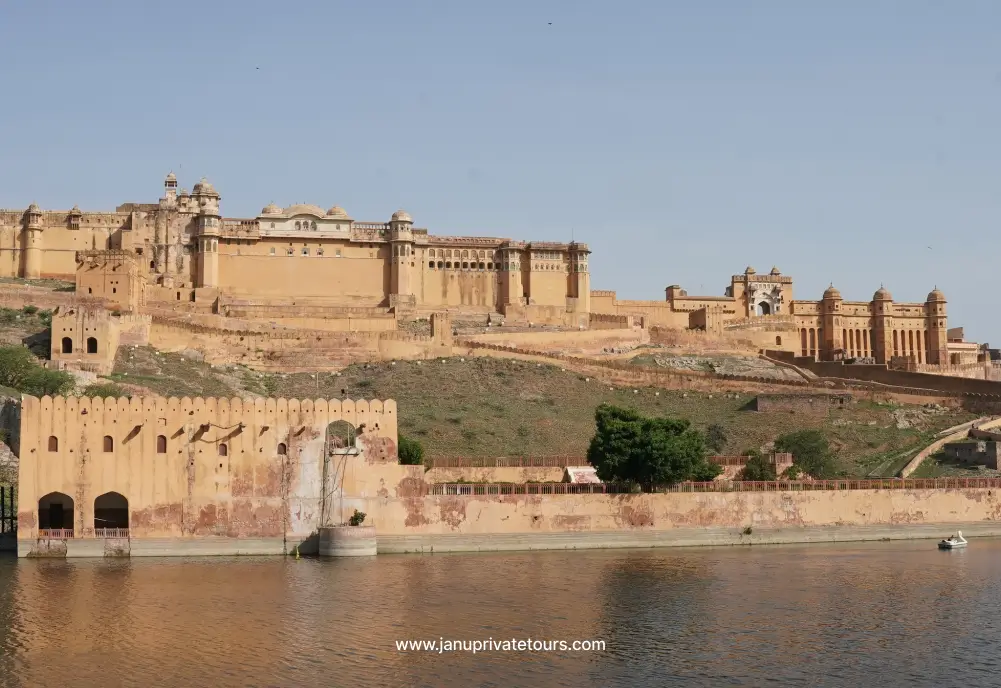
Starting with Amber Fort, one of Jaipur’s most beautiful monuments. Here, visitors can see the royal palace, court, great architecture and panoramic vistas.
Panna Meena ka Kund, Jal Mahal and Man Sagar Lake are the best locations to click nice shots for your memorable trips.
Afternoon
You can enjoy the real regal heritage of Jaipur by visiting its unique historic architecture after your lunch.
Head to Jantar Mantar, the ancient astronomical observatory erected by Maharaja Sawai Jai Singh II.
Evening
Explore Hawa Mahal in Jaipur to end the day. This palace’s renowned façade makes for a superb photo. You can enjoy the lovely view of the local market in the evening.
Day 2: Old City, Culture and Local Experiences
The second day can move beyond the major monuments and introduce you to Jaipur’s everyday culture. On the second day, you can walk around the Old City and see more of it. This will let you know about various traditional facts of the city like:
- Local street-food tasting
- Johari Bazaar and Bapu Bazaar
- Traditional textiles and handicrafts
- Jewellery shopping
- A cultural evening
- Nahargarh Fort for panoramic views
- Illuminated landmarks after sunset
This makes a 2-day Jaipur tour package more reasonable as it combines tourist attractions with experiences instead of focusing only on landmarks.
3-Day Jaipur Tour Package: A More Complete Experience
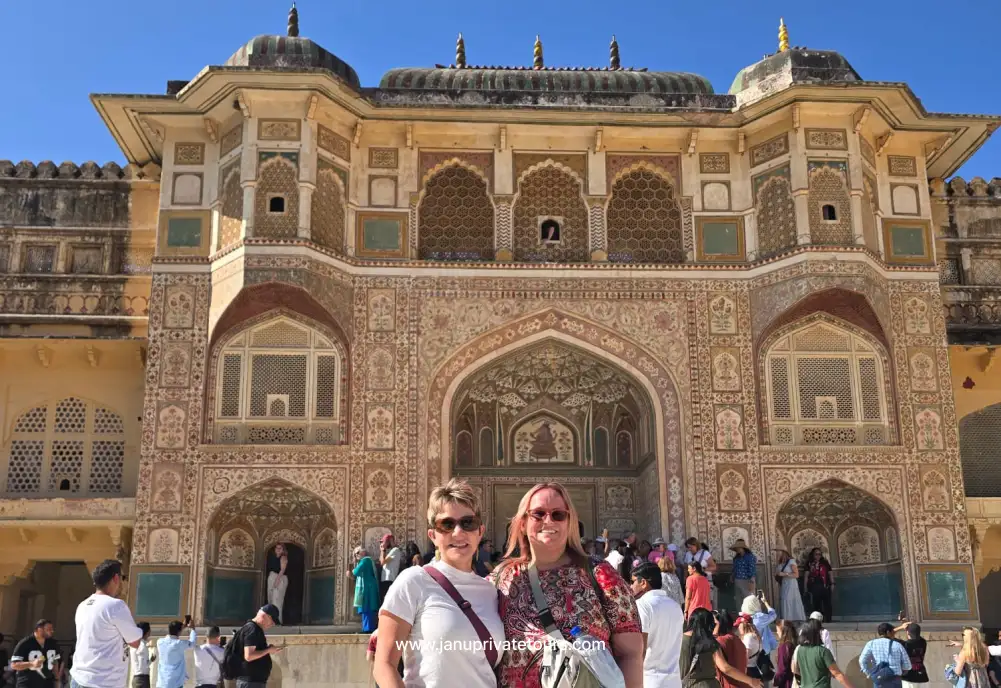
If you can spend three days here, then you will have plenty of time to enjoy Jaipur without feeling hurried on your trip.
3 days jaipur tour package is a perfect option for those who want to witness heritage, culture, food and shopping all together.
Day 1: Jaipur’s Royal Heritage
Use the first day to explore the essential monuments:
- Amber Fort
- Panna Meena ka Kund
- Jal Mahal
- City Palace
- Jantar Mantar
- Hawa Mahal
A private vehicle lets you go between these sights comfortably and keeps the day organized.
Day 2: Old Jaipur and Local Culture
The second day should be for the Pink City’s character.
A guided Old City walk can show you more than just the usual tourist spots. You can see old streets, traditional markets, architecture, local food and how people in Jaipur live their daily lives.
You can add these:
- Hawa Mahal area
- Jalebi Chowk
- Tripolia Bazaar
- Isarlat Sargasooli
- Albert Hall Museum
- Local street food
- Traditional handicrafts
You can also make a food experience the best part of your Jaipur Tour Package. Traditional foods from Jaipur include dal-baati-churma and gatte ki sabzi. Tourists enjoy having the taste of sweets and snacks like pyaz kachori, ghewar and many more.
Day 3: Shopping, Views and Jaipur After Dark
Keep the third day flexible. You can spend your third day exploring the markets of Jaipur. You can collect huge memories by purchasing the following items:
- Handcrafted textiles
- Jewellery and gemstones
- Carpets and rugs
- Traditional clothing
- Rajasthani handicrafts
- Souvenirs
You can relax at your hotel or go to another attraction in the afternoon.
After that, as the sun goes down, go to Nahargarh Fort to get a great view of Jaipur. Continue your drive in the evening to see famous buildings like the Jal Mahal, Hawa Mahal and Albert Hall Museum. These buildings are beautifully lit up at night.
This mix makes a 3-day Jaipur tour package much more interesting than a simple sightseeing plan.
4-Day Jaipur Tour Package: Slow Down and Explore More
A four-day trip is the best way to see Jaipur without having to keep an eye on the time.
With a 4-day Jaipur tour package, you can break up your sightseeing into smaller chunks. This gives you more time to do things that you might not be able to do on a shorter trip.
Day 1: Amber Fort and Northern Jaipur
Begin with:
- Amber Fort
- Panna Meena ka Kund
- Jal Mahal
- Nahargarh Fort
Spend the evening relaxing or exploring Jaipur’s local dining scene.
Day 2: Royal Jaipur
Focus on the central heritage attractions:
- City Palace
- Jantar Mantar
- Hawa Mahal
- Albert Hall Museum
- Old City streets
This day can focus more heavily on history, architecture and Jaipur’s royal past.
Day 3: Jaipur Culture and Cuisine
Make the third day experiential.
A private Jaipur itinerary can include an Old City heritage walk combined with local food tasting. This allows travellers to experience Jaipur beyond its famous monuments.
You can also explore:
- Local markets
- Traditional crafts
- Blue pottery
- Street food
- Rajasthani cuisine
- Historic neighbourhoods
- Local shopping areas
This can make a basic Jaipur sightseeing package into a more in-depth Jaipur cultural tour package. It appeals to tourists who are really interested in culture. It also includes Jaipur village tours.
Day 4: Shopping and Flexible Exploration
Plan activities around your interests on your last day. Shopping, attractions, pictures, local food and Jaipur’s surroundings are all options.
Shopping for textiles, jewelry, carpets and handicrafts in local markets is fun. Learn about the city on a guided walking or eating tour. Four days in Jaipur offer you time to see local attractions.
2 vs 3 vs 4 Days: Which Jaipur Tour Package Is Right for You?
| Trip Length | Best For | Main Experience | Travel Style |
| 2 Days | First-time visitors and short holidays | Amber Fort, City Palace, Hawa Mahal, Jantar Mantar, Jal Mahal, Old City | Fast-paced but comprehensive |
| 3 Days | Culture and history lovers | Major monuments, Old City, food, shopping, evening sightseeing | Balanced |
| 4 Days | Slow travellers and experience seekers | Heritage, culture, food, shopping, nightlife and optional excursions | Relaxed and flexible |
Jaipur Tour Packages should be based on how you wish to enjoy the city rather than how many sites you can see.
Why Choose a Jaipur Tour with Driver?
Transportation plays a big role in your Jaipur experience. With drivers, you can skip the hassle of arranging transportation, coping with foreign roads and renting a car at every new destination.
Private, chauffeur-driven tours provide:
- Hotel, airport, or railway-station pickup
- Air-conditioned private transportation
- Convenient sightseeing between attractions
- Parking and fuel arrangements
- Flexible movement between locations
- Hotel drop-off after sightseeing
- More privacy than a shared group tour
The site offers private sightseeing with an air-conditioned chauffeur-driven vehicle, pickup and drop-off, parking, petrol, taxes and bottled water. Monument entrance fees, meals, personal costs and driver gratuities are individually stated. A private Jaipur tour package is convenient for travelers.
What to Include in Your Jaipur Sightseeing Package
When evaluating itineraries, don’t just compare the number of attractions on offer. In a good Jaipur sightseeing package, the following should ideally be balanced:
| Category | Recommended Experiences |
| Heritage | Amber Fort, City Palace, Hawa Mahal, Jantar Mantar |
| Scenic | Jal Mahal, Nahargarh Fort |
| Culture | Old City walk, traditional markets, local neighbourhoods |
| Food | Rajasthani thali, kachori, lassi, kulfi, ghewar |
| Shopping | Textiles, jewellery, carpets, handicrafts |
| Evening | Illuminated landmarks, sunset views, night markets |
| Transport | Private AC vehicle with driver |
| Guidance | Local guide for major sightseeing and cultural experiences |
This approach ensures that your Jaipur Tour Package is not simply a checklist of monuments.
Add a Jaipur Cultural Tour Package to Your Trip
Apart from the rich history of Jaipur, the city’s culture can also be explored. You can find it in shopping, food, crafts, buildings and the way people live together.
People who take a cultural tour of Jaipur can walk around the old part of the city. They can find out about customs and ways of life in the area. They can visit notable landmarks including Jalebi Chowk, Tripolia Bazaar, Isarlat Sargasooli and Albert Hall Museum.
Moreover, food lovers can go on a food tour and taste the local specialties. These include dal-baati-churma, gatte ki sabzi, pyaz kachori, lassi, kulfi and rabri ghewar.
Those seeking a more comprehensive cultural experience may consider a heritage tour combined with a food tour. An evening tour around Jaipur is also available.
Make Your Private Jaipur Tour Package More Personal
One of the best things about traveling alone is that you can plan your days however you want. Pick out what’s most important to you instead of striving to include everything.
For history lovers
Prioritise:
- Amber Fort
- City Palace
- Jantar Mantar
- Hawa Mahal
- Albert Hall Museum
- Nahargarh Fort
For food lovers
Prioritise:
- Old City food walk
- Rajasthani thali
- Pyaz kachori
- Lassi
- Kulfi
- Traditional sweets
For shoppers
Prioritise:
- Johari Bazaar
- Bapu Bazaar
- Textiles
- Jewellery
- Carpets
- Handicrafts
For photographers
Prioritise:
- Hawa Mahal
- Jal Mahal
- Amber Fort
- Panna Meena ka Kund
- Nahargarh Fort
- Illuminated Albert Hall Museum
What Is Usually Included in a Private Jaipur Tour?
Always examine the benefits and limitations carefully before booking. A Private Jaipur Tour Package can comprise:
- Private air-conditioned vehicle
- Professional local guide
- Hotel pickup and drop-off
- Airport or railway station pickup
- Fuel and parking
- Applicable taxes
- Bottled water
- Flexible sightseeing
Depending on the selected experience, you may need to pay separately for:
- Monument entrance fees
- Camera fees
- Meals
- Personal shopping
- Personal expenses
- Driver or guide gratuities
This distinction is important when comparing different Jaipur packages. The affordable headline price may not always represent the same level of service.
Tips for Planning Your Jaipur Tour Package
To receive the best results for your tour, consider following practical points:
- Start major sightseeing early
- Keep shopping flexible
- Include local food
- Add an evening experience
- Wear comfortable shoes
- Dress appropriately for temples
- Choose private transportation
Conclusion
The greatest Jaipur Tour Package isn’t always the longest one. By choosing the perfect Jaipur tour package, you can explore the heritage and local culture of the city on a 2-day, 3-day, or 4-day tour. Organizing your tour with an experienced tour planner will give you a chance to enjoy a stress-free trip to Jaipur. But how? This will plan your trip with an expert guide along with a private driver. Their knowledge will help you to enjoy your tour with traditional shopping, sightseeing and delicious cuisines.
Janu Private Tours offers private Jaipur sightseeing and cultural experiences. We offer the appropriate travel needs to complete your satisfaction. Our target is to make your trip smooth, flexible and safe with our comfortable services. Contact us immediately to arrange your perfect Jaipur tour package and make a pleasant and unique vacation to the Pink City.
Frequently Asked Questions
- What is included in a Jaipur Tour Package?
A Jaipur Tour Package may include private transportation, sightseeing, a local guide, heritage walks, food tours, shopping stops and hotel pickup and drop-off.
- Is a 2-day Jaipur tour package enough to explore Jaipur?
Yes, a 2-day Jaipur tour package is enough to visit major attractions such as Amber Fort, City Palace, Hawa Mahal, Jantar Mantar and Jal Mahal.
- What can I see in a 3-day Jaipur tour package?
A 3-day Jaipur tour package allows you to explore major monuments, walk through the Old City, enjoy local food, shop in traditional markets and experience Jaipur at night. - What are the benefits of a 4-day Jaipur tour package?
A 4-day Jaipur tour package gives you more time to explore historical sites, experience local culture, enjoy traditional cuisine, shop and visit nearby attractions.
- Is a private Jaipur tour package better for families?
Yes, a private Jaipur tour package offers greater flexibility, comfortable transportation and the freedom to plan sightseeing according to your family’s interests. - Can I book a Jaipur tour with a driver?
Yes, you can choose a Jaipur tour with a driver for convenient travel between attractions, with options for hotel pickup and drop-off. - Which places should I include in a Jaipur sightseeing package?
Include Amber Fort, City Palace, Hawa Mahal, Jantar Mantar, Jal Mahal and Nahargarh Fort in your Jaipur sightseeing package.
- What can I experience in a Jaipur cultural tour package?
A Jaipur cultural tour package can include Old City walks, traditional markets, local food tasting, handicraft shopping and visits to historical landmarks. - What local foods should I try during my Jaipur trip?
Try traditional dishes such as dal-baati-churma and gatte ki sabzi, along with local favourites like pyaz kachori, lassi, kulfi and ghewar. - How can I book a Jaipur Tour Package?
You can contact a private tour operator to choose a suitable itinerary, confirm the inclusions and arrange your Jaipur Tour Package according to your travel dates and preferences.
Found ten India tour companies and somehow they all look the same?
Beautiful hotels… Big destination lists… “Customized” itineraries… Great reviews…
But how do you know which one will actually understand the kind of India trip you want?
That’s where choosing the best tour operators in India gets a little challenging.
A good tour operator should do more than add famous places to a package. They should plan your trip around your interests, choose the right routes, arrange guides and drivers, explain the costs, and help you if plans change.
So, how do you tell the difference? Let’s look at what really matters, from local knowledge and custom planning to guides, drivers, pricing, communication, as well as support when you’re actually in India.
Let’s dig deeper into this…
First, Decide What Kind of India Trip You Actually Want
Before comparing tour operators in India, ask yourself, “What do I want from my trip?”
Your ideal operator depends on your travel style. A first-time visitor may need help building the right route, while a couple may care more about privacy and special experiences.
Here’s a simple way to narrow it down:
| If You Want | Look For |
| First India trip | Strong route planning |
| Private travel | Flexible itinerary |
| Luxury | Quality stays and service |
| Local experiences | Deep destination knowledge |
| Family travel | Comfortable pacing |
| Couples | Privacy and special experiences |
| Wildlife | Safari expertise |
| Culture | Strong local guides |
The right operator will surely understand how you want to travel. Once you know that, comparing tour companies will definitely become much easier.
Local Expert or Big Travel Company: Which Should You Choose?
Here’s something worth checking before you book: Who is actually going to handle your trip once you arrive in India?
A large international company will give you a kind of familiar booking experience. On the other hand… a local operator will know your destinations, people, and routes, along with small details, much more closely.
— A Local India Tour Operator
A local operator can be a good fit when you want more personal and flexible planning.
- Knows local routes and destinations
- Handles itinerary changes faster
- Provides local drivers and guides
- Offers direct on-ground support
- Builds more customized itineraries
— A Large International Travel Company
A bigger company can also make sense, especially if you prefer a more standardized travel experience.
- Offers familiar booking processes
- Has larger global infrastructure
- Works well for group travel
- Often partners with local operators
— So, Who Is Actually Operating Your Trip?
This is the part many travelers overlook.
If you want a private tour operator in India and a flexible trip, don’t just ask who is selling you the package. Ask who is planning and operating your journey once you’re in India.
Who will arrange your driver? Who provides your guides? Who handles changes? And who do you call if something goes wrong?
Those answers can tell you far more about your tour than the company logo on the booking page.
Tour Operator, Travel Agent or DMC: Who Are You Actually Booking With?
Ever booked a trip and wondered who’s actually taking care of everything? Is it the travel agent you spoke to, the tour operator, or is it someone else? Let’s make it simple.
| Type | What They Usually Do |
| Travel Agent | Books your travel services |
| Tour Operator | Builds and operates your trip |
| DMC | Handles local arrangements |
| Travel Company | May combine several roles |
— Why Does This Matter?
Because the label tells you less than who actually handles your trip.
- Your driver: Who arranges your vehicle?
- Your guides: Who chooses your local guides?
- Your itinerary: Who can change your plans?
- Travel problems: Who helps when things go wrong?
- Local support: Who is there during your trip?
This is where a local tour operator in India can make a real difference. Here, Janu Private Tours will help you plan your India journey and manage the experience on the ground. Your trip, transport, guides, and local experiences are planned around what you want to see and do in India.
So before you book, don’t just ask, “What type of company is this?” Ask, “Who will actually look after my trip in India?”
What Should a Reliable India Tour Operator Ask You Before Planning?
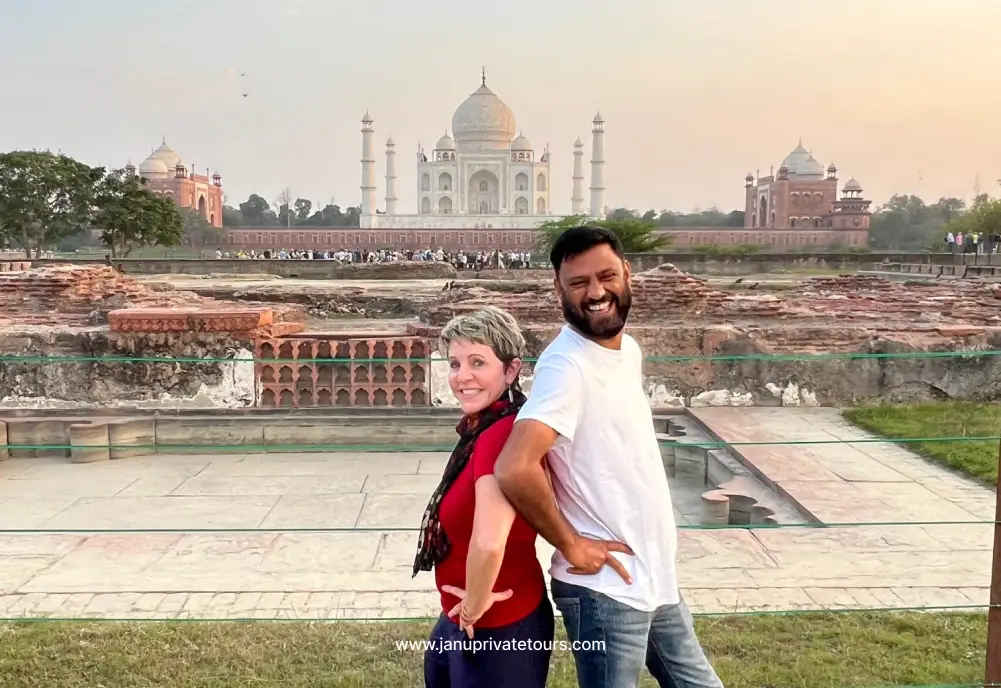
If the first thing an operator asks is “How many days?” you may be missing the more important conversation. A good operator first tries to understand you.
— Where Are You Traveling From?
Your starting point can affect flight connections, arrival time, and how the first day should be planned.
- Better arrival planning
- Smoother first-day schedule
- Fewer unnecessary travel hassles
— Who Are You Traveling With?
A couple, family, friends, solo traveler may need completely different arrangements, rooms, activities as well as daily pacing.
- Trip built around travelers
- Right room arrangements
- Better activity choices
— What Do You Want To Experience?
Tell them what actually excites you… History. Food. Wildlife. Beaches. Shopping. Spirituality. Photography, Local Life. This will help your tour guide to shape your trip beyond standard sightseeing.
- More relevant destinations
- Better local experiences
- Less unwanted sightseein
— How Do You Like to Travel?
Do you like early starts and full days, or would you rather enjoy slow mornings and take your time exploring? Tell your tour operator how you like to travel so they can plan your trip around your style.
- Comfortable daily schedule
- Less rushed sightseeing
- More time to explore
— What Level Of Comfort Do You Prefer?
Tell them what you prefer… Your kind of hotel. Private transport. Meals you enjoy. The comfort you need. This helps them plan a trip that feels right for you.
- Hotels matching expectations
- Transport suited to comfort
- Clearer budget planning
— What’s Already On Your List?
Already dreaming about the Taj Mahal, Rajasthan, Kerala, or a wildlife safari? A good operator should work with your priorities, not replace them.
- Keeps your must-sees
- Suggests better combinations
- Avoids unnecessary stops
— Is There Anything You Want To Avoid?
Good planning also means knowing what you don’t want. Crowded places, long drives, early mornings, or certain activities can all be discussed upfront.
- Avoids unwanted experiences
- Reduces tiring travel
- Keeps plans comfortable
— Do You Have Special Requirements?
Dietary preferences, mobility needs, celebrations, children, or other personal requirements should be discussed before the itinerary is finalized.
- Plans around personal needs
- Makes travel more comfortable
- Handles special arrangements early
— What’s Your Budget Range?
You don’t need an exact number. A realistic range helps the operator recommend destinations, hotels, transport, and experiences that actually fit.
- More realistic recommendations
- Fewer surprise costs
- Better value choices
The more an operator asks before sending an itinerary, the better they can understand your travel style. That conversation is often where a truly custom India tours begins.
What Should a Truly Custom India Tour Look Like?
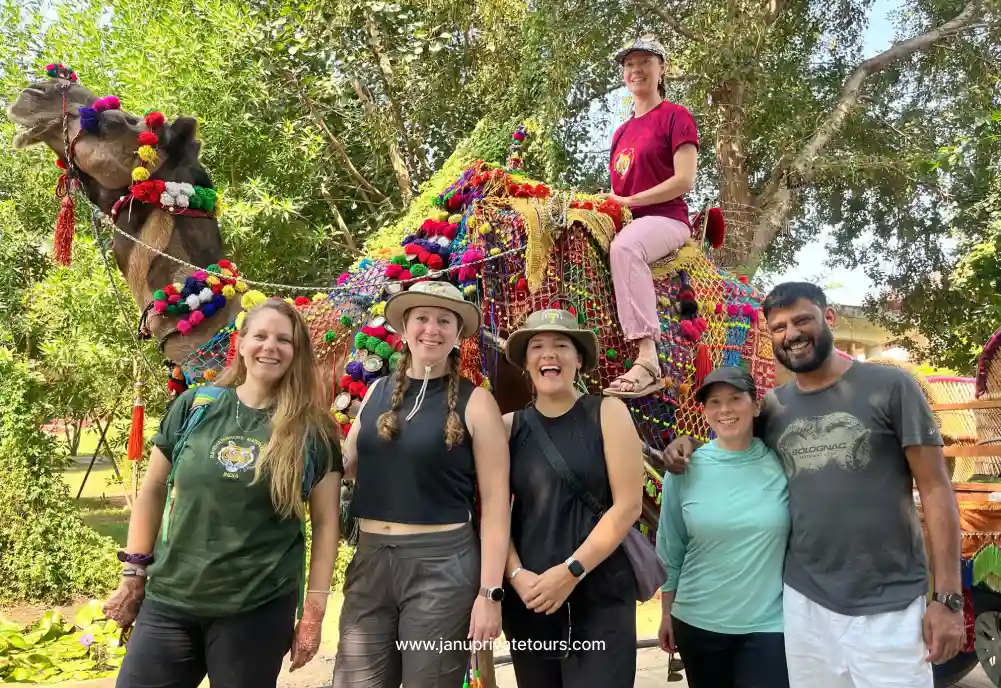
“Custom” sounds good on a tour website. But what does it actually mean? A real custom India tour should change around your preferences, not simply give a ready-made package a different name.
— Look For Real Flexibility
A good operator should be able to adjust the trip based on what you want, how you travel, and what you’d rather skip.
- Change destinations when needed
- Add or remove nights
- Choose your hotel level
- Slow down busy days
- Add local experiences
- Remove unnecessary stops
- Arrange private sightseeing
- Mix flights with driving
- Build around special interests
But customization alone isn’t enough. Your specialized itinerary should also make sense.
— Check How The Route Flows
You don’t want to spend your India trip constantly checking out, sitting in traffic, and rushing through places just to tick destinations off a list.
Watch for:
- Too many destinations
- Constant hotel changes
- Long unnecessary drives
- Poorly ordered routes
- No arrival-day breathing room
- No buffer for delays
- Too little sightseeing time
- Unnecessary backtracking
- Overpacked daily schedules
— Use This Simple Itinerary Test
Before booking, look at every destination and ask three simple questions:
▶ Why are we going there?
Does it match something you actually want to experience?
▶ Why are we staying that long?
Is there enough to see and do without feeling rushed?
▶ How does it connect next?
Does the route flow naturally, or are you wasting hours getting around?
A custom itinerary should feel personal and make sense for your trip. It should fit your interests, save travel time, and let you enjoy India without rushing from one place to another.
What Should Be Included in Your India Tour Quote?
Found a tour price that looks great? Before you book, check what you’re actually paying for. Two quotes may look similar but include very different services.
— Check What’s Included
- Hotels and breakfast
- Private vehicle and driver
- Airport transfers
- Local guides
- Monument entry tickets
- Domestic flights
- Meals and activities
- Fuel, tolls, and parking
- Taxes and local charges
- On-trip assistance
— Also Ask What’s Not Included
- International flights
- Travel insurance
- Tips and personal expenses
- Optional activities
- Extra meals
- Spa and wellness services
One smart booking tip: Ask for a clear breakdown of inclusions and exclusions before paying. A cheaper quote isn’t always better if extra costs keep appearing during your trip.
What Questions Should You Ask Before Booking?
Before booking an India tour company, use this checklist to compare offers and avoid unexpected costs.
| Ask This | What to Confirm |
| Who plans my itinerary? | Plans based on your interests and pace |
| Is my trip private? | Private vehicle and sightseeing |
| Who is my driver? | Driver arrangements and vehicle details |
| Are guides private? | Guide availability, language, and locations |
| Which hotels are confirmed? | Hotel names and room categories |
| What’s included in the price? | Hotels, transport, meals, tickets, and guides |
| What costs extra? | Tips, optional activities, and excluded services |
| Who helps during my trip? | Direct contact for travel-day problems |
| What if plans change? | Flexibility, process, and extra charges |
| What’s the cancellation policy? | Deadlines, fees, and refund terms |
Before paying, get the key details in writing. Clear answers help you compare the best private tour operator India fairly and know what to expect throughout your India trip.
Why Choose Janu Private Tours for Your India Journey?
Want to explore India without rushing between places or following a fixed schedule? Janu Private Tours helps you plan a trip around your interests and the way you like to travel.
- Choose destinations that interest you
- Travel with your own driver
- Learn from knowledgeable local guides
- Spend more time at favorite places
- Choose hotels that match your budget
- See exactly what your price covers
- Arrange airport pickups before arrival
- Get local help during your trip
Janu Private Tours doesn’t try to squeeze every famous place into one trip. The team helps you choose destinations, hotels, and experiences that suit your time, interests, and budget.
Ready to plan your India trip? Tell tour experts what you want to see and do, and the team will help plan your journey around you.
Frequently Asked Questions
1. Will it work if I book through a local tour operator?
A local operator offers firsthand knowledge, custom trip planning, as well as local support during your journey.
2. How many days in advance should I book a tour?
You should simply book 3–6 months in advance for better hotel options, especially during peak travel season.
3. Will it be possible if I want to customize my India tour?
Yes, why not? You can simply change destinations, hotels, sightseeing, or even travel days that suit your preferences.
4. What should an India-specific tour package include?
It should include hotels, transport, airport transfers, guides, meals, entry tickets, plus any extra costs.
5. Is an India private tour worth it for me?
Yes, for sure, it will, but only if you want your own vehicle and flexible sightseeing, as well as more control over your schedule.
6. How to check if my tour operator is trustworthy?
You can simply read recent unbiased reviews, confirm what the quote includes, as well as check the cancellation policy before paying.
Five-star hotel? Private car? Great… but will this automatically make a trip luxurious?
To be honest, it’s a big NO…
Luxury is also about how effortlessly the whole journey can come together. No unnecessary waiting. No rigid schedules. No wondering who is picking you up next.
The real luxury India tour is like having your journey perfectly planned around you or your group, from a private driver and personal guides to flexible sightseeing, smooth transfers, carefully chosen stays, along with someone to help when plans change.
Remember: Luxury should be about the way you EXPERIENCE India, not just where you SLEEP.
In this guide, we’ll look at the details that will surely turn your private India tour from simply expensive into genuinely comfortable and stress-free.
Let’s look at what luxury actually feels like…
How Many Days Do You Actually Need for a Luxury India Trip?
With a luxury trip, your priority shouldn’t be to squeeze in as many cities as possible but it’s actually to give yourself enough time to enjoy each place without even constantly checking out and getting back on the road.
Here’s a simple way to see what different trip lengths can realistically allow:
| Your Trip Length | What You Can Comfortably Plan | What It Feels Like |
| 7 Days | Golden Triangle or one focused region | Compact, focused and easy to manage |
| 10 Days | Golden Triangle + one meaningful extension | Good variety without overloading the itinerary |
| 14 Days | Golden Triangle + Rajasthan, Varanasi or another complementary region | More relaxed with time for deeper experiences |
| 18–21+ Days | Broader North India journey or North + South India | More freedom to explore without constant transfers |
And remember: possible doesn’t always mean comfortable. You can add another city, another flight, or another long drive. But if doing so means changing hotels every night, your luxury trip can quickly start to feel more like a rat race.
For key destinations, staying 2–3 nights can make a big difference. You get time to explore, enjoy your hotel, have a slower meal, browse a market, or simply take an afternoon off. The luxury is not just having more places on your map.
Which Parts of India Should You Combine on One Journey?
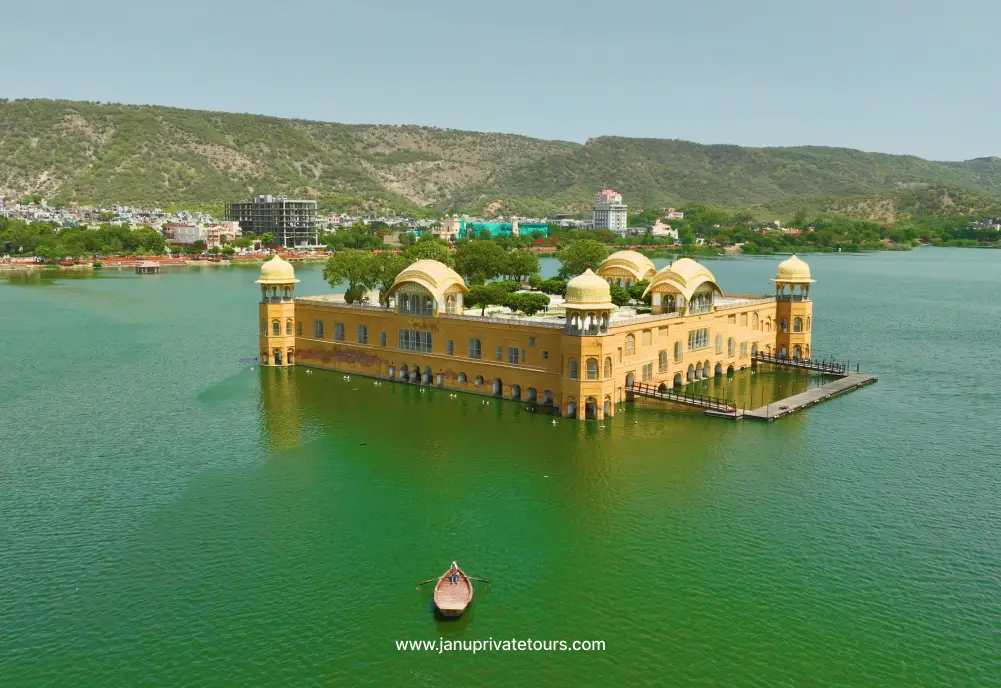
Wondering, “I know how many days I have… but which places should I actually cover together?”
That’s where planning gets more curious and interesting, actually. Instead of picking destinations blindly because they’re famous, you must think about how well they connect by experience, distance, season, travel time.
You want your itinerary to flow naturally, not leave you wondering why you spent half a day getting from one place to another. Think about what you want from India:
- Love history and architecture? Choose heritage-rich cities.
- Want royal experiences? Add Rajasthan.
- Craving slower days? Consider Kerala.
- Interested in spirituality? Add Varanasi.
- Want wildlife adventures? Pair Rajasthan with a safari.
- Looking for wellness? Give Kerala more time.
- Want food and culture? Build around local experiences.
- Hate long transfers? Keep regions geographically sensible.
Combinations That Naturally Work
→ Delhi + Agra + Jaipur
A straightforward introduction to India’s history, architecture and culture.
→ Golden Triangle + Rajasthan
A natural choice for forts, palaces, heritage stays and royal experiences.
→ Golden Triangle + Varanasi
Mix iconic monuments with spirituality and a very different side of Indian culture.
→ Golden Triangle + Kerala
Move from North India’s heritage and busy cities to Kerala’s slower pace, nature and backwaters.
→ Rajasthan + Wildlife
Combine royal history with safari experiences for a more varied journey.
The important thing isn’t finding the maximum number of destinations. It’s finding the right combination for your interests, available time, travel season.
A well-connected itinerary will surely give you more time to experience India and of course, much less time worrying about how to get to the next place again and again.
Golden Triangle, Rajasthan, Kerala or Varanasi: Where Should You Go?
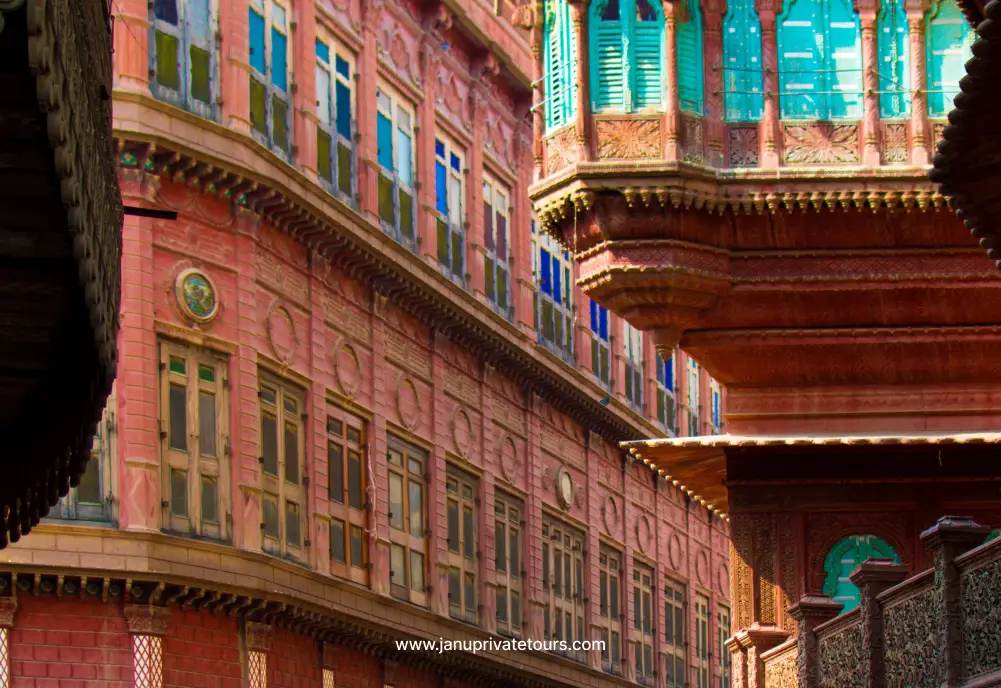
“I know I want India—but which part of India is actually right for me?” If you’re asking yourself that, don’t simply pick the destination with the most famous sights. Think about the kind of holiday you want to come home talking about.
Do you want grand monuments, royal stays, peaceful backwaters or deeply spiritual experiences? Here’s how each option feels and what you should know before choosing.
— Golden Triangle: Your Classic First India Experience
If you’re thinking, “I want to see the India I’ve always imagined,” the Golden Triangle is a natural starting point. Delhi, Agra and Jaipur bring together iconic sights, history, culture and easy private sightseeing in one route.
| What to Know | Golden Triangle |
| What you’ll experience | Delhi, Agra and Jaipur |
| Main highlights | Forts, palaces, monuments and the Taj Mahal |
| Best for | First-time visitors, history and culture lovers |
| Luxury experience | Private guides, chauffeur, luxury and heritage stays |
| Pairs well with | Rajasthan, Varanasi or Kerala |
| Ideal time | Around 5–7 days |
| Keep in mind | Popular areas can be busy, so add slower destinations if you want more relaxation |
— Rajasthan: For a Taste of Royal India
Thinking, “I want grand palaces, beautiful forts and a little royal drama?” Rajasthan could be more your style. It gives you a deeper look at India’s heritage while offering plenty of opportunities for luxury and memorable private experiences.
| What to Know | Rajasthan |
| What you’ll experience | Forts, palaces, heritage cities and desert landscapes |
| Main highlights | Jaipur, Jodhpur, Udaipur and Jaisalmer |
| Best for | History lovers, couples and luxury travellers |
| Luxury experience | Palace stays, heritage hotels and private experiences |
| Pairs well with | Golden Triangle and wildlife safaris |
| Ideal time | Around 5–7 days |
| Keep in mind | Rajasthan is large, so covering too many cities can mean long road journeys |
— Kerala: When You Want India at a Slower Pace
Maybe you’re thinking, “I want to explore India, but I also want time to breathe.” Kerala brings a completely different rhythm to your journey, with backwaters, nature, wellness and relaxed coastal experiences.
| What to Know | Kerala |
| What you’ll experience | Backwaters, nature, wellness and coastal landscapes |
| Main highlights | Houseboats, Ayurveda, local food and scenic surroundings |
| Best for | Couples, families, wellness and nature lovers |
| Luxury experience | Luxury resorts, private houseboats and wellness stays |
| Pairs well with | Golden Triangle or Rajasthan |
| Ideal time | Around 5–7 days |
| Keep in mind | Don’t overpack your schedule—the slower pace is part of the experience |
— Varanasi: For a Deeper Cultural Experience
If you’re asking, “Can I experience a side of India that goes beyond monuments?” Varanasi may be the answer.
The city’s connection with the Ganges, spirituality, everyday traditions creates an experience unlike the usual sightseeing route.
| What to Know | Varanasi |
| What you’ll experience | Ganges, ghats, rituals and living traditions |
| Main highlights | River experiences, evening ceremonies and early-morning walks |
| Best for | Culturally curious and spiritually interested travellers |
| Luxury experience | Private guides, carefully chosen hotels and personalized sightseeing |
| Pairs well with | Golden Triangle |
| Ideal time | Around 2–3 days |
| Keep in mind | It can feel intense and crowded, so it suits travellers looking for an immersive experience rather than a resort-style escape |
So, which one sounds most like you? You don’t have to choose based on what’s “THE MOST FAMOUS.” The right destination is about how you want your India journey to feel.
And once you know that, choosing the right combination will become much easier for you, or contact Janu Private Tours experts to get it.
Private Driver, Flights or Trains: What’s the Best Way to Travel India?
“Should I drive, fly or take a train between destinations?” There’s no one right answer. The best option depends on your route, available time and the kind of experience you want.
| Option | Best When | Main Advantage |
| Private Cab Driver | Golden Triangle and Rajasthan | Door-to-door travel, flexible stops and easier luggage handling |
| Domestic Flights | Long-distance routes | Saves time and makes combinations like North India + Kerala easier |
| Trains | Selected routes | Adds a distinctly Indian travel experience |
One more thing to check when planning a private India tour: a private driver and a guide are not the same. Your driver will handle transportation, and meanwhile your private guide will take care of sightseeing and local knowledge along with cultural interpretation.
How Much Does a Luxury India Tour From the USA Really Cost?
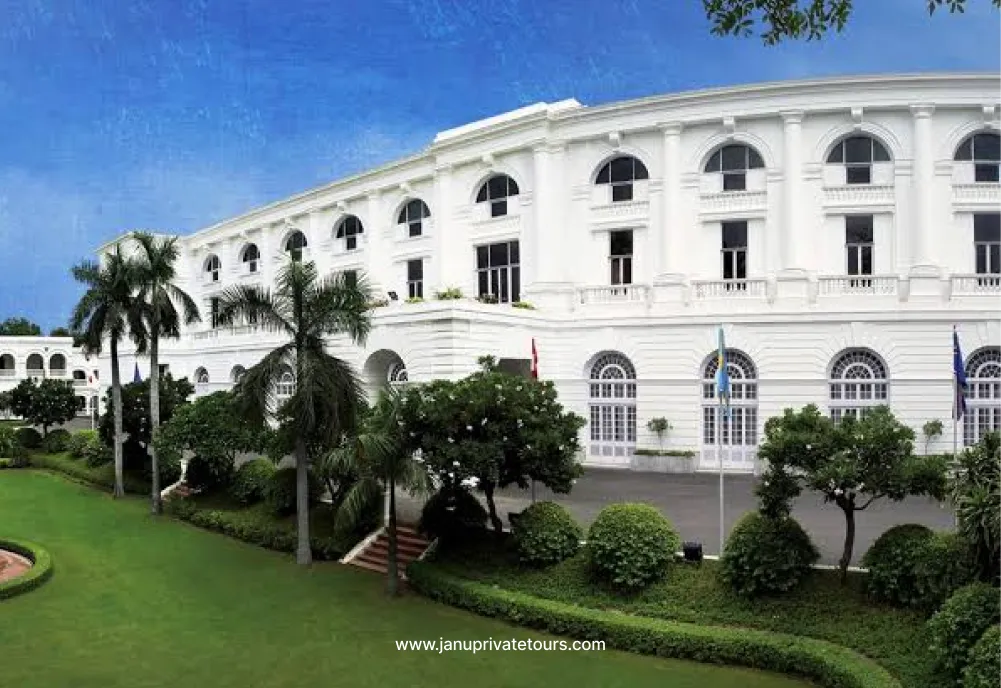
“I’m flying from the USA, so what should I actually budget for my India trip?” Your luxury India tour packages from USA can simply vary based on trip length, hotel level, private transportation, domestic flights, experiences along with how much you customize.
So don’t just compare only the headline price. Look attentively at what your package actually includes. What specifically changes your tour cost…
- Number of travelers
- Trip length
- Hotel category
- Palace stay choices
- Private vehicle category
- Domestic flight costs
- Guides and experiences
- Season and destinations
For luxury India vacation packages, don’t simply ask, “What’s the price?”
Ask, “What’s included, and does this trip give me the kind of India experience I actually want?”
Check to see if your quote also includes airport transfers, domestic flights, sightseeing, entrance fees, meals as well as private guides. Keep international airfare, travel insurance, tipping along with personal spending completely separate when planning your overall trip budget.
How Do You Choose a Luxury India Tour Company You Can Trust?
Choose a luxury India tour company that makes the entire journey feel easier. Janu Private Tours plans around your interests and comfort, combining local knowledge, private travel, along with reliable support so you spend less time managing details and more time enjoying India.
- Custom trips built around you
- Local guides who add depth
- Clear pricing, no hidden surprises
- Flexible plans when needed
- Support throughout your journey
Plan your private India journey with Janu Private Tours and make every day feel comfortable, personal and truly worth your time and investment.
Frequently Asked Questions
1. What makes an India tour luxurious?
It’s more than 5-star hotels. Private travel, good planning, personal service, enough time make the trip feel luxurious.
2. How many days are enough for India?
Around 10–14 days works well for a balanced first trip without rushing between destinations.
3. Can I customize my India tour?
Yes. You can choose your destinations, hotels, experiences, travel pace, trip length.
4. Is a private India tour worth it?
Yes, especially if you value comfort, flexibility, local guidance, less time managing travel details.
5. What should a luxury tour package include?
Check for private transport, guides, hotels, transfers, sightseeing, experiences, clear inclusions before comparing prices.
You can enjoy your free days by choosing a suitable package to visit northern India.
Almost every first-time traveler to India asks this question: “How many days do I really need to spend?”
North India is a huge region, full of noise and color, so the answer will inevitably be dependent upon what you want to do there. A week gives you the iconic attractions of Northern India. Ten days allows you to stretch out and throw in a royal city or two. Within 14 days, you can get into the pace of the country.
Janu Private Tours, a famous tourism group that has designed vacations since 2002, has seen thousands of travelers’ answers. This article explains what you can expect from North India Tour Packages of 7, 10 and 14 days. You can choose the one that suits your time, budget and travel style.
Why Travelers Choose North India
The country’s most recognizable landmarks are in one continuous swath in North India:
- Delhi: Mughal monuments, Old Delhi bazaars, colonial streets
- Agra: The sunrise sights at Taj Mahal and Agra Fort
- Jaipur: Pink-hued castles, forts and secret markets
- Rajasthan’s regal towns: Jodhpur’s blue streets, Udaipur’s lakes and Jaisalmer’s golden sands
- Varanasi, Rishikesh & Haridwar: These locations are best for spiritual calmness.
Due to solid connectivity, first-time visitors prefer North India Tour Packages. A private tour is better because they are easy to customize.
7 Days, 10 Days or 14 Days: At a Glance
Trip length can have a huge influence on your experience of North India. This rough guide should help you decide on an itinerary that suits your style of travel. Whether you prefer seeing sights in a week or taking your time for two weeks, you’ll find options here:
| 7 Days | 10 Days | 14 Days | |
| Best for | First timers, Short holidays | Culture lovers wanting more depth | Slow travellers, honeymooners, luxury seekers |
| Pace | Fast, highlight-focused | Balanced | Relaxed, immersive |
| Typical Coverage | Delhi, Agra, Jaipur + 1 add-on | Golden Triangle + 2 Rajasthan cities | Golden Triangle + Rajasthan circuit + extras |
| Add-on possible | Pushkar, Haridwar/Rishikesh, Jodhpur & Jaisalmer, Mathura-Vrindavan | Jodhpur, Udaipur, wildlife safari | Forts, palaces, tiger safari, Kerala, Varanasi |
7-Day North India Tour Packages: The Greatest Hits
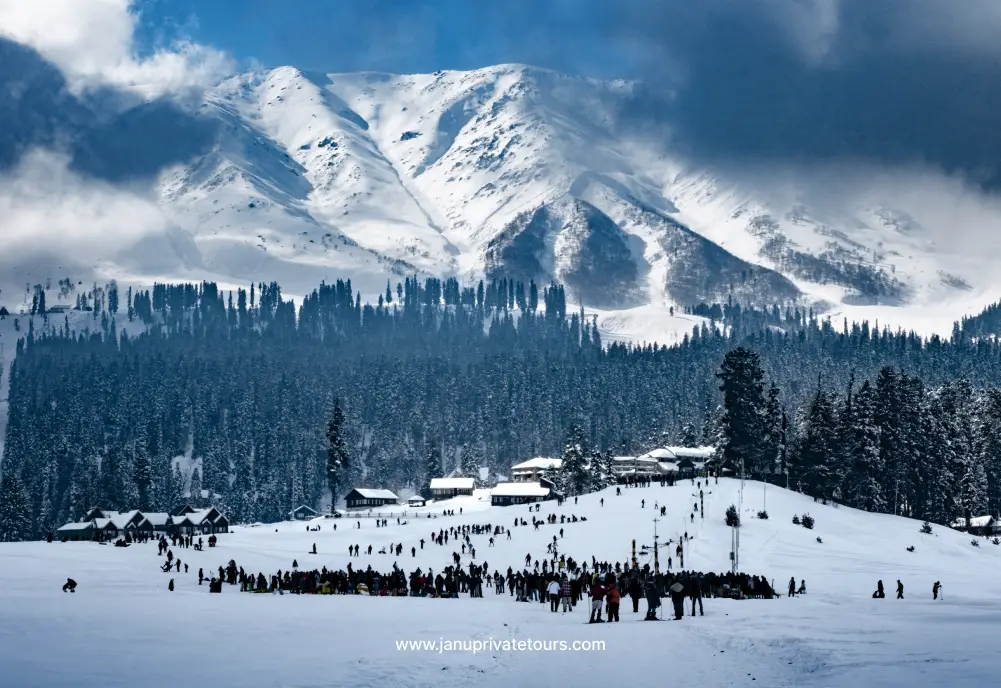
A 7-day tour usually includes the Golden Triangle (Delhi, Agra and Jaipur) with an additional day or two that offer a different experience. Janu Private Tours packages provide the following options:
Golden Triangle Tour with:
- Jodhpur and Jaisalmer (7 days)
- Pushkar (7 days)
- Haridwar & Rishikesh (7 days)
- Mathura Vrindavan (7 days)
What a 7-day trip can include
- A historical and modern Delhi tour
- A Taj Mahal dawn with a private guide
- The Agra Fort & Fatehpur Sikri
- Jaipur’s forts, palaces & bazaars
- One additional destination of your choice
10-Day North India Tour Packages: The Sweet Spot
Many of our guests consider 10 days the perfect tour plan. You can leave the Golden Triangle behind and feel the royal side of Rajasthan without constantly packing your bags.
Popular 10-day options include:
- Jodhpur and Udaipur Tour (10 days)
- Luxury Classic India Tour (10 days)
- The Maharaja Experience Tour (10 nights / 11 days)
If you visit the following places, you can feel the following touches:
| Experience | What it feels like |
| Jodhpur’s Blue City | Walking through a maze of indigo lanes beneath Mehrangarh Fort |
| Udaipur’s lakes | Waterside evening and old-city walk |
| Village visits | A look at life in the Bishnoi villages near Jodhpur. |
| Local food and markets | Tastings, craft bazaars and artisan shopping |
| Wildlife (optional) | Ranthambore tiger safari |
Your North India itinerary gets more relaxed with extra days. Stops, side trips, and slow travel will be possible.
14-Day North India Tour Packages: The Full Story
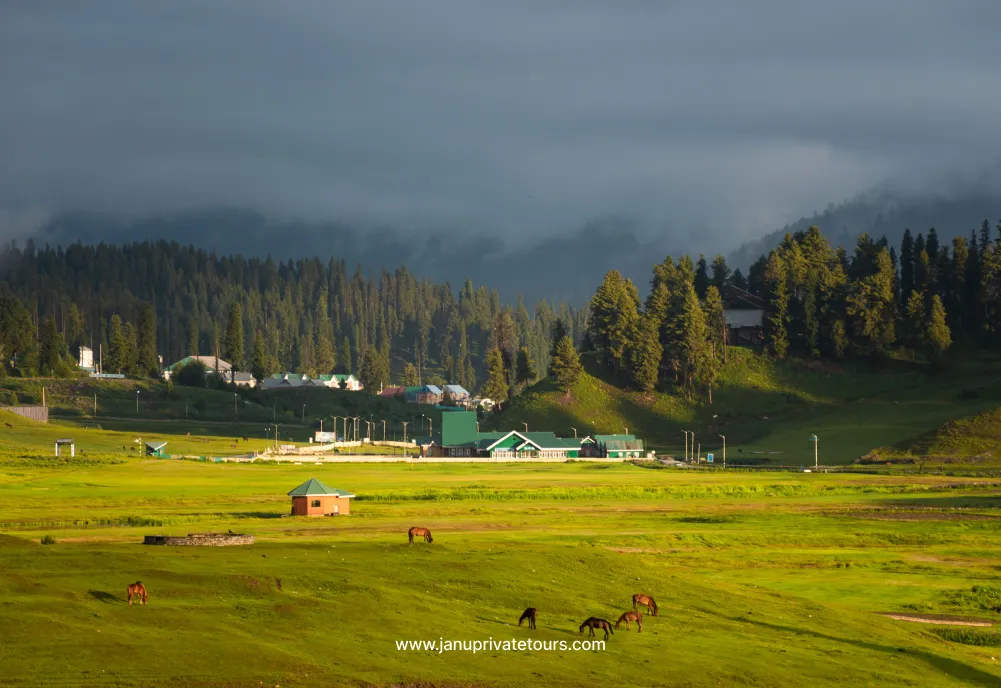
By planning your tour time for two weeks, you can explore the wide zone of northern India through a reliable tour planner like Janu Private Tours. You can enjoy the heritage and wildlife touch of the different regions through 14-Day North India Tour Packages.
Janu Private Tours’ longer journeys include:
- Indian Heritage Tour (14 nights/15 days)
- Forts and Palaces of Rajasthan (14 days)
- Luxury Golden Triangle, Kerala (14 days)
What 14 days makes possible
- The full Golden Triangle, Jodhpur, Jaisalmer, Udaipur and more
- Palace stays and heritage hotels
- A tiger or leopard safari
- Time for yoga, cooking classes or a village experience
- Rest days built into the plan
Travellers who choose this length often say they stopped feeling like tourists by day five. This will complete your journey happily.
North India Luxury Tours
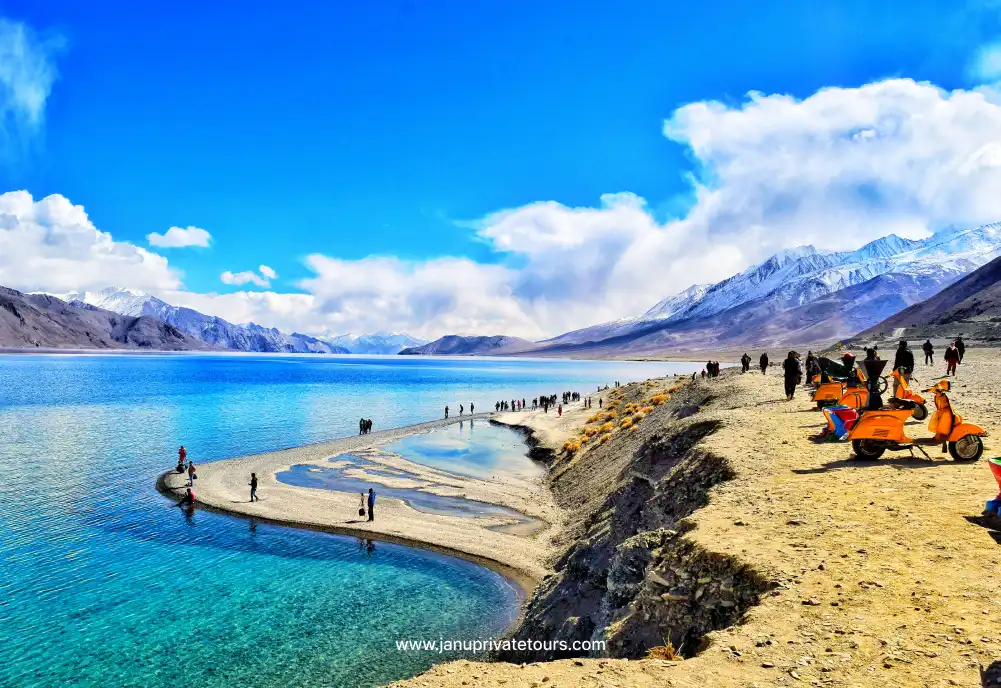
For some trips, how you go is just as important as where you go. With Janu Private Tours’North India luxury tours, you can see famous sights while staying in nice places. Your journey will also include a personal touch.
What comfort looks like on our trips:
- Choosing palace and heritage hotels
- Personal vehicle with skilled driver
- At every location, expert local guides
- Easy airport/hotel transportation
- Personalized pacing to avoid rushing
Our luxury range includes the following tour packages:
- Maharaja Experience Tour
- Luxury Rajasthan Tour (12 Days)
- Luxury Classic India Tour
- Luxury Golden Triangle with Rajasthan (16 Days)
- Ideal for Special Occasions
Spiritual North India Tour Package: A Journey Within
Many visitors to India see much more than the palaces. It has to do with meaning, routine and being still.
Our 11-day Spiritual North India Tour Package is made for people who want to see the holy side of the country. These alternative itineraries can include spiritual stops:
- Visit Varanasi for the sunrise boat rides and the evening Ganga Aarti.
- In the past, Sarnath was a quiet place.
- Rites by the river, yoga and peace at the foothills of the Himalayas can be found in Haridwar and Rishikesh.
- Pushkar is an ancient Indian holy place.
- Krishna roots can be found in Mathura and Vrindavan.
- The Golden Temple in Amritsar
You can also combine the Golden Triangle with Varanasi, Khajuraho, Haridwar or Amritsar for a route that mixes monuments with meaning.
North India Tour Packages from USA: Planning Made Simple
If you are traveling from the United States, North India Tour Packages from USA need a little additional planning. Most of the hard work is done by a private tour operator.
American travelers can find it easy with Janu Private Tours because they take these steps to make things very easy for them:
- Airport greeting
- Tailor-made timing
- English-speaking guides
- 24/7 travel support
- One point of contact
Customers consistently say the team is responsive, honest and attentive from email to drop-off.
A Sample North India Itinerary (10 Days)
To get a perfect 10-day tour of North India, you need to choose a reliable tour planner like Janu Private Tours. Here’s an example of a normal North India itinerary to give you an idea. These are just starting points; each journey is different.
| Day | Destination | Highlights |
| Day 1 | Delhi | Airport welcome, rest and an easy first evening |
| Day 2 | Delhi | Old and New Delhi sightseeing with a guide |
| Day 3 | Agra | Taj Mahal and Agra Fort |
| Day 4 | Jaipur | Travel through Fatehpur Sikri; evening at leisure |
| Day 5 | Jaipur | Forts, palaces and old-city bazaars |
| Day 6 | Jodhpur | Mehrangarh Fort and Blue City lanes |
| Day 7 | Jodhpur | Village experience or relaxed exploring |
| Day 8 | Udaipur | Lakes, City Palace and old-town walk |
| Day 9 | Udaipur | Leisure day or optional excursion |
| Day 10 | Departure | Transfer to the airport |
Which Package Is Right for You?
- If you want a smart, targeted introduction to India’s main sights, choose 7 days.
- If you want the Golden Triangle and the royal cities of Rajasthan at a relaxed pace, choose 10 days.
- Pick 14 days if you desire depth, luxury, nature, or spiritual time without watching the clock.
The greatest North India Tour Packages are those that are built around you and whatever you choose. That is where a trusted local firm is most important.
Why Travellers Trust Janu Private Tours
There are various facts for travellers that make Janu Private Tours a trustworthy tour agency. We have built a strong and reliable name for our tour agency by offering different attractive tour packages. These packages help our clients to make their memorable moments happily, where they can travel to their destinations in a stress-free way. Here are some of the key facts that make Janu Private Tours stand out:
- Established in 2002: We’ve been planning unforgettable tours of India for over 20 years.
- 5.0 TripAdvisor Rating: Over 1,700 travelers trust us to give them good service and experiences.
- Fully Customised Tours: Pick your travel times, places to go, speed and activities you want to do.
- Expert Local Guides: Explore each place with the help of knowledgeable guides and experienced drivers.
- Wide Range of Tours: You can choose from short day trips or intense 16-day luxury trips.
- Private Cab Services: Private transportation that is comfortable and makes getting to and from the airport and hotel easy.
- 24/7 Travel Support: As you travel, get help whenever you need it.
- Women-Friendly Travel: Safe travel choices with stays that have been carefully chosen and checked out.
- Jaipur-Based Experts: Planning your trip to Rajasthan is easy with a team based in the middle of Jaipur.
Conclusion
North India is best seen by glancing about. One experiences North Indian locales and moments. The quiet Taj Mahal at morning and Jaipur’s bustling bazaar are unforgettable in North India. Another highlight of Varanasi is the beautiful Ganga Aarti. Another memorable Udaipur evening is on the lakefront. These moments illustrate the region’s quiet and energy. Every tour, whether 7, 10, or 14 days, gives visitors unique memories.
The charm of North India Tour Packages keeps visitors coming back to explore. A 7-day journey can give you the confidence to see North India’s greatest sights in a short time. A 10-day tour can show Rajasthan’s royal sights. Tourists can experience North India and take it easy or enjoy luxury, adventure and spirituality on a 14-day tour. Since all tours are unique, no one can say which is better. Depending on budget and preference.
Janu Private Tours helps you arrange and supports you from the first inquiry to the final departure of your holiday. We design every trip for you since we know the greatest North India Tour Packages are unique.
Please describe how you want India to feel and we will plan your vacation.
FAQs
1. How many days are enough for a North India tour?
A 7-day tour is ideal for first-time visitors who want to see major highlights. A 10-day or 14-day tour allows more time for Rajasthan, wildlife, spirituality and relaxed exploration.
2. What places are usually included in North India Tour Packages?
Popular destinations include Delhi, Agra, Jaipur, Jodhpur, Udaipur, Jaisalmer, Varanasi, Rishikesh, Haridwar and Pushkar.
3. Is a 7-day North India tour enough to see the Golden Triangle?
Yes. A 7-day itinerary can comfortably cover Delhi, Agra and Jaipur, with time for an additional destination or experience.
4. Why choose a 10-day North India tour?
A 10-day North India Tour Package offers a balanced pace, allowing you to explore the Golden Triangle along with Rajasthan destinations such as Jodhpur and Udaipur.
5. What can I experience on a 14-day North India tour?
A 14-day tour can combine heritage sites, forts, palaces, wildlife safaris, village experiences, spiritual destinations and leisure days for a more immersive journey.
6. Are North India Tour Packages customizable?
Yes. Private North India tours can be customized according to your travel dates, budget, preferred destinations, pace, accommodation and activities.
7. What is the best North India tour for luxury travellers?
Luxury travellers can choose packages featuring heritage and palace hotels, private vehicles, expert guides, personalized itineraries and comfortable transfers.
8. Can I include spiritual destinations in my North India tour?
Yes. You can add destinations such as Varanasi, Haridwar, Rishikesh, Pushkar, Mathura, Vrindavan, Sarnath, or Amritsar to create a spiritual North India itinerary.
9. Are North India Tour Packages from the USA easy to plan?
Yes. A private tour operator can simplify planning by providing airport assistance, English-speaking guides, private transportation, customized schedules and travel support.
10. Which North India Tour Package is best for me?
Choose 7 days for major highlights, 10 days for a balanced cultural and Rajasthan experience, or 14 days for a deeper, slower journey with luxury, wildlife, or spiritual experiences.
Udaipur is famous for its dazzling lakes, majestic palaces and charming old city attractions. Its busy bazaars and handicraft workshops reveal its true nature. Udaipur leather shopping offers functional, elegant and traditionally crafted mementos for travelers.
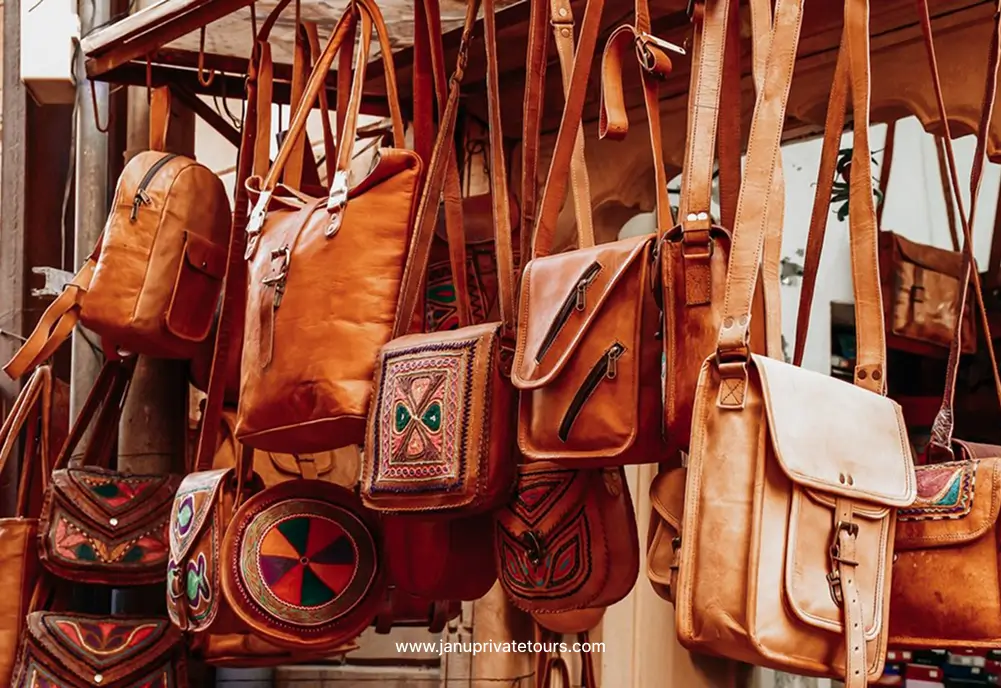
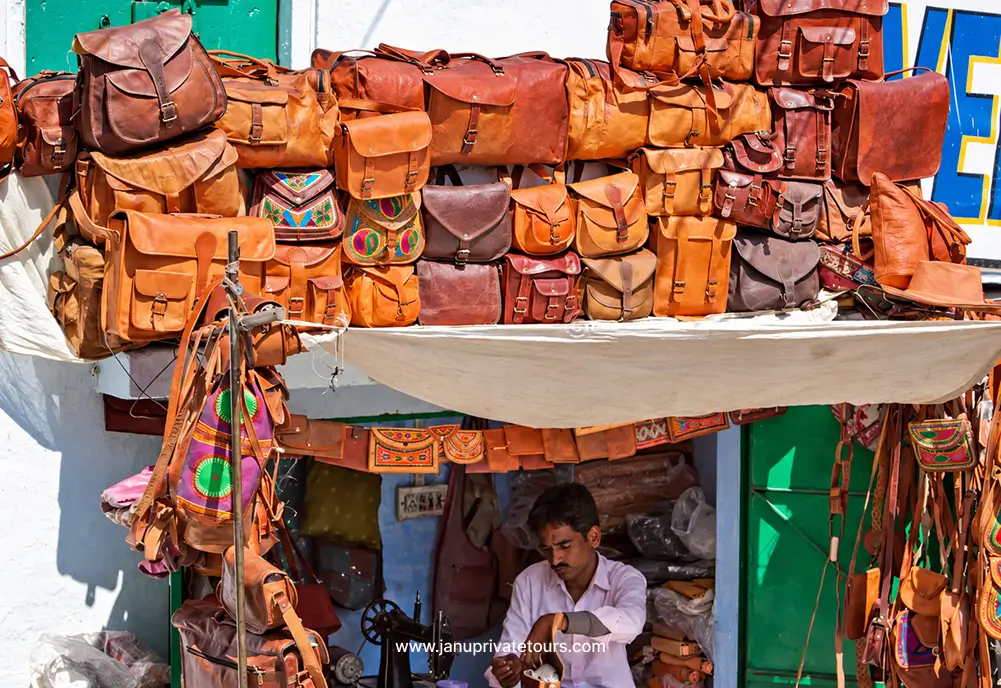
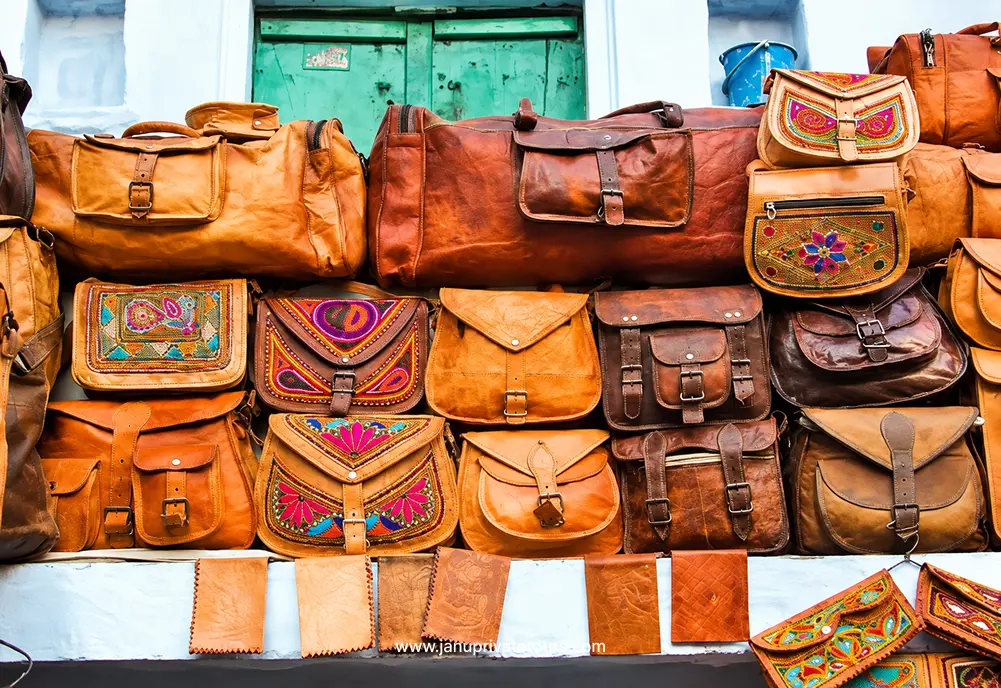
The markets of Udaipur contain distinctive items including handmade mojari and leather bags, diaries and accessories. There are decades-old Rajasthani crafts, leather products and accessories manufactured by local artists. So an Udaipur leather shop tour can uncover the markets and crafts of the city.
This guide will show you the perfect location for the leather product you need. Just follow it if you are planning to visit the leather shops in Udaipur. The information in these topics will help you in your smart traveling and shopping in the best leather shops in Udaipur.
Why Udaipur Is a Leather Lover’s Paradise
Udaipur is a leather lover’s paradise because of its creativity and design in leather production. Rajasthan has had a centuries-old association with leatherwork, a tradition cherished and preserved by artisan families. Udaipur’s take on this tradition offers a regally inspired fusion. Hand-tooled vegetable-tanned designs, Rajputana motifs and juttis, a traditional footwear, are some of Udaipur’s specialities. An excellent Udaipur leather shop tour is meant to bring out details like these.
A Udaipur Leather Shop Tour Isn’t All About Shopping. It’s about knowing:
- How raw hide is treated and tanned using traditional methods
- The difference between leather goods hand-stitched and machine-stitched
- Why particular colors and embossing styles are unique to Rajasthan
- The difference between real leather and fake leather
These experiences transform your simple shopping trip into a cultural experience through discovering leather products in Udaipur. It’s what makes a supervised Udaipur leather shopping trip essential for first-time tourists.
What Kind of Leather Products Can You Find?
Before you begin looking at where to shop, it’s good to know what’s truly out there. The leather products in Udaipur cover a wide variety, each with its unique artisan specialization.
| Product Category | What to Expect | Ideal For |
| Mojaris / Juttis | Hand-embroidered leather footwear with camel-leather soles | Gifts, fashion accessories |
| Bags & Satchels | Hand-totes, sling bags and messenger bags | Everyday use, statement pieces |
| Belts | Embossed and dyed leather belts with brass buckles | Men’s and women’s fashion |
| Wallets & Pouches | Compact, hand-stitched designs with traditional block prints | Practical keepsakes |
| Journals & Diaries | Leather-bound notebooks with handmade paper | Travel souvenirs, office gifts |
| Camel Leather Decor | Lamps, coasters and decorative boxes | Home decor enthusiasts |
Each of these groups shows a different method. To choose authentic leather products, you must visit one of the best leather shops in Udaipur.
How to Identify Genuine Craftsmanship
The traditional bazaars of Udaipur are famous for unique, classic and ancient products, which give a special shopping experience. You must buy leather products in Udaipur to complete your trip. You should also keep several other factors in mind before buying leather products. Here are a few things to check before you buy:
- Texture check: The touch of real leather is a little rough and warm, while the touch of fake leather is smooth and cool all over.
- Stitching quality: One good thing about hand-stitched lines is that they aren’t perfectly straight.
- Ask about tanning: An old method used in Rajasthan is vegetable-tanned leather. It gets a natural patina over time and is thought to be of higher quality than chemically tanned leather.
- Check the edges: Edges that are burnished and sealed generally mean that the product is well-finished and of higher quality.
Keep these tips in mind during your Udaipur leather shop tour. This will prevent you from being ripped off when purchasing fake goods disguised as genuine items. In fact, this is a prime example of why many tourists are now choosing a guided Udaipur leather shop tour. They prefer this option as opposed to exploring the marketplaces on their own. An expert guide will be able to identify economically made replicas at a glance.
Where the Local Artisans Work
Udaipur’s leather trade is scattered across a few key pockets of the old city, each with a slightly different character.
| Area | Known For | Shopping Vibe |
| Hathi Pol Bazaar | Bags, belts and footwear | Busy, bargaining-friendly |
| Bada Bazaar | Traditional mojaris and juttis | Local, less touristy |
| Chetak Circle Lanes | Boutique leather studios | Curated, higher-end pieces |
| Old City Lanes near Jagdish Temple | Small artisan workshops | Authentic, handmade focus |
It is easy to get overwhelmed attempting to explore such paths on your own. Tiny alleys, identical-seeming establishments and language problems make it easy to neglect very good workshops. This is when having a local guide who knows what they are talking about really pays off. They will take you to craftsmen who manufacture their things rather than selling imported ones. This is the main reason many tourists opt for an Udaipur leather shop tour over meandering around the old city.
Two or three of these pockets can usually be seen in one trip to a well-organized Udaipur leather shop tour. You can then compare styles, prices and standards before you buy.
Smart Shopping Tips for Tourists
If you want to buy leather products in Udaipur, a little planning will go a long way. Think about these suggestions:
- Bargain respectfully
- Carry cash in small denominations
- Ask about care instructions
- Check for shipping options
- Avoid rush purchases
- Request a receipt
These little habits will make a big difference in how happy you are with your Udaipur leather shopping trip as a whole. These basic tips will help you avoid wasting money and time. Whether you’re going to Udaipur leather shops on your own or as part of a planned tour, they will be useful.
Beyond Leather: Other Artisan Finds Worth Exploring
While leather is a highlight, Udaipur’s old city is also home to other traditional crafts that pair well with a shopping day:
- Miniature paintings: In this painting, brushes made of squirrel hair are often used for fine detail work.
- Silver jewellery: Jewellery design styles like tribal and Rajputana attract tourists.
- Block-printed textiles: Fabrics that are hand-stamped and use natural dyes in this type of textile.
- Marble inlay work: Small decorative things that are based on Mughal architecture
- Bandhani (tie-dye) fabrics: These are scarves and stoles that are extremely colorful.
Combining a leather-focused outing with visits to these craft pockets makes for a well-rounded shopping day that goes far beyond generic souvenirs.
Why a Guided Approach Makes Sense
If you want a private tour with local insight, local markets and artisan experiences, Janu Private Tours can help you find unique expeditions. We will lead you through Udaipur off the beaten path in the most accessible way.
A well-planned Udaipur leather shop tour with a local guide can take away most uncertainties. The guide’s knowledge of the place, people and prices is invaluable. You will have direct access to shops run by actual leather workers, saving time and money by not wasting them on random places. You will also be able to gain invaluable insight into the local culture.
Leather shops in Udaipur can be paired with a half-day tour of the old city’s temples and ghats. This option works well for those with limited time who want to both sightsee and shop.
Conclusion
Udaipur is a beautiful tourist place famous for its traditional bazaars and artistic markets. Here, tourists can capture photos and collect vintage items related to traditional craftsmanship, thereby creating memorable moments and acquiring special souvenirs. A well-planned Udaipur leather shop tour can turn a regular shopping trip into a remarkable cultural delight. This tour planning is perfect for those who want true Udaipur leather shopping. With proper assistance, you may explore leather shops in Udaipur, find unique leather products in Udaipur and shop with more confidence.
If you’re looking for a personalized shopping experience with local expertise, customary markets and artisan experiences, Janu Private Tours can help. We will help you discover Udaipur beyond the standard tourist path with cozy transit. We can make your Udaipur leather shop tour an integral component of your Rajasthan journey. Get in touch with us to start planning, or browse more Udaipur experiences on our site.
Frequently Asked Questions
1. What can I find on a Udaipur leather shop tour?
You can discover handmade mojaris, juttis, bags, belts, wallets, diaries, pouches and other traditional leather products.
2. Where can I find leather shops in Udaipur?
Popular areas include Hathi Pol Bazaar, Bada Bazaar, Chetak Circle and the old city lanes near Jagdish Temple.
3. What are the best leather shops in Udaipur?
The best shops are generally those offering well-crafted products, quality materials, good finishing and authentic local craftsmanship.
4. What are the most popular leather products in Udaipur?
Mojaris, juttis, leather bags, belts, wallets, pouches, journals and decorative camel-leather items are popular choices.
5. How can I identify genuine leather products in Udaipur?
Check the texture, stitching, edges, finishing and ask the seller about the leather and tanning process before purchasing.
6. Is bargaining possible during Udaipur leather shopping?
Yes. Bargaining is common in many traditional markets, but it is best to negotiate politely and reasonably.
7. Can I buy leather products in Udaipur as souvenirs?
Yes. Leather bags, footwear, wallets, journals and small accessories are practical souvenirs that reflect Rajasthan’s traditional craftsmanship.
8. What other artisan products can I explore in Udaipur?
Beyond leather, you can explore miniature paintings, silver jewellery, block-printed textiles, marble inlay work and colorful Bandhani fabrics.
9. Is a guided Udaipur leather shop tour worth taking?
A guided tour can make shopping easier by helping you navigate local markets, compare products and discover artisan workshops.
10. Can leather shopping be combined with Udaipur sightseeing?
Yes. You can combine leather shopping with visits to the old city’s temples, ghats, markets and other cultural attractions for a complete experience.
Planning a trip to India but also wondering when the best time to travel is? To be honest, it depends on what a visitor is actually looking for. India is huge, and the best time to visit will change accordingly if you want to explore Rajasthan’s forts, or see the Taj Mahal, relax in Kerala, or admire the mountains.
But October to March is a popular travel period for many because here the weather is generally more comfortable.
But does this automatically make it the best time to visit India for you or your family?
No, not necessarily!
In this guide, we’ll delve into some main travel seasons, the best months to visit different regions, or the ideal time for sightseeing, wildlife and festivals, as well as what to consider if you’re travelling on a budget and more.
Let’s find the right season for your adventure…
Know About India’s Travel Seasons: Weather, Crowds and Experiences
The best season to go to India really depends on what you want to experience along with how comfortable you want to feel while travelling.
Want to explore forts and palaces in Rajasthan without intense heat? Or you’re dreaming of lush green landscapes or a monsoon escape?
Each season will show you a different side of India. Here’s a quick look at what you can expect throughout the year:
Travel Season | What You Can Expect |
October–March | Cooler weather in many regions, making it popular for sightseeing and heritage tours. |
April–June | Hotter weather across many plains, while hill stations can offer a more comfortable escape. |
June–September | Monsoon rain, greener landscapes and different travel conditions across regions. |
September–November | Changing weather, improving conditions in many areas and the beginning of the popular travel season. |
October to March: Is This the Best Time to Visit India?
Planning your first trip? If Delhi, Agra, Jaipur or even Rajasthan is on your list, October to March will be a more comfortable time for you. You’ll generally get better conditions for taking walks around forts and spending full days sightseeing.
Here’s the quick breakdown:
October–November: Pleasant for sightseeing along with improving weather across North India.
December–January: Cooler mornings, but also comfortable for exploring many popular tourist spots. Fog affects some parts of North India.
February: A good balance of cooler weather as well as thrilling sightseeing in many northern destinations.
March: Warmer days begin, although it will still work well for many city and heritage trips.
Looking for classic routes such as the Golden Triangle Tour? Then hotels and private transfers can get busier, especially around Christmas, New Year along with major festivals. SO make sure you check the details before you visit…
Best Time to Visit India by Region: Where Should You Go and When?
Here’s where India gets interesting: the best time to visit India can change completely from one region to another. So, instead of picking one season for the whole country, match your dates accordingly to your destinations.
North India: Delhi, Agra, Jaipur, Varanasi & Rajasthan
Planning the classic India experience? October to March is generally comfortable for exploring North India’s cities, monuments, forts as well as markets, especially when you’ll be outdoors for hours.
Quick takeaways:
Best window: October–March
Great for: Golden Triangle, Rajasthan, Varanasi
Watch for: Chilly mornings or fog in December–January
South India: Kerala, Tamil Nadu & Coastal Destinations
Going south? Kerala, Tamil Nadu, as well as coastal areas will all have different weather patterns. Check your specific destination before deciding when the best time to travel is.
Simple takeaways:
Kerala: November–February is popular for comfortable travel
Tamil Nadu: Cooler months can suit sightseeing
Coastal trips: Check local rainfall patterns
Himalayas: Himachal Pradesh, Uttarakhand & Ladakh
Dreaming of mountains? Don’t automatically follow the usual India travel season. Himachal Pradesh, Uttarakhand as well as Ladakh have extremely different conditions, particularly at higher elevations.
Quick conclusions:
Hill stations: Spring and summer can be pleasant
Ladakh: Summer is generally the main travel window
Winter: Snow can create a completely different experience—and road access can vary
Goa & the Western Coast
Time is of the essence if beaches are calling. Monsoon brings heavier rain, but Goa along with parts of the western coast are popular during the dry months.
Key takeaways:
You will see the Northeast as if it were another world, complete with its own weather. Assam, Meghalaya, Sikkim, as well as other destinations. Each has unique conditions.
Beach holidays: November–February is popular
Monsoon: Lush scenery and a different coastal experience
Tip: Check seasonal conditions before planning outdoor activities
Northeast India: A Different Seasonal Story
Quick highlights:
Weather varies: Region to region
Nature trips: Choose dates around your planned activities
Tip: Don’t assume the usual October–March window works equally everywhere
A useful rule? Start with your destination, not the calendar. Once you know where you want to go, choosing the best season to go to India becomes much easier.
What Is the Best Month to Visit India? A Month-by-Month Guide
Still wondering, “Okay, but which month should I actually choose?” Good question! So instead of going through all those 12 months, group them smartly by weather as well as travel experience so you will quickly spot the period that fits your plans.
January–February: Looking for Comfortable Winter Sightseeing?
Want to spend your days exploring forts, palaces, temples and historic cities without intense heat? January and February are popular for North India sightseeing and cultural trips, with generally cooler conditions across many tourist destinations.
Good for:
Delhi, Agra, Jaipur, Rajasthan, cultural tours and heritage trips.
March: Fancy Festivals Along With Your Trip?
Thinking about experiencing India during a festival? March brings warmer days in many places, while Holi can add a colourful cultural experience, depending on the year and location. It can be an exciting month if festivals are part of your plans.
Good for:
Cultural experiences, festivals, heritage trips and selected wildlife destinations.
April–June: Too Hot for the Plains? Head to the Hills!
Wondering if summer means skipping India altogether? Not necessarily!
While many plains become very hot, hill destinations can offer a more comfortable escape. This period can work well if mountains, cooler temperatures or high-altitude landscapes are on your list.
Good for:
Himachal Pradesh, Uttarakhand and selected mountain destinations.
July–September: What If You Want to See India in the Rain?
Monsoon changes the experience completely. You’ll find greener landscapes and fewer typical sightseeing conditions in some destinations. But for travelers who enjoy dramatic scenery and slower journeys, it can be an interesting time.
Good for:
Monsoon landscapes, greenery, selected Kerala trips and nature experiences.
October–November: Ready for India’s Travel Season to Pick Up?
As the weather improves across many popular destinations, October and November can be an appealing time to travel. These months are especially useful if you’re planning North India sightseeing, heritage tours or a longer multi-city itinerary.
Good for:
Delhi, Agra, Jaipur, Rajasthan, heritage tours and wildlife trips.
December: Want a Classic Winter India Experience?
December is a popular travel month, particularly for first-time visitors exploring North India. Cooler weather, festive celebrations and the excitement of peak travel season make it appealing—but popular destinations can also become busier.
Good for:
Golden Triangle, Rajasthan, cultural tours and festive travel.
So, what’s the best month to visit India? There’s no single answer. The best months to visit India depend on your destination, weather preference and travel plans. Start with where you want to go, then choose the month that makes the experience work for you.
Best Time to Visit India for Different Travel Experiences
So, what are you actually coming to India for? A Taj Mahal sunrise, a wildlife safari, a beach break, or a few quiet days in the mountains? Your ideal travel season can change depending on the experience you have in mind.
Planning a Golden Triangle or Heritage Tour?
If Delhi, Agra, Jaipur and Rajasthan are on your list, October to March is generally a comfortable period for long sightseeing days and outdoor heritage visits.
Quick question | Your answer |
Best window? | October–March |
What can you enjoy? | Forts, palaces, markets and monuments |
One thing to know? | December–January can bring cooler mornings and fog |
Hoping to Spot Wildlife?
Thinking about a safari? The best time to go to India for wildlife depends on the park, but many popular safari destinations are especially suitable during cooler, drier months.
Quick question | Your answer |
Often suitable? | October–April |
What can you enjoy? | Safari drives and wildlife viewing |
Before you book? | Check the park’s opening dates |
Dreaming of Beaches and Backwaters?
If your idea of India involves beaches, palm-lined coastlines or Kerala’s backwaters, cooler and drier months can make outdoor activities more comfortable.
Quick question | Your answer |
Popular period? | November–February |
What can you enjoy? | Goa, Kerala and coastal escapes |
Want something different? | Monsoon brings lush landscapes and a greener Kerala |
Want Mountains, Trekking or a Cooler Escape?
Here’s where choosing the best season to go to India gets interesting. Himalayan destinations follow different seasonal patterns, so your dates depend on altitude and the experience you want.
Planning this? | Consider this |
Hill stations | Spring and summer can work well |
Ladakh | Summer is generally the main travel period |
Snow experience | Winter can offer a completely different trip |
Want Festivals and Local Culture?
If festivals are a big reason you’re visiting, don’t choose your dates based on weather alone. Plan around the celebration you actually want to experience—and remember that festival dates can change each year.
Curious about? | Usually falls around |
Holi | February–March |
Diwali | October–November |
Planning tip | Check the exact dates before booking |
Looking for a Spiritual or Wellness Retreat?
Want to slow things down rather than race between sightseeing spots? For spiritual and wellness trips, the best time to visit India depends on your destination, retreat schedule and preferred weather.
Thinking About? | What to know |
Popular choices | Rishikesh, Kerala and other wellness destinations |
Northern retreats | October–March can be comfortable |
Before booking | Check the retreat’s seasonal schedule |
The simple rule? Choose the experience first, then the season. That way, you’re not just picking a convenient travel date—you’re choosing a time that actually fits the India trip you’ve been imagining.
When Is the Best Time to Travel to India on a Budget?
Trying to keep your India trip within budget? There’s no magic “cheapest month.” Prices can change with destination, festivals, hotel demand and how flexible your dates are. Instead, think about what kind of travel period suits your priorities.
— Peak, Shoulder or Low Season — What’s the Difference?
Peak season usually means more travellers and stronger demand. Shoulder periods sit between busy and quieter seasons, while low season can bring fewer visitors—but sometimes less predictable weather too.
Peak: More demand, busier attractions and potentially higher prices
Shoulder: A possible balance between weather, crowds and costs
Low: Fewer tourists, but weather may be less comfortable
Does Weather Affect Your Travel Budget?
Absolutely. When weather is comfortable, popular destinations can become busier. During hotter or wetter periods, demand may change, but that doesn’t mean every hotel or tour automatically becomes cheaper.
Check hotel prices for your exact dates
Compare different accommodation options
Look at tour and transport availability before booking
Fewer Tourists Doesn’t Always Mean Better
A quieter season might sound perfect, right? But if heavy rain, extreme heat or limited access affects your plans, saving money may not be worth much. The best time of year to visit India should still work for your itinerary.
Check local weather conditions
Consider outdoor activities carefully
Look beyond price when choosing dates
Got Flexible Dates? Use That to Your Advantage
If your schedule allows some flexibility, compare nearby dates instead of locking yourself into one exact week. You may find differences in accommodation or travel demand without having to change your entire itinerary.
Compare dates around peak periods
Avoid major festivals if crowds aren’t your thing
Keep a little flexibility in your itinerary
Why Does Your Destination Matter So Much?
This is the big one. The best season to go to India on a budget can be completely different depending on where you’re headed. A season that works for Rajasthan may not suit Kerala, Goa or the Himalayas.
Don’t ask only, “When is the cheapest time to visit India?” Ask, “When can I get the weather and experience I’m comfortable with?” That’s a much better way to plan.
When Should You Avoid Visiting India? Weather and Planning Challenges
There’s no single “bad” season for all of India. Some periods can simply be more challenging depending on where you’re going.
April–June can be very hot across parts of North and Central India, while June–September may bring heavy monsoon rain and travel disruptions. In high-altitude Himalayan areas, winter can mean snow, colder conditions and road closures.
Keep these in mind:
Summer: Very hot in many plains; plan outdoor sightseeing carefully.
Monsoon: Rain can affect roads, transfers and outdoor activities.
Winter: Check accessibility before heading to high-altitude destinations.
Destination matters: Conditions vary widely across India.
Stay flexible: Leave some room to adjust your itinerary if weather changes.
So, when is the best time to travel to India? Rather than avoiding an entire season, match your dates to your destination, activities and comfort level.
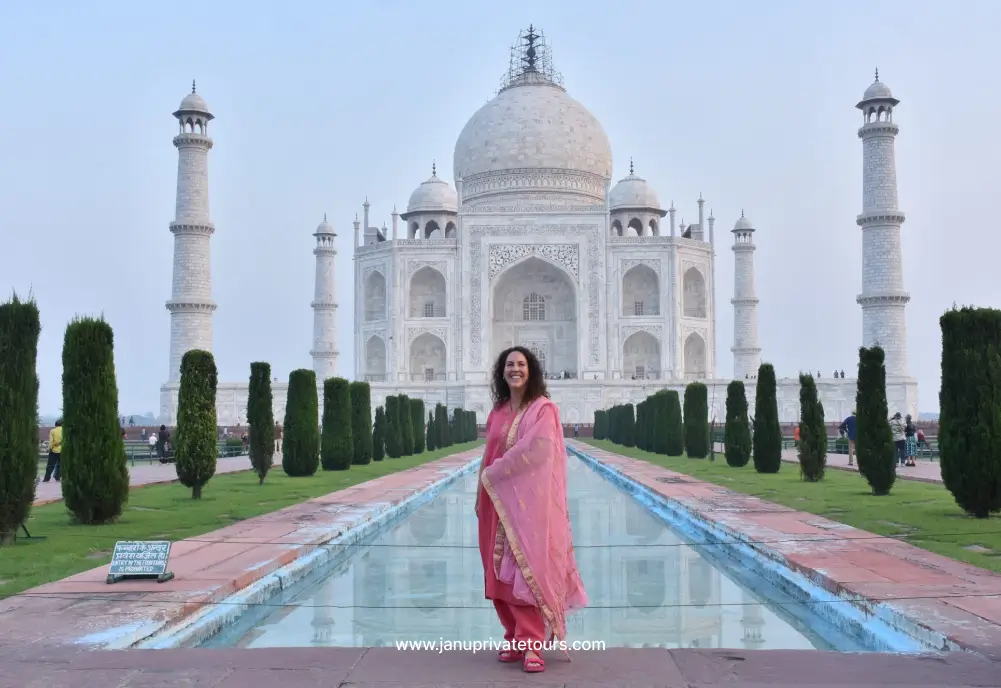
Planning Your India Trip? Start With What Matters to You
Still wondering about the best time to visit India? Start with your destinations, then work backwards to your travel dates. The best time of the year to visit India isn’t just about weather—it’s about making sure the season actually fits the kind of trip you want.
Before you book, keep these simple things in mind:
Step | Quick Check |
1. Pick your places | Rajasthan, Kerala, Goa, Himalayas—or a mix? |
2. Match the season | Does the weather suit your route? |
3. Choose your pace | Packed sightseeing or slow exploration? |
4. Check the calendar | Any festivals or holidays during your trip? |
5. Build breathing room | Enough time for transfers and unexpected changes? |
6. Review the whole route | Does everything work together? |
And if you’re still asking, “When is the best time to travel to India for my trip?”—you don’t have to figure it all out alone.
Planning your India adventure? Let Janu Private Tours help you choose the right travel season and create a private journey you actually want.
Planning Your India Journey With Janu Private Tours
India can be wonderfully exciting—and a little overwhelming when you’re trying to connect different cities, seasons and experiences on your own. The right itinerary should feel thoughtful, comfortable and personal, not like you’re simply ticking destinations off a list.
Before you finalize your plans, think about:
Where you want to go
What you want to experience
Which season feels right for you
How much time you have
How you want to travel between destinations
Still unsure how to put it all together? Janu Private Tours can help you choose the right travel period and create a private India journey around your interests and travel style. Your India trip shouldn’t feel like someone else’s itinerary. Let us help you make it yours.
Ajmer is popularly known as the ‘Heart of Rajasthan’ and the ‘City of Dargahs’ for its prime location and deep spiritual legacy. The soul of the city provides a connection of religious ties with cultural heritage.
By visiting the Ajmer Sharif Dargah, tourists can experience the serenity and traditions of ancient Indian culture.
An Ajmer Tour with Janu Private Tours is an excellent option for getting to know the city. The expertly planned, customizable itinerary provides a local perspective. From Ajmer Fort to the specialty shopping districts, Ajmer has a lot to offer. An Ajmer Tour with Janu can help you see the best of it all in one day.
This Ajmer travel guide lists the best places to see, things to do and useful tips to make the most of your trip.
Why Choose an Ajmer Tour with Janu?
Ajmer is small enough to easily walk around. However, the stories behind its sights are best experienced with the benefit of a local guide. Rather than spending time on a group tour schedule, guests on a private tour can take in the sights on their own schedule.
Janu has the flexibility to customize the Ajmer tour plan as per your choice of holiday. Be it a spiritual holiday, sightseeing, or a combination of both, you can get the tour according to your preference.
This way of planning tours is based on:
Personalized itineraries
Private sightseeing experiences
Local destination knowledge
Comfortable transportation
Flexible schedules
Guided cultural and heritage experiences
The travel service also focuses on personalized trips with private cars, expert guides and help during the trip.
Top Places to Visit in Ajmer
There are various popular attractive places to visit in Ajmer. These attractions should be included in your itinerary if you are planning an Ajmer tour.
Attraction | What Makes It Special | Ideal For |
Ajmer Sharif Dargah | Important spiritual and architectural landmark | Spiritual travelers |
Adhai Din Ka Jhonpra | Historic Indo-Islamic architectural site | History lovers |
Taragarh Fort | Historic fort with impressive hilltop views | Heritage enthusiasts |
Ana Sagar Lake | Scenic lake surrounded by hills and city views | Families & photographers |
Akbari Fort & Museum | Historic fort showcasing regional heritage | History lovers |
Nareli Jain Temple | Peaceful modern Jain temple complex | Architecture & spirituality |
Pushkar | Sacred town near Ajmer | Culture & religious tourism |
1. Ajmer Sharif Dargah
Ajmer sightseeing tour is incomplete without a visit to Ajmer Sharif Dargah. Every year, thousands of pilgrims visit the Dargah of Khwaja Moinuddin Chishti, one of India’s holiest pilgrimage sites.
It has grand gateways, courtyards and marble buildings as well as a truly spiritual ambiance. This is a place of pilgrimage and its visitors may be of any religion, nationality and class.
With an Ajmer tour with Janu, you can experience the spirituality and cultural significance of Ajmer’s most revered monument. You can take time to marvel at the splendor of the marble buildings and monuments.
2. Adhai Din Ka Jhonpra
It is one of the popular ancient monuments standing near Ajmer Sharif. It is one of the most interesting places to visit in Ajmer. It gives you a unique look at the style of architecture called Indo-Islamic.
Intricately carved arches, pillars and epigraphy, as well as the building’s overall layout, have survived the test of time. Take a close look at the stonemasonry and architecture to get a sense of the era’s aesthetic.
3. Taragarh Fort
Star Fort, or Taragarh Fort, is a stunning Ajmer, Rajasthan, landmark. This rocky hilltop stronghold is one of the region’s strongest. It was built in 1354 on a rocky peak, but plants have invaded the crevices. Chauhan king erected the Star Fort. The fort has three gates:
Lakshmi Pol
Phuta Darwaza
Gagudi Ki Phatak
Many of the majestic gates are in ruins. The hilltop tunnels of Taragarh Fort were famed. Since there is no guide, they are closed to guests today. Bhim Burj, a 16th-century castle with a massive Garbh Gunjam or Thunder from the Womb cannon, is its strongest hold.
Experience | Why Add It to Your Tour? |
Explore historic ruins | Discover Ajmer’s royal and military heritage |
Enjoy hilltop views | See the city from an elevated viewpoint |
Photography | Capture architecture and landscapes |
Guided exploration | Understand the stories behind the monument |
Adding Taragarh Fort to your Ajmer Tour with Janu can give your trip more history and exploration.
4. Ana Sagar Lake
The Ana Sagar Lake is a nice spot to relax and take in the views. The hills around this beautiful lake make it a great spot to take pictures and take a leisurely walk. You can take as much time as you want to enjoy this place’s beauty. There’s no need to rush.
5. Akbari Fort & Museum
History buffs should surely visit Akbari Fort. It has a museum showcasing collections of artifacts that are undeniably linked with the history of Rajasthan. This monument will help travelers to enrich their knowledge about the region’s past, exploring an intriguing place at the same time.
The Ajmer travel guide recommends visiting this place. It is a great chance to learn about the city’s ties to various eras of Indian history.
6. Nareli Jain Temple
Nareli Jain Temple is situated on the outskirts of Ajmer and is famous for its structural designs. This makes it a picture-perfect destination.
Architecture lovers and city outsiders visit the temple complex for its elaborate design and peaceful atmosphere on weekends.
It can be included in the Ajmer sightseeing tour for those interested in exploring the spiritual side of this place. It is also ideal for those who prefer less crowded destinations.
Ajmer and Pushkar: A Perfect Combination
A trip to Ajmer with a halt in Pushkar is great. Pushkar’s sacred Lake, Brahma Temple, colorful streets and ghats and active culture make it famous. Differences make the two places a good combo for a Rajasthan schedule.
Janu’s Ajmer Tour adapts your schedule to fit your interests and time constraints.
What You Can Experience
Famous temples and religious locations
Walk around Pushkar’s colorful markets
Visit Pushkar Lake
Discover Ajmer’s historic monuments
Experience local culture and architecture
Enjoy a flexible private sightseeing schedule
How to Plan Your Ajmer Sightseeing Tour
A little planning can make your visit much more comfortable. When creating your itinerary, consider the following:
Start early
Dress comfortably
Honor religious traditions
Flexibility in your itinerary
Use local guidance
On an Ajmer Tour with Janu, tourists can talk about what they want and make a plan that fits their interests. Our tour service can plan your trip in a way that fits your needs instead of just using standard schedules.
Best Experiences to Include in an Ajmer Tour
There is more to Ajmer than just a list of monuments. Try to make time for things that will help you understand what the city is like. Think about including:
Exploring historic architecture
Visiting spiritual landmarks
Photographing traditional streets and monuments
Enjoying peaceful moments beside Ana Sagar Lake
Discovering local markets
Integrating Ajmer and Pushkar
Exploring Rajasthan’s varied culture
An Ajmer Tour with Janu can benefit tourists who prefer to have a private and relaxed experience. This tour package is good for people who do not like the organized group schedule.
Why a Local Perspective Makes a Difference
A monument may look stunning in a photograph, but only knowing its background and history increases the experience. Local guides are able to give insight into the architectural, cultural, historical and significant value of the monuments and destinations that you visit.
Janu Private Tours specializes in the region and offers professional guidance, tailored recommendations, personalized experiences and private travel. We provide multilingual guides who have extensive knowledge of Rajasthan.
An Ajmer tour with Janu is suitable for families, couples and solo travelers. It is also perfect for those seeking to discover Rajasthan for the first time.
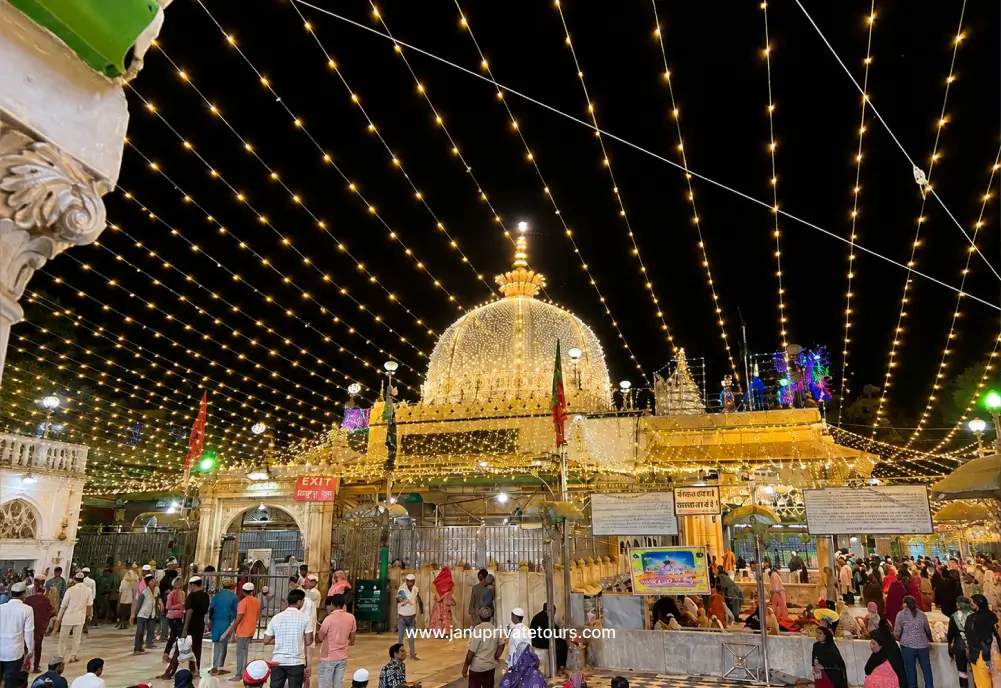
A Simple One-Day Ajmer Itinerary
Time | Suggested Experience |
Morning | Ajmer Sharif Dargah |
Late Morning | Adhai Din Ka Jhonpra |
Afternoon | Lunch and local exploration |
Late Afternoon | Taragarh Fort or Akbari Fort & Museum |
Evening | Ana Sagar Lake |
Optional Extension | Continue to Pushkar |
This itinerary can be adjusted depending on your interests, opening hours, travel arrangements and available time.
Conclusion
Ajmer is a land of mysticism and history, a land of monuments, beautiful landscapes and local color. Majestic temples, ancient forts, unique palaces and charming lakes are among the many things that Ajmer is famous for.
Ajmer Sharif, Adhai Din Ka Jhonpra, Taragarh Fort and Ana Sagar Lake are popular tourist attractions in Ajmer. These are the places of interest that provide a visitor with an opportunity to satisfy their curiosity.
For those searching for a flexible, private and personalized Ajmer tour solution, an Ajmer tour with Janu can be a great option. It helps you fully discover this incredible city and have more time for enjoying the local wonders. A local guide will assist you in any small or large Ajmer tour. Whether you’re looking for a quick half-day excursion, a comprehensive sightseeing tour, or a combined Ajmer-Pushkar excursion, we can help.
Janu Private Tours helps guests by offering tailored itineraries, private vehicles, professional guides and individualized travel assistance. An Ajmer Tour with Janu is ideal for those who want to see the city’s highlights. Contact us to arrange a personalized Ajmer Tour with Janu and explore the city’s spiritual landmarks, hidden treasures and historic sites with ease.
You’ve probably heard about Mehrangarh Fort. Maybe you’ve seen those famous photos of Jodhpur’s blue houses, Jaswant Thada and Umaid Bhawan Palace too.
But here’s the interesting part… What if those famous places are only the beginning?
For a foreign traveler, the fun in Jodhpur starts when you stop thinking, “Okay, what’s the next attraction?” Leave the usual route and turn into a blue lane, look at a local craft being made, grab something from a busy market, try a dish you’ve never heard of and watch everyday Jodhpur happening around you.
So, if you’re wondering what to do in Jodhpur beyond the usual tourist stops, this guide is especially for you.
Let’s explore the city a little differently…
What Makes Jodhpur Worth Exploring Beyond the Famous Forts?
Mehrangarh Fort is a must-see, of course. But don’t make your whole Jodhpur trip about forts and palaces. Walk around the blue lanes, stop for a kachori, check out the markets, chat with a shopkeeper or just watch the city go about its day.
That’s the Jodhpur you’ll remember. Think of it as two sides of Jodhpur—the GRAND Rajasthan, which you came to see and the EVERYDAY India you discover along the way. Look beyond the usual attractions for:
Blue-painted neighborhoods and old-city lanes
Traditional markets and local shopping
Authentic Rajasthani food experiences
Local crafts and artisan traditions
Quiet viewpoints and sunset moments
Village and cultural experiences outside the city
Everyday life around Jodhpur’s historic landmarks
So, keep some space for wandering, eating, shopping and simply seeing the city, when you are actually planning things to do in Jodhpur.
Start With Mehrangarh Fort—But Don’t Stop There
Mehrangarh Fort rises around 400 feet above Jodhpur, so yes—you’re going to notice it. And honestly, skipping this city’s biggest landmarks wouldn’t make much sense.
And if you are a first-time visitor, it’s one of the Jodhpur tourist attractions that actually lives up to the hype. The huge fort walls, royal rooms, museums and those incredible views over the Blue City give you the perfect first look at Jodhpur.
So, put it on your list of places to visit in Jodhpur—just don’t make it your entire Jodhpur experience. Once you’ve seen the city from above, let’s head down and see what’s happening in those blue lanes, markets and neighborhoods.
Want to See the Real Blue City? Walk Beyond Jodhpur’s Main Roads
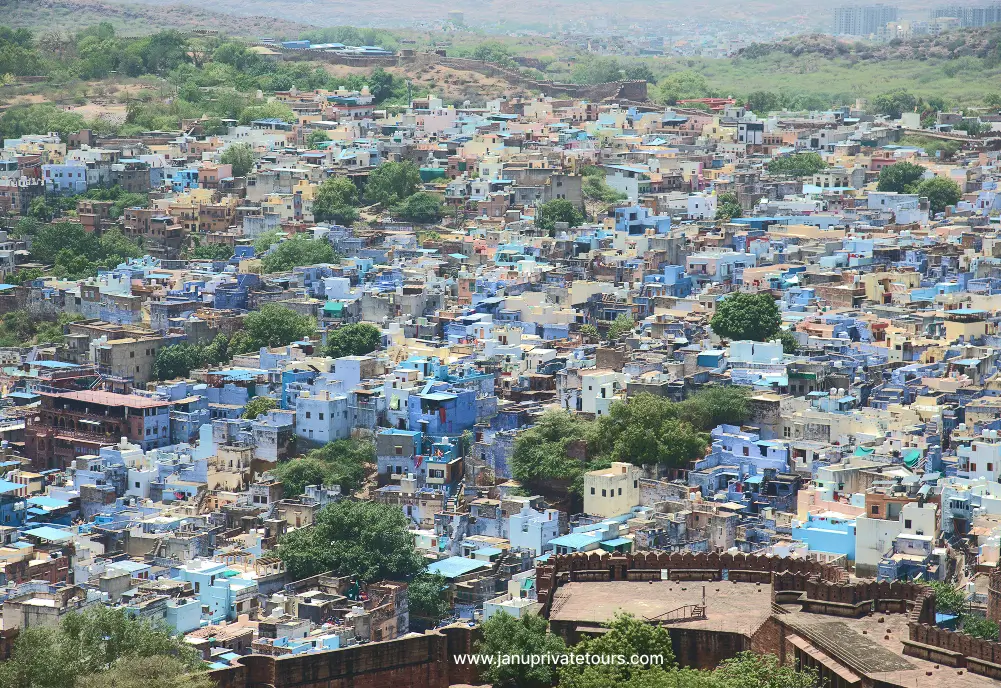
Already seen those famous blue houses from Mehrangarh Fort? Now go a little closer. Walk through the old neighborhoods and you’ll see how the Blue City actually works— homes, tiny shops, temples, doorways, people and everyday life… all packed into the same maze of lanes.
A few things to notice:
Blue-painted walls in different shades
Old wooden doors and balconies
Tiny shrines tucked into neighborhood corners
Local shops opening onto the lanes
Mehrangarh Fort appearing between buildings
Curious fact: Jodhpur’s “Blue City” isn’t actually one particular blue 💙. Count how many different shades of BLUE you can spot as you walk the old lanes. |
Why So Blue? Jodhpur Has a Few Stories to Tell…
Here comes the most exciting part. Ever wondered why Jodhpur appears so blue? Blue houses have long been associated with the old city, particularly in the area near Mehrangarh. This color is also usually linked with Brahmin households.
It also connects the color with cooling homes and discouraging insects, but it’s better not to treat these as the single reason behind Jodhpur’s blue appearance.
Look closely at:
How different shades of blue appear next to each other
Faded paint revealing older layers
Blue walls contrasting with colourful doors
Decorative details around entrances
You’ll See Everyday Jodhpur, Not Just Tourist Jodhpur
This is where sightseeing in Jodhpur becomes more interesting. People are living their normal lives. Everyday activity is exactly what gives the Blue City its character.
You may come across:
Traditional neighbourhood shops
Local food sellers
Families going about daily routines
Small religious spaces
Artisans and craftspeople at work
For foreign travelers: You don’t need to photograph every few minutes. Sometimes simply sitting somewhere appropriate and watching the neighborhood move around you is part of the experience. |
Bring Your Camera—But Don’t Forget Your Manners
Yes, you’ll probably need hundreds of photos. Blue walls, colorful doors, old architecture, and a fort rising above the neighborhoods can make almost any corner appealing.
But remember: these are people’s homes and neighbourhoods. A beautiful doorway may look like a perfect travel photograph to you, but someone lives behind it.
A good rule to follow:
Photograph public streets and architecture freely where appropriate
Ask before photographing people
Ask permission before focusing on private homes
Avoid photographing children without a parent or guardian’s permission
Don’t block doorways or narrow lanes for a photograph
A simple smile and polite question can make the interaction much more comfortable—and sometimes lead to a warmer travel memory than a quick photograph ever could.
Walking Gives You a Completely Different Jodhpur
You could see several Jodhpur tourist attractions from the back seat of a car, but you won’t experience the same details that way. Walking puts you at street level, where the small things become impossible to miss.
You hear the sounds, smell the food, notice tiny shops and occasionally have those spontaneous interactions that simply don’t happen when you’re moving between attractions.
Walking lets you experience:
The scale of the old neighborhoods
Local architecture up close
Street food and shopfronts
Unexpected viewpoints
The rhythm of everyday life
And that’s really the difference between seeing Jodhpur and experiencing Jodhpur.
Don’t Try to “Complete” the Blue City
There’s no prize for covering every blue lane. In fact, rushing through them can take away exactly what makes the experience worthwhile.
Choose a comfortable route, wander for a while, stop when something catches your attention and leave enough time to enjoy the surroundings without constantly checking what comes next on your itinerary.
Best approach:
Start after visiting Mehrangarh Fort
Walk during comfortable daytime hours
Wear shoes you can comfortably walk in
Carry water
Keep your camera ready
Leave room for spontaneous discoveries
Because sometimes, the best things to do in Jodhpur, Rajasthan, aren’t the ones you planned at all.
Want to See How Jodhpur Really Lives? Start Walking…
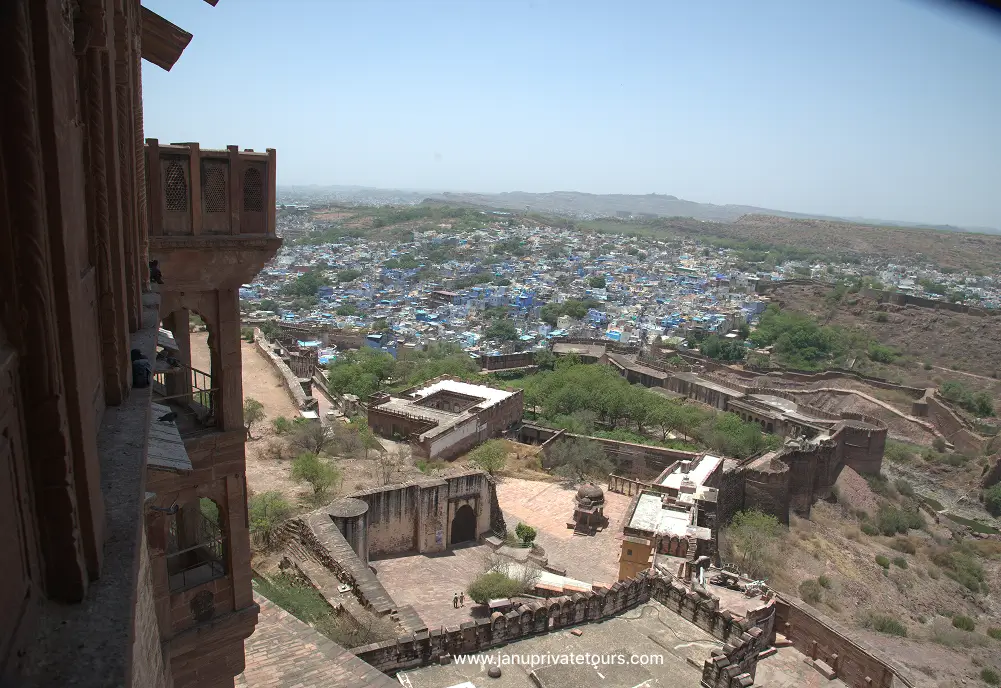
Want to know more about Jodhpur beyond its big monuments? Just walk… and see this old city with narrow lanes. colorful doors. tiny shops. little temples and unexpected corners. Make sure you also know what to wear while visiting specific places.
You can stop for chai and look around a local shop. Sightseeing in Jodhpur is sometimes about wandering through the streets and seeing how the city actually lives around its historic attractions.
Visit Sardar Market for a More Local Side of Jodhpur
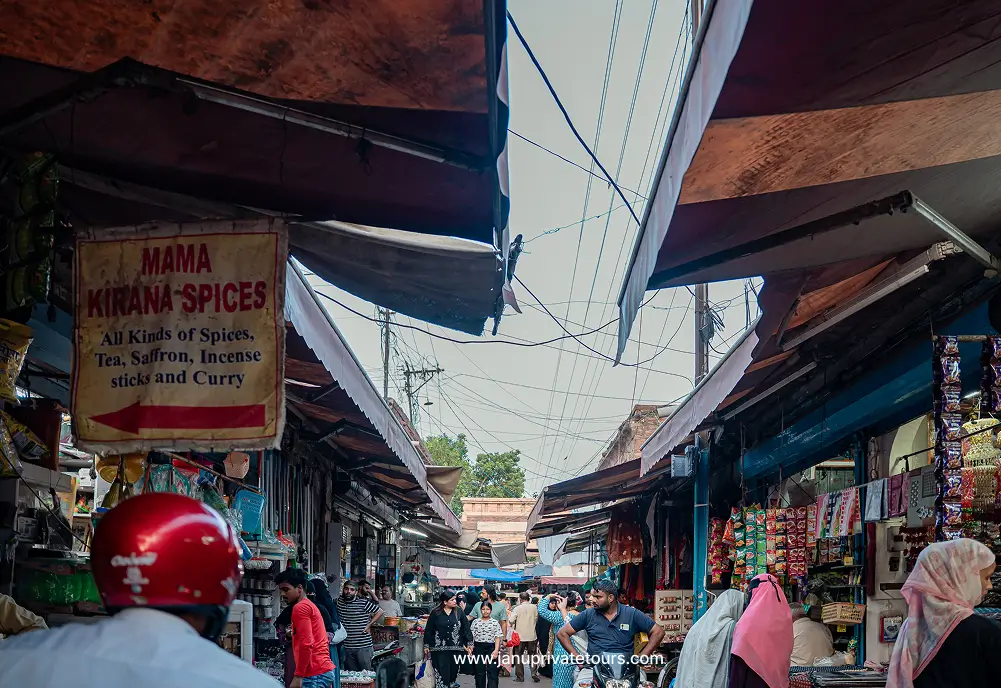
If you want to experience Jodhpur’s local side and walk towards Sardar Market as well as Ghanta Ghar. The market spreads around one of the Old City’s best-known landmarks, with stalls and shops selling spices, textiles, handicrafts, jewellery and traditional Rajasthani goods.
If you’re shopping, look out for:
Indigo block-print fabrics
Bandhej and Bandhani textiles
Jodhpuri juttis and mojaris
Rajasthani handicrafts
Local spices and masalas
Silver jewelry & Lac bangles
Small décor pieces & Leather goods
Colorful scarves and fabrics
And Don’t Leave Without Trying Something Local
Sardar Market is also a good place to turn shopping into a food stop. Shri Mishrilal Hotel, near the southern side of Sardar Market, is particularly known for its Makhaniya Lassi, while Jodhpur’s famous Pyaaz Kachori and Mawa Kachori are worth trying if you want to taste something strongly associated with the city.
For a first visit, try this little combination: Clock Tower → Sardar Market → browse the textile and spice shops → try Makhaniya Lassi → continue exploring the Old City. |
That way, Sardar Market becomes more than a shopping stop. You’re seeing a landmark, exploring local streets, tasting something famous and picking up a few things to remember Jodhpur by—all in one walk.
New to Rajasthani Food? Here’s What to Try in Jodhpur
You can’t really experience Jodhpur without eating your way through it a little. The city has its own mix of spicy snacks, rich Rajasthani dishes, cooling drinks and sweet treats.
If you’re visiting Jodhpur for the first time, the easiest way to know what’s worth trying is to start with these local favorites. Here’s a quick look at some of the foods and drinks you’re likely to come across:
Try in Jodhpur | What to expect | Good for |
Mirchi Vada | Crispy fried chilli snack with a spicy kick | Snack lovers |
Pyaaz Kachori | Flaky pastry filled with spiced onion | First-time food explorers |
Makhaniya Lassi | Thick, sweet and creamy local drink | Cooling down after spicy food |
Dal Baati Churma | Dal with baked baati and sweet churma | Trying classic Rajasthani food |
Rajasthani Thali | Several curries, breads, dal, rice and sweets together | Sampling many flavours |
Mawa Kachori | Sweet, rich kachori with a dessert-like filling | Sweet tooth travellers |
Local Sweets | Traditional milk, nut and syrup-based treats | Ending a food stop |
Chai | Milky Indian tea with spices and sugar | A simple everyday experience |
A little tip if Indian food is new to you: start with smaller portions and ask about the spice level. And if you’re not sure what’s worth ordering, a local food guide will save you from randomly pointing at a menu.
Want to Take Home More Than a Souvenir? Discover Jodhpur’s Crafts
Jodhpur’s markets are full of colourful textiles, handmade crafts, leather goods and traditional jewellery. Instead of grabbing anything you see, take a little time and look around… You will surely find something far more special and unique.
Shop for | Look for | Quick tip |
Bandhej & textiles | Colorful tie-dye fabrics | Check fabric quality |
Mojaris | Traditional leather footwear | Try them before buying |
Leather goods | Bags, belts & wallets | Check stitching |
Handicrafts | Handmade décor & gifts | Compare a few shops |
Wooden crafts | Carved decorative pieces | Consider packing space |
Metalwork | Traditional décor | Check weight & finish |
Jewellery | Silver & colourful designs | Compare prices |
Spices | Local masalas & blends | Check packaging |
—: Shop a Little Smarter
Browse first, buy later. Compare similar items and bargain politely where appropriate. And if you’re travelling internationally, think about size and packing before buying that beautiful souvenir.
Slow Down, Then Step Into Jodhpur’s Quieter & Royal Sides
Once you’ve had enough of the busy Old City, slow things down at Jaswant Thada. Then switch gears completely at Umaid Bhawan Palace, where Jodhpur’s royal history comes alive through grand architecture and its museum.
Jaswant Thada — Peaceful marble monument with gardens and lake views
Umaid Bhawan Palace — Grand architecture and royal heritage
Palace Museum — Vintage cars, royal collections and history
Best part — A nice contrast to the busy streets and markets
These are two very different places to visit in Jodhpur, but both add something beyond the usual sightseeing checklist.
Sometimes You Don’t Need Another Attraction—Just Stay Until Sunset
Here’s something you don’t need a ticket for: watch Jodhpur change color at sunset time. From a rooftop, you can see the blue houses glow against Mehrangarh Fort, and then watch the city slowly switch into its evening mood.
Catch golden-hour views
Find a rooftop facing Mehrangarh
Browse evening markets
Try local food at night
Enjoy the city’s illuminated landmarks
Small tip: For night walks, stick to busy, well-lit areas and use trusted transportation.
Meet Local Communities, Learn to Cook & Find Hidden Corners
Want to experience things to do in Jodhpur that feel a little more personal? Spend time with local culture rather than simply moving from one monument to the next.
A village experience with the Bishnoi community can introduce you to traditions and a strong connection with nature, while a cooking class in Jaipur lets you get hands-on with local spices and dishes.
You can also wander into stepwells, temples and quieter neighborhood corners that show another side of the city.
Bishnoi village experience — Learn about traditions, nature and wildlife
Local cooking class — Prepare Rajasthani dishes and try the spices behind them
Stepwells & temples — See historic spaces away from the main tourist trail
Quiet neighbourhoods — Walk, observe and look for everyday Jodhpur
Why it matters — You’re experiencing the culture, not just photographing it
For international travelers, these can be some of the most memorable places to visit in Jodhpur precisely because they give you something to do, learn and experience—not just another monument to see.
Build Your Own Jodhpur Experience Around What You Love
Trust me. You really don’t need to follow someone else’s perfect Jodhpur itinerary. You can choose the experiences that actually interest you and give yourself enough time to enjoy them.
Your travel style | Don’t miss |
First visit | Fort + Blue City |
Food-focused | Local food + markets |
Photography | Blue lanes + sunset |
Culture | Crafts + Bishnoi experience |
Shopping | Sardar Market + artisan shops |
History | Fort + Jaswant Thada + palace |
Slow travel | Walks + rooftops |
Adventure | Rural experiences + outdoors |
For most travelers, 2 days give a comfortable introduction, and 3+ days let you explore beyond the standard sightseeing route. And if walking is a big part of your plan, then October to March is the most comfortable season for visiting.
Don’t Just See Jodhpur. Experience It Your Way With Janu Private Tours
You could plan every fort, market and meal yourself—and sometimes that’s half the fun. But rather than spending the whole time figuring out arrangements, give yourself time to enjoy Jodhpur. Janu Private Tours will make your experience wonderful.
Want the famous sights? Done. More interested in food, markets, Rajasthan local culture or quieter corners? You can shape the day around that too. And if Jodhpur is only one stop on your Rajasthan trip, your itinerary can continue beyond the Blue City.
Private sightseeing at your own pace
Local guides who know the city beyond the obvious stops
Flexible timings instead of a rigid group schedule
Private transportation for easier getting around
Jodhpur combined with Jaipur, Udaipur, Jaisalmer and more
Because the best Jodhpur trip isn’t necessarily the one where you see the most. It’s the one where you actually enjoy what you came to India to experience.