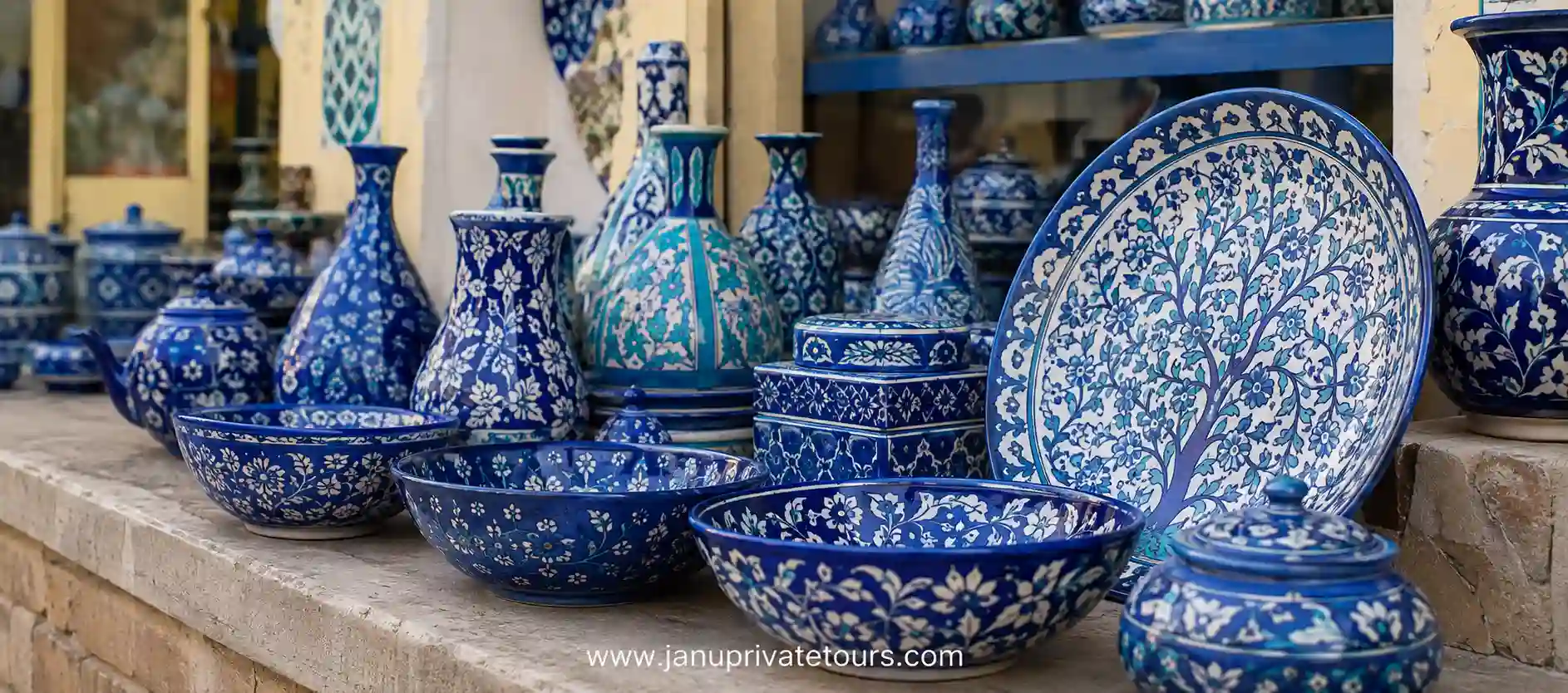
Popularly known as the Pink City, Jaipur is known for its majestic palaces, bustling markets and royal heritage. However, there is something more in Jaipur that enchants the hearts of millions of tourists who visit this Pink City every year. Yes, we are talking about none other than the famous Blue Pottery Jaipur. This specialty is famous for its centuries-old legacy of bringing colors to the lives of its dwellers and travelers from across the world. Whether you explore Jaipur’s local markets or a family-run workshop, you cannot miss the white ceramic pieces decorated with eye-catching blue, turquoise, green and yellow paintings. These are the masterpieces of Blue Pottery, one of Rajasthan’s most sought-after handicrafts.
What Makes Blue Pottery Jaipur So Unique
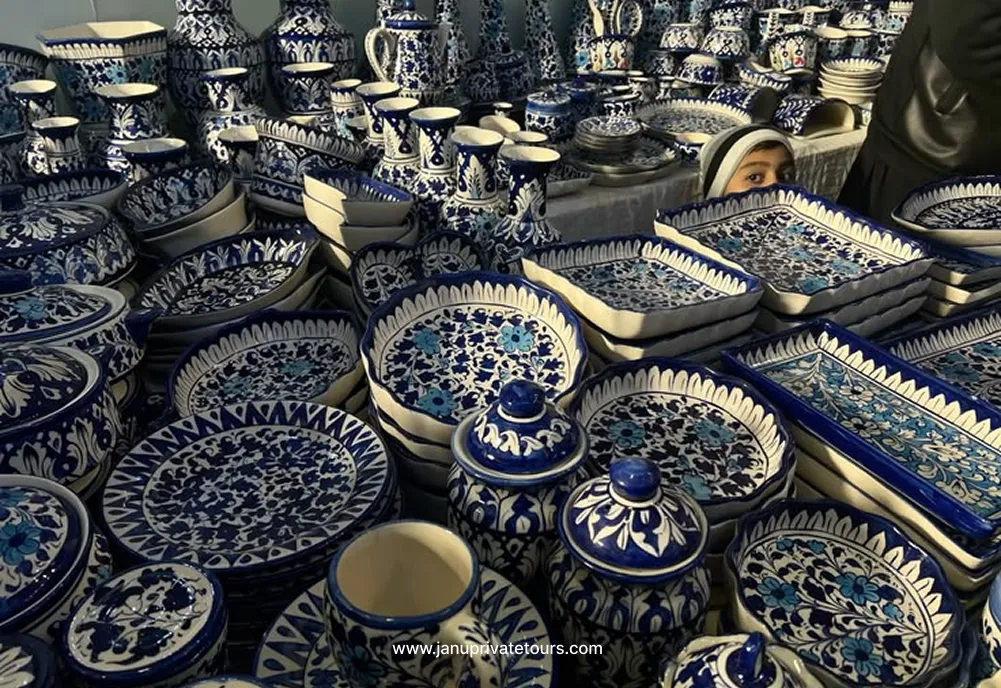
At first glance, Blue Pottery may seem like just another art form, but what makes Blue Pottery Jaipur truly unique will surprise you at your first visit to Jaipur’s local markets. For starters, unlike most other types of pottery, Blue Pottery does not contain any clay. Instead, it uses a special mixture of quartz powder, glass powder, borax, gum and water. This unique blend of ingredients gives Blue Pottery its light and airy consistency, making it highly desirable among Jaipur locals and visitors.
Once shaped, the pottery is glazed and fired at a relatively low temperature to achieve the smooth, glossy finish characteristic of this art form. Blue Pottery’s hallmark feature is its bold, bright and deep blue color, which is complemented by turquoise, green, yellow and brown markings in an exquisite floral pattern. What makes Blue Pottery even more special is that every single piece is painted by hand, so no two items are ever the same.
While many art forms across the country depict various Hindu Gods and Goddesses, Blue Pottery’s intricate floral patterns remind you of the Pink City’s rich history and royal legacy. In addition, the bold colors and fine detailing of Blue Pottery make it one of the most popular handicrafts in Jaipur’s local markets.
The Fascinating History of Jaipur Blue Pottery
Blue Pottery’s rich history is inextricably linked with the ancient legacy of the Pink City. Unlike many other traditional handicrafts in Rajasthan, Blue Pottery was not born in Jaipur. This exquisite ceramic art actually came from Persia, where it was highly popular among the ancient royals. In fact, Persian potters used to decorate the glaze with bright blue hues. Then, Blue Pottery making spread to neighboring countries, including Turkey and Central Asia and eventually reached India. The Mughal rulers were particularly fond of Persian art and handicrafts, so it is no surprise that Blue Pottery became highly desired among Indian nobles.
The legacy of Blue Pottery is also closely linked with the royal family of Jaipur. It was the Rajput royal court that played a vital role in popularizing this art form and ensuring its prosperous future. In the 19th century, Blue Pottery gained increasing popularity among the local and royal elites under the rule of Maharaja Sawai Ram Singh II. However, at the turn of the 20th century, Blue Pottery faced serious challenges, as it was no longer in demand.
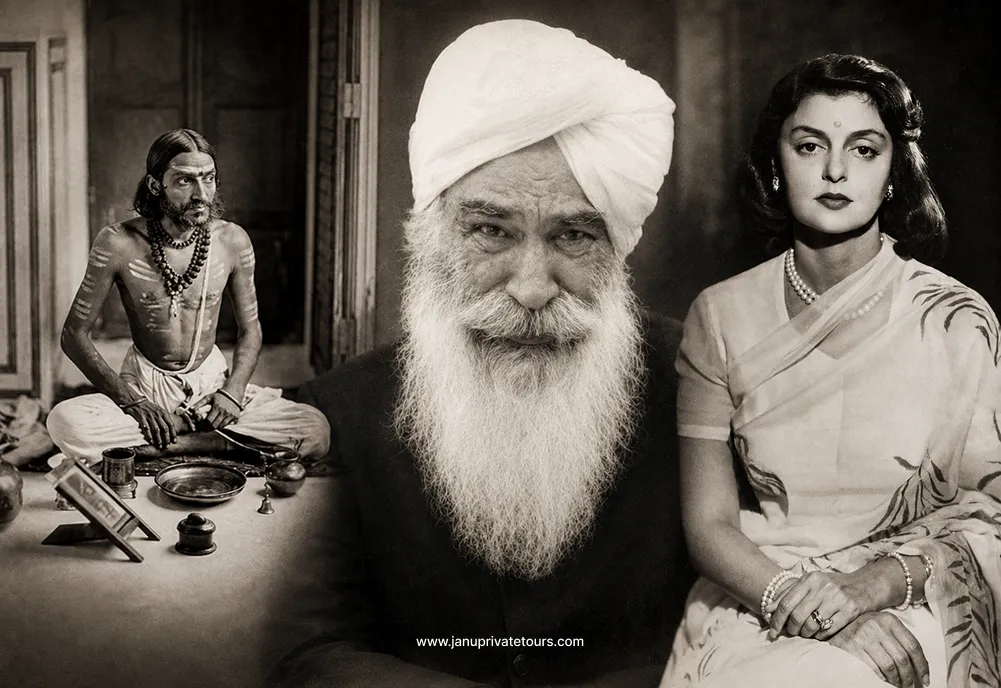
Fortunately for Jaipur locals and visitors, the art form did not disappear altogether due to a lack of interest. The revival of Blue Pottery in Jaipur is primarily attributed to master artist Kripal Singh Shekhawat, who dedicated his life to promoting this unique craft. He managed to transform Blue Pottery into one of Rajasthan’s most recognizable cultural specialties, with Kripal Singh’s unique patterns being embraced by people from all corners of the globe. In addition, Maharani Gayatri Devi also made significant contributions to the revival of Blue Pottery by promoting its development both in India and abroad. Thus, thanks to the combined efforts of these two visionaries, Blue Pottery continues to captivate the hearts and minds of Jaipur locals and millions of visitors who fall in love with this art form at first sight.
How Blue Pottery Jaipur Is Made: From Quartz Sand to Exquisite Masterpiece
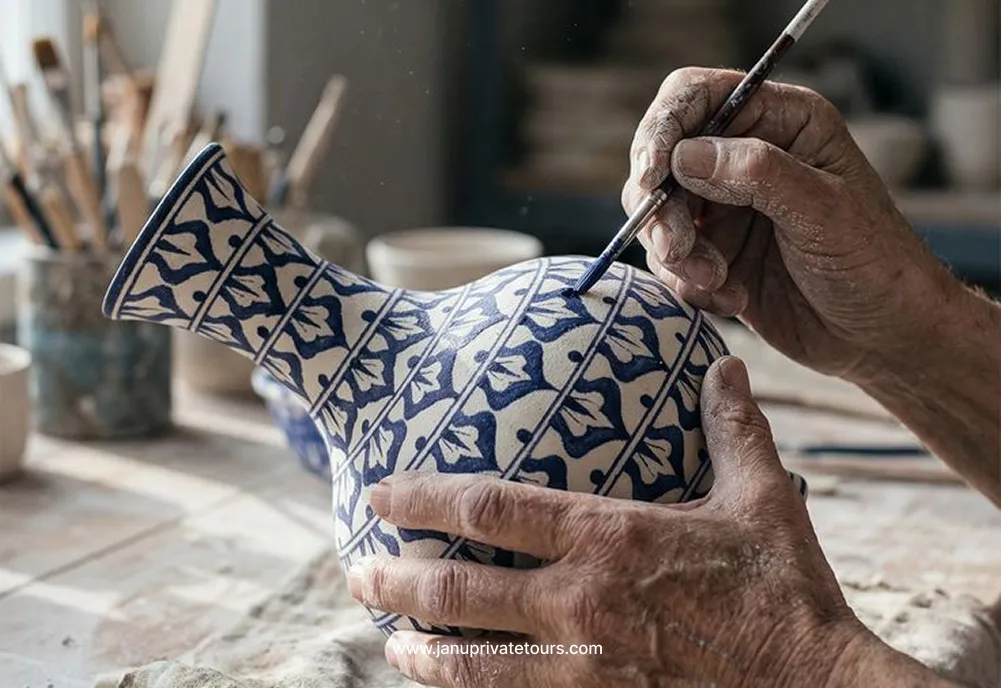
The process of making Blue Pottery requires a lot of time, patience and hard work, which is why this art form is not as common as other types of handicrafts in Jaipur. The entire process includes the following steps:
Prepare the Mixture
First, potters prepare a special mixture using quartz sand, glass, borax and gum. This unique blend is then formed into the desired shapes with the help of plaster molds.
Dry and Smooth the Pieces
Once the desired shape is achieved, potters let the pieces dry, remove any irregularities and prepare the surface for painting.
Hand-Paint the Designs
The next step is arguably the most interesting, as it requires potters to demonstrate their extraordinary skills. Using fine brushes, they add floral patterns, flowers, parrots, peacocks, elephants and many other exquisite motifs. The hallmark of this art form is its bold, bright and deep blue color, while turquoise, green, yellow and brown hues complement the main tone and add a unique flair to each piece.
Apply the Glaze
After the painting is complete, potters apply a transparent glaze to give the finished Blue Pottery products their distinctive glossy appearance.
Fire the Pottery
Finally, the items are fired at a relatively low temperature, allowing the glaze to achieve the desired effect. As a result, you get a stunning Blue Pottery masterpiece with intricate floral patterns that captivate at first sight.
While it may seem like Blue Pottery is not that difficult to make, mastering all the intricacies of this traditional craft takes years of practice.
The Beautiful Patterns and Vibrant Colors of Blue Pottery Jaipur
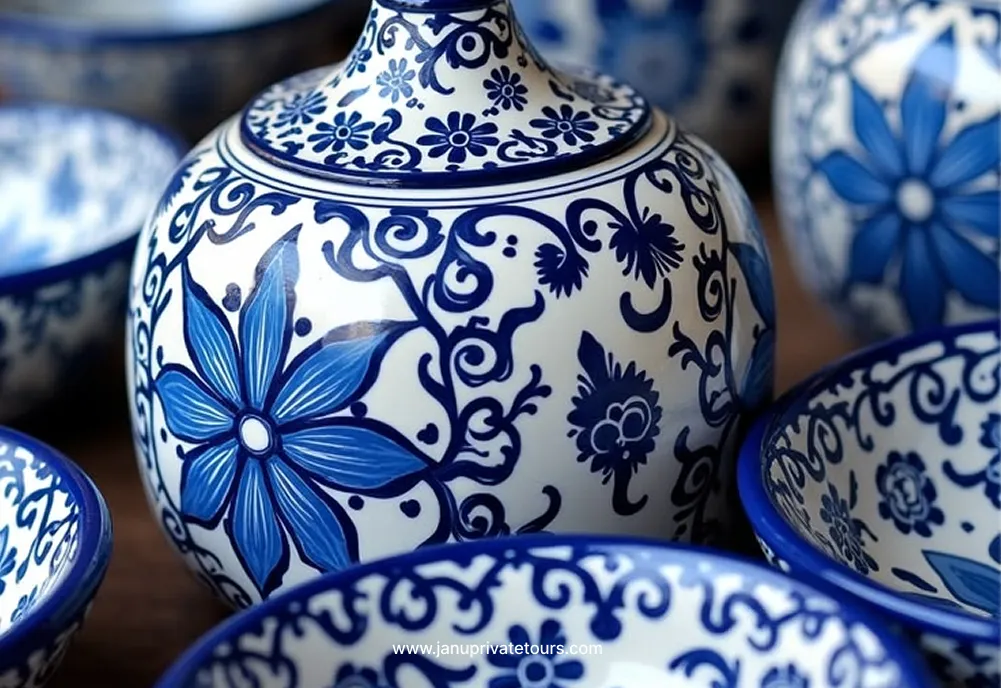
When it comes to Blue Pottery Jaipur, its beautiful patterns and vibrant colors are some of the most prominent features that capture the attention of every visitor to Jaipur. While the hallmark of this art form is its deep blue hues, turquoise, green, yellow and brown markings in an exquisite floral pattern are equally fascinating. The floral patterns in Blue Pottery Jaipur are reminiscent of Persian rugs and paintings, while the rich colors are similar to those used in India’s traditional textiles and jewelry.
In addition, Blue Pottery includes a variety of motifs inspired by nature, such as peacocks, parrots, elephants, camels, fish and many others. Each element is carefully placed on pottery to create the desired design, ensuring that no two pieces are identical. While the patterns in Blue Pottery may seem fairly simple, they require potters to have extensive experience and extraordinary skills.
For photography enthusiasts, Blue Pottery Jaipur is a must, as it offers endless opportunities for capturing the exquisite beauty of this art form. Thus, if you plan to visit Jaipur and explore its local markets, be sure to take plenty of photos of this unique craft. You will find that every picture of Blue Pottery instantly becomes a work of art itself, telling a unique story that has been going on for centuries.
The Most Popular Blue Pottery Products That Tourists Buy in Jaipur
When shopping in Jaipur’s local markets, there are many interesting Blue Pottery items to choose from. Whether you are looking for a unique souvenir or a meaningful gift for a loved one, you are bound to find something special that will bring you joy for years to come. In addition to being a unique art form, Blue Pottery Jaipur also serves as a great reminder of your trip to the Pink City. Thus, it may be worth considering buying some unique masterpieces made of this exquisite ceramic material. Some of the most loved blue pottery items include:
-
Blue Pottery Bowls
-
Handmade Blue Pottery Plates
-
Blue Pottery Vases
-
Blue Pottery Tea Sets and Mugs
Thus, with so many wonderful items, Blue Pottery Jaipur never fails to impress Jaipur locals and visitors with its unique beauty and intricate details. When exploring Jaipur’s local markets, be sure to take a closer look at this exquisite art form and choose from a variety of different items that will brighten up your home or become a meaningful gift for a special someone.
Where to Find the Most Exquisite Examples of Jaipur Blue Pottery
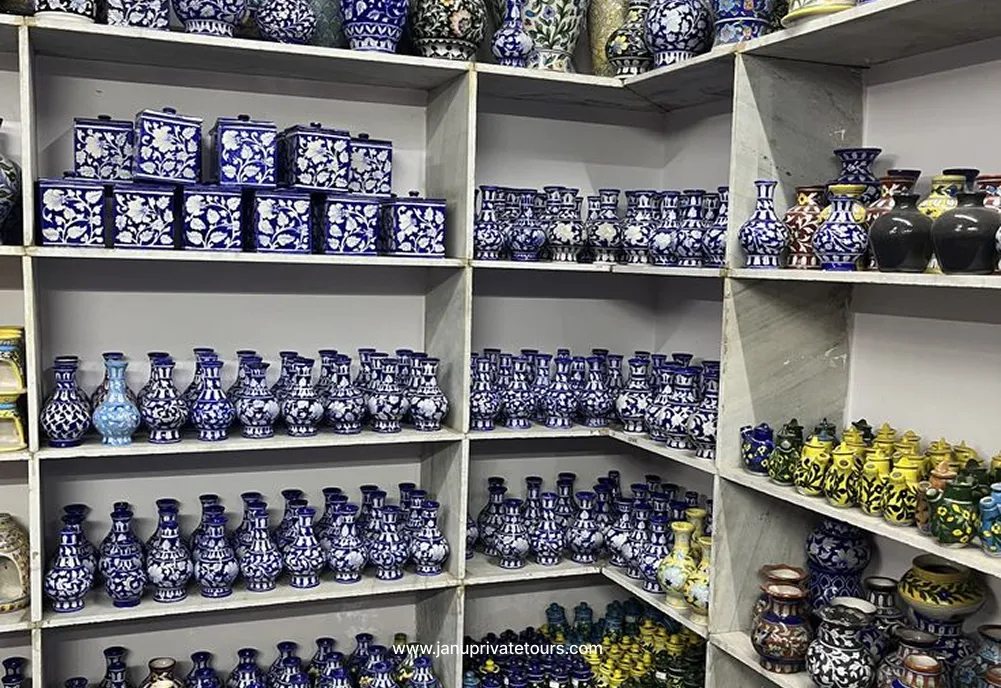
When in Jaipur, make sure to take a walk through the local markets and take a closer look at one of the most beloved traditional handicrafts of this Pink City, Blue Pottery. Apart from being able to admire this exquisite ceramic art, you also have a chance to visit the workshops where master potters create Blue Pottery items using time-tested techniques and turn them into unique masterpieces. Your Jaipur tour can easily include a visit to one of the local Blue Pottery Jaipur workshops, where potters will show you how Blue Pottery is made and tell you more about this unique art form.
There are many places to go and things to do in Jaipur, but nothing compares to the fascinating experience of watching master potters create Blue Pottery. The most popular attraction in Jaipur is the Jaipur Blue Pottery Art Centre, which is a great place to explore this art form and its rich history in more detail. You can also visit local markets, where you can find a variety of Blue Pottery Jaipur products, including tiles, plates, vases, bowls and much more.
Conclusion
India has always been famous for its arts and handicrafts and Jaipur is no exception. This Pink City is home to many unique traditions, one of which is reflected in the exquisite beauty of Blue Pottery Jaipur. For centuries, artisans have been creating this unique art form out of quartz, glass, borax, Multani Mitti and other materials using intricate floral patterns that continue to mesmerize Jaipur locals and visitors with their elegance and simplicity. Not only is Blue Pottery Jaipur one of the most prominent symbols of Jaipur’s rich cultural heritage, but it also serves as a reminder that the Pink City has long been known for its historical legacy, royal vibes and stunning landscapes.
Thus, when exploring Jaipur, be sure to spend some time getting to know this unique art form and its rich history a little better. Visiting local workshops and talking to master potters is a great way to gain valuable insight into Blue Pottery’s legacy while also having the opportunity to meet interesting people on your trip to Jaipur. We hope you enjoyed reading this article and will take a closer look at this exquisite art form on your next visit to the Pink City!