Rajasthan is a place where faith is woven subtly through daily life. Beyond its forts and palaces, the state holds a profound spiritual dynamic shaped by centuries of devotion, tradition, and collective faith. Temples rise from mountaintops, shrines nestle next to lakes and markets, and prayer fills desert towns at dawn and dusk. Worship in Rajasthan is not confined to a single path or tradition.
Hindu temples, Jain pilgrimage centres, Sufi dargahs, and folk shrines coexist, reflecting a culture of coexistence and respect. These religious spaces are not frozen in history. They are still living, active centres of prayer to which families return generation after generation. Temples in Rajasthan are more than just spiritual places of worship. It is a look at how belief influences the architecture, festivals, routines, and community life. This blog gives an in-depth look at the most venerated sacred sites throughout the state and the significance they have for pilgrims, locals, and visitors in 2026.
Worship in Rajasthan: Top Places to Not Miss When in Rajasthan
Worship in Rajasthan is defined by some of the truly significant religious places, which shape the overall spiritual landscape. Here are some of the holy places you must visit while traveling in Rajasthan.
Brahma Temple, Pushkar
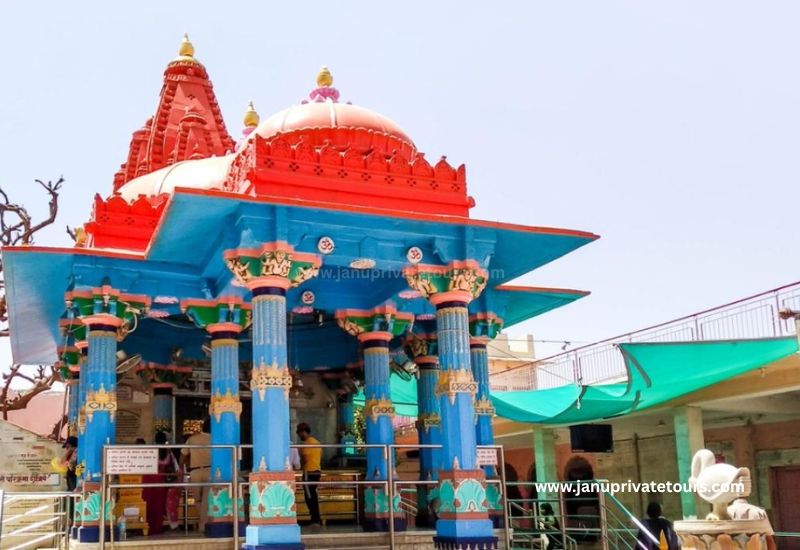
One of the most unique sites for worship in Rajasthan is the Brahma Temple. It is one of the very few temples in the world for Lord Brahma, the creator, as per Hindu belief.
The temple, situated in the holy town of Pushkar, is visited by pilgrims all through the year. Devotees say that a visit here is essential to close the spiritual circle. The red spire, silver turtle and tranquillity of the place lend it to quiet contemplation.
Pushkar itself is deeply spiritual. Bathing in the sacred lake is believed to be purifying; many pilgrims bathe in the ghat with devotion before visiting the temples.
Ajmer Sharif Dargah
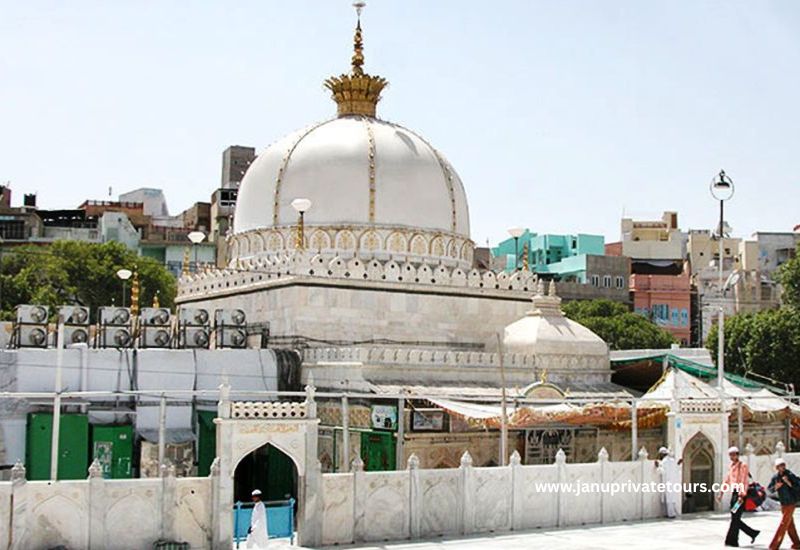
One of the most popular religious places in India is the Ajmer Sharif Dargah, which is the resting place of Sufi saint Khwaja Moinuddin Chishti.
This temple epitomises secularism in prayer in a state like Rajasthan. Devotees from all religions come here to pay their respects, receive blessings and join qawwali gatherings. The atmosphere is nostalgic and reflective, especially during Urs celebrations.
Simple in its structure, the dargah represents compassion, humility and shared faith, serving as the cornerstone of Rajasthan's spiritual landscape.
Dilwara Temples, Mount Abu
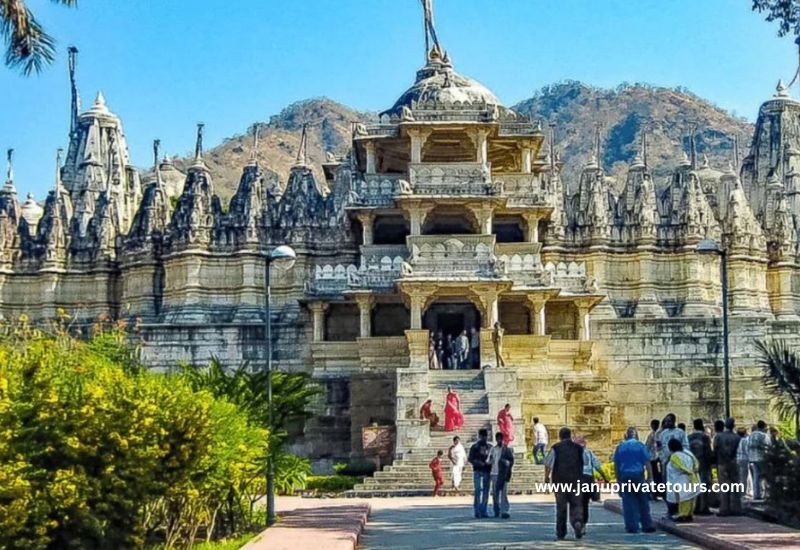
The Dilwara Temples are among the best examples of Jain architecture in the world. This is also an important place of worship in Rajasthan.
Carved entirely from white marble, these temples are dedicated to Jain Tirthankaras. The detailing work is phenomenal, from the ceilings to the pillars, all of which are engraved with dedication and finesse.
Worship here is quiet and contemplative. Visitors are asked to remain silent as an emblem of Jain simplicity and personal peace. Mount Abu's cooler weather further contributes to the tranquil experience.
Eklingji Temple, Near Udaipur
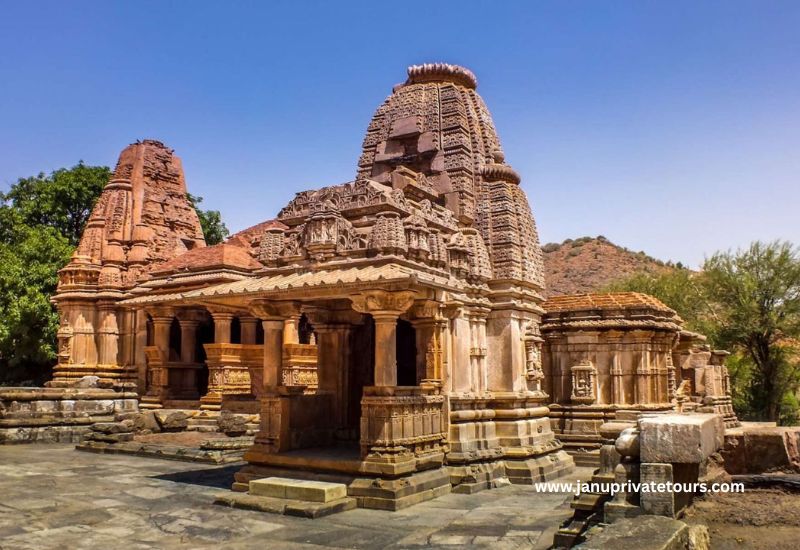
Devoted to Lord Shiva, the Eklingji Temple has been one of the central sites of worship in Rajasthan for centuries. The temple's origin is considered to be in the 8th century and is closely associated with the Mewar royal family, who regard Eklingji as the ruling deity of Mewar.
Both morning and evening aartis are deeply moving. The chanting, bells and rituals combine to create a powerful sense of the spiritual atmosphere that connects history, royalty and faith.
Karni Mata Temple, Deshnok
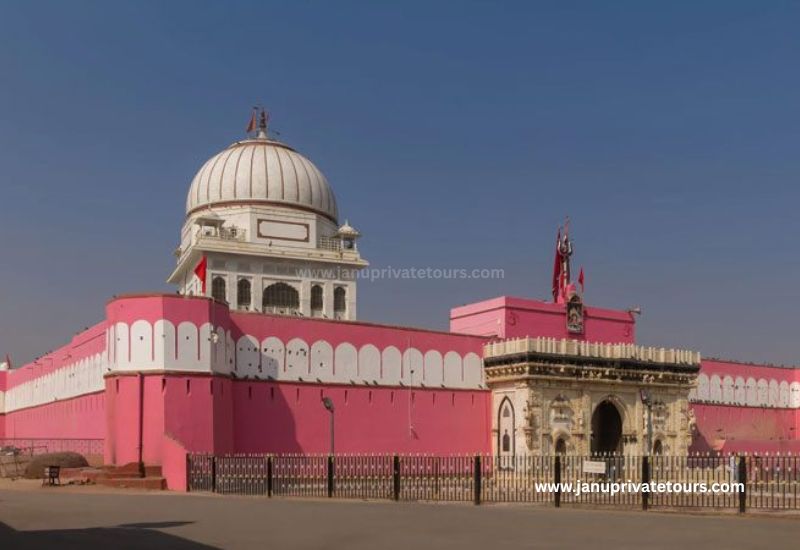
One of the rarest temples in Rajasthan is the Karni Mata Temple, popularly known as the Rat Temple. Worshippers consider the rats that inhabit the temple sacred and believe that they house reincarnated souls. It is considered good fortune to see a white rat, and feeding the rodents brings good luck. This is also a unique site associated with worship in Rajasthan that you cannot miss visiting.
Govind Dev Ji Temple, Jaipur
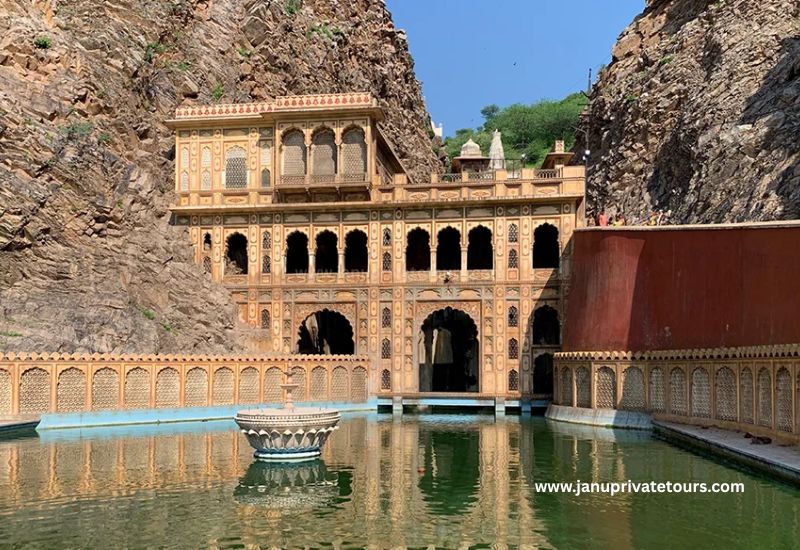
Situated at the City Palace complex, Govind Dev Ji Temple, Jaipur, is one of the important temples in the Hindu religion. The temple holds a special emotional significance with Lord Krishna devotees. Daily darshans are in accordance with traditional practices, and there is also a festive celebration, especially at Janmashtami or Holi.
Worship in Rajasthan frequently combines devotion with celebration, and this temple embodies that balance beautifully.
Ranakpur Jain Temple
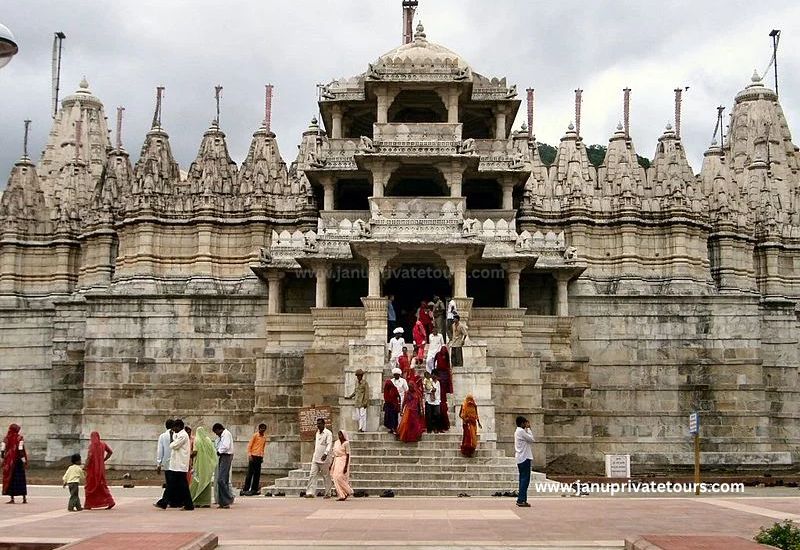
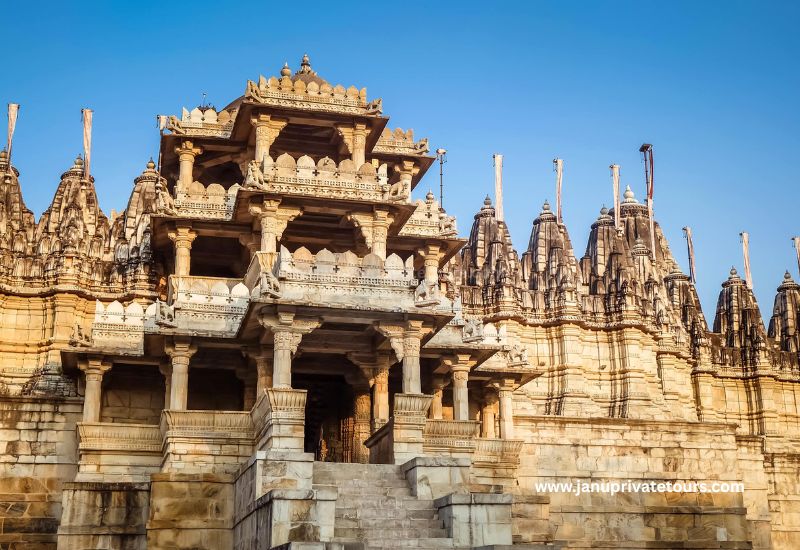
The Ranakpur Jain Temple is both a religious and architectural masterpiece. Located in a peaceful valley between Udaipur and Jodhpur, the temple is supported by 1,444 intricately carved pillars; no two of which are exactly alike. The temple, dedicated to Adinatha, the first Jain Tirthankara (revered teacher), represents purity and discipline that a Jain person should follow.
It is a very peaceful environment and good for quiet prayer and meditative worship.
Nathdwara Shrinathji Temple
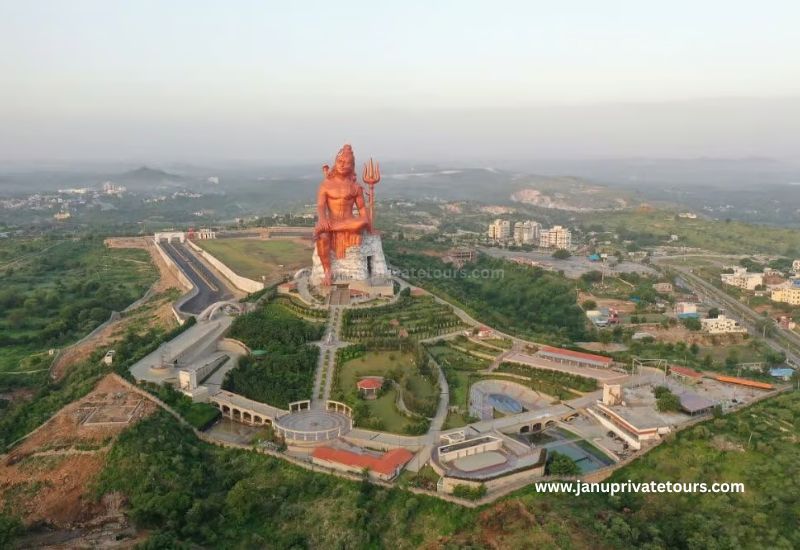
Shrinathji Temple, Nathdwara, is one of the most significant pilgrimage places for the followers of the Pushtimarg tradition.
A form of Lord Krishna as Shrinathji is worshipped in the temple. Darshan here follows a strict daily schedule, with different rituals marking moments of Krishna’s day.
Devotees plan visits carefully, aligning darshan timings, and the worship experience here is disciplined while also being deeply personal.
Galta Ji Temple, Jaipur
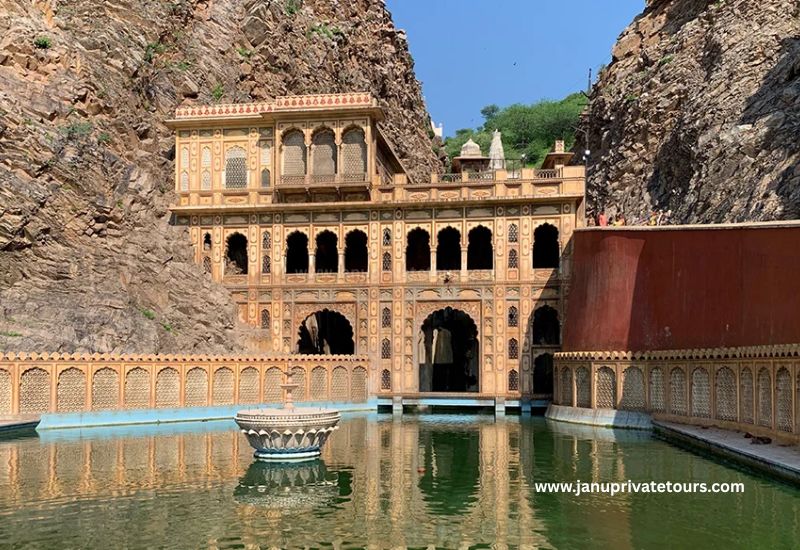
The next important site of worship in Rajasthan is the Galta Ji Temple, also known as the Galta Ji Temple, which is located outside Jaipur in a peaceful natural valley. With its natural water tanks and temples, and all-around hilltop views, it feels like a place where nature and worship intersect. Pilgrims believe the waters here are sacred and cleansing.
Despite being so vibrant, there is a calmness that persists in GaltaJi, especially during mornings.
Tanot Mata Temple, Jaisalmer Region
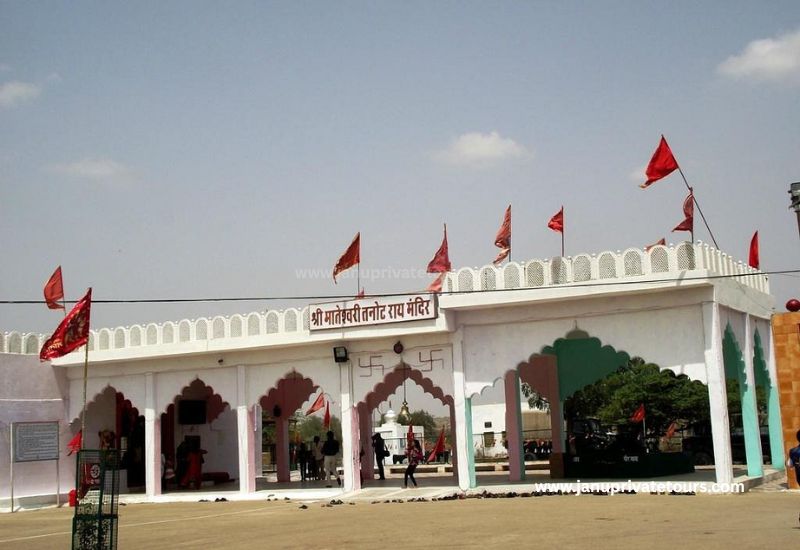
On the India-Pakistan border sits Tanot Mata Temple, a shrine of faith and protection. The temple became the focus of national media after it withstood heavy shelling in the 1965 war. Worshippers say the goddess shielded the temple and local soldiers. Today, it is a testament to both resiliency and faith.
Ramdevra Temple
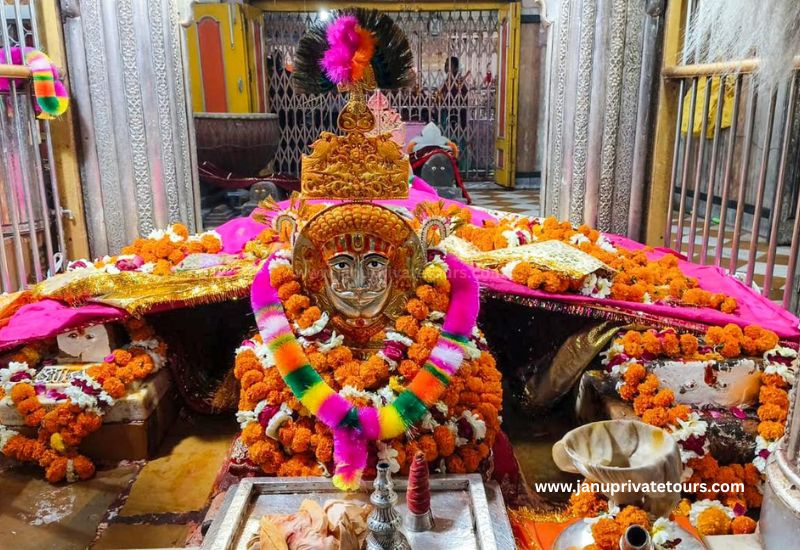
Ramdevra Temple is a famous temple dedicated to Baba Ramdevji, which attracts pilgrims from around the world. Pilgrims from Rajasthan, Gujarat and other states come to seek blessings, especially in the annual fair. The devotion here is strong, communal, and heartfelt.
Tips on Planning Worship Visits in Rajasthan
Planning visits to sacred places in Rajasthan has to be done with care and due respect. The state is home to spiritual places that adhere to ancient customs, and a little time will let you experience them meaningfully rather than hurriedly. Whether it’s temple hours or festival dates, sometimes the small details help you understand whether your visit will feel peaceful and enriching.
Key planning tips to keep in mind:
-
Time your visit for a festival: Many temples and dargahs are at their most lively during festivals, but they are also very crowded. Choose an atmosphere that suits you: lively or calm.
-
Verify timings first: Places of worship are often shut in the afternoon and open again in the evening. Mornings are often the best time.
-
Dress accordingly: Most religious sites require decent attire. Wear completely covered clothing and carry a scarf or shawl to cover your head.
-
Cluster nearby sites together: Many places of worship are near forts, lakes or old towns. Combine them so that nobody has to travel way out of their way.
-
Allow buffer time: Rituals, prayers or lines may be longer than you anticipate, particularly at busy shrines.
-
Show respect for local customs: Take photos only where permitted. Always ask before clicking pictures.
-
Employ local guides: A knowledgeable guide can explain rituals, legends and history, thus deepening your visit.
Conclusion
Worship in Rajasthan is not limited to rituals. It is about connection. From ancient marble-carved temples to living shrines filled with music and prayer, Rajasthan has spiritual experiences that feel grounded and real.
In 2026, these are active centers of faith, not relics of the past.
For visitors looking for authentic and comfortable spiritual travel experiences in the state of Rajasthan, Janu Private Tours offers personalized itineraries that incorporate the best of religious and cultural experiences, with plenty of time to immerse in history at temples that other tourists rush through.
FAQs
Q1. Is Rajasthan suitable for spiritual travel?
Yes. Rajasthan is perfect for spiritual travel; from ancient Hindu shrines, significant Jain pilgrimage spots to revered Sufi dargahs, the state has centuries of faith, devotion and cultural harmony.
Q2. What is the best time to visit places of worship in Rajasthan?
You should visit from October to March as the weather is comfortable. Many of the main religious festivals fall in these months, which makes the visit culturally fulfilling and more pleasant.
Q3. Are non-religious visitors allowed in temples and dargahs?
Worship sites generally are open to visitors of all faith backgrounds. Access is generally permitted to visitors as long as they adhere to dress codes, dignity of rituals and silence during prayers.
Q4. Can worship sites be combined with sightseeing?
Yes. There are a number of temples in India, situated close to forts, palaces, lakes and old cities, so you can easily mix spiritual sightseeing with heritage tours.
Q5. How should visitors behave at worship sites?
Wear modest clothing, take off your shoes when necessary, obey local laws, do not create any noise and always respect prayers and local religious traditions.
Also Read: