Deciding between Sri Lanka and India remains one of the most common confusions for first-time travelers planning a South Asia trip. Both countries offer some of the most diverse and extraordinary travel experiences on the planet. But when you arrive, the experiences they offer are completely different. India is vast, layered, and endlessly immersive. Sri Lanka is compact, picture-perfect and easier to get around in a short space of time. If you are comparing Sri Lanka vs India, then let this post help you learn what each country brings and what you can enjoy.
Quick Comparison: India vs Sri Lanka
| Factor | India | Sri Lanka |
| Size | Massive, Highly Diverse | compact, Easy to Explore |
| Travel Style | Intense, Immersive | Relaxed, scenic |
| Best For | Culture, history, variety | Easy travel, beaches, wildlife |
| Wildlife | Tigers, lions, elephants | Leopards, large elephant herds |
| Cost | Budget to luxury | Slightly higher average |
| Ideal Duration | 10 to 21 days | 7 to 14 days |
| First-Timer Friendly | Moderate | High |
Size and Travel Experience
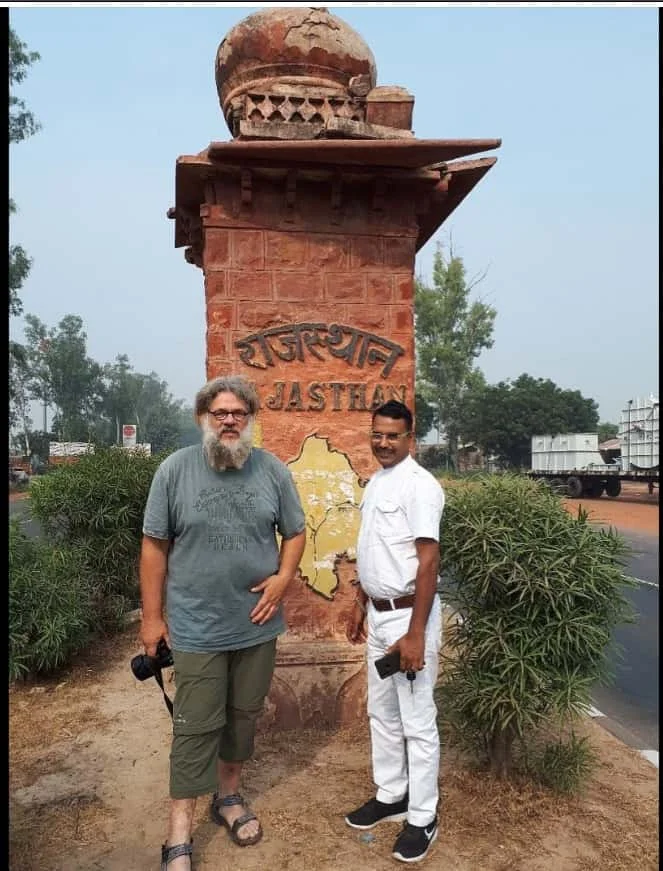
India is one of the world’s largest countries. For context, a single state here (Rajasthan) is bigger than many European nations. This means incredible diversity, but it also means long travel times between key sights. Traveling from Delhi to Agra to Jaipur to Varanasi involves planning, and oftentimes first-time visitors do not quite capture how large India is.
By contrast, you can drive from coast to coast in Sri Lanka in the morning. You can see the hill country, ancient ruins, beaches, and nature reserves in a well-rounded 10-day trip and not feel like you’re on the road every second day.
If you have limited time and want all-inclusive experiences without the complexity of the itinerary, visiting Sri Lanka is more feasible. If you are looking for a more detailed experience and a place that benefits from a longer stay, then India can be an ideal pick.
Culture and Heritage
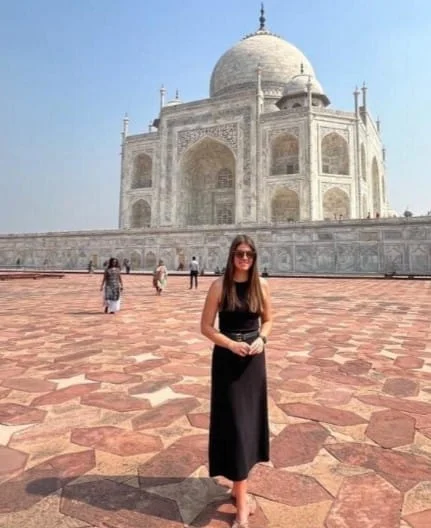
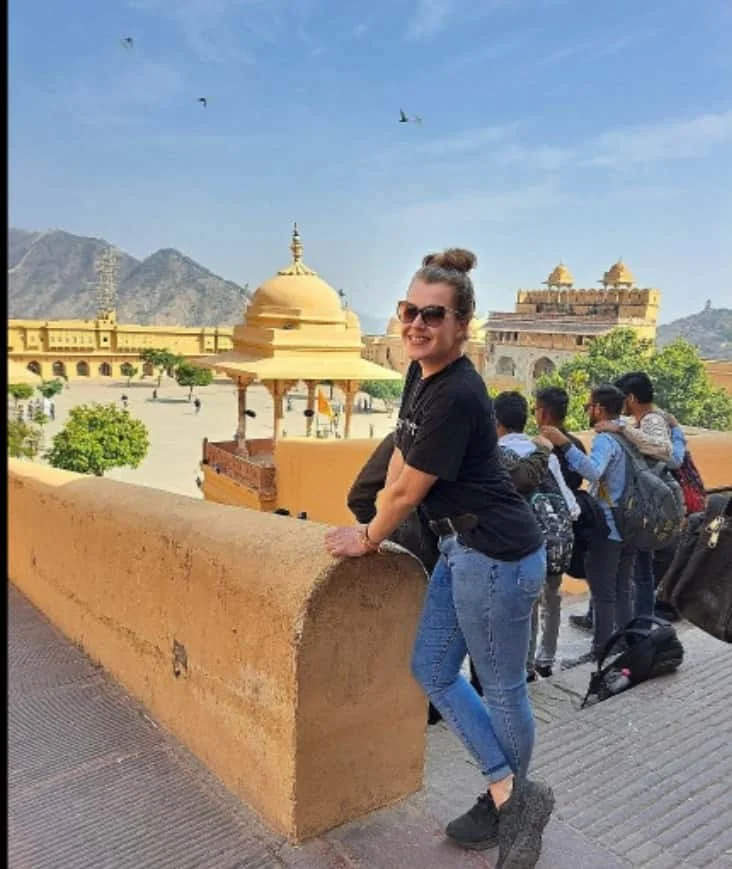
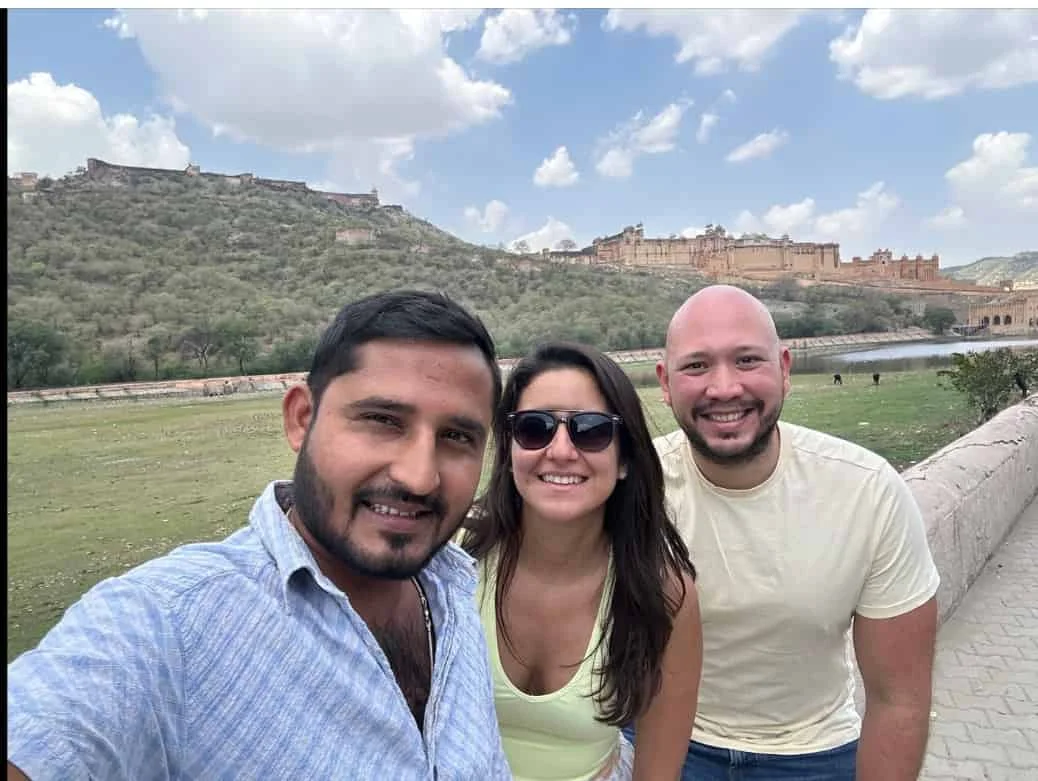
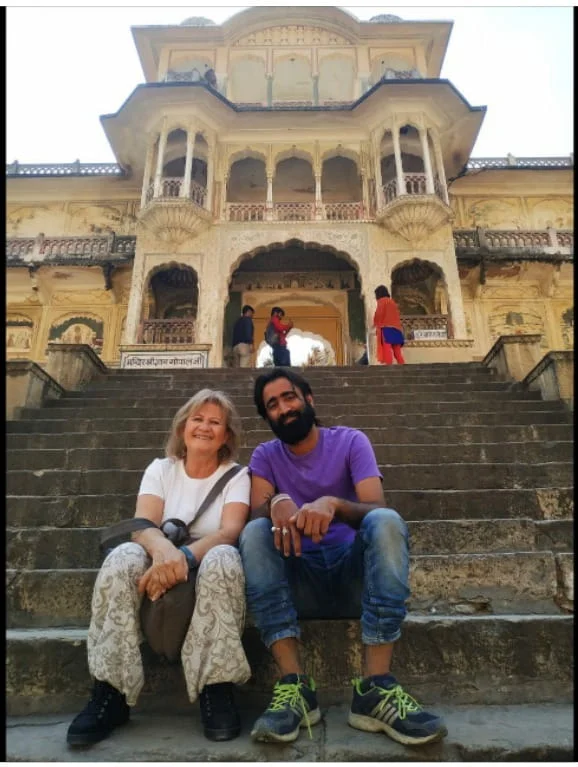
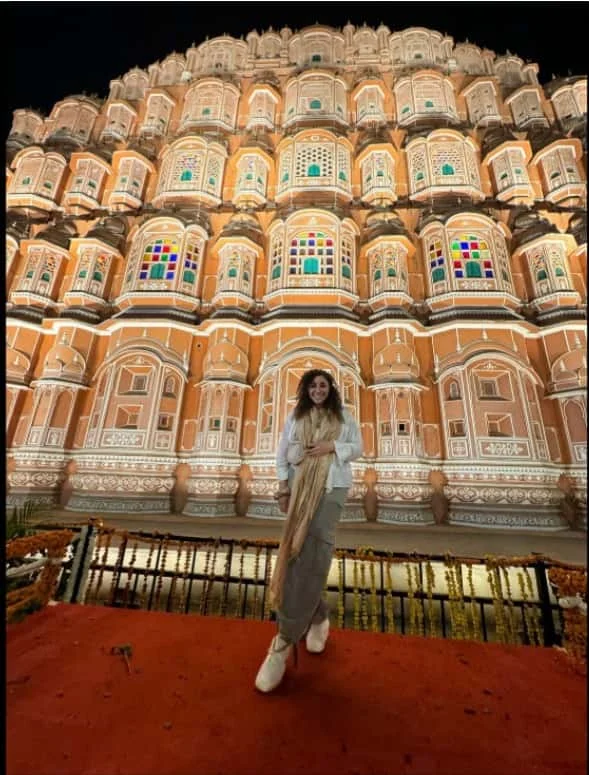
India has one of the most ancient and stratified civilizations on earth. It’s home to 42 UNESCO World Heritage Sites. Rajasthan’s Amber Fort, Agra, and the ghats of Varanasi are just a few. Every region has its language, food, architecture, and customs. Simply traveling through Rajasthan alone feels like you’re seeing numerous different countries.
Sri Lanka’s Cultural Triangle is equally remarkable for its size. Three of the island’s 8 UNESCO World Heritage Sites are in what’s known as the Cultural Triangle. Sigiriya, Polonnaruwa, and Kandy are must-sees for history aficionados. And the Buddhist legacy is everywhere on the island.
If you want a truly intense cultural adventure, India has more to offer. But if you prefer your historical sites accessible, landscape concentrated, without the complexity of navigating such a vast region, Sri Lanka is the place to go.
Landscapes and Nature
Now let us have a look at both the destinations have to offer:
Mountains and Hill Stations
India is home to the stunning Himalayan mountain range in the northern part of the country. From the famous hill station Shimla to the less commercialized Munnar, and the peaceful ashrams of Rishikesh, India offers a varied mix of mountain landscapes and lush tea plantations. Rajasthan in the west offers contrasting desert scenery along with Kerala’s unique backwaters in the southwest. The Indian state of Uttarakhand in the north is home to the mighty and holiest of the rivers, the Ganga.
Sri Lanka’s central highlands are equally stunning, with destinations such as Ella and Nuwara Eliya. In addition, the train ride from Kandy to Ella is known to be one of the most picturesque train rides in the entire Asian continent.
Beaches
India has some popular beach destinations with Goa, Kerala and the eastern coastal islands of Andamans topping the list. However, beach quality in India varies dramatically from place to place and season to season.
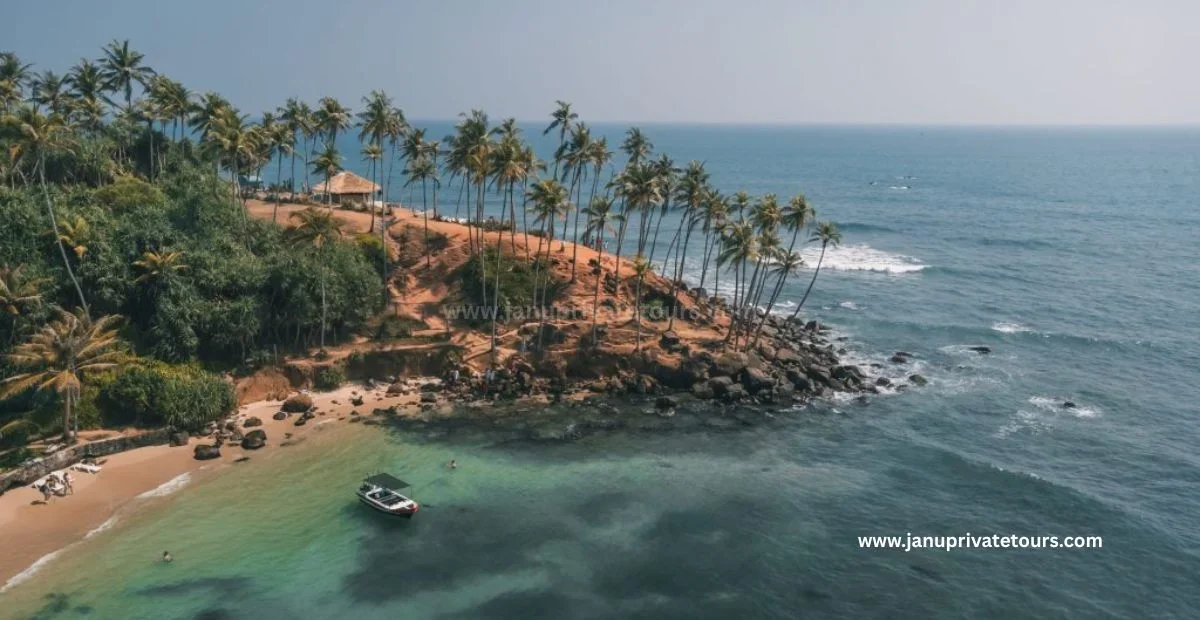
Sri Lanka, in contrast, is dotted with consistently beautiful beaches that offer crystal clear waters and golden sands. The eastern coast has more to offer in terms of secluded, pristine beaches.
Scenery Diversity
In terms of scenic diversity, India definitely wins with its vast and varied landscapes and terrains. However, Sri Lanka compresses an incredible amount of diversity into its relatively small size and offers more accessibility and consistency in terms of scenic beauty.
Wildlife Experiences
India is among the places in the world where you can see tigers in the wild. Ranthambore National Park near Jaipur is one of the best tiger reserves in Asia and is a popular addition to Golden Triangle tour itineraries.
Sri Lanka offers some of the best leopard sightings in the world at Yala National Park, along with large elephant gatherings at Minneriya. For whale watching, Mirissa on Sri Lanka's south coast is world-class.
Both destinations are exceptional for wildlife. Your choice depends on whether tigers or leopards are higher on your list.
| Wildlife | India | Sri Lanka |
| Tigers | Yes (Ranthambore, Jim Corbett) | No |
| Leopards | Rare sightings | Highest density in the world |
| Elephants | Yes | Large wild herds |
| Lions | Gir Forest, Gujarat only | No |
| Whale Watching | Limited | Excellent (Mirissa) |
Food and Cuisine
India's food culture is one of the most diverse in the world. North Indian cuisine differs dramatically from South Indian, and Rajasthani food is entirely different again. Street food in Delhi, Jaipur, and Varanasi is an experience in itself.
Sri Lankan food is built around rice, coconut, and fresh seafood. It is flavorful and approachable, with less regional variation than India. For travelers with sensitive stomachs, Sri Lanka's food is generally considered easier to adjust to.
| Aspect | India | Sri Lanka |
| Variety | Extremely high | Moderate |
| Spice Level | Strong, region-dependent | Balanced, coconut-based |
| Street Food | Extensive | Good but limited variety |
| Signature Dishes | Biryani, dal, regional curries | Rice and curry, hoppers, kottu |
Travel Costs and Budget
India is one of the most affordable travel destinations in the world at the budget and mid-range level. Accommodation, food, and transport costs are significantly lower than most other countries.
Sri Lanka is also comparatively the same. A few attractions may cost a little higher when compared to India. Here is a generic idea of budget. However, this is indicative and it is better to discuss with tour operators like Janu Private Tours for detailed pricing and comparison.
| Category | India | Sri Lanka |
| Budget Travel | Very affordable ($15–25/day) | Affordable ($22–40/day) |
| Mid-Range | Excellent value ($30–60/day) | Good value ($60–100/day) |
| Luxury | World-class ($100+/day) | Limited but growing ($150+/day) |
| Internal Transport | Very cheap | Moderate |
| Food | Extremely affordable | Affordable |
Ease of Travel
India requires more planning. Language barriers exist outside tourist areas, traffic in major cities can be overwhelming, and navigating independently as a first-time visitor takes confidence. Many foreign travelers find that having a private driver and guide, particularly for cities like Delhi, Agra, and Jaipur, makes the experience significantly more manageable.
Sri Lanka is considerably easier to navigate independently. English is widely spoken, distances are short, and the tourist infrastructure is well-developed. That said, a guided experience still adds significant value, particularly for cultural and wildlife sites.
Best Time to Visit
October to March is the ideal window for both destinations. For India, this covers the Golden Triangle, Rajasthan, and most major tourist circuits. For Sri Lanka, the west and south coasts are at their best during this period.
| Season | India | Sri Lanka |
| October to March | Best overall for most regions | West and south coast ideal |
| April to June | Hot in north, good in hills | East coast opens up |
| Monsoon (July to Sept) | Mixed, some regions affected | West coast wet, east coast dry |
Safety and Comfort for Tourists
Both India and Sri Lanka are safe for foreign tourists when basic precautions are followed. India's major tourist cities, including Delhi, Agra, and Jaipur, are well-equipped for international visitors. Solo female travelers should take standard precautions, particularly in crowded areas.
Sri Lanka is generally considered easier and more comfortable for independent travel. The country is smaller, less chaotic, and English is more widely spoken outside tourist zones.
Which Destination is Better for You?
First-Time Travelers
Sri Lanka is the easier starting point. If you have never traveled to South Asia before, Sri Lanka's compact size and straightforward infrastructure builds confidence. India rewards those who come prepared.
Culture Seekers
India wins decisively. The depth, variety, and scale of India's cultural heritage is unmatched anywhere in the world.
Wildlife Lovers
Both are exceptional. Choose India for tigers, choose Sri Lanka for leopards and whale watching.
Luxury Travelers
India offers some of Asia's finest heritage hotels, particularly in Rajasthan. Sri Lanka's luxury market is growing but more limited.
Honeymooners
Sri Lanka's beaches and hill country make it a natural honeymoon destination. India's palace hotels in Rajasthan offer an equally romantic but more culturally immersive experience.
Budget Travelers
India offers more for less, particularly for longer trips.
Can You Combine India and Sri Lanka?
Yes, and it works very well. Direct flights connect Colombo to Delhi, Mumbai, and Chennai. A combined itinerary of 18 to 21 days works well, spending 10 to 12 days in India covering the Golden Triangle tour and Rajasthan, then flying to Sri Lanka for 7 to 8 days of beaches, wildlife, and cultural sites.
This combination gives you the best of both worlds and is increasingly popular among travelers from the UK, USA, and Australia planning extended South Asia trips.
Final Thoughts
India's complexity is real. Traffic, language barriers, monument queues, and the sheer scale of planning can overwhelm first-time visitors. Many travelers who try to explore India independently spend more time managing logistics than actually experiencing the country.
A private tour operator removes that friction entirely. At Janu Private Tours, we specialize in building private itineraries for first-time foreign visitors to India, with English-speaking drivers, expert local guides, and flexible schedules built around your pace. Whether you are planning luxury India tours or a broader South Asia trip combining India and Sri Lanka, we handle every detail so you can focus on the experience. If you are ready to plan your India trip, contact Janu Private Tours for a private itinerary built specifically for first-time foreign travelers.
Also Read: