

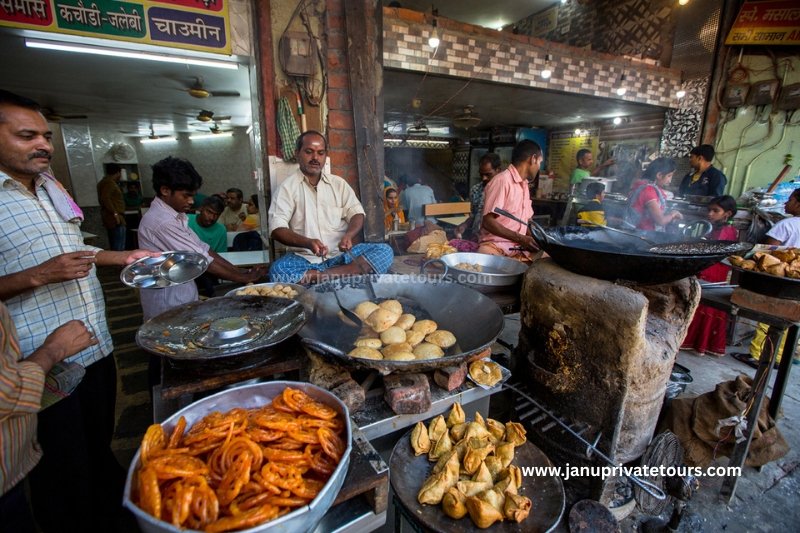
Street Food in India is one of the most talked-about experiences for travellers. People consider this experience to be the best part of their vacation. People develop doubts about food safety, cleanliness, and health risks when they observe these situations. People express different opinions about this matter. Some say you must try it. Others warn you to stay away.
The truth lies somewhere in between. Street Food in India can be incredibly safe, flavourful, and memorable when eaten the right way. At the same time, careless choices can lead to discomfort. This guide explains everything tourists need to know before eating street food in India, from understanding the food culture to choosing the right stalls, avoiding common mistakes, and enjoying local flavours with confidence.
Street Food in India is not just food sold on the street. People make it a fundamental part of their daily existence. People from cities, towns, and villages choose to buy breakfast foods, snacks, and complete meals from street vendors.
Every region has its own style. North India is known for rich, spicy snacks made with wheat, potatoes, and chickpeas. The South Indian cuisine centers its flavors on rice-based dishes and fermented batter creations, which use mild spices. Western India serves bold, crunchy, tangy flavors. Eastern India creates dishes that blend sweet and savory elements.
Street food vendors often specialize in just one or two items. The staff at this restaurant creates their standard menu item every day while they learn to cook faster, produce better flavors, and maintain regularity in their dishes. Many vendors have been in the same spot for years and have mastered offering the same authentic and unique taste. The business reputation depends completely on its food taste and cleanliness because customers return every day.
Street Food in India offers multiple unique features that attract visitors who want to experience the country outside of its standard lodging and dining establishments.
Most street food in India is prepared live. You can see the ingredients, watch the cooking process, and eat the food while it is still hot. The fresh ingredients in the dishes create improved taste quality and safe food consumption.
Every city and region has its own street food identity. The northern region serves spicy chaats, while the southern part offers light dosas. Each location presents distinct taste experiences.
Indian street food presents a single dish that combines sweet flavors with spicy heat, sour notes, and crunchy textures. The equilibrium between flavors enables basic snack foods to become more interesting and delicious.
Street food shows how people in their local area create their food while the environment and past events shape their culinary traditions. Travelers who eat this food will get to experience how people consume their meals throughout the year.
Small portions and low prices allow travellers to try many dishes without spending much, making food exploration fun and accessible.
Here are 15 popular street foods in India that are widely loved and commonly enjoyed by tourists:
Pani Puri / Golgappa: The food consists of crisp empty spheres, which people stuff with flavored liquids, boiled potatoes, and chickpeas.
Vada Pav: Mumbai’s favourite street snack made with a spicy potato fritter inside a soft bun. The dish is served hot, and the bun has spicy chutney inside it.
Pav Bhaji: The dish consists of mashed vegetables, which are then cooked with butter and spices before being served with toasted and buttery pavs.
Chole Bhature: The dish consists of spicy chickpea curry, which people eat together with crispy deep-fried bread. The dish exists throughout North India.
Samosa: A crisp fried pastry stuffed with spiced potatoes or lentils served with chutney.
Aloo Tikki: Shallow-fried potato patties topped with chutneys and sometimes yogurt. The snack brings together three essential elements, which include crunchy textures with spicy components and sweet flavors in each bite.
Dosa: Thin, crispy rice crepes from South India, often filled with spiced potatoes. Light, fermented, and cooked fresh, dosas are easy on the stomach.
Idli: Idli: Soft, steamed rice cakes served with coconut chutney and sambhar, which has lentils, vegetables, and is seasoned with spices.
Kathi Roll: Flatbread rolls that contain either vegetables, paneer, or egg fillings that get wrapped and served as a hot dish. A convenient and filling street food option found across Indian cities.
Bhel Puri: Bhel Puri is a light snack made by combining puffed rice with tomatoes, cucumbers, onions, spices, and tangy chutneys. Customers should choose vendors who prepare food in hygienic conditions.
Kachori: Deep-fried bread which contains lentil or pea filling, and customers can enjoy it with hot spicy curries. Various kachori variations are prepared throughout Rajasthan, including savouries and sweet variations.
Misal Pav: Misal Pav is a spicy sprouted bean curry served with crunchy farsan on top and bread as a side dish.
Poha: The preparation involves flattened rice prepared with onions, peanuts, and mild spices. People tend to select this street food option because it serves as both a comforting dish and a light meal for breakfast.
Jalebi: This dessert consists of deep-fried spiral pastries that people soak in sugar syrup. People enjoy it hot with Rabdi.
Kulfi: A traditional Indian dessert that is a frozen milk-based treat, cooked using nuts, sugar, and thickened milk.
Indian street food markets display multiple hygiene standards, and street vendors maintain their cleanliness because they need to keep their business running. Signs of proper hygiene include:
Food cooked fresh in front of you
High customer turnover
Covered ingredients
Clean cooking surfaces
Using ladles instead of their bare hands to serve food
Heat is one of the primary safety elements that needs immediate attention. Hot food that appears freshly cooked tends to be safe for consumption. The problem arises from raw foods, stale food, or dirty water. To avoid food poisoning from street vendors, do not eat at their stalls, which lack proper sanitation.
To enjoy street food in India, it is important to consider where to eat and where not:
Busy local markets
Popular food streets
Areas near offices, colleges, or temples
Vendors with long queues
Evening stalls with constant customers
If locals eat there regularly, it is usually safe.
Empty stalls with no customers
Food left without cover for a long time
Beverages made using tap water
Pre-cut fruits exposed to dust
Ice from unknown water sources
To enjoy Street Food in India without problems, follow these practical tips:
Eat freshly cooked food only
Avoid raw salads and chutneys made with water
Drink bottled or filtered water only
Wash your hands or use sanitiser before eating
Start with mild spices and increase slowly
Avoid overeating on the first day
Eat at peak hours when food turnover is high
Choose vegetarian dishes initially
Avoid street food if you feel unwell
Food tours led by locals are an excellent option for first-time visitors.
People believe that all street food contains unhealthy elements. This is not true. Vendors who run their businesses show better hygiene standards than the budget restaurants, which operate in the same area.
People believe that tourists always get sick when they travel. Most stomach issues come from unsafe water, not food itself.
Some people think that only high-priced dining establishments offer safe environments. In reality, popular street stalls often serve fresher food. So have a look around the stalls, inquire about the ingredients, cooking methods, and then decide to dine.
Tourists should not fear the street food in India because. The street food experience enables customers to discover authentic taste experiences that showcase Indian culture while creating lasting memories. Travelers must follow basic hygiene checks, avoid risky items, and show a little cautiousness before choosing vendors or restaurants. This ensures your experience is safe. For recommendations of the best food spots to try your preferred street food, Janu Private Tours can help you arrange a personalized experience. So why wait? Let us help you create a memorable experience.
Yes, Street Food in India can be safe when chosen wisely. Eat at busy stalls with high customer turnover, choose freshly cooked hot food, and avoid items made with untreated water.
Steamed or fried items like idli, dosa, samosa, poha, and pav bhaji are generally safer. These dishes are cooked fresh and served hot, reducing health risks.
Not necessarily. Start with mild dishes and slowly build tolerance. Many vendors can reduce spice levels if asked politely. Listening to your body is important.
Often yes. Vegetarian Street Food in India is prepared frequently and avoids meat storage issues. It is a good choice for cautious travellers.
Avoid drinks made with tap water or ice. Stick to sealed bottled drinks, hot tea, or freshly prepared beverages using purified water for safety.
Hi, I am Janu (Shabbir Khan)
Book a Free Call
+91 99291 52946