

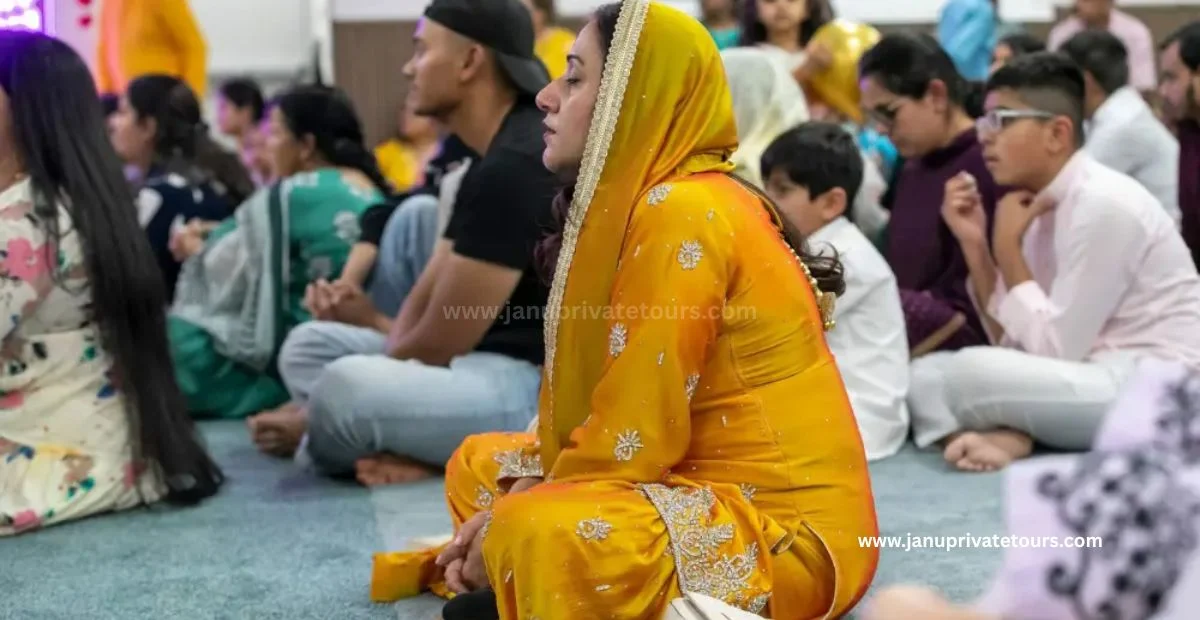
India is not one climate, one culture, or one dress code. What suits in Goa doesn’t fit in Varanasi. What’s normal in Mumbai might feel over-the-top in a rural Rajasthani village. For first-time foreign visitors, what to wear in India is a common pre-trip concern and one of the most important aspects of overall trip preparation.
Dressing appropriately in India is not about restriction. It is about respect, comfort, and practicality. Get it right, and you will easily move through temples, markets, and local neighborhoods. Get it wrong, you might face denied entry to religious places or just sweat your way through the day. Let us have a look at what to wear and pack for your India trip.
| What to Avoid | Reason |
| Very short shorts outside Beaches | Considered Disrespectful in Cities, temples, rural areas |
| Revealing or sleeveless tops at temples | Entry may be refused |
| Tight clothing in rural and conservative areas | Attracts unwanted attention |
| Heavy denim in summer | Uncomfortable in 40 degree heat |
| Expensive jewelry in public | Security risk in crowded markets |
| Beachwear away from beaches | Inappropriate in cities and religious sites |
India is a deeply religious and culturally rich country. Temples, mosques, gurudwaras, and churches are places of worship where millions of people gather daily. Dressing modestly is not an option in these places. It is mandatory.
Apart from religious places, conservative dressing shows respect for the culture here and goes a long way in avoiding unwanted attention, especially for solo female travelers. Plus, it will keep you cooler. Loose, breathable, full-coverage clothes are far more practical in the heat of India than shorts and sleeveless tops.
Yes. Jeans, trousers, dresses, shirts, and Western casual wear are pretty standard in India’s biggest cities. Delhi, Mumbai, Bengaluru, and Jaipur all have large urban populations that wear Western clothing regularly. It’s more about modesty and context than anything else.
For example, a loose Western shirt and trousers can be fine for most temples for men. Yet a midi dress with shoulders covered is preferable at most sightseeing places. It’s not about Western versus Indian clothing. Rather, it is about making sure your Western clothes are appropriate for the place you are visiting. When in doubt, wear loose shirts and trousers for utmost comfort and coverage.
| Setting | Recommended Clothing |
| Hindu temples | Cover shoulders and knees, remove shoes |
| Mosques | Full coverage, head scarf for women |
| Gurudwaras | Cover head, remove shoes |
| Beaches (Goa, Kerala) | Swimwear at beach only, cover up elsewhere |
| Cities (Delhi, Mumbai) | Smart casual, modest |
| Rural areas and villages | Conservative, full coverage |
| Hill stations and trekking | Layers, warm clothing |
| Restaurants and hotels | Smart casual |
Here is a checklist for women travelers:
Lightweight, loose trousers are the most versatile woman travelers can pack for India. They cover the legs, stay cool in the heat, and are suitable everywhere. Pair them with kurtas, tunics, or longer tops. Linen, cotton, and rayon are all good fabric choices.
A kurta is a long, loose top that falls to mid-thigh or knee. For women, the garment is very versatile and comfortable. Packing 2-3 kurtas are a great option as they are so easy to wear and also acceptable across most religious places of India.
A dupatta is a long scarf that covers your shoulders and head. It’s excellent for covering up when visiting places of worship in India. Pack a couple of light ones. They cover your head at religious sites, can protect you from extreme sun and dust, and you can use it as a light layer in air-conditioned areas.
Long, loose maxi dresses and midi skirts that fall below the knee are practical and comfortable in India’s heat. Avoid anything short, tight, or low-cut in public spaces. Floaty, breathable fabrics work best.
When packing for men, here are the clothes they should pack:
Lightweight linen or cotton shirts are the most practical choice for men in India. Long sleeves offer sun protection and are required at some religious sites. Loose-fitting shirts in breathable fabrics keep you significantly cooler than fitted synthetic options. Pack shirts in lighter colors as dark colors, particularly black, absorb heat and show sweat quickly in the summer months.
Lightweight cotton or linen trousers are appropriate everywhere in India. They are required at most religious sites and are far more comfortable than denim in the heat. Pack two or three pairs in neutral colors like beige, grey, or navy. These work equally well for temple visits, restaurant dinners, and long days of sightseeing.
If you are visiting Rajasthan, Delhi, or Agra between November and February, mornings and evenings can be genuinely cold, dropping to 5 to 8 degrees Celsius in January. Pack a fleece or light down jacket for early morning visits to the Taj Mahal or sunrise at Amber Fort. A thermal base layer is useful for the coldest weeks of December and January.
Shorts are acceptable in beach destinations like Goa and Kerala and in some urban areas. They are not appropriate at religious sites, in rural villages, or in more conservative regions. If you pack shorts, always carry trousers for temple visits and travel through smaller towns.
Comfortable, closed-toe walking shoes are essential for city sightseeing. Slip-on sandals are invaluable for easy removal at temples and mosques, where you will be taking your shoes off multiple times a day. Avoid brand new shoes that have not been broken in. The amount of walking involved in a typical India itinerary will destroy your feet if your shoes are not comfortable from day one.
Cover your shoulders and knees at Hindu temples and mosques. At gurudwaras, cover your head. Most religious sites provide cloth wraps or head coverings at the entrance if your clothing does not meet requirements. Leather items are considered impure at some Hindu temples and may need to be left outside.
| Item | Notes |
| Light jacket or fleece | Essential for North India mornings and evenings |
| Shawl or warm scarf | Doubles as temple cover and warmth layer |
| Layers | Mornings cold, afternoons warm |
| Closed shoes | Comfortable walking shoes for cooler weather |
| Thermal base layer | For December and January in North India |
Summer (March to June)
| Item | Notes |
| Loose cotton clothing | Breathable, light colors preferred |
| High SPF sunscreen | UV levels are extreme in Indian summer |
| Wide-brim hat or cap | Essential for outdoor sightseeing |
| Sunglasses | UV protection, strong glare |
| Electrolyte sachets | Dehydration risk is high in peak summer |
Monsoon (July to September)
| Item | Notes |
| Waterproof footwear | Sandals or waterproof shoes |
| Compact umbrella | Sudden heavy downpours are common |
| Quick-dry clothing | Humidity means slow drying times |
| Light rain jacket | Packable, easy to carry |
| Extra dry bags | Protect electronics and documents |
Cover shoulders and knees. Remove shoes before entering. Many temples provide a cloth wrap at the entrance if your clothing is not considered appropriate. Avoid leather items inside some temples as leather is considered impure in certain Hindu traditions.
Full coverage is required for both men and women. Women should cover their head with a scarf. Remove shoes before entering. The Jama Masjid in Delhi and the mosques within the Taj Mahal complex enforce these rules strictly.
Cover your head before entering. Most gurudwaras provide head coverings at the entrance. Remove shoes and wash your feet at the entrance pool. The Golden Temple in Amritsar is one of India’s most visited religious sites and these rules are firmly enforced.
| Mistakes | What to do Instead |
| Overpacking heavy clothing | Pack light, buy locally in Jaipur or Delhi |
| Bringing heavy denim jeans | Swap for lightweight cotton or linen trousers |
| Forgetting a scarf or dupatta | Pack at least two, used daily |
| No slip-on shoes | Essential for multiple temple visits per day |
| Too much black clothing in summer | Light colors reflect heat, dark colors absorb it |
| No sunscreen | UV levels in India are extreme, SPF 50 is recommended |
| Wearing revealing clothing in conservative areas | Always carry a cover-up regardless of the weather |
| Packing formal shoes only | Comfortable walking shoes are non-negotiable |
Yes, and it is one of the best things you can do. Indian clothing is affordable, well-suited to the climate, and widely available across every city. Jaipur’s markets sell block-print kurtas, cotton trousers, and dupattas at very reasonable prices. Delhi’s Dilli Haat and Lajpat Nagar markets are excellent for a wide range of clothing. Buying locally means you arrive with a lighter suitcase and leave with genuinely Indian pieces.
If you are traveling on a private India day tour, your guide can take you to the right markets and help you find quality clothing at fair prices, without the pressure of tourist-area touts.
India rewards travelers who come prepared. Packing the right clothing means fewer complications at temple entrances, more comfort in the heat, and a more respectful experience for everyone around you. Keep it light, keep it loose, and keep a scarf within reach at all times.
Planning your first trip to India and not sure where to start? Janu Private Tours builds fully guided private itineraries for first-time foreign visitors, covering everything from what to pack to where to go and how to get there.
Shorts are acceptable in beach destinations like Goa and in some urban areas. They are not appropriate at religious sites, in rural areas, or in more conservative regions. Loose trousers are a more practical and versatile alternative for most of the country.
At Sikh gurudwaras, yes. At mosques, women should cover their heads. At a Hindu temple, it is not generally required, but a scarf is useful to carry. Head coverings are usually provided at the entrance if needed.
Lightweight cotton and linen are the best choices. They breathe well in the heat, dry quickly, and are comfortable for long days of sightseeing. Avoid synthetic fabrics in hot and humid regions.
Not at all. Wearing a kurta, salwar, or dupatta is generally appreciated by locals as a sign of cultural respect. Many travelers buy Indian clothing on arrival and find it the most comfortable option for the entire trip.
Comfortable, closed-toe walking shoes for city sightseeing and temple visits. Slip-on sandals for beach areas and easy removal at religious sites. Avoid new shoes that have not been broken in as there is significant walking involved across most India itineraries.
Hi, I am Janu (Shabbir Khan)
Book a Free Call
+91 99291 52946