

Call us on +91 99291 52946
Ultimate India Travel Guide for First-Time Visitors

Ultimate India Travel Guide for First-Time Visitors

Welcome to India — What You Should Really Expect

Traveling to India for the first time can feel exciting… and overwhelming at the same time.

You’ve probably seen:

  • Stunning palaces and colorful festivals

  • Spiritual rituals along sacred rivers

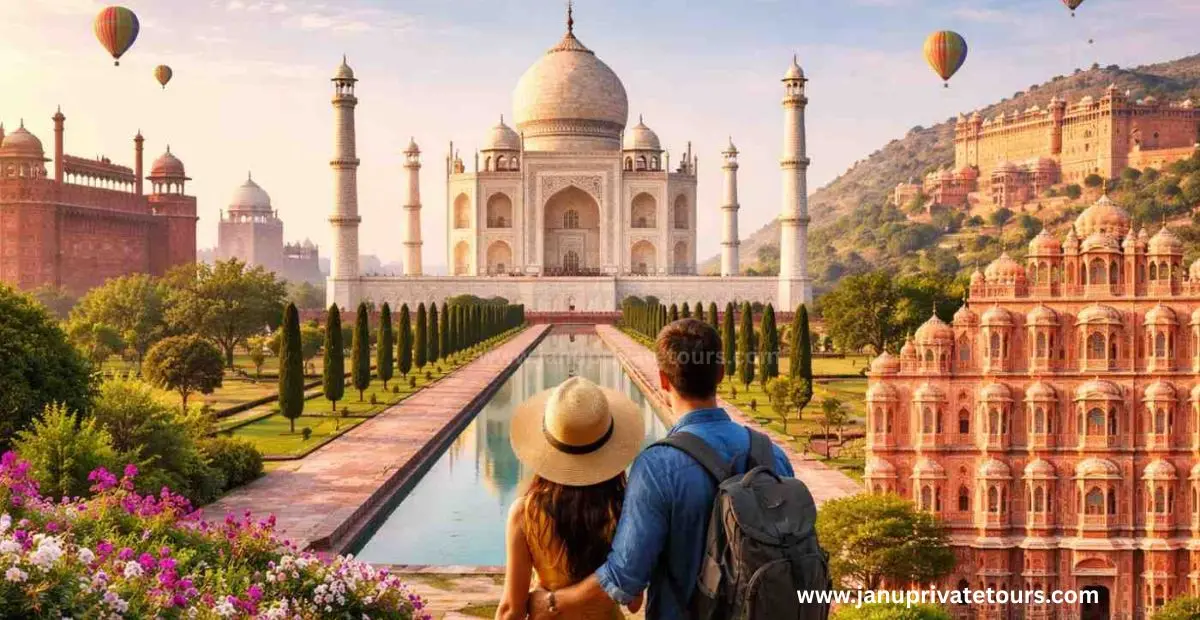
  • Breathtaking landmarks like the Taj Mahal

But you’ve also likely heard:

Let’s be honest—both sides are true.

India is not a simple destination.
It’s intense, diverse, unpredictable… and absolutely unforgettable.


The Truth About Traveling to India

India is best described as a contrast - driven experience:

  • Modern cities next to ancient traditions

  • Luxury hotels beside bustling markets

  • Peaceful temples within noisy streets

For first-time visitors, this contrast can feel overwhelming—but only if you’re unprepared.

With the right guidance, India becomes:

  • Safe 

  • Manageable

  • Deeply rewarding


Why India Changes You

India isn’t just a place you visit—it’s a place you experience.

It challenges your expectations, opens your perspective, and creates moments you’ll never forget.

From sunrise at the Taj Mahal to walking through Jaipur’s old streets, every day feels different.

That’s exactly why millions of travelers return again and again.


What This India Travel Guide Will Help You Do

By the end of this India trip planning guide for first-time visitors, you’ll know:

  • How to enter India (visa, documents).

  • How to stay safe and avoid scams.

  • What to eat, where to stay, and how to travel.

  • Which destinations are best for first-time visitors?

  • How to plan your first time in India travel experience.

And most importantly:

How to explore India for the first time with confidence instead of confusion


Quick Tips For Visiting India Before We Continue

If this is your first visit, don’t try to do everything alone.

India rewards travelers who:

  • Plan ahead

  • Travel at the right pace

  • Get local insights

Many first-time visitors choose curated experiences such as private tours to simplify logistics and avoid common mistakes—especially when visiting regions like Rajasthan or the Golden Triangle.


Do You Need a Visa to Visit India?

Yes—almost all foreign travelers need an Indian visa to enter India.

The good news?
India has made the process much easier with the introduction of the e-Visa system, which most travelers from the USA, UK, Europe, and Australia can use.


India e-Visa for foreigners: The Easiest Option

For first-time visitors, the India e-Visa is the most convenient way to enter the country.

Available e-Visa Types:

  • 30-Day Tourist Visa (double entry)

  • 1-Year Tourist Visa (multiple entry)

  • 5-Year Tourist Visa (multiple entry)


Documents Required for India e-Visa for International Tourists 

Applying for an Indian visa is straightforward, but accuracy is important.

You’ll need:

  • A valid passport (minimum 6 months validity)

  • A passport-size photo (digital format)

  • A scanned passport copy

  • A valid email address

  • A debit/credit card for payment

Processing usually takes 24–72 hours, but apply at least 4–7 days in advance.


Entry Points for e-Visa Holders

You can enter India through major international airports such as:

  • Delhi

  • Mumbai

  • Jaipur

  • Bangalore

  • Chennai

And selected seaports.

Always double-check your approved entry points before traveling.


India Visa Duration & Stay Rules for Foreigners

Even with long-term visas, there are stay limitations per visit:

  • 30-Day e-Tourist Visa: Valid for 30 days from the date of first entry (double entry).

  • 1-Year & 5-Year e-Tourist Visas: Valid from the date the ETA is granted (multiple entries).

  • Maximum Continuous Stay:

    • For most countries: 90 days per visit.

    • For the USA, UK, Canada, and Japan: Continuous stay during each visit shall not exceed 180 days.


Overstaying can result in fines or future travel restrictions.


Can You Extend Your Visa?

In most cases, tourist visas cannot be extended while in India.

If you wish to stay longer:

  • You must exit India and reapply

  • Or plan with a longer-duration visa


Visa on Arrival – Is It Available?


India offers a Visa on Arrival (VoA) only for nationals of Japan, South Korea, and the United Arab Emirates (UAE). 

  • Special Rule for UAE: UAE nationals are eligible only if they have previously obtained an e-Visa or a paper visa for India.

  • Validity: Up to 60 days with double entry for tourism, business, or medical purposes.

  • Airports: Only available at Delhi, Mumbai, Chennai, Kolkata, Bengaluru, and Hyderabad.

For all other travelers (USA, UK, EU, Australia, etc.), you must apply for an e-Visa online at least 4 days before arrival.

Common Visa Mistakes to Avoid in India 

First-time travelers often make small mistakes that can cause big issues.

Avoid these:

  • Entering the wrong passport details

  • Uploading unclear documents

  • Applying too late

  • Booking flights before visa approval


Always wait for visa confirmation before finalizing travel plans. 


Pro Tip for First-Time Visitors

If you’re planning a multi-city trip (Delhi, Agra, Jaipur, Rajasthan, etc.), align your visa duration with your itinerary.

Many travelers underestimate how much time India requires.


Is India Safe for Tourists?

This is the #1 question every first-time traveler asks.

The honest answer is:

Yes, India is safe for tourists—if you travel smart.

Just like in the USA, UK, or Europe:

  • Some areas are very safe

  • Some require caution

  • Awareness makes all the difference

Millions of international travelers visit India every year without issues.

The key is preparation—not fear.


Understanding Safety in India

India can feel intense because:

  • It’s crowded

  • People are curious about foreigners

  • Street life is very active

This does NOT mean it’s unsafe—it means it’s different.

Once you understand the environment, it becomes much easier to navigate confidently.


Solo Female Travel in India

If you’re travelling solo in India, one of the most searched concerns:
Is India safe for solo female travelers?

The Reality:

  • Thousands of women travel solo in India every year

  • Many have safe, life-changing experiences

Smart Safety Tips:

  • Dress modestly (especially in smaller cities)

  • Avoid walking alone late at night

  • Use trusted transport (Uber/Ola or hotel-arranged cars)

  • Stay in well-reviewed accommodations

  • Trust your instincts—always

Cities like Jaipur, Udaipur, and Kerala are considered more comfortable for first-time female travelers.


Common Scams to Avoid 

India is generally safe—but like any tourist destination, scams exist.

Watch out for:

1. “Closed Attraction” Scam
Someone tells you a monument is closed → takes you to a shop
Ignore and verify yourself

2. Fake Tour Guides
Unlicensed guides offering “cheap tours.”
Always use verified services

3. Overpriced Taxi/Auto
Drivers quoting inflated prices
Use Uber, Ola, or pre-booked transport

4. Currency Confusion
Being given incorrect change
Count money carefully


Transport Safety in India

Transportation is one of the biggest concerns for first-time visitors.

Safe Options:

  • Uber / Ola (widely available in cities)

  • Hotel-arranged taxis

  • Pre-booked private drivers

Avoid:

  • Random street taxis without negotiation

  • Traveling alone late at night in unfamiliar areas

For multi-city travel, many first-time visitors prefer private car + driver setups for comfort and safety.

Dealing with Attention & Harassment

Foreign travelers—especially women—may attract attention.

This is usually:

  • Curiosity

  • Not aggression

How to handle it:

  • Stay confident and calm

  • Avoid engaging in unwanted conversations

  • A firm “No, thank you” works well

  • Ignore persistent sellers

Most situations are harmless but unfamiliar, not dangerous.

Areas to Be More Cautious

India is vast, and safety varies by location.

Generally safe for tourists:

  • Rajasthan (Jaipur, Udaipur, Jodhpur)

  • Kerala

  • Goa

  • Himachal Pradesh

Use extra caution in:

  • Overcrowded markets

  • Isolated areas at night

  • Remote regions without tourist infrastructure

Stick to well-traveled routes for your first trip.

Monsoon & Weather Safety

India’s monsoon season (June–September) can affect travel.

Risks:

  • Flooded streets

  • Travel delays

  • Slippery roads

Tips:

  • Avoid heavy travel during the peak monsoon

  • Check weather forecasts

  • Allow buffer days in your itinerary


Political & Social Situations

India is generally stable, but like any country:

  • Protests can happen

  • Local tensions may arise

What to do:

  • Avoid large gatherings or protests

  • Follow local news or hotel advice

  • Register with your embassy (recommended)


The Golden Rule of Safety in India

Stay aware, not afraid.

If you:

  • Plan ahead

  • Choose reliable services

  • Respect local culture

You’ll likely have a smooth and safe journey.


Is India Safe for Health & Hygiene?

This is one of the biggest concerns for first-time visitors.

You may have heard:

  • “You’ll get sick in India.”

  • “Avoid all street food.”

  • “Water isn’t safe.”

👉 The truth is more balanced:

India is safe for travelers who follow basic precautions.

Millions of tourists visit every year without serious health issues.


Recommended Vaccinations

Before traveling, it’s a good idea to consult your doctor or travel clinic.

Common recommendations include:

  • Hepatitis A

  • Hepatitis B

  • Typhoid

  • Tetanus

  • Routine vaccines (MMR, flu)

MANDATORY Requirement (Yellow Fever):

  •  If you are arriving from (or have transited through) a Yellow Fever endemic country in Africa or South America, you must carry an original Yellow Fever Vaccination Certificate. Without this, you will be subject to a mandatory 6-day quarantine upon arrival.


Can You Drink Tap Water in India?

No—do not drink tap water.

Safe alternatives:

  • Bottled water (widely available)

  • Filtered water at hotels

  • Sealed packaged drinking water

Pro Tips:

  • Always check the bottle seal

  • Avoid ice in unknown places

  • Use bottled water even for brushing teeth (recommended for sensitive travelers)


What Is “Delhi Belly” & How to Avoid It

“Delhi Belly” refers to mild stomach upset caused by unfamiliar bacteria.

Common causes:

  • Contaminated water

  • Unwashed produce

  • Sudden dietary changes

How to Avoid It:

  • Eat freshly cooked, hot food

  • Avoid raw salads in local places

  • Peel fruits yourself

  • Wash your hands regularly or use sanitizer

Most cases are mild and pass within 1–2 days.

Is Street Food Safe in India?

Yes—but be selective.

Street food in India is the best cultural experience.

Follow this rule:

If locals are eating there, it’s usually safe

Choose:

  • Busy food stalls

  • Freshly cooked items

  • Hot food is served immediately

Avoid:

  • Empty stalls

  • Pre-cut fruit

  • Food sitting out for long periods


Malaria, Dengue & Mosquito Protection

In some regions, mosquito-borne diseases exist.

Risk level:

  • Low in major tourist cities

  • Higher in rural/tropical areas

Protection tips:

  • Use mosquito repellent

  • Wear light full-sleeve clothing in the evenings

  • Stay in hotels with good hygiene standards

Most travelers do not face serious issues with basic precautions.


Hospitals & Medical Care in India

India has excellent private healthcare, especially in major cities.

Cities like:

  • Delhi

  • Mumbai

  • Jaipur

  • Bangalore

have international-standard hospitals.

What to expect:

  • English-speaking doctors

  • Modern facilities

  • Affordable treatment compared to Western countries


Travel Insurance (Highly Recommended)

Never skip this.

Make sure your insurance covers:

  • Medical emergencies

  • Hospitalization

  • Trip cancellations

  • Theft/loss

This is a must-have for peace of mind.


Hygiene Tips That Make a Big Difference

Simple habits can prevent most issues:

  • Carry hand sanitizer

  • Avoid touching your face frequently

  • Use tissues/wet wipes

  • Stay hydrated

Small precautions = big comfort.


Mental Adjustment: Expect Differences

Hygiene standards in India may feel different from:

  • USA

  • UK

  • Europe

But that doesn’t mean unsafe—it means different systems and conditions.

Travelers who:

  • Stay flexible

  • Follow basic precautions

usually have smooth experiences.


Money & Budgeting In India

Currency in India

The official currency is the Indian Rupee (INR).

Quick Reference:

  • $1 USD ≈ ₹90–95 INR (approx.)

  • €1 EUR ≈ ₹105–110 INR

Exchange rates fluctuate, so check before traveling.


Cash vs Card: What Should You Use?

India is a mix of cash + digital payments.

Cards are accepted in:

  • Hotels

  • Restaurants

  • Airports

  • Shopping malls

Cash is needed for:

  • Local markets

  • Street food

  • Small shops

  • Tipping

UPI (The Modern Way):

Foreign tourists from G20 nations can now use UPI One World. You can set up a prepaid UPI wallet at major international airports (like Delhi or Mumbai) using your passport and visa. This allows you to pay like a local by scanning QR codes at almost any shop, even small street stalls, directly from your phone.

Best approach:
Carry both cash + card


ATMs & Currency Exchange

ATMs are widely available in:

  • Cities

  • Airports

  • Tourist areas

Tips:

  • Use ATMs at banks or malls

  • Inform your bank before travel

  • Withdraw moderate amounts

Currency Exchange:

  • Available at airports, hotels, and exchange offices

  • Avoid random street exchanges

How Expensive Is India for Tourists?

India can be:
👉 Very affordable OR very luxurious
Depending on your travel style.

Average Daily Travel Costs (Per Person)

Budget Travel ($30–60/day)

  • Basic hotels/hostels

  • Local food

  • Public transport


Mid-Range Travel ($70–150/day)

  • 3–4 star hotels

  • Private transport occasionally

  • Guided experiences


Luxury Travel ($200–500+/day)

  • 5-star hotels/heritage stays

  • Private driver

  • Personalized experiences


India offers incredible value for money compared to Europe or the US.


Food Costs in India

  • Street food: $1–3

  • Local restaurants: $5–10

  • Fine dining: $15–40

Food is one of the most affordable highlights of traveling in India.

Transport Costs

  • Uber rides: very affordable

  • Intercity trains: budget-friendly

  • Private car + driver: mid-range to premium

Many first-time travelers prefer private transport for comfort and safety.


Tipping Culture in India

Tipping is appreciated but not mandatory.

General guidelines:

  • Restaurants: 5–10%

  • Drivers: ₹300–500/day

  • Guides: ₹300–800/day

  • Hotel staff: small tips (₹50–100)

Tip based on service quality, not obligation.


Common Money Mistakes to Avoid

  • Carrying only cash

  • Not informing your bank

  • Accepting damaged notes

  • Overpaying without checking

Always double-check prices in markets.


Bargaining in India

Bargaining is normal in:

  • Local markets

  • Street shopping

Tips:

  • Start at 50–60% of the quoted price

  • Stay polite and friendly

  • Walk away if needed

In malls and restaurants, prices are fixed.


Budgeting Tip for First-Time Visitors

Many travelers underestimate:

  • Travel time between cities

  • Comfort needs

  • Hidden stress of planning

A slightly higher budget often results in:

  • Better experience

  • Less stress

  • More enjoyment


This is why many first-time visitors choose pre-arranged or private tours—to avoid confusion and stay within budget.


Must Read This Also: How to Earn Money in India While Travelling


When Is the Best Time to Visit India?

India is a year-round destination—but the best time to visit depends on where you go and what you want to experience.

The most recommended time for first-time visitors is:

October to March (Peak Travel Season)


October to March: Ideal for First-Time Visitors

This is considered the best time to visit India, especially for international travelers.

Why it’s ideal:

  • Pleasant temperatures (10°C–25°C / 50–77°F)

  • Comfortable for sightseeing

  • Clear skies and better visibility

  • Major festivals and cultural events


Best Regions to Visit During This Time:

  • Delhi, Agra, Jaipur (Golden Triangle)

  • Rajasthan (Jaipur, Udaipur, Jodhpur, Jaisalmer)

  • Varanasi

  • Wildlife parks like Ranthambore


If you’re planning your first time in India itinerary, this is the safest and most comfortable season.


April to June: Summer Season (Hot but Less Crowded)

Summer in India can be intense—especially in North India.

What to expect:

  • Temperatures: 35°C–45°C (95–113°F)

  • Dry heat in Rajasthan and Delhi


Good for:

  • Budget travelers (lower prices)

  • Hill stations (Shimla, Manali)

  • Fewer crowds at major attractions

Not ideal for:

  • First-time visitors exploring cities like Delhi or Jaipur


July to September: Monsoon Season

India’s monsoon transforms the landscape—but also brings challenges.

Pros:

  • Lush greenery

  • Fewer tourists

  • Beautiful scenery (especially in Kerala)


Cons:

  • Heavy rains in some regions

  • Travel delays

  • Flooding in certain areas


Best regions during monsoon:

  • Kerala (very scenic)

  • Goa (quiet and green)


Avoid heavy travel in North India during the peak monsoon if it’s your first trip.


Best Time for Wildlife Safaris

If you want to include wildlife (like tiger safaris in India):

Ideal months:

  • March to May (higher chances of sightings)


Why?

  • Animals gather near water sources

  • Easier to spot wildlife


Combine this with Rajasthan for a wildlife with culture trip.


Best Time for Beaches (Goa & Andaman)

October to March:

  • Sunny weather

  • Calm seas

  • Perfect for beach travel


Avoid:

  • Monsoon season (rough seas, closures)


How to Choose the Right Time for Your India Trip

Choose October–March if:


Choose April–June if:

  • You want fewer crowds

  • You’re okay with heat

  • You’re visiting the mountains


Choose Monsoon if:

  • You want greenery and lower prices

  • You’re visiting Kerala or South India


Common Mistakes to Avoid

Planning a North India trip in peak summer (May–June)

Result:

  • Exhaustion

  • Reduced enjoyment

  • Travel fatigue


Pro Tip for First-Time Travelers in India

Timing can make or break your India experience

The same destination can feel:

  • Magical in winter

  • Overwhelming in summer


Getting Around India: What First-Time Travelers Should Know

Transportation in India can feel confusing at first.

There are multiple options:

  • Flights

  • Trains

  • Buses

  • Private cars

  • Ride apps

The best choice depends on:

  • Your budget

  • Time

  • Comfort level

For first-time visitors, the goal is simple:

Minimize stress, maximize experience


Domestic Flights in India

India is a large country, so flights are often the fastest way to travel between major cities.

Best for:

  • Long distances (Delhi → Kerala, Mumbai → Jaipur)

  • Saving time

Pros:

  • Affordable compared to Western countries

  • Frequent connections

  • Reliable airlines

Cons:

  • Airport transfers required

  • Baggage limits

Ideal for covering large distances quickly.


Trains in India (Authentic but Complex)

India’s railway network is one of the largest in the world.

Best for:

  • Cultural experience

  • Budget travel

Challenges:

  • Complex booking system

  • Long waiting lists

  • Crowded compartments (in lower classes)

Recommended:

  • AC classes (1AC, 2AC, 3AC) for comfort

Great experience—but can be overwhelming for first-time visitors.

Buses in India

Buses are available everywhere but vary widely in quality.

Not ideal for first-time travelers because:

  • Inconsistent comfort

  • Language barriers

  • Limited safety in some regions

Best avoided unless pre-booked premium services.

Private Car with Driver (Best Option for First-Time India Visitors)

This is the most recommended option for international travelers.

Why it works so well:

  • Door-to-door convenience

  • No navigation stress

  • Flexible schedule

  • Local insights from the driver

Ideal for:

This is why most first-time visitors prefer structured experiences like a private car + driver setup.

Ride Apps in India

India has excellent ride-hailing apps:

  • Uber

  • Ola (local equivalent)

  • Rapido

Good for:

  • Short city rides

  • Airport transfers

  • Safe and trackable trips

Always prefer app-based rides over random taxis.

Airport Transfers

After a long international flight, the last thing you want is confusion.

Best options:

  • Hotel pickup

  • Pre-booked driver

  • Ride apps (Uber/Ola)

Avoid negotiating taxis at the airport.


Popular Tourist Routes in India

For first-time India visitors, certain routes are easier and more rewarding.


Golden Triangle (Most Recommended)

  • Delhi

  • Agra

  • Jaipur

Perfect for:

  • First-time visitors

  • 7–10 day trips

  • Cultural + historical experience


Rajasthan Circuit

  • Jaipur

  • Jodhpur

  • Udaipur

  • Jaisalmer

Best for:

  • Heritage + culture

  • Forts + desert landscapes


Kerala Route

  • Kochi

  • Munnar

  • Alleppey

Best for:

  • Nature

  • Relaxation

  • Backwaters


Travel Time Reality in India

Distances may look short on a map—but travel can take longer than expected.

Example:

  • Jaipur → Agra = ~5 hours

  • Delhi → Jaipur = ~3.5–4 hours via the Delhi-Mumbai Expressway.

  • Delhi to Dehradun/Rishikesh: Now approx. 2.5–3 hours via the new expressway.

Always:

  • Avoid overpacking your itinerary

  • Plan buffer time

Local Tip: Always use Google Maps to check the "Expressway" route options, as older highway routes can still take twice as long.


Smart Travel Strategy for First-Time Visitors

Instead of mixing too many transport types:

Choose one simple system

Best approach:

  • Flights for long distances

  • Private car for regional travel

  • Uber/Ola within cities


Why Transportation Is the Biggest Stress Point

Most travel stress in India comes from:

  • Figuring out routes

  • Dealing with drivers

  • Managing timing

Once transport is solved, everything becomes easier.


Understanding Indian Culture as a First-Time Visitor

India is one of the most culturally rich countries in the world—but it’s also very different from Western societies.

For first-time visitors, small cultural misunderstandings can feel uncomfortable—but they’re easy to avoid with a little awareness.

👉 The goal is not perfection—just respect and openness.


Dress Code in India

India is generally conservative, especially outside major cities.

Recommended for travelers:

  • Loose, comfortable clothing

  • Covered shoulders and knees

  • Light fabrics (due to weather)

For women:

  • Dresses, long skirts, or pants are ideal

  • Avoid very revealing outfits in public places

For men:

  • T-shirts, shirts, and trousers are perfectly fine

In tourist areas, standards are more relaxed—but modesty is always appreciated.


Respecting Religion & Sacred Spaces

India is deeply spiritual, with multiple religions coexisting.

You’ll visit:

  • Temples

  • Mosques

  • Gurudwaras

  • Sacred rivers

Important etiquette:

  • Remove shoes before entering temples

  • Dress modestly

  • Avoid loud behavior

  • Follow local instructions

Respect is more important than understanding every rule.


Greetings in India

The traditional greeting is:

“Namaste” (hands together, slight bow)

You can also:

  • Shake hands (common in cities)

  • Smile—it goes a long way

Locals appreciate when travelers make small efforts.


Food Etiquette

Eating habits in India may differ from what you’re used to.

Key points:

  • Many people eat with their right hand

  • The left hand is considered unclean for eating

  • Sharing food is common in social settings

Tips for travelers:

  • Use cutlery if you prefer (totally acceptable)

  • Wash your hands before meals

  • Try local customs—it enhances the experience


Photography Etiquette

India is visually stunning—but always be respectful.

Allowed:

  • Monuments

  • Public spaces

Ask before:

  • Photographing people

  • Taking pictures in villages

  • Capturing religious rituals

A simple gesture or smile usually gets permission.


Bargaining Culture

Bargaining is part of everyday life in many markets.

Where to bargain:

  • Street markets

  • Local shops

Where NOT to bargain:

  • Malls

  • Restaurants

  • Hotels

Tips:

  • Stay friendly

  • Don’t take it personally

  • Enjoy the interaction

It’s part of the cultural experience, not conflict.


Public Behavior & Social Norms

India is generally more conservative in public behavior.

Keep in mind:

  • Public displays of affection are limited

  • Loud or aggressive behavior is frowned upon

  • Personal space may feel different (especially in crowds)

Stay calm, patient, and observant.


Cultural Differences That May Surprise You

First-time visitors often notice:

  • People may stare (curiosity, not rudeness)

  • Things don’t always run on strict time

  • Chaos and order exist together

The key mindset:
Observe first, react later


Language & Communication

India has many languages, but:

English is widely spoken, especially in:

  • Cities

  • Hotels

  • Tourist areas

Tips:

  • Speak clearly and simply

  • Avoid slang

  • Be patient in conversations


Kindness & Hospitality in India

One of the most memorable aspects of India is its hospitality.

You may experience:

  • Strangers helping you

  • Invitations for tea

  • Warm conversations

Indians often treat guests with deep respect:
“Guest is God” (Atithi Devo Bhava)


Why Cultural Awareness Improves Your Trip

Understanding culture helps you:

  • Avoid awkward situations

  • Build meaningful connections

  • Feel more confident

It transforms your trip from:
“tourist experience” → “cultural journey”


Where Should You Go on Your First Trip to India?

India is massive and incredibly diverse.

One of the biggest mistakes first-time travelers make is:
Trying to see too much in one trip

Instead, focus on well-connected, culturally rich, and traveler-friendly regions.


1. Golden Triangle (Best for First-Time Visitors)

This is the #1 recommended route for beginners.

Includes:

  • Delhi

  • Agra (home of the Taj Mahal)

  • Jaipur


Why it’s perfect:

  • Covers India’s top highlights

  • Easy travel distances

  • Strong tourist infrastructure

  • Great mix of culture, history, and local life


Ideal Duration:

5–7 days

This is the best first-time India itinerary for most travelers.


2. Rajasthan (Culture, Forts & Royal Heritage)

If you want a deeper, more immersive experience, Rajasthan is ideal.

Key cities:

  • Jaipur

  • Udaipur

  • Jodhpur

  • Jaisalmer

What to expect:

  • Grand forts and palaces

  • Desert landscapes

  • Colorful markets

  • Rich traditions


Rajasthan offers a complete cultural experience of India.


Must Read: Places to Visit in Rajasthan


3. Kerala (Nature, Relaxation & Backwaters)

For a calmer, more relaxed trip, Kerala is perfect.

Highlights:


Experience:

  • Lush greenery

  • Backwater cruises tour

  • Ayurveda & wellness


Ideal for:

  • Couples

  • Nature lovers

  • Slow travel


Must Read: Best Places to Visit in Kerala: Nature, Backwaters & Hill Stations


4. Varanasi (Spiritual & Cultural Depth)

One of the oldest living cities in the world.

Experience:

  • Ganga Aarti ceremonies

  • Riverfront ghats

  • Spiritual rituals


Varanasi is:

  • Deeply emotional

  • Intense

  • Unforgettable

Best combined with the Golden Triangle.

Book Now: Varanasi Full Day City Tour


5. Goa (Beaches & Relaxation)

If you want a break from cultural intensity:

Goa offers:

  • Beaches

  • Cafés

  • Nightlife

  • Portuguese heritage

Great for:

  • Relaxing after a North India trip


6. Andaman Islands (Hidden Paradise)

Less crowded and more exclusive.

Highlights:

  • Crystal-clear water

  • White sand beaches

  • Scuba diving


Best for:

  • Luxury travelers

  • Honeymooners


7. Wildlife Experiences in India

India is one of the best places in the world for wildlife.

Top experience:


What you’ll see:

  • Bengal tigers

  • Leopards

  • Exotic birds


Great addition to:


8. Lesser-Known Destinations (For Repeat Visitors)

Once you’ve experienced the main highlights, consider:

  • Himachal Pradesh (mountains)

  • Rishikesh (yoga & spirituality)

  • Hampi (ancient ruins)


These are better for second-time visits.


How to Choose the Right Route

For your first trip, keep it simple.

Best combinations:


Common Mistakes to Avoid

Trying to cover:
Delhi + Rajasthan + Kerala + Goa in one trip

Result:

  • Exhaustion

  • Less enjoyment

  • Travel fatigue

Pro Travel Tip

Focus on one region per trip

India is not a country you finish in one visit—it’s a country you return to.


Practical Travel Tips for Foreigners in India


SIM Cards & Internet in India

Staying connected in India is easy and affordable.

Best options:

  • Buy a local SIM card at the airport

  • Providers: Airtel, Jio (most reliable)

Requirements:

  • Passport copy

  • Visa copy

  • Passport photo

Activation can take a few hours.


Internet & Wi-Fi

  • Good 4G coverage in cities

  • Wi-Fi available in hotels, cafés

Connectivity is generally reliable for travelers.


Useful Apps for Traveling in India

Downloading the right apps can simplify your trip.

Must-have apps:

  • Google Maps → navigation

  • Uber / Ola → transport

  • Google Translate → communication

  • IRCTC / ConfirmTkt → train bookings

These apps reduce confusion significantly.


Accommodation Tips

From luxury India tours to budget stays India offers everything 

Recommended for first-time visitors:

  • 3-star and above hotels

  • Well-reviewed boutique stays

  • Central locations

Good accommodation = better overall experience.


Power Outlets & Electricity

India uses:

  • Type C, D, and M plugs

  • Voltage: 230V

Bring:

  • Universal travel adapter

  • Power bank


Alcohol Rules in India

Alcohol laws vary by state.

Key points:

  • Legal drinking age: 18–25 (depends on state)

  • Alcohol available in hotels, bars, and restaurants

Note:

  • Some states have restrictions (e.g., Gujarat)

Always check local rules.


Toilets & Public Facilities

This is a common concern.

Reality:

  • Hotels & restaurants → clean facilities

  • Public toilets → inconsistent

Tips:

  • Carry tissues/wipes

  • Use hotel/restaurants when possible


Packing Essentials for India

Here’s a quick checklist:

Must-carry:

  • Hand sanitizer

  • Wet wipes

  • Sunscreen

  • Comfortable walking shoes

  • Light clothing

Pack light—but smart.


Mindset Tip: Expect the Unexpected

India doesn’t always go “by the plan.”

And that’s okay.

The best experiences often come from:

  • Unplanned moments

  • Local interactions

  • Small surprises


Why Preparation Changes Everything

Most travel stress comes from:

  • Not knowing what to expect

  • Small logistical challenges

When you’re prepared:

  • You feel confident

  • You enjoy more

  • You worry less


Final Practical Tip

Keep things simple.

For your first trip:

  • Choose fewer destinations

  • Plan transport in advance

  • Avoid overloading your itinerary


Ready to Experience India the Right Way?

By now, you’ve seen that traveling in India is:

  • Incredibly rewarding

  • Deeply cultural

  • But also… complex to plan

From visas and safety to transport and itineraries—there’s a lot to manage, especially for a first-time visit.


Why Many First-Time Travelers in India Choose Expert Help

Most international travelers eventually realize:

The biggest challenge isn’t what to see
It’s how to experience it smoothly

That’s why many visitors choose locally guided, private travel experiences—to avoid:

  • Transport confusion

  • Overpacked itineraries

  • Safety uncertainties

  • Time-consuming planning


Travel India Without the Stress

Travel becomes completely different when:

  • Your itinerary is thoughtfully designed

  • Transport is pre-arranged

  • You have local support at every step

  • You don’t have to negotiate, guess, or worry

  • You focus on the experience—not the logistics.


Discover India with Janu Private Tours

With over 20 years of experience hosting international travelers, Janu Private Tours specializes in:

  • Personalized itineraries

  • Private car & driver experiences

  • Cultural and heritage tours

  • Safe, comfortable travel across India


What Makes the Experience Different?

Travelers choose Janu Private Tours because it offers:

Local Expertise

Understand India beyond guidebooks—with real cultural insight.

Safety & Comfort

Trusted drivers, verified hotels, and reliable support.

Flexible Travel

Adjust your journey based on your pace and interests.

Hassle-Free Planning

No stress, no confusion—everything handled for you.


Start Planning Your India Journey

Instead of spending weeks researching and second-guessing:

Reach out and get:

  • A custom itinerary

  • Expert recommendations

  • Clear pricing

  • Honest guidance


Final Thought

India is not a destination you want to “figure out as you go”—
It’s a destination you want to experience fully and comfortably.

With the right planning and support, your journey becomes:

  • Effortless

  • Meaningful

  • Unforgettable

Mr. Shabbir Khan (Janu)

Hi i am Mr. Shabbir Khan (Janu)

Meet Shabbir Khan, the visionary founder of Janu Private Tours, whose remarkable journey began with navigating a tuk-tuk through Jaipur and has since led him to become the Managing Director of one of India's premier travel companies. Widely known as Janu, his story is one of inspiration, faith, and profound transformation. Read more

Book a call

Get in touch !

What Our Client Say ?

A great platform to book your tours.

Charles A
Charles A 1 week ago
Everything was handled professionally—from pl...

Everything was handled professionally—from planning to execution. Comfortable rides,...

Read more
Warbenn
Warbenn 1 week ago
The service was exceptional! Friendly team, s...

The service was exceptional! Friendly team, smooth coordination, and great attention...

Read more
Sarah H
Sarah H 1 week ago
A truly authentic experience! The guide share...

A truly authentic experience! The guide shared incredible local insights, and the who...

Read more
Paris Fitzpatrick
Paris Fitzpatrick 1 week ago
Amazing experience! The driver was so welcomi...

Amazing experience! The driver was so welcoming and helpful, and the entire journey w...

Read more
Ms Lost
Ms Lost 1 week ago
Seeing the Taj Mahal was a dream come true, m...

Seeing the Taj Mahal was a dream come true, made even better by the excellent plannin...

Read more
Lotte Warringa
Lotte Warringa 1 week ago
Jaipur was unforgettable thanks to Janu Priva...

Jaipur was unforgettable thanks to Janu Private Tours. The guide was knowledgeable, a...

Read more
Kifayath
Kifayath 1 week ago
Our driver was incredibly friendly and profes...

Our driver was incredibly friendly and professional. The ride was smooth and comforta...

Read more
Ilene C
Ilene C 1 week ago
A beautifully organized journey! The driver w...

A beautifully organized journey! The driver was courteous, the car was very comfortab...

Read more
Geraldine T
Geraldine T 1 week ago
Everything was perfectly arranged—from hotels...

Everything was perfectly arranged—from hotels to transportation. The team was always...

Read more
Eugenia Garcia
Eugenia Garcia 1 week ago
Exploring Jaipur with Janu Private Tours was...

Exploring Jaipur with Janu Private Tours was a highlight of our trip. The guide was e...

Read more
Silke H
Silke H 1 week ago
From the very beginning, the hospitality was...

From the very beginning, the hospitality was outstanding. The driver was punctual, fr...

Read more
Carmina
Carmina 1 week ago
A wonderful and stress-free experience! Our d...

A wonderful and stress-free experience! Our driver was kind and professional, and the...

Read more
Carina K
Carina K 1 week ago
Jaipur was absolutely magical! Everything was...

Jaipur was absolutely magical! Everything was perfectly organized—from our driver to...

Read more
+91 99291 52946 Plan you trip Chat with us