Selecting your next travel destination starts with a single question: Where will I go now? And, when you begin to compare the travel experiences of South Asia, your decision often falls into two: the Maldives or India. Each country has its own distinct atmosphere, landscapes, and travel style. Maldives vs India isn’t a competition of which nation is superior or better, but which one better suits your travel preferences, budget, and experiences you seek. With this comprehensive comparison of culture, cost, nature, activities, food, and travel convenience, you can make an informed decision on which to pick next.
Between tranquil tropical islands and bustling metropolitan cities, historic monuments and unique cultural subcultures, South Asia offers top-tier travel experiences. Whether you are seeking to pamper yourself at luxury resorts, indulge in deep heritage sights, explore regional cuisines, or discover hidden activities, understanding the contrasts between the Maldives and India can clarify your decision.
First, a note on your travel personality and what you want to gain from the trip.
Travel Personality: What Kind of Traveler Are You?
This is the most critical factor in the Maldives vs India decision.
-
Do you seek total relaxation and privacy by the beach?
-
Are you interested in markets, heritage, and cultural diversity?
-
Do you enjoy a mixture of beaches and sightseeing?
-
Do you require budget flexibility, or is a luxury stay most important?
Clarify these factors and your travel personality to simplify and rationalize the destination choice.
Also Read: Best 10 Package Tours to Rajasthan from Mumbai
Maldives – Luxury, Silence, and Marine Life
If the ideal holiday means waking up in an over-water bungalow surrounded by crystal blue water, coral reefs, and slow-paced tropical island life, the Maldives is one of the best travel destinations in the world. Renowned for five-star resorts, overwater private villas, and honeymoon getaways, the Maldives values privacy and exclusivity over diversity of experience.
Attractions in the Maldives
Maldives travel is focused on warm, clear waters, which are perfect for snorkeling and scuba diving. Accommodations include luxury resorts with spa services, infinity pools, and private beaches. A popular activity is candlelight dinners by the beach or over water. Visitors can swim with sea turtles, dive with manta rays, and explore colorful coral reefs and underwater life. The travel movement in the Maldives is more linear, with longer stays in resorts.
The Maldives is excellent for couples, honeymoon trips, or travelers seeking a peaceful, complete escape from their routine. Privacy and quiet are core values.
Cost Factors
The Maldives is generally more expensive, with costs rising around resort stays and activities. Food, spa treatments, and premium experiences are all higher in The direct contact with local culture is somewhat limited in the Maldives, as most activities and beach access are within the resorts.
For many travelers, the Maldives offers the ultimate “do nothing” vacation, relaxing, comfortable, and entirely designed around rest.
India – Culture, Diversity, and Vast Exploration
India provides an unmatched level of depth and diversity in travel that few countries can match. From the Himalayan mountains to desert forts, tropical islands to ancient cities, every region has its own stories. When comparing the Maldives to India, one distinct contrast is that India is more focused on exploration, cultural connection, and engaged travel, as opposed to single resort-style luxury.
Attractions in India
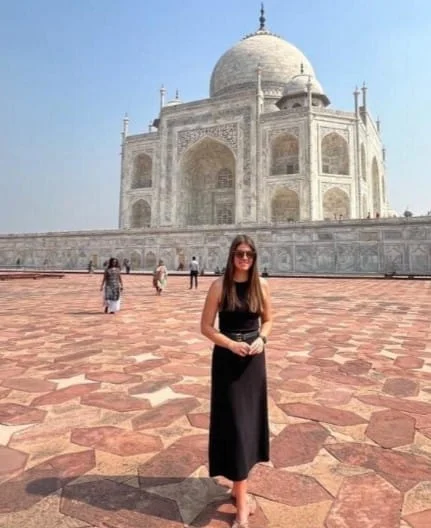
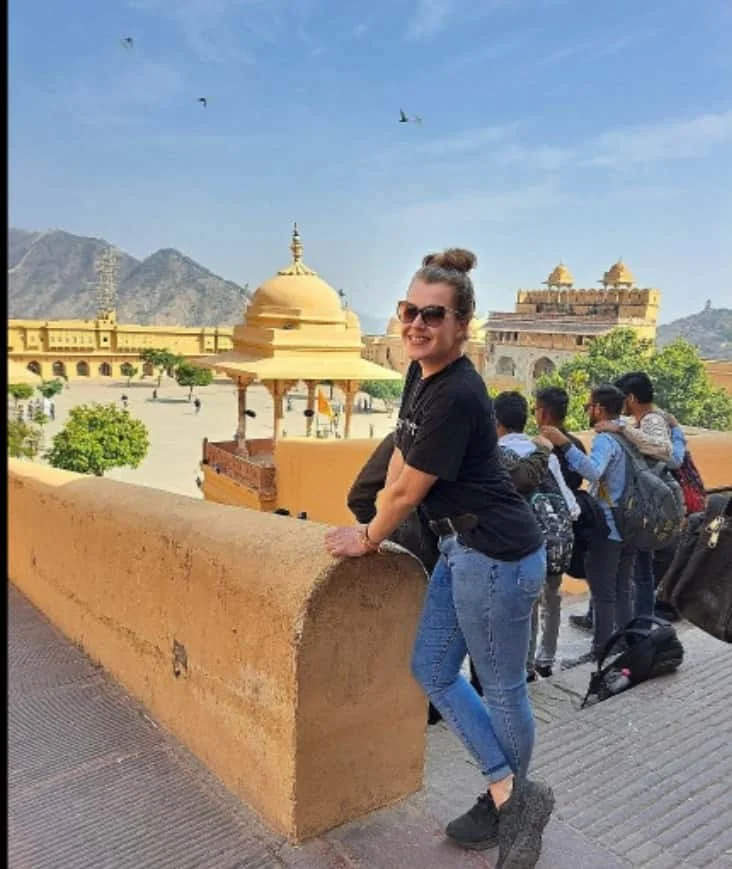
India offers UNESCO World Heritage monuments such as the Taj Mahal, Qutub Minar, and Amber Fort. Themed travel options include food tours, wildlife safaris, beach holidays, royal palace stays, and spiritual or yoga tours. India also has scenic and cultural diversity: mountains, deserts, forests, rivers, backwaters, islands, hill stations, and tea gardens. Local market shopping for textiles, spices, jewelry, art, and handicrafts is widely available. Internal travel is easy, and domestic flights are plentiful for multi-city itineraries.
Travelers who love interacting with local people, discovering neighborhood spots, tasting authentic regional cuisines, and learning about history will find India extremely rewarding and satisfying.
Cost Factors
India has very good price flexibility. Travelers can choose low-budget guesthouses, mid-range hotels, boutique heritage properties, or stay in luxury palace hotels. Internal flights and transportation are also cost-effective. Daily expenses can be tailored according to region and style of travel.
Tour operators such as Janu Private Tours make travel in India easily accessible through heritage tours, customized itineraries, transportation, and guide services. For first-time travelers, local support and pre-trip planning are significant values.
Culture Comparison
The Maldives vs India gap is most pronounced when it comes to cultural experiences.
Maldives
-
Limited cultural exposure
-
Focused on resort life, local cultural experiences are mostly limited to visiting local fishing villages.
India
-
Heritage walks, temple visits, language diversity, traditional clothing, folk art, music, and festivals
-
Street food culture in cities like Delhi, Jaipur, Kolkata, Chennai, and Mumbai
-
Travel is more immersive and has greater human interaction at every stage.
If experiencing culture matters to you, India offers ten times more variety and travel value.
Nature and Activities
Nature in the Maldives
The Maldives are known for their coral atolls, ocean wildlife, private beaches, and sunsets. The emphasis is more on watersports, beach relaxation, and resort activities.
Nature in India
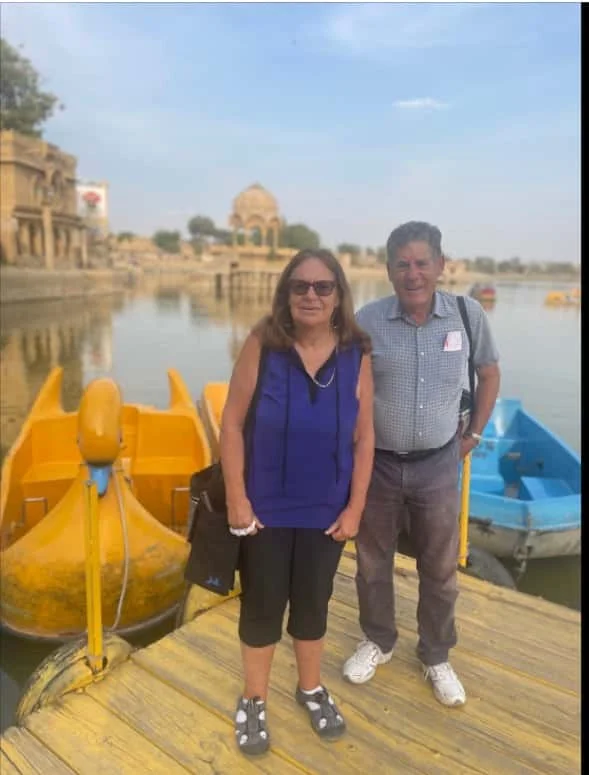
India has Himalayan trekking in Uttarakhand and Himachal Pradesh, desert dunes in Jaisalmer, backwater cruises in Kerala, tiger safaris in Ranthambore and Jim Corbett, and island travel in Andaman and Nicobar. Every region of India has a diverse nature for visitors throughout the year.ear.
Food Experience
Maldives
Food in the Maldives is mostly resort-oriented. Seafood is abundant, menus have tropical ingredients, and some global fine dining styles. Local cuisine tends to be mild and coconut-based, without much variety.
India
Food is an entire experience in itself. Regional variety is massive, from Rajasthani, Punjabi, Bengali, South Indian, Goan, Kashmiri, Gujarati, and many sub-regional specialities. Street foods, sweets, spice markets, local breakfasts, royal thalis, and home-cooked meals are all part of the culinary journey. Food is one of the essential features of Indian travel and one of the biggest reasons travelers come back.
Travel Convenience and Mobility
MaldiveTravel is simpler and more linear in the Maldives, with one main destination and focused resort activities.
Maldives
Movement after arrival is somewhat limited.
India
-
Travel is more flexible and multi-destination with optional guided or independent routes. India has excellent domestic airport connectivity. Journeys can be flexible, ranging from 3 days to 30 days.
-
Travelers who like discovery will appreciate India’s mobility and ability to explore freely. Reasons to Choose the Maldives.
-
Consider the Maldives if you seek a quiet escape from crowds. You want to stay at luxury resorts. Port Ocean activities and beaches are your priority. Rest and relaxation are more important than sightseeing.
Reasons to Choose India
Consider India if its cultural heritage and local markets interest you. You like sightseeing and adventure. Budget flexibility is necessary. Group travel matters to your journey.
Janu Private Tours: India-Focused Travel Support
Traveling in India, planning, guides, and safety are important factors for a great trip. Janu Private Tours offers personalized heritage travel, transportation, cultural experiences, hotel booking, and multilingual tour guides. They have the expertise to create private itineraries to Jaipur, Agra, Udaipur, Delhi, and many other regions. With help from local operators, travelers can access a deeper cultural experience beyond standard sightseeing and can feel confident traveling.
Travelers get the benefits of local insights, planned itineraries, smooth logistics, and competitive pricing. If you are a first-time visitor, local support in India is vital for convenience and safety. Whether you want to explore historic forts, experience rural villages, shop on cultural tours, or visit palaces, experienced India tour operators will elevate the travel journey and take care of all the planning, maximizing authentic moments and creating a stress-free journey.
Also Read: Chand baori tours from jaipur
Frequently Asked Questions (FAQs
1. Which country is cheaper, the Maldives or India?
Ans: India is much cheaper in general because it offers budget, mid-range, and luxury accommodation, while the Maldives' prices are tied to resort rates.
2. Is the Maldives good for family vacations?
Ans: Yes, the Maldives is excellent for family holidays that focus on beaches, family water activities, and leisure time. But cultural activities and sightseeing are limited.
3. Can I do the Maldives and India in the same trip?
Ans: Yes. Many travelers visit India first and then stay in the Maldives as a final vacation spot. Local operators can seamlessly coordinate both halves of the trip.
4. How many days are recommended for travel in India?
Ans: A minimum of 7 days to a maximum of 21 days is comfortable, depending on the destination areas of interest.
5. Which country has more activities and sightseeing?
Ans: India has vastly more sightseeing, culture, and nature activities than the Maldives.
Also Read: