Uttar Pradesh is one of the most historically rich and religiously important regions of India, blessed with sacred rivers, mythological history, ancient temples, and centuries-old traditions that have contributed to shaping the culture of India for thousands of years. Today, two of its most significant destinations – Prayagraj and Ayodhya – have emerged as major travel circuits for pilgrims, historians, and domestic tourists. Visiting Ayodhya from Prayagraj, however, involves route planning, transport choice, local experiences, and cultural etiquette. This comprehensive planning guide is a one-stop solution for making your spiritual trip as comfortable, convenient, and memorable as possible.
Ayodhya, the city of Lord Rama and the Ramayana, has seen a lot of international attention in the past few years due to its development, infrastructure improvements, and growing spiritual tourism. Prayagraj, the host of the Triveni Sangam (confluence of the Ganga, Yamuna, and mythical Saraswati rivers) and the Kumbh Mela, the world’s largest religious gathering, is famous for ghats, riverside rituals, and spiritual tourism. Together, traveling between these two important cities in Uttar Pradesh allows an all-encompassing journey through the spiritual side of India.
An Overview of the Cultural Significance
Before we get to travel plans and important tips for your pilgrimage journey, let us quickly review some of the reasons why millions of travelers take this Prayagraj to Ayodhya route every year.
Prayagraj: Gateway to the Sacred Waters
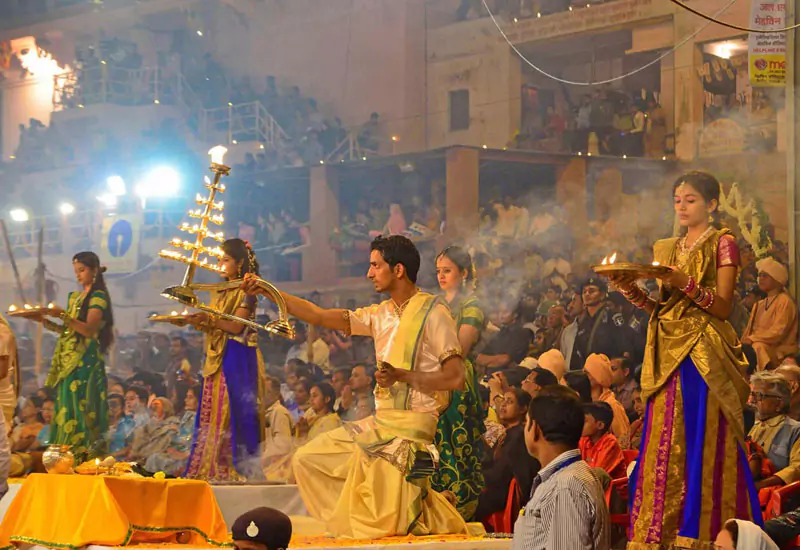
Prayagraj (formerly known as Allahabad) conserves its ancient heritage through ghats, temples, riverside rituals, and open-air celebrations. The spiritual practices and communities gathered at Sangam, the evening aarti ceremonies, and the mela grounds on a large scale illustrate the living tradition of Hindu culture.
Ayodhya: City of Lord Rama
Ayodhya is a city full of culture, devotion, peace, and dharmic history. With the recent infrastructure development, heritage walks, the complex of temples, and riverfront development, Ayodhya has been prepared with good civic amenities and a friendly welcome for pilgrims and culture seekers.
Traveling from Prayagraj to Ayodhya is not just a geographic transition between two cities, but a cultural journey that links mythological stories with living spirituality and community traditions.
Also Read: Travel brochure on India
Best Travel Routes from Prayagraj to Ayodhya
Depending on the kind of travelers, their preferences, and the availability of time, you can travel from Prayagraj to Ayodhya by road, train, or bus. All these options provide comfort, efficiency, and convenience in their own way, and the best choice is ultimately yours.
1. Prayagraj to Ayodhya by Road
Road travel is the most preferred and comfortable mode of travel. The distance is around 170–200 kilometers by road, depending on which route is selected. The travel time by road takes four to five hours, on average.
Major Road Route Options:
-
Prayagraj – Sultanpur – Ayodhya
-
Prayagraj – Jaunpur – Ayodhya
Road connectivity is fairly good and has also improved over the years with national highway upgrades and growth in tourism. Private taxis and tourist vehicles are easily available from the morning itself. Travelers who wish to extend their heritage journey beyond Uttar Pradesh can also explore the taj mahal tour by Janu Private Tours, which connects seamlessly with the Prayagraj–Ayodhya spiritual circuit as part of a broader North India itinerary.
If you are looking for guided surface travel, then there are also operators like Janu Private Tours that provide customized group transfers, private drivers, and local sightseeing and stopovers along the way, such as the historic temples, village markets, and banks of rivers.
2. Prayagraj to Ayodhya by Train
Rail connectivity in Uttar Pradesh is very good. Trains run daily between Prayagraj Junction and Ayodhya. The travel duration by train is between three and six hours, depending on which category of train you are traveling on. It is an economical and comfortable travel option, especially for families, senior citizens, and budget travelers.
Popular Train Options:
-
Saryu Express
-
Intercity Special
-
Local passenger trains
Advance train reservations are a must, especially during festive and weekend times.
3. Prayagraj to Ayodhya by Bus
State government buses run by UPSRTC and private buses also run frequent services between the two cities. Buses depart from Civil Lines and other major bus terminals throughout the day.
This is the cheapest option to travel between the two places. However, this might be a little slower than car or train travel, based on route traffic and stoppages.
Best Time to Travel
The best time to make a journey from Prayagraj to Ayodhya is from October to March, when pleasant winter weather is ideal for temple visits, sightseeing, and outdoor activities. Summers in Uttar Pradesh are hot, and daytime sightseeing can be difficult, especially for senior travelers. The monsoon months bring greenery but also unpredictable heavy rains sometimes.
Traveling during festival seasons like Diwali, Ram Navami, and Kartik Purnima has a more powerful spiritual experience but requires planning in advance for crowds and reservations.
Top Places to Visit in Ayodhya
1. Shri Ram Janmabhoomi Mandir
The centerpiece of spiritual Ayodhya, which draws millions of visitors from all over the world.
2. Hanuman Garhi
A hilltop temple with panoramic views of the city.
3. Kanak Bhawan
A peaceful temple known for its intricate interiors.
4. Ram Ki Paidi
A beautiful riverfront walkway that is great for evening aarti and sunset viewing.
5. Nageshwarnath Temple
One of the oldest spiritual locations in the city is dedicated to Kush, the son of Lord Rama.
Ayodhya also has ghats, heritage lanes, craft bazaars, and interesting rituals by the riverbank that are also worth visiting for a full spiritual experience.
Top Places to Visit in Prayagraj
1. Triveni Sangam
The holiest confluence in the world for religious rituals and boat rides.
2. Bade Hanuman Ji Temple
A unique and interesting reclining idol of Hanuman that has continuous devotees.
3. Allahabad Fort
A large Mughal-era structure near the Sangam (entry restricted for some areas).
4. Anand Bhavan
A historic residence of the Nehru family, which now serves as a museum of India’s independence struggle.
5. Khusro Bagh
A Mughal-era garden and tomb complex with Islamic architecture.
Travelers also have a chance to visit local food markets, temples, and riverside ghats for cultural immersion.
Travel Tips for a Smooth Journey
1. Pre-book transport in advance during peak and holiday periods and special Puja days
2. Carry light cotton clothes and comfortable shoes
3. Respect temple etiquette (remove shoes, dress modestly, don’t use loud photography)
4. Keep local cash handy for temple offerings and local snacks
5. Hydrate yourself in plenty during long road trips
Local knowledge always enhances the value of spiritual travel. Operators such as Janu Private Tours provide that expertise with logistical comfort, local cultural guidance, and organized visits.
Where to Stay: Ayodhya and Prayagraj Accommodation Advice
There is a wide range of hotels in both cities today, in categories ranging from budget-friendly lodges to mid-range hotels, dharamshalas, and modern guesthouses.
For a comfortable stay:
1. Book rooms near temple zones in Ayodhya
2. Choose central or river-facing rooms in Prayagraj
3. Reserve accommodation at least two weeks in advance during religious festivals
Travel specialists in the local markets can help you with this selection based on your budget, group size, and convenience.
Food Recommendations
Travelers would not want to miss the local food items on the Prayagraj to Ayodhya route.
Some of the famous items are:
1. Kachori sabzi
2. Chhappan bhog sweets
3. Thandai
4. Samosa chat
5. Ladoo prasadam
6. Litti chokha (regional dish available as a road stop)
Travelers are also expected to respect vegetarian temple rules in and around shrine areas.
Why Use a Local Tour Operator
Planning a religious trip involves an understanding of time management, crowd flow, and a certain amount of familiarity with temple policies and customs.
Tour operators such as Janu Private Tours provide help with:
1. Private car transfers
2. Temple darshan facilitation
3. Heritage walks and local sightseeing
4. Personalized group planning
Their approach is often one that is focused on customer safety, respect for culture, and the comfort of the visitors.
Also Read: Heritage Walks in Jaipur: Discovering Hidden Streets and Stories
Frequently Asked Questions (FAQs)
1. How far is Ayodhya from Prayagraj?
Ans: The distance is approximately 170–200 kilometers, depending on which route is taken.
2. What is the best way to travel if I have family?
Ans: Private car or taxi transfers are always recommended for a comfortable and flexible travel experience, especially when traveling with elderly family members or young children.
3. Can I do this trip in a day?
Ans: Yes, it is possible to travel from Prayagraj to Ayodhya and return in a single day, but most people prefer to stay overnight for temple visits and sightseeing.
4. Is the route safe for solo travelers?
Ans: Yes, it is generally safe. Choose reliable transport and avoid traveling late at night if possible.
5. Can a tour agency handle everything for me?
Ans: Yes. Local specialists such as Janu Private Tours are capable of arranging transport, guides, temple visits, and accommodations for a seamless travel experience.
Also Read: