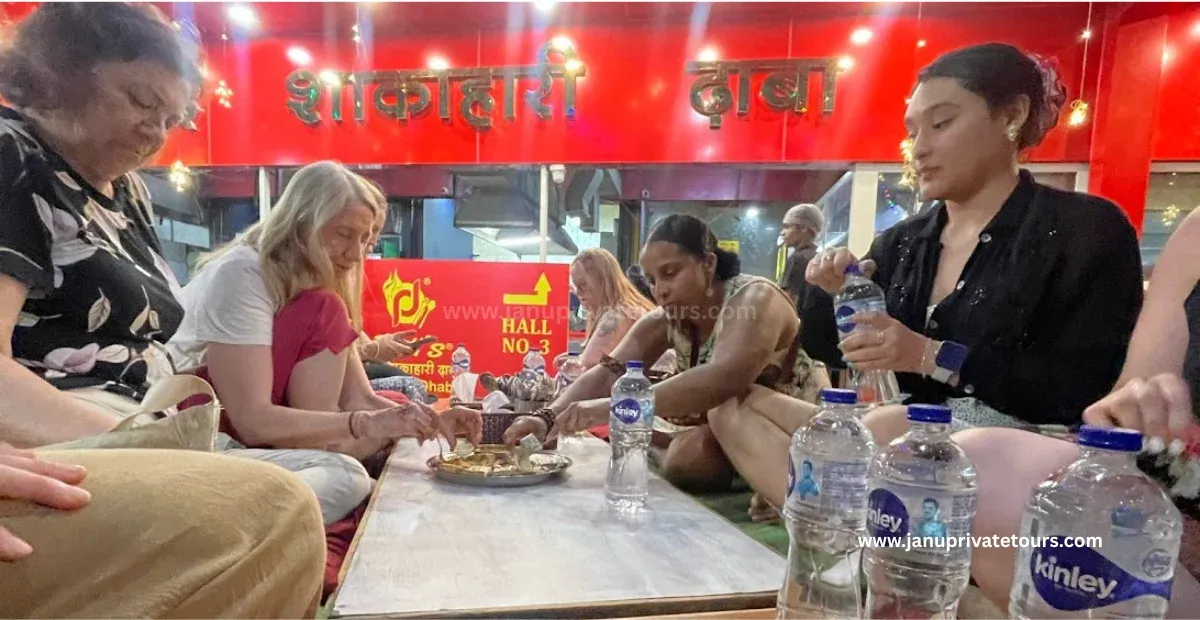
If you have time planning your trip to India, you've probably come across the term' Delhi Belly. It appears on travel forums, in guidebooks, and is mentioned in almost every conversation with someone who's already been to India. While the name sounds moderately humorous, it can have a profound impact on your vacation.
'Delhi Belly' is the informal term for traveler's diarrhea, specifically caught in India (often from eating or drinking unsanitary or contaminated foods/drinks). It's the most common condition that may affect first-time overseas vacationers in the country. If it strikes halfway through your trip, it can hamper all your careful planning or ruin your travel itinerary.
However, it is preventable. This guide will explain what it is, what causes it, how to recognize the symptoms, how to treat it, and most importantly, how to avoid getting it altogether.
What Is Delhi Belly?
Delhi Belly is a term used to define acute traveler's diarrhea in India. In medical terms, it is a type of traveler's diarrhea known to affect 30-70% of people who travel internationally, depending on where they go and the time of year they travel.
The condition comes on suddenly with symptoms including loose stools, stomach cramps, nausea, and/or vomiting. Symptoms usually develop 6-72 hours after eating or drinking contaminated food or water. The condition often lasts 1-2 days in the case of mild bacterial diarrhea, 3-7 days for more severe bacterial diarrhea, and 14 days for Giardia infection. The severity of the symptoms often depends on the type of bacteria, virus, or parasite causing the illness.
What Causes Delhi Belly?
| Cause | Common Source |
| Bacterial infection | Contaminated street food, unwashed produce |
| E. coli (most common) | Undercooked food, tap water |
| Salmonella | Poultry, eggs, dairy |
| Giardia (parasite) | Contaminated water sources |
| Viral gastroenteritis | Person-to-person contact, contaminated food, water |
| Tap water | Ice, brushing teeth, salads washed in tap water |
Contaminated Water
It is unsafe for foreign visitors to drink tap water in India. This fact is the most important one to understand before you get here. Even treated water is not good for your body, as your body is not used to the bacteria found in tap water. The risk is not limited to drinking water only, but to ice, water for washing raw vegetables and salad, and water used for brushing teeth as well.
Street Food and Unhygienic Preparation
India's street food is truly exceptional, and it would be unfair to miss out on it entirely. However, eating street food, which is prepared in unhygienic conditions, made with contaminated water, or that has just been sitting out in the heat for a long time, can be really dangerous. It's the preparation and storage conditions of food that cause a problem.
Undercooked Meat and Seafood
Eating undercooked chicken, seafood, or eggs could lead to salmonella and other infections. In hot climates, food spoils more quickly, and there are greater chances of eating something that has not been stored or cooked properly.
Unwashed Raw Produce
Street vendors who sell raw salads, cut fruit, and unpeeled produce washed in tap water represent the major sources of contamination. The bacteria exist on food surfaces because the food has been washed with contaminated water.
Your Gut Simply Adjusting
People should understand that stomach problems that occur in India rarely indicate serious medical conditions. Some travelers experience mild digestive problems because the body takes time to adapt to local spices, cooking oils, and unfamiliar bacteria. This is normal, mild, and the symptoms will improve within two days without the need for any treatment.
Symptoms of Delhi Belly
Mild cases involve loose stools and discomfort for one to two days. Moderate cases include cramps, nausea, and disruption to normal activity for two to four days. Severe cases involving high fever, blood in stools, or symptoms lasting more than five days require medical attention.
| Symptom | Severity |
| Loose or watery stools | Mild to severe |
| Stomach cramps and bloating | Mild to moderate |
| Nausea | Mild to moderate |
| Vomiting | Moderate to severe |
| Fever | Moderate to severe |
| Fatigue and weakness | Mild to moderate |
| Urgency and frequency | Mild to severe |
How To Prevent Delhi Belly
This is the section that matters most. The majority of Delhi Belly cases are entirely preventable with the right habits.
1. Drink Only Bottled or Purified Water
Carry a sealed bottle of water at all times and buy from reputable brands. Check that the seal is intact before opening. Avoid tap water entirely, including for brushing teeth. Use bottled water for this as well, particularly in the first week of your trip.
2. Avoid Ice in Drinks
Unless you are in a high-end hotel or restaurant that explicitly uses purified water for ice, avoid ice in your drinks. This is one of the most commonly overlooked sources of contamination for travelers.
3. Eat Hot, Freshly Cooked Food
The safest street food and restaurant food is food that has been cooked fresh and served hot. Avoid anything that has been sitting out, reheated, or served at room temperature. Busy food stalls with high turnover are generally safer than quiet ones where food sits for longer.
4. Peel It or Leave It
The traveler's rule for fruit and vegetables is simple. If you can peel it yourself, it is generally safe. If it has been pre-cut, pre-peeled, or washed in water you cannot verify, avoid it. Bananas, oranges, and mangoes you peel yourself are safe. Pre-cut fruit from street stalls is a risk.
5. Be Careful with Salads and Raw Vegetables
Raw salads in India are washed in water. Unless you are in a high-end restaurant with verified purified water, avoid raw salads, particularly in the first week of your trip when your system is most vulnerable.
6. Wash Your Hands Constantly
Hand hygiene is one of the most effective defenses against traveler's diarrhea. Wash your hands with soap before every meal and after using the bathroom. Carry a small bottle of hand sanitizer for situations where soap and water are not available.
7. Take a Probiotic Before and During Your Trip
Starting a high-quality probiotic supplement two weeks before your trip and continuing throughout can significantly strengthen your gut's resilience. Probiotics help establish a healthy gut flora that is better equipped to handle unfamiliar bacteria.
8. Consider Traveler's Diarrhea Medication
Speak to your doctor before traveling to India about carrying a course of antibiotics such as Azithromycin or Ciprofloxacin for use if symptoms become severe. Some travelers also carry Bismuth subsalicylate (Pepto-Bismol) as a preventive measure. Always consult a medical professional before taking any medication.
How To Treat Delhi Belly If It Happens
| Treatment | Purpose |
| Oral rehydration salts (ORS) | Replace lost fluids and electrolytes |
| Loperamide (Imodium) | Slow diarrhea for short-term relief |
| Antibiotics (prescribed) | Treat bacterial infection in severe cases |
| Rest | Allow your body to recover |
| BRAT diet | Bananas, rice, applesauce, toast for easy digestion |
| Avoid dairy and spicy food | These worsen symptoms during recovery |
The most important immediate step is rehydration. Diarrhea and vomiting cause rapid fluid and electrolyte loss, which leads to fatigue, dizziness, and weakness. Oral rehydration salts dissolved in bottled water are available at pharmacies across India and should be in every traveler's medical kit.
Loperamide (sold as Imodium) can provide short-term relief by slowing diarrhea, which is useful if you need to travel or have a long day of sightseeing. It does not treat the underlying infection but manages symptoms.
If symptoms include high fever, blood in stools, or do not improve after 48 hours, seek medical attention. India has good private hospitals and clinics in all major cities and most high-end hotels can arrange a doctor visit.
What To Pack in Your India Medical Kit
| Item | Why |
| Oral rehydration salts | First response to dehydration |
| Loperamide (Imodium) | Symptom management |
| Prescribed antibiotics | Severe bacterial infection |
| Probiotic supplements | Gut resilience before and during trip |
| Hand sanitizer | Hygiene when soap is unavailable |
| Antacids | Spice-related indigestion |
| Thermometer | Monitor fever |
| Travel insurance documents | Medical coverage if hospitalization needed |
Foods and Drinks To Be Cautious About in India
| Higher Risk | Lower Risk |
| Raw salads | Freshly cooked dal and rice |
| Pre-cut street fruit | Fruit you peel yourself |
| Ice in drinks | Hot chai from busy stalls |
| Tap water | Sealed bottled water |
| Reheated food | Food cooked fresh to order |
| Roadside dairy products | Food from busy, reputable restaurants |
Does Delhi Belly Mean You Should Avoid Street Food?
No. Avoiding street food entirely in India means missing one of the country's most authentic and enjoyable experiences. The goal is not avoidance but informed choices. Busy stalls with high turnover, food cooked fresh in front of you, and hot dishes served immediately are generally safe. The risk comes from food that has been sitting out, prepared with contaminated water, or served in unhygienic conditions.
Traveling with a knowledgeable local guide significantly reduces this risk. At Janu Private Tours, our guides know which food stalls and restaurants are safe for international visitors and which to avoid. Travelers who join our Delhi Street Food Tour can safely experience authentic local flavors with expert guidance, while our Delhi Sightseeing Tour combines iconic landmarks with trusted restaurant and market recommendations for a stress-free experience in the capital. Eating well in India is one of the great pleasures of the trip and we make sure our travelers experience it without the consequences.
Also Read: