Bagru block printing is not merely a textile technique. It is a living tradition shaped by soil, water, wood, and years of practice. This craft of Rajasthan highlights stories of migration, adaptation, and a work of art. In 2026, when mainstream markets are flooded with fast fashion, Bagru block printing continues to be a strong example of slow fashion. If you have ever liked the earthy red and black prints on soft cotton, the Bagru work is what you were admiring. This post details the origins, materials, techniques, motifs, cultural relevance, and the process of Bagru block printing. Let us get started.
Where Is Bagru and Why Is It Important?
Bagru is a small town in Rajasthan located 30 km from Jaipur. Small in size, big in significance for the textile industry of India. The town has strong associations with the Chhipa community, who are traditional textile printers that have been practicing block printing for many centuries.
The term Chhipa is a derivative of the Hindi word chhapna, which means to print. According to historical evidence, these craftsmen came to Rajasthan centuries ago and settled in Bagru because of its special natural resources. The qualities of black clay soil and mineral-rich water help in natural dyeing and washing processes.
Bagru block printing became famous for its distinct earthy hues with bold floral and geometric shapes. Unlike brighter printing styles from other regions, Bagru designs carry a rustic charm that reflects the desert landscape.
Origins of Bagru Block Printing
Bagru block printing is more than 400 years old. It evolved as a community-based craft passed down within families. The whole family was involved in the production process. The men would carve the blocks and take care of printing while the women prepared the fabric. In addition, they would assist in washing and drying.
The Bagru technique advanced alongside the famous Sanganeri printing of Rajasthan. Sanganeri prints are noted for their fine motifs and bright colours, while the motifs in Bagru prints have bold outlines created from the sun and soil of the region. The Bagru prints are characterized by bold outlines and natural dyes mostly in black, red, indigo, and beige.
Bagru artisans relied heavily on natural materials that are easily available. The climate of the desert was a key factor. Drying of fabric between the printing processes needs sunlight. This strong link between environment and craft still reflects in Bagru block printing even today.
What Makes Bagru Block Printing Unique?
Bagru block printing has several features that set it apart from other traditions. Let us go through them:
1. Natural Dyes
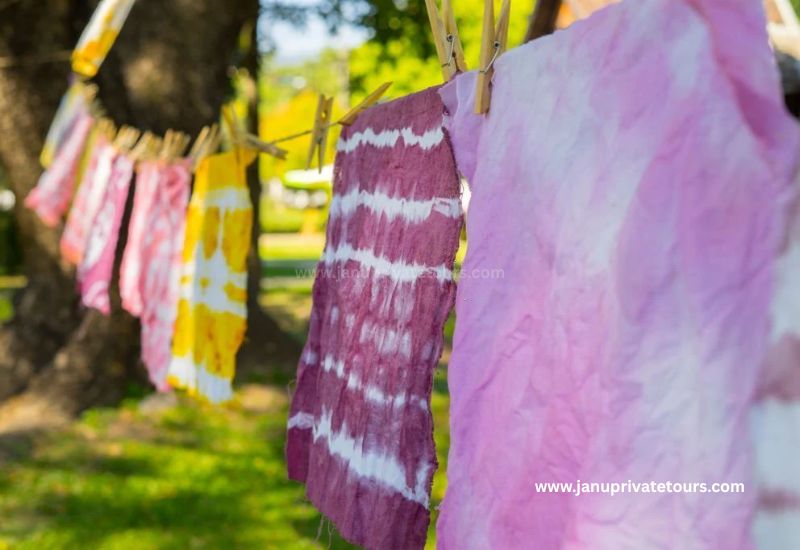
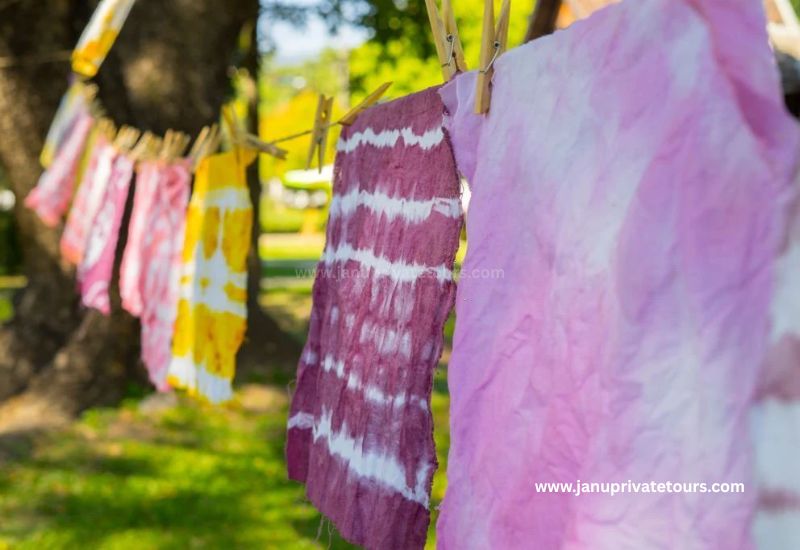
Bagru printing is done through natural dyes. Black is obtained from iron filings, which are soaked in jaggery and water. Alum and madder root give the red colour. Indigo is responsible for blue colors. These dyes give the Bagru fabric a natural and earthy look.
2. Dabu Technique
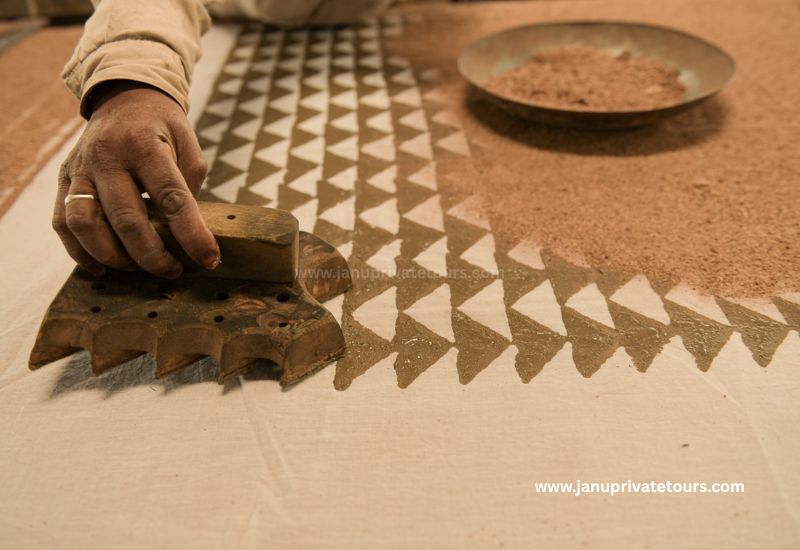
One of the most famous techniques done in Bagru is Dabu, a mud resist printing. A paste composed of clay, gum, and other natural materials is applied to fabric with a wooden block. The dye then penetrates the cloth. The mud functions as a resist that prevents the dye from reaching particular areas.
3. Earthy Color Palette
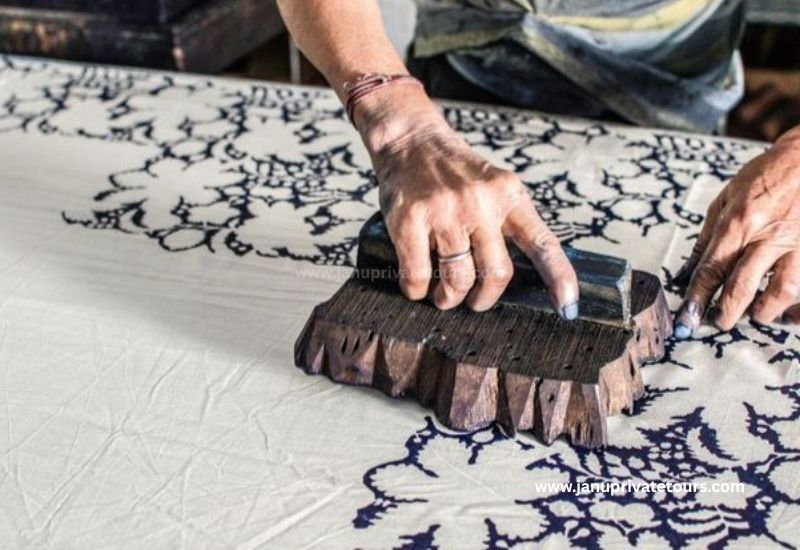
Bagru prints display subtle colors that are not as bright as synthetic ones. The colors combine beautifully with cotton and silk fabrics.
4. Hand Carved Wooden Blocks
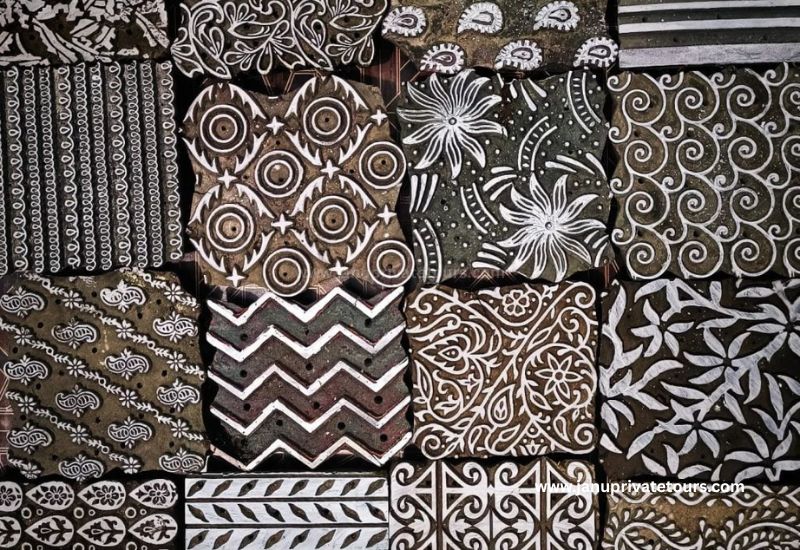
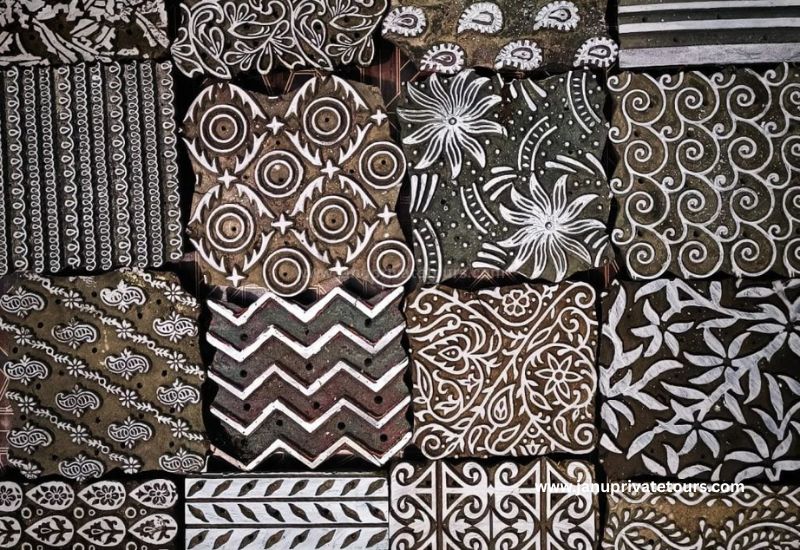
All of the designs begin with a carved wooden block. Carving these blocks usually takes days, and they are often made of seasoned teak wood.
The Complete Bagru Block Printing Process
The process of Bagru block printing is detailed and labor-intensive. It requires precision, patience, and coordination. Here is a step-by-step breakdown.
Bagru block printing is more complicated and labour-intensive than you think. It requires precision, patience, and coordination. Here is the step-by-step breakdown:
Step 1: Preparing the Fabric
To remove dirt and impurities, raw cotton fabric is washed. This is known as “hari sarana.” The cloth is soaked and beaten to soften. Then, it is treated with a mixture of natural ingredients to help the dye bind well.
Step 2: Harda Treatment
Fabric is soaked in a solution of powdered myrobalan, or harda, locally. The fabric absorbs color better with this treatment, which also gives the base fabric a slight yellow tint.
Step 3: Block Preparation
In the meantime, the wooden blocks are carved with the selected design. Each color needs its own block. Alignment is critical. A small deviation will change the outcome of the pattern.
Step 4: Printing
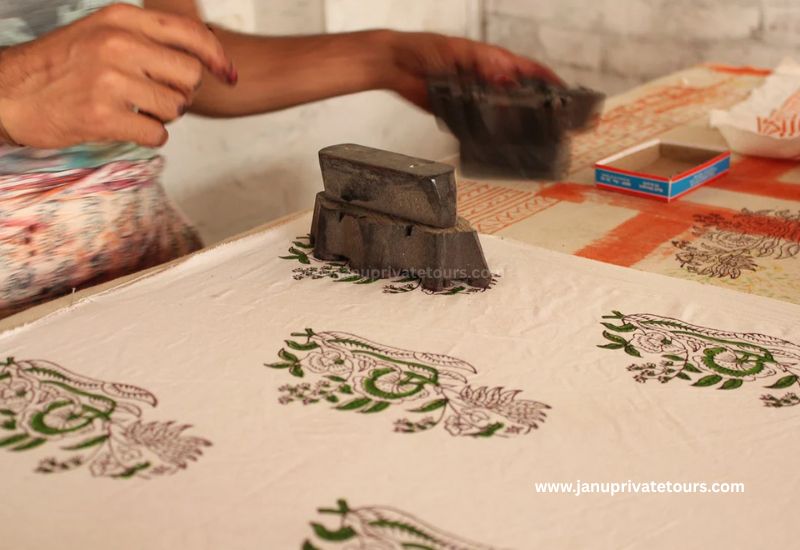
Artisans dip the wooden block into dye paste and press it on the fabric firmly. The printing table is cushioned for equal pressure. The craftsman performs the action rhythmically across the cloth, which ensures perfect alignment.
Step 5: Dabu Application
For resist printing, mud paste is applied with a block. To avoid smudging, the wet mud is sprinkled over sawdust. The fabric is dried prior to dyeing.
Step 6: Dyeing
The fabric is immersed in natural dye baths. Indigo vats play a significant role in Bagru. The fabric undergoes drying in sunlight after dyeing.
Step 7: Washing and Finishing
The fabric is then cleaned in a stream of running water to remove excess dye and mud. It is then dried and ironed. The result is a lovely piece of fabric with interesting textures and hues.
The stages are dependent on natural materials like the sun and water, and so block printing in Bagru has an important link with nature.
Common Motifs in Bagru Printing
Designs created on traditional Bagru printing are inspired by nature and real life. Such designs might feature
-
Floral patterns such as marigold
-
Leaf and vine arrangements
-
Paisley shapes
-
Geometric grids and dots
-
Traditional jaal patterns
These motifs tend to be symmetrical and repetitive in nature, thus producing a harmony in appearance.
Bagru Block Printing in Contemporary Fashion
In 2026, Bagru block printing expanded its reach beyond traditional garments and furnishings. Sarees, kurtas, dupattas, scarves and even western wear feature Bagru print designs now. This method is also widely used in home decoration. Cushion covers, tablecloths, and curtains featuring Bagru prints are experiencing a surge in demand. Due to the high global interest in sustainable fashion, Bagru block printing techniques are becoming very popular. Using natural dyes for the process also increases the eco-friendliness quotient.
Challenges Faced by Bagru Artisans
Bagru block printing has faced many challenges. Modern manufacturing of textile products is now on a large and industrial scale, with cost-effective alternatives using synthetic dye & digital printing. Climate change also affects the process. Disrupted pattern of rainfall impacts dyeing and washing operations. However, some of the artisan communities have adapted to the situation through the introduction of recycling technology.
Conclusion
Bagru block printing is a part of the rich textile heritage of India, and from its origins in this little Rajasthan town, it has come a long way into the latest fashion trends. It has moved with the times, changing and yet retaining its traditional character.
Knowing the beginnings and process behind Bagru block printing lets one appreciate not just the final product but also the time, the skill, and the cultural history woven into every piece. Supporting this craft means supporting artisans, sustainability, and centuries of artistic legacy.
Bagru Block printing is not about the mere patterns on fabric; it is about keeping stories alive along with traditions and the beauty of hand-made excellence.
If you want to see Bagru block printing close up and explore the textile history of Rajasthan, Janu Private Tours can help you create custom textile tours to visit artisan workshops and traditional printing villages. Meet master craftsmen, observe the printing process live, and understand the stories behind every motif through an authentic, guided cultural journey.
Also Read: