Jaipur's fame as India's cotton textile center is mainly due to one famous place, the Sanganer Cloth Market. In the medieval town of Sanganer, south of Pink City, this market has told fabric and color stories for over three centuries.
If you're planning a shopping trip to Rajasthan, the Sanganer Cloth Market deserves the top spot on your itinerary. You'll find fabrics that are genuinely handcrafted rather than machine-stamped imitations. Pairing it with a well-planned Rajasthan travel experience makes the visit far easier to navigate.
Why the Sanganer Cloth Market Is Different
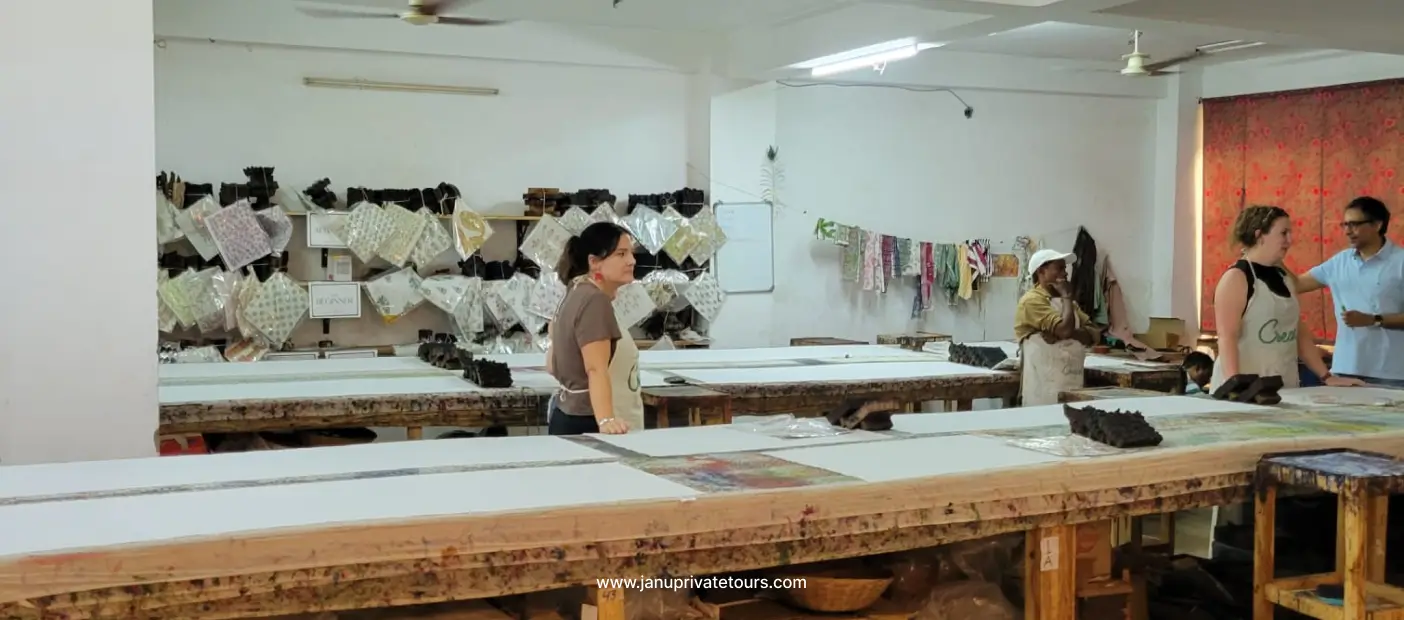
An industrial textile town, Sanganer Cloth Market is not a tourist attraction like Johari Bazaar or Bapu Bazaar. The 17th and 18th centuries saw Sanganer's cottons for royal families and temples become famous; therefore, workers started hand block printing. Even today, printing units, dye factories and family-run workshops litter the streets alongside retail showrooms.
Authenticity distinguishes the Sanganer cloth market Jaipur. Shoppers may watch cloth being printed, dyed and finished on-site because so much is still made. Genuine textile buyers, artists and boutique owners flock to Sanganer since most urban retail districts lack transparency. All the above unique features make it different and outstanding.
A Brief History Worth Knowing
Sanganer’s printing legacy predates most of Jaipur’s other markets. Historically, the area was known for more elegant, premium prints suited for a royal clientele. The adjacent towns catered to the broad commercial demand. Textile specialists maintain Sanganeri prints as more "authentic and natural" than industrialized printing centers. This is because of the history of precision and natural dyeing procedures.
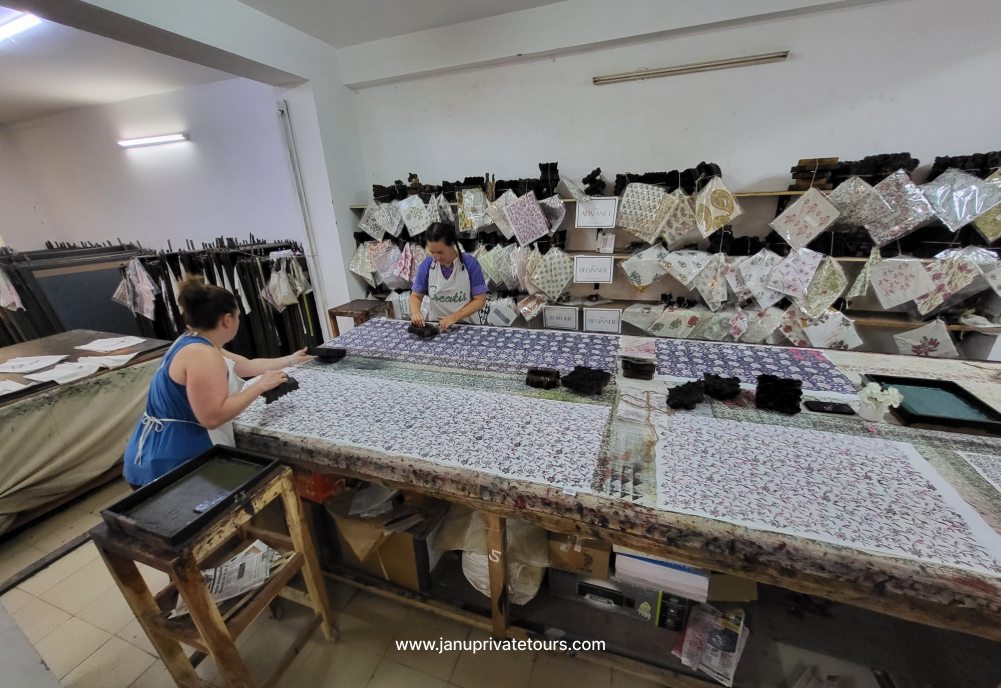
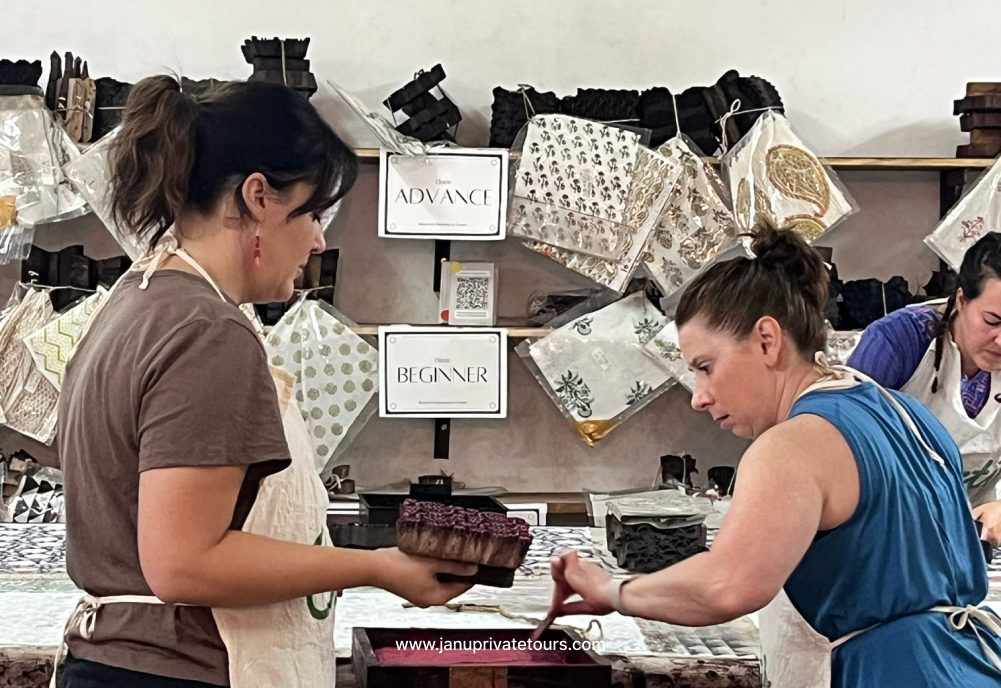
Dabu printing, hand-carved wooden blocks and open dye vats are still used in the Sanganer textile market. These techniques have been handed down through generations of artisan families.
What You Can Buy at the Sanganer Cloth Market
There’s a huge selection of textiles here. The Sanganer Cloth Market is open to all tastes and budgets. Whether you are looking for personal wardrobe items, home furnishings, or wholesale goods for your business, you will find what you need.
Popular products found in the market include:
-
Traditional Sanganeri hand-block-printed cotton, voile and mulmul fabric is great for summer clothes and house decor.
-
There are flower and geometric patterns on bedsheets, quilts (razais) and curtain fabric.
-
Running fabric sold by the meter for tailors and designers
-
Indian traditional block-printed sarees, dupattas and suit sets that aren't sewn together
-
Printing on both screen and dabu on fabric in bright, modern colors
-
Easy gift shopping with ready-made kurtas, stoles and scarves
Newcomers should know what product category they want before arriving. The market is big, so stores specialize. Most people who don't want to figure this out for themselves take a guided Jaipur shopping tour that includes a stop at Sanganer.
Sanganer Cloth Market vs Other Jaipur Textile Markets
Many travelers wonder how the Sanganer Cloth Market measures up to other popular shopping locations in Jaipur. To assist you in scheduling your travel, here is a basic comparison:
|
Market |
Best For |
Price Range |
Shopping Style |
|
Sanganer Cloth Market |
Authentic hand block prints, bulk fabric, natural dyes |
Budget to mid-range |
Wholesale + retail, factory visits |
|
Bapu Bazaar |
Ready-made ethnic wear, juttis, bangles |
Mid-range |
Retail, tourist-friendly |
|
Johari Bazaar |
Jewelry, gemstones |
Mid to high |
Retail |
|
Chandpole Bazaar |
Marble handicrafts, textiles |
Mid-range |
Retail |
The Sanganer Wholesale Cloth Market: Buying in Bulk
The Sanganer wholesale cloth market is where designers, shop owners and people who buy clothes to send abroad come to buy. You can save money by buying directly from Sanganer printing plants instead of middlemen who charge more elsewhere in the city. Larger orders often get better deals on many units and wholesale prices are generally given per meter or per piece. Here are a few practical tips for wholesale shopping:
-
Visit weekday mornings when workshops are less crowded and craftspeople can discuss orders.
-
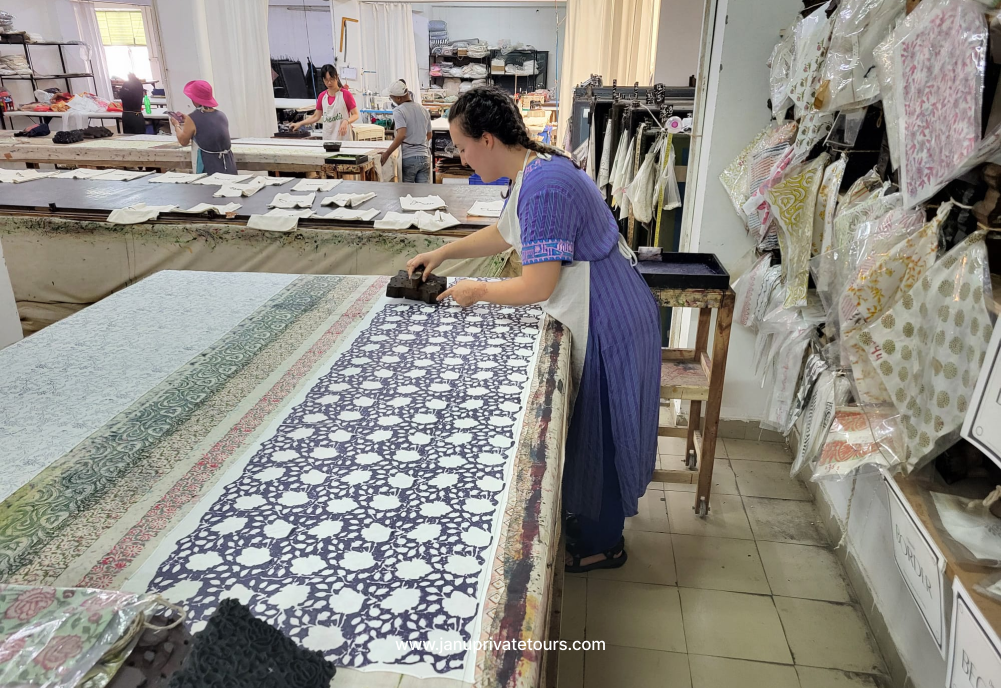
Reputable suppliers are happy to show you the block-printing procedure.
-
Comparing three to four businesses before buying in bulk is important because quality and cost can vary greatly.
-
Small vendors may accept cash, but many established showrooms accept cards and digital payments.
Understanding Sanganeri Hand Block Print Fabric
The top-selling product in this market is authentic Sanganeri hand block print cloth. It is recognized for stunning floral, paisley and geometric designs in bright colors, usually printed on a light or white background. Each pattern is made by hand by artisans using carved blocks of wood, adding a single color at a time. Small variances or uneven printing are normal and indicate the fabric is handcrafted and real.
Here is a quick guide to help you tell the difference between the printing styles you'll see at the Sanganer Cloth Market:
|
Technique |
Description |
How to Identify |
|
Sanganeri Print |
Floral/geometric motifs on white or light base |
Fine detailing, multiple color layers |
|
Mud-resist dyeing, earthy tones |
Textured resist patterns, rustic hues |
|
|
Screen Print |
Machine-assisted, faster production |
Very uniform pattern, lower price |
|
Block Print |
Hand-carved wooden block stamping |
Slight pattern variation, richer texture |
Knowing this difference is important because some suppliers sell "hand block print" stock at similar costs. Identifying hand block work's texture and defects will help you save money on machine-made copies.
Tips for a Better Shopping Experience
Keeping the following in mind will allow you to get the most out of your trip to the Sanganer Cloth Market:
-
Go early in the day: It's less crowded in the workshops and the lighting is better for checking the quality of the cloth.
-
Bargain respectfully: It is common practice to negotiate prices, particularly when making purchases in large quantities.
-
Check colorfastness: To check natural dye stability, rub a moist cloth over the print. A slight fade is good, but excessive bleeding indicates poor quality.
-
Ask about the printing process: Genuine sellers are happy to demonstrate their method and show you their workshop.
-
Combine your visit: The nearby Shri Digamber Jain Temple, a beautifully sculpted 10th-century temple, is worth a visit while in Sanganer.
Getting There and Planning Your Visit
When it comes to planning your trip to Sanganer, just follow these easy steps:
-
Reach Sanganer Easily
About 20 to 30 minutes, based on traffic, drive from Sanganer to Jaipur International Airport or the city center of Jaipur. -
Visiting Sanganer Cloth Market
Invest a few hours in visiting the market, where you will find a variety of fabrics, block designs and traditional textiles. -
Combine It With Jaipur Shopping Tour
You can visit Sanganer along with other popular Jaipur shopping areas to make the most of your day. -
Pick a Tour-Guided Shopping
You can navigate small roads and find trusted businesses and workshops with a local guide. -
Make Sanganer a Part of Your Trip to Rajasthan
Your customized, chauffeur-driven Jaipur shopping tour can include Sanganer and other Jaipur and Rajasthan landmarks. You can shop for fabrics without spending all day.
Conclusion
The Sanganer Cloth Market is a must-visit for any serious shopper. Jaipur is a great place for serious buyers looking for high-quality Sanganeri hand block print fabric. It is also ideal for frequent travelers shopping for gifts in localized businesses. In every sense of the word, it meets all your needs. Not only has the art of textile production been developed here over centuries, but the market also provides unrivaled value for money.
Janu Private Tours offers the best travel services to traditional Sanganer markets for shoppers who want to experience more local markets. These tours also include other tourist sights fit for a royal city. Their rich knowledge of the local market tradition will assist you in finding unique treasures and valuable goods that are not available elsewhere.