
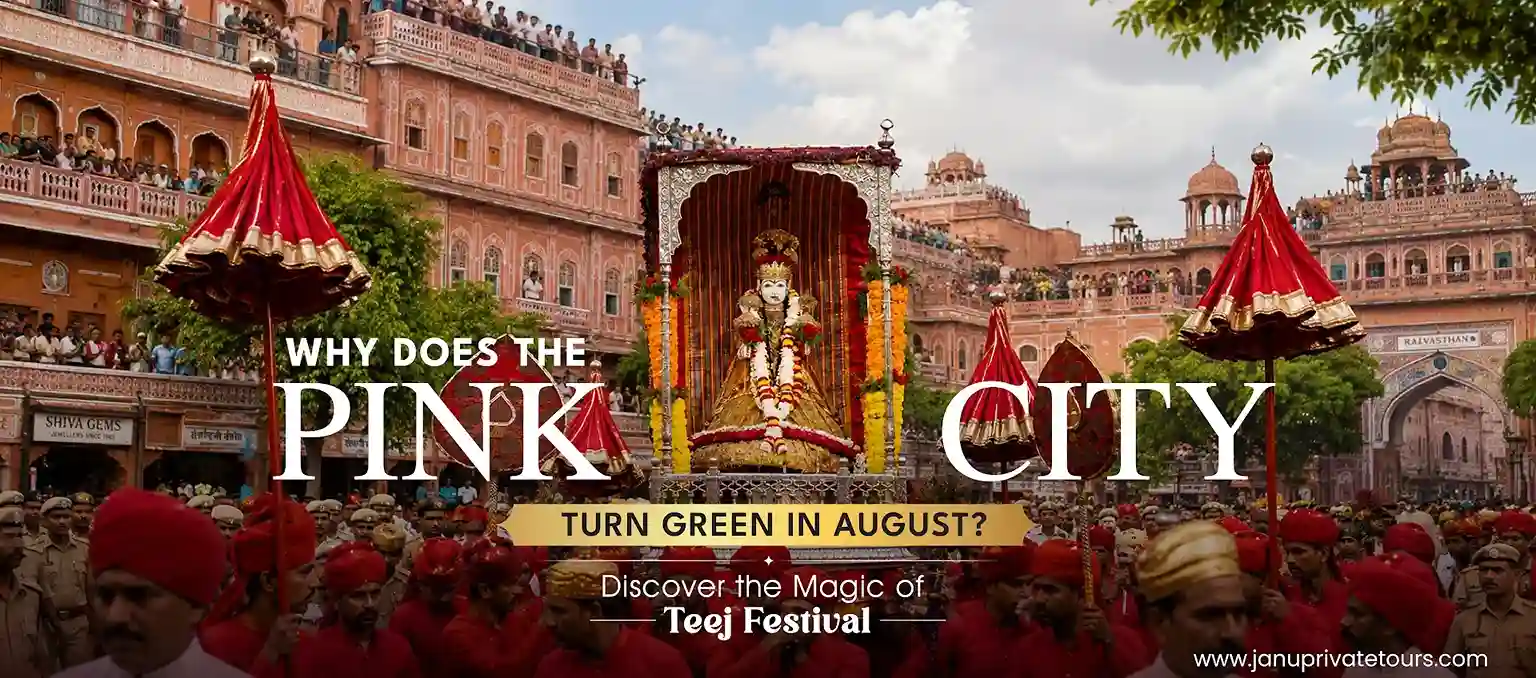
When you imagine Jaipur, the first images that appear in your mind are those of rose-pink buildings, grand forts, bazaars and women in traditional Rajasthani attire.
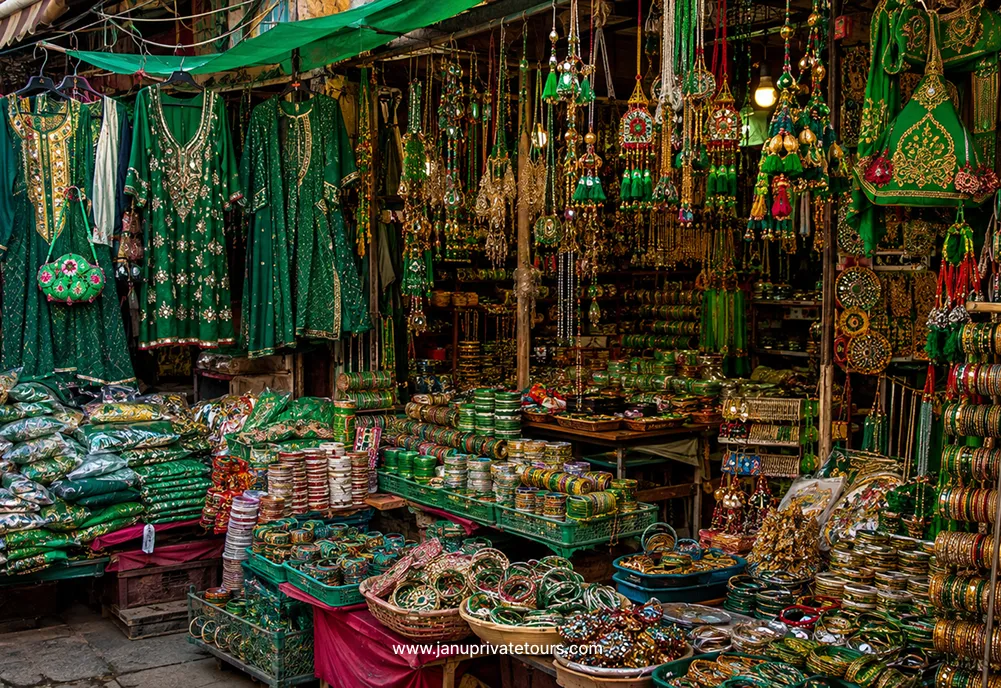
However, if you were to visit the Pink City in August, you would be surprised to see the city drenched in green. From green bangles in the bazaars, green lehengas and sarees in the markets, to green trees after the monsoon rains, swings decorated in flowers in the gardens and courtyards. Not only this, the city is bound to be filled with the delicious aroma of sweets wafting in the air, folk music echoing in the ancient city and Jaipur preparing for one of Rajasthan’s most popular festivals – the Teej Festival.
The festival is not only a celebration of the monsoon season but also one of devotion, womanhood, love, tradition and new birth after the hot summer.
And the best place to witness this spectacular festival is in Jaipur.
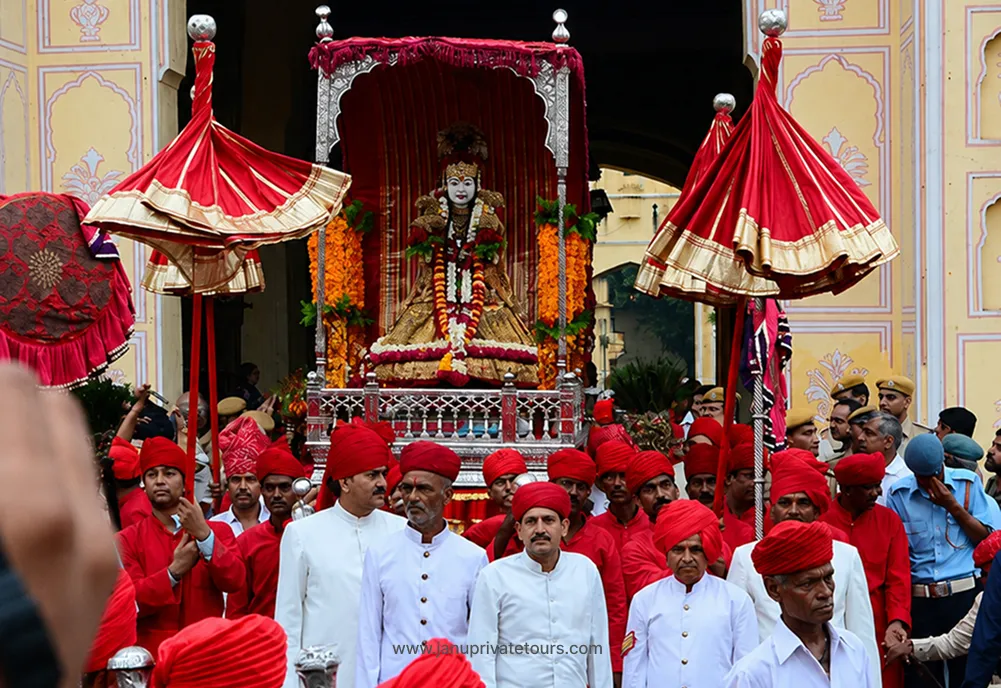
Teej Festival in India is a set of Hindu festivals that are widely celebrated all over India, especially in northern and western states.
It is a festival dedicated to Goddess Parvati and Lord Shiva and is celebrated during the monsoon season, usually in July and August. Women observe this festival by singing, dancing and fasting to seek the goddess’s blessings of marital bliss, happiness and prosperity.
In addition to being a festival of devotion, Teej is also a festival of monsoon. After the hot summer, the much-needed rains bring joy and relief to the people of Rajasthan. Teej is a monsoon festival famous for greenery, social gatherings, rituals, music, swings and sweets.
The reason why Jaipur turns green for Teej is twofold.
First of all, the word green itself is intrinsically linked to this festival. The color green symbolizes fertility, prosperity, abundance and the renewal of life. That is why women in Jaipur and other parts of Rajasthan wear traditional colorful attire, including green, during Teej.
Secondly, Jaipur is a desert state and just like any other desert, it turns green after the rains. The monsoon season brings the much-needed relief from the hot summer and also brings green color to the landscape of Jaipur.
So, if you thought that the Pink City turned green simply for the sake of Teej, you are mistaken. It turned green for two reasons: the much-needed rains and the festival of Teej.
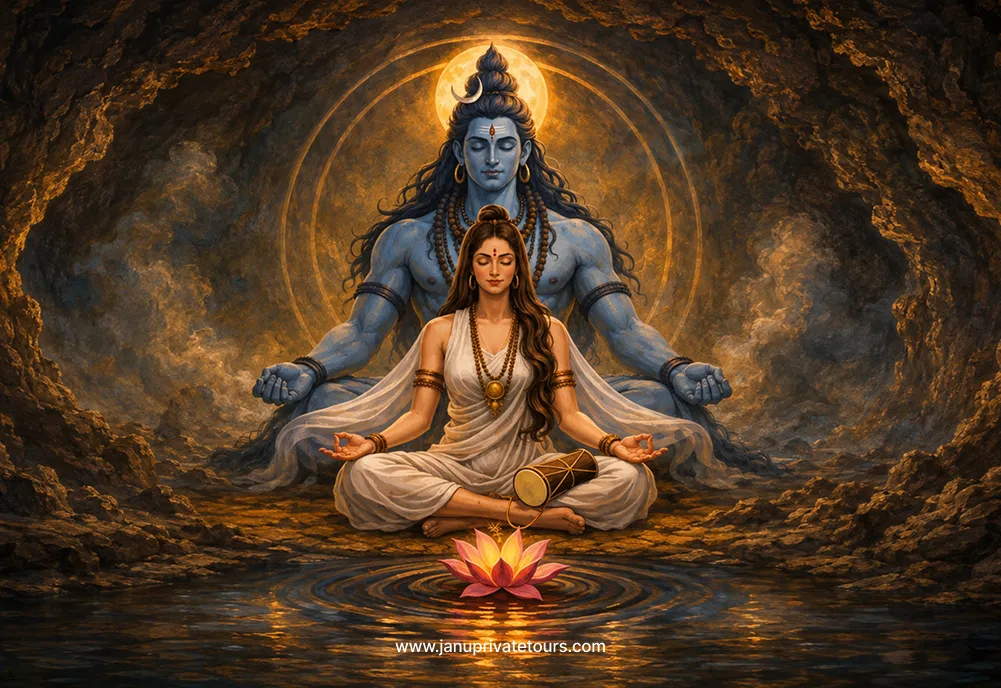
Many travellers often wonder about the meaning of Teej festival.
The festival Teej is primarily a festival of Goddess Parvati. According to popular belief, Goddess Parvati performed rigorous fasting and meditation to win Lord Shiva’s heart.
The festival of Teej is celebrated all over Rajasthan and has been an integral part of the cultural traditions of this region for centuries.
It is a festival that beautifully depicts the devotion, love and faith of the people of Rajasthan.
Jaipur, in particular, has its own unique way of celebrating this festival. As the capital city of Rajasthan, Jaipur has its own royal traditions and cultural heritage.
The festival of Teej, especially in Jaipur, has a unique charm that is worth experiencing.
The Jaipur Teej is a royal festival, where the royal procession of Teej Mata and the rich cultural heritage of Rajasthan come together to present a unique festival that has attracted people from all over the country.
So, if you want to witness the Teej Festival in all its glory, then Jaipur is the place to be.
If you are wondering where to witness the Teej Festival in Jaipur, the answer is the Pink City’s ancient streets and bazaars.
One of the most popular events of this festival is the traditional Teej procession. The grand procession of Teej Mata starts from the City Palace and winds its way through the old city, passing through Tripolia Bazaar and Chhoti Chaupar. The procession comprises camel rides, decorated elephants, horses, folk artists, musicians, royal palanquins, chariots and bullock carts.
If you are a traveler, then the best way to experience this festival is by witnessing the royal procession.
If you are planning to witness this Teej festival 2026 in Jaipur, you should know that the Jaipur Teej Festival is usually celebrated in August.
This year, the Jaipur Teej Festival will be celebrated on 15th and 16th August 2026. The festival will witness all the traditional events, including the Teej procession, in the ancient capital of Rajasthan.
So, if you are a traveler planning to visit Jaipur in 2026, remember to include the Teej Festival in your itinerary.
The old city of Jaipur turns into a carnival during this festival and the local residents and tourists get together to witness this spectacular event.
If you are wondering how the Teej Festival is celebrated, here are some interesting facts.
It is celebrated all over northern and western India. However, the ways in which it is celebrated vary from region to region.
One of the most prominent ways in which the Teej Festival is celebrated is through the traditional attire.
Women in Rajasthan wear traditional colorful sarees and lehengas along with bangles and mehendi during this festival. The colors green and red are especially significant during this festival as they symbolize fertility and prosperity. The traditional bangles and jewelry add to the charm of the traditional attire.
As a traveler, you can witness this festival in all its splendor by visiting the bazaars and markets of Jaipur.
One of the most interesting aspects of this festival is the swings.
Swings are an integral part of the Teej Festival celebrations. Swings decorated in flowers and colorful fabric can be seen all over Jaipur during this festival. Women and girls of all ages sit on these swings, sing traditional songs and enjoy the monsoon season.
So, if you are a traveler visiting Jaipur during the Teej Festival, make sure you witness this unique aspect of the festival.
Another unique feature of the Teej Festival is mehendi. Mehendi is traditionally applied on women’s hands and feet as a symbol of good luck and prosperity.
Moreover, mehendi makes women’s traditional attire look more charming and attractive.
In addition, traditional folk songs and music are performed and played during the Teej Festival. As a traveler, you can enjoy the rich cultural heritage of Rajasthan by attending the Teej Festival.
Moreover, it is the festival of fasting and prayers. Women fasting and praying to Goddess Parvati and Teej Mata for marital bliss, prosperity and family happiness are an integral part of the festival.
However, as a traveler, it is essential to remember that all these rituals have religious significance and should be treated with respect.
Ghevar is one of the most popular traditional sweetmeats that are prepared and enjoyed during the Teej Festival.
Ghevar is a disc-shaped sweet made of wheat flour and sugar syrup and is served with rabri, dry fruits and nuts. Ghevar is not only a popular sweet among the locals, but it has also become an integral part of the Teej Festival in Jaipur. Therefore, if you are a traveler and you are in Jaipur, do not forget to taste this scrumptious sweet during your stay.
If you are in Jaipur during the Teej Festival, then experiencing the royal procession is a must for you.
This procession is one of the vital highlights of the festival. The grand procession of Teej Mata starts from City Palace and winds its way through the old city, passing through Tripolia Bazaar and Chhoti Chaupar. The procession comprises camel rides, decorated elephants, horses, folk artists, musicians, royal palanquins, chariots and bullock carts.
The procession of Teej Mata is the most popular one among all Teej processions. It perfectly represents the cultural traditions and even the royal heritage of Jaipur. Therefore, if you are a traveler, make sure to witness this grand procession.
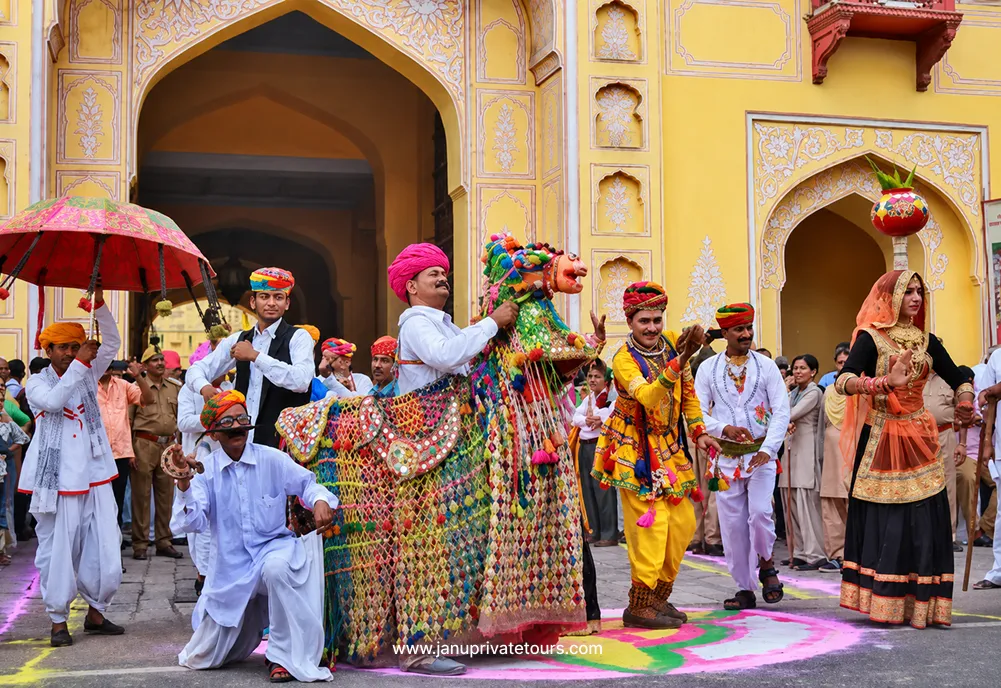
Teej is the festival of devotion, love, faith and family. It is the festival of fertility and prosperity, which is celebrated across northern and western India.
However, there is no better place to witness this festival than Jaipur, the ancient capital of Rajasthan. Jaipur is a city of palaces, forts, bazaars, fairs, music, dances, devotion and faith. It is a city that represents the rich cultural traditions of Rajasthan.
If you are a traveler and you want to witness the unique cultural traditions of Rajasthan, then Jaipur is the right choice for you. In addition to cultural traditions, Jaipur offers you an opportunity to shop for traditional attire, jewelry and accessories.
As a result, if you are in Jaipur during the Teej Festival, make sure to explore this wonderful city and immerse yourself in its rich cultural heritage.
Moreover, the local population of Jaipur is very friendly and hospitable. They are always excited about the Teej Festival. As a result, you will see a large number of women applying mehendi, putting on jewelry and traditional bangles, folk music ensembles and decorated swings.
In addition, you will also witness the grand procession of Teej Mata through the ancient streets of Jaipur.
Therefore, if you are a traveler and you want to experience something unique, you should visit Jaipur during the Teej Festival. You will not only witness the Teej Festival but also have an opportunity to explore the rich cultural traditions of Rajasthan.
For those who want to be more explorers in their journey through India, a visit to Rajasthan and especially Jaipur during the Teej Festival is mandatory.
From the royal processions and folk music to the monsoon season, swings, mehendi, traditional attire and sweet delicacies, Teej has it all. And that is how the Pink City turns green for Teej.
For those looking to witness Jaipur in its grand green glory for a few beautiful days, let Janu Private Tours help you experience the Pink City beyond the usual sightseeing itinerary, with local insight, carefully planned experiences and the freedom to discover Rajasthan at your own pace.