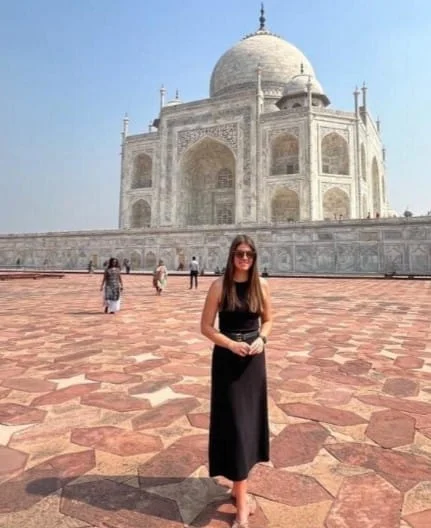
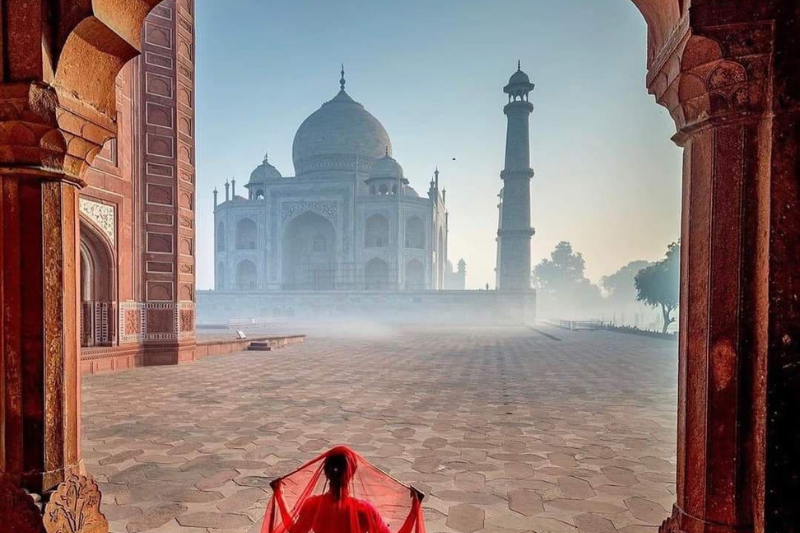
Explore Agra Bazaars and Find Its Cultural Treasures Shopping. Agra is one of the world’s most well-known, exquisite, and illustrious locations in India. It’s a city of marble marvels and architectural wonders; home to the Taj Mahal, majestic Mughal palaces, vibrant bazaars, and a rich cultural history.
The white mausoleum alone is worth a visit here, but Agra has another jewel to offer visitors, one that will not only add value to your travel experience but will also introduce you to the city in a way that will mesmerize you. When in Agra, shopping in Agra is a must. In Agra, there’s more to shopping than just the Taj Mahal.
Shopping in Agra: From the old-city bazaars and marble inlay workshops to handicrafts, leather, and traditional textiles. The city’s many bazaars have retained the royal and historic shopping vibe of Agra’s ancient bygone era. If you’re searching for authentic India, then shopping in Agra is the perfect opportunity to view real craftsmanship that has been passed down for generations.
Souvenirs, Home Décor, Fine Art, Jewelry, Carpets, Leather Goods, Handmade Things, etc., the markets in Agra have a little bit of everything you are searching for. In Agra, tour shopping with a local and reliable expert, like Janu Private Tours. They’ll make sure you avoid the “tourist traps” and find real handmade products at authentic workshops where you’ll meet local artisans.
In this article, let’s take a look at the best shopping markets in Agra beyond the Taj Mahal to make your trip a wholesome cultural experience.
Why Is Shopping in Agra Special?
Shopping in Agra is unique for many reasons.
1. Hub of Mughal Era Craftsmanship
The local artisans in Agra are well known for marble inlay (Pietra Dura), carpet weaving, zardozi embroidery, and jewelry making. They have inherited these royal Mughal craftsmen's skills.
2. Top-Notch Handmade Quality Products
Artisans in Agra still make products by hand, ensuring quality and authenticity.
3. Wide Range of Art & Handicrafts
Shopping in Agra will present you with a wide range of marble souvenirs, leather shoes, handicrafts, embroidered textiles, jewelry, and more.
4. Reasonable Prices & Top-Notch Craftsmanship
Prices of handmade products and traditional markets in Agra are far more reasonable than in the larger metros.
5. Local Markets with Cultural Vibe
Shopping in local markets will also let you see the real side of life in Agra. It also gives you a sneak peek into the lives of the common Agra residents.
Also Read:-Top 10 best tour planner in jaipur
1. Sadar Bazaar – The Most Loved Shopping Spot
Sadar Bazaar is located near the Cantonment area in Agra. It’s one of the busiest and most popular markets in Agra because it has a combination of traditional and modern shopping.
-
Must-buy Products
-
Leather bags, jackets, shoes & belts
-
Marble decorative items
-
Embroidered textiles
-
Perfumes and local cosmetics
-
Wooden handicrafts
Sadar Bazaar is famous for its beautiful lights, colorful stalls, laid-back shopping atmosphere, and a wide range of products.
Why Shop at Sadar Bazaar
The variety is huge, prices are good and affordable, and quality is dependable. It’s one of the best spots to shop for affordable souvenirs.
2. Kinari Bazaar – Hub of Mughal Art & Culture
Kinari Bazaar is located close to Jama Masjid and is one of the oldest markets in Agra. The narrow lanes of Kinari Bazaar are teeming with traditional shops and street stalls that showcase age-old crafts and artisanship.
-
Kinari Bazaar is well-known for
-
Zardozi embroidery
-
Bridal wear
-
Marble carving
-
Decorative handicrafts
-
Colorful jewelry
-
Handmade textile borders (Kinari)
Kinari Bazaar is a haven for anyone in love with traditional Indian clothes and accessories. The zardozi embroidery found in Kinari Bazaar is absolutely gorgeous.
-
Best Things to Buy
-
Ethnic lehengas
-
Garments with gold and silver threadwork
-
Embroidered clutches
-
Traditional jewelry sets
Kinari Bazaar is the perfect market for anyone wanting to do authentic and cultural shopping.
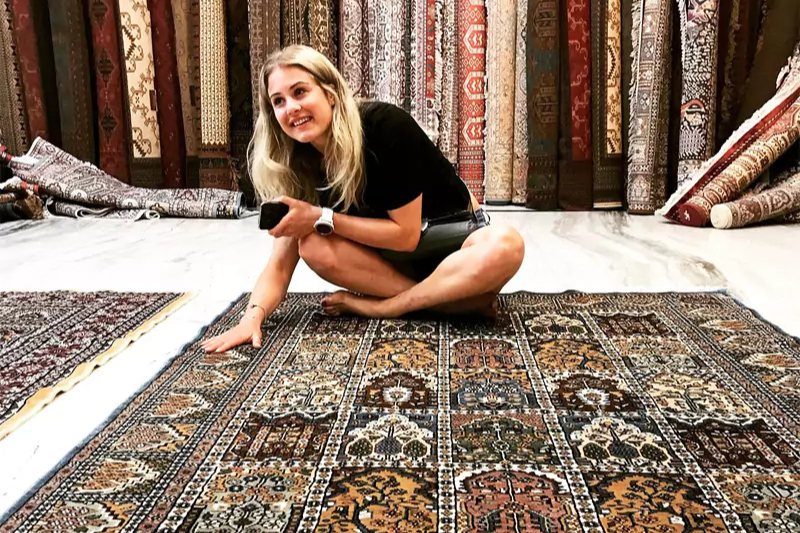
3. Subhash Bazaar – The Best Place for Silk & Sarees
Subhash Bazaar is located near Halwai Gali and is known for its extensive collection of silk sarees and other women’s traditional clothes.
-
Best about Subhash Bazaar
-
Pure silk sarees
-
Banarasi silk
-
Embroidered dress materials
-
Designer suits
Clothes are tailor-made for most people in the market, with several shops offering customization services.
-
Things to Buy
-
Banarasi sarees
-
Tie and dye dress materials
-
Silk Shawls
Travelers looking to buy elegant Indian textiles will love this market.
4. Shahganj Bazaar – Popular with the Locals
If you want to experience local shopping at its best, then you must visit Shahganj Bazaar. The market is not so touristy, and it offers excellent value for money.
-
Popular with
-
Furniture
-
Clothes
-
Kitchenware
-
Home décor
-
Daily essentials
-
Affordable clothes
Budget travelers looking for a place to explore and shop beyond the main tourist hotspots will find Shahganj Bazaar perfect.
5. TDI Mall – The Only Air-Conditioned Shopping Center
For travelers looking for an air-conditioned, brand-name, and modern shopping experience, TDI Mall is Agra’s modern shopping center.
-
Shopping Experience at TDI Mall
-
Fashion clothing brands
-
Electronics
-
Bags and accessories
-
Food court
-
Multiplex cinema
TDI Mall is an excellent place to unwind and shop after a long day of sightseeing in Agra.
6. Marble Cottage Industries and Workshops
Agra is renowned worldwide for its Pietra Dura marble inlay craftsmanship, the same marble inlay work that decorates the Taj Mahal.
Visitors to the marble inlay workshops in Agra can see artisans and craftsmen making marble products with:
-
Semi-precious stones
-
Marble slabs
-
Hand-engraving tools
-
Ancient Mughal era techniques and methods
-
What to Buy
-
Marble tabletops
-
Inlay jewelry boxes
-
Flower vases
-
Custom marble home décor pieces
Janu Private Tours will make sure that you only visit genuine and authentic marble workshops.
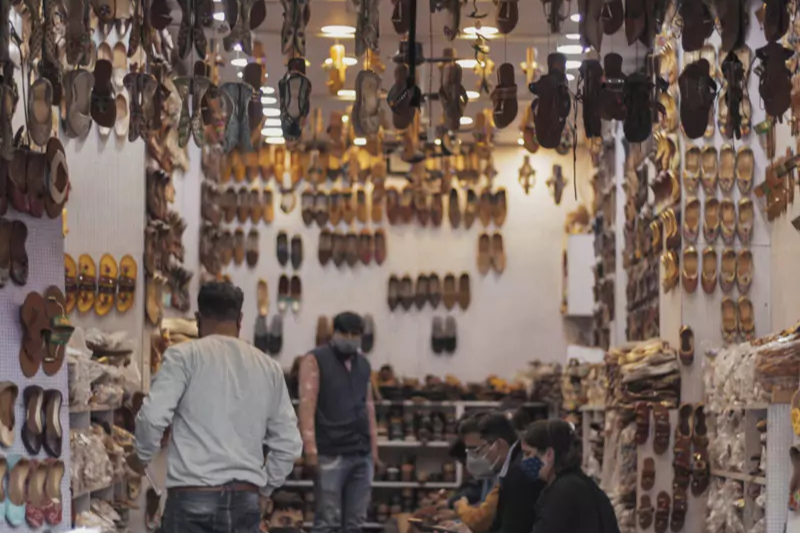
7. Shoe Markets of Agra – India’s Leather City
Agra is also one of India’s leading manufacturers of quality leather footwear, so the city’s shoe market is a must-shop for everyone.
Agra’s shoe markets are full of:
-
Handcrafted leather shoes
-
Boots
-
Sandals
-
Belts
-
Bags
Prices are unbeatable and variety is immense, ranging from ethnic mojaris to modern footwear.
8. Meena Bazaar – Colorful & Full of History
Meena Bazaar is one of the oldest traditional marketplaces in Agra.
Agra’s Meena Bazaar was historically associated with Mughal queens, and today, it offers a shopper’s paradise of:
-
Colorful fabrics
-
Bridal wear
-
Traditional jewelry
-
Decorative ornaments
It’s a great place to pick up ethnic gifts and vibrant clothing.
Tour Shopping in Agra with Janu Private Tours – Reliable and Trusted
There are many markets and shops, so it is not easy for tourists to figure out the best options. Prices vary greatly between stores, with some overcharging tourists while others sell machine-made and mass-produced items as handicrafts.
This is where Janu Private Tours becomes an asset for your trip. The locals will help the travelers by:
-
Guiding you to genuine artisans and workshops.
-
Helping you avoid the tourist traps.
-
Negotiating with shopkeepers on your behalf.
-
Explaining the historical and cultural background of the crafts.
-
Providing safe and comfortable transportation.
Our local knowledge and experience make sure you have an authentic and hassle-free shopping experience in Agra.
Also Read:-Top 10 travel destinations in india in november
Frequently Asked Questions (FAQ)
1. What are the best things to buy in Agra besides Taj Mahal souvenirs?
Ans: Buy marble inlay, leather goods, jewelry, textiles, and zardozi embroidery in Agra.
2. Are markets in Agra safe for tourists?
Ans: Yes, Agra is one of the safest places in India. Traveling with Janu Private Tours makes it even safer and easier for you.
3. Can I bargain at Agra markets?
Ans: Yes, you can bargain at traditional bazaars like Sadar Bazaar, Kinari Bazaar, Shahganj Bazaar, etc.
4. Are the marble inlay products real or fake?
Ans: Fake marble inlay items also exist, but they are less durable and cheaper. Visit recommended and trusted workshops or go with Janu Private Tours to make sure you buy authentic and original marble inlay products.
5. Which market is best for the local experience?
Ans: The local shopping experience is the best at Shahganj and Kinari Bazaar markets in Agra.