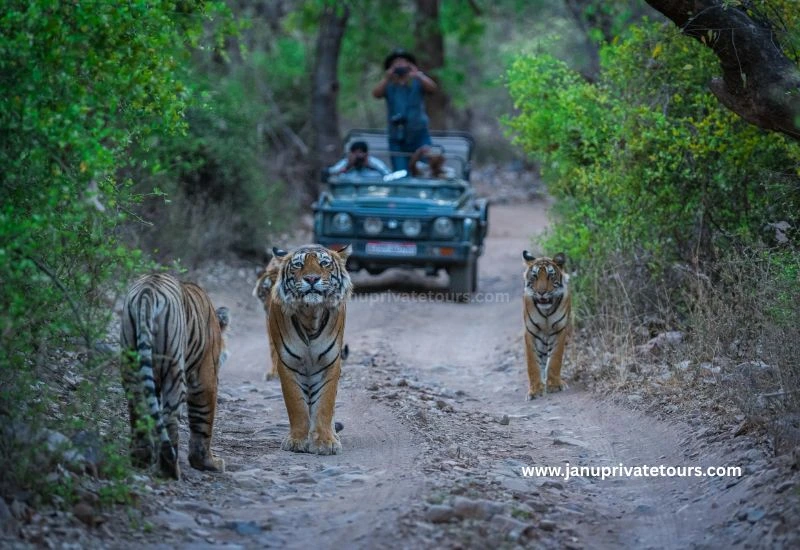
Rajasthan is renowned all over the world for its fortresses, palaces and desert terrains, but hidden behind this royal grandeur is an adrenaline side to Rajasthan that fuels much of this Indian state’s adventure quotient, in one word: tiger safari. The state is home to some of the most famous tiger reserves in India, offering nature lovers an opportunity to watch the regal Bengal tiger in its native environment.
A tiger safari in Rajasthan is not only about sighting a big cat; it is also about getting acquainted with varied ecosystems, such as dry deciduous forests, hilly terrains, lakes, and open meadows, while learning about conservation victories and local culture.
If you are ready to undertake any wildlife adventure, this comprehensive guide will take you through some of the best options for tiger safari in Rajasthan.
1. Ranthambore National Park
There can be no better place to enjoy a tiger safari in Rajasthan than Ranthambore National Park. Situated in the Sawai Madhopur district, this park is home to history and wildlife like no other.
Extending over an area of around 1334 square kilometres (including buffer zones), Ranthambore is famous for having a good number of tigers and better sightings than others, thanks to its open terrain. The park’s dramatic landscape features rocky hills, meadows, and the remnants of a 14th-century fortress. Additionally, there are lakes like Padam Talao and Rajbagh Talao.
One of the most unusual features of Ranthambore is its 10th-century Ranthambore Fort, located within the park. A tiger walking right next to ancient ruins is an unforgettable sight.
Why Choose Ranthambore?
-
Higher probability of tiger sightings
-
Picturesque lakes where tigers are often seen
-
Well-organized safari zones
-
Ideal for first-time safari travelers
The park has been divided into different zones with varying terrain and wildlife density. Both morning and afternoon jeep safaris are good for sightings of tigers, leopards, sloth bears, crocodiles and more than 300 species of birds.
2. Sariska Tiger Reserve
Situated in the Alwar district, amidst the Aravalli Hills, the Sariska Tiger Reserve stands as an inviting, less-crowded option for a tiger safari near Rajasthan.
Sariska is special because it managed to reintroduce tigers after their number dropped to zero in the early 2000s. Today, it is a conservation success story.
The vegetation here consists of dry deciduous forests, rocky hills, and grasslands. Leopards, striped hyenas, jackals, and various species of deer are found in Sariska.
What Makes Sariska Special?
-
Proximity to Delhi and Jaipur
-
Less crowded safari experience
-
Historical ruins inside the reserve
-
Strong conservation efforts
The Kankwari Fort is also located within the reserve, offering a touch of cultural heritage alongside wildlife.
3. Mukundra Hills Tiger Reserve
One of Rajasthan's relatively newer tiger reserves, Mukundra Hills Tiger Reserve, is near Kota. The tiger’s sightings here are fewer than in Ranthambore, but it has a neat and calm atmosphere. The reserve, which spans the Mukundra Hills, supports both forest and river ecosystems. This is an ideal choice for wildlife photographers who prefer less congested safari areas.
Why Consider Mukundra Hills?
-
Fewer tourist crowds
-
Scenic forest and river landscapes
-
Growing tiger population
-
Ideal for offbeat wildlife travel
Travellers who prefer seclusion and real wilderness should look forward to experiencing a tiger safari in Rajasthan’s Mukundra Hills.
Wildlife Beyond Tigers
While the Bengal tiger is only the beginning of an exciting tiger safari experience in Rajasthan, as the state’s reserves house a diverse and rich ecosystem that goes far beyond the majestic tiger.
The forests and grasslands are home to a balanced ecosystem, offering tourists the unique opportunity to explore a variety of interesting wildlife in their natural habitats. Some of the most thrilling experiences include leopards, which are often seen resting on rocky outcrops or stalking through the forest. Sloth bears with their shaggy fur and distinctive noses can occasionally be spotted searching for insects. The sambar deer and spotted deer (chital) can often be seen grazing in open meadows, while the majestic nilgai, or blue bull, grazes in the grasslands.
In areas around lakes and other water sources, the marsh crocodile can be spotted basking in the sun, adding to the breathtaking scenery. Bird watchers will be thrilled to see more than 300 species, including crested serpent eagles, kingfishers, and painted storks.
The dry deciduous forests and open landscape of Rajasthan make it easy for tourists to spot wildlife from a distance.
Best Time for Tiger Safari in Rajasthan
The best time for a tiger safari in Rajasthan is from October to June, when the national parks are open, and animal activity is at its peak. Climate, vegetation density, and water availability affect animal movement, which, in turn, affects sighting opportunities. Selecting the right time can greatly enhance your overall safari experience.
Winter (October to February)
The winter season is the most preferred time for a safari. During this time, the climate is pleasant, and the morning and evening safaris are quite enjoyable. The clear sky and cool climate are also ideal for photography and bird-watching.
Summer (March to June)
Though the weather is hot during this time, the chances of tiger sightings are high, as the animals congregate around water sources.
Monsoon (July to September)
The monsoon season (July to September) is a time when the national parks are closed for conservation and breeding activities.
Types of Safaris Available
Now, let us take a glance at the types of safaris available so that you can choose the one according to your preference:
1. Jeep Safari
6-seater vehicles provide flexibility and easier access. It can be ideal for photographers or wildlife enthusiasts.
2. Canter Safari
These 20-seater vehicles are more economical. Both types of safaris are conducted with expert guides and drivers who know the animals' routes.
Safari Zones and Booking Tips
Ranthambore, for example, has various zones with different scenery and opportunities for wildlife sightings. It is always better to book in advance, especially during peak season.
Essential Booking Tips:
-
Book your safari permits in advance
-
Bring valid identification
-
Strictly follow the rules of the park
-
Do not make loud noises during the safari
Selecting the right zone and time will boost your chances of having a successful tiger safari in Rajasthan.
Responsible Wildlife Tourism
Conservation plays a vital role in protecting Rajasthan’s tiger population. As a visitor, practising responsible tourism ensures that wildlife habitats remain undisturbed.
Responsible Safari Guidelines:
-
Maintain silence
-
Do not litter
-
Avoid feeding animals
-
Follow the guide instructions
Tiger reserves in Rajasthan are part of India’s Project Tiger initiative, which has significantly helped increase tiger populations over the years.
Combining Tiger Safari with Rajasthan’s Heritage
One of the most exciting things about a tiger safari in Rajasthan is that you can combine your safari adventure with heritage tourism.
-
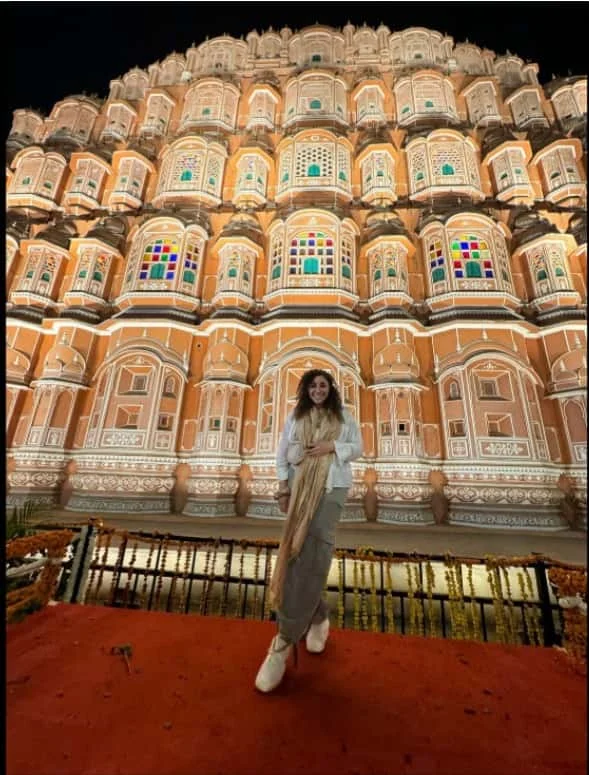
Explore the forts of Jaipur before embarking on your Ranthambore safari
-
Visit Jodhpur and Udaipur after your tiger safari
-
Experience desert culture in Jaisalmer
This combination of royalty and the wild makes for a very well-rounded holiday experience.
Ideal Duration for a Tiger Safari Trip
To get the most out of your tiger safari holiday, you should plan to stay for at least:
-
2-3 safaris in Ranthambore
-
1-2 safaris in Sariska
The more safaris you do, the higher your chances of spotting a tiger, as the animals tend to move around in different patterns every day.
Accommodation Options
There are various safari accommodation options in Rajasthan, ranging from luxury jungle resorts to budget-friendly options. Many resorts around Ranthambore offer facilities such as nature walks, cultural shows, and Rajasthani cuisine to make your experience more memorable.
Why is Tiger Safari in Rajasthan Unique?
While Central India is known for its dense forests, Rajasthan's landscape is relatively open and spectacular. The presence of rocky outcrops, lakes, and historical sites makes it a photographer's paradise.
Witnessing a tiger roaming through historical sites or lazing around a peaceful lake is what makes the tiger safari in Rajasthan stand out from other wildlife holiday spots.
Conclusion
A tiger safari in Rajasthan is an experience that will leave you with memories of adventure and culture. Whether you choose to explore the popular tiger safari in Ranthambore, the peaceful forests of Sariska, or the new tiger safari destination of Mukundra Hills, each destination gives you a distinct experience of conservation and nature. From tracking pugmarks at sunrise to watching a tiger emerge gracefully from the forest, the experience stays with you long after your journey ends.
If you are looking for a travel experience that packs in adrenaline, photography, history, and natural beauty, a tiger safari in Rajasthan should be right at the top of your list.
Let Janu Private Tours help you plan a customized tiger safari in Rajasthan. Contact us now to book your safari.
Also Read: