
Thinking about visiting India? Whether you're drawn by its ancient temples, colourful festivals, or stunning landscapes, a little preparation goes a long way. Using insights from the Incredible India FAQ portal, this guide breaks down the most important travel questions so you can plan with clarity and travel with confidence.
Let’s dive into the essentials every international traveller should know.
Key Travel Questions & Helpful Answers
1. How do I apply for a visa to India?
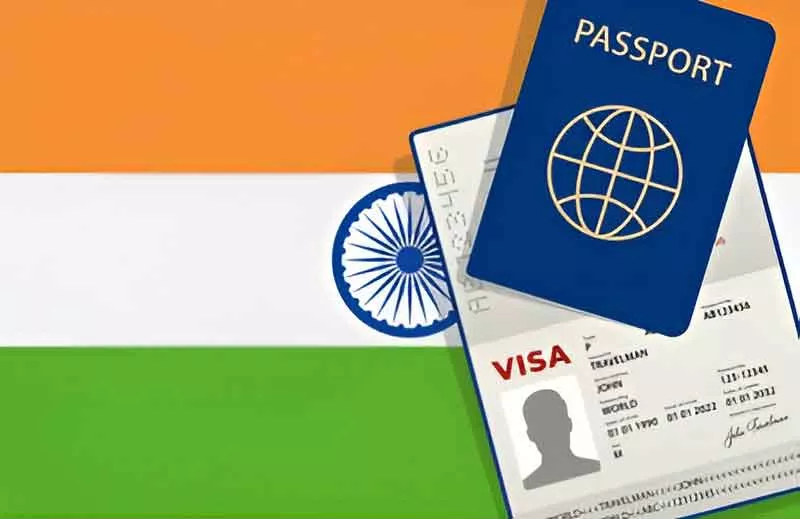
Most travellers need a visa before entering India, except citizens of Nepal and Bhutan. India also offers a Visa-on-Arrival for:
- Travellers from Japan
- Travellers from South Korea
- UAE nationals who have previously held an Indian e-Visa or regular visa
Everyone else can conveniently apply online through the official portal:
➡️ indianvisaonline.gov.in
2. What passport validity is required for travel to India?
Your passport must be valid for at least 6-months from the day you arrive in India and should contain two blank pages for immigration stamps.
💡 A quick tip: your visa validity begins on the date it is issued, not the day you travel.
3. Do travellers need any specific vaccinations for India?
Vaccination requirements mainly apply to travellers who have been in Yellow Fever endemic countries within the past six days before arriving in India. Such travellers must carry a valid Yellow Fever vaccination certificate.

Additionally, depending on global health situations, certain travellers may undergo health screening as advised by the Ministry of Health & Family Welfare.
4. What transportation options are available in India, and how can I book them?
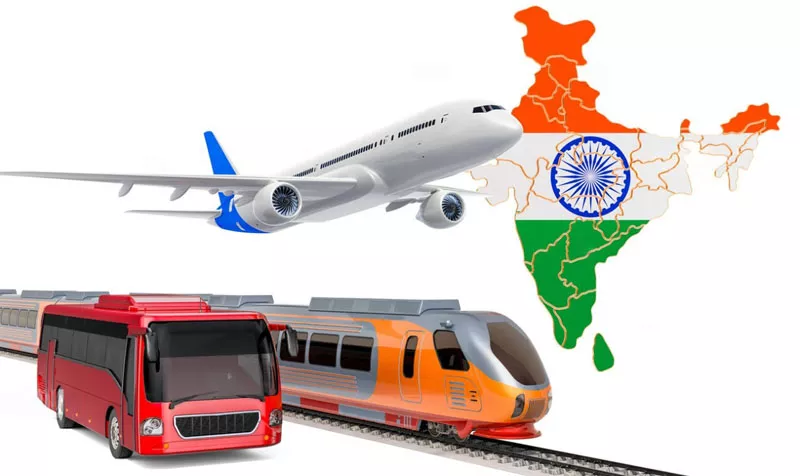
India offers several reliable ways to get around:
- Air travel between major cities
- Rail networks, one of the largest and most scenic in the world
- Road transport, including buses and private vehicles
Train bookings can be made via the IRCTC website or through authorised mobile apps. Bus and flight tickets can be booked online or through trusted travel agents.
5. Can I rent a vehicle in India? What licence do I need?
Yes, vehicle rentals—cars, scooters, and bikes—are widely available. Travellers who wish to drive must carry:
- A valid International Driving Permit (IDP) or international licence
- Their home country’s driving licence
6. What is the official currency in India, and where can I exchange money?
The currency used across the country is the Indian Rupee (INR). You can exchange your money safely at:
- International airports
- Selected hotels
- RBI-authorised money changers
- Local banks
7. Are international credit/debit cards and digital payments accepted?
Yes—major international cards are widely accepted in cities, malls, hotels, restaurants, and tourist locations. India is also known for its strong digital payment network, including:
- Mobile wallets
- Contactless card payments
- UPI, the country’s leading digital payment system
8. What languages are commonly spoken, and how widely is English used?
India is incredibly diverse, with 22 official languages such as Hindi, Bengali, Tamil, Telugu, and more.
The good news? English is widely understood, especially in cities, tourist destinations, airports, hotels, and business hubs—making communication easy for most travellers.
9. How good is mobile and internet connectivity in India?
Connectivity is generally excellent in urban regions. Travellers have access to:
- Local prepaid SIM cards
- Mobile data plans
- Wi-Fi at hotels, cafés, airports, and public spaces
- Portable pocket Wi-Fi devices
Remote or mountainous regions may experience weaker signals, but major travel areas are well-covered.
10: I’m visiting India for the first time—where should I go?
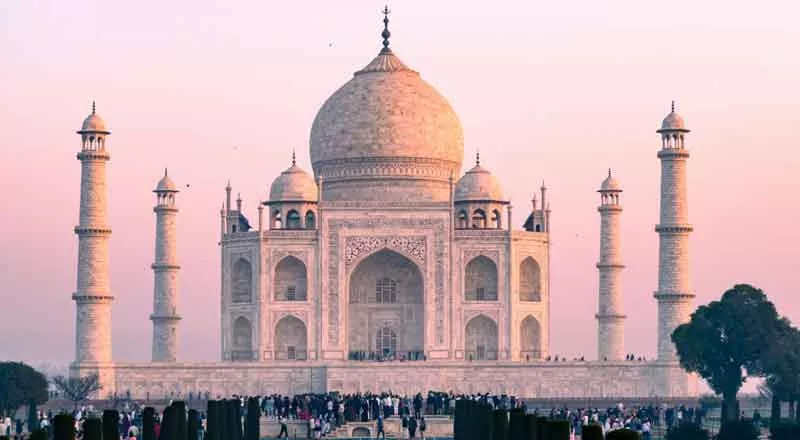
India has so much to offer that choosing can feel overwhelming, but here are a few places that really capture the spirit of the country:
- Delhi – A mix of old and new; explore historic sites, colorful markets, and amazing street food.
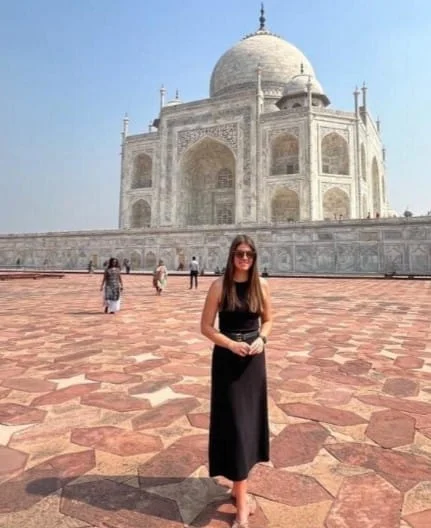
- Agra – You can’t miss the Taj Mahal—it’s even more breathtaking in person.
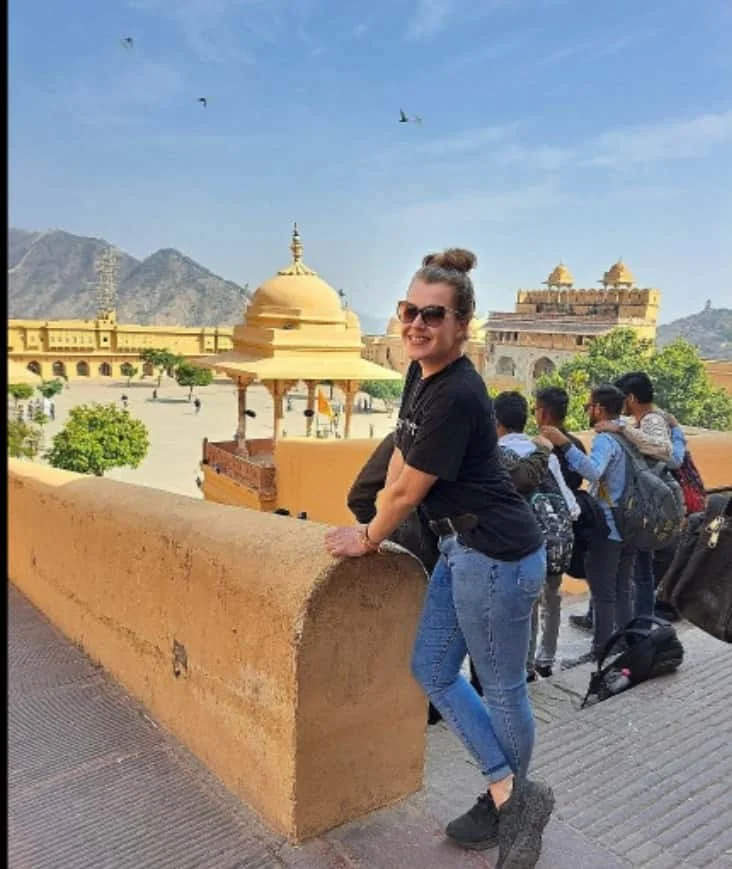
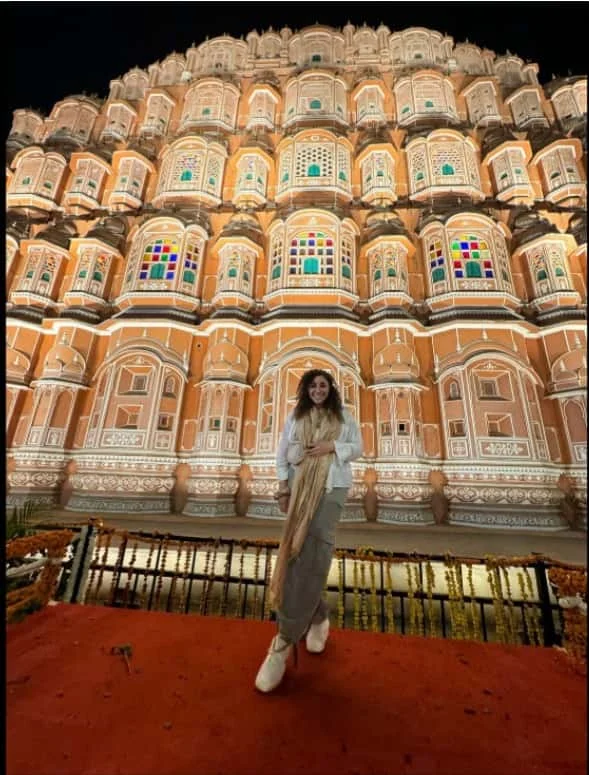
- Jaipur – Known as the Pink City, full of beautiful forts, palaces, and rich culture.
- Varanasi – One of the oldest living cities in the world; the Ganga Aarti is an unforgettable experience.
- Kerala – Calm backwaters, greenery everywhere, and a peaceful vibe.
- Goa – Perfect if you want beaches, sunsets, and a laid-back atmosphere.
- Mumbai – the city of dreams, is a lively, bustling place that pulls people in from all over India.
These spots give you a little taste of everything—history, spirituality, food, nature, and culture—all in one trip.
11. How expensive Is traveling in India?
Traveling in India is actually quite budget-friendly. You can find comfortable places to stay, enjoy delicious meals, and get around easily—all without breaking the bank.
12. Is India safe for tourists?
India is generally a safe place to explore, especially in well-known tourist spots. Just use common travel sense—avoid quiet areas late at night, keep an eye on your belongings, and choose reliable transportation.
13. What is the best time to visit India?
The ideal time to visit is from October to March, when most regions enjoy pleasant, comfortable weather.
14. Is the food safe to eat?
Yes! Just stick to freshly cooked meals, clean eateries, and bottled water. India’s street food is incredible—just pick busy stalls where the food is made often and served hot.
15. Are there any restricted or permit-required areas in India?
Yes, some regions—often near borders or ecologically sensitive zones—are classified as Protected or Restricted Areas. Visitors may need special permits to enter.
Always check updated travel guidelines or consult your tour operator before planning your visit.
16. What should I know about footwear and clothing rules in religious places?
Many religious sites—including temples, gurudwaras, and mosques—require visitors to remove footwear before entering.
It’s also recommended to dress modestly, especially when visiting sacred places. This not only shows cultural respect but also enhances your overall experience.
17. Are over-the-counter medicines easily available in India?
Absolutely. Pharmacies—commonly known as medical stores—are easily found in cities and towns, and many everyday medications are available without a prescription. For stronger medicines, carry a doctor’s prescription and consult a pharmacist if needed.
Final Thoughts
With the right information, your trip to India becomes smoother, safer, and far more enjoyable. From visa rules to cultural etiquette, this FAQ guide covers the essentials so you can focus on what truly matters—embracing the beauty, diversity, and spirit of India.
Also Read: