
Inspiring Journeys Start with Great Stories

Explore destination guides, local traditions, hidden gems, and travel advice curated by our India travel experts.

Explore All Articles

Jaisalmer Tourism

Jaisalmer isn’t one of those cities you tick off your list and move on from. It stays with you. Long after the trip is over, scenes of the golden yellow walls, vast desert skies, and slow-moving evenings come back to you. Known as the Golden City of Rajasthan, Jaisalmer emerges beautifully from the Thar Desert, shaped by centuries of trade, survival and craftsmanship.

Jaisalmer tourism is not loud and hurried. It invites you to slow down. Here, life is governed by heat, sand and space. The city’s beauty lies in its ability to coexist harmoniously with a harsh desert environment while preserving history, culture, and everyday life. From ancient forts and merchant havelis to desert villages and sky studded with stars, it offers a travelling experience that feels grounded and meaningful.

The History Behind Jaisalmer Tourism

Jaisalmer was founded in 1156 AD by Rajput king Rawal Jaiswal, who had strategically desired to set up his base in the heart of the desert. At first glance, building a city in a desert sounds impractical. But Jaisalmer was powerful on account of the ancient trade routes that passed through here.

Caravans laden with silk, spices, jewels and fabrics had traversed it on their journey to Central Asia and the Middle East. Taxes collected from traders brought wealth to the city. This wealth paid for forts, temples, stepwells and havelis that remain standing to this day.

As trade routes shifted over the centuries, Jaisalmer lost its economic vitality, but its architectural and cultural heritage remained. Modern Jaisalmer tourism has managed to preserve this incredible history and lets visitors see how the once-thriving trade city adapted and endured. Travellers looking to explore more of Rajasthan can also extend your Golden Triangle to Jodhpur and Jaisalmer for a richer, more complete journey through India’s royal heartland.

Jaisalmer Fort: A Living City Within Stone Walls

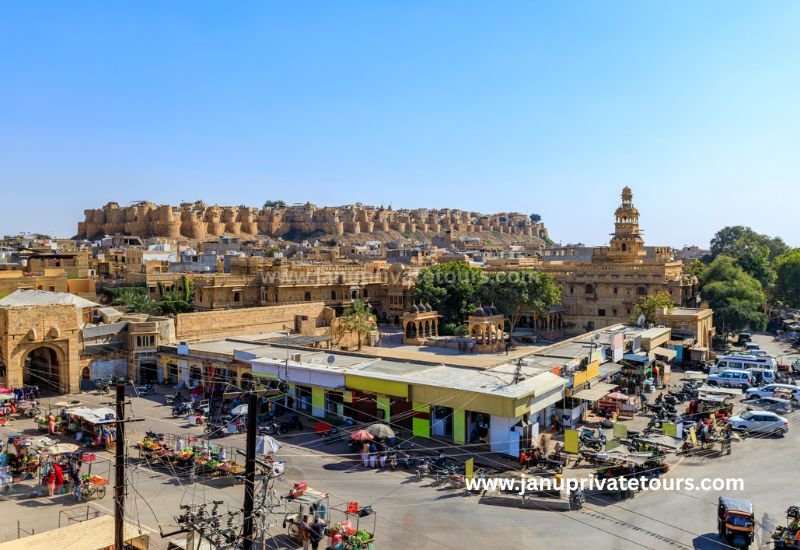
Jaisalmer tourism revolves around this fort, which is known as Sonar Quila. Unlike the majority of India’s forts, this one is still alive. Families live inside it. Shops operate daily. Temples continue their rituals. And so the fort is less a museum than a living neighbourhood.

Moving through the fort is a journey of layers. Narrow stone lanes wind through carved doorways, secret courtyards and rooftop terraces. You will hear temple bells, be treated to smells of food cooking, and come across locals moving about in their routines.

Inside the Fort

  • Jain Temples: These temples are known for their intricate stone carvings. Even the smallest pillars and ceilings have exemplary carvings.

  • Viewpoints: The desert landscape as far as the eye can see is visible from the walls of the fort. The town below appears peaceful and small.

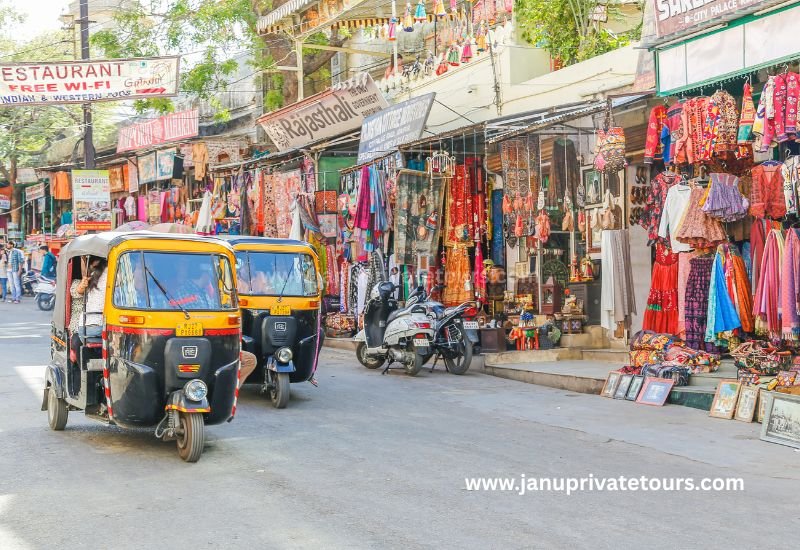
  • Local Shops: Local handicrafts like jewelry, clothes, and other items are sold inside the fort by families who have been residing here for generations.

The fort’s golden sandstone changes colour throughout the day. Morning light makes it pale yellow. Evening light turns it deep gold. This natural transformation is one of the highlights of Jaisalmer Tourism.

Havelis of Jaisalmer: Homes of the Merchant Era

Beyond the fort walls, the havelis of Jaisalmer give a glimpse into the city’s merchant era. The havelis were constructed by the wealthy merchants who dominated the trade routes.

Patwon Ki Haveli

Patwon Ki Haveli is not a single haveli but a group of five havelis. It is one of the most complex structures in Jaisalmer. The exterior has beautifully carved balconies, arches, and latticework. The interior gives a glimpse into the lives of the merchants and how they entertained their guests and showcased their wealth.

Nathmal Ki Haveli

This haveli was constructed by two brothers, and hence there is a slight difference in the design on both sides. Nathmal Ki Haveli is also appreciated for its ability to strike a balance between majesty and quality craftsmanship. The exterior is the star of the show: stone work so detailed that it looks like a textile pattern carved into sandstone. It’s a great place to visit if you have an interest in heritage architecture, traditional craftsmanship, and that special Jaisalmer ambience of being in a city of golden stone.

Salim Singh Ki Haveli

Salim Singh Ki Haveli is special because of its curved balconies and roof in the shape of a peacock. This is a result of individual creativity in traditional architecture. Visiting these havelis will give more meaning to Jaisalmer Tourism because it will show how art and trade influenced the lifestyle of the people.

Gadisar Lake: Water, Faith, and Calm

Water is a precious commodity in the desert, and Gadisar Lake was the only source of water in Jaisalmer. Today, it is a place for relaxation for the people of Jaisalmer and visitors.

There are stone steps leading to the water. There are temples and shrines all around the Gadisar Lake. Early morning is a quiet time, with birds congregating around the edges. In the evenings, there are reflections of golden buildings in the water.

The boat ride in Gadisar Lake is a slow and relaxing experience. For most tourists, Gadisar Lake provides a welcome respite from the hustle and bustle of the fort and the vastness of the desert. It is a must-visit destination in Jaisalmer Tourism.

Desert Experiences: The Soul of Jaisalmer Tourism

Now let us see what all desert experiences await for you to explore in the Jaisalmer Tourism:

Sam Sand Dunes

The Sam Sand Dunes are the most sought-after desert spots around Jaisalmer. They lie around 40 kilometers away from Jaisalmer and offer breathtaking views of the sand dunes.

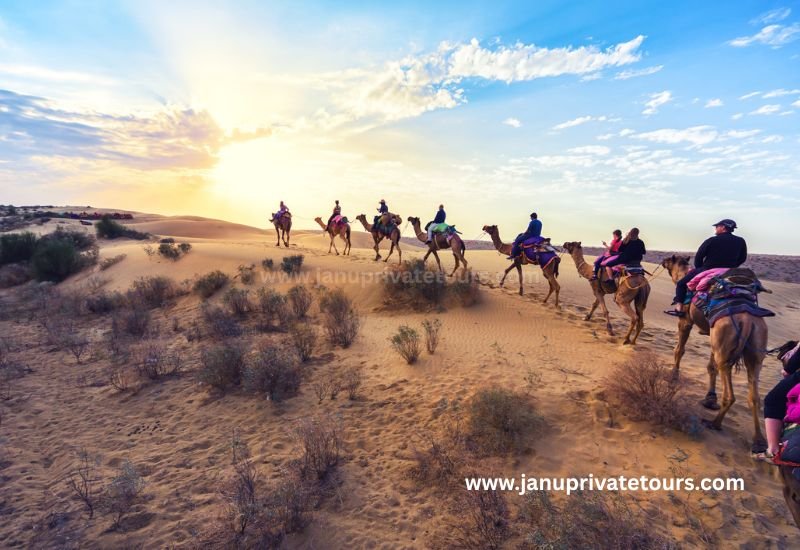
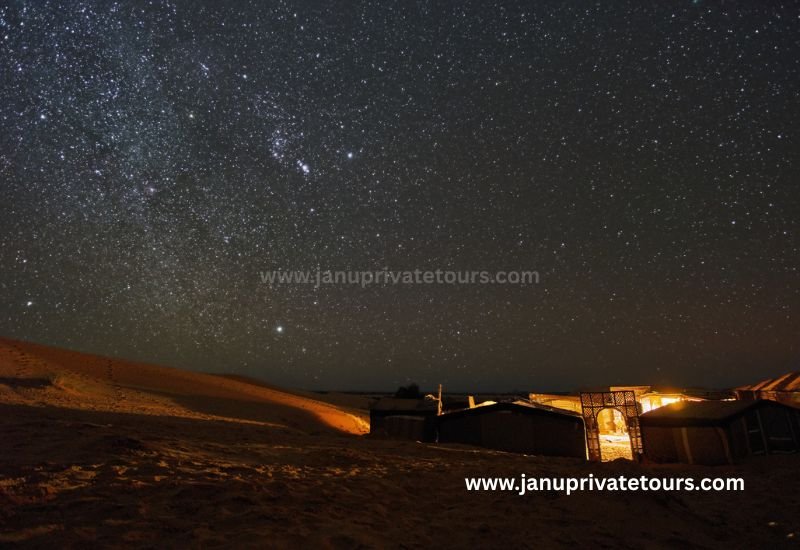
The sunset camel rides are a major attraction here. As the sun sets behind the sand dunes, the desert landscape turns into a warm orange and red hue. Evening cultural events include folk music, dance, and storytelling.

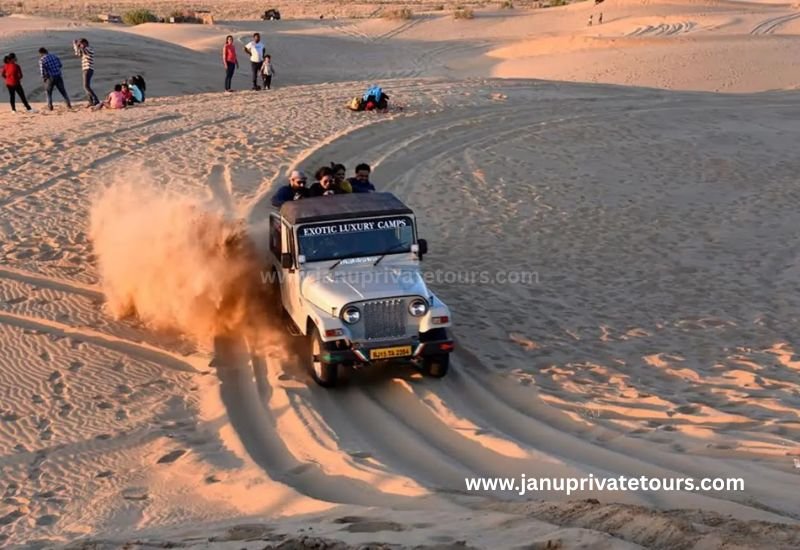
Luxury camps in the desert offer a luxurious stay experience with traditional furnishings, private sit-out areas, and guided tours. Book the Jaisalmer to Sam Sand Dunes trip from Janu Private Tours.

Khuri Village

Khuri is a less crowded desert destination. It is a perfect spot for those who look for a simple and genuine experience. The village is characterized by mud houses, village food, and serene sand dunes.

Khuri gives tourists a chance to experience the lifestyle of people living in the desert. They can witness how people in the desert live, cultivate, and survive in the desert conditions. Sam and Khuri are a major part of Jaisalmer Tourism.

Cultural Life and Traditions in Jaisalmer

The culture in Jaisalmer is influenced by folk songs that are usually narratives of love, separation, travel, and survival. The dances are very expressive but rooted in desert life.

Puppet shows are still a popular tradition. These shows are based on humor and storytelling to impart history and morals. Cultural events in heritage hotels or desert camps are more like private performances.

Festivals add colors to the desert. During festivals, markets, temples, and roads are filled with music and social gatherings.

Where to Stay in Jaisalmer?

Now let us have a look at some of the popular options to stay in Jaisalmer:

Heritage Hotels

Heritage hotels in Jaisalmer are sometimes converted havelis or small palaces. The thick stone walls ensure that the rooms remain cool. The courtyards are quiet and peaceful. Staying in these hotels gives one a sense of being at home.

Luxury Desert Resorts

Luxury desert resorts provide seclusion, comfort, and activities. One can indulge in spa treatments, cultural events, and guided desert walks without having to compromise on comfort.

Selecting the right place to stay makes a huge difference in the Jaisalmer Tourism experience.

Shopping in Jaisalmer: Desert Crafts and Souvenirs

Shopping in Jaisalmer is a reflection of its desert culture and trading traditions.

Items to Buy from Jaisalmer

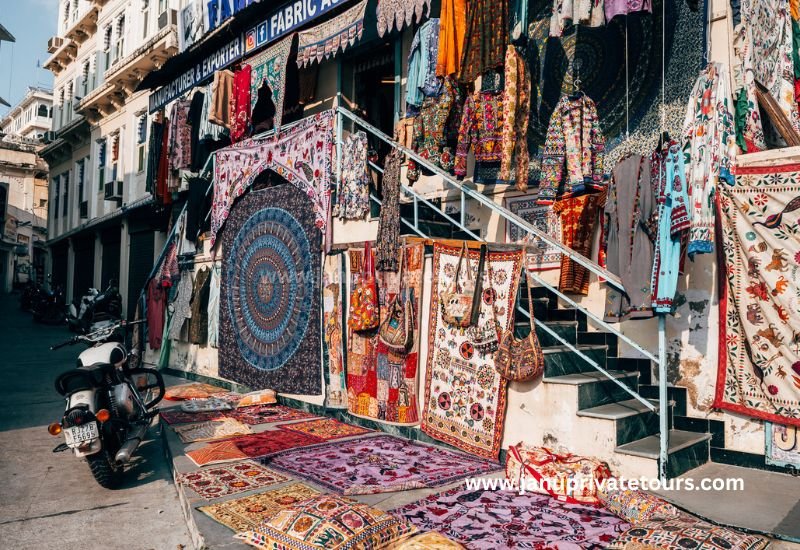
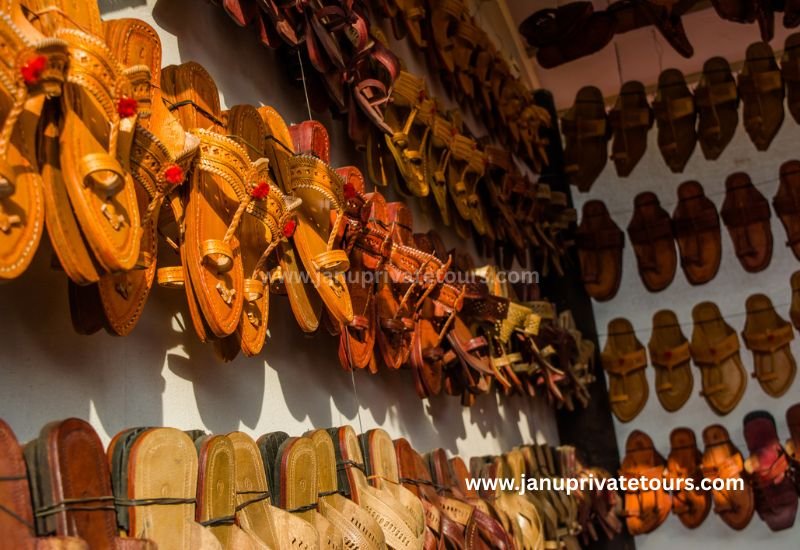
  • Leather shoes, bags, and belts made from camel leather

  • Embroidered fabrics and wall hangings

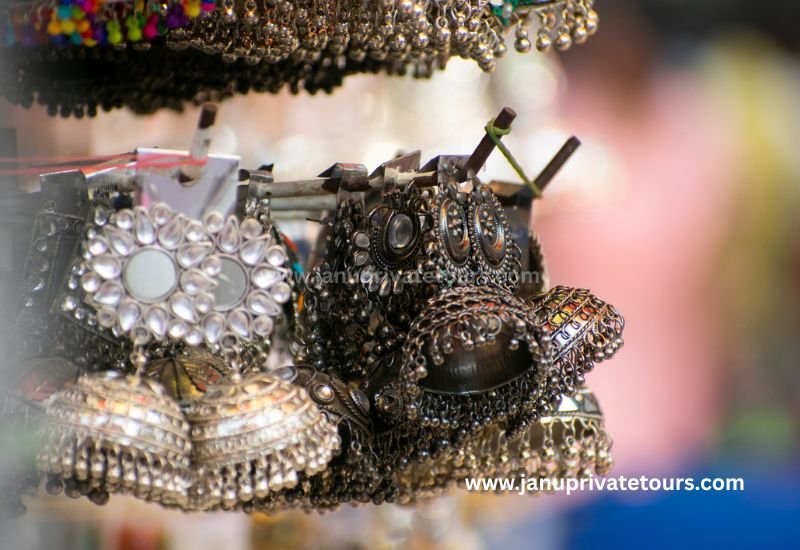
  • Silver jewelry designed in desert patterns

  • Puppets and home decor items

  • Mirror work cushions and throws

The markets around the fort and Bhatia Bazaar are the best places to visit. Bargaining is a common practice, but it should always be done in a respectful manner.

Local Food and Dining Experiences

The cuisine in Jaisalmer is influenced by its desert climate. The food is hearty and consists of ingredients that can be stored for a long time.

Famous dishes include dal baati churma, ker sangri, gatte ki sabzi, and bajra roti. Restaurants on the rooftop of the fort serve delicious meals with a beautiful view.

Best Time to Visit Jaisalmer

The best time to visit Jaisalmer Tourism is from October to March. The weather is pleasant during the day and cool in the evenings. The summer season is very hot and less crowded. Some tourists visit Jaisalmer during this time to get a discount on luxury stays.

How Many Days Should You Spend in Jaisalmer?

Two days are sufficient to see the essential sights. Three to four days enable you to spend time in the desert, explore villages, and experience the culture without hurrying. Jaisalmer is a place to be explored slowly and mindfully.

Conclusion

Jaisalmer tourism is not about checking off places to visit. It is about quietness, expanses, and tales woven around sand and sunshine. The fort is alive. The desert stretches endlessly. Nights pass slowly.

If you are looking to discover the Golden City with ease, comfort, and careful planning, let Janu Private Tours be your guide. Your Jaisalmer experience will be one that stays long after the desert fades from your horizon.

Places to Visit in Pushkar

Pushkar is among the very few places in India where spirituality, culture, and daily life blend harmoniously. This small town in Rajasthan, nestled next to the holy lake and by the desert hills, has deep religious significance but is welcoming and relaxed. The success of Pushkar is owing to its temples, ghats, markets, and festivals, but what really sets it apart from other places is its unhurried way of life. Days pass slowly here, marked by prayer rituals, temple bells, and the quiet overnights beside the lake.

For the spiritual seekers and cultural explorers as travellers, places to visit in Pushkar are not just sightseeing but more profound. With its holy waters, ancient temples, bustling bazaars, and timeless traditions, Pushkar showcases Rajasthan in a softer and more reflective way.

Why Pushkar Holds Spiritual Importance?

Pushkar is believed to be one of the oldest towns of India. Hindus can visit the Brahmakund (Brahma’s Kund), according to Hindu scripture, the pond was formed by Lord Brahma himself. Followers, saints, and travelers flock to the town to worship and for peace as well as clarity.

Unlike most other pilgrimage cities, Pushkar is small and intimate. The lake, temples and markets are a few minutes’ walk away. This proximity helps build a strong feeling of spirituality, so that rituals seem up close and personal. Pushkar is more of a stop and reflect kind of place, rather than one purely for tourism.

Places to Visit in Pushkar

Here is the list of places to visit in Pushkar that are worth considering:

Pushkar Lake – The Heart of the Town

Among all Places to visit in Pushkar, Pushkar Lake holds the highest spiritual significance. The lake is surrounded by more than fifty ghats where pilgrims perform prayers, rituals, and ceremonial baths. According to belief, bathing in the lake washes away sins and brings spiritual merit.

Early mornings and evenings are the best times to visit. At sunrise, the ghats are peaceful, with devotees offering flowers and chanting prayers. In the evening, lamps are lit and float on the water, creating a serene and deeply moving scene. Walking barefoot along the ghats, observing rituals, and sitting quietly by the water allow visitors to absorb Pushkar’s spiritual energy.

Brahma Temple – One of a Kind in the World

The Brahma Temple is the most popular tourist destination in Pushkar, and it is also one of the very few temples in the world that is dedicated to Lord Brahma. This alone makes it one of the most significant places to visit in Pushkar. The temple is made of marble and stone, and it has a distinctive red spire and a silver statue of a turtle at the entrance.

According to devotees, a trip to Pushkar is not complete without seeking blessings from this temple. The temple’s rituals are very simple yet very effective, as they are centered around prayer and not fanfare. Visitors are expected to be dressed in a decent manner and to follow the temple traditions. Even for the non-devotees, this temple provides an interesting perspective on Pushkar.

Savitri Temple – Views and Devotion

Located on a hill that offers a breathtaking view of Pushkar, the Savitri Temple is a temple dedicated to Goddess Savitri, the wife of Lord Brahma. The temple can be reached either by climbing the hill or by taking a ride on the ropeway, which is a very enjoyable experience in itself.

Of all the places to visit in Pushkar, the Savitri Temple is one of the most picturesque ones. From the top of the hill, you can see Pushkar Lake, the white buildings of the town, and the desert that surrounds Pushkar. This is one of the most popular spots to watch the sunrise or sunset.

Varaha Temple – Ancient Faith

The Varaha Temple is a temple dedicated to Lord Vishnu in his form as a boar. It is said to be one of the oldest temples in Pushkar, originally constructed in the 12th century. The current structure is a mix of Rajput architecture and religious symbols.

The Varaha Temple is less crowded than the Brahma Temple, making it a good choice for travelers who are looking for a peaceful religious site. The Varaha Temple is one of the less popular Places to visit in Pushkar, and it provides insight into the complex religious history of the town.

Rangji Temple – South Indian Influence

The Rangji Temple is unique in Pushkar because it has South Indian architectural influences. The temple is dedicated to Lord Vishnu and has architectural influences from the Rajput, Mughal, and Dravidian styles. The temple has a high gopuram, carvings, and a large courtyard.

Visiting the Rangji Temple provides diversity in exploring the Places to visit in Pushkar. The temple provides insight into the cultural influences that Pushkar has received over the centuries. The temple is also less crowded, allowing visitors to see the details of the temple at a relaxed pace.

Pushkar Ghats – Everyday Spiritual Life

Apart from Pushkar Lake, the ghats are also worth special mention. Every ghat has its own significance and tradition, whether it is bathing or cremation. Taking a walk through the ghats will give an insight into the daily spiritual life of the people, which has been the same for centuries.

Visiting the ghats is not about checking off places to visit. It is about observing, listening, and participating. When it comes to the places to visit in Pushkar, the ghats are the best way to experience the local life and religion.

Pushkar Bazaar – Culture Through Craft

Pushkar Bazaar is a vibrant and lively area in Pushkar. It is filled with small shops, cafes, and stalls, which showcase the cultural diversity of Pushkar. Pushkar Bazaar is where you can find handmade jewelry, embroidered fabrics, leather products, incense, and spiritual objects.

Shopping in Pushkar Bazaar is a laid-back experience compared to shopping in larger cities. Bargaining is a common practice, but it is done in a friendly manner. Pushkar Bazaar is one of the most enjoyable places to visit in Pushkar because it combines commerce with culture.

Man Mahal – Royal Calm by the Lake

Man Mahal is a historical palace situated close to Pushkar Lake. Constructed by Raja Man Singh, Man Mahal is a symbol of Rajput architecture with simplicity and elegance. Currently, some parts of Man Mahal are used as a heritage hotel, while other parts can be accessed from the outside.

Man Mahal, one of the Places to visit in Pushkar, symbolizes the royal heritage of Pushkar. Man Mahal, situated close to Pushkar Lake, is a peaceful destination, especially during early mornings or late afternoons.

Pushkar Camel Fair Grounds – Beyond the Festival

Golden Triangle with Pushkar Camel Fair is globally recognized, with thousands of people visiting every year. But even when the Pushkar Camel Fair is not happening, the Pushkar Camel Fair Grounds are a destination worth visiting. The wide grounds provide an insight into the countryside, the desert, and grazing livestock.

During the Pushkar Camel Fair, the grounds become a hub of cultural activities like camel trade, folk music, competitions, and local cuisine. As one of the most exciting Places to visit in Pushkar, the Pushkar Camel Fair Grounds provide an experience of the living culture of Rajasthan.

Food and Simple Living in Pushkar

The food in Pushkar is a reflection of its spiritual philosophy. There are many cafes and restaurants that serve vegetarian food, sattvic food, and organic food. Whether it is the simple dal, rice, and rotis or international vegetarian cuisine, the experience of eating in Pushkar is very satisfying and relaxed.

Eating like locals is a part of experiencing the places to visit in Pushkar. The food is usually enjoyed in a relaxed manner, with discussions and silence. This is how the people of Pushkar live their lives in general.

Best Time to Explore Pushkar

The best time to visit Pushkar is from October to March, when the climate is pleasant. This is the best time to explore Pushkar on foot, visit the temples, and experience the culture. The Pushkar Camel Fair is held in November every year, which is a special experience.

The summer season is very hot, and the monsoon season is marked by rain and a lack of tourists. Every season in Pushkar is a different experience of Places to visit in Pushkar, depending on your interests.

Conclusion

Pushkar is not a place to visit when you are in a hurry to move from one point of interest to another. It is a place to slow down and watch rituals, listen to stories, and feel a connection to something eternal. There are numerous places to visit in Pushkar that provide spiritual, cultural, and peaceful experiences that linger in your heart long after you have left the place.

For a thoughtful and well-organized visit to Pushkar, Janu Private Tours provides customized itineraries that combine spirituality, comfort, and cultural experiences. With the help of local knowledge, flexible pacing, and convenient travel arrangements, Janu Private Tours lets you discover Pushkar beyond the surface level, transforming your visit into an experience.

Things to do in Jodhpur

Jodhpur is a city that makes a lasting first impression. It emerges from the desert, with blue-painted houses and the massive walls of its fort, a testament to the history that has been shaped by the presence of royalty, the strength of the people, and the daily lives of the inhabitants. Jodhpur is also known as the Blue City and the Sun City, and it combines majestic architecture with the living traditions that people still follow today. Palaces, temples, bazaars, and old residential areas coexist in Jodhpur, making it a city that exudes power and yet welcomes with open arms.

Visiting Jodhpur is more than just a visit to the monuments. It is an experience of walking through the narrow streets, listening to the stories of the people, relishing the cuisine that has been shaped by the desert environment, and seeing the city move to its own beat. This travel guide to the best things to do in Jodhpur in 2026 focuses on experiences that go beyond sightseeing and help you connect with the culture and heritage that make this city so special.

Top Things to do in Jodhpur

Here are the top things to do in Jodhpur that you cannot miss:

Explore Mehrangarh Fort in Depth

Mehrangarh Fort is the first thing on the list of things to do in Jodhpur. However, rather than hurrying through it, it is worth taking the time to explore it in depth.

Pass through the massive gates and into the courtyards that are filled with the history of battles and royal processions. There are museum galleries inside that hold weapons, fabrics, palanquins, and miniature paintings. Each one is dedicated to a different ruler and period.

The fort walls offer breathtaking views. You can see the blue city below, with temples, homes, and markets creating a living map of Jodhpur. Early morning or late afternoon visits to Mehrangarh Fort in 2026 are recommended to avoid the heat and the crowds.

Walk Through the Blue City Lanes

Next on the list of things to do in Jodhpur is to take a simple walk through the old city. The blue-painted houses near the fort were originally the mark of Brahmin families, but the color gradually became a community identity.

The streets are narrow and winding. You see houses, temples, vendors, and children around. This is not a heritage site. This is everyday life.

A guided walking tour can be informative, with guides pointing out water systems, social customs, and architecture. Even without a guide, it is enjoyable to walk and observe.

Visit Jaswant Thada for a Quiet Pause

A visit to Jaswant Thada is one of the best things to do in Jodhpur as it lets you unwind after exploring the Mehrangarh Fort.

The royal cenotaph is made of white marble and exudes a sense of calm and contemplation. The monument is softly illuminated in the sun, and the gardens surrounding it provide relief from the sun and noise.

It is one of the more peaceful activities to do in Jodhpur and a great spot to take some photos or just sit and enjoy the surroundings.

Experience Umaid Bhawan Palace

Umaid Bhawan Palace is a completely different experience of Jodhpur’s rich heritage. The palace was constructed in the 20th century and is a mix of traditional Indian architecture and Art Deco styles.

The palace is divided into a museum, a luxury hotel, and a private residence of the royal family. The museum houses vintage cars, clocks, photographs, and personal belongings of the royal family.

Visiting Umaid Bhawan Palace gives you an insight into how Jodhpur transitioned into the modern era while still retaining its royal heritage.

Shop and Observe at Sardar Market

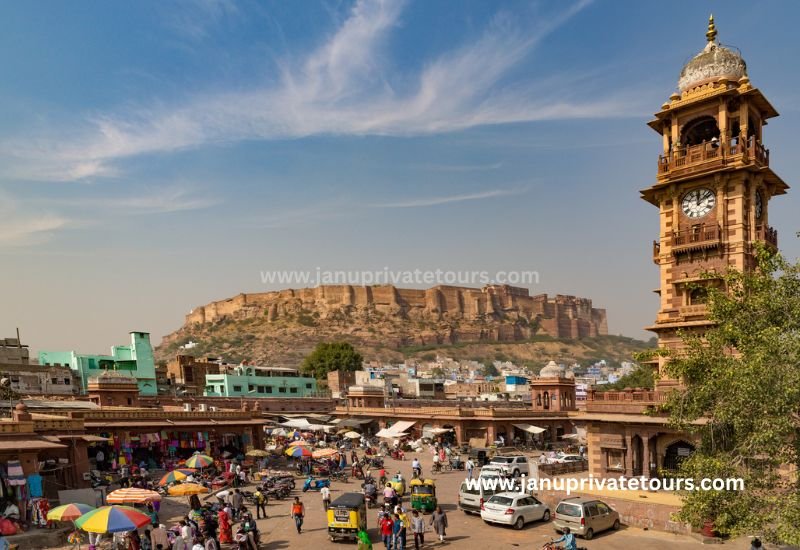
For travelers who want to experience the local culture, one of the most authentic things to do in Jodhpur is to spend time at Sardar Market, which is near Ghanta Ghar.

Sardar Market is a vibrant and unfiltered market. The market has vendors selling spices, clothes, metalware, handicrafts, and other commodities. The vendors are shouting as they bargain, scooters are moving through tight spaces, and people are talking to each other.

Even if you do not purchase anything, observing the dynamics of the market will give you an idea of how the people of Jodhpur live their daily lives.

Explore Toorji Ka Jhalra Stepwell

The restoration of Toorji Ka Jhalra shows how historic sites can exist together with contemporary urban environments. The stepwell functioned as a vital water supply point. Today, it is a popular meeting point surrounded by cafés and small shops. The stairs lead downward to display both the detailed stone craftsmanship and the water levels. The location serves as a peaceful area where people can unwind during the evening.

Discover Mandore Gardens

Mandore served as the Marwar capital city before Jodhpur assumed that position. The Mandore Gardens provide visitors with a chance to see the ancient period. The gardens feature cenotaphs, temples, and memorials, which extend throughout the landscaped area. The architectural style presents itself as more ancient and less formal when compared to the architectural style of later palaces. Mandore attracts fewer visitors than city attractions, which creates a perfect environment for travelers who prefer peaceful exploration.

Visit Rao Jodha Desert Rock Park

Rao Jodha Desert Rock Park operates as an ecological restoration site which aims to bring back native desert ecosystems. The park is near Mehrangarh Fort. Visitors benefit from walking trails which lead them through rugged landscapes while they enjoy scenic views of the fort above them. The informational boards provide details about the native plant species and the conservation initiatives in the area.

The park offers educational experiences to visitors, who can learn about the geographical factors that influenced city development.

Experience Local Food and Culinary Traditions

Food is an important part of understanding Jodhpur. The local cuisine was shaped in the desert environment, where preservation and strong flavors were necessary.

You can try local dishes such as dal baati churma, gatte ki sabzi, and ker sangri. Local desserts such as mawa kachori are part of the celebration of local traditions.

Dining at heritage eateries or home-based restaurants will give you a deeper insight into the local culture.

Attend Cultural Performances and Festivals

If you are visiting Jodhpur during the festivals like the Marwar Festival, you will get to experience local music, dance, and processions that celebrate the local warrior culture.

Even when you are not visiting during the festival time, cultural events at heritage sites will give you a glimpse of the local music and dance traditions that have been preserved over the years.

This is one of the best things to do in Jodhpur if you are interested in understanding the local culture.

Take a Bishnoi Village Experience

A short drive from the city will take you to Bishnoi villages, where communities practice the ideology of nature conservation and a simple lifestyle.

Village visits include pottery-making, weaving, bird-watching, and interactions with the villagers. This activity brings a human element to your experience, making it one of the must-do things to do in Jodhpur.

Relax in a Heritage Hotel

Staying in a heritage hotel will give you the experience of staying in a bygone era. The courtyards, local cuisine, and peaceful evenings under desert skies make the stay feel personal.

Many tourists have found that it is in these slow moments that they have enjoyed the most.

Conclusion

Jodhpur is not about ticking off the sights. It is about feeling the balance of past and present. In 2026, Jodhpur remains a place where meaningful experiences await travelers who take the time to appreciate.

From forts and palaces to bazaars and villages, these top things to do in Jodhpur bring you closer to the living heritage of the city. To discover Jodhpur in a relaxed and meaningful way, Janu Private Tours offers customized travel experiences that emphasize heritage, experiences, and relaxed travel. Let us help you curate a personalized travel experience. Book your Jodhpur Tour Package from Janu Private Tours for a wonderful experience.

Places to Worship in Rajasthan

Rajasthan is a place where faith is woven subtly through daily life. Beyond its forts and palaces, the state holds a profound spiritual dynamic shaped by centuries of devotion, tradition, and collective faith. Temples rise from mountaintops, shrines nestle next to lakes and markets, and prayer fills desert towns at dawn and dusk. Worship in Rajasthan is not confined to a single path or tradition.

Hindu temples, Jain pilgrimage centres, Sufi dargahs, and folk shrines coexist, reflecting a culture of coexistence and respect. These religious spaces are not frozen in history. They are still living, active centres of prayer to which families return generation after generation. Temples in Rajasthan are more than just spiritual places of worship. It is a look at how belief influences the architecture, festivals, routines, and community life. This blog gives an in-depth look at the most venerated sacred sites throughout the state and the significance they have for pilgrims, locals, and visitors in 2026.

Worship in Rajasthan: Top Places to Not Miss When in Rajasthan

Worship in Rajasthan is defined by some of the truly significant religious places, which shape the overall spiritual landscape. Here are some of the holy places you must visit while traveling in Rajasthan.

Brahma Temple, Pushkar

width=800

One of the most unique sites for worship in Rajasthan is the Brahma Temple. It is one of the very few temples in the world for Lord Brahma, the creator, as per Hindu belief.

The temple, situated in the holy town of Pushkar, is visited by pilgrims all through the year. Devotees say that a visit here is essential to close the spiritual circle. The red spire, silver turtle and tranquillity of the place lend it to quiet contemplation.

Pushkar itself is deeply spiritual. Bathing in the sacred lake is believed to be purifying; many pilgrims bathe in the ghat with devotion before visiting the temples.

Ajmer Sharif Dargah

width=800

One of the most popular religious places in India is the Ajmer Sharif Dargah, which is the resting place of Sufi saint Khwaja Moinuddin Chishti.

This temple epitomises secularism in prayer in a state like Rajasthan. Devotees from all religions come here to pay their respects, receive blessings and join qawwali gatherings. The atmosphere is nostalgic and reflective, especially during Urs celebrations.

Simple in its structure, the dargah represents compassion, humility and shared faith, serving as the cornerstone of Rajasthan’s spiritual landscape.

Dilwara Temples, Mount Abu

width=800

The Dilwara Temples are among the best examples of Jain architecture in the world. This is also an important place of worship in Rajasthan.

Carved entirely from white marble, these temples are dedicated to Jain Tirthankaras. The detailing work is phenomenal, from the ceilings to the pillars, all of which are engraved with dedication and finesse.

Worship here is quiet and contemplative. Visitors are asked to remain silent as an emblem of Jain simplicity and personal peace. Mount Abu’s cooler weather further contributes to the tranquil experience.

Eklingji Temple, Near Udaipur

width=800

Devoted to Lord Shiva, the Eklingji Temple has been one of the central sites of worship in Rajasthan for centuries. The temple’s origin is considered to be in the 8th century and is closely associated with the Mewar royal family, who regard Eklingji as the ruling deity of Mewar.

Both morning and evening aartis are deeply moving. The chanting, bells and rituals combine to create a powerful sense of the spiritual atmosphere that connects history, royalty and faith.

Karni Mata Temple, Deshnok

width=800

One of the rarest temples in Rajasthan is the Karni Mata Temple, popularly known as the Rat Temple. Worshippers consider the rats that inhabit the temple sacred and believe that they house reincarnated souls. It is considered good fortune to see a white rat, and feeding the rodents brings good luck. This is also a unique site associated with worship in Rajasthan that you cannot miss visiting.

Govind Dev Ji Temple, Jaipur

width=800

Situated at the City Palace complex, Govind Dev Ji Temple, Jaipur, is one of the important temples in the Hindu religion. The temple holds a special emotional significance with Lord Krishna devotees. Daily darshans are in accordance with traditional practices, and there is also a festive celebration, especially at Janmashtami or Holi.

Worship in Rajasthan frequently combines devotion with celebration, and this temple embodies that balance beautifully.

Ranakpur Jain Temple

width=800

The Ranakpur Jain Temple is both a religious and architectural masterpiece. Located in a peaceful valley between Udaipur and Jodhpur, the temple is supported by 1,444 intricately carved pillars; no two of which are exactly alike. The temple, dedicated to Adinatha, the first Jain Tirthankara (revered teacher), represents purity and discipline that a Jain person should follow.

It is a very peaceful environment and good for quiet prayer and meditative worship.

Nathdwara Shrinathji Temple

width=800

Shrinathji Temple, Nathdwara, is one of the most significant pilgrimage places for the followers of the Pushtimarg tradition.

A form of Lord Krishna as Shrinathji is worshipped in the temple. Darshan here follows a strict daily schedule, with different rituals marking moments of Krishna’s day.

Devotees plan visits carefully, aligning darshan timings, and the worship experience here is disciplined while also being deeply personal.

Galta Ji Temple, Jaipur

width=800

The next important site of worship in Rajasthan is the Galta Ji Temple, also known as the Galta Ji Temple, which is located outside Jaipur in a peaceful natural valley. With its natural water tanks and temples, and all-around hilltop views, it feels like a place where nature and worship intersect. Pilgrims believe the waters here are sacred and cleansing.

Despite being so vibrant, there is a calmness that persists in GaltaJi, especially during mornings.

Tanot Mata Temple, Jaisalmer Region

width=800

On the India-Pakistan border sits Tanot Mata Temple, a shrine of faith and protection. The temple became the focus of national media after it withstood heavy shelling in the 1965 war. Worshippers say the goddess shielded the temple and local soldiers. Today, it is a testament to both resiliency and faith.

Ramdevra Temple

width=800

Ramdevra Temple is a famous temple dedicated to Baba Ramdevji, which attracts pilgrims from around the world. Pilgrims from Rajasthan, Gujarat and other states come to seek blessings, especially in the annual fair. The devotion here is strong, communal, and heartfelt.

Tips on Planning Worship Visits in Rajasthan

Planning visits to sacred places in Rajasthan has to be done with care and due respect. The state is home to spiritual places that adhere to ancient customs, and a little time will let you experience them meaningfully rather than hurriedly. Whether it’s temple hours or festival dates, sometimes the small details help you understand whether your visit will feel peaceful and enriching.

Key planning tips to keep in mind:

  • Time your visit for a festival: Many temples and dargahs are at their most lively during festivals, but they are also very crowded. Choose an atmosphere that suits you: lively or calm.

  • Verify timings first: Places of worship are often shut in the afternoon and open again in the evening. Mornings are often the best time.

  • Dress accordingly: Most religious sites require decent attire. Wear completely covered clothing and carry a scarf or shawl to cover your head.

  • Cluster nearby sites together: Many places of worship are near forts, lakes or old towns. Combine them so that nobody has to travel way out of their way.

  • Allow buffer time: Rituals, prayers or lines may be longer than you anticipate, particularly at busy shrines.

  • Show respect for local customs: Take photos only where permitted. Always ask before clicking pictures.

  • Employ local guides: A knowledgeable guide can explain rituals, legends and history, thus deepening your visit.

Conclusion

Worship in Rajasthan is not limited to rituals. It is about connection. From ancient marble-carved temples to living shrines filled with music and prayer, Rajasthan has spiritual experiences that feel grounded and real.

In 2026, these are active centers of faith, not relics of the past.

For visitors looking for authentic and comfortable spiritual travel experiences in the state of Rajasthan, Janu Private Tours offers personalized itineraries that incorporate the best of religious and cultural experiences, with plenty of time to immerse in history at temples that other tourists rush through.

Places to Visit in Ranthambore

Ranthambore is more than a wildlife tourist destination. Although it is a well-known destination for tiger safaris, there is much more to this former royal hunting ground, making it a complete travel experience. In 2026, Ranthambore remains a destination for nature enthusiasts, photographers, slow travelers, and families who want to experience the rural side of Rajasthan, beyond the forts and cities.

The Places to visit in Ranthambore have a perfect mix of adventure and peace. This post will help you with the most important and rewarding places that you must not miss when planning your trip to Ranthambore.

List of Top Places to Visit in Ranthambore in 2026

Here, let us have a look at the top places you can consider visiting during your Ranthambore trip:

Ranthambore National Park

The main attraction that brings visitors to this area is the vast expanse of Ranthambore National Park. The park contains various ecosystems, including dry deciduous forests, open grasslands, and rocky hills, which create ideal conditions for tiger sightings.

The park’s special quality is visibility. Visitors can see tigers throughout the day because they rest near water bodies and travel along forest paths. The park is also home to leopards, sloth bears, hyenas, wild boars, sambar deer, nilgai, crocodiles, and over 300 bird species in addition to tigers.

The park operates multiple safari zones, each with its own viewing area for visitors. Each zone has its own distinct landscape and animal behavior patterns. By combining both morning and afternoon safaris, visitors can boost their chances of seeing wildlife. This is among the best places to visit in Ranthambore that you cannot miss. A guided Ranthambore Wildlife Journey allows visitors to understand animal behavior, landscapes, and conservation efforts beyond just tiger sightings.

Ranthambore Fort

The UNESCO World Heritage Site Ranthambore Fort stands on a hill within the national park and is the region’s most significant historical site. The fort, built more than 1,000 years ago, protected important trade routes linking central India with northern India.

Walking through the fort feels like stepping back in time. The site contains massive stone gates, ruined palaces, temples, stepwells, and watchtowers that have survived over the years. The viewpoint offers panoramic views of the forest, including multiple lakes and cliffs. The fort offers visitors opportunities to see monkeys, deer, and tigers at various locations throughout their exploration.

The fort provides the most powerful historical and natural experience, making it among the best places to visit in Ranthambore.

Padam Talao

The largest lake in Ranthambore National Park is Padam Talao, the best spot for wildlife viewing. The lake area attracts wildlife to its surroundings because it features dense forest and open grassland, which provide a suitable habitat throughout the year, especially during warmer months.

The lake landscape gets visual appeal from the red sandstone Jogi Mahal, which functions as a hunting lodge. Wildlife photographers prefer Padam Talao because tigers often rest near the lake.

If you are listing must-see places to visit in Ranthambore, Padam Talao provides visitors with both beautiful landscapes and opportunities to observe wildlife.

Malik Talao

Malik Talao is one of the smaller lakes in the park, but it is of immense significance to bird watchers. This region is most active in the early morning hours when migratory as well as resident birds congregate around the lake.

Kingfishers, herons, storks, and egrets can be easily seen in this region. Crocodiles are often seen basking in the sun near the banks, while deer and antelopes come to drink water.

For tourists who value quiet moments and slow exploration, Malik Talao is one of the less crowded places to visit in Ranthambore.

Raj Bagh Ruins

The Raj Bagh Ruins are among the most romantic spots within Ranthambore National Park. These ancient stone buildings, arches, domes, and palace ruins are scattered around lakes and open grasslands.

This region is special for its unique blend of ruins and wildlife. Tigers are often seen passing through these ruins, making for some unforgettable sights where nature and history are perfectly intertwined. The ruins are also home to deer, langurs, and birds.

For photographers and tourists looking for some breathtaking landscapes, the Raj Bagh Ruins are one of the top Places to visit in Ranthambore.

Kachida Valley

Kachida Valley is recognised for its rugged landscape, rocky hills, and dense forests. This particular region is also very famous for leopard spotting, as the topography of this region is ideal for leopards to hunt.

Unlike other regions of the national park, Kachida Valley has a wild and unexplored feeling. The safari experience in this region is also quite different, with fewer lakes and more scenic views.

For travellers interested in exploring lesser-known places to visit in Ranthambore, Kachida Valley is an excellent addition to the safari experience.

Trinetra Ganesh Temple

Located within Ranthambore Fort, the Trinetra Ganesh Temple is one of the oldest Ganesh temples in Rajasthan. The statue of Lord Ganesh in this temple has three eyes, which is why it is called the Trinetra temple.

Devotees from nearby villages and other cities visit this temple. Letters to Lord Ganesh are still written and mailed to this temple by devotees.

This particular temple is an excellent addition to the list of places to visit in Ranthambore, as it brings a sense of calm and culture to the overall experience.

Surwal Lake

The Surwal Lake, located just beyond the main park area, is a secret gem for nature enthusiasts. The lake is very picturesque during the winter months and early mornings, when mist hangs over it and flocks of birds can be seen in large numbers.

It is a great place for bird-watching, photography, and peaceful walks. Unlike the more populated safari areas, the Surwal Lake is a place of calm and tranquillity.

If you are looking for some offbeat places to visit in Ranthambore, Surwal Lake is definitely worth including in your travel plans.

Sawai Madhopur Town

Sawai Madhopur is the entry point to Ranthambore and offers tourists a glimpse of local culture. The town boasts colorful markets, small temples, and local eateries where you can sample local Rajasthani cuisine.

A walk through the town provides a great balance between experiencing the wilds and interacting with the local culture. You can purchase local handicrafts, fabrics, and souvenirs that are created by local artisans.

For tourists seeking a complete experience, Sawai Madhopur is one of the most useful and meaningful Places to visit in Ranthambore.

Best Time to Explore Ranthambore

The best time to visit Ranthambore is from October to April, when the climate is pleasant, and the safari experience is optimal. March and April are the best months for tiger spotting, as they congregate around water bodies.

The park is shut during the monsoon season from July to September. It is always better to plan in advance, especially for 2026, as the safari tickets and decent stays are usually booked in advance.

Why is Ranthambore Worth Visiting in 2026?

Ranthambore is a unique destination because it has something more to offer than just a wildlife experience. It is a mix of forests, lakes, ancient forts, temples, and rural life in one place. Whether you are visiting India for the first time or the tenth time, these places to visit in Ranthambore will give you a memorable experience.

The place is well-connected, has plenty of options for luxury and heritage stays, and also allows you to enjoy nature without compromising on comfort.

Conclusion: Explore Ranthambore with Janu Private Tours

Ranthambore is not just about spotting a tiger. It is about walking through ancient ruins, watching wildlife in open landscapes, and experiencing the quiet beauty of Rajasthan’s forests. From iconic safari zones to hidden lakes and historic forts, the Places to visit in Ranthambore create a journey that feels rich and meaningful.

If you want to explore Ranthambore in comfort, with expert planning and personalised experiences. Book Ranthambore Tour Packages from Janu Private Tours offers curated itineraries that cover wildlife safaris, heritage sites, and exclusive stays. With local knowledge and thoughtful pacing, Janu Private Tours helps you experience Ranthambore the right way in 2026.

Rajasthan Culture Guide

Rajasthan is fondly known as a “Land of Forts and Palaces,” but its real treasure is in its living culture. Each village, town, and desert settlement has a culture that has been shaped by the influences of history, religion, and everyday life that have been imprinted over the centuries. Music drifts through courtyards, colors paint the town during festivals, and ancient traditions are still practiced with quiet pride.

To know Rajasthan is to know its people, its festivals, and the stories that are told through its dances, its art, and its traditions. The Rajasthan Cultural Guide delves into the essence of the region through its folk dances, festivals, and traditions, providing a glimpse into a culture that is very much alive and not stuck in the past, but is, in fact, lived every day.

Folk Dances of Rajasthan

Folk dances in Rajasthan are not just performed to receive applause. They are a part of life celebrations such as harvests, weddings, victories, and religious congregations. Every region in Rajasthan has its own unique style of folk dances. Let us understand this aspect of the Rajasthan cultural guide.

Ghoomar

Ghoomar is one of the most identifiable dance styles in Rajasthan. It is a slow dance performed by women, characterized by circular movements and ghagras. The dance style originated in the Bhil tribe and was later adopted by the royal families of Rajputs.

Women perform this dance in groups during festivals and weddings. The dance is characterized by slow and controlled movements, exuding elegance and poise. Ghoomar is often accompanied by traditional songs that talk about love, seasons, and life.

Kalbelia

Kalbelia is a dance style performed by the Kalbelia tribe, who were snake charmers. This dance style is fast-paced, energetic, and very expressive. The dance style imitates the movements of snakes through flexible body movements and quick footwork.

Kalbelia has been recognized by UNESCO as an Intangible Cultural Heritage. Kalbelia is typically performed during festivals and fairs. The black swirling skirts and beats of the music create a mesmerizing effect that is raw and very powerful.

Bhavai

Bhavai is more than a dance form. It is a display of strength and endurance. Women perform intricate steps while balancing several pots on their heads, sometimes dancing on sharp edges.

This dance form is commonly used to depict stories of social causes, bravery, and social life. Bhavai performances are commonly seen in fairs and cultural events and are a treat to watch, as the performers’ control over their bodies is a source of wonder.

Chari Dance

The Chari dance belongs to the Kishangarh region. The dance is performed by women, who carry brass pots with fire on their heads. The dance symbolizes joy and festivities, especially after the rains in the desert.

The light emitted by the flames against the dark background is simply stunning. The dance symbolizes how people in the desert celebrate even the smallest joys of life.

Folk Music of Rajasthan

Moving on, the next aspect of the Rajasthan cultural guide is music. Music in Rajasthan is deeply connected to storytelling. The songs are passed down from generation to generation orally. The instruments are not very complicated, but the emotions are very deep.

The Manganiyar and Langa communities are some of the communities that are known for their musical heritage. Their songs are all about love, devotion, kings, wars, and everyday life. The use of sarangi, kamayacha, and dholak creates layered sounds that have a very earthy feel to them.

Music is all around in temples, courtyards, weddings, and even in the fields while working.

Festivals of Rajasthan

Festivals in Rajasthan are grand, colorful, and rich in significance. They are a blend of religion, socializing, and artistic expression. Let us take a closer look at the festivals in this Rajasthan cultural guide.

Desert Festival, Jaisalmer

The Desert Festival is a celebration of life in the Thar Desert. Held in Jaisalmer, it includes events such as camel races, folk performances, turban tying competitions, and traditional dress. This festival highlights the ability of desert communities to turn adverse situations into occasions for celebration. The desert is brought alive by the sounds of music, dance, and celebration.

Pushkar Camel Fair

The Pushkar Camel Fair is one of the largest livestock fairs in the world. It takes place in Pushkar and is a combination of trade and religious festivals, as well as cultural shows.

Pilgrims take a dip in holy water, while traders trade camels, and performers entertain the crowds. The Pushkar Camel Fair is an embodiment of the combination of trade, religion, and celebration in Rajasthan.

Teej Festival

The Teej Festival is a celebration of the relationship between Goddess Parvati and Lord Shiva. The festival is also observed as the onset of monsoons and is one of the most significant festivals for women. Women observe the festival by wearing green dresses, singing folk songs, and participating in merrymaking activities like swinging on colored jhoolas. Processions with idols are taken out in cities like Jaipur, and the roads are filled with the spirit of festivities.

Gangaur Festival

The Gangaur Festival is a celebration of the Goddess Gauri and the happiness of married life. Unmarried women observe the festival by praying for good husbands, while married women pray for the longevity of their husbands. The festival takes place through colorful processions, decorative statues and group prayers. Jaipur and Udaipur celebrate the Gangaur Festival with elaborate festivities.

Traditional Clothing: Identity Woven in Fabric

Rajasthan clothing serves a purpose beyond showing current fashion trends. The clothing style of the people of Rajasthan is determined by factors like weather conditions, social group, geography, and their occupation. Men typically dress in dhotis or pyjamas with angarkhas and colorful turbans. The turban’s design and color serve to reveal both the wearer’s caste background and their geographical roots. Women wear ghagras, cholis, and odhnis, which feature mirror work, embroidery and block prints. Several villages still use traditional clothing as their everyday attire.

Food Traditions: Flavour Born from Scarcity

Rajasthani cuisine originates from the dry climate of Rajasthan, as water was scarce. People developed cooking techniques which needed less water because they wanted to conserve food and use less water. Some common dishes include dal baati churma, gatte ki sabzi, ker sangri and more. The food here is rich, filling, aromatic, and at times spicy. Rajasthani people use food to demonstrate their hospitality towards others. People show their warmth towards guests through meal sharing because it is a symbol of respect and friendship.

Social Traditions and Community Life

The social life of Rajasthan is woven around community living. The villages function on a joint sense of responsibility and social traditions. The elderly have important roles, and rituals define life’s milestones from birth to death. Wedding ceremonies are very elaborate and symbolic. Music, dance, and rituals can go on for several days. Celebrations bring the whole community together, and social barriers are overcome by the power of celebrations. These traditions are still an integral part of people’s lives despite the influence of modernization.

Art, Crafts, and Everyday Culture

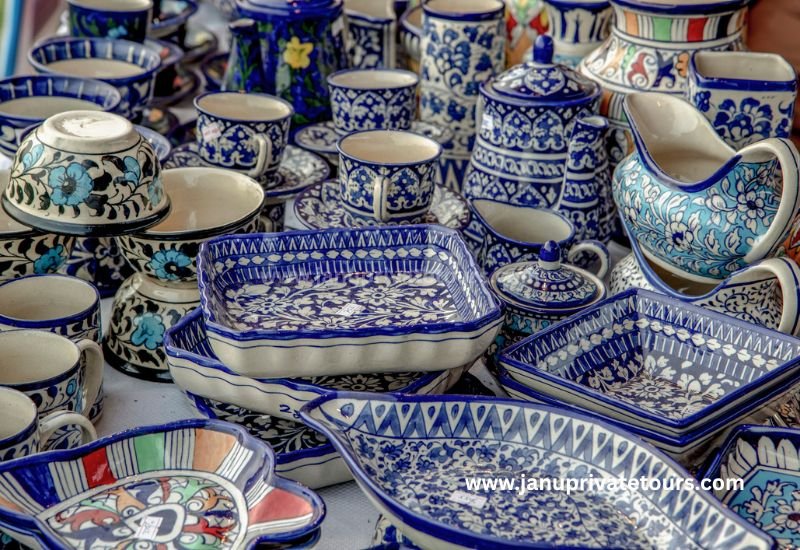
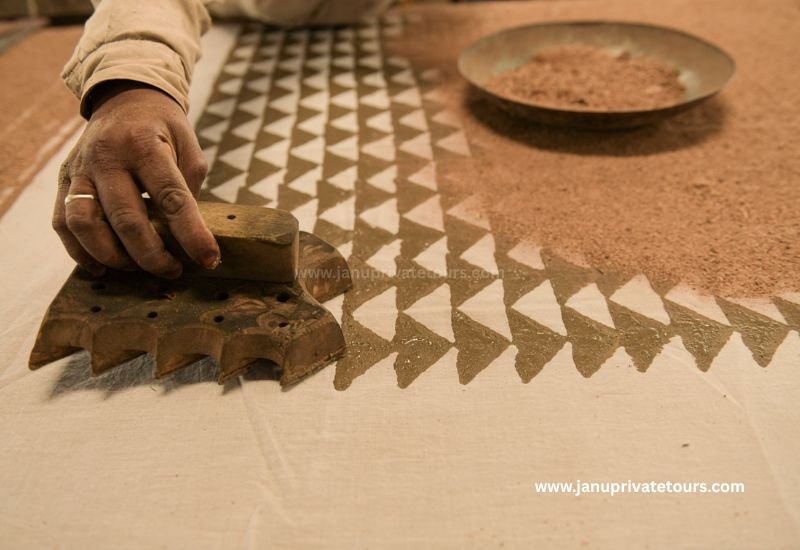
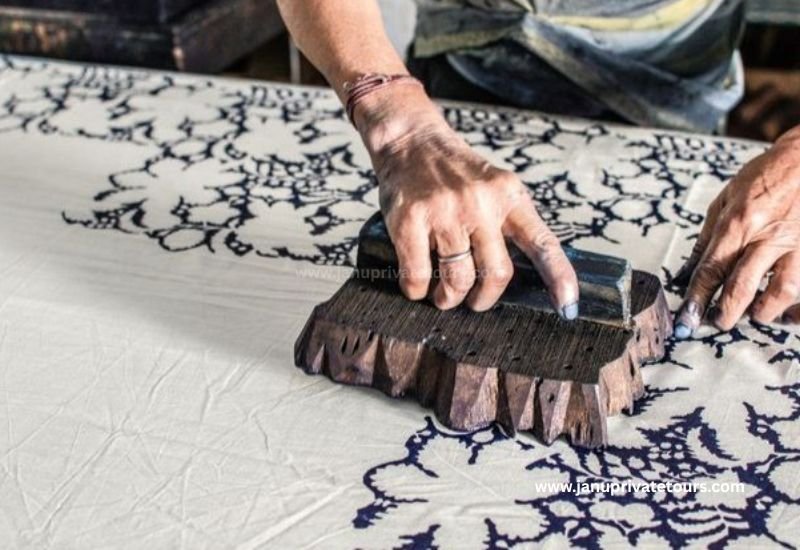
The art forms of Rajasthan include block printing, pottery, miniature paintings, leather work, and jewelry making. There are several crafts that are carried out by families who have been doing the same work for generations. The markets in Rajasthan are filled with these crafts. However, more importantly, the workshops are still operational in homes, keeping the traditions alive. Art is not something that is separated from life in Rajasthan. It is a part of life.

Conclusion

The culture of Rajasthan is layered, rich, and deeply human. The folk dances of Rajasthan speak of survival and joy. The festivals of Rajasthan speak of devotion and happiness. The culture of Rajasthan weaves past and present together effortlessly. To experience Rajasthan completely, travel slowly. Attend local festivals. Watch a folk dance in a village courtyard. Share meals. Listen more than you speak.

If you are interested in exploring Rajasthan in a way that is culturally rich and comfortable, Janu Private Tours offers trips that focus on authentic experiences, local engagement, and responsible travel. We can help you experience Rajasthan. So why wait? Book now.

Holi Celebration in Jaipur

Holi Celebration in Jaipur is one of the most unique and immersive ways to celebrate India’s festival of colours. Holi is widely celebrated across the country, but few places have the royal traditions, history, and scale of Jaipur’s festival. In 2026, the Pink City will be ready to welcome visitors and locals once again to celebrate Holi with colours, devotion, and music in the heart of Rajasthan.

During Holi, Jaipur fills with celebrations, pilgrims, visitors, music, and excitement. It is one of the best places to celebrate Holi if you want to experience both old-world traditions and the comfort of a world-class travel destination. Everything from temple rituals and community bonfires to organized Holi events and Holi parties in Jaipur happens in this city.

Here is a guide on what to expect during the Holi festival Celebration.

Holi in Jaipur: A Festival That Brings the City Together

India is a country of cultural richness and diversity, and its festivals reflect that. Holi is one such festival that crosses boundaries of religion, age, and background. Jaipur Holi festival is a unique celebration where everyone joins, from locals and families to neighbours and visitors. Families and communities welcome spring together and celebrate together. Streets, homes, temples, and neighbourhoods are cleaned and decorated.

The uniqueness of Holi Celebration in Jaipur lies in a perfect mix of rituals and royal traditions. Royal influences still form the way the city celebrates the festival of colors while music, organized activities, and huge crowds are all elements that modern Jaipur has added to the celebrations.

The Legend Behind Holi and Its Meaning

Holi Celebration in Jaipur becomes meaningful if one knows the story behind the festival. The most popular Holi legend is the tale of Holika and Prahlad. Prahlad was the son of a demon king, Hiranyakashipu, who was a great devotee of Lord Vishnu. Hiranyakashipu hated this devotion and made many attempts to kill Prahlad.

Holika, Hiranyakashipu’s sister, had a boon that made her immune to fire. She tried to burn Prahlad in the fire by sitting next to him. But her boon backfired, and she got burned instead, while Prahlad remained safe. This legend marks the victory of good over evil and is celebrated by lighting Holika Dahan, the bonfire, on the eve of Holi.

Holika Dahan is performed in devotion in the by-lanes of Jaipur with much respect to the legend.

Holi Festival in Jaipur: How the City Celebrates

Jaipur is a city that celebrates festivals with great enthusiasm. Rajasthan’s festivals are full of spirit and color; it has even been called “Rangeelo Rajasthan.” So any festival in Jaipur is sure to have a festive air. But during Holi, the whole city seems transformed.

Jaipur houses are decorated with flowers, colored fabrics, and traditional motifs. Sweet shops are packed with gujiya, malpua, papdi, and shakarpara. Markets have gulal, pichkaris, and water balloons for sale. Both young and old start planning for the coming days with excitement.

A visitor to Jaipur for Holi Celebration gets to experience how a living tradition is celebrated in a historic city. The streets are full of life but also welcoming, and, in most areas, the atmosphere remains festive rather than chaotic.

Holika Dahan and Dhulandi in Jaipur

Holi in Jaipur is celebrated over two main days.

Holika Dahan

On the first evening, people gather around neighbourhood bonfires. Holika Dahan symbolizes the burning of evil and the cleansing of negative energies. Families pray together, walk around the fire and ask for prosperity and protection.

Holika Dahan is a quieter and more reflective celebration, a chance for travelers to experience rituals from up close.

Dhulandi: The Day of Colours

On the day after, the city bursts into colors. As the tradition has it, people apply gulal, play with water and celebrate with music. Colleagues, friends and families meet to greet each other and exchange sweets.

In public spaces and residential areas around Jaipur, informal celebrations take place, while organised Holi events and Holi parties in Jaipur are widely hosted across private properties and hotels, offering travellers a premium experience through an Incredible India Holi Celebration.

Holi Celebration at Govind Dev Ji Temple

One of the largest and important religious celebrations during Holi is organized at Govind Dev Ji Temple dedicated to Lord Krishna. The festival of Holi is inseparable from Radha Krishna, and devotees visit this temple as a spiritual hub for celebration.

Temple festivities begin several days ahead of the main festival date. The temple is adorned with flowers and illuminated lights. Special prayers and cultural programs are also organized during this time. Devotees also participate in a Holi celebration with flowers, sandalwood powder, and soft colours with respect.

Raas Leela performances depicting the life of Krishna and Radha are held at the temple. If you are a traveller in search of the spiritual side of the Holi Celebration in Jaipur, then don’t forget to pay a visit to Govind Dev Ji Temple.

The Elephant Festival and Royal Traditions

Jaipur is famous for its royal celebrations. This extends to Holi, too, which was traditionally celebrated alongside the Elephant Festival. This included decorated elephants, folk performances, and processions. Elephants were adorned in colourful patterns, fabrics, and ornaments. Events included elephant polo, tug-of-war, and other sports and contests. While these days the festival has been regulated, elements of royal tradition and folk culture continue to influence the Jaipur Holi festival events. The inclusion of cultural performances, folk music, and heritage celebrations helps make Holi in Jaipur unique when compared to other cities.

Best Places to Celebrate Holi in Jaipur

Jaipur offers multiple settings to enjoy Holi, depending on your travel style.

  • Govind Dev Ji Temple for spiritual celebrations

  • Residential neighbourhoods for the local community Holi

  • Heritage hotels and palaces hosting private events

  • Resorts and open venues organising large Holi parties

  • Public grounds and clubs offering ticketed events

These locations make Jaipur one of the best places to celebrate Holi for both locals and visitors.

Holi Parties in Jaipur: Modern Celebrations

Jaipur is also a destination for organized Holi events and parties. In this context, modern celebrations involve DJs, live music, organic colours, traditional food, and controlled environments.

Holi parties in Jaipur are more popular with younger crowds and international travelers. This is because they offer a safe and more structured environment to enjoy the Holi festival in India.

Hotels and resorts often organize their own private Holi parties that combine traditional elements and music in a contained setting. Most of these require advance bookings, especially around the main Holi period.

Holi Tourism in Rajasthan and Jaipur’s Role

Rajasthan is one of the top states in India when it comes to festive tourism. Jaipur is the key destination that contributes to the popularity of the Holi festival in the region. Holi tourism in Rajasthan benefits from several factors.

The state has a number of heritage properties and cultural performers. It also offers easy connectivity and a range of organised experiences. Jaipur in particular offers hotel and resort packages for travelers and those looking for a base to explore the Holi celebrations in India.

Jaipur and its region have become a convenient option for visitors who want to combine locations. Pushkar, Udaipur, and Agra are nearby and popular destinations for international and domestic travelers during Holi.

Jaipur Travel Guide for Holi: Practical Tips

As with all celebrations, preparation is important for enjoying Holi in Jaipur. Here are some practical tips:

  • Book all accommodation well in advance

  • Confirm the type of Holi celebrations that interest you

  • Dress comfortably and in clothes that can be stained

  • Apply oil to protect your skin and hair

  • Keep valuables secure

  • Respect local customs and behaviour at religious sites

A well-planned Jaipur travel guide for Holi helps ensure a smooth and enjoyable experience.

Accommodation in Jaipur During Holi

Jaipur offers everything from heritage palace hotels to five-star luxury, boutique, and budget properties for guests to stay. During Holi, the city experiences peak demand, so availability can be difficult to secure.

Staying central or in or around the heritage zone is often the best option. This makes it easier to get to nearby events and temple Holi celebrations. Many guests also opt for hotels that offer in-house Holi celebrations for convenience and safety reasons.

Why Choose Jaipur for Holi in India?

Holi in India is celebrated in every corner of the country. But Jaipur is special as it offers a balance. The city offers tradition without being overwhelming and celebration without losing cultural meaning.

Temple rituals, community Holi, and organized Holi parties all come together in Jaipur for an authentic and full experience. The Holi Celebration in Jaipur also manages to capture the heart of Rajasthan. It is as colourful, welcoming, and steeped in history as the state itself.

Conclusion

The Holi Celebration in Jaipur 2026 is an experience of a lifetime, a true immersion into Rajasthan’s culture where tradition, color, devotion and community come together like nowhere else. From temple rituals and Holika Dahan to refined heritage celebrations and fun-filled Holi parties in Jaipur, you will surely have a fulfilling and meaningful Holi experience.

Want to experience Holi in Jaipur without the confusion, crowds or missed opportunities? Let Janu Private Tours show you the right way with curated itineraries, trusted local access and comfortable travel planning for an authentic, easy and memorable Holi celebration. Book now.

Holi Festival Celebration Guide

The Holi Festival Celebration is among the most joyful and popular festivals in India. It is a celebration of the coming of spring, unity, and people coming out on the streets with colors, music, laughter, and food. For tourists, Holi is more than a festival to observe. It is a festival to experience, feel, and cherish.

Holi Celebration in India is not the same. Holi is celebrated in different ways in different parts of India. Some places are noisy and playful. Some places are spiritual and peaceful. Some places celebrate Holi in one day, while others celebrate Holi for a week or more. This guide will help you understand Holi Celebration in India, learn about different traditions, learn about the important dates of Holi Celebration in 2026, and plan your trip easily.

What Is the Holi Festival Celebration?

The Holi Festival Celebration has its origins in ancient Indian culture. Essentially, Holi symbolizes the triumph of good over evil, the end of winter, and the beginning of a new season. It is also a day when all social distinctions are forgotten. No one cares about age, background, or status when colors fill the air.

The Holi Festival Celebration is typically observed over a period of two days. The first day is Holika Dahan, which is observed by lighting bonfires in the evening. The second day is Dhulandi, which is observed by playing with colors, water, and music. However, in many places, the celebrations begin much earlier and go for two weeks.

Holi Celebration in India: Why It Feels So Special

What makes the Holi Celebration in India special is the emotional association that people have with this festival. It is not an organized event. It takes place in homes, temples, streets, and villages. Families meet. Friends meet. Strangers smile at each other.

Food is an important part of this celebration. Sweets such as gujiya, malpua, and laddoos are shared among each other. Traditional beverages such as thandai are made in many homes. Music, drums, and folk songs fill the streets. In some places, devotion is the cause of celebration. In other places, fun and frolic take center stage.

Holi Celebration in 2026: Important Dates

In 2026, Holi will take place in early March. Although the dates may differ slightly in different regions, the important dates for the celebration are as follows:

  • Holika Dahan: Tue, 3 Mar, 2026

  • Dhulandi (Colour Holi): Wed, 4 Mar, 2026

In some places, especially in the Braj region, Holi celebrations begin a week or even two weeks prior to the actual date. It is necessary to plan well in advance, especially in popular destinations, as hotels and transport get filled up quickly during the Holi Celebration in 2026.

Types of Holi Celebrations Across India

Knowing the types of Holi celebrations is essential for tourists to decide which one to opt for. Some of the most popular and significant Holi celebrations in India are listed below.

Lathmar Holi – Barsana and Nandgaon

This is one of the most distinctive Holi celebrations. In Barsana, women beat men with sticks playfully, and men attempt to protect themselves. This celebration is rooted in the legends of Radha and Krishna. It is very vibrant, noisy, and energetic. Tourists normally come to watch and not to participate, as it can get very crowded.

Phoolon Ki Holi – Vrindavan

Phoolon Ki Holi is a celebration where flower petals are used instead of colors. This celebration takes place mostly in the Banke Bihari Temple. This Holi celebration is spiritual and very peaceful. Devotional songs, flower showers, and temple rituals are all a part of this celebration. This is the best option for tourists who are looking for a peaceful celebration of the Holi Festival.

Royal Holi – Jaipur and Udaipur

In Rajasthan, Holi becomes a royal event. The palace grounds are filled with traditional events, performances, and organized color play. Jaipur and Udaipur are the most sought-after destinations for those who wish to celebrate Holi with culture, comfort, and festivities. This type of Holi Celebration in India looks sophisticated and organized.

Basanta Utsav – West Bengal

In this region of India, Holi is a cultural festival. Students celebrate Holi by wearing yellow-colored clothes and engaging in music, dance, and poetry recitation. The colors are applied softly, and the festival is all about art and spring. It is a totally different experience from Holi in North India, but it is no less memorable.

Yaosang – Manipur

In Manipur, Holi is celebrated for several days. It is known as Yaosang and includes traditional folk dances, sports, and community activities. The festival is a mix of Manipuri culture and Holi celebrations, making it one of the most diverse cultural forms of Holi celebrations in India.

Shigmo – Goa

Shigmo is the spring festival of Goa, celebrated around the same time as Holi. It includes colorful processions, folk dances, and street shows. Visitors can enjoy a mix of local culture and celebrations without the full-blown color celebrations.

Best Places to Experience Holi Festival Celebration

If you are planning to travel during the Holi festival celebration, here are some of the best places to celebrate Holi:

  • Vrindavan and Mathura will celebrate Holi in a religious manner.

  • Jaipur and Udaipur will celebrate Holi in a royal manner.

  • Varanasi to celebrate Holi at the ghats.

  • Goa is to celebrate Holi in a cultural manner.

These places have a completely different vibe altogether. The places to celebrate the Holi festival depend on what you are looking for – devotion, celebration, or both.

Travel Tips for Holi Celebration in 2026

It is the need of the hour to make proper arrangements for a comfortable and safe experience during the Holi Celebration in 2026.

  • Hotels and transport should be booked in advance.

  • Old clothes and comfortable shoes should be worn.

  • Apply oil to skin and hair.

  • No valuable item should be carried during color play.

  • Local traditions and temple regulations should be followed.

  • It is necessary to stick to your group in crowded areas.

It would be easier to handle Holi celebrations with a guided tour, especially in crowded tourist destinations.

Holi Tour Packages: Why They Matter

Traveling during the Holi festival celebration can be difficult for tourists without proper guidance. Roads might be closed, temples might operate on special timings, and the crowd can be too much to handle. This is where Holi Tour Packages come into play.

A well-organized tour package generally includes:

  • Comfortable stays

  • Guides who are aware of local traditions

  • Safe transport during Holi celebrations

  • Proximity to major celebrations

  • Balanced schedules with breaks

Organized tour packages would help international tourists stay safe and informed, and also gain a better understanding of the festival.

Why Choose Janu Private Tours for Holi?

It is a pleasure to witness the Holi Festival Celebration, but it is even more important to experience it in the right way. Janu Private Tours offers customized Holi Tour Packages that emphasize comfort, authenticity, and respect for the culture.

With Janu Private Tours, you will not be pushed into the crowded streets without any direction. Rather, you will be introduced to the Holi Festival Celebration in a proper manner through selected locations, local hosts, and flexible timings. Whether you are interested in a spiritual Holi experience in Vrindavan, a royal Holi experience in Rajasthan, or a cultural Holi experience in multiple cities, Janu Private Tours will help you create experiences that are not only meaningful but also safe.

As the Holi Celebration in 2026 draws near, it is important to book your tour well in advance with a seasoned travel agency so that you can experience the celebration without any hassles.

Conclusion

The Holi Festival Celebration is more than just colors and merriment. It is about history, faith, renewal, and connection. From temple ceremonies to public celebrations, from palace grounds to village roads, the Holi Celebration in India has innumerable experiences that are defined by local traditions.

Understanding the types of Holi, the correct dates for Holi Celebration in 2026, and making informed travel plans can make your holiday a lifetime experience. If you want to enjoy Holi celebrations closely, comfortably, and authentically, you may want to consider booking your Holi Tour Packages with Janu Private Tours, where every travel experience is carefully planned with thoughtfulness, understanding, and personal attention.

Chat with Us