
Things to do in India

Luxury India Tours: How to Plan a Private Journey Across India’s Most Iconic Regions

Five-star hotel? Private car? Great… but will this automatically make a trip luxurious?

To be honest, it’s a big NO… 

Luxury is also about how effortlessly the whole journey can come together. No unnecessary waiting. No rigid schedules. No wondering who is picking you up next.Β 

The real luxury India tour is like having your journey perfectly planned around you or your group, from a private driver and personal guides to flexible sightseeing, smooth transfers, carefully chosen stays, along with someone to help when plans change.

Remember: Luxury should be about the way you EXPERIENCE India, not just where you SLEEP.

In this guide, we’ll look at the details that will surely turn your private India tour from simply expensive into genuinely comfortable and stress-free.Β 

Let’s look at what luxury actually feels like…

How Many Days Do You Actually Need for a Luxury India Trip?

With a luxury trip, your priority shouldn’t be to squeeze in as many cities as possible but it’s actually to give yourself enough time to enjoy each place without even constantly checking out and getting back on the road.Β 

Here’s a simple way to see what different trip lengths can realistically allow:

Your Trip LengthWhat You Can Comfortably PlanWhat It Feels Like
7 DaysGolden Triangle or one focused regionCompact, focused and easy to manage
10 DaysGolden Triangle + one meaningful extensionGood variety without overloading the itinerary
14 DaysGolden Triangle + Rajasthan, Varanasi or another complementary regionMore relaxed with time for deeper experiences
18–21+ DaysBroader North India journey or North + South IndiaMore freedom to explore without constant transfers

And remember: possible doesn’t always mean comfortable. You can add another city, another flight, or another long drive. But if doing so means changing hotels every night, your luxury trip can quickly start to feel more like a rat race.

For key destinations, staying 2–3 nights can make a big difference. You get time to explore, enjoy your hotel, have a slower meal, browse a market, or simply take an afternoon off. The luxury is not just having more places on your map.

Which Parts of India Should You Combine on One Journey?
luxury India tour packages from USA

Wondering, β€œI know how many days I have… but which places should I actually cover together?” 

That’s where planning gets more curious and interesting, actually. Instead of picking destinations blindly because they’re famous, you must think about how well they connect by experience, distance, season, travel time.Β 

You want your itinerary to flow naturally, not leave you wondering why you spent half a day getting from one place to another. Think about what you want from India:Β 

  • Love history and architecture? Choose heritage-rich cities.
  • Want royal experiences? Add Rajasthan.
  • Craving slower days? Consider Kerala.
  • Interested in spirituality? Add Varanasi.
  • Want wildlife adventures? Pair Rajasthan with a safari.
  • Looking for wellness? Give Kerala more time.
  • Want food and culture? Build around local experiences.
  • Hate long transfers? Keep regions geographically sensible.

Combinations That Naturally Work

β†’ Delhi + Agra + Jaipur
A straightforward introduction to India’s history, architecture and culture.

β†’ Golden Triangle + Rajasthan
A natural choice for forts, palaces, heritage stays and royal experiences.

β†’ Golden Triangle + Varanasi
Mix iconic monuments with spirituality and a very different side of Indian culture.

β†’ Golden Triangle + Kerala
Move from North India’s heritage and busy cities to Kerala’s slower pace, nature and backwaters.

β†’ Rajasthan + Wildlife
Combine royal history with safari experiences for a more varied journey.

The important thing isn’t finding the maximum number of destinations. It’s finding the right combination for your interests, available time, travel season.Β 

A well-connected itinerary will surely give you more time to experience India and of course, much less time worrying about how to get to the next place again and again.

Golden Triangle, Rajasthan, Kerala or Varanasi: Where Should You Go?
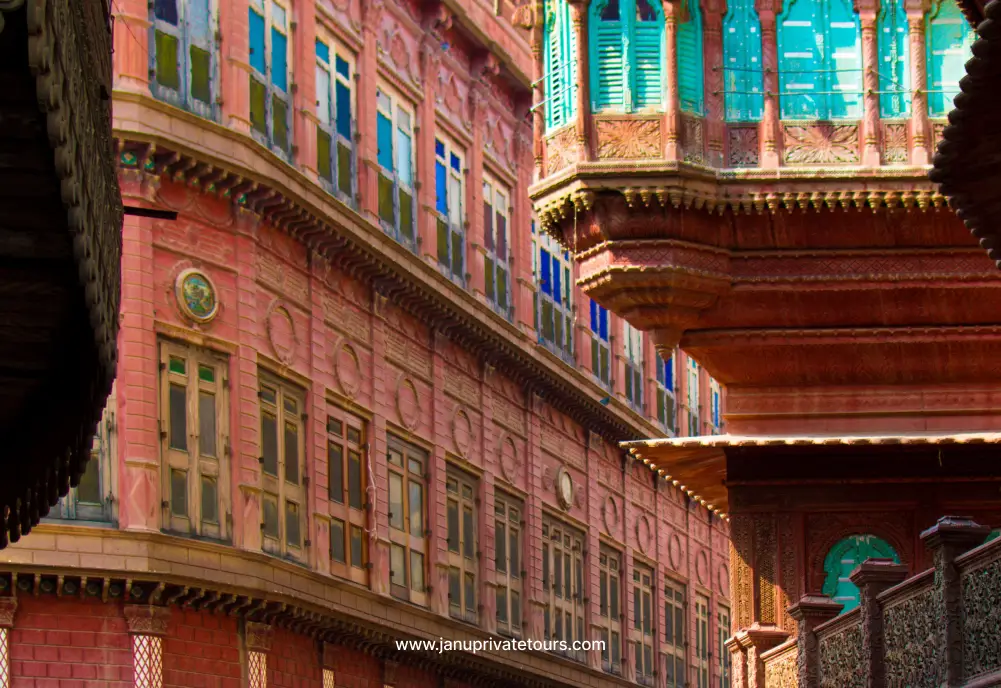
luxury India vacation packages

β€œI know I want Indiaβ€”but which part of India is actually right for me?” If you’re asking yourself that, don’t simply pick the destination with the most famous sights. Think about the kind of holiday you want to come home talking about.Β 

Do you want grand monuments, royal stays, peaceful backwaters or deeply spiritual experiences? Here’s how each option feels and what you should know before choosing.

β€” Golden Triangle: Your Classic First India Experience

If you’re thinking, β€œI want to see the India I’ve always imagined,” the Golden Triangle is a natural starting point. Delhi, Agra and Jaipur bring together iconic sights, history, culture and easy private sightseeing in one route.

What to KnowGolden Triangle
What you’ll experienceDelhi, Agra and Jaipur
Main highlightsForts, palaces, monuments and the Taj Mahal
Best forFirst-time visitors, history and culture lovers
Luxury experiencePrivate guides, chauffeur, luxury and heritage stays
Pairs well withRajasthan, Varanasi or Kerala
Ideal timeAround 5–7 days
Keep in mindPopular areas can be busy, so add slower destinations if you want more relaxation

β€” Rajasthan: For a Taste of Royal India

Thinking, β€œI want grand palaces, beautiful forts and a little royal drama?” Rajasthan could be more your style. It gives you a deeper look at India’s heritage while offering plenty of opportunities for luxury and memorable private experiences.

What to KnowRajasthan
What you’ll experienceForts, palaces, heritage cities and desert landscapes
Main highlightsJaipur, Jodhpur, Udaipur and Jaisalmer
Best forHistory lovers, couples and luxury travellers
Luxury experiencePalace stays, heritage hotels and private experiences
Pairs well withGolden Triangle and wildlife safaris
Ideal timeAround 5–7 days
Keep in mindRajasthan is large, so covering too many cities can mean long road journeys

β€” Kerala: When You Want India at a Slower Pace

Maybe you’re thinking, β€œI want to explore India, but I also want time to breathe.” Kerala brings a completely different rhythm to your journey, with backwaters, nature, wellness and relaxed coastal experiences.

What to KnowKerala
What you’ll experienceBackwaters, nature, wellness and coastal landscapes
Main highlightsHouseboats, Ayurveda, local food and scenic surroundings
Best forCouples, families, wellness and nature lovers
Luxury experienceLuxury resorts, private houseboats and wellness stays
Pairs well withGolden Triangle or Rajasthan
Ideal timeAround 5–7 days
Keep in mindDon’t overpack your scheduleβ€”the slower pace is part of the experience

β€” Varanasi: For a Deeper Cultural Experience

If you’re asking, β€œCan I experience a side of India that goes beyond monuments?” Varanasi may be the answer.Β 

The city’s connection with the Ganges, spirituality, everyday traditions creates an experience unlike the usual sightseeing route.

What to KnowVaranasi
What you’ll experienceGanges, ghats, rituals and living traditions
Main highlightsRiver experiences, evening ceremonies and early-morning walks
Best forCulturally curious and spiritually interested travellers
Luxury experiencePrivate guides, carefully chosen hotels and personalized sightseeing
Pairs well withGolden Triangle
Ideal timeAround 2–3 days
Keep in mindIt can feel intense and crowded, so it suits travellers looking for an immersive experience rather than a resort-style escape

So, which one sounds most like you? You don’t have to choose based on what’s β€œTHE MOST FAMOUS.” The right destination is about how you want your India journey to feel.

And once you know that, choosing the right combination will become much easier for you, or contact Janu Private Tours experts to get it.Β 

Private Driver, Flights or Trains: What’s the Best Way to Travel India?

β€œShould I drive, fly or take a train between destinations?” There’s no one right answer. The best option depends on your route, available time and the kind of experience you want.

OptionBest WhenMain Advantage
Private Cab DriverGolden Triangle and RajasthanDoor-to-door travel, flexible stops and easier luggage handling
Domestic FlightsLong-distance routesSaves time and makes combinations like North India + Kerala easier
TrainsSelected routesAdds a distinctly Indian travel experience

One more thing to check when planning a private India tour: a private driver and a guide are not the same. Your driver will handle transportation, and meanwhile your private guide will take care of sightseeing and local knowledge along with cultural interpretation.

How Much Does a Luxury India Tour From the USA Really Cost?
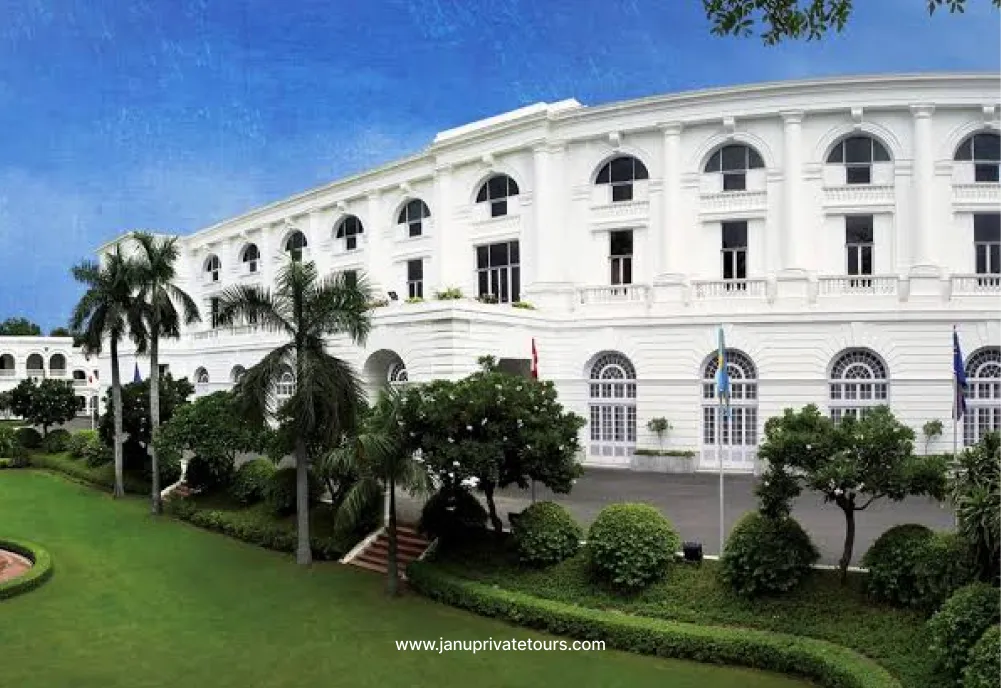
luxury India holiday packages

β€œI’m flying from the USA, so what should I actually budget for my India trip?” Your luxury India tour packages from USA can simply vary based on trip length, hotel level, private transportation, domestic flights, experiences along with how much you customize.Β 

So don’t just compare only the headline price. Look attentively at what your package actually includes. What specifically changes your tour cost…

  • Number of travelers
  • Trip length
  • Hotel category
  • Palace stay choices
  • Private vehicle category
  • Domestic flight costs
  • Guides and experiences
  • Season and destinations

For luxury India vacation packages, don’t simply ask, β€œWhat’s the price?”

Ask, β€œWhat’s included, and does this trip give me the kind of India experience I actually want?”

Check to see if your quote also includes airport transfers, domestic flights, sightseeing, entrance fees, meals as well as private guides. Keep international airfare, travel insurance, tipping along with personal spending completely separate when planning your overall trip budget.

How Do You Choose a Luxury India Tour Company You Can Trust?

Choose a luxury India tour company that makes the entire journey feel easier. Janu Private Tours plans around your interests and comfort, combining local knowledge, private travel, along with reliable support so you spend less time managing details and more time enjoying India.

  • Custom trips built around you
  • Local guides who add depth
  • Clear pricing, no hidden surprises
  • Flexible plans when needed
  • Support throughout your journey

Plan your private India journey with Janu Private Tours and make every day feel comfortable, personal and truly worth your time and investment.

Frequently Asked QuestionsΒ 

1. What makes an India tour luxurious?

It’s more than 5-star hotels. Private travel, good planning, personal service, enough time make the trip feel luxurious.

2. How many days are enough for India?

Around 10–14 days works well for a balanced first trip without rushing between destinations.

3. Can I customize my India tour?

Yes. You can choose your destinations, hotels, experiences, travel pace, trip length.

4. Is a private India tour worth it?

Yes, especially if you value comfort, flexibility, local guidance, less time managing travel details.

5. What should a luxury tour package include?

Check for private transport, guides, hotels, transfers, sightseeing, experiences, clear inclusions before comparing prices.
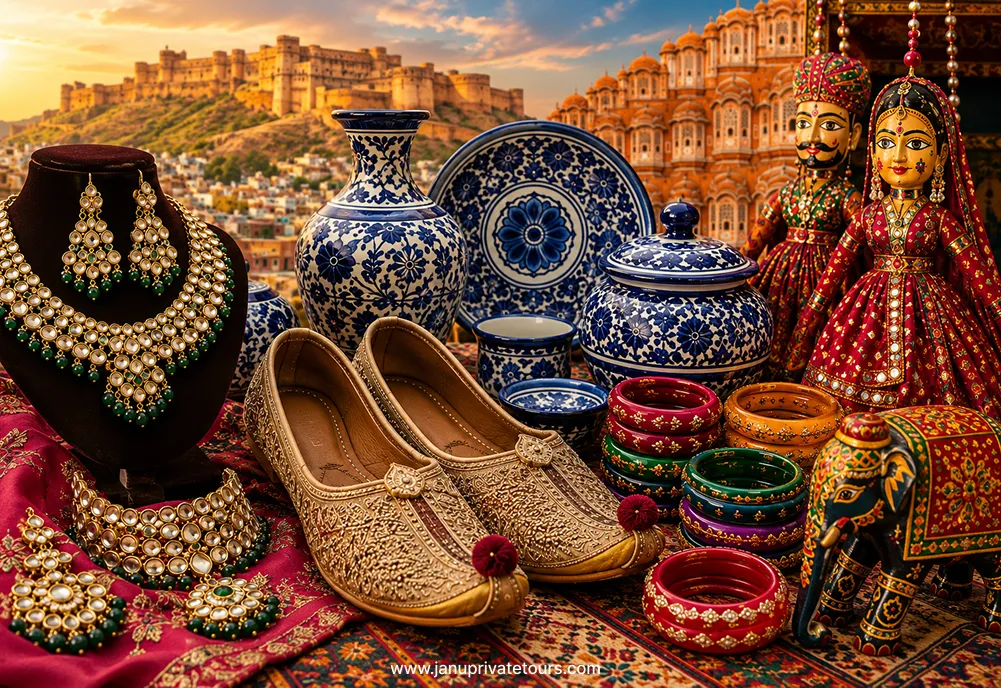
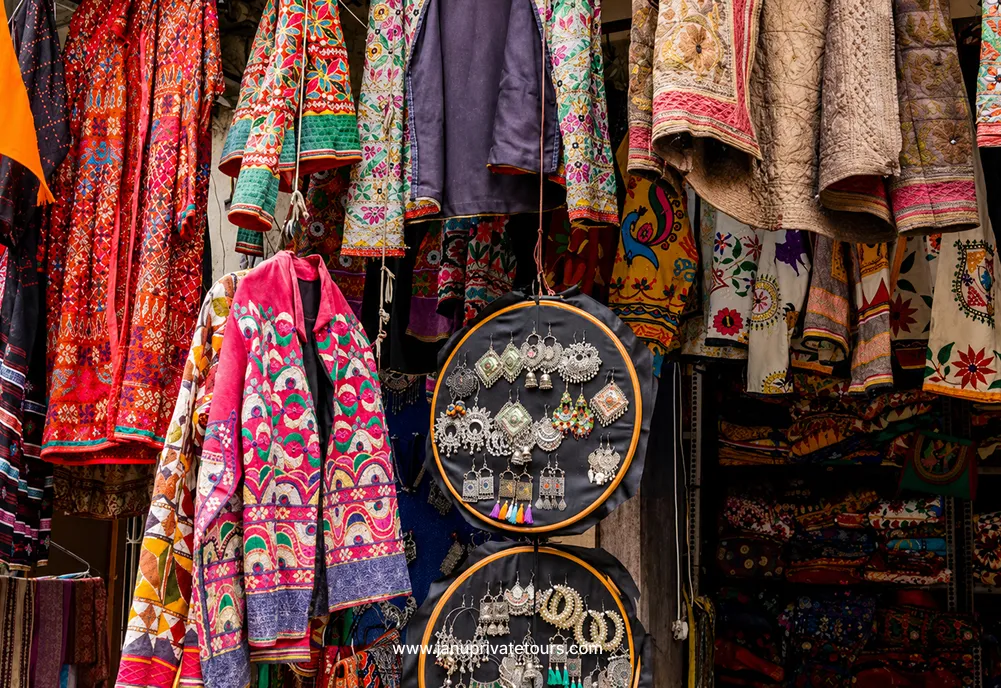
Jaipur Shopping Tour: The Ultimate Guide to Shopping Like a Local

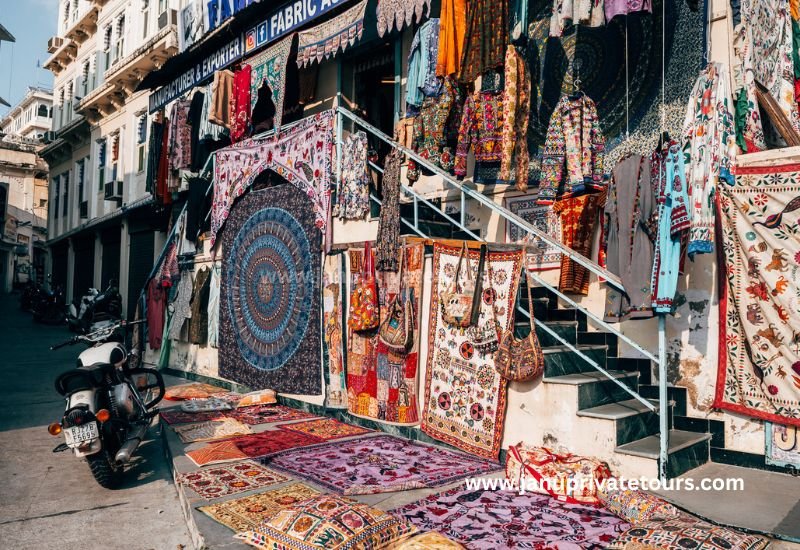
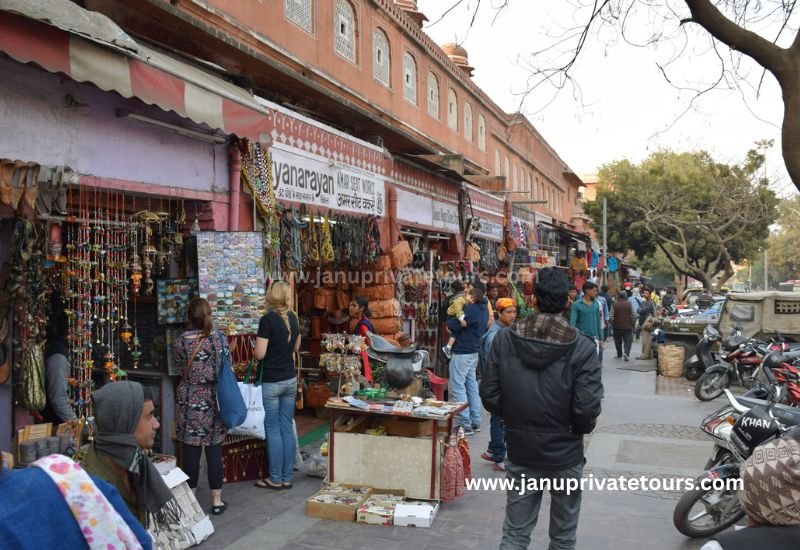
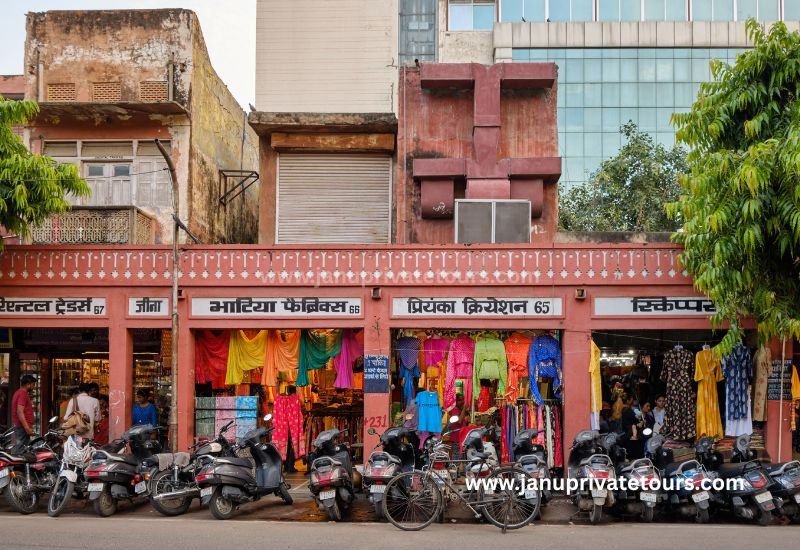
Never end your journey without visiting the local market and buying a souvenir from the Pink City, Jaipur. You can’t miss your chance to visit the sweet shops, which are filled with the taste and essence of tasty sugar-dipped hot jalebis. The bustling markets are fragrant with the scent of marigold flowers. Pink City of Jaipur has several bazaars that have a wide collection of handmade treasures, colorful fabrics, sparkling gemstones and classic souvenirs.

You can have a perfect guided shopping tour in Jaipur by choosing a trustworthy travel agent like Janu Private Tour. Our travel support helps you to explore the creativity and richness of the old traditional markets of Jaipur. By collecting the assets of these markets, you can feel the essence of Indian culture. The new generations will know their history by preserving these assets in their modern homes.

With Janu Private Tours, visit Jaipur’s most recognized markets and hidden local jewels with an expert guide who knows the city inside out. Every stop, from reputable family-run stores and real artisan workshops to the greatest sites for jewelry, textiles, block prints, blue pottery and handicrafts, has been carefully picked to offer a comfortable, authentic and rewarding shopping experience. There areΒ multiple things to do in Jaipur, out of which shopping is one of them.

This guide will help you shop like a local in Jaipur, which will work for you as a guided shopping tour in Jaipur. It will maximize your time in one of India’s most colorful shopping locations.

Why Jaipur Is India’s Ultimate Shopping Destination

Jaipur is one of the best-known cities in India for traditional arts and crafts. Jaipur streets are filled with talented artists, who are responsible for keeping our historical art alive. Tourists visit Jaipur markets because of their Kundan and Meenakari jewelry-making skills. This is also when lac bangles and block-printed garments truly took off. Their artwork is also famous for emerald cutting and polishing.

Jaipur is more than just a rest stop on the way from Delhi to Agra on theΒ Golden Triangle route. And even the design of theΒ Old CityΒ tells this tale. The bazaars were planned more than 300 years ago in a tidy grid, with each path dedicated to one trade. Jewelers occupied one row, metalworkers another and textile vendors were located elsewhere. That shape is still there.

A perfect local guide can help you in your Jaipur shopping tour. They can take you to the best authentic shops to purchase the best assets in a reasonable price. They can also help you in bargaining of the items.

The Bazaars Every Jaipur Shopping Tour Should Include

Here’s the heart of it, the markets that make Jaipur what it is:

Johari Bazaar: The Jewelry Capital

  • The oldest and most famous market of Jaipur, literally “jewelers’ market”

  • Renowned for Kundan jewellery, Meenakari enamel work and precious and semi-precious stones such as emeralds, rubies and pearls

  • Also exquisite Leheriya tie-dye and Gota-patti sarees

  • You should always ask for a certificate of authenticity on high-value pieces

Bapu Bazaar: Textiles, Quilts and Mojaris

  • Home of block-printed fabrics, vibrant dupattas and soft Jaipuri blankets.

  • Home of the Mojari, Jaipur’s traditional handcrafted leather footwear and a popular souvenir.

  • Lively, bright, lots of small stands selling handicrafts and bags, excellent for gifts.

Tripolia Bazaar: Lac Bangles and Brassware

  • The place for those iconic stacked lac bangles, along with brassware and traditional iron items

  • Real-time video shows generations of artists utilizing centuries-old techniques.

Chandpole Bazaar: Marble, Wood and Handicrafts

  • A haven for marble carvings, wooden handicrafts and pottery

  • Ideal if you’re hunting for home decor pieces with real craftsmanship behind them

Nehru Bazaar and Kishanpole Bazaar: Everyday Local Flavor

  • Great for inexpensive juttis, clothes and antique Rajasthani puppets

  • Kishanpole is particularly famous for its stores selling various sherbets like rose, pistachio and saffron

MI Road: For a Modern Break

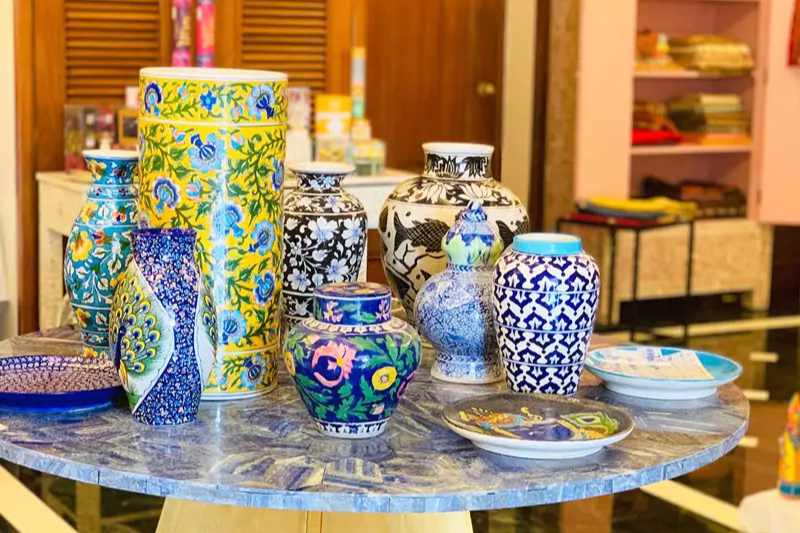
  • A mix of branded stores and handicraft emporiums if you want familiar shopping alongside the traditional bazaars

You need to be energetic and excited to explore your Jaipur shopping tour. You can simply enjoy and discover the actual skills of Jaipur by walking through these bazaars.

What to Actually Bring Home

If you’re wondering what deserves a spot in your suitcase, here’s a quick round-up drawn straight from what these markets are known for:

  • Kundan and Meenakari jewelry, plus loose gemstones for the more adventurous shopper

  • Blue pottery, a Jaipur specialty found at dedicated art centers around the city

  • Bandhani and Leheriya textiles, along with hand block-printed fabrics

  • Mojari shoes and juttis, comfortable, colorful and genuinely wearable back home

  • Lac bangles in every color imaginable

  • Brassware, marble carvings and wooden handicrafts for your home

  • Rajasthani puppets and miniature paintings as meaningful keepsakes

Why a Guided Shopping Tour in Jaipur Beats Going Alone

There’s a certain romance to wandering a bazaar with no plan and Jaipur rewards that kind of curiosity. But if you’ve only got a day or two, a guided shopping tour in Jaipur changes the entire experience:

  • You skip the guesswork:Β A local guide knows fair prices, so you’re not left wondering afterward if you overpaid.

  • You reach the right shops:Β Not every shop with a shiny window sells authentic work; a guide filters out the commission traps.

  • Bargaining with confidence:Β Bargaining is a crucial feature of the shopping culture. An experienced local guide can help you on a guided shopping tour.

  • You save your energy for the fun parts:Β A flawless guide helps you save your time and energy by reaching the correct places in bazaars.

  • You get the stories, not just the souvenirs:Β A good guide lets you know why a certain jewelry technique exists or how a family has been making bangles for four generations. These details turn an object into a memory.

Discovering Jaipur With Janu Private Tours

Janu Private Tours can help with this. Since 2002, this Jaipur-based travel agent has dedicated more than 20 years to creating something uncommon in the travel industry. We specialize in sincere, individual hospitality.

Janu Private Tours has quietly become one of the most trusted brands. We have led over 1200 happy tourists and have a dedicated staff of more than 20 travel experts. We offer exclusive, authenticΒ luxury Rajasthan toursΒ for a memorable experience. Here are some of our special features that make your tour marvellous:

  • Friendly drivers and guides make your trip enjoyable.

  • Local specialists who provide travel ideas and anecdotes.

  • Plans that can be customized.

  • Personal excursions tailored to your needs and interests.

  • Jaipur shopping, full-day sightseeing andΒ Rajasthan vacations.

  • Customized travel instead of a set plan.

Hiring Janu Private Tours for a guided shopping tour in Jaipur takes all the stress out of exploring the bazaars on your own. You can just enjoy the colors, the crafts and the conversations with other people.

A Few Honest Tips Before You Go

You must follow a few tips to make your trip gentle for Jaipur shopping; they are:

  • Go early:Β It would be better to choose a time between10–11 AM for your shopping. At this time, the markets are best with lighter crowds.

  • Carry cash:Β Travelers must carry sufficient cash to buy the articles from the old traditional markets of Jaipur.

  • Perfect bargaining:Β You can get the best prices for your articles with perfect bargaining.

  • Visit October to March:Β You can enjoy this comfortable period to walk in long bazaars.

  • Seek information:Β You can clear all your doubts about the historical assets, fabrics ao any other craft of the Jaipur shops.

Conclusion

A Jaipur shopping tour is a wonderful way to explore the ancient culture lying in the historical locations of Jaipur. From its street food taste to its Rajasthani art, this city is unique for tourism. The brilliant jewellery and vibrant fabric make it visually distinctive. A guided shopping tour in Jaipur will make your trip feel confident. You can blindly shop for traditional and cultural items for you and your loved ones.

If you are visiting Jaipur for the first time or are back to explore more, a Jaipur shopping tour is ideal for you. Janu Private Tours can provide this experience. This tour will make your excursion through the Pink City’s famous bazaars pleasant, authentic and enjoyable.

Elephant Safari in Jaipur : A day with Elephants

“A Majestic Day with Elephants: Jaipur Safari Experience”

Elephants in Jaipur are often seen as symbols of royalty, grandeur, and spirituality, and they play an important role in the city’s heritage, festivals, and tourism. A day with Elephants in Jaipur is an unforgettable experience, and if you’re visiting the city, it’s an absolute must.
Elephants in Rajasthan are far more than just animals; they’re living symbols of royalty, tradition, and grace. A day at the Elephant Village gives you the chance to connect with these majestic creatures on a deeper level, beyond the typical zoo or safari experience.

You’ll spend time feeding, bathing, and even painting the elephantsβ€”activities that allow you to understand the bond between the animals and their caretakers. This isn’t just a “tourist attraction”; it’s a chance to witness the profound cultural and spiritual significance these elephants hold in local life.

If you’re interested in something real, immersive, and a bit off the beaten path, the Elephant Village tour will be one of the most enriching things you can do in Jaipur. If you’re looking for a superficial, quick glance at the elephants, then this might not be for you. But if you’re open to learning and experiencing firsthand the intricate relationship between elephants and their human caretakers, this is as authentic as it gets.
Cultural Significance
β€’ Symbol of Royalty: Historically, elephants were closely associated with royalty in Jaipur and Rajasthan. The Maharajas (kings) of Jaipur used elephants in grand processions and battles. They were seen as powerful symbols of strength and majesty.
β€’ Religious Importance: In Hinduism, elephants are closely linked to Lord Ganesha, the elephant-headed deity of wisdom and prosperity. The presence of elephants in Jaipur is often seen as a reflection of spiritual significance and blessing.
Elephant Rides : In the Footsteps of Royals
β€’ Amber Fort (Amer Fort): One of the most popular attractions for tourists in Jaipur is elephant rides to Amber Fort. Tourists can experience the royal style of travel by riding on elephants that transport them up the hill to the fort’s entrance. The elephants are often adorned with bright fabrics and jewelry, adding to the charm of the experience.
β€’ Heritage Experience: Riding an elephant at Amber Fort offers a sense of history and tradition, as this was once the royal way to ascend to the fort.
Elephant Conservation and Care
β€’ Mahouts and Care: Jaipur’s elephants are cared for by mahouts (elephant caretakers), who train and tend to the animals. The mahouts are an integral part of the elephants’ lives, ensuring they receive the proper care, feeding, and health checks.
β€’ Enclosures and Sanctuaries: There are efforts to ensure the elephants are well-treated, especially in places like Elephant Village in Jaipur, where visitors can interact with the elephants in a more sustainable and ethical way. Here, elephants are cared for in an environment that mimics their natural habitat, and the focus is on promoting animal welfare and conservation.
Elephant Art and Paintings
β€’ Elephant Paintings: In Jaipur, it is common for elephants to be painted with vibrant, intricate designs during festivals and events. These painted elephants are an iconic symbol of Jaipur’s colorful cultural heritage.
β€’ Symbolism in Art: The painted elephants often symbolize good fortune, beauty, and spiritual energy. Their depictions in art are a popular motif in Rajasthani folk art, often seen in madhubani paintings, miniature art, and textile designs.
Ethical Tourism: Many tourists now prefer visiting places like the Elephant Village, where they can interact with the elephants in a more ethical and responsible manner, learning about their needs and natural behaviors. Visitors are encouraged to feed, bathe, and paint elephants in ways that respect their dignity.
Art and Crafts
β€’ Craftsmanship: Jaipur is also known for its handicrafts and traditional Rajasthani art. Elephant motifs appear prominently in block prints, paintings, and handicraft work such as carvings and textiles.
β€’ Elephant Figurines: You will often find intricately carved elephant figurines in Jaipur’s bazaars and art galleries, made from wood, marble, and brass. These elephant statues are popular souvenirs for visitors and collectors.
Elephants and Festivals
β€’ Village Processions: elephants are used during local festivals and village celebrations, where they are adorned in festive attire and participate in local processions, adding an element of grandeur and spirituality.
β€’ Elephant Blessings: In many parts of Jaipur, elephants are revered, and people often visit elephants for blessings during religious festivals like Diwali and Ganesh Chaturthi. Elephants are considered auspicious animals, believed to bring good luck and prosperity.
Final Reflections: A Mosaic of Moments
Experience the magic of Jaipur’s Elephant Safari. Spend a day with majestic elephants, enjoy thrilling rides, feed and bathe these gentle giants, and discover their royal heritage in Jaipur.elephants in Jaipur continue to capture the imagination of tourists and locals alike. Efforts are also underway to improve the welfare and conservation of these magnificent creatures, ensuring that they continue to be a source of pride and joy for generations to come.
for more information please connect with us @ +91 99291 52946 / +91 97846 11046
info@januprivatetours.com
https://www.januprivatetours.com/

Interesting Facts About India’s Taj Mahal


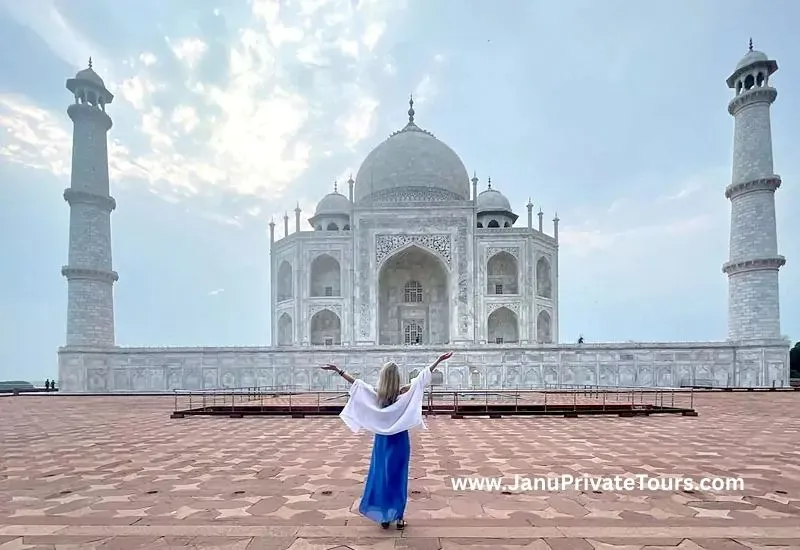
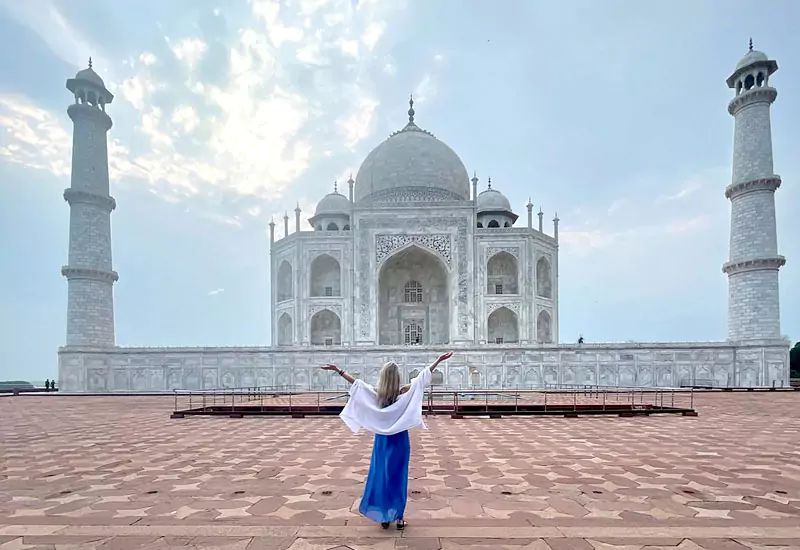
Most of us can recognize the Taj Mahal from photographs. Yet see it for the first time, and most people fall short of words. This is no ordinary monument but a 370-year-old testament to love, built by an emperor who lost everything, engineered by 20,000 artisans, and one that remains almost completely intact to this day. If you’re planning a trip, here are 10 facts about India’s most-visited site that will transform how you see it.

Taj Mahal at a Glance

FeatureDetails
LocationAgra, Uttar Pradesh, India
Built ByEmperor Shah Jahan
Built ForMumtaz Mahal
Year Completed1653
UNESCO StatusWorld Heritage Site (1983)
Primary MaterialWhite Makrana marble
Best Time to VisitSunrise
Closed OnFridays
Entry Fee (Foreign)Rs. 1,100 per person

Why is the Taj Mahal so famous worldwide?

The Taj Mahal is located in Agra, Uttar Pradesh, in northern India. Agra is roughly 230 kilometers south of Delhi and 240 kilometers east of Jaipur. That means it’s the centerpiece of the Golden Triangle tour, India’s most popular travel circuit, which links Delhi, Agra, and Jaipur.

But the Taj Mahal isn’t famous simply because it’s beautiful. It’s famous for what it represents. The Mughal Emperor Shah Jahan built it after his wife, Mumtaz Mahal, died in 1631 while giving birth to their 14th child. Shah Jahan was so heartbroken that he decided to build the greatest monument the Mughal Empire had ever seen, not a palace or a fort, but a tomb. A tomb to keep his beloved wife’s memory alive.

And what a monument the world got! The Taj Mahal Tours combines Persian, Islamic, and Indian architectural traditions in a way that has no real parallel anywhere in the world. UNESCO added it to the World Heritage List in 1983, and it is also among the Seven Wonders of the World. Today, over 7 million people visit it annually, making it the most popular tourist site in India.

10 Interesting Facts About the Taj Mahal

Here are 10 interesting facts about the Taj Mahal worth noting:

1. It Was Built as a Symbol of Love

Taj

Shah Jahan and Mumtaz Mahal were married in 1612. By all historical accounts, theirs was a genuinely close relationship. When Mumtaz died in 1631, Shah Jahan reportedly went into mourning for two years. Construction of the Taj Mahal began in 1632, just one year after her death, and the emperor is said to have supervised the project personally throughout its construction.

2. It Took Over 20 Years and 20,000 Workers to Complete

Construction began in 1632 and was completed in 1653, taking 21 years in total. At its peak, over 20,000 artisans, craftsmen, and laborers worked on the site simultaneously. Architects and craftsmen were brought in from Persia, Central Asia, and across the Indian subcontinent. The sheer scale of coordination required to build this structure in the 17th century, without modern machinery, is extraordinary.

3. The Marble Changes Color Throughout the Day

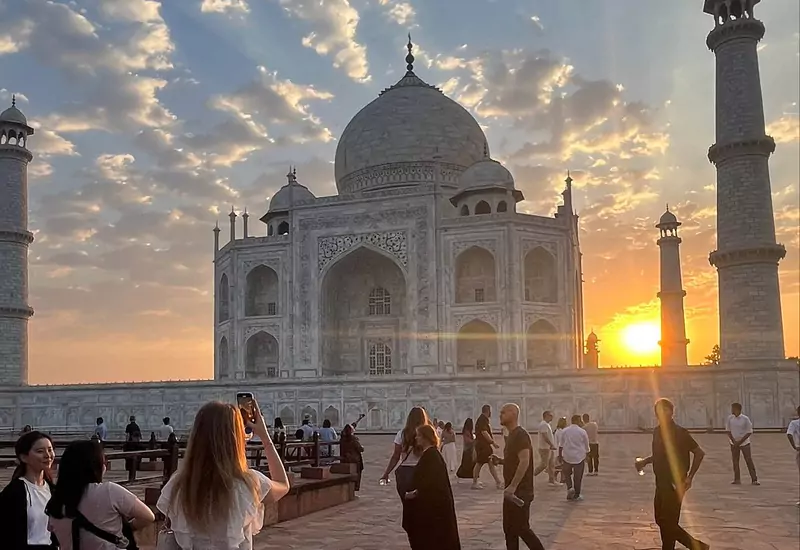
One of the most visually striking facts about the Taj Mahal is that it does not look the same at any two times of day. In the early morning light, the marble takes on a soft pink tone. By midday, it appears brilliant white. At sunset, it shifts to warm gold and amber. On full moon nights, it glows a pale silver. This is not an accident. The white Makrana marble from Rajasthan was specifically chosen for its translucent quality, which interacts with light in this way.

4. The Taj Mahal is Almost Perfectly Symmetrical

Every element of the Taj Mahal complex is mirrored on both sides of a central axis. The gardens, the reflecting pool, the mosque, the guest house, the minarets, all perfectly balanced. Architects and mathematicians have studied the proportions and found them to be extraordinarily precise for a pre-modern structure. There is, however, one deliberate exception.

5. Shah Jahan’s Tomb Breaks the Symmetry

Inside the main chamber, the cenotaphs of Mumtaz Mahal and Shah Jahan are placed side by side. Mumtaz’s cenotaph sits exactly at the center of the chamber, in perfect alignment with the building’s axis. Shah Jahan’s cenotaph, added after his death in 1666, sits slightly to the side, making it the only asymmetrical element in the entire structure. It was not planned. Shah Jahan had intended to build a second black marble mausoleum for himself across the river, but he was imprisoned by his son Aurangzeb before it could be built.

6. The Minarets Lean Slightly Outward

Look carefully at the four minarets surrounding the main dome, and you will notice they lean very slightly away from the central structure. This was intentional. The architects designed them this way so that in the event of an earthquake or structural collapse, the minarets would fall outward rather than onto the main tomb. A 17th-century engineering solution that still impresses structural engineers today.

7. Precious Stones Are Inlaid Directly into the Marble

width=800

The floral patterns and decorative motifs covering the Taj Mahal’s interior and exterior walls are not painted. They are inlaid using a technique called Pietra dura, where semi-precious stones are cut into precise shapes and set directly into the marble. The stones used include lapis lazuli from Afghanistan, turquoise from Tibet, jade from China, carnelian from Arabia, and mother of pearl from the Indian Ocean. Over 28 types of precious and semi-precious stones were used in total.

8. The Calligraphy Gets Larger as You Look Up

The Quranic verses inscribed around the main gateway and the tomb appear to be uniform in size. They are not. The calligrapher, Amanat Khan, deliberately made the letters progressively larger as they go higher up the wall. From ground level, the optical effect makes them appear perfectly uniform. It is one of the most sophisticated examples of visual correction in pre-modern architecture anywhere in the world.

9. It is One of the New Seven Wonders of the World

Seven

In 2007, the Taj Mahal was officially named one of the New Seven Wonders of the World following a global vote of over 100 million people. It joined the Great Wall of China, Machu Picchu, the Colosseum, Christ the Redeemer, Chichen Itza, and Petra. Of all seven, the Taj Mahal is consistently ranked among the top three most visited.

10. The Taj Mahal is Closed Every Friday

This is the most practically important fact for travelers. The Taj Mahal is closed to tourists every Friday for afternoon prayers at the mosque within the complex. If your itinerary has you arriving in Agra on a Friday, plan your visit for early morning before the closure or adjust your schedule accordingly. Missing this detail has ruined many a carefully planned trip.

Best Time to Visit the Taj Mahal

TimeExperience
SunriseSoft pink light, smallest crowds, most photogenic
Morning (8 am to 11 am)Good light, manageable crowds
MiddayBright white marble, very crowded, hot in summer
SunsetWarm golden tones, beautiful but busier
Full Moon NightRare ticketed experience, magical silver glow

Sunrise is the clear recommendation for first-time visitors. Gates open at 6 am, and the first hour offers the best light, the fewest crowds, and the most peaceful experience of the monument.

Entry Fees and Visiting Tips

Visitor TypeEntry Fee
Foreign NationalsRs. 1,100, optional β‚Ή200 to enter the main mausoleum
Indian nationalsRs. 50
Children under 15Free

Book tickets online at the Archaeological Survey of India website to avoid queues at the gate. The Taj Mahal has strict security. No food, no tripods, no large bags, and no selfie sticks are permitted inside. Shoe covers are provided free at the marble plinth.

Things You Should NOT Do at the Taj Mahal

  • Do not bring food or drinks inside the complex
  • Do not use a tripod (confiscated at entry)
  • Do not engage with touts outside the gates offering official tickets
  • Do not wear revealing clothing; modest dress is expected
  • Do not visit on a Friday without checking the schedule
  • Do not book last-minute guides from outside the gate, use verified operators

How to Visit the Taj Mahal Easily?

From Delhi: The fastest option is the Gatimaan Express train, which covers Delhi to Agra in under two hours. By private car, the journey takes approximately three to four hours, depending on traffic. A day trip from Delhi is possible, but an overnight stay in Agra allows for both sunrise and sunset visits.

From Jaipur: Agra is approximately four to five hours by road from Jaipur. Most travelers on the Golden Triangle route stop in Agra between Jaipur and Delhi, which is the most logical and time-efficient sequence.

Why Visit the Taj Mahal with a Private Tour

Visiting the Taj Mahal independently is possible, but it comes with real friction. Queues at the ticket counter, touts at every entrance, guides with no credentials offering their services, and no one to explain what you are actually looking at.

A private tour removes all of that. Your guide handles tickets in advance, takes you through the less crowded entry points, explains the history and architecture in context, and ensures you are standing in the right spot at the right time for the best photographs. At Janu Private Tours, our Agra specialists have guided first-time foreign visitors through the Taj Mahal and know exactly how to make the experience memorable rather than stressful.

Wrapping Up

The Taj Mahal is one of those rare places that lives up to everything you have heard about it and then goes further. The story behind it, the engineering within it, and the experience of standing in front of it at sunrise are things that stay with travelers long after they leave India.

If you want to experience the Taj Mahal the right way, with expert guidance, pre-booked tickets, and a private driver who knows Agra inside out, plan your visit with Janu Private Tours. We handle every detail so you can simply be present for one of the world’s great travel experiences.

Things to do in Ranthambore


Ranthambore is not all about spotting tigers. It’s a place that combines wildlife, history, nature and slow travel very much in equilibrium. Lying in eastern Rajasthan, Sawai Madhopur, Ranthambore, displays raw forests, ruins as ancient as the hills themselves, lakes and village life that you wouldn’t think had heard of modern rush. In 2026, Ranthambore is still drawing tourists who are looking for more than a snap of crowded sightseeing.

Here’s a comprehensive list of the best things to do in Ranthambore that goes beyond safaris and will enable you to experience this region for all it is.

11 Best Things to Do in Ranthambore

Here are some of the best things that you don’t want to miss out on when you are here:

1. Go on a Tiger Safari in Ranthambore National Park

A wildlife safari is the heart of all the things to do in Ranthambore. The national park is one of the best places in India to view a Bengal tiger in its natural habitat. Thick forests, tall grasslands, lakes and rocky cliffs all come together to make sightings more likely than in many other reserves.

Morning safaris also present a different mood than the afternoon. Morning safaris are peaceful and cool, and afternoon game drives reveal animals congregating near water. Along with tigers, look for leopards, deer, wild boar, crocodiles and sloth bears here, as well as plenty of bird species.

2. Explore the Historic Ranthambore Fort

Inside the park is Ranthambore Fort, a UNESCO World Heritage site. Visiting the fort is one of the most interesting things to do in Ranthambore as it merges history with nature.

The fort’s origins are more than a thousand years old, and it provides panoramic views of forests and lakes below. In the fort, you will find old temples, stepwells, gates and ruined palaces that tell tales of Rajput kings and battles. Walking through the fort seems like entering another era, away from noise and wildlife. Overall, it is a surreal experience.

3. Visit Padam Talao and Jogi Mahal

Padam Talao is the biggest lake of Ranthambore, and it is also one of the most beautiful places in this park. It’s also one of the finest places in the world for wildlife photography.

Jogi Mahal, near the lake, has now been converted into a royal rest house. Today, tourists can admire its architecture and also take in a view of the lake where animals frequently approach to drink water. Watching the reflection of trees and birds on the still water is one of the most peaceful things to do in Ranthambore.

4. Enjoy Birdwatching Around Ranthambore

Ranthambore is a paradise for bird lovers. More than 300 bird species have been observed in these lands, and amongst these, birdwatching is one of the more silent but rewarding things to do in Ranthambore.

You can see kingfishers, painted storks and some owls, parakeets, vultures and migratory birds in winter. Bird watching is best early in the morning, when birds are most active. Lakeshore, forest edges and open grassland are preferable places for bird-sighting.

5. Experience Village Life Around Ranthambore

Beyond the park boundaries, villages in Ranthambore’s vicinity include a window into rural Rajasthan. It’s also one of the most rewarding things to do in Ranthambore for culture enthusiasts. You can meet locals, see traditional homes, observe farming techniques and learn how communities live alongside wildlife. Such visits usually include folk tales, simple food and honest discussions that leave lasting impressions.

6. Take a Nature Walk with a Naturalist

Guided nature walks around buffer zones and forest edges are becoming popular. These walks allow you to observe smaller wildlife, as well as plants, bugs and animal tracks.

A silent walk through the wilderness gives you a perspective of how beautifully intricate the surroundings can be, something that you often miss during jeep safaris. Understanding medicinal plants, trees, and animal behaviour makes this one of the most educational things to do in Ranthambore.

7. Relax at a Jungle Resort or Lodge

Ranthambore is famous for its luxurious, nature-immersed jungle resorts. Time spent at your resort is not time wasted; it’s part of the experience.

Relish slow mornings, sights and sounds of nature, views to the forest and evenings under a clear star-filled sky. Yoga classes, guided talks and bonfire evenings are offered by many resorts. Relaxation in itself also becomes one of the most underrated things to do at Ranthambore.

8. Try Wildlife Photography

From stunning scenery to varied wildlife, Ranthambore is a photographer’s paradise. The park’s open terrain makes for great shots, even for beginners.

Photography-centred safaris, early light conditions and landscapes add to the charm of this being one of the most creative things to do in Ranthambore. Tigers walking through ruins or birds reflected in lakes create unforgettable frames.

9. Visit Rajiv Gandhi Regional Museum of Natural History

This museum near the park entrance provides insightful context into Ranthambore’s wildlife and habitats. Exhibits range from animal models and environmental displays to information about conservation efforts.

Those who visit the museum before or after safaris have a better understanding of what they are seeing in the forest. It’s also one of the more educational things to do in Ranthambore for families, particularly.

10. Watch the Sunset Over the Forest

Ranthambore sunsets happen slowly and dramatically. The experience of watching the sky change color over forests and hills is both simple and profound. Sunsets, from a viewing point, fortress rampart or resort terrace, all serve to remind you why slow travel makes sense. These are the quietest moments and among the most soulful things to do in Ranthambore.

11. Learn About Conservation and Tiger Protection

Ranthambore is one of India’s most important tiger sanctuaries. It also enhances your visit to know something about these projects. A few lodges and guides share insights on tracking, conservation struggles and local community work. Learning about how the tourism industry aids in protecting wildlife makes this one of the most rewarding things to do in Ranthambore.

Best Time to Experience Things to Do in Ranthambore

Choosing the right season is a big part of how you experience Ranthambore. As Ranthambore is an animal-abundant region, the weather has a direct impact on the safaris and sightseeing comfort, as well as travel pace. Every season has something different to offer, depending on what kind of journey you’re looking for.

The ideal time to visit Ranthambore is between October and March. The weather is still perfect for jungle safaris, fort complexes, birding, and nature walks. Migratory birds arrive during winter, adding to the park’s biodiversity. This period suits families, senior travellers, and first-time visitors who prefer cooler temperatures and balanced wildlife activity.

The best time to visit is April through June, when animal sightings, especially of tigers, are at their peak. As the water dries, tigers are concentrated around lakes and attractions, making for good visibility. Temperatures may be high, but it is revered by wildlife photographers and wildlife-oriented enthusiasts for the sightings and not so much for comfort.

The monsoon season is from July to September, when the park remains closed.

Why is Ranthambore More Than a Wildlife Destination?

What makes Ranthambore special is the balance. It offers excitement through safaris, calm through nature, and depth through history. You don’t feel like you’re ticking boxes, you feel present.

The things to do in Ranthambore suit solo travellers, families, photographers, and nature lovers equally well.

Plan Your Ranthambore Experience with Janu Private Tours

To really experience the best things to do in Ranthambore, it’s all about doing a little planning. Ranthambore Tour packages itineraries are tailored by Janu Private Tours, whether it may be safaris, heritage, relaxation time or the local experience. From picking the best safari zones, to comfortable jungle stays and knowledgeable naturalists, Janu Private Tours will make sure that your journey in Ranthambore is smooth, ethical and incredibly enriching. So what are you waiting for? Let us help you plan a great safari experience. Contact us now.

Shopping in Rajasthan


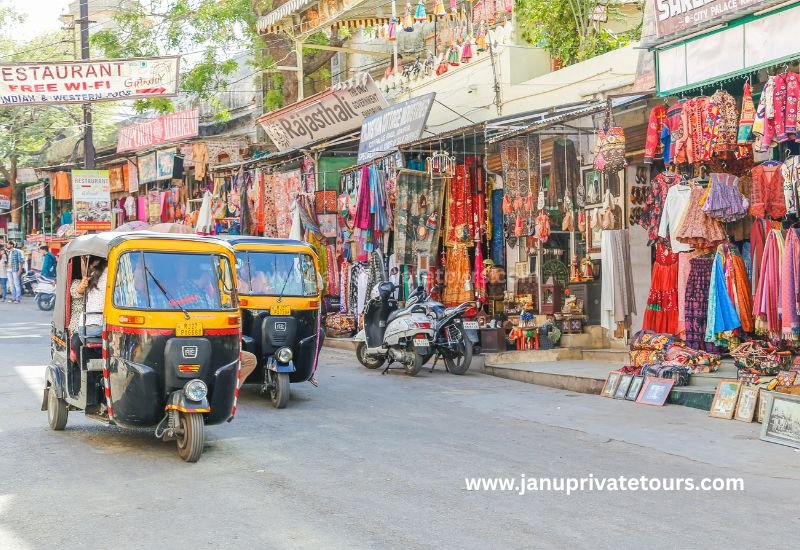
Rajasthan offers unique shopping experiences that you’ll never forget. It is about knowing the state’s heritage and people, along with the craft traditions that have endured for ages. Each area possesses its unique style, materials, and stories. Shopping in Rajasthan is an immersion in living museums where artisans continue to exercise their crafts. From bright fabrics and handmade jewellery to blue pottery and leather goods, these vibrant offerings are sure to catch your eye.

In contrast to contemporary malls, the market here has an extraordinary personality. You’ll hear traders haggling, see craftsmen at work, and spot items that are often made in small batches. This Rajasthan shopping guide contains details on what to buy, where to shop, and other useful tips and tricks for you.

Why is Shopping in Rajasthan special?

Rajasthan’s crafts flourished with royal patronage. The kings and queens patronised local artisans, helping to uphold regional crafts such as weaving, metalwork, stone carving, and painting styles. These customs are still preserved and followed by many families today. Shopping in Rajasthan is culturally exclusive and authentic. You’re not looking for factory-made souvenirs. You will buy products that represent the local culture, climate, and lifestyle. Each region has something different. All regions offer a distinctive product shaped by their geography and history.

What to Buy in Rajasthan?

Here are some of the things you cannot miss buying when here:

Traditional Textiles

Handwoven and hand-dyed fabric is famous in Rajasthan. Bandhani, block prints, and leheriya patterns are well known. These textiles are used in sarees, dupattas, scarves, and home furnishings.

Made from the fiber of cotton plants, cotton fabric is versatile and breathable. Certain regions’ woollen shawls are in demand during the winter.

Handcrafted Jewellery

width=800

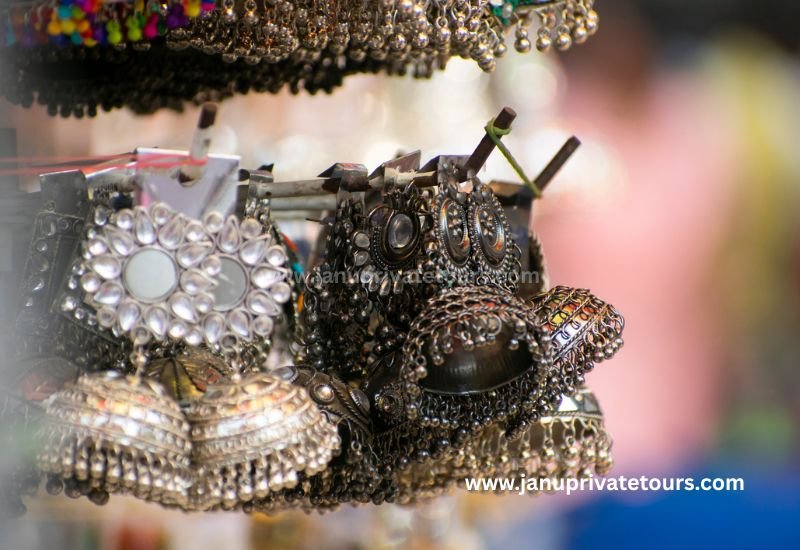
When going shopping in Rajasthan, one of the most sought-after items is silver jewellery. Regional designs for tribal style, gemstones, and meenakari work. The state offers a jewellery collection that varies from city to city, with different stones and motifs.

Blue Pottery and Ceramics

width=800

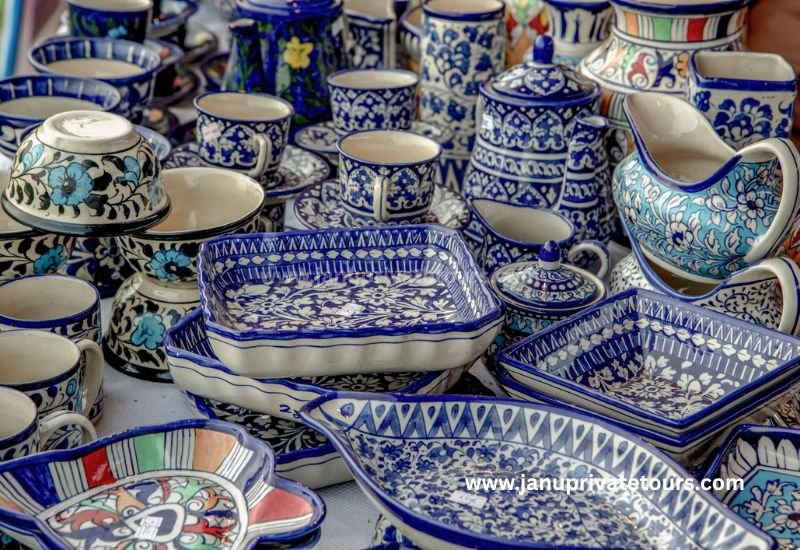
One of the most recognizable crafts of Rajasthan is Blue pottery. Recognized for their vivid blue, green, and white designs, the product range includes plates, tiles, vases, and decorative items. They are delicate yet beautiful, which is why they make for popular gifts.

Leather Goods

width=800

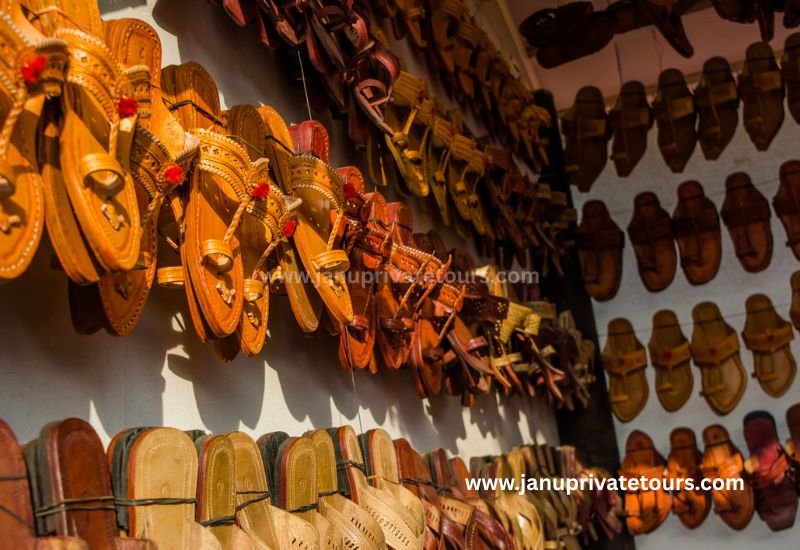
Rajasthan has a fantastically strong industry making goods such as juttis, bags, belts, and journals. They are mostly handmade and fairly cheap. Camel leather products are another unique product of the desert regions.

Paintings and Art

Stories from mythology and local legends are depicted in miniature paintings and folk art pieces. Natural pigments are often used in these artworks.

Best Cities for Shopping in Rajasthan

Every city in Rajasthan has something special to offer when you visit. This includes:

Jaipur

Jaipur is one of the best cities for shopping in Rajasthan. It has traditional bazaars and organized craft centres according to your choice. Items that are in great demand are jewelry, textiles, blue pottery, and gemstones. There are markets here that range from busy bazaars to government-run emporiums.

Jodhpur

Wooden furniture, handicrafts, and antiques make Jodhpur very famous. Shops here often focus on heritage-style decor and textiles. Local markets give a chance to buy things you would see people using.

Udaipur

Udaipur has miniature paintings, handloom textiles, and artistic crafts. The shopping scene is quiet, thanks in part to beautiful boutiques and lakeside market streets.

Jaisalmer

Jaisalmer is famous for its leather products, embroidered textiles, mirror work, and anything crafted from the desert sand. All these represent the desert and trade.

Bikaner

Shops in Bikaner sell wool products, leather goods, mojris, and other local sweets and snacks. Shopping here is much quieter and rooted in desert life.

Famous Shopping Markets in Rajasthan

While shopping in Rajasthan, here are some famous markets that cannot be missed.

Johari Bazaar, Jaipur

Johari Bazaar is a famous street of Jaipur and an important place for shopping in Rajasthan. This market is synonymous with traditional jewellery, and it is also famous for precious and semi-precious stones. Numerous shops here are run for generations by the family; vendors indulge in kundan, meenakari, and polki work. While prices may be higher than street markets, the quality and craftsmanship are usually dependable, making it ideal for buyers. Book Jaipur Shopping Tour with pickup package from Janu Private Tour to explore more places for shopping in jaipur, Rajasthan.

Bapu Bazaar, Jaipur

width=800

Bapu Bazaar is ideal for those looking for affordable, colorful shopping for souvenirs. You are in the midst of fancy shops that sell block-printed textiles, bandhani fabrics, mojris, handbags, scarves, and souvenirs. Many locals and tourists enjoy the place as it has a vibrant atmosphere. You will negotiate here and getting a good deal takes time. In this market, visitors get a real experience of daily shopping in Rajasthan.

Sardar Market, Jodhpur

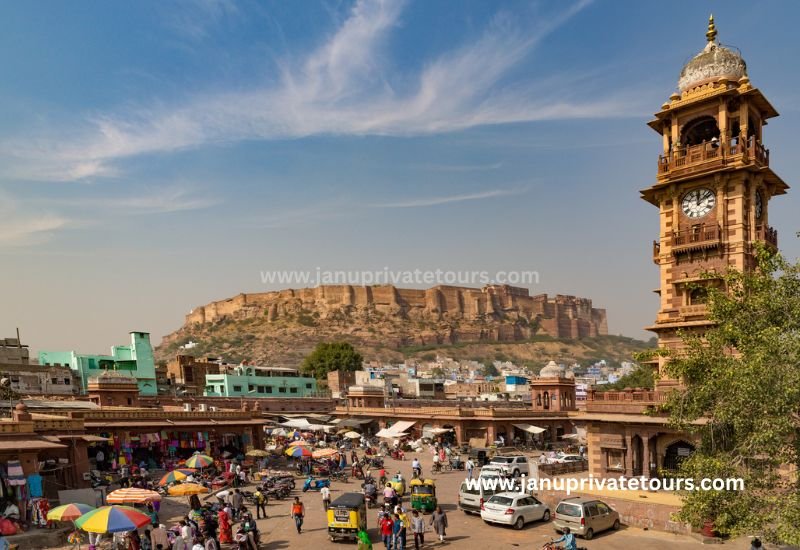
Sardar Market is located next to Jodhpur’s well-known clock tower. It is the busiest trading area in Jodhpur. You can get spices, crafts, metal items, textiles, and local snacks in the market. If you walk through the narrow lanes, you’ll find vendors selling everything from chilli powders to embroidered fabrics. This is a wonderful spot to shop for practical and cultural items while watching local life in action.

Hathi Pol Bazaar, Udaipur

Art lovers and collectors love Hathi Pol Bazaar the most. This market mainly specializes in handicrafts, wooden items, miniature paintings, and ethnic wear. Many shops run by artists themselves, allowing for a better understanding of the craft and techniques one is involved with. The atmosphere here, in comparison to bigger bazaars, is calmer. You can roam around easily while enjoying the art of Udaipur.

Manak Chowk, Jaisalmer

Manak Chowk is a vibrant market that is located in the proximity of Jaisalmer Fort. Also, it represents the desert culture of the city. The place is renowned for its leather goods, embroidered textiles, mirror work, jewellery, and camel-leather products. In the evening, the shops are all open, and the markets are full of life. Prices are usually fair, and with some bargaining expected, it’s a popular stop for travellers exploring the desert regions of Rajasthan.

Street Shopping vs. Boutique Stores

Street shopping in Rajasthan is affordable as well as varied. Prices tend to fluctuate, so bargaining is welcome. Boutique shops and emporiums offer fixed prices, better quality control, and product information.

Tips for Smart Shopping in Rajasthan

  • In local markets, it is always good to bargain politely.

  • Before you purchase, compare it in various shops.

  • Inquire about the quality of materials and workmanship.

  • Stay Away from Impulse Buys in the First Shop

  • Be careful with fragile items.

Spending time browsing can improve shopping choices.

Shipping and Packing Tips

Most stores organize shipping, especially for big items such as furniture and pottery. Make sure it is packed properly and keep the receipt for customs clearance. Padded packaging is advised for small items.

Best Time for Shopping in Rajasthan

The period from October to March is the best time to visit Rajasthan for shopping. The weather is perfect, and the markets are bustling. It could be a hot summer month, which could affect market hours. During festival times, there are special collections and local fairs.

Conclusion

Shopping in Rajasthan is a journey into the state’s soul. Each textile, ornament, and handicraft reflects the hallmark of a bygone era. Shopping for souvenirs at bazaars or artisan studios is more than just the price tag. Janu Private Tours offers curated, personalized travel experiences for one of the finest shopping expeditions across Rajasthan, which includes the best markets, artisan interactions, and cultural insights. With us, you get the best shopping experience, with meaningful, comfortable, and authentic planning and local expertise.

Holi Festival Celebration Guide


The Holi Festival Celebration is among the most joyful and popular festivals in India. It is a celebration of the coming of spring, unity, and people coming out on the streets with colors, music, laughter, and food. For tourists, Holi is more than a festival to observe. It is a festival to experience, feel, and cherish.

Holi Celebration in India is not the same. Holi is celebrated in different ways in different parts of India. Some places are noisy and playful. Some places are spiritual and peaceful. Some places celebrate Holi in one day, while others celebrate Holi for a week or more. This guide will help you understand Holi Celebration in India, learn about different traditions, learn about the important dates of Holi Celebration in 2026, and plan your trip easily.

What Is the Holi Festival Celebration?

The Holi Festival Celebration has its origins in ancient Indian culture. Essentially, Holi symbolizes the triumph of good over evil, the end of winter, and the beginning of a new season. It is also a day when all social distinctions are forgotten. No one cares about age, background, or status when colors fill the air.

The Holi Festival Celebration is typically observed over a period of two days. The first day is Holika Dahan, which is observed by lighting bonfires in the evening. The second day is Dhulandi, which is observed by playing with colors, water, and music. However, in many places, the celebrations begin much earlier and go for two weeks.

Holi Celebration in India: Why It Feels So Special

What makes the Holi Celebration in India special is the emotional association that people have with this festival. It is not an organized event. It takes place in homes, temples, streets, and villages. Families meet. Friends meet. Strangers smile at each other.

Food is an important part of this celebration. Sweets such as gujiya, malpua, and laddoos are shared among each other. Traditional beverages such as thandai are made in many homes. Music, drums, and folk songs fill the streets. In some places, devotion is the cause of celebration. In other places, fun and frolic take center stage.

Holi Celebration in 2026: Important Dates

In 2026, Holi will take place in early March. Although the dates may differ slightly in different regions, the important dates for the celebration are as follows:

  • Holika Dahan: Tue, 3 Mar, 2026

  • Dhulandi (Colour Holi): Wed, 4 Mar, 2026

In some places, especially in the Braj region, Holi celebrations begin a week or even two weeks prior to the actual date. It is necessary to plan well in advance, especially in popular destinations, as hotels and transport get filled up quickly during the Holi Celebration in 2026.

Types of Holi Celebrations Across India

Knowing the types of Holi celebrations is essential for tourists to decide which one to opt for. Some of the most popular and significant Holi celebrations in India are listed below.

Lathmar Holi – Barsana and Nandgaon

This is one of the most distinctive Holi celebrations. In Barsana, women beat men with sticks playfully, and men attempt to protect themselves. This celebration is rooted in the legends of Radha and Krishna. It is very vibrant, noisy, and energetic. Tourists normally come to watch and not to participate, as it can get very crowded.

Phoolon Ki Holi – Vrindavan

Phoolon Ki Holi is a celebration where flower petals are used instead of colors. This celebration takes place mostly in the Banke Bihari Temple. This Holi celebration is spiritual and very peaceful. Devotional songs, flower showers, and temple rituals are all a part of this celebration. This is the best option for tourists who are looking for a peaceful celebration of the Holi Festival.

Royal Holi – Jaipur and Udaipur

In Rajasthan, Holi becomes a royal event. The palace grounds are filled with traditional events, performances, and organized color play. Jaipur and Udaipur are the most sought-after destinations for those who wish to celebrate Holi with culture, comfort, and festivities. This type of Holi Celebration in India looks sophisticated and organized.

Basanta Utsav – West Bengal

In this region of India, Holi is a cultural festival. Students celebrate Holi by wearing yellow-colored clothes and engaging in music, dance, and poetry recitation. The colors are applied softly, and the festival is all about art and spring. It is a totally different experience from Holi in North India, but it is no less memorable.

Yaosang – Manipur

In Manipur, Holi is celebrated for several days. It is known as Yaosang and includes traditional folk dances, sports, and community activities. The festival is a mix of Manipuri culture and Holi celebrations, making it one of the most diverse cultural forms of Holi celebrations in India.

Shigmo – Goa

Shigmo is the spring festival of Goa, celebrated around the same time as Holi. It includes colorful processions, folk dances, and street shows. Visitors can enjoy a mix of local culture and celebrations without the full-blown color celebrations.

Best Places to Experience Holi Festival Celebration

If you are planning to travel during the Holi festival celebration, here are some of the best places to celebrate Holi:

  • Vrindavan and Mathura will celebrate Holi in a religious manner.

  • Jaipur and Udaipur will celebrate Holi in a royal manner.

  • Varanasi to celebrate Holi at the ghats.

  • Goa is to celebrate Holi in a cultural manner.

These places have a completely different vibe altogether. The places to celebrate the Holi festival depend on what you are looking for – devotion, celebration, or both.

Travel Tips for Holi Celebration in 2026

It is the need of the hour to make proper arrangements for a comfortable and safe experience during the Holi Celebration in 2026.

  • Hotels and transport should be booked in advance.

  • Old clothes and comfortable shoes should be worn.

  • Apply oil to skin and hair.

  • No valuable item should be carried during color play.

  • Local traditions and temple regulations should be followed.

  • It is necessary to stick to your group in crowded areas.

It would be easier to handle Holi celebrations with a guided tour, especially in crowded tourist destinations.

Holi Tour Packages: Why They Matter

Traveling during the Holi festival celebration can be difficult for tourists without proper guidance. Roads might be closed, temples might operate on special timings, and the crowd can be too much to handle. This is where Holi Tour Packages come into play.

A well-organized tour package generally includes:

  • Comfortable stays

  • Guides who are aware of local traditions

  • Safe transport during Holi celebrations

  • Proximity to major celebrations

  • Balanced schedules with breaks

Organized tour packages would help international tourists stay safe and informed, and also gain a better understanding of the festival.

Why Choose Janu Private Tours for Holi?

It is a pleasure to witness the Holi Festival Celebration, but it is even more important to experience it in the right way. Janu Private Tours offers customized Holi Tour Packages that emphasize comfort, authenticity, and respect for the culture.

With Janu Private Tours, you will not be pushed into the crowded streets without any direction. Rather, you will be introduced to the Holi Festival Celebration in a proper manner through selected locations, local hosts, and flexible timings. Whether you are interested in a spiritual Holi experience in Vrindavan, a royal Holi experience in Rajasthan, or a cultural Holi experience in multiple cities, Janu Private Tours will help you create experiences that are not only meaningful but also safe.

As the Holi Celebration in 2026 draws near, it is important to book your tour well in advance with a seasoned travel agency so that you can experience the celebration without any hassles.

Conclusion

The Holi Festival Celebration is more than just colors and merriment. It is about history, faith, renewal, and connection. From temple ceremonies to public celebrations, from palace grounds to village roads, the Holi Celebration in India has innumerable experiences that are defined by local traditions.

Understanding the types of Holi, the correct dates for Holi Celebration in 2026, and making informed travel plans can make your holiday a lifetime experience. If you want to enjoy Holi celebrations closely, comfortably, and authentically, you may want to consider booking your Holi Tour Packages with Janu Private Tours, where every travel experience is carefully planned with thoughtfulness, understanding, and personal attention.

Best Shopping Places in Jaipur: A Pink City Shopper’s Paradise

Your Complete Guide to Handicrafts, Jewelry, Textiles, and Cultural TreasuresJaipur is not only one of the most culturally significant destinations in India but also one of the most colorful. While Jaipur’s palaces, forts, and architectural marvels are a major draw for international travelers, many tourists also consider shopping in Jaipur to be a dream come true.

If you are a fan of jewelry, textiles, handicrafts, home dΓ©cor, blue pottery, traditional clothes, or antiques, Jaipur has the finest shopping experience for everything Rajasthan has to offer. The experience of shopping in Jaipur is a world-class expedition into the city’s royal legacy, which is royal, artistic, sumptuous, and traditional all at once. You will also be able to view centuries of craftsmanship while walking through the aisles of these vibrant markets.

Visiting with an expert tour agency like Janu Private Tours means that your experience in Jaipur will be relaxed and uncomplicated, whether you want to browse jewelry or visit traditional artisan ateliers far from tourist-trap markets. You will receive access to authentic artisan ateliers, just pricing, expert local information about lesser-known markets, and cultural narratives and history. Janu Private Tours will also offer you comfortable transportation, local guidance, and other essential resources. Their professionals are confident that you will have a positive shopping experience in Jaipur, whether you are looking for jewelry, textiles, or handicrafts.

In this post, you’ll learn about all of the best shopping places in Jaipur and why they are some of the most popular in the world.

Why Jaipur Is the Shopper’s Paradise

Jaipur has earned a worldwide reputation for unmatched artisanship, and here are a few reasons why.

1. World-Renowned Gemstone Capital

Jaipur is one of the world’s top destinations for gemstone cutting, polishing, and jewelry manufacturing.

2. A Textile Heritage

Bandhani, block printing, leheriya, Sanganeri prints, and handmade quilts are well-known all over the world.

3. Traditional Handicrafts

Whether it’s marble carving or wood doll-making, Jaipur’s artisans are the custodians of the state’s millennia-old handicraft traditions.

4. Shop from Reasonably Priced to Premium Designer Goods

You can also purchase inexpensive souvenirs or upscale designer wares in one location.

5. Culture-Packed Shopping Experience

The bustling roads, vibrantly painted stores, delectable aromas, and street performances by local musicians and dancers provide visitors with an out-of-this-world retail experience.

Also Read:-Top 5 Desert Destinations in North India

​width=800

1. Johari Bazaar – The Gem & Jewelry Capital of Jaipur

Jaipur’s Johari Bazaar is one of the city’s oldest and most well-known shopping centers, and it’s well-known for its fine jewelry made by skilled artisans.

  • Things to Buy in Johari Bazaar

  • Kundan jewelry

  • Polki jewelry

  • Meenakari art pieces

  • Semi-precious stones jewelry

  • Bridal jewelry sets

The jewelry-making method is as royal, traditional, and refined as the city’s culture, which is why it appeals to both collectors and enthusiasts.

Why Visit the Market

The market serves as the city’s epicenter for jewelry making, with hundreds of shops that sell high-quality gemstone jewelry.

2. Bapu Bazaar – The Best Market for Textiles & Jaipuri Items

Bapu Bazaar is a must-visit destination if you’re looking to shop for Jaipur (Jaipur’s traditional products and textiles.

  • Popular Items to Buy

  • Mojari (Traditional Rajasthani footwear)

  • Handbags and embroidered purses

  • Bedcovers and quilts

  • Block-printed textiles

  • Decorative Home Items

Jaipuri Razai, a lightweight, hand-quilted blanket that serves as a light quilt and is also an excellent gift, is one of the top products to buy from the market.

Why Tourists Love the Market

Prices are fair, the goods are extensive, and the market is a lot of fun to explore.

3. Tripolia Bazaar – Lac Bangles & Metal Craft Center

The Tripolia Bazaar is Jaipur’s top market.

  • Lac bangles

  • Brassware

  • Ironware

  • Traditional home goods

  • Hand-carved metal dΓ©cor

The beautiful and elegant Rajputana culture is reflected in the lacquer bangles, which are available in hundreds of distinct styles.

Visit if You Love Bangles

In fact, you may even observe artisans handcrafting bangles using the same old approach.

4. Chandpole Bazaar – Home of True Artisan Workshops

Chandpole is one of Jaipur’s most traditional markets, and it is also where you can still discover artisans working.

  • Marble

  • Sandstone

  • Wood

  • Clay

  • Metal

It’s Khazane Walon ka Rasta, which is a street with purely handmade products, and is famous all over the world.

Best Things to Buy

  • Marble sculptures

  • Wooden handicrafts

  • Rajasthani puppets

  • Colorful pottery

For those of you who are interested in purchasing authentic and handmade souvenirs, Chandpole is the place to go.

5. Nehru Bazaar – Famous for Jootis & Textiles

If you’re in the market for Jaipuri Jootis (Jaipur’s traditional embroidered footwear), look no further than Nehru Bazaar.

  • What to Expect

  • Embroidered jootis

  • Colorful textiles

  • Souvenirs

  • Home dΓ©cor pieces

Shopping in this neighborhood is one of the most fun experiences in Jaipur because of the stunning atmosphere.

6. MI Road – The Perfect Blend of Modern and Royal Shopping

MI Road (Mirza Ismail Road) is a one-of-a-kind market because it has both traditional boutiques and modern showrooms.

  • Best Things to Buy Here

  • Blue pottery

  • Jewelry

  • Carpets

  • Designer clothing

  • Handicrafts

It is also the best spot to purchase high-quality and fixed-price products, making it an excellent destination for visitors who want a less complicated shopping experience.

7. Sireh Deori Bazaar – Spectacular Views Opposite Hawa Mahal

Tourists shopping in this market will be captivated by the beauty of Hawa Mahal.

  • Famous For

  • Leather bags

  • Rajasthani textiles

  • Handicraft souvenirs

  • Decorative wall hangings

It is also one of the best Jaipur locations to purchase puppets, a symbol of Rajasthani folklore and storytelling.

8. Purohit Ji ka Katla – The Bridal Shopping Hub

Wedding shopping in Jaipur is a must, and this market in the heart of the old city is well-known for it.

  • What to Buy

  • Bridal lehengas

  • Sarees

  • Embroidered clothing

  • Jewelry sets

  • Fabrics

The designs are opulent, traditional, and ideal for any special occasion.

Shopping in Jaipur with Janu Private Tours – Trusted and Safe

Jaipur’s markets are indeed impressive, but they can also be disorienting and intimidating, particularly for first-time visitors. The majority of the shops in Jaipur are primarily aimed at tourists and overcharge several times.

Janu Private Tours’ Jaipur trip will provide the following benefits:

  • Access to authentic artisan workshops

  • Fair pricing

  • Insider knowledge of hidden markets

  • Cultural storytelling and history

  • Comfortable transportation & local guidance

Their crew will also go out of its way to make certain that your shopping experience in Jaipur is simple, enjoyable, and safe. Whether you’re looking for something to buy jewelry, textiles, or handicrafts, their service is guaranteed.

Also Read:-Why Rajasthan is the Best Starting Point for Exploring North India

Best Shopping Markets in Jodhpur: Blue City Shopper’s Guide

Shopping for Handicrafts, Textiles, Spices & Royal Souvenirs in Rajasthan’s Blue Jewel, Jodhpur’s royal past, desert vibe, and laidback yet colorful culture make it one of the most magical places in India. While the city’s majestic Mehrangarh Fort and blue-painted houses attract visitors from around the world, Jodhpur is also one of Rajasthan’s most popular shopping destinations. From handcrafted textiles to spices, antiques, leather goods, silver jewelry, and traditional Rajasthani art, shopping in Jodhpur will be an unforgettable experience.

Exploring Jodhpur’s markets is a journey through a living museum. Every narrow lane is packed with skilled artisans who are committed to preserving traditions passed down over centuries. And when you explore Jodhpur markets with expert local operators like Janu Private Tours, you will visit the most authentic shops, get fair prices, and discover hidden artisan quarters and bazaars that tourists never find.

This comprehensive in-depth guide to the best shopping markets in Jodhpur will help you discover culture, craft, and classic souvenirs to take back home.

Why Jodhpur is a Shopper’s Paradise

Jodhpur’s markets are a perfect reflection of the city’s royal history, desert lifestyle, and artisanal excellence. Here are some of the reasons why shopping in Jodhpur is so special.

1. Home of Royal Textiles

Jodhpur is famous for handwoven textiles, bandhej (tie-dye), and block-printed fabrics.

2. World-Class Handicrafts

The city is home to some of the finest wooden furniture, metalwork, and other handicrafts from India.

3. Famous Spices & Teas

Jodhpur is renowned for its spice markets. Explore colorful, aromatic spice blends that you can’t find elsewhere in Rajasthan.

4. Leather Goods Hub

Shop for authentic, affordable leather bags, belts, and Jodhpur’s famous mojari (handcrafted) shoes in these markets.

5. Tradition Meets Modernity

In Jodhpur, you can find a unique fusion of centuries-old artisan techniques with modern Rajasthani design and aestheticβ€”ideal for finding one-of-a-kind souvenirs.

Also Read:-places to visit in jaipur for shopping

1. Sardar Market: The Heartbeat of Jodhpur’s Shopping Scene

Located just next to Jodhpur’s iconic Ghanta Ghar (Clock Tower), Sardar Market is the most well-known and largest shopping area in Jodhpur.

  • Must-Buy Items

  • Handcrafted textiles

  • Spices (especially Mathaniya red chilli)

  • Traditional jootis (Rajasthani footwear)

  • Silver jewelry

  • Marble artifacts

  • Turbans and traditional Rajasthani clothing

The entire market is full of people from early morning to late evening. It’s a vibrant hub of activity, with shoppers haggling, vendors calling out their wares, and tourists snapping photos. Photographers will also love it, as the narrow alleyways and bustling crowds make for interesting street photography. The sheer variety and volume of shops are enough to keep shoppers occupied for hours.

Why Visit Sardar Market?

This market truly captures the authentic local spirit. It’s vibrant, lively, and full of cultural charm and history.

2. Clock Tower Market: Best for Spices & Handpicked Collectibles

Located right next to Sardar Market is Jodhpur’s famous Clock Tower area, which is a must-visit for spice lovers and collectors.

  • What to Buy

  • Mathaniya red chili

  • Hand-ground masalas

  • Herbal teas

  • Sandalwood & saffron

  • Dry fruits

The market is also known for copper products, antique home dΓ©cor, handmade utensils, and woollen shawls.

​width=800

A Foodie’s Paradise

You can’t leave without trying out local snacks like mirchi vada and mawa kachori!

3. Nai Sarak: A Textile Lover’s Dreamland

Nai Sarak is one of Jodhpur’s best markets for buying bandhej and block-printed fabrics, which are the mainstays of Rajasthani fashion.

  • Best Buys

  • Bandhani sarees

  • Dupattas

  • Kurtas

  • Dress materials

  • Handwoven scarves

  • Embroidered fabrics

These are some of the markets where travelers looking for authentic Rajasthani textiles will have a great experience. The colors, patterns, and quality are exceptional here.

​Why Visit Nai Sarak?

Prices are good, and you will find high-quality, hand-dyed, and handcrafted textiles made by local artisans.

4. Sojati Gate Market: Best for Traditional Rajasthani Souvenirs

This market is the ideal place to shop.

  • Handcrafted jewelry

  • Colorful bangles

  • Lac art

  • Rajasthani mirrors

  • Home dΓ©cor items

  • Puppets & folk art

Sojati Gate is also famous for its vibrant mehndi (henna) artists. As you explore, they will decorate your hands with intricate, traditional Rajasthani designs.

Best For:

Travelers want to shop in a culturally rich environment full of street art, music, and local traditions.

5. Umaid Bhawan Palace Market: Luxury Shopping in Jodhpur

For luxury and high-end handcrafted products, head to the Umaid Bhawan Palace area to visit shops with a range of premium products.

  • Buy From Here

  • Designer jewelry

  • High-end home dΓ©cor

  • Exclusive clothing

  • Handwoven carpets

  • Royal-inspired souvenirs

  • Perfect For Luxury Travelers

For luxury travelers who love top-quality and sophisticated Rajasthani designs, this is a perfect market in Jodhpur.

6. Mochi Bazaar: Leather Goods Central

Mochi Bazaar (Sabji Mandi) specializes in leather goods and is an excellent place to shop for leather products.

  • What to Buy

  • Jodhpur jootis

  • Leather bags

  • Wallets

  • Belts

  • Saddles

  • Camel leather goods

Why Shop at Mochi Bazaar?

Mochi Bazaar leather goods are very affordable, and you will be buying authentic, 100% handcrafted products made by families who have been practicing this art for generations.

7. Kapraa Bazaar: Best for Clothing & Fabrics

Kapraa Bazaar specializes in modern and traditional Rajasthani clothing. Here are some popular items that travelers and locals shop for.

  • Popular Purchases

  • Lehenga cholis

  • Kurta sets

  • Everyday clothing

  • Bridal wear

  • Dress materials

If you love vibrant outfits with Rajasthani royal inspiration, this is the place to shop for clothes.

Explore Jodhpur’s Markets with Janu Private Tours

Shopping in Jodhpur is great fun, but can be challenging to figure out the best places to visit in these crowded and noisy lanes. Tourists’ markets have many shops with inflated prices, and bargaining takes all the fun out of shopping in these stores.

Shopping with Janu Private Tours ensures:

  • Authentic shops recommended by locals.

  • Guarantee of fair prices.

  • Stories & context about the craft and culture behind every item.

  • Actual artisan workshops (many hidden from tourists).

  • Comfortable transportation to and from the markets.

  • Help with bargaining and navigating each market.

  • Safe, enjoyable, and genuine market visits.

Janu’s local guides know exactly where to find the best hand-made products, spices, textiles, and more. They will help every traveler discover truly meaningful souvenirs from Jodhpur.

Shopping Tips for Jodhpur Travelers

Bargain Smartly

Bargaining is expected in most markets. The best practice is to start at 30–40% below the shopkeeper’s asking price.

Check Product Quality

Handicrafts vary in quality, so buy from reputed stores or trusted markets with a guide.

Carry Cash

Digital payments are on the rise in India, but many small vendors only accept cash.

Avoid Tourist Traps

Look for places where locals shop or use Janu Private Tours for reliable recommendations.

Also Read:-places to visit in jaipur for couples​

Best Shopping Spots in Bikaner: From Spices to Handicrafts

The best local markets, desert crafts & cultural souvenirs

Bikaner is known for its grand forts, camel safaris, and deep-rooted traditions that go back hundreds of years. But it’s also home to another desert gem, beloved by travelers, that doesn’t often get the recognition it deserves: Bikaner shopping. This colorful city has a lot to offer, from leatherwork and embroidery to local textiles, snacks and namkeen, sweets, and more.

The bazaars are full of items that are typical of royal, desert towns like Bikaner, and local artisans proudly continue crafts that have been passed down for generations. The market streets are also filled with Rajasthani souvenirs, spices, and handcrafted dΓ©cor and jewelry for all the amazing and curious gifts you’ll find in India. Guided tours with Janu Private Tours make it easy to find the best shops and artisan workshops in the city and enjoy shopping without tourist traps or overpricing.

Read on to discover the best places to shop in Bikaner to enjoy local products that reflect Rajasthan’s art, culture, and cuisine.

Also Read:- Delhi to varanasi travel route

Why Is Bikaner a Secret Shopping Destination in Rajasthan?

Instead of jostling with crowds like the bigger tourist cities, Bikaner has an easy, authentic, and cheaper atmosphere when it comes to shopping. Here’s why it’s so popular.

Artisan-rich Heritage

Craftsmen in Bikaner are known for their pottery, embroidery, leatherwork, and block printing.

World Famous Spices & Namkeen

The city is home to Bikaneri Bhujia, sweets, snacks, and other delectable Rajasthani spices.

Desert-Inspired Souvenirs

Camel leather goods, embroidered textiles, and finely carved wooden items are popular gifts.

Commercial-free & Authentic

Prices are fair and the quality is great, not overpriced or manufactured for tourists.

Must-Visit for Culture Buffs

Shopping here is a cultural experience, featuring colors, flavors, and traditional craftsmanship.

1. Kote Gate Market – The Top Shopping Destination in Bikaner

Kote Gate Market is easily the most famous and busiest Bikaner shopping destination. Located near the old city walls, this market is a cultural and traditional hub, with both brick-and-mortar shops and street vendors selling local products.

Key Items to Buy

  • Camel leather products
  • Rajasthani mojari shoes
  • Lac bangles
  • Jodhpuri suits
  • Spices & pickles
  • Wooden handicrafts
  • Colorful textiles

This market is lively, colorful, and a great spot for travelers to shop for an authentic Bikaneri experience.

Reasons for its Popularity

Everything in one place. You can find handicrafts, clothing, food, dΓ©cor items, and souvenirs all in one place, and the prices are fair.

2. Mahatma Gandhi Road – Best for Clothing & Fabrics

If you love textiles and ready-to-wear clothing, Mahatma Gandhi Road is the place for you.

What to Buy

  • Bandhani sarees
  • Embroidered dupattas
  • Traditional lehengas
  • Suit sets
  • Dress material
  • Woollen shawls & blankets

Clothing stores in Bikaner offer a nice range of traditional and modern clothing styles and are great for shoppers interested in textiles and clothing.

Who Should Visit?

Fashion enthusiasts, people looking for bridalwear, and shoppers interested in classic Rajasthani fabrics.

3. Station Road Market – The Best Handicraft Market in Bikaner

Located adjacent to Bikaner Railway Station, this market is packed with handicraft shops and stalls.

What to Find

  • Wooden carvings
  • Camel leather bags
  • Miniature paintings
  • Marble and sandstone statues
  • Rajasthani puppets
  • Decorative home items

This is a very famous market for its detailed and skilled Usta art, a type of traditional Bikaner gold-embossed artwork.

Why to Visit

Witness firsthand local craftsmanship and buy many items that are handmade on-site.

4. Sadar Bazaar – Spices, Namkeen & Local Snacks

If you’re visiting Bikaner, a visit to its world-famous namkeen and spices is a must.

Best Purchases

  • Bikaneri Bhujia
  • Mixture namkeen
  • Sweets (Rasgulla, Ghewar)
  • Dry fruits
  • Mathaniya red chilies
  • Spices & masalas

The smell of spices, namkeen, and snacks will instantly make you hungry as you walk through the market.

Ideal for Foodies

The best market for food gifts, gourmet namkeen, and Rajasthani snacks and sweets.

5. Rampuria Carpet Market – Handwoven Handicrafts

Rampuria Carpet Market is where you will find Bikaner’s stunning carpets and durries.

What to Buy

  • Woolen carpets
  • Durries
  • Runners
  • Geometric & Persian-inspired motifs

Each carpet and durali is carefully handcrafted with attention, patience, and quality materials.

Why Visit?

The best place to buy sturdy and exquisitely crafted handwoven carpets directly from the artisans.

6. Junagarh Fort Market – Souvenirs with a Royal Touch

Outside of Junagarh Fort, there are also some great but small stalls selling.

  • Miniature paintings
  • Carved souvenirs
  • Traditional jewelry
  • Leather curios
  • Local dΓ©cor items

Products at these stalls are ideal for shopping for gifts and low-priced souvenirs.

Discover Bikaner Markets with Janu Private Tours

The markets of Bikaner are fun to browse, but for first-time visitors, the city’s network of twisting and turning lanes can feel confusing. Janu Private Tours offers significant value here.

Why Book with Janu Private Tours?

  • They take you to authentic artisan shops, not tourist traps.
  • They will help you with bargaining and ensure fair prices.
  • They tell you about the history and share cultural stories.
  • They know the hidden markets, little-known crafts, and local workshops.
  • They offer comfortable transport, safety, and local guidance.
  • Their local expertise turns your shopping trip into a cultural experience.

Bikaner Shopping Unique Selling Points (USPs)

Camel Leather Goods

Incorporating its desert heritage, Bikaner is well known for camel leather products, which are an eco-friendly, biodegradable, and sustainable alternative.

Usta Art & Miniature Paintings

Stunning gold-embossed work that is a testament to the city’s royal history.

Snacks, Sweets & Spices

Bikaneri Bhujia, namkeen, Mathaniya red chilies, and other snacks and sweets from Bikaner are famous all over the world.

Authentic Rural Artisanship

Bikaner has less commercialized and touristy markets than other places in Rajasthan, and still has many original traditional crafts.

Bikaner Shopping Tips

Bargain is the norm

Expect to bargain in most places, and start with a low price, then smile and keep negotiating.

Check the leather authenticity:

Camel leather is unique, but can only be bought from trusted shops or with a guide.

Sample before you buy (food items)

Most of the shops selling spices and snacks will offer free samples to taste.

Bring a tote bag:

You’ll probably buy more than you think, and Bikaner has some amazing deals.

Shop with a local guide:

Experts like Janu Private Tours will take you to the true artisan areas of Bikaner.

Also Read:- The 16 Days Tour of Rajasthan (INDIA) All Inclusive

Chat with Us