

Things to do in Jaipur

Exploring Jaipur from the Skies : A Hot Air Balloon Adventure

Jaipur, the majestic Pink City is known for its royal heritage, stunning forts, and vibrant culture. But what if we told you there’s a way to experience Jaipur’s grandeur from a completely different perspective—from the skies?

A hot air balloon ride over Jaipur offers an unparalleled way to take in the city’s magnificent sights, with a bird’s-eye view of its palaces, forts, and picturesque landscapes. Here’s everything you need to know to make your hot air balloon adventure in Jaipur a truly unforgettable experience.

Why Choose a Hot Air Balloon Ride in Jaipur?

The charm of Jaipur lies not only in its bustling markets and intricate palaces but also in the beautiful landscape surrounding the city. A hot air balloon ride allows you to capture the essence of the city from an entirely different angle.

The journey floats you above the city’s historic landmarks and into the serene Aravalli hills, giving you a panoramic view of the Amer Fort, Nahargarh Fort, Jaigarh Fort, and Jal Mahal—all framed by the backdrop of the vibrant Rajasthan desert.

Whether you’re a thrill-seeker or a peace-lover, a balloon ride offers a unique blend of both. It’s an experience that will leave you with breathtaking memories and incredible photographs.

The Perfect Timing for Your Balloon Ride

The best time to take a hot air balloon ride in Jaipur is during the cooler months of October to March. The weather in Jaipur is ideal during this period, with mild temperatures and clear skies that enhance visibility.

  • Morning Rides: The ride typically starts at sunrise (around 6:00 AM). As the sun rises, you get to witness Jaipur bathed in golden light—a magical sight that no other form of transportation can offer.
  • Evening Rides: Don’t Hesitate to Contact Us

What to Expect During Your Hot Air Balloon Tour

A hot air balloon ride in Jaipur is more than just a flight; it’s a journey that will leave you in awe. Here’s a sneak peek into the experience:

  • Pre-Flight Briefing: Before you board the balloon, the ground crew provides a detailed safety briefing. The crew ensures you know the dos and don’ts and answers any queries you may have about the flight.
  • The Balloon Ride: Once you’re in the balloon basket, it’s time to ascend. As the balloon gently floats above the ground, you’ll feel a sense of serenity. The panoramic views of Jaipur’s historical forts, the tranquil landscape, and the vibrant desert terrain below will make the entire experience surreal.
  • Post-Flight Celebration: Once your balloon lands, there’s usually a small celebration. Operators provide a traditional welcome, complete with a champagne toast or light refreshments, and you may even receive a certificate to commemorate your adventure.

Popular Hot Air Balloon Operators in Jaipur

There are a few well-known operators who offer hot air balloon rides in Jaipur, ensuring safety, comfort, and incredible experiences.

  • SkyWaltz Balloon Safari: One of India’s most reputable hot air balloon operators, SkyWaltz offers rides over Jaipur’s iconic landmarks. Their experienced pilots and top-notch equipment guarantee a safe and exciting experience.
  • JANU PRIVATE TOURS: Known for their professional services, JANU PRIVATE TOURS offers various packages, including private rides for a more intimate experience. Also offer different packages tailored to group and private bookings.

What You Need to Know Before You Go

  • Cost: Prices for a hot air balloon ride in Jaipur can vary depending on the time of day, duration, and operator. Keep in mind that private and premium packages will be more expensive.
  • Booking in Advance: It’s recommended to book your ride in advance, especially during peak tourist seasons (October to March), as rides often get fully booked.
  • Safety First: Hot air ballooning is a safe activity when conducted by certified operators. The pilots are highly trained, and the balloons undergo regular checks. Nonetheless, make sure to check reviews and the safety records of the operators before booking your ride.
  • Health Considerations: Balloon rides are generally safe for most people, but pregnant women, children under five years old, and individuals with severe heart conditions are advised to consult with the operators beforehand.
  • Dress Appropriately: Dress in light, comfortable clothing and sturdy footwear. Early mornings can be chilly, so it’s best to bring a light jacket or sweater.

Final Thoughts: An Unforgettable Experience

Taking a hot air balloon ride in Jaipur is an adventure that will stay with you forever. Whether you’re a first-time visitor or a frequent traveler to Rajasthan, this experience offers a fresh perspective of Jaipur’s beauty. Imagine floating above the ancient forts, palaces, and serene lakes as the city slowly wakes up below you—it’s nothing short of magical.

So, the next time you’re in Jaipur, make sure to add a hot air balloon ride to your itinerary. It’s not just an adventure; it’s an experience that will make you fall in love with the Pink City all over again!

Pro Tip: Don’t forget to bring your camera and enjoy the spectacular aerial views. You won’t want to miss capturing the beauty of Jaipur from above !

Contact Us

for more information please connect with us @ +91 9929 1 52 946 / +91 8905 6 31 046
info@januprivatetours.com

https://www.januprivatetours.com/

Jaipur Food & Walking Tour : The Spice Route of Jaipur

The Royal Flavor Trail : Jaipur’s royal heritage and the culinary delights you can experience on the tour.

A food and walking tour of Jaipur offers a perfect blend of the city’s rich culture, vibrant history, and mouthwatering cuisine. Jaipur, the capital of Rajasthan, is known for its palatial architecture, colorful streets, and delicious food. Here’s a suggested itinerary for a day of exploring the best of both the city’s heritage and its culinary delights:

Start at the City Palace

  • Time: Morning (Around 9:00 AM)
  • What to See: Begin your walking tour at the City Palace, a majestic blend of Mughal and Rajasthani architecture. While you explore the palace, its courtyards, and museums, you’ll get a glimpse of Jaipur’s royal past.
  • Food Tip: You can stop by the palace’s Cafe Coffee Day for a quick cup of chai or coffee.

Walk through the Pink City ( Walled City )

  • Time: 10:30 AM
  • What to See: Head out to the iconic streets of the Pink City, Jaipur’s historical old town, where the bustling bazaars, narrow alleys, and centuries-old havelis await. Walk through Johari Bazaar and Bapu Bazaar. The architecture here is a perfect example of the Indo-Saracenic style, with every building painted in a soft pink hue.

Snack on Street Food at Choti Chaupar

  • Time: 10:30 AM – 11:30 AM
  • What to Eat: Try some of Jaipur’s famous street food. Choti Chaupar is a central point where you’ll find many street vendors offering traditional snacks:
  • Pav Bhaji (spicy vegetable mash served with buttered bread)
  • Kachori (fried pastry filled with spiced lentils or peas)
  • Samosa (crispy pastry stuffed with spiced potatoes)
  • Dahi Puri (crisp puris stuffed with yogurt, chutney, and potatoes)
  • Bhel Puri (a spicy puffed rice snack with tamarind chutney)
  • Ghevar (a traditional Rajasthani sweet, perfect for a mid-morning treat)

Visit Hawa Mahal (Palace of Winds)

  • Time: 12:00 PM – 12:30 PM
  • What to See: Walk over to Hawa Mahal, one of Jaipur’s most iconic landmarks. This five-story palace with hundreds of small windows (jharokhas) was designed for the royal ladies to observe street life without being seen. The architecture is a beautiful blend of Mughal and Rajput styles.

Lunch at a Multi-Cuisine Restaurant ” The Curry Spoon”

  • Time: 1:00 PM – 2:00 PM

Stroll Through the Albert Hall Museum & Ram Niwas Garden

  • Time: 2:30 PM – 3:30 PM
  • What to See: After lunch, take a walk over to the Albert Hall Museum, a beautiful structure that houses an impressive collection of Rajasthani artifacts, textiles, and sculptures. From here, you can also walk through the Ram Niwas Garden, a peaceful park perfect for digesting all the delicious food.

Tea Time at Gulabji Chai

  • Time: 4:00 PM – 4:30 PM
  • Where to Eat: For a relaxed tea break, head to Wind View Cafe, which offers a lovely view of Hawa Mahal. Enjoy a traditional masala chai with a light snack such as dahi vada (fried lentil dumplings in yogurt).

Evening Walk in the Amer Fort Area

  • Time: 5:30 PM – 6:30 PM
  • What to See: Take a cab or walk towards the Amer Fort, about 30 minutes outside the city center. While the fort itself is a grand architectural wonder, the surrounding area is full of charm, with the Maota Lake offering a picturesque backdrop.

Dinner at a Rooftop Restaurant

  • Time: 7:30 PM – 9:00 PM
  • What to Eat:
  • Pulao or Biryani (fragrant rice dish)
  • Rajasthani Sweets such as Mawa Kachori or Malai Ghevar

Finish with a Sweet Treat

  • Time: 9:00 PM – 10:00 PM
  • Where to Eat: Before concluding your tour, stop by a local sweet shop for a final indulgence. for delicious Mawa Kachori, Jalebi, and other Rajasthani sweets.

Tips for the Tour:

  • Walking Shoes: Jaipur’s streets are often uneven and dusty, so comfortable shoes are a must.
  • Hydration: Carry water and drink often, especially in the warmer months.
  • Local Customs: Be respectful when photographing people or royal properties.
  • Bargaining: In the markets, haggling is common and part of the experience.

This walking and food tour of Jaipur will not only give you a taste of its rich flavors but also offer a deep dive into the city’s history and vibrant atmosphere!

Contact Us

for more information please connect with us @ +91 9929 1 52 946 / +91 8905 6 31 046

info@januprivatetours.com

https://www.januprivatetours.com/

Elephant Safari in Jaipur : A day with Elephants

“A Majestic Day with Elephants: Jaipur Safari Experience”

Elephants in Jaipur are often seen as symbols of royalty, grandeur, and spirituality, and they play an important role in the city’s heritage, festivals, and tourism. A day with Elephants in Jaipur is an unforgettable experience, and if you’re visiting the city, it’s an absolute must.
Elephants in Rajasthan are far more than just animals; they’re living symbols of royalty, tradition, and grace. A day at the Elephant Village gives you the chance to connect with these majestic creatures on a deeper level, beyond the typical zoo or safari experience.

You’ll spend time feeding, bathing, and even painting the elephants—activities that allow you to understand the bond between the animals and their caretakers. This isn’t just a “tourist attraction”; it’s a chance to witness the profound cultural and spiritual significance these elephants hold in local life.

If you’re interested in something real, immersive, and a bit off the beaten path, the Elephant Village tour will be one of the most enriching things you can do in Jaipur. If you’re looking for a superficial, quick glance at the elephants, then this might not be for you. But if you’re open to learning and experiencing firsthand the intricate relationship between elephants and their human caretakers, this is as authentic as it gets.
Cultural Significance
• Symbol of Royalty: Historically, elephants were closely associated with royalty in Jaipur and Rajasthan. The Maharajas (kings) of Jaipur used elephants in grand processions and battles. They were seen as powerful symbols of strength and majesty.
• Religious Importance: In Hinduism, elephants are closely linked to Lord Ganesha, the elephant-headed deity of wisdom and prosperity. The presence of elephants in Jaipur is often seen as a reflection of spiritual significance and blessing.
Elephant Rides : In the Footsteps of Royals
• Amber Fort (Amer Fort): One of the most popular attractions for tourists in Jaipur is elephant rides to Amber Fort. Tourists can experience the royal style of travel by riding on elephants that transport them up the hill to the fort’s entrance. The elephants are often adorned with bright fabrics and jewelry, adding to the charm of the experience.
• Heritage Experience: Riding an elephant at Amber Fort offers a sense of history and tradition, as this was once the royal way to ascend to the fort.
Elephant Conservation and Care
• Mahouts and Care: Jaipur’s elephants are cared for by mahouts (elephant caretakers), who train and tend to the animals. The mahouts are an integral part of the elephants’ lives, ensuring they receive the proper care, feeding, and health checks.
• Enclosures and Sanctuaries: There are efforts to ensure the elephants are well-treated, especially in places like Elephant Village in Jaipur, where visitors can interact with the elephants in a more sustainable and ethical way. Here, elephants are cared for in an environment that mimics their natural habitat, and the focus is on promoting animal welfare and conservation.
Elephant Art and Paintings
• Elephant Paintings: In Jaipur, it is common for elephants to be painted with vibrant, intricate designs during festivals and events. These painted elephants are an iconic symbol of Jaipur’s colorful cultural heritage.
• Symbolism in Art: The painted elephants often symbolize good fortune, beauty, and spiritual energy. Their depictions in art are a popular motif in Rajasthani folk art, often seen in madhubani paintings, miniature art, and textile designs.
Ethical Tourism: Many tourists now prefer visiting places like the Elephant Village, where they can interact with the elephants in a more ethical and responsible manner, learning about their needs and natural behaviors. Visitors are encouraged to feed, bathe, and paint elephants in ways that respect their dignity.
Art and Crafts
• Craftsmanship: Jaipur is also known for its handicrafts and traditional Rajasthani art. Elephant motifs appear prominently in block prints, paintings, and handicraft work such as carvings and textiles.
• Elephant Figurines: You will often find intricately carved elephant figurines in Jaipur’s bazaars and art galleries, made from wood, marble, and brass. These elephant statues are popular souvenirs for visitors and collectors.
Elephants and Festivals
• Village Processions: elephants are used during local festivals and village celebrations, where they are adorned in festive attire and participate in local processions, adding an element of grandeur and spirituality.
• Elephant Blessings: In many parts of Jaipur, elephants are revered, and people often visit elephants for blessings during religious festivals like Diwali and Ganesh Chaturthi. Elephants are considered auspicious animals, believed to bring good luck and prosperity.
Final Reflections: A Mosaic of Moments
Experience the magic of Jaipur’s Elephant Safari. Spend a day with majestic elephants, enjoy thrilling rides, feed and bathe these gentle giants, and discover their royal heritage in Jaipur.elephants in Jaipur continue to capture the imagination of tourists and locals alike. Efforts are also underway to improve the welfare and conservation of these magnificent creatures, ensuring that they continue to be a source of pride and joy for generations to come.
for more information please connect with us @ +91 9929 1 52 946 / +91 8905 6 31 046
info@januprivatetours.com
https://www.januprivatetours.com/

Spiritual Tours of Jaipur’s Monkey Temple

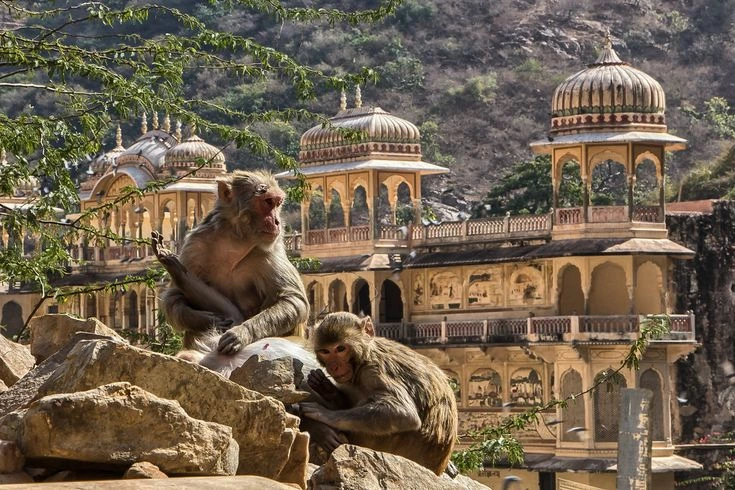
Galtaji is an ancient Hindu pilgrimage about 10 km away from Jaipur. The site consists of a series of temples built into a narrow crevice in the ring of hills that surrounds Jaipur. A natural spring emerges high on the hill and flows downward, filling a series of sacred kunds (water tanks) in which pilgrims bathe. Visitors and pilgrims can ascend the crevasse, continuing past the highest water pool to a hilltop temple from there are views of Jaipur and its fortifications spreads out across the valley floor. It is believed that a Saint named Galav lived here, practiced meditation, and did penance (tapasya).


“The Temple of Monkeys: A Sacred Journey to Galtaji”

Key Highlights of the Monkey Temple ( Galtaji ) Visit:

The Sacred Pools:

  • The temple is known for its sacred water tanks, which are believed to have healing powers. Pilgrims come here to take a dip in the holy waters, and the monkeys often play around these pools. Visitors can enjoy the tranquil surroundings while watching the playful monkeys frolic in the water.
  • The Ram Kund and Hanuman Kund are two main reservoirs where both locals and tourists come to bathe. The monkeys are attracted to the water and can often be seen swimming or drinking from the pools.

Monkeys Everywhere:

  • As the name suggests, the temple is home to a large number of Rhesus Macaque monkeys. These monkeys are the main attraction for visitors. They are often seen climbing the temple steps, jumping from one ledge to another, and interacting with visitors. While they are friendly and playful, they are also known to be mischievous, so it’s important to keep an eye on your belongings.
  • It’s advised not to feed the monkeys as this can encourage aggressive behavior.

The Architecture:

  • Galta Ji Temple consists of several small temples, pavilions, and a large central temple dedicated to Lord Hanuman, the monkey god in Hindu mythology. The complex is an interesting mix of ancient architecture and natural beauty.
  • The Suryan Kund (Sun Temple) is another prominent feature within the complex, with spectacular views of the surrounding hills.

Scenic Views and Peaceful Surroundings:

  • The temple offers a peaceful, serene environment with stunning views of the Aravalli hills surrounding the valley. The surrounding landscape is quite beautiful, making it a great spot for photography and for enjoying the natural beauty of Jaipur’s countryside.
  • The area is a popular destination for locals to relax, enjoy nature, and connect with their spirituality.

Religious and Cultural Significance:

  • Galta Ji Temple is an important pilgrimage site for Hindus. It is associated with Saint Galav, who is said to have meditated at this spot. According to legend, Saint Galav lived here and performed penance by taking regular dips in the holy ponds.
  • The temple is especially significant during the Makar Sankranti festival, when a large number of devotees visit for a holy dip in the pools.

Monkey Temple Tour Experience:

If you decide to take a tour of the Monkey Temple in Jaipur, here’s what you can expect:

  • Arriving at the Temple: You’ll likely travel by car or taxi from Jaipur city center, which takes about 20-30 minutes. The last stretch of the journey is a scenic drive through rural areas leading up to the temple complex.
  • Exploring the Temple Grounds: Once you arrive, you can explore the temple grounds and its surroundings at your own pace. There are multiple temples and sanctuaries dedicated to various Hindu deities, and you can take your time to walk around and soak in the spiritual atmosphere.
  • Monkey Watching: As you explore, you’ll encounter monkeys that inhabit the temple. They are often friendly but can be cheeky—watch out for them swiping food or belongings!
  • Interacting with Locals and Pilgrims: The temple is a place of active worship, so you’ll likely see local pilgrims taking part in religious rituals or bathing in the holy pools. The local culture and practices are an integral part of the experience.

Visiting Tips:

Best Time to Visit:

The best time to visit the Monkey Temple is either early in the morning or late in the afternoon, as it can get quite hot during the midday, especially in the summer months. Early mornings also offer a tranquil atmosphere with fewer crowds.

  • Wear Comfortable Shoes: The temple is located on a hill, and the approach involves walking up steps or paths, so comfortable footwear is essential.
  • Monkeys: Be mindful of the monkeys, as they can get aggressive if they feel threatened or if food is left unattended. It’s best to avoid feeding them, as it can encourage them to become more aggressive towards visitors.
  • Dress Modestly: Since this is a religious site, it is advisable to dress modestly, covering shoulders and knees.
  • Entrance Fee: While the entrance to the temple is generally free, there may be a small fee for parking or certain areas of the temple.

Nearby Attractions:

If you’re visiting the Monkey Temple, you may want to explore some other nearby attractions in Jaipur, such as:

  • Amber Fort: A stunning hilltop fort with beautiful architecture and a rich history.
  • Jal Mahal: A beautiful water palace located on the outskirts of Jaipur.
  • City Palace: The opulent residence of the Maharajas of Jaipur.
  • Hawa Mahal: The iconic “Palace of Winds,” known for its stunning facade.

The Monkey Temple is a beautiful blend of nature, history, and spirituality, making it an interesting and unique spot to visit while in Jaipur.

Contact Us

for more information please connect with us @ +91 9929 1 52 946 / +91 8905 6 31 046

info@januprivatetours.com

https://www.januprivatetours.com/

An Evening Tour of Jaipur – With Light & Sound Show

Jaipur’s Evening Tour is a fantastic way to experience the city as the sun sets, when Jaipur’s landmarks are beautifully illuminated, and the air is cooler. Evening tour of Jaipur, where history and luxury come alive as dusk falls over the Pink City. With the warm, amber glow of the setting sun, Jaipur transforms into a stunning blend of ancient palaces, vibrant bazaars, and serene gardens. The tour can be a perfect combination of sightseeing, cultural immersion, and entertainment, allowing you to appreciate Jaipur’s royal history through both the city’s architectural splendor and modern technology.

Suggested itinerary for an evening tour of Jaipur, including a visit to the Light and Sound Show at Amber Fort:

Start with a Visit to Amber Fort

  • Amber Fort is one of Jaipur’s most iconic attractions and is particularly breathtaking at dusk. The fort, built by Maharaja Man Singh, is perched on a hilltop and overlooks the Maota Lake. Its grand architecture, with its mix of Hindu and Mughal styles, is illuminated as the evening sets in, creating a magical atmosphere.

What Is The Light & Sound Show In Amber Fort About?

The show tries to revive the glorious days of Amber when it was the capital of Rajasthan. The focus is on the 28 Kings of the Kachwaha Dynasty, spanning the 600 years of legendary. More or less, it is an attempt to wake up the echoes of the time before the state’s capital shifted to Jaipur.

Not to forget, colourful lights illuminate the structure and reflect beautifully on the Lake waters.

Amer Fort Light And Sound Show Timings

  • October – February: 6:30 PM (English), 7:30 PM (Hindi)
  • March – April: 7:00 PM (English), 8:00 PM (Hindi)
  • May – September: 7:30 PM (English), 8:30 PM (Hindi)
  • Duration: 50 / 60 Minutes
  • Show Days: Every Day
  • Audio Guide: Available
  • Language: The show is conducted in English and Hindi on alternate days, so check in advance to see which language is being used for your visit.

Explore the Jal Mahal at Sunset

  • After enjoying the show, head to Jal Mahal, a palace set in the middle of Man Sagar Lake. The palace is beautifully lit up during the evening, providing a stunning reflection in the water. Although you cannot enter the palace, the views from the lakeside are serene and perfect for a peaceful evening walk or a few photographs.
  • Best Time to Visit: Sunset is the best time for this visit, as the palace is bathed in golden light, creating an ethereal sight, especially with the surrounding hills in the background.

Stroll Through the Old City (Pink City)

  • Hawa Mahal: The Hawa Mahal (Palace of Winds) is one of the most iconic landmarks of Jaipur, and while it’s beautiful during the day, its illuminated form in the evening adds to its charm. You can enjoy a quick stop to admire this architectural marvel from the outside.
  • Bazaar: After visiting the key landmarks, you can wander through Bazaars for a bit of local shopping. The markets are bustling in the evening, and the shops are often lit up, making them a lively spot to experience Jaipur’s local culture. You’ll find everything from traditional jewelry and handicrafts to rugs and textiles.

Dinner at a Rooftop Restaurant

  • Rooftop Dining: For the final part of your evening tour, enjoy a traditional Rajasthani meal at one of Jaipur’s famous rooftop restaurants. Some great options include: Peacock / kalyan Heritage / Spice Court for a royal dining experience.
  • The Terrace ( PADAO ) at the Nahargarh Fort, which offers panoramic views of the city.
  • You can indulge in a variety of Rajasthani specialties like dal baati churma, laal maas, and ker sangri, along with refreshing lassi or masala chai.

Optional: Nahargarh Fort for City Views

  • If you have time and want to end your evening with a spectacular view, visit Nahargarh Fort after the Light and Sound show. Nahargarh offers stunning panoramic views of Jaipur, especially at night when the city lights create a mesmerizing sight. The fort is also home to a café where you can relax and enjoy the cool breeze and the view of the city below.

Suggested Itinerary Summary:

  • 5:30 PM – 7:00 PM: Visit Amber Fort and enjoy the Light and Sound Show.
  • 7:15 PM – 7:45 PM: Head to Jal Mahal for a peaceful view of the palace at sunset.
  • 8:00 PM – 8:30 PM: Explore Hawa Mahal and wander through the bustling Bapu Bazaar for a quick shopping experience.
  • 8:45 PM – 9:30 PM: Enjoy a delicious Rajasthani dinner at a rooftop restaurant or local place.
  • Optional: End the evening with stunning views of Jaipur from Nahargarh Fort.

Best Time to Go:

  • The evening tour is best enjoyed in the cooler months from October to March, as the weather is more pleasant for outdoor activities and sightseeing.
  • During summer months, it can get quite hot, so it’s advisable to start the tour earlier to avoid the heat, especially for outdoor walks.

Booking the Tour:

  • Janu Private Tours offer evening tours that include a visit to Amber Fort’s Light and Sound Show and other key attractions.
  • If you’re staying at a hotel, We shall provide Pickup / Drop off to arrange a guided evening tour.

An evening tour of Jaipur with the Light and Sound Show is an unforgettable experience that lets you witness the beauty and history of the city under the stars. It’s a perfect mix of culture, history, and breathtaking views, all wrapped in the magical ambiance of the evening.

Contact Us

for more information please connect with us @ +91 9929 1 52 946 / +91 8905 6 31 046

info@januprivatetours.com

https://www.januprivatetours.com/

The Jhalana Leopard Safari : Natural Wonders Exploration

The Jhalana Leopard Safari is a popular wildlife safari experience located in the Jhalana Wildlife Sanctuary, situated on the outskirts of Jaipur. It is renowned for its relatively high leopard population, making it one of the best places in Jaipur to spot leopards in their natural habitat. Where visitors can go on a safari to spot leopards and other wildlife in their natural habitat.

Key Highlights of the Jhalana Leopard Safari:

Leopard Spotting

The sanctuary is especially famous for its healthy population of leopards. The dense forests, rocky terrain, and waterholes provide an ideal environment for leopards, and sightings are quite frequent. The chances of spotting a leopard in Jhalana are much higher compared to other wildlife sanctuaries in Rajasthan.

Other Wildlife

Besides leopards, the sanctuary is home to a variety of other wildlife species, including:

  • Jungle cats
  • Hyenas
  • Sambars
  • Spotted deer (chital)
  • Nilgai (blue bull)
  • Wild boar
  • Peafowls (Indian peacocks)
  • Various bird species, making it a haven for birdwatchers.

Safari Timing

The safari runs in two shifts, with the exact timings depending on the season (winter or summer):

Morning Shift:

  • Winter (October to March): 6:30 AM – 9:30 AM
  • Summer (April to June): 6:00 AM – 9:00 AM

Evening Shift:

  • Winter (October to March): 3:30 PM – 6:30 PM
  • Summer (April to June): 4:00 PM – 7:00 PM

Safari Details:

  • Duration: Each safari lasts approximately 2-3 hours.
  • Safari Mode: Jeep safaris are the primary mode of transport. The jeeps can accommodate 6 people per vehicle.
  • Booking: It’s advised to book in advance, especially during peak tourist seasons. You can book online through the official Rajasthan tourism website or local safari operators.

Safari Experience:

  • The safari is conducted in open jeeps, allowing tourists to enjoy the sights and sounds of the forest while maintaining a safe distance from the animals.
  • Guides and naturalists accompany each safari, sharing their knowledge about the flora, fauna, and behavior of animals in the sanctuary.
  • Safaris are typically conducted during the early morning and late afternoon when the animals are most active. These are the best times to catch a glimpse of leopards and other wildlife.

Photographic Opportunities

The sanctuary offers ample opportunities for photographers, especially those looking to capture wild animals, the stunning landscape, and unique behavior of the leopards.

Accessibility

The sanctuary is located just around 12 kilometers from Jaipur, making it a convenient day trip for tourists visiting the city. The safari can be easily arranged through local operators or the Rajasthan Forest Department.

Best Time to Visit

The best time to visit Jhalana Leopard Safari is during the winter months (October to March), when the weather is cooler, and wildlife sightings are more frequent.

In conclusion, The Jhalana Leopard Safari offers a unique and exhilarating wildlife experience in the heart of Jaipur. With the opportunity to spot leopards and other diverse wildlife in their natural habitat, it’s an adventure that calls to both nature enthusiasts and thrill-seekers alike. Whether you’re seeking to immerse yourself in the wild beauty of Rajasthan or simply answering nature’s call, this safari promises an unforgettable journey into the heart of Jaipur’s wildlife.

Contact Us

for more information please connect with us @ +91 9929 1 52 946 / +91 8905 6 31 046

info@januprivatetours.com

https://www.januprivatetours.com/

urs.com/

Jaipur Village Tours: Nature and Culture Trails

A Jaipur Village Tour offers a unique opportunity to explore the rural life of Rajasthan, providing a stark contrast to the bustling city. These tours take you to traditional villages on the outskirts of Jaipur, where you can experience authentic Rajasthani culture, lifestyle, and crafts. You’ll get a closer look at local traditions, agriculture, handicrafts, and the daily lives of rural communities.

Here’s what you can expect on a Jaipur Village Tour:

Visit to Traditional Villages

  • Samode Village: Samode Village is a charming rural village located about 40 km north of Jaipur, Rajasthan. It is best known for its Samode Palace, a beautiful heritage property, and for offering visitors a glimpse into traditional Rajasthani village life.
  • Dera Village: Dera is a village near Jaipur where you can get a feel of rural Rajasthan. It offers a chance to interact with local families, visit their homes, and observe their agricultural practices. You may even be invited to participate in daily tasks like milking cows or grinding spices in traditional stone mills.
  • Kishangarh: Known for its traditional village life and proximity to the Kishangarh Fort, this village allows visitors to learn about local pottery and the famed Kishangarh painting art, which is a popular folk art from the region.
  • Amber Village: Situated near the famous Amber Fort, this village has a rich history and offers an opportunity to learn about the region’s rural crafts, farming practices, and local cuisine.

Agricultural Experience

  • Farm Visits: You can visit local farms where you’ll see wheat, millets, mustard, cotton, and vegetables being grown using traditional farming methods. Depending on the season, you can get involved in harvesting or planting activities.
  • Rural Craft Workshops: Rural villages are also known for traditional handicrafts like block printing, tie-dye (bandhej), pottery, weaving, and embroidery. Some villages offer workshops where you can try your hand at these arts and crafts, learning the techniques directly from artisans.
  • Camel Ride: In many rural areas around Jaipur, camels are still used for transportation and farming. You can enjoy a camel ride across the fields, which is a great way to experience village life at a relaxed pace.

Cultural Immersion

  • Local Cuisine: Enjoy traditional Rajasthani meals at the homes of village families. You may get to taste dishes like dal baati churma, gatte ki sabzi, ker sangri, baajre ki roti, and a variety of sweets like ghevar and mawa kachori. Some tours may even offer the chance to cook these dishes alongside the villagers.
  • Traditional Folk Music and Dance: Villages in Rajasthan have a rich tradition of folk music and dance. You might be able to attend a performance of Kalbeliya dance (snake charmer dance) or Ghoomar dance (traditional dance of Rajput women). The music often features instruments like the dholak, sarangi, and morchang.

Village Handicrafts and Art

  • Block Printing: Jaipur is famous for its block printing, a traditional craft that involves stamping dyed blocks onto fabric. You can visit small workshops where local artisans still practice this craft. Many of these villages offer hands-on experiences where you can try printing your own fabric.
  • Pottery and Metal Crafts: Villagers in places like Sanganer (near Jaipur) specialize in handmade pottery, while Brass and Copper metalwork is common in rural areas like Chaksu. You can observe artisans at work and buy unique handcrafted items.
  • Textile Weaving: In some rural areas, you can see traditional handloom weaving, where skilled artisans create intricate fabrics such as sarees, shawls, and scarves.

Sustainability and Eco-Tourism

Village tours in Jaipur emphasize eco-tourism and sustainable practices. Some villages promote organic farming, the use of solar energy, and the conservation of water resources through traditional methods. You may also learn about water harvesting techniques like tankas (underground water storage systems) that have been used in Rajasthan for centuries.

Some eco-friendly villages have guesthouses or homestays where you can stay overnight and experience rural life firsthand in a sustainable, nature-friendly environment.

Camel Safari and Rural Exploration

  • Tours offer camel safaris through rural landscapes, which is an iconic way to explore the desert-like terrains surrounding Jaipur. The camels take you through farms, dunes, and remote village paths where you can meet villagers, see traditional homes, and capture the beauty of the rural Rajasthan.
  • Jeep Safari: For a more comfortable exploration, a jeep safari can take you across village roads and landscapes, visiting more remote settlements where tourists rarely venture.

Interaction with Local Communities

  • Village tours provide an opportunity for cultural exchange. You’ll have a chance to interact with local farmers, artisans, and villagers, many of whom are eager to share their traditions, lifestyles, and stories. These interactions help break down barriers and offer a deeper understanding of rural life in Rajasthan.
  • Traditional Welcome: Some villages will greet you in the traditional Rajasthani style with a tilak (a colored powder dot on the forehead) and a welcome drink, which is a unique experience for visitors.

Example Itinerary for a Jaipur Village Tour

Morning:

  • Start your day with a visit to a village like Samode, Dera or Kishangarh, where you’ll see local homes, farms, and crafts.
  • Participate in a traditional cooking class with a village family or enjoy a fresh, home-cooked breakfast.

Midday:

  • Experience local agriculture by visiting fields and interacting with farmers. Learn about water conservation practices and sustainable farming.
  • Visit a pottery workshop or a block printing studio and try your hand at the crafts.

Afternoon:

  • Enjoy a traditional Rajasthani lunch at a local home, followed by a performance of folk music or dance.
  • Take a camel ride or jeep safari to explore the surrounding rural landscapes.

Evening:

  • Conclude your village tour with a relaxing sunset walk through the village or a small nature trail around the farm fields.
  • Optionally, stay overnight at a village homestay to fully immerse you in the rural lifestyle and enjoy a peaceful evening under the stars.

Remark

A Jaipur Village Tour is a fantastic way to escape the urban hustle and dive into the rich, vibrant life of rural Rajasthan. It’s an experience that combines learning, cultural exchange, and a genuine appreciation for the simplicity and beauty of village life.

Contact Us

for more information please connect with us @ +91 9929 1 52 946 / +91 8905 6 31 046

info@januprivatetours.com

https://www.januprivatetours.com/

Chat with Us