
India is a country of fascinating monuments steeped in history. From forts and royal palaces to temples and heritage markets, the country’s legacy is breathtakingly unique. India’s cultural diversity is simply astonishing and the best way to take it all in is to go exploring on a well-planned heritage tour. For those who wish to uncover the country’s rich cultural legacy, Heritage Tours India offers a real chance to delve into the heart of the Subcontinent.
Whether it’s the rich royal history of Rajasthan that fascinates you or the Indo-Islamic architecture of the Mughal Empire, or the spiritual tradition of India’s ancient cities that pulls you the most, a well-planned Heritage Tours India with Janu Private Tours will allow you to explore iconic landmarks and hidden gems at your own pace, guided by local experts who share the stories behind every destination.
Heritage India: Royal Palaces, Ancient Temples and Mughal Monuments
The country’s heritage is exceptionally diverse, its history spanning over more than 5,000 years. Every region has its own unique character, local color, cuisine and traditions.
An Indian heritage luxury tour is a great way to familiarize yourself with India’s impressive history while gaining insight into the country’s traditions and way of life. Every region offers something different for the curious visitor.
From majestic forts and palaces fit for kings to colonial-era buildings, India’s architectural legacy is breathtaking. But seeing the country’s heritage sites is only part of the experience. On a heritage tour, you can also get to know the locals, sample traditional cuisine and shop at local markets. A trip to India’s heritage sites is always enriching – no matter what kind of traveler you are.
Top Heritage India Highlights
Jaipur – Pink City of Rajasthan
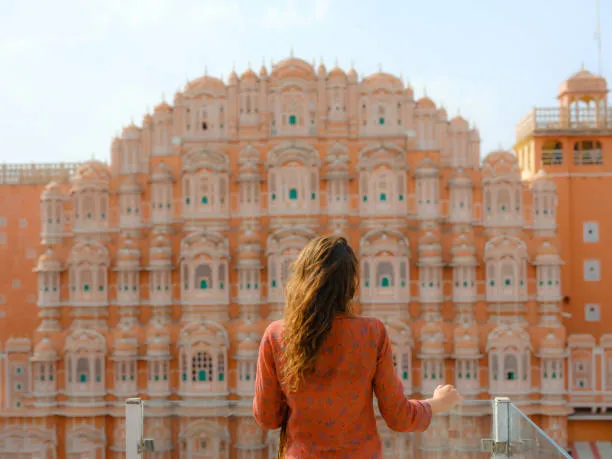
Also known as the Pink City, Jaipur is a royal place with a rich history and vibrant markets.
Highlights include:
Amber Fort
City Palace
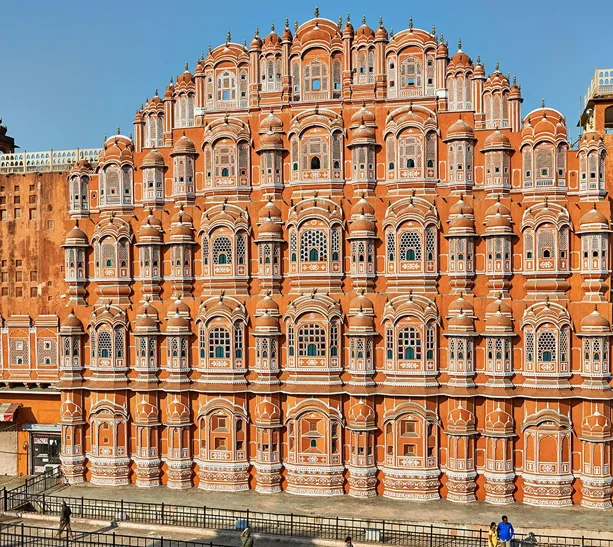
Hawa Mahal
Jantar Mantar (UNESCO World Heritage Site)
Albert Hall Museum
Johari Bazaar
Jaipur is simply enchanting with its fascinating architecture, beautiful textiles and intricate jewelry. This Pink City has a wealth of cultural experiences to offer including traditional Rajasthani shows and dinner. If you’re going to Jaipur, be sure to sample the local cuisine and shop for souvenirs at the local markets.
Agra – The City of Love
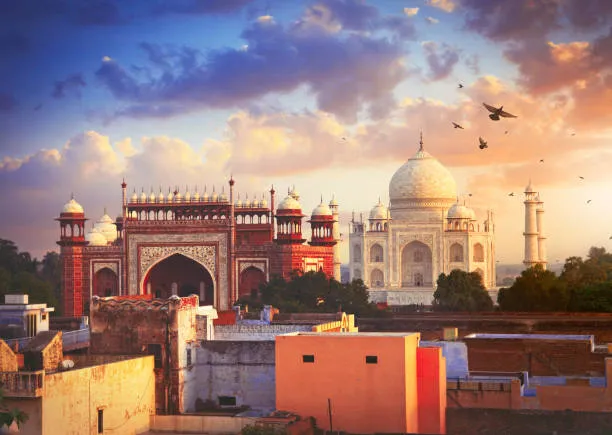
Besides the Taj Mahal, Agra has plenty of historic sites to offer.
A heritage tour of Agra usually includes:
Taj Mahal
Agra Fort
Fatehpur Sikri
Mehtab Bagh
Itmad-ud-Daulah’s Tomb
The Mughal dynasty’s architectural legacy in Agra is unmatched. Marvel at the exquisite marble details and beautiful gardens of these masterfully crafted monuments. An expertly guided tour of Agra is an incredibly enriching experience as it introduces you to the lives and legacies of India’s Mughal emperors.
Delhi – A Historical Crossroads
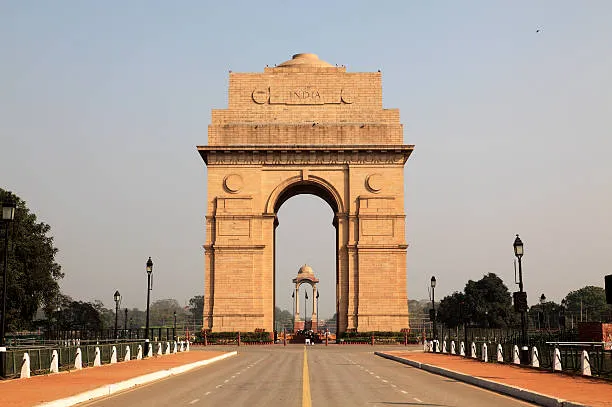
This capital city of India has a unique appeal blending old and new. The monuments of Delhi are a reminder of the city’s chequered past as the seat of several ruling dynasties. A heritage tour of Delhi is sure to captivate you with its cultural and historical heritage. Take in the sights of:
Red Fort
Qutub Minar
Humayun’s Tomb
Jama Masjid
India Gate
Raj Ghat
Chandni Chowk
Old Delhi with its charming crowd, narrow streets and food stalls is a must-visit destination for anyone wishing to understand Indian culture. This part of Delhi is truly special with its unique atmosphere.
Udaipur – The City of Lakes
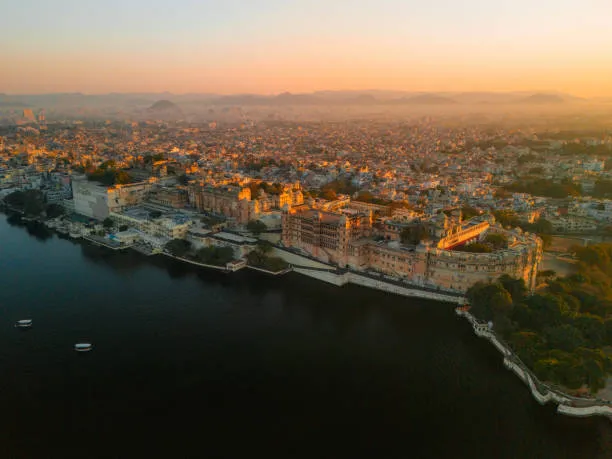
Often referred to as the most romantic city in India, Udaipur is famed for its lakes and royal heritage.
The highlights of a cultural heritage tour of Udaipur are:
City Palace
Jag Mandir
Lake Pichola
Saheliyon Ki Bari
Bagore Ki Haveli
Set against the backdrop of beautiful Lake Pichola, the city’s white marble palaces present a most extraordinary vista. This royal city is also home to several heritage hotels. Staying in them is an unparalleled experience that allows you to feel like a king or queen.
Jodhpur – The Blue City
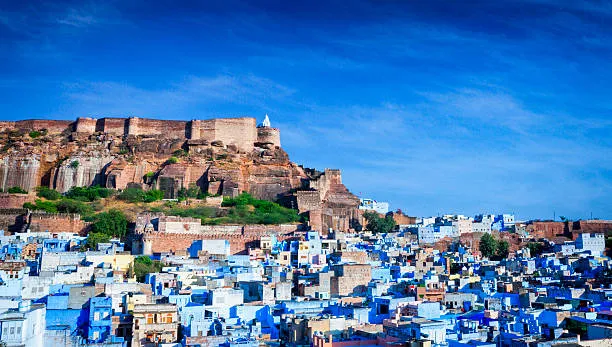
This historic city in Rajasthan state is closely linked with India’s royal past. With its striking Mehrangarh Fort complex and unique blue-hued buildings, Jodhpur has plenty to offer the heritage tourist.
Highlights of a cultural heritage tour of Jodhpur include:
Mehrangarh Fort
Jaswant Thada
Umaid Bhawan Palace
Clock Tower Market
Blue City (old city)
Varanasi – The Spiritual Hub of India
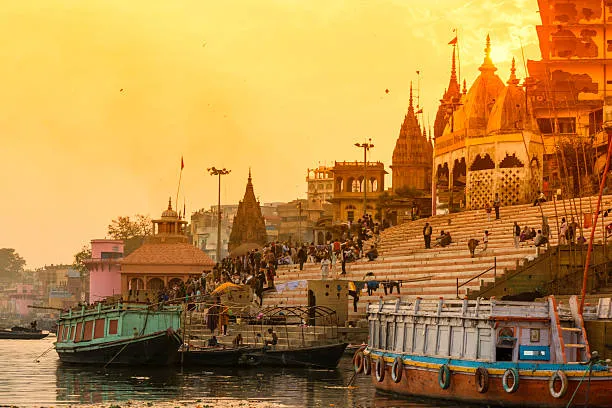
Considered one of the world’s oldest cities, Varanasi offers a unique spiritual experience. As India’s premier center of Hinduism, this heritage city has a large number of fascinating temples.
On a heritage tour of Varanasi, you can:
Enjoy a sunrise boat ride on the Ganges
See the evening Ganga Aarti
Explore the ancient temples and ghats
Discover traditional Banarasi handicrafts
While the other destinations on this list offer a look into India’s royal past, Varanasi presents a most fascinating insight into the spiritual side of the country’s cultural heritage.
Khajuraho – UNESCO World Heritage Site
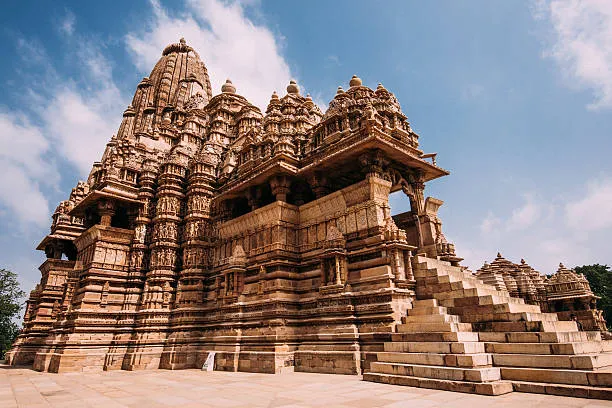
Khajuraho is famous for its stunning temples carved out of sandstone. The sculptors of medieval India depicted a wide variety of themes from mythology to daily life.
The main attraction of this UNESCO World Heritage site is undeniably its ancient temples with exquisite erotic carvings. These works of art symbolize the perfect fusion of faith, art and ancient India’s rich cultural heritage.
Hampi – The Abandoned City
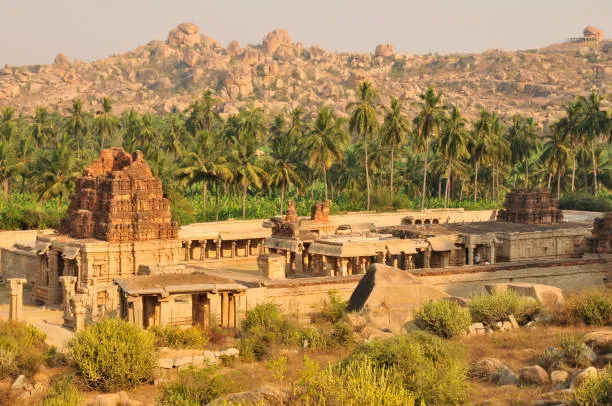
This ruined city in Karnataka state was once the capital of the Vijayanagara Empire before falling to the combined forces of the Deccan sultanates in the 16th century.
A heritage tour of Hampi lets you discover:
Ancient temples
Stone chariot
Royal enclosure
Lotus Mahal
Huge boulders
Marketplace
Nestled in a landscape of rocky outcrops, the remnants of Hampi present an astonishing spectacle to the modern-day traveler. This fascinating destination is truly one of the most impressive UNESCO World Heritage sites in India.
Living Cultural Heritage of India
India’s cultural heritage is not limited to its impressive forts, palaces, temples and monuments. The country’s traditions, festivals, local color and even cuisine are an extension of its cultural legacy.
Festivals
Depending on the time of year, India’s festivals offer a dazzling display of colors. The most famous of them all is the Holi festival, but there are plenty of other traditional holidays around the country. Some of India’s most vibrant festivals are:
Diwali – the Festival of Lights
Pushkar Camel Fair
Ganesh Chaturthi
Navratri
Durga Puja
Gangaur Festival
Desert Festival of Jaisalmer
Traditional Arts & Crafts
India is home to a wealth of unique arts and crafts that have been around for centuries. Some of the most interesting cultural heritage tours India include a visit to local workshops where artisans use traditional methods to make unique products. The most famous local handicrafts of India are:
Jaipur’s block-printed fabrics
Blue pottery of Jaipur
Marble inlay work of Agra
Miniature paintings of Jaipur
Handmade carpets and weaving
Lac jewelry of Bharatpur
Stone carvings of Rajasthan
Carpet weaving of Kashmir
Local Cuisine
India’s culinary traditions are as diverse as the country itself. Every region has its own specialties and unique dishes. On a cultural heritage tour of India, you can sample some of the most famous local dishes of different regions. Be sure to try:
Dal Baati Churma in Rajasthan
Mughlai cuisine in Agra and Delhi
Banarasi street food in Varanasi
South Indian specialties in Hampi
Traditional sweets and delicacies
In addition to the local cuisine, India’s cultural heritage also encompasses local fairs and festivals. The rural cultural heritage of India is particularly interesting with its diverse local traditions. Some heritage tours India offer the opportunity to visit villages and experience local culture first-hand. Rural cultural heritage tours India include:
Folk music and dance
Camel riding
Pottery making workshops
Village homestay and cuisine
Handmade textiles
Village festivals
Cultural tours of villages offer a unique insight into the daily lives of India’s inhabitants.
Best Time to Travel on Heritage India Tours
India is a country that can be visited all year round. However, the most pleasant time for your heritage tours in India is between October and March.
October to March: Warm Days and Cool Nights
This is the best time to go on a heritage tour in India as the weather is perfect for sightseeing. The warm evenings and cool mornings are also ideally suited for walking tours and road trips. October to March is also the peak season for cultural festivals in India. This is an incredible time to witness India’s rich cultural heritage unfold before your eyes.
April to June: Pleasant Weather for Heritage Tourism
These are the summer months in India, with comfortable daytime temperatures. While the evenings can get chilly, this period is ideal for exploring India’s rich cultural heritage. This season also offers good value for money with excellent deals available on accommodations and food. Day tours and excursions are particularly pleasant during this time of year.
July to September: Monsoon Magic in India
The monsoon season brings respite from the summer heat while also transforming landscapes into lush green vistas. This is the low season for tourism, which means fewer crowds at popular destinations. Monsoon season also brings spectacular sunrise and sunset views while making photography an absolute delight.
Heritage Travel Tips
A few simple tips can help you make the best of your cultural heritage tours in India. Here are a few points that can help make your tour much more comfortable
Comfortable Footwear is a Must
Dress Modestly
Hydration is Key
Protect Yourself from the Sun
Carry Some Cash
Ask for Permission Before Taking Photos
Allow Extra Time at Popular Monuments
Seek Expert Guidance
Capture Beautiful Memories
Private Heritage India Tours: Your Guide to Customized Experiences, Professional Local Guides and Unbeatable Comfort With Janu Private Tours
Janu Private Tours offer unparalleled flexibility and convenience while providing the opportunity to appreciate the country’s rich cultural heritage fully. A private heritage tour in India can be customized according to your personal preferences and travel interests. Private heritage tours India allow you to design your own itinerary based on your likes and dislikes. You can visit as many monuments as you wish in a given city or spend more time in a particular region.
Heritage India private tours can easily be adjusted to suit your needs, whether you wish to do an in-depth study of a specific region or just see the highlights. The following are some of the reasons why private tours are the best way to experience the cultural and natural heritage of India.
Customized Itineraries for Heritage India Tours
Whether you wish to explore India’s cultural or natural heritage, private tours in India can be easily customized to your preferences.
Your private guide will help you plan your itinerary based on your interests.
You can choose to do a cultural tour of Jaipur or a desert safari in Jaisalmer. You can also visit the local markets of Pushkar and enjoy a luxury stay in Udaipur. The possibilities are endless.
Experienced Local Heritage Tour Guides
Private Heritage tours of India offer the benefit of exploring the country with an expert local guide who can share fascinating stories about the country’s rich and diverse cultural heritage. Local guides offer incredible insights into India’s most famous monuments, forts and palaces. They also have a wealth of information on local traditions and unique local culture. An experienced private guide in India can take you on a memorable walking tour through the narrow streets of Old Delhi while sharing interesting facts and stories.
Unbeatable Comfort with Private Transfers
Private Heritage tours of India offer maximum flexibility and comfort with private transfers. You can enjoy incredible comfort while traveling between destinations. Additionally, you can also use the private tour vehicle for day trips and excursions.
Exclusive Hidden Gems of India’s Cultural Heritage
India private tour guides have unparalleled knowledge of the local cultural heritage. They also possess extensive local knowledge and can take you to fascinating places not included in regular tours. Your private guide in India can show you incredible stepwells, havelis and local cafes as well as amazing viewpoints, temples and historic neighborhoods.
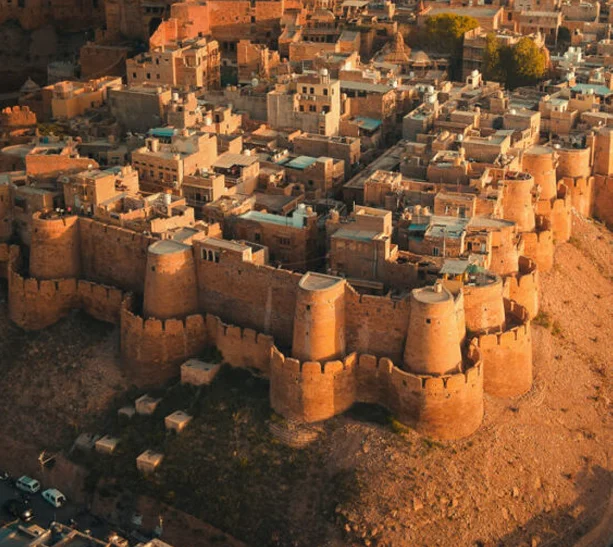
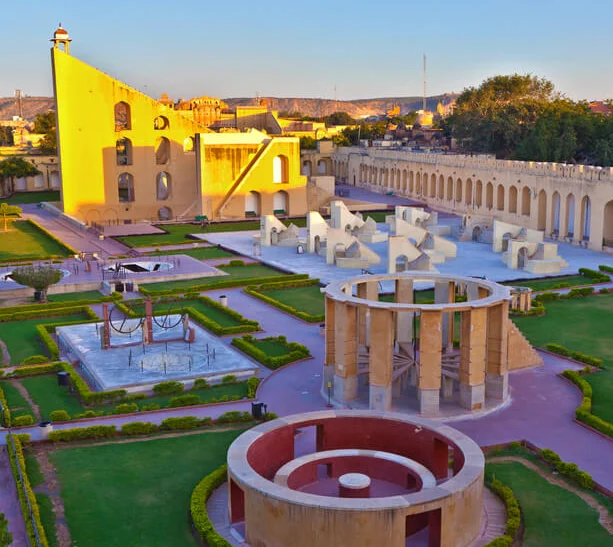
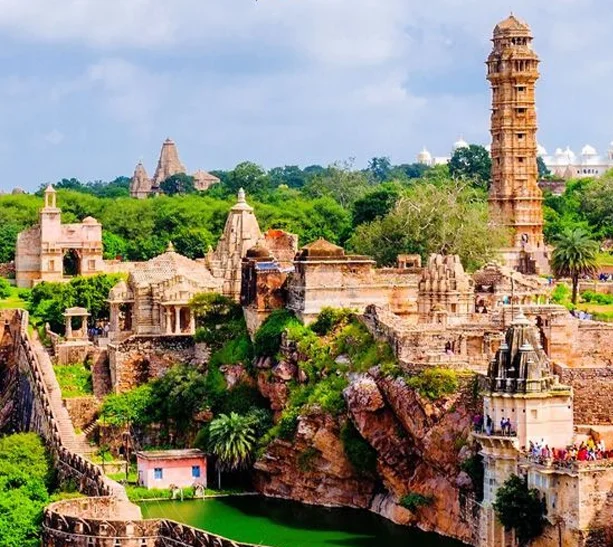
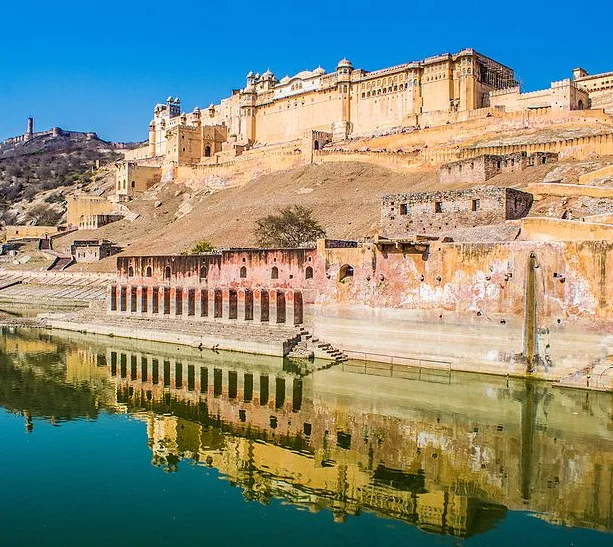
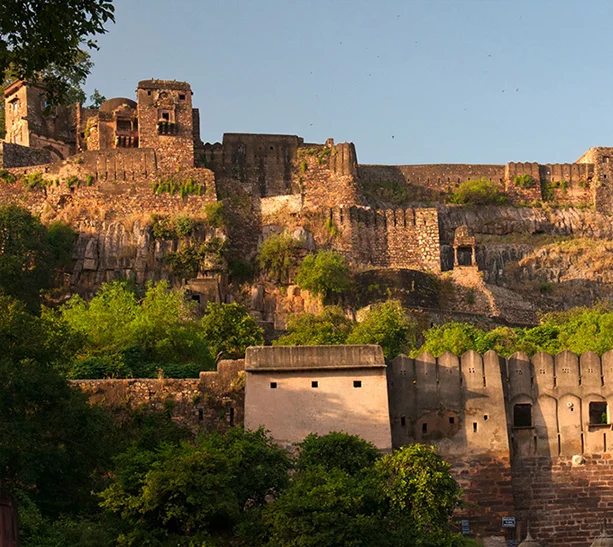
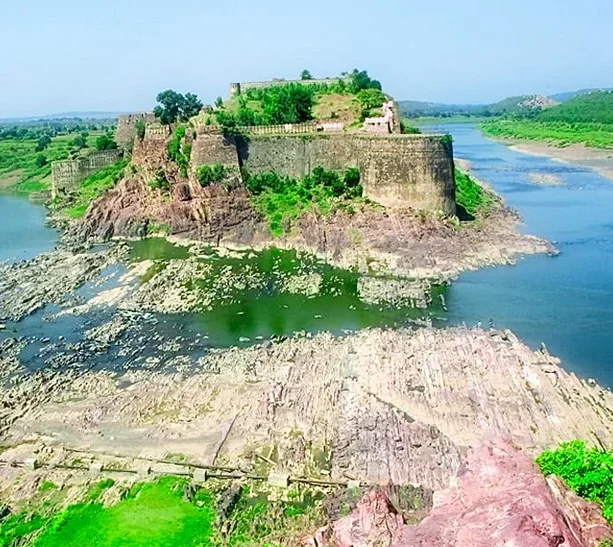
 Located within Ranthambore National Park, this fort has witnessed the political history of Rajasthan. It houses several Hindu and Jain temples and was once ruled by the Kachwaha Maharajas of Jaipur.