

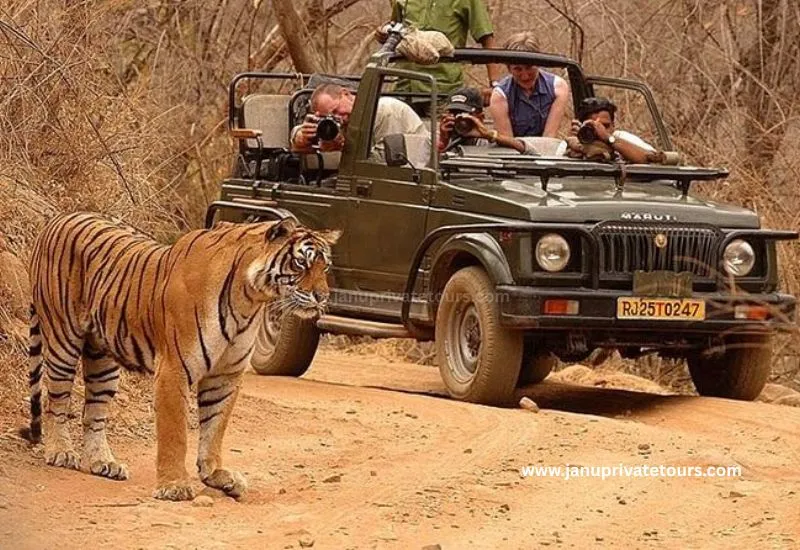
If spotting a wild Bengal tiger is on your India bucket list, this is where most travelers start. Jim Corbett National Park is India’s oldest national park and one of the few places where tiger sightings are relatively consistent, especially in the Dhikala and Bijrani zones.
I visited Corbett during a late-April safari, and the first thing I noticed wasn’t the tiger hype — it was the silence. One minute you hear langurs screaming warnings from sal trees, the next minute every jeep suddenly stops. Even without a tiger sighting, the atmosphere alone feels cinematic.
Corbett is famous for three reasons: Bengal tigers, diverse safari zones, and accessibility from Delhi. Unlike remote parks that require multiple flights, Corbett is roughly 260 km from Delhi — about 6–7 hours by road depending on traffic near Hapur and Moradabad.
The park was established in 1936 as Hailey National Park, making it India’s first national park. It was later renamed after Jim Corbett, who played a major role in wildlife conservation in the Kumaon region.
A few verified facts travelers often don’t know:
Most first-time visitors assume Corbett is one single safari route. It’s not. The park is divided into multiple tourism zones, and your experience depends heavily on which one you book.
Dhikala is the most famous zone and usually the toughest to book. The landscape changes dramatically here — dense forests suddenly open into massive grasslands with Ramganga River views.
You can only stay inside the forest lodge if you have a valid booking. Morning mist over the grasslands at 5:45 AM feels unreal, especially in winter.
Best for:
Bijrani is popular because it’s closer to Ramnagar and often delivers faster sightings. Guides frequently track alarm calls from deer and langurs here.
If you only have one safari, many naturalists recommend Bijrani over less active zones.
Unlike Dhikala, these zones remain open throughout the year unless weather conditions become risky.
These are decent options for travelers visiting during monsoon months.
The best time to visit depends on what you want to experience.
This is the most comfortable season. Morning safaris can drop below 5°C, especially in Dhikala, so jackets are essential.
Ideal for:
One downside? Tall winter grass can occasionally reduce tiger visibility.
This is honestly the best wildlife season despite the heat.
As water sources shrink, animals move toward rivers and open areas. I’ve personally noticed safari drivers become much more alert during late May because tiger movement increases near watering points.
Temperatures can cross 38°C in May afternoons, but sightings improve significantly.
Core zones like Dhikala usually close during heavy monsoon due to road conditions and safety issues.
However, buffer zones may remain operational.
Safari costs change slightly every season depending on forest department revisions and vehicle type.
Prices generally include:
Dhikala bookings and Canter safaris usually cost differently.
One thing many foreigners don’t realize: passport details are mandatory during booking because forest permits are government-issued and non-transferable.
One safari is risky if spotting a tiger is your main goal.
Most experienced wildlife photographers book at least:
Wildlife sightings depend on weather, luck, silence, and animal movement. Even top guides can’t guarantee a tiger.
Ironically, some visitors spot one within 15 minutes while others spend three days tracking pugmarks.
Ramnagar is the main gateway town. Most hotels and luxury resorts are spread around Dhikuli village along the Kosi River.
If your safari starts before sunrise, staying near your safari gate saves time.
A resort “10 minutes from the gate” may actually take 35 minutes during peak holiday traffic. Local road conditions matter more than Google Maps estimates.
Keep it practical, not fashionable.
Carry:
Avoid:
Animals detect sound and movement surprisingly quickly.
Absolutely. In fact, Corbett is often one of the easiest wildlife parks for international travelers visiting North India.
Why?
Many travelers combine Corbett with Delhi, Agra, and Jaipur for a mixed wildlife and heritage itinerary.
According to local naturalists and drivers frequently working with international guests, these tips genuinely improve your safari experience:
Jim Corbett National Park remains one of the best wildlife destinations in India for both beginners and experienced safari travelers.
The park offers a rare mix of accessibility, real tiger habitat, forest lodges, river landscapes, and surprisingly good tourism infrastructure. If you plan properly, choose the right safari zones, and stay patient, Corbett delivers experiences that feel far beyond a normal vacation.
Hi, I am Janu (Shabbir Khan)
Book a Free Call
+91 99291 52946