

Imagine you’ve received two quotations for your India holiday.
Both cover Delhi, Agra and Jaipur. Both promise private transportation, comfortable hotels and guided sightseeing. On paper, they look remarkably similar.
But when you look beyond the itinerary, the differences start appearing.
One quotation lists the vehicle, driver, hotel arrangements, local guides and monument tickets separately. The other simply says “private transport and sightseeing included.” Airport transfers, meals and entrance fees are not clearly explained.
So, what are you actually paying for?
This is where many international travellers make mistakes. They compare the final quotation without first checking what each operator has agreed to provide.
Understanding private India tour package inclusions is not just about avoiding additional expenses. It’s about knowing who will arrange your journey, how you will explore each destination and what level of support you can expect throughout your holiday.
If you’re still comparing travel companies, our broader checklist for evaluating tour operators in India covers the selection process. This article takes the next step: understanding the actual services written into your quotation.
A properly prepared quotation should explain more than the destinations included in your itinerary.
It should make the practical arrangements understandable, from your arrival at the airport to your final departure.
Start by checking these essential details:
For example, a Delhi–Agra–Jaipur holiday may include overnight stays, private road transfers and selected sightseeing visits. However, that does not automatically mean monument tickets, every meal or professional guides at every attraction are covered.
The quotation should make these distinctions clear.
Start with the travel route. Are you booking a straightforward city-to-city journey, or a longer holiday with additional destinations?
A structured six-day Golden Triangle journey covering Delhi, Agra and Jaipur is one example of a multi-city itinerary. Compare the actual daily schedule, overnight stays and sightseeing arrangements before assuming another quotation offers the same experience.
Travellers with additional time can also explore route ideas for extending the Golden Triangle into Rajasthan.
The key is to establish exactly what the operator is proposing before comparing individual services.
Private transportation can make travelling across India more convenient, especially when your itinerary covers several destinations.
However, seeing the words “private car included” is not enough.
You should know exactly what the vehicle arrangement covers.
| Transportation Detail | What You Should Confirm |
| Vehicle category | Sedan, SUV, MPV or another vehicle type |
| Seating capacity | Whether it accommodates your actual group |
| Luggage space | Whether everyone’s luggage will fit comfortably |
| Exclusivity | Whether the vehicle is reserved for your group |
| Driver | Whether the same driver accompanies you throughout |
| Fuel | Whether fuel expenses are included |
| Road charges | Whether tolls, parking and applicable interstate charges are covered |
| Driving arrangements | Whether additional-hour or extended-distance charges apply |
| Transfers | Whether airport, hotel and railway station transfers are included |
The last point is particularly important for international visitors carrying larger suitcases or travelling with families.
A vehicle may comfortably accommodate several passengers but have limited space for large international luggage.
Likewise, clarify whether the vehicle remains available during local sightseeing or is provided only for intercity transfers.
If you need to compare vehicle types, review the available chauffeur-driven vehicles and seating options before asking for a quotation suited to your group.
Not every journey requires a private car throughout.
Selected intercity routes can also work with rail travel, followed by private transfers and sightseeing at the destination.
Our Vande Bharat Express travel guide explains how train journeys can fit into a wider India travel plan.
The important thing is to confirm who arranges the tickets, station transfers, luggage coordination and any additional transport required.
This distinction matters more than many travellers realise.
A private driver and a professional sightseeing guide perform different responsibilities.
| Private Driver | Professional Local Guide |
| Handles transportation and driving routes. | Explains monument history and local culture. |
| Manages planned pickups and drop-offs. | Accompanies sightseeing visits where arranged. |
| Coordinates travel between cities. | Provides destination-specific knowledge. |
| Supports the practical movement of your itinerary. | Helps visitors understand local attractions in greater detail. |
For example, your driver may take you from your hotel to the Taj Mahal, but that does not automatically mean a professional guide will accompany you inside.
If understanding Mughal architecture, local traditions and historical stories matters to you, confirm whether a separate sightseeing guide is included.
It helps to examine actual destination experiences rather than relying on a general promise of guided sightseeing.
In Delhi, a full-day exploration of Old and New Delhi with a private car and guide illustrates how transportation and sightseeing can be arranged together.
In Agra, travellers interested in the city’s living heritage can consider a guided exploration of Agra’s historic streets, bazaars and landmarks.
For a more focused monument visit, an early-morning Taj Mahal and Agra Fort experience offers a different type of sightseeing arrangement.
Jaipur has several ways to explore its heritage. A full-day Jaipur sightseeing experience with a private car and guide connects major attractions, while a guided walk through the Old City’s lanes offers a closer look at everyday city life.
These examples also show why you should compare the actual duration, transport, guiding arrangements and exclusions of each experience rather than assuming that every tour includes the same services.
Accommodation descriptions can be surprisingly unclear.
A quotation might mention four-star hotels or premium accommodation without naming the actual properties.
Before booking, ask for:
Hotel names: Are the proposed properties confirmed, or are they examples of the expected category?
Room category: Is the booking for a standard room, twin room, double room or suite?
Occupancy: Does the quotation cover the number of rooms required for your group?
Meals: Is breakfast included? What about lunch and dinner?
Hotel taxes: Are applicable taxes incorporated into the quoted amount?
Additional arrangements: Are early check-in, late check-out, extra beds or room upgrades included?
These details matter because accommodation is not necessarily part of every private tour package.
If you’re considering a higher-comfort holiday, our article on planning a private luxury journey across India’s regions explains why the hotel category alone does not define the quality of a travel experience.
One of the most important questions to ask is whether the monuments mentioned in your itinerary include entrance tickets.
There is a difference between arranging a visit and paying for admission.
A quotation might include:
But the monument entrance tickets may still be excluded.
The same applies to museums, special attractions, optional excursions and photography fees where applicable.
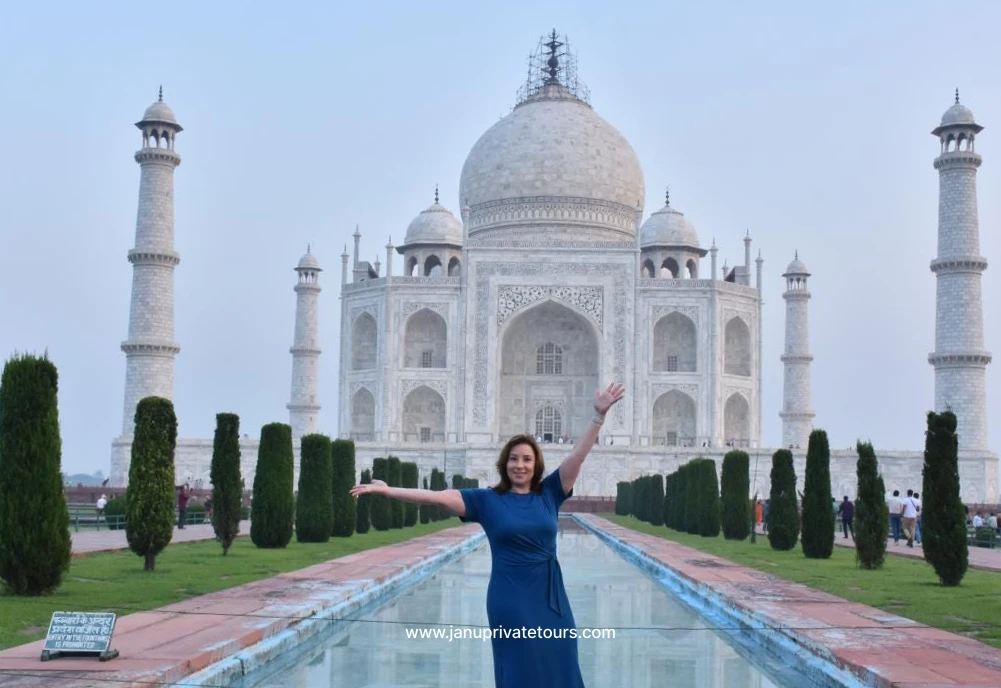
Imagine your itinerary mentions a guided Taj Mahal sunrise visit.
You should clarify:
A booking for a Taj Mahal visit should explain these points rather than simply stating that sightseeing is included.
Meals are another area where assumptions can lead to confusion.
Some tour quotations include hotel breakfast, while lunch and dinner are arranged independently. Others may include selected dining experiences or specific meals mentioned in the itinerary.
Check the following:
| Meal or Experience | What to Confirm |
| Breakfast | Whether breakfast is included at each hotel. |
| Lunch | Whether lunch is provided or independently arranged. |
| Dinner | Whether hotel or restaurant meals are included. |
| Special dining | Whether curated dining experiences are covered. |
| Cooking classes | Whether participation and associated charges are included. |
| Food walks | Whether tastings and guide services are covered. |
| Refreshments | Whether bottled water or other refreshments are provided. |
The same approach applies to cultural and recreational activities.
For example, a guided Agra food experience offers a different type of local exploration from a monument-focused sightseeing visit. If food tastings, transportation or guide services are part of your proposed experience, confirm exactly which ones are included.
Jaipur offers similar choices beyond forts and palaces. Travellers interested in traditional crafts and local bazaars can explore a private guided shopping experience through Jaipur’s markets.
If you prefer exploring the Pink City in a different way, a Jaipur sightseeing journey by tuk-tuk is another distinct format worth comparing.
The point is not to add every possible activity to your package. It is to understand which experiences have actually been agreed upon.
A quotation should make it clear what contributes to the final payable amount.
Look carefully at charges that may be included in one operator’s quotation but excluded from another.
These can include:
Not every operator handles these expenses in the same way.
For example, one quotation might combine fuel, tolls, parking and driver allowances into the transportation price, while another may list them separately.
Ask the operator for a written breakdown of the final amount and any possible additional expenses.
Also distinguish between compulsory charges and optional services. They should not be presented as though they are the same thing.

The exclusions section deserves as much attention as the inclusions list.
Depending on the itinerary, possible exclusions may include:
Not all these exclusions apply to every holiday.
For example, some packages may include selected sightseeing tickets while excluding optional experiences or certain special-entry charges.
Similarly, a tour may include hotel accommodation but exclude lunch and dinner.
Read the actual quotation rather than relying on a general description of the package.
You should also review the published booking, payment and cancellation conditions before making a payment.
Your quotation should not be your only reference for booking conditions.
Before transferring money, understand the payment schedule and what happens if your plans change.
Ask:
This is particularly important when your itinerary includes multiple hotels, flights, train tickets and pre-booked activities.
Different suppliers may have different cancellation conditions. A hotel reservation, train ticket or flight booking may therefore have separate refund rules.
Request written confirmation of the booking conditions rather than relying entirely on verbal assurances.

Imagine receiving two quotations for the same Delhi–Agra–Jaipur route.
Both advertise private transportation, hotel accommodation and sightseeing.
At first glance, they appear similar. But when you examine the services individually, important differences may emerge.
| Comparison Point | What to Compare |
| Itinerary | Travel days, destinations and sightseeing arrangements |
| Vehicle | Category, exclusivity and luggage capacity |
| Driver | Driving arrangements and included allowances |
| Local guides | Destinations covered and available languages |
| Hotels | Property names, room categories and meal arrangements |
| Entry tickets | Included attractions and excluded charges |
| Transfers | Airport, railway station and intercity arrangements |
| Dining | Meals and special experiences |
| Additional costs | Taxes, tolls, parking and optional activities |
| Support | Contact arrangements during the journey |
| Booking conditions | Deposits, cancellations and amendments |
The goal is not simply to find the lowest quotation.
It is to understand which services you are receiving, which responsibilities remain yours and whether the proposed arrangements match your expectations.
Before making a payment, use this checklist to clarify your quotation:
A professional operator should be able to explain these arrangements clearly.
If an answer is unclear, request clarification before confirming the booking.
The best India holidays are not necessarily the ones with the longest list of destinations or the most impressive-sounding package descriptions.
They are the ones where the arrangements make sense for the traveller.
You know who is driving you, which guides are accompanying you, where you are staying, what your sightseeing includes and which services require separate payment.
Janu Private Tours offers private and customised journeys across India, allowing travellers to discuss routes, accommodation preferences, transportation and experiences according to their requirements.
You can also browse the available India tour itineraries to see different travel formats and destination combinations.
Whether you are planning the Golden Triangle, a cultural journey through Rajasthan or a longer multi-region holiday, understanding the inclusions before booking helps you make a more informed decision.
Contact Janu Private Tours to discuss your travel requirements and request a customised itinerary.
Before confirming your holiday, compare the arrangements, read the exclusions and ask for any unclear details in writing.
Knowing exactly what you are booking is the first step towards a better-planned journey through India.