
Things to do in India

Bike Trip in Rajasthan

Rajasthan is among the most thrilling regions to explore by bike in India. It’s big. It’s bold. It’s packed with history, colour, roads stretching out as far as the eye can see, and landscapes shifting from deep desert to lumpy hills. For riders, the state offers roads that feel designed for adventure: sweeping highways, small village lanes, forts on hilltops, lakeside towns and sunsets that glow like fire on the dunes.

A bike trip in Rajasthan is not just about riding from one place to another. It’s an opportunity to feel the sun on your face, hear age-old stories reflected in fort walls, take stops at roadside tea stalls and slow down enough to notice the way of the world. But the key to complete enjoyment of this experience is getting the timing right. The weather in these parts can be harsh, and selecting the right season will determine whether you have a wonderful trip or an uncomfortable one.

Why Does Timing Matter on a Bike Trip in Rajasthan?

Rajasthan mostly falls in the arid region of India. The summer is hot. The winter is cool. Monsoon rains are brief, and the region turns green. All these factors will impact how pleasant your journey will be, how safe you feel, and how much you can enjoy your sightseeing stops. Going for a bike trip in Rajasthan during the wrong time of the year means dealing with scorching heat, dusty roads, or cold nights that make even a simple bike trip a challenge.

The right Bike Trip in Rajasthan plan will take into consideration:

  • Daytime temperatures

  • Nighttime chills

  • Road conditions

  • Festival seasons

  • Crowd levels

Choose the right time, and your bike trip will seem like a breeze. Go at the wrong time, and the heat or weather will hold you back even before you reach the first fort.

Best Season for a Bike Trip in Rajasthan

For most riders, the best time to motorcycle tour through Rajasthan is from October to March. This period includes the autumn and winter seasons. The days are pleasant, with temperatures ranging from cool to mild, while the nights are comfortable and not freezing. The roads are also dry and free from rain, making riding easier. It is also the best time to visit the cities of Jaipur, Jodhpur, Jaisalmer, Udaipur, and Pushkar, as the weather is not extreme, and the desert wind is pleasant when you are riding on a bike for several hours.

October – Early November

This is one of the most welcoming times to go for a ride. The climate is warm but not hot, and the landscape retains the colors of early autumn. If your trip coincides with the Pushkar Camel Fair (usually in October-November), you can also include a colorful cultural experience in your ride.

December – February

The nights can be quite cold, especially near the desert, but the afternoons are ideal for a ride. This is also the peak tourist season in Rajasthan, with clear skies and smooth roads. Taking an early morning ride with mist rising above the desert landscape is a memory that many bikers hold dear.

March

March is still quite pleasant before the summer months make the climate too hot for a comfortable ride.

What to Expect in Other Seasons

April – June: Summer

The summers in Rajasthan are known for their scorching heat, with temperatures touching 40°C and above. The heat makes riding exhausting, and it’s best to avoid this season unless you’re an experienced biker who’s prepared for the conditions.

July – September: Monsoon

The monsoon season in Rajasthan is not as heavy as in the rest of India, but the humidity levels are high, and the roads may become slippery due to rain. The monsoon season brings shades of green to the desert landscape, but most riders avoid this season for comfort and safety.

Routes That Work Well in the Best Season

When planning the best bike trip in Rajasthan, consider these popular routes that highlight the diversity of the state:

Jaipur to Jodhpur

Begin your journey from the Pink City. Ride through forts and markets, then move southwest towards the Blue City. The route is scenic with stops at Ajmer and Pushkar.

Jodhpur to Jaisalmer

This route takes you further into the Thar Desert. Towards the end of the day, the sand dunes and massive fort walls provide a stunning backdrop. The route is open, serene, and exhilarating.

Jaisalmer to Udaipur

This route is a favorite among bikers. It has a mix of desert, hill, lake, and lakeside town routes, with a transition from dusty trails to cooler roads.

Pushkar Loop

A favourite short route, which will take you to Pushkar from Jaipur and back. The lakeside town of Pushkar is a beautiful, serene and fascinating cultural break. These roads should be ridden when the climate and road conditions are cool, i.e. between October and March.

Rider Comfort and Health

The distances between destinations in Rajasthan can be quite long. Proper planning helps in ensuring that:

  • You stay cool and not overheated

  • Your body doesn’t get exhausted from the sun

  • Riding in the morning and evening is comfortable

  • You don’t get heat exhaustion and dehydration

In the winter season, layers are necessary for early morning chills, and sunscreen is still required on sunny days.

Rider Tips for Best Weather Months

Here are a few practical tips to ensure your trip goes smoothly when the weather is best:

1. Start early each day

A cool early morning is ideal for long rides. Fewer cars on the road, and shadows on forts from sunrise make great photos.

2. Dress in layers

While winter mornings and evenings may be cool, afternoons can turn warm. Layers allow you to adjust.

3. Hydrate frequently

Dry desert air can quickly dehydrate, even in winter. Have water and electrolytes on hand.

4. Plan stops wisely

Break up long rides with cultural or scenic stops to rest and enjoy local culture.

5. Check weather forecasts before you start

Unpredictable changes in weather may happen even during the winter months, so it is important to stay updated. These tips will make a bike trip in Rajasthan even more exciting.

Motorcycle and Gear Suggestions

Motorcycle and gear selection is one of the most critical aspects of planning a successful bike trip in Rajasthan. Rajasthan has long highways, desert roads, undulating rural roads, and at times, gravel paths. Therefore, comfort, stability, and ruggedness are more desirable than speed.

Motorcycle Selection

Touring and adventure motorcycles are the most suitable for a bike trip in Rajasthan. Motorcycles that have a comfortable riding position, a strong mid-range engine, and good suspension can easily tackle long distances. Motorcycles such as Royal Enfield Himalayan, Interceptor 650, Classic 350, KTM Adventure, or other touring motorcycles are suitable for both highway and rugged road riding. A motorcycle with a large fuel tank is always preferable, as there are times when you may have to travel long distances without finding a fueling station in the desert. Before embarking on your trip, make sure your motorcycle is properly serviced, with functional brakes, tyres, chains, and lights.

Essential Riding Gear

A certified helmet is an absolute necessity. Select a full-face helmet with good ventilation to cope with heat and dust. Riding jackets made of breathable material and armor will shield you from the sun, wind, and unexpected accidents. Gloves will enhance grip and reduce hand fatigue during long journeys. Riding boots or sturdy ankle-high shoes will offer stability and security, especially on rough roads.

Weather-Friendly Accessories

It is always a good idea to carry thermal liners or light clothing for cold mornings and evenings, especially during the winter months. Sunglasses or a tinted visor will help you cope with strong sunlight. A hydration pack or an easily accessible water bottle is a must, as the dry climate of Rajasthan can lead to dehydration in no time.

Proper planning with the right motorcycle and gear will make a long Rajasthan ride a comfortable, safe, and enjoyable experience.

Conclusion

A bike trip in Rajasthan is an experience you will never forget if the weather is conducive to your adventure. The period from October to March is the most preferable as it is the coolest and most pleasant time with clear blue skies and beautiful landscapes that simply do not tire your senses. The winter and late autumn seasons. Planning your bike trip here during this time ensures that you enjoy the experience of biking, people, and places along the way.
Bagru Block Printing

Bagru block printing is not merely a textile technique. It is a living tradition shaped by soil, water, wood, and years of practice. This craft of Rajasthan highlights stories of migration, adaptation, and a work of art. In 2026, when mainstream markets are flooded with fast fashion, Bagru block printing continues to be a strong example of slow fashion. If you have ever liked the earthy red and black prints on soft cotton, the Bagru work is what you were admiring. This post details the origins, materials, techniques, motifs, cultural relevance, and the process of Bagru block printing. Let us get started.

Where Is Bagru and Why Is It Important?

Bagru is a small town in Rajasthan located 30 km from Jaipur. Small in size, big in significance for the textile industry of India. The town has strong associations with the Chhipa community, who are traditional textile printers that have been practicing block printing for many centuries.

The term Chhipa is a derivative of the Hindi word chhapna, which means to print. According to historical evidence, these craftsmen came to Rajasthan centuries ago and settled in Bagru because of its special natural resources. The qualities of black clay soil and mineral-rich water help in natural dyeing and washing processes.

Bagru block printing became famous for its distinct earthy hues with bold floral and geometric shapes. Unlike brighter printing styles from other regions, Bagru designs carry a rustic charm that reflects the desert landscape.

Origins of Bagru Block Printing

Bagru block printing is more than 400 years old. It evolved as a community-based craft passed down within families. The whole family was involved in the production process. The men would carve the blocks and take care of printing while the women prepared the fabric. In addition, they would assist in washing and drying.

The Bagru technique advanced alongside the famous Sanganeri printing of Rajasthan. Sanganeri prints are noted for their fine motifs and bright colours, while the motifs in Bagru prints have bold outlines created from the sun and soil of the region. The Bagru prints are characterized by bold outlines and natural dyes mostly in black, red, indigo, and beige.

Bagru artisans relied heavily on natural materials that are easily available. The climate of the desert was a key factor. Drying of fabric between the printing processes needs sunlight. This strong link between environment and craft still reflects in Bagru block printing even today.

What Makes Bagru Block Printing Unique?

Bagru block printing has several features that set it apart from other traditions. Let us go through them:

1. Natural Dyes

width=800

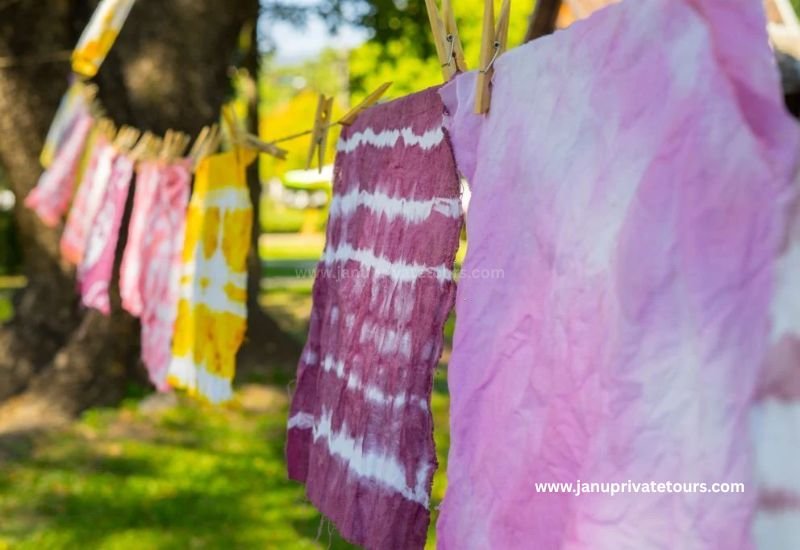
Bagru printing is done through natural dyes. Black is obtained from iron filings, which are soaked in jaggery and water. Alum and madder root give the red colour. Indigo is responsible for blue colors. These dyes give the Bagru fabric a natural and earthy look.

2. Dabu Technique

width=800

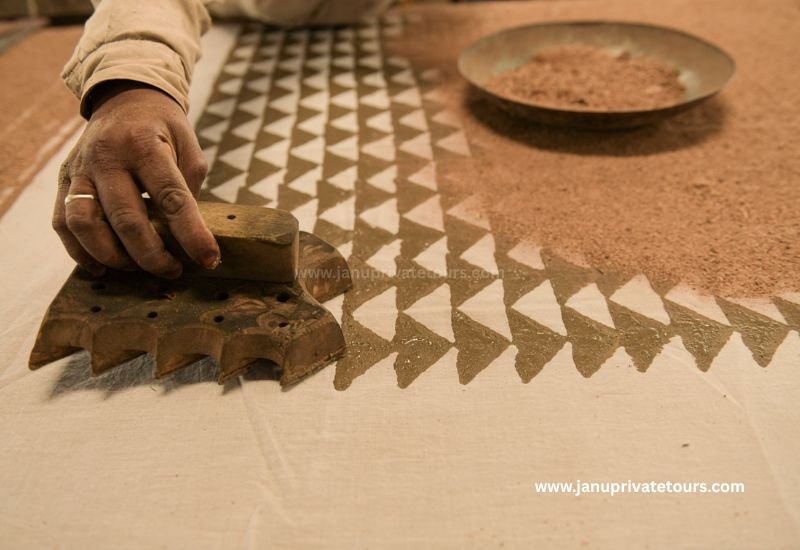
One of the most famous techniques done in Bagru is Dabu, a mud resist printing. A paste composed of clay, gum, and other natural materials is applied to fabric with a wooden block. The dye then penetrates the cloth. The mud functions as a resist that prevents the dye from reaching particular areas.

3. Earthy Color Palette

width=800

Bagru prints display subtle colors that are not as bright as synthetic ones. The colors combine beautifully with cotton and silk fabrics.

4. Hand Carved Wooden Blocks

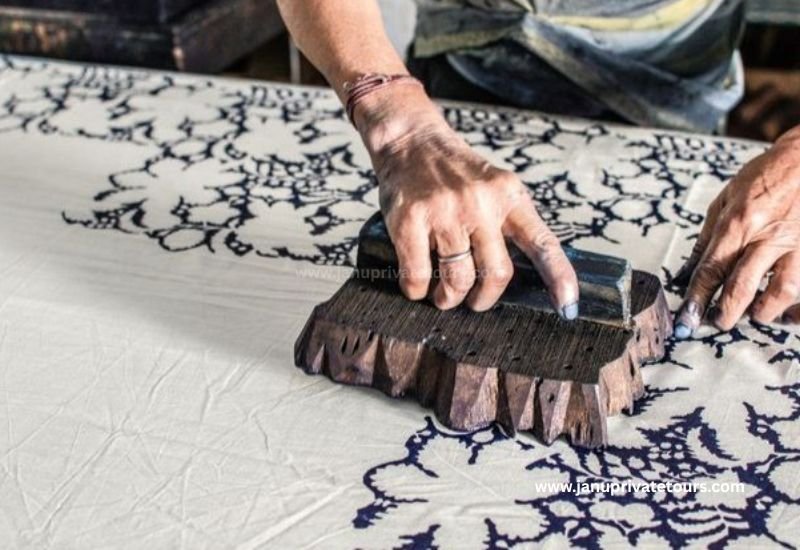
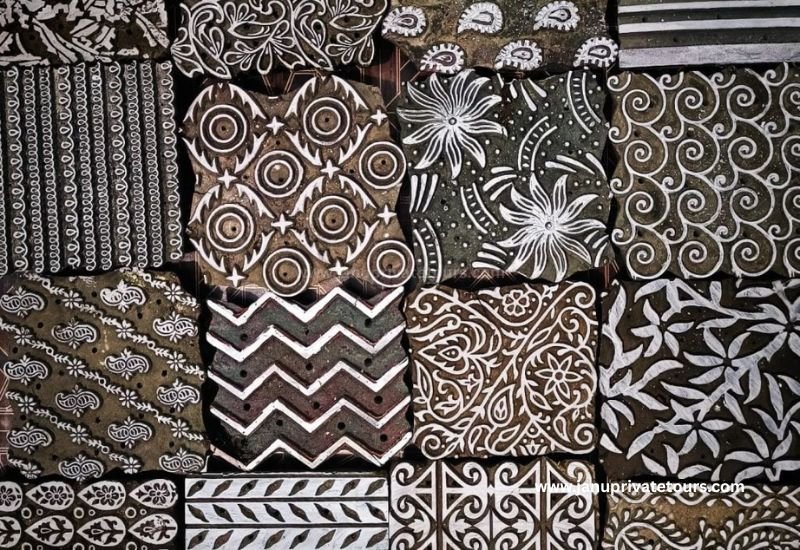
All of the designs begin with a carved wooden block. Carving these blocks usually takes days, and they are often made of seasoned teak wood.

The Complete Bagru Block Printing Process

The process of Bagru block printing is detailed and labor-intensive. It requires precision, patience, and coordination. Here is a step-by-step breakdown.

Bagru block printing is more complicated and labour-intensive than you think. It requires precision, patience, and coordination. Here is the step-by-step breakdown:

Step 1: Preparing the Fabric

To remove dirt and impurities, raw cotton fabric is washed. This is known as “hari sarana.” The cloth is soaked and beaten to soften. Then, it is treated with a mixture of natural ingredients to help the dye bind well.

Step 2: Harda Treatment

Fabric is soaked in a solution of powdered myrobalan, or harda, locally. The fabric absorbs color better with this treatment, which also gives the base fabric a slight yellow tint.

Step 3: Block Preparation

In the meantime, the wooden blocks are carved with the selected design. Each color needs its own block. Alignment is critical. A small deviation will change the outcome of the pattern.

Step 4: Printing

Artisans dip the wooden block into dye paste and press it on the fabric firmly. The printing table is cushioned for equal pressure. The craftsman performs the action rhythmically across the cloth, which ensures perfect alignment.

Step 5: Dabu Application

For resist printing, mud paste is applied with a block. To avoid smudging, the wet mud is sprinkled over sawdust. The fabric is dried prior to dyeing.

Step 6: Dyeing

The fabric is immersed in natural dye baths. Indigo vats play a significant role in Bagru. The fabric undergoes drying in sunlight after dyeing.

Step 7: Washing and Finishing

The fabric is then cleaned in a stream of running water to remove excess dye and mud. It is then dried and ironed. The result is a lovely piece of fabric with interesting textures and hues.

The stages are dependent on natural materials like the sun and water, and so block printing in Bagru has an important link with nature.

Common Motifs in Bagru Printing

Designs created on traditional Bagru printing are inspired by nature and real life. Such designs might feature

  • Floral patterns such as marigold

  • Leaf and vine arrangements

  • Paisley shapes

  • Geometric grids and dots

  • Traditional jaal patterns

These motifs tend to be symmetrical and repetitive in nature, thus producing a harmony in appearance.

Bagru Block Printing in Contemporary Fashion

In 2026, Bagru block printing expanded its reach beyond traditional garments and furnishings. Sarees, kurtas, dupattas, scarves and even western wear feature Bagru print designs now. This method is also widely used in home decoration. Cushion covers, tablecloths, and curtains featuring Bagru prints are experiencing a surge in demand. Due to the high global interest in sustainable fashion, Bagru block printing techniques are becoming very popular. Using natural dyes for the process also increases the eco-friendliness quotient.

Challenges Faced by Bagru Artisans

Bagru block printing has faced many challenges. Modern manufacturing of textile products is now on a large and industrial scale, with cost-effective alternatives using synthetic dye & digital printing. Climate change also affects the process. Disrupted pattern of rainfall impacts dyeing and washing operations. However, some of the artisan communities have adapted to the situation through the introduction of recycling technology.

Conclusion

Bagru block printing is a part of the rich textile heritage of India, and from its origins in this little Rajasthan town, it has come a long way into the latest fashion trends. It has moved with the times, changing and yet retaining its traditional character.

Knowing the beginnings and process behind Bagru block printing lets one appreciate not just the final product but also the time, the skill, and the cultural history woven into every piece. Supporting this craft means supporting artisans, sustainability, and centuries of artistic legacy.

Bagru Block printing is not about the mere patterns on fabric; it is about keeping stories alive along with traditions and the beauty of hand-made excellence.

If you want to see Bagru block printing close up and explore the textile history of Rajasthan, Janu Private Tours can help you create custom textile tours to visit artisan workshops and traditional printing villages. Meet master craftsmen, observe the printing process live, and understand the stories behind every motif through an authentic, guided cultural journey.

Places to Worship in Rajasthan

Rajasthan is a place where faith is woven subtly through daily life. Beyond its forts and palaces, the state holds a profound spiritual dynamic shaped by centuries of devotion, tradition, and collective faith. Temples rise from mountaintops, shrines nestle next to lakes and markets, and prayer fills desert towns at dawn and dusk. Worship in Rajasthan is not confined to a single path or tradition.

Hindu temples, Jain pilgrimage centres, Sufi dargahs, and folk shrines coexist, reflecting a culture of coexistence and respect. These religious spaces are not frozen in history. They are still living, active centres of prayer to which families return generation after generation. Temples in Rajasthan are more than just spiritual places of worship. It is a look at how belief influences the architecture, festivals, routines, and community life. This blog gives an in-depth look at the most venerated sacred sites throughout the state and the significance they have for pilgrims, locals, and visitors in 2026.

Worship in Rajasthan: Top Places to Not Miss When in Rajasthan

Worship in Rajasthan is defined by some of the truly significant religious places, which shape the overall spiritual landscape. Here are some of the holy places you must visit while traveling in Rajasthan.

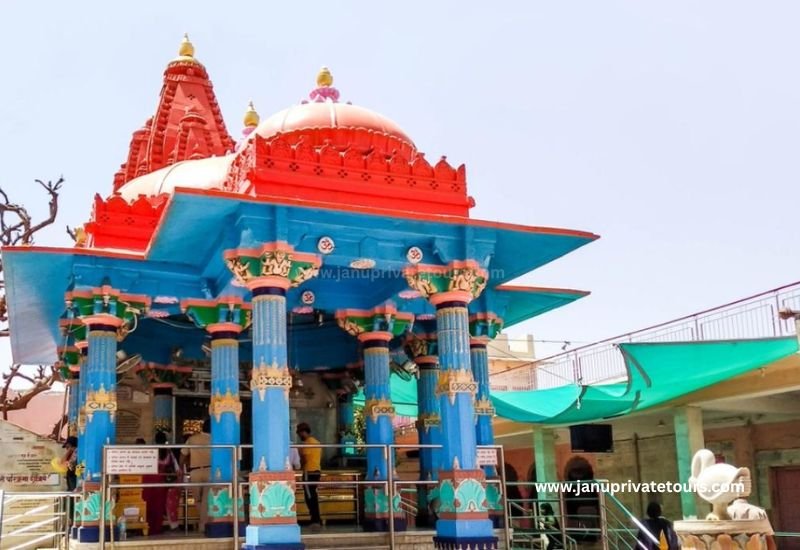
Brahma Temple, Pushkar

width=800

One of the most unique sites for worship in Rajasthan is the Brahma Temple. It is one of the very few temples in the world for Lord Brahma, the creator, as per Hindu belief.

The temple, situated in the holy town of Pushkar, is visited by pilgrims all through the year. Devotees say that a visit here is essential to close the spiritual circle. The red spire, silver turtle and tranquillity of the place lend it to quiet contemplation.

Pushkar itself is deeply spiritual. Bathing in the sacred lake is believed to be purifying; many pilgrims bathe in the ghat with devotion before visiting the temples.

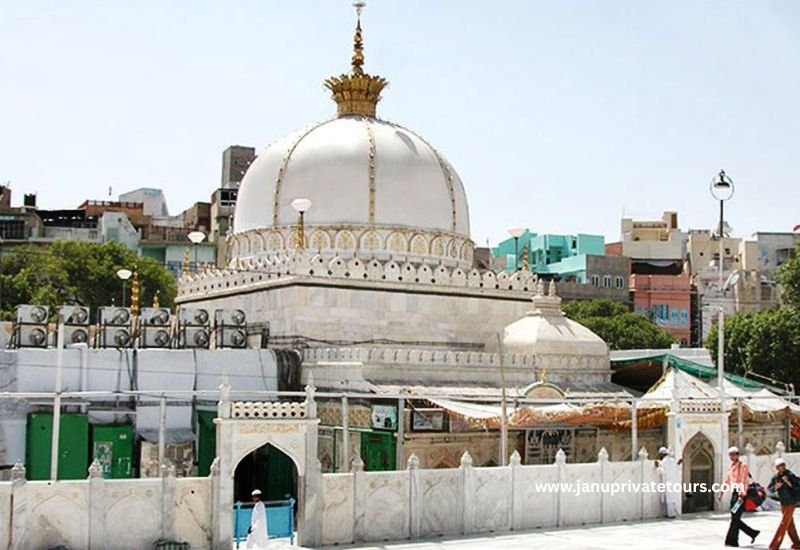
Ajmer Sharif Dargah

width=800

One of the most popular religious places in India is the Ajmer Sharif Dargah, which is the resting place of Sufi saint Khwaja Moinuddin Chishti.

This temple epitomises secularism in prayer in a state like Rajasthan. Devotees from all religions come here to pay their respects, receive blessings and join qawwali gatherings. The atmosphere is nostalgic and reflective, especially during Urs celebrations.

Simple in its structure, the dargah represents compassion, humility and shared faith, serving as the cornerstone of Rajasthan’s spiritual landscape.

Dilwara Temples, Mount Abu

width=800

The Dilwara Temples are among the best examples of Jain architecture in the world. This is also an important place of worship in Rajasthan.

Carved entirely from white marble, these temples are dedicated to Jain Tirthankaras. The detailing work is phenomenal, from the ceilings to the pillars, all of which are engraved with dedication and finesse.

Worship here is quiet and contemplative. Visitors are asked to remain silent as an emblem of Jain simplicity and personal peace. Mount Abu’s cooler weather further contributes to the tranquil experience.

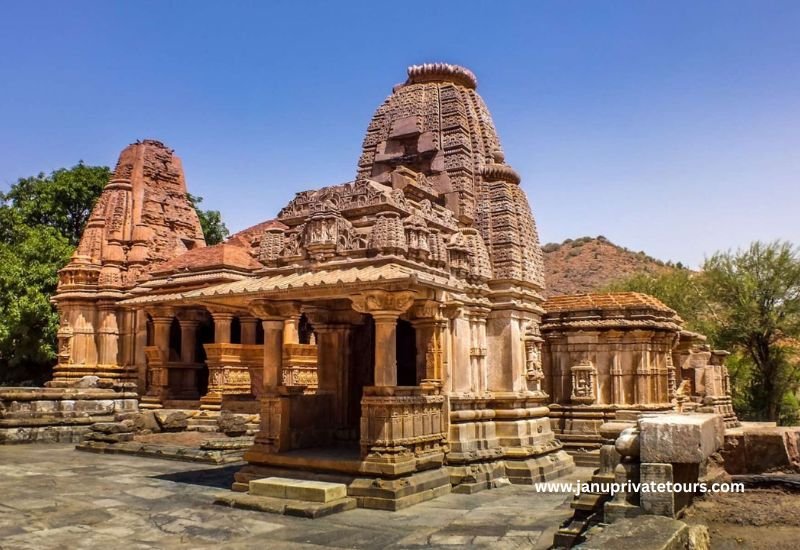
Eklingji Temple, Near Udaipur

width=800

Devoted to Lord Shiva, the Eklingji Temple has been one of the central sites of worship in Rajasthan for centuries. The temple’s origin is considered to be in the 8th century and is closely associated with the Mewar royal family, who regard Eklingji as the ruling deity of Mewar.

Both morning and evening aartis are deeply moving. The chanting, bells and rituals combine to create a powerful sense of the spiritual atmosphere that connects history, royalty and faith.

Karni Mata Temple, Deshnok

width=800

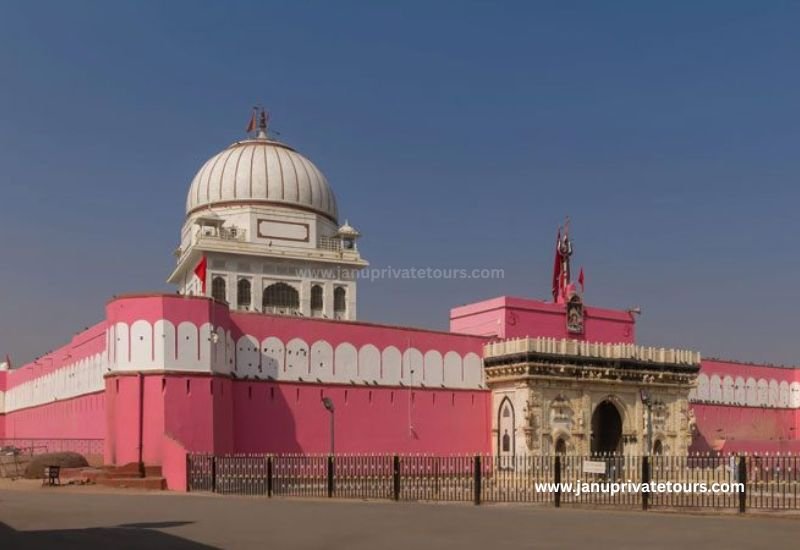
One of the rarest temples in Rajasthan is the Karni Mata Temple, popularly known as the Rat Temple. Worshippers consider the rats that inhabit the temple sacred and believe that they house reincarnated souls. It is considered good fortune to see a white rat, and feeding the rodents brings good luck. This is also a unique site associated with worship in Rajasthan that you cannot miss visiting.

Govind Dev Ji Temple, Jaipur

width=800

Situated at the City Palace complex, Govind Dev Ji Temple, Jaipur, is one of the important temples in the Hindu religion. The temple holds a special emotional significance with Lord Krishna devotees. Daily darshans are in accordance with traditional practices, and there is also a festive celebration, especially at Janmashtami or Holi.

Worship in Rajasthan frequently combines devotion with celebration, and this temple embodies that balance beautifully.

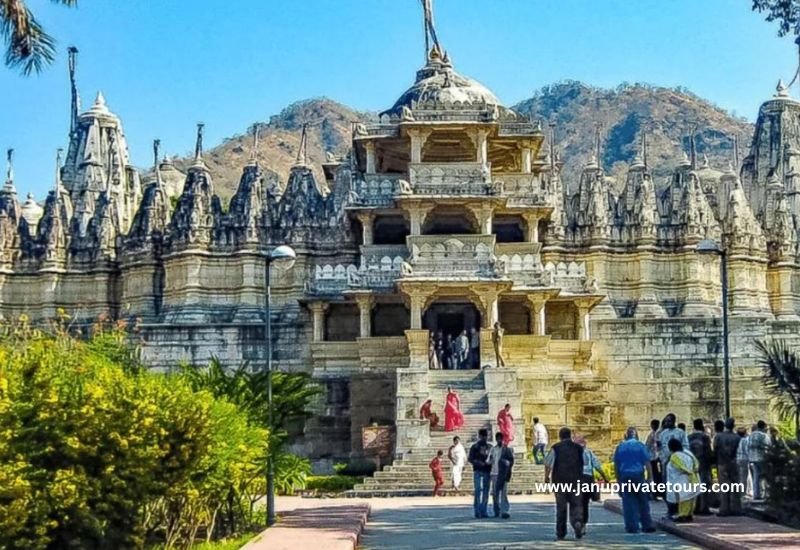
Ranakpur Jain Temple

width=800

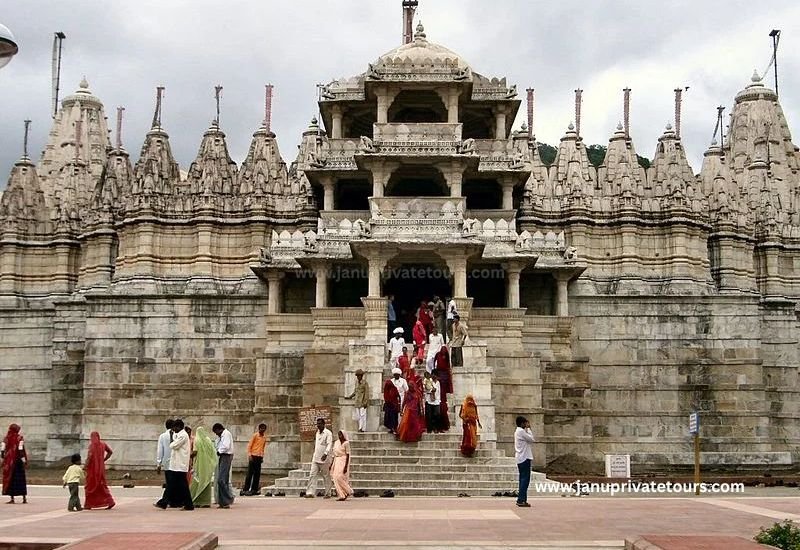
The Ranakpur Jain Temple is both a religious and architectural masterpiece. Located in a peaceful valley between Udaipur and Jodhpur, the temple is supported by 1,444 intricately carved pillars; no two of which are exactly alike. The temple, dedicated to Adinatha, the first Jain Tirthankara (revered teacher), represents purity and discipline that a Jain person should follow.

It is a very peaceful environment and good for quiet prayer and meditative worship.

Nathdwara Shrinathji Temple

width=800

Shrinathji Temple, Nathdwara, is one of the most significant pilgrimage places for the followers of the Pushtimarg tradition.

A form of Lord Krishna as Shrinathji is worshipped in the temple. Darshan here follows a strict daily schedule, with different rituals marking moments of Krishna’s day.

Devotees plan visits carefully, aligning darshan timings, and the worship experience here is disciplined while also being deeply personal.

Galta Ji Temple, Jaipur

width=800

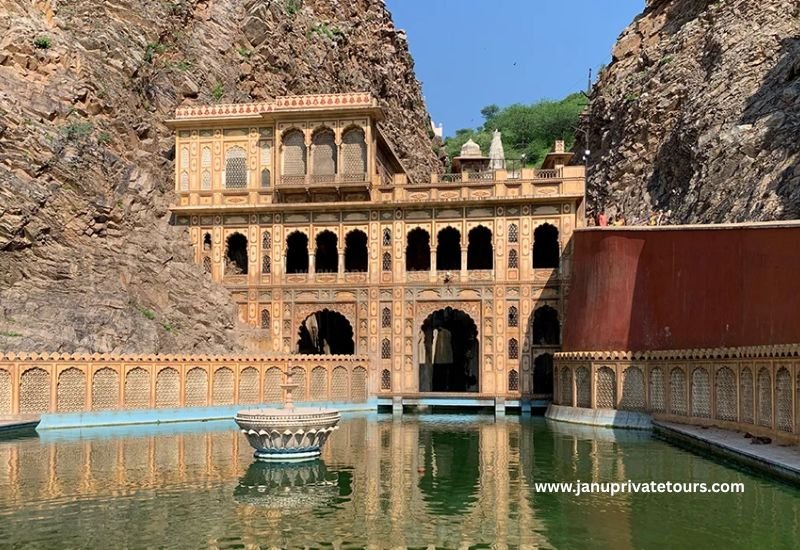
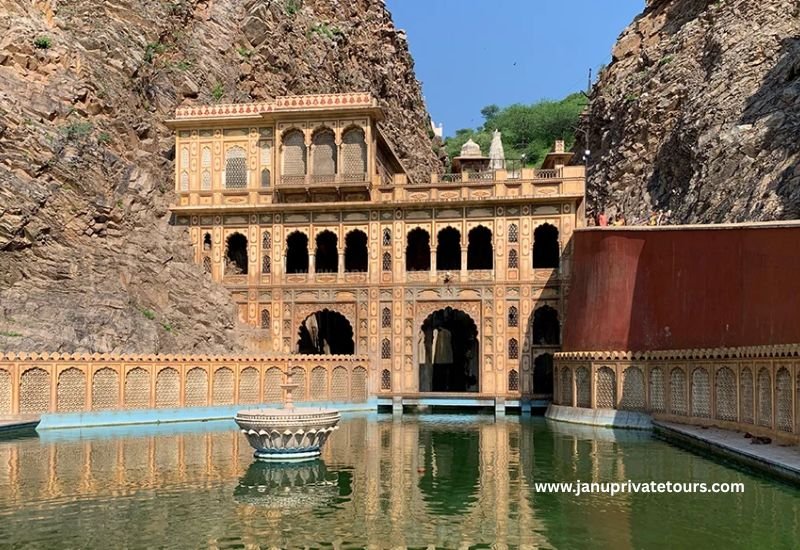
The next important site of worship in Rajasthan is the Galta Ji Temple, also known as the Galta Ji Temple, which is located outside Jaipur in a peaceful natural valley. With its natural water tanks and temples, and all-around hilltop views, it feels like a place where nature and worship intersect. Pilgrims believe the waters here are sacred and cleansing.

Despite being so vibrant, there is a calmness that persists in GaltaJi, especially during mornings.

Tanot Mata Temple, Jaisalmer Region

width=800

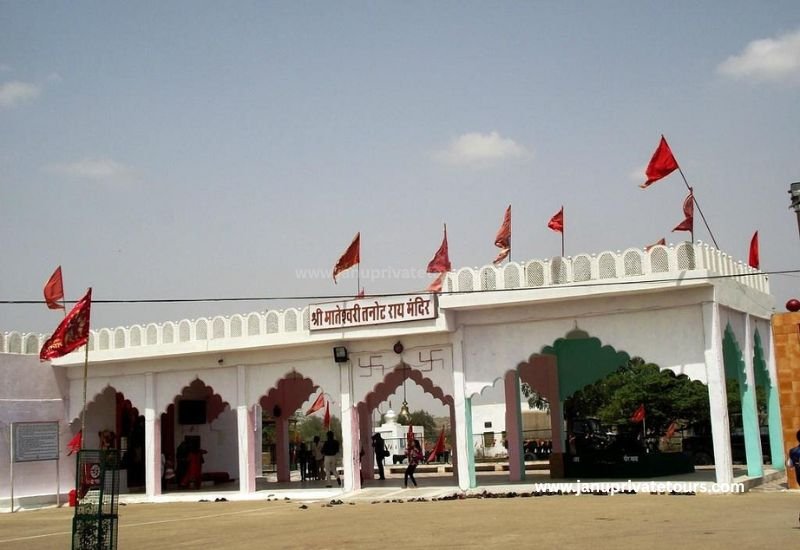
On the India-Pakistan border sits Tanot Mata Temple, a shrine of faith and protection. The temple became the focus of national media after it withstood heavy shelling in the 1965 war. Worshippers say the goddess shielded the temple and local soldiers. Today, it is a testament to both resiliency and faith.

Ramdevra Temple

width=800

Ramdevra Temple is a famous temple dedicated to Baba Ramdevji, which attracts pilgrims from around the world. Pilgrims from Rajasthan, Gujarat and other states come to seek blessings, especially in the annual fair. The devotion here is strong, communal, and heartfelt.

Tips on Planning Worship Visits in Rajasthan

Planning visits to sacred places in Rajasthan has to be done with care and due respect. The state is home to spiritual places that adhere to ancient customs, and a little time will let you experience them meaningfully rather than hurriedly. Whether it’s temple hours or festival dates, sometimes the small details help you understand whether your visit will feel peaceful and enriching.

Key planning tips to keep in mind:

  • Time your visit for a festival: Many temples and dargahs are at their most lively during festivals, but they are also very crowded. Choose an atmosphere that suits you: lively or calm.

  • Verify timings first: Places of worship are often shut in the afternoon and open again in the evening. Mornings are often the best time.

  • Dress accordingly: Most religious sites require decent attire. Wear completely covered clothing and carry a scarf or shawl to cover your head.

  • Cluster nearby sites together: Many places of worship are near forts, lakes or old towns. Combine them so that nobody has to travel way out of their way.

  • Allow buffer time: Rituals, prayers or lines may be longer than you anticipate, particularly at busy shrines.

  • Show respect for local customs: Take photos only where permitted. Always ask before clicking pictures.

  • Employ local guides: A knowledgeable guide can explain rituals, legends and history, thus deepening your visit.

Conclusion

Worship in Rajasthan is not limited to rituals. It is about connection. From ancient marble-carved temples to living shrines filled with music and prayer, Rajasthan has spiritual experiences that feel grounded and real.

In 2026, these are active centers of faith, not relics of the past.

For visitors looking for authentic and comfortable spiritual travel experiences in the state of Rajasthan, Janu Private Tours offers personalized itineraries that incorporate the best of religious and cultural experiences, with plenty of time to immerse in history at temples that other tourists rush through.

Street Food in India

Street Food in India is one of the most talked-about experiences for travellers. People consider this experience to be the best part of their vacation. People develop doubts about food safety, cleanliness, and health risks when they observe these situations. People express different opinions about this matter. Some say you must try it. Others warn you to stay away.

The truth lies somewhere in between. Street Food in India can be incredibly safe, flavourful, and memorable when eaten the right way. At the same time, careless choices can lead to discomfort. This guide explains everything tourists need to know before eating street food in India, from understanding the food culture to choosing the right stalls, avoiding common mistakes, and enjoying local flavours with confidence.

Overview of India’s Street Food Scene

Street Food in India is not just food sold on the street. People make it a fundamental part of their daily existence. People from cities, towns, and villages choose to buy breakfast foods, snacks, and complete meals from street vendors.

Every region has its own style. North India is known for rich, spicy snacks made with wheat, potatoes, and chickpeas. The South Indian cuisine centers its flavors on rice-based dishes and fermented batter creations, which use mild spices. Western India serves bold, crunchy, tangy flavors. Eastern India creates dishes that blend sweet and savory elements.

Street food vendors often specialize in just one or two items. The staff at this restaurant creates their standard menu item every day while they learn to cook faster, produce better flavors, and maintain regularity in their dishes. Many vendors have been in the same spot for years and have mastered offering the same authentic and unique taste. The business reputation depends completely on its food taste and cleanliness because customers return every day.

What Makes India’s Street Food Scene a Must-Try?

Street Food in India offers multiple unique features that attract visitors who want to experience the country outside of its standard lodging and dining establishments.

1. Fresh Food Made Right in Front of You

Most street food in India is prepared live. You can see the ingredients, watch the cooking process, and eat the food while it is still hot. The fresh ingredients in the dishes create improved taste quality and safe food consumption.

2. Unmatched Regional Variety

Every city and region has its own street food identity. The northern region serves spicy chaats, while the southern part offers light dosas. Each location presents distinct taste experiences.

3. Bold and Balanced Flavours

Indian street food presents a single dish that combines sweet flavors with spicy heat, sour notes, and crunchy textures. The equilibrium between flavors enables basic snack foods to become more interesting and delicious.

4. Deep Cultural Connection

Street food shows how people in their local area create their food while the environment and past events shape their culinary traditions. Travelers who eat this food will get to experience how people consume their meals throughout the year.

5. Affordable and Easy to Explore

Small portions and low prices allow travellers to try many dishes without spending much, making food exploration fun and accessible.

Must-Try Street Food Options Across India

Here are 15 popular street foods in India that are widely loved and commonly enjoyed by tourists:

  • Pani Puri / Golgappa: The food consists of crisp empty spheres, which people stuff with flavored liquids, boiled potatoes, and chickpeas.

  • Vada Pav: Mumbai’s favourite street snack made with a spicy potato fritter inside a soft bun. The dish is served hot, and the bun has spicy chutney inside it.

  • Pav Bhaji: The dish consists of mashed vegetables, which are then cooked with butter and spices before being served with toasted and buttery pavs.

  • Chole Bhature: The dish consists of spicy chickpea curry, which people eat together with crispy deep-fried bread. The dish exists throughout North India.

  • Samosa: A crisp fried pastry stuffed with spiced potatoes or lentils served with chutney.

  • Aloo Tikki: Shallow-fried potato patties topped with chutneys and sometimes yogurt. The snack brings together three essential elements, which include crunchy textures with spicy components and sweet flavors in each bite.

  • Dosa: Thin, crispy rice crepes from South India, often filled with spiced potatoes. Light, fermented, and cooked fresh, dosas are easy on the stomach.

  • Idli: Idli: Soft, steamed rice cakes served with coconut chutney and sambhar, which has lentils, vegetables, and is seasoned with spices.

  • Kathi Roll: Flatbread rolls that contain either vegetables, paneer, or egg fillings that get wrapped and served as a hot dish. A convenient and filling street food option found across Indian cities.

  • Bhel Puri: Bhel Puri is a light snack made by combining puffed rice with tomatoes, cucumbers, onions, spices, and tangy chutneys. Customers should choose vendors who prepare food in hygienic conditions.

  • Kachori: Deep-fried bread which contains lentil or pea filling, and customers can enjoy it with hot spicy curries. Various kachori variations are prepared throughout Rajasthan, including savouries and sweet variations.

  • Misal Pav: Misal Pav is a spicy sprouted bean curry served with crunchy farsan on top and bread as a side dish.

  • Poha: The preparation involves flattened rice prepared with onions, peanuts, and mild spices. People tend to select this street food option because it serves as both a comforting dish and a light meal for breakfast.

  • Jalebi: This dessert consists of deep-fried spiral pastries that people soak in sugar syrup. People enjoy it hot with Rabdi.

  • Kulfi: A traditional Indian dessert that is a frozen milk-based treat, cooked using nuts, sugar, and thickened milk.

Hygiene Standards: What Tourists Should Know

Indian street food markets display multiple hygiene standards, and street vendors maintain their cleanliness because they need to keep their business running. Signs of proper hygiene include:

  • Food cooked fresh in front of you

  • High customer turnover

  • Covered ingredients

  • Clean cooking surfaces

  • Using ladles instead of their bare hands to serve food

Heat is one of the primary safety elements that needs immediate attention. Hot food that appears freshly cooked tends to be safe for consumption. The problem arises from raw foods, stale food, or dirty water. To avoid food poisoning from street vendors, do not eat at their stalls, which lack proper sanitation.

Where to Eat and Where to Avoid?

To enjoy street food in India, it is important to consider where to eat and where not:

Best Places to Eat Street Food in India

  • Busy local markets

  • Popular food streets

  • Areas near offices, colleges, or temples

  • Vendors with long queues

  • Evening stalls with constant customers

If locals eat there regularly, it is usually safe.

Places to Avoid

  • Empty stalls with no customers

  • Food left without cover for a long time

  • Beverages made using tap water

  • Pre-cut fruits exposed to dust

  • Ice from unknown water sources

Important Tips to Consider Before Dining

To enjoy Street Food in India without problems, follow these practical tips:

  • Eat freshly cooked food only

  • Avoid raw salads and chutneys made with water

  • Drink bottled or filtered water only

  • Wash your hands or use sanitiser before eating

  • Start with mild spices and increase slowly

  • Avoid overeating on the first day

  • Eat at peak hours when food turnover is high

  • Choose vegetarian dishes initially

  • Avoid street food if you feel unwell

Food tours led by locals are an excellent option for first-time visitors.

Common Myths About Street Food in India

People believe that all street food contains unhealthy elements. This is not true. Vendors who run their businesses show better hygiene standards than the budget restaurants, which operate in the same area.

People believe that tourists always get sick when they travel. Most stomach issues come from unsafe water, not food itself.

Some people think that only high-priced dining establishments offer safe environments. In reality, popular street stalls often serve fresher food. So have a look around the stalls, inquire about the ingredients, cooking methods, and then decide to dine.

Conclusion

Tourists should not fear the street food in India because. The street food experience enables customers to discover authentic taste experiences that showcase Indian culture while creating lasting memories. Travelers must follow basic hygiene checks, avoid risky items, and show a little cautiousness before choosing vendors or restaurants. This ensures your experience is safe. For recommendations of the best food spots to try your preferred street food, Janu Private Tours can help you arrange a personalized experience. So why wait? Let us help you create a memorable experience.

Best Shopping Places in Jaipur: A Pink City Shopper’s Paradise

Your Complete Guide to Handicrafts, Jewelry, Textiles, and Cultural TreasuresJaipur is not only one of the most culturally significant destinations in India but also one of the most colorful. While Jaipur’s palaces, forts, and architectural marvels are a major draw for international travelers, many tourists also consider shopping in Jaipur to be a dream come true.

If you are a fan of jewelry, textiles, handicrafts, home décor, blue pottery, traditional clothes, or antiques, Jaipur has the finest shopping experience for everything Rajasthan has to offer. The experience of shopping in Jaipur is a world-class expedition into the city’s royal legacy, which is royal, artistic, sumptuous, and traditional all at once. You will also be able to view centuries of craftsmanship while walking through the aisles of these vibrant markets.

Visiting with an expert tour agency like Janu Private Tours means that your experience in Jaipur will be relaxed and uncomplicated, whether you want to browse jewelry or visit traditional artisan ateliers far from tourist-trap markets. You will receive access to authentic artisan ateliers, just pricing, expert local information about lesser-known markets, and cultural narratives and history. Janu Private Tours will also offer you comfortable transportation, local guidance, and other essential resources. Their professionals are confident that you will have a positive shopping experience in Jaipur, whether you are looking for jewelry, textiles, or handicrafts.

In this post, you’ll learn about all of the best shopping places in Jaipur and why they are some of the most popular in the world.

Why Jaipur Is the Shopper’s Paradise

Jaipur has earned a worldwide reputation for unmatched artisanship, and here are a few reasons why.

1. World-Renowned Gemstone Capital

Jaipur is one of the world’s top destinations for gemstone cutting, polishing, and jewelry manufacturing.

2. A Textile Heritage

Bandhani, block printing, leheriya, Sanganeri prints, and handmade quilts are well-known all over the world.

3. Traditional Handicrafts

Whether it’s marble carving or wood doll-making, Jaipur’s artisans are the custodians of the state’s millennia-old handicraft traditions.

4. Shop from Reasonably Priced to Premium Designer Goods

You can also purchase inexpensive souvenirs or upscale designer wares in one location.

5. Culture-Packed Shopping Experience

The bustling roads, vibrantly painted stores, delectable aromas, and street performances by local musicians and dancers provide visitors with an out-of-this-world retail experience.

Also Read:-Top 5 Desert Destinations in North India

​width=800

1. Johari Bazaar – The Gem & Jewelry Capital of Jaipur

Jaipur’s Johari Bazaar is one of the city’s oldest and most well-known shopping centers, and it’s well-known for its fine jewelry made by skilled artisans.

  • Things to Buy in Johari Bazaar

  • Kundan jewelry

  • Polki jewelry

  • Meenakari art pieces

  • Semi-precious stones jewelry

  • Bridal jewelry sets

The jewelry-making method is as royal, traditional, and refined as the city’s culture, which is why it appeals to both collectors and enthusiasts.

Why Visit the Market

The market serves as the city’s epicenter for jewelry making, with hundreds of shops that sell high-quality gemstone jewelry.

2. Bapu Bazaar – The Best Market for Textiles & Jaipuri Items

Bapu Bazaar is a must-visit destination if you’re looking to shop for Jaipur (Jaipur’s traditional products and textiles.

  • Popular Items to Buy

  • Mojari (Traditional Rajasthani footwear)

  • Handbags and embroidered purses

  • Bedcovers and quilts

  • Block-printed textiles

  • Decorative Home Items

Jaipuri Razai, a lightweight, hand-quilted blanket that serves as a light quilt and is also an excellent gift, is one of the top products to buy from the market.

Why Tourists Love the Market

Prices are fair, the goods are extensive, and the market is a lot of fun to explore.

3. Tripolia Bazaar – Lac Bangles & Metal Craft Center

The Tripolia Bazaar is Jaipur’s top market.

  • Lac bangles

  • Brassware

  • Ironware

  • Traditional home goods

  • Hand-carved metal décor

The beautiful and elegant Rajputana culture is reflected in the lacquer bangles, which are available in hundreds of distinct styles.

Visit if You Love Bangles

In fact, you may even observe artisans handcrafting bangles using the same old approach.

4. Chandpole Bazaar – Home of True Artisan Workshops

Chandpole is one of Jaipur’s most traditional markets, and it is also where you can still discover artisans working.

  • Marble

  • Sandstone

  • Wood

  • Clay

  • Metal

It’s Khazane Walon ka Rasta, which is a street with purely handmade products, and is famous all over the world.

Best Things to Buy

  • Marble sculptures

  • Wooden handicrafts

  • Rajasthani puppets

  • Colorful pottery

For those of you who are interested in purchasing authentic and handmade souvenirs, Chandpole is the place to go.

5. Nehru Bazaar – Famous for Jootis & Textiles

If you’re in the market for Jaipuri Jootis (Jaipur’s traditional embroidered footwear), look no further than Nehru Bazaar.

  • What to Expect

  • Embroidered jootis

  • Colorful textiles

  • Souvenirs

  • Home décor pieces

Shopping in this neighborhood is one of the most fun experiences in Jaipur because of the stunning atmosphere.

6. MI Road – The Perfect Blend of Modern and Royal Shopping

MI Road (Mirza Ismail Road) is a one-of-a-kind market because it has both traditional boutiques and modern showrooms.

  • Best Things to Buy Here

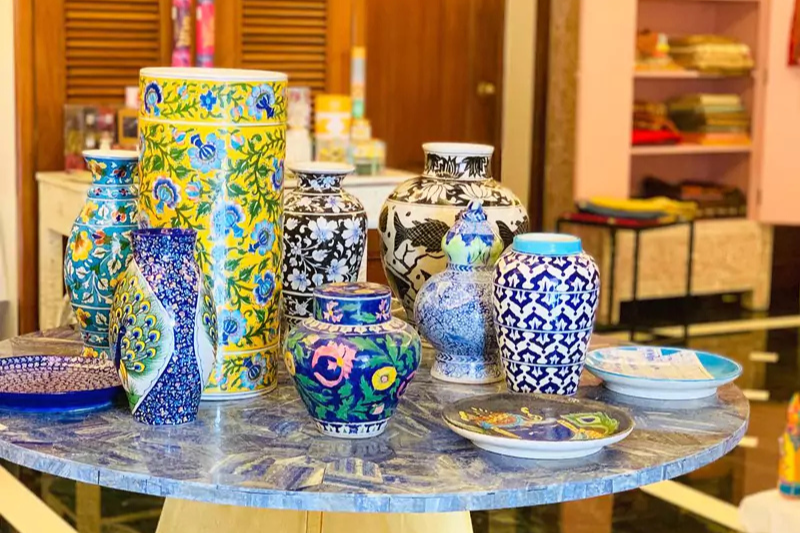
  • Blue pottery

  • Jewelry

  • Carpets

  • Designer clothing

  • Handicrafts

It is also the best spot to purchase high-quality and fixed-price products, making it an excellent destination for visitors who want a less complicated shopping experience.

7. Sireh Deori Bazaar – Spectacular Views Opposite Hawa Mahal

Tourists shopping in this market will be captivated by the beauty of Hawa Mahal.

  • Famous For

  • Leather bags

  • Rajasthani textiles

  • Handicraft souvenirs

  • Decorative wall hangings

It is also one of the best Jaipur locations to purchase puppets, a symbol of Rajasthani folklore and storytelling.

8. Purohit Ji ka Katla – The Bridal Shopping Hub

Wedding shopping in Jaipur is a must, and this market in the heart of the old city is well-known for it.

  • What to Buy

  • Bridal lehengas

  • Sarees

  • Embroidered clothing

  • Jewelry sets

  • Fabrics

The designs are opulent, traditional, and ideal for any special occasion.

Shopping in Jaipur with Janu Private Tours – Trusted and Safe

Jaipur’s markets are indeed impressive, but they can also be disorienting and intimidating, particularly for first-time visitors. The majority of the shops in Jaipur are primarily aimed at tourists and overcharge several times.

Janu Private Tours’ Jaipur trip will provide the following benefits:

  • Access to authentic artisan workshops

  • Fair pricing

  • Insider knowledge of hidden markets

  • Cultural storytelling and history

  • Comfortable transportation & local guidance

Their crew will also go out of its way to make certain that your shopping experience in Jaipur is simple, enjoyable, and safe. Whether you’re looking for something to buy jewelry, textiles, or handicrafts, their service is guaranteed.

Also Read:-Why Rajasthan is the Best Starting Point for Exploring North India

Best Shopping Markets in Jodhpur: Blue City Shopper’s Guide

Shopping for Handicrafts, Textiles, Spices & Royal Souvenirs in Rajasthan’s Blue Jewel, Jodhpur’s royal past, desert vibe, and laidback yet colorful culture make it one of the most magical places in India. While the city’s majestic Mehrangarh Fort and blue-painted houses attract visitors from around the world, Jodhpur is also one of Rajasthan’s most popular shopping destinations. From handcrafted textiles to spices, antiques, leather goods, silver jewelry, and traditional Rajasthani art, shopping in Jodhpur will be an unforgettable experience.

Exploring Jodhpur’s markets is a journey through a living museum. Every narrow lane is packed with skilled artisans who are committed to preserving traditions passed down over centuries. And when you explore Jodhpur markets with expert local operators like Janu Private Tours, you will visit the most authentic shops, get fair prices, and discover hidden artisan quarters and bazaars that tourists never find.

This comprehensive in-depth guide to the best shopping markets in Jodhpur will help you discover culture, craft, and classic souvenirs to take back home.

Why Jodhpur is a Shopper’s Paradise

Jodhpur’s markets are a perfect reflection of the city’s royal history, desert lifestyle, and artisanal excellence. Here are some of the reasons why shopping in Jodhpur is so special.

1. Home of Royal Textiles

Jodhpur is famous for handwoven textiles, bandhej (tie-dye), and block-printed fabrics.

2. World-Class Handicrafts

The city is home to some of the finest wooden furniture, metalwork, and other handicrafts from India.

3. Famous Spices & Teas

Jodhpur is renowned for its spice markets. Explore colorful, aromatic spice blends that you can’t find elsewhere in Rajasthan.

4. Leather Goods Hub

Shop for authentic, affordable leather bags, belts, and Jodhpur’s famous mojari (handcrafted) shoes in these markets.

5. Tradition Meets Modernity

In Jodhpur, you can find a unique fusion of centuries-old artisan techniques with modern Rajasthani design and aesthetic—ideal for finding one-of-a-kind souvenirs.

Also Read:-places to visit in jaipur for shopping

1. Sardar Market: The Heartbeat of Jodhpur’s Shopping Scene

Located just next to Jodhpur’s iconic Ghanta Ghar (Clock Tower), Sardar Market is the most well-known and largest shopping area in Jodhpur.

  • Must-Buy Items

  • Handcrafted textiles

  • Spices (especially Mathaniya red chilli)

  • Traditional jootis (Rajasthani footwear)

  • Silver jewelry

  • Marble artifacts

  • Turbans and traditional Rajasthani clothing

The entire market is full of people from early morning to late evening. It’s a vibrant hub of activity, with shoppers haggling, vendors calling out their wares, and tourists snapping photos. Photographers will also love it, as the narrow alleyways and bustling crowds make for interesting street photography. The sheer variety and volume of shops are enough to keep shoppers occupied for hours.

Why Visit Sardar Market?

This market truly captures the authentic local spirit. It’s vibrant, lively, and full of cultural charm and history.

2. Clock Tower Market: Best for Spices & Handpicked Collectibles

Located right next to Sardar Market is Jodhpur’s famous Clock Tower area, which is a must-visit for spice lovers and collectors.

  • What to Buy

  • Mathaniya red chili

  • Hand-ground masalas

  • Herbal teas

  • Sandalwood & saffron

  • Dry fruits

The market is also known for copper products, antique home décor, handmade utensils, and woollen shawls.

​width=800

A Foodie’s Paradise

You can’t leave without trying out local snacks like mirchi vada and mawa kachori!

3. Nai Sarak: A Textile Lover’s Dreamland

Nai Sarak is one of Jodhpur’s best markets for buying bandhej and block-printed fabrics, which are the mainstays of Rajasthani fashion.

  • Best Buys

  • Bandhani sarees

  • Dupattas

  • Kurtas

  • Dress materials

  • Handwoven scarves

  • Embroidered fabrics

These are some of the markets where travelers looking for authentic Rajasthani textiles will have a great experience. The colors, patterns, and quality are exceptional here.

​Why Visit Nai Sarak?

Prices are good, and you will find high-quality, hand-dyed, and handcrafted textiles made by local artisans.

4. Sojati Gate Market: Best for Traditional Rajasthani Souvenirs

This market is the ideal place to shop.

  • Handcrafted jewelry

  • Colorful bangles

  • Lac art

  • Rajasthani mirrors

  • Home décor items

  • Puppets & folk art

Sojati Gate is also famous for its vibrant mehndi (henna) artists. As you explore, they will decorate your hands with intricate, traditional Rajasthani designs.

Best For:

Travelers want to shop in a culturally rich environment full of street art, music, and local traditions.

5. Umaid Bhawan Palace Market: Luxury Shopping in Jodhpur

For luxury and high-end handcrafted products, head to the Umaid Bhawan Palace area to visit shops with a range of premium products.

  • Buy From Here

  • Designer jewelry

  • High-end home décor

  • Exclusive clothing

  • Handwoven carpets

  • Royal-inspired souvenirs

  • Perfect For Luxury Travelers

For luxury travelers who love top-quality and sophisticated Rajasthani designs, this is a perfect market in Jodhpur.

6. Mochi Bazaar: Leather Goods Central

Mochi Bazaar (Sabji Mandi) specializes in leather goods and is an excellent place to shop for leather products.

  • What to Buy

  • Jodhpur jootis

  • Leather bags

  • Wallets

  • Belts

  • Saddles

  • Camel leather goods

Why Shop at Mochi Bazaar?

Mochi Bazaar leather goods are very affordable, and you will be buying authentic, 100% handcrafted products made by families who have been practicing this art for generations.

7. Kapraa Bazaar: Best for Clothing & Fabrics

Kapraa Bazaar specializes in modern and traditional Rajasthani clothing. Here are some popular items that travelers and locals shop for.

  • Popular Purchases

  • Lehenga cholis

  • Kurta sets

  • Everyday clothing

  • Bridal wear

  • Dress materials

If you love vibrant outfits with Rajasthani royal inspiration, this is the place to shop for clothes.

Explore Jodhpur’s Markets with Janu Private Tours

Shopping in Jodhpur is great fun, but can be challenging to figure out the best places to visit in these crowded and noisy lanes. Tourists’ markets have many shops with inflated prices, and bargaining takes all the fun out of shopping in these stores.

Shopping with Janu Private Tours ensures:

  • Authentic shops recommended by locals.

  • Guarantee of fair prices.

  • Stories & context about the craft and culture behind every item.

  • Actual artisan workshops (many hidden from tourists).

  • Comfortable transportation to and from the markets.

  • Help with bargaining and navigating each market.

  • Safe, enjoyable, and genuine market visits.

Janu’s local guides know exactly where to find the best hand-made products, spices, textiles, and more. They will help every traveler discover truly meaningful souvenirs from Jodhpur.

Shopping Tips for Jodhpur Travelers

Bargain Smartly

Bargaining is expected in most markets. The best practice is to start at 30–40% below the shopkeeper’s asking price.

Check Product Quality

Handicrafts vary in quality, so buy from reputed stores or trusted markets with a guide.

Carry Cash

Digital payments are on the rise in India, but many small vendors only accept cash.

Avoid Tourist Traps

Look for places where locals shop or use Janu Private Tours for reliable recommendations.

Also Read:-places to visit in jaipur for couples​

Best Shopping Spots in Bikaner: From Spices to Handicrafts

The best local markets, desert crafts & cultural souvenirs

Bikaner is known for its grand forts, camel safaris, and deep-rooted traditions that go back hundreds of years. But it’s also home to another desert gem, beloved by travelers, that doesn’t often get the recognition it deserves: Bikaner shopping. This colorful city has a lot to offer, from leatherwork and embroidery to local textiles, snacks and namkeen, sweets, and more.

The bazaars are full of items that are typical of royal, desert towns like Bikaner, and local artisans proudly continue crafts that have been passed down for generations. The market streets are also filled with Rajasthani souvenirs, spices, and handcrafted décor and jewelry for all the amazing and curious gifts you’ll find in India. Guided tours with Janu Private Tours make it easy to find the best shops and artisan workshops in the city and enjoy shopping without tourist traps or overpricing.

Read on to discover the best places to shop in Bikaner to enjoy local products that reflect Rajasthan’s art, culture, and cuisine.

Also Read:- Delhi to varanasi travel route

Why Is Bikaner a Secret Shopping Destination in Rajasthan?

Instead of jostling with crowds like the bigger tourist cities, Bikaner has an easy, authentic, and cheaper atmosphere when it comes to shopping. Here’s why it’s so popular.

Artisan-rich Heritage

Craftsmen in Bikaner are known for their pottery, embroidery, leatherwork, and block printing.

World Famous Spices & Namkeen

The city is home to Bikaneri Bhujia, sweets, snacks, and other delectable Rajasthani spices.

Desert-Inspired Souvenirs

Camel leather goods, embroidered textiles, and finely carved wooden items are popular gifts.

Commercial-free & Authentic

Prices are fair and the quality is great, not overpriced or manufactured for tourists.

Must-Visit for Culture Buffs

Shopping here is a cultural experience, featuring colors, flavors, and traditional craftsmanship.

1. Kote Gate Market – The Top Shopping Destination in Bikaner

Kote Gate Market is easily the most famous and busiest Bikaner shopping destination. Located near the old city walls, this market is a cultural and traditional hub, with both brick-and-mortar shops and street vendors selling local products.

Key Items to Buy

  • Camel leather products
  • Rajasthani mojari shoes
  • Lac bangles
  • Jodhpuri suits
  • Spices & pickles
  • Wooden handicrafts
  • Colorful textiles

This market is lively, colorful, and a great spot for travelers to shop for an authentic Bikaneri experience.

Reasons for its Popularity

Everything in one place. You can find handicrafts, clothing, food, décor items, and souvenirs all in one place, and the prices are fair.

2. Mahatma Gandhi Road – Best for Clothing & Fabrics

If you love textiles and ready-to-wear clothing, Mahatma Gandhi Road is the place for you.

What to Buy

  • Bandhani sarees
  • Embroidered dupattas
  • Traditional lehengas
  • Suit sets
  • Dress material
  • Woollen shawls & blankets

Clothing stores in Bikaner offer a nice range of traditional and modern clothing styles and are great for shoppers interested in textiles and clothing.

Who Should Visit?

Fashion enthusiasts, people looking for bridalwear, and shoppers interested in classic Rajasthani fabrics.

3. Station Road Market – The Best Handicraft Market in Bikaner

Located adjacent to Bikaner Railway Station, this market is packed with handicraft shops and stalls.

What to Find

  • Wooden carvings
  • Camel leather bags
  • Miniature paintings
  • Marble and sandstone statues
  • Rajasthani puppets
  • Decorative home items

This is a very famous market for its detailed and skilled Usta art, a type of traditional Bikaner gold-embossed artwork.

Why to Visit

Witness firsthand local craftsmanship and buy many items that are handmade on-site.

4. Sadar Bazaar – Spices, Namkeen & Local Snacks

If you’re visiting Bikaner, a visit to its world-famous namkeen and spices is a must.

Best Purchases

  • Bikaneri Bhujia
  • Mixture namkeen
  • Sweets (Rasgulla, Ghewar)
  • Dry fruits
  • Mathaniya red chilies
  • Spices & masalas

The smell of spices, namkeen, and snacks will instantly make you hungry as you walk through the market.

Ideal for Foodies

The best market for food gifts, gourmet namkeen, and Rajasthani snacks and sweets.

5. Rampuria Carpet Market – Handwoven Handicrafts

Rampuria Carpet Market is where you will find Bikaner’s stunning carpets and durries.

What to Buy

  • Woolen carpets
  • Durries
  • Runners
  • Geometric & Persian-inspired motifs

Each carpet and durali is carefully handcrafted with attention, patience, and quality materials.

Why Visit?

The best place to buy sturdy and exquisitely crafted handwoven carpets directly from the artisans.

6. Junagarh Fort Market – Souvenirs with a Royal Touch

Outside of Junagarh Fort, there are also some great but small stalls selling.

  • Miniature paintings
  • Carved souvenirs
  • Traditional jewelry
  • Leather curios
  • Local décor items

Products at these stalls are ideal for shopping for gifts and low-priced souvenirs.

Discover Bikaner Markets with Janu Private Tours

The markets of Bikaner are fun to browse, but for first-time visitors, the city’s network of twisting and turning lanes can feel confusing. Janu Private Tours offers significant value here.

Why Book with Janu Private Tours?

  • They take you to authentic artisan shops, not tourist traps.
  • They will help you with bargaining and ensure fair prices.
  • They tell you about the history and share cultural stories.
  • They know the hidden markets, little-known crafts, and local workshops.
  • They offer comfortable transport, safety, and local guidance.
  • Their local expertise turns your shopping trip into a cultural experience.

Bikaner Shopping Unique Selling Points (USPs)

Camel Leather Goods

Incorporating its desert heritage, Bikaner is well known for camel leather products, which are an eco-friendly, biodegradable, and sustainable alternative.

Usta Art & Miniature Paintings

Stunning gold-embossed work that is a testament to the city’s royal history.

Snacks, Sweets & Spices

Bikaneri Bhujia, namkeen, Mathaniya red chilies, and other snacks and sweets from Bikaner are famous all over the world.

Authentic Rural Artisanship

Bikaner has less commercialized and touristy markets than other places in Rajasthan, and still has many original traditional crafts.

Bikaner Shopping Tips

Bargain is the norm

Expect to bargain in most places, and start with a low price, then smile and keep negotiating.

Check the leather authenticity:

Camel leather is unique, but can only be bought from trusted shops or with a guide.

Sample before you buy (food items)

Most of the shops selling spices and snacks will offer free samples to taste.

Bring a tote bag:

You’ll probably buy more than you think, and Bikaner has some amazing deals.

Shop with a local guide:

Experts like Janu Private Tours will take you to the true artisan areas of Bikaner.

Also Read:- The 16 Days Tour of Rajasthan (INDIA) All Inclusive

Jaisalmer Sam Sand Dunes Day Trip

The golden expanse of the Thar Desert holds treasures that transform ordinary travels into extraordinary memories. A Jaisalmer Sam Sand Dunes day trip offers an authentic glimpse into desert life, where rippling sand formations meet vibrant cultural traditions under vast azure skies. This comprehensive guide reveals everything you need to plan an unforgettable desert adventure.

Understanding the Sam Sand Dunes Experience

Located approximately 40-42 kilometers from Jaisalmer city, the Sam Sand Dunes represent one of Rajasthan’s most iconic desert landscapes. These sweeping dunes offer stunning landscapes and unique wildlife that showcase the Thar Desert’s rare beauty and tranquility. The dunes form part of the Jaisalmer Desert National Park, creating a protected ecosystem where desert flora and fauna thrive.

What makes Sam Sand Dunes exceptional is their accessibility combined with authentic desert character. Unlike smaller dune formations, these massive sand structures create the classic desert panorama that photographers and travelers dream about. The undulating golden waves stretch toward the horizon, shifting subtly with desert winds and changing dramatically with the sun’s movement.

The area has evolved into a cultural hub where traditional Rajasthani heritage meets modern tourism sensibilities. The place comes alive with a carnival atmosphere from late afternoon till the next morning, with desert campsites organizing cultural programs that showcase the state’s rich culture through folk dances.

  • Also read:- Best luxury tours in Rajasthan, India from uk
  • Morning Departure (10:00 AM – 11:00 AM) Begin your journey from Jaisalmer, allowing time for comfortable travel and roadside photo opportunities. The drive itself offers scenic desert views and occasional wildlife sightings.
  • Midday Arrival (11:00 AM – 12:00 PM) Arrive at Sam Sand Dunes and acclimate to the environment. Many visitors use this time for initial exploration and photographs before the afternoon heat intensifies.
  • Afternoon Activities (12:00 PM – 4:00 PM) Check-in time at desert camps typically occurs between 3:00 PM and 4:00 PM. Spend early afternoon hours resting in the shade or enjoying camp facilities. As temperatures moderate, begin your camel or jeep safari.
  • Sunset Experience (5:00 PM – 7:00 PM) Position yourself on high dunes for sunset viewing. This golden hour provides the most spectacular photography opportunities and comfortable temperatures for outdoor activities.
  • Evening Entertainment (7:00 PM – 9:00 PM) Enjoy cultural performances, traditional dinner, and bonfire gatherings. These activities create lasting memories and provide insight into local traditions.
  • Return Journey (9:00 PM – 10:30 PM) Depart for Jaisalmer, arriving back in the city with time to rest before the next day’s adventures.

What to Pack for Your Desert Adventure

  • Smart packing ensures comfort throughout your desert experience. Essential items include:
  • The Sam Sand Dunes offer extraordinary photographic opportunities, but desert conditions require specific techniques:
  • Preserving the Sam Sand Dunes’ pristine beauty requires conscious effort from all visitors. Follow these guidelines:
  • While a Jaisalmer Sam Sand Dunes day trip focuses on desert experiences, the surrounding region offers additional attractions:
  • Budget Planning: Day trip costs vary based on activity choices and service levels. Basic camel safaris start around 400-500 rupees per person, while comprehensive packages including meals, entertainment, and multiple activities cost more. Booking through established operators ensures transparent pricing and quality guarantees.
  • Health Precautions: The desert environment can challenge unprepared visitors. Stay hydrated constantly, apply sunscreen regularly, and avoid overexertion during peak heat hours. Travelers with respiratory conditions should consider air quality impacts from desert dust.
  • Communication: Mobile network coverage exists but can be unreliable in remote dune areas. Inform your hotel or contacts about your itinerary and expected return time.
  • Seasonal Variations: Winter months require warm clothing for evening activities, while early and late season visits demand heat management strategies. Research specific weather patterns for your travel dates.

Making Lasting Memories

A Jaisalmer Sam Sand Dunes day trip delivers experiences that resonate long after desert sand shakes from your shoes. The combination of natural beauty, cultural richness, and adventure activities creates multifaceted memories appealing to diverse interests.

Whether watching the sunset paint golden dunes in vibrant hues, feeling a camel’s rhythmic gait beneath you, or listening to ancient musical traditions under star-filled skies, the desert works its magic. These moments transcend typical tourism, offering genuine connections with landscape, culture, and heritage.

The key to maximizing your experience lies in thorough planning, respectful engagement, and openness to unexpected moments. While itineraries provide structure, the desert’s most magical moments often arrive unplanned: a chance encounter with local herders, an unexpected wildlife sighting, or a perfect photographic moment as wind shapes the sand.

Late afternoon to evening provides the optimal experience, as you can enjoy comfortable temperatures, stunning sunset views, and evening cultural programs. Arriving around 3-4 PM allows time for camel or jeep safaris before sunset, followed by traditional dance performances and dinner. Sunset, occurring around 5:30-6:30 PM depending on the season, offers the most spectacular photography opportunities. Morning visits are excellent for those seeking cooler temperatures and peaceful dune exploration without crowds.

  • Q.Are Sam Sand Dunes suitable for families with young children?
  • Q.What should I wear for a desert day trip?

Wear light-colored, loose-fitting cotton clothing that covers your arms and legs for sun protection while keeping you cool. Women should bring scarves for additional sun coverage and cultural respect. Comfortable closed-toe shoes or sturdy sandals work better than flip-flops in sand. Bring a light jacket or shawl for evening temperature drops, especially during the winter months. Avoid synthetic fabrics that trap heat. A wide-brimmed hat and quality sunglasses are essential for sun protection throughout your desert adventure.

Q.Can I visit Sam Sand Dunes independently, or should I book a tour?

Both options are viable, depending on your preferences and experience level. Independent visitors can hire taxis from Jaisalmer and arrange activities directly at the dunes, offering flexibility and potential cost savings. However, organized tours through providers like Janu Private Tours offer significant advantages, including expert guides, optimized timing, activity coordination, and deeper cultural insights. Tour packages eliminate logistical stress, provide safety assurance, and often include hidden gems that independent travelers might miss, making them an excellent value for comprehensive experiences.

The Best Luxury Train in India: Find Your Perfect Journey

  • Luxury Trains in India: The Ultimate Royal Journey
  • Route: Delhi → Jaipur → Sawai Madhopur → Chittorgarh → Udaipur → Jaisalmer → Jodhpur → Bharatpur → Agra → Delhi

Highlights of the Journey

  • Delhi – Iconic landmarks such as India Gate, Qutab Minar, Humayun’s Tomb, and Lotus Temple.
  • Jaipur (The Pink City) – Amber Fort, Hawa Mahal, City Palace, Jantar Mantar, and vibrant bazaars.
  • Sawai Madhopur & Chittorgarh – A wildlife safari in Ranthambore and the legendary Chittorgarh Fort with its sound-and-light show.
  • Udaipur (The City of Lakes) – The grand City Palace, Saheliyon ki Bari, Crystal Gallery, and a romantic boat ride on Lake Pichola.
  • Jaisalmer (The Golden City) – Jaisalmer Fort, Patwon ki Haveli, Jain temples, and camel rides at the Sam Sand Dunes.
  • Jodhpur (The Blue City) – Mehrangarh Fort, Jaswant Thada, Umaid Bhawan Palace, and colorful markets.
  • Bharatpur – Birdwatching at the Keoladeo Ghana National Park.
  • Agra – The majestic Agra Fort and the timeless Taj Mahal, the jewel of India’s heritage.

The Royal Rajasthan on Wheels – A Regal Journey Through India

Discover one of India’s finest luxury trains and experience royal travel like never before.

width=800

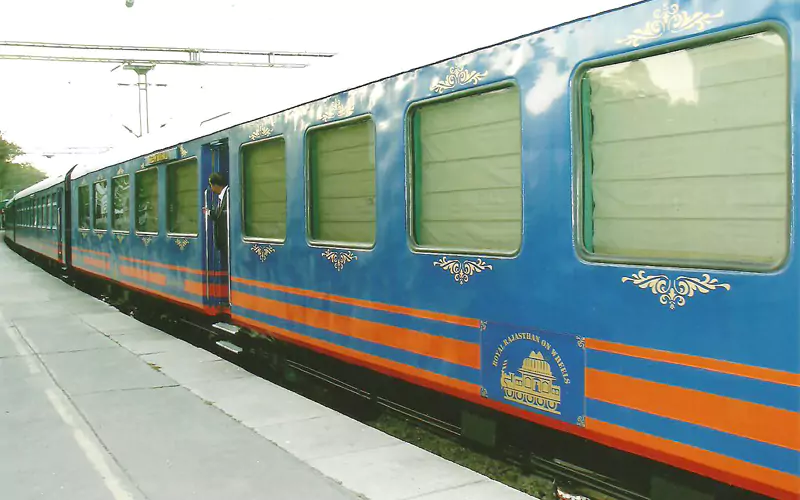
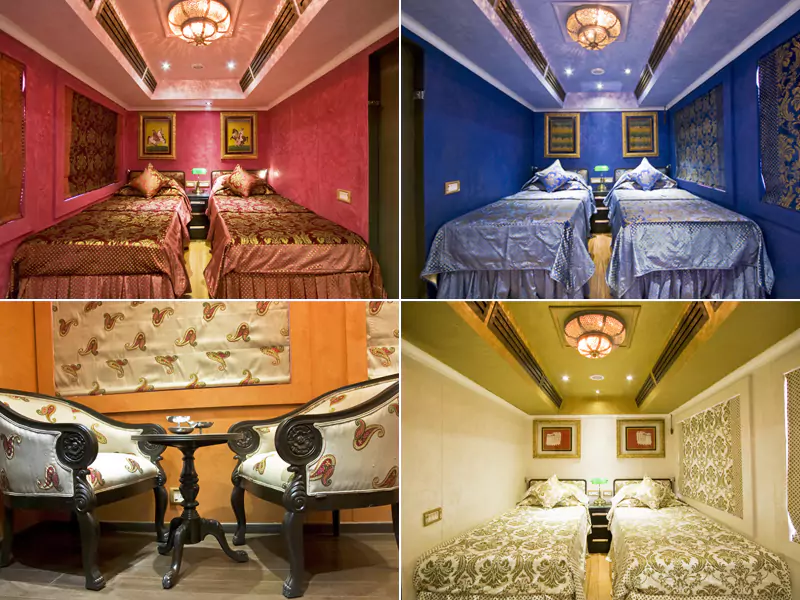
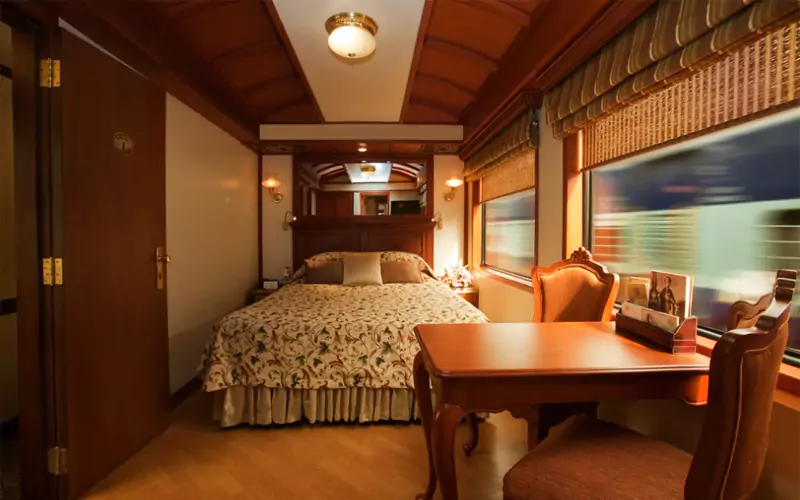
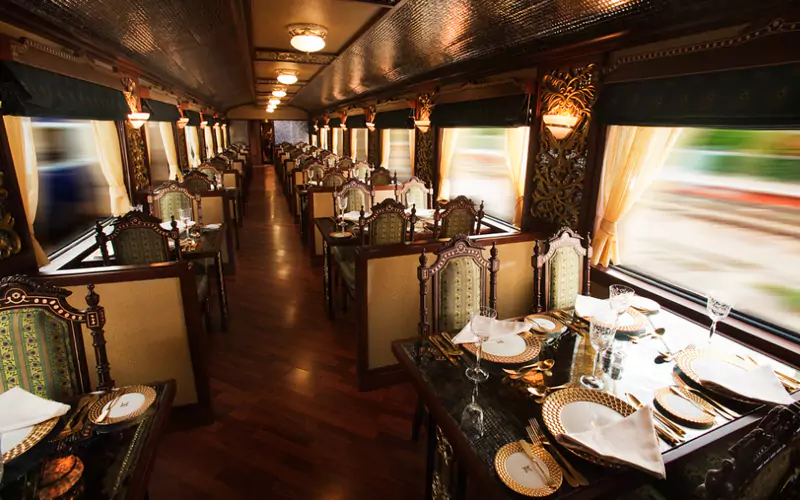
The Royal Rajasthan on Wheels was once among the most celebrated luxury trains in India, showcasing the grandeur of Rajput culture and heritage. Designed to reflect the opulence of Rajasthan’s royal era, the train offered an unmatched blend of elegance, comfort, and regal hospitality. Every detail—from its lavish interiors to its curated itineraries—was crafted to deliver an experience fit for royalty.

width=800

Though immensely popular, the Royal Rajasthan on Wheels was eventually merged with the legendary Palace on Wheels in September 2017. Today, it continues its legacy under the Palace on Wheels banner, carrying forward the tradition of royal journeys across India with timeless charm and sophistication.

Royal Rajasthan on Wheels Routes

The Royal Rajasthan on Wheels embarks on an unforgettable 7-night, 8-day journey, beginning in Delhi and covering some of India’s most iconic destinations. Along the way, travelers experience royal heritage, wildlife adventures, spiritual centers, and world-famous monuments.

  • Route: Delhi → Jodhpur → Udaipur → Chittorgarh → Sawai Madhopur → Jaipur → Khajuraho → Varanasi → Agra → Delhi
  • width=800
  • width=800
  • 1. The Indian Splendour (6 Nights / 7 Days)

Route: Delhi – Agra – Ranthambore – Jaipur – Bikaner – Jodhpur – Udaipur – Balasinor – Mumbai
Highlights: Taj Mahal, tiger safari, palaces of Rajasthan, and Gujarat’s fossil park.

  • 2. The Heritage of India (6 Nights / 7 Days)
  • 3. The Indian Panorama (6 Nights / 7 Days)

Route: Delhi – Jaipur – Ranthambore – Fatehpur Sikri – Agra – Orchha – Khajuraho – Varanasi – Lucknow – Delhi
Highlights: Spiritual heritage in Varanasi, temples of Khajuraho, and historical gems like Orchha and Fatehpur Sikri.

  • 4. Treasures of India (3 Nights / 4 Days)
  • 1. Jewels of South (5 Nights / 6 Days)

Starting from Bengaluru, this journey covers some of South India’s most iconic landmarks. Guests visit Mysuru, Hampi, Kabini River, Hassan, Badami, and Goa before returning to Bengaluru.

  • 2. Pride of Karnataka (5 Nights / 6 Days)
  • 3. Glimpses of Karnataka (3 Nights / 4 Days)

A shorter yet equally enriching journey, this trip starts in Bengaluru and takes guests to Bandipur, Mysuru, and Hampi, before returning to the city. It’s ideal for those seeking a quick luxury escape.

Journey Highlights

  • Operational Months: October – March
    Duration: 3 Nights / 4 Days or 5 Nights / 6 Days
    Dining: A choice of vegetarian and non-vegetarian cuisines, with menus inspired by both regional delicacies and international flavors.
  • Pre & Post Services: Trains do not include services before boarding or after the journey concludes. Arrangements in Delhi, Mumbai, or other boarding points must be made separately.
  • Additional Services: Facilities like visa assistance, foreign exchange, or city tours are not handled by the train but can be arranged through a professional travel agency.
  • Booking Process: Reservations can be complex, with cabins selling out months in advance. It’s best to book early and specify any dietary or medical requirements at the time of booking.

Your Luxury Train Journey, Simplified

Choosing the right travel partner ensures a smooth and worry-free experience.

  • Pre & Post Journey Planning – complete experiences in cities like Delhi and Mumbai.
  • Booking Assistance – managing the complex reservation process for luxury train cabins.
  • Traveler Services – from foreign exchange to onward travel arrangements within India or abroad.
  • Special Requirements – ensuring dietary, medical, or personal needs are met with ease.

Conclusion – Royal Journeys, Unforgettable Memories

Luxury trains in India redefine travel, turning every journey into an immersion in royal heritage, culture, and comfort. From the palaces of Rajasthan to the temples of Khajuraho, and from tiger safaris to exclusive cultural performances, each itinerary is crafted for unforgettable experiences.

Guests are treated like royalty with ornate cabins, gourmet dining, personalized service, and exclusive off-train excursions that no other travel service can offer. Whether it’s your first visit to India or a return to discover new wonders, a journey aboard one of these trains is a memory of a lifetime.

When planning your next trip, consider one of India’s luxury trains. These rolling palaces promise unique adventures, regal hospitality, and cherished memories that will stay with you forever. Explore our Luxury India Tours to find the perfect royal journey crafted just for you.

Note: Routes, schedules, boarding points, and tariffs for luxury trains in India are subject to change as per the Government of India’s directions, with prior notice.

Travelling by Train in India: A Comprehensive Tourist Guide

With the fourth-largest railway network in the world, India’s trains weave across the country in a vast, lively, and often wonderfully chaotic journey. For many travelers, train rides are among the most memorable experiences of exploring this land: sweeping landscapes, local connections, unpredictable delays, and the rhythmic clatter of steel wheels on the tracks. If you’re planning to travel across India by train, here’s what to expect, how to make your journey smoother, and tips for choosing the right class for your comfort.

width=800

Why Travel by Train in India?

  • Picturesque & Cultural Experience: From spectacular Himalayan high passes to serene backwaters and lush landscapes, train travel lets you explore stunning offbeat places in India that are unreachable by plane or road. It also connects you with locals and everyday life in a way flights or buses never can.
  • Cost-Effective: Train travel offers many ticket options, and once you get familiar with them, you’ll find most fares are very reasonable—especially for overnight journeys.
  • Chair Car Coaches: Chair Car coaches have seats instead of berths, making them ideal for shorter, daytime journeys. AC Chair Cars (CC) provide air-conditioned comfort, while Non-AC Second Seating (2S) offers a more basic, budget-friendly option. These classes are perfect for travelers covering shorter distances during the day. Prices typically range from ₹200 to ₹800 per seat.

General Unreserved

General Unreserved Coach

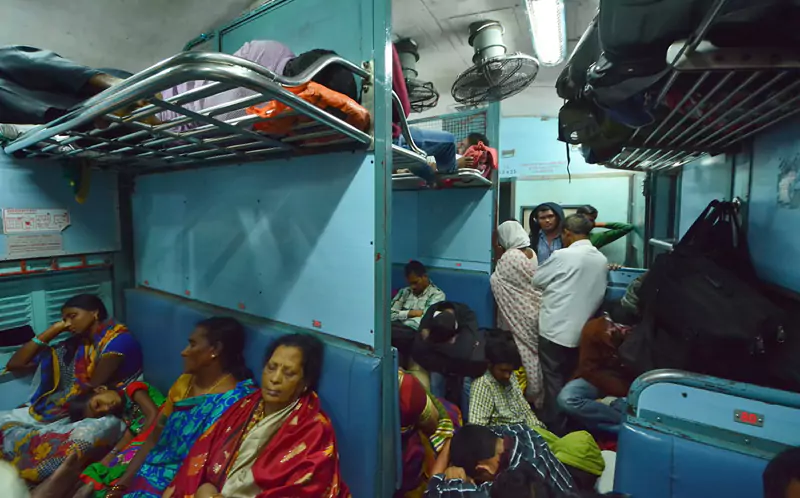
The General Unreserved coach is the most economical way to travel by train in India. Tickets do not require advance reservations, making it a convenient option for short-distance journeys. However, these coaches can become extremely crowded, especially during peak travel seasons and festivals.

General Unreserved is the most economical class, with no reserved seats and very basic facilities. Coaches are often crowded, especially on popular routes, making it a true local travel experience. This class is suitable for short-distance journeys or for travelers who don’t mind the hustle and bustle. Ticket prices typically range from ₹50 to ₹200.

  • Note: Prices can vary significantly depending on the distance, type of train (express, superfast), and season.
  • At the Railway Station:
    Arrive at least 45–60 minutes before your train’s departure, especially if you’re boarding from a major station or metro city. Platforms can change, and stations can be crowded, so keep your tickets and passport handy. Ignore touts offering assistance unless they are official railway staff.
  • Packing & What to Bring During Your Train Journey:
  • Onboard Etiquette & Safety:
    Remove your shoes when heading to your berth and keep your belongings close, ideally near your head. Toilets in lower classes on long routes may be less sanitary, so plan accordingly. Sleepers and lower berths tend to be more exposed, while upper berths offer a bit more privacy and seclusion.
  • Waitlist (WL):
    If your ticket is waitlisted, it means a confirmed seat is not yet assigned. You can check if your ticket clears before departure, as last-minute cancellations sometimes free up seats.
  • RAC (Reservation Against Cancellation):
    An RAC ticket guarantees you a seat, though it may be a shared berth. If other passengers cancel, your seat could be upgraded to a full berth before departure.
  • Running Status:
    You can track your train’s location and expected arrival using apps, websites, or by phone. Keep in mind that long-distance trains often experience delays, sometimes running several hours late.

Extra Tips for a Smooth Ride

  • Opt for upper berths in Sleeper or 3A classes—they offer more privacy and are generally less disturbed by fellow passengers.
  • For solo women travelers, 1A, 2A, or 3A are safer and more comfortable; lower classes often draw curiosity from other passengers.
  • Download offline maps or travel apps, as mobile reception can be unreliable in remote areas.
  • Carry a power bank, since onboard charging points aren’t always dependable.
  • Stay flexible and embrace the journey’s unpredictability—often, the most memorable experiences come from unexpected moments on the train.

Final Thoughts

Traveling by train in India is more than just getting from point A to B—it’s a journey in itself. It’s the ever-changing scenery, the people you meet, the aroma of chai from station stalls, the soft glow of dawn through your window, and the shared laughter in a crowded carriage. With a little preparation, your journey can be comfortable, safe, and truly memorable. So book your ticket, pack light, and get ready to experience India from the rails.

Chat with Us