

Inspiring Journeys Start with Great Stories
Explore destination guides, local traditions, hidden gems, and travel advice curated by our India travel experts.
Explore All Articles
- Published
Picture this: you’ve just landed in India for the first time, overwhelmed by the vibrant chaos, the aromatic spices wafting through the air, and the kaleidoscope of colours that assault your senses at every turn. Where do you begin your North Indian adventure? The answer lies in the Land of Kings – Rajasthan.
Rajasthan stands as India’s cultural crown jewel,fering travellers an authentic introduction to the subcontinent’s rich heritage, diverse landscapes, and warm hospitality. For anyone planning a Rajasthan trip, this magnificent state serves as the perfect gateway to understanding North India’s soul before venturing into its bustling metropolises and sacred cities.
The Cultural Tapestry That Defines North India
A Living Museum of Indian Heritage
Rajasthan embodies everything that makes North India extraordinary. The state’s majestic forts and palaces tell stories that span centuries, from the pink-hued walls of Jaipur’s City Palace to the golden sandstone fortress of Jaisalmer. These architectural marvels provide visitors with an immersive history lesson that contextualises the entire North Indian experience.
When you embark on a Rajasthan tour, you’re not merely sightseeing; you’re stepping into a living museum where every corner whispers tales of Rajput valour, Mughal grandeur, and artistic excellence that influenced the entire northern region.
The Gateway to Understanding North Indian Culture
The cultural practices, traditional arts, and social customs prevalent in Rajasthan serve as a microcosm of broader North Indian traditions. From the intricate henna designs that originated here to the classical dance forms like Kathak, Rajasthan offers authentic cultural experiences that prepare travellers for similar encounters across Delhi, Uttar Pradesh, and Punjab.
The state’s vibrant markets, particularly in Jaipur and Jodhpur, showcase traditional crafts – block printing, blue pottery, and silver jewellery – that represent the artistic heritage found throughout North India.
Strategic Location: Your North Indian Adventure Hub
Connectivity That Makes Sense
Rajasthan’s strategic position makes it the ideal launching pad for exploring North India. Jaipur, the state capital, sits just 280 kilometres from Delhi, connected by excellent road and rail networks. This proximity allows travellers to experience royal grandeur before diving into the cosmopolitan energy of India’s capital.
From Rajasthan, popular North Indian destinations become easily accessible:
Agra and the Taj Mahal lie just hours away
Delhi’s historical monuments echo Rajasthani architectural influences
Rishikesh and Haridwar in Uttarakhand can be reached comfortably for spiritual experiences
The Perfect Circuit Formation
A Rajasthan holiday trip seamlessly integrates with the famous Golden Triangle circuit (Delhi-Agra-Jaipur), but offers so much more. Travellers can extend their journey to cover Udaipur’s romantic lakes, Pushkar’s spiritual significance, and Jaisalmer’s desert adventures, creating a comprehensive North Indian experience that balances culture, history, nature, and spirituality.
Also Read –is india safe to travel
Diverse Experiences in One State
From Deserts to Lakes: Geographical Diversity
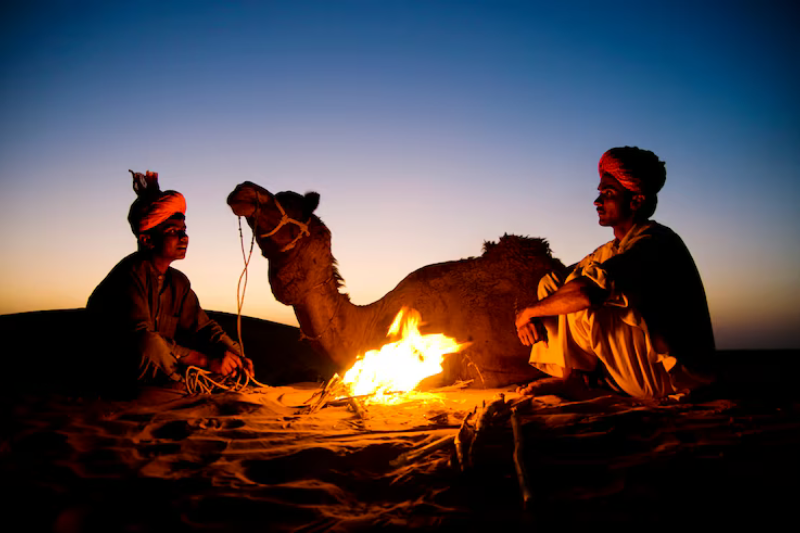
Rajasthan’s varied landscape mirrors North India’s geographical diversity. The Thar Desert around Jaisalmer offers camel safaris and sand dune experiences, while Udaipur’s lakes provide serene boat rides reminiscent of Kashmir’s Dal Lake. The Aravalli Hills running through the state introduce travellers to North India’s mountainous terrain.
This geographical variety within a single state allows visitors to experience different climates, landscapes, and activities without extensive travel, making it perfect for first-time visitors to North India.
Culinary Journey Through North Indian Flavours
Rajasthani cuisine serves as an excellent introduction to North Indian food culture. Dal-baati-churma, gatte ki sabzi, and ker sangri represent the vegetarian richness that defines much of North Indian cooking. The state’s sweet delicacies like ghewar and malpua are variations of desserts found across the northern plains.
Street food culture in cities like Jaipur mirrors the chaat traditions of Delhi and Lucknow, giving travellers a taste of what awaits them in other North Indian cities.
Authentic Cultural Immersion
Traditional Arts and Crafts
Exploring North India begins best with understanding its artistic traditions, and Rajasthan offers unparalleled access to authentic craftsmanship. The state’s artisans continue centuries-old traditions in:
Miniature painting in Udaipur and Jaipur
Block printing in Sanganer and Bagru
Blue pottery in Jaipur
Bandhani tie-dye work in Jodhpur
Silver jewellery in Jaipur’s traditional markets
These crafts represent artistic movements that influenced art across North India, making Rajasthan an essential starting point for cultural understanding.
Folk Music and Dance Traditions
The haunting melodies of Rajasthani folk music and the graceful movements of traditional dances like Ghoomar provide insight into North India’s performing arts heritage. These traditions share common roots with classical forms found throughout the northern region.
Practical Advantages for First-Time Visitors
Tourism Infrastructure Excellence
Rajasthan boasts India’s most developed tourism infrastructure outside of major metropolitan areas. The state offers:
Well-maintained heritage hotels and palaces converted into luxury accommodations
Professional tour guides fluent in multiple languages
Reliable transportation networks connecting major attractions
Tourist-friendly facilities and information centres
This infrastructure makes it easier for international visitors to acclimatise to India before venturing into more challenging destinations.
Also Read – difference between tour operator and travel agent
Safety and Comfort for International Travellers
The state’s tourism-focused economy ensures better safety standards and tourist-friendly services. Local communities are accustomed to international visitors, making communication easier and cultural exchanges more comfortable.
Building Cultural Context for Greater North India
Historical Connections
Understanding Rajasthani history provides context for monuments and cultural sites throughout North India. The Rajput kingdoms’ interactions with Mughal emperors created architectural and cultural synthesis visible in Delhi’s Red Fort, Agra’s Taj Mahal, and Fatehpur Sikri.
Language and Communication Preparation
Rajasthan offers an excellent environment for visitors to familiarise themselves with Hindi phrases and North Indian communication styles. The slower pace of life compared to Delhi or Mumbai allows for more relaxed cultural learning.
Seasonal Advantages and Weather Patterns
Ideal Climate Windows
Rajasthan’s climate patterns align perfectly with optimal North Indian travel seasons. The October to March period offers pleasant weather for both desert experiences and city exploration, preparing travellers for similar conditions across North India.
The state’s diverse micro-climates – from desert heat to hill station coolness – help visitors understand and prepare for varying weather conditions they’ll encounter throughout North India.
Creating Lasting Memories and Connections
Photography Paradise
Rajasthan provides endless photographic opportunities that capture the essence of North India. The golden hour light on Jaisalmer’s sandstone architecture, the reflection of palaces in Udaipur’s lakes, and the vibrant turbans in local markets create images that define the North Indian experience.
Personal Connections and Hospitality
The warmth of Rajasthani hospitality introduces visitors to the concept of Atithi Devo Bhavah (guest is god), a philosophy that permeates North Indian culture. These personal connections often become the most cherished memories of any Indian journey.
Professional Tour Planning for Your Rajasthan Adventure
When planning your Rajasthan trip, partnering with experienced local operators ensures you maximise your North Indian introduction. Janu Private Tours specialises in creating customised experiences that showcase Rajasthan’s diversity while preparing travellers for broader North Indian exploration.
Their expertise in cultural heritage walks, wildlife safaris, culinary tours, and personalised itineraries ensures your Rajasthan tour becomes the perfect foundation for exploring North India. With professional guides, reliable transportation, and deep local knowledge, they transform your Rajasthan holiday trip into an authentic cultural immersion.
Conclusion
Rajasthan offers the perfect introduction to North India’s cultural complexity, geographical diversity, and spiritual depth. Its strategic location, excellent infrastructure, and authentic experiences make it the ideal starting point for any North Indian adventure.
Whether you’re drawn to royal palaces, desert landscapes, spiritual traditions, or culinary adventures, Rajasthan provides a comprehensive preview of what awaits in the broader North Indian region. The memories and cultural understanding gained here will enrich every subsequent destination on your North Indian journey.
Ready to begin your North Indian adventure? Start with Rajasthan, and let the Land of Kings unlock the magic of incredible India for you. Contact Janu Private Tours to plan your perfect Rajasthani introduction to North India’s wonders.
- Published
Picture this: You’re driving through the changing landscapes of North India, watching royal palaces fade into spiritual temples, and desert hues transform into Himalayan foothills. This magical transformation awaits you on one of the most rewarding road trips in North India the journey from Jaipur to Rishikesh.
Road trips in North India offer an unparalleled opportunity to witness the country’s diverse cultural tapestry, and the Jaipur to Rishikesh roadtrip stands out as a perfect blend of heritage, spirituality, and adventure. This 540-kilometre journey takes you from Rajasthan’s Pink City to Uttarakhand’s Yoga Capital, offering experiences that will stay with you long after you return home.
Why Choose the Jaipur to Rishikesh Route?
A Journey Through Contrasts
The Jaipur to Rishikesh roadtrip is more than just a drive; it’s a cultural expedition. You begin in Jaipur, surrounded by magnificent forts, bustling bazaars, and the echoes of Rajput history. As you progress northward, the landscape gradually shifts from arid desert terrain to the lush green foothills of the Himalayas.
This transformation makes it one of the most scenic road trips in North India. The route takes approximately 10-11 hours of driving time, but the journey itself becomes the destination when you witness such dramatic geographical and cultural changes.
Historical and Spiritual Significance
Exploring North India through this route offers glimpses into both ancient kingdoms and timeless spirituality. Jaipur represents the grandeur of Rajputana, while Rishikesh embodies India’s spiritual heritage as the birthplace of yoga and meditation.
The roadtrip connects two UNESCO World Heritage sites Jaipur’s architectural marvels and the sacred ghats of Haridwar-Rishikesh, making it a journey through living history.
Also Read – how to celebrate birthday alone
Essential Stops Along the Jaipur to Rishikesh Route
Delhi: The Heart of India
Your Jaipur to Rishikesh roadtrip naturally passes through Delhi, offering an excellent opportunity to explore India’s capital. The city serves as a perfect midway point to rest and refuel while discovering iconic landmarks.
Key attractions include the towering Qutub Minar, the magnificent Humayun’s Tomb, and the historic Red Fort. Delhi’s street food scene provides an authentic taste of North Indian cuisine that enhances your roadtrip experience.
Gurgaon: Modern India’s Gateway
As you continue exploring North India, Gurgaon presents a stark contrast with its gleaming skyscrapers and modern infrastructure. The Kingdom of Dreams here offers spectacular shows celebrating Indian culture and tradition.
This stopover demonstrates how road trips in North India can showcase both ancient heritage and contemporary progress within the same journey.
Haridwar: Gateway to the Gods
Before reaching Rishikesh, Haridwar marks the beginning of your spiritual journey. This sacred city, where the Ganges enters the plains, offers the mesmerising Ganga Aarti ceremony at Har Ki Pauri.
The evening prayers and floating diyas create an atmosphere that makes this roadtrip segment particularly memorable. Haridwar perfectly bridges the gap between the royal heritage of Jaipur and the spiritual energy of Rishikesh.
Best Time for Your Jaipur to Rishikesh Adventure
October to March: Perfect Weather
The ideal time for this Jaipur to Rishikesh roadtrip is during the cooler months from October to March. During this period, both Rajasthan’s desert climate and Uttarakhand’s mountain weather remain pleasant for travel.
The clear skies and comfortable temperatures make it one of the most enjoyable road trips in North India during these months. You’ll avoid the scorching summer heat of Rajasthan and the monsoon rains in the mountains.
Also Read – which is the best travel company in india
Festival Seasons
Exploring North India during festival times adds cultural richness to your journey. Diwali in Jaipur and Kumbh Mela periods in Haridwar-Rishikesh offer unique experiences, though expect larger crowds during these times.
What Makes This Roadtrip Special?
Diverse Experiences in One Journey
Unlike other road trips in North India that focus on single themes, the Jaipur to Rishikesh roadtrip offers incredible diversity. You experience royal heritage, urban modernity, spiritual awakening, and adventure sports all in one journey.
This variety ensures that every traveller – whether interested in history, spirituality, or adventure – finds something captivating along the route.
Adventure Activities in Rishikesh
Your roadtrip culminates in Rishikesh, India’s adventure capital. Here you can enjoy white-water rafting on the Ganges, bungee jumping from India’s highest platform, and paragliding over the scenic valleys.
These activities make exploring North India through this route appealing to adventure enthusiasts and spiritual seekers alike.
Yoga and Wellness
Rishikesh’s reputation as the world’s yoga capital adds another dimension to your journey. Numerous ashrams and yoga centres offer courses ranging from beginner sessions to advanced training programmes.
This wellness aspect distinguishes the Jaipur to Rishikesh roadtrip from typical tourist circuits, providing opportunities for personal growth and spiritual development.
Planning Your Journey with Professional Guidance
Customised Tour Packages
When planning road trips in North India, professional guidance ensures you maximise your experience while maintaining comfort and safety. Janu Private Tours specialises in creating customised travel experiences throughout Rajasthan and North India.
Their expertise in exploring North India means they understand the nuances of route planning, accommodation selection, and local attractions that enhance your roadtrip experience.
Comfortable Transportation
The success of any Jaipur to Rishikesh roadtrip depends significantly on reliable transportation. Professional tour operators provide air-conditioned vehicles with experienced drivers familiar with the route’s challenges and attractions.
This professional approach transforms your journey from a potentially stressful drive into a comfortable exploration of North India’s treasures.
Local Insights and Cultural Experiences
Experienced guides familiar with road trips in North India can provide invaluable insights into local customs, hidden gems, and authentic dining experiences. They ensure you don’t just pass through places but truly experience their essence.
Accommodation and Dining Along the Route
Heritage Hotels in Jaipur
Your roadtrip begins with Jaipur’s magnificent heritage hotels, many converted from former palaces and havelis. These accommodations provide authentic royal experiences that set the perfect tone for your journey.
Spiritual Retreats in Rishikesh
The journey concludes with Rishikesh’s ashrams and spiritual retreats, offering peaceful accommodations alongside the Ganges. This contrast in lodging styles reflects the diverse nature of exploring North India.
Culinary Journey
Road trips in North India offer incredible culinary diversity. From Rajasthani dal-baati-churma in Jaipur to simple sattvic meals in Rishikesh ashrams, your Jaipur to Rishikesh roadtrip becomes a gastronomic adventure.
Tips for a Successful Road Trip
Vehicle Preparation
Before embarking on this roadtrip, ensure your vehicle is thoroughly serviced. Check tyres, brakes, air conditioning, and carry essential tools and spare parts.
Documentation and Safety
Keep all necessary documents including driving licence, vehicle registration, and insurance papers readily available. Inform family about your travel plans and expected arrival times.
Emergency Preparedness
Carry a first-aid kit, emergency contact numbers, and sufficient cash for unexpected situations. Download offline maps to navigate areas with poor network connectivity.
The Transformative Experience
Personal Growth Through Travel
The Jaipur to Rishikesh roadtrip offers more than sightseeing; it provides personal transformation. The journey from royal grandeur to spiritual simplicity often leads to profound self-reflection and growth.
Cultural Understanding
Exploring North India through this route deepens understanding of the country’s cultural complexity. You witness how different regions maintain distinct identities while sharing common threads of heritage and tradition.
Memories That Last
Among all road trips in North India, this particular route creates lasting memories through its variety of experiences. From photographing sunrise over Jaipur’s forts to participating in Ganga Aarti in Haridwar, each moment becomes treasured.
Conclusion
The Jaipur to Rishikesh roadtrip represents everything wonderful about road trips in North India – diversity, beauty, culture, and adventure combined into one unforgettable journey. This route takes you through India’s heart, showcasing royal heritage, spiritual traditions, and natural beauty.
Whether you’re seeking adventure, spiritual growth, cultural immersion, or simply a break from routine, this roadtrip delivers experiences that satisfy every travel desire. The journey from Rajasthan’s Pink City to Uttarakhand’s Yoga Capital proves that sometimes the most rewarding destinations are found not at the end of the journey, but throughout the entire route.
Exploring North India through this carefully crafted route provides insights into the country’s soul while creating memories that enrich your life long after you return home.
Ready to embark on this transformative journey? Contact Janu Private Tours to plan your perfect Jaipur to Rishikesh roadtrip with professional guidance, comfortable transportation, and insider knowledge that makes all the difference in creating an extraordinary travel experience.
- Published
- LA INDIA SOLA SIENDO MUJER !
- Me sentí una más.
En India todo es simple y muy humano. Hay pobreza económica pero una riqueza humana que te robará el corazón por completo.
Mírales a los ojos y entenderás de lo que hablo. Todavía se me ponen los pelos de punta y sentí mucha envidia ya que no necesitan tanto para sonreír.
Respeta y serás respetada, cuidada y siempre a salvo.
Me fui para 25 días y me quedé 47. Amé India y cuento los días para volver a pisar sus calles.
Jamás me sentí tan conectada a la vida, tan cuidada, protegida y mimada, en resumen: me sentí completamente viva con lo más simple ya que volví a mis orígenes,
cuando primaba el amor y la ayuda desinteresada.
Gracias, India, por permitirme viajar sola, sin miedo: mi mochila y yo.
Aunque, a ser sincera, cuando viajas sola, creéme, nunca estás sola.
Encuentras gente como tú y la vida te regala una grandísima aventura.
Gracias, India, por permitirme viajar sola, sin miedo: mi mochila y yo.
Aunque, a ser sincera, cuando viajas sola, creéme, nunca estás sola.
Encuentras gente como tú y la vida te regala una grandísima aventura.
Thank you, India, for allowing me to travel alone, without fear—just me and my backpack.
Though, to be honest, when you travel alone—trust me, you are never really alone.
You find people like you, and life gives you the greatest adventure of all.
Ana Díaz
@soycafeleche
- Published
The year 2026 has brought extraordinary recognition for India’s cultural tourism landscape, with Jaipur, the Pink City, securing the prestigious 5th position in Travel + Leisure’s World’s Best Cities 2026 list with an impressive score of 91.33, surpassing iconic destinations like Florence, which ranked 11th with a score of 90.08. This remarkable achievement positions Jaipur among the world’s most coveted travel destinations and marks a defining moment for Indian tourism on the global stage.
The significance of this recognition extends far beyond rankings it reflects a fundamental shift in global travel preferences towards authentic, culturally immersive experiences that Jaipur delivers in abundance. As international travellers increasingly seek destinations that offer depth, heritage, and genuine cultural connections, Jaipur has emerged as the perfect answer to these evolving desires.
The Global Recognition That Puts India on the World Tourism Map
Travel + Leisure’s 2026 World’s Best Awards placed Jaipur in elite company alongside San Miguel de Allende, Mexico (1st), Chiang Mai, Thailand (2nd), Tokyo (3rd), and Bangkok (4th). This ranking, determined by thousands of international readers and seasoned travellers, evaluates cities across multiple parameters including cultural experiences, landmarks, cuisine, hospitality, accommodation quality, shopping, and overall value for money.
What makes this achievement particularly remarkable is that Jaipur outranked Florence, Italy long considered a crown jewel of Renaissance Europe and a magnet for art and architecture lovers. This shift signals a growing global appetite for destinations that offer not just historical significance but also vibrant, living cultures that visitors can actively experience rather than merely observe.
The Travel + Leisure World’s Best Awards carry significant weight in the international travel industry, with millions of travellers consulting these rankings when planning their journeys. For Jaipur to secure such a prestigious position validates what cultural tourism enthusiasts have long known that India’s Pink City offers an unparalleled blend of heritage, luxury, and authentic experiences.
Why Jaipur Deserves Its Place Among the World’s Best Cities
Architectural Marvels That Tell Stories
Jaipur’s rise to global prominence is anchored in its extraordinary architectural heritage. The city’s magnificent palaces and forts serve as living testimonies to India’s royal past. The Amber Fort, with its stunning mirror work and artistic Hindu elements, offers visitors a journey through centuries of Rajasthani craftsmanship. The iconic Hawa Mahal, or Palace of Winds, with its distinctive honeycomb structure and 953 intricately carved windows, provides one of the most photographed facades in the world.
The City Palace complex continues to house the royal family while showcasing exquisite courtyards, gardens, and buildings that blend Rajasthani and Mughal architecture. These aren’t mere tourist attractions they’re immersive experiences that transport visitors into India’s glorious past while remaining vibrantly connected to the present.
Heritage Hospitality That Defines Luxury
Jaipur’s hospitality sector has garnered international acclaim, with The Oberoi Rajvilas previously being named the World’s Best Hotel in Travel + Leisure’s 2024 awards. The city’s heritage hotels, many of which are converted palaces and havelis, offer guests the opportunity to live like royalty while experiencing authentic Rajasthani hospitality.
These properties don’t simply provide accommodation they offer curated experiences that include traditional welcome ceremonies, royal dining experiences, cultural performances, and access to private tours of historical sites. The fusion of luxury amenities with authentic cultural experiences creates the type of memorable journey that modern travellers seek.
Vibrant Markets and Artisan Traditions
The bustling bazaars of Jaipur contribute significantly to its global appeal. Johari Bazaar, famous for its exquisite jewellery, and Bapu Bazaar, known for textiles and handicrafts, offer visitors authentic shopping experiences where they can interact directly with skilled artisans. These markets aren’t commercialised tourist traps they’re living centres of traditional craftsmanship where centuries-old techniques continue to thrive.
The city’s commitment to preserving traditional arts while adapting to contemporary tastes creates a unique shopping environment. Visitors can purchase everything from handcrafted blue pottery and block-printed textiles to precious gemstones and traditional Rajasthani footwear, all while experiencing the vibrant energy of Indian marketplace culture.
Culinary Excellence That Reflects Royal Heritage
Jaipur’s culinary landscape played a crucial role in its global recognition. The city offers everything from street food adventures to fine dining experiences that showcase traditional Rajasthani cuisine alongside contemporary interpretations. The dal baati churma, laal maas, and ghewar represent just a fraction of the culinary treasures that await visitors.
The food culture in Jaipur extends beyond restaurants to include cooking classes, spice market tours, and traditional dining experiences in heritage properties. This comprehensive approach to culinary tourism allows visitors to understand and participate in the food culture rather than simply consuming it.
Also read:- Places to visit in jaipur at night
The Growing Appeal of Cultural Tourism in Jaipur
Authentic Experiences Over Generic Tourism
The global travel industry has witnessed a significant shift from conventional sightseeing to experiential tourism, and Jaipur exemplifies this transition perfectly. Modern travellers, particularly millennials and Gen Z, prioritise authentic experiences that provide insight into local cultures, traditions, and ways of life.
Jaipur delivers these experiences through various means: traditional crafts workshops where visitors can learn block printing or pottery making, cultural performances in palace courtyards, village tourism experiences that showcase rural Rajasthani life, and photography tours that capture both the grandeur of monuments and the vibrancy of everyday life.
Sustainable Tourism Practices
The city’s approach to tourism development increasingly emphasises sustainability and community involvement. Local artisan communities benefit directly from tourism through craft workshops, cultural performances, and traditional skill demonstrations. This approach ensures that tourism development preserves rather than displaces local cultures and traditions.
Heritage conservation efforts in Jaipur demonstrate how historical preservation can coexist with modern tourism infrastructure. The city’s commitment to maintaining its architectural integrity while developing world-class amenities provides a model for sustainable cultural tourism development.
Jaipur Travel: A Gateway to Rajasthan’s Rich Heritage
For travellers planning to explore Jaipur and experience what earned it this prestigious global recognition, choosing the right tour operator becomes crucial. The city’s complexity and richness require local expertise to truly appreciate all it offers.
Janu Private Tours specialises in creating customised experiences that showcase Jaipur’s royal heritage, cultural traditions, and hidden gems. Their expertise in crafting personalised itineraries ensures that visitors can experience the authentic Jaipur that impressed Travel + Leisure’s international readership.
The company’s approach to Jaipur travel focuses on immersive experiences that go beyond standard sightseeing. Their guided tours incorporate visits to lesser-known palaces, interactions with local artisans, traditional dining experiences, and cultural performances that provide deeper insights into Rajasthani heritage.
Curated Experiences That Reflect Global Standards
Understanding that Jaipur now competes with destinations like Tokyo, Bangkok, and San Miguel de Allende means that visitor expectations are correspondingly high. Professional tour operators play a crucial role in ensuring that the Jaipur experience meets and exceeds these international standards.
Quality guided tours that combine historical knowledge with cultural insights, comfortable transportation that allows for relaxed exploration, and access to authentic experiences that independent travellers might miss. These elements transform a visit to Jaipur from simple tourism into the type of transformative travel experience that earns global recognition.
Also Read:- Best 15 Places to Watch the Sunset
The Broader Impact on Indian Tourism
Positioning India as a Premium Cultural Destination
Jaipur’s achievement in the Travel + Leisure rankings has implications that extend far beyond the city itself. It positions India as a destination capable of competing with the world’s best cities for discerning international travellers. This recognition helps shift perceptions of India from a budget destination to a premium cultural tourism experience.
The success validates India’s approach to heritage tourism development and demonstrates that authentic cultural experiences, when properly presented and supported by quality infrastructure, can achieve global recognition and appeal to luxury travellers worldwide.
Economic Impact and Future Prospects
This international recognition is expected to significantly boost tourist arrivals to Jaipur and Rajasthan more broadly. Increased visibility in global travel media, enhanced credibility among international tour operators, and improved perception among high-spending tourists all contribute to substantial economic benefits for the region.
The hospitality sector, local artisans, tour operators, and cultural institutions all stand to benefit from increased international attention. This creates a positive cycle where tourism revenue supports heritage conservation and cultural preservation efforts, ensuring that the attractions that earned this recognition continue to thrive.
Planning Your Journey to the World’s 5th Best City
What Makes Jaipur Travel Special in 2026
With its new global recognition, Jaipur attracts visitors with heightened expectations and sophisticated travel requirements. The city has responded by elevating its tourism offerings across all categories—from luxury accommodations and fine dining to curated cultural experiences and professional guide services.
The optimal time to experience Jaipur is during the cooler months from October to March, when the weather is pleasant for exploring outdoor attractions like Amber Fort and the various palace complexes. This period also coincides with numerous cultural festivals and events that showcase Rajasthani traditions at their most vibrant.
Essential Experiences for the Global Traveller
A comprehensive Jaipur experience should include sunrise visits to Amber Fort, elephant encounters at Elefantastic, shopping expeditions through traditional bazaars, cultural performances at heritage venues, and culinary journeys that include both street food exploration and fine dining experiences.
The key to maximising a Jaipur visit lies in balancing must-see attractions with authentic cultural experiences. Professional tour operators who understand international traveller expectations while maintaining connections to local communities can create itineraries that justify Jaipur’s position among the world’s best cities.
Conclusion: Jaipur’s Royal Recognition and Your Next Adventure
Jaipur’s ranking as the 5th best city globally in Travel + Leisure’s 2026 survey, with a score of 91.33 points, represents recognition of its cultural and folk art experiences, historic forts and palaces, international-standard hospitality, and premium shopping and restaurant scene. This achievement validates what cultural tourism enthusiasts have long appreciated about India’s Pink City its unique ability to blend historical grandeur with contemporary luxury while maintaining authentic cultural connections.
The recognition comes at a time when global travel is increasingly focused on meaningful experiences over superficial tourism. Jaipur’s success demonstrates that destinations offering genuine cultural immersion, supported by quality infrastructure and professional services, can compete successfully with any city in the world.
For travellers seeking to experience what earned Jaipur this prestigious global recognition, the key lies in choosing tour operators who understand both international standards and local culture. The city’s complexity and richness reward those who invest in quality guidance and carefully curated experiences.
As Jaipur takes its place among the world’s elite travel destinations, it opens new possibilities for experiencing India’s royal heritage at its finest. This recognition not only celebrates past achievements but also sets the stage for even greater developments in cultural tourism excellence.
Ready to discover why Jaipur earned its place among the world’s best cities? Contact Janu Private Tours to create your personalised journey through India’s Pink City and experience the royal heritage, cultural richness, and authentic hospitality that impressed Travel + Leisure’s global readership.
- Published
Planning the perfect birthday celebration for your girlfriend can feel overwhelming, but it doesn’t have to be. Whether you’re looking for intimate romantic gestures or grand adventures, the key lies in understanding what makes her heart sing and creating moments that reflect your unique bond together.
Understanding What Makes Her Happy
Before diving into specific celebration ideas, take a moment to reflect on your girlfriend’s personality, interests, and love language. Does she prefer quiet, intimate moments or exciting adventures? Is she a foodie who loves trying new cuisines, or does she cherish handmade gifts over expensive purchases? Understanding these preferences will help you craft a celebration that truly resonates with her.
The most meaningful birthday celebrations aren’t always the most expensive ones. They’re the ones who show thoughtfulness, effort, and genuine care for what brings joy to her life. Whether she’s an introvert who values quality time or an extrovert who loves being surrounded by friends, tailoring your approach to her personality will make all the difference.
25 Creative Birthday Celebration Ideas
Romantic and Intimate Celebrations
1. Sunrise or Sunset Picnic: Create a magical outdoor dining experience by planning a picnic during golden hour. Pack her favorite foods, bring cozy blankets, and choose a scenic location with a beautiful view. The natural lighting creates the perfect romantic ambiance, and you’ll have privacy to focus entirely on each other.
2. Home Spa Experience: Transform your living space into a luxurious spa retreat. Prepare aromatic candles, essential oils, face masks, and relaxing music. Offer to give her a massage, draw a warm bath with rose petals, and create an atmosphere of complete relaxation and pampering.
3. Memory Lane Photo Album Compile photos from your relationship journey into a beautifully crafted album. Include ticket stubs, notes, and mementos from special moments you’ve shared. Write heartfelt captions explaining why each memory is precious to you.
4. Stargazing Adventure Plan an evening under the stars with telescopes, constellation maps, and warm blankets. Choose a location away from city lights where you can clearly see the night sky. Bring hot chocolate in thermoses and spend the night talking about dreams and future plans.
5. Cooking Class for Two Learn to prepare a new cuisine together by taking a private cooking class or following online tutorials. Choose a dish from a country you both want to visit, and make the experience interactive and fun. You’ll create delicious food and lasting memories simultaneously.
Adventure and Experience-Based Celebrations
6. Hot Air Balloon Ride Give her the gift of breathtaking views and unforgettable memories with a hot air balloon experience. Most companies offer champagne toasts and professional photography, making it perfect for celebrating special occasions.
7. Weekend Getaway Plan a surprise trip to a destination she’s mentioned wanting to visit. Whether it’s a cozy cabin in the mountains, a beach resort, or a historic city, the key is choosing somewhere that aligns with her interests and creates opportunities for quality time together.
8. Adventure Sports Experience If she’s adventurous, consider activities like rock climbing, zip-lining, kayaking, or hiking to scenic viewpoints. These experiences create adrenaline-filled memories and provide plenty of opportunities for photos and stories to share later.
9. Wine or Beer Tasting Tour Explore local vineyards or breweries together, learning about production processes while sampling different varieties. Many venues offer educational experiences that combine entertainment with cultural enrichment.
10. Scavenger Hunt Create a personalized scavenger hunt that leads her to meaningful locations in your relationship. Each clue can represent a special memory, leading to small gifts or notes along the way, with the final destination being a surprise celebration.
Creative and Artistic Celebrations
11. Art Workshop Experience Sign up for a pottery class, painting workshop, or jewelry-making session. Creating something together provides a tangible reminder of the day, and you’ll both have fun learning new skills regardless of your artistic abilities.
12. Photography Session Hire a professional photographer for a couple’s photoshoot in beautiful locations. Choose outfits that complement each other and locations that hold special meaning in your relationship. You’ll receive professional photos to treasure forever.
13. Dance Lessons Learn a new dance style together, whether it’s salsa, ballroom, or swing dancing. Many studios offer private lessons for couples, allowing you to learn at your own pace while enjoying romantic music and physical closeness.
14. DIY Craft Projects Spend the day creating something meaningful together, such as a scrapbook, painted canvas, or handmade jewelry. The process of creating together can be just as valuable as the finished product.
15. Music Experience If she loves music, consider concert tickets for her favorite artist, a vinyl record shopping trip, or even karaoke night. You could also create a playlist of songs that remind you of different moments in your relationship.
Food and Culinary Celebrations
16. Progressive Dinner Plan a meal that moves through different locations, such as appetizers at one restaurant, main course at another, and dessert at a third. This creates variety and adventure while allowing you to explore different cuisines.
17. Food Truck Festival Attend a local food truck festival where you can sample diverse cuisines and enjoy live entertainment. This casual, fun atmosphere allows for easy conversation and culinary exploration.
18. Themed Dinner Party Host a dinner party with a specific theme, such as Italian night, Mexican fiesta, or Asian fusion. Decorate accordingly, prepare themed foods, and encourage guests to dress up to match the theme.
19. Cooking Competition Create a fun cooking challenge where you both prepare different dishes and have friends or family judge the results. This playful competition adds excitement to the celebration while showcasing your culinary skills.
20. Chocolate or Dessert Making Spend the day learning to make gourmet chocolates, pastries, or other desserts. Many culinary schools offer specialized classes, or you can follow online tutorials and experiment together at home.
Unique and Personalized Celebrations
21. Time Capsule Creation Compile items that represent your current relationship and life circumstances, seal them in a container, and plan to open it together on a future anniversary. Include photos, letters, small mementos, and predictions about your future.
22. Volunteer Together Celebrate by giving back to your community through volunteer work at a cause she cares about. This meaningful way to spend time together can deepen your connection while making a positive impact.
23. Surprise Video Messages Coordinate with her friends and family to create video messages wishing her happy birthday. Compile these into a single video presentation that you can watch together, showing how many people care about her.
24. Plant a Garden Together Start a small garden with flowers, herbs, or vegetables that you can tend together throughout the year. This creates an ongoing reminder of her special day and provides a shared project to nurture.
25. Custom Experience Based on Her Hobbies Design a celebration around her specific interests, whether it’s a book club meeting for literature lovers, a yoga retreat for fitness enthusiasts, or a nature photography expedition for outdoor lovers.
How Janu Private Tours Elevates Your Celebration
When you want to create an extraordinary birthday celebration that goes beyond ordinary experiences, Janu Private Tours offers the perfect solution for couples seeking unique, personalized adventures. Their expertise in crafting memorable experiences can transform your girlfriend’s birthday into an unforgettable journey.
Personalized Travel Experiences
Janu Private Tours specializes in creating customized itineraries that reflect your girlfriend’s interests and preferences. Whether she dreams of exploring ancient temples, discovering hidden beaches, or experiencing local culture through authentic encounters, their team works closely with you to design the perfect birthday adventure.
Their private tour approach ensures that you’ll have intimate, romantic moments without the crowds and rigid schedules of group tours. This personalized attention allows you to focus entirely on celebrating your girlfriend while exploring new destinations together.
Expert Local Knowledge
One of the greatest advantages of choosing Janu Private Tours is their deep understanding of local destinations. Their guides possess insider knowledge about hidden gems, authentic restaurants, and special locations that typical tourists never discover. This expertise ensures that your girlfriend’s birthday celebration includes unique experiences that create lasting memories.
Their local connections also provide access to exclusive experiences, such as private cooking classes with renowned chefs, after-hours visits to cultural sites, or special arrangements at luxury accommodations. These unique touches elevate a simple birthday celebration into an extraordinary adventure.
Stress-Free Planning
Planning a birthday celebration while coordinating travel logistics can be overwhelming. Janu Private Tours eliminates this stress by handling all the details, from transportation and accommodation to restaurant reservations and activity bookings. This comprehensive service allows you to focus on enjoying the celebration rather than worrying about logistics.
Their team understands that birthday celebrations require special attention to detail, and they work tirelessly to ensure every aspect of your trip contributes to making your girlfriend feel cherished and celebrated.
Romantic Settings and Experiences
Janu Private Tours excels at creating romantic environments that enhance intimate celebrations. Whether it’s arranging a private dinner on a secluded beach, organizing a sunrise photography session at a scenic viewpoint, or coordinating a couples’ spa treatment at a luxury resort, they understand how to craft moments that strengthen your connection.
Their experience in romantic travel means they can suggest activities and locations that provide natural opportunities for meaningful conversations, shared adventures, and romantic gestures that make birthdays truly special.
Cultural Immersion Opportunities
If your girlfriend enjoys learning about different cultures, Janu Private Tours can arrange authentic cultural experiences that provide deep insights into local traditions, crafts, and customs. These immersive experiences create educational and enriching birthday celebrations that satisfy intellectual curiosity while providing entertainment.
From traditional craft workshops to cultural festival participation, these experiences offer unique ways to celebrate while expanding your understanding of the world together.
Also Read:-places to visit in jaipur with friends
Planning Timeline for the Perfect Birthday Celebration
4-6 Weeks Before
Start planning early to ensure availability and avoid last-minute stress. If you’re working with Janu Private Tours, this is the ideal time to begin discussions about destinations, preferences, and special requirements. Early planning also allows time for any necessary travel documents or special arrangements.
Begin gathering information about her interests, preferred activities, and any hints she might have dropped about things she’d like to experience. This research phase helps ensure your celebration aligns with her personality and desires.
2-3 Weeks Before
Finalize all major arrangements, including accommodations, transportation, and primary activities. If you’re planning a surprise, ensure all participants are informed and available. This is also the time to arrange any special touches, such as custom decorations, personalized gifts, or special meal arrangements.
For travel-based celebrations, confirm all bookings and create backup plans in case of weather or other unforeseen circumstances. Having contingency plans reduces stress and ensures the celebration can proceed smoothly regardless of minor setbacks.
1 Week Before
Handle final details such as packing, confirming reservations, and preparing any surprise elements. If you’re working with Janu Private Tours, they’ll typically provide final itinerary details and ensure all arrangements are confirmed during this timeframe.
Prepare emotionally for the celebration by reflecting on your relationship and the specific reasons you want to make this birthday special. This mental preparation helps ensure you’re fully present and engaged during the actual celebration.
Day of Celebration
Focus on being present and attentive to your girlfriend’s reactions and enjoyment. Remember that flexibility is key – if something doesn’t go according to plan, maintain a positive attitude and focus on spending quality time together. The most important aspect of any birthday celebration is showing your love and appreciation for her.
Budget-Friendly Birthday Celebration Tips
Creating a memorable birthday celebration doesn’t require enormous financial investment. Focus on thoughtfulness, creativity, and personal touches rather than expensive purchases. Many of the most meaningful celebrations cost very little but require significant time and effort.
Consider combining free activities with one special splurge item. For example, you might plan a free hiking trip to a scenic location but invest in a professional photographer to capture the moments, or organize a home-cooked meal but splurge on high-quality ingredients or a special bottle of wine.
DIY elements often carry more emotional weight than purchased items. Handmade gifts, personally written letters, or carefully curated playlists demonstrate thoughtfulness and effort that money can’t buy.
Look for local deals and discounts on experience-based activities. Many businesses offer special rates for couples or birthday celebrations, and off-season timing can significantly reduce costs while still providing excellent experiences.
Also Check:- Places to visit in jaipur at night
Making Long-Distance Birthday Celebrations Special
If you’re in a long-distance relationship, celebrating your girlfriend’s birthday requires extra creativity and planning. Focus on ways to make your presence felt despite physical distance, and consider coordinating surprise deliveries or virtual experiences.
Technology can bridge the gap through video calls, virtual reality experiences, or synchronized activities where you both participate in the same activity while connected online. Many couples find that long-distance celebrations require more creativity, often resulting in more meaningful and memorable experiences.
Consider planning a future trip together as her birthday gift, giving her something to anticipate and providing an opportunity for an extended celebration when you can be together.
Conclusion: Creating Lasting Birthday Memories
The perfect birthday celebration for your girlfriend combines thoughtfulness, personalization, and genuine care for her happiness. Whether you choose an intimate home celebration, an adventurous outdoor experience, or a luxurious travel adventure with Janu Private Tours, the key is showing that you understand and value what makes her unique.
Remember that the most successful birthday celebrations aren’t measured by their cost or complexity, but by the joy they bring and the memories they create. Focus on quality time together, meaningful experiences, and demonstrations of your love and appreciation.
When you invest time and thought into celebrating your girlfriend’s birthday, you’re not just marking another year of her life – you’re strengthening your relationship and creating shared memories that will enhance your bond for years to come. Whether you’re planning an intimate evening at home or an exotic adventure abroad, the most important ingredient is your genuine desire to make her feel cherished and celebrated.
With careful planning, creative thinking, and perhaps the expert assistance of Janu Private Tours for travel-based celebrations, you can create a birthday experience that perfectly captures your feelings for your girlfriend while providing her with memories she’ll treasure forever. The perfect celebration is one that reflects your unique relationship and shows her just how much she means to you.
- Published
The dream of traveling the world without breaking the bank isn’t just a fantasy—it’s an achievable reality for those who know the right strategies. Whether you’re a recent graduate, a career-changer, or simply someone with wanderlust but limited funds, this comprehensive guide will show you exactly how to explore the globe without spending your life savings.
The Psychology Behind Free Travel: Why It Works
Before diving into specific strategies, it’s crucial to understand that free travel isn’t about exploitation or taking advantage of others. Instead, it’s about creating mutual value exchanges where everyone benefits. When you volunteer your skills, share your culture, or provide companionship to fellow travelers, you’re contributing to a global community that thrives on reciprocity.
The concept of free travel has evolved significantly in recent years. What once required extensive planning and luck now benefits from digital platforms, global connectivity, and changing attitudes toward work and lifestyle. The post-pandemic world has accelerated trends like remote work, house-sitting, and digital nomadism, creating unprecedented opportunities for budget-conscious travelers.
House-Sitting: Your Gateway to Free Accommodation Worldwide
House-sitting represents one of the most reliable methods for securing free accommodation while traveling. This arrangement involves caring for someone’s home and often their pets while they’re away, providing you with a comfortable base and them with peace of mind.
Getting Started with House-Sitting
The key to successful house-sitting lies in building trust and demonstrating reliability. Start by creating compelling profiles on platforms like TrustedHousesitters, HouseSitMatch, and Nomador. Include professional photos, detailed descriptions of your experience with pets and home maintenance, and gather references from friends, neighbors, or previous house-sitting experiences.
Begin locally to build your reputation. Offer to house-sit for friends, family, or neighbors to gather positive reviews and references. Document your experiences with photos and testimonials that showcase your responsibility and care for homes and pets.
Advanced House-Sitting Strategies
Once you’ve established a track record, you can target international opportunities. Popular destinations for house-sitting include Australia, New Zealand, the United Kingdom, and parts of Europe where pet ownership is high and travel is common. Apply for sits well in advance, especially for popular destinations during peak seasons.
Create a house-sitting calendar that allows you to chain multiple sits together, eliminating gaps where you’d need to pay for accommodation. This requires careful planning but can result in months of free housing across multiple countries.
Work Exchange Programs: Trading Skills for Experiences
Work exchange programs offer structured opportunities to trade your labor for accommodation, meals, and cultural immersion. These programs have exploded in popularity, creating opportunities across every continent and industry.
Workaway and Similar Platforms
Workaway, WWOOF (World Wide Opportunities on Organic Farms), and HelpX connect travelers with hosts who need assistance with various projects. These range from helping with organic farming and childcare to assisting with social media marketing and English tutoring.
The key to success with work exchanges is matching your skills with host needs. If you have experience in digital marketing, web design, photography, or language teaching, you’ll find numerous opportunities. Even without specialized skills, enthusiasm and reliability are highly valued.
Teaching English Abroad
Teaching English represents one of the most sustainable ways to travel long-term while earning money. Programs like JET (Japan Exchange and Teaching) in Japan, EPIK in South Korea, and various programs in China not only provide free accommodation but also offer salaries.
For those without teaching credentials, online certification programs like TEFL (Teaching English as a Foreign Language) can be completed in weeks. Many countries, particularly in Southeast Asia and Latin America, have high demand for English teachers and relatively relaxed requirements.
Travel Hacking: Maximizing Credit Card Rewards and Loyalty Programs
Travel hacking involves strategically using credit cards, loyalty programs, and booking techniques to minimize travel costs. While it requires careful planning and responsible credit management, it can result in thousands of dollars in free flights and accommodations.
Credit Card Strategy
The foundation of travel hacking lies in signup bonuses from travel credit cards. Cards like the Chase Sapphire Preferred, American Express Platinum, and various airline-specific cards offer substantial point bonuses for meeting spending requirements.
The key is to apply for cards strategically, meet spending requirements through normal expenses, and avoid carrying balances that would incur interest charges. Many successful travel hackers earn enough points for multiple international flights annually through careful credit card management.
Loyalty Program Optimization
Airlines and hotel chains offer frequent flyer and loyalty programs that can be optimized for maximum value. Understanding transfer partners, point valuations, and redemption sweet spots can dramatically reduce travel costs.
For example, transferring Chase Ultimate Rewards points to airline partners often provides better value than booking through the Chase travel portal. Similarly, understanding hotel point categories and peak pricing can help you book luxury accommodations for the cost of budget options.
Volunteering Abroad: Meaningful Travel with Purpose
Volunteering abroad offers deep cultural immersion while contributing to meaningful causes. Organizations like Peace Corps, AmeriCorps, and various NGOs provide structured volunteer opportunities that include accommodation, meals, and sometimes stipends.
Choosing Legitimate Volunteer Programs
Unfortunately, the volunteer travel industry includes some programs that prioritize profit over impact. Research organizations thoroughly, looking for those with transparent financials, clear impact metrics, and positive feedback from previous volunteers.
Legitimate programs often have rigorous application processes, require specific skills or commitments, and provide comprehensive support for volunteers. They should also clearly articulate their impact and how volunteer contributions support their mission.
Skills-Based Volunteering
If you have professional skills in areas like healthcare, education, engineering, or business, skills-based volunteering can provide exceptional travel opportunities. Organizations like Doctors Without Borders, Engineers Without Borders, and various educational nonprofits seek skilled volunteers for international assignments.
These positions often come with comprehensive support packages including flights, accommodation, insurance, and sometimes salaries or stipends. They also provide profound personal and professional development opportunities.
Slow Travel: Maximizing Value Through Extended Stays
Slow travel involves spending extended periods in single locations, which dramatically reduces transportation costs and allows for deeper cultural immersion. This approach works particularly well in countries with low costs of living.
Choosing Slow Travel Destinations
Focus on destinations where your money stretches furthest. Countries in Southeast Asia, parts of Eastern Europe, Central America, and certain regions of South America offer excellent value for budget-conscious travelers.
Research visa requirements for extended stays. Many countries offer tourist visas allowing stays of 30-90 days, with options for extension. Some countries have specific digital nomad visas designed for remote workers.
Building Community While Traveling
Extended stays allow you to build genuine relationships with locals and other travelers. This often leads to opportunities for free accommodation, shared meals, and insider knowledge about free activities and experiences.
Join local Facebook groups, attend language exchange meetups, and participate in community events. These connections often prove more valuable than any guidebook or travel blog.
Digital Nomadism: Earning While Traveling
The rise of remote work has created unprecedented opportunities for location-independent earning. Digital nomadism allows you to maintain income while traveling, making extended travel financially sustainable.
Building Remote Income Streams
Successful digital nomads typically have multiple income streams that can be managed from anywhere with internet access. These might include freelance writing, graphic design, web development, online tutoring, or running online businesses.
Build your remote income streams before traveling. Establish clients, create passive income sources, and develop systems that allow you to work from anywhere. This preparation is crucial for sustainable nomadic travel.
Choosing Nomad-Friendly Destinations
Some destinations have embraced digital nomadism, offering co-working spaces, reliable internet, and communities of remote workers. Cities like Lisbon, Mexico City, Bali, and Tbilisi have become nomad hubs with supportive infrastructure.
Consider factors like internet reliability, time zone compatibility with clients, cost of living, and visa requirements when choosing destinations for extended remote work periods.
Transportation Hacking: Getting Around for Less
Transportation often represents the largest expense in travel budgets, but numerous strategies can dramatically reduce these costs.
Alternative Transportation Methods
Consider overland travel options like buses, trains, and carpooling services. While slower than flying, these options often cost significantly less and provide opportunities to see more of your destination.
Rideshare platforms like BlaBlaCar in Europe connect travelers with drivers, splitting fuel costs. Ferry services, particularly in Europe and Asia, can provide affordable transportation between countries while offering accommodation overnight.
Hitchhiking and Travel Partnerships
While requiring caution and research, hitchhiking remains a viable transportation option in many parts of the world. Countries like New Zealand, parts of Europe, and certain regions of North America have strong hitchhiking cultures.
Travel partnerships involve sharing transportation costs with other travelers. Platforms like Travel Buddies and various Facebook groups connect travelers with similar itineraries.
How Janu Private Tours Enhances Your Free Travel Experience
While this guide focuses on free travel methods, having access to expert local guidance can dramatically enhance your experience and help you discover opportunities you might otherwise miss. This is where Janu Private Tours becomes an invaluable resource for budget-conscious travelers.
Local Expertise That Saves Money
Janu Private Tours specializes in providing authentic, locally-guided experiences that help travelers discover hidden gems and avoid tourist traps. Their guides possess intimate knowledge of local customs, free attractions, and budget-friendly options that aren’t found in guidebooks.
When you’re practicing slow travel or working remotely in a new destination, having a local guide can help you quickly identify the best neighborhoods for long-term stays, reliable internet cafes, affordable local markets, and free cultural activities. This insider knowledge can save you significant money and time during your initial settling-in period.
Customized Experiences Within Your Budget
Unlike large tour companies that offer one-size-fits-all experiences, Janu Private Tours creates customized itineraries that work within your specific budget constraints. Whether you’re house-sitting in a particular city and want to explore efficiently during your free time, or you’re volunteering abroad and have limited funds for additional activities, their team can design experiences that maximize value.
Their guides understand that budget travelers often have unique needs—perhaps you need to maintain internet connectivity for remote work, or you’re interested in volunteer opportunities that might extend your stay. Janu Private Tours can incorporate these requirements into their planning, ensuring your guided experiences complement rather than compete with your budget travel strategies.
Building Long-Term Travel Relationships
One of the most valuable aspects of working with Janu Private Tours is the relationships you build. Their guides often become long-term resources, providing ongoing advice about travel opportunities, connecting you with other budget travelers, and even offering referrals for house-sitting or work exchange opportunities.
Many successful long-term travelers emphasize that their most valuable resource isn’t money—it’s the network of relationships they’ve built worldwide. By working with local guides who understand your travel style and budget constraints, you’re not just getting a tour; you’re building relationships that can provide value for years to come.
Enhancing Skills-Based Travel
If you’re pursuing skills-based volunteering or teaching abroad, Janu Private Tours can help you understand the cultural context that makes your contribution more effective. Their guides can provide insights into local customs, educational needs, and community dynamics that enhance your volunteer experience.
This cultural intelligence is particularly valuable for teachers, healthcare workers, or development professionals who want to maximize their impact while abroad. Understanding local perspectives and customs can make the difference between a successful volunteer experience and one that falls short of expectations.
Safety and Practical Considerations for Free Travel
Free travel often involves staying in unfamiliar places and relying on the kindness of strangers. While these experiences can be incredibly rewarding, safety should always be your top priority.
Research and Preparation
Thoroughly research your destinations, including current political situations, health requirements, and cultural norms. Register with your embassy or consulate in countries where this is recommended, and maintain copies of important documents in both physical and digital formats.
Understand local laws and customs, particularly regarding work permissions if you’re planning to volunteer or work in exchange for accommodation. Some countries have specific visa requirements for even unpaid work.
Building Support Networks
Create support networks before and during your travels. This might include family members who know your itinerary, fellow travelers you meet along the way, and local contacts in your destinations.
Join online communities of travelers, volunteers, and digital nomads who can provide advice, support, and sometimes assistance in emergency situations. Platforms like Nomad List, various Facebook groups, and location-specific forums can be invaluable resources.
Financial Safety Nets
Even when traveling for free, maintain financial safety nets for emergencies. This might include emergency funds, travel insurance, and backup payment methods. Many free travel opportunities require some upfront investment or emergency funds for unexpected situations.
Consider travel insurance that covers volunteer activities, extended stays, and potential evacuation costs. While it represents an expense, it provides crucial protection for extended travel periods.
Sustainable and Ethical Free Travel
As free travel becomes more popular, it’s crucial to approach it ethically and sustainably. This means creating genuine value for your hosts, respecting local cultures, and minimizing negative impacts on destinations.
Creating Mutual Value
The best free travel arrangements benefit everyone involved. When house-sitting, go beyond basic requirements by leaving homes cleaner than you found them, caring for pets as if they were your own, and providing detailed updates to homeowners.
In work exchange situations, contribute more than the minimum required hours, bring enthusiasm and positive energy to your work, and look for ways to add value beyond the stated requirements.
Respecting Local Cultures
Free travel often provides deeper cultural immersion than traditional tourism, which comes with greater responsibility to respect local customs and traditions. Take time to learn about local etiquette, dress codes, and social norms.
Learn basic phrases in local languages, show genuine interest in local cultures, and avoid behaviors that might be considered disrespectful or inappropriate. Remember that you’re a guest in someone else’s home and country.
Environmental Responsibility
Consider the environmental impact of your travel choices. While free travel often involves slower transportation methods that can be more environmentally friendly, be mindful of your overall carbon footprint.
Choose overland transportation when possible, stay in accommodations for extended periods rather than constantly moving, and support local businesses and communities rather than international chains.
Also Check:- places to visit in jaipur in 2 days
Planning Your Free Travel Journey
Successfully traveling the world for free requires careful planning, flexibility, and realistic expectations. Start planning months in advance, particularly for popular destinations and seasons.
Creating Your Travel Timeline
Develop a realistic timeline that accounts for visa processing, application deadlines for volunteer programs, and seasonal variations in opportunities. Many programs have specific application windows, and popular destinations for house-sitting book months in advance.
Build flexibility into your plans. Free travel opportunities often arise unexpectedly, and rigid itineraries can prevent you from taking advantage of amazing opportunities.
Skill Development and Preparation
Invest time in developing skills that make you a more attractive candidate for free travel opportunities. This might include learning new languages, obtaining relevant certifications, or developing technical skills that are in demand worldwide.
Consider taking courses in areas like pet care, basic home maintenance, teaching English, or digital marketing. These skills not only make you more qualified for opportunities but also provide backup options if your primary plans fall through.
Building Your Reputation
Your reputation is your most valuable asset in the free travel community. Start building positive reviews and references early, even if it means starting with local opportunities that don’t involve international travel.
Maintain professional communication with all hosts and program coordinators, fulfill commitments reliably, and always leave situations better than you found them. Word-of-mouth recommendations are incredibly powerful in the travel community.
Common Challenges and How to Overcome Them
Free travel isn’t without challenges. Understanding common obstacles and having strategies to overcome them can make the difference between a successful journey and a frustrating experience.
Dealing with Rejection
Not every application for house-sitting, volunteer programs, or work exchanges will be successful. Don’t take rejection personally—it often reflects timing, specific requirements, or simple competition rather than your qualifications.
Apply broadly, maintain multiple options, and learn from feedback when it’s provided. Each application is practice for future opportunities, and persistence often pays off.
Also Read:-places to visit in jaipur with friends
Managing Uncertainty
Free travel often involves uncertainty about future accommodations, transportation, and activities. While this can be stressful, it also provides opportunities for spontaneous adventures and serendipitous discoveries.
Develop comfort with uncertainty by starting with shorter-term commitments and gradually building confidence with longer-term arrangements. Always have backup plans and emergency funds to handle unexpected situations.
Maintaining Motivation
Extended travel can be emotionally challenging, particularly when you’re far from familiar support systems. Homesickness, culture shock, and travel fatigue are common experiences that can impact your enjoyment and effectiveness.
Build routines that provide stability, maintain connections with home through regular communication, and don’t hesitate to seek support from fellow travelers or local communities when needed.
Conclusion: Your Journey to Free World Travel Starts Now
Traveling the world for free is not only possible but increasingly accessible to those who approach it strategically and authentically. The key lies in understanding that free travel isn’t about taking advantage of others—it’s about creating value, building relationships, and contributing to the global community of travelers and hosts who make these experiences possible.
Whether you choose house-sitting, work exchanges, volunteer programs, or digital nomadism, success depends on preparation, flexibility, and genuine commitment to creating positive experiences for everyone involved. The strategies outlined in this guide provide a roadmap, but your specific journey will be unique based on your skills, interests, and circumstances.
Start small, build your reputation gradually, and remember that every expert traveler started with their first trip. The world is full of opportunities for those willing to approach travel creatively and authentically. Your adventure begins with the decision to take the first step—and that step doesn’t have to cost a fortune.
The combination of careful planning, strategic skill development, and services like those provided by Janu Private Tours can transform your travel dreams into reality. Whether you’re planning a gap year, a career break, or a complete lifestyle change, the world is waiting for travelers who approach it with respect, enthusiasm, and creativity.
Your journey to free world travel starts now. The only question is: where will you go first?
- Published
The traditional 9-to-5 lifestyle is rapidly becoming obsolete as millions of people worldwide discover the freedom of earning money while traveling. Whether you’re dreaming of exploring ancient temples in Cambodia while running your online business or teaching English in Costa Rica while building your freelance portfolio, the opportunities to generate income on the road have never been more abundant or accessible.
This comprehensive guide will reveal proven strategies, insider tips, and practical steps to transform your wanderlust into a sustainable income stream. From digital nomadism to location-based opportunities, we’ll explore every avenue available to modern travelers who refuse to choose between adventure and financial stability.
The Evolution of Travel-Based Income: Understanding Today’s Opportunities
The concept of earning money while traveling has evolved dramatically over the past decade. What once required extensive connections, rare skills, or significant capital investment now benefits from digital technology, global connectivity, and changing workplace attitudes accelerated by the COVID-19 pandemic.
Remote work has shifted from a rare perk to a standard expectation across many industries. Companies worldwide have discovered that productivity often increases when employees have location flexibility, while workers have realized that geography doesn’t define their earning potential. This shift has created unprecedented opportunities for those willing to embrace location independence.
The global marketplace has also democratized income generation. Platforms like Upwork, Fiverr, and Freelancer connect skilled professionals with clients worldwide, while e-commerce solutions enable entrepreneurs to run businesses from anywhere with internet access. Social media platforms have become powerful tools for building personal brands and monetizing expertise, regardless of physical location.
Digital Nomadism: Building Your Location-Independent Career
Digital nomadism represents the most sustainable approach to earning money while traveling. Unlike seasonal work or short-term gigs, remote work provides consistent income that can fund long-term travel adventures while building career capital.
Identifying Your Marketable Skills
The first step in building a location-independent income involves honestly assessing your marketable skills. Many people underestimate their abilities, focusing on formal qualifications while ignoring practical experience and natural talents.
Technical skills like web development, graphic design, digital marketing, and data analysis are in high demand across global markets. However, soft skills like communication, project management, and cultural adaptability are equally valuable in remote work environments.
Consider your professional background, hobbies, and natural abilities. Are you skilled at writing, teaching, problem-solving, or creative pursuits? Do you have experience in sales, customer service, or administrative tasks? Even skills that seem mundane in traditional office environments can become highly valuable in remote contexts.
Building Your Remote Work Portfolio
Success in remote work requires demonstrating competence and reliability to potential employers or clients who may never meet you in person. This makes building a strong portfolio absolutely crucial for location-independent income generation.
Start by documenting your best work, whether from previous employment, volunteer activities, or personal projects. Create case studies that demonstrate not just what you did, but the results you achieved and problems you solved. Quantify your impact wherever possible—increased sales, improved efficiency, or successful project completions.
If you lack professional examples, create them through volunteer work, personal projects, or low-cost services for friends and family. The key is building a track record that demonstrates your capabilities and professionalism.
Establishing Client Relationships
The most successful remote workers prioritize building long-term client relationships over constantly seeking new projects. Repeat clients provide income stability, deeper project involvement, and referral opportunities that can sustain your travel lifestyle.
Focus on delivering exceptional value in every interaction. Communicate proactively, meet deadlines consistently, and look for ways to exceed expectations. Remember that remote work requires higher levels of trust and communication than traditional office environments.
Develop systems for managing client relationships across time zones and communication preferences. This might include project management tools, regular check-ins, and clear documentation of work progress and decisions.
Freelancing and Consulting: Monetizing Your Expertise
Freelancing offers tremendous flexibility for travelers, allowing you to work with multiple clients, choose projects that interest you, and scale your income based on availability and demand.
High-Demand Freelance Services
Certain skills command premium rates in the global freelance marketplace. Content writing, copywriting, and content marketing are consistently in demand as businesses worldwide focus on digital presence and customer engagement.
Web development and design remain highly sought after, particularly for businesses needing mobile-responsive websites and e-commerce solutions. Digital marketing services, including social media management, search engine optimization, and pay-per-click advertising, offer excellent earning potential for those willing to stay current with platform changes and best practices.
Consulting services can provide even higher income potential. If you have expertise in specific industries or business functions, you can offer strategic advice to companies looking to improve performance or solve specific challenges.
Building Your Freelance Business
Successful freelancing requires treating your services as a business rather than a hobby. This means developing clear service offerings, pricing strategies, and client onboarding processes that can operate efficiently regardless of your location.
Create service packages that clearly define deliverables, timelines, and pricing. This reduces negotiation time and helps clients understand exactly what they’re purchasing. Package pricing also allows you to charge premium rates compared to hourly billing.
Develop efficient workflows and systems that allow you to deliver high-quality work quickly. This might include templates, checklists, and tools that streamline common tasks and ensure consistency across projects.
Scaling Your Freelance Income
The limitation of freelancing is that income is directly tied to hours worked. To scale beyond this constraint, successful freelancers develop strategies for increasing their hourly value or creating passive income streams.
Specialization often leads to higher rates. Rather than being a generalist, become known for specific skills or industries where you can command premium pricing. This might mean focusing on a particular type of client, industry, or service offering.
Consider creating digital products like courses, templates, or tools that can generate passive income. These products leverage your expertise while providing value to clients who may not need custom services.
Teaching and Tutoring: Sharing Knowledge for Income
Education represents one of the most reliable income streams for travelers, with opportunities ranging from formal teaching positions to informal tutoring and online instruction.
Teaching English Abroad
Teaching English as a foreign language (TEFL) remains one of the most popular ways to earn money while traveling. Countries throughout Asia, Latin America, and Eastern Europe offer teaching opportunities with varying requirements and compensation packages.
Formal teaching positions often provide the highest income and benefits, including housing allowances, health insurance, and paid vacation time. Programs like JET in Japan, EPIK in South Korea, and various programs in China offer structured environments with significant support for foreign teachers.
However, formal programs typically require commitments of one year or more, which may not align with flexible travel plans. Alternative options include private tutoring, language exchanges, and online teaching platforms that offer more flexibility.
Online Tutoring and Course Creation
The online education market has exploded, creating opportunities for skilled teachers to reach global audiences. Platforms like iTalki, Preply, and Cambly connect language tutors with students worldwide, while sites like Udemy and Teachable enable course creation on virtually any topic.
Online tutoring offers excellent flexibility for travelers, allowing you to work from anywhere with reliable internet while maintaining consistent income. The key is building a reputation through positive reviews and repeat students.
Course creation can provide passive income potential. Once created, courses can generate revenue for years with minimal ongoing maintenance. However, successful courses require significant upfront investment in content creation and marketing.
Developing Your Teaching Business
Whether teaching in person or online, successful educational entrepreneurs focus on student results rather than just delivering content. This means understanding learning objectives, adapting to different learning styles, and measuring student progress.
Consider specializing in specific subjects or student demographics where you can develop particular expertise. This might include business English for professionals, test preparation for standardized exams, or specialized skills training for specific industries.
Content Creation and Digital Marketing
The creator economy has transformed how people think about income generation, with successful content creators earning substantial incomes through multiple revenue streams including advertising, sponsorships, affiliate marketing, and product sales.
Building Your Personal Brand
Success in content creation requires developing a unique voice and perspective that resonates with specific audiences. This often involves sharing your travel experiences, expertise, or unique perspective on topics that interest you.
Consistency is crucial for building audience engagement. Whether you choose blogging, YouTube, Instagram, TikTok, or other platforms, regular content creation helps build audience loyalty and algorithmic favor.
Authenticity matters more than production quality, especially when starting. Audiences connect with genuine personalities and real experiences rather than polished but impersonal content.
Monetizing Your Content
Successful content creators typically diversify their income streams rather than relying on a single revenue source. This might include advertising revenue from platforms like YouTube or blog networks, sponsored content partnerships with brands, affiliate marketing commissions, and direct product or service sales.
Travel content offers unique monetization opportunities. Travel companies, gear manufacturers, and destination marketing organizations frequently seek partnerships with authentic travel content creators.
Consider your audience’s needs and interests when developing monetization strategies. The most successful creators provide genuine value to their audiences while generating income through products and services that align with their content themes.
Scaling Your Content Business
Growth in content creation often follows a compound curve slow initial growth followed by rapid acceleration as audience size and engagement increase. This requires patience and consistent effort during the early stages.
Collaboration with other creators, participation in industry events, and strategic use of trending topics can accelerate growth. However, maintain focus on your core audience and content themes to avoid diluting your brand message.
Location-Based Income Opportunities
While digital work offers the most scalability, location-based opportunities can provide unique experiences and income streams that complement remote work or serve as primary income sources in specific destinations.
Seasonal Work in Tourism
Many destinations offer seasonal employment opportunities that align perfectly with travel schedules. Ski resorts, beach destinations, and tourist hotspots frequently need temporary workers during peak seasons.
These positions often include accommodation and meals, significantly reducing living expenses while providing income. Popular options include resort staff positions, tour guides, ski instructors, and hospitality roles.
Research visa requirements carefully, as many countries have specific regulations regarding temporary work by foreign nationals. Some destinations offer working holiday visas specifically designed for young travelers seeking temporary employment.
Tour Guiding and Experience Leading
If you have deep knowledge of specific destinations or activities, consider offering guided tours or unique experiences to other travelers. This might include city walking tours, adventure activities, cultural experiences, or specialized interest tours.
Platforms like Airbnb Experiences, GetYourGuide, and local tour companies provide platforms for marketing your services to travelers. The key is developing unique offerings that showcase your expertise while providing genuine value to participants.
Photography and Videography Services
Travel photography and videography skills can generate income through multiple channels. Stock photography, event coverage, commercial work for businesses, and content creation for other travelers all represent potential income streams.
Many travelers and businesses need high-quality visual content but lack the skills or equipment to create it themselves. This creates opportunities for skilled photographers and videographers to monetize their abilities while traveling.
How Janu Private Tours Enhances Your Travel Income Journey
While building location-independent income streams, having access to local expertise and cultural insights can significantly enhance both your earning potential and travel experiences. This is where Janu Private Tours becomes an invaluable partner for ambitious travelers looking to maximize their income-earning opportunities while exploring the world.
Local Market Intelligence for Digital Nomads
When you’re establishing yourself as a digital nomad in a new destination, understanding local business customs, networking opportunities, and market conditions can make the difference between struggling and thriving. Janu Private Tours provides crucial local intelligence that helps remote workers and freelancers navigate new markets effectively.
Their guides understand the local business landscape, including co-working spaces, networking events, reliable internet providers, and business-friendly neighborhoods. This insider knowledge helps digital nomads establish productive routines quickly, avoiding the trial-and-error period that can cost valuable time and income.
For freelancers and consultants, Janu Private Tours can provide insights into local industries, potential clients, and business customs that might affect professional relationships. Understanding cultural communication styles, business etiquette, and local market needs can help remote workers better serve international clients and identify new opportunities.
Content Creation Support and Opportunities
Content creators and influencers face unique challenges when traveling finding photogenic locations, understanding local customs for respectful content creation, and identifying unique angles that differentiate their content from countless other travel creators.
Janu Private Tours specializes in uncovering hidden gems and unique experiences that provide fresh content opportunities. Their local guides know the best locations for photography, the most interesting local stories, and the optimal times to visit popular attractions without crowds.
This local expertise helps content creators produce more authentic, engaging content that resonates with audiences and attracts brand partnerships. Rather than sharing the same overexposed locations seen in countless travel posts, creators working with Janu Private Tours can showcase unique perspectives and experiences that set their content apart.
Their guides can also facilitate connections with local businesses, artisans, and cultural figures who might become content collaborators or subjects for unique storytelling opportunities. These authentic connections often lead to the most engaging content and strongest audience engagement.
Teaching and Educational Opportunities
For travelers earning income through teaching or educational services, cultural understanding is crucial for effectiveness and impact. Janu Private Tours provides deep cultural insights that help educators adapt their teaching methods to local learning styles and cultural expectations.
Their guides can help teachers understand local educational systems, student expectations, and cultural factors that influence learning. This knowledge is particularly valuable for online tutors working with students from specific regions or teachers considering formal positions in new countries.
Janu Private Tours can also identify local educational opportunities and partnerships that might not be apparent to foreign travelers. This might include volunteer teaching opportunities, private tutoring demand, or connections with local schools and educational organizations.
Networking and Professional Development
Building professional networks while traveling can be challenging, especially when you’re unfamiliar with local business customs and networking opportunities. Janu Private Tours helps bridge this gap by connecting travelers with local professional communities and business networks.
Their guides often have connections across various industries and can facilitate introductions to local professionals, entrepreneurs, and business leaders. These connections can lead to consulting opportunities, collaborative projects, or insights into local market conditions.
For entrepreneurs and business owners, understanding local market dynamics, consumer behavior, and business practices can reveal new opportunities or help avoid costly mistakes. Janu Private Tours provides this market intelligence through experienced local guides who understand business landscapes from insider perspectives.
Efficiency and Time Management
Time is money for location-independent workers, and efficient exploration of new destinations allows more time for income-generating activities. Janu Private Tours helps travelers maximize their exploration time through expertly planned itineraries that showcase destinations efficiently.
Rather than spending days researching activities, getting lost, or visiting disappointing attractions, travelers can experience the best of destinations quickly and efficiently. This leaves more time for work, client communication, and income-generating activities.
Their guides also help travelers avoid common pitfalls and tourist traps that can waste both time and money. This practical support allows income-earning travelers to maintain productivity while still experiencing the destinations they’re visiting.
E-commerce and Online Business Opportunities
The rise of e-commerce has created unprecedented opportunities for location-independent entrepreneurs to build scalable businesses that can be managed from anywhere in the world.
Dropshipping and E-commerce
Dropshipping allows entrepreneurs to sell products without holding inventory, making it ideal for travelers who can’t maintain physical business locations. Success in dropshipping requires identifying profitable products, building effective marketing campaigns, and providing excellent customer service.
Research trending products, analyze competition, and focus on specific niches where you can develop expertise. The key is providing genuine value to customers rather than simply trying to move products.
Consider legal and tax implications of running e-commerce businesses while traveling. Different countries have varying regulations regarding business operations, tax obligations, and import/export requirements.
Digital Product Creation
Digital products like courses, templates, software tools, and digital downloads can provide passive income potential with minimal ongoing maintenance requirements. These products leverage your expertise while providing scalable income opportunities.
Identify problems you can solve for specific audiences, then create digital solutions that address these needs. This might include business templates, educational courses, planning tools, or creative resources.
Marketing digital products requires building audience trust and demonstrating value before purchase. Content marketing, social media engagement, and email marketing are crucial for success in digital product sales.
Affiliate Marketing and Partnerships
Affiliate marketing involves promoting other companies’ products and earning commissions on sales. This can be particularly effective for travel content creators who can authentically recommend products and services they use.
Success in affiliate marketing requires building audience trust and only promoting products you genuinely believe in. Audiences quickly detect inauthentic recommendations, which can damage credibility and long-term earning potential.
Focus on products and services that align with your audience’s interests and needs. Travel gear, booking platforms, and destination services are natural fits for travel content creators.
Also Check:- places to visit in jaipur in 2 days
Practical Considerations for Earning While Traveling
Successfully earning money while traveling requires careful attention to practical considerations that don’t affect traditional workers but can significantly impact location-independent income generation.
Tax and Legal Considerations
Understanding tax obligations is crucial for anyone earning income while traveling. Different countries have varying tax treaties, residency requirements, and reporting obligations that can affect your financial situation.
Consider consulting with tax professionals who specialize in international taxation and digital nomad situations. The complexity of international tax law makes professional guidance valuable for avoiding compliance issues.
Research visa requirements for countries where you plan to work. Many tourist visas explicitly prohibit work activities, while others allow remote work for foreign employers but not local employment.
Technology and Infrastructure Requirements
Reliable internet access is fundamental for most location-independent income streams. Research internet reliability and speeds in potential destinations, and consider backup connectivity options like mobile hotspots or coworking spaces.
Invest in quality equipment that can withstand travel conditions while providing professional capabilities. This might include laptops, cameras, audio equipment, or specialized tools for your specific work.
Consider time zone challenges when working with clients or employers in different regions. This might affect your work schedule, communication patterns, and overall work-life balance.
Financial Management and Banking
Managing finances while traveling requires careful planning and appropriate banking solutions. Consider banks that offer favorable international transaction terms, low foreign exchange fees, and reliable customer service.
Maintain emergency funds for unexpected expenses or income disruptions. Having financial cushions allows you to take calculated risks and weather temporary setbacks without abandoning your travel plans.
Consider multiple income streams to reduce dependence on any single source. Diversification provides financial stability and reduces risk of income loss from client changes or market fluctuations.
Building Long-Term Sustainable Income
The goal of earning money while traveling should be building sustainable, scalable income streams that can support your lifestyle long-term rather than just covering immediate expenses.
Skill Development and Career Growth
Continuously developing your skills ensures your earning potential grows over time rather than stagnating. This might include learning new technologies, obtaining certifications, or expanding into related service areas.
Track industry trends and emerging opportunities in your field. The remote work landscape evolves rapidly, and staying current with changes can provide competitive advantages.
Consider how your travel experiences can enhance your professional capabilities. Cultural awareness, adaptability, and global perspective are increasingly valuable in international business environments.
Also Read:-places to visit in jaipur with friends
Client Relationship Management
Building a base of repeat clients provides income stability and growth opportunities. Focus on delivering exceptional value and maintaining strong relationships with your best clients.
Develop systems for managing client relationships across time zones and communication preferences. This might include project management tools, regular check-ins, and clear documentation of work progress.
Consider raising your rates as your skills and reputation improve. Many remote workers undervalue their services, particularly when starting out. Regular rate increases reflect your growing expertise and can significantly impact your income potential.
Scaling and Growth Strategies
Look for opportunities to scale your income beyond trading time for money. This might include hiring subcontractors, creating passive income streams, or developing products that can be sold repeatedly.
Consider specialization opportunities that can command premium pricing. Rather than being a generalist, becoming known for specific skills or industries often leads to higher rates and more interesting projects.
Build your professional reputation through content creation, speaking opportunities, and industry participation. A strong professional brand can attract higher-quality clients and opportunities.
Conclusion: Your Journey to Location-Independent Income
Earning money while traveling is not just a dream it’s a reality for millions of people worldwide who have embraced location independence as a lifestyle choice. The key to success lies in understanding that building sustainable travel income requires the same dedication, skill development, and strategic thinking as any successful career.
The opportunities available today are unprecedented in their scope and accessibility. Whether you choose digital nomadism, freelancing, teaching, content creation, or location-based opportunities, the tools and platforms exist to support your journey from the very beginning.
Success requires patience, persistence, and realistic expectations. Building sustainable income streams takes time, and initial earning may be modest while you develop skills and build reputation. However, the potential for growth is significant, and many successful location-independent workers earn more than they did in traditional employment while enjoying far greater lifestyle freedom.
The combination of strategic planning, skill development, and resources like Janu Private Tours can accelerate your journey to location-independent income. By leveraging local expertise, cultural insights, and professional networking opportunities, you can build a more successful and fulfilling career while exploring the world.
Your journey to earning money while traveling begins with a single step whether that’s developing a new skill, creating your first piece of content, or applying for your first remote position. The world is full of opportunities for those willing to embrace the challenge and commit to building location-independent income streams.
The question isn’t whether you can earn money while traveling it’s whether you’re ready to take the first step toward making it happen. Your adventure in location-independent income awaits.
- Published
August represents the pinnacle of summer travel season, offering travelers a unique combination of warm weather, long days, and vibrant cultural celebrations worldwide. While many destinations experience peak tourist season during this month, savvy travelers can still discover incredible experiences by choosing the right locations and understanding seasonal advantages.
This comprehensive guide explores the best destinations to visit in August, considering weather patterns, cultural events, seasonal highlights, and practical travel considerations. Whether you’re seeking adventure, relaxation, cultural immersion, or natural beauty, August provides exceptional opportunities for memorable travel experiences across the globe.
Understanding August Travel: Seasonal Patterns and Opportunities
August sits at the heart of the Northern Hemisphere’s summer season, bringing warm temperatures, minimal rainfall, and extended daylight hours to most temperate regions. This creates ideal conditions for outdoor activities, beach vacations, and exploration of destinations that might be challenging during cooler months.
However, August also coincides with peak tourism season in many popular destinations, particularly in Europe and North America. This means higher prices, larger crowds, and the need for advance booking. Understanding these patterns helps travelers make informed decisions about where to visit and how to plan their August adventures.
The month also offers unique seasonal phenomena that occur only during late summer. From the Northern Lights beginning to return to Arctic regions to specific wildlife migrations and blooming seasons, August provides access to natural spectacles that define the travel experience.
Weather Considerations for August Travel
August weather varies dramatically depending on your chosen destination. Mediterranean regions typically experience hot, dry conditions perfect for beach activities and outdoor exploration. Northern European countries offer their warmest temperatures of the year, making it ideal for visiting destinations like Scandinavia, Scotland, and the Baltic states.
Tropical destinations may experience monsoon seasons during August, particularly in Southeast Asia and parts of the Indian Ocean. However, this can also mean fewer crowds and lower prices, with the added benefit of lush, green landscapes and dramatic weather displays.
Desert destinations like those in the Middle East and southwestern United States experience extreme heat during August, making them less comfortable for most travelers. However, mountain regions and higher elevations in these areas can provide relief while still offering access to unique landscapes and experiences.
European Destinations: Peak Season Perfection
Europe in August offers some of the year’s most spectacular travel experiences, despite the crowds and higher prices. The continent comes alive with festivals, outdoor dining, and extended daylight hours that create magical travel experiences.
Mediterranean Marvels
The Mediterranean region reaches its peak during August, with warm sea temperatures perfect for swimming, sailing, and water sports. Greece offers exceptional value during this period, with islands like Santorini, Mykonos, and Crete providing iconic experiences of whitewashed buildings, azure waters, and ancient history.
Italy’s coastal regions, including the Amalfi Coast, Cinque Terre, and Sardinia, offer stunning scenery combined with world-class cuisine and cultural attractions. While popular areas can be crowded, the warm weather and vibrant atmosphere more than compensate for the tourist presence.
Spain’s Mediterranean coast provides excellent beach destinations, from the Costa del Sol to the Costa Brava, while also offering access to vibrant cities like Barcelona and Valencia. The weather is consistently warm and sunny, with minimal rainfall throughout the month.
Portugal’s Algarve region offers beautiful beaches, charming coastal towns, and excellent value compared to other Mediterranean destinations. The weather is warm but not oppressive, and the crowds are generally more manageable than in other European beach destinations.
Northern European Gems
August represents the best time to visit Northern Europe, with destinations like Norway, Sweden, Denmark, and Finland experiencing their warmest weather and longest days. This creates unique opportunities for outdoor activities and natural phenomena that aren’t available during other times of year.
Norway’s fjords are particularly spectacular in August, with warm weather perfect for hiking, kayaking, and scenic drives. The midnight sun phenomenon provides nearly 24 hours of daylight in northern regions, allowing for extended exploration and photography opportunities.
Iceland offers exceptional value in August, with lupine flowers in bloom, accessible highland roads, and comfortable weather for outdoor activities. The country’s dramatic landscapes are at their most accessible during this period, making it ideal for adventure travelers.
Scotland experiences its warmest weather in August, coinciding with the Edinburgh Festival Fringe, one of the world’s largest arts festivals. The combination of cultural events, comfortable weather, and stunning Highland scenery creates an unforgettable travel experience.
Eastern European Discoveries
Eastern Europe in August offers excellent weather, fewer crowds than Western Europe, and exceptional value for money. Countries like Poland, Czech Republic, Hungary, and Romania provide rich cultural experiences, beautiful architecture, and authentic local atmospheres.
The Czech Republic offers warm weather perfect for exploring Prague’s historic streets and beautiful countryside. Beer gardens are in full swing, and the country’s many festivals and cultural events provide insight into local traditions.
Poland’s diverse landscapes, from the Tatra Mountains to the Baltic coast, are all accessible during August’s warm weather. The country’s rich history and vibrant culture are complemented by excellent food and welcoming locals.
Hungary’s thermal baths are particularly enjoyable during August’s warm weather, while the country’s wine regions offer perfect conditions for vineyard visits and tastings. Budapest’s grand architecture and vibrant cultural scene are enhanced by comfortable summer weather.
Asian Adventures: Monsoon Seasons and Hidden Gems
August in Asia presents a complex mix of opportunities and challenges, with monsoon seasons affecting many regions while others offer perfect weather conditions for exploration.
Southeast Asian Considerations
Many Southeast Asian destinations experience monsoon seasons during August, but this shouldn’t automatically eliminate them from consideration. Countries like Thailand, Vietnam, and Indonesia may have higher rainfall, but they also offer fewer crowds, lower prices, and lush, green landscapes.
Thailand’s monsoon season varies by region, with the west coast experiencing more rainfall while the east coast often remains relatively dry. Bangkok and northern regions like Chiang Mai can still be excellent destinations, particularly for cultural experiences and indoor attractions.
Vietnam’s north, including Hanoi and Halong Bay, experiences less rainfall during August compared to southern regions. This creates opportunities for exploring the country’s rich history, stunning landscapes, and incredible cuisine with fewer crowds.
Indonesia’s vast archipelago means weather varies significantly between islands. While some areas experience heavy rainfall, others remain relatively dry, and the country’s incredible cultural diversity and natural beauty make it worth considering regardless of season.
East Asian Highlights
Japan in August offers unique experiences despite hot and humid conditions. The country’s many festivals, including traditional matsuri celebrations, provide cultural immersion opportunities. Mountain regions and northern areas like Hokkaido offer cooler temperatures and stunning natural beauty.
South Korea experiences hot weather in August, but the country’s mountain regions and coastal areas provide relief. This is an excellent time for exploring Korea’s rich cultural heritage, modern cities, and beautiful natural landscapes.
China’s diverse geography means August weather varies dramatically by region. Northern cities like Beijing can be hot and humid, while western regions like Tibet and Xinjiang offer cooler temperatures and stunning landscapes. This is peak season for accessing remote areas that may be difficult to reach during other months.
Central Asian Opportunities
Central Asian countries like Kazakhstan, Kyrgyzstan, and Uzbekistan offer excellent weather during August, with warm temperatures perfect for exploring their rich history, stunning landscapes, and unique cultures. These destinations offer authentic experiences with relatively few tourists.
North American Destinations: Summer at Its Best
North America in August offers incredible diversity, from Arctic adventures to desert explorations, mountain hikes to beach relaxation. The continent’s vast size means travelers can find their perfect climate and activity combination.
United States Highlights
Alaska represents one of August’s most spectacular destinations, with wildlife viewing at its peak, accessible national parks, and the return of Northern Lights later in the month. This is the best time to experience Alaska’s incredible natural beauty and unique wildlife.
The Pacific Northwest, including Washington, Oregon, and Northern California, offers perfect weather during August. This region combines stunning natural beauty with vibrant cities, excellent food scenes, and outdoor recreation opportunities.
Colorado’s Rocky Mountains provide excellent hiking, wildlife viewing, and scenic drives during August. The state’s many festivals and outdoor events take advantage of the warm weather and stunning mountain scenery.
New England offers warm weather perfect for coastal exploration, historic site visits, and early fall foliage viewing. The region’s charming towns, excellent seafood, and rich history create memorable travel experiences.
Canadian Wonders
Canada’s vast wilderness is at its most accessible during August, with national parks, hiking trails, and remote regions offering incredible natural beauty. The country’s friendly culture and stunning landscapes make it an ideal August destination.
British Columbia combines mountain and coastal scenery with vibrant cities like Vancouver and Victoria. August offers perfect weather for outdoor activities and exploration of the province’s diverse landscapes.
The Canadian Rockies, including Banff and Jasper National Parks, provide world-class hiking, wildlife viewing, and scenic drives. August’s warm weather makes these destinations particularly appealing for outdoor enthusiasts.
Eastern Canada, including Quebec and the Maritime provinces, offers warm weather perfect for exploring historic cities, beautiful coastlines, and unique cultural experiences. This region combines European charm with North American hospitality.
African Safari and Adventure Destinations
August provides excellent opportunities for African travel, with many destinations offering optimal weather conditions for wildlife viewing and outdoor activities.
Southern African Safari Season
Southern Africa, including South Africa, Botswana, Zimbabwe, and Zambia, experiences dry season conditions during August, making it ideal for wildlife viewing. Animals congregate around water sources, creating exceptional safari opportunities.
South Africa’s diverse landscapes, from Cape Town’s stunning scenery to Kruger National Park’s wildlife, are all accessible during August’s pleasant weather. The country’s excellent infrastructure and diverse attractions make it perfect for first-time African travelers.
Botswana’s Okavango Delta reaches its peak during August, with excellent wildlife viewing and comfortable weather. The country’s commitment to conservation and low-impact tourism creates unforgettable safari experiences.
East African Opportunities
Kenya and Tanzania offer excellent wildlife viewing during August, with the Great Migration often passing through the Masai Mara. This creates some of the world’s most spectacular wildlife viewing opportunities.
Ethiopia’s highlands offer cool temperatures and unique cultural experiences during August. The country’s ancient history, diverse cultures, and stunning landscapes provide authentic African travel experiences.
North African Adventures
Morocco offers warm but not oppressive temperatures during August, particularly in coastal areas and mountain regions. The country’s rich culture, stunning architecture, and diverse landscapes create memorable travel experiences.
Egypt’s Red Sea coast provides excellent diving and beach opportunities during August, while the country’s ancient monuments and rich history offer cultural immersion experiences.
South American Discoveries: Winter Adventures and Tropical Escapes
South America in August offers unique opportunities, with winter conditions in southern regions and tropical climates in northern areas providing diverse travel experiences.
Patagonian Winter Wonders
Argentina and Chile’s Patagonia region offers winter conditions during August, creating opportunities for skiing, winter hiking, and dramatic landscape photography. The region’s stunning scenery and unique wildlife make it appealing despite cooler temperatures.
Tropical Northern Regions
Northern South America, including Colombia, Venezuela, and northern Brazil, offers warm temperatures and relatively dry conditions during August. These destinations provide incredible cultural experiences, stunning natural beauty, and excellent value.
Ecuador’s diverse geography means travelers can experience everything from Amazon rainforest to Andean highlands to Pacific coast during August. The country’s incredible biodiversity and rich culture create unforgettable travel experiences.
Peru offers excellent weather for exploring Machu Picchu and other Andean destinations during August. This dry season provides optimal conditions for hiking and outdoor activities while avoiding the peak tourist crowds.
How Janu Private Tours Elevates Your August Travel Experience
Navigating August’s travel opportunities requires expertise in seasonal patterns, local conditions, and cultural nuances that can make or break your vacation. This is where Janu Private Tours becomes an invaluable partner, transforming good August travel into extraordinary experiences through local expertise and personalized service.
Seasonal Expertise and Local Knowledge
August travel planning requires understanding not just general destination information, but specific seasonal conditions, crowd patterns, and local events that can significantly impact your experience. Janu Private Tours provides crucial insider knowledge that helps travelers maximize their August adventures while avoiding common pitfalls.
Their local guides understand seasonal variations in weather, attraction accessibility, and local customs that change during peak summer months. This expertise helps travelers pack appropriately, plan activities for optimal conditions, and understand cultural nuances that enhance their experiences.
For destinations experiencing peak season during August, Janu Private Tours provides strategies for avoiding crowds, accessing exclusive experiences, and finding authentic local interactions despite tourist pressures. Their guides know alternative routes, off-peak timing, and hidden gems that most travelers miss.
Customized Itineraries for August Conditions
August’s diverse weather patterns and seasonal opportunities require carefully customized itineraries that account for local conditions and traveler preferences. Janu Private Tours excels at creating personalized experiences that maximize each destination’s August advantages while minimizing potential challenges.
Their planning process considers factors like heat management in Mediterranean destinations, crowd avoidance strategies for popular European cities, and optimal timing for seasonal phenomena like Northern Lights or wildlife migrations. This attention to detail ensures travelers experience the best of their chosen destinations.
For multi-destination August trips, Janu Private Tours coordinates logistics across different climates and seasons, ensuring smooth transitions and appropriate preparation for varying conditions. Their expertise in international travel logistics proves invaluable for complex August itineraries.
Festival and Event Access
August hosts numerous festivals and cultural events worldwide, from Edinburgh’s Festival Fringe to traditional Japanese matsuri celebrations. Janu Private Tours provides access to these events through local connections and planning that individual travelers often can’t achieve.
Their guides understand which events are worth attending, how to access them efficiently, and how to experience them authentically rather than just as tourist spectacles. This insider access transforms cultural experiences from superficial observations to meaningful cultural immersion.
Many of August’s best cultural events require advance planning, local knowledge, or special access that Janu Private Tours can provide. Their connections with local event organizers and cultural institutions create opportunities that aren’t available through standard tourism channels.
Weather-Adaptive Planning
August weather can be unpredictable, with sudden changes affecting outdoor activities and sightseeing plans. Janu Private Tours provides flexible planning that adapts to weather conditions while maintaining high-quality experiences regardless of conditions.
Their guides have backup plans for weather-dependent activities, indoor alternatives for outdoor attractions, and strategies for making the most of any weather conditions. This flexibility ensures travelers enjoy their August adventures regardless of weather surprises.
For destinations with variable August weather, like tropical regions during monsoon season, Janu Private Tours helps travelers understand and embrace seasonal conditions rather than fighting against them. They show how monsoon seasons can enhance rather than diminish travel experiences.
Crowd Management and Authentic Experiences
August’s peak season crowds can overwhelm popular destinations, but Janu Private Tours provides strategies for authentic experiences even in crowded locations. Their guides know when to visit popular attractions, alternative routes that avoid crowds, and authentic local experiences that most tourists miss.
They understand which destinations are worth visiting despite crowds and which are better avoided during peak season. This guidance helps travelers make informed decisions about where to spend their time and money during August travel.
Their local connections often provide access to experiences that aren’t available to general tourists, creating opportunities for authentic cultural interaction even in heavily touristed destinations.
Seasonal Activity Optimization
August offers unique seasonal activities that require local expertise to access and enjoy fully. Whether it’s optimal wildlife viewing conditions, seasonal hiking opportunities, or cultural celebrations, Janu Private Tours ensures travelers experience the best of what August offers.
Their guides understand seasonal variations in wildlife behavior, plant blooms, weather patterns, and local customs that can significantly enhance travel experiences. This knowledge helps travelers time their activities for maximum impact and enjoyment.
For adventure travelers, Janu Private Tours provides expertise in seasonal outdoor activities, from optimal hiking conditions to water sports opportunities. Their safety-focused approach ensures travelers can pursue adventure activities confidently.
Practical Planning Considerations for August Travel
August travel requires careful planning to navigate peak season challenges while maximizing seasonal opportunities. Understanding these practical considerations helps ensure successful August adventures.
Booking and Reservation Strategies
August’s peak season status means advance booking is crucial for securing accommodations, flights, and activities at reasonable prices. Popular destinations may be fully booked months in advance, particularly for specific events or unique experiences.
Consider booking strategies that balance cost savings with flexibility. While early booking often provides better prices, travel insurance and flexible cancellation policies become more important during peak season when plans may need to change.
Look for alternative accommodation options like vacation rentals, boutique hotels, or locations slightly outside major tourist centers. These alternatives often provide better value and more authentic experiences than traditional hotel options.
Budget Management
August travel typically costs more than other times of year due to peak season pricing for accommodations, flights, and activities. Budget accordingly and look for ways to offset higher costs through strategic planning.
Consider destinations where August represents shoulder season or off-peak timing. These locations often provide excellent value while still offering great weather and activities.
Look for package deals that bundle accommodations, activities, and transportation. These packages often provide better value than booking components separately during peak season.
Health and Safety Considerations
August’s warm weather creates specific health considerations, particularly for outdoor activities and extended sun exposure. Pack appropriate sun protection, stay hydrated, and understand heat-related health risks.
Research health requirements for your destinations, including vaccinations, travel insurance, and medical facilities. Some destinations may have specific health risks during August that require preparation.
Consider travel insurance that covers weather-related cancellations, medical emergencies, and trip interruptions. Peak season travel involves higher risks of various complications that insurance can help mitigate.
Packing and Preparation
August packing requires consideration of varying weather conditions, from hot Mediterranean sun to cool mountain evenings. Pack layers that can be adjusted for different activities and weather conditions.
Research cultural dress codes and local customs that may affect your packing decisions. Some destinations have specific clothing requirements for religious sites or cultural events.
Consider the activities you’ll be pursuing and pack appropriate gear. This might include hiking equipment, water sports gear, or formal clothing for cultural events and fine dining.
Also Read:- 15 best things to do in Jaipur
Seasonal Highlights and Unique August Experiences
August offers unique seasonal experiences that aren’t available during other times of year. Understanding these highlights helps travelers choose destinations and plan activities that maximize their August adventures.
Natural Phenomena
August provides access to specific natural phenomena that occur only during late summer. The Northern Lights begin returning to Arctic regions, creating opportunities for aurora viewing combined with comfortable weather for outdoor activities.
Wildlife viewing reaches its peak in many destinations during August. African safaris offer exceptional game viewing as animals congregate around water sources, while Alaska’s wildlife viewing opportunities include salmon runs, bear viewing, and migrating birds.
Plant blooms and seasonal colors create spectacular natural displays in many destinations. From Iceland’s lupine flowers to wildflower displays in mountain regions, August offers unique natural beauty that defines the travel experience.
Also Read:- Top 15 well known places in india
Cultural Celebrations
August hosts numerous cultural festivals and celebrations worldwide that provide insight into local traditions and customs. Edinburgh’s Festival Fringe, Romania’s traditional festivals, and various harvest celebrations offer authentic cultural experiences.
These events often require advance planning and local knowledge to access and enjoy fully. Understanding which events are worth attending and how to experience them authentically enhances cultural travel experiences.
Seasonal Activities
August’s warm weather and extended daylight hours create optimal conditions for specific activities. From midnight sun hiking in Arctic regions to beach activities in Mediterranean destinations, August offers unique activity opportunities.
Outdoor dining, al fresco cultural events, and extended sightseeing hours take advantage of August’s favorable conditions. These seasonal advantages create travel experiences that aren’t possible during other times of year.
Conclusion: Making the Most of Your August Adventure
August travel offers incredible opportunities for those who understand how to navigate its unique characteristics. While peak season challenges include crowds and higher prices, the month’s seasonal advantages—warm weather, extended daylight, cultural events, and natural phenomena—create unforgettable travel experiences.
The key to successful August travel lies in understanding seasonal patterns, planning appropriately, and choosing destinations that align with your interests and tolerance for peak season conditions. Whether you prefer the vibrant energy of crowded European cities or the pristine wilderness of remote destinations, August provides options for every type of traveler.
Working with experts like Janu Private Tours can transform good August travel into extraordinary experiences. Their local expertise, cultural knowledge, and seasonal understanding help travelers navigate peak season challenges while accessing unique opportunities that independent travelers often miss.
Your August adventure should reflect your personal interests, travel style, and seasonal preferences. Whether you’re drawn to Mediterranean beaches, Arctic adventures, cultural festivals, or wildlife viewing, August offers opportunities to create memories that last a lifetime.
The world in August is vibrant, alive, and full of possibilities. The question isn’t whether August is a good time to travel it’s whether you’re ready to embrace the season’s unique opportunities and create your own unforgettable summer adventure.
Start planning your August journey today, considering the seasonal advantages, practical challenges, and unique opportunities that make this month special. Your perfect August destination is waiting to be discovered.