

Hidden Gems In India

18 Hidden Gems in India: Discover the Country Beyond the Tourist Trail

India is a country that you can never explore in a single trip.

You probably know only the India that everyone talks about – the Taj Mahal at Agra, the Pink City of Jaipur, the ghats of Varanasi, the royal Udaipur, the beaches of Goa and the backwaters of Kerala.

But India is much more than its popular tourist destinations!

There are many unique experiences and stunning places tucked away in smaller, less-visited corners of the country – so many hidden gems in India, waiting to be uncovered.

You could stumble upon medieval temples, ancient palaces, bustling markets, or hilltop forts and discover an India that few have seen.

India also has beautiful landscapes dotted with sleepy villages, mysterious caves and dense mangrove forests – the epitome of adventure for those willing to seek them out.

So if you are thinking of visiting India or have returned from a trip there, here are 18 underrated places in India worth exploring.

1. Bundi, Rajasthan

Looking to discover an unexplored Rajasthan? This quaint town has been described as the ‘best-kept secret’ of Rajasthan.

Bundi in Southeastern Rajasthan has a unique charm and mystique that is completely different from the Rajasthan you know. It is a land of medieval palaces, stepwells and fascinating forts, set in the beautiful Aravalis.

The city is famous for the Bundi Palace, decorated with exquisite murals and Rajasthani carvings. The Taragarh Fort offers panoramic views of the region, while the stunning stepwells of Bundi (especially the Raniji ki Baori) are a treat for history buffs.

Bundi has a certain mystique that other parts of Rajasthan do not possess, although it has been gradually gaining popularity over the years.

In fact, Bundi is also described by Rajasthan tourism as “A land of palaces and forts, away from the crowd”.

2. Orchha, Madhya Pradesh
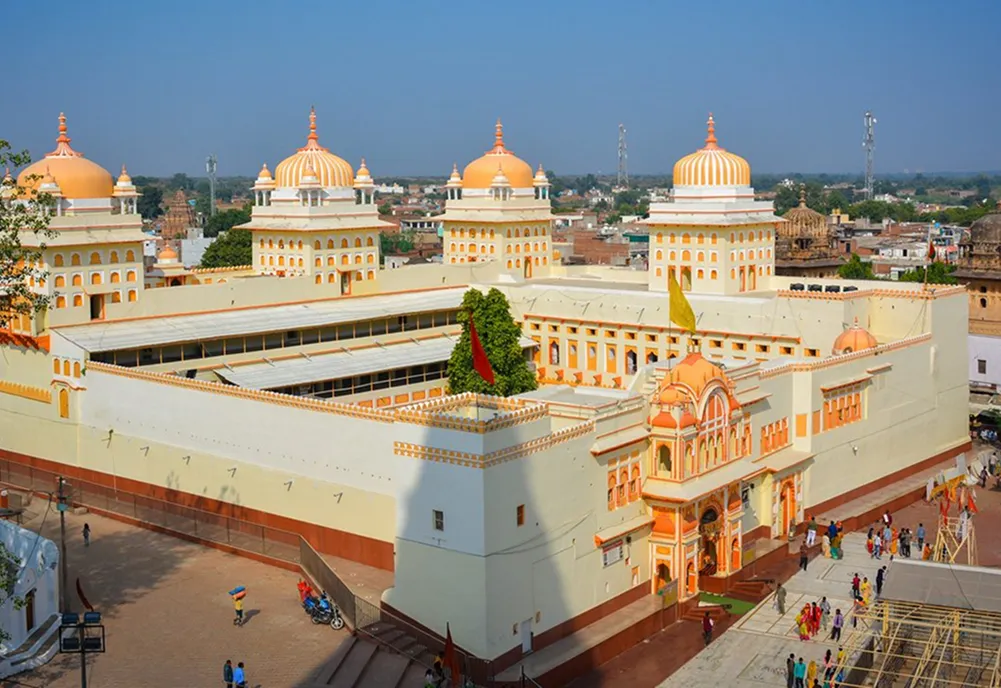
Imagine exploring ancient palaces, temples and cenotaphs that rise majestically along the banks of the Betwa River.

Welcome to Orchha, one of India’s best-kept heritage destinations, a land of forts, palaces, temples and rivers flowing freely.

Orchha was the capital of the Bundela kingdom and is today famous for its stunning architecture and rich history.

The Orchha Fort, which includes the Raj Mahal, Jahangir Mahal and the Orchha Palace, adds to the grandeur of this riverside town, while the picturesque cenotaphs rise impressively along the riverbanks, offering amazing photo opportunities.

Another unique travel experience in Orchha is the fascinating Ram Raja Temple. Despite its fame, Orchha tops the list of unexplored India’s hidden gems for international tourists.

In fact, India travel guides have described it as one of the best hidden gems in India, full of rich Rajput and Mughal architectural styles dating back to the 16th century.

3. Mandu, Madhya Pradesh

Nestled in a picturesque region, Mandu showcases the legacy of the Malwa Sultanate and is home to some of the most fascinating medieval ruins in India.

Set in the heart of the Malwa region spanning the current-day Madhya Pradesh and Maharashtra, Mandu is a city turned into a castle, turned into a ruin.

While the city now lies on a barren plateau, it was once a thriving center of sultans, poets and artists.

Many fascinating structures have been preserved despite their dilapidated state.

From the imposing Jahaz Mahal to the unique Hindola Mahal, the Hoshang Shah’s Tomb and the royal palace complex, Mandu has a unique charm that attracts history aficionados.

Mandu is especially famous as a hidden gem in India for its sunrise view over the region, which is nothing short of breathtaking.

4. Majuli, Assam
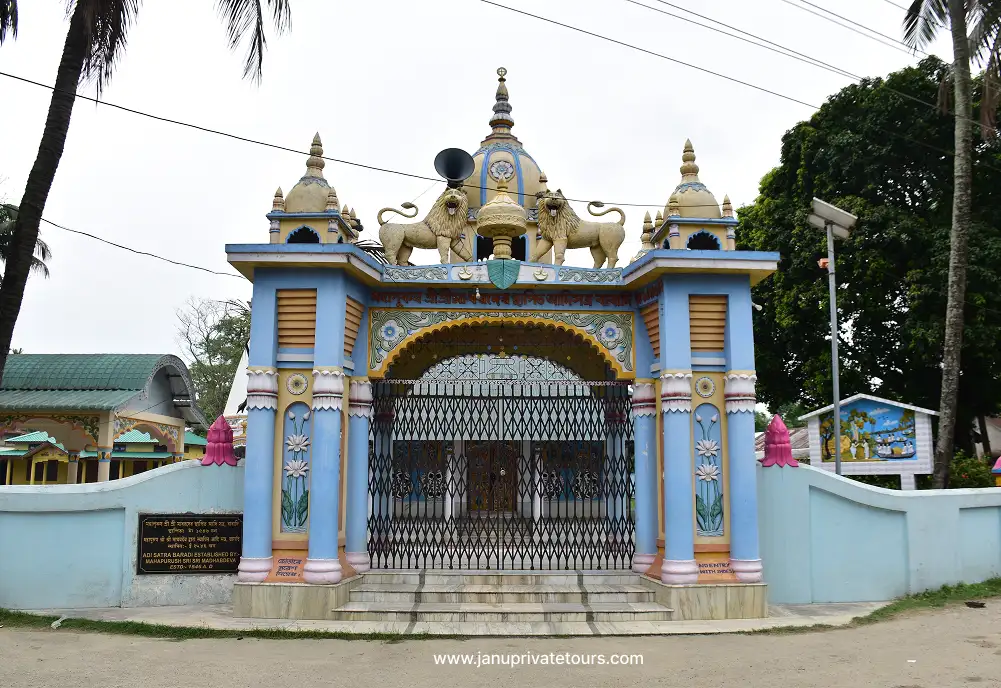
Located in the middle of the Brahmaputra River, this offbeat destination in Assam offers a unique experience of a river island dotted with traditional monasteries, natural beauty and simple rural life.

Majuli, the world’s largest river island, is best known for its unique Vaishnavite Satras (monasteries).

Each Satra has its own traditions and festivals and hosts intriguing handicrafts, music and dance forms, local cuisine and ancient handicrafts.

The island’s natural landscapes and rural charm make it an intriguing destination for those looking to explore Assam beyond the mainstream circuits.

Majuli is a hidden gem in India where you can interact with local communities and have a unique cultural experience, while also exploring the island’s natural landscapes, such as rivers, villages and wildlife.

Majuli is one of the most fascinating destinations in Assam that one can explore beyond the well-trodden path.

5. Ziro Valley, Arunachal Pradesh

If you want to explore the unspoiled, untouched beauty of Northeast India, you should begin your journey in Ziro. The beautiful valley is home to some of the best natural scenery in the region and the unique tribal culture. Nestled in the Lower Himalayas, Ziro is perfect for sightseeing and experiencing the local tribal way of life.

While visiting Ziro, you can enjoy the comfort of exploring the valley at your own pace. If you are looking for something more thrilling, you can also opt for adventure sports like trekking to explore the valley.

6. Tawang, Arunachal Pradesh

Tawang is one of the most charming destinations in Northeast India. This region is quite remote and wild and offers a unique experience to the adventurous ones willing to explore it. The fascinating Tawang Monastery, with its stunning ancient architecture, is the reason why tourists are drawn to this place. But the natural beauty of this region is what keeps them captivated.

This place is a paradise for nature lovers and offers great opportunities for trekking and is one of the most loved hidden gems in India for those seeking to explore the remote tribal villages. Due to its remoteness, you may need a guide to explore it.

7. Dholavira, Gujarat

Imagine ancient history and sun-baked rocky deserts.

If you love exploring the remnants of ancient civilizations, you shouldn’t miss Dholavira. This place is one of the many ancient Indian Indus Valley Civilization sites spread across Gujarat. Due to its unique preservation, this place has become a favorite destination for historians.

But for you, as an international traveler, it can be much more than that. Getting acquainted with the remnants of the ancient world can be fascinating, but what makes this place remarkable is the scale and complexity of its ancient structure.

8. Gokarna, Karnataka

While Goa may have stolen the limelight, it seems that Gokarna, a little coastal village in Karnataka, has remained in the shadows for too long. This village is home to some of the most beautiful beaches in the country. While beaches in Goa may be more developed and commercialized, Gokarna offers an authentic coastal experience.

Gokarna offers both – a spiritual experience and the chance to explore the beach. It is the place where you can have an authentic Indian pilgrimage experience while discovering the natural beauty of the region. The combination of these two makes Gokarna an unparalleled travel destination and a must-visit place for those willing to explore beyond the well-known tourist destinations in India.

9. Bhitarkanika, Odisha

India’s wildlife safaris are some of the most unique experiences one can have while traveling around the country. India is home to many wildlife sanctuaries and national parks, but there are some places that stand out due to their diverse range of flora and fauna.

Bhitarkanika National Park in Odisha provides a unique opportunity to witness the breathtaking beauty of the mangrove forests. It is home to the endangered species of saltwater crocodiles and you can even go on a crocodile safari to spot these amazing creatures. Home to mangroves, wetlands and a rich variety of flora and fauna, Bhitarkanika offers a distinct ecosystem for nature lovers seeking to explore unique biomes.

10. Chettinad, Tamil Nadu

Step into a world of ancient mansions and fascinating food in Chettinad, which has a rich cultural and historical legacy of its own.

Famed for its rich historical Chettinad mansions, this region has unique architecture and is home to some of the country’s most unique structures. Chettinad is the home to the Nattukottai Chettiars, a prominent overseas merchant community, whose mansions are a hallmark of this region.

What makes these mansions special is the combination of local and foreign motifs that have been incorporated into their architecture.

Chettinad also has another claim to fame – its food. Chettinad cuisine is famous for being spicy and is a unique blend of many regional Indian flavors. A private tour of this region can include a food tasting tour along with exploring the region’s fascinating architecture and culture.

11. Gandikota, Andhra Pradesh

Looking for India’s version of America’s Grand Canyon? Then you should not miss Gandikota.

This hidden gem is a small mountainous village located amidst the mesmerizing rock formations of Andhra Pradesh.

What makes Gandikota special, however, is the intriguing gorge said to have been formed by the Pennar River flowing through the region over millions of years. The Gandikota Fort, perched atop the rock formations, is another unique travel experience in the region.

Gandikota is perfect for photography enthusiasts, with its dramatic landscapes offering an array of picture opportunities.

12. Chopta, Uttarakhand

While Uttarakhand has long been a favored domestic destination for nature lovers, it has been less known to international tourists.

Chopta in particular, a small village nestled within the Garhwal region, is perfect for nature lovers willing to explore the region beyond the usual trails.

As described by many as the Queen of Chandrashila, Chopta offers panoramic views of the Himalayas, with mountains stretching far and wide in all directions. Chopta is a favorite among trekking enthusiasts, as it offers some of the best trekking India has to offer. Chopta is the perfect escape for those looking to unwind in the stillness and beauty of nature.

13. Kanatal, Uttarakhand

Looking for a different kind of Himalayan adventure? Then you may want to consider visiting Kanatal.

This small offbeat Himalayan village is surrounded by pine and deodar forests and is a fantastic weekend getaway from the major cities and towns in Uttarakhand. Kanatal offers a plethora of nature-based activities, with mountain biking and walking being the most popular. It is also a great place to interact with nature, with stunning scenery awaiting discovery at every turn.

For an authentic Himalayan experience, Kanatal is the place to be, offering a completely different kind of Himalayan experience than the more crowded tourist destinations in the region.

14. Osian, Rajasthan
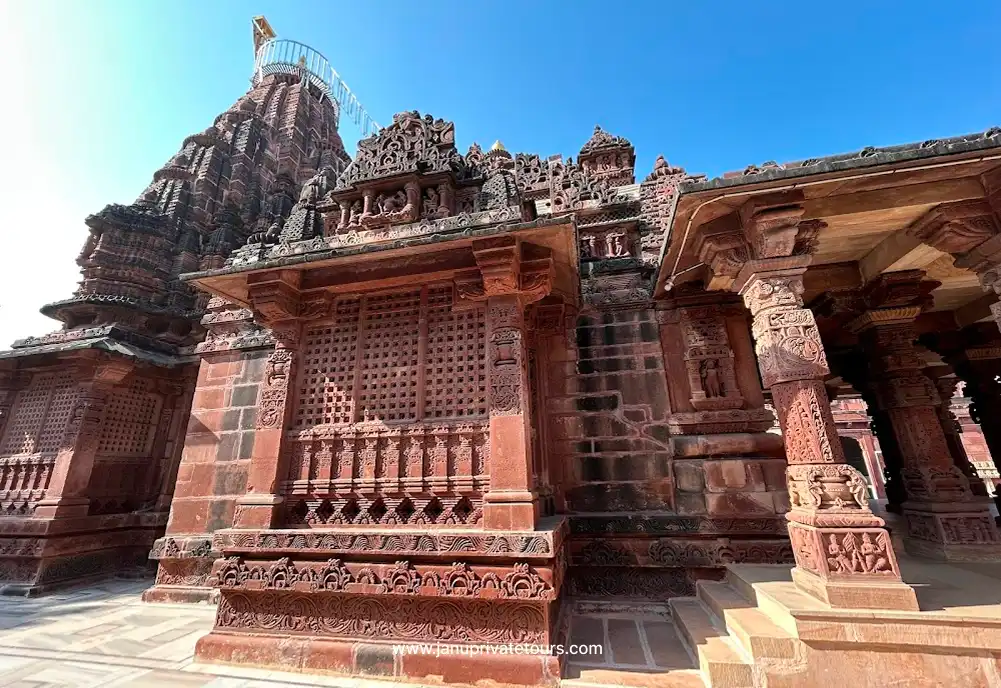
Rajasthan’s desert landscape and cultural treasures have long been a favorite of international tourists, but most overlook the small desert town of Osian, located near Jodhpur.

Osian is famous for its ancient temples dating back to the 9th century, as well as the unique desert landscape it is located in.

The ancient forts and temples, including Osian Jain Temples, have made Osian a favorite of Rajasthan’s history lovers and photography enthusiasts.

While Osian is not as famous as Jaisalmer, the desert region around Osian offers exciting opportunities for off-road adventures and camel safaris. For those exploring Rajasthan beyond the usual circuits, Osian is truly one of the best hidden gems in India.

15. Patan, Gujarat
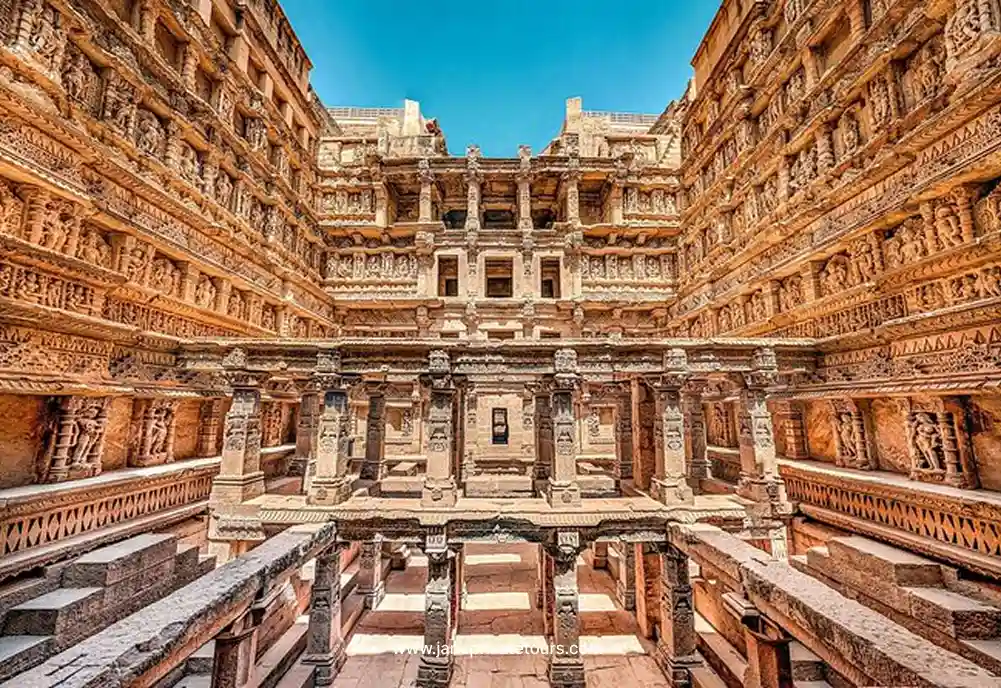
Patan is one of Gujarat’s best-kept secrets, a small heritage town with a rich legacy of its own.

The unique 11th-century stepwell of Patan, the Rani ki Vav, is one of the main attractions of this region and is a must-see for art and history lovers.

What makes Rani-ki-Vav special is the detailed artwork and intricate carvings that can be seen on almost every part of this ancient stepwell.

Beyond the stepwell, Patan also has a rich cultural legacy, especially known for its textile weaving traditions, including the famous Patola sarees.

Patan is a fascinating region with rich cultural heritage and natural beauty, making it a unique travel experience.

16. Chakrata, Uttarakhand

Chakrata is a small offbeat hill station nestled amidst beautiful forests and mountainous landscapes.

With beautiful waterfalls and panoramic views of the surrounding regions, this region has everything it takes to become a popular tourist destination in Uttarakhand.

As described by many, Chakrata is a true escape from the busy life, allowing you to unwind and explore the natural beauty of the region.

Chakrata is a fantastic place for adventure sports, with many trekking trails and scenic spots to explore.

This small Himalayan village is a great place to consider when looking for a less-crowded alternative to the popular hill stations in Uttarakhand.

17. Mawlynnong, Meghalaya

Looking to explore the beauty of Meghalaya? Then you must pay a visit to Mawlynnong.

With its breathtaking natural beauty and unique tribal culture, Mawlynnong is the best place to experience the village life of this northeastern state. This region is unique for its greenery, with forests of pine, orchids and other flora dotting the landscape of this region.

Mawlynnong has also been popular for its unique cultural heritage and sustainable living practices. However, few know that the true charm of Meghalaya lies in its wilderness – waterfalls, caves, valleys, forests, villages and misty mountains.

If you want to have a unique experience in Northeast India, then Mawlynnong is the place to be.

18. Mandawa, Rajasthan
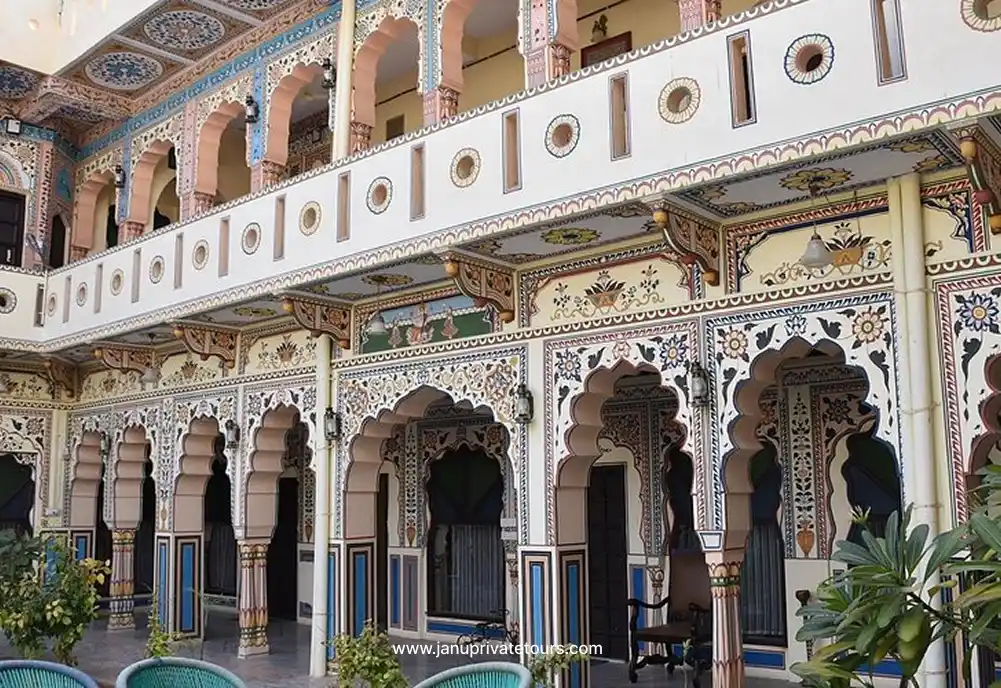
Rajasthan’s vibrant havelis have been a favorite of many, but few outside the state have had the opportunity to experience them firsthand.

Located in the Shekhawati region of Rajasthan, Mandawa is best known for its beautifully decorated havelis and intricate frescoes, attracting international art lovers to this small town. The havelis of Mandawa are an open-air gallery depicting the rich cultural heritage of the region through their detailed paintings.

A private tour of this region can be a wonderful opportunity to interact with local potters, painters and weavers, while also exploring the frescoes of this unique part of Rajasthan.

Why Explore Hidden Gems in India?

There is nothing wrong with the famous tourist destinations around India, from the majestic Taj Mahal to the bustling markets of Jaipur, the serene ghats of Varanasi, the majestic palaces of Udaipur, the royal heritage of Rajasthan, the backwaters of Kerala and the beaches of Goa. These are all incredible experiences that no trip to India would be complete without.

But what if we told you that you could have a much more enriching and unique travel experience by exploring some lesser-known destinations?

Instead of running around trying to reach the most popular destinations around the country, you can take it slow and enjoy the unique culture and beauty of a chosen region.

For example, in place of the crowded streets of Jaipur, you can interact with local villagers and learn about their way of life. In place of the palace tours in Rajasthan, you can explore an ancient ruined fort in Orchha.

Perhaps even more rewarding is the sheer variety of the hidden gems in India.

From exploring ancient history in the form of the Indus Valley ruins in Dholavira to the unique tribal culture of Ziro or the breathtaking wildlife safaris of Bhitarkanika, you can find it all in lesser-known India.

How to Explore the Hidden Gems in India

Some of these unique travel experiences in India are easily accessible and only require some planning ahead, while others, such as the remote tribal village of Ziro or wilderness safaris in Bhitarkanika, might require extra arrangements for the trip.

A private tour is perfect for making the most of an extended stay in India with a focus on visiting unique destinations that few international travelers ever get the chance to experience. By choosing a private tour, you will have much more flexibility, as you will not be limited to a rigid set of Itineraries that most tour packages offer.

Instead, you can select the kind of travel experiences you are interested in, such as history, culture, adventure, cuisine, or nature and build upon them to create a full travel plan.

Why Choose Janu Private Tour for Hidden Gems in India?

India has a fascinating variety of unique travel experiences that international visitors can enjoy, but getting around to all of them can be challenging with a regular tourist visa and limited time.

A private tour is perfect in this scenario as it can be customized to your specific needs, interests and budget.

At Janu Private Tours, we specialize in designing exclusive personalized travel itineraries for our clients, with more than 20 years of experience and 12,000+ happy customers (according to our website). We understand that India is best explored as a local and not as a tourist, which is why we provide a unique private tour experience, helping you discover the country without the hassle of regular tourism.

So, are you ready to discover India beyond its famous tourist destinations? Let us help you create a memorable travel experience in India with Janu Private Tours.

Epic Expeditions : Discovering the Heart of Rajasthan


Rajasthan, a mesmerizing land of royal heritage and stunning landscapes, offers a wealth of experiences just waiting to be discovered. Often referred to as the Land of Kings, this vibrant Indian state is a rich blend of culture, history, and adventure. Join us on an extraordinary journey through Rajasthan, where every moment reveals the grandeur of its past and the warmth of its people.

The Royal Route: Jaipur, Jodhpur, and Udaipur

Our journey begins in Jaipur, the bustling capital of Rajasthan, famously known as the Pink City. Here, the grand architecture and rich history blend seamlessly with modern vibrancy.

Jaipur was founded in 1727 by Maharaja Sawai Jai Singh II, who was also an astronomer. The city was meticulously planned with a grid layout and distinct sectors for different trades.

Jaipur: The Pink City

Must-See:

  • Amber Fort: A stunning example of Rajput architecture, perched on a hilltop, offers breathtaking views and a glimpse into royal life.
  • City Palace: A complex of courtyards and gardens showcasing a fascinating collection of artifacts.
  • Hawa Mahal: The iconic Palace of Winds, with its intricate latticework and numerous windows.

Art and Handicrafts

Jodhpur: The Blue City

Next, we travel to Jodhpur, renowned as the Blue City for its striking blue-painted houses.

Must-See:

  • Mehrangarh Fort: One of the largest forts in India, standing tall with its imposing walls and stunning architecture. Don’t miss the museum inside that narrates the history of the region.
  • Jaswant Thada: A beautiful marble cenotaph built in memory of Maharaja Jaswant Singh II, offering serene gardens and views of the fort.

Art and Handicrafts

Udaipur: The City of Lakes aka VENICE OF THE EAST!

Our journey culminates in Udaipur, the City of Lakes, famous for its enchanting lakes and palatial structures.

Must-See:

  • City Palace: A majestic complex overlooking Lake Pichola, showcasing a blend of Rajasthani and Mughal architecture.
  • Lake Pichola: Take a serene boat ride at sunset, capturing the magical views of the palaces reflecting on the water.
  • Jag Mandir: A picturesque island palace that offers a tranquil escape.

Art and Handicrafts

The Desert Adventure: Jaisalmer and Thar Desert

Jaisalmer: The Golden City

From the lakes of Udaipur, we head to Jaisalmer, known as the Golden City for its yellow sandstone architecture.

Founded in 1156 by Rawal Jaisal, the city is strategically located on the ancient trade routes of the Silk Road. It has a rich history tied to the Rajputana era and is known for its strategic fortifications.

Must-See:

  • Jaisalmer Fort: A UNESCO World Heritage Site, this living fort is bustling with shops, cafes, and residences.
  • Patwon Ki Haveli: A series of ornate havelis showcasing intricate carvings and craftsmanship.

Desert Festival: Held annually in January or February, this festival showcases Rajasthani culture through music, dance, camel races, and other traditional events, attracting visitors from around the world.

Thar Desert: A Journey into the Sands

The Heritage Trail: Pushkar and Ajmer

Pushkar: The Sacred Town

Our next stop is Pushkar, known for its holy lake and vibrant bazaars.

Must-See:

  • Pushkar Lake: A sacred site for Hindus, surrounded by ghats and temples, perfect for a peaceful stroll.
  • Brahma Temple: One of the few temples dedicated to Lord Brahma, attracting pilgrims and tourists alike.

Ajmer: A Spiritual Journey

Ajmer: The Spiritual City

Adjacent to Pushkar lies Ajmer, famous for its spiritual significance.

Must-See:

  • Ajmer Sharif Dargah: A revered shrine of the Sufi saint Khwaja Moinuddin Chishti, drawing visitors from all faiths.

Closing Thoughts: A Weave of Memories

Ultimately, Rajasthan presents colorful vibes on rich with royal history, stunning scenery, and diverse cultural traditions. Each destination offers its own unique story, inviting visitors to engage with its vibrant past and warm-hearted people. From the towering forts that stand as guardians of time to the bustling streets brimming with local crafts, every experience is a celebration of Rajasthan’s spirit. As you explore this extraordinary land, you’ll find that it is not just a journey, but an immersive adventure—each encounter deepening your appreciation for its rich heritage.

for more information please connect with us @ +91 9929 1 52 946 / +91 8905 6 31 046

info@januprivatetours.com
https://www.januprivatetours.com/

Bishnoi Village Day Trip from Jodhpur

Nestled amid the golden dunes and arid landscapes of Rajasthan, the Bishnoi villages offer travelers an extraordinary window into a world where environmental consciousness meets centuries-old traditions. A Bishnoi Village day trip from Jodhpur presents an authentic cultural experience that goes far beyond typical tourist attractions, immersing visitors in a community that has protected nature for over 500 years.

Understanding the Bishnoi Community and Their Legacy

The Bishnoi community stands as one of India’s earliest examples of environmental guardianship. Founded in the 15th century by Guru Jambheshwar, this remarkable society follows 29 principles that emphasize wildlife protection, tree conservation, and sustainable living. Their deep-rooted commitment to preserving nature has created a unique ecosystem where humans and wildlife coexist harmoniously.

What makes the Bishnoi people truly exceptional is their willingness to sacrifice their lives for environmental causes. Historical accounts document instances where community members protected trees and animals at great personal cost. This dedication continues today, making the villages around Jodhpur living museums of ecological wisdom and cultural authenticity.

The community’s philosophy centers on the belief that all life forms deserve protection. Visitors often witness blackbuck antelopes, chinkaras, and various bird species roaming freely without fear, a testament to generations of protection. This harmonious relationship between humans and nature creates an atmosphere unlike anywhere else in Rajasthan.

What to Expect on Your Bishnoi Village Safari

A typical Bishnoi Village day trip from Jodhpur begins early morning, when the desert landscape awakens with activity. Most tours utilize open jeeps that allow unobstructed views of the countryside and wildlife. The journey takes you approximately 22-25 kilometers from Jodhpur’s city center, transitioning from urban bustle to serene rural landscapes.

During your safari, you’ll visit multiple villages, each offering distinct experiences. The itinerary typically includes stops at Guda Bishnoi Lake, where migratory birds congregate and blackbucks come to drink. This natural watering hole serves as a crucial ecosystem point, attracting numerous species throughout the year.

Traditional craft demonstrations form another highlight of the experience. Skilled artisans showcase pottery-making techniques passed down through generations, while weavers demonstrate the intricate process of creating hand-woven textiles. These aren’t staged performances but authentic glimpses into daily village life, where crafts serve both functional and economic purposes.

Interaction with local families provides the most memorable moments. Visitors often receive invitations into traditional homes, where they can observe carpet weaving, sample authentic Rajasthani cuisine, and engage in conversations about community customs. The warmth and hospitality of Bishnoi families create genuine connections that transcend cultural boundaries.

Wildlife Encounters in Bishnoi Territory

The wildlife viewing opportunities on a Bishnoi village tour rival many established national parks. The protective environment created by the community has allowed various species to flourish. Blackbuck antelopes, India’s fastest land animals, graze peacefully near villages, their distinctive spiral horns and graceful movements captivating observers.

Chinkaras, also known as Indian gazelles, share the landscape with their larger cousins. These delicate creatures demonstrate remarkable adaptability to desert conditions. Bird enthusiasts find particular satisfaction in the diversity of avian species, including peacocks, partridges, demoiselle cranes, and sometimes the rare Great Indian Bustard.

The Guda Bishnoi Lake area serves as a prime wildlife viewing location. During winter months, migratory birds arrive in impressive numbers, creating a spectacular display. The lake’s importance extends beyond aesthetics; it functions as a vital water source for the entire ecosystem, supporting both resident and migratory species.

Cultural Immersion and Traditional Crafts

Exploring Bishnoi villages offers profound insights into sustainable craftsmanship. Pottery workshops demonstrate ancient techniques where artisans create functional and decorative pieces using locally sourced clay. The process involves shaping vessels on hand-turned wheels, a skill requiring years of practice to master.

Textile weaving represents another cornerstone of village economy and culture. Families produce dhurries, carpets, and fabrics using traditional looms. The intricate patterns reflect cultural symbolism and regional aesthetics. Many travelers purchase these handmade items, directly supporting artisan families while acquiring unique souvenirs.

Block printing and natural dye techniques showcase the community’s resourcefulness. Using wooden blocks carved with traditional motifs, craftspeople create stunning textile designs. The preference for natural dyes aligns with Bishnoi environmental principles, particularly their historical avoidance of indigo, which required extensive water resources.

Planning Your Bishnoi Village Day Trip from Jodhpur

Organizing a village safari requires some practical consideration. Most tours operate year-round, though October through March offers the most comfortable weather conditions. Early morning departures maximize wildlife sighting opportunities and avoid afternoon heat.

Several tour operators in Jodhpur specialize in Bishnoi village experiences. When selecting a provider, prioritize those demonstrating genuine respect for local communities and environmental conservation. Janu Private Tours offers thoughtfully curated experiences that balance cultural immersion with responsible tourism practices, ensuring your visit benefits local families while preserving the area’s delicate ecosystem.

Tour durations vary from half-day excursions to full-day adventures. Half-day trips typically last 4-5 hours and cover essential highlights, while full-day options allow deeper exploration and include authentic village meals. Consider your interests and schedule when choosing the appropriate duration.

Transportation from Jodhpur hotels is typically included in organized tours. The journey itself provides scenic views of rural Rajasthan, passing through agricultural fields, small settlements, and desert landscapes. Professional guides share historical context and facilitate meaningful interactions with community members.

The Best Time to Visit Bishnoi Villages

Seasonal variations significantly impact the safari experience. Winter months from November to February present ideal conditions, with comfortable temperatures and increased bird activity. Migratory species arrive during this period, enhancing wildlife viewing opportunities.

Spring months of March and April offer pleasant weather before summer intensity begins. Wildflowers bloom across the landscape, creating colorful vistas. However, temperatures start rising, making early morning departures essential.

Monsoon season from July to September transforms the desert into a verdant landscape. While humidity increases and some roads may become challenging, this period offers unique photographic opportunities and a different perspective on desert ecology. Post-monsoon months witness renewed vegetation and active wildlife.

Authentic Rajasthani Cuisine and Village Hospitality

Culinary experiences form an integral part of Bishnoi village visits. Traditional meals prepared by village families showcase authentic Rajasthani flavors using locally grown ingredients. The predominantly vegetarian cuisine reflects the community’s principles, featuring dishes like bajra roti, ker sangri, and various lentil preparations.

Sharing meals in village homes creates intimate cultural exchanges. Families often prepare fresh chapatis on traditional chulhas (clay stoves) and serve food on brass utensils. The simplicity of ingredients contrasts beautifully with the complexity of flavors achieved through traditional cooking methods.

Chai sessions represent another cherished ritual. Freshly brewed tea, sometimes prepared with goat milk from local herds, accompanies conversations with hosts. These moments of hospitality reveal the generous spirit that characterizes Bishnoi culture.

Also Read:- Top 10 Routes in North India for Scenic Journeys

Photography Opportunities and Ethical Considerations

The visual richness of Bishnoi villages attracts photographers ranging from casual snapshooters to serious professionals. The interplay of desert light, traditional architecture, colorful textiles, and candid portraits creates endless compositional possibilities. However, respectful photography requires sensitivity and permission.

Always ask consent before photographing individuals, particularly women and children. Many community members welcome photography but appreciate the courtesy of being asked. Some craftspeople may request small fees for photography during demonstrations, which directly supports their livelihoods.

Wildlife photography near Guda Bishnoi Lake demands patience and appropriate equipment. Telephoto lenses capture detailed shots without disturbing animals. Early morning light provides optimal conditions for landscape photography, casting golden tones across the desert terrain.

Responsible Tourism and Supporting Local Communities

Sustainable tourism practices ensure Bishnoi villages retain their authentic character while benefiting economically from visitor interest. Purchase crafts directly from artisans rather than intermediaries, ensuring fair compensation for their work. Avoid bargaining too aggressively, remember that modest prices already reflect village economics.

Respect cultural norms regarding dress and behavior. While Bishnoi communities welcome visitors, conservative attire shows cultural sensitivity. Women should consider covering shoulders and wearing long skirts or pants; men should avoid shorts.

Environmental consciousness extends to visitor behavior. Avoid littering, stay on designated paths to prevent vegetation damage, and maintain quiet around wildlife. These practices honor the conservation principles that make Bishnoi villages special.

When booking through reputable operators like Janu Private Tours, inquire about their community engagement initiatives. Responsible tour companies contribute to local development projects, employ local guides, and operate with minimal environmental impact.

Beyond the Safari: Connecting with Bishnoi Philosophy

Understanding Bishnoi environmental ethics enriches the village experience beyond surface observations. Their 29 principles include prohibitions against cutting green trees, killing animals, and wasting resources. These guidelines, established over 500 years ago, anticipate modern environmental movements by centuries.

The community’s reverence for nature stems from spiritual beliefs rather than secular environmentalism. This connection between faith and conservation creates a powerful framework for sustainable living. Observing this philosophy in practice offers valuable lessons applicable to contemporary environmental challenges.

Stories of sacrifice for nature’s protection resonate deeply with visitors. The famous 1730 incident, where Amrita Devi Bishnoi and hundreds of villagers sacrificed their lives to prevent tree felling, demonstrates the community’s unwavering commitment. The Indian government’s Amrita Devi Bishnoi Wildlife Protection Award commemorates this legacy.

Conclusion: An Unforgettable Rajasthan Experience

A Bishnoi Village day trip from Jodhpur transcends conventional tourism, offering profound insights into sustainable living, cultural preservation, and human-nature harmony. The experience combines wildlife encounters, traditional craftsmanship, authentic cuisine, and warm hospitality in ways that leave lasting impressions on every visitor.

The journey challenges modern assumptions about progress and development, demonstrating how traditional wisdom addresses contemporary environmental crises. Witnessing a community that has protected nature for centuries while maintaining cultural identity provides hope and inspiration for sustainable futures.

Whether you’re a wildlife enthusiast, cultural explorer, photographer, or simply curious traveler, the Bishnoi villages near Jodhpur deliver experiences unavailable elsewhere in Rajasthan. The memories created during your village safari, from blackbucks grazing peacefully to shared meals with welcoming families, will resonate long after your Rajasthan adventure concludes.

Also Read:- How to Plan a Rajasthan Tour for First-Time Visitors

Frequently Asked Questions

Q.How long does a Bishnoi Village day trip from Jodhpur typically take?

A standard Bishnoi village safari usually lasts between 4 to 6 hours for half-day tours, while full-day excursions extend to 8-10 hours. The duration depends on the number of villages visited, wildlife sighting opportunities, and meal inclusions. Most tours depart early morning around 8-9 AM to maximize wildlife viewing when animals are most active and temperatures remain comfortable for exploration.

Q.What wildlife can I expect to see during the village safari?

Visitors commonly encounter blackbuck antelopes, chinkaras, peacocks, and various bird species including cranes and partridges during their safari. The Guda Bishnoi Lake area attracts numerous migratory birds, especially during winter months. While wildlife sightings cannot be guaranteed, the protective environment maintained by the Bishnoi community creates favorable conditions for animal encounters. The experience focuses equally on cultural immersion alongside wildlife observation.

Q.Is the Bishnoi Village tour suitable for families with children?

Yes, the Bishnoi Village day trip from Jodhpur is family-friendly and educational for children of all ages. Kids often enjoy wildlife spotting, interacting with baby goats, and watching traditional crafts like pottery-making. The cultural experience provides valuable lessons about environmental conservation and different lifestyles. However, consider the jeep safari duration and ensure young children can handle moderate heat and dusty conditions during warmer months.

Q.What should I wear and bring on the village safari?

Wear comfortable, conservative clothing suitable for desert conditions long pants or skirts, covered shoulders, and closed-toe shoes. Bring sunscreen, sunglasses, a hat, and plenty of water. A camera with extra batteries is essential for capturing memorable moments. Consider bringing small denominations of cash if you wish to purchase handicrafts directly from artisans. Binoculars enhance wildlife viewing, though not essential for enjoying the experience.

Q.Can I book a customized Bishnoi village experience?

Many tour operators, including Janu Private Tours, offer customizable Bishnoi village experiences tailored to specific interests and schedules. You can adjust the itinerary to focus on wildlife photography, craft demonstrations, or extended cultural interactions based on preferences. Private tours provide flexibility in timing and village selection, creating more intimate experiences. Contact tour providers in advance to discuss customization options that align with your travel goals and interests.

Chand Baori Tours from Jaipur

Ever wondered what it feels like to step into a centuries-old architectural marvel that looks straight out of a fantasy film? If you’re planning Chand Baori tours from Jaipur, you’re about to discover one of India’s most breathtaking hidden gems that has captivated travelers, filmmakers, and history buffs alike.

Picture this: You’re standing at the edge of a geometric wonder, gazing down at over 3,500 steps cascading down 13 stories in perfect symmetry. This isn’t just another tourist spot – it’s a journey back in time to witness the engineering brilliance of ancient India.

What Makes Chand Baori So Special?

Chand Baori is a stepwell built over a thousand years ago in the Abhaneri village of Rajasthan and is one of the largest stepwells in the world and also one of the most beautiful ones. But what exactly makes this place so extraordinary?

The Numbers Will Blow Your Mind:

  • Depth: 19.5 meters (64 feet) deep

  • Steps: Over 3,500 precisely carved steps

  • Levels: 13 stories of geometric perfection

  • Age: Built in the 9th-10th century AD

  • Purpose: Originally designed for water storage during droughts

The stepwell was built by King Chanda of the Nikumbha Dynasty, and every single step tells a story of incredible craftsmanship. The geometric precision creates an almost hypnotic visual rhythm where every angle and shadow tells a story of engineering brilliance and artistic expression from a thousand years ago.

Planning Your Chand Baori Tours from Jaipur: Everything You Need to Know

Distance and Travel Time

Chand Baori is situated 88 kms from Jaipur, making it perfect for a day trip. The stepwell is a 1.5-hour drive from Jaipur, which means you can easily visit and return the same day without any rush.

Best Route Options

By Private Car/Taxi (Recommended):

  • Duration: 1.5-2 hours one way

  • Route: Jaipur → Dausa → Abhaneri

  • Advantage: Flexibility to stop for photos and explore at your own pace

By Public Transport:

  • Take a bus from Sindhi Camp Bus Stand in Jaipur to Sikandra village

  • From Sikandra, catch a jeep to Abhaneri

  • Alternative: Train to Bandikui from Jaipur railway station, then bus/taxi to Abhaneri

What to Expect During Your Visit

Architecture That Defies Logic: The stepwell isn’t just about steps – it’s a masterpiece of ancient engineering. The structure served multiple purposes: water storage, community gathering space, and a cool retreat during scorching summers. The temperature at the bottom can be 5-6 degrees cooler than at the top!

Photography Paradise: Every corner offers Instagram-worthy shots. The interplay of light and shadow creates dramatic effects throughout the day. Early morning and late afternoon provide the best lighting for photography.

Beyond Chand Baori: Complete Abhaneri Experience

Harshat Mata Temple

Located just 100 meters from Chand Baori, this ancient temple complex adds spiritual depth to your visit. This 9th-10th century temple is dedicated to Harshat Mata, who is considered to be the goddess of joy and happiness for the whole village.

Though partially in ruins due to historical invasions, the scattered pillars and sculptures still showcase the artistic brilliance of ancient craftsmen.

The Village Culture Experience

Abhaneri village offers authentic rural Rajasthani experiences:

  • Local Handicrafts: Traditional pottery and textiles

  • Village Walks: Interact with friendly locals

  • Cultural Insights: Learn about traditional water conservation methods

Best Time to Visit Chand Baori

Ideal Months: October to March

  • Weather: Pleasant and comfortable for exploration

  • Temperature: 15-25°C during the day

  • Advantage: Perfect for photography and extended exploration

Avoid: May to August (extremely hot weather can make the visit uncomfortable)

Essential Tips for Your Chand Baori Tour

What to Bring

  • Comfortable walking shoes (lots of steps to navigate!)

  • Sun hat and sunscreen

  • Water bottles (stay hydrated)

  • Camera (you’ll regret not capturing these moments)

  • Light snacks (limited food options in the village)

Photography Guidelines

  • Drone restrictions: Check current regulations before bringing drones

  • Best shots: Wide-angle lenses capture the full grandeur

  • Golden hours: Early morning (7-9 AM) and late afternoon (4-6 PM)

Safety Considerations

  • Upper palace restricted: The upper palace of the stepwell is now restricted to tourists

  • Watch your step: Ancient steps can be uneven

  • Stay hydrated: Rajasthan heat can be intense

Combining Chand Baori with Other Attractions

Golden Triangle Extension

It is a nice place to visit on the way between Jaipur and Agra, with Chand Baori being a 2-hour drive from Fatehpur Sikri and less than 3-hour drive from Agra. This makes it perfect for adding to your Golden Triangle itinerary.

Nearby Attractions to Combine

  • Fatehpur Sikri: 2 hours away

  • Bharatpur Bird Sanctuary: 3 hours away

  • Ranthambore National Park: 4 hours away

How Janu Private Tours Transforms Your Chand Baori Experience

When it comes to exploring architectural marvels like Chand Baori, the difference between a good trip and an unforgettable journey lies in the details. Janu Private Tours brings over two decades of expertise to your Chand Baori adventure, ensuring every moment counts.

What Sets Them Apart:

Local Expertise That Matters: With their deep knowledge of Rajasthan’s hidden gems, their multilingual guides don’t just show you the stepwell – they unveil stories that guidebooks miss. From the engineering secrets behind the construction to local legends passed down through generations, you’ll gain insights that transform your visit from sightseeing to true cultural immersion.

Seamless Logistics: Their fleet of comfortable, air-conditioned vehicles makes the 88km journey from Jaipur a pleasant part of your adventure. No worrying about navigation, parking, or return logistics – they handle everything while you focus on the experience.

Flexible Itineraries: Whether you want to spend hours photographing every angle of the stepwell or prefer combining it with nearby attractions, their customizable approach means your tour adapts to your interests and pace.

24/7 Support: Their round-the-clock assistance ensures any unexpected situation is handled promptly, giving you peace of mind throughout your journey.

The result? Instead of rushing through a checklist of tourist spots, you’ll have time to truly appreciate the mathematical precision of those 3,500 steps and understand why this architectural marvel has survived for over a millennium.

Making the Most of Your Day Trip

Sample Itinerary for Chand Baori Tours from Jaipur

  • 7:00 AM: Departure from Jaipur

  • 8:30 AM: Arrival at Abhaneri, fresh morning light perfect for photography

  • 9:00 AM – 11:00 AM: Explore Chand Baori stepwell

  • 11:30 AM – 12:30 PM: Visit Harshat Mata Temple

  • 12:30 PM – 1:30 PM: Local Rajasthani lunch experience

  • 2:00 PM – 3:00 PM: Village walk and cultural interaction

  • 3:30 PM: Return journey to Jaipur

  • 5:00 PM: Arrival back in Jaipur

Budget Planning

  • Private Car Tour: ₹3,000-5,000 for the car (depending on vehicle type)

  • Entry Fees: Minimal (around ₹25-50 per person)

  • Meals: ₹200-400 per person for local lunch

  • Guide Fees: ₹500-1,000 for the day

  • Total per person: ₹1,500-2,500 (for a group of 4-6)

Cultural Significance and Historical Context

Chand Baori represents more than just architectural achievement – it’s a testament to ancient India’s sophisticated water management systems. During the medieval period, stepwells were lifelines for communities, especially during droughts.

Engineering Marvel: The precise geometric patterns aren’t just decorative – they serve functional purposes:

  • Temperature regulation: The depth creates natural cooling

  • Water conservation: Multiple levels ensure maximum water storage

  • Community space: Different levels served various social functions

Cinematic Fame: The stepwell has featured in several international films, including The Dark Knight Rises and The Best Exotic Marigold Hotel, bringing global recognition to this Indian masterpiece.

Conclusion

Your Chand Baori tours from Jaipur promise an experience that goes far beyond typical sightseeing. This isn’t just about clicking photos at another historical monument – it’s about witnessing human ingenuity that has survived centuries and continues to inspire architects and engineers worldwide.

From the moment you peer over the edge and see those thousands of steps creating mesmerizing patterns to the stories your guide shares about ancient engineering techniques, every moment becomes a memory worth treasuring.

Ready to step into history? The geometric precision of Chand Baori awaits, just a comfortable drive away from Jaipur. Whether you’re a history enthusiast, photography lover, or simply someone seeking unique experiences, this architectural wonder delivers on every front.

Don’t let this opportunity slip by – some experiences are too magnificent to miss, and Chand Baori tours from Jaipur definitely fall into that category.

Ready to explore the architectural wonder of Chand Baori? Contact Janu Private Tours today to plan your perfect day trip from Jaipur and discover why this ancient stepwell continues to mesmerize visitors from around the world!

Also Read:- how to celebrate girlfriend birthday

Frequently Asked Questions

Q: How long does a complete Chand Baori tour from Jaipur take?

A full day tour typically takes 8-10 hours including travel time. You’ll have 3-4 hours at the site itself to explore the stepwell, temple, and village, with comfortable travel time allowing for stops and photo opportunities along the way.

Q: Is Chand Baori suitable for elderly visitors or those with mobility issues?

While the stepwell has many stairs, you can appreciate its beauty from the top levels without descending. The main viewing areas are accessible, though exploring the deeper levels requires careful navigation of ancient stone steps that may be uneven.

Q: Can we combine Chand Baori with other attractions in a single day?

Absolutely! The stepwell works perfectly as part of a Golden Triangle extension. You can easily combine it with Fatehpur Sikri (2 hours away) or include it as a stop between Jaipur and Agra for a more comprehensive historical experience.

Q: What’s the best time of day to visit Chand Baori for photography?

Early morning (8-10 AM) and late afternoon (4-6 PM) offer the best lighting conditions. The interplay of shadows and geometric patterns creates stunning visual effects during these golden hours, making every shot worthy of your travel album.

Q: Are there any entry restrictions or photography fees at Chand Baori?

Entry fees are minimal (around ₹25-50 per person). Photography is generally allowed, but drone usage may have restrictions. The upper palace area is currently restricted to tourists for safety reasons, but the main stepwell remains fully accessible for exploration.

4 days Bhuj and Kutch Tour from Rajsthan

Ever wondered why travellers from Rajasthan keep raving about Gujarat’s mystical Kutch region? The 4 days Bhuj and Kutch Tour from Rajsthan has become one of the most sought-after cross-state adventures for travellers already exploring rajasthan tour packages, offering a perfect blend of desert landscapes, rich culture, and architectural marvels that rival even Rajasthan’s grand palaces.

If you’re sitting in Jaipur, Udaipur, or any corner of Rajasthan wondering whether this Gujarat expedition is worth your time, you’re in for a treat. This isn’t just another tourist circuit – it’s a journey into India’s last frontier of authentic cultural experiences.

Why Bhuj and Kutch Should Be Your Next Adventure from Rajasthan

The beauty of a Kutch tour from Rajasthan lies in its stark contrast to what you already know. While Rajasthan dazzles with its golden sandstone and royal heritage, Kutch mesmerises with its white salt desert, vibrant handicrafts, and a completely different cultural tapestry.

Located just a comfortable drive away from Rajasthan’s border, Bhuj serves as the perfect gateway to explore the vast Kutch region. The distance from major Rajasthani cities makes it an ideal 4-day getaway:

  • From Jodhpur: Approximately 350 km (6-7 hours drive)

  • From Jaisalmer: About 400 km (7-8 hours drive)

  • From Udaipur: Around 520 km (9-10 hours drive)

  • From Jaipur: Roughly 650 km (11-12 hours drive)

The journey itself becomes part of the adventure as you witness the landscape gradually transforming from Rajasthan’s rocky terrain to Gujarat’s expansive salt marshes.

Day 1: Arrival in Bhuj – The Gateway to Kutch

Morning: Reaching Bhuj and Getting Oriented

Most Rajasthan to Kutch tour itineraries begin with an early morning arrival in Bhuj. Whether you’ve driven overnight or taken an early flight to Bhuj Airport, the city welcomes you with its unique blend of historical significance and modern accessibility.

Start your exploration with a hearty Gujarati breakfast – think dhokla, fafda, and the famous Kutchi dabeli that’s quite different from what you get in Rajasthan.

Afternoon: Bhuj City Sightseeing

Kutch Museum stands as your first major stop. As India’s oldest existing museum in Gujarat, it houses an incredible collection of Kutchi artifacts, ancient coins, and tribal costumes. The museum provides crucial context for understanding the region’s rich heritage.

Aina Mahal (Hall of Mirrors) comes next. This 18th-century palace showcases Indo-European architecture with its ornate mirrors, gilded decorations, and intricate tile work. The craftsmanship here offers interesting parallels to Rajasthani mirror work but with distinct Kutchi influences.

Prag Mahal completes your afternoon architectural tour. This 19th-century palace features Italian Gothic architecture – something completely unexpected in this part of India. The clock tower offers panoramic views of Bhuj city.

Evening: Local Markets and Cultural Immersion

Bhuj’s local markets offer a treasure trove of authentic Kutchi handicrafts. Unlike the touristy shops in Rajasthan, these markets cater primarily to locals, giving you genuine insight into regional preferences and pricing.

Look out for:

  • Kutchi embroidery (distinct from Rajasthani styles)

  • Silver jewelry with unique tribal designs

  • Ajrak prints that originated in this region

  • Lacquer work specific to Kutch

Day 2: The Great Rann of Kutch – Nature’s White Canvas

Early Morning: Journey to the White Rann

The Great Rann of Kutch experience begins before dawn. Located about 80 km from Bhuj, this journey takes you through an increasingly desolate yet beautiful landscape. The drive itself feels surreal as you leave behind all signs of civilization.

Unlike Rajasthan’s golden sands, the Rann presents an otherworldly expanse of white salt crystals stretching to the horizon. During winter months (October to March), this area transforms into a hard, walkable surface perfect for exploration.

Sunrise at the White Desert

Watching sunrise over the Rann remains one of India’s most underrated natural spectacles. The interplay of light on the white salt creates colours that shift from deep purple to vibrant orange – a photographer’s dream that rivals any Rajasthani sunrise.

The silence here is profound. Coming from Rajasthan’s bustling cities, this absolute quiet feels almost meditative. Many visitors describe it as a spiritual experience.

Afternoon: Kala Dungar (Black Hill)

Kala Dungar, Gujarat’s highest point, offers the perfect vantage point to comprehend the Rann’s vastness. The contrast between the black hills and white desert creates dramatic visual impact.

The India Bridge nearby marks the border with Pakistan – a sobering reminder of the region’s strategic importance and complex history.

Evening: Cultural Performances

If you’re travelling during the Rann Utsav season (December to February), evening brings traditional cultural performances. Local artists showcase Kutchi folk dances, music, and handicraft demonstrations under the star-lit sky.

For off-season visitors, the experience remains magical. The clear night sky in this pollution-free zone offers spectacular stargazing opportunities – something increasingly rare in Rajasthan’s cities.

Day 3: Mandvi Beach and Coastal Heritage

Morning: Drive to Mandvi

Day three introduces you to Gujarat’s coastline – something completely absent from landlocked Rajasthan. The 60 km drive from Bhuj to Mandvi takes you through changing landscapes and glimpses of rural Kutchi life.

Mandvi Beach offers a refreshing change from desert environments. The Arabian Sea stretches endlessly, providing a cooling breeze and completely different energy from Rajasthan’s arid atmosphere.

Afternoon: Vijay Vilas Palace

Vijay Vilas Palace showcases royal architecture that differs significantly from Rajasthani palaces. Built in the 1920s, this summer palace of the Kutch royalty combines Rajput and European architectural elements in unique ways.

The palace’s beach-front location, sprawling gardens, and distinctive domes create a romantic atmosphere that has attracted Bollywood filmmakers for decades. The contrast with Rajasthan’s fort-palaces is striking – where Rajasthani palaces emphasise defence and grandeur, Vijay Vilas prioritises leisure and coastal living.

Late Afternoon: Shipbuilding Heritage

Mandvi’s traditional shipbuilding industry offers insights into maritime heritage completely foreign to Rajasthan’s desert culture. Watching craftsmen build wooden ships using centuries-old techniques provides fascinating cultural contrast.

These ships, known as ‘dhows’, sail to Middle Eastern countries – connecting Gujarat to international trade routes that landlocked Rajasthan historically couldn’t access directly.

Also Read:- How to Travel India During Festivals:

Evening: Beach Relaxation

After days of intense sightseeing, Mandvi beach provides perfect relaxation. The sunset over the Arabian Sea offers a completely different experience from Rajasthani desert sunsets – equally beautiful but uniquely coastal.

Local beach activities include camel rides (yes, on the beach!), horse riding, and sampling fresh seafood – culinary experiences unavailable in vegetarian Rajasthan.

Day 4: Handicraft Villages and Return Journey

Morning: Bhujodi Village

Bhujodi village represents Gujarat’s textile heritage at its finest. Located just 8 km from Bhuj, this village specialises in traditional weaving techniques passed down through generations.

The Shrujan organisation here works with local artisans, particularly women, to preserve traditional crafts while providing sustainable livelihoods. Witnessing the creation of intricate shawls, bed covers, and dress materials offers insights into craftsmanship that rivals Rajasthan’s textile traditions.

Late Morning: Hiralakhan Memorial Craft Park

This craft park showcases various Kutchi handicrafts under one roof:

  • Rogan painting – a unique art form using oil-based paints

  • Leather work with distinctive Kutchi motifs

  • Pottery with geometric patterns

  • Metal work in copper and brass

Each craft has distinct characteristics that differentiate it from similar Rajasthani arts, showing how geography and culture influence artistic expression.

Afternoon: Departure Preparations

Your final afternoon allows for last-minute shopping and preparation for the return journey to Rajasthan. Bhuj’s markets offer excellent deals on authentic items without the tourist markup common in Rajasthani cities.

The 4 days Bhuj and Kutch tour from Rajsthan concludes with rich memories and unique experiences that complement rather than compete with Rajasthan’s offerings.

Best Time for Your Kutch Adventure from Rajasthan

Winter months (October to March) remain ideal for this tour. The weather stays pleasant, the White Rann becomes accessible, and if you’re lucky, you might catch the famous Rann Utsav festival.

Summer months (April to June) can be extremely harsh, with temperatures soaring above 45°C. However, this period offers complete solitude and dramatically lower accommodation costs.

Monsoon season (July to September) transforms the landscape but makes certain areas inaccessible. The White Rann becomes submerged, but the surrounding areas turn surprisingly green.

Transportation Options from Rajasthan

By Road

  • Private vehicle: Most flexible option, allowing stops at scenic locations

  • State transport buses: Budget-friendly but time-consuming

  • Taxi services: Comfortable but expensive for solo travellers

By Air

  • Bhuj Airport connects to major Indian cities with limited flights

  • Ahmedabad Airport (300 km away) offers more flight options

By Train

  • Bhuj Railway Station connects to major cities with convenient overnight trains

  • This option works well for travellers from eastern Rajasthan

Essential Packing Tips

Coming from Rajasthan’s dry climate to Gujarat’s coastal influence requires slight packing adjustments:

  • Light cotton clothes for day exploration

  • Warm layers for desert nights (surprisingly cold)

  • Comfortable walking shoes for various terrains

  • Sun protection (hat, sunglasses, sunscreen)

  • Camera with extra batteries (limited charging options in remote areas)

  • Water bottles and basic medications

How Janu Private Tours Elevates Your Kutch Experience

Planning a multi-state tour from Rajasthan to Gujarat requires local expertise that goes beyond typical tourist information. This is where specialized tour operators make the crucial difference.

With over two decades of experience in crafting memorable journeys across India, Janu Private Tours brings unique advantages to your 4 days Bhuj and Kutch tour from Rajsthan. Their team of 20+ travel professionals understands the intricate logistics involved in seamless cross-state travel.

What sets them apart for this particular route:

Deep Regional Knowledge: While many operators focus solely on Rajasthan’s golden triangle, Janu Private Tours extends their expertise to Gujarat’s hidden gems. Their guides possess intimate knowledge of both regions, enabling meaningful cultural comparisons and insights that solo travellers often miss.

Flexible Cancellation Policies: Understanding that travel plans can change, especially for cross-state tours involving weather-dependent destinations like the White Rann, they offer accommodating cancellation terms that protect your investment.

24/7 Ground Support: When you’re exploring remote areas like the Great Rann of Kutch, having round-the-clock assistance becomes invaluable. Their local network ensures help remains just a phone call away, even in areas with limited connectivity.

Customised Fleet Options: From comfortable SUVs for small groups to larger coaches for families, their diverse vehicle options ensure your journey between Rajasthan and Gujarat remains comfortable regardless of group size.

Cultural Integration: Rather than treating this as merely a sightseeing tour, they focus on creating authentic cultural exchanges. Their multilingual guides help bridge language barriers and facilitate meaningful interactions with local artisans and communities.

The expertise gained from hosting international celebrities and BBC personalities translates into attention to detail that transforms a simple tour into an extraordinary cultural immersion.

Budget Planning for Your 4-Day Adventure

Budget Range (Per Person):

  • Economy: ₹8,000 – ₹12,000

  • Mid-range: ₹12,000 – ₹20,000

  • Luxury: ₹20,000 – ₹35,000

Major Cost Components:

  • Transportation (varies greatly by starting city)

  • Accommodation (₹1,500 – ₹8,000 per night)

  • Meals (₹300 – ₹1,500 per day)

  • Entry fees (₹50 – ₹300 per site)

  • Guide services (₹1,500 – ₹3,000 per day)

  • Shopping budget (entirely personal choice)

Cultural Etiquette and Local Insights

Language: While Hindi works everywhere, learning basic Gujarati phrases enhances local interactions. Kem cho? (How are you?) and Dhanyawad (Thank you) go a long way.

Food Habits: Gujarat’s predominantly vegetarian culture means excellent vegetarian options but limited non-vegetarian choices. Coming from Rajasthan, this transition feels natural for most travellers.

Shopping Etiquette: Bargaining remains acceptable but less aggressive than in Rajasthani markets. Local artisans often quote fair prices, so excessive haggling can be counterproductive.

Photography: Always ask permission before photographing people, especially in villages. Many artisans appreciate recognition for their work and willingly pose with their creations.

Also Read:- Top 5 Desert Destinations in North India

Conclusion

The 4 days Bhuj and Kutch tour from Rajsthan offers an incredible opportunity to expand your Indian travel experiences beyond the familiar territories of the Land of Kings. This cross-state adventure provides cultural contrasts, natural wonders, and authentic experiences that complement your Rajasthani explorations perfectly.

From the otherworldly White Rann to the skilled artisan villages, from coastal beaches to ancient palaces, Kutch delivers experiences you simply cannot find within Rajasthan’s borders. The relatively short distance makes it an easily accessible addition to any Rajasthani itinerary.

Whether you’re seeking photography opportunities, cultural immersion, or simply a change of scenery, this tour provides all three in abundance. The memories you create during these four days will offer refreshing contrasts to your Rajasthani experiences, proving that India’s diversity truly shines when you venture beyond familiar territories.

Ready to explore beyond Rajasthan’s borders? Your 4 days Bhuj and Kutch tour from Rajsthan awaits, promising discoveries that will redefine your understanding of western India’s cultural richness.

Ready to explore Gujarat’s magical Kutch region from Rajasthan? Connect with experienced tour operators who understand cross-state travel logistics and can customize your 4-day adventure to match your preferences and budget. Or, if you’re still planning your Rajasthan leg, explore our rajasthan tour packages to build the perfect multi-state itinerary. Your journey beyond Rajasthan’s golden sands awaits!

Frequently Asked Questions

1. What’s the best route from Rajasthan to reach Bhuj for this 4-day tour?

The most convenient route depends on your starting city. From Jodhpur, take NH62 via Barmer and Radhanpur (350 km). From Jaisalmer, use NH11 to Pokhran, then NH62 (400 km). Both routes offer good road conditions and scenic views during the journey.

2. Is it safe to visit the White Rann at night, especially for families travelling from Rajasthan?

Yes, the White Rann area is completely safe for night visits during tourist season. Local authorities maintain security, and tour operators provide proper guidance. However, always travel with a local guide and inform your accommodation about your plans for safety.

3. How different are Kutchi handicrafts from Rajasthani crafts, and what should I buy?

Kutchi handicrafts have distinct characteristics – more geometric patterns, different colour palettes, and unique techniques like Rogan painting. Focus on authentic Ajrak prints, Kutchi embroidery, and silver jewelry with tribal motifs that you won’t find in Rajasthan.

4. Can I extend this 4-day tour to include other Gujarat destinations while returning to Rajasthan?

Absolutely! Many travelers add Dwarka-Somnath (2-3 days) or Gir National Park (2 days) to create a week-long Gujarat circuit before returning to Rajasthan. This maximizes your cross-state travel investment and provides comprehensive Gujarat experiences.

5. What accommodation options work best for Rajasthani travelers in Bhuj and surrounding areas?

Bhuj offers everything from budget guesthouses (₹1,500-3,000) to heritage hotels (₹5,000-12,000). For White Rann visits, tent accommodations during Rann Utsav provide authentic experiences. Book early, especially if traveling from Rajasthan during peak winter months.

15 Offbeat travel destinations in India

India’s tourism map is dominated by iconic destinations like the Taj Mahal, Goa’s beaches, and Rajasthan’s palaces. But what if we told you that some of the country’s most spectacular experiences lie off the beaten path? Beyond the crowded tourist circuits, India harbours extraordinary hidden gems that offer authentic cultural immersion, pristine natural beauty, and unforgettable adventures. Whether you’re seeking spiritual solitude, adventure thrills, or cultural authenticity, these 15 offbeat travel destinations in India promise experiences that mainstream tourism simply cannot match. Plan your journey alongside rajasthan tour packages to combine offbeat discoveries with Rajasthan’s iconic heritage.

Why Choose Offbeat Destinations Over Popular Tourist Spots?

Offbeat travel destinations offer several compelling advantages over conventional tourist hotspots. You’ll encounter authentic local cultures undiluted by commercial tourism, enjoy significantly lower costs, experience genuine hospitality from locals who rarely see foreign visitors, and create unique memories that standard itineraries cannot provide. Most importantly, these hidden treasures allow you to explore India’s incredible diversity without the crowds, queues, and commercialisation that often characterise popular destinations.

North India’s Secret Treasures

1. Mawlynnong, Meghalaya – Asia’s Cleanest Village

Located in the East Khasi Hills, Mawlynnong is known for its exceptional cleanliness and community-driven environmental conservation. This living root bridge village showcases Khasi tribal culture at its finest, with bamboo dustbins, flower-lined pathways, and tree houses offering panoramic views of Bangladesh plains. The village’s matrilineal society and eco-friendly practices make it a fascinating anthropological study.

The village offers unique experiences like walking across living root bridges, staying in traditional Khasi homes, and participating in community conservation activities. Local women serve organic meals on banana leaves, while children guide visitors through the village’s pristine lanes.

2. Ziro Valley, Arunachal Pradesh – Land of the Apatani Tribe

This is the Ziro Valley at the foothills of Eastern Himalayas, an idyllic place of greenery, village and traditional Apatani culture. The UNESCO World Heritage site candidate features unique agricultural practices, where rice and fish farming coexist in perfect harmony. The Apatani people have preserved their traditional lifestyle for centuries, with women sporting distinctive facial tattoos and nose plugs.

Visitors can experience the famous Ziro Music Festival, trek through pine forests, visit traditional bamboo houses, and learn about sustainable agriculture practices that have remained unchanged for generations.

3. Majuli Island, Assam – World’s Largest River Island

It is the largest river island in the world Majuli, situated in the mighty Brahmaputra River. This cultural capital of Assam houses numerous Vaishnavite monasteries called ‘Satras’, where ancient dance forms, music, and crafts are preserved Janu Private Tours . The island’s unique ecosystem supports diverse bird species and traditional boat-making communities.

The island offers river cruises, mask-making workshops, traditional Assamese cuisine, and opportunities to witness age-old Sattriya dance performances that have been passed down through generations.

Central India’s Hidden Wonders

4. Gandikota, Andhra Pradesh – India’s Grand Canyon

Often called India’s Grand Canyon, Gandikota features dramatic red sandstone gorges carved by the Penna River. The 13th-century fort perched on the canyon rim offers breathtaking sunset views and ancient architectural marvels. The nearby Belum Caves add underground exploration to this geological wonderland.

Adventure enthusiasts can enjoy rappelling, rock climbing, camping under starlit skies, and photography expeditions capturing the canyon’s ever-changing colours throughout the day.

5. Hampi’s Surrounding Villages, Karnataka – Beyond the Ruins

While Hampi attracts tourists, the surrounding villages of Anegundi, Hippie Island, and Sanapur offer authentic experiences away from crowds. These settlements preserve traditional crafts, organic farming, and ancient customs that provide context to Hampi’s historical significance.

Visitors can participate in coracle rides, boulder climbing, traditional cooking classes, and interact with local artisans who continue age-old practices of stone carving and textile weaving.

6. Chettinad, Tamil Nadu – Architectural Heritage Haven

The Chettiars made Tamil Nadu’s Chettinad region famous for its magnificent mansions featuring unique architectural styles blending Indian, European, and East Asian influences. These palatial homes showcase intricate woodwork, Belgian glass, Italian marble, and Burmese teak.

The region offers heritage walks, traditional Chettinad cuisine experiences, antique shopping, and stays in converted palace hotels that transport visitors to an era of merchant princes and global trade connections.

Eastern India’s Cultural Gems

7. Kalimpong, West Bengal – Himalayan Hill Station Alternative

This serene hill station offers panoramic Himalayan views without Darjeeling’s commercialisation. Kalimpong’s Buddhist monasteries, flower nurseries, and traditional handicraft centres provide authentic mountain experiences. The town’s rich cultural heritage reflects influences from Nepal, Tibet, and Bengal.

Activities include monastery visits, flower market exploration, traditional weaving workshops, and scenic drives through tea gardens and cardamom plantations.

8. Cherrapunji’s Living Root Bridges, Meghalaya – Natural Engineering Marvels

Beyond Cherrapunji’s reputation for rainfall, the region harbours extraordinary living root bridges created by the Khasi people. These bio-engineered structures demonstrate sustainable construction techniques passed down through generations, with some bridges being over 500 years old.

Trekking to these bridges involves challenging jungle paths, river crossings, and cave explorations that reward adventurers with some of India’s most unique natural architecture.

Also Read – Top 15 list of tours and travels in india

Western India’s Coastal Secrets

9. Gokarna, Karnataka – Spiritual Beach Destination

Gokarna is a hidden gem in Karnataka. The state is otherwise known for its beautiful beaches, ancient temples, and breathtaking landscapes. Unlike commercialised beach destinations, Gokarna combines pristine coastline with significant religious importance, hosting ancient Shiva temples and traditional pilgrimage activities.

The town offers beach trekking, temple visits, yoga retreats, and opportunities to experience South Indian spiritual traditions in their authentic setting.

10. Dholavira, Gujarat – Harappan Civilisation Site

This archaeological marvel showcases one of the most well-preserved Indus Valley Civilisation cities. Dholavira’s sophisticated water management systems, town planning, and artefacts provide insights into 4,500-year-old urban civilisation.

Visitors can explore ancient stepwells, reservoirs, stadiums, and residential areas while learning about one of humanity’s earliest urban planning achievements.

Southern India’s Natural Wonders

11. Valley of Flowers, Uttarakhand – UNESCO Biodiversity Hotspot

The Valley of Flowers in Uttarakhand is one of the most beautiful offbeat places one can visit in the country. The entire valley is titled an UNESCO World Heritage Site. During monsoons, this alpine valley transforms into a carpet of endemic Himalayan flowers, creating one of nature’s most spectacular displays.

The challenging trek rewards visitors with rare flora, fauna, and landscapes that inspired mountaineers and botanists for decades.

12. Netrani Island, Karnataka – Underwater Paradise

This coral island off Karnataka’s coast offers India’s best scuba diving experiences. Crystal-clear waters, vibrant coral reefs, and diverse marine life make it a paradise for underwater enthusiasts seeking alternatives to expensive international diving destinations.

Activities include scuba diving, snorkelling, glass-bottom boat rides, and marine life photography in one of India’s most pristine marine ecosystems.

13. Tarkarli, Maharashtra – Pristine Konkan Coast

This unspoilt beach destination features white sand beaches, clear blue waters, and traditional Konkani culture. Unlike crowded Goan beaches, Tarkarli offers peaceful coastal experiences with water sports, dolphin watching, and authentic seafood.

The region combines beach relaxation with historical exploration through nearby Sindhudurg Fort and traditional Malvani cultural experiences.

Northeastern India’s Unexplored Territories

14. Mokokchung, Nagaland – Ao Tribal Heartland

This cultural centre of Ao Naga tribe offers insights into Northeast India’s rich tribal heritage. Traditional festivals, handicrafts, and agricultural practices provide authentic cultural immersion rarely available to tourists.

Visitors can participate in Moatsu festival celebrations, traditional weaving workshops, organic farming activities, and community interactions that showcase Naga hospitality and traditions.

15. Dawki, Meghalaya – Crystal Clear River Waters

The Umngot River at Dawki features waters so transparent that boats appear to float on air. This border town with Bangladesh offers unique photographic opportunities and peaceful river experiences away from tourist crowds.

Activities include river boating, border market exploration, limestone cave visits, and photography sessions capturing one of India’s most pristine river systems.

Planning Your Offbeat India Adventure

When planning visits to these 15 offbeat travel destinations in India, consider factors like seasonal accessibility, accommodation availability, local transportation, and cultural sensitivity. Many of these locations require advance planning, local guides, and flexible itineraries to ensure meaningful experiences.

For travellers seeking authentic cultural immersion and unique experiences, these hidden gems of India offer alternatives to mainstream tourism that create lasting memories and deeper understanding of India’s incredible diversity.

Whether you’re interested in cultural heritage exploration, adventure activities, or peaceful retreats, professional tour operators can help design customised itineraries that incorporate these offbeat destinations with popular attractions, ensuring comprehensive India experiences that balance comfort with authenticity. Ready to begin? Explore our Rajasthan tour packages for curated itineraries that blend popular landmarks with hidden gems.

Frequently Asked Questions

Q1: What makes these offbeat travel destinations in India special compared to popular tourist spots?

These hidden gems offer authentic cultural experiences, pristine natural beauty, and meaningful interactions with local communities without the crowds and commercialisation of mainstream destinations.

Q2: When is the best time to visit these offbeat destinations in India?

Timing varies by region, but generally October to March offers pleasant weather for most destinations, while monsoon season (June-September) is ideal for places like Valley of Flowers.

Q3: Are these offbeat destinations safe for solo travellers and families?

Most offbeat destinations are safe with proper planning and local guidance. It’s recommended to travel with experienced tour operators who understand local conditions and cultural sensitivities.

Q4: How can I plan customised tours to multiple offbeat destinations in India?

Professional tour operators can design tailored itineraries combining several offbeat destinations with popular attractions, ensuring proper logistics, accommodation, and local guidance throughout your journey.

Q5: What should I pack for visiting these offbeat travel destinations in India?

Pack weather-appropriate clothing, comfortable trekking shoes, basic medical supplies, camera equipment, and respect local customs by carrying modest clothing for cultural sites and rural areas.

Hidden Gems to Explore in Jaipur Old City

Imagine strolling through vibrant, narrow lanes where every corner whispers tales of royalty, culture, and timeless beauty. Jaipur’s Old City, fondly known as the Pink City, is a treasure trove of iconic landmarks like Hawa Mahal and City Palace, but its true charm lies in its lesser-known spots—hidden gems that offer authentic experiences away from the tourist crowds.

For couples, newlyweds, and families, these secret corners of Jaipur’s Old City promise unforgettable memories filled with romance, history, and cultural immersion. In this guide, we’ll uncover the top hidden gems to explore in Jaipur’s Old City, perfect for creating cherished moments with your loved ones.

With the expertise of Janu Private Tours, you can dive deeper into the heart of the Pink City, discovering its soul through personalized, hassle-free experiences.

Why Explore the Hidden Gems of Jaipur’s Old City?

Jaipur’s Old City, with its terracotta-pink facades, is a UNESCO World Heritage Site that blends Rajput and Mughal architecture with vibrant bazaars and serene temples. While popular attractions draw crowds, the hidden gems offer intimate, authentic experiences that resonate with couples seeking romance, newlyweds craving unique adventures, and families looking for enriching outings.

These offbeat spots reveal Jaipur’s rich heritage, from ancient stepwells to quaint cafes tucked in heritage lanes. By venturing beyond the usual tourist trail, you’ll uncover stories, craftsmanship, and tranquil escapes that make your trip truly special.

Let’s explore these hidden treasures, curated to delight every traveler.

1. Panna Meena Ka Kund: A Stepwell of Architectural Brilliance

Tucked near the majestic Amber Fort, Panna Meena Ka Kund is a 16th-century stepwell that’s a masterpiece of Rajasthani architecture. Its symmetrical staircases, crisscrossing in geometric patterns, lead to a serene pool, making it a perfect spot for couples and families to marvel at its beauty. The stepwell’s intricate design and historical significance as a community water source offer a glimpse into Jaipur’s past.

  • Why Visit? Ideal for romantic photos or family outings, the stepwell’s peaceful ambiance is a refreshing escape from crowded sites. Visit during sunrise for soft lighting that enhances its charm.

  • Family Tip: Kids will love exploring the staircases, but keep an eye on younger ones due to the steps.

  • Pro Tip: Pair your visit with a guided tour from Janu Private Tours to learn fascinating stories about the stepwell’s history.

2. Govind Dev Ji Temple: A Spiritual Oasis

Nestled in the heart of the Old City, Govind Dev Ji Temple is a serene haven dedicated to Lord Krishna. Unlike the bustling tourist spots, this temple offers a tranquil retreat with its marble pillars, ornate ceilings, and vibrant Aarti ceremonies. Couples can soak in the divine atmosphere, while families will appreciate the cultural immersion.

  • Why Visit? The temple’s evening Aarti, filled with chants and hymns, creates a magical experience for newlyweds seeking spiritual moments or families wanting to connect with local traditions.

  • Family Tip: Engage kids with the temple’s colorful decor and stories of Lord Krishna.

  • Pro Tip: Janu Private Tours can arrange a visit during the Aarti for an immersive experience, ensuring a seamless journey through Jaipur’s spiritual side.

3. Chandpole Bazaar: A Shopper’s Hidden Paradise

While Johari and Bapu Bazaars are famous, Chandpole Bazaar is a lesser-known gem offering an authentic shopping experience. This vibrant market, one of Jaipur’s oldest, is brimming with lac bangles, marble sculptures, and traditional mojari shoes. Couples can haggle for unique souvenirs, and families will enjoy the lively atmosphere and street food stalls.

  • Why Visit? Perfect for finding affordable, handcrafted keepsakes, from jewelry to textiles, that reflect Jaipur’s craftsmanship.

  • Family Tip: Let kids try local snacks like pyaaz kachori while you shop.

  • Pro Tip: With Janu Private Tours, explore Chandpole’s hidden lanes with a local guide who knows the best artisans for quality purchases.

4. Jawahar Kala Kendra: A Cultural Hub for Art Lovers

Designed by renowned architect Charles Correa, Jawahar Kala Kendra is a cultural center that celebrates Rajasthan’s artistic heritage. Tucked away in the Old City, it hosts art exhibitions, theatrical performances, and workshops, making it a delightful stop for couples and families interested in creativity.

  • Why Visit? Newlyweds can enjoy romantic evenings at open-air performances, while families can engage kids with interactive art displays.

  • Family Tip: Check the schedule for kid-friendly workshops or storytelling sessions.

  • Pro Tip: Janu Private Tours can tailor your visit to coincide with cultural events, ensuring a vibrant experience.

5. Anokhi Museum of Hand Printing: A Craft Lover’s Delight

Located near Amber Fort, the Anokhi Museum of Hand Printing is a hidden gem showcasing the art of block printing, a traditional Rajasthani craft. The museum’s collection of hand-printed textiles and interactive workshops offer a unique experience for couples and families alike.

  • Why Visit? Couples can bond over learning block printing, while kids will enjoy hands-on activities that bring Jaipur’s heritage to life.

  • Family Tip: Book a workshop for a fun, educational family activity.

  • Pro Tip: Combine your visit with a trip to nearby Panna Meena Ka Kund through Janu Private Tours for a seamless day of exploration.

6. Sargasuli Tower: Panoramic Views, Minus the Crowds

Also known as Isarlat Tower, Sargasuli Tower is a hidden vantage point near City Palace, offering breathtaking views of Jaipur’s Old City. Built in the 18th century, this seven-story tower is less crowded than Nahargarh Fort, making it ideal for couples seeking a romantic sunset or families wanting a relaxed outing.

  • Why Visit? The tower’s serene ambiance and panoramic vistas provide a perfect backdrop for photos and quiet moments.

  • Family Tip: Bring binoculars to spot landmarks with kids.

  • Pro Tip: Janu Private Tours can include Sargasuli in a customized itinerary, ensuring you capture the best views at the right time.

7. Dolls Museum at Albert Hall: A Quirky Cultural Stop

Tucked within the iconic Albert Hall Museum, the Dolls Museum is an offbeat delight showcasing dolls from various countries. This hidden gem is a hit with families, as kids are fascinated by the colorful displays, while couples can appreciate the craftsmanship and cultural diversity.

  • Why Visit? A quick, engaging stop that adds a unique twist to your Old City adventure.

  • Family Tip: Combine with a visit to Ram Niwas Garden for a picnic.

  • Pro Tip: Let Janu Private Tours guide you through Albert Hall’s highlights, including this charming museum.

8. Gaitore Ki Chhatriyan: A Royal Retreat

Gaitore Ki Chhatriyan, the royal cenotaphs of Jaipur’s Kachwaha rulers, is a serene site nestled near Nahargarh Fort. These intricately carved marble and sandstone structures offer a glimpse into Rajasthan’s regal past, perfect for history-loving couples and families.

  • Why Visit? The peaceful setting and architectural beauty make it a romantic and educational stop.

  • Family Tip: Share stories of Jaipur’s kings to spark kids’ curiosity.

  • Pro Tip: Janu Private Tours can provide expert guides to narrate the history behind each cenotaph, enhancing your visit.

9. Maniharon Ka Rasta: The Bangles Lane

Hidden in the Old City’s labyrinthine lanes, Maniharon Ka Rasta is a narrow alley dedicated to lac bangles, a traditional Rajasthani craft. This vibrant street is a paradise for couples and families looking for unique, colorful souvenirs.

  • Why Visit? The dazzling array of bangles and the chance to watch artisans at work create a memorable experience.

  • Family Tip: Let kids pick out bangles as keepsakes.

  • Pro Tip: A Janu Private Tours guide can lead you to the best artisans for authentic, high-quality bangles.

10. Kale Hanuman Ji Temple: A Unique Spiritual Stop

Located in Chandi Ki Taksal, Kale Hanuman Ji Temple is a hidden gem known for its rare black statue of Lord Hanuman. This tranquil temple offers a peaceful escape for couples and families seeking spiritual solace amidst the Old City’s bustle.

  • Why Visit? The unique statue and serene ambiance make it a special stop for cultural exploration.

  • Family Tip: Attend the evening Aarti for a family-friendly spiritual experience.

  • Pro Tip: Janu Private Tours can include this temple in a tailored spiritual tour of Jaipur.

Also Check:- Places to visit in jaipur for shopping

Tips for Exploring Jaipur’s Old City with Janu Private Tours

To make the most of your visit to these hidden gems, consider these practical tips:

  • Best Time to Visit: October to March offers pleasant weather, ideal for exploring the Old City’s outdoor sites.

  • Transportation: Opt for air-conditioned vehicles with Janu Private Tours for comfort and convenience, especially for families with kids or elderly members.

  • Guides: Local experts from Janu Private Tours provide in-depth knowledge, ensuring you uncover the stories behind each gem.

  • What to Pack: Comfortable footwear, sunscreen, water bottles, and a camera to capture the vibrant sights.

  • Start Early: Beat the crowds and heat by beginning your day early, especially for stepwells and temples.

Why Choose Janu Private Tours?

Exploring Jaipur’s Old City can be overwhelming without the right guidance. Janu Private Tours transforms your journey with personalized itineraries tailored to your interests, whether you’re a couple seeking romantic spots, newlyweds craving unique experiences, or a family wanting kid-friendly adventures. Their local expertise ensures you discover hidden gems like Panna Meena Ka Kund and Govind Dev Ji Temple, while their comfortable transportation and knowledgeable guides make your trip seamless and enriching. By choosing Janu Private Tours, you support sustainable tourism that benefits local communities and preserves Jaipur’s heritage.

Also Read:- Top 15 well known places in india

Conclusion

Jaipur’s Old City is more than its iconic forts and palaces—it’s a vibrant tapestry of hidden gems waiting to be explored. From the architectural marvel of Panna Meena Ka Kund to the spiritual serenity of Govind Dev Ji Temple, these offbeat spots offer couples, newlyweds, and families a chance to create lasting memories. Whether you’re seeking romance, cultural immersion, or family fun, these treasures reveal the authentic soul of the Pink City. Ready to uncover Jaipur’s secrets? Book a personalized tour with Janu Private Tours and embark on an unforgettable adventure through the heart of Rajasthan’s capital.

Plan your dream trip to Jaipur’s Old City with Janu Private Tours. Visit their website to customize your itinerary and discover the Pink City’s hidden gems like never before!

Best 15 Trip Places in India for an Unforgettable Travel Experience

India, a land of diverse cultures, stunning landscapes, and deep-rooted history, is home to some of the world’s most breathtaking travel destinations. Whether you’re an adventure enthusiast, a history buff, or someone who simply loves exploring new places, India has something special for every traveler. In this blog, we will take you through the 15 best trip places in India that you must visit.

From the snow-clad Himalayas to the serene backwaters of Kerala, this list covers India’s top travel destinations that offer incredible experiences. Plus, we’ll also discuss how Janu Private Tours can enhance your journey by providing expert-guided tours.

1. Jaipur, Rajasthan – The Pink City

Jaipur, the capital of Rajasthan, is a city full of history, vibrant markets, and majestic palaces. A part of the Golden Triangle Tour, Jaipur is known for its grand forts, stunning architecture, and rich cultural heritage.

Must-Visit Attractions:

  • Amber Fort

  • Hawa Mahal

  • City Palace

  • Jantar Mantar

Best Time to Visit:

October to March

2. Agra, Uttar Pradesh – The City of the Taj Mahal

Home to the iconic Taj Mahal, Agra is one of India’s most visited cities. The Mughal-era architecture and historical monuments make it a must-visit destination.

Must-Visit Attractions:

  • Taj Mahal

  • Agra Fort

  • Fatehpur Sikri

Best Time to Visit:

November to March

3. Udaipur, Rajasthan – The City of Lakes

Udaipur is a dreamy destination filled with stunning lakes, palaces, and a royal ambiance. It’s often considered one of the most romantic cities in India.

Must-Visit Attractions:

  • Lake Pichola

  • City Palace

  • Jag Mandir

  • Saheliyon Ki Bari

Best Time to Visit:

September to March

4. Manali, Himachal Pradesh – A Paradise for Nature Lovers

Surrounded by snow-capped mountains and lush valleys, Manali is a haven for adventure seekers and nature lovers.

Must-Visit Attractions:

  • Solang Valley

  • Rohtang Pass

  • Hidimba Devi Temple

  • Old Manali

Best Time to Visit:

October to June

5. Goa – The Party Capital of India

Goa is famous for its pristine beaches, nightlife, and Portuguese heritage. It is a perfect destination for both relaxation and adventure.

Must-Visit Attractions:

  • Baga Beach

  • Dudhsagar Waterfalls

  • Basilica of Bom Jesus

  • Fort Aguada

Best Time to Visit:

November to February

6. Kerala – God’s Own Country

From scenic backwaters to lush hill stations, Kerala is a must-visit destination for nature lovers.

Must-Visit Attractions:

  • Alleppey Backwaters

  • Munnar Tea Plantations

  • Kovalam Beach

  • Thekkady Wildlife Sanctuary

Best Time to Visit:

September to March

7. Leh-Ladakh, Jammu & Kashmir – The Land of High Passes

Ladakh offers some of the most surreal landscapes, making it a dream destination for bikers and adventure lovers.

Must-Visit Attractions:

  • Pangong Lake

  • Nubra Valley

  • Magnetic Hill

  • Thiksey Monastery

Best Time to Visit:

May to September

8. Rishikesh, Uttarakhand – The Yoga Capital of the World

Rishikesh is a spiritual town known for yoga, meditation, and adventure activities like river rafting.

Must-Visit Attractions:

  • Lakshman Jhula

  • Triveni Ghat

  • Neelkanth Mahadev Temple

  • River Rafting in the Ganges

Best Time to Visit:

September to April

9. Darjeeling, West Bengal – The Queen of Hills

Famous for its tea gardens and breathtaking views of the Himalayas, Darjeeling is a charming hill station.

Must-Visit Attractions:

  • Tiger Hill

  • Darjeeling Himalayan Railway

  • Batasia Loop

  • Japanese Peace Pagoda

Best Time to Visit:

March to June, September to December

10. Varanasi, Uttar Pradesh – The Spiritual Capital of India

Varanasi is one of the oldest cities in the world, known for its ghats, temples, and the divine Ganga Aarti.

Must-Visit Attractions:

  • Kashi Vishwanath Temple

  • Dashashwamedh Ghat

  • Sarnath

  • Manikarnika Ghat

Best Time to Visit:

October to March

11. Andaman & Nicobar Islands – A Tropical Paradise

Andaman is known for its stunning beaches, crystal-clear waters, and adventure activities like scuba diving.

Must-Visit Attractions:

  • Radhanagar Beach

  • Cellular Jail

  • Havelock Island

  • Ross Island

Best Time to Visit:

November to April

12. Mysore, Karnataka – The City of Palaces

Mysore is a cultural hub with royal palaces, beautiful gardens, and a rich heritage.

Must-Visit Attractions:

  • Mysore Palace

  • Chamundi Hill

  • Brindavan Gardens

  • St. Philomena’s Church

Best Time to Visit:

October to March

13. Shimla, Himachal Pradesh – The Summer Capital of India

Shimla is a picturesque hill station with colonial-era architecture and scenic beauty.

Must-Visit Attractions:

  • Mall Road

  • Kufri

  • The Ridge

  • Jakhoo Temple

Best Time to Visit:

March to June, December to January for snow

14. Hampi, Karnataka – A UNESCO Heritage Site

Hampi is a historical town with stunning ruins and captivating landscapes.

Must-Visit Attractions:

  • Virupaksha Temple

  • Vithala Temple

  • Lotus Mahal

  • Matanga Hill

Best Time to Visit:

October to February

15. Khajuraho, Madhya Pradesh – The Land of Temples

Famous for its intricate erotic sculptures, Khajuraho is a UNESCO World Heritage Site.

Must-Visit Attractions:

  • Kandariya Mahadev Temple

  • Lakshmana Temple

  • Chitragupta Temple

  • Panna National Park

Best Time to Visit:

October to March

How Janu Private Tours Can Enhance Your Travel Experience

Exploring India’s best trip places becomes even more enriching with expert guidance. Janu Private Tours offers well-curated, personalized tours to ensure you have a memorable and hassle-free journey.

Why Choose Janu Private Tours?

✅ Expert Local Guides: Gain deep insights into historical and cultural landmarks.
✅ Customized Itineraries: Tailored tours that suit your interests and preferences.
✅ Comfortable Travel: Private vehicles and smooth transportation services.
✅ 24/7 Support: A dedicated team to assist you throughout your trip.

Whether you’re planning a historical tour in Rajasthan, a spiritual retreat in Varanasi, or an adventure trip to Ladakh, Janu Private Tours ensures a seamless and enriching travel experience.

Plan Your Next India Trip Today!

With so many incredible destinations in India, choosing where to go can be overwhelming. But no matter where you decide to travel, each place offers something unique.

So, pack your bags and get ready to explore the best trip places in India with the help of Janu Private Tours for a journey filled with unforgettable memories!

For more details, visit: Janu Private Tours

Frequently Asked Questions

1. Which is the No. 1 tourist place in India?

The Taj Mahal in Agra is often considered the No. 1 tourist place in India. As a UNESCO World Heritage Site and one of the Seven Wonders of the World, it attracts millions of visitors every year.

2. Which place is best for a 4-day trip in India?

For a short 4-day trip, some great destinations include:

  • Jaipur (for history and culture)

  • Goa (for beaches and nightlife)

  • Manali (for mountains and adventure)

  • Varanasi (for spirituality and temples)

  • Kerala Backwaters (for a peaceful retreat)

3. Is India a cheap holiday destination?

Yes, India is considered a budget-friendly destination compared to Western countries. You can find affordable accommodations, food, and transport, making it a great place for budget travelers. However, luxury experiences are also available for those looking for a more comfortable trip.

4. How much money do I need to travel to India for 2 weeks?

The budget depends on your travel style:

  • Budget Travel: 0 – 0 (staying in hostels, using public transport, and eating at local restaurants)

  • Mid-Range Travel: 0 – ,500 (staying in 3-star hotels, taking domestic flights, and eating in decent restaurants)

  • Luxury Travel: ,500+ (staying in 5-star hotels, private tours, and fine dining experiences)

5. How to plan a trip for beginners in India?

If you’re visiting India for the first time, follow these steps:

  1. Choose your destination – Consider weather, season, and interests.

  2. Plan your itinerary – Decide how many days you’ll spend in each place.

  3. Book flights & accommodation – Compare options for the best deals.

  4. Arrange transport – Trains, flights, or private cars (Janu Private Tours can assist).

  5. Pack wisely – Consider the climate and culture of your destinations.

  6. Stay safe – Keep emergency contacts, travel insurance, and cash in multiple forms.

6. How can I plan for 15 days in Kerala?

A perfect 15-day Kerala itinerary can look like this:

  • Day 1-2: Arrival in Kochi – Explore Fort Kochi and Mattancherry.

  • Day 3-5: Munnar – Visit tea plantations, waterfalls, and Eravikulam National Park.

  • Day 6-7: Thekkady – Wildlife safari in Periyar National Park.

  • Day 8-9: Alleppey – Houseboat cruise through the backwaters.

  • Day 10-11: Kumarakom – Bird sanctuary and relaxing lake views.

  • Day 12-13: Varkala – Enjoy beaches and cliffside cafes.

  • Day 14-15: Kovalam & Trivandrum – Lighthouse Beach and sightseeing before departure.

7. How many days are enough for an India trip?

India is vast, and the duration depends on the number of places you want to explore.

  • 7-10 days: Best for visiting one or two regions (e.g., Golden Triangle – Delhi, Agra, Jaipur).

  • 15-20 days: Ideal for a detailed itinerary, covering multiple cities like Rajasthan, Kerala, or Himachal Pradesh.

  • 1 month or more: Perfect for a slow travel experience, allowing in-depth exploration of different cultures and landscapes.

Exploring Places to Visit Near Jaipur Within 100 km

Jaipur, the capital of Rajasthan, is a destination that captures the essence of royal history, vibrant culture, and mesmerizing architecture. But the charm doesn’t stop within the city limits. The surrounding areas, within a 100 km radius, are packed with incredible attractions that make perfect day trips or weekend getaways. From serene lakes to ancient forts and cultural villages, you can explore a variety of experiences that complement your Jaipur itinerary.

In this blog, we’ll delve into the best places to visit near Jaipur within 100 km, and highlight how Janu Private Tours can make your journey more enriching and hassle-free.

Top Places to Visit Near Jaipur Within 100 km

1. Sambhar Lake: The Largest Saltwater Lake in India

Distance from Jaipur: 80 km

Sambhar Lake is a natural wonder and an ideal destination for nature enthusiasts. Known as India’s largest inland saltwater lake, it offers a unique ecosystem that attracts migratory birds like flamingos and pelicans.

  • Activities to Enjoy:

    • Birdwatching and photography.

    • Witnessing salt extraction processes.

    • Enjoy a scenic sunset by the lake.

  • Why Visit? The vast expanse of shimmering salt flats creates a surreal landscape, perfect for group outings or solo trips.

2. Abhaneri Stepwell (Chand Baori): An Architectural Marvel

Distance from Jaipur: 95 km

Abhaneri Stepwell, also known as Chand Baori, is a historic masterpiece and one of the most prominent stepwells in India. This 9th-century structure was built to conserve water and is famous for its intricate geometric design.

  • Highlights:

    • Explore the stunning stepwell with its 3,500 narrow steps.

    • Visit the nearby Harshat Mata Temple, dedicated to the goddess of happiness.

  • Best Time to Visit: Early morning or late afternoon to enjoy the architecture in soft lighting.

3. Bhangarh Fort: The Haunted Ruins

Distance from Jaipur: 85 km

For thrill-seekers and history buffs, a trip to Bhangarh Fort is a must. Known as one of the most haunted places in India, this 17th-century fort is shrouded in mystery and folklore.

  • What to Expect:

    • Explore the fort’s ruins and temples.

    • Hear local legends about the fort’s eerie past.

    • Stunning views of the Aravalli Hills.

  • Pro Tip: Visit during daylight hours as entry after sunset is prohibited.

4. Bagru: The Textile Hub

Distance from Jaipur: 35 km

Bagru is a charming village renowned for its traditional block printing techniques. It’s a great spot for art lovers and those interested in Rajasthan’s cultural heritage.

  • Things to Do:

    • Learn the art of block printing through hands-on workshops.

    • Shop for eco-friendly textiles and garments.

    • Interact with local artisans.

  • Why Visit? A visit to Bagru offers an immersive experience into Rajasthan’s rich textile traditions.

5. Sanganer: Explore Handicrafts and Temples

Distance from Jaipur: 16 km

Sanganer is a quaint town known for its handmade paper industry and fine block-printed textiles. It also boasts beautiful Jain temples with intricate carvings.

  • Top Attractions:

    • Visit the Shri Digamber Jain Temple.

    • Shop for handcrafted paper products and textiles.

    • Witness the craftsmanship of traditional Rajasthani artisans.

6. Galta Ji Temple (Monkey Temple)

Distance from Jaipur: 20 km

Often referred to as the Monkey Temple, Galta Ji is a sacred pilgrimage site nestled in the Aravalli Hills. The temple complex features natural springs, sacred water tanks, and a unique population of monkeys.

  • Why Visit?

    • The scenic location and peaceful ambiance.

    • Interact with friendly monkeys.

    • Take a dip in the holy water tanks for a spiritual experience.

7. Ramgarh Lake: A Quiet Retreat

Distance from Jaipur: 35 km

Ramgarh Lake is a man-made reservoir surrounded by lush greenery, making it an ideal spot for a relaxing day trip near Jaipur.

  • Activities to Enjoy:

    • Boating and picnicking by the lake.

    • Exploring nearby temples and ruins.

  • Best Time to Visit: Winter months when the lake is full and the surroundings are lush.

8. Madhogarh Fort: A Heritage Experience

Distance from Jaipur: 42 km

Madhogarh Fort is a lesser-known gem that offers a glimpse into Rajasthan’s royal history. The fort has been converted into a heritage hotel, allowing you to experience royal hospitality.

  • What to Do:

    • Stay overnight for a royal retreat.

    • Explore the fort’s architecture and enjoy panoramic views of the countryside.

    • Savor authentic Rajasthani cuisine.

9. Chandlai Lake: A Birdwatcher’s Paradise

Distance from Jaipur: 30 km

Chandlai Lake is a serene destination for birdwatching enthusiasts. The lake attracts a variety of migratory birds, including flamingos, pelicans, and herons.

  • Why Visit?

    • Peaceful environment for nature lovers.

    • Ideal for photography and picnics.

  • Best Time to Visit: During the winter months when migratory birds flock to the area.

10. Kalwar: A Hidden Jewel

Distance from Jaipur: 25 km

Kalwar is a tranquil village known for its rustic charm and Kalwar Fort, which is now a boutique heritage hotel.

  • Activities to Enjoy:

    • Enjoy a luxurious stay at the fort.

    • Explore the surrounding countryside and interact with locals.

How Janu Private Tours Can Enhance Your Journey

Exploring the hidden gems near Jaipur becomes more enjoyable and convenient with Janu Private Tours. Their expertise and personalized service ensure a seamless and enriching travel experience.

Why Choose Janu Private Tours?

  1. Tailored Itineraries: They customize tours based on your preferences, covering both popular attractions and offbeat destinations.

  2. Comfortable Transportation: Travel in well-maintained vehicles with professional drivers.

  3. Local Expertise: Their guides provide in-depth knowledge about the history, culture, and significance of each site.

  4. Hassle-Free Experience: From planning to execution, they handle every detail to make your trip stress-free.

Visit their website: Janu Private Tours to plan your perfect getaway near Jaipur.

Travel Tips for Exploring Places Near Jaipur

  • Best Time to Visit: October to March for pleasant weather.

  • Transportation: Private cabs or guided tours are the most convenient options.

  • What to Pack: Comfortable footwear, sunscreen, and a camera for capturing memories.

  • Local Cuisine: Don’t forget to try traditional Rajasthani snacks and beverages during your journey.

Also Read: – Places to visit in jaisalmer

Conclusion

The areas surrounding Jaipur are filled with hidden treasures and fascinating experiences, making them perfect for day trips or weekend getaways. Whether you’re a history enthusiast, nature lover, or adventure seeker, there’s something for everyone within 100 km of Jaipur.

With the assistance of Janu Private Tours, you can explore these destinations effortlessly and create lasting memories. So, pack your bags, gather your friends or family, and set out to discover the best places to visit near Jaipur within 100 km!

Best Places Near Jaipur Railway Station


When your train pulls into the vibrant city of Jaipur, Rajasthan, you’re not just arriving at a station—you’re stepping into a world of history, culture, and unparalleled beauty. Known as the Pink City, Jaipur has a treasure trove of sights to explore, many of which are conveniently located near Jaipur Railway Station. Whether you’re a history buff, a foodie, a shopaholic, or simply someone who loves to soak in the charm of a new city, this guide will help you uncover the best places to visit near Jaipur Railway Station.

Not only will we highlight the top attractions, but we’ll also share how Janu Private Tours can make your trip seamless, memorable, and stress-free.

Why Start Near Jaipur Railway Station?

Jaipur Railway Station isn’t just a transit hub; it’s a gateway to some of the most iconic landmarks of the city. Located in the heart of Jaipur, it offers easy access to numerous tourist destinations within a short radius. This makes it perfect for those with limited time or travelers looking to maximize their itinerary.

So, if you’re wondering about the places to visit in Jaipur near railway station, grab a cup of chai, and let’s dive in!

Top 10 Places to Visit Near Jaipur Railway Station

Here’s a curated list of Jaipur places to visit near railway station that are ideal for every kind of traveler:

1. Hawa Mahal (The Palace of Winds)

Distance from Jaipur Railway Station: 5.2 km (15-minute drive)

The Hawa Mahal is arguably Jaipur’s most iconic structure. With its stunning pink sandstone façade featuring 953 intricately designed windows, this five-story palace was built for royal women to observe street festivities without being seen.

Why Visit?

  • A striking example of Rajput architecture.

  • Perfect for photography enthusiasts.

  • It’s a quick stop for those on a tight schedule.

2. City Palace

Distance from Jaipur Railway Station: 5.5 km (15-minute drive)

Situated in the heart of the city, the City Palace is a blend of Mughal and Rajput architecture. It houses museums, courtyards, and a royal residence.

Must-See Highlights:

  • Mubarak Mahal and Chandra Mahal.

  • The museum displaying royal artifacts and textiles.

  • The intricately designed Peacock Gate.

3. Jantar Mantar

Distance from Jaipur Railway Station: 5.3 km (15-minute drive)

A UNESCO World Heritage site, Jantar Mantar is an astronomical marvel. Built in the 18th century by Maharaja Jai Singh II, this observatory features massive instruments that showcase the scientific prowess of ancient India.

Why It’s Special:

  • Largest sundial in the world.

  • Perfect for history and science lovers.

  • A peaceful spot to admire the fusion of science and art.

4. Albert Hall Museum

Distance from Jaipur Railway Station: 4.5 km (10-minute drive)

This museum is the oldest in Rajasthan and a visual delight, especially at night when it’s beautifully lit. The museum exhibits an array of artifacts, including pottery, sculptures, paintings, and weapons.

Pro Tip:
Don’t miss the Egyptian mummy on display here—it’s a crowd favorite!

5. Nahargarh Fort

Distance from Jaipur Railway Station: 6.7 km (20-minute drive)

If you’re in the mood for breathtaking views of Jaipur, Nahargarh Fort is the place to be. Perched on the Aravalli Hills, this fort once served as a retreat for the royal family.

Why Visit?

  • Stunning panoramic views of the city.

  • A serene escape from the bustling streets of Jaipur.

  • Perfect for sunset lovers.

6. Birla Mandir (Laxmi Narayan Temple)

Distance from Jaipur Railway Station: 6 km (15-minute drive)

This stunning white marble temple is dedicated to Lord Vishnu and Goddess Laxmi. It stands out for its intricate carvings and peaceful ambiance.

Pro Tip:
Visit during the evening to experience the temple beautifully lit up.

7. M.I. Road (Mirza Ismail Road)

Distance from Jaipur Railway Station: 3 km (10-minute drive)

For a dose of shopping and street food, M.I. Road is the go-to spot. From Rajasthani handicrafts to fine jewelry, this road has everything you need to take a slice of Jaipur back home.

Must-Try Foods:

  • Pyaaz kachori.

  • Lassi at Lassiwala (a legendary shop here).

8. Jaipur Wax Museum

Distance from Jaipur Railway Station: 6.5 km (20-minute drive)

Located within Nahargarh Fort, this wax museum features life-size wax statues of renowned personalities, including historical and Bollywood figures.

Why Visit?

  • A unique experience for travelers.

  • Great for fun, interactive photos.

9. Raj Mandir Cinema

Distance from Jaipur Railway Station: 2.8 km (10-minute drive)

Raj Mandir isn’t just a movie theater—it’s an architectural marvel. Known as one of the most luxurious cinemas in Asia, catching a Bollywood movie here is an experience you shouldn’t miss.

Pro Tip:
Book tickets in advance, as this cinema is often packed with locals and tourists alike.

10. Chandpole Market

Distance from Jaipur Railway Station: 3.5 km (10-minute drive)

One of Jaipur’s oldest markets, Chandpole is the ultimate hub for traditional Rajasthani items like lac bangles, marble sculptures, and mojari shoes.

Why It’s Special:

  • Authentic vibe of Jaipur’s bazaars.

  • Bargain-friendly shopping experience.

How Janu Private Tours Makes Your Journey Effortless

Exploring a city as rich and vibrant as Jaipur can feel overwhelming, especially if it’s your first time here. That’s where Janu Private Tours steps in to make your trip smooth, memorable, and packed with authentic experiences.

Why Choose Janu Private Tours?

  1. Tailored Itineraries:
    Whether you’re in Jaipur for a day or a week, Janu Private Tours crafts personalized itineraries that suit your interests and schedule.

  2. Comfortable Transportation:
    With well-maintained cars, experienced drivers, and air-conditioned rides, you can explore the city in style and comfort.

  3. Local Experts:
    Janu Private Tours is run by locals who know Jaipur like the back of their hand. They’ll take you to hidden gems and offbeat spots that most tourists miss.

  4. Hassle-Free Experience:
    From ticket bookings to restaurant recommendations, they handle it all so you can focus on enjoying your trip.

  5. Cultural Insights:
    Their guides don’t just show you places—they tell you stories and share insights that bring Jaipur’s history to life.

Whether it’s a quick half-day tour of places to visit in Jaipur near railway station or a comprehensive exploration of the city, Janu Private Tours ensures you experience Jaipur like never before.

Tips for Exploring Jaipur

  • Start early in the morning to avoid crowds and heat.

  • Keep a bottle of water and sunscreen handy.

  • Wear comfortable footwear, as most attractions require walking.

  • Don’t shy away from bargaining at local markets!

  • Hire a local guide or trust reliable services like Janu Private Tours to get the most out of your trip.

Also Read: – Best places to visit at night

Conclusion

Jaipur is a city that effortlessly blends tradition and modernity, and its charm begins right from the moment you step out of the railway station. From majestic forts to bustling bazaars, there are countless places to visit near Jaipur Railway Station that cater to every kind of traveler.

To make your experience truly unforgettable, partner with Janu Private Tours for a hassle-free, personalized journey through the Pink City. Their expertise and hospitality will ensure you see Jaipur not just as a tourist, but as a traveler with a deep appreciation for its rich culture.

So, pack your bags, charge your camera, and get ready to explore Jaipur’s vibrant heart.

Chat with Us