
Inspiring Journeys Start with Great Stories

Explore destination guides, local traditions, hidden gems, and travel advice curated by our India travel experts.

Explore All Articles

In Discover India: Taj Mahal, Tigers & Diwali Festival! Oct 11 – 21, 2025 | 11 Days / 10 Nights


Join Janu Private Tours for an unforgettable 11-day journey through India!

Discover the iconic Golden Triangle — Delhi, Agra, and Jaipur, home to magnificent forts, palaces, temples, and the world-famous Taj Mahal. Experience the thrill of a wildlife safari at Ranthambore National Park, where you might spot the majestic Bengal tiger in its natural habitat.

Your adventure ends with the vibrant celebration of Diwali – the Festival of Lights, India’s most cherished festival. From watching the sunrise over the Taj Mahal to exploring Asia’s largest spice market, learning Indian cooking, and wandering through royal palaces, this journey with Janu Private Tours promises culture, color, and memories for a life

group

Day 1:

Welcome to INDIA!

Your trip begins with your arrival at the New Delhi International Airport (DEL). Most flights arrive after midnight, in the early morning hours.

You will be greeted by our driver who will be waiting for you and your fellow travelers with a Women Who Explore sign. You will be taken to your hotel for the evening to settle in and rest up before our incredible adventure begins!

Day 2:

New Delhi – markets & Monuments

two

Good Morning!! Start your day with a fresh cup of chai tea and traditional breakfast with the group before we head out to explore India’s capital, New Delhi. With a history that goes back centuries and as the second most populous city in the world, there is much to discover here.

In the morning we will be picked up by our driver in a traditional rickshaw for a ride through the city as we make our way to Old Delhi where we will explore its labyrinth of narrow lanes, traditional Havelis and colorful bazaars. We begin with a stop at Asia’s largest spice market dating back to the 17th century where our senses will be dazzled with delicious fragrances. Next our rickshaw driver will take us to visit Jama Masjid before we stop for lunch.

In the afternoon we will visit a few historical monuments including Humayun’s Tomb and Gandhi Smriti.

Tonight we will enjoy a group dinner where we will be delighted with fresh, traditional and flavorful Indian dishes. After dinner we will head back to the hotel for a good night’s rest.


India+42.jpg
India
India
India+12.jpg
India
India
India_92.jpg
India_82.jpg
India_81.jpg
India_75.jpg
India
India

Day 3:

AGra & Methab Gardens

two

Rise and shine – it’s chai time. After enjoying breakfast at our hotel, we will hop in the car with our personal driver as we make our way to Agra, home to one of the 7 Modern Wonders of the World.

As our journey begins, you will leave the bustling city and head into the countryside where you will get to experience a completely different side of this fascinating country. We will stop to enjoy lunch along the way. The drive is approximately 4-5 hours depending on traffic – gotta watch out for cows!

Once we arrive in Agra, we will enjoy lunch before we head to the hotel to check in, unwind, and freshen up. Later that afternoon our local guide will pick us up for a visit to Methab Gardens where we will have our first up close view of the stunning Taj Mahal.

We have one more stop to meet local artisans whose skills and craftsmanship have been passed down through generations dating all the way back to the time of the Mughal empire in the 1500s.Our evening finishes with a group dinner before heading back to our hotel and snuggling into bed for the evening.


Day 4:

Taj Mahal-wonder of the modern world

woman

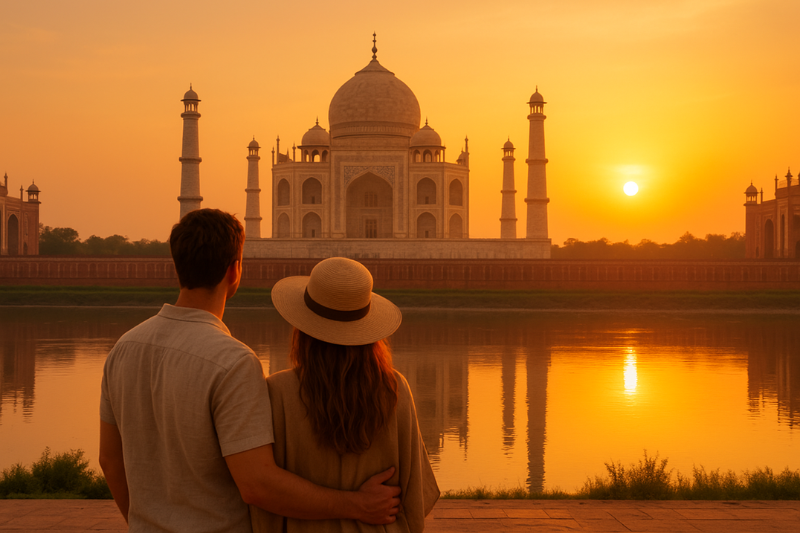
Today is a HUGE BUCKET LIST DAY!!! Our driver and guide will pick us up in the wee hours of the morning. Our guide will delight us with stories of the Taj Mahal, what it represents, and how it was created. Planning ahead? Explore our dedicated taj mahal tour for deeper context on this iconic wonder. After hearing its magical story and taking all the photos, we will make our way back to the hotel to enjoy breakfast.

Enjoy free time before today’s optional visit to . This cafe is run by women who are survivors of acid attacks and started to give survivors a place to find acceptance, community, confidence and a means of income. You can learn about their mission and support their cause through the purchase of local crafts, coffee, snacks or they may even be offering henna. We’ll spend some time here before heading back to the hotel where you’ll have the rest of the day to relax by the pool, read a book, or enjoy a spa treatment.

Day 5:

Agra to ranthambore national park

group

Today wake up and enjoy breakfast at your leisure. Today we check out and hit the road again as we make our way to Ranthambore National Park.

The journey to our next stop will take 5-6 hours. Along the way we will stop to explore Fatehpur Sikri, the first planned city of the Mughals.

After admiring the ornate architecture and learning about the fort’s history, we will stop to enjoy lunch before we finish our drive for the day.

After arriving at our beautiful resort, you’ll have time to settle in and enjoy the property. The rest of the evening is yours to relax.

India_96.jpg
India_79.jpg
India_88.jpg
India_72.jpg
India
India

Day 6:

it’s tiger time!

smiling

Wake up sunshine – it’s tiger time!! Today we have another incredible adventure for you!! Today we are heading out in search of the Bengal tiger!

We will be up before sunrise so we can begin our safari drive through Ranthambore National Park, a sanctuary famous for its wildlife. Said to have one of India’s friendliest tigers, it is also considered to be the best place in the world to photograph Bengal tigers in their natural habitat. While our goal is to find a tiger, two, or three, other animals that call this beautiful space home include the leopard, nilgai, wild boar, sambar, sloth bear and striped hyena to name a few. This sanctuary is also home to one of the largest banyan trees in all of India. We think this place is pretty incredible and it will give you some serious Jungle Book vibes!

After a morning safari, we will head back to the hotel for a delicious breakfast and the rest of the day is yours to rest until our next safari. In the late afternoon, we head out again for a second safari in hopes of spotting a majestic tiger at sunset.

We will return to the property after where you are able to enjoy dinner at your leisure, relax and catch up on some sleep.


Day 7:

jaipur-rajasthan’s capital + Cooking class

three

Today we will pack our bags after breakfast for our final drive of the trip. After a short 3 hours, we will arrive in Jaipur which is also known as the Pink City.

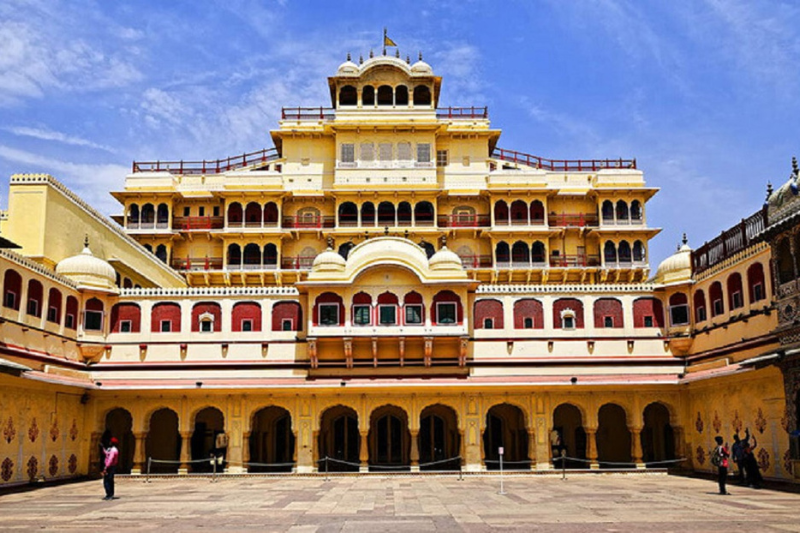
Jaipur, the capital city of Rajasthan, is a vibrant blend of both old and new as it has been ruled by Rajput kingdoms for many centuries. This city has a lot to offer such as dazzling forts and palaces, art and textiles, colorful festivals and vibrant bazaars and so much more. Here there are endless places to explore!

Once we arrive, we will check in to our hotel and enjoy a light lunch. After a little down time to relax and settle in, we will meet at 4 p.m. for today’s main activity – a hands-on cooking class. Our local chef will take us to visit a local market to show us how and where locals shop. Once we pick up our ingredients, we will head back to the kitchen to learn about the spices and how they are used in local cuisine. We will use the ingredients we purchase at the market to make several delicious dishes that we will enjoy for dinner.

Meals: Breakfast and dinner

Day 8:

group

man

leopard safari + Street food tour

Today offers another BUCKET LIST adventure – a leopard safari! This is an optional activity and an early wake up call. Before the sun comes up, your driver will take you to the Jhalana Leopard Safari Park. This park is home to 30-35 leopards, and of that 6-7 leopards have their territory in the tourism area. This otherwise shy cat is the apex predator here and does not have much competition for survival here which makes them more confident and therefore sightings are more likely. This park is becoming a favorite destination to spot leopards in the wild. Sightings are frequent but cannot be guaranteed. If you choose to take the optional safari, you will leave before sunrise and you will be back at the hotel to enjoy a late breakfast.

Today’s morning is a free morning – you can relax with a massage, try a Bollywood dance class, adorn yourself with henna, or head out to shop for Diwali at one of Jaipur’s incredible jewelry or textile shops. This is your time so choose to spend it however you want and our guide is happy to help arrange anything you’d like to do!

In the afternoon around 3 p.m., sign up to join optional activity hand-block print workshop. Here you will learn how textiles are created and have the opportunity for hands-on experience to create your own print block fabric to take home with you. Jaipur is known for its textiles and designers from around the world come here to hand pick and even create their own fabrics so this is sure to be a fun and unique experience.

Tonight if you are up for a foodie adventure, join the group for a trip to Raja Park for a guided street food tour. Here you will have the opportunity to see and taste 10 different local’s favorite dishes! If you prefer to skip the tour you can enjoy dinner at a place of your choice, Jaipur is full of exquisite restaurants with beautiful patios and stunning decor.

Meals: Breakfast and dinner

India
India+11.jpg
India
India+21.jpg
India
India
India_87.jpg
India_85.jpg
India
India
India
India_93.jpg

Day 9:

jaipur – pink city tour

woman

Wake up and enjoy a hot cup of chai. Our morning begins with another guided city tour visiting Amber Fort and a few other hidden gems in the city.

After hearing the fascinating stories of Jaipur’s royal families, both past and present, it’s time for some free time to shop or choose an optional activity. Then we will take a break to enjoy lunch at the Curry Spoon restaurant, a restaurant that will make you feel like a royal.

After a busy morning, you’ll have time to enjoy the rest of the afternoon as you’d like. Sign up for an optional activity, relax with an ayurvedic massage treatment, enjoy a walk in Central Park, or head out to one of the bazaars for some last minute shopping. This is your time to explore Jaipur and fulfill your bucket list wishes and our guide is happy to help arrange anything you’d like to do!

Tonight there will be an optional group dinner at a local rooftop restaurant. Enjoy a meal with your new friends as you reminisce on all the memories you’ve created together on this incredible adventure!

Meals: Breakfast

Day 10:

diwali – the festival of lights

woman

flowers

Today is another BUCKET LIST day and one you will always remember – it’s Diwali festival!

After breakfast our day begins with a visit to Jaipur’s famous flower market, Phool Mandi, where wholesalers from all over the city and surrounding villages come to sell their fresh flowers everyday. After wandering through the market and meeting locals, we will head to the most famous Lassi in Jaipur for a tasty treat.

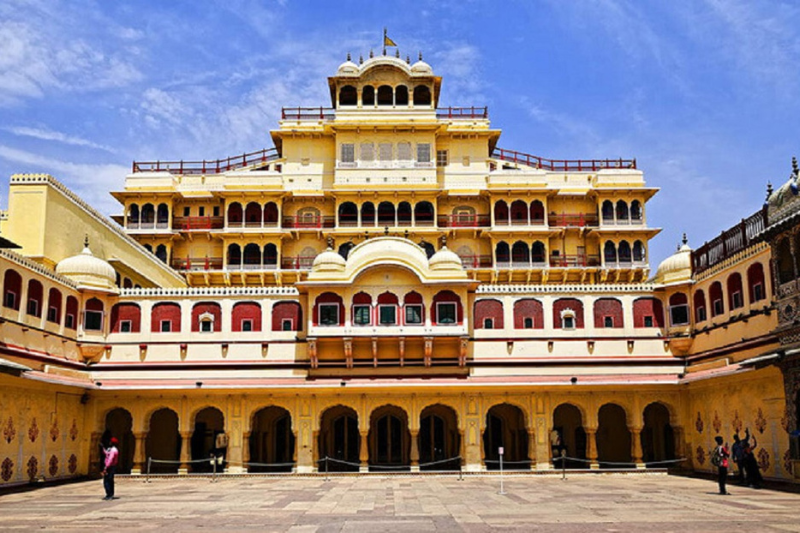
The next stop on our adventure is a visit to the stunning architectural sites of Jantar Mantar and City Palace as we learn about the history and stories that make these places so special. Entrance to Chiva Niwas is not included but optional for those who would like to visit. After we will walk over to Hawa Mahal to enjoy an iconic view with a refreshing drink and snack at the Tattoo Cafe.

In the afternoon you will have some free time to relax and prepare for the evening where fireworks will light up the sky tonight as the city celebrates Diwali festival.

Jaipur is known as one of the best places in India to celebrate Diwali festival. Diwali generally symbolizes the victory of light over darkness. For Hindus it is custom to light diyas, small earthenware lamps filled with oil, on the night of the new moon to invite the presence of Lakshmi, the goddess of wealth. Homes are decorated and floors inside and out are covered with rangoli, consisting of colorful and elaborate designs made from colored rice, sand or flower petals.

We will enjoy a traditional feast tonight as a group along with some delicious mithai, sweet Indian desserts, that are a staple of Diwali. Tonight will finish with a bang, literally as the sky lights up with a celebration of light, love and a new beginning.

Meals: Breakfast and dinner

India_99.jpg
India_90.jpg
India_94.jpg
India_97.jpg
India_70.jpg

Day 11:

namaste india, until we meet again!

It’s our final morning in Jaipur. Before we part ways on our journey back home, we will enjoy breakfast together. If you want to squeeze in one more adventure before you go, we have a BUCKETLIST activity for you – a sunrise hot air balloon ride over the Aravalli Mountains in the countryside.

This exciting adventure calls for another early morning. This optional experience is an incredible way to end your trip in India as you enjoy this beautiful country from a very unique perspective floating over local villages, spectacular forts, breathtaking landscapes and hidden palaces. After the balloon ride, we will head back to the hotel for breakfast before packing up our bags and checking out of our hotel.

Airport transfers for anyone flying to New Delhi airport from the Jaipur airport will be provided on an as needed basis. For those flying back to New Delhi, we suggest booking a direct one hour flight from Jaipur International Airport (JAI) and arriving at New Delhi International Airport at least 3-4 hours before your departure flight.

As an alternative, a private car can be arranged for a transfer to DEL airport. It is approximately a 4-5 hour drive from Jaipur depending on traffic and we suggest arriving 3 hours before your departure time. If you need any help extending your travel plans, we are happy to help!

Meals: Breakfast

Pushkar Camel Fair, Rajasthan: Travel Guide with Dates, Attractions and Tips

  • Pushkar Mela is more than just a fair — it’s a living, breathing celebration of Rajasthan’s vibrant spirit. Each year, the quiet desert town of Pushkar transforms into a mesmerizing spectacle of color, culture, and tradition. As the crisp desert winds of autumn sweep through, the town awakens with the rhythm of drums, laughter, and folk songs, marking the arrival of India’s most iconic desert festival.
  • Day 1: Arrive in Delhi
    Arrive at Delhi Airport, meet your representative, and transfer to your hotel. Relax and prepare for your journey through India’s cultural heart. Overnight in Delhi.
  • Day 2: Explore Delhi
    Discover Delhi’s blend of history and modernity — visit India Gate, Humayun’s Tomb, Lotus Temple, and Qutub Minar.
    In Old Delhi, explore Red Fort, Jama Masjid, and enjoy a rickshaw ride through Chandni Chowk. Overnight in Delhi.
  • Day 3: Delhi to Agra (4 hrs)
    Drive to Agra, check into your hotel, and visit Agra Fort and Itmad-ud-Daula (Baby Taj).
    Enjoy sunset views of the Taj Mahal. Overnight in Agra.
  • Day 4: Agra to Jaipur via Fatehpur Sikri
    Depart for Jaipur, stopping at Fatehpur Sikri, Emperor Akbar’s once-grand capital. Check into your hotel and unwind.
    Overnight in Jaipur.
  • Day 5: Discover Jaipur – The Pink City
    Visit Amber Fort, City Palace, Hawa Mahal, Jal Mahal, and Birla Temple. Shop for gemstones, textiles, and handicrafts in the lively bazaars. Overnight in Jaipur.
  • Day 6: Jaipur to Pushkar – The Camel Fair Begins
    Drive to Pushkar, check into your desert camp, and experience the Golden Triangle with Pushkar Camel Fair — enjoy camel parades, folk performances, and handicraft stalls.
  • Day 7: Explore Pushkar Mela & Holy Sites
    Spend the day soaking in the fair’s festive charm — races, music, and traditional competitions. Visit Brahma Temple and take part in the aarti at Pushkar Lake. Overnight in Pushkar.
  • Day 8: Departure
    After breakfast, drive to Jaipur Airport or Ajmer Station for your onward journey, carrying memories of Rajasthan’s most enchanting festival.

How to Reach Pushkar Mela 2025

Reaching Pushkar Mela 2025 is easy and well-connected by road, rail, and air. The nearest major city is Ajmer, located just 15 km away, which serves as the main transit hub. From Ajmer, travelers can hire a taxi, take local buses, or hop on a short auto-rickshaw ride to Pushkar.

  • By Air: The nearest airport is Kishangarh Airport (40 km), with regular flights from Delhi, Jaipur, and Mumbai. Alternatively, Jaipur International Airport (150 km) offers broader connectivity.
  • By Train: Ajmer Junction is the closest railway station, linked to major cities like Delhi, Jaipur, Mumbai, and Udaipur.
  • By Road: Pushkar is well-connected via the NH-48 highway, with frequent buses and private taxis available from Jaipur, Ajmer, and other Rajasthan cities.

Once you arrive, the town’s compact size makes it easy to explore on foot, by rickshaw, or even by camel — adding a touch of desert adventure to your journey!


Pushkar Camel Fair Travel Tips

To make the most of your visit to the Pushkar Camel Fair, it helps to plan thoughtfully. These practical tips will ensure your experience is comfortable, respectful, and deeply rewarding.

  • Dress Smart and Respectfully
    Pushkar is a sacred town, so modest attire is appreciated — especially when visiting temples and ghats. Light cotton clothing is ideal for the desert climate, keeping you cool during the day and warm in the evenings.
  • Carry Cash and Digital Payment Options
    While most hotels, restaurants, and shops accept UPI payments and cards, small stalls and local vendors often prefer cash. Keep a mix of both handy to avoid any inconvenience while shopping or dining.
  • Respect Local Customs
    Pushkar’s spiritual rhythm is part of its charm. Always remove footwear near temples and ghats, avoid photographing religious rituals without permission, and follow local signs and traditions. Respecting customs allows you to experience Pushkar’s culture more meaningfully.
  • Capture the Best Views
    Pushkar is a photographer’s delight. For unforgettable shots, head to the Savitri Temple hilltop for sunrise, the Pushkar Lake ghats at sunset, and the colorful alleyways of Pushkar Bazaar alive with local life and vibrant handicrafts.
  • For Solo Women Travelers
    Pushkar is one of Rajasthan’s more welcoming and peaceful towns, even for solo travelers. Dress modestly, stay in well-lit areas after dark, and avoid isolated paths. The locals are friendly and helpful, making it easy to explore with confidence.
  • Footwear & Comfort
    Since footwear isn’t allowed around temples and ghats, opt for shoes that are easy to slip on and off. Comfortable sandals or walking shoes are best for exploring the fairgrounds and bustling markets.

Conclusion

Pushkar is a destination that captures the true essence of Rajasthan — a mesmerizing blend of spirituality, culture, and desert beauty. From peaceful lakeside mornings and sacred aartis to the lively rhythm of the Pushkar Camel Fair, every experience here leaves an indelible mark on the soul.

Whether you’re drawn by faith, photography, or the thrill of cultural discovery, Pushkar promises a journey unlike any other — one that lingers in your heart long after the sands have settled.

Exploring India: North or South – Which Region Suits You Best?

India is a land of breathtaking diversity — where every region tells its own story through culture, cuisine, and tradition. From the snow-capped Himalayas of the North to the serene backwaters of the South, each corner offers a unique experience. This guide takes you through the essence of both regions — royal palaces and sacred temples, golden deserts and tranquil beaches — helping you discover which side of India speaks to your soul.


Planning a long-awaited trip to India but can’t decide whether to head north or south? India is a country of extraordinary contrasts — where every region unfolds a different story of culture, cuisine, and landscape.

In the north, the majestic Himalayas rise above royal palaces and desert forts, while in the south, tranquil backwaters, lush hills, and coastal charm await. Think Rajasthan’s regal grandeur versus Kerala’s serene beauty, or butter chicken versus idlis and dosas — each offering a flavor of India’s rich diversity.

Whichever side you choose, North or South, you’re guaranteed a journey filled with color, warmth, and unforgettable experiences. Let this guide help you craft your perfect India travel plan.

North or South India? The Ultimate Choice Awaits

India offers an endless array of experiences — from historic landmarks and vibrant festivals to breathtaking natural landscapes. But with so much to see and do, how do you choose between North India and South India?

We’re here to help you make that choice. In this guide, you’ll discover the unique culture, must-visit destinations, mouthwatering cuisines, and natural wonders that make each region of India truly special. Whether you’re drawn to the grandeur of the north or the serenity of the south, your perfect Indian adventure starts here.


What to See and Do in North India: Top Tourist Hotspots

North India mesmerizes travelers with its royal grandeur, ancient history, and vibrant cultural tapestry. This region is a treasure trove of majestic forts, marble mausoleums, sacred ghats, and snow-capped mountains, offering a kaleidoscope of experiences that capture the very essence of India’s rich heritage. From opulent palaces and spiritual cities to Himalayan adventures and colorful festivals, North India is where history, culture, and tradition converge in spectacular harmony.

At the heart of it all lies the legendary Golden Triangle Tour — connecting Delhi, Agra, and Jaipur — the crown jewel of North India’s travel circuit. This iconic route perfectly captures India’s cultural essence, where Mughal elegance meets Rajput splendor. In Delhi, wander through bustling bazaars and grand Mughal monuments; in Agra, marvel at the eternal beauty of the Taj Mahal; and in Jaipur, soak in the pink hues of palaces, forts, and colorful markets that echo royal Rajasthan’s charm.

But North India’s magic stretches far beyond the Golden Triangle. Journey west to Udaipur, the “City of Lakes,” where shimmering waters reflect marble palaces. Head east to Varanasi, one of the world’s oldest living cities, and witness the mesmerizing Ganga Aarti — an experience that captures the spiritual soul of India.

To the north, lose yourself in the snow-draped landscapes of Kashmir, often called “Paradise on Earth,” or find adventure amidst the rugged peaks and serene monasteries of Ladakh. For those seeking tranquility and natural beauty, the hill stations of Himachal Pradesh — from Shimla to Manali — offer a refreshing escape.

Everywhere you go, North India unfolds stories of valor, devotion, and artistry — from the golden sands of Rajasthan’s Thar Desert to the peaceful ghats of Rishikesh and Haridwar.

Whether you’re exploring ancient temples, camel safaris, or snow-laden valleys, North India promises an unforgettable journey through time, culture, and tradition — a vivid portrait of India’s royal heart and spiritual soul.


What to See and Do in South India: Top Tourist Hotspots

If North India impresses with its regal palaces and grand history, South India captivates with its serene beauty, sacred traditions, and timeless charm. This enchanting region dazzles with gold-adorned temples, centuries-old monuments, vibrant culture, and Ayurvedic wellness retreats — all set against a lush tropical backdrop.

Distinct in language, customs, and identity, South India celebrates its own rhythm of life. Here, men wear the traditional lungi while women drape themselves in elegant silk saris, often adorned with fresh jasmine in their hair — a living symbol of beauty and tradition.

Start your journey in Kerala, often called “God’s Own Country.” Cruise peacefully along the backwaters of Alleppey, explore the tea-scented hills of Munnar, or stroll through Cochin’s colonial quarters, where Portuguese churches and spice markets sit beside stylish boutique hotels.

In Tamil Nadu, marvel at the grandeur of Meenakshi Temple in Madurai and Brihadeeswarar Temple in Thanjavur, magnificent examples of Dravidian architecture. Experience the devotion and spectacle of temple life in Chennai and Madurai, where flower-strewn courtyards, rhythmic chants, and long queues of devotees create a vibrant spiritual atmosphere.

Head north into Karnataka, home to the ancient rock-cut temples of Hampi, the exquisite carvings of Belur and Halebidu, and the royal elegance of Mysore Palace. Along the eastern coastline lies Pondicherry, a former French enclave where cobbled streets, colorful villas, and the spiritual township of Auroville embody peace and harmony.

Further west, Goa invites you to explore its old Portuguese churches, charming coastal towns, and sun-drenched beaches — perfect for relaxation after days of discovery.

End your South Indian journey at Kanyakumari, the country’s southernmost tip, where you can witness a rare spectacle — the sun setting and the moon rising over the same sea.

In the evenings, immerse yourself in South India’s performing arts — from the dramatic expressions of Kathakali dance to the melodies of Carnatic music and the ancient martial art of Kalaripayattu.

With its blend of nature, spirituality, and living tradition, South India invites travelers to slow down, breathe deeply, and experience India at its most soulful and authentic.


Nature and Wildlife in North and South India

The natural beauty of India displays itself in different areas in the north and south in a contrasting but equally attractive manner. At each part of the country, visitors will have the chance to have unforgettable moments with the wildlife, the landscapes, and adventures that will be remembered for a long time, if not for ever, after the journey ends.

North India: Where the Mountains Touch the Sky

North India is the ideal place for nature lovers and planet adventurers. With its cold winters, hot summers and refreshing mountain air, the diversity of the region is just amazing. It is turning even the most active ones into dreamers at the same time coming to the calm hill stations in Himachal Pradesh and Uttarakhand or hiking the rugged trails in the Himalayas.

The Himalayas set the room for nature and wildlife to flourish and so they do along with more visitors coming and engaging in different activities such as trekking through pine forests, rafting down the Ganges in Rishikesh, and camping under the stars in Ladakh. The north is a wildlife haven where one can follow the path of the Royal Bengal Tiger at Ranthambore National Park or see the pop of colors of surreal wildflowers in the Valley of Flowers, a UNESCO World Heritage Site in Uttarakhand, that seems to be a dream.

South India: Where Nature Whispers in Green

The southern part of the country is characterized by warm air, green landscapes and a much slower rhythm of life. The most amazing thing about South India is its tropical nature which is simply irresistible—the kind of place where one can find palm-lined beaches beside misty hilltops and where the silent backwaters are in sync with the pace of a gentler world.

One can go and glide through Kerala’s backwaters on a traditional houseboat and see life at its best along the canals – fishermen netting, children greeting from the banks, and coconut trees moving slowly in the cool breeze. Then, one can again be a different person through Ayurvedic treatments, yoga, and meditation by the sea or in the spice-scented hills of Munnar and Wayanad.

Nature enthusiasts can visit Nagarhole National Park or Periyar Tiger Reserve, where elephants, leopards, and rare birds are the main attractions. For a thrilling experience, do not hesitate to try rafting on bamboo in Periyar, diving in the crystal-clear waters of Havelock Island, or just wandering in the quiet wilderness that is so characteristic of the southern region.


Cuisines of North and South India: A Feast of Flavors

Food is the one thing that brings India together, but at the same time, it is food that beautifully shows how different each region is. The culinary journey from North to South India is a colorful exploration of flavors, traditions, and aromas that mirror the country’s wealth of diversity.

The North: Creamy Curries and Bread Baskets

North India is characterized by hearty, aromatic, and Mughal and Punjabi influenced meals. The cuisine in this region is known for its gravies that are rich, textures that are buttery, and perfection that is slow-cooked. Many dishes have a creamy, ghee, and yogurt base that gives them a unique indulgence and depth.

Naan, tandoori roti, and stuffed parathas are the staple breads that go with the flavorful dishes like butter chicken, paneer tikka masala, and dal makhani. Rice is not used as often, but when it is, it is nothing less than the fragrant biryanis and pulaos rich with nuts, saffron, and aromatic spices.

Desserts in this region are a grand celebration just like gulab jamun, jalebi, and kheer that are all very sweet and nostalgic. Every meal in the north feels like a festival — bold, comfortable, and totally indulgent.

The South: Spice, Coconut, and Coastal Charm

The South Indian cuisine is robust and has a refreshing turn. Rice and lentils with a huge quantity of coconut in all its forms— grated, milked, or toasted—are hallmarks of the South Indian food which is light and yet quite flavorful. The meals here are usually an excellent combination of spice, sourness, and earthy taste.

Breakfasts, all-time favorites, are the main events — hot idlis, crunchy dosas, and soft uttapams usually accompanied by piquant samba and fresh coconut chutneys. The curries are colorful and complex — tamarind, curry leaves, mustard seeds, and black pepper together release a flavor that lasts forever—surprisingly strong and exciting.

In places like Kerala and Karnataka along the coast, fish and other aquatic animals are at the top of the menu. Just to mention a few—Molee, that is, fish simmered in coconut milk, and Coorg’s hot Pandi Curry (pork) are the habitats, the most different ones, and so on. The French influence is also there, at least, in the case of the Pondicherry fusion cuisine. But the South Indian thali, served on a banana leaf traditionally, which is very often, continues to be the symbol of hospitality and culture with its richness.

A Nation United by Flavor

Now the question is — North or South India, which region is the winner? The reality is that both are very hard to overlook. North is very rich and creamy with its spicy curries and tandoori delights, while South is straight to the point with its heat, freshness, and comforting simplicity.

If you break a piece of naan to scoop up the sumptuous butter chicken or if you fold a thin dosa stuffed with spicy potato masala, each bite narrates a tale — that of history, that of geography, and that of the very heart of India.

Therefore, do not pick; rather, conquer with your taste buds the whole country. In India, every meal is more than just food it is an experience.


Conclusion

Whether it’s the majestic forts and snow peaks of the North or the serene beaches and temple towns of the South, each region offers a world of its own. North India thrills with adventure and history, while South India soothes with beauty and calm. In the end, the best choice depends on you — the explorer or the dreamer. But for those who seek the full Indian experience, the real magic lies in discovering both.

A Star’s Journey Through India: Patti Boulaye’s Experience with Janu Private Tours

When a celebrated entertainer travels halfway across the world, every detail matters. Patti Boulaye OBE, the British-Nigerian singer, actress, and broadcaster who captured hearts after winning New Faces in 1978, recently discovered what makes a journey through India truly unforgettable. Her travels through Jaipur revealed something travelers often overlook: Planning a visit? Browse rajasthan tour packages to find the right fit before you arrive.

Patti’s testimonial speaks volumes. I’m Patti Boulaye, and if you’re coming to Jaipur, you need to check out Janu. He is the man. Her endorsement carries weight because someone who has performed on stages worldwide and appeared in over 100 television shows knows quality when she sees it.

Why Celebrity Testimonials Matter for Travel Services

Stars like Patti Boulaye travel constantly. They visit dozens of cities each year, meet hundreds of people, and work with countless service providers. When someone of her stature takes time to recommend a tour service, it tells you something real happened during that trip.

Travel testimonials from public figures carry authenticity because these individuals have nothing to gain from false praise. Patti could have traveled through Jaipur without mentioning her experience at all. Instead, she chose to share her thoughts about Janu Private Tours because the service genuinely impressed her.

Her words reflect a common challenge many travelers face: navigating a new city without getting lost, missing hidden gems, or falling into tourist traps. And you don’t have Janu on your side as a tour guide, you’re going to get lost, she explained. This simple statement highlights what separates memorable trips from frustrating ones.

Understanding Patti Boulaye’s Journey Through Rajasthan

Before exploring what made Patti Boulaye’s experience with Janu Private Tours special, understanding who she is provides context. Born Patricia Ngozi Komlosy in Nigeria on May 3, 1954, she rose to prominence in Britain’s entertainment scene during the 1970s and 80s. Her career spans musical theater, television, and public speaking. She has starred in London West End productions, including a critically acclaimed portrayal of Carmen in Carmen Jones.

Someone with her background approaches travel differently than casual tourists. She seeks authentic experiences, values professionalism, and appreciates when service providers understand cultural nuances. Her journey through India required a guide who could match her energy and curiosity.

Also Read:-which is the best travel company in India

What Makes Jaipur Special for International Visitors

Jaipur, known as the Pink City, presents both opportunities and challenges for visitors. The city’s majestic forts, grand palaces, and bustling markets create an overwhelming sensory experience. Streets wind through centuries-old neighborhoods where modern life intersects with ancient traditions. Without proper guidance, visitors can easily miss the stories behind the stones.

The Amber Fort sits majestically on a hilltop, its halls of mirrors catching light in ways that photographs rarely capture. The City Palace complex houses museums displaying royal artifacts, while Hawa Mahal’s honeycomb facade draws crowds who often rush past without learning its purpose. Each location holds layers of history that casual observation alone cannot reveal.

Here is why knowledgeable guides matter: they transform buildings into narratives. They explain why artisans created specific patterns, where royal families lived, and how historical events shaped the architecture tourists photograph today. This depth of understanding separates touring from truly experiencing a place.

Core Elements of Patti Boulaye’s Experience with Janu Private Tours

What did Patti Boulaye discover during her time with Janu Private Tours? While her testimonial remains brief, the underlying message speaks to several aspects of quality tour services.

Local Expertise That Prevents Getting Lost

Jaipur’s layout confuses first-time visitors. Markets branch into narrow alleys, similar-looking streets create disorientation, and language barriers complicate asking for directions. Patti emphasized this point directly: having Janu meant not getting lost. This practical benefit alone justifies working with local guides who know every turn and shortcut.

Personalized Attention

Janu Private Tours specializes in customized experiences rather than herding groups through predetermined routes. The company’s approach allows travelers to explore at their own pace, focus on interests that matter to them, and ask questions without competing for attention. For someone like Patti, whose schedule likely demanded flexibility, this personalized service proved crucial.

Cultural Bridge Building

Entertainment professionals understand performance and presentation. They recognize when someone genuinely cares about their craft versus merely going through motions. Patti’s enthusiastic recommendation suggests Janu demonstrated a passion for sharing Rajasthan’s heritage, creating connections between modern visitors and ancient traditions.

Reliability and Trust

Trust me, check out Janu, Patti concluded. Trust develops through consistent behavior, clear communication, and delivering on promises. When travelers book services in unfamiliar countries, they take risks. Patti’s confidence in recommending Janu Private Tours indicates the company established credibility through actions, not just words.

How Private Tours Differ from Group Experiences

The distinction between private and group tours shapes entire travel experiences. Group tours follow rigid schedules, limit photo opportunities, and accommodate the slowest walkers. They visit popular spots during peak hours when crowds obscure views and noise drowns out explanations.

Private tours flip this script. Travelers visit sites when lighting enhances photography, avoid crowds by adjusting timing, and spend extra time at locations that resonate personally. Guides answer specific questions rather than delivering rehearsed speeches. Lunch breaks happen when hunger strikes, not when the itinerary demands.

For Patti Boulaye’s experience with Janu Private Tours, this flexibility likely meant accommodating a busy schedule while ensuring she experienced Jaipur’s essence. Professional entertainers understand the difference between quality and quantity, between rushing through checklists and savoring moments.

width=800

Services Offered by Janu Private Tours

Janu Private Tours operates from a foundation of local knowledge and personalized service. The company provides:

  1. Customized Itinerary Planning

Rather than forcing travelers into pre-packaged routes, the company works with clients to design trips matching their interests and budgets. Some visitors prioritize historical architecture, while others seek artisan workshops or culinary adventures. This flexibility ensures each journey feels unique.

  1. Licensed and Knowledgeable Guides

Professional guides bring locations to life through stories, historical context, and answers to questions tourists didn’t know to ask. They explain architectural details, share local legends, and provide insights that guidebooks miss.

  1. Comfortable Transportation

Air-conditioned vehicles with experienced drivers ensure smooth travel between locations. This matters when navigating Jaipur’s busy streets, where traffic patterns confuse unfamiliar drivers and parking near popular sites requires local knowledge.

  1. Free Cancellation and Flexible Booking

Plans change, especially for busy professionals like Patti. Janu Private Tours accommodates schedule adjustments and offers payment flexibility, reducing stress associated with booking travel services internationally.

  1. Support Throughout the Journey

Questions arise during trips. Having support available helps travelers address concerns quickly, whether about itinerary modifications, restaurant recommendations, or understanding local customs.

Planning Your Own Journey Through Rajasthan

Patti Boulaye’s testimonial offers lessons for anyone planning Rajasthan to travel. Start by identifying what matters most. Do historical sites fascinate you? Does local cuisine drive your curiosity? Would textile markets or jewelry shops enhance your experience?

Next, research thoroughly but recognize limitations. Online resources provide basic information, but they cannot replace local expertise. Reading reviews helps, though remember that what satisfied one traveler might not align with your priorities.

Contact tour providers early. Discuss expectations, ask about their experience with international visitors, and request sample itineraries. Companies like Janu Private Tours build trips around client interests rather than forcing everyone into identical experiences.

Book accommodations strategically. Staying near major sites reduces travel time but might sacrifice quiet evenings. Hotels in less touristy areas offer authentic neighborhood experiences but require longer commutes.

Pack practically. Rajasthan’s climate varies by season. Comfortable walking shoes matter more than fashion. Sunscreen, hats, and reusable water bottles prevent discomfort during long sightseeing days.

What to Expect from Quality Tour Services

Professional tour companies share common characteristics. They respond promptly to inquiries, provide clear pricing without hidden fees, and offer references or reviews from previous clients. They employ licensed guides with deep local knowledge and maintain well-maintained vehicles.

Quality providers also respect client time. They arrive punctually, keep groups moving efficiently, and adjust schedules when unexpected delays occur. They anticipate needs, suggesting water breaks before clients feel parched or bathroom stops before urgency strikes.

Communication separates good guides from great ones. They gauge group energy, modifying commentary depth based on interest levels. They welcome questions, admit when they don’t know the answers, and follow up with information later. They read body language, recognizing when clients need breaks versus when they want to push forward.

Safety consciousness matters. Reputable tour operators ensure vehicles meet safety standards, avoid risky situations, and provide guidance about navigating crowded markets or busy streets. They educate clients about local customs that might cause inadvertent offense.

Making the Most of Your Jaipur Experience

Once you arrive in Jaipur, embrace the chaos. Markets overflow with colors, sounds, and scents. Streets pulse with life. Auto-rickshaws weave through traffic while sacred cows wander peacefully. This sensory overload forms part of the authentic experience.

Ask questions constantly. Why do buildings display specific colors? What purposes did various palace rooms serve? How do artisans create intricate patterns? Guides appreciate curiosity because it shows genuine interest rather than checkbox tourism.

Taste local specialties. Rajasthani cuisine features unique flavors and techniques. Your guide can recommend authentic restaurants, avoiding tourist traps serving mediocre versions of traditional dishes.

Shop thoughtfully. Markets sell everything from textiles to jewelry to pottery. Quality varies dramatically. Guides help identify skilled artisans versus mass-produced goods, negotiate fair prices, and arrange shipping for delicate purchases.

Photograph respectfully. Some locations restrict photography or require permits. Religious sites might prohibit cameras in certain areas. Always ask permission before photographing people, especially in private workshops or residential areas.

Patti Boulaye’s experience with Janu Private Tours demonstrates what happens when travelers connect with guides who genuinely care about sharing their homeland’s beauty. Her straightforward endorsement cuts through marketing noise, speaking directly to what matters: reliable guidance that transforms potential confusion into confident exploration. Whether you follow in her footsteps through Jaipur or venture elsewhere in Rajasthan, the lesson remains clear: Planning a visit? Browse rajasthan tour packages to find the right fit before you arrive.

Also Read:-difference between a tour operator and a travel agent​

Frequently Asked Questions

Q: Who is Patti Boulaye, and why does her testimonial matter?

Ans: Dr. Patti Boulaye OBE is a British-Nigerian singer, actress, and broadcaster who won New Faces in 1978 and became a leading entertainer. Her extensive career includes over 100 television appearances and London West End performances. Her testimonial matters because someone with her travel experience and public profile would not endorse services without genuine quality backing her words.

Q: What makes Janu Private Tours different from other Jaipur tour companies?

Ans: Janu Private Tours focuses on personalized experiences rather than group tours following fixed schedules. The company designs custom itineraries based on client interests and budgets. Licensed guides provide deep local knowledge, while flexible booking policies and reliable support throughout journeys ensure stress-free experiences. This approach particularly benefits travelers seeking authentic connections with destinations.

Q: How far in advance should I book a private tour in Jaipur?

Ans: Booking at least two to four weeks ahead allows tour companies time to customize itineraries and secure preferred guides. Peak tourist seasons from October through March require even earlier booking. Early contact also enables detailed planning conversations, ensuring tours match expectations. Last-minute bookings might work during slower periods, but they limit customization options.

Q: What should I budget for a private tour experience in Jaipur?

Ans: Private tour costs vary based on duration, group size, included amenities, and specific locations visited. Full-day tours typically cost more than half-day experiences. Multi-day packages across Rajasthan require larger budgets. Contact tour providers directly for accurate quotes based on your specific requirements. Quality companies provide transparent pricing without hidden fees and can suggest options fitting various budgets.

Q: Can private tours accommodate special dietary needs or mobility concerns?

Ans: Professional tour operators like Janu Private Tours customize experiences around client needs. They can arrange restaurant reservations accommodating dietary restrictions, modify itinerary timing to suit energy levels, and suggest sites with accessibility features. Communicate specific requirements during initial planning conversations so guides can prepare appropriate solutions and ensure comfortable, enjoyable experiences throughout your journey.

From London to Rajasthan: TV Chef Rosemary Shrager’s Indian Adventure with Janu Private Tours

When a celebrated British chef trades her London kitchen for the streets of Jaipur, magic happens. Rosemary Shrager, the beloved TV personality and author, recently embarked on an extraordinary journey through Rajasthan that transformed her from tourist to devoted advocate. Her experience with Janu Private Tours became more than just a vacation. It turned into a story worth telling.

Who Is Rosemary Shrager?

Rosemary Shrager is a British chef and TV presenter, recognized for her work on reality television programmes including Ladette to Lady and Soapstar Superchef. She has worked for Pierre Koffman at the famous Tante Claire restaurant in London and also for the brilliant chef Jean-Christophe Novelli. Beyond television, she has authored murder mystery novels and runs an online cooking club, sharing her culinary expertise with food enthusiasts worldwide.

Her journey from London to Rajasthan represents a chef’s quest for authentic experiences. Someone who has dedicated her life to understanding flavors, cultures, and traditions naturally seeks destinations that offer genuine connections. Rajasthan delivered exactly that.

Why Rajasthan Captures Hearts

The huge Amer Palace Fort sits atop a small hill, located at a distance of about 11 km from the main city, and is built with pale yellow and pink sandstone, along with white marble. This architectural marvel stands as just one example of Rajasthan’s splendor. The state offers travelers an unmatched blend of history, artistry, and cultural richness.

Jaipur, known as the Pink City, serves as the gateway to this enchanting region. Its forts and palaces tell stories of maharajas and battles, of artistic genius and architectural ambition. Walking through these spaces feels like stepping into living history. The colors, the craftsmanship, and the sheer scale of these monuments leave visitors speechless.

But Rajasthan offers more than just pretty buildings. The local markets burst with handcrafted textiles, silver jewelry, and traditional artwork. Street vendors sell spices that perfume entire neighborhoods. Musicians play instruments passed down through generations. Every corner reveals something new, something authentic, something worth remembering.

Also Read:-how can I travel the world for free

TV Chef Rosemary Shrager’s Indian Adventure with Janu Private Tours

Rosemary’s testimonial speaks volumes about her experience. She shared her thoughts candidly: I am here in Janu’s car. Janu is the most wonderful, wonderful guide, taxi driver, full of knowledge, knows the best places, but the only problem is he takes you to the most beautiful, beautiful places to buy fabrics, silver, but it’s so nice. And I am a complete monk. I’m taken in by every compliment under the sun. I’ve ended up spending a fortune. But it’s worth it. It’s wonderful.

Her words capture something special. This wasn’t a sterile, packaged tour experience. Rosemary found herself genuinely engaged, genuinely charmed, genuinely transformed by what she saw and experienced. The fact that she left with more than just photographs and memories (and perhaps a lighter wallet) proves the authenticity of her journey.

What Made This Journey Special

Several elements combined to create Rosemary’s memorable adventure. First, the expertise of a knowledgeable guide who understood not just the historical facts but the living culture of Rajasthan. Janu Private Tours provided more than transportation and information. They offered context, connection, and genuine hospitality.

Second, the carefully curated experiences. Rosemary visited artisan workshops where skilled craftspeople create the textiles and silverwork that Rajasthan is famous for. These weren’t tourist traps designed to extract money from visitors. They were authentic workshops where real artists practice their crafts, continuing traditions that span centuries.

Third, the comfort and reliability. Travel in India can be challenging for international visitors. Different customs, languages, and infrastructure require patience and flexibility. Having a dependable guide who handles logistics allows travelers to focus on experiencing rather than worrying.

The Art of Authentic Travel Experiences

What separates a forgettable trip from a life-changing journey? Authenticity plays a central role. Tourists who rush through monuments, checking boxes on a list, miss the soul of a place. Travelers who slow down, who engage with local people, who allow themselves to be surprised and delighted, discover the real magic.

Janu Private Tours understands this distinction. Their approach focuses on creating genuine connections between travelers and destinations. They don’t just show you Rajasthan. They help you understand it, feel it, and carry a piece of it home with you.

The company specializes in personalized tours throughout Rajasthan and broader India. They design itineraries based on individual interests and preferences. Whether you’re a food enthusiast like Rosemary, a history buff, an adventure seeker, or someone who simply wants to experience another culture, they craft experiences that match your desires.

From Forts to Fabrics: A Culinary Explorer’s Perspective

As a chef, Rosemary naturally brings a unique lens to her travels. Food tells stories about culture, about climate, about history and migration, and trade routes. Rajasthan’s cuisine reflects its desert environment and royal heritage. Rich gravies, robust spices, and elaborate preparations speak to a culture that values hospitality and celebration.

But her adventure extended beyond tasting local dishes. She explored the markets where spices are sold in rainbow-colored mountains. She visited workshops where artisans create the beautiful textiles and silver pieces that caught her eye. She experienced the warmth of Rajasthani hospitality, where guests are treated like family.

This holistic approach to travel, where every sense engages and every moment offers discovery, defines what makes India such a compelling destination. It’s not just about seeing landmarks. It’s about feeling the pulse of a living, breathing culture.

Planning Your Own Rajasthan Adventure

If Rosemary’s experience inspires you to explore Rajasthan, several considerations will help you plan your journey. First, timing matters. The best months to visit Rajasthan run from October through March, when temperatures are more comfortable for sightseeing.

Second, decide what interests you most. Rajasthan offers something for everyone. History enthusiasts can explore dozens of magnificent forts and palaces. Nature lovers can visit wildlife sanctuaries. Shoppers can lose themselves in bazaars filled with handicrafts. Foodies can discover regional cuisines that vary from city to city.

Third, choose how you want to travel. Some visitors prefer joining group tours. Others want complete independence. Private tours offer a middle path, combining expert guidance with personalized attention and flexible scheduling.

The Janu Private Tours Difference

What makes TV Chef Rosemary Shrager’s Indian Adventure with Janu Private Tours stand out? Several factors contribute to their reputation. Their guides possess deep knowledge of regional history, culture, and hidden gems. They maintain high standards for vehicle comfort and safety. They build relationships with local artisans and businesses, ensuring authentic experiences rather than tourist traps.

The company also shows flexibility. If something catches your interest during the day, they can adjust plans to spend more time there. If you need a break or want to change the pace, they accommodate. This responsive approach makes trips feel personal rather than programmed.

Client testimonials consistently mention the trustworthiness and warmth of their service. Rosemary’s review, particularly her humorous admission about spending more than planned, reveals the relaxed, genuine atmosphere they create. She felt comfortable enough to be completely honest about her experience, both the highlights and the lighter moments.

More Than Just Monuments

Rajasthan rewards curious travelers. Yes, the architectural wonders deserve their fame. The Majestic Palaces of Rajasthan are architectural marvels, and a better way to experience regal lineage is by visiting the palaces with rich cultural heritage and history. But the state offers layers of experience beyond its famous landmarks.

Village visits reveal rural life and traditional practices. Cooking classes teach the secrets of regional dishes. Camel safaris explore the Thar Desert’s stark beauty. Textile workshops demonstrate ancient dyeing and printing techniques. Temple visits offer spiritual insights. Each experience adds depth to your understanding of this remarkable region.

For someone like Rosemary, who has spent her career exploring food and culture, these multifaceted experiences create a richer, more satisfying journey. She didn’t just tour Rajasthan. She engaged with it, learned from it, and clearly fell in love with it.

The Power of Personal Recommendations

When a public figure praises a service, it carries weight. Rosemary didn’t need to share her experience. She chose to because it genuinely moved her. Her closing words say everything: So anybody is looking for the best guide in Jaipur. Janu is the one.

This kind of authentic endorsement matters more than any marketing campaign. It comes from real experience, real emotion, real connection. It tells potential travelers that Janu Private Tours delivers what it promises and creates experiences worth talking about.

Creating Your Story

Every traveler writes their own story. Some seek adventure and adrenaline. Others want relaxation and reflection. Many hope for transformation and new perspectives. Rajasthan accommodates all these desires.

The key lies in choosing travel partners who understand your vision. Companies like Janu Private Tours specialize in turning travel dreams into reality. They handle the logistics, navigate the complexities, and open doors that might otherwise stay closed. This allows you to focus on experiencing, learning, and growing.

Your journey might look different from Rosemary’s. You might spend less on silver and more on photography equipment. You might prefer countryside villages over city markets. You might want more time in temples or wildlife reserves. The beauty of personalized travel lies in these differences. Your perfect trip reflects your unique interests and personality.

Why Authentic Experiences Matter

In an age of Instagram filters and manufactured moments, authentic travel experiences become increasingly precious. Real connections with real people in real places feed our souls in ways that superficial tourism cannot. They challenge our assumptions, broaden our perspectives, and remind us of our shared humanity.

Rajasthan offers these authentic moments generously. Whether you’re bargaining in a market, sharing tea with a local family, or simply watching sunset paint a fort’s walls gold, you’re participating in something real. These moments stay with you long after you return home.

The Journey Continues

TV Chef Rosemary Shrager’s Indian Adventure with Janu Private Tours represents one chapter in the ongoing story of travelers discovering Rajasthan’s magic. Every visitor adds their own verse to this story. Some return multiple times, each visit revealing new layers. Others carry their memories forward, letting their Rajasthan experience influence how they see the world.

The infrastructure continues to improve, making travel easier and more comfortable. Yet the essential character of Rajasthan remains unchanged. The forts still stand proud. The artisans still practice their crafts. The hospitality still flows freely. This balance between accessibility and authenticity makes Rajasthan an ideal destination for international travelers.

Your Next Step

If Rosemary’s glowing recommendation resonates with you, exploring Rajasthan with Janu Private Tours might be your next great adventure. Their website at https://januprivatetours.com/ provides information about destinations, tour options, and booking processes. They offer flexibility in planning, allowing you to create an itinerary that matches your interests, schedule, and budget.

Whether you’re a solo traveler seeking cultural immersion, a couple wanting a romantic getaway, or a family hoping to create lasting memories together, Rajasthan welcomes you. The forts, palaces, markets, and people await. Your story is waiting to be written.

The question isn’t whether Rajasthan will captivate you. The question is what aspect will capture your heart most deeply. Will it be the architecture? The textiles? The food? The people? The only way to find out is to go and see for yourself.

Also Read:-what is a travel agent?

Frequently Asked Questions

Q: What services does Janu Private Tours provide for international travelers?

Ans:- Janu Private Tours offers personalized travel experiences throughout Rajasthan and India, including private guided tours, comfortable transportation, customized itineraries, and access to authentic local experiences. They handle all logistics, from booking accommodations to arranging cultural activities, allowing travelers to enjoy their journey without stress. Their guides provide historical context, cultural insights, and recommendations for shopping, dining, and sightseeing based on individual interests.

Q: When is the best time to visit Rajasthan for a cultural tour?

Ans:- The optimal period for visiting Rajasthan runs from October through March, when temperatures are moderate and comfortable for outdoor exploration. Winter months offer pleasant days perfect for touring forts and palaces without extreme heat. This season also coincides with several cultural festivals, providing travelers with opportunities to witness traditional celebrations and customs. The summer months from April to June can be intensely hot, making sightseeing challenging.

Q: What makes Rajasthan’s forts and palaces architecturally significant?

Ans:- Rajasthan’s forts and palaces showcase centuries of architectural evolution, blending Rajput, Mughal, and other influences. These structures feature intricate carvings, colorful frescoes, and sophisticated engineering that addressed desert climate challenges. Built from local sandstone and marble, they demonstrate both military strategic thinking and artistic ambition. Many have been preserved carefully, allowing visitors to experience royal heritage firsthand while learning about India’s complex historical past.

Q: How can travelers ensure authentic shopping experiences in Rajasthan?

Ans:- Working with knowledgeable local guides helps travelers find genuine artisan workshops rather than tourist-oriented shops. Look for places where craftspeople actively work, demonstrating their techniques. Ask questions about materials, methods, and traditions behind the products. Quality guides like those at Janu Private Tours maintain relationships with reputable artisans who offer fair prices and authentic goods. Take time to compare options and never feel pressured to purchase immediately.

Q: What should first-time visitors to India know before traveling to Rajasthan?

Ans:- First-time visitors should research cultural norms around dress, behavior at religious sites, and social interactions. Arrange reliable transportation and accommodation before arriving, preferably through a trusted tour operator. Carry appropriate identification and copies of travel documents. Stay hydrated and be mindful of food choices while your system adjusts. Most travelers find that working with experienced guides significantly reduces stress and enhances their understanding and enjoyment of this culturally rich region.

Sabir ‘Janu’ Khan: The Vision Behind Janu Private Tours Since 2002

When Shabbir Janu Khan started his boutique tour operation in 2002, he had a simple yet powerful belief: every traveler deserves an experience that goes beyond sightseeing. Over two decades later, that philosophy has shaped one of Rajasthan’s most trusted names in personalized travel services.

The Beginning of a Travel Legacy

Back in 2002, the Indian tourism landscape looked different. Most tour operators focused on large group packages, leaving little room for customization. Shabbir Khan saw an opportunity to create something different. He wanted to build a company that treated each visitor not as a tourist, but as a guest exploring a second home.

Starting with just a handful of contacts and a deep knowledge of Rajasthan’s hidden treasures, Khan built his business on relationships rather than transactions. His nickname Janu, a term of endearment in local culture, became the brand name because it reflected his approach: warm, personal, and family-oriented.

The early years tested his commitment. Building trust takes time, especially in an industry where travelers rely heavily on recommendations. Khan spent countless hours perfecting itineraries, training guides, and ensuring every detail met his standards. He believed that one satisfied traveler would return and bring others along.

Building a Team That Shares the Vision

Today, Janu Private Tours operates with a team of more than 20 professionals who share Khan’s passion for authentic travel experiences. This isn’t just a collection of drivers and guides; it’s a carefully selected group trained to understand what makes each journey special.

The team includes multilingual guides who can communicate in several languages, making international visitors feel comfortable from the moment they arrive. Each guide receives ongoing training about regional history, cultural practices, and customer service. Khan understands that knowledge alone isn’t enough; guides must also possess genuine enthusiasm for sharing their heritage.

Drivers form another cornerstone of the operation. They’re not just responsible for transportation; they serve as the first point of contact and often become trusted companions during multi-day tours. Khan personally ensures that every driver maintains high safety standards and knows the routes intimately.

Tour planners work behind the scenes, crafting itineraries that balance popular attractions with lesser-known gems. They listen to what travelers want and then design experiences that exceed those expectations. This attention to detail has become a signature of the brand.

What Makes This Approach Different

The boutique model that Janu Private Tours follows stands apart from conventional tour operations in several ways. Size matters here, but not in the way you might think. By keeping operations manageable, the company maintains quality control at every level.

Each tour receives personal attention from the planning stage through completion. Khan and his team review feedback regularly, making adjustments based on what travelers share. This responsive approach means the company evolves with changing preferences while staying true to its core values.

Customization sits at the heart of every package. Rather than forcing travelers into pre-set itineraries, the team asks questions: What interests you most? Do you prefer fast-paced exploration or leisurely discovery? Are you traveling with family, friends, or solo? The answers shape unique experiences.

Safety has always been a priority. Khan invested in reliable vehicles, vetted accommodations, and established protocols long before they became industry standards. Travelers can focus on enjoying their journey, knowing that logistics are handled with care.

Also Read:-where to travel in August.​

Services That Reflect Real India

The website https://januprivatetours.com/ showcases the range of experiences available. From cultural heritage walks through ancient cities to wildlife safaris in national parks, the offerings reflect Rajasthan’s diversity.

Culinary tours have gained popularity among food enthusiasts. These experiences go beyond restaurant visits; travelers might find themselves in a local home, learning to prepare traditional dishes while hearing stories passed down through generations.

Yoga retreats combine physical practice with spiritual exploration. Conducted in settings that range from heritage properties to peaceful countryside locations, these programs offer respite from busy lives.

Heritage walks through cities like Jaipur reveal layers of history that guidebooks often miss. Guides share anecdotes about architectural details, explain the significance of street names, and point out craftsmanship that tourists typically overlook.

Wildlife safaris take visitors to protected areas where they can observe animals in natural habitats. These trips are planned around optimal viewing times and seasons, giving travelers the best chance for memorable encounters.

Recognition Built on Relationships

The company’s reputation has grown organically through traveler reviews and recommendations. Platforms like Tripadvisor feature hundreds of testimonials from visitors who appreciated the personalized service. This recognition matters to Khan because it confirms that his vision resonates with real people.

Awards and certifications validate the team’s efforts, but Khan measures success differently. He looks at repeat visitors and referrals. When families return years later with their children, or friends book based on a recommendation, that’s when he knows the approach works.

The company maintains high standards recognized by industry reviewers. These aren’t purchased endorsements; they come from travelers who took the time to share honest experiences. Each positive review reinforces Khan’s belief that doing things right eventually gets noticed.

Adapting While Staying True to Values

Twenty years in business means navigating changes in technology, traveler expectations, and global events. Khan has shown flexibility when needed while protecting the elements that define his company.

Digital booking systems now make reservations easier, but the human touch remains central. Travelers can complete transactions online, yet they always have direct access to team members who can answer questions and make adjustments.

Social media platforms help showcase destinations and share traveler stories. The company uses these tools to inspire and inform, never losing sight that real connections happen face-to-face.

Recent global disruptions tested the travel industry severely. Khan’s response demonstrated his commitment to both travelers and team members. He implemented safety protocols, offered flexible booking options, and maintained communication even when operations paused.

The Philosophy Behind Every Journey

Khan’s approach rests on several principles that guide daily operations. First, authenticity cannot be manufactured. Travelers sense when experiences feel staged or rushed. His team focuses on creating moments that feel natural and meaningful.

Second, respect for culture and environment shapes every decision. Tours are designed to benefit local communities, support artisans, and minimize negative impacts. This isn’t just good ethics; it ensures that future travelers can enjoy the same experiences.

Third, education enhances enjoyment. When travelers understand the context behind what they’re seeing, whether it’s architectural styles or religious practices, they engage more deeply. Guides are trained to share information in accessible, interesting ways.

Fourth, flexibility improves satisfaction. Sometimes the most memorable moments happen spontaneously. The team empowers guides to adapt plans when opportunities arise, whether that’s stopping at a festival or extending time at a location that captivates visitors.

Looking at Travel From the Visitor’s Perspective

Khan never forgot what drew him to this work: the joy of sharing his homeland with curious minds. He encourages his team to view each tour through the traveler’s eyes. What would make their day special? What concerns might they have? How can we exceed their expectations?

This perspective shapes practical decisions. Meal stops consider dietary restrictions and preferences. Accommodation recommendations balance comfort with authentic character. Transportation schedules allow for rest without wasting time.

It also influences communication styles. Team members are trained to be informative without overwhelming, helpful without hovering. They read cues about when travelers want company and when they prefer quiet observation.

Supporting Local Communities

Success means more than business growth for Khan. He believes tourism should benefit the communities that make it possible. Janu Private Tours partners with local guides, supports family-run establishments, and purchases from artisan cooperatives.

These choices create a ripple effect. When travelers stay at heritage hotels run by local families, their spending supports preservation efforts. When they buy handicrafts directly from makers, artists can continue traditional practices. When they eat at neighborhood restaurants, they experience authentic cuisine while supporting small businesses.

Khan also invests in training opportunities for young people interested in the tourism industry. He shares knowledge gained over decades, hoping to raise standards across the sector.

The Personal Touch That Defines the Brand

Size limitations become an advantage in delivering personalized service. Khan knows many regular clients by name. Team members remember preferences from previous visits. This familiarity creates comfort and builds long-term relationships.

The company doesn’t try to be everything to everyone. Instead, it focuses on doing specific things exceptionally well. This specialization allows team members to develop expertise and maintain quality.

When issues arise, as they occasionally do in any service business, Khan’s team addresses them promptly and honestly. They take responsibility, find solutions, and learn from mistakes. This accountability builds trust.

What Lies Ahead

After more than two decades, Khan continues looking forward. He sees opportunities to introduce travelers to emerging destinations within Rajasthan while protecting beloved locations from overtourism. He wants to expand offerings without compromising quality.

Technology will play a bigger role, but always as a tool to enhance human connections rather than replace them. Virtual consultations might help travelers plan better, but personal interactions will remain central.

Training the next generation of guides and tour planners occupies his thoughts. He wants to ensure that the values defining Janu Private Tours outlast his direct involvement. Building systems that maintain quality while allowing growth presents an ongoing challenge.

Environmental concerns grow more pressing. Khan explores ways to reduce the carbon footprint of tours, support conservation efforts, and educate travelers about sustainable practices. He believes tourism can contribute positively when managed thoughtfully.

Why This Model Still Works

In an era of instant bookings and algorithm-driven recommendations, the boutique approach Khan pioneered remains relevant. Travelers increasingly seek authentic experiences and personal connections. They want to feel like individuals, not transaction numbers.

The success of Janu Private Tours demonstrates that quality, consistency, and genuine care create lasting value. Khan built his business slowly, focusing on doing things right rather than doing them quickly. That patience has paid off.

His story offers lessons beyond tourism. Any service business benefits from understanding customers deeply, maintaining high standards, treating team members well, and staying true to its founding principles. These aren’t revolutionary concepts, but they require discipline and commitment.

The Lasting Impact

Shabbir Janu Khan’s vision has touched thousands of travelers who returned home with stories, photographs, and memories. More than that, he’s shown that business success and personal values don’t have to conflict. You can be profitable while being principled.

His team members have built careers in an industry they love, supported by a leader who invests in their growth. Local communities have benefited from a tourism model that respects their heritage and contributes to their economy.

For anyone considering a visit to Rajasthan, https://januprivatetours.com/ represents more than booking services. It’s an invitation to experience India through the eyes of people who genuinely love sharing their home. That’s the legacy Khan has built since 2002, and it continues growing one satisfied traveler at a time.

Also Read:-how to earn money while travelling

Frequently Asked Questions

Q: What types of tours does Janu Private Tours specialize in?

Ans:- The company offers diverse experiences, including cultural heritage walks, wildlife safaris, culinary tours, and yoga retreats across Rajasthan and other Indian destinations. Each tour is customized based on traveler interests, budget, and schedule preferences. The team’s expertise spans historical sites, natural landscapes, and authentic cultural encounters that reveal India beyond typical tourist routes.

Q: How does Janu Private Tours ensure traveler safety during tours?

Ans:- Safety protocols include using well-maintained vehicles, working with vetted accommodations, and employing experienced drivers familiar with local routes. The company maintains 24/7 communication channels so travelers can reach team members anytime. All guides receive training in emergency procedures, and itineraries account for health considerations like rest periods and meal quality.

Q: Can travelers modify their itinerary after booking with Janu Private Tours?

Ans: Yes, flexibility is built into the service model. Travelers can discuss adjustments with tour planners who work to accommodate changes while maintaining overall experience quality. The company understands that interests evolve during trips, and guides are empowered to adapt daily schedules when opportunities arise or preferences shift.

Q: What languages do guides speak at Janu Private Tours?

Ans:- The team includes multilingual guides who communicate in several languages, including English, Hindi, and various regional dialects. When booking, travelers can specify language preferences to ensure clear communication throughout their journey. This capability helps international visitors feel comfortable and gain deeper insights into the destinations they explore.

Q: How far in advance should travelers book tours with Janu Private Tours?

Ans:- Booking timelines vary by season and tour complexity. Peak travel seasons (October through March) require earlier reservations, ideally 4-6 weeks ahead, to secure preferred dates and accommodations. The team can sometimes accommodate shorter notice for simpler itineraries. Contacting planners early allows more customization options and better availability across services.

Plan Your Holi Festival Trip to India Top Destinations and Tips

Why Do We Celebrate Holi? A Festival of Colours and Harmony

Holi, the festival of colours, marks the victory of good over evil, the arrival of spring, and the spirit of togetherness. Rooted in ancient Hindu legends, it carries deep cultural and spiritual significance.

One story celebrates the divine love of Lord Krishna and Radha. Concerned about their contrasting skin tones, Krishna playfully coloured Radha’s face, symbolizing love beyond differences — an act that inspired Holi’s joyful traditions.

Another legend tells of Prahlad and Holika, where faith triumphed over tyranny. When Prahlad’s father, King Hiranyakashipu, tried to destroy him through his sister Holika, divine power saved Prahlad while Holika perished — symbolizing the triumph of devotion and righteousness. This event is honoured through Holika Dahan, held on the eve of Holi.

On Rangwali Holi, people across India celebrate with colours, water balloons, and sweets like gujiya and thandai. The festival breaks social barriers, spreading happiness, forgiveness, and renewal — reminding everyone that joy and love always win over darkness.

If there’s one festival that truly captures the vibrant spirit of India, it’s Holi — the Festival of Colors. Once a year, streets and villages across the country transform into a living canvas of color, music, and laughter. It’s a time when strangers become friends, boundaries blur, and joy fills the air. For travelers, celebrating Holi in India isn’t just about witnessing a festival — it’s about experiencing the heart of Indian culture in the most vivid way possible.

Beyond Religious Rigidities, Holi in India has become a celebration of togetherness — a dazzling mix of colors, culture, and contagious joy. There’s nothing quite like joining locals in the lively color-splash battles — it’s one of the most unforgettable cultural experiences a traveler can have.

But planning a trip around Holi isn’t like any ordinary vacation. With festival dates varying each year and streets packed with celebrations, timing and organization matter more than ever. From navigating busy roads to fitting festival fun into your itinerary, it takes a bit of smart preparation.

In this post, we’ll walk you through everything you need to know to plan your Holi trip to India — from the best places to celebrate and ideal travel tips to how you can make the most of this vibrant festival of colors.


When Is Holi Festival Celebrated in India?

Holi, the Festival of Colors, is celebrated according to the Hindu lunar calendar, which means its date changes every year. The festival usually falls in late February or March, depending on the full moon of the Phalguna month.

Keep in mind that while the dates below mark the main festivities, regional traditions can add several days of unique celebration! Booking your travel with these key dates in mind will ensure you’re right in the heart of the colored dust and merriment:

Year Holika Dahan (The Bonfire Night) Rangwali Holi (The Main Day of Colors)
2026 Tuesday, March 3 Wednesday, March 4
2027 Sunday, March 21 Monday, March 22
2028 Friday, March 10 Saturday, March 11
2029 Wednesday, February 28 Thursday, March 1
2030 Tuesday, March 19 Wednesday, March 20

In most parts of India, Holi is a two-day festival. The first evening, known as Holika Dahan, features bonfires and prayers symbolizing the victory of good over evil. The next morning brings the main celebration — a riot of colors, where people joyfully throw vibrant powders, dance, and share sweets.

If you’re looking for the most authentic and energetic Holi experiences, head to Barsana, Vrindavan, or Mathura. Here, the festivities stretch over nearly 10 days, starting a week before the main event. One of the most captivating traditions is Lathmar Holi, or “the Holi of Sticks”, celebrated around 6–7 days before Holi, where women playfully hit men with sticks while everyone cheers and laughs in good spirit.


Best Places to Celebrate Holi in India

Experience the Magic of Holi Across India Holi — the festival of colours — transforms India into a canvas of joy, laughter, and togetherness. While the celebrations are vibrant across the country, North India truly steals the show with its grand traditions and infectious energy.

In Mathura and Vrindavan, the birthplace of Lord Krishna, devotion and festivity intertwine in timeless rituals. Varanasi glows with spiritual fervour along the Ganges, while Udaipur, Jaipur, and Delhi blend royal heritage with modern flair, creating unforgettable Holi experiences.

Whether you dive into the lively streets or seek a more peaceful, private celebration, one thing is certain — wherever you go, Holi will embrace you in its joyful burst of colour and spirit.

1. Mathura & Vrindavan – The Birthplace of Holi

If you want to witness Holi in its most authentic and divine form, there’s no place like Mathura and Vrindavan — the land of Krishna himself. Here, the festivities begin weeks before the main day.

In Barsana, experience the lively Lathmar Holi, where women playfully chase men with sticks in a joyful mock battle. Then comes the enchanting Phoolon Ki Holi at the Banke Bihari Temple, where petals, not powders, fill the air with fragrance and colour.

When the big day arrives, the temples of Dwarkadheesh in Mathura and Banke Bihari in Vrindavan turn into a swirl of music, devotion, and colour — a celebration that feels less like a festival and more like a spiritual awakening.

2. Varanasi: Experience the Sacred Colours of Holi

In Varanasi, Holi is where spirituality meets celebration. The ghats along the Ganges River come alive with bonfires, colours, and devotional chants, creating a magical harmony of faith and festivity. Locals follow the age-old tradition of applying herbal ubtan paste for good fortune, adding a touch of ritual purity to the revelry. Holi in Varanasi isn’t just celebrated — it’s felt in the soul.

3. Udaipur: Experience Holi Like Royalty

If you want to experience Holi with a royal twist, Udaipur is the place to be. The Mewar Royal Family hosts a stunning Holika Dahan at the City Palace, complete with a grand parade of decorated horses and elephants. The next day, the city bursts into colour at the lakeside ghats — music, laughter, and vibrant hues filling the air. Holi in Udaipur isn’t just a festival; it’s a royal celebration you’ll never forget.

4. Holi in Jaipur: A Splash of Colour, Culture, and Royalty

In Jaipur, Holi comes alive with a perfect blend of royal elegance and modern excitement. The city turns into a splash of colour, music, and laughter. At the Dhulandi Festival held at the historic Khasa Kothi Hotel, locals and travellers come together for a safe yet joyfully spirited celebration filled with colours, dance, and traditional sweets. Meanwhile, the Govind Dev Ji Temple glows with week-long devotional festivities, echoing with chants and drums that capture the city’s spiritual heart.

With its mix of heritage, culture, and youthful energy, Jaipur offers one of the most unforgettable Holi experiences in India — a celebration as royal as the Pink City itself.

If you’re in Jaipur during the Holi season, don’t miss the chance to celebrate it here! Experiencing Holi in Jaipur is a truly unique way to immerse yourself in the city’s vibrant culture, royal traditions, and festive spirit. Spend a day or two soaking in the colours, music, and warmth of the locals — it’s an experience that stays with you long after the colours fade.

5. Delhi: Celebrate Holi in the Heart of India

In Delhi, Holi takes on a life of its own — a vibrant fusion of tradition, music, and modern energy. From intimate family gatherings in old neighbourhoods to grand celebrations across the city, every corner bursts with colour and cheer. The iconic Holi Moo Festival is the highlight — featuring live music, organic colours, global artists, and local flavours, creating a safe yet exhilarating space for both locals and travellers. With its blend of chaos, culture, and creativity, Holi in Delhi is not just a festival — it’s an experience that captures the true spirit of India.


A Festival You’ll Never Forget

Holi in India isn’t just a festival — it’s a feeling. It’s the laughter that echoes through narrow lanes, the colours that fill the air, and the kindness of strangers who welcome you like family. Whether you join the grand celebrations in Mathura and Vrindavan, the royal festivities in Jaipur and Udaipur, or the lively parties in Delhi, every moment will leave you smiling, dancing, and drenched in colour.

So pack your whites, keep your heart open, and get ready to celebrate life the Indian way — with colour, joy, and togetherness. Holi in India is more than a trip; it’s an experience that will stay with you forever.

How Many Days Should You Spend on a Holi Trip?

Holi celebrations in India typically unfold over two main days — the first evening for Holika Dahan, when bonfires light up to mark the victory of good over evil, and the next day for Rangwali Holi, a joyful explosion of colours, music, and celebration.

If you’re planning your Holi adventure, here’s how to make the most of your stay depending on your travel style:

For a Short Holi Trip (3 Days)

A 3-day itinerary is perfect for travellers short on time but eager to experience the festive spirit.

  • Day 1: Arrive, settle in, and explore major attractions like Amber Fort or the City Palace in Jaipur.
  • Day 2: Witness the Holika Dahan ceremony in the evening — a magical mix of rituals, fire, and community spirit.
  • Day 3: Join the Rangwali Holi celebrations with locals — play with colours, enjoy folk music, and savour traditional sweets. (Avoid long-distance travel this day as festivities often affect transport.)

For a Complete Cultural Experience (8–10 Days)

If you want to experience Holi’s diverse traditions and regional flavours, this 8–10 day itinerary blends culture, history, and celebration — taking you through North India’s most iconic destinations.

  • Days 1–2: Arrive in Delhi, explore the city’s heritage sites like Humayun’s Tomb, India Gate, and Old Delhi’s Chandni Chowk. Then, travel to Vrindavan.
  • Days 3–4: Experience Lathmar Holi in Barsana and Vrindavan, where women playfully tap men with sticks and colours fill the air. Afterward, head to Agra.
  • Day 5: Visit the stunning Taj Mahal and Agra Fort, then continue your journey to Jaipur.
  • Days 6–7: Explore Jaipur’s royal palaces and forts, and enjoy the city’s Dhulandi festivities — a colourful, royal-style Holi celebration. Later, travel back to Delhi.
  • Days 8–10: Fly or take a train to Varanasi, where you’ll witness Holi on the ghats of the Ganges — a sacred and serene experience that blends devotion with festivity. Spend your final day exploring the spiritual heart of India before your departure.

Holi Safety Tips: Celebrate Smart and Stay Safe

Holi is full of joy and colour, but being prepared ensures you have a safe and happy experience. Here are a few simple tips to keep in mind:

  • Start Early: Mornings are calmer, giving you time to enjoy before the crowds grow intense.
  • Go With a Group: Celebrate with friends or a local guide, especially in busy areas like Mathura and Vrindavan.
  • Dress Modestly: Long sleeves and comfortable clothes help you blend in and feel at ease, especially for female travellers.
  • Be Careful With Bhang: Traditional drinks like bhang thandai can be intoxicating — enjoy in moderation.
  • Mind Your Health: If you have allergies or asthma, use organic colours or join smaller gatherings instead.

Packing Tips for Holi and Spring Travel in India

March brings pleasant weather across North India, with temperatures ranging from 16°C to 30°C (61°F–86°F) — perfect for outdoor fun!

Pack smart to stay comfortable and protected:

  • Lightweight clothes for the day, plus a jacket or sweater for cooler evenings.
  • Old clothes for Holi that you don’t mind getting stained.
  • A hat, sunglasses, and long sleeves to shield from colours and sun.
  • Apply coconut oil to your skin and hair before playing — it makes washing off colours much easier.

Bonus Tip: Make It a Cultural Journey

If you have extra days, turn your Holi trip into a journey through India’s rich culture. After celebrating in your chosen city, explore more of India’s incredible diversity — from the palaces of Rajasthan and spiritual ghats of Varanasi, to the bustling bazaars of Delhi.

Each destination adds a new hue to your Holi adventure — revealing India’s many stories, flavours, and traditions. It’s a journey that lets you not just witness Holi, but truly feel the heart of India.


Final Travel Inspiration

Holi in India is more than a festival — it’s a celebration of life, love, and togetherness. It’s laughter echoing through narrow streets, colours filling the sky, and kindness shared by strangers.

Whether you’re dancing in Vrindavan, celebrating with royalty in Jaipur, or soaking in the serenity of Varanasi, Holi will touch your heart in ways words can’t describe.

So come with an open spirit, embrace the chaos, and let India paint your memories in every shade of happiness. Because once you’ve experienced Holi here, you’ll never see colours the same way again.

Tutto sul Triangolo d’Oro dell’India: la Guida Essenziale

Prima di partire per l’India, scopri tutto sul Triangolo d’Oro.

Conoscere davvero l’India in una sola settimana è impossibile: è un Paese sconfinato, ricco di sfumature, dove ogni luogo custodisce un’anima diversa. Eppure, in sei o sette giorni è possibile assaporarne la magia — lasciandosi incantare dai suoi capolavori millenari, dalle atmosfere che sembrano uscite da un sogno e dalle emozioni che restano impresse nel cuore ben oltre la fine del viaggio.

Se stai pensando di visitare l’India, questa è la guida perfetta al Triangolo d’Oro, il punto di partenza ideale per conoscere la straordinaria varietà di questo Paese. Il Triangolo d’Oro dell’India è uno degli itinerari più famosi, rapidi e affascinanti, amato da viaggiatori di tutto il mondo. Scopri insieme a noi che cosa rende questo percorso così speciale e perché è una delle mete più amate dell’India.

Che cos’è il Triangolo d’Oro?

Il Triangolo d’Oro dell’India è uno dei modi migliori per scoprire la bellezza e la diversità di questo Paese straordinario, soprattutto se è la tua prima volta in India. Questo itinerario prende il nome dalle tre città che lo compongono — Delhi, Agra e Jaipur — situate nel nord del Paese e disposte sulla mappa in modo da formare quasi un triangolo equilatero.

Ognuna di queste città custodisce un’anima unica, fatta di storia, cultura, tradizioni e sapori, offrendo al viaggiatore esperienze molto diverse tra loro.

  • Delhi, la vivace capitale, è un affascinante incontro tra antico e moderno: caotica e spirituale, ma anche cosmopolita e ricca di sapori autentici.
  • Agra è il luogo dove sorge il leggendario Taj Mahal, simbolo eterno d’amore, insieme ad altri splendidi capolavori dell’arte moghul.
  • Jaipur, la celebre Città Rosa, incanta con i suoi forti maestosi, palazzi regali e coloratissimi bazar, dove il passato del Rajasthan sembra ancora vivere tra le sue strade.

Un viaggio nel Triangolo d’Oro è molto più di un semplice itinerario: è un primo sguardo sull’anima autentica dell’India, un’esperienza che unisce meraviglia, spiritualità e cultura millenaria.

Mappa del Triangolo d’Oro dell’India

  • Nuova Delhi affascina con i suoi grandi viali, i palazzi in stile coloniale e i giardini curati, mentre Vecchia Delhi ti accoglie con un labirinto di stradine animate, mercati profumati di spezie e un’energia travolgente.

Passeggia lungo Rajpath, ammira la maestosità dell’India Gate e del Rashtrapati Bhawan, residenza ufficiale del Presidente dell’India. Fermati a Connaught Place per un assaggio della vivace vita cittadina tra caffè, negozi e ristoranti alla moda.

Immergiti poi nel cuore più autentico della città esplorando Chandni Chowk, dove ogni angolo racconta una storia e ogni bancarella nasconde un piatto irresistibile: da qui il soprannome di paradiso dei buongustai.

Tra i luoghi imperdibili ci sono la monumentale Jama Masjid, il maestoso Qutub Minar — patrimonio mondiale dell’UNESCO — e il raffinato Tomba di Humayun, che ispirò la costruzione del Taj Mahal.

Non perderti infine il leggendario Forte Rosso, anch’esso sito UNESCO, costruito in arenaria rossa e simbolo della potenza dell’Impero Moghul. All’interno, visita il Diwan-i-Khas (Sala delle Udienze Private), il Diwan-i-Aam (Sala delle Udienze Pubbliche) e il coloratissimo Rang Mahal, dove un tempo vivevano le regine.

Delhi non è solo una città: è una porta d’ingresso verso l’anima dell’India, un luogo dove passato e presente si fondono in un’armonia travolgente.


Agra – La Città del Taj Mahal

Nessun viaggio in India può dirsi completo senza una visita al maestoso Taj Mahal, simbolo eterno d’amore e una delle Sette Meraviglie del Mondo. Situato sulle rive tranquille del fiume Yamuna, questo capolavoro in marmo bianco fu fatto costruire dall’imperatore moghul Shah Jahan come mausoleo per la sua amata sposa Mumtaz Mahal. Da secoli, il Taj Mahal incanta milioni di visitatori provenienti da ogni parte del mondo con la sua perfezione architettonica e il suo significato romantico.

Da Delhi si raggiunge Agra in circa quattro ore d’auto, oppure in meno di due ore con il Gatimaan Express, il treno più veloce dell’India. Il viaggio è semplice e confortevole, ma l’arrivo davanti al Taj Mahal è un’emozione che nessuna fotografia potrà mai anticipare.

Vederlo dal vivo è un’esperienza indimenticabile: al sorgere del sole, il marmo assume sfumature rosate e dorate, mentre al chiaro di luna sembra galleggiare nell’aria, avvolto in un’aura quasi irreale. L’ingresso notturno è consentito solo durante le cinque notti di plenilunio ogni mese, per pochi fortunati visitatori.

Per una prospettiva diversa e più tranquilla, attraversa il fiume fino ai giardini di Mehtab Bagh: da lì, il Taj Mahal appare nella sua forma più poetica, riflesso nelle acque dello Yamuna.

Ma Agra non è solo il Taj Mahal. La città custodisce altri gioielli dell’epoca moghul come il delicato Itimad-ud-Daulah, noto come Baby Taj, e l’imponente Forte di Agra, un labirinto di palazzi, cortili e sale ornate di specchi, tra cui il celebre Sheesh Mahal.

A pochi chilometri si trova anche Fatehpur Sikri, antica capitale dell’imperatore Akbar e oggi sito patrimonio UNESCO. Costruita nel 1569, la città fu abbandonata pochi anni dopo a causa della scarsità d’acqua, ma ancora oggi conserva intatta la grandiosità del suo passato, come una città sospesa nel tempo.

Agra è, in definitiva, un luogo dove l’amore, la storia e l’arte si fondono in un racconto che continua a incantare i viaggiatori di tutto il mondo.


Jaipur – La Città Rosa del Rajasthan

Conosciuta come la Città Rosa, Jaipur è un gioiello nel cuore del Rajasthan e un perfetto esempio di come la storia, l’arte e la cultura possano fondersi in un’armonia straordinaria. Le sue strade colorate, i palazzi maestosi e i mercati vivaci raccontano l’eredità regale dei Maharaja Rajput, facendo di Jaipur una delle destinazioni più affascinanti dell’India.

Il simbolo per eccellenza della città è l’incredibile Hawa Mahal, il “Palazzo dei Venti”: una struttura a cinque piani in arenaria rosa, decorata da centinaia di finestrelle da cui, un tempo, le donne della corte osservavano la vita cittadina senza essere viste.

Jaipur è spesso chiamata anche la “città dei forti”, e con buona ragione. Tra i più imponenti si trova l’Amber Fort (Forte di Amer), un capolavoro architettonico arroccato sulle colline Aravalli. Le sue mura, che si estendono per chilometri, sono considerate seconde solo alla Grande Muraglia Cinese per imponenza. Dalle sue terrazze, la vista sulla valle e sul lago Maota è semplicemente spettacolare.

Non meno affascinante è il City Palace, ancora oggi residenza della famiglia reale. Parte del complesso è stata trasformata in museo, dove potrai ammirare abiti d’epoca, armi finemente lavorate e preziosi oggetti appartenuti ai maharaja.

Un’altra tappa imperdibile è il Jantar Mantar, un osservatorio astronomico del XVIII secolo dichiarato Patrimonio dell’Umanità dall’UNESCO, ideato dal sovrano Jai Singh II, lo stesso che fondò Jaipur. Ogni strumento è una meraviglia di precisione, testimonianza del profondo legame tra scienza e spiritualità nella cultura indiana.

Tra le altre attrazioni da non perdere ci sono il romantico Jal Mahal, il suggestivo Nahargarh Fort, il potente Jaigarh Fort, il Tempio delle Scimmie (Galta Ji) e il luminoso Birla Mandir in marmo bianco.

Jaipur, però, non è solo monumenti e regge: è anche un paradiso per gli amanti dello shopping. Nei suoi bazar tradizionali potrai perderti tra bancarelle di gioielli, tessuti colorati, ceramiche, tappeti e oggetti d’artigianato locale. I mercati di Johari Bazaar e Bapu Bazaar sono veri scrigni di creatività rajasthana.

Tra profumi di spezie, risate di mercanti e il rosa caldo dei suoi edifici, Jaipur saprà conquistarti con la sua eleganza regale e la sua inesauribile vitalità — un luogo dove ogni angolo racconta una storia e ogni tramonto sembra dipinto d’oro.


Hai più tempo? Estendi il tuo viaggio nel Triangolo d’Oro!

Se puoi dedicare qualche giorno in più al viaggio, il Triangolo d’Oro dell’India può trasformarsi in un itinerario ancora più ricco, tra spiritualità, natura e cultura autentica.

Da Delhi, raggiungi Rishikesh, la capitale mondiale dello yoga ai piedi dell’Himalaya. Tra templi, ashram e rituali sul Gange, vivrai un’esperienza spirituale unica prima di proseguire verso Agra.

Un’altra tappa imperdibile è Varanasi, la città sacra sul fiume Gange. Qui potrai assistere alle suggestive cerimonie dell’Aarti, visitare il tempio di Kashi Vishwanath e immergerti nell’atmosfera mistica di una delle città più antiche del mondo.

Da Jaipur o Agra, puoi visitare il Parco Nazionale di Ranthambore, rinomato per le sue tigri e i paesaggi spettacolari, con l’antico Forte di Ranthambore che domina la valle.

Prosegui poi verso Udaipur, la romantica Città dei Laghi, dove i palazzi si specchiano nelle acque del lago Pichola, o scopri Pushkar e Jodhpur, con l’imponente Forte di Mehrangarh e le case blu che tingono la città di magia.

Estendere il viaggio significa andare oltre le mete classiche e scoprire il volto più autentico e affascinante dell’India.


Migliori mezzi di trasporto per il Triangolo d’Oro e come arrivarci

Il Triangolo d’Oro dell’India — Delhi, Agra e Jaipur — è perfettamente collegato e facile da esplorare.

Il modo migliore per vivere l’esperienza è viaggiare su strada. Noleggiare un’auto privata con autista ti consente di muoverti in totale libertà, fermarti nei villaggi e scoprire l’India autentica lungo il percorso. Le strade tra le tre città sono moderne e ben mantenute, rendendo il viaggio confortevole e panoramico.

Anche il treno è un’ottima opzione: comodo, sicuro e ideale per ammirare la campagna indiana. I collegamenti sono frequenti e, per chi desidera un tocco di lusso, il Maharajas’ Express offre un itinerario esclusivo proprio lungo il Triangolo d’Oro.

Per chi preferisce un’alternativa economica, ci sono autobus turistici moderni e climatizzati che collegano regolarmente le tre città.

All’interno di Delhi, Agra e Jaipur, puoi spostarti facilmente con tuk-tuk (auto rickshaw) o servizi come Ola e Uber, oppure optare per un’auto privata per l’intera durata del tour.

Qualunque mezzo tu scelga — strada, treno o bus — il viaggio nel Triangolo d’Oro sarà comodo, sicuro e pieno di meraviglie da scoprire lungo la via.


Dove alloggiare durante il viaggio nel Triangolo d’Oro

Durante il tuo tour del Triangolo d’Oro dell’India, potrai scegliere tra un’ampia gamma di alloggi, che spaziano da ostelli economici a resort di lusso, da eleganti boutique hotel a suggestivi palazzi storici. Qualunque sia il tuo budget, troverai la sistemazione perfetta per il tuo stile di viaggio.

Sistemazioni di Lusso e Heritage

Per chi desidera vivere un’esperienza regale, le antiche havelis e palazzi reali del Rajasthan trasformati in hotel offrono un soggiorno davvero unico.

  • A Delhi: The Imperial, Taj Mahal Hotel, The Oberoi New Delhi
  • Ad Agra: The Oberoi Amarvilas, ITC Mughal, Trident Agra
  • A Jaipur: Rambagh Palace, Samode Palace, Raj Palace

Questi hotel combinano eleganza, storia e servizio impeccabile, permettendoti di vivere l’atmosfera autentica dei tempi dei maharaja.

Hotel di Fascia Media

Se cerchi comfort e qualità senza eccessi, le opzioni di fascia media offrono un ottimo equilibrio tra prezzo e servizi.

  • A Delhi: Bloomrooms @ New Delhi Railway Station, Hotel Blue Pearl, Haveli Dharampura (heritage)
  • Ad Agra: Crystal Sarovar Premiere, Radisson Agra, Howard Plaza – The Fern
  • A Jaipur: Shahpura House, Dera Mandawa, Alsisar Haveli (heritage boutique)

Queste strutture offrono ambienti curati, ottime posizioni e autentica ospitalità indiana.

Budget Hotel e Ostelli

Per i viaggiatori con un budget contenuto o gli amanti dell’atmosfera informale, ci sono tantissimi ostelli moderni e accoglienti.

  • A Delhi: Zostel Delhi, Madpackers Hostel, Joey’s Hostel
  • Ad Agra: Moustache Hostel Agra, Joey’s Hostel Agra, Zostel Agra
  • A Jaipur: Zostel Jaipur, Moustache Hostel Jaipur, The Hosteller Jaipur

Molti di questi offrono camere private, spazi comuni vivaci e attività per incontrare altri viaggiatori.

Esperienze nella Natura

Se il tuo itinerario include il Parco Nazionale di Ranthambore, scegli uno dei raffinati campi safari o eco-resort immersi nella giungla, come il Oberoi Vanyavilas, Taj Sawai o Ranthambore Kothi. Un mix perfetto tra lusso e natura selvaggia.


Il periodo migliore per visitare il Triangolo d’Oro

Il momento ideale per esplorare il Triangolo d’Oro dell’India va da ottobre a marzo, quando il clima è più piacevole e le temperature sono miti. In questi mesi potrai goderti al meglio le visite a Delhi, Agra e Jaipur, senza il caldo intenso dell’estate.

Tra ottobre e novembre, l’India si accende di luci e colori grazie alle celebrazioni del Diwali, mentre a marzo potrai vivere la magia di Holi, la famosa festa dei colori.

Evita i mesi di maggio e giugno, quando le temperature superano spesso i 45°C, soprattutto nel Rajasthan. Tuttavia, questo è anche il periodo ideale per un safari nel Parco di Ranthambore, se sei ben preparato contro il sole.

Durante il monsone (luglio–settembre), il nord dell’India riceve piogge moderate, ma il parco di Ranthambore resta chiuso.

In sintesi, il periodo tra ottobre e marzo è perfetto per vivere il Triangolo d’Oro al meglio — tra clima gradevole, feste tradizionali e panorami mozzafiato.


Consigli per visitare il Triangolo d’Oro

Il Triangolo d’Oro dell’India è un’esperienza unica, ma richiede un po’ di attenzione. Ecco i consigli essenziali per viaggiare in sicurezza e serenità:

  • Tieni al sicuro i tuoi effetti personali e diffida da venditori insistenti o richieste sospette.
  • Vestiti in modo rispettoso, soprattutto nei luoghi sacri.
  • Adatta l’abbigliamento alla stagione: leggero in estate, impermeabile nei monsoni, caldo in inverno.
  • Bevi solo acqua in bottiglia e evita quella del rubinetto.
  • Assaggia lo street food con cautela, scegliendo solo cibi preparati al momento.
  • Affidati a guide locali autorizzate per scoprire storia e cultura in modo autentico.
  • Evita di muoverti da solo di notte, specialmente se viaggi in solitaria.
  • Pianifica il viaggio in anticipo per sfruttare al meglio tempi e tappe.

Con un po’ di prudenza e curiosità, il Triangolo d’Oro ti regalerà un’esperienza indimenticabile nel cuore dell’India.

Chat with Us