
Inspiring Journeys Start with Great Stories
Explore destination guides, local traditions, hidden gems, and travel advice curated by our India travel experts.
Explore All Articles
- Published
Rajasthan, the land of kings, stands as India’s most captivating destination where centuries-old history meets vibrant culture. This northwestern state offers travelers an enchanting journey through majestic forts, opulent palaces, and the mystical Thar Desert. A royal Rajasthan tour promises unforgettable experiences that transport you to an era of maharajas, valor, and architectural brilliance.
Why Choose a Royal Rajasthan Tour?
Rajasthan’s forts and palaces represent outstanding examples of rich cultural heritage and breathtaking architecture, with majestic structures serving as architectural marvels that showcase the region’s regal lineage. The state’s golden deserts, colorful bazaars, and warm hospitality create an immersive experience that resonates with every type of traveler.
When planning your Rajasthan heritage tour, you’ll discover destinations that have preserved their royal legacy while welcoming modern explorers. Whether you’re seeking adventure in sand dunes or yearning to walk through historic corridors, Rajasthan delivers authenticity at every turn.
Also Read:- Best tourist places to visit in rajasthan
Magnificent Forts That Tell Stories of Valor
Amber Fort: The Crown Jewel of Jaipur
Amber Fort stands among the many celebrated fortifications that define Rajasthan’s skyline. Perched on a hilltop, this 16th-century masterpiece blends Rajput and Mughal architectural styles. The Sheesh Mahal (Mirror Palace) within the fort complex dazzles visitors with thousands of tiny mirrors that create a starlit effect when illuminated.
The elephant ride up to the fort entrance offers a traditional royal experience, though walking the ancient pathways reveals hidden courtyards and panoramic views of Maota Lake below.
Mehrangarh Fort: Jodhpur’s Imposing Guardian
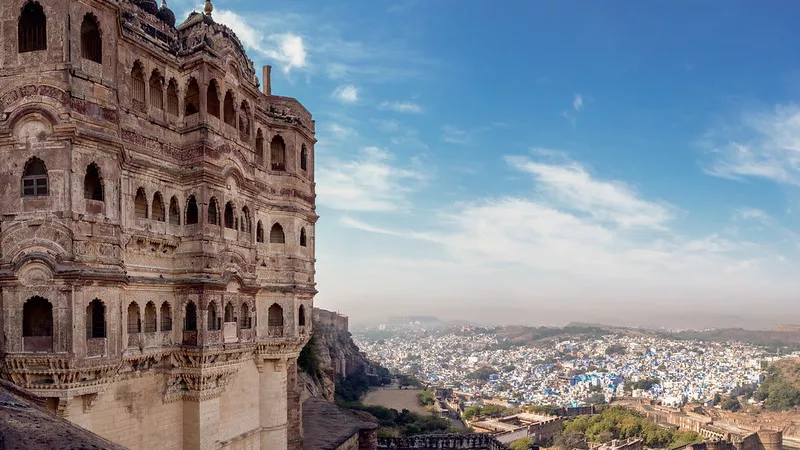
Rising 400 feet above Jodhpur’s blue cityscape, Mehrangarh Fort represents one of the most impressive fortifications in Rajasthan. The fort’s massive walls contain palaces with intricate carvings, expansive courtyards, and a museum showcasing royal artifacts. The views from the ramparts offer breathtaking vistas of the surrounding landscape.
Jaisalmer Fort: The Living Golden Fortress
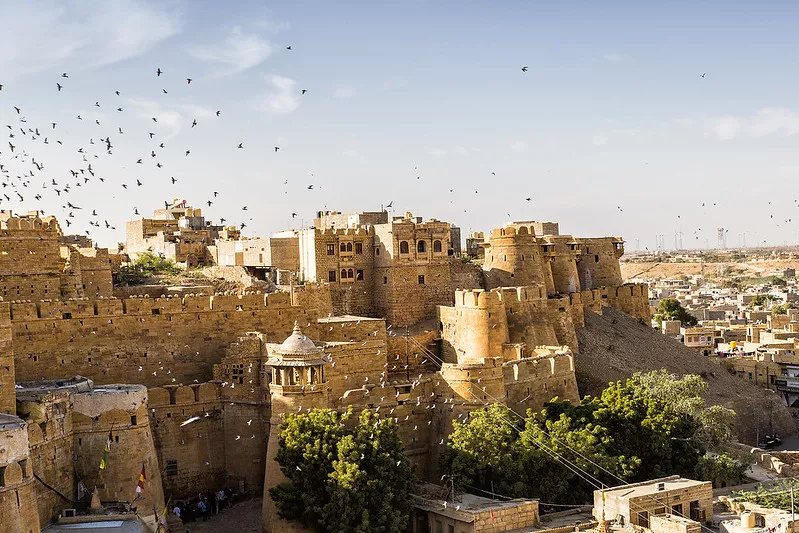
Known as Sonar Quilla or the Golden Fort, Jaisalmer Fort ranks among the world’s largest forts and stands as the second oldest fortification in Rajasthan. Unlike most forts that serve only as tourist attractions, nearly a quarter of Jaisalmer’s old city population still resides within the fort walls, making it a living heritage site.
The golden sandstone construction glows magnificently during sunset, earning its nickname. Within the fort complex, you’ll find Jain temples with exceptional stone carvings, havelis with ornate facades, and narrow lanes that transport you back centuries.
Chittorgarh Fort: Monument of Sacrifice
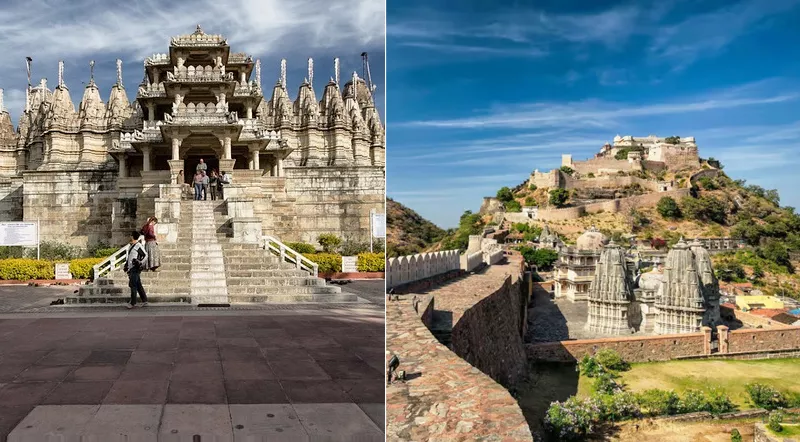
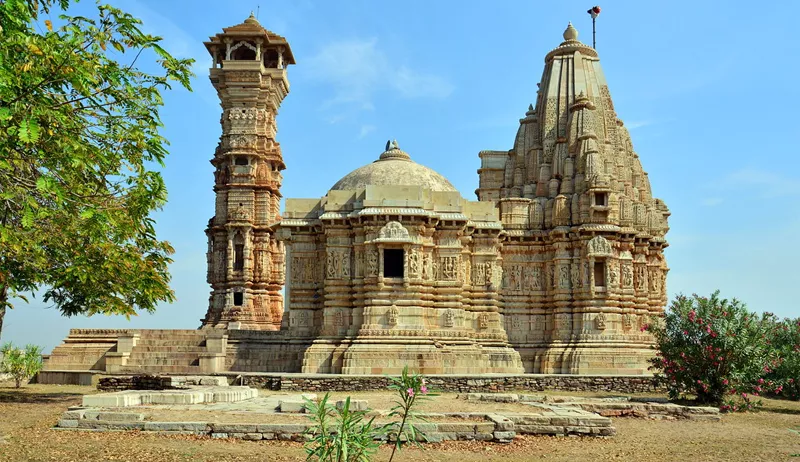
The Chittorgarh province bears tales of betrayal and bravery throughout its landscape, with Rana Kumbha Palace featuring maze-like tunnels, impressive walls, and intricate architecture that remain noteworthy despite being partially ruined. This UNESCO World Heritage Site spans 700 acres and stands as the largest fort complex in India.
The fort witnessed three major sieges and countless acts of Rajput valor, making it an essential stop for history enthusiasts on any Rajasthan cultural tour.
Opulent Palaces: Where Royalty Lived
City Palace of Udaipur
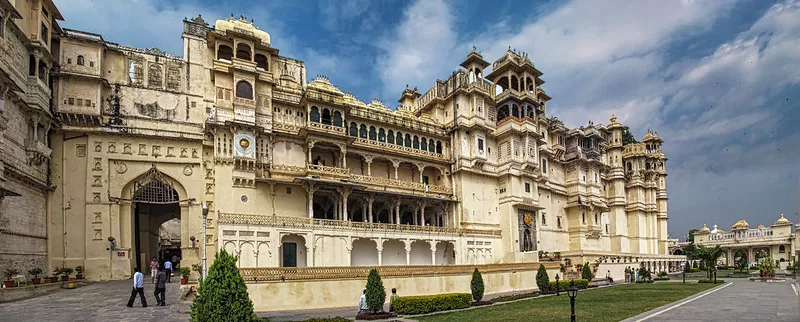
Udaipur’s Lake Palace exemplifies the majestic nature of Rajasthan’s palatial architecture. The City Palace complex, overlooking Lake Pichola, combines medieval European and Chinese influences with traditional Rajput architecture. Crystal galleries, peacock mosaics, and miniature paintings adorn the palace interiors.
The palace museum displays royal artifacts, including weapons, costumes, and paintings that offer glimpses into royal lifestyles. The palace courtyards provide stunning views of the surrounding lakes and Aravalli hills.

Hawa Mahal: Jaipur’s Iconic Structure
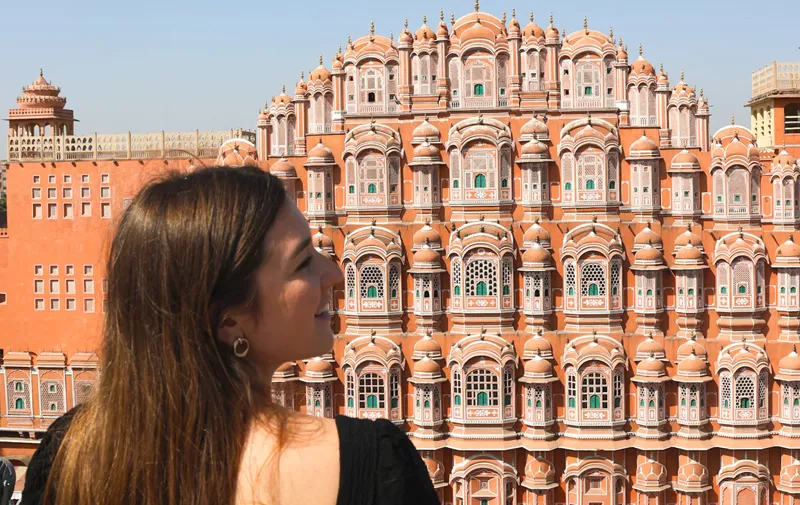
Hawa Mahal represents one of the famous palaces recognized for its rich cultural heritage and history. This five-story pink sandstone structure features 953 small windows called jharokhas, designed to allow royal ladies to observe street festivities while remaining unseen.
The pyramid-shaped monument creates a striking silhouette against Jaipur’s skyline. Though it appears massive from the front, the structure is only one room deep, making it more of an elaborate facade than a residential palace.
Umaid Bhawan Palace: Modern Royalty
Built between 1928 and 1943, Umaid Bhawan Palace in Jodhpur represents the last great palace constructed in India. This Art Deco masterpiece now functions as a luxury hotel, museum, and royal residence. The palace contains 347 rooms and sits atop Chittar Hill, the highest point in Jodhpur.
Visitors can explore the museum section, which showcases vintage cars, clocks, and photographs documenting the palace’s construction and the royal family’s history.
Desert Adventures in the Thar Desert
Camel Safari Experiences
A camel safari transcends a simple desert crossing, offering a special adventure that connects travelers to ancient traditions, local culture, and natural beauty. These experiences range from short sunset rides to multi-day expeditions deep into the desert.
Several locations in Rajasthan offer camel safaris, with the best including Jaisalmer, Bikaner, Pushkar, and Jodhpur — all popular stops on a Rajasthan Forts & Palaces Tour, each providing unique and memorable experiences. The gentle swaying motion of camel travel allows you to appreciate the desert’s subtle beauty, shifting sand patterns, desert vegetation, and the vast open sky.
Sam Sand Dunes: Desert’s Heart
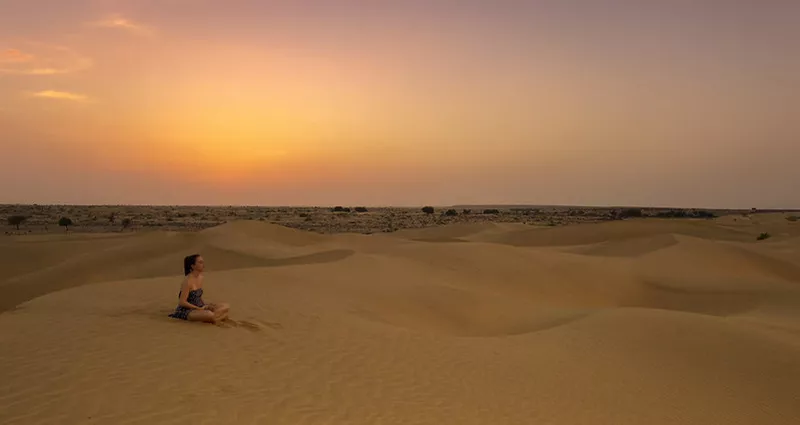
Located 42 kilometers from Jaisalmer, Sam Sand Dunes offers the quintessential Thar Desert experience. The sweeping dunes create mesmerizing patterns that change with wind and light throughout the day. Sunset at Sam transforms the landscape into shades of gold, orange, and purple.
Evening cultural programs feature traditional Rajasthani folk music and dance performances under starlit skies. Desert camps provide comfortable accommodation with authentic local cuisine, allowing you to experience desert life without sacrificing comfort.
Desert Camping Under Stars
The Thar Desert, primarily located around Jaisalmer in western Rajasthan, features arid conditions with optimal visiting months from October to March when daytime temperatures remain pleasant and nights aren’t extremely cold. Desert camping offers an intimate connection with nature that few other experiences can match.
Luxury and budget camps cater to different preferences, but all share the common experience of sleeping under countless stars, far from city lights. The silence of the desert at night, broken only by occasional folk songs or camel bells, creates meditative tranquility.
Planning Your Rajasthan Palace Tour
Best Time to Visit
The optimal period for visiting Rajasthan and Northern India falls between October and April, with high season occurring in November and February, and peak travel during New Year and Easter. Winter months offer comfortable temperatures for exploring forts and palaces, while desert activities remain pleasant throughout the cooler season.
Summer months (April to June) bring intense heat, making outdoor exploration challenging, though hotels offer significant discounts during this off-peak period.
Suggested Itinerary Duration
A comprehensive Rajasthan forts and palaces tour typically requires 10-14 days to cover major destinations without rushing. However, shorter 5-7 day trips can focus on the golden triangle of Jaipur, Jodhpur, and Udaipur, while extended itineraries might include Bikaner, Pushkar, and rural villages.
When booking through Janu Private Tours, you can customize your itinerary based on specific interests, whether that’s architecture, desert adventures, or cultural immersion.
Essential Destinations for Your Rajasthan Heritage Tour
The Pink City: Jaipur
Jaipur serves as Rajasthan’s capital and gateway city for most travelers. Beyond Amber Fort and Hawa Mahal, the city offers the City Palace, Jantar Mantar astronomical observatory, and vibrant bazaars selling textiles, jewelry, and handicrafts. The city’s uniform pink-colored buildings create a cohesive visual identity that earned its famous nickname.
The Blue City: Jodhpur
Jodhpur’s old town appears as a sea of blue houses surrounding Mehrangarh Fort. The Jaswant Thada memorial, clock tower market, and traditional blue-painted neighborhoods provide photogenic settings. The city also serves as a convenient base for visiting Bishnoi villages, where communities practice ancient environmental conservation traditions.
The Golden City: Jaisalmer
Rajasthan’s sprawling fort complexes often housed entire cities within their walls, including palaces, temples, and trading centers, with hillside locations utilizing natural defenses like forests, deserts, and elevated terrain, providing spectacular views. Jaisalmer embodies this concept perfectly, offering both fort exploration and desert adventures.
The city’s havelis ornate merchant mansions feature intricate sandstone carvings that showcase incredible craftsmanship. Patwon Ki Haveli and Salim Singh Ki Haveli rank among the finest examples.
The City of Lakes: Udaipur
Udaipur’s romantic setting around several lakes, combined with its palaces and gardens, makes it Rajasthan’s most picturesque destination. Boat rides on Lake Pichola, visits to Saheliyon Ki Bari gardens, and evening cultural shows enhance the palace visits.
Cultural Experiences Beyond Architecture
Traditional Rajasthani Cuisine
Rajasthan’s desert climate influenced its unique cuisine, which features dishes that remain edible for days without refrigeration. Dal baati churma, gatte ki sabzi, and laal maas represent signature dishes. Street food like pyaaz kachori and mirchi vada offer delicious snacks while exploring cities.
Heritage properties and royal palaces often host traditional thali meals, presenting multiple dishes that showcase regional variety. Many desert camps include live cooking demonstrations, teaching traditional preparation methods.
Folk Performances and Music
Rajasthani folk music and dance forms like Ghoomar, Kalbeliya, and Terah Taali provide entertainment during desert evenings and cultural programs. These performances preserve ancient traditions while entertaining modern audiences.
Local puppet shows (kathputli) tell stories of historical heroes and folklore through colorful marionettes. Shopping in local markets reveals craftspeople creating miniature paintings, block-printed textiles, and jewelry using centuries-old techniques.
Why Choose Janu Private Tours for Your Rajasthan Journey
Planning a comprehensive Rajasthan tour requires understanding local logistics, seasonal considerations, and cultural nuances. Janu Private Tours specializes in creating customized itineraries that match individual preferences and budgets.
Their services include experienced guides who bring historical sites to life with engaging stories, comfortable private transportation, and accommodation recommendations across all budget ranges. The company’s deep knowledge of Rajasthan ensures access to both famous landmarks and hidden gems that independent travelers might miss.
Janu Private Tours handles all practical arrangements, allowing you to focus on experiencing Rajasthan’s magic without worrying about logistics. Their flexible cancellation policies and transparent pricing eliminate common travel booking concerns.
Practical Tips for Your Royal Rajasthan Tour
What to Pack
Comfortable walking shoes prove essential for exploring forts with uneven surfaces. Modest clothing respects local customs and religious sites women should carry scarves for covering heads at temples, while men should wear long pants. Sunscreen, hats, and sunglasses protect against intense sun, especially during desert excursions.
Light layers work best, as temperatures fluctuate between day and night, particularly in desert regions. A small flashlight helps when exploring darker fort corridors and during evening desert walks.
Photography Considerations
Rajasthan offers endless photographic opportunities, from architectural details to colorful street scenes. Many sites charge camera fees, so carry small bills. Sunrise and sunset provide the best light for fort and palace photography.
Always ask permission before photographing local people, especially women. Some religious sites prohibit photography inside temple sanctuaries, so respect posted restrictions.
Responsible Tourism
Support local artisans by purchasing directly from craftspeople rather than tourist shops. Respect religious customs at temples and dargahs, removing shoes before entering and maintaining appropriate behavior.
Desert ecosystems remain fragile, so stay on designated paths during camel safaris and desert walks. Carry reusable water bottles to minimize plastic waste, as Rajasthan faces significant environmental challenges related to water scarcity.
Also Read:- A Guide to Photography Tours in Jaipur & Rajasthan
Combining Destinations for the Perfect Itinerary
Most travelers begin their Rajasthan palace tour in Jaipur, then move westward to Jodhpur and Jaisalmer before returning through Udaipur. This route creates a logical circuit covering different architectural styles and landscapes.
Adventure seekers might allocate more time to Jaisalmer and Bikaner for extensive desert experiences, while architecture enthusiasts could spend additional days in Jaipur and Udaipur exploring lesser-known palaces and havelis.
Janu Private Tours creates balanced itineraries that combine major attractions with relaxation time, ensuring you don’t experience temple fatigue or rush through destinations. Their local expertise helps identify optimal sequences based on seasonal conditions and festival calendars.
Conclusion
A royal Rajasthan tour delivers an unparalleled journey through India’s most visually stunning and historically rich region. From climbing ancient fort ramparts to riding camels across golden sand dunes, from admiring intricate palace architecture to enjoying traditional folk performances under desert stars, Rajasthan offers experiences that create lasting memories.
The combination of well-preserved heritage sites, warm hospitality, vibrant culture, and diverse landscapes makes Rajasthan suitable for all traveler types, history buffs, adventure seekers, photography enthusiasts, and cultural explorers alike.
Whether you spend a week or a month exploring this magnificent state, careful planning ensures you maximize your experience. Working with specialists like Janu Private Tours transforms logistics into seamless experiences, allowing you to focus on absorbing Rajasthan’s royal splendor.
Start planning your Rajasthan heritage tour today, and prepare to step into a world where history lives in every stone, culture thrives in every street, and adventure awaits in every direction.
Frequently Asked Questions
Q)What is the best time to visit Rajasthan for fort and palace tours?
The ideal period for visiting Rajasthan spans from October through March when temperatures remain comfortable for outdoor exploration. Winter months (November to February) offer the most pleasant weather, though this high season brings larger crowds and higher prices. October and March serve as shoulder months with good weather and fewer tourists, making them excellent choices for balanced experiences.
Q)How many days do I need for a complete Rajasthan tour?
A comprehensive Rajasthan tour covering major destinations like Jaipur, Jodhpur, Jaisalmer, and Udaipur typically requires 10-14 days. This duration allows adequate time to explore forts, palaces, and desert experiences without excessive rushing. Shorter 5-7 day trips can cover highlights of two or three cities, while extended three-week itineraries enable deeper cultural immersion and visits to smaller towns.
Q)Are camel safaris in Jaisalmer suitable for all ages?
Camel safaris accommodate most age groups and fitness levels, with various duration options from one-hour sunset rides to multi-day expeditions. Shorter rides suit families with children or elderly travelers, while longer safaris appeal to adventure enthusiasts. The gentle pace allows people to dismount for breaks, and alternative jeep safaris provide similar desert experiences for those unable to ride camels comfortably.
Q)What should I wear when visiting Rajasthan’s forts and palaces?
Modest clothing proves most appropriate when visiting Rajasthan’s religious and historical sites. Women should wear knee-length skirts or pants with covered shoulders, carrying scarves for temple visits. Men should avoid shorts at religious sites. Comfortable walking shoes with good grip prove essential for navigating uneven fort surfaces. Light, breathable fabrics work best during daytime, with layers for cooler mornings and evenings.
Q)Can I stay inside heritage properties in Rajasthan?
Many former palaces and havelis throughout Rajasthan have been converted into heritage hotels, offering authentic royal experiences. These properties range from budget-friendly guesthouses to ultra-luxury palace hotels. Staying in heritage accommodations adds another dimension to your Rajasthan heritage tour, allowing you to sleep in rooms where royalty once lived while enjoying modern amenities and traditional hospitality alongside historical ambiance.
- Published
The Rama Temple in Ayodhya stands as one of India’s most significant spiritual destinations, drawing millions of devotees and travelers from across the globe. This architectural masterpiece represents centuries of faith, devotion, and cultural heritage, making it an essential destination for anyone exploring India’s spiritual landscape.
Understanding the Significance of Ram Mandir Ayodhya
The Ram Mandir was inaugurated on January 22, 2024, at a site in Ayodhya, Uttar Pradesh, believed to be the birthplace of Lord Rama, one of Hinduism’s most revered deities. This sacred landmark represents more than just a place of worship—it embodies the spiritual essence of millions who venerate Lord Rama as the seventh avatar of Lord Vishnu.
The temple’s location in Ayodhya holds profound religious importance. Ancient texts describe Ayodhya as the capital of the Kosala Kingdom, where Lord Rama was born and ruled. For devotees undertaking spiritual journeys across India, visiting this sacred site offers a deeply moving experience that connects them with India’s ancient spiritual traditions.
When planning your visit to this magnificent temple, Janu Private Tours offers customized travel experiences that allow you to explore Ayodhya and other spiritual destinations across India with comfort and convenience. Their expertise in organizing cultural heritage tours ensures that travelers can immerse themselves in the rich spiritual atmosphere while enjoying seamless travel arrangements.
Also Read:- 15 Offbeat travel destinations in India
Architectural Marvel: The Design of Ayodhya Ram Temple
The Ram Mandir showcases exceptional architectural brilliance that blends traditional Indian temple design with modern engineering. The temple is supported by 392 pillars and 44 doors, with pillars and walls intricately sculpted with depictions of Hindu deities. This magnificent structure exemplifies the Nagara style of temple architecture, characterized by its towering spires and elaborate ornamentation.

Key Architectural Features
The temple complex encompasses several distinctive elements that make it an architectural wonder. Five mandaps (halls) form the core structure: Nritya Mandap, Rang Mandap, Sabha Mandap, Prathana Mandap, and Kirtan Mandap. Each mandap serves specific ceremonial purposes, creating spaces for different forms of worship and congregation.
The central tower, or shikhara, rises majestically above the sanctum sanctorum, its vertical emphasis signifying spiritual ascent and connection with the divine. This architectural element draws the eye upward, symbolizing the journey of the soul toward higher consciousness.
The craftsmanship displayed throughout the temple showcases India’s ancient artistic traditions. Nearly two lakh bricks, each inscribed with the name of Lord Ram in various languages, were integrated into the temple’s construction, collected over a span of 30 years. This unique feature adds profound spiritual significance to every element of the structure.
Planning Your Visit to Ayodhya Ram Mandir
Visiting the Ram Mandir requires thoughtful planning to ensure a meaningful and comfortable experience. The temple welcomes devotees throughout the year, though certain periods see higher visitor numbers during festivals and auspicious occasions.
Best Time to Visit
The winter months from October to March offer pleasant weather for temple visits, with comfortable temperatures ideal for exploring the entire complex. Summer months can be quite warm, while the monsoon season brings occasional rainfall. Consider your comfort preferences when scheduling your pilgrimage.
What to Expect During Your Visit
The temple complex provides facilities for devotees, including designated areas for different rituals and prayers. Security measures ensure safety while maintaining the sacred atmosphere. Dress modestly and respectfully, following traditional temple protocols during your visit.
Photography restrictions may apply in certain areas, particularly within the main sanctum. Respect these guidelines to maintain the sanctity of the space. The temple administration has implemented crowd management systems to facilitate smooth darshan for all visitors.
Beyond the Temple: Exploring Ayodhya’s Spiritual Heritage
Ayodhya offers numerous other sacred sites worth exploring during your visit. The city’s spiritual landscape includes ancient temples, ghats along the Sarayu River, and historical landmarks that narrate stories from Hindu mythology.
Nearby Sacred Sites
The Hanuman Garhi temple, situated on a hilltop, provides panoramic views of Ayodhya while offering devotees a chance to worship Lord Hanuman. The Kanak Bhawan temple, dedicated to Lord Rama and Goddess Sita, features exquisite gold-plated idols and beautiful architecture.
Ram Ki Paidi, a series of ghats along the Sarayu River, serves as a popular spot for ritual bathing and evening aarti ceremonies. These ghats create a serene atmosphere where visitors can witness traditional Hindu ceremonies and experience the spiritual energy of the sacred river.
Cultural Experiences in Ayodhya
Experiencing Ayodhya extends beyond temple visits to encompass the city’s vibrant cultural traditions. Local markets offer religious artifacts, traditional handicrafts, and regional specialties that make meaningful souvenirs of your spiritual journey.
Traditional Cuisine
Ayodhya’s culinary scene reflects its religious significance, with numerous establishments serving pure vegetarian cuisine. Local specialties include traditional sweets, savory snacks, and regional dishes that provide authentic flavors of Uttar Pradesh.
The city’s food culture emphasizes sattvic preparations—pure, simple, and wholesome meals that align with spiritual practices. Many eateries near the temple complex serve traditional thalis that offer a complete dining experience featuring various regional preparations.
Practical Travel Tips for Visiting Ram Mandir
Successful pilgrimage planning involves considering several practical aspects. Transportation options to Ayodhya include rail, road, and air connections, with the nearest major airport located in Lucknow, approximately 135 kilometers away.
Accommodation Options
Ayodhya offers diverse accommodation choices ranging from budget-friendly lodges to comfortable hotels. Many establishments cater specifically to pilgrims, providing basic amenities and convenient locations near the temple complex.
For travelers seeking premium experiences with comprehensiveplanning, Janu Private Tours specializes in organizing guided tours that include accommodation arrangements, transportation, and expert local guidance. Their personalized approach ensures that your spiritual journey unfolds smoothly, allowing you to focus entirely on the devotional experience.
Essential Items to Carry
Prepare for your temple visit by packing appropriate clothing that covers shoulders and knees. Comfortable walking shoes prove essential for navigating the temple complex and surrounding areas. Carry a water bottle, though note that certain items may be restricted within the temple premises.
Small denomination currency helps when making offerings or purchasing prasad. Keep important documents and valuables secure, preferably in a money belt or secure bag. Consider carrying a small bag for storing shoes, as footwear must be removed before entering the temple.
The Spiritual Experience of Ram Mandir Darshan
The darshan experience at Ram Mandir offers profound spiritual fulfillment for devotees. The main sanctum houses the deity in the form of Ram Lalla, representing Lord Rama as a child. The atmosphere within the temple resonates with devotional energy, enhanced by traditional chants and the presence of fellow devotees.
Timing and Rituals
The temple follows specific opening hours with different darshan times throughout the day. Morning hours typically offer a more serene atmosphere with relatively fewer crowds. Evening aarti ceremonies provide spectacular experiences, with elaborate rituals accompanied by devotional music.
Participating in temple rituals connects visitors with centuries-old traditions. The priests conduct various ceremonies throughout the day, and devotees can participate according to their preferences and beliefs. Understanding basic temple etiquette enhances the experience and shows respect for sacred customs.
Combining Ayodhya with Other Spiritual Destinations
Ayodhya lies on the Ghaghara River, locally known as Sarayu or Sarju, just east of Faizabad in south-central Uttar Pradesh state. Its location makes it possible to combine your visit with other significant spiritual destinations in northern India.
Varanasi, one of Hinduism’s holiest cities, sits approximately 200 kilometers from Ayodhya, offering another profound spiritual experience along the Ganges River. Prayagraj, home to the sacred Triveni Sangam, provides yet another pilgrimage destination within reasonable traveling distance.
Janu Private Tours can help design comprehensive itineraries that encompass multiple spiritual sites, creating meaningful journeys through India’s sacred geography. Their expertise in cultural heritage tours and understanding of diverse traveler needs ensures well-organized experiences that honor both spiritual aspirations and practical comfort requirements.
Understanding the Historical Context
The temple’s inauguration marked the culmination of a journey spanning centuries. Understanding this historical context enriches the pilgrimage experience, connecting contemporary worship with ancient traditions and beliefs.
The site’s significance in Hindu tradition extends back millennia, mentioned in ancient texts including the Ramayana, one of India’s greatest epics. This connection to sacred literature elevates Ayodhya beyond a mere geographical location to a space where mythology, history, and devotion converge.
Preserving Sacred Traditions for Future Generations
The Ram Mandir represents not just a religious monument but a living tradition that continues to evolve while maintaining its spiritual essence. The temple serves educational purposes, helping younger generations connect with their cultural heritage and understand the significance of their spiritual traditions.
According to the temple trust, the final blueprint of Ram Mandir included temples dedicated to Surya, Ganesha, Shiva, Durga, Vishnu and Brahma in the temple grounds. This comprehensive approach creates a complete spiritual complex that acknowledges various aspects of Hindu worship and devotion.
Making Your Ayodhya Pilgrimage Meaningful
Approaching your temple visit with proper preparation and mindfulness enhances the spiritual experience. Research the significance of Lord Rama’s life and teachings before your visit. Understanding the philosophical and spiritual dimensions of Ramayana stories deepens your connection with the temple and its symbolism.
Meditation and prayer within the temple premises offer opportunities for personal reflection and spiritual growth. The sacred atmosphere supports introspection and devotional practices. Many visitors report experiencing profound peace and spiritual clarity during their time at the temple.
Also Read:- travel brochure on india
Conclusion
The Rama Temple Ayodhya represents a remarkable convergence of faith, architecture, and cultural heritage. Whether you approach it as a devout pilgrim seeking spiritual fulfillment or as a cultural enthusiast exploring India’s rich traditions, the temple offers meaningful experiences that resonate long after your visit.
Planning your journey with attention to practical details while maintaining spiritual openness ensures a rewarding experience. The temple continues to welcome devotees and visitors, serving as a beacon of faith and a testament to India’s enduring spiritual traditions.
For travelers seeking well-organized, culturally enriching experiences across India’s sacred landscape, specialized tour operators like Janu Private Tours provide valuable assistance in creating memorable journeys that honor both spiritual aspirations and travel comfort.
Frequently Asked Questions
Q1: What are the visiting hours for Ram Mandir Ayodhya?
The temple typically opens early in the morning around 7 AM and closes in the evening around 7 PM, though exact timings may vary seasonally and during special occasions. It’s advisable to check current schedules before planning your visit, as timing adjustments occur during festivals and important religious dates. Arriving early morning provides a more peaceful darshan experience with fewer crowds, allowing for deeper spiritual connection.
Q2: Is advance booking required to visit Ram Mandir?
Currently, online booking systems facilitate organized darshan, especially during peak seasons and festivals. While walk-in visits may be possible during regular days, pre-booking ensures guaranteed entry and reduces waiting time significantly. The booking system helps manage crowd flow efficiently, ensuring all devotees receive adequate darshan opportunity. Check the official temple administration websites for current booking procedures and requirements before your planned visit.
Q3: What items are prohibited inside the Ram Mandir complex?
Most temples prohibit electronic devices including cameras, mobile phones, and recording equipment inside the main sanctum to maintain sanctity and privacy. Leather items, large bags, and food items typically cannot enter the temple premises. Security checkpoints screen visitors before entry. Temple authorities provide secure storage facilities for personal belongings that cannot be carried inside, ensuring visitors’ possessions remain safe during darshan time.
Q4: Can foreign tourists visit Ram Mandir Ayodhya?
Absolutely! The temple welcomes visitors from all backgrounds and nationalities who wish to experience its spiritual atmosphere respectfully. Foreign tourists should carry valid identification documents and follow the same dress codes and behavioral guidelines as other visitors. Understanding basic temple etiquette enhances the experience. Many international visitors find the temple visit deeply enriching, offering unique insights into Hindu spiritual traditions and Indian cultural heritage.
Q5: How many days should I allocate for visiting Ayodhya?
A comprehensive Ayodhya experience requires at least two to three days. This duration allows for unhurried temple visits, exploration of other sacred sites, experiencing the riverside ghats, and absorbing the city’s spiritual atmosphere. Additional time enables participation in evening aarti ceremonies, visiting nearby temples, and exploring local markets. Combining Ayodhya with other regional spiritual destinations may require extended itineraries for complete exploration.
- Published
Nestled amid the golden dunes and arid landscapes of Rajasthan, the Bishnoi villages offer travelers an extraordinary window into a world where environmental consciousness meets centuries-old traditions. A Bishnoi Village day trip from Jodhpur presents an authentic cultural experience that goes far beyond typical tourist attractions, immersing visitors in a community that has protected nature for over 500 years.
Understanding the Bishnoi Community and Their Legacy
The Bishnoi community stands as one of India’s earliest examples of environmental guardianship. Founded in the 15th century by Guru Jambheshwar, this remarkable society follows 29 principles that emphasize wildlife protection, tree conservation, and sustainable living. Their deep-rooted commitment to preserving nature has created a unique ecosystem where humans and wildlife coexist harmoniously.
What makes the Bishnoi people truly exceptional is their willingness to sacrifice their lives for environmental causes. Historical accounts document instances where community members protected trees and animals at great personal cost. This dedication continues today, making the villages around Jodhpur living museums of ecological wisdom and cultural authenticity.
The community’s philosophy centers on the belief that all life forms deserve protection. Visitors often witness blackbuck antelopes, chinkaras, and various bird species roaming freely without fear, a testament to generations of protection. This harmonious relationship between humans and nature creates an atmosphere unlike anywhere else in Rajasthan.
What to Expect on Your Bishnoi Village Safari
A typical Bishnoi Village day trip from Jodhpur begins early morning, when the desert landscape awakens with activity. Most tours utilize open jeeps that allow unobstructed views of the countryside and wildlife. The journey takes you approximately 22-25 kilometers from Jodhpur’s city center, transitioning from urban bustle to serene rural landscapes.
During your safari, you’ll visit multiple villages, each offering distinct experiences. The itinerary typically includes stops at Guda Bishnoi Lake, where migratory birds congregate and blackbucks come to drink. This natural watering hole serves as a crucial ecosystem point, attracting numerous species throughout the year.
Traditional craft demonstrations form another highlight of the experience. Skilled artisans showcase pottery-making techniques passed down through generations, while weavers demonstrate the intricate process of creating hand-woven textiles. These aren’t staged performances but authentic glimpses into daily village life, where crafts serve both functional and economic purposes.
Interaction with local families provides the most memorable moments. Visitors often receive invitations into traditional homes, where they can observe carpet weaving, sample authentic Rajasthani cuisine, and engage in conversations about community customs. The warmth and hospitality of Bishnoi families create genuine connections that transcend cultural boundaries.
Wildlife Encounters in Bishnoi Territory
The wildlife viewing opportunities on a Bishnoi village tour rival many established national parks. The protective environment created by the community has allowed various species to flourish. Blackbuck antelopes, India’s fastest land animals, graze peacefully near villages, their distinctive spiral horns and graceful movements captivating observers.
Chinkaras, also known as Indian gazelles, share the landscape with their larger cousins. These delicate creatures demonstrate remarkable adaptability to desert conditions. Bird enthusiasts find particular satisfaction in the diversity of avian species, including peacocks, partridges, demoiselle cranes, and sometimes the rare Great Indian Bustard.
The Guda Bishnoi Lake area serves as a prime wildlife viewing location. During winter months, migratory birds arrive in impressive numbers, creating a spectacular display. The lake’s importance extends beyond aesthetics; it functions as a vital water source for the entire ecosystem, supporting both resident and migratory species.
Cultural Immersion and Traditional Crafts
Exploring Bishnoi villages offers profound insights into sustainable craftsmanship. Pottery workshops demonstrate ancient techniques where artisans create functional and decorative pieces using locally sourced clay. The process involves shaping vessels on hand-turned wheels, a skill requiring years of practice to master.
Textile weaving represents another cornerstone of village economy and culture. Families produce dhurries, carpets, and fabrics using traditional looms. The intricate patterns reflect cultural symbolism and regional aesthetics. Many travelers purchase these handmade items, directly supporting artisan families while acquiring unique souvenirs.
Block printing and natural dye techniques showcase the community’s resourcefulness. Using wooden blocks carved with traditional motifs, craftspeople create stunning textile designs. The preference for natural dyes aligns with Bishnoi environmental principles, particularly their historical avoidance of indigo, which required extensive water resources.
Planning Your Bishnoi Village Day Trip from Jodhpur
Organizing a village safari requires some practical consideration. Most tours operate year-round, though October through March offers the most comfortable weather conditions. Early morning departures maximize wildlife sighting opportunities and avoid afternoon heat.
Several tour operators in Jodhpur specialize in Bishnoi village experiences. When selecting a provider, prioritize those demonstrating genuine respect for local communities and environmental conservation. Janu Private Tours offers thoughtfully curated experiences that balance cultural immersion with responsible tourism practices, ensuring your visit benefits local families while preserving the area’s delicate ecosystem.
Tour durations vary from half-day excursions to full-day adventures. Half-day trips typically last 4-5 hours and cover essential highlights, while full-day options allow deeper exploration and include authentic village meals. Consider your interests and schedule when choosing the appropriate duration.
Transportation from Jodhpur hotels is typically included in organized tours. The journey itself provides scenic views of rural Rajasthan, passing through agricultural fields, small settlements, and desert landscapes. Professional guides share historical context and facilitate meaningful interactions with community members.
The Best Time to Visit Bishnoi Villages
Seasonal variations significantly impact the safari experience. Winter months from November to February present ideal conditions, with comfortable temperatures and increased bird activity. Migratory species arrive during this period, enhancing wildlife viewing opportunities.
Spring months of March and April offer pleasant weather before summer intensity begins. Wildflowers bloom across the landscape, creating colorful vistas. However, temperatures start rising, making early morning departures essential.
Monsoon season from July to September transforms the desert into a verdant landscape. While humidity increases and some roads may become challenging, this period offers unique photographic opportunities and a different perspective on desert ecology. Post-monsoon months witness renewed vegetation and active wildlife.
Authentic Rajasthani Cuisine and Village Hospitality
Culinary experiences form an integral part of Bishnoi village visits. Traditional meals prepared by village families showcase authentic Rajasthani flavors using locally grown ingredients. The predominantly vegetarian cuisine reflects the community’s principles, featuring dishes like bajra roti, ker sangri, and various lentil preparations.
Sharing meals in village homes creates intimate cultural exchanges. Families often prepare fresh chapatis on traditional chulhas (clay stoves) and serve food on brass utensils. The simplicity of ingredients contrasts beautifully with the complexity of flavors achieved through traditional cooking methods.
Chai sessions represent another cherished ritual. Freshly brewed tea, sometimes prepared with goat milk from local herds, accompanies conversations with hosts. These moments of hospitality reveal the generous spirit that characterizes Bishnoi culture.
Also Read:- Top 10 Routes in North India for Scenic Journeys
Photography Opportunities and Ethical Considerations
The visual richness of Bishnoi villages attracts photographers ranging from casual snapshooters to serious professionals. The interplay of desert light, traditional architecture, colorful textiles, and candid portraits creates endless compositional possibilities. However, respectful photography requires sensitivity and permission.
Always ask consent before photographing individuals, particularly women and children. Many community members welcome photography but appreciate the courtesy of being asked. Some craftspeople may request small fees for photography during demonstrations, which directly supports their livelihoods.
Wildlife photography near Guda Bishnoi Lake demands patience and appropriate equipment. Telephoto lenses capture detailed shots without disturbing animals. Early morning light provides optimal conditions for landscape photography, casting golden tones across the desert terrain.
Responsible Tourism and Supporting Local Communities
Sustainable tourism practices ensure Bishnoi villages retain their authentic character while benefiting economically from visitor interest. Purchase crafts directly from artisans rather than intermediaries, ensuring fair compensation for their work. Avoid bargaining too aggressively, remember that modest prices already reflect village economics.
Respect cultural norms regarding dress and behavior. While Bishnoi communities welcome visitors, conservative attire shows cultural sensitivity. Women should consider covering shoulders and wearing long skirts or pants; men should avoid shorts.
Environmental consciousness extends to visitor behavior. Avoid littering, stay on designated paths to prevent vegetation damage, and maintain quiet around wildlife. These practices honor the conservation principles that make Bishnoi villages special.
When booking through reputable operators like Janu Private Tours, inquire about their community engagement initiatives. Responsible tour companies contribute to local development projects, employ local guides, and operate with minimal environmental impact.
Beyond the Safari: Connecting with Bishnoi Philosophy
Understanding Bishnoi environmental ethics enriches the village experience beyond surface observations. Their 29 principles include prohibitions against cutting green trees, killing animals, and wasting resources. These guidelines, established over 500 years ago, anticipate modern environmental movements by centuries.
The community’s reverence for nature stems from spiritual beliefs rather than secular environmentalism. This connection between faith and conservation creates a powerful framework for sustainable living. Observing this philosophy in practice offers valuable lessons applicable to contemporary environmental challenges.
Stories of sacrifice for nature’s protection resonate deeply with visitors. The famous 1730 incident, where Amrita Devi Bishnoi and hundreds of villagers sacrificed their lives to prevent tree felling, demonstrates the community’s unwavering commitment. The Indian government’s Amrita Devi Bishnoi Wildlife Protection Award commemorates this legacy.
Conclusion: An Unforgettable Rajasthan Experience
A Bishnoi Village day trip from Jodhpur transcends conventional tourism, offering profound insights into sustainable living, cultural preservation, and human-nature harmony. The experience combines wildlife encounters, traditional craftsmanship, authentic cuisine, and warm hospitality in ways that leave lasting impressions on every visitor.
The journey challenges modern assumptions about progress and development, demonstrating how traditional wisdom addresses contemporary environmental crises. Witnessing a community that has protected nature for centuries while maintaining cultural identity provides hope and inspiration for sustainable futures.
Whether you’re a wildlife enthusiast, cultural explorer, photographer, or simply curious traveler, the Bishnoi villages near Jodhpur deliver experiences unavailable elsewhere in Rajasthan. The memories created during your village safari, from blackbucks grazing peacefully to shared meals with welcoming families, will resonate long after your Rajasthan adventure concludes.
Also Read:- How to Plan a Rajasthan Tour for First-Time Visitors
Frequently Asked Questions
Q.How long does a Bishnoi Village day trip from Jodhpur typically take?
A standard Bishnoi village safari usually lasts between 4 to 6 hours for half-day tours, while full-day excursions extend to 8-10 hours. The duration depends on the number of villages visited, wildlife sighting opportunities, and meal inclusions. Most tours depart early morning around 8-9 AM to maximize wildlife viewing when animals are most active and temperatures remain comfortable for exploration.
Q.What wildlife can I expect to see during the village safari?
Visitors commonly encounter blackbuck antelopes, chinkaras, peacocks, and various bird species including cranes and partridges during their safari. The Guda Bishnoi Lake area attracts numerous migratory birds, especially during winter months. While wildlife sightings cannot be guaranteed, the protective environment maintained by the Bishnoi community creates favorable conditions for animal encounters. The experience focuses equally on cultural immersion alongside wildlife observation.
Q.Is the Bishnoi Village tour suitable for families with children?
Yes, the Bishnoi Village day trip from Jodhpur is family-friendly and educational for children of all ages. Kids often enjoy wildlife spotting, interacting with baby goats, and watching traditional crafts like pottery-making. The cultural experience provides valuable lessons about environmental conservation and different lifestyles. However, consider the jeep safari duration and ensure young children can handle moderate heat and dusty conditions during warmer months.
Q.What should I wear and bring on the village safari?
Wear comfortable, conservative clothing suitable for desert conditions long pants or skirts, covered shoulders, and closed-toe shoes. Bring sunscreen, sunglasses, a hat, and plenty of water. A camera with extra batteries is essential for capturing memorable moments. Consider bringing small denominations of cash if you wish to purchase handicrafts directly from artisans. Binoculars enhance wildlife viewing, though not essential for enjoying the experience.
Q.Can I book a customized Bishnoi village experience?
Many tour operators, including Janu Private Tours, offer customizable Bishnoi village experiences tailored to specific interests and schedules. You can adjust the itinerary to focus on wildlife photography, craft demonstrations, or extended cultural interactions based on preferences. Private tours provide flexibility in timing and village selection, creating more intimate experiences. Contact tour providers in advance to discuss customization options that align with your travel goals and interests.
- Published
Planning two weeks in India for a first-timer can feel overwhelming. With 28 states, countless destinations, and a culture vastly different from the West, knowing where to start your Indian adventure requires careful consideration. This comprehensive guide will help you craft an unforgettable fortnight exploring one of the world’s most captivating countries.
Why Two Weeks is Perfect for First-Time Visitors to India
Two weeks provides the ideal timeframe for first-time travelers to experience India’s diversity without feeling rushed. This duration allows you to explore multiple regions, adjust to the cultural differences, and truly immerse yourself in the country’s rich heritage. While India is enormous, a well-planned two-week itinerary lets you discover the essential highlights while leaving room for spontaneous adventures.
The key to maximizing your time lies in strategic planning. Rather than attempting to cover too much ground, focusing on one or two regions ensures a more meaningful experience. Many travelers find that combining cultural exploration with some relaxation creates the perfect balance for their Indian journey.
Also Read:- Travel Brochure On India
Essential Pre-Trip Planning for Your Indian Adventure
Visa Requirements and Documentation
Before embarking on your journey, securing the proper visa is crucial. Most foreign nationals require a visa to enter India. The e-Tourist Visa is the most convenient option for travelers, available for visits up to 180 days. Apply at least four weeks before your departure to avoid any last-minute complications.
Keep multiple copies of important documents including your passport, visa, travel insurance, and emergency contacts. Store digital copies in cloud storage for easy access during your trip.
Vaccinations and Health Preparations
Consult your healthcare provider at least six weeks before departure. Recommended vaccinations typically include hepatitis A, typhoid, and tetanus boosters. Carry a comprehensive medical kit with anti-diarrheal medication, antibiotics prescribed by your doctor, and oral rehydration salts to combat potential stomach issues.
Travel insurance with medical coverage is non-negotiable when visiting India. Ensure your policy covers emergency medical evacuation and hospitalization.
The Classic Golden Triangle Route: A Perfect Starting Point
Delhi: Where Your Journey Begins (3 Days)
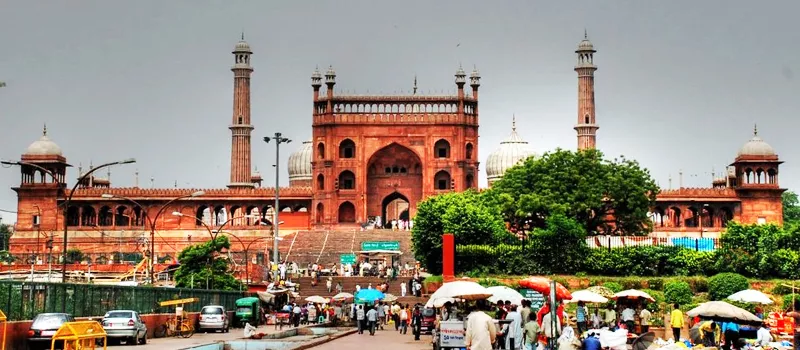
Delhi serves as the ideal gateway for understanding India’s layered history. Spend your first day recovering from jet lag while exploring the bustling streets of Old Delhi. Visit Jama Masjid, one of India’s largest mosques, and navigate through the aromatic lanes of Chandni Chowk market.
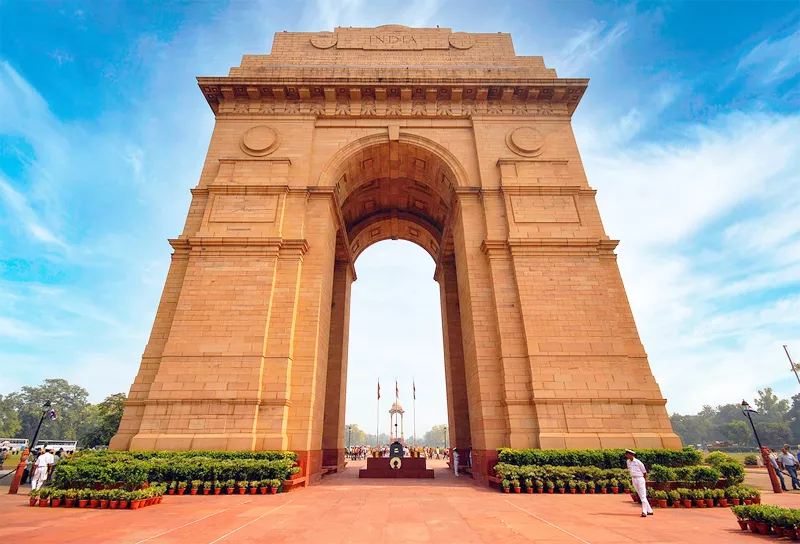
Dedicate your second day to New Delhi’s grand monuments. Marvel at India Gate, explore the imposing Red Fort, and visit Humayun’s Tomb, a precursor to the Taj Mahal’s architectural style. The contrast between Old and New Delhi perfectly illustrates India’s blend of tradition and modernity.
Companies like Janu Private Tours specialize in creating customized experiences that help first-timers navigate Delhi’s complexity with ease, ensuring you don’t miss hidden gems while avoiding common tourist traps.
Agra: Home of the Taj Mahal (2 Days)
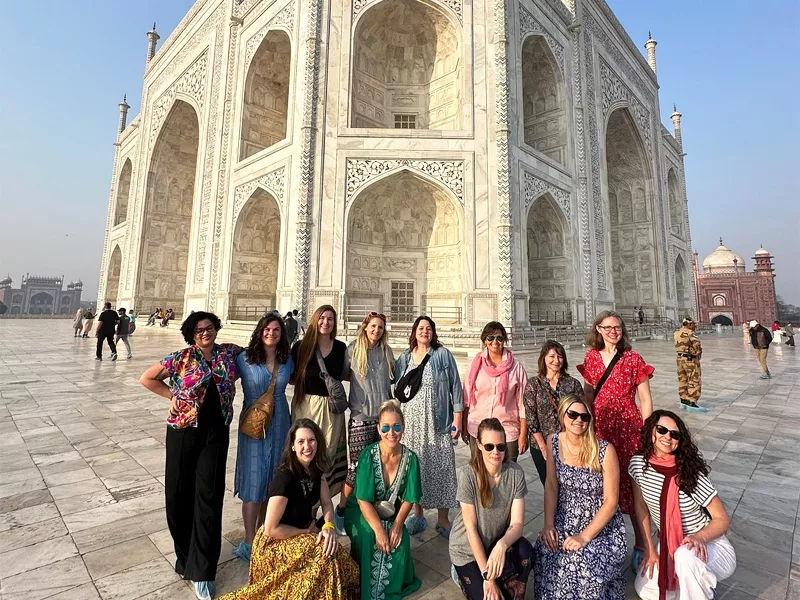
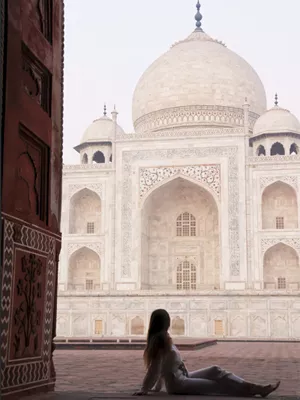
No first-time India itinerary is complete without witnessing the Taj Mahal’s ethereal beauty. Arrive in Agra via train or private car, and plan your Taj Mahal visit for sunrise when fewer crowds allow for better photographs and a more intimate experience.
Beyond the Taj, explore Agra Fort, a UNESCO World Heritage site offering stunning views across the Yamuna River. The red sandstone fortress showcases Mughal architectural brilliance and provides historical context to your Taj Mahal visit.
Jaipur: The Pink City’s Royal Charm (3 Days)
Jaipur, the capital of Rajasthan, enchants visitors with its rose-colored buildings and magnificent palaces. Begin with the Amber Fort, where you can ride elephants up the hillside (though walking is more ethical). The fort’s mirror palace and intricate frescos demonstrate Rajasthani craftsmanship at its finest.
Visit the City Palace complex, still partially inhabited by Jaipur’s royal family, and photograph the iconic Hawa Mahal with its 953 small windows. Don’t miss Jantar Mantar, an astronomical observatory featuring the world’s largest stone sundial.
Jaipur’s bazaars offer excellent shopping opportunities. Purchase handmade textiles, precious gemstones, and traditional handicrafts while practicing your bargaining skills.
Extending Your Itinerary: Beyond the Golden Triangle
Varanasi: India’s Spiritual Heart (2-3 Days)
For travelers seeking spiritual depth, adding Varanasi creates transformative experiences. Witness the mesmerizing Ganga Aarti ceremony at dusk, where thousands gather along the ghats as priests perform synchronized rituals with fire and chants.
Take an early morning boat ride on the Ganges to observe the city awakening. The ancient city’s narrow alleyways, filled with temples and ashrams, offer insights into Hindu spirituality that define India’s cultural identity.
Pushkar: A Peaceful Desert Oasis (1-2 Days)
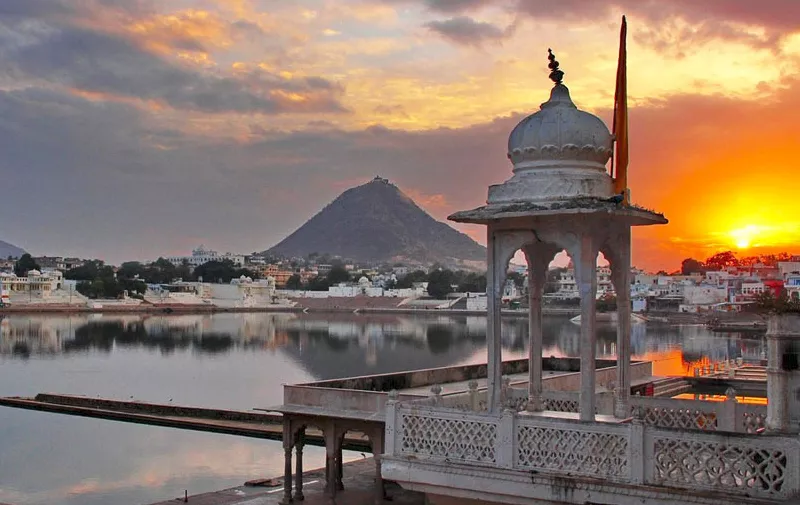
This small town provides a relaxing counterpoint to India’s bustling cities. Famous for its sacred lake and annual camel fair, Pushkar offers excellent opportunities for yoga, meditation, and simply unwinding. The town’s laid-back atmosphere helps first-timers decompress while still experiencing authentic Rajasthani culture.
Mumbai and Goa: The Coastal Experience (3-4 Days)
If beach relaxation appeals to you, conclude your journey in Goa. After experiencing India’s cultural intensity, Goa’s Portuguese-influenced beaches and relaxed vibe provide the perfect ending. Alternatively, spend time in Mumbai exploring its colonial architecture, vibrant art scene, and world-famous street food.
Practical Tips for Two Weeks in India for a First-Timer
Transportation Between Cities
India’s extensive railway network offers an authentic travel experience. Book overnight trains between major cities to save time and accommodation costs. Websites like IRCTC allow advance booking, though they can be complex for foreigners. Consider using private tour operators like Janu Private Tours who can arrange transportation and handle booking complications.
For shorter distances, hiring private cars with drivers provides flexibility and comfort. This option costs more but eliminates stress, especially for first-timers unfamiliar with Indian roads.
Accommodation Strategies
India offers accommodation ranging from budget hostels to luxury heritage hotels. For first-timers, mid-range hotels provide good value with essential amenities like air conditioning, hot water, and Wi-Fi. Consider staying in heritage properties in Rajasthan for unique experiences in converted palaces and havelis.
Always read recent reviews on platforms like TripAdvisor before booking. Location matters significantly staying in central areas reduces transportation time and enhances safety.
Food Safety and Cultural Dining
Indian cuisine ranks among the world’s most diverse and flavorful. Start with milder dishes if you’re unaccustomed to spices, gradually building tolerance. Stick to freshly cooked hot food from busy restaurants where high turnover indicates freshness.
Avoid tap water entirely, drinking only bottled water with sealed caps. Skip ice in beverages and raw salads unless you’re at reputable hotels. Despite precautions, minor stomach upset affects most visitors, so carry appropriate medications.
Cultural Etiquette and Dress Code
Respecting local customs enhances your experience and demonstrates cultural sensitivity. Dress modestly, especially at religious sites shoulders and knees should be covered. Women may feel more comfortable in loose, conservative clothing that helps avoid unwanted attention.
Remove shoes before entering temples, mosques, and homes. Use your right hand for eating and exchanging items, as the left hand is considered unclean in Indian culture. When photographing people, always ask permission first.
Managing India’s Sensory Intensity
India assaults all five senses simultaneously. The crowds, noise, colors, and smells can overwhelm first-timers. Build rest days into your itinerary for relaxation and reflection. Many travelers experience culture shock initially, but allowing yourself adjustment time helps you eventually embrace India’s beautiful chaos.
Don’t try cramming too much into each day. Quality experiences matter more than quantity. Sometimes the best moments happen when you simply sit in a cafe observing daily life unfolding around you.
Money Matters and Budgeting
Currency and ATM Usage
The Indian Rupee (INR) is the local currency. ATMs are widely available in cities, though they may be scarce in rural areas. Notify your bank about your travel plans to prevent card blocking. Carry some cash for small purchases, as many vendors don’t accept cards.
Bargaining is expected in markets but not in established stores with fixed prices. Start by offering 40-50% of the initial quote and negotiate from there.
Daily Budget Expectations
Your spending depends on travel style. Budget travelers can manage on -40 daily, covering basic accommodation, local food, and public transport. Mid-range travelers should budget -120 daily for comfortable hotels, restaurants, and private transport. Luxury travelers can spend 0+ daily for five-star properties and premium experiences.
Entrance fees to monuments, guide services, and shopping will add to your budget. Working with established tour operators like Janu Private Tours helps manage costs through bundled packages covering accommodation, transport, and guided tours.
Best Time for Two Weeks in India for a First-Timer
Timing significantly impacts your experience. October through March offers the most pleasant weather for visiting northern India, with clear skies and comfortable temperatures. This period is considered peak season, meaning higher prices but optimal conditions for sightseeing.
April through June brings intense heat, particularly in central and northern India, though this period offers excellent deals and fewer tourists. Monsoon season from July to September creates beautiful green landscapes but can disrupt travel plans with flooding and transportation delays.
For first-timers, the November to February window provides the ideal balance of good weather, major festivals, and manageable crowds.
Safety Tips for First-Time Travelers
India is generally safe for tourists who exercise reasonable precautions. Keep valuables secure and be cautious in crowded areas where pickpocketing occurs. Women travelers should avoid walking alone late at night and consider using registered taxis or ride-sharing apps like Uber and Ola.
Scams targeting tourists exist, particularly around major monuments. Common ones include overpriced rickshaw rides, fake tour guides, and gem scams. Booking through reputable companies and confirming prices beforehand helps avoid these situations.
Trust your instincts if something feels wrong, it probably is. Don’t hesitate to firmly but politely decline unwanted services or attention.
Making the Most of Your Two-Week India Adventure
Your first trip to India will challenge, inspire, and transform you. Approach the experience with patience, flexibility, and open-mindedness. Things rarely go exactly as planned in India, but these unplanned moments often become your most cherished memories.
Engage with locals, try new foods, and step outside your comfort zone. India rewards curious travelers willing to embrace its contradictions and complexities. The country’s warmth, spirituality, and cultural richness create life-changing experiences that draw travelers back repeatedly.
Remember that two weeks only scratches the surface of this vast nation. Use this first visit to discover which aspects of India resonate most deeply with you, then plan future trips to explore those interests more thoroughly.
Also Read:- How to Explore North India in 2 Weeks: Routes & Highlights
Frequently Asked Questions
Q.1)How much money should I budget for two weeks in India as a first-time visitor?
Budget travelers can explore India for approximately -40 per day, covering basic accommodations, local meals, and public transportation. Mid-range travelers should plan for -120 daily for comfortable hotels and private transport. Luxury experiences require 0+ per day. Additional costs include monument entrance fees, shopping, and guide services, so budget an extra 0-700 for these expenses throughout your trip.
Q.2)Is it safe for solo travelers to spend two weeks in India for the first time?
India is generally safe for solo travelers who take standard precautions. Stay in well-reviewed accommodations, avoid walking alone at night, use registered transportation, and trust your instincts. Women solo travelers should dress conservatively and be more cautious. Many first-time visitors feel more comfortable booking organized tours initially. Connecting with other travelers through hostels or online communities also enhances safety and enjoyment.
Q.3)What should I pack for a two-week first-time trip to India?
Pack lightweight, modest clothing covering shoulders and knees for temple visits. Bring comfortable walking shoes, sunscreen, insect repellent, and a comprehensive medical kit including anti-diarrheal medication. Essential items include a power adapter, water purification tablets, hand sanitizer, and a money belt. Pack light as laundry services are inexpensive and widely available throughout India, allowing you to refresh your wardrobe during your journey.
Q.4)Can I cover both North and South India in two weeks?
While technically possible, covering both regions in two weeks results in rushed, exhausting travel with more time spent in transit than exploring. First-timers should focus on either North India’s cultural triangle or South India’s temples and beaches. This approach allows deeper immersion, meaningful experiences, and time to adjust to India’s pace without feeling overwhelmed by constant travel.
Q.5)Do I need a guide or tour company for my first two weeks in India?
While independent travel is possible, first-timers benefit significantly from professional guidance. Reputable tour operators like Janu Private Tours handle logistics, provide cultural context, ensure safety, and help navigate language barriers. They offer customized itineraries matching your interests and budget while handling accommodation bookings, transportation arrangements, and securing entry to popular monuments, making your inaugural Indian adventure smoother and more enriching.
- Published
The golden expanse of the Thar Desert holds treasures that transform ordinary travels into extraordinary memories. A Jaisalmer Sam Sand Dunes day trip offers an authentic glimpse into desert life, where rippling sand formations meet vibrant cultural traditions under vast azure skies. This comprehensive guide reveals everything you need to plan an unforgettable desert adventure.
Understanding the Sam Sand Dunes Experience
Located approximately 40-42 kilometers from Jaisalmer city, the Sam Sand Dunes represent one of Rajasthan’s most iconic desert landscapes. These sweeping dunes offer stunning landscapes and unique wildlife that showcase the Thar Desert’s rare beauty and tranquility. The dunes form part of the Jaisalmer Desert National Park, creating a protected ecosystem where desert flora and fauna thrive.
What makes Sam Sand Dunes exceptional is their accessibility combined with authentic desert character. Unlike smaller dune formations, these massive sand structures create the classic desert panorama that photographers and travelers dream about. The undulating golden waves stretch toward the horizon, shifting subtly with desert winds and changing dramatically with the sun’s movement.
The area has evolved into a cultural hub where traditional Rajasthani heritage meets modern tourism sensibilities. The place comes alive with a carnival atmosphere from late afternoon till the next morning, with desert campsites organizing cultural programs that showcase the state’s rich culture through folk dances.
- Also read:- Best luxury tours in Rajasthan, India from uk
- Morning Departure (10:00 AM – 11:00 AM) Begin your journey from Jaisalmer, allowing time for comfortable travel and roadside photo opportunities. The drive itself offers scenic desert views and occasional wildlife sightings.
- Midday Arrival (11:00 AM – 12:00 PM) Arrive at Sam Sand Dunes and acclimate to the environment. Many visitors use this time for initial exploration and photographs before the afternoon heat intensifies.
- Afternoon Activities (12:00 PM – 4:00 PM) Check-in time at desert camps typically occurs between 3:00 PM and 4:00 PM. Spend early afternoon hours resting in the shade or enjoying camp facilities. As temperatures moderate, begin your camel or jeep safari.
- Sunset Experience (5:00 PM – 7:00 PM) Position yourself on high dunes for sunset viewing. This golden hour provides the most spectacular photography opportunities and comfortable temperatures for outdoor activities.
- Evening Entertainment (7:00 PM – 9:00 PM) Enjoy cultural performances, traditional dinner, and bonfire gatherings. These activities create lasting memories and provide insight into local traditions.
- Return Journey (9:00 PM – 10:30 PM) Depart for Jaisalmer, arriving back in the city with time to rest before the next day’s adventures.
What to Pack for Your Desert Adventure
- Smart packing ensures comfort throughout your desert experience. Essential items include:
- The Sam Sand Dunes offer extraordinary photographic opportunities, but desert conditions require specific techniques:
- Preserving the Sam Sand Dunes’ pristine beauty requires conscious effort from all visitors. Follow these guidelines:
- While a Jaisalmer Sam Sand Dunes day trip focuses on desert experiences, the surrounding region offers additional attractions:
- Budget Planning: Day trip costs vary based on activity choices and service levels. Basic camel safaris start around 400-500 rupees per person, while comprehensive packages including meals, entertainment, and multiple activities cost more. Booking through established operators ensures transparent pricing and quality guarantees.
- Health Precautions: The desert environment can challenge unprepared visitors. Stay hydrated constantly, apply sunscreen regularly, and avoid overexertion during peak heat hours. Travelers with respiratory conditions should consider air quality impacts from desert dust.
- Communication: Mobile network coverage exists but can be unreliable in remote dune areas. Inform your hotel or contacts about your itinerary and expected return time.
- Seasonal Variations: Winter months require warm clothing for evening activities, while early and late season visits demand heat management strategies. Research specific weather patterns for your travel dates.
Making Lasting Memories
A Jaisalmer Sam Sand Dunes day trip delivers experiences that resonate long after desert sand shakes from your shoes. The combination of natural beauty, cultural richness, and adventure activities creates multifaceted memories appealing to diverse interests.
Whether watching the sunset paint golden dunes in vibrant hues, feeling a camel’s rhythmic gait beneath you, or listening to ancient musical traditions under star-filled skies, the desert works its magic. These moments transcend typical tourism, offering genuine connections with landscape, culture, and heritage.
The key to maximizing your experience lies in thorough planning, respectful engagement, and openness to unexpected moments. While itineraries provide structure, the desert’s most magical moments often arrive unplanned: a chance encounter with local herders, an unexpected wildlife sighting, or a perfect photographic moment as wind shapes the sand.
- Also Read:-Top 5 Desert Destinations in North India
- Q.What is the best time of day to visit Sam Sand Dunes?
Late afternoon to evening provides the optimal experience, as you can enjoy comfortable temperatures, stunning sunset views, and evening cultural programs. Arriving around 3-4 PM allows time for camel or jeep safaris before sunset, followed by traditional dance performances and dinner. Sunset, occurring around 5:30-6:30 PM depending on the season, offers the most spectacular photography opportunities. Morning visits are excellent for those seeking cooler temperatures and peaceful dune exploration without crowds.
- Q.Are Sam Sand Dunes suitable for families with young children?
- Q.What should I wear for a desert day trip?
Wear light-colored, loose-fitting cotton clothing that covers your arms and legs for sun protection while keeping you cool. Women should bring scarves for additional sun coverage and cultural respect. Comfortable closed-toe shoes or sturdy sandals work better than flip-flops in sand. Bring a light jacket or shawl for evening temperature drops, especially during the winter months. Avoid synthetic fabrics that trap heat. A wide-brimmed hat and quality sunglasses are essential for sun protection throughout your desert adventure.
Q.Can I visit Sam Sand Dunes independently, or should I book a tour?
Both options are viable, depending on your preferences and experience level. Independent visitors can hire taxis from Jaisalmer and arrange activities directly at the dunes, offering flexibility and potential cost savings. However, organized tours through providers like Janu Private Tours offer significant advantages, including expert guides, optimized timing, activity coordination, and deeper cultural insights. Tour packages eliminate logistical stress, provide safety assurance, and often include hidden gems that independent travelers might miss, making them an excellent value for comprehensive experiences.
- Published
Planning a romantic adventure through India with your girlfriend can feel overwhelming, but with the right itinerary and preparation, three weeks is the perfect amount of time to experience the country’s diverse landscapes, rich culture, and unforgettable romance. From the majestic palaces of Rajasthan to the serene beaches of Goa, India offers couples an extraordinary blend of experiences that will create memories to last a lifetime.
Why India is Perfect for Couples Exploring Together
India stands out as one of the world’s most captivating destinations for couples seeking both adventure and intimacy. The country’s incredible diversity means you can transition from exploring ancient forts and palaces to relaxing on pristine beaches, all within the same trip. The warmth of Indian hospitality, combined with affordable luxury accommodations and world-class cuisine, makes it an ideal destination for couples who want to maximize their travel experience without breaking the bank.
When exploring India with your girlfriend, you’ll discover that the country offers something for every type of traveler. Whether you’re history enthusiasts, food lovers, beach seekers, or mountain adventurers, India’s vast landscape accommodates all interests. The best part is that three weeks provides enough time to immerse yourselves in multiple regions without feeling rushed, allowing for spontaneous moments and genuine cultural connections.
Also Read:- How to celebrate girlfriend birthday
Planning Your 3-Week India Journey: The Essentials
Before embarking on your Indian adventure, proper planning ensures a smooth and enjoyable experience. Start by applying for your e-visa at least two weeks before departure, as both you and your girlfriend will need valid tourist visas. The e-visa process is straightforward and typically takes three to five business days for approval.
Budget planning is crucial when exploring India as a couple. Expect to spend between one thousand to two thousand five hundred dollars per person for three weeks, depending on your accommodation preferences and activities. This budget should cover mid-range hotels, domestic flights, train tickets, meals, and entrance fees to major attractions. India offers excellent value for money, allowing couples to enjoy luxury experiences at a fraction of what they would cost in Western countries.
Pack light but smart for your journey. India’s climate varies dramatically by region, so bring layers that work for both warm days and cooler evenings. Essential items include comfortable walking shoes, modest clothing for temple visits, sunscreen, insect repellent, and any necessary medications. Remember that many religious sites require covered shoulders and knees, so pack accordingly to respect local customs while exploring.
Week One: The Golden Triangle and Romantic Rajasthan
Your first week should focus on North India, beginning with the iconic Golden Triangle route. Start your adventure in Delhi, where old-world charm meets modern vibrancy. Spend two days exploring the capital’s contrasting neighborhoods, from the narrow lanes of Old Delhi with its bustling bazaars to the wide boulevards and monuments of New Delhi. Don’t miss the stunning Humayun’s Tomb at sunset, a UNESCO World Heritage site that offers a peaceful escape and perfect photo opportunities for couples.
From Delhi, take a four-hour drive to Agra to witness the ultimate symbol of love: the Taj Mahal. Wake up early to catch sunrise at this magnificent monument, when the marble structure glows in shades of pink and gold. The experience of standing before this architectural masterpiece with your girlfriend is truly magical. Explore the Agra Fort in the afternoon before heading to your next destination.
Jaipur, the Pink City, deserves at least three full days of exploration. This is where services like Janu Private Tours can enhance your experience by providing knowledgeable local guides who understand the best spots for couples. Visit the majestic Amber Fort, where you can ride elephants together up the hillside. The City Palace, Hawa Mahal, and the astronomical instruments at Jantar Mantar showcase Rajasthan’s rich heritage. In the evenings, enjoy romantic rooftop dinners with views of the illuminated forts and palaces.
Consider extending your Rajasthan exploration to include Udaipur, often called the Venice of the East. This lakeside city oozes romance with its shimmering Lake Pichola, floating palaces, and intimate boat rides at sunset. The City Palace complex offers stunning architecture and panoramic views, while the surrounding Aravalli hills provide a picturesque backdrop for couples exploring together.
Week Two: Spiritual Experiences and Hill Station Retreats
The second week takes you deeper into India’s spiritual heart and natural beauty. If you’re seeking cultural immersion, spend three days in Varanasi, one of the world’s oldest living cities. The sacred Ganges River creates an atmosphere unlike anywhere else, with evening aarti ceremonies that mesmerize visitors. While Varanasi can be intense with its crowds and sensory overload, it offers couples a profound cultural experience and the chance to witness India’s spiritual soul.
Alternatively, head to the Himalayan foothills for a more relaxed pace. Rishikesh combines spirituality with adventure, offering couples the chance to try white-water rafting on the Ganges, practice yoga together at ashrams, and explore Beatles-era cafes. The town’s pedestrian-only areas and riverside location make it perfect for romantic evening walks. Nearby Mussoorie or Shimla offer cool mountain air, colonial architecture, and opportunities for quiet time together away from India’s bustling cities.
For couples who prefer coastal beauty, this is the perfect time to head south toward Kerala. Known as God’s Own Country, Kerala offers a completely different side of India. The backwaters of Alleppey provide one of the most romantic experiences in the country: spending a night on a traditional houseboat floating through palm-fringed canals. These houseboats come with private bedrooms, en-suite bathrooms, and personal chefs who prepare fresh Kerala cuisine as you drift past village life.
Kerala’s hill stations like Munnar offer tea plantations, misty mountains, and cooler temperatures. The region is perfect for couples who enjoy nature walks, wildlife spotting, and simply relaxing together in beautiful surroundings. The slower pace of Kerala provides a welcome contrast to the intensity of North India, allowing you both to recharge while still experiencing new adventures.
Week Three: Beach Bliss and Cultural Immersion
Your final week in India should focus on relaxation and savoring your remaining time together. Goa, India’s beach paradise, offers the perfect conclusion to your three-week journey. Unlike stereotypes suggest, Goa provides diverse experiences beyond parties and beaches. South Goa’s quieter beaches like Palolem, Agonda, and Benaulim offer pristine sand, swaying palms, and romantic beach shacks serving fresh seafood.
Spend your days lounging on the beach, trying water sports together, or exploring Portuguese colonial architecture in Old Goa. The region’s unique blend of Indian and Portuguese cultures creates a laid-back atmosphere that feels distinctly different from the rest of the country. Sunset cruises on the Mandovi River, spice plantation tours, and yoga sessions on the beach round out the Goan experience.
If beaches aren’t your priority, consider spending your final week exploring South India’s temple towns and cultural centers. Hampi’s surreal boulder-strewn landscape and ancient ruins create an otherworldly setting for exploration. The temples of Tamil Nadu, particularly in Madurai and Thanjavur, showcase Dravidian architecture at its finest. These southern destinations offer a completely different cultural experience compared to North India.
For couples using Janu Private Tours, the company’s expertise in Rajasthan and customizable itineraries means you can combine multiple regions into a seamless journey. Their local knowledge helps couples discover hidden gems and authentic experiences that independent travelers might miss.
Essential Tips for Couples Traveling in India
Navigating India as a couple requires some cultural awareness and practical preparation. Public displays of affection are generally frowned upon in most parts of India, so save kisses and embraces for private moments. Holding hands is usually acceptable in tourist areas but may attract attention in more conservative regions.
Transportation is one of the biggest considerations when exploring India. Domestic flights save time between distant cities, while trains offer a more authentic and scenic experience. Book trains in advance through Indian Railways or private booking sites, as popular routes sell out quickly. For shorter distances within Rajasthan, private car services provided by companies like Janu Private Tours offer comfort and flexibility for couples who want to travel at their own pace.
Food safety is important for maintaining your health throughout the trip. Stick to bottled water, avoid raw salads and cut fruits from street vendors, and choose busy restaurants where food turnover is high. That said, don’t let fear prevent you from enjoying India’s incredible cuisine. Street food can be safe if chosen carefully, and regional specialties like Rajasthani thalis, Goan fish curry, and Kerala’s appam with stew should definitely be on your must-try list.
Accommodation options in India range from budget guesthouses to luxury heritage hotels. For couples, it’s worth splurging on a few special nights in converted palaces or haveli hotels, particularly in Rajasthan and Udaipur. These properties offer unique architecture, personalized service, and romantic atmospheres that enhance your overall experience. Mid-range boutique hotels typically cost between fifty to one hundred fifty dollars per night and provide excellent value with clean rooms, helpful staff, and often include breakfast.
Making Your India Trip Truly Memorable
The key to a successful three-week journey through India with your girlfriend lies in balance. Mix busy sightseeing days with relaxation time, alternate between cultural immersion and natural beauty, and don’t overschedule every moment. Some of the best travel memories come from unplanned experiences: getting lost in a bazaar, sharing chai with locals, or simply watching sunset from your hotel rooftop.
Photography enthusiasts will find India endlessly photogenic, but remember to ask permission before photographing people, especially women and children. Many travelers find that putting the camera away occasionally leads to more genuine interactions and deeper connections with the places they visit.
Consider hiring local guides for major sites rather than trying to navigate everything independently. Knowledgeable guides bring history and context to monuments that might otherwise seem like just pretty buildings. They can also help you avoid tourist traps, recommend authentic restaurants, and provide cultural insights that enrich your understanding of India.
Shopping in India is an adventure in itself. From colorful textiles and intricate jewelry in Jaipur’s bazaars to spices and handicrafts in Kerala, you’ll find countless treasures to bring home. Bargaining is expected in most markets, so approach it as a friendly negotiation rather than confrontation. Starting at half the initial price is usually reasonable, and arriving at a mutually agreeable price is part of the cultural experience.
Also Read:- places to visit in jaipur for shopping
Navigating Challenges Together as a Couple
Traveling through India can be intense, and having a supportive partner makes the experience more manageable. There will be moments of culture shock, frustration with logistics, or simply exhaustion from the constant sensory stimulation. Being patient with each other and maintaining a sense of humor helps navigate these inevitable challenges.
Some couples find it helpful to alternate decision-making responsibilities, with one person planning activities one day and the other taking charge the next. This prevents decision fatigue and ensures both partners feel invested in the journey. Building in regular check-ins about energy levels, interests, and needs helps maintain harmony throughout the trip.
India rewards travelers who embrace flexibility. Trains may be delayed, sites might be closed for festivals, and plans will inevitably change. Rather than viewing these situations as problems, see them as opportunities for spontaneous adventures. Some of the best travel stories come from unexpected detours and last-minute changes.
Creating Your Perfect Three-Week India Itinerary
While the itinerary suggested above covers popular highlights, personalization is key to creating your ideal trip. If you and your girlfriend are adventure seekers, consider replacing beach time with trekking in Ladakh or exploring the tea estates of Darjeeling. Food lovers might want to take cooking classes in various regions, while yoga enthusiasts could incorporate extended stays at ashrams in Rishikesh.
The beauty of three weeks is that it provides enough time to pivot if something isn’t resonating. If Varanasi feels overwhelming, you can head to the hills earlier. If you’re loving Rajasthan’s palaces and culture, extend your time there and skip another destination. Maintaining this flexibility while having a general framework ensures you’ll make the most of your time together.
Working with experienced tour operators who specialize in customizable itineraries can significantly reduce stress and enhance your experience. Their local connections mean better hotel deals, skip-the-line access at popular sites, and insider knowledge about timing your visits to avoid crowds.
Final Thoughts on Your Indian Adventure
Exploring India with your girlfriend over three weeks creates a shared adventure that strengthens relationships through new experiences, challenges overcome together, and moments of beauty that take your breath away. The country’s incredible diversity means every day brings something new, from architectural wonders and spiritual ceremonies to natural landscapes and culinary delights.
India has a way of surprising visitors, challenging assumptions, and creating profound connections. Some travelers describe falling in love with the country despite its chaos and contradictions. Others appreciate the experience but find it overwhelming. Regardless of where you fall on this spectrum, exploring India as a couple provides opportunities for growth, understanding, and memories that will bind you together long after you return home.
The journey through this magnificent country is more than just checking off bucket-list destinations. It’s about experiencing life at a different pace, witnessing devotion and spirituality in daily life, tasting flavors that explode on your palate, and sharing moments of wonder as sunset illuminates ancient monuments. These three weeks in India with your girlfriend will become stories you tell for years, photographs you treasure, and experiences that shape your relationship in meaningful ways.
Frequently Asked Questions
Q.1)Is India safe for couples traveling together?
India is generally safe for couples, particularly in major tourist areas and cities. While petty theft can occur in crowded places, violent crime against tourists is relatively rare. Exercise standard travel precautions like keeping valuables secure, avoiding isolated areas at night, and staying aware of your surroundings. Women should dress modestly to avoid unwanted attention, and couples should minimize public displays of affection to respect local customs. Using reputable accommodation and transportation services significantly enhances safety throughout your journey.
Q.2)What is the best time of year to visit India for three weeks?
The ideal time for exploring India is during the cooler dry season from October through March. November through February offers the most pleasant weather across most regions, with comfortable temperatures for sightseeing and outdoor activities. Summer months from April to June can be extremely hot, particularly in North India and Rajasthan, while monsoon season from July to September brings heavy rains that may disrupt travel plans. Winter also provides clear skies perfect for photography and fewer crowds at popular tourist destinations.
Q.3)How much money should we budget for three weeks in India?
Budget approximately one thousand two hundred to two thousand five hundred dollars per person for three weeks, depending on your travel style. This covers mid-range accommodation, domestic transportation, meals at decent restaurants, entrance fees, and activities. Budget travelers can manage on less by staying in guesthouses and taking local transport, while luxury travelers should budget significantly more for heritage hotels and private tours. India offers excellent value, allowing couples to enjoy premium experiences without the premium prices found in other destinations.
Q.4)Do we need vaccinations before traveling to India?
Consult your doctor at least six weeks before departure about recommended vaccinations for India. Common recommendations include hepatitis A and B, typhoid, tetanus, and sometimes rabies depending on your planned activities. Some travelers also take malaria prophylaxis for certain regions, though major tourist areas carry low risk. Ensure your routine vaccinations are current, and consider bringing a basic medical kit with anti-diarrheal medication, antibiotics, and pain relievers. Travel insurance covering medical emergencies is essential for peace of mind.
Q.5)Can we drink alcohol in India as a couple?
Alcohol is available throughout most of India, though regulations vary by state. Major cities, tourist destinations, and Goa have numerous bars and restaurants serving alcohol. Some states like Gujarat and Bihar have complete prohibition, while others restrict sales on certain days. Hotels and restaurants in tourist areas typically have licenses to serve alcohol. Drinking in public spaces outside designated areas is illegal and culturally inappropriate. Couples can enjoy wine with dinner or cocktails at hotel bars without issue in most tourist-friendly locations throughout the country.
- Published
India beckons with its vibrant culture, ancient temples, bustling bazaars, and diverse landscapes that stretch from the Himalayas to tropical beaches. While organized tours offer convenience, traveling to India independently opens doors to authentic experiences, flexible itineraries, and deeper cultural immersion. This comprehensive guide will equip you with everything you need to confidently explore India on your own terms.
Is Independent Travel in India Right for You?
Before embarking on your solo adventure, it’s essential to understand what independent travel in India entails. Unlike organized tours where logistics are handled for you, traveling independently requires personal responsibility for planning, navigation, and decision-making. However, this approach rewards you with unparalleled freedom and the opportunity to craft truly personalized experiences.
India presents unique challenges for independent travelers: crowded cities, language barriers, complex transportation systems, and cultural differences. Yet these same elements make the country incredibly rewarding for those willing to embrace uncertainty. The key is preparation, flexibility, and an open mindset.
Many first-time visitors wonder whether they can navigate India without a tour guide. The answer is absolutely yes, though your experience will depend on factors like your travel experience, comfort with ambiguity, and willingness to research thoroughly before departure.
Also read:- Top 15 list of tours and travels in india
Planning Your Independent India Adventure
Choosing Your Destinations
India’s vastness means you cannot see everything in one trip. Focus on specific regions that align with your interests. The Golden Triangle Delhi, Agra, and Jaipur remains popular for first-timers, offering iconic landmarks like the Taj Mahal and magnificent Rajasthani forts. Kerala attracts nature lovers with its backwaters and beaches, while Goa appeals to those seeking coastal relaxation.
For spiritual seekers, Varanasi and Rishikesh provide transformative experiences. Adventure enthusiasts gravitate toward Ladakh or Himachal Pradesh for trekking and mountain landscapes. Research each region’s climate, as India’s weather varies dramatically by season and location.
Consider creating a realistic itinerary that allows time to absorb each destination rather than rushing through multiple cities. Independent travelers often discover that staying longer in fewer places yields richer experiences than trying to cover too much ground.
Visa Requirements and Documentation
All foreign nationals (except citizens of Nepal and Bhutan) require a visa to enter India. The e-Visa system has simplified this process significantly. Most tourists apply for the e-Tourist Visa, which allows stays up to 90 days and can be obtained online before travel.
Ensure your passport has at least six months validity beyond your intended departure date and contains blank pages for stamps. Keep digital and physical copies of all important documents, including your passport, visa, travel insurance, and vaccination records.
Best Time for Independent Travel
Timing significantly impacts your India experience. October through March generally offers the most pleasant weather across much of the country, making it peak tourist season. This period provides comfortable temperatures for sightseeing, though popular destinations become crowded and accommodation prices rise.
Summer months (April-June) bring intense heat, particularly in northern and central India, but offer lower prices and fewer crowds. The monsoon season (July-September) presents unique beauty with lush landscapes, though heavy rains can disrupt travel plans in some regions.
Getting Around India as an Independent Traveler
Domestic Transportation Options
India’s extensive transportation network makes independent travel feasible, though navigating it requires patience and planning. Domestic flights connect major cities affordably, with budget carriers offering competitive fares when booked in advance. For the authentic Indian experience, trains remain unbeatable the railway system is comprehensive and relatively inexpensive.
Book train tickets early through the official IRCTC website or app, as popular routes sell out quickly. AC sleeper classes offer comfortable overnight journeys, while daytime travel in AC Chair Car provides scenic views. Understanding the booking system and different classes takes time but becomes manageable with practice.
Long-distance buses serve areas without train connectivity, though comfort levels vary. Private operators like Redbus offer semi-sleeper and sleeper coaches for overnight journeys. For shorter distances within cities, auto-rickshaws, cycle-rickshaws, and app-based taxi services like Uber and Ola provide convenient options.
Companies like Janu Private Tours offer customized private transportation for travelers who want independence without the hassle of navigating public transport. This middle-ground approach provides flexibility while eliminating logistical stress.
Navigating Cities and Rural Areas
Major Indian cities can overwhelm first-time visitors with their sensory intensity. Google Maps works well for navigation, though data connectivity is essential. Purchase a local SIM card upon arrival providers like Jio, Airtel, and Vodafone offer affordable data plans.
Learn basic negotiation skills for auto-rickshaws and taxis without meters. Agree on fares before starting your journey to avoid disputes. In cities with metro systems like Delhi, Bangalore, and Kolkata, trains provide fast, air-conditioned transport that bypasses traffic.
Rural areas offer peaceful respites from urban chaos but require more flexibility regarding amenities and transportation. Village stays and homestays provide authentic cultural exchanges, though advance booking and clear communication about facilities are advisable.
Accommodation for Independent Travelers
Budget-Friendly Options
India caters to every budget category. Hostels have proliferated in tourist areas, offering dormitory beds for as little as -10 per night and providing opportunities to meet fellow travelers. Budget guesthouses and lodges typically charge -25 for private rooms with basic amenities.
Booking platforms like Booking.com, Hostelworld, and Airbnb simplify finding accommodation, though flexibility to book locally sometimes yields better deals. Read recent reviews carefully, paying attention to comments about cleanliness, location, and staff helpfulness.
Mid-Range and Luxury Stays
Mid-range hotels in India provide excellent value, with comfortable rooms, air-conditioning, and often breakfast included for -70 per night. Heritage properties, particularly in Rajasthan, allow guests to experience converted palaces and havelis with historical character.
Luxury travelers can enjoy world-class hotels and resorts at prices far below Western equivalents. Five-star properties in major cities and tourist destinations deliver exceptional service, spa facilities, and fine dining experiences.
Budgeting for Independent Travel in India
India remains one of the world’s most affordable destinations, with budget travelers typically spending -40 per day, including accommodation, food, and local transportation. Mid-range travelers can expect daily costs of -70, while luxury travel averages 0-150 per day.
Food expenses stay minimal when eating at local restaurants and street stalls. Delicious meals cost -3 at basic establishments, while nicer restaurants charge -15 per person. Entrance fees for monuments and attractions vary but typically range from @.50-15 for foreigners.
Building a buffer into your budget for unexpected expenses, impulse purchases, and occasional splurges ensures financial flexibility. ATMs are widely available in cities, though carrying some cash remains essential for rural areas and small vendors.
Also Read :- Best 15 attractive places to visit in India
Safety and Health Considerations
Staying Safe as a Solo Traveler
India is generally safe for independent travelers who exercise common sense. Stay aware of your surroundings, particularly in crowded areas where pickpocketing occurs. Keep valuables secure and avoid displaying expensive jewelry or electronics unnecessarily.
Women traveling independently should take additional precautions: dress modestly in line with local customs, avoid traveling alone at night in unfamiliar areas, and trust your instincts if situations feel uncomfortable. Many female travelers find India rewarding and manage safety concerns successfully through awareness and preparation.
Scams targeting tourists exist, particularly in major cities. Be wary of unsolicited help, fake tourist offices, and gem export schemes. Book services through established companies like Janu Private Tours when seeking guided experiences or private transportation to ensure reliability and safety.
Health Precautions
Consult your doctor several weeks before departure regarding necessary vaccinations and medications. Standard recommendations include hepatitis A and B, typhoid, and ensuring routine vaccinations are current. Malaria prophylaxis may be advised depending on your itinerary.
Traveler’s diarrhea affects many visitors, so pack appropriate medications and oral rehydration salts. Drink only bottled or purified water, avoid ice in drinks, and be cautious with raw vegetables and street food initially until your system adjusts.
Comprehensive travel insurance covering medical emergencies and evacuation is non-negotiable. Verify your policy covers adventure activities if trekking or engaging in adventurous pursuits.
Cultural Sensitivity and Etiquette
Understanding Indian cultural norms enhances your experience and shows respect for your hosts. Remove shoes before entering homes, temples, and some shops. Dress conservatively, particularly when visiting religious sites covered shoulders and knees are standard expectations.
The left hand is considered unclean, so use your right hand for eating, giving, and receiving items. Public displays of affection are frowned upon, though hand-holding is becoming more acceptable in urban areas.
Indians value hospitality deeply. Accept offered tea or snacks graciously, as refusing can seem impolite. Small talk before business transactions is normal, rushing immediately to transactions can appear rude.
Learning basic Hindi phrases like Namaste (hello), Dhanyavaad (thank you), and Kitna hai? (how much?) demonstrates respect and often elicits warmth from locals. English is widely spoken in tourist areas, but making an effort with the local language is always appreciated.
Making the Most of Independent Travel
Connecting with Locals
Independent travel’s greatest advantage is the opportunity for authentic local interactions. Stay in homestays or smaller guesthouses where owners share insights about their communities. Accepting invitations for chai (tea) or meals when offered these spontaneous connections often become trip highlights.
Join free walking tours in major cities to meet fellow travelers and gain local perspectives from knowledgeable guides. Cooking classes, craft workshops, and village visits provide immersive experiences impossible on typical organized tours.
Balancing Structure and Flexibility
While thorough planning is important, successful independent travelers maintain flexibility. Unexpected opportunities, weather changes, or simply falling in love with a place might require itinerary adjustments. Build buffer days into your schedule for spontaneous discoveries or recovery time.
If complete independence feels overwhelming, consider hybrid approaches. Janu Private Tours specializes in customizable private experiences throughout Rajasthan and beyond, allowing you to maintain flexibility while benefiting from expert local knowledge for specific portions of your journey.
Managing Challenges
Travel challenges in India are inevitable missed connections, communication breakdowns, or overwhelming moments that happen to everyone. Approach difficulties with patience and humor rather than frustration. Indians are generally helpful when travelers need assistance; asking questions and seeking help demonstrates resourcefulness rather than weakness.
Keep perspective when things go wrong. What seems like a disaster often becomes a memorable story later. Maintaining a positive attitude and adaptability transforms potential frustrations into adventures.
Resources for Independent Travelers
Several resources enhance independent travel planning. Lonely Planet and Rough Guides offer comprehensive guidebooks, though verify information is current. Travel blogs from recent visitors provide updated insights and practical tips.
Apps like Google Maps, Rome2Rio (for transportation planning), Google Translate, and XE Currency Converter prove invaluable. Download offline maps for areas with limited connectivity.
Online communities like the India forum on Tripadvisor or various India-focused Facebook groups allow you to ask questions and connect with experienced travelers. The https://januprivatetours.com/ website offers planning resources and the option to arrange specific portions of your trip professionally while maintaining overall independence.
Sample Independent Travel Itinerary
For first-time independent travelers, a two-week Golden Triangle with Rajasthan extension provides manageable yet diverse experiences:
-
Days 1-3: Delhi– Explore historical sites like Red Fort, Humayun’s Tomb, and Qutub Minar. Experience the chaos of Chandni Chowk and modern areas like Connaught Place.
-
Days 4-5: Agra – Visit the Taj Mahal at sunrise, explore Agra Fort, and potentially side-trip to Fatehpur Sikri.
-
Days 6-9: Jaipur – Discover the Pink City’s palaces, forts, and bazaars. Don’t miss Amber Fort, City Palace, and Hawa Mahal.
-
Days 10-12: Pushkar or Udaipur – Experience sacred Pushkar’s temples and ghats, or romantic Udaipur’s lakes and palaces.
-
Days 13-14: Return to Delhi – Final shopping, revisit favorite spots, prepare for departure.
This itinerary allows time to absorb each destination without excessive rushing, using trains and private transportation to connect cities efficiently.
Frequently Asked Questions
Q: Is India safe for solo female travelers without a tour group?
India can be safe for solo female travelers who take appropriate precautions. Dress modestly, avoid isolated areas after dark, stay in well-reviewed accommodations, and trust your instincts. Many women travel India independently and successfully. Consider joining women-only travel groups online for tips and connecting with other female travelers. Always keep family or friends informed of your itinerary.
Q: How much money do I need for traveling India independently?
Budget travelers can explore India for approximately -40 per day, covering basic accommodation, local food, and public transportation. Mid-range budgets of -80 daily allow comfortable hotels and occasional nicer meals. Luxury travelers typically spend 0-150+ per day. Always carry extra funds for emergencies, entrance fees to monuments, and unexpected expenses that arise during independent travel.
Q: Can I travel India without speaking Hindi?
Yes, English is widely spoken in tourist areas, hotels, restaurants, and by educated Indians in cities. However, learning basic Hindi phrases enhances your experience and helps in smaller towns or rural areas. Translation apps like Google Translate work well for written communication. Many Indians are patient and helpful with language barriers, often finding creative ways to communicate with foreign visitors.
Q: What’s the best transportation method for independent travel across India?
Trains offer the best balance of affordability, coverage, and authentic experience for traveling between cities. Book AC sleeper or AC chair classes for comfort. Domestic flights work well for long distances when time is limited. For exploring Rajasthan and specific regions, services like Janu Private Tours provide flexible private transportation combining independence with convenience, especially valuable for first-time visitors.
Q: Do I need to book accommodation in advance when traveling independently?
Booking at least your first few nights in advance is recommended, particularly during peak season (October-March). This provides security upon arrival and time to adjust before making spontaneous bookings. Popular destinations like Jaipur, Agra, and Udaipur benefit from advance reservations. Once comfortable with India’s pace, you can book more flexibly, though having backup options researched prevents stress.
- Published
- Luxury Trains in India: The Ultimate Royal Journey
- Route: Delhi → Jaipur → Sawai Madhopur → Chittorgarh → Udaipur → Jaisalmer → Jodhpur → Bharatpur → Agra → Delhi
Highlights of the Journey
- Delhi – Iconic landmarks such as India Gate, Qutab Minar, Humayun’s Tomb, and Lotus Temple.
- Jaipur (The Pink City) – Amber Fort, Hawa Mahal, City Palace, Jantar Mantar, and vibrant bazaars.
- Sawai Madhopur & Chittorgarh – A wildlife safari in Ranthambore and the legendary Chittorgarh Fort with its sound-and-light show.
- Udaipur (The City of Lakes) – The grand City Palace, Saheliyon ki Bari, Crystal Gallery, and a romantic boat ride on Lake Pichola.
- Jaisalmer (The Golden City) – Jaisalmer Fort, Patwon ki Haveli, Jain temples, and camel rides at the Sam Sand Dunes.
- Jodhpur (The Blue City) – Mehrangarh Fort, Jaswant Thada, Umaid Bhawan Palace, and colorful markets.
- Bharatpur – Birdwatching at the Keoladeo Ghana National Park.
- Agra – The majestic Agra Fort and the timeless Taj Mahal, the jewel of India’s heritage.
The Royal Rajasthan on Wheels – A Regal Journey Through India
Discover one of India’s finest luxury trains and experience royal travel like never before.

The Royal Rajasthan on Wheels was once among the most celebrated luxury trains in India, showcasing the grandeur of Rajput culture and heritage. Designed to reflect the opulence of Rajasthan’s royal era, the train offered an unmatched blend of elegance, comfort, and regal hospitality. Every detail—from its lavish interiors to its curated itineraries—was crafted to deliver an experience fit for royalty.

Though immensely popular, the Royal Rajasthan on Wheels was eventually merged with the legendary Palace on Wheels in September 2017. Today, it continues its legacy under the Palace on Wheels banner, carrying forward the tradition of royal journeys across India with timeless charm and sophistication.
Royal Rajasthan on Wheels Routes
The Royal Rajasthan on Wheels embarks on an unforgettable 7-night, 8-day journey, beginning in Delhi and covering some of India’s most iconic destinations. Along the way, travelers experience royal heritage, wildlife adventures, spiritual centers, and world-famous monuments.
- Route: Delhi → Jodhpur → Udaipur → Chittorgarh → Sawai Madhopur → Jaipur → Khajuraho → Varanasi → Agra → Delhi


- 1. The Indian Splendour (6 Nights / 7 Days)
Route: Delhi – Agra – Ranthambore – Jaipur – Bikaner – Jodhpur – Udaipur – Balasinor – Mumbai
Highlights: Taj Mahal, tiger safari, palaces of Rajasthan, and Gujarat’s fossil park.
- 2. The Heritage of India (6 Nights / 7 Days)
- 3. The Indian Panorama (6 Nights / 7 Days)
Route: Delhi – Jaipur – Ranthambore – Fatehpur Sikri – Agra – Orchha – Khajuraho – Varanasi – Lucknow – Delhi
Highlights: Spiritual heritage in Varanasi, temples of Khajuraho, and historical gems like Orchha and Fatehpur Sikri.
- 4. Treasures of India (3 Nights / 4 Days)
- 1. Jewels of South (5 Nights / 6 Days)
Starting from Bengaluru, this journey covers some of South India’s most iconic landmarks. Guests visit Mysuru, Hampi, Kabini River, Hassan, Badami, and Goa before returning to Bengaluru.
- 2. Pride of Karnataka (5 Nights / 6 Days)
- 3. Glimpses of Karnataka (3 Nights / 4 Days)
A shorter yet equally enriching journey, this trip starts in Bengaluru and takes guests to Bandipur, Mysuru, and Hampi, before returning to the city. It’s ideal for those seeking a quick luxury escape.
Journey Highlights
- Operational Months: October – March
Duration: 3 Nights / 4 Days or 5 Nights / 6 Days
Dining: A choice of vegetarian and non-vegetarian cuisines, with menus inspired by both regional delicacies and international flavors. - Pre & Post Services: Trains do not include services before boarding or after the journey concludes. Arrangements in Delhi, Mumbai, or other boarding points must be made separately.
- Additional Services: Facilities like visa assistance, foreign exchange, or city tours are not handled by the train but can be arranged through a professional travel agency.
- Booking Process: Reservations can be complex, with cabins selling out months in advance. It’s best to book early and specify any dietary or medical requirements at the time of booking.
Your Luxury Train Journey, Simplified
Choosing the right travel partner ensures a smooth and worry-free experience.
- Pre & Post Journey Planning – complete experiences in cities like Delhi and Mumbai.
- Booking Assistance – managing the complex reservation process for luxury train cabins.
- Traveler Services – from foreign exchange to onward travel arrangements within India or abroad.
- Special Requirements – ensuring dietary, medical, or personal needs are met with ease.
Conclusion – Royal Journeys, Unforgettable Memories
Luxury trains in India redefine travel, turning every journey into an immersion in royal heritage, culture, and comfort. From the palaces of Rajasthan to the temples of Khajuraho, and from tiger safaris to exclusive cultural performances, each itinerary is crafted for unforgettable experiences.
Guests are treated like royalty with ornate cabins, gourmet dining, personalized service, and exclusive off-train excursions that no other travel service can offer. Whether it’s your first visit to India or a return to discover new wonders, a journey aboard one of these trains is a memory of a lifetime.
When planning your next trip, consider one of India’s luxury trains. These rolling palaces promise unique adventures, regal hospitality, and cherished memories that will stay with you forever. Explore our Luxury India Tours to find the perfect royal journey crafted just for you.
Note: Routes, schedules, boarding points, and tariffs for luxury trains in India are subject to change as per the Government of India’s directions, with prior notice.