
Inspiring Journeys Start with Great Stories

Explore destination guides, local traditions, hidden gems, and travel advice curated by our India travel experts.

Explore All Articles

Guida di Viaggio in Rajasthan: Cosa Vedere e Itinerario Consigliato

Cosa vedere in Rajasthan, India?

L’India non è solo un paese, è un universo a sé. Così vasta e ricca di contrasti da sembrare un mondo intero racchiuso in un solo luogo. È impossibile elencare tutto ciò che merita di essere visto — ogni angolo ha una storia, un profumo, un colore diverso.

Per questo voglio portarvi con me nel Rajasthan, la terra dei Maharaja, raccontandovi cosa vedere e vivere attraverso il mio itinerario e le mie emozioni. È un viaggio che non si misura in chilometri, ma in sensazioni.

Dell’India amo la sua infinita varietà: in un solo viaggio puoi attraversare giungle lussureggianti, deserti dorati, montagne maestose e città che pulsano di vita. Ogni stato ha un’anima propria, un sapore, una voce. E il Rajasthan… beh, il Rajasthan è poesia fatta pietra, sabbia e luce.

Se stai pensando di visitare l’India ma non sai da dove iniziare, lascia che ti sveli un segreto: comincia dal Rajasthan.

Il Rajasthan è un luogo che non somiglia a nessun altro al mondo. Qui l’anima regale dell’antica India si mescola al caos polveroso delle strade, agli asinelli che si incrociano con i cammelli, ai colori vivi che sembrano danzare nell’aria. È un equilibrio perfetto tra maestosità e semplicità.

Eppure, nonostante le sue contraddizioni, il Rajasthan rappresenta il modo più “dolce” per avvicinarsi all’India. Un paese intenso, affascinante, ma anche capace di mettere alla prova perfino i viaggiatori più esperti. Qui, però, ogni sfida diventa parte della magia.

Mappa e Itinerario Consigliato di 15 Giorni in Rajasthan

Il nostro viaggio in Rajasthan ha seguito un itinerario piuttosto classico, ma carico di emozioni — un percorso che ci ha condotti attraverso la terra dei Maharaja, tra antichi palazzi, deserti infiniti e città dai colori accesi. Abbiamo concluso l’avventura con una delle sette meraviglie del mondo, il maestoso Taj Mahal, e due giorni sulle rive sacre del Gange, nella mistica Varanasi.
Chi ha letto il mio racconto “Varanasi nel ventre di Shiva” sa già di quale magia sto parlando.

Qui sotto trovate la mappa del nostro itinerario, pensata per accompagnarvi passo dopo passo lungo il viaggio.
Ci siamo spostati principalmente con mezzi pubblici — autobus e treni — per vivere appieno il ritmo e l’anima autentica dell’India. Una parte del tragitto l’abbiamo percorsa con un driver privato, mentre per il ritorno da Varanasi a Delhi abbiamo optato per un volo interno, comodo e rapido.

È stato un viaggio intenso, autentico e pieno di sfumature — proprio come l’India stessa: contrasti, profumi e poesia che restano nel cuore.

width=800

Con il senno di poi, ti consiglio vivamente di affidarti a un driver per il tuo viaggio in Rajasthan.

Muoversi in autobus attraverso questa regione è un’esperienza… diciamo, formativa 😅. Affascinante, certo, ma anche piuttosto snervante: attese infinite, strade interminabili e imprevisti a ogni chilometro. E se capiti qui durante il periodo dei monsone, l’avventura raggiunge un nuovo livello — le strade sterrate si trasformano in piccoli fiumi di fango e potresti ritrovarti fermo per ore in mezzo al nulla, con la pioggia che scandisce il tempo.

E poi ci sono loro, le mucche sacre — vere sovrane dell’asfalto indiano. Procedono lente e tranquille nel bel mezzo della carreggiata, costringendo autobus, auto e cammelli a fermarsi in rispettoso silenzio. Nessuno osa contrariarle: sono loro le vere regine del traffico del Rajasthan.

Un’esperienza autentica, caotica e irripetibile… ma fidati: con un buon driver, il Rajasthan si vive con un sorriso in più e molta meno fatica.


Delhi: Là dove la storia incontra la modernità

Anche se Delhi non fa parte del Rajasthan, è quasi certo che sarà la tua prima tappa in India. Ed è il punto di partenza perfetto per cominciare a immergersi nel ritmo, nei suoni e nei colori di questo Paese straordinario.

Arrivare a Delhi significa entrare in un mondo che vibra di vita. È una città frenetica, rumorosa, contraddittoria — ma irresistibilmente affascinante. Qui antico e moderno convivono in un equilibrio che sembra impossibile, eppure funziona. È proprio qui che si comprende davvero il senso della frase: “nel caos c’è ordine.”

Non esiste un posto come Delhi. Ogni senso viene travolto: i colori brillanti dei sari, l’odore delle spezie e dell’incenso, i clacson che si mescolano alle voci dei venditori ambulanti. È un’esperienza che può stordire, ma anche incantare.

Passeggiare tra le stradine di Old Delhi è come fare un salto indietro nel tempo.
Il maestoso Red Fort, con le sue mura di arenaria rossa, racconta i fasti dell’Impero Mughal e custodisce storie di potere e splendore.
Da lì, basta inoltrarsi lungo Chandni Chowk, una delle vie più antiche e affollate della città, per entrare nel cuore pulsante della vita quotidiana.

Tra i profumi del cibo di strada e i colori dei mercati, potrai visitare il Sisganj Gurdwara, un tempio sikh dove spiritualità e accoglienza si fondono in un’atmosfera di profonda serenità.
Più avanti, il Kinari Bazaar esplode di dettagli e colori: stoffe preziose, pizzi e ricami destinati ai matrimoni indiani, un trionfo di artigianato e tradizione.

Non lontano da qui si trova la Jama Masjid, la più grande moschea dell’India e una delle più imponenti al mondo. Le sue cupole maestose e il vasto cortile regalano una sensazione di pace e magnificenza difficile da descrivere.

Lasciando la parte antica e spostandoti verso Nuova Delhi, il paesaggio cambia: ampi viali, giardini curati e palazzi in stile coloniale.
Qui sorge la Tomba di Humayun, un capolavoro in arenaria rossa e marmo bianco, che anticipa per eleganza e proporzioni la bellezza del Taj Mahal. Poco distante, si erge l’imponente India Gate, un arco di trionfo alto 42 metri dedicato ai soldati indiani caduti durante la Prima Guerra Mondiale.

E poi c’è lui, il Qutub Minar, una delle meraviglie architettoniche più suggestive di Delhi. Con i suoi oltre 70 metri d’altezza, questo minareto in arenaria rossa — costruito nel XII secolo — svetta verso il cielo come un inno alla grandezza dell’antica India islamica. Camminare nel suo complesso, tra colonne scolpite e rovine antiche, è come sfogliare le pagine di un libro di pietra.

Se ami la storia, non perdere il Museo Nazionale, che custodisce migliaia di anni di arte, cultura e spiritualità indiana. Ogni sala racconta un frammento di un Paese che non smette mai di sorprendere.

Delhi è un vortice di contrasti: caotica e magnetica, spirituale e rumorosa, estenuante e meravigliosa.
Ti confonde, ti sfida, ma alla fine ti conquista.
È un luogo che non si dimentica — si vive, si sente, e in qualche modo, ti resta dentro per sempre.


Bikaner e il Tempio dei Topi – Karni Mata Temple

A pochi chilometri da Bikaner, nella piccola cittadina di Deshnoke, sorge uno dei luoghi più insoliti e affascinanti del Rajasthan: il Tempio di Karni Mata, conosciuto da tutti come il Tempio dei Topi.

width=800

Bikaner in sé è una città tranquilla, dal fascino discreto. Oltre al suo imponente Forte di Junagarh e al raffinato Lalgarh Palace, un elegante edificio in arenaria rossa, non offre grandi attrazioni. Ma basta allontanarsi di una trentina di chilometri per entrare in un mondo che sembra appartenere a un’altra dimensione.

Il Tempio dei Topi è un’esperienza che potremmo definire… mistica, ma solo per i più coraggiosi.
Non tanto per la presenza dei topi — che qui sono migliaia, oltre 20.000, e corrono liberi ovunque — ma per il fatto che la visita si svolge a piedi nudi.
Sì, hai letto bene: niente scarpe, niente sandali. Solo tu, il marmo fresco del pavimento e un’infinità di piccoli roditori che ti sfrecciano accanto o ti sfiorano i piedi mentre bevono il latte dalle ciotole offerte dai devoti.

Eppure, nonostante tutto, questo luogo esercita un fascino ipnotico.
Il tempio in sé non è particolarmente maestoso, ma ciò che lo rende unico è la devozione con cui i topi vengono venerati come manifestazioni divine. Qui sono nutriti, accuditi e protetti con una cura che commuove. I fedeli li considerano sacri perché, secondo la leggenda, ospitano le anime dei seguaci di Karni Mata, una santa venerata come incarnazione della dea Durga.

La scena può sembrare surreale: migliaia di topi che mangiano, dormono e si arrampicano sulle decorazioni del tempio, mentre i devoti li osservano in silenzio o offrono cibo in segno di rispetto.
E guai a spaventarsi se uno ti passa sui piedi — anzi, è considerato un segno di buona fortuna!

Ma la vera benedizione è avvistare uno dei rarissimi topi bianchi, considerati sacri portatori di prosperità. Si dice che chi riesce a vederne uno, anche solo per un istante, riceva le grazie della Dea e la fortuna per sé e per la propria famiglia.

Lasciare il tempio significa uscire da un mondo sospeso tra il sacro e l’incredibile, dove la fede assume forme che sfidano la logica occidentale — eppure, in qualche modo, tutto qui sembra avere un suo profondo significato.


Jaisalmer – La Città d’Oro nel Deserto del Thar

Nel cuore del deserto del Thar, tra dune infinite e silenzi che sembrano sospesi nel tempo, sorge Jaisalmer, una delle meraviglie più affascinanti dell’India.

width=800
Da lontano appare come un miraggio dorato: mura d’arenaria che si accendono di luce al tramonto, torri che spuntano dalla sabbia e un’atmosfera così irreale da sembrare uscita da una fiaba.

Anticamente, Jaisalmer era una tappa fondamentale lungo le rotte carovaniere verso l’Occidente. Qui si fermavano mercanti e viaggiatori provenienti da terre lontane, e con la loro ricchezza costruirono splendide haveli, antiche dimore signorili intarsiate di pietra e decorate con dettagli minuziosi.
Tra tutte, la più celebre e spettacolare è la Patwon-ki Haveli, un vero capolavoro di arte e architettura del deserto.

Dominando la città dall’alto, il maestoso Forte di Jaisalmer è una meraviglia viva — una delle poche fortezze abitate al mondo. Le sue stradine strette e tortuose conducono a templi giainisti scolpiti con una delicatezza incredibile e a haveli che sembrano ancora custodire i segreti del passato.

width=799
Nonostante il tempo e l’erosione ne minaccino la struttura, camminare tra le sue mura è come fare un salto indietro nel Medioevo: ogni pietra racconta una storia.

Concediti una pausa in uno dei palazzi trasformati in hotel di charme o in una tea room panoramica all’interno della fortezza: sorseggiare un tè guardando il deserto che si estende all’infinito è un momento di pura magia, difficile da dimenticare.

Ma Jaisalmer non è solo storia e architettura: è anche il deserto, con le sue notti stellate e il silenzio che ti entra dentro.
Trascorrere una notte in un campo tendato tra le dune, magari dopo un breve giro in cammello al tramonto, è un’esperienza da fare almeno una volta nella vita.
Le danze popolari intorno al fuoco, la musica del deserto, i piatti speziati serviti sotto un cielo trapunto di stelle… sì, può sembrare turistico, ma ti assicuro che è un’esperienza indimenticabile.

Jaisalmer non si visita soltanto — si sogna, si vive e si porta con sé.
Una città che brilla di luce propria, anche nel silenzio dorato del suo deserto.


Jodhpur – La Città Blu del Rajasthan

Chi non conosce la famosa Città Blu?
Con le sue case color indaco che si arrampicano ai piedi della fortezza, Jodhpur è una delle mete più iconiche del Rajasthan e una tappa imperdibile in ogni viaggio in India.

Il soprannome nasce dal colore delle antiche abitazioni dei bramini, una tradizione che ancora oggi regala alla città il suo fascino unico. Devo ammettere, però, che me l’aspettavo più intensamente blu… Ma la sua bellezza resta innegabile, soprattutto grazie all’imponente Mehrangarh Fort, che domina la città da 120 metri d’altezza. Dalle sue mura, la vista sul labirinto azzurro sottostante è davvero mozzafiato.

width=800

Poco distante si trova il raffinato Jaswant Thada, un cenotafio in marmo bianco che brilla alla luce del sole, e l’elegante Umaid Bhawan Palace, un capolavoro architettonico in arenaria dorata: metà residenza reale, metà hotel di lusso. Il palazzo, uno dei più grandi al mondo, incarna la grandiosità e il prestigio dei maharaja moderni.

Infine, perditi tra i vicoli della città vecchia: porte scolorite, botteghe artigiane e scene di vita quotidiana perfette da immortalare.

Forse meno blu di come la immaginavi, ma Jodhpur resta autentica, maestosa e viva — una città dove il passato regale incontra il ritmo vibrante dell’India di oggi.


I Templi di Ranakpur e il Forte di Kumbhalgarh

Immersi tra le colline del Rajasthan, i templi giainisti di Ranakpur sono un capolavoro scolpito nel marmo bianco. Il tempio principale conta 29 sale e 1.444 colonne, ognuna diversa dall’altra, intarsiate con una maestria che lascia senza parole.
Più che l’architettura, ciò che colpisce è l’atmosfera: una serenità mistica che avvolge il complesso, incastonato in una valle verde e silenziosa, dove i pinnacoli dei templi si stagliano verso il cielo.

width=800

Proseguendo verso nord, dopo una strada lunga e tortuosa, si raggiunge il maestoso Forte di Kumbhalgarh, con le sue mura che si estendono per oltre 30 chilometri, seconde solo a quelle della Grande Muraglia Cinese.
All’interno si trovano antichi templi e rovine, ma il vero spettacolo è la vista panoramica sulla giungla e le colline circostanti — un luogo che racchiude tutta la forza e la magia del Rajasthan.


Udaipur – La Città Bianca del Rajasthan

Chiamata anche la Città Bianca o la Venezia d’Oriente, Udaipur è una delle mete più romantiche e affascinanti del Rajasthan.
Adagiata sulle sponde del Lago Pichola, regala scorci da fiaba e riflessi dorati al tramonto. Al centro del lago sorge il celebre Taj Lake Palace, lussuoso hotel in marmo bianco raggiungibile solo in barca e tra i più iconici dell’India.

Una crociera sul lago al tramonto è una delle esperienze più belle da vivere qui: l’acqua riflette il profilo del City Palace e le isole di Jag Mandir e Jag Niwas, creando un paesaggio incantato.

width=800
Il Jag Mandir Palace, con le sue cupole e giardini, merita una visita per la sua eleganza e atmosfera regale.

L’imponente City Palace domina la città con i suoi cortili, terrazze e decorazioni in marmo e mosaico. Costruito nell’arco di oltre 400 anni, oggi ospita un museo e due palazzi trasformati in hotel di charme: lo Shiv Niwas e il Fateh Prakash.

Nel cuore di Udaipur si trova anche il Tempio Jagdish, il più grande della città, ricco di sculture e dettagli finemente intagliati.

Romantica, luminosa e senza tempo, Udaipur è una città che incanta al primo sguardo — e rimane nel cuore per sempre.


Chittorgarh Fort – La Fortezza del Coraggio

Imponente e leggendario, il Forte di Chittorgarh è la più grande fortezza dell’India e un simbolo del coraggio dei Rajput.
La leggenda narra che il suo primo assedio fu scatenato dalla bellezza della regina Padmini, amata dal sultano di Delhi e difesa con eroismo dal suo sposo, in una storia di amore e sacrificio diventata leggenda.

La cittadella, estesa su oltre 300 ettari, è protetta da una muraglia monumentale che si snoda lungo la collina e custodisce palazzi, templi, bacini d’acqua e due splendide torri: la Kirti Stambh e la Vijay Stambh, simboli di fede e vittoria.

width=800
Si accede al forte attraverso sette porte monumentali, varcando le quali sembra di entrare in un’altra epoca — quella in cui l’onore valeva più della vita.


Pushkar: la città sacra del loto e della leggenda di Brahma

Assolutamente da non perdere, Pushkar è una piccola città dal fascino mistico. Secondo la leggenda, il dio Brahma lasciò cadere un fiore di loto e nacque così il lago sacro che oggi lambisce la città.

È l’unico luogo in India con un tempio dedicato a Brahma, un sito antico e venerato da oltre duemila anni. Accanto, il Tempio Varaha, distrutto e poi ricostruito nel XVIII secolo, racconta la forza della devozione locale.

Passeggiare lungo il lago, tra preghiere e musica, è l’esperienza più autentica. Per una vista mozzafiato, sali al Tempio Savitri o al rosa Tempio Pap Mochani: da lassù Pushkar appare come un miraggio tra deserto e spiritualità.


Jaipur: la città rosa del Rajasthan

Capitale del Rajasthan e parte del celebre Golden Triangle, Jaipur è una delle mete più visitate dell’India, un luogo dove storia e tradizione si fondono con eleganza. Chiamata “la città rosa” per il caratteristico colore dei suoi edifici, deve questa tonalità all’accoglienza riservata al Principe del Galles nel 1876, quando l’intera città venne dipinta di rosa in segno di benvenuto e ospitalità.

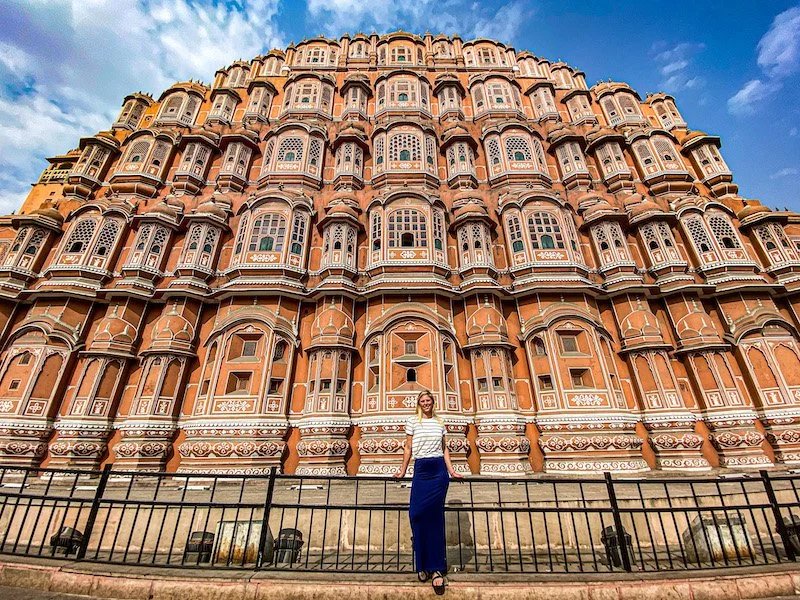
Tra le meraviglie da non perdere spicca il Palazzo dei Venti (Hawa Mahal), una facciata maestosa di finestrelle e balconcini decorati, che purtroppo oggi si affaccia su una strada trafficata e caotica. Imperdibile anche il City Palace, ancora residenza del Maharaja, e il Jantar Mantar, un osservatorio astronomico a cielo aperto, affascinante nella sua stravaganza e precisione.

Poco fuori città, il maestoso Forte di Amber domina le colline con le sue mura imponenti e gli interni riccamente decorati. Molti visitatori scelgono di raggiungerlo a dorso di elefante, ma forse il modo migliore per godersi la salita è a piedi o in jeep, per preservare il benessere degli animali e assaporare con calma la magia del luogo.


Agra: la città dell’eterno amore

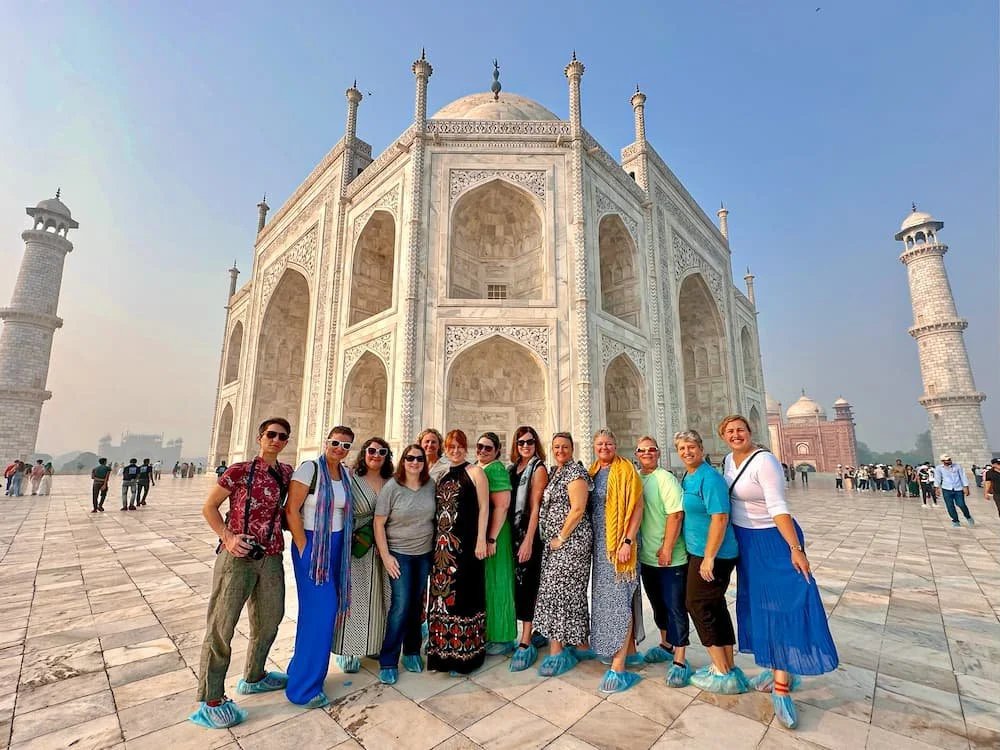
Famosa in tutto il mondo per i suoi capolavori architettonici, Agra è la patria di uno dei monumenti più iconici e amati di sempre: il Taj Mahal. Letteralmente mozzafiato, questa meraviglia in marmo bianco è una delle Sette Meraviglie del Mondo e il più grande tributo all’amore mai realizzato. Costruito dall’imperatore Shah Jahan in memoria della sua amata Mumtaz Mahal, il Taj incanta con la sua armonia perfetta, i raffinati intarsi di pietre preziose e i giochi di luce che lo rendono diverso a ogni ora del giorno.

Ma Agra non è solo il Taj Mahal. Vale assolutamente una visita anche il Forte Rosso (Red Fort), un’imponente cittadella in arenaria rossa che racchiude palazzi, cortili e giardini dal fascino regale. Si raggiunge facilmente con un breve giro in autorisciò dal centro città, ed è il luogo ideale per completare la scoperta della magnificenza moghul che ha reso Agra una leggenda senza tempo.


Varanasi: l’anima eterna dell’India

Ultima tappa, ma forse la più intensa: Varanasi, la città più antica abitata al mondo, è il cuore spirituale dell’India. Più che visitarla, la si vive — tra suoni, colori e rituali che sembrano sospesi nel tempo.
All’alba, una gita in barca sul Gange è un’esperienza indimenticabile: vedrai i pellegrini immergersi nel fiume sacro per purificarsi dai peccati e la città risvegliarsi lentamente nella luce dorata.
Tra i luoghi più sacri ci sono i ghat delle cremazioni, Manikarnika e Harishchandra, dove la vita e la morte si sfiorano in un equilibrio eterno. Da non perdere anche il tempio di Kashi Vishwanath, meta di innumerevoli fedeli.
La sera, al Dasashwamedh Ghat, lasciati incantare dal Ganga Aarti, la cerimonia di fuoco e preghiera dedicata a Madre Ganga: un momento mistico che racchiude tutta la magia e l’anima dell’India.

Questo è un viaggio straordinario nel Nord dell’India, che offre un perfetto connubio di cultura, patrimonio e spiritualità. Se desideri esplorare in profondità il Rajasthan, scopri il nostro Tour Classico del Rajasthan e inviaci una richiesta — penseremo noi a tutti i dettagli per rendere il tuo viaggio indimenticabile e senza pensieri.

Rajasthan Mewar & Marwar Tour Package: Heritage, Culture & Adventure

Rajasthan, India’s largest state by area, is a treasure trove of historical grandeur, vibrant culture, and breathtaking landscapes. Among its many regions, Mewar and Marwar stand out as two distinct cultural zones that offer travelers an unforgettable journey through time. A Mewar and Marwar tour package provides the perfect opportunity to experience the contrasting yet complementary heritage of these royal kingdoms, from the romantic lakes of Udaipur to the golden deserts of Jodhpur.

Understanding the geographical and cultural differences between these regions enriches your travel experience significantly. While Mewar, centered around Udaipur, showcases mountain ranges, serene lakes, and lush greenery, Marwar presents the stark beauty of the Thar Desert with its sand dunes and arid landscapes. Both regions have left indelible marks on Rajasthan’s cultural tapestry through their unique traditions, architectural marvels, and legendary warrior history.

Understanding Mewar and Marwar: Two Kingdoms, One Heart

The distinction between Mewar and Marwar goes beyond geography. Mewar, historically known as Medpat, comprises the southern part of Rajasthan with Udaipur as its crown jewel. This region was ruled by the Sisodia dynasty of Rajputs, who built their legacy on valor and honor. The elevated plateaus, dense forests, and network of lakes create a landscape that feels almost fairy-tale-like, earning Udaipur the moniker Venice of the East.

Marwar, on the other hand, encompasses the western Thar Desert region, with Jodhpur serving as its historic capital. The Rathore dynasty governed these arid lands, establishing one of the most formidable kingdoms in Rajput history. The region’s name derives from Maruwat, meaning land of death, a reference to the harsh desert environment that its people transformed into a thriving cultural center.

The cultural differences between these regions manifest in their dialects, cuisine, and artistic expressions. Mewari, spoken in the Mewar region, differs from Marwari in pronunciation and vocabulary. Food preferences also vary, with Mewar’s cuisine incorporating more greens and lake fish, while Marwar specializes in desert-adapted dishes that can last longer without refrigeration, such as ker sangri and bajre ki roti.

Also Read:- Multi-Day Tours

Mewar Heritage: Exploring the Land of Lakes and Valor

Udaipur: The Jewel of Mewar

romantic soul of Rajasthan. The city was founded in 1559 by Maharana Udai Singh II after the fall of Chittorgarh, and it quickly became the new capital of Mewar. The City Palace complex, stretching along Lake Pichola’s eastern banks, remains one of India’s largest palace complexes. Its intricate peacock mosaics, silver furniture, and balconies overlooking the lake create an atmosphere of royal elegance.

Lake Pichola itself transforms into a canvas of reflection at sunset, with the Lake Palace (now a luxury heritage hotel) appearing to float on its waters. Jag Mandir, another island palace, served as a refuge for Prince Khurram (later Emperor Shah Jahan) during his rebellion against his father, influencing his later architectural masterpiece, the Taj Mahal.

The Monsoon Palace, perched atop the Aravalli hills, offers panoramic views of the city’s lakes and countryside. Built by Maharana Sajjan Singh in 1884, this hilltop retreat was designed to watch monsoon clouds, a precious sight in this semi-arid region.

Kumbhalgarh Fort: The Great Wall of India

Located approximately 85 kilometers from Udaipur, Kumbhalgarh Fort stands as a UNESCO World Heritage Site and represents medieval military architecture at its finest. Maharana Kumbha built this fortress in the 15th century, encircling it with a 36-kilometer-long wall that ranks second only to the Great Wall of China in length.

The fort’s massive walls, wide enough for eight horses to walk abreast, protected over 360 temples within its boundaries. Birthplace of Maharana Pratap, the legendary warrior who never surrendered to Mughal Emperor Akbar, Kumbhalgarh holds immense historical significance. The fort’s light and sound show narrates stories of Rajput bravery that echo through its ancient stones.

Chittorgarh: Symbol of Rajput Sacrifice

Though Chittorgarh witnessed some of history’s most tragic episodes, including three jauhar (mass self-immolation by women to avoid capture), it represents the unconquerable spirit of Mewar. The fort complex houses Vijay Stambh (Tower of Victory), built by Maharana Kumbha to commemorate his victory over Mahmud Khilji, and Kirti Stambh (Tower of Fame), an earlier Jain structure. These towers stand as testaments to different aspects of Mewar’s cultural diversity.

Marwar Heritage: The Blue City and Desert Majesty

Jodhpur: Where Blue Meets Gold

Jodhpur, the second-largest city in Rajasthan, earned its Blue City nickname from the distinctive indigo-painted houses in the old town. Originally adopted by Brahmins to distinguish their homes, the blue color spread across neighborhoods, creating a stunning visual spectacle when viewed from Mehrangarh Fort above.

Mehrangarh Fort dominates Jodhpur’s skyline from its perch 400 feet above the city. Built by Rao Jodha in 1459, this fort’s thick walls have never been breached by enemies. Inside, museums display an extraordinary collection of palanquins, royal cradles, miniature paintings, and weapons that narrate stories of Marwar’s glorious past. The fort’s intricate latticed windows (jharokhas) allowed royal women to observe street life while maintaining purdah.

Umaid Bhawan Palace, one of the world’s largest private residences, represents a different era of Marwar history. Built during the 1920s and 1930s, partly as a famine relief project, this Art Deco masterpiece now functions as a luxury hotel, museum, and royal residence. Its golden-yellow sandstone glows at sunset, creating a magical sight.

Desert Adventures in Marwar

The Thar Desert surrounding Jodhpur offers authentic desert experiences that contrast sharply with Mewar’s lake-focused tourism. Villages like Osian and Khimsar provide opportunities to witness rural Rajasthani life, where traditions remain largely unchanged. Desert safaris on camelback, camping under star-filled skies, and experiencing folk performances around bonfires create memories that last a lifetime.

The Bishnoi villages near Jodhpur deserve special mention for their 500-year-old environmental conservation tradition. The Bishnoi community’s 29 principles include protection of trees and wildlife, making them India’s original environmentalists. Visiting these villages offers insights into sustainable living practices that modern society is rediscovering.

Cultural Experiences: Festivals, Arts, and Traditions

Traditional Arts and Crafts

Both regions excel in distinct art forms. Mewar’s miniature paintings, known as Mewar School or Udaipur School, depict court scenes, hunting expeditions, and religious themes with exquisite detail. These paintings, created using natural pigments and gold leaf, represent one of India’s finest artistic traditions.

Marwar contributed significantly to folk music and dance. The Ghoomar dance, performed by women in swirling ghagras (long skirts), represents Rajasthan globally. The region’s musicians, particularly the Manganiyar and Langa communities, preserve ancient musical traditions through their soulful performances on instruments like the kamaycha and sindhi sarangi.

Handicrafts from both regions reflect their environments and histories. Mewar specializes in pichwai paintings (temple hangings depicting Lord Krishna), silver jewelry, and wooden toys. Marwar excels in blue pottery, leather juttis (traditional footwear), bandhani (tie-dye textiles), and metal crafts.

Culinary Journey Through Two Kingdoms

Mewari cuisine offers dishes like gatte ki sabzi (gram flour dumplings in yogurt curry), safed maas (white mutton curry prepared with nuts and cream), and the famous dal bati churma. The abundance of water bodies introduced fish preparations rarely found in other parts of desert Rajasthan.

Marwari cuisine, adapted to water scarcity and extreme temperatures, features preservation techniques that extended shelf life. Ker sangri (desert beans and berries), laal maas (fiery red meat curry), and various preparations of bajra (pearl millet) showcase the region’s culinary innovation. The Marwari community, known for their business acumen across India, spread their vegetarian cuisine nationwide, influencing modern Indian food culture.

Planning Your Mewar and Marwar Tour Package

Best Time to Visit

The ideal period for exploring both regions extends from October to March when temperatures remain pleasant for sightseeing. Winter months (December-February) bring cool evenings perfect for desert camping and outdoor activities. Monsoon season (July-September) transforms Mewar’s lakes and gardens, though travel can be challenging during heavy rains.

Suggested Itinerary Duration

A comprehensive Mewar and Marwar experience requires 7-10 days minimum. This allows adequate time to explore Udaipur’s palaces and lakes (2-3 days), visit Kumbhalgarh and Ranakpur (1 day), experience Jodhpur’s forts and markets (2-3 days), and enjoy desert adventures (1-2 days). Travel between cities takes approximately 4-6 hours, offering scenic views of the Aravalli Range.

Getting Around

When planning your Rajasthan adventure, choosing reliable tour operators becomes crucial for a seamless experience. Janu Private Tours specializes in customized travel itineraries across Rajasthan, offering private guided tours that cater to individual preferences and budgets. Their comprehensive services include transportation, experienced guides, and flexible scheduling that ensures you experience both regions at your own pace.

Professional tour companies handle logistics like hotel bookings, entrance tickets, and inter-city travel, allowing visitors to focus on experiencing the culture and heritage. Private tours offer advantages over group travel, providing flexibility to spend more time at locations that interest you most and the ability to adjust plans based on weather or personal preferences.

What to Pack

Clothing requirements vary by season. Winter visitors need warm layers for chilly mornings and evenings, especially in desert areas. Comfortable walking shoes are essential for exploring forts and palaces with uneven surfaces and long staircases. Modest clothing respecting local customs (covering shoulders and knees) ensures comfortable temple visits and cultural sensitivity.

Other essentials include sunscreen, sunglasses, a hat for sun protection, a reusable water bottle, and a camera or smartphone for capturing memories. A small backpack helps carry these items during day trips.

Adventure Activities for the Thrill-Seeker

In Mewar

Lake Pichola and Fateh Sagar Lake offer boating experiences that range from peaceful sunset cruises to early morning bird-watching trips. The surrounding Aravalli hills provide opportunities for trekking, with trails varying from easy walks to challenging climbs. Zip-lining has been introduced at several locations near Udaipur, offering aerial views of the landscape.

In Marwar

Desert activities dominate Marwar’s adventure offerings. Camel safaris remain the most authentic way to experience the Thar Desert, with options ranging from short evening rides to multi-day expeditions with overnight camping. Jeep safaris cover larger distances, reaching remote villages and sand dunes inaccessible by camel.

Parasailing and paragliding have become popular near Jodhpur, providing bird’s-eye views of the Blue City and Mehrangarh Fort. Flying fox (zip-lining) across Mehrangarh Fort offers an adrenaline rush combined with spectacular views.

Spiritual and Architectural Wonders

Ranakpur Jain Temple

Located between Udaipur and Jodhpur, the Ranakpur Jain Temple complex represents marble architecture’s pinnacle. Built in the 15th century, the main temple dedicated to Adinatha features 1,444 uniquely carved pillars, none identical to another. The play of light and shadow through the marble creates an almost otherworldly atmosphere.

Brahma Temple, Pushkar

Though technically in Ajmer district (historically connected to Marwar), Pushkar’s Brahma Temple warrants inclusion in any comprehensive Rajasthan tour. As one of very few temples dedicated to Lord Brahma worldwide, it attracts pilgrims and tourists equally. The annual Pushkar Camel Fair transforms the town into a vibrant celebration of Rajasthani culture.

Shopping: Taking Memories Home

Mewar Shopping Experiences

Udaipur’s markets overflow with traditional crafts. Bada Bazaar and Hathi Pol Bazaar offer miniature paintings, wooden toys, and traditional Rajasthani attire. Shilpgram, a crafts village on the city’s outskirts, hosts artisans from across Rajasthan demonstrating their skills and selling directly to visitors.

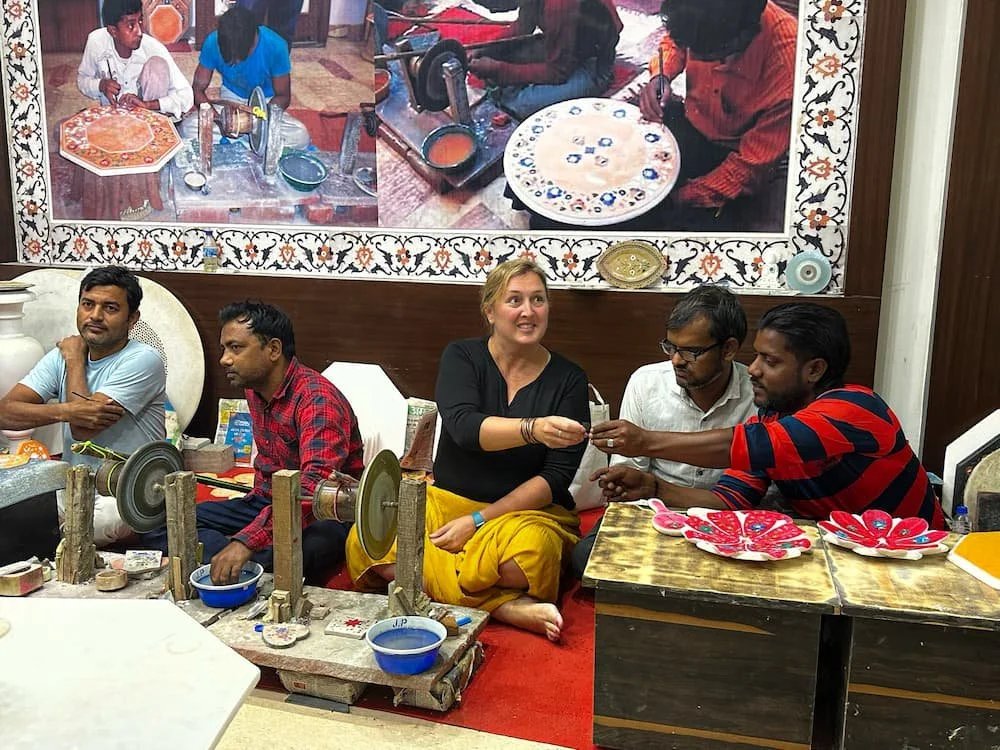
Silver jewelry from Udaipur represents some of Rajasthan’s finest craftsmanship. Local workshops allow visitors to watch craftsmen create intricate designs using techniques passed down through generations.

Marwar Shopping Treasures

Jodhpur’s old city markets, particularly around the Clock Tower, become labyrinths of discovery. Sardar Market specializes in textiles, handicrafts, and spices. The city’s famous bandhani sarees, featuring intricate tie-dye patterns, make excellent souvenirs or gifts.

Mojari (traditional embroidered footwear) from Jodhpur is renowned across India for its quality and design. Watching cobblers craft these shoes by hand provides fascinating insights into traditional craftsmanship. The city’s antique markets also attract collectors searching for vintage items from Marwar’s royal past.

Responsible Tourism: Preserving Heritage for Future Generations

Visiting these historic regions comes with responsibility to preserve their cultural and environmental integrity. Supporting local artisans by purchasing authentic handmade products directly contributes to community welfare. Choosing heritage hotels, many converted from historic havelis (mansions), helps maintain these architectural treasures while providing unique accommodation experiences.

Water conservation awareness is crucial in desert regions. Being mindful of water usage and supporting accommodations with sustainable practices makes tourism more sustainable. Respecting local customs, especially in religious sites and rural villages, ensures positive interactions between visitors and residents.

When booking through responsible tour operators like Janu Private Tours, you contribute to sustainable tourism practices that benefit local communities while preserving cultural heritage. Their focus on authentic experiences over commercialized attractions supports traditional craftspeople and guides whose knowledge brings history alive.

Also Read:- Inside Jal Mahal Jaipur: History, Architecture & Things to Know

Why Choose a Guided Tour?

Self-exploration has its charms, but guided tours offer distinct advantages in regions as culturally rich as Mewar and Marwar. Experienced local guides provide historical context that transforms ancient stones into living stories. They navigate language barriers, recommend authentic restaurants away from tourist traps, and ensure safety while exploring unfamiliar areas.

Private tours through companies like Janu Private Tours offer personalized attention impossible in large groups. They accommodate specific interests, whether you’re passionate about architecture, photography, cuisine, or adventure activities. Flexible itineraries adjust to your energy levels and interests, ensuring each day brings enjoyment rather than exhaustion.

Professional guides also facilitate meaningful interactions with local communities, translating conversations and explaining customs that might otherwise remain mysterious. These interactions often become trip highlights, providing deeper understanding of Rajasthani culture beyond what guidebooks offer.

Conclusion: A Journey Through Timeless India

A Mewar and Marwar tour package delivers more than just sightseeing it offers immersion into living history where ancient traditions coexist with modern life. From Udaipur’s romantic lakes reflecting palace splendor to Jodhpur’s imposing desert fort dominating the blue cityscape, every moment reveals new facets of Rajasthan’s magnificent heritage.

The contrast between these regions enhances appreciation for both. After experiencing Mewar’s water-blessed greenery and refined courtly culture, Marwar’s stark desert beauty and warrior traditions provide fascinating counterpoint. Together, they present a complete portrait of Rajasthani civilization that shaped Indian history through centuries of conflict, creativity, and resilience.

Whether you’re drawn by architectural grandeur, cultural richness, adventure activities, or simply the magic of exploring India’s most romantic state, a well-planned tour through Mewar and Marwar promises memories that last a lifetime. The key lies in choosing the right travel partner who understands these regions intimately and can customize experiences to match your dreams.

Start planning your Rajasthan adventure today, and prepare to discover why travelers worldwide fall in love with the land of kings and legends.

Frequently Asked Questions

Q1: What is the main difference between Mewar and Marwar regions in Rajasthan?

Mewar, centered around Udaipur, features mountain ranges, lakes, and lush greenery, while Marwar, with Jodhpur as its heart, showcases the Thar Desert’s arid beauty. Historically, Mewar was ruled by the Sisodia dynasty and Marwar by the Rathores. Cultural differences include distinct dialects (Mewari vs. Marwari), cuisine, and artistic traditions that reflect their contrasting geographical environments and royal heritage.

Q2: How many days are sufficient for a complete Mewar and Marwar tour?

A comprehensive tour requires 7-10 days minimum. This allows 2-3 days exploring Udaipur’s palaces and lakes, one day for Kumbhalgarh and Ranakpur temples, 2-3 days in Jodhpur visiting forts and markets, and 1-2 days for desert experiences. Additional time enables leisurely exploration of smaller towns, local markets, and cultural performances without rushing through these historically rich destinations.

Q3: What is the best time to visit Mewar and Marwar for tourism?

October to March offers the most comfortable weather for exploring both regions. Winter months (December-February) are ideal for desert camping and outdoor activities, with pleasant days and cool evenings. Monsoon season (July-September) beautifies Mewar’s lakes but can make desert travel challenging. Summer (April-June) brings extreme heat, making sightseeing difficult despite being the off-season with fewer crowds.

Q4: What are the must-visit attractions in a Mewar and Marwar tour package?

Essential Mewar attractions include Udaipur’s City Palace, Lake Pichola, Lake Palace, Jag Mandir, Kumbhalgarh Fort, and Ranakpur Jain Temple. In Marwar, don’t miss Jodhpur’s Mehrangarh Fort, Umaid Bhawan Palace, Jaswant Thada, blue city streets, and Clock Tower Market. Desert experiences like camel safaris and village visits complete the journey through both regions’ contrasting landscapes and heritage.

Q5: Are private tours better than group tours for exploring Rajasthan?

Private tours offer significant advantages including personalized itineraries, flexible scheduling, deeper cultural immersion, and attention to individual preferences. Professional operators customize experiences based on your interests whether architecture, cuisine, adventure, or photography. Private tours allow spontaneous stops, more time at preferred locations, and meaningful interactions with local communities through knowledgeable guides who adapt to your pace and interests throughout the journey.

Top Jaipur Attractions: Must-Visit Places in the Pink City

Jaipur, the enchanting capital of Rajasthan, stands as one of India’s most captivating destinations, drawing travelers from across the globe with its distinctive pink-hued architecture and regal charm. Founded in 1727 by Maharaja Sawai Jai Singh II, this meticulously planned city offers an extraordinary blend of historical grandeur, vibrant culture, and architectural marvels that transport visitors to an era of royal splendor. Whether you’re exploring majestic forts, wandering through bustling bazaars, or admiring UNESCO World Heritage sites, Jaipur promises an unforgettable journey through Rajasthan’s rich heritage.

Why Jaipur is Called the Pink City

Before diving into the must-visit attractions, understanding Jaipur’s unique identity adds depth to your exploration. The city earned its Pink City moniker in 1876 when Maharaja Ram Singh ordered the entire city to be painted terracotta pink to welcome Prince Albert and Queen Victoria. Pink traditionally symbolizes hospitality in Rajput culture, and this vibrant color scheme has been carefully maintained throughout the old city, creating a visually stunning landscape that distinguishes Jaipur from any other destination worldwide.

Amber Fort: The Crown Jewel of Jaipur Tourism

Perched majestically on a hilltop overlooking Maota Lake, Amber Fort represents the pinnacle of Rajput architecture and stands as one of the most popular tourist places in Jaipur. This magnificent fortress, constructed from pale yellow and pink sandstone with white marble embellishments, served as the ancient capital of the Kachwaha dynasty for centuries.

The fort’s architectural brilliance shines through its four distinct courtyards, each revealing unique artistic elements. The Sheesh Mahal, or Mirror Palace, dazzles visitors with thousands of tiny mirrors adorning its walls and ceilings, creating a mesmerizing effect when illuminated. The Diwan-i-Aam (Hall of Public Audience) and Diwan-i-Khas (Hall of Private Audience) showcase intricate marble work and stunning frescoes depicting scenes from Hindu mythology.

Visitors can reach the fort via elephant rides, jeep transfers, or a scenic uphill walk. The evening light and sound show narrates the fort’s fascinating history, making it an ideal way to conclude your visit. When planning your Jaipur sightseeing itinerary, allocate at least three hours to fully appreciate this architectural masterpiece.

Also Read:-Jaipur Ranks 5th Best Travel Destination in 2025

Hawa Mahal: The Iconic Palace of Winds

No visit to Jaipur is complete without photographing the distinctive Hawa Mahal, arguably the city’s most recognizable landmark. Built in 1799 by Maharaja Sawai Pratap Singh, this five-story pyramidal structure features 953 intricately carved windows called jharokhas, designed to allow royal ladies to observe street festivities while maintaining purdah (privacy).

The palace’s unique honeycomb facade, constructed from red and pink sandstone, creates a stunning visual effect, especially during sunrise and golden hour. Despite its grand exterior, the interior consists of narrow corridors and small chambers rather than large halls. The top floors offer panoramic views of the City Palace, Jantar Mantar, and the bustling streets of the old city.

For photography enthusiasts, the best viewpoint is actually from the rooftop cafe across the street, where you can capture the entire facade without obstruction. This Jaipur attraction represents the perfect blend of aesthetic beauty and functional design that characterizes Rajput architecture.

City Palace: Where History Meets Royalty

The City Palace complex occupies the heart of Jaipur and serves as a living testament to the city’s royal heritage. Still partially occupied by the current royal family, this expansive complex combines Rajasthani, Mughal, and European architectural styles, creating a unique visual feast for architecture lovers.

Within the palace grounds, several museums house an impressive collection of royal artifacts, including elaborate costumes, weaponry, manuscripts, and artworks. The Chandra Mahal, with its seven floors, remains the residence of the royal family, while the Mubarak Mahal now functions as a textile museum showcasing royal garments and fabrics.

The palace’s courtyards feature stunning peacock gates (Pritam Niwas Chowk) decorated with four gates representing the four seasons. The Diwan-i-Khas houses two massive silver vessels, recognized by the Guinness Book of World Records as the world’s largest sterling silver objects. These vessels once carried Ganges water for Maharaja Madho Singh II during his voyage to England.

Jantar Mantar: A UNESCO World Heritage Astronomical Wonder

Jantar Mantar stands as a remarkable testament to ancient Indian astronomical knowledge and scientific advancement. Built by the city’s founder, Maharaja Sawai Jai Singh II, between 1727 and 1734, this collection of nineteen architectural astronomical instruments was designed to observe celestial bodies and predict astronomical phenomena with remarkable accuracy.

The Samrat Yantra, the world’s largest stone sundial, achieves accuracy within two seconds and dominates the site with its 27-meter-high gnomon. Each instrument serves specific purposes, from measuring time and predicting eclipses to tracking stars and determining celestial altitudes and azimuths.

This UNESCO World Heritage site represents one of the best-preserved historical observatories in India and demonstrates the sophisticated understanding of astronomy that existed in 18th-century India. When exploring Jaipur tourist places, Jantar Mantar offers educational value alongside architectural beauty, making it particularly fascinating for science enthusiasts and history buffs.

Jaigarh Fort: The Fort of Victory

Often overshadowed by its neighbor, Amber Fort, Jaigarh Fort deserves equal attention from travelers seeking comprehensive Jaipur sightseeing experiences. Built in 1726 by Sawai Jai Singh II to protect Amber Fort and the city, this imposing structure sits atop the Aravalli hills and offers breathtaking panoramic views of the surrounding landscape and Amber Fort below.

The fort’s main attraction is Jaivana, the world’s largest cannon on wheels, never fired in battle yet symbolizing the military might of the Rajput rulers. The fort complex includes palaces, gardens, temples, and a fascinating museum displaying arms, armor, and artifacts from the 18th century.

Unlike other more tourist-heavy locations, Jaigarh Fort maintains a relatively peaceful atmosphere, allowing visitors to explore its ramparts, watchtowers, and underground passages at leisure. The connected walls linking Jaigarh to Amber Fort once served as an escape route during sieges, adding intrigue to the site’s historical significance.

Nahargarh Fort: Sunset Views and Historical Significance

Nahargarh Fort, meaning abode of tigers, forms part of the defensive ring of forts protecting Jaipur and provides arguably the best sunset views in the entire city. Built in 1734 and extended in 1868, the fort stands on the edge of the Aravalli Hills and offers sweeping vistas of the Pink City sprawling below.

The fort’s architecture reflects Rajput sensibilities with its extended walls connecting it to Jaigarh Fort, creating an impressive defensive network. The structure includes several palaces, including Madhavendra Bhawan, built by Sawai Madho Singh for his nine queens, with each queen having identically designed apartments connected by corridors.

The fort’s restaurant and cafe provide perfect spots to relax while enjoying the sunset over Jaipur. When planning your visit with services like Janu Private Tours, consider timing your arrival for late afternoon to experience both the historical exploration and the magical golden hour transformation of the city below.

Jal Mahal: The Floating Palace

Situated in the middle of Man Sagar Lake, Jal Mahal creates one of Jaipur’s most photogenic scenes. This five-story palace, with four floors submerged underwater when the lake is full, appears to float serenely on the water’s surface, especially during the monsoon season.

Built in the 18th century by Maharaja Madho Singh I as a hunting lodge and summer retreat, the palace combines Rajput and Mughal architectural styles. Though currently not open for interior visits, the lake’s promenade offers excellent viewpoints for photography, particularly during sunrise and sunset when the palace reflects beautifully in the calm waters.

The surrounding area has been developed into a pleasant walkway where visitors can enjoy street food, shop for local handicrafts, and watch migratory birds that frequent the lake during winter months. This serene location provides a peaceful respite from the busier attractions in Jaipur.

Albert Hall Museum: Rajasthan’s Oldest Museum

The Albert Hall Museum, also known as the Government Central Museum, houses one of Rajasthan’s finest collections of artifacts. Designed by Sir Samuel Swinton Jacob and built in 1887, the building itself represents Indo-Saracenic architecture at its finest, combining European and Indian design elements.

The museum’s extensive collection spans decorative art, jewelry, carpets, ivory items, stone and metal sculptures, colorful crystal works, and a fascinating Egyptian mummy. The museum particularly excels in displaying traditional Rajasthani arts and crafts, providing visitors with comprehensive insights into the region’s cultural heritage.

Located in the Ram Niwas Garden, the museum’s illuminated facade creates a spectacular sight during evening hours. The building’s architecture alone justifies a visit, with its arches, domes, and intricate details representing 19th-century architectural excellence.

Exploring Jaipur’s Vibrant Markets and Bazaars

Beyond monuments and palaces, Jaipur’s bustling markets offer authentic cultural experiences and shopping opportunities that shouldn’t be missed. The old city’s bazaars each specialize in particular crafts, creating distinct shopping districts worth exploring.

Johari Bazaar specializes in precious and semi-precious gemstones, jewelry, and traditional Kundan and Meenakari work. Bapu Bazaar offers textiles, juttis (traditional footwear), handicrafts, and souvenirs at reasonable prices. Tripolia Bazaar is famous for lac jewelry, bangles, and ironware, while Chandpol Bazaar specializes in marble sculptures, woodwork, and paintings.

Visiting these markets provides opportunities to interact with local artisans, understand traditional crafts, and purchase authentic Rajasthani handicrafts. Bargaining is expected and part of the shopping experience, so don’t hesitate to negotiate prices respectfully.

Best Time to Visit Jaipur and Travel Tips

Planning your trip during the optimal season significantly enhances your Jaipur experience. The city experiences extreme temperatures, with summer months (April to June) reaching up to 45°C, making outdoor exploration uncomfortable. The monsoon season (July to September) brings relief from heat but can occasionally disrupt sightseeing plans.

The best time to visit Jaipur spans from October to March when temperatures remain pleasant, ranging between 10°C and 25 25°C. This period coincides with numerous festivals, including Diwali, Jaipur Literature Festival, and Teej, adding cultural vibrancy to your visit.

For travelers seeking a seamless experience exploring these magnificent Jaipur attractions, professional tour services provide invaluable assistance. Janu Private Tours specializes in customized Jaipur itineraries that accommodate different interests, budgets, and time constraints, ensuring visitors experience the Pink City’s highlights without the stress of independent navigation.

Getting Around Jaipur: Transportation Options

Navigating Jaipur requires understanding the available transportation options. Auto-rickshaws and metered taxis provide convenient point-to-point travel, though negotiating fares beforehand prevents misunderstandings. App-based services like Uber and Ola operate extensively throughout the city, offering transparent pricing and convenient booking.

For comprehensive sightseeing covering multiple attractions efficiently, private car services prove most practical, especially for groups or families. These services allow flexible itineraries and eliminate waiting times between attractions. Janu Private Tours offers professional drivers familiar with all major tourist sites, optimal routes, and timing to avoid crowds, making your exploration both comfortable and efficient.

The old city’s narrow lanes near markets and heritage sites often prove difficult for cars, making walking the best option for immersive experiences in these areas. Electric rickshaws and cycle rickshaws provide eco-friendly alternatives for short distances within the walled city.

Beyond the Pink City: Day Trip Options

While Jaipur itself offers several days’ worth of exploration, nearby attractions provide excellent day trip opportunities. The Chand Baori stepwell in Abhaneri, one of India’s deepest and largest stepwells, lies approximately 95 kilometers from Jaipur and features in numerous films for its geometric beauty.

The Sambhar Salt Lake, Asia’s largest inland saltwater lake, located about 80 kilometers west of Jaipur, offers unique landscapes and excellent birdwatching opportunities, especially during winter when thousands of flamingos migrate here. The ancient town of Sanganer, famous for hand-block printing and handmade paper production, provides insights into traditional Rajasthani crafts.

For wildlife enthusiasts, Ranthambore National Park, though requiring an overnight stay for optimal experience, can be visited as an extended day trip for those eager to spot tigers in their natural habitat.

Experiencing Jaipur’s Culinary Heritage

No exploration of Jaipur remains complete without savoring its distinctive cuisine. Rajasthani food, characterized by limited use of water and dairy products due to desert conditions, offers unique flavors and dishes unavailable elsewhere in India.

Must-try local specialties include Dal Baati Churma (lentils with baked wheat balls and sweetened crushed wheat), Laal Maas (spicy mutton curry), Ghewar (sweet disc-shaped dessert), and Pyaaz Kachori (spicy onion-filled pastry). Street food enthusiasts should explore MI Road and the old city lanes for authentic chaats, samosas, and lassi.

Traditional restaurants like Chokhi Dhani offer immersive cultural experiences combining authentic Rajasthani cuisine with folk performances, puppet shows, and village-style ambiance. These experiences provide comprehensive cultural immersion beyond architectural exploration.

Planning Your Perfect Jaipur Itinerary

Creating an effective itinerary depends on your available time and interests. A minimum two-day visit covers the essential highlights, though three to four days allow deeper exploration without rushed schedules.

A typical two-day itinerary might include Amber Fort and Jaigarh Fort on day one, followed by City Palace, Hawa Mahal, and Jantar Mantar on day two, with market exploration in the evenings. Adding a third day permits visiting Nahargarh Fort for sunset, Albert Hall Museum, and more relaxed market browsing.

For travelers preferring expertly crafted itineraries that maximize time efficiency while ensuring comprehensive coverage of Jaipur tourist places, professional tour operators provide valuable services. With customizable packages accommodating various budgets and preferences, guided tours eliminate planning stress while ensuring you don’t miss hidden gems or optimal visiting times for different attractions.

Also Read A Guide to Photography Tours in Jaipur & Rajasthan

Conclusion: The Timeless Appeal of Jaipur

Jaipur’s enduring appeal lies in its remarkable ability to preserve historical grandeur while embracing modernity. The city’s well-maintained monuments, vibrant markets, welcoming hospitality, and rich cultural traditions create an environment where history feels alive rather than merely preserved.

From the architectural magnificence of Amber Fort to the astronomical precision of Jantar Mantar, from the bustling energy of Bapu Bazaar to the serene beauty of Jal Mahal, every corner of the Pink City tells stories of royal heritage, artistic excellence, and cultural richness. These diverse experiences combine to create lasting memories that draw travelers back repeatedly.

Whether you’re a history enthusiast, architecture lover, photography enthusiast, or cultural explorer, Jaipur’s top attractions offer something special for everyone. The city’s accessibility, well-developed tourism infrastructure, and the availability of professional services ensure that both first-time visitors and returning travelers can create meaningful, enriching experiences in this magnificent Pink City.

Frequently Asked Questions About Jaipur Attractions

Q1: How many days do I need to explore the main attractions in Jaipur?

Ideally, allocate three to four days to comfortably explore Jaipur’s main attractions without feeling rushed. A two-day visit covers essential highlights like Amber Fort, City Palace, Hawa Mahal, and Jantar Mantar, but additional days allow deeper exploration of markets, museums, and nearby attractions. Consider your interests and travel pace when planning your itinerary for the Pink City.

Q2: What is the best way to visit Amber Fort from Jaipur city center?

Amber Fort is located approximately 11 kilometers from Jaipur city center, accessible via taxi, auto-rickshaw, or private car services. The journey takes 30-40 minutes, depending on traffic. From the parking area, visitors can choose between elephant rides, jeep transfers, or walking uphill to the main entrance. Booking transportation in advance ensures convenient, hassle-free travel to this magnificent attraction.

Q3: Are the forts and palaces in Jaipur wheelchair accessible?

Accessibility varies across Jaipur’s historical sites. City Palace and Jantar Mantar offer relatively good wheelchair access with ramps and smooth pathways in most sections. However, hilltop forts like Amber, Nahargarh, and Jaigarh have steep inclines, uneven surfaces, and numerous stairs, making wheelchair access challenging. Check specific accessibility details before visiting, and consider hiring assistance if needed for difficult terrain.

Q4: What are the entry fees and timings for major Jaipur attractions?

Entry fees for most attractions range from INR 50-550 for Indians and INR 200-1000 for foreign tourists, with composite tickets offering better value for multiple sites. Most monuments open between 9:00-9:30 AM and close at 4:30-5:30 PM. Timings may vary during festivals and summer months. Purchasing tickets online when available helps avoid queues, especially during peak tourist season from October to March.

Q5: Is hiring a local guide necessary for visiting Jaipur attractions?

While not mandatory, hiring knowledgeable guides significantly enriches your experience by providing historical context, architectural insights, and fascinating stories behind monuments that aren’t evident otherwise. Many attractions offer official guides at reasonable rates. Alternatively, comprehensive private tour services provide experienced guides, transportation, and customized itineraries, ensuring you gain maximum understanding and appreciation of Jaipur’s incredible heritage while exploring efficiently.

Inside Jal Mahal Jaipur: History, Architecture & Things to Know

Imagine a palace emerging from the tranquil waters of a lake, its reflection creating a mirror image against the azure sky. This is Jal Mahal, one of Rajasthan’s most photographed and enigmatic architectural wonders. Standing majestically in the middle of Man Sagar Lake, this water palace has captivated travelers and history enthusiasts for centuries. Whether you’re planning a visit with Janu Private Tours or researching Jaipur’s heritage sites, understanding what makes Jal Mahal special will enhance your appreciation of this floating marvel.

The Historical Legacy of Jal Mahal: A Royal Summer Retreat

The story of Jal Mahal begins in the late 17th century, around 1699, when its foundation was first laid. However, the palace as we know it today owes much to the vision of Maharaja Jai Singh II of Amber, the founder of Jaipur city. In the early 18th century, specifically around 1750, this ambitious ruler undertook extensive renovations that transformed the structure into an architectural masterpiece.

Maharaja Jai Singh II was not just a ruler but an astronomer, scholar, and patron of the arts. His architectural legacy extends beyond Jal Mahal to include the famous Jantar Mantar observatory and the planned city of Jaipur itself. The water palace served as a luxurious hunting lodge and summer retreat for the royal family, offering respite from Rajasthan’s scorching heat.

Later, Maharaja Madho Singh II, during the 18th century, enhanced the palace’s interior by adding courtyard grounds that remain integral to its design. The palace witnessed royal gatherings, cultural performances, and celebrations, serving as a testament to the grandeur of Rajasthan’s princely states.

The Man Sagar Lake itself was created by constructing a dam across the natural flow of water from the surrounding Aravalli hills. This engineering feat not only provided water storage for the arid region but also created the perfect setting for this architectural jewel.

Jal Mahal Architecture: A Fusion of Rajput and Mughal Design

The architectural brilliance of Jal Mahal lies in its unique five-story structure that creates an optical illusion. When you view the palace from the banks of Man Sagar Lake, you see only the top floor, as the remaining four stories remain submerged beneath the water when the lake is full. This creates the mesmerizing effect of a palace floating on water, earning it the nickname Water Palace.

Red Sandstone Elegance and Symmetrical Design

Built primarily from red sandstone, Jal Mahal exemplifies the classic Rajput architectural style with significant Mughal influences. The symmetrical layout reflects the geometric precision that characterized 18th-century Indian palace construction. The warm pink-red hue of the sandstone creates a striking contrast against the blue waters of the lake, especially during sunrise and sunset when the light transforms the facade into varying shades of amber and crimson.

Distinctive Architectural Features

The palace’s roofline is adorned with four octagonal chhatris (domed pavilions) positioned at each corner of the monument. These ornate cupolas serve both aesthetic and functional purposes, providing ventilation while adding to the palace’s regal appearance. The chhatris feature intricate carvings and architectural finesse typical of the Rajput era.

On the terrace floor, four Tibaris (kiosks) face the cardinal directions—north, south, east, and west. These Tibaris are designed in the Bengal roof style architecture, showcasing the cultural exchange and artistic diversity that characterized Indian architecture during this period.

The Rooftop Garden and Interior Spaces

The palace once featured a magnificent terrace garden known as Chameli Bagh, offering panoramic views of the lake and the distant Aravalli hills. Though the original garden couldn’t be salvaged during restoration efforts, plans have been made to create a new terrace garden modeled after the famous rooftop garden at Amer Palace.

Inside, the palace boasts hand-painted artwork, grand corridors, elaborate arches, and spacious halls that once hosted royal festivities. The interior spaces reflect the opulent lifestyle of Rajasthan’s maharajas, though these areas are not currently accessible to the general public. The immaculate staircases and detailed craftsmanship demonstrate the skill of local artisans who created every element of this floating palace.

Also Read:-15 Offbeat travel destinations in India

The Lake That Frames a Palace: Man Sagar Lake

Man Sagar Lake is as much a part of Jal Mahal’s story as the palace itself. The lake has a maximum depth of approximately 15 feet, with shallower areas reaching only 4.9 feet. This relatively shallow depth was deliberately engineered to create the perfect water level for the palace’s visual effect.

The lake serves multiple purposes beyond aesthetics. It provided water storage for Jaipur city and the surrounding agricultural lands, demonstrating the practical water management systems employed by ancient rulers. The hills surrounding the lake create a natural catchment area, ensuring seasonal filling during monsoons.

Today, Man Sagar Lake has become a haven for birdwatchers. The restored ecosystem attracts numerous migratory birds, including pintails, kestrels, flamingos, pochards, and the Great Crested Grebe. The symbiotic relationship between the palace and its natural surroundings creates a unique ecological zone within the urban landscape of Jaipur.

Restoration and Revival: Bringing Jal Mahal Back to Life

For decades, Jal Mahal suffered from neglect, subsidence, and water damage. The constant exposure to water caused plaster deterioration and structural problems similar to rising damp. The palace appeared to be slowly succumbing to the very element that made it beautiful.

In the early 2000s, the Government of Rajasthan initiated an ambitious restoration project to preserve this heritage monument. The restoration work was spearheaded by Mitchell Crites, who heads Saray Design and specializes in Indian-Islamic art and architecture restoration. The project involved:

  • Structural stabilization to prevent further subsidence

  • Repair of water damage and seepage issues

  • Restoration of decorative elements and architectural features

  • Enhancement of the surrounding lake ecosystem

  • Installation of illumination systems that light up the palace at night

The restoration transformed Jal Mahal from a neglected monument into a magnificent jewel, though the project faced political challenges and debates about conservation approaches. The illuminated palace creates a spectacular sight after sunset, with its reflection dancing on the water’s surface.

Visiting Jal Mahal: What Travelers Need to Know

While Jal Mahal remains one of Jaipur’s most iconic landmarks, accessing the palace requires understanding current regulations and practical considerations.

Viewing Points and Photography

The palace can be viewed beautifully from the eastern banks of Man Sagar Lake, where a well-maintained promenade offers unobstructed views. This vantage point provides excellent opportunities for photography, particularly during golden hour when the soft light enhances the palace’s colors. Many travelers book customized tours through Janu Private Tours to visit Jal Mahal along with other Jaipur attractions like Amer Fort, City Palace, and Hawa Mahal.

Access Restrictions

Currently, entry inside Jal Mahal is not permitted for general tourists. The palace interior remains closed to preserve the restored structure and manage visitor impact. However, special permissions may occasionally be granted for cultural events, exhibitions, or official purposes. Despite these restrictions, viewing the palace from the lakeside provides a comprehensive appreciation of its architectural beauty.

Best Time to Visit

The ideal time to visit Jal Mahal is between October and March, when Jaipur’s weather is pleasant. Early morning visits offer serene views with fewer crowds, while sunset visits provide dramatic lighting conditions perfect for photography. Monsoon months (July to September) transform the landscape, filling the lake and creating lush green surroundings.

Nearby Attractions

Jal Mahal’s location makes it convenient to combine with other Jaipur sightseeing destinations. The palace sits on the Jaipur-Delhi highway, making it easily accessible. Nearby attractions include Amer Fort (approximately 10 kilometers), Nahargarh Fort with panoramic city views, and the Albert Hall Museum showcasing Rajasthani art and culture.

The Cultural Significance of Jal Mahal in Modern Jaipur

Beyond its architectural merit, Jal Mahal has become a symbol of Jaipur’s identity. The palace appears in countless promotional materials, paintings, and photographs representing Rajasthan tourism. It embodies the romantic vision of royal India—a place where aesthetics, engineering, and natural beauty converge.

The palace also represents successful heritage conservation efforts in India. Its restoration demonstrates how historical monuments can be preserved while adapting to modern urban environments. The ecological restoration of Man Sagar Lake serves as a model for sustainable heritage tourism, showing how built heritage and natural ecosystems can coexist beneficially.

For visitors exploring Rajasthan with Janu Private Tours, Jal Mahal offers insights into water management techniques, architectural innovation, and royal leisure culture. It stands as a testament to the foresight of rulers who created not just palaces but integrated living spaces that harmonized with their environment.

Planning Your Jal Mahal Experience

When planning your visit to this water palace, consider these practical tips:

  1. Transportation: Jal Mahal is easily accessible from Jaipur city center by car, taxi, or auto-rickshaw. The drive takes approximately 20-30 minutes, depending on traffic. Private tour operators offer comprehensive Jaipur sightseeing packages that include Jal Mahal along with other major attractions.

  2. Duration: Plan to spend 30-60 minutes at the site for viewing and photography. The lakeside promenade offers various angles for capturing the palace’s beauty.

  3. Photography: The site is excellent for photography at any time of day, but sunrise and sunset provide the most dramatic lighting. Consider bringing a zoom lens to capture architectural details from the viewing areas.

  4. Refreshments: Small vendors near the viewing area offer snacks and beverages. However, for a comfortable experience, plan your meals at nearby restaurants or include dining in your tour itinerary.

  5. Guided Tours: While you can visit independently, experienced guides provide valuable historical context and point out architectural features you might otherwise miss. Many travelers prefer booking comprehensive tours that offer insights into Jaipur’s architectural heritage.

Conclusion: A Timeless Wonder in the Pink City

Jal Mahal stands as proof that great architecture transcends time. From its origins as a royal hunting lodge to its current status as one of India’s most photographed monuments, this water palace continues to inspire wonder. The ingenious five-story design, the harmonious blend of Rajput and Mughal architectural elements, and its symbiotic relationship with Man Sagar Lake make it a must-visit destination for anyone exploring Jaipur.

Whether you’re a history enthusiast, an architecture lover, or simply a traveler seeking beauty, Jal Mahal delivers an unforgettable experience. Its story encompasses vision, craftsmanship, decay, and revival—a complete narrative of India’s architectural heritage. As you stand on the banks of Man Sagar Lake, watching the palace reflect on the water’s surface, you’re not just seeing a building; you’re witnessing centuries of history, artistry, and human ambition captured in stone and water.

For those planning to explore this magnificent monument and other treasures of Rajasthan, professional tour services ensure you experience these sites with proper context and convenience, making your journey through India’s royal heritage both enriching and memorable.

Also Read:-Adventure Travel Route: From Jaipur to Leh via Himachal

Frequently Asked Questions About Jal Mahal

Q1: Can tourists enter inside Jal Mahal Palace?

Currently, entry inside Jal Mahal is not permitted for general tourists. The palace interior remains closed to preserve the restored monument and manage conservation efforts. However, visitors can view and photograph the magnificent structure from the well-maintained promenade on the eastern banks of Man Sagar Lake, which provides excellent vantage points for appreciating its architectural beauty.

Q2: Why was Jal Mahal built in the middle of a lake?

Jal Mahal was built in Man Sagar Lake to serve as a luxurious summer retreat and hunting lodge for Jaipur’s royal family. The water surrounding the palace provided natural cooling in Rajasthan’s hot climate, while creating a serene and picturesque setting for royal leisure activities. The unique location also showcased the engineering prowess and aesthetic vision of Maharaja Jai Singh II, making it an architectural wonder.

Q3: How many floors does Jal Mahal have, and why is only one visible?

Jal Mahal is a five-story palace, but only the top floor is visible above water when Man Sagar Lake is full. The remaining four floors remain submerged beneath the lake’s surface, creating the stunning optical illusion of a floating palace. This unique design was intentional, demonstrating innovative architectural planning where the structure functions at different water levels while maintaining its aesthetic appeal and structural integrity.

Q4: What is the best time to visit Jal Mahal for photography?

The best time to visit Jal Mahal for photography is during early morning hours (sunrise) or late afternoon (sunset) when the soft, golden light enhances the red sandstone’s natural hues. October through March offers pleasant weather conditions with clear skies. Monsoon season (July-September) presents a different beauty with the lake at full capacity and lush surroundings, though the weather can be unpredictable.

Q5: How far is Jal Mahal from other major Jaipur attractions?

Jal Mahal is conveniently located on the Jaipur-Delhi highway, approximately 10 kilometers from Amer Fort and about 8 kilometers from Jaipur city center. The palace can easily be combined with visits to Nahargarh Fort, Jaigarh Fort, and City Palace in a single-day itinerary. Most travelers include Jal Mahal as part of comprehensive Jaipur sightseeing tours that cover multiple heritage sites efficiently.

Car Rental in Ajmer Rajasthan: Convenient Travel Options for Tourists

Nestled in the heart of Rajasthan and surrounded by the majestic Aravalli Hills, Ajmer stands as one of India’s most spiritually significant cities. This historic destination attracts millions of visitors annually, drawn by its religious landmarks, cultural heritage, and strategic location. For travelers seeking to explore this enchanting city and beyond, understanding car rental options becomes essential for a seamless journey.

Why Choose Car Rental Services in Ajmer

Ajmer serves as a perfect base for exploring central Rajasthan, with its proximity to Pushkar, Jaipur, and other tourist destinations. The city’s compact layout and surrounding attractions make private transportation the most practical choice for visitors who value flexibility and comfort during their travels.

Opting for car rental in Ajmer offers numerous advantages over public transportation. Travelers can create personalized itineraries, visit multiple destinations in a single day, and travel at their own pace without adhering to rigid bus or train schedules. This freedom becomes particularly valuable when visiting spiritual sites during specific times or capturing sunrise and sunset views at scenic locations.

The convenience factor cannot be overstated. With a rented vehicle and professional driver, tourists avoid the hassle of navigating unfamiliar roads, negotiating with local auto-rickshaw drivers, or waiting for public transport in Rajasthan’s intense heat. This comfort level transforms the travel experience from stressful to enjoyable.

Understanding Ajmer’s Tourist Landscape

Ajmer, surrounded by Aravalli Hills, has established itself as a famous tourist destination with must-visit places including Ajmer Sharif Dargah and Taragarh Fort. The city welcomes people of all faiths and religions, creating a unique atmosphere of spiritual harmony.

The Ajmer Sharif Dargah remains the city’s crown jewel, attracting pilgrims from across the globe who come to pay respects at this revered Sufi shrine. Beyond its religious significance, Ajmer boasts historical monuments like Adhai Din Ka Jhonpra, serene water bodies such as Ana Sagar Lake, and architectural marvels that reflect the region’s rich Mughal and Rajput heritage.

For visitors exploring these diverse attractions, having reliable transportation becomes crucial. The distance between major sites, combined with Rajasthan’s climate, makes walking impractical for comprehensive sightseeing. Quality car hire services bridge this gap effectively.

Also Read:-Why Foreigners Love Rajasthan: Real Stories from International Guests

Types of Car Rental Options Available

Self-Drive Car Rentals

Self-drive options appeal to experienced travelers familiar with Indian road conditions and comfortable navigating independently. This choice offers maximum autonomy but requires a valid driving license, familiarity with local traffic rules, and confidence in handling diverse road situations.

However, most international and domestic tourists prefer alternatives that eliminate the stress of driving in unfamiliar territory, especially given the unique driving culture and road conditions in Rajasthan.

Chauffeur-Driven Car Services

Chauffeur-driven car rental represents the most popular choice among tourists visiting Ajmer. This service combines the comfort of private transportation with the expertise of local drivers who know the area intimately. Professional drivers navigate efficiently, suggest optimal routes, and often provide valuable insights about local culture and hidden gems.

Travelers booking through reputable services like Janu Private Tours gain access to experienced chauffeurs who speak English and understand tourist needs. These professionals ensure safe, comfortable journeys while allowing guests to focus entirely on experiencing Rajasthan’s wonders.

Vehicle Categories for Different Needs

Car rental services typically offer various vehicle categories to match different group sizes and budget considerations. Sedan cars suit couples or small families seeking economical options with adequate comfort. SUVs and luxury vehicles cater to larger groups or travelers prioritizing premium experiences. Tempo travelers and mini-buses accommodate bigger tourist groups or family reunions.

Choosing the appropriate vehicle depends on factors including passenger count, luggage requirements, planned destinations, and budget allocation. Most professional tour operators help guests select the ideal vehicle type for their specific itinerary.

Key Destinations Accessible from Ajmer

Pushkar: The Sacred Twin City

Located just fourteen kilometers from Ajmer, Pushkar ranks among India’s most sacred cities. The holy Pushkar Lake, surrounded by ghats and temples, draws pilgrims and tourists alike. The famous Brahma Temple and the vibrant Pushkar Camel Fair make this destination unmissable. Having a private vehicle makes the Ajmer-Pushkar circuit effortless, allowing visitors to explore both cities comfortably.

Day Trips to Jaipur

Rajasthan’s capital city, Jaipur, lies approximately 135 kilometers from Ajmer, making it perfect for day trips via hired car. The Pink City’s magnificent forts, palaces, and bazaars offer endless exploration opportunities. With car rental services, tourists can visit the Amber Fort, City Palace, Hawa Mahal, and other landmarks without rushing.

Exploring Hidden Gems

Beyond major tourist circuits, Ajmer’s surroundings hide numerous lesser-known attractions worth discovering. Villages showcasing traditional Rajasthani life, ancient temples, wildlife sanctuaries, and scenic viewpoints become accessible with private transportation. These off-the-beaten-path experiences often create the most memorable travel moments.

Planning Your Ajmer Car Rental Experience

Booking Process and Timing

Booking ensures vehicle availability and often secures better rates, especially during peak tourist seasons or festival periods. Most professional operators, including Janu Private Tours, offer straightforward online booking systems where travelers can compare vehicle options, review pricing structures, and confirm reservations instantly.

Early booking proves particularly important during major events like the Pushkar Camel Fair or the Urs festival at Ajmer Sharif Dargah, when accommodation and transportation demand peak significantly.

Pricing Structures and Transparency

Understanding pricing models helps travelers budget accurately and avoid unexpected expenses. Reputable car rental services offer transparent all-inclusive rates covering fuel, driver allowances, parking fees, and applicable taxes. Some operators calculate charges based on daily kilometer limits, while others provide unlimited mileage packages.

Always clarify what the quoted price includes before confirming bookings. Hidden charges for toll taxes, additional hours, or extra kilometers can significantly inflate the final bill with less scrupulous operators.

Duration and Flexibility

Car rental services accommodate various duration needs, from half-day city tours to multi-week Rajasthan circuits. Most operators offer flexible packages that can be customized based on individual itineraries. This adaptability allows travelers to extend or modify their plans as they discover new interests during their journey.

Short-term rentals suit travelers with fixed schedules, while longer bookings often come with attractive discounts and greater flexibility for spontaneous exploration.

Essential Considerations for Car Hire

Safety and Reliability Standards

Prioritizing safety ensures worry-free travel experiences. Look for operators maintaining well-serviced vehicles, employing verified drivers with clean records, and providing comprehensive insurance coverage. Vehicle condition directly impacts journey comfort and safety, particularly on long-distance routes.

Established operators invest in regular maintenance, ensuring their fleet meets safety standards. They also conduct background checks on drivers and provide them with ongoing training about customer service and safe driving practices.

Local Knowledge and Communication

Drivers who understand the local landscape add immense value beyond transportation. They recommend authentic restaurants, suggest optimal visiting times for popular attractions, and help navigate language barriers when interacting with local vendors or communities.

When booking with services like Janu Private Tours, travelers benefit from drivers who combine local expertise with an understanding of tourist preferences, creating smoother, more enriching experiences.

Customization and Special Requirements

Different travelers have unique needs requiring personalized solutions. Families with young children might need child safety seats. Photographers may require early morning departures for golden hour shots. Some visitors prefer slower-paced journeys with frequent stops, while others maximize time efficiency.

Professional car rental services accommodate these varied requirements, customizing itineraries and services to match individual preferences. Clear communication about special needs during booking ensures appropriate arrangements.

Combining Car Rental with Complete Tour Packages

While standalone car rental provides transportation flexibility, comprehensive tour packages offer additional convenience by bundling accommodation, guides, and activities. Companies specializing in Rajasthan tourism, such as Janu Private Tours, create curated experiences that eliminate planning stress while maintaining personalization.

These packages typically include expertly designed itineraries balancing major attractions with unique experiences, pre-booked accommodations matching budget specifications, knowledgeable guides providing historical and cultural context, and all transportation arranged seamlessly. This approach suits first-time visitors to Rajasthan or travelers preferring hassle-free experiences.

The integration of reliable car rental within broader tour packages ensures consistency in service quality throughout the journey. Travelers enjoy the flexibility of private transportation combined with the expertise of professional trip planning.

Sustainable and Responsible Travel Practices

Responsible tourism becomes increasingly important as Rajasthan’s popularity grows. When hiring cars for travel, consider operators committed to sustainable practices. This includes maintaining fuel-efficient vehicles, training drivers in eco-friendly practices, and supporting local communities through employment and partnerships.

Travelers can contribute by respecting local customs, minimizing plastic waste, supporting authentic local businesses, and following guidelines at religious and heritage sites. These practices preserve Rajasthan’s cultural and natural treasures for future generations.

Making the Most of Your Ajmer Journey

Maximizing your Ajmer experience involves more than just securing transportation. Research destinations beforehand to prioritize interests, remain flexible to embrace unexpected discoveries, engage respectfully with local cultures and traditions, and balance structured sightseeing with spontaneous exploration.

The spiritual atmosphere of Ajmer encourages mindful travel, where quality experiences matter more than quantity. With reliable car rental services handling logistics, visitors can immerse themselves fully in the city’s unique character.

Photography enthusiasts find endless opportunities throughout Ajmer and the surrounding areas. From sunrise at Ana Sagar Lake to evening prayers at the Dargah, each moment offers captivating visual stories. Having a private vehicle ensures photographers can position themselves perfectly without worrying about transportation timing.

Beyond Transportation: Cultural Immersion

The relationship between travelers and their drivers often evolves into a cultural exchange. Local drivers share stories about Rajasthani traditions, explain religious practices, recommend family-run restaurants serving authentic cuisine, and sometimes facilitate interactions with local artisans and communities.

These connections transform transportation into meaningful cultural immersion, enriching the travel experience far beyond simple point-to-point movement. This human element distinguishes quality car rental services from mere vehicle provision.

Also Read:-Motorcycle Tour in Rajasthan: A Complete Travel Route Guide

Conclusion

Car rental in Ajmer, Rajasthan, represents more than convenient transportation; it unlocks the region’s full potential for exploration and discovery. Whether visiting the sacred Dargah Sharif, exploring the colorful markets of Pushkar, or venturing to Jaipur’s grand palaces, having reliable private transportation transforms good trips into extraordinary journeys.

The key lies in selecting professional operators who understand tourism dynamics and prioritize customer satisfaction. Services combining quality vehicles, experienced drivers, transparent pricing, and flexibility create the foundation for memorable Rajasthan experiences.

As you plan your Ajmer adventure, consider how car rental options align with your travel style, group composition, and exploration goals. With proper planning and the right transportation partner, Rajasthan’s wonders await your discovery at every turn of the road.

Frequently Asked Questions

Q.What is the average cost of a car rental in Ajmer for a day?

Car rental costs in Ajmer vary based on vehicle type, duration, and inclusions. Sedan services typically start around ₹2,500-3,500 per day, while SUVs range from ₹4,000-6,000 daily. These rates generally include driver charges, fuel, and basic tolls for specific kilometer limits, usually 250-300 km per day, with additional charges beyond that.

Q.Do I need an international driving permit for self-drive car rental in Ajmer?

Yes, international tourists planning self-drive rentals in India must possess both a valid driving license from their home country and an International Driving Permit. Additionally, most rental agencies require significant security deposits for self-drive options. However, chauffeur-driven services eliminate these requirements, making them the preferred choice for most foreign visitors.

Q.Can I hire a car in Ajmer for visiting only Pushkar?

Absolutely, car hire for short Ajmer-Pushkar trips is very common and economical. The fourteen-kilometer distance takes approximately 30 minutes by car. Most operators offer half-day packages perfect for Pushkar visits, allowing comfortable exploration of both cities within a single day without rushing. This flexibility lets travelers experience Pushkar’s spiritual atmosphere thoroughly.

Q.Are car rental services in Ajmer available for multi-city Rajasthan tours?

Yes, most professional car rental services offer extensive multi-city packages covering popular Rajasthan circuits. These itineraries typically include Ajmer, Pushkar, Jaipur, Udaipur, Jodhpur, and Jaisalmer, among others. Extended rentals often provide better per-day rates, and experienced drivers familiar with these routes ensure smooth inter-city travel with optimal stops along the way.

Q.What safety measures should I check before booking a car rental in Ajmer?

Verify that the rental service provides well-maintained vehicles with valid insurance coverage and pollution certificates. Confirm driver credentials, including license validity and background verification. Read customer reviews focusing on reliability and safety experiences. Reputable operators readily share vehicle and driver information transparently, demonstrating their commitment to passenger safety and service quality standards.

Packing for India: Fashion, Comfort, and Cultural Etiquette

Preparing for a journey to India requires more than just booking flights and accommodations. Understanding what to pack for India involves balancing personal style with cultural sensitivity, climate considerations, and practical comfort. Whether you’re planning to explore the majestic forts of Rajasthan with Janu Private Tours or venture into the spiritual heart of Varanasi, your packing choices can significantly impact your travel experience.

India’s diverse landscape spans from the snow-capped Himalayas to sun-soaked beaches, bustling metropolitan cities to serene rural villages. This cultural and geographical diversity means that smart packing becomes essential for any traveler seeking an authentic and comfortable Indian adventure.

Understanding India’s Climate and Regional Variations

Before filling your suitcase, consider India’s vast climate diversity. The country experiences several distinct seasons, and temperatures can vary dramatically depending on your destination and travel dates.

Northern regions like Rajasthan experience scorching summers where temperatures exceed 40°C (104°F), while hill stations such as Shimla and Darjeeling offer cooler respites. Coastal areas like Goa and Kerala maintain warm, humid conditions year-round, while monsoon season brings heavy rainfall to most parts of the country between June and September.

When planning your India packing list, research your specific destinations. If you’re booking customized tours through Janu Private Tours, their local expertise can provide valuable insights into seasonal weather patterns for your chosen itinerary. Winter months (November through February) bring pleasant temperatures to most regions but require warm layers for northern destinations and evenings.

Essential Clothing for Women Traveling to India

Women’s clothing choices in India should prioritize modesty while maintaining personal comfort and style. This doesn’t mean sacrificing fashion, it means adapting your wardrobe to respect local customs while staying comfortable.

Modest Dress Essentials

Loose-fitting clothing forms the foundation of appropriate attire in India. Long, flowing maxi skirts or dresses that reach at least calf-length work beautifully for both temple visits and casual exploration. Pair these with lightweight, breathable cotton or linen tops that cover your shoulders and chest area. Palazzo pants, wide-leg trousers, and loose-fitting capris offer comfortable alternatives that align with cultural expectations.

Kurtas traditional Indian tunics make excellent additions to your travel wardrobe. These versatile pieces can be purchased affordably in local markets and provide authentic style while meeting modesty requirements. When paired with leggings or loose pants, kurtas create comfortable outfits suitable for various occasions.

A collection of long scarves or shawls serves multiple purposes throughout your journey. These accessories can cover shoulders when entering religious sites, protect against unexpected temperature drops, provide modesty when needed, and add vibrant pops of color to your outfits. Choose lightweight fabrics that won’t add bulk to your luggage but offer adequate coverage.

Men’s Packing Essentials for India

Male travelers face fewer clothing restrictions but should still pack thoughtfully. Lightweight, loose-fitting pants prove more comfortable than jeans in India’s heat. Cotton or quick-dry materials work best, allowing breathability while maintaining a neat appearance.

Collared shirts and polo shirts strike the right balance between casual comfort and respectful presentation. Pack several t-shirts for relaxed days, but ensure they’re not overly fitted or sleeveless when visiting religious sites. Long-sleeve shirts made from breathable fabrics offer sun protection and meet temple dress codes without causing discomfort.

Comfortable walking shoes form the cornerstone of practical travel footwear. However, slip-on sandals or shoes become invaluable since you’ll frequently remove footwear when entering temples, homes, and certain restaurants. Consider packing both sturdy walking shoes for sightseeing and easily removable sandals for daily use.

Also Read:- Jaipur Shopping Tour with Pickup

Footwear Selection for Indian Travel

Choosing appropriate footwear for India requires balancing comfort, practicality, and cultural awareness. You’ll walk extensively on uneven surfaces, navigate crowded markets, and constantly remove shoes at religious sites.

Comfortable walking shoes with good arch support prove essential for long days exploring cities and historical monuments. However, avoid expensive designer footwear streets can be dusty, and shoes take considerable wear during Indian travels. Break in all footwear before your trip to prevent blisters during important sightseeing days.

Slip-on sandals or shoes become your best friends in India. Entering temples, gurudwaras, mosques, and many homes requires removing footwear, sometimes multiple times daily. Sandals that easily slip on and off save time and frustration. Ensure any sandals you bring have enclosed toes and backs for temple visits, as some religious sites have specific footwear requirements.

Pack a pair of flip-flops specifically for hotel rooms and bathrooms. While not suitable for extensive walking or temple visits, these lightweight shoes provide comfort during downtime and take minimal luggage space.

Cultural Dress Code for Religious Sites

Understanding temple etiquette and dress codes prevents uncomfortable situations during your spiritual explorations. Religious sites across India maintain specific guidelines that visitors must respect, regardless of their own faith backgrounds.

Most Hindu temples require both men and women to cover shoulders and knees. Women should wear long skirts, dresses, or pants, never shorts. Men should avoid shorts and wear collared shirts when possible. Some temples, particularly in South India, enforce stricter dress codes where men must wear traditional dhotis.

Sikh gurudwaras, including the magnificent Golden Temple in Amritsar, require all visitors to cover their heads. Bring lightweight scarves or bandanas specifically for this purpose. Many gurudwaras provide head coverings at the entrance, but having your own ensures availability and comfort.

When visiting mosques, women must cover their heads, arms, and legs completely. Some mosques provide abayas or robes for female visitors, but carrying your own long scarf ensures you’re always prepared. Men should wear long pants and shirts that cover their arms.

Remove shoes before entering any religious site. Most temples provide shoe storage areas, but consider bringing socks to wear inside if you’re uncomfortable walking barefoot.

Fabric Selection and Weather-Appropriate Clothing

India’s climate demands strategic fabric choices. Natural, breathable materials like cotton and linen become invaluable allies against heat and humidity. These fabrics allow air circulation, wick moisture, and dry quickly essential qualities for Indian weather conditions.

Avoid synthetic materials that trap heat and moisture. While polyester blends might resist wrinkles, they’ll leave you uncomfortable in India’s warm climate. Instead, embrace the casual, slightly wrinkled aesthetic that cotton naturally provides and it’s far more comfortable.

For cooler regions or winter travel, pack layers rather than bulky jackets. A lightweight fleece, cardigan, or pashmina shawl provides warmth without consuming excessive luggage space. These layers work well for air-conditioned spaces, which can be surprisingly cold compared to outdoor temperatures.

Quick-dry fabrics offer practical benefits for travelers planning to hand-wash clothing or deal with unexpected monsoon showers. Athletic wear made from moisture-wicking materials works well for yoga retreats or active excursions, though ensure these clothes meet modesty standards before wearing them in public spaces.

Accessories That Enhance Your Indian Journey

Strategic accessories elevate both your comfort and cultural integration during Indian travels. A wide-brimmed hat or cap protects against intense sun while exploring open-air monuments and markets. Choose styles that can be easily removed when entering buildings or religious sites.

Sunglasses with UV protection become non-negotiable items in your India packing list. The sun’s intensity, particularly in northern regions, can be overwhelming. Select durable frames that won’t easily break during your adventures.

A small crossbody bag or anti-theft backpack keeps valuables secure while navigating crowded areas. Choose bags with multiple compartments for organization and zippers that can be locked for added security. Many travelers prefer bags that can be worn in front of their bodies in busy marketplaces.

Jewelry should be minimal and understated. Leave expensive pieces at home they attract unwanted attention and risk loss. Instead, consider purchasing beautiful, affordable jewelry from local artisans during your travels. This approach supports local communities while providing unique souvenirs.

Shopping for Clothing in India

One of India’s greatest advantages for travelers is the availability of affordable, culturally appropriate clothing. If you arrive underprepared or want to fully embrace local fashion, Indian markets offer countless options.

Local bazaars and markets sell beautiful kurtas, salwar kameez sets, and other traditional clothing at reasonable prices. Shopping locally not only solves packing dilemmas but also provides authentic cultural experiences. When exploring Rajasthan’s vibrant markets with services like Janu Private Tours, you’ll discover stunning textiles, block-printed fabrics, and handcrafted garments unique to each region.

Bargaining forms an expected part of market shopping. Start negotiations at roughly half the initial asking price and work toward a mutually agreeable amount. This cultural practice shouldn’t feel uncomfortable; it’s simply how business operates in Indian markets.

Western-style clothing is available in major cities through international brands and modern shopping malls. However, prices often match or exceed what you’d pay at home, making these options less practical for budget-conscious travelers.

Practical Packing Tips for India Travel

Beyond clothing, several practical items enhance comfort during Indian travels. A reusable water bottle with built-in filtration helps you stay hydrated while avoiding single-use plastics. India’s heat requires consistent fluid intake, and having your own bottle ensures access to safe drinking water.

Pack a small first-aid kit including basic medications, bandages, and any prescription medicines. While pharmacies exist throughout India, having immediate access to common remedies provides peace of mind. Include anti-diarrheal medication, pain relievers, and any specific medications you regularly use.

Bring high-SPF sunscreen and insect repellent from home. While available in India, familiar products ensure you’re protected from day one. The sun’s intensity can cause burns even on cloudy days, and mosquito-borne illnesses remain concerns in certain regions.

A universal power adapter accommodates India’s electrical outlets. Indian outlets typically accept plugs with three large round pins, different from most international standards. Bring adapters for all electronic devices you plan to use.

Pack a small padlock for hostel lockers or hotel room security. While most accommodations provide safe environments, having your own lock adds personal security for valuables.

Laundry and Clothing Maintenance

Indian hotels and guesthouses typically offer affordable laundry services, allowing you to pack lighter than you might initially think. Many travelers find that bringing one week’s worth of clothing suffices for longer trips, as laundry can be done regularly.

Hand-washing clothes in your hotel room provides another option, particularly for undergarments and small items. Quick-dry fabrics prove their worth in these situations, drying overnight even in humid conditions.

If using hotel laundry services, count items carefully before sending them out and upon return. While most services are reliable, occasional mix-ups occur. Avoid sending expensive or sentimental items for washing.

Consider packing a small amount of concentrated laundry detergent or travel-sized packets for hand-washing. This preparation ensures you’re never stuck with dirty clothes during your journey.

Adapting Your Wardrobe Throughout Your Journey

As you travel through different regions, your wardrobe needs may shift. The clothing appropriate for Goa’s beaches differs significantly from what’s needed in Rajasthan’s desert climate or Himachal Pradesh’s mountain villages.

Remain flexible and willing to purchase items locally as needs arise. This adaptability reduces initial packing stress and allows you to experience India’s diverse textile traditions firsthand. Each region offers unique clothing styles, fabrics, and designs that tell stories about local culture and craftsmanship.

Pay attention to how locals dress in each area you visit. While you won’t always match local styles exactly, observing clothing norms helps you make respectful choices. Urban areas generally accept more Western-style clothing, while rural regions and smaller towns appreciate more conservative dress.

Remember that comfort and respect go hand-in-hand. You’ll enjoy your travels far more when dressed appropriately for the climate and culture. When planning private tours throughout India, companies like Janu Private Tours can provide specific guidance about regional dress expectations for your customized itinerary.

Balancing Personal Style With Cultural Respect

Packing for India doesn’t mean abandoning your personal style, it means thoughtfully adapting your wardrobe to honor local customs. Many travelers discover that modest dressing actually increases their comfort in India’s climate while helping them connect more authentically with local communities.

View clothing choices as opportunities to demonstrate respect for Indian culture rather than restrictions on your freedom. This mindset shift transforms packing from a frustrating challenge into an exciting aspect of travel preparation.

Express your personality through colors, patterns, and accessories rather than revealing cuts or fitted styles. India’s vibrant textile traditions offer endless inspiration for creating modest yet fashionable outfits that reflect your taste while respecting cultural norms.

The key to successful India travel packing lies in preparation, flexibility, and cultural awareness. Your clothing choices set the tone for your entire journey, influencing how comfortable you feel, how locals perceive you, and how deeply you can engage with this incredible country’s rich heritage and warm hospitality.

Also read:- Difference between tour operator and travel agent​

Frequently Asked Questions

Q)What should women wear when visiting temples in India?

Women should wear clothing that covers shoulders and knees when visiting temples. Long skirts, maxi dresses, or loose pants paired with sleeved tops work best. Carry a lightweight scarf to cover your head if required, particularly in gurudwaras and mosques. Choose shoes that easily slip on and off since you’ll remove footwear before entering. Avoid tight, revealing, or transparent clothing to show respect for religious spaces.

Q)Can I wear shorts in India as a tourist?

While shorts are technically allowed in major cities and tourist areas, they’re generally discouraged, especially for women. Most Indians dress modestly, and shorts often attract unwanted attention or prevent entry to religious sites. Men might wear knee-length shorts in very casual settings like beaches, but long, lightweight pants prove more practical and culturally appropriate throughout most of India, keeping you comfortable while respecting local norms.

Q)What fabrics work best for India’s hot climate?

Natural, breathable fabrics like cotton and linen perform best in India’s heat and humidity. These materials allow air circulation, absorb moisture, and dry quickly compared to synthetics. Avoid polyester and other synthetic fabrics that trap heat and moisture against your skin. For active travelers, moisture-wicking athletic fabrics work well but should meet modesty standards. Lightweight, loose-fitting natural fabrics keep you coolest throughout your Indian journey.

Q)Should I buy traditional Indian clothing before my trip?

You don’t need to purchase traditional Indian clothing before traveling in fact, buying locally often proves more practical and affordable. Indian markets offer beautiful kurtas, salwar kameez, and other traditional garments at reasonable prices. Shopping locally provides authentic cultural experiences and supports local artisans. However, ensure you pack enough modest, comfortable clothing for your first few days while you explore local shopping options.

Q)How many outfits should I pack for a two-week India trip?

Pack approximately one week’s worth of clothing for a two-week trip. Most hotels and guesthouses offer affordable laundry services, allowing you to refresh your wardrobe mid-journey. Include five to seven tops, three to four bottoms, one warm layer, and appropriate undergarments. This approach keeps your luggage manageable while ensuring you have enough variety. Remember, you can always purchase additional items locally if needed, and lighter packing makes travel easier.

Amber Fort Jaipur: A Majestic Journey Through Rajasthan’s Heritage

Perched majestically on a hilltop overlooking Maota Lake, Amber Fort stands as a testament to Rajasthan’s glorious past and architectural brilliance. This UNESCO World Heritage Site, located just 11 kilometers from Jaipur city center, captivates millions of visitors annually with its stunning blend of Hindu and Mughal architectural styles. Whether you’re a history enthusiast, architecture lover, or simply seeking an authentic Rajasthani experience, this magnificent fort palace offers an unforgettable journey through time.

The Historical Legacy of Amber Fort Jaipur

width=800

The foundation of Amber Fort was laid by Raja Man Singh in the late 16th century, with significant expansions undertaken by Jai Singh I in the early 1600s. Over the next 150 years, successive Kachhwaha rulers continued enhancing this architectural masterpiece until the capital shifted to Jaipur in 1727. Before the formal construction, the site had historical significance dating back to the 10th century when the Meenas tribe established a small settlement here.

The fort served as the principal residence and seat of power for Rajput Maharajas and their families. Its strategic hilltop location provided natural defense advantages while the massive ramparts and series of cobbled paths created formidable fortifications. Today, visitors exploring this heritage site with Janu Private Tours can witness the same grandeur that once housed Rajputana royalty.

Architectural Brilliance: Where Rajput Meets Mughal Design

The fort presents a fascinating blend of Hindu and Muslim architecture, constructed using red sandstone and white marble. This harmonious fusion creates a visual spectacle that distinguishes Amber Fort from other Rajasthani fortresses. The palace complex showcases intricate craftsmanship through detailed carvings, colorful frescoes, and exquisite mirror work that reflects the sophisticated aesthetic sensibilities of its creators.

The opulent palace is laid out on four levels, each featuring its own beautifully designed courtyard. This thoughtful architectural planning balances defensive military requirements with the luxurious comforts expected in royal residences. The strategic placement of gates, courtyards, and chambers demonstrates the advanced engineering knowledge possessed by medieval Indian architects.

Exploring the Main Attractions Within Amber Fort

Sheesh Mahal: The Mirror Palace

The Sheesh Mahal or Mirror Palace stands as one of the primary attractions of Amer Fort, with its ceiling and walls featuring innumerable pieces of concave mirrors adorned with stunning floral paintings. The ingenious construction creates a mesmerizing effect when even a single candle is lit, as the light reflects infinitely across the mirror-studded surfaces, illuminating the entire chamber. This architectural marvel demonstrates the sophisticated understanding of optics and aesthetics possessed by craftsmen of that era.

Visitors are often left spellbound by the intricate mirror work that transforms the chamber into a starlit sky. Each tiny mirror piece was carefully cut and embedded into the walls and ceiling, creating patterns that have survived centuries. When you visit with Janu Private Tours, knowledgeable guides explain the fascinating techniques used to create this glittering masterpiece.

Diwan-i-Aam: The Hall of Public Audience

The Diwan-e-Aam, or Hall of Public Audience, served as the space where the Maharaja would address his subjects and listen to their grievances. This expansive hall features rows of pillars supporting a pavilion where the ruler sat elevated, symbolizing his authority while remaining accessible to common people. The architectural design facilitated both ceremonial grandeur and practical governance.

The hall’s construction reflects principles of acoustic engineering that allowed the Maharaja’s voice to carry across the entire space. Double-columned galleries provided shade while maintaining an open, welcoming atmosphere. This balance between functionality and aesthetic appeal characterizes much of Amber Fort’s architecture.

Diwan-i-Khas: The Hall of Private Audience

Built in 1623 during the reign of Mirza Raja Jai Singh, the Diwan-i-Khas or Hall of Private Audience took approximately six years to complete. The Maharaja used this exclusive space to meet with special guests, counselors, and important dignitaries. The intimate setting contrasted sharply with the public hall, featuring more elaborate decorations and refined craftsmanship befitting private royal consultations.

Sukh Niwas: The Palace of Pleasure

The Sukh Niwas creates a cool climate artificially by utilizing winds that blow over a water cascade within the palace. This ancient air-conditioning system demonstrates remarkable environmental engineering. Water channels running through the marble floors and walls cooled the air naturally, providing comfortable temperatures even during scorching Rajasthani summers. The innovative cooling system represents early sustainable architectural practices that modern designers still study.

Ganesh Pol: The Ornate Gateway

Ganesh Pol is a beautifully painted gateway opening into the royal quarters, decorated with images of Lord Ganesha and intricate floral designs. This three-story structure serves both aesthetic and symbolic purposes, with Lord Ganesha representing auspicious beginnings and the removal of obstacles. The vivid paintings and detailed artwork make it one of the fort’s most photographed features.

The Majestic Approach: Entering Amber Fort

Visitors enter through Suraj Pol, the Sun Gate, which leads into Jaleb Chowk, the main courtyard where soldiers once assembled. This entrance sequence was strategically designed for both ceremonial processions and military functionality. The cobbled pathway ascending to the fort entrance offers panoramic views of Maota Lake and surrounding Aravalli hills.

Traditionally, visitors could ascend via elephant rides, though walking or jeep transportation are now more common. The uphill journey, while requiring moderate effort, rewards travelers with increasingly spectacular views. Each turn reveals new perspectives of the fort’s imposing ramparts and the landscape below.

Best Time to Visit Amber Fort

Rajasthan’s climate significantly impacts the visitor experience at Amber Fort. The ideal visiting period extends from October through March when temperatures remain pleasant, ranging from 10 to 27 degrees Celsius. Morning visits between 8 AM and 11 AM offer cooler temperatures and softer lighting perfect for photography. The fort opens daily from 8 AM to 5:30 PM, with sufficient time needed to explore its extensive courtyards and chambers.

Summer months from April to June see temperatures soaring above 40 degrees Celsius, making outdoor exploration challenging. However, early morning visits remain feasible. Monsoon season from July to September brings unpredictable weather but fewer crowds. When planning your Rajasthan heritage tour with Janu Private Tours, consider these seasonal variations to optimize your experience.

Sound and Light Show: History Comes Alive

Evening sound and light shows transform Amber Fort into an illuminated storytelling spectacle. Narrated presentations recount the fort’s history, legendary rulers, and significant events through dramatic lighting and audio effects. These shows operate in multiple languages and provide an enchanting conclusion to your visit, bringing centuries-old stories to life against the backdrop of ancient walls.

Practical Visitor Information

Entry Fees and Tickets

Standard entry tickets for Indian nationals are priced affordably, while foreign tourists pay slightly higher fees. Composite tickets covering multiple Jaipur monuments offer better value for those exploring several heritage sites. Photography within the fort premises is generally permitted, though certain restricted areas may require special permissions.

Accessibility and Transportation

Located approximately 11 kilometers from Jaipur city center, Amber Fort is easily accessible by taxi, auto-rickshaw, or private vehicle. Adequate parking facilities accommodate both individual tourists and tour groups. The fort’s hillside location involves climbing, though pathways are generally well-maintained. Visitors with mobility concerns should plan accordingly or arrange for jeep transportation to the entrance.

Guided Tours and Local Insights

Professional guides available at the entrance provide valuable historical context and architectural insights. However, booking tours with established operators ensures more comprehensive experiences. Private tour operators like Janu Private Tours offer customized itineraries combining Amber Fort with other significant Jaipur attractions, providing deeper cultural immersion and logistical convenience.

Nearby Attractions Worth Exploring

Jaigarh Fort

Underground tunnels connect Amer Fort to Jaigarh Fort, located on a higher elevation nearby. Jaigarh houses the world’s largest cannon on wheels and offers spectacular views of Amber Fort and surrounding landscape. Visiting both forts in one day provides a comprehensive understanding of the integrated defense system designed by Kachhwaha rulers.

Maota Lake

The picturesque lake reflecting Amber Fort’s grandeur creates stunning photographic opportunities, especially during sunrise and sunset. The lake historically served as the fort’s primary water source and remains an integral part of the landscape aesthetics.

Panna Meena Ka Kund

This beautiful stepwell located near Amber Fort showcases impressive symmetrical architecture. The stepped design allowed easy water access regardless of water levels, demonstrating advanced hydraulic engineering. The geometric patterns created by steps descending around the well make it a photographer’s paradise.

Tips for an Enhanced Amber Fort Experience

Plan Sufficient Time: Allocate at least 2-3 hours for thorough exploration. Rushing through diminishes appreciation of intricate details and architectural nuances.

Dress Appropriately: Wear comfortable walking shoes and modest clothing respecting cultural norms. Light, breathable fabrics work best in warm weather.

Stay Hydrated: Carry water bottles, especially during warmer months. Climbing and walking in the sun can be physically demanding.

Respect Heritage: Amber Fort is a protected monument. Avoid touching delicate mirror work, frescoes, or carvings. Littering is prohibited.

Photography Etiquette: While photography is generally allowed, be mindful of other visitors. Avoid using flash near fragile artwork or in restricted areas.

Hire Knowledgeable Guides: Understanding the historical context enriches the experience significantly. Well-informed guides reveal stories and details easily missed during self-guided tours.

Amber Fort’s Cultural Significance Today

Amber Fort transcends its role as a tourist attraction, serving as a living symbol of Rajasthan’s cultural heritage. The fort regularly hosts cultural events, traditional performances, and festivals celebrating Rajputana traditions. It appears frequently in Indian cinema, literature, and art, maintaining its relevance in contemporary cultural consciousness.

The fort’s recognition as a UNESCO World Heritage Site underscores its global significance. Conservation efforts ensure future generations can appreciate this architectural masterpiece. The blend of historical authenticity and modern tourism infrastructure makes it accessible while preserving its heritage value.

Also Read:- Rajasthan Forts and Palaces Tour

Conclusion

Amber Fort Jaipur represents more than magnificent architecture and historical significance; it embodies the spirit of Rajasthan’s glorious heritage. From the shimmering mirrors of Sheesh Mahal to the strategic brilliance of its four-level design, every aspect tells stories of royal grandeur, artistic excellence, and cultural sophistication. Whether you’re captivated by architectural marvels, fascinated by history, or seeking authentic cultural experiences, this majestic fort delivers unforgettably.

Planning a comprehensive Rajasthan heritage tour ensures you experience Amber Fort within the broader context of the region’s rich cultural tapestry. Professional tour operators specializing in Rajasthan tourism can craft itineraries maximizing your time while providing deeper insights into local history and traditions. The journey through Amber Fort is not merely sightseeing it’s a profound connection with centuries of heritage, artistry, and the enduring spirit of Rajputana culture.

Frequently Asked Questions About Amber Fort Jaipur

Q1: How much time is needed to explore Amber Fort completely?

A thorough exploration of Amber Fort requires approximately 2 to 3 hours. This allows sufficient time to visit major attractions like Sheesh Mahal, Diwan-i-Aam, Diwan-i-Khas, and Sukh Niwas. If attending the evening sound and light show, plan for an additional hour. Photography enthusiasts may want extra time to capture the fort’s architectural details and scenic views.

Q2: Are elephant rides still available at Amber Fort?

While elephant rides were traditionally popular for ascending to Amber Fort, their availability has become limited due to animal welfare concerns. Jeep transportation now serves as the primary alternative for reaching the entrance from the base. Walking up the cobbled path remains an option for those preferring exercise and wanting to enjoy panoramic views during the ascent.

Q3: What is the best way to reach Amber Fort from Jaipur city center?

Amber Fort is located approximately 11 kilometers from Jaipur city center, making it easily accessible by various transportation options. Taxis and auto-rickshaws are readily available and take about 20-30 minutes depending on traffic. Private tour operators offer comfortable transportation as part of comprehensive sightseeing packages. App-based cab services also operate in this area for convenient booking.

Q4: Can I visit Amber Fort during monsoon season?

Yes, Amber Fort remains open during monsoon season from July to September. However, rainfall can make surfaces slippery, requiring extra caution while walking. The advantage of monsoon visits includes fewer crowds and lush green surroundings. Weather can be unpredictable, so carrying umbrellas or raincoats is advisable. Check weather forecasts before planning your visit during this season.

Q5: Is photography allowed inside Amber Fort?

Photography is generally permitted throughout most areas of Amber Fort for personal use. Visitors can capture the stunning architecture, mirror work, and courtyard views freely. However, certain restricted sections may prohibit photography, and signs indicate these areas clearly. Commercial photography or videography requires special permissions from authorities. Flash photography near delicate artwork should be avoided to preserve historical surfaces.

Jaipur in 1.5 Days: Must-Visit Places & Perfect Itinerary

Rajasthan’s capital city, famously known as the Pink City, offers travelers a mesmerizing blend of royal heritage, architectural marvels, and vibrant culture. While many tourists allocate three to four days to explore Jaipur, a well-planned itinerary can help you experience the city’s most iconic attractions in just 36 hours. This comprehensive guide will walk you through the perfect Jaipur 1.5 days itinerary, ensuring you don’t miss the essential highlights that make this destination truly unforgettable.

Why Visit Jaipur? Understanding the Pink City’s Charm

Before diving into the itinerary, it’s important to understand what makes Jaipur special. Founded in 1727 by Maharaja Sawai Jai Singh II, Jaipur was India’s first planned city, designed according to ancient Hindu architectural principles. The city earned its Pink City nickname in 1876 when Maharaja Ram Singh painted the entire city terracotta pink to welcome Prince Albert and Queen Victoria.

Today, Jaipur stands as a UNESCO World Heritage Site, showcasing magnificent forts, palatial structures, colorful bazaars, and rich Rajasthani traditions. Whether you’re traveling solo, with family, or as part of a romantic getaway, this destination offers something for everyone.

Also Read:- Heritage Walks in Jaipur: Discovering Hidden Streets and Stories

Day 1 Morning: Start Your Jaipur Adventure Early

Amber Fort: The Crown Jewel of Jaipur (7:00 AM – 10:30 AM)

Begin your Jaipur sightseeing tour sightseeing tour at sunrise by visiting the magnificent Amber Fort, located approximately 11 kilometers from the city center. Arriving early helps you beat the crowds and experience the fort in the soft morning light, perfect for photography enthusiasts.

Why Amber Fort is unmissable:

  • Stunning blend of Hindu and Mughal architecture

  • The famous Sheesh Mahal (Mirror Palace) with intricate mirror work

  • Magnificent courtyards, gardens, and panoramic hill views

  • Optional elephant ride experience to the fort entrance

Insider Tips:

  • Purchase tickets online to avoid queues

  • Wear comfortable walking shoes as extensive exploration involves climbing stairs

  • Allocate at least 2.5 to 3 hours for thorough exploration

  • Consider hiring a local guide for historical insights

Jaigarh Fort: The Fort of Victory (11:00 AM – 12:30 PM)

Located just above Amber Fort, Jaigarh Fort houses the world’s largest cannon on wheels, Jaivana. This military structure offers breathtaking views of Amber Fort and the surrounding Aravalli hills. The fort’s museum displays fascinating artifacts, weapons, and armor from Rajasthan’s martial history.

Pro tip: Many visitors skip Jaigarh Fort, making it less crowded and more peaceful for exploration.

Day 1 Afternoon: Exploring Old City Treasures

Lunch Break: Authentic Rajasthani Cuisine (12:45 PM – 2:00 PM)

Head back to the city for lunch at one of Jaipur’s traditional restaurants. Sample authentic Rajasthani dishes like dal baati churma, laal maas, gatte ki sabzi, and ker sangri. The walled city offers numerous dining options ranging from heritage restaurants to street food stalls.

width=800

Hawa Mahal: Palace of Winds (2:30 PM – 3:30 PM)

No Jaipur itinerary is complete without visiting the iconic Hawa Mahal. This five-story palace features 953 small windows (jharokhas) designed to allow royal ladies to observe street festivities while remaining unseen. The unique honeycomb structure creates a natural cooling effect, earning it the name Palace of Winds.

Photography tip: Visit the cafe opposite Hawa Mahal for the best frontal views and photographs of this architectural masterpiece.

City Palace: Royal Residence (3:45 PM – 5:30 PM)

The City Palace complex remains partially occupied by Jaipur’s royal family while the rest serves as a museum. This sprawling palace showcases:

  • Mubarak Mahal displaying royal costumes and textiles

  • Chandra Mahal with seven floors, each representing a different theme

  • Diwan-i-Khas and Diwan-i-Am (private and public audience halls)

  • Stunning collection of weapons, manuscripts, and miniature paintings

The palace’s architecture seamlessly blends Rajasthani, Mughal, and European styles, offering visitors a glimpse into royal opulence.

Jantar Mantar: UNESCO Heritage Observatory (5:45 PM – 7:00 PM)

Adjacent to City Palace, Jantar Mantar is an astronomical observatory built by Maharaja Sawai Jai Singh II. This UNESCO World Heritage Site features 19 astronomical instruments, including the world’s largest stone sundial. The precision and scientific knowledge reflected in these 18th-century instruments continue to amaze visitors.

Day 1 Evening: Sunset and Cultural Immersion

Nahargarh Fort: Sunset Point (7:30 PM – 9:00 PM)

Conclude your first day by witnessing a spectacular sunset from Nahargarh Fort. Perched on the Aravalli hills, this fort offers panoramic views of Jaipur’s illuminated cityscape. The fort features extended walls connecting it to Jaigarh Fort and houses a restaurant where you can enjoy dinner with stunning views.

Evening suggestion: Many travelers prefer dining at Nahargarh’s restaurant while enjoying the city lights below.

Day 2 Morning: Final Highlights Before Departure

Albert Hall Museum: Architectural Marvel (8:00 AM – 9:30 AM)

Start your second half-day early at Albert Hall Museum, Rajasthan’s oldest museum. Built in 1876, this Indo-Saracenic architectural gem houses an extensive collection of artifacts, including paintings, jewelry, carpets, metal sculptures, and the famous Egyptian mummy.

The building itself is a masterpiece, featuring detailed stone carvings, painted walls, and beautiful gardens surrounding the structure.

Jal Mahal: Water Palace Photo Stop (10:00 AM – 10:45 AM)

Located on the way to your next destination, Jal Mahal is a stunning palace seemingly floating in Man Sagar Lake. While entry inside isn’t permitted, the lakeside viewing point offers excellent photography opportunities. The palace’s reflection in the calm waters creates a picturesque scene, especially during morning hours.

Shopping at Johari Bazaar and Bapu Bazaar (11:00 AM – 1:00 PM)

No visit to Jaipur is complete without experiencing its vibrant markets. Spend your final hours exploring:

  • Johari Bazaar: Famous for traditional jewelry, gemstones, and kundan work

  • Bapu Bazaar: Known for textiles, handicrafts, mojari (traditional footwear), and blue pottery

  • Tripolia Bazaar: Excellent for iron work, bangles, and lac jewelry

Shopping tips:

  • Bargaining is expected and part of the experience

  • Verify authenticity certificates for precious stones

  • Look for government-approved shops for assured quality

Making Your Jaipur Visit Seamless with Professional Tours

Planning a Jaipur trip with limited time requires careful coordination of transportation, timing, and local insights. This is where professional tour operators like Janu Private Tours can transform your experience. With expertise in Rajasthan tourism, they offer customized itineraries that maximize your time while ensuring comfortable travel between attractions.

Janu Private Tours specializes in creating personalized experiences based on your interests, whether you’re fascinated by history, architecture, photography, or culinary exploration. Their services include professional guides who provide historical context and local stories that bring each monument to life.

Essential Travel Tips for Your 36-Hour Jaipur Adventure

Best Time to Visit Jaipur

The ideal months for visiting Jaipur are October through March when temperatures remain pleasant. Summer months (April to June) can be extremely hot, with temperatures exceeding 45°C. Monsoon season (July to September) brings relief from heat but occasional heavy rainfall.

Getting Around Jaipur

Transportation options include:

  • Auto-rickshaws: Convenient for short distances

  • App-based taxis: Uber and Ola operate throughout the city

  • Private car hire: Most comfortable for covering multiple attractions

  • Local buses: Budget-friendly but time-consuming

For visitors with limited time, hiring a private vehicle through services like Janu Private Tours ensures efficient movement between locations without wasting precious hours navigating unfamiliar streets.

What to Pack for Your Jaipur Visit

  • Comfortable walking shoes for fort exploration

  • Sun protection (hat, sunglasses, sunscreen)

  • Light cotton clothing for daytime

  • Light jacket for winter evenings

  • Camera for capturing architectural marvels

  • Water bottle to stay hydrated

  • Modest clothing for temple visits

Accommodation Recommendations

Jaipur offers accommodations across all budget ranges:

  • Budget: Hostels and guesthouses in the old city area

  • Mid-range: Heritage hotels offering traditional ambiance

  • Luxury: Palace hotels providing royal experiences

Book accommodations near the old city for easy access to major attractions.

Cultural Etiquette and Safety Tips

Respecting local customs enhances your travel experience:

  • Remove shoes before entering temples and religious sites

  • Dress modestly when visiting religious places

  • Seek permission before photographing locals

  • Be cautious with street food if you have a sensitive stomach

  • Keep valuables secure in crowded markets

  • Women travelers should dress conservatively and avoid isolated areas after dark

Beyond the Standard Tourist Circuit

If you have extra flexibility in your schedule, consider these additional experiences:

  • Panna Meena ka Kund: An ancient stepwell near Amber Fort featuring geometric steps

  • Galtaji Temple: Mountain temple complex with natural springs

  • Anokhi Museum: Showcasing traditional block printing techniques

  • Patrika Gate: Instagram-worthy colorful gate on the outskirts

Combining Jaipur with Other Destinations

Many travelers explore Jaipur as part of the famous Golden Triangle circuit (Delhi-Agra-Jaipur). With efficient planning through experienced operators like Janu Private Tours, you can seamlessly combine these destinations into a comprehensive North India itinerary.

Popular extensions include:

  • Same-day Agra visit to see the Taj Mahal

  • Pushkar for spiritual experiences and camel fair

  • Ranthambore National Park for tiger spotting

  • Udaipur for lakeside tranquility

Food Experiences You Shouldn’t Miss

Jaipur’s culinary scene deserves special mention:

Traditional dishes to try:

  • Pyaaz Kachori at Rawat Mishtan Bhandar

  • Lassi at Lassiwala

  • Dal Baati Churma at Chokhi Dhani or local restaurants

  • Ghewar (traditional sweet) during festivals

  • Mirchi Vada (stuffed chili fritters)

Fine dining options:

  • 1135 AD at Amber Fort

  • Peacock Rooftop Restaurant overlooking Hawa Mahal

  • Suvarna Mahal at Rambagh Palace

Photography Opportunities in Jaipur

Photography enthusiasts will find endless opportunities:

Best photo spots:

  • Sunrise at Amber Fort from Jaigarh Fort

  • Hawa Mahal from street level and opposite cafe

  • Panna Meena ka Kund stepwell patterns

  • Colorful turbans and traditional attire in bazaars

  • Sunset from Nahargarh Fort ramparts

  • Jal Mahal reflection shots

Photography tips:

  • Golden hours (early morning and late evening) offer the best light

  • Respect privacy when photographing people

  • Some monuments charge extra for camera/video equipment

  • Drone photography requires special permissions

Also Read:- A Guide to Photography Tours in Jaipur & Rajasthan

Conclusion: Making Every Moment Count in Jaipur

Exploring Jaipur in 1.5 days demands strategic planning, early starts, and efficient transportation. While this condensed itinerary covers the essential highlights, it merely scratches the surface of everything this magnificent city offers. The Pink City’s charm lies not just in its monuments but in the lived experiences—savoring traditional cuisine, bargaining in colorful markets, witnessing craftsmen at work, and immersing yourself in Rajasthani culture.

Whether this is your first visit or a return trip, Jaipur never fails to enchant with its blend of history, architecture, and vibrant traditions. The memories created during these 36 hours will undoubtedly inspire future visits to explore deeper layers of this remarkable destination.

For travelers seeking hassle-free experiences with expert guidance, professional tour services ensure you maximize every moment without worrying about logistics. This allows you to focus entirely on absorbing the magic of Jaipur’s royal heritage and creating unforgettable memories.

Frequently Asked Questions

Q1. Is 1.5 days enough to see Jaipur’s main attractions?

While 1.5 days allows you to visit Jaipur’s major landmarks including Amber Fort, City Palace, Hawa Mahal, and Nahargarh Fort, it’s a fast-paced itinerary. You’ll cover the essential highlights but won’t have time for extensive exploration or leisurely experiences. For a more relaxed visit including shopping and cultural activities, three days would be ideal.

Q2. What is the best way to travel between attractions in Jaipur?

Hiring a private car with a driver is the most efficient option for a 1.5-day itinerary, allowing seamless movement between attractions without wasting time. Auto-rickshaws work for short distances but negotiating fares can be time-consuming. App-based taxis like Uber and Ola offer convenience with transparent pricing. Tour operators provide comprehensive packages including transportation and guides.

Q3. Can I visit both Amber Fort and Jaigarh Fort in one morning?

Yes, both forts are located on the same hill complex and can be covered in one morning session. Allocate approximately 2.5 hours for Amber Fort and 1.5 hours for Jaigarh Fort. Starting early around 7 AM helps you complete both before lunch while avoiding afternoon heat and crowds. The proximity makes this combination highly feasible and recommended.

Q4. What are the entry fees for major Jaipur attractions?

Entry fees vary by monument. Amber Fort costs approximately INR 200 for Indians and INR 500 for foreigners. City Palace charges around INR 200-700 depending on sections visited. Hawa Mahal is INR 50 for Indians and INR 200 for foreigners. Combined tickets offering access to multiple monuments provide better value. Prices occasionally change, so verify current rates before visiting.

Q5. Is Jaipur safe for solo female travelers?

Jaipur is generally safe for solo female travelers who take standard precautions. Dress modestly, especially when visiting religious sites and local markets. Avoid isolated areas after dark and use reputable transportation services. Stay in well-reviewed accommodations in popular tourist areas. Many solo female travelers visit Jaipur without issues by maintaining awareness of surroundings and following basic safety guidelines.

Chat with Us