

Perched majestically on a hilltop overlooking Maota Lake, Amber Fort stands as a testament to Rajasthan’s glorious past and architectural brilliance. This UNESCO World Heritage Site, located just 11 kilometers from Jaipur city center, captivates millions of visitors annually with its stunning blend of Hindu and Mughal architectural styles. Whether you’re a history enthusiast, architecture lover, or simply seeking an authentic Rajasthani experience, this magnificent fort palace offers an unforgettable journey through time.
The Historical Legacy of Amber Fort Jaipur
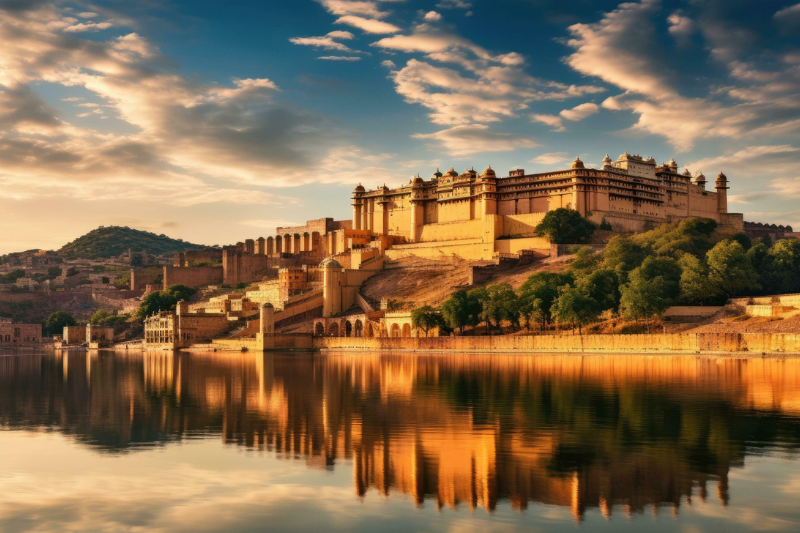
The foundation of Amber Fort was laid by Raja Man Singh in the late 16th century, with significant expansions undertaken by Jai Singh I in the early 1600s. Over the next 150 years, successive Kachhwaha rulers continued enhancing this architectural masterpiece until the capital shifted to Jaipur in 1727. Before the formal construction, the site had historical significance dating back to the 10th century when the Meenas tribe established a small settlement here.
The fort served as the principal residence and seat of power for Rajput Maharajas and their families. Its strategic hilltop location provided natural defense advantages while the massive ramparts and series of cobbled paths created formidable fortifications. Today, visitors exploring this heritage site with Janu Private Tours can witness the same grandeur that once housed Rajputana royalty.
Architectural Brilliance: Where Rajput Meets Mughal Design
The fort presents a fascinating blend of Hindu and Muslim architecture, constructed using red sandstone and white marble. This harmonious fusion creates a visual spectacle that distinguishes Amber Fort from other Rajasthani fortresses. The palace complex showcases intricate craftsmanship through detailed carvings, colorful frescoes, and exquisite mirror work that reflects the sophisticated aesthetic sensibilities of its creators.
The opulent palace is laid out on four levels, each featuring its own beautifully designed courtyard. This thoughtful architectural planning balances defensive military requirements with the luxurious comforts expected in royal residences. The strategic placement of gates, courtyards, and chambers demonstrates the advanced engineering knowledge possessed by medieval Indian architects.
Exploring the Main Attractions Within Amber Fort
Sheesh Mahal: The Mirror Palace
The Sheesh Mahal or Mirror Palace stands as one of the primary attractions of Amer Fort, with its ceiling and walls featuring innumerable pieces of concave mirrors adorned with stunning floral paintings. The ingenious construction creates a mesmerizing effect when even a single candle is lit, as the light reflects infinitely across the mirror-studded surfaces, illuminating the entire chamber. This architectural marvel demonstrates the sophisticated understanding of optics and aesthetics possessed by craftsmen of that era.
Visitors are often left spellbound by the intricate mirror work that transforms the chamber into a starlit sky. Each tiny mirror piece was carefully cut and embedded into the walls and ceiling, creating patterns that have survived centuries. When you visit with Janu Private Tours, knowledgeable guides explain the fascinating techniques used to create this glittering masterpiece.
Diwan-i-Aam: The Hall of Public Audience
The Diwan-e-Aam, or Hall of Public Audience, served as the space where the Maharaja would address his subjects and listen to their grievances. This expansive hall features rows of pillars supporting a pavilion where the ruler sat elevated, symbolizing his authority while remaining accessible to common people. The architectural design facilitated both ceremonial grandeur and practical governance.
The hall’s construction reflects principles of acoustic engineering that allowed the Maharaja’s voice to carry across the entire space. Double-columned galleries provided shade while maintaining an open, welcoming atmosphere. This balance between functionality and aesthetic appeal characterizes much of Amber Fort’s architecture.
Diwan-i-Khas: The Hall of Private Audience
Built in 1623 during the reign of Mirza Raja Jai Singh, the Diwan-i-Khas or Hall of Private Audience took approximately six years to complete. The Maharaja used this exclusive space to meet with special guests, counselors, and important dignitaries. The intimate setting contrasted sharply with the public hall, featuring more elaborate decorations and refined craftsmanship befitting private royal consultations.
Sukh Niwas: The Palace of Pleasure
The Sukh Niwas creates a cool climate artificially by utilizing winds that blow over a water cascade within the palace. This ancient air-conditioning system demonstrates remarkable environmental engineering. Water channels running through the marble floors and walls cooled the air naturally, providing comfortable temperatures even during scorching Rajasthani summers. The innovative cooling system represents early sustainable architectural practices that modern designers still study.
Ganesh Pol: The Ornate Gateway
Ganesh Pol is a beautifully painted gateway opening into the royal quarters, decorated with images of Lord Ganesha and intricate floral designs. This three-story structure serves both aesthetic and symbolic purposes, with Lord Ganesha representing auspicious beginnings and the removal of obstacles. The vivid paintings and detailed artwork make it one of the fort’s most photographed features.
The Majestic Approach: Entering Amber Fort
Visitors enter through Suraj Pol, the Sun Gate, which leads into Jaleb Chowk, the main courtyard where soldiers once assembled. This entrance sequence was strategically designed for both ceremonial processions and military functionality. The cobbled pathway ascending to the fort entrance offers panoramic views of Maota Lake and surrounding Aravalli hills.
Traditionally, visitors could ascend via elephant rides, though walking or jeep transportation are now more common. The uphill journey, while requiring moderate effort, rewards travelers with increasingly spectacular views. Each turn reveals new perspectives of the fort’s imposing ramparts and the landscape below.
Best Time to Visit Amber Fort
Rajasthan’s climate significantly impacts the visitor experience at Amber Fort. The ideal visiting period extends from October through March when temperatures remain pleasant, ranging from 10 to 27 degrees Celsius. Morning visits between 8 AM and 11 AM offer cooler temperatures and softer lighting perfect for photography. The fort opens daily from 8 AM to 5:30 PM, with sufficient time needed to explore its extensive courtyards and chambers.
Summer months from April to June see temperatures soaring above 40 degrees Celsius, making outdoor exploration challenging. However, early morning visits remain feasible. Monsoon season from July to September brings unpredictable weather but fewer crowds. When planning your Rajasthan heritage tour with Janu Private Tours, consider these seasonal variations to optimize your experience.
Sound and Light Show: History Comes Alive
Evening sound and light shows transform Amber Fort into an illuminated storytelling spectacle. Narrated presentations recount the fort’s history, legendary rulers, and significant events through dramatic lighting and audio effects. These shows operate in multiple languages and provide an enchanting conclusion to your visit, bringing centuries-old stories to life against the backdrop of ancient walls.
Practical Visitor Information
Entry Fees and Tickets
Standard entry tickets for Indian nationals are priced affordably, while foreign tourists pay slightly higher fees. Composite tickets covering multiple Jaipur monuments offer better value for those exploring several heritage sites. Photography within the fort premises is generally permitted, though certain restricted areas may require special permissions.
Accessibility and Transportation
Located approximately 11 kilometers from Jaipur city center, Amber Fort is easily accessible by taxi, auto-rickshaw, or private vehicle. Adequate parking facilities accommodate both individual tourists and tour groups. The fort’s hillside location involves climbing, though pathways are generally well-maintained. Visitors with mobility concerns should plan accordingly or arrange for jeep transportation to the entrance.
Guided Tours and Local Insights
Professional guides available at the entrance provide valuable historical context and architectural insights. However, booking tours with established operators ensures more comprehensive experiences. Private tour operators like Janu Private Tours offer customized itineraries combining Amber Fort with other significant Jaipur attractions, providing deeper cultural immersion and logistical convenience.
Nearby Attractions Worth Exploring
Jaigarh Fort
Underground tunnels connect Amer Fort to Jaigarh Fort, located on a higher elevation nearby. Jaigarh houses the world’s largest cannon on wheels and offers spectacular views of Amber Fort and surrounding landscape. Visiting both forts in one day provides a comprehensive understanding of the integrated defense system designed by Kachhwaha rulers.
Maota Lake
The picturesque lake reflecting Amber Fort’s grandeur creates stunning photographic opportunities, especially during sunrise and sunset. The lake historically served as the fort’s primary water source and remains an integral part of the landscape aesthetics.
Panna Meena Ka Kund
This beautiful stepwell located near Amber Fort showcases impressive symmetrical architecture. The stepped design allowed easy water access regardless of water levels, demonstrating advanced hydraulic engineering. The geometric patterns created by steps descending around the well make it a photographer’s paradise.
Tips for an Enhanced Amber Fort Experience
Plan Sufficient Time: Allocate at least 2-3 hours for thorough exploration. Rushing through diminishes appreciation of intricate details and architectural nuances.
Dress Appropriately: Wear comfortable walking shoes and modest clothing respecting cultural norms. Light, breathable fabrics work best in warm weather.
Stay Hydrated: Carry water bottles, especially during warmer months. Climbing and walking in the sun can be physically demanding.
Respect Heritage: Amber Fort is a protected monument. Avoid touching delicate mirror work, frescoes, or carvings. Littering is prohibited.
Photography Etiquette: While photography is generally allowed, be mindful of other visitors. Avoid using flash near fragile artwork or in restricted areas.
Hire Knowledgeable Guides: Understanding the historical context enriches the experience significantly. Well-informed guides reveal stories and details easily missed during self-guided tours.
Amber Fort’s Cultural Significance Today
Amber Fort transcends its role as a tourist attraction, serving as a living symbol of Rajasthan’s cultural heritage. The fort regularly hosts cultural events, traditional performances, and festivals celebrating Rajputana traditions. It appears frequently in Indian cinema, literature, and art, maintaining its relevance in contemporary cultural consciousness.
The fort’s recognition as a UNESCO World Heritage Site underscores its global significance. Conservation efforts ensure future generations can appreciate this architectural masterpiece. The blend of historical authenticity and modern tourism infrastructure makes it accessible while preserving its heritage value.
Also Read:- Rajasthan Forts and Palaces Tour
Conclusion
Amber Fort Jaipur represents more than magnificent architecture and historical significance; it embodies the spirit of Rajasthan’s glorious heritage. From the shimmering mirrors of Sheesh Mahal to the strategic brilliance of its four-level design, every aspect tells stories of royal grandeur, artistic excellence, and cultural sophistication. Whether you’re captivated by architectural marvels, fascinated by history, or seeking authentic cultural experiences, this majestic fort delivers unforgettably.
Planning a comprehensive Rajasthan heritage tour ensures you experience Amber Fort within the broader context of the region’s rich cultural tapestry. Professional tour operators specializing in Rajasthan tourism can craft itineraries maximizing your time while providing deeper insights into local history and traditions. The journey through Amber Fort is not merely sightseeing it’s a profound connection with centuries of heritage, artistry, and the enduring spirit of Rajputana culture.
Frequently Asked Questions About Amber Fort Jaipur
Q1: How much time is needed to explore Amber Fort completely?
A thorough exploration of Amber Fort requires approximately 2 to 3 hours. This allows sufficient time to visit major attractions like Sheesh Mahal, Diwan-i-Aam, Diwan-i-Khas, and Sukh Niwas. If attending the evening sound and light show, plan for an additional hour. Photography enthusiasts may want extra time to capture the fort’s architectural details and scenic views.
Q2: Are elephant rides still available at Amber Fort?
While elephant rides were traditionally popular for ascending to Amber Fort, their availability has become limited due to animal welfare concerns. Jeep transportation now serves as the primary alternative for reaching the entrance from the base. Walking up the cobbled path remains an option for those preferring exercise and wanting to enjoy panoramic views during the ascent.
Q3: What is the best way to reach Amber Fort from Jaipur city center?
Amber Fort is located approximately 11 kilometers from Jaipur city center, making it easily accessible by various transportation options. Taxis and auto-rickshaws are readily available and take about 20-30 minutes depending on traffic. Private tour operators offer comfortable transportation as part of comprehensive sightseeing packages. App-based cab services also operate in this area for convenient booking.
Q4: Can I visit Amber Fort during monsoon season?
Yes, Amber Fort remains open during monsoon season from July to September. However, rainfall can make surfaces slippery, requiring extra caution while walking. The advantage of monsoon visits includes fewer crowds and lush green surroundings. Weather can be unpredictable, so carrying umbrellas or raincoats is advisable. Check weather forecasts before planning your visit during this season.
Q5: Is photography allowed inside Amber Fort?
Photography is generally permitted throughout most areas of Amber Fort for personal use. Visitors can capture the stunning architecture, mirror work, and courtyard views freely. However, certain restricted sections may prohibit photography, and signs indicate these areas clearly. Commercial photography or videography requires special permissions from authorities. Flash photography near delicate artwork should be avoided to preserve historical surfaces.
Rajasthan’s capital city, famously known as the Pink City, offers travelers a mesmerizing blend of royal heritage, architectural marvels, and vibrant culture. While many tourists allocate three to four days to explore Jaipur, a well-planned itinerary can help you experience the city’s most iconic attractions in just 36 hours. This comprehensive guide will walk you through the perfect Jaipur 1.5 days itinerary, ensuring you don’t miss the essential highlights that make this destination truly unforgettable.
Why Visit Jaipur? Understanding the Pink City’s Charm
Before diving into the itinerary, it’s important to understand what makes Jaipur special. Founded in 1727 by Maharaja Sawai Jai Singh II, Jaipur was India’s first planned city, designed according to ancient Hindu architectural principles. The city earned its Pink City nickname in 1876 when Maharaja Ram Singh painted the entire city terracotta pink to welcome Prince Albert and Queen Victoria.
Today, Jaipur stands as a UNESCO World Heritage Site, showcasing magnificent forts, palatial structures, colorful bazaars, and rich Rajasthani traditions. Whether you’re traveling solo, with family, or as part of a romantic getaway, this destination offers something for everyone.
Also Read:- Heritage Walks in Jaipur: Discovering Hidden Streets and Stories
Day 1 Morning: Start Your Jaipur Adventure Early
Amber Fort: The Crown Jewel of Jaipur (7:00 AM – 10:30 AM)
Begin your Jaipur sightseeing tour sightseeing tour at sunrise by visiting the magnificent Amber Fort, located approximately 11 kilometers from the city center. Arriving early helps you beat the crowds and experience the fort in the soft morning light, perfect for photography enthusiasts.
Why Amber Fort is unmissable:
Stunning blend of Hindu and Mughal architecture
The famous Sheesh Mahal (Mirror Palace) with intricate mirror work
Magnificent courtyards, gardens, and panoramic hill views
Optional elephant ride experience to the fort entrance
Insider Tips:
Purchase tickets online to avoid queues
Wear comfortable walking shoes as extensive exploration involves climbing stairs
Allocate at least 2.5 to 3 hours for thorough exploration
Consider hiring a local guide for historical insights
Jaigarh Fort: The Fort of Victory (11:00 AM – 12:30 PM)
Located just above Amber Fort, Jaigarh Fort houses the world’s largest cannon on wheels, Jaivana. This military structure offers breathtaking views of Amber Fort and the surrounding Aravalli hills. The fort’s museum displays fascinating artifacts, weapons, and armor from Rajasthan’s martial history.
Pro tip: Many visitors skip Jaigarh Fort, making it less crowded and more peaceful for exploration.
Day 1 Afternoon: Exploring Old City Treasures
Lunch Break: Authentic Rajasthani Cuisine (12:45 PM – 2:00 PM)
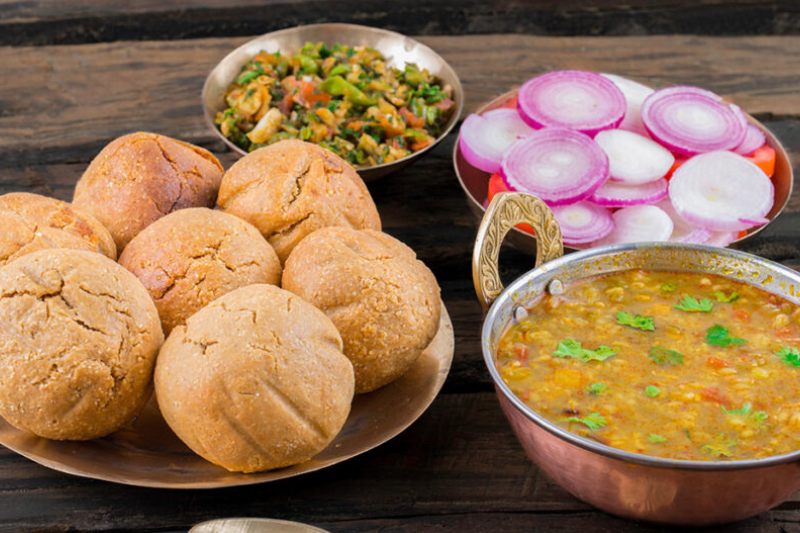
Head back to the city for lunch at one of Jaipur’s traditional restaurants. Sample authentic Rajasthani dishes like dal baati churma, laal maas, gatte ki sabzi, and ker sangri. The walled city offers numerous dining options ranging from heritage restaurants to street food stalls.
Hawa Mahal: Palace of Winds (2:30 PM – 3:30 PM)
No Jaipur itinerary is complete without visiting the iconic Hawa Mahal. This five-story palace features 953 small windows (jharokhas) designed to allow royal ladies to observe street festivities while remaining unseen. The unique honeycomb structure creates a natural cooling effect, earning it the name Palace of Winds.
Photography tip: Visit the cafe opposite Hawa Mahal for the best frontal views and photographs of this architectural masterpiece.
City Palace: Royal Residence (3:45 PM – 5:30 PM)
The City Palace complex remains partially occupied by Jaipur’s royal family while the rest serves as a museum. This sprawling palace showcases:
Mubarak Mahal displaying royal costumes and textiles
Chandra Mahal with seven floors, each representing a different theme
Diwan-i-Khas and Diwan-i-Am (private and public audience halls)
Stunning collection of weapons, manuscripts, and miniature paintings
The palace’s architecture seamlessly blends Rajasthani, Mughal, and European styles, offering visitors a glimpse into royal opulence.
Jantar Mantar: UNESCO Heritage Observatory (5:45 PM – 7:00 PM)
Adjacent to City Palace, Jantar Mantar is an astronomical observatory built by Maharaja Sawai Jai Singh II. This UNESCO World Heritage Site features 19 astronomical instruments, including the world’s largest stone sundial. The precision and scientific knowledge reflected in these 18th-century instruments continue to amaze visitors.
Day 1 Evening: Sunset and Cultural Immersion
Nahargarh Fort: Sunset Point (7:30 PM – 9:00 PM)
Conclude your first day by witnessing a spectacular sunset from Nahargarh Fort. Perched on the Aravalli hills, this fort offers panoramic views of Jaipur’s illuminated cityscape. The fort features extended walls connecting it to Jaigarh Fort and houses a restaurant where you can enjoy dinner with stunning views.
Evening suggestion: Many travelers prefer dining at Nahargarh’s restaurant while enjoying the city lights below.
Day 2 Morning: Final Highlights Before Departure
Albert Hall Museum: Architectural Marvel (8:00 AM – 9:30 AM)
Start your second half-day early at Albert Hall Museum, Rajasthan’s oldest museum. Built in 1876, this Indo-Saracenic architectural gem houses an extensive collection of artifacts, including paintings, jewelry, carpets, metal sculptures, and the famous Egyptian mummy.
The building itself is a masterpiece, featuring detailed stone carvings, painted walls, and beautiful gardens surrounding the structure.
Jal Mahal: Water Palace Photo Stop (10:00 AM – 10:45 AM)
Located on the way to your next destination, Jal Mahal is a stunning palace seemingly floating in Man Sagar Lake. While entry inside isn’t permitted, the lakeside viewing point offers excellent photography opportunities. The palace’s reflection in the calm waters creates a picturesque scene, especially during morning hours.
Shopping at Johari Bazaar and Bapu Bazaar (11:00 AM – 1:00 PM)
No visit to Jaipur is complete without experiencing its vibrant markets. Spend your final hours exploring:
Johari Bazaar: Famous for traditional jewelry, gemstones, and kundan work
Bapu Bazaar: Known for textiles, handicrafts, mojari (traditional footwear), and blue pottery
Tripolia Bazaar: Excellent for iron work, bangles, and lac jewelry
Shopping tips:
Bargaining is expected and part of the experience
Verify authenticity certificates for precious stones
Look for government-approved shops for assured quality
Making Your Jaipur Visit Seamless with Professional Tours
Planning a Jaipur trip with limited time requires careful coordination of transportation, timing, and local insights. This is where professional tour operators like Janu Private Tours can transform your experience. With expertise in Rajasthan tourism, they offer customized itineraries that maximize your time while ensuring comfortable travel between attractions.
Janu Private Tours specializes in creating personalized experiences based on your interests, whether you’re fascinated by history, architecture, photography, or culinary exploration. Their services include professional guides who provide historical context and local stories that bring each monument to life.
Essential Travel Tips for Your 36-Hour Jaipur Adventure
Best Time to Visit Jaipur
The ideal months for visiting Jaipur are October through March when temperatures remain pleasant. Summer months (April to June) can be extremely hot, with temperatures exceeding 45°C. Monsoon season (July to September) brings relief from heat but occasional heavy rainfall.
Getting Around Jaipur
Transportation options include:
Auto-rickshaws: Convenient for short distances
App-based taxis: Uber and Ola operate throughout the city
Private car hire: Most comfortable for covering multiple attractions
Local buses: Budget-friendly but time-consuming
For visitors with limited time, hiring a private vehicle through services like Janu Private Tours ensures efficient movement between locations without wasting precious hours navigating unfamiliar streets.
What to Pack for Your Jaipur Visit
Comfortable walking shoes for fort exploration
Sun protection (hat, sunglasses, sunscreen)
Light cotton clothing for daytime
Light jacket for winter evenings
Camera for capturing architectural marvels
Water bottle to stay hydrated
Modest clothing for temple visits
Accommodation Recommendations
Jaipur offers accommodations across all budget ranges:
Budget: Hostels and guesthouses in the old city area
Mid-range: Heritage hotels offering traditional ambiance
Luxury: Palace hotels providing royal experiences
Book accommodations near the old city for easy access to major attractions.
Cultural Etiquette and Safety Tips
Respecting local customs enhances your travel experience:
Remove shoes before entering temples and religious sites
Dress modestly when visiting religious places
Seek permission before photographing locals
Be cautious with street food if you have a sensitive stomach
Keep valuables secure in crowded markets
Women travelers should dress conservatively and avoid isolated areas after dark
Beyond the Standard Tourist Circuit
If you have extra flexibility in your schedule, consider these additional experiences:
Panna Meena ka Kund: An ancient stepwell near Amber Fort featuring geometric steps
Galtaji Temple: Mountain temple complex with natural springs
Anokhi Museum: Showcasing traditional block printing techniques
Patrika Gate: Instagram-worthy colorful gate on the outskirts
Combining Jaipur with Other Destinations
Many travelers explore Jaipur as part of the famous Golden Triangle circuit (Delhi-Agra-Jaipur). With efficient planning through experienced operators like Janu Private Tours, you can seamlessly combine these destinations into a comprehensive North India itinerary.
Popular extensions include:
Same-day Agra visit to see the Taj Mahal
Pushkar for spiritual experiences and camel fair
Ranthambore National Park for tiger spotting
Food Experiences You Shouldn’t Miss
Jaipur’s culinary scene deserves special mention:
Traditional dishes to try:
Pyaaz Kachori at Rawat Mishtan Bhandar
Lassi at Lassiwala
Dal Baati Churma at Chokhi Dhani or local restaurants
Ghewar (traditional sweet) during festivals
Mirchi Vada (stuffed chili fritters)
Fine dining options:
1135 AD at Amber Fort
Peacock Rooftop Restaurant overlooking Hawa Mahal
Suvarna Mahal at Rambagh Palace
Photography Opportunities in Jaipur
Photography enthusiasts will find endless opportunities:
Best photo spots:
Sunrise at Amber Fort from Jaigarh Fort
Hawa Mahal from street level and opposite cafe
Panna Meena ka Kund stepwell patterns
Colorful turbans and traditional attire in bazaars
Sunset from Nahargarh Fort ramparts
Jal Mahal reflection shots
Photography tips:
Golden hours (early morning and late evening) offer the best light
Respect privacy when photographing people
Some monuments charge extra for camera/video equipment
Drone photography requires special permissions
Also Read:- A Guide to Photography Tours in Jaipur & Rajasthan
Conclusion: Making Every Moment Count in Jaipur
Exploring Jaipur in 1.5 days demands strategic planning, early starts, and efficient transportation. While this condensed itinerary covers the essential highlights, it merely scratches the surface of everything this magnificent city offers. The Pink City’s charm lies not just in its monuments but in the lived experiences—savoring traditional cuisine, bargaining in colorful markets, witnessing craftsmen at work, and immersing yourself in Rajasthani culture.
Whether this is your first visit or a return trip, Jaipur never fails to enchant with its blend of history, architecture, and vibrant traditions. The memories created during these 36 hours will undoubtedly inspire future visits to explore deeper layers of this remarkable destination.
For travelers seeking hassle-free experiences with expert guidance, professional tour services ensure you maximize every moment without worrying about logistics. This allows you to focus entirely on absorbing the magic of Jaipur’s royal heritage and creating unforgettable memories.
Frequently Asked Questions
Q1. Is 1.5 days enough to see Jaipur’s main attractions?
While 1.5 days allows you to visit Jaipur’s major landmarks including Amber Fort, City Palace, Hawa Mahal, and Nahargarh Fort, it’s a fast-paced itinerary. You’ll cover the essential highlights but won’t have time for extensive exploration or leisurely experiences. For a more relaxed visit including shopping and cultural activities, three days would be ideal.
Q2. What is the best way to travel between attractions in Jaipur?
Hiring a private car with a driver is the most efficient option for a 1.5-day itinerary, allowing seamless movement between attractions without wasting time. Auto-rickshaws work for short distances but negotiating fares can be time-consuming. App-based taxis like Uber and Ola offer convenience with transparent pricing. Tour operators provide comprehensive packages including transportation and guides.
Q3. Can I visit both Amber Fort and Jaigarh Fort in one morning?
Yes, both forts are located on the same hill complex and can be covered in one morning session. Allocate approximately 2.5 hours for Amber Fort and 1.5 hours for Jaigarh Fort. Starting early around 7 AM helps you complete both before lunch while avoiding afternoon heat and crowds. The proximity makes this combination highly feasible and recommended.
Q4. What are the entry fees for major Jaipur attractions?
Entry fees vary by monument. Amber Fort costs approximately INR 200 for Indians and INR 500 for foreigners. City Palace charges around INR 200-700 depending on sections visited. Hawa Mahal is INR 50 for Indians and INR 200 for foreigners. Combined tickets offering access to multiple monuments provide better value. Prices occasionally change, so verify current rates before visiting.
Q5. Is Jaipur safe for solo female travelers?
Jaipur is generally safe for solo female travelers who take standard precautions. Dress modestly, especially when visiting religious sites and local markets. Avoid isolated areas after dark and use reputable transportation services. Stay in well-reviewed accommodations in popular tourist areas. Many solo female travelers visit Jaipur without issues by maintaining awareness of surroundings and following basic safety guidelines.
Rajasthan, the land of kings, stands as India’s most captivating destination where centuries-old history meets vibrant culture. This northwestern state offers travelers an enchanting journey through majestic forts, opulent palaces, and the mystical Thar Desert. A royal Rajasthan tour promises unforgettable experiences that transport you to an era of maharajas, valor, and architectural brilliance.
Why Choose a Royal Rajasthan Tour?
Rajasthan’s forts and palaces represent outstanding examples of rich cultural heritage and breathtaking architecture, with majestic structures serving as architectural marvels that showcase the region’s regal lineage. The state’s golden deserts, colorful bazaars, and warm hospitality create an immersive experience that resonates with every type of traveler.
When planning your Rajasthan heritage tour, you’ll discover destinations that have preserved their royal legacy while welcoming modern explorers. Whether you’re seeking adventure in sand dunes or yearning to walk through historic corridors, Rajasthan delivers authenticity at every turn.
Also Read:- Best tourist places to visit in rajasthan
Magnificent Forts That Tell Stories of Valor
Amber Fort: The Crown Jewel of Jaipur
Amber Fort stands among the many celebrated fortifications that define Rajasthan’s skyline. Perched on a hilltop, this 16th-century masterpiece blends Rajput and Mughal architectural styles. The Sheesh Mahal (Mirror Palace) within the fort complex dazzles visitors with thousands of tiny mirrors that create a starlit effect when illuminated.
The elephant ride up to the fort entrance offers a traditional royal experience, though walking the ancient pathways reveals hidden courtyards and panoramic views of Maota Lake below.
Mehrangarh Fort: Jodhpur’s Imposing Guardian
Rising 400 feet above Jodhpur’s blue cityscape, Mehrangarh Fort represents one of the most impressive fortifications in Rajasthan. The fort’s massive walls contain palaces with intricate carvings, expansive courtyards, and a museum showcasing royal artifacts. The views from the ramparts offer breathtaking vistas of the surrounding landscape.
Jaisalmer Fort: The Living Golden Fortress
Known as Sonar Quilla or the Golden Fort, Jaisalmer Fort ranks among the world’s largest forts and stands as the second oldest fortification in Rajasthan. Unlike most forts that serve only as tourist attractions, nearly a quarter of Jaisalmer’s old city population still resides within the fort walls, making it a living heritage site.
The golden sandstone construction glows magnificently during sunset, earning its nickname. Within the fort complex, you’ll find Jain temples with exceptional stone carvings, havelis with ornate facades, and narrow lanes that transport you back centuries.
Chittorgarh Fort: Monument of Sacrifice
The Chittorgarh province bears tales of betrayal and bravery throughout its landscape, with Rana Kumbha Palace featuring maze-like tunnels, impressive walls, and intricate architecture that remain noteworthy despite being partially ruined. This UNESCO World Heritage Site spans 700 acres and stands as the largest fort complex in India.
The fort witnessed three major sieges and countless acts of Rajput valor, making it an essential stop for history enthusiasts on any Rajasthan cultural tour.
Opulent Palaces: Where Royalty Lived
City Palace of Udaipur
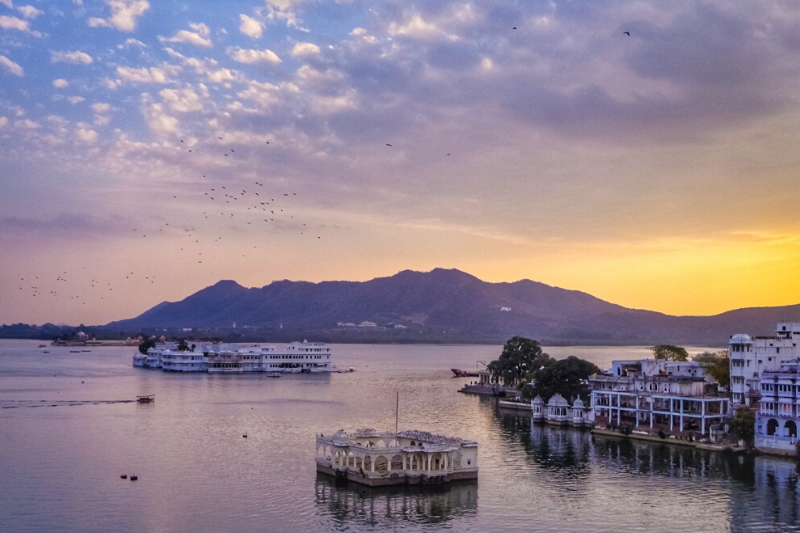
Udaipur’s Lake Palace exemplifies the majestic nature of Rajasthan’s palatial architecture. The City Palace complex, overlooking Lake Pichola, combines medieval European and Chinese influences with traditional Rajput architecture. Crystal galleries, peacock mosaics, and miniature paintings adorn the palace interiors.
The palace museum displays royal artifacts, including weapons, costumes, and paintings that offer glimpses into royal lifestyles. The palace courtyards provide stunning views of the surrounding lakes and Aravalli hills.
Hawa Mahal: Jaipur’s Iconic Structure
Hawa Mahal represents one of the famous palaces recognized for its rich cultural heritage and history. This five-story pink sandstone structure features 953 small windows called jharokhas, designed to allow royal ladies to observe street festivities while remaining unseen.
The pyramid-shaped monument creates a striking silhouette against Jaipur’s skyline. Though it appears massive from the front, the structure is only one room deep, making it more of an elaborate facade than a residential palace.
Umaid Bhawan Palace: Modern Royalty
Built between 1928 and 1943, Umaid Bhawan Palace in Jodhpur represents the last great palace constructed in India. This Art Deco masterpiece now functions as a luxury hotel, museum, and royal residence. The palace contains 347 rooms and sits atop Chittar Hill, the highest point in Jodhpur.
Visitors can explore the museum section, which showcases vintage cars, clocks, and photographs documenting the palace’s construction and the royal family’s history.
Desert Adventures in the Thar Desert
Camel Safari Experiences
A camel safari transcends a simple desert crossing, offering a special adventure that connects travelers to ancient traditions, local culture, and natural beauty. These experiences range from short sunset rides to multi-day expeditions deep into the desert.
Several locations in Rajasthan offer camel safaris, with the best including Jaisalmer, Bikaner, Pushkar, and Jodhpur — all popular stops on a Rajasthan Forts & Palaces Tour, each providing unique and memorable experiences. The gentle swaying motion of camel travel allows you to appreciate the desert’s subtle beauty, shifting sand patterns, desert vegetation, and the vast open sky.
Sam Sand Dunes: Desert’s Heart
Located 42 kilometers from Jaisalmer, Sam Sand Dunes offers the quintessential Thar Desert experience. The sweeping dunes create mesmerizing patterns that change with wind and light throughout the day. Sunset at Sam transforms the landscape into shades of gold, orange, and purple.
Evening cultural programs feature traditional Rajasthani folk music and dance performances under starlit skies. Desert camps provide comfortable accommodation with authentic local cuisine, allowing you to experience desert life without sacrificing comfort.
Desert Camping Under Stars
The Thar Desert, primarily located around Jaisalmer in western Rajasthan, features arid conditions with optimal visiting months from October to March when daytime temperatures remain pleasant and nights aren’t extremely cold. Desert camping offers an intimate connection with nature that few other experiences can match.
Luxury and budget camps cater to different preferences, but all share the common experience of sleeping under countless stars, far from city lights. The silence of the desert at night, broken only by occasional folk songs or camel bells, creates meditative tranquility.
Planning Your Rajasthan Palace Tour
Best Time to Visit
The optimal period for visiting Rajasthan and Northern India falls between October and April, with high season occurring in November and February, and peak travel during New Year and Easter. Winter months offer comfortable temperatures for exploring forts and palaces, while desert activities remain pleasant throughout the cooler season.
Summer months (April to June) bring intense heat, making outdoor exploration challenging, though hotels offer significant discounts during this off-peak period.
Suggested Itinerary Duration
A comprehensive Rajasthan forts and palaces tour typically requires 10-14 days to cover major destinations without rushing. However, shorter 5-7 day trips can focus on the golden triangle of Jaipur, Jodhpur, and Udaipur, while extended itineraries might include Bikaner, Pushkar, and rural villages.
When booking through Janu Private Tours, you can customize your itinerary based on specific interests, whether that’s architecture, desert adventures, or cultural immersion.
Essential Destinations for Your Rajasthan Heritage Tour
The Pink City: Jaipur
Jaipur serves as Rajasthan’s capital and gateway city for most travelers. Beyond Amber Fort and Hawa Mahal, the city offers the City Palace, Jantar Mantar astronomical observatory, and vibrant bazaars selling textiles, jewelry, and handicrafts. The city’s uniform pink-colored buildings create a cohesive visual identity that earned its famous nickname.
The Blue City: Jodhpur
Jodhpur’s old town appears as a sea of blue houses surrounding Mehrangarh Fort. The Jaswant Thada memorial, clock tower market, and traditional blue-painted neighborhoods provide photogenic settings. The city also serves as a convenient base for visiting Bishnoi villages, where communities practice ancient environmental conservation traditions.
The Golden City: Jaisalmer
Rajasthan’s sprawling fort complexes often housed entire cities within their walls, including palaces, temples, and trading centers, with hillside locations utilizing natural defenses like forests, deserts, and elevated terrain, providing spectacular views. Jaisalmer embodies this concept perfectly, offering both fort exploration and desert adventures.
The city’s havelis ornate merchant mansions feature intricate sandstone carvings that showcase incredible craftsmanship. Patwon Ki Haveli and Salim Singh Ki Haveli rank among the finest examples.
The City of Lakes: Udaipur
Udaipur’s romantic setting around several lakes, combined with its palaces and gardens, makes it Rajasthan’s most picturesque destination. Boat rides on Lake Pichola, visits to Saheliyon Ki Bari gardens, and evening cultural shows enhance the palace visits.
Cultural Experiences Beyond Architecture
Traditional Rajasthani Cuisine
Rajasthan’s desert climate influenced its unique cuisine, which features dishes that remain edible for days without refrigeration. Dal baati churma, gatte ki sabzi, and laal maas represent signature dishes. Street food like pyaaz kachori and mirchi vada offer delicious snacks while exploring cities.
Heritage properties and royal palaces often host traditional thali meals, presenting multiple dishes that showcase regional variety. Many desert camps include live cooking demonstrations, teaching traditional preparation methods.
Folk Performances and Music
Rajasthani folk music and dance forms like Ghoomar, Kalbeliya, and Terah Taali provide entertainment during desert evenings and cultural programs. These performances preserve ancient traditions while entertaining modern audiences.
Local puppet shows (kathputli) tell stories of historical heroes and folklore through colorful marionettes. Shopping in local markets reveals craftspeople creating miniature paintings, block-printed textiles, and jewelry using centuries-old techniques.
Why Choose Janu Private Tours for Your Rajasthan Journey
Planning a comprehensive Rajasthan tour requires understanding local logistics, seasonal considerations, and cultural nuances. Janu Private Tours specializes in creating customized itineraries that match individual preferences and budgets.
Their services include experienced guides who bring historical sites to life with engaging stories, comfortable private transportation, and accommodation recommendations across all budget ranges. The company’s deep knowledge of Rajasthan ensures access to both famous landmarks and hidden gems that independent travelers might miss.
Janu Private Tours handles all practical arrangements, allowing you to focus on experiencing Rajasthan’s magic without worrying about logistics. Their flexible cancellation policies and transparent pricing eliminate common travel booking concerns.
Practical Tips for Your Royal Rajasthan Tour
What to Pack
Comfortable walking shoes prove essential for exploring forts with uneven surfaces. Modest clothing respects local customs and religious sites women should carry scarves for covering heads at temples, while men should wear long pants. Sunscreen, hats, and sunglasses protect against intense sun, especially during desert excursions.
Light layers work best, as temperatures fluctuate between day and night, particularly in desert regions. A small flashlight helps when exploring darker fort corridors and during evening desert walks.
Photography Considerations
Rajasthan offers endless photographic opportunities, from architectural details to colorful street scenes. Many sites charge camera fees, so carry small bills. Sunrise and sunset provide the best light for fort and palace photography.
Always ask permission before photographing local people, especially women. Some religious sites prohibit photography inside temple sanctuaries, so respect posted restrictions.
Responsible Tourism
Support local artisans by purchasing directly from craftspeople rather than tourist shops. Respect religious customs at temples and dargahs, removing shoes before entering and maintaining appropriate behavior.
Desert ecosystems remain fragile, so stay on designated paths during camel safaris and desert walks. Carry reusable water bottles to minimize plastic waste, as Rajasthan faces significant environmental challenges related to water scarcity.
Also Read:- A Guide to Photography Tours in Jaipur & Rajasthan
Combining Destinations for the Perfect Itinerary
Most travelers begin their Rajasthan palace tour in Jaipur, then move westward to Jodhpur and Jaisalmer before returning through Udaipur. This route creates a logical circuit covering different architectural styles and landscapes.
Adventure seekers might allocate more time to Jaisalmer and Bikaner for extensive desert experiences, while architecture enthusiasts could spend additional days in Jaipur and Udaipur exploring lesser-known palaces and havelis.
Janu Private Tours creates balanced itineraries that combine major attractions with relaxation time, ensuring you don’t experience temple fatigue or rush through destinations. Their local expertise helps identify optimal sequences based on seasonal conditions and festival calendars.
Conclusion
A royal Rajasthan tour delivers an unparalleled journey through India’s most visually stunning and historically rich region. From climbing ancient fort ramparts to riding camels across golden sand dunes, from admiring intricate palace architecture to enjoying traditional folk performances under desert stars, Rajasthan offers experiences that create lasting memories.
The combination of well-preserved heritage sites, warm hospitality, vibrant culture, and diverse landscapes makes Rajasthan suitable for all traveler types, history buffs, adventure seekers, photography enthusiasts, and cultural explorers alike.
Whether you spend a week or a month exploring this magnificent state, careful planning ensures you maximize your experience. Working with specialists like Janu Private Tours transforms logistics into seamless experiences, allowing you to focus on absorbing Rajasthan’s royal splendor.
Start planning your Rajasthan heritage tour today, and prepare to step into a world where history lives in every stone, culture thrives in every street, and adventure awaits in every direction.
Frequently Asked Questions
Q)What is the best time to visit Rajasthan for fort and palace tours?
The ideal period for visiting Rajasthan spans from October through March when temperatures remain comfortable for outdoor exploration. Winter months (November to February) offer the most pleasant weather, though this high season brings larger crowds and higher prices. October and March serve as shoulder months with good weather and fewer tourists, making them excellent choices for balanced experiences.
Q)How many days do I need for a complete Rajasthan tour?
A comprehensive Rajasthan tour covering major destinations like Jaipur, Jodhpur, Jaisalmer, and Udaipur typically requires 10-14 days. This duration allows adequate time to explore forts, palaces, and desert experiences without excessive rushing. Shorter 5-7 day trips can cover highlights of two or three cities, while extended three-week itineraries enable deeper cultural immersion and visits to smaller towns.
Q)Are camel safaris in Jaisalmer suitable for all ages?
Camel safaris accommodate most age groups and fitness levels, with various duration options from one-hour sunset rides to multi-day expeditions. Shorter rides suit families with children or elderly travelers, while longer safaris appeal to adventure enthusiasts. The gentle pace allows people to dismount for breaks, and alternative jeep safaris provide similar desert experiences for those unable to ride camels comfortably.
Q)What should I wear when visiting Rajasthan’s forts and palaces?
Modest clothing proves most appropriate when visiting Rajasthan’s religious and historical sites. Women should wear knee-length skirts or pants with covered shoulders, carrying scarves for temple visits. Men should avoid shorts at religious sites. Comfortable walking shoes with good grip prove essential for navigating uneven fort surfaces. Light, breathable fabrics work best during daytime, with layers for cooler mornings and evenings.
Q)Can I stay inside heritage properties in Rajasthan?
Many former palaces and havelis throughout Rajasthan have been converted into heritage hotels, offering authentic royal experiences. These properties range from budget-friendly guesthouses to ultra-luxury palace hotels. Staying in heritage accommodations adds another dimension to your Rajasthan heritage tour, allowing you to sleep in rooms where royalty once lived while enjoying modern amenities and traditional hospitality alongside historical ambiance.
The Rama Temple in Ayodhya stands as one of India’s most significant spiritual destinations, drawing millions of devotees and travelers from across the globe. This architectural masterpiece represents centuries of faith, devotion, and cultural heritage, making it an essential destination for anyone exploring India’s spiritual landscape.
Understanding the Significance of Ram Mandir Ayodhya
The Ram Mandir was inaugurated on January 22, 2024, at a site in Ayodhya, Uttar Pradesh, believed to be the birthplace of Lord Rama, one of Hinduism’s most revered deities. This sacred landmark represents more than just a place of worship—it embodies the spiritual essence of millions who venerate Lord Rama as the seventh avatar of Lord Vishnu.
The temple’s location in Ayodhya holds profound religious importance. Ancient texts describe Ayodhya as the capital of the Kosala Kingdom, where Lord Rama was born and ruled. For devotees undertaking spiritual journeys across India, visiting this sacred site offers a deeply moving experience that connects them with India’s ancient spiritual traditions.
When planning your visit to this magnificent temple, Janu Private Tours offers customized travel experiences that allow you to explore Ayodhya and other spiritual destinations across India with comfort and convenience. Their expertise in organizing cultural heritage tours ensures that travelers can immerse themselves in the rich spiritual atmosphere while enjoying seamless travel arrangements.
Also Read:- 15 Offbeat travel destinations in India
Architectural Marvel: The Design of Ayodhya Ram Temple
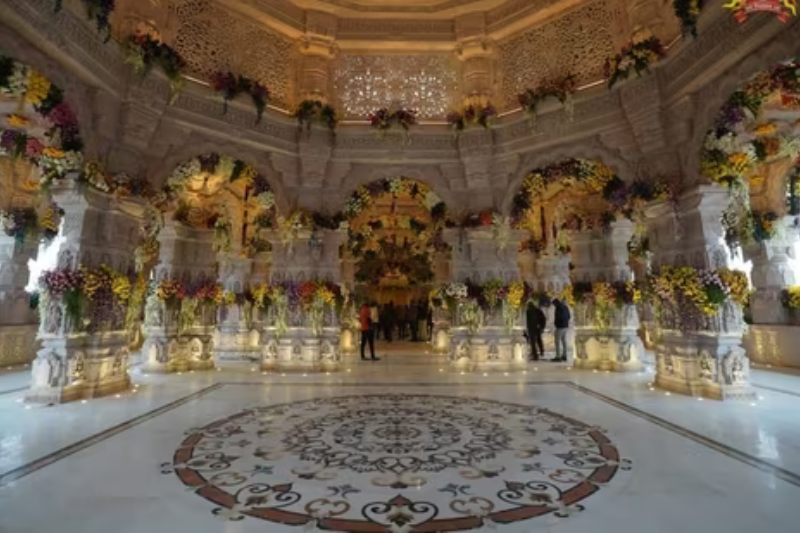
The Ram Mandir showcases exceptional architectural brilliance that blends traditional Indian temple design with modern engineering. The temple is supported by 392 pillars and 44 doors, with pillars and walls intricately sculpted with depictions of Hindu deities. This magnificent structure exemplifies the Nagara style of temple architecture, characterized by its towering spires and elaborate ornamentation.
Key Architectural Features
The temple complex encompasses several distinctive elements that make it an architectural wonder. Five mandaps (halls) form the core structure: Nritya Mandap, Rang Mandap, Sabha Mandap, Prathana Mandap, and Kirtan Mandap. Each mandap serves specific ceremonial purposes, creating spaces for different forms of worship and congregation.
The central tower, or shikhara, rises majestically above the sanctum sanctorum, its vertical emphasis signifying spiritual ascent and connection with the divine. This architectural element draws the eye upward, symbolizing the journey of the soul toward higher consciousness.
The craftsmanship displayed throughout the temple showcases India’s ancient artistic traditions. Nearly two lakh bricks, each inscribed with the name of Lord Ram in various languages, were integrated into the temple’s construction, collected over a span of 30 years. This unique feature adds profound spiritual significance to every element of the structure.
Planning Your Visit to Ayodhya Ram Mandir
Visiting the Ram Mandir requires thoughtful planning to ensure a meaningful and comfortable experience. The temple welcomes devotees throughout the year, though certain periods see higher visitor numbers during festivals and auspicious occasions.
Best Time to Visit
The winter months from October to March offer pleasant weather for temple visits, with comfortable temperatures ideal for exploring the entire complex. Summer months can be quite warm, while the monsoon season brings occasional rainfall. Consider your comfort preferences when scheduling your pilgrimage.
What to Expect During Your Visit
The temple complex provides facilities for devotees, including designated areas for different rituals and prayers. Security measures ensure safety while maintaining the sacred atmosphere. Dress modestly and respectfully, following traditional temple protocols during your visit.
Photography restrictions may apply in certain areas, particularly within the main sanctum. Respect these guidelines to maintain the sanctity of the space. The temple administration has implemented crowd management systems to facilitate smooth darshan for all visitors.
Beyond the Temple: Exploring Ayodhya’s Spiritual Heritage
Ayodhya offers numerous other sacred sites worth exploring during your visit. The city’s spiritual landscape includes ancient temples, ghats along the Sarayu River, and historical landmarks that narrate stories from Hindu mythology.
Nearby Sacred Sites
The Hanuman Garhi temple, situated on a hilltop, provides panoramic views of Ayodhya while offering devotees a chance to worship Lord Hanuman. The Kanak Bhawan temple, dedicated to Lord Rama and Goddess Sita, features exquisite gold-plated idols and beautiful architecture.
Ram Ki Paidi, a series of ghats along the Sarayu River, serves as a popular spot for ritual bathing and evening aarti ceremonies. These ghats create a serene atmosphere where visitors can witness traditional Hindu ceremonies and experience the spiritual energy of the sacred river.
Cultural Experiences in Ayodhya
Experiencing Ayodhya extends beyond temple visits to encompass the city’s vibrant cultural traditions. Local markets offer religious artifacts, traditional handicrafts, and regional specialties that make meaningful souvenirs of your spiritual journey.
Traditional Cuisine
Ayodhya’s culinary scene reflects its religious significance, with numerous establishments serving pure vegetarian cuisine. Local specialties include traditional sweets, savory snacks, and regional dishes that provide authentic flavors of Uttar Pradesh.
The city’s food culture emphasizes sattvic preparations—pure, simple, and wholesome meals that align with spiritual practices. Many eateries near the temple complex serve traditional thalis that offer a complete dining experience featuring various regional preparations.
Practical Travel Tips for Visiting Ram Mandir
Successful pilgrimage planning involves considering several practical aspects. Transportation options to Ayodhya include rail, road, and air connections, with the nearest major airport located in Lucknow, approximately 135 kilometers away.
Accommodation Options
Ayodhya offers diverse accommodation choices ranging from budget-friendly lodges to comfortable hotels. Many establishments cater specifically to pilgrims, providing basic amenities and convenient locations near the temple complex.
For travelers seeking premium experiences with comprehensiveplanning, Janu Private Tours specializes in organizing guided tours that include accommodation arrangements, transportation, and expert local guidance. Their personalized approach ensures that your spiritual journey unfolds smoothly, allowing you to focus entirely on the devotional experience.
Essential Items to Carry
Prepare for your temple visit by packing appropriate clothing that covers shoulders and knees. Comfortable walking shoes prove essential for navigating the temple complex and surrounding areas. Carry a water bottle, though note that certain items may be restricted within the temple premises.
Small denomination currency helps when making offerings or purchasing prasad. Keep important documents and valuables secure, preferably in a money belt or secure bag. Consider carrying a small bag for storing shoes, as footwear must be removed before entering the temple.
The Spiritual Experience of Ram Mandir Darshan
The darshan experience at Ram Mandir offers profound spiritual fulfillment for devotees. The main sanctum houses the deity in the form of Ram Lalla, representing Lord Rama as a child. The atmosphere within the temple resonates with devotional energy, enhanced by traditional chants and the presence of fellow devotees.
Timing and Rituals
The temple follows specific opening hours with different darshan times throughout the day. Morning hours typically offer a more serene atmosphere with relatively fewer crowds. Evening aarti ceremonies provide spectacular experiences, with elaborate rituals accompanied by devotional music.
Participating in temple rituals connects visitors with centuries-old traditions. The priests conduct various ceremonies throughout the day, and devotees can participate according to their preferences and beliefs. Understanding basic temple etiquette enhances the experience and shows respect for sacred customs.
Combining Ayodhya with Other Spiritual Destinations
Ayodhya lies on the Ghaghara River, locally known as Sarayu or Sarju, just east of Faizabad in south-central Uttar Pradesh state. Its location makes it possible to combine your visit with other significant spiritual destinations in northern India.
Varanasi, one of Hinduism’s holiest cities, sits approximately 200 kilometers from Ayodhya, offering another profound spiritual experience along the Ganges River. Prayagraj, home to the sacred Triveni Sangam, provides yet another pilgrimage destination within reasonable traveling distance.
Janu Private Tours can help design comprehensive itineraries that encompass multiple spiritual sites, creating meaningful journeys through India’s sacred geography. Their expertise in cultural heritage tours and understanding of diverse traveler needs ensures well-organized experiences that honor both spiritual aspirations and practical comfort requirements.
Understanding the Historical Context
The temple’s inauguration marked the culmination of a journey spanning centuries. Understanding this historical context enriches the pilgrimage experience, connecting contemporary worship with ancient traditions and beliefs.
The site’s significance in Hindu tradition extends back millennia, mentioned in ancient texts including the Ramayana, one of India’s greatest epics. This connection to sacred literature elevates Ayodhya beyond a mere geographical location to a space where mythology, history, and devotion converge.
Preserving Sacred Traditions for Future Generations
The Ram Mandir represents not just a religious monument but a living tradition that continues to evolve while maintaining its spiritual essence. The temple serves educational purposes, helping younger generations connect with their cultural heritage and understand the significance of their spiritual traditions.
According to the temple trust, the final blueprint of Ram Mandir included temples dedicated to Surya, Ganesha, Shiva, Durga, Vishnu and Brahma in the temple grounds. This comprehensive approach creates a complete spiritual complex that acknowledges various aspects of Hindu worship and devotion.
Making Your Ayodhya Pilgrimage Meaningful
Approaching your temple visit with proper preparation and mindfulness enhances the spiritual experience. Research the significance of Lord Rama’s life and teachings before your visit. Understanding the philosophical and spiritual dimensions of Ramayana stories deepens your connection with the temple and its symbolism.
Meditation and prayer within the temple premises offer opportunities for personal reflection and spiritual growth. The sacred atmosphere supports introspection and devotional practices. Many visitors report experiencing profound peace and spiritual clarity during their time at the temple.
Also Read:- travel brochure on india
Conclusion
The Rama Temple Ayodhya represents a remarkable convergence of faith, architecture, and cultural heritage. Whether you approach it as a devout pilgrim seeking spiritual fulfillment or as a cultural enthusiast exploring India’s rich traditions, the temple offers meaningful experiences that resonate long after your visit.
Planning your journey with attention to practical details while maintaining spiritual openness ensures a rewarding experience. The temple continues to welcome devotees and visitors, serving as a beacon of faith and a testament to India’s enduring spiritual traditions.
For travelers seeking well-organized, culturally enriching experiences across India’s sacred landscape, specialized tour operators like Janu Private Tours provide valuable assistance in creating memorable journeys that honor both spiritual aspirations and travel comfort.
Frequently Asked Questions
Q1: What are the visiting hours for Ram Mandir Ayodhya?
The temple typically opens early in the morning around 7 AM and closes in the evening around 7 PM, though exact timings may vary seasonally and during special occasions. It’s advisable to check current schedules before planning your visit, as timing adjustments occur during festivals and important religious dates. Arriving early morning provides a more peaceful darshan experience with fewer crowds, allowing for deeper spiritual connection.
Q2: Is advance booking required to visit Ram Mandir?
Currently, online booking systems facilitate organized darshan, especially during peak seasons and festivals. While walk-in visits may be possible during regular days, pre-booking ensures guaranteed entry and reduces waiting time significantly. The booking system helps manage crowd flow efficiently, ensuring all devotees receive adequate darshan opportunity. Check the official temple administration websites for current booking procedures and requirements before your planned visit.
Q3: What items are prohibited inside the Ram Mandir complex?
Most temples prohibit electronic devices including cameras, mobile phones, and recording equipment inside the main sanctum to maintain sanctity and privacy. Leather items, large bags, and food items typically cannot enter the temple premises. Security checkpoints screen visitors before entry. Temple authorities provide secure storage facilities for personal belongings that cannot be carried inside, ensuring visitors’ possessions remain safe during darshan time.
Q4: Can foreign tourists visit Ram Mandir Ayodhya?
Absolutely! The temple welcomes visitors from all backgrounds and nationalities who wish to experience its spiritual atmosphere respectfully. Foreign tourists should carry valid identification documents and follow the same dress codes and behavioral guidelines as other visitors. Understanding basic temple etiquette enhances the experience. Many international visitors find the temple visit deeply enriching, offering unique insights into Hindu spiritual traditions and Indian cultural heritage.
Q5: How many days should I allocate for visiting Ayodhya?
A comprehensive Ayodhya experience requires at least two to three days. This duration allows for unhurried temple visits, exploration of other sacred sites, experiencing the riverside ghats, and absorbing the city’s spiritual atmosphere. Additional time enables participation in evening aarti ceremonies, visiting nearby temples, and exploring local markets. Combining Ayodhya with other regional spiritual destinations may require extended itineraries for complete exploration.
Rajasthan, India’s largest state by area, is a treasure trove of historical grandeur, vibrant culture, and breathtaking landscapes. Among its many regions, Mewar and Marwar stand out as two distinct cultural zones that offer travelers an unforgettable journey through time. A Mewar and Marwar tour package provides the perfect opportunity to experience the contrasting yet complementary heritage of these royal kingdoms, from the romantic lakes of Udaipur to the golden deserts of Jodhpur.
Understanding the geographical and cultural differences between these regions enriches your travel experience significantly. While Mewar, centered around Udaipur, showcases mountain ranges, serene lakes, and lush greenery, Marwar presents the stark beauty of the Thar Desert with its sand dunes and arid landscapes. Both regions have left indelible marks on Rajasthan’s cultural tapestry through their unique traditions, architectural marvels, and legendary warrior history.
Understanding Mewar and Marwar: Two Kingdoms, One Heart
The distinction between Mewar and Marwar goes beyond geography. Mewar, historically known as Medpat, comprises the southern part of Rajasthan with Udaipur as its crown jewel. This region was ruled by the Sisodia dynasty of Rajputs, who built their legacy on valor and honor. The elevated plateaus, dense forests, and network of lakes create a landscape that feels almost fairy-tale-like, earning Udaipur the moniker Venice of the East.
Marwar, on the other hand, encompasses the western Thar Desert region, with Jodhpur serving as its historic capital. The Rathore dynasty governed these arid lands, establishing one of the most formidable kingdoms in Rajput history. The region’s name derives from Maruwat, meaning land of death, a reference to the harsh desert environment that its people transformed into a thriving cultural center.
The cultural differences between these regions manifest in their dialects, cuisine, and artistic expressions. Mewari, spoken in the Mewar region, differs from Marwari in pronunciation and vocabulary. Food preferences also vary, with Mewar’s cuisine incorporating more greens and lake fish, while Marwar specializes in desert-adapted dishes that can last longer without refrigeration, such as ker sangri and bajre ki roti.
Also Read:- Multi-Day Tours
Mewar Heritage: Exploring the Land of Lakes and Valor
Udaipur: The Jewel of Mewar
romantic soul of Rajasthan. The city was founded in 1559 by Maharana Udai Singh II after the fall of Chittorgarh, and it quickly became the new capital of Mewar. The City Palace complex, stretching along Lake Pichola’s eastern banks, remains one of India’s largest palace complexes. Its intricate peacock mosaics, silver furniture, and balconies overlooking the lake create an atmosphere of royal elegance.
Lake Pichola itself transforms into a canvas of reflection at sunset, with the Lake Palace (now a luxury heritage hotel) appearing to float on its waters. Jag Mandir, another island palace, served as a refuge for Prince Khurram (later Emperor Shah Jahan) during his rebellion against his father, influencing his later architectural masterpiece, the Taj Mahal.
The Monsoon Palace, perched atop the Aravalli hills, offers panoramic views of the city’s lakes and countryside. Built by Maharana Sajjan Singh in 1884, this hilltop retreat was designed to watch monsoon clouds, a precious sight in this semi-arid region.
Kumbhalgarh Fort: The Great Wall of India
Located approximately 85 kilometers from Udaipur, Kumbhalgarh Fort stands as a UNESCO World Heritage Site and represents medieval military architecture at its finest. Maharana Kumbha built this fortress in the 15th century, encircling it with a 36-kilometer-long wall that ranks second only to the Great Wall of China in length.
The fort’s massive walls, wide enough for eight horses to walk abreast, protected over 360 temples within its boundaries. Birthplace of Maharana Pratap, the legendary warrior who never surrendered to Mughal Emperor Akbar, Kumbhalgarh holds immense historical significance. The fort’s light and sound show narrates stories of Rajput bravery that echo through its ancient stones.
Chittorgarh: Symbol of Rajput Sacrifice
Though Chittorgarh witnessed some of history’s most tragic episodes, including three jauhar (mass self-immolation by women to avoid capture), it represents the unconquerable spirit of Mewar. The fort complex houses Vijay Stambh (Tower of Victory), built by Maharana Kumbha to commemorate his victory over Mahmud Khilji, and Kirti Stambh (Tower of Fame), an earlier Jain structure. These towers stand as testaments to different aspects of Mewar’s cultural diversity.
Marwar Heritage: The Blue City and Desert Majesty
Jodhpur: Where Blue Meets Gold
Jodhpur, the second-largest city in Rajasthan, earned its Blue City nickname from the distinctive indigo-painted houses in the old town. Originally adopted by Brahmins to distinguish their homes, the blue color spread across neighborhoods, creating a stunning visual spectacle when viewed from Mehrangarh Fort above.
Mehrangarh Fort dominates Jodhpur’s skyline from its perch 400 feet above the city. Built by Rao Jodha in 1459, this fort’s thick walls have never been breached by enemies. Inside, museums display an extraordinary collection of palanquins, royal cradles, miniature paintings, and weapons that narrate stories of Marwar’s glorious past. The fort’s intricate latticed windows (jharokhas) allowed royal women to observe street life while maintaining purdah.
Umaid Bhawan Palace, one of the world’s largest private residences, represents a different era of Marwar history. Built during the 1920s and 1930s, partly as a famine relief project, this Art Deco masterpiece now functions as a luxury hotel, museum, and royal residence. Its golden-yellow sandstone glows at sunset, creating a magical sight.
Desert Adventures in Marwar
The Thar Desert surrounding Jodhpur offers authentic desert experiences that contrast sharply with Mewar’s lake-focused tourism. Villages like Osian and Khimsar provide opportunities to witness rural Rajasthani life, where traditions remain largely unchanged. Desert safaris on camelback, camping under star-filled skies, and experiencing folk performances around bonfires create memories that last a lifetime.
The Bishnoi villages near Jodhpur deserve special mention for their 500-year-old environmental conservation tradition. The Bishnoi community’s 29 principles include protection of trees and wildlife, making them India’s original environmentalists. Visiting these villages offers insights into sustainable living practices that modern society is rediscovering.
Cultural Experiences: Festivals, Arts, and Traditions
Traditional Arts and Crafts
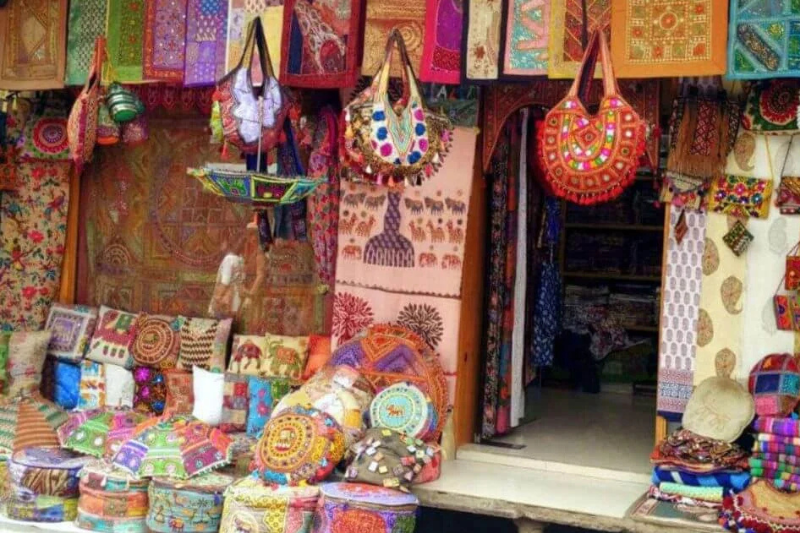
Both regions excel in distinct art forms. Mewar’s miniature paintings, known as Mewar School or Udaipur School, depict court scenes, hunting expeditions, and religious themes with exquisite detail. These paintings, created using natural pigments and gold leaf, represent one of India’s finest artistic traditions.
Marwar contributed significantly to folk music and dance. The Ghoomar dance, performed by women in swirling ghagras (long skirts), represents Rajasthan globally. The region’s musicians, particularly the Manganiyar and Langa communities, preserve ancient musical traditions through their soulful performances on instruments like the kamaycha and sindhi sarangi.
Handicrafts from both regions reflect their environments and histories. Mewar specializes in pichwai paintings (temple hangings depicting Lord Krishna), silver jewelry, and wooden toys. Marwar excels in blue pottery, leather juttis (traditional footwear), bandhani (tie-dye textiles), and metal crafts.
Culinary Journey Through Two Kingdoms
Mewari cuisine offers dishes like gatte ki sabzi (gram flour dumplings in yogurt curry), safed maas (white mutton curry prepared with nuts and cream), and the famous dal bati churma. The abundance of water bodies introduced fish preparations rarely found in other parts of desert Rajasthan.
Marwari cuisine, adapted to water scarcity and extreme temperatures, features preservation techniques that extended shelf life. Ker sangri (desert beans and berries), laal maas (fiery red meat curry), and various preparations of bajra (pearl millet) showcase the region’s culinary innovation. The Marwari community, known for their business acumen across India, spread their vegetarian cuisine nationwide, influencing modern Indian food culture.
Planning Your Mewar and Marwar Tour Package
Best Time to Visit
The ideal period for exploring both regions extends from October to March when temperatures remain pleasant for sightseeing. Winter months (December-February) bring cool evenings perfect for desert camping and outdoor activities. Monsoon season (July-September) transforms Mewar’s lakes and gardens, though travel can be challenging during heavy rains.
Suggested Itinerary Duration
A comprehensive Mewar and Marwar experience requires 7-10 days minimum. This allows adequate time to explore Udaipur’s palaces and lakes (2-3 days), visit Kumbhalgarh and Ranakpur (1 day), experience Jodhpur’s forts and markets (2-3 days), and enjoy desert adventures (1-2 days). Travel between cities takes approximately 4-6 hours, offering scenic views of the Aravalli Range.
Getting Around
When planning your Rajasthan adventure, choosing reliable tour operators becomes crucial for a seamless experience. Janu Private Tours specializes in customized travel itineraries across Rajasthan, offering private guided tours that cater to individual preferences and budgets. Their comprehensive services include transportation, experienced guides, and flexible scheduling that ensures you experience both regions at your own pace.
Professional tour companies handle logistics like hotel bookings, entrance tickets, and inter-city travel, allowing visitors to focus on experiencing the culture and heritage. Private tours offer advantages over group travel, providing flexibility to spend more time at locations that interest you most and the ability to adjust plans based on weather or personal preferences.
What to Pack
Clothing requirements vary by season. Winter visitors need warm layers for chilly mornings and evenings, especially in desert areas. Comfortable walking shoes are essential for exploring forts and palaces with uneven surfaces and long staircases. Modest clothing respecting local customs (covering shoulders and knees) ensures comfortable temple visits and cultural sensitivity.
Other essentials include sunscreen, sunglasses, a hat for sun protection, a reusable water bottle, and a camera or smartphone for capturing memories. A small backpack helps carry these items during day trips.
Adventure Activities for the Thrill-Seeker
In Mewar
Lake Pichola and Fateh Sagar Lake offer boating experiences that range from peaceful sunset cruises to early morning bird-watching trips. The surrounding Aravalli hills provide opportunities for trekking, with trails varying from easy walks to challenging climbs. Zip-lining has been introduced at several locations near Udaipur, offering aerial views of the landscape.
In Marwar
Desert activities dominate Marwar’s adventure offerings. Camel safaris remain the most authentic way to experience the Thar Desert, with options ranging from short evening rides to multi-day expeditions with overnight camping. Jeep safaris cover larger distances, reaching remote villages and sand dunes inaccessible by camel.
Parasailing and paragliding have become popular near Jodhpur, providing bird’s-eye views of the Blue City and Mehrangarh Fort. Flying fox (zip-lining) across Mehrangarh Fort offers an adrenaline rush combined with spectacular views.
Spiritual and Architectural Wonders
Ranakpur Jain Temple
Located between Udaipur and Jodhpur, the Ranakpur Jain Temple complex represents marble architecture’s pinnacle. Built in the 15th century, the main temple dedicated to Adinatha features 1,444 uniquely carved pillars, none identical to another. The play of light and shadow through the marble creates an almost otherworldly atmosphere.
Brahma Temple, Pushkar
Though technically in Ajmer district (historically connected to Marwar), Pushkar’s Brahma Temple warrants inclusion in any comprehensive Rajasthan tour. As one of very few temples dedicated to Lord Brahma worldwide, it attracts pilgrims and tourists equally. The annual Pushkar Camel Fair transforms the town into a vibrant celebration of Rajasthani culture.
Shopping: Taking Memories Home
Mewar Shopping Experiences
Udaipur’s markets overflow with traditional crafts. Bada Bazaar and Hathi Pol Bazaar offer miniature paintings, wooden toys, and traditional Rajasthani attire. Shilpgram, a crafts village on the city’s outskirts, hosts artisans from across Rajasthan demonstrating their skills and selling directly to visitors.
Silver jewelry from Udaipur represents some of Rajasthan’s finest craftsmanship. Local workshops allow visitors to watch craftsmen create intricate designs using techniques passed down through generations.
Marwar Shopping Treasures
Jodhpur’s old city markets, particularly around the Clock Tower, become labyrinths of discovery. Sardar Market specializes in textiles, handicrafts, and spices. The city’s famous bandhani sarees, featuring intricate tie-dye patterns, make excellent souvenirs or gifts.
Mojari (traditional embroidered footwear) from Jodhpur is renowned across India for its quality and design. Watching cobblers craft these shoes by hand provides fascinating insights into traditional craftsmanship. The city’s antique markets also attract collectors searching for vintage items from Marwar’s royal past.
Responsible Tourism: Preserving Heritage for Future Generations
Visiting these historic regions comes with responsibility to preserve their cultural and environmental integrity. Supporting local artisans by purchasing authentic handmade products directly contributes to community welfare. Choosing heritage hotels, many converted from historic havelis (mansions), helps maintain these architectural treasures while providing unique accommodation experiences.
Water conservation awareness is crucial in desert regions. Being mindful of water usage and supporting accommodations with sustainable practices makes tourism more sustainable. Respecting local customs, especially in religious sites and rural villages, ensures positive interactions between visitors and residents.
When booking through responsible tour operators like Janu Private Tours, you contribute to sustainable tourism practices that benefit local communities while preserving cultural heritage. Their focus on authentic experiences over commercialized attractions supports traditional craftspeople and guides whose knowledge brings history alive.
Also Read:- Inside Jal Mahal Jaipur: History, Architecture & Things to Know
Why Choose a Guided Tour?
Self-exploration has its charms, but guided tours offer distinct advantages in regions as culturally rich as Mewar and Marwar. Experienced local guides provide historical context that transforms ancient stones into living stories. They navigate language barriers, recommend authentic restaurants away from tourist traps, and ensure safety while exploring unfamiliar areas.
Private tours through companies like Janu Private Tours offer personalized attention impossible in large groups. They accommodate specific interests, whether you’re passionate about architecture, photography, cuisine, or adventure activities. Flexible itineraries adjust to your energy levels and interests, ensuring each day brings enjoyment rather than exhaustion.
Professional guides also facilitate meaningful interactions with local communities, translating conversations and explaining customs that might otherwise remain mysterious. These interactions often become trip highlights, providing deeper understanding of Rajasthani culture beyond what guidebooks offer.
Conclusion: A Journey Through Timeless India
A Mewar and Marwar tour package delivers more than just sightseeing it offers immersion into living history where ancient traditions coexist with modern life. From Udaipur’s romantic lakes reflecting palace splendor to Jodhpur’s imposing desert fort dominating the blue cityscape, every moment reveals new facets of Rajasthan’s magnificent heritage.
The contrast between these regions enhances appreciation for both. After experiencing Mewar’s water-blessed greenery and refined courtly culture, Marwar’s stark desert beauty and warrior traditions provide fascinating counterpoint. Together, they present a complete portrait of Rajasthani civilization that shaped Indian history through centuries of conflict, creativity, and resilience.
Whether you’re drawn by architectural grandeur, cultural richness, adventure activities, or simply the magic of exploring India’s most romantic state, a well-planned tour through Mewar and Marwar promises memories that last a lifetime. The key lies in choosing the right travel partner who understands these regions intimately and can customize experiences to match your dreams.
Start planning your Rajasthan adventure today, and prepare to discover why travelers worldwide fall in love with the land of kings and legends.
Frequently Asked Questions
Q1: What is the main difference between Mewar and Marwar regions in Rajasthan?
Mewar, centered around Udaipur, features mountain ranges, lakes, and lush greenery, while Marwar, with Jodhpur as its heart, showcases the Thar Desert’s arid beauty. Historically, Mewar was ruled by the Sisodia dynasty and Marwar by the Rathores. Cultural differences include distinct dialects (Mewari vs. Marwari), cuisine, and artistic traditions that reflect their contrasting geographical environments and royal heritage.
Q2: How many days are sufficient for a complete Mewar and Marwar tour?
A comprehensive tour requires 7-10 days minimum. This allows 2-3 days exploring Udaipur’s palaces and lakes, one day for Kumbhalgarh and Ranakpur temples, 2-3 days in Jodhpur visiting forts and markets, and 1-2 days for desert experiences. Additional time enables leisurely exploration of smaller towns, local markets, and cultural performances without rushing through these historically rich destinations.
Q3: What is the best time to visit Mewar and Marwar for tourism?
October to March offers the most comfortable weather for exploring both regions. Winter months (December-February) are ideal for desert camping and outdoor activities, with pleasant days and cool evenings. Monsoon season (July-September) beautifies Mewar’s lakes but can make desert travel challenging. Summer (April-June) brings extreme heat, making sightseeing difficult despite being the off-season with fewer crowds.
Q4: What are the must-visit attractions in a Mewar and Marwar tour package?
Essential Mewar attractions include Udaipur’s City Palace, Lake Pichola, Lake Palace, Jag Mandir, Kumbhalgarh Fort, and Ranakpur Jain Temple. In Marwar, don’t miss Jodhpur’s Mehrangarh Fort, Umaid Bhawan Palace, Jaswant Thada, blue city streets, and Clock Tower Market. Desert experiences like camel safaris and village visits complete the journey through both regions’ contrasting landscapes and heritage.
Q5: Are private tours better than group tours for exploring Rajasthan?
Private tours offer significant advantages including personalized itineraries, flexible scheduling, deeper cultural immersion, and attention to individual preferences. Professional operators customize experiences based on your interests whether architecture, cuisine, adventure, or photography. Private tours allow spontaneous stops, more time at preferred locations, and meaningful interactions with local communities through knowledgeable guides who adapt to your pace and interests throughout the journey.