

Inspiring Journeys Start with Great Stories
Explore destination guides, local traditions, hidden gems, and travel advice curated by our India travel experts.
Explore All Articles
- Published
The Rama Temple in Ayodhya stands as one of India’s most significant spiritual destinations, drawing millions of devotees and travelers from across the globe. This architectural masterpiece represents centuries of faith, devotion, and cultural heritage, making it an essential destination for anyone exploring India’s spiritual landscape.
Understanding the Significance of Ram Mandir Ayodhya
The Ram Mandir was inaugurated on January 22, 2024, at a site in Ayodhya, Uttar Pradesh, believed to be the birthplace of Lord Rama, one of Hinduism’s most revered deities. This sacred landmark represents more than just a place of worship—it embodies the spiritual essence of millions who venerate Lord Rama as the seventh avatar of Lord Vishnu.
The temple’s location in Ayodhya holds profound religious importance. Ancient texts describe Ayodhya as the capital of the Kosala Kingdom, where Lord Rama was born and ruled. For devotees undertaking spiritual journeys across India, visiting this sacred site offers a deeply moving experience that connects them with India’s ancient spiritual traditions.
When planning your visit to this magnificent temple, Janu Private Tours offers customized travel experiences that allow you to explore Ayodhya and other spiritual destinations across India with comfort and convenience. Their expertise in organizing cultural heritage tours ensures that travelers can immerse themselves in the rich spiritual atmosphere while enjoying seamless travel arrangements.
Also Read:- 15 Offbeat travel destinations in India
Architectural Marvel: The Design of Ayodhya Ram Temple
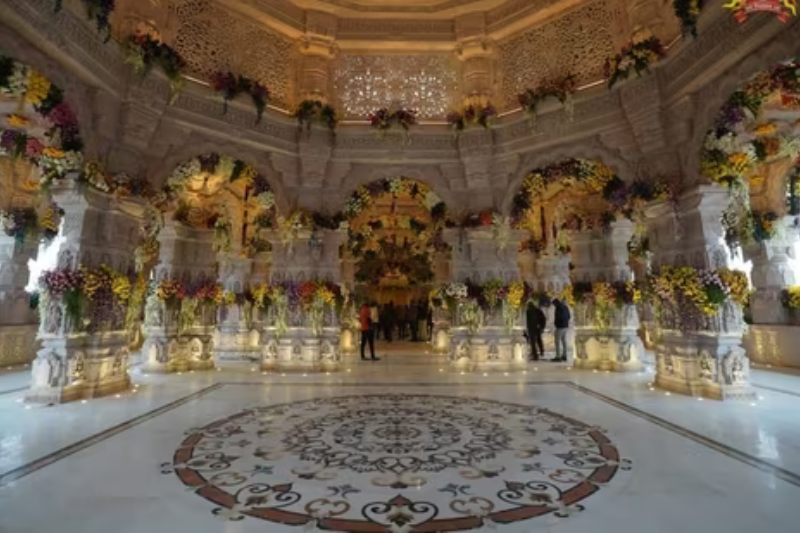
The Ram Mandir showcases exceptional architectural brilliance that blends traditional Indian temple design with modern engineering. The temple is supported by 392 pillars and 44 doors, with pillars and walls intricately sculpted with depictions of Hindu deities. This magnificent structure exemplifies the Nagara style of temple architecture, characterized by its towering spires and elaborate ornamentation.
Key Architectural Features
The temple complex encompasses several distinctive elements that make it an architectural wonder. Five mandaps (halls) form the core structure: Nritya Mandap, Rang Mandap, Sabha Mandap, Prathana Mandap, and Kirtan Mandap. Each mandap serves specific ceremonial purposes, creating spaces for different forms of worship and congregation.
The central tower, or shikhara, rises majestically above the sanctum sanctorum, its vertical emphasis signifying spiritual ascent and connection with the divine. This architectural element draws the eye upward, symbolizing the journey of the soul toward higher consciousness.
The craftsmanship displayed throughout the temple showcases India’s ancient artistic traditions. Nearly two lakh bricks, each inscribed with the name of Lord Ram in various languages, were integrated into the temple’s construction, collected over a span of 30 years. This unique feature adds profound spiritual significance to every element of the structure.
Planning Your Visit to Ayodhya Ram Mandir
Visiting the Ram Mandir requires thoughtful planning to ensure a meaningful and comfortable experience. The temple welcomes devotees throughout the year, though certain periods see higher visitor numbers during festivals and auspicious occasions.
Best Time to Visit
The winter months from October to March offer pleasant weather for temple visits, with comfortable temperatures ideal for exploring the entire complex. Summer months can be quite warm, while the monsoon season brings occasional rainfall. Consider your comfort preferences when scheduling your pilgrimage.
What to Expect During Your Visit
The temple complex provides facilities for devotees, including designated areas for different rituals and prayers. Security measures ensure safety while maintaining the sacred atmosphere. Dress modestly and respectfully, following traditional temple protocols during your visit.
Photography restrictions may apply in certain areas, particularly within the main sanctum. Respect these guidelines to maintain the sanctity of the space. The temple administration has implemented crowd management systems to facilitate smooth darshan for all visitors.
Beyond the Temple: Exploring Ayodhya’s Spiritual Heritage
Ayodhya offers numerous other sacred sites worth exploring during your visit. The city’s spiritual landscape includes ancient temples, ghats along the Sarayu River, and historical landmarks that narrate stories from Hindu mythology.
Nearby Sacred Sites
The Hanuman Garhi temple, situated on a hilltop, provides panoramic views of Ayodhya while offering devotees a chance to worship Lord Hanuman. The Kanak Bhawan temple, dedicated to Lord Rama and Goddess Sita, features exquisite gold-plated idols and beautiful architecture.
Ram Ki Paidi, a series of ghats along the Sarayu River, serves as a popular spot for ritual bathing and evening aarti ceremonies. These ghats create a serene atmosphere where visitors can witness traditional Hindu ceremonies and experience the spiritual energy of the sacred river.
Cultural Experiences in Ayodhya
Experiencing Ayodhya extends beyond temple visits to encompass the city’s vibrant cultural traditions. Local markets offer religious artifacts, traditional handicrafts, and regional specialties that make meaningful souvenirs of your spiritual journey.
Traditional Cuisine
Ayodhya’s culinary scene reflects its religious significance, with numerous establishments serving pure vegetarian cuisine. Local specialties include traditional sweets, savory snacks, and regional dishes that provide authentic flavors of Uttar Pradesh.
The city’s food culture emphasizes sattvic preparations—pure, simple, and wholesome meals that align with spiritual practices. Many eateries near the temple complex serve traditional thalis that offer a complete dining experience featuring various regional preparations.
Practical Travel Tips for Visiting Ram Mandir
Successful pilgrimage planning involves considering several practical aspects. Transportation options to Ayodhya include rail, road, and air connections, with the nearest major airport located in Lucknow, approximately 135 kilometers away.
Accommodation Options
Ayodhya offers diverse accommodation choices ranging from budget-friendly lodges to comfortable hotels. Many establishments cater specifically to pilgrims, providing basic amenities and convenient locations near the temple complex.
For travelers seeking premium experiences with comprehensiveplanning, Janu Private Tours specializes in organizing guided tours that include accommodation arrangements, transportation, and expert local guidance. Their personalized approach ensures that your spiritual journey unfolds smoothly, allowing you to focus entirely on the devotional experience.
Essential Items to Carry
Prepare for your temple visit by packing appropriate clothing that covers shoulders and knees. Comfortable walking shoes prove essential for navigating the temple complex and surrounding areas. Carry a water bottle, though note that certain items may be restricted within the temple premises.
Small denomination currency helps when making offerings or purchasing prasad. Keep important documents and valuables secure, preferably in a money belt or secure bag. Consider carrying a small bag for storing shoes, as footwear must be removed before entering the temple.
The Spiritual Experience of Ram Mandir Darshan
The darshan experience at Ram Mandir offers profound spiritual fulfillment for devotees. The main sanctum houses the deity in the form of Ram Lalla, representing Lord Rama as a child. The atmosphere within the temple resonates with devotional energy, enhanced by traditional chants and the presence of fellow devotees.
Timing and Rituals
The temple follows specific opening hours with different darshan times throughout the day. Morning hours typically offer a more serene atmosphere with relatively fewer crowds. Evening aarti ceremonies provide spectacular experiences, with elaborate rituals accompanied by devotional music.
Participating in temple rituals connects visitors with centuries-old traditions. The priests conduct various ceremonies throughout the day, and devotees can participate according to their preferences and beliefs. Understanding basic temple etiquette enhances the experience and shows respect for sacred customs.
Combining Ayodhya with Other Spiritual Destinations
Ayodhya lies on the Ghaghara River, locally known as Sarayu or Sarju, just east of Faizabad in south-central Uttar Pradesh state. Its location makes it possible to combine your visit with other significant spiritual destinations in northern India.
Varanasi, one of Hinduism’s holiest cities, sits approximately 200 kilometers from Ayodhya, offering another profound spiritual experience along the Ganges River. Prayagraj, home to the sacred Triveni Sangam, provides yet another pilgrimage destination within reasonable traveling distance.
Janu Private Tours can help design comprehensive itineraries that encompass multiple spiritual sites, creating meaningful journeys through India’s sacred geography. Their expertise in cultural heritage tours and understanding of diverse traveler needs ensures well-organized experiences that honor both spiritual aspirations and practical comfort requirements.
Understanding the Historical Context
The temple’s inauguration marked the culmination of a journey spanning centuries. Understanding this historical context enriches the pilgrimage experience, connecting contemporary worship with ancient traditions and beliefs.
The site’s significance in Hindu tradition extends back millennia, mentioned in ancient texts including the Ramayana, one of India’s greatest epics. This connection to sacred literature elevates Ayodhya beyond a mere geographical location to a space where mythology, history, and devotion converge.
Preserving Sacred Traditions for Future Generations
The Ram Mandir represents not just a religious monument but a living tradition that continues to evolve while maintaining its spiritual essence. The temple serves educational purposes, helping younger generations connect with their cultural heritage and understand the significance of their spiritual traditions.
According to the temple trust, the final blueprint of Ram Mandir included temples dedicated to Surya, Ganesha, Shiva, Durga, Vishnu and Brahma in the temple grounds. This comprehensive approach creates a complete spiritual complex that acknowledges various aspects of Hindu worship and devotion.
Making Your Ayodhya Pilgrimage Meaningful
Approaching your temple visit with proper preparation and mindfulness enhances the spiritual experience. Research the significance of Lord Rama’s life and teachings before your visit. Understanding the philosophical and spiritual dimensions of Ramayana stories deepens your connection with the temple and its symbolism.
Meditation and prayer within the temple premises offer opportunities for personal reflection and spiritual growth. The sacred atmosphere supports introspection and devotional practices. Many visitors report experiencing profound peace and spiritual clarity during their time at the temple.
Also Read:- travel brochure on india
Conclusion
The Rama Temple Ayodhya represents a remarkable convergence of faith, architecture, and cultural heritage. Whether you approach it as a devout pilgrim seeking spiritual fulfillment or as a cultural enthusiast exploring India’s rich traditions, the temple offers meaningful experiences that resonate long after your visit.
Planning your journey with attention to practical details while maintaining spiritual openness ensures a rewarding experience. The temple continues to welcome devotees and visitors, serving as a beacon of faith and a testament to India’s enduring spiritual traditions.
For travelers seeking well-organized, culturally enriching experiences across India’s sacred landscape, specialized tour operators like Janu Private Tours provide valuable assistance in creating memorable journeys that honor both spiritual aspirations and travel comfort.
Frequently Asked Questions
Q1: What are the visiting hours for Ram Mandir Ayodhya?
The temple typically opens early in the morning around 7 AM and closes in the evening around 7 PM, though exact timings may vary seasonally and during special occasions. It’s advisable to check current schedules before planning your visit, as timing adjustments occur during festivals and important religious dates. Arriving early morning provides a more peaceful darshan experience with fewer crowds, allowing for deeper spiritual connection.
Q2: Is advance booking required to visit Ram Mandir?
Currently, online booking systems facilitate organized darshan, especially during peak seasons and festivals. While walk-in visits may be possible during regular days, pre-booking ensures guaranteed entry and reduces waiting time significantly. The booking system helps manage crowd flow efficiently, ensuring all devotees receive adequate darshan opportunity. Check the official temple administration websites for current booking procedures and requirements before your planned visit.
Q3: What items are prohibited inside the Ram Mandir complex?
Most temples prohibit electronic devices including cameras, mobile phones, and recording equipment inside the main sanctum to maintain sanctity and privacy. Leather items, large bags, and food items typically cannot enter the temple premises. Security checkpoints screen visitors before entry. Temple authorities provide secure storage facilities for personal belongings that cannot be carried inside, ensuring visitors’ possessions remain safe during darshan time.
Q4: Can foreign tourists visit Ram Mandir Ayodhya?
Absolutely! The temple welcomes visitors from all backgrounds and nationalities who wish to experience its spiritual atmosphere respectfully. Foreign tourists should carry valid identification documents and follow the same dress codes and behavioral guidelines as other visitors. Understanding basic temple etiquette enhances the experience. Many international visitors find the temple visit deeply enriching, offering unique insights into Hindu spiritual traditions and Indian cultural heritage.
Q5: How many days should I allocate for visiting Ayodhya?
A comprehensive Ayodhya experience requires at least two to three days. This duration allows for unhurried temple visits, exploration of other sacred sites, experiencing the riverside ghats, and absorbing the city’s spiritual atmosphere. Additional time enables participation in evening aarti ceremonies, visiting nearby temples, and exploring local markets. Combining Ayodhya with other regional spiritual destinations may require extended itineraries for complete exploration.
- Published
Rajasthan, the land of kings, stands as India’s most captivating destination where centuries-old history meets vibrant culture. This northwestern state offers travelers an enchanting journey through majestic forts, opulent palaces, and the mystical Thar Desert. A royal Rajasthan tour promises unforgettable experiences that transport you to an era of maharajas, valor, and architectural brilliance.
Why Choose a Royal Rajasthan Tour?
Rajasthan’s forts and palaces represent outstanding examples of rich cultural heritage and breathtaking architecture, with majestic structures serving as architectural marvels that showcase the region’s regal lineage. The state’s golden deserts, colorful bazaars, and warm hospitality create an immersive experience that resonates with every type of traveler.
When planning your Rajasthan heritage tour, you’ll discover destinations that have preserved their royal legacy while welcoming modern explorers. Whether you’re seeking adventure in sand dunes or yearning to walk through historic corridors, Rajasthan delivers authenticity at every turn.
Also Read:- Best tourist places to visit in rajasthan
Magnificent Forts That Tell Stories of Valor
Amber Fort: The Crown Jewel of Jaipur
Amber Fort stands among the many celebrated fortifications that define Rajasthan’s skyline. Perched on a hilltop, this 16th-century masterpiece blends Rajput and Mughal architectural styles. The Sheesh Mahal (Mirror Palace) within the fort complex dazzles visitors with thousands of tiny mirrors that create a starlit effect when illuminated.
The elephant ride up to the fort entrance offers a traditional royal experience, though walking the ancient pathways reveals hidden courtyards and panoramic views of Maota Lake below.
Mehrangarh Fort: Jodhpur’s Imposing Guardian
Rising 400 feet above Jodhpur’s blue cityscape, Mehrangarh Fort represents one of the most impressive fortifications in Rajasthan. The fort’s massive walls contain palaces with intricate carvings, expansive courtyards, and a museum showcasing royal artifacts. The views from the ramparts offer breathtaking vistas of the surrounding landscape.
Jaisalmer Fort: The Living Golden Fortress
Known as Sonar Quilla or the Golden Fort, Jaisalmer Fort ranks among the world’s largest forts and stands as the second oldest fortification in Rajasthan. Unlike most forts that serve only as tourist attractions, nearly a quarter of Jaisalmer’s old city population still resides within the fort walls, making it a living heritage site.
The golden sandstone construction glows magnificently during sunset, earning its nickname. Within the fort complex, you’ll find Jain temples with exceptional stone carvings, havelis with ornate facades, and narrow lanes that transport you back centuries.
Chittorgarh Fort: Monument of Sacrifice
The Chittorgarh province bears tales of betrayal and bravery throughout its landscape, with Rana Kumbha Palace featuring maze-like tunnels, impressive walls, and intricate architecture that remain noteworthy despite being partially ruined. This UNESCO World Heritage Site spans 700 acres and stands as the largest fort complex in India.
The fort witnessed three major sieges and countless acts of Rajput valor, making it an essential stop for history enthusiasts on any Rajasthan cultural tour.
Opulent Palaces: Where Royalty Lived
City Palace of Udaipur
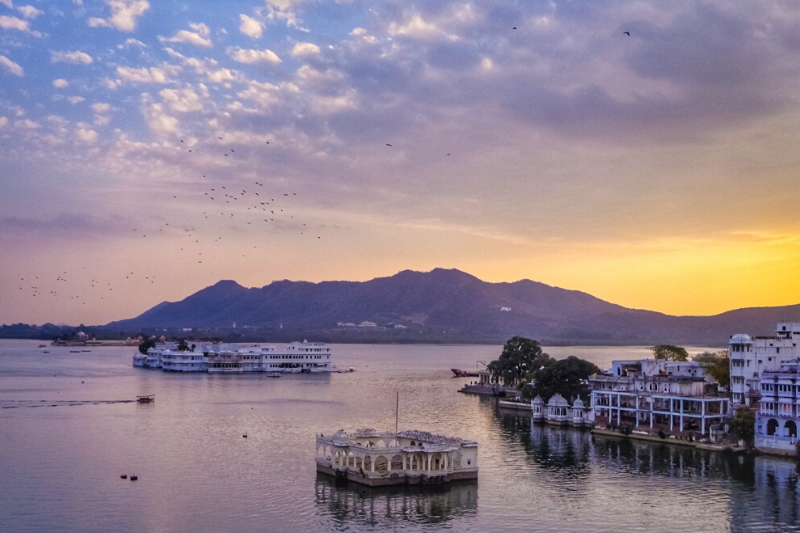
Udaipur’s Lake Palace exemplifies the majestic nature of Rajasthan’s palatial architecture. The City Palace complex, overlooking Lake Pichola, combines medieval European and Chinese influences with traditional Rajput architecture. Crystal galleries, peacock mosaics, and miniature paintings adorn the palace interiors.
The palace museum displays royal artifacts, including weapons, costumes, and paintings that offer glimpses into royal lifestyles. The palace courtyards provide stunning views of the surrounding lakes and Aravalli hills.
Hawa Mahal: Jaipur’s Iconic Structure
Hawa Mahal represents one of the famous palaces recognized for its rich cultural heritage and history. This five-story pink sandstone structure features 953 small windows called jharokhas, designed to allow royal ladies to observe street festivities while remaining unseen.
The pyramid-shaped monument creates a striking silhouette against Jaipur’s skyline. Though it appears massive from the front, the structure is only one room deep, making it more of an elaborate facade than a residential palace.
Umaid Bhawan Palace: Modern Royalty
Built between 1928 and 1943, Umaid Bhawan Palace in Jodhpur represents the last great palace constructed in India. This Art Deco masterpiece now functions as a luxury hotel, museum, and royal residence. The palace contains 347 rooms and sits atop Chittar Hill, the highest point in Jodhpur.
Visitors can explore the museum section, which showcases vintage cars, clocks, and photographs documenting the palace’s construction and the royal family’s history.
Desert Adventures in the Thar Desert
Camel Safari Experiences
A camel safari transcends a simple desert crossing, offering a special adventure that connects travelers to ancient traditions, local culture, and natural beauty. These experiences range from short sunset rides to multi-day expeditions deep into the desert.
Several locations in Rajasthan offer camel safaris, with the best including Jaisalmer, Bikaner, Pushkar, and Jodhpur β all popular stops on a Rajasthan Forts & Palaces Tour, each providing unique and memorable experiences. The gentle swaying motion of camel travel allows you to appreciate the desert’s subtle beauty, shifting sand patterns, desert vegetation, and the vast open sky.
Sam Sand Dunes: Desert’s Heart
Located 42 kilometers from Jaisalmer, Sam Sand Dunes offers the quintessential Thar Desert experience. The sweeping dunes create mesmerizing patterns that change with wind and light throughout the day. Sunset at Sam transforms the landscape into shades of gold, orange, and purple.
Evening cultural programs feature traditional Rajasthani folk music and dance performances under starlit skies. Desert camps provide comfortable accommodation with authentic local cuisine, allowing you to experience desert life without sacrificing comfort.
Desert Camping Under Stars
The Thar Desert, primarily located around Jaisalmer in western Rajasthan, features arid conditions with optimal visiting months from October to March when daytime temperatures remain pleasant and nights aren’t extremely cold. Desert camping offers an intimate connection with nature that few other experiences can match.
Luxury and budget camps cater to different preferences, but all share the common experience of sleeping under countless stars, far from city lights. The silence of the desert at night, broken only by occasional folk songs or camel bells, creates meditative tranquility.
Planning Your Rajasthan Palace Tour
Best Time to Visit
The optimal period for visiting Rajasthan and Northern India falls between October and April, with high season occurring in November and February, and peak travel during New Year and Easter. Winter months offer comfortable temperatures for exploring forts and palaces, while desert activities remain pleasant throughout the cooler season.
Summer months (April to June) bring intense heat, making outdoor exploration challenging, though hotels offer significant discounts during this off-peak period.
Suggested Itinerary Duration
A comprehensive Rajasthan forts and palaces tour typically requires 10-14 days to cover major destinations without rushing. However, shorter 5-7 day trips can focus on the golden triangle of Jaipur, Jodhpur, and Udaipur, while extended itineraries might include Bikaner, Pushkar, and rural villages.
When booking through Janu Private Tours, you can customize your itinerary based on specific interests, whether that’s architecture, desert adventures, or cultural immersion.
Essential Destinations for Your Rajasthan Heritage Tour
The Pink City: Jaipur
Jaipur serves as Rajasthan’s capital and gateway city for most travelers. Beyond Amber Fort and Hawa Mahal, the city offers the City Palace, Jantar Mantar astronomical observatory, and vibrant bazaars selling textiles, jewelry, and handicrafts. The city’s uniform pink-colored buildings create a cohesive visual identity that earned its famous nickname.
The Blue City: Jodhpur
Jodhpur’s old town appears as a sea of blue houses surrounding Mehrangarh Fort. The Jaswant Thada memorial, clock tower market, and traditional blue-painted neighborhoods provide photogenic settings. The city also serves as a convenient base for visiting Bishnoi villages, where communities practice ancient environmental conservation traditions.
The Golden City: Jaisalmer
Rajasthan’s sprawling fort complexes often housed entire cities within their walls, including palaces, temples, and trading centers, with hillside locations utilizing natural defenses like forests, deserts, and elevated terrain, providing spectacular views. Jaisalmer embodies this concept perfectly, offering both fort exploration and desert adventures.
The city’s havelis ornate merchant mansions feature intricate sandstone carvings that showcase incredible craftsmanship. Patwon Ki Haveli and Salim Singh Ki Haveli rank among the finest examples.
The City of Lakes: Udaipur
Udaipur’s romantic setting around several lakes, combined with its palaces and gardens, makes it Rajasthan’s most picturesque destination. Boat rides on Lake Pichola, visits to Saheliyon Ki Bari gardens, and evening cultural shows enhance the palace visits.
Cultural Experiences Beyond Architecture
Traditional Rajasthani Cuisine
Rajasthan’s desert climate influenced its unique cuisine, which features dishes that remain edible for days without refrigeration. Dal baati churma, gatte ki sabzi, and laal maas represent signature dishes. Street food like pyaaz kachori and mirchi vada offer delicious snacks while exploring cities.
Heritage properties and royal palaces often host traditional thali meals, presenting multiple dishes that showcase regional variety. Many desert camps include live cooking demonstrations, teaching traditional preparation methods.
Folk Performances and Music
Rajasthani folk music and dance forms like Ghoomar, Kalbeliya, and Terah Taali provide entertainment during desert evenings and cultural programs. These performances preserve ancient traditions while entertaining modern audiences.
Local puppet shows (kathputli) tell stories of historical heroes and folklore through colorful marionettes. Shopping in local markets reveals craftspeople creating miniature paintings, block-printed textiles, and jewelry using centuries-old techniques.
Why Choose Janu Private Tours for Your Rajasthan Journey
Planning a comprehensive Rajasthan tour requires understanding local logistics, seasonal considerations, and cultural nuances. Janu Private Tours specializes in creating customized itineraries that match individual preferences and budgets.
Their services include experienced guides who bring historical sites to life with engaging stories, comfortable private transportation, and accommodation recommendations across all budget ranges. The company’s deep knowledge of Rajasthan ensures access to both famous landmarks and hidden gems that independent travelers might miss.
Janu Private Tours handles all practical arrangements, allowing you to focus on experiencing Rajasthan’s magic without worrying about logistics. Their flexible cancellation policies and transparent pricing eliminate common travel booking concerns.
Practical Tips for Your Royal Rajasthan Tour
What to Pack
Comfortable walking shoes prove essential for exploring forts with uneven surfaces. Modest clothing respects local customs and religious sites women should carry scarves for covering heads at temples, while men should wear long pants. Sunscreen, hats, and sunglasses protect against intense sun, especially during desert excursions.
Light layers work best, as temperatures fluctuate between day and night, particularly in desert regions. A small flashlight helps when exploring darker fort corridors and during evening desert walks.
Photography Considerations
Rajasthan offers endless photographic opportunities, from architectural details to colorful street scenes. Many sites charge camera fees, so carry small bills. Sunrise and sunset provide the best light for fort and palace photography.
Always ask permission before photographing local people, especially women. Some religious sites prohibit photography inside temple sanctuaries, so respect posted restrictions.
Responsible Tourism
Support local artisans by purchasing directly from craftspeople rather than tourist shops. Respect religious customs at temples and dargahs, removing shoes before entering and maintaining appropriate behavior.
Desert ecosystems remain fragile, so stay on designated paths during camel safaris and desert walks. Carry reusable water bottles to minimize plastic waste, as Rajasthan faces significant environmental challenges related to water scarcity.
Also Read:- A Guide to Photography Tours in Jaipur & Rajasthan
Combining Destinations for the Perfect Itinerary
Most travelers begin their Rajasthan palace tour in Jaipur, then move westward to Jodhpur and Jaisalmer before returning through Udaipur. This route creates a logical circuit covering different architectural styles and landscapes.
Adventure seekers might allocate more time to Jaisalmer and Bikaner for extensive desert experiences, while architecture enthusiasts could spend additional days in Jaipur and Udaipur exploring lesser-known palaces and havelis.
Janu Private Tours creates balanced itineraries that combine major attractions with relaxation time, ensuring you don’t experience temple fatigue or rush through destinations. Their local expertise helps identify optimal sequences based on seasonal conditions and festival calendars.
Conclusion
A royal Rajasthan tour delivers an unparalleled journey through India’s most visually stunning and historically rich region. From climbing ancient fort ramparts to riding camels across golden sand dunes, from admiring intricate palace architecture to enjoying traditional folk performances under desert stars, Rajasthan offers experiences that create lasting memories.
The combination of well-preserved heritage sites, warm hospitality, vibrant culture, and diverse landscapes makes Rajasthan suitable for all traveler types, history buffs, adventure seekers, photography enthusiasts, and cultural explorers alike.
Whether you spend a week or a month exploring this magnificent state, careful planning ensures you maximize your experience. Working with specialists like Janu Private Tours transforms logistics into seamless experiences, allowing you to focus on absorbing Rajasthan’s royal splendor.
Start planning your Rajasthan heritage tour today, and prepare to step into a world where history lives in every stone, culture thrives in every street, and adventure awaits in every direction.
Frequently Asked Questions
Q)What is the best time to visit Rajasthan for fort and palace tours?
The ideal period for visiting Rajasthan spans from October through March when temperatures remain comfortable for outdoor exploration. Winter months (November to February) offer the most pleasant weather, though this high season brings larger crowds and higher prices. October and March serve as shoulder months with good weather and fewer tourists, making them excellent choices for balanced experiences.
Q)How many days do I need for a complete Rajasthan tour?
A comprehensive Rajasthan tour covering major destinations like Jaipur, Jodhpur, Jaisalmer, and Udaipur typically requires 10-14 days. This duration allows adequate time to explore forts, palaces, and desert experiences without excessive rushing. Shorter 5-7 day trips can cover highlights of two or three cities, while extended three-week itineraries enable deeper cultural immersion and visits to smaller towns.
Q)Are camel safaris in Jaisalmer suitable for all ages?
Camel safaris accommodate most age groups and fitness levels, with various duration options from one-hour sunset rides to multi-day expeditions. Shorter rides suit families with children or elderly travelers, while longer safaris appeal to adventure enthusiasts. The gentle pace allows people to dismount for breaks, and alternative jeep safaris provide similar desert experiences for those unable to ride camels comfortably.
Q)What should I wear when visiting Rajasthan’s forts and palaces?
Modest clothing proves most appropriate when visiting Rajasthan’s religious and historical sites. Women should wear knee-length skirts or pants with covered shoulders, carrying scarves for temple visits. Men should avoid shorts at religious sites. Comfortable walking shoes with good grip prove essential for navigating uneven fort surfaces. Light, breathable fabrics work best during daytime, with layers for cooler mornings and evenings.
Q)Can I stay inside heritage properties in Rajasthan?
Many former palaces and havelis throughout Rajasthan have been converted into heritage hotels, offering authentic royal experiences. These properties range from budget-friendly guesthouses to ultra-luxury palace hotels. Staying in heritage accommodations adds another dimension to your Rajasthan heritage tour, allowing you to sleep in rooms where royalty once lived while enjoying modern amenities and traditional hospitality alongside historical ambiance.
- Published
Rajasthan’s capital city, famously known as the Pink City, offers travelers a mesmerizing blend of royal heritage, architectural marvels, and vibrant culture. While many tourists allocate three to four days to explore Jaipur, a well-planned itinerary can help you experience the city’s most iconic attractions in just 36 hours. This comprehensive guide will walk you through the perfect Jaipur 1.5 days itinerary, ensuring you don’t miss the essential highlights that make this destination truly unforgettable.
Why Visit Jaipur? Understanding the Pink City’s Charm
Before diving into the itinerary, it’s important to understand what makes Jaipur special. Founded in 1727 by Maharaja Sawai Jai Singh II, Jaipur was India’s first planned city, designed according to ancient Hindu architectural principles. The city earned its Pink City nickname in 1876 when Maharaja Ram Singh painted the entire city terracotta pink to welcome Prince Albert and Queen Victoria.
Today, Jaipur stands as a UNESCO World Heritage Site, showcasing magnificent forts, palatial structures, colorful bazaars, and rich Rajasthani traditions. Whether you’re traveling solo, with family, or as part of a romantic getaway, this destination offers something for everyone.
Also Read:- Heritage Walks in Jaipur: Discovering Hidden Streets and Stories
Day 1 Morning: Start Your Jaipur Adventure Early
Amber Fort: The Crown Jewel of Jaipur (7:00 AM – 10:30 AM)
Begin your Jaipur sightseeing tour sightseeing tour at sunrise by visiting the magnificent Amber Fort, located approximately 11 kilometers from the city center. Arriving early helps you beat the crowds and experience the fort in the soft morning light, perfect for photography enthusiasts.
Why Amber Fort is unmissable:
Stunning blend of Hindu and Mughal architecture
The famous Sheesh Mahal (Mirror Palace) with intricate mirror work
Magnificent courtyards, gardens, and panoramic hill views
Optional elephant ride experience to the fort entrance
Insider Tips:
Purchase tickets online to avoid queues
Wear comfortable walking shoes as extensive exploration involves climbing stairs
Allocate at least 2.5 to 3 hours for thorough exploration
Consider hiring a local guide for historical insights
Jaigarh Fort: The Fort of Victory (11:00 AM – 12:30 PM)
Located just above Amber Fort, Jaigarh Fort houses the world’s largest cannon on wheels, Jaivana. This military structure offers breathtaking views of Amber Fort and the surrounding Aravalli hills. The fort’s museum displays fascinating artifacts, weapons, and armor from Rajasthan’s martial history.
Pro tip: Many visitors skip Jaigarh Fort, making it less crowded and more peaceful for exploration.
Day 1 Afternoon: Exploring Old City Treasures
Lunch Break: Authentic Rajasthani Cuisine (12:45 PM – 2:00 PM)
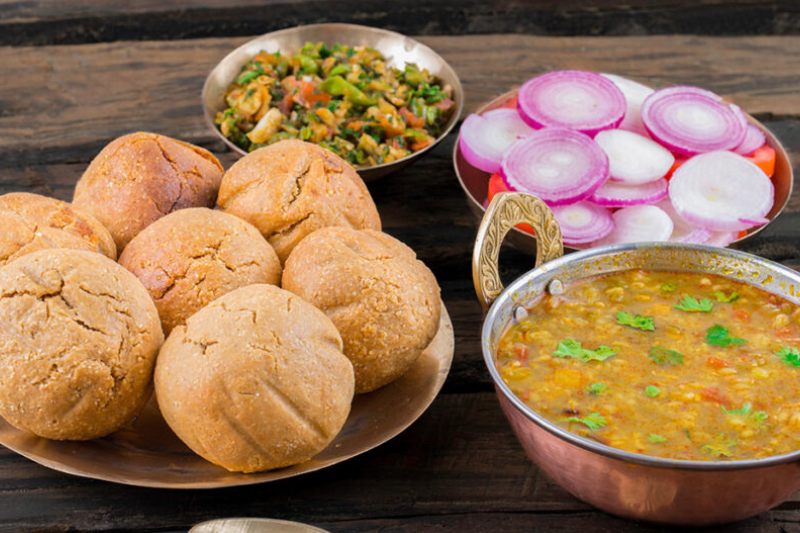
Head back to the city for lunch at one of Jaipur’s traditional restaurants. Sample authentic Rajasthani dishes like dal baati churma, laal maas, gatte ki sabzi, and ker sangri. The walled city offers numerous dining options ranging from heritage restaurants to street food stalls.
Hawa Mahal: Palace of Winds (2:30 PM – 3:30 PM)
No Jaipur itinerary is complete without visiting the iconic Hawa Mahal. This five-story palace features 953 small windows (jharokhas) designed to allow royal ladies to observe street festivities while remaining unseen. The unique honeycomb structure creates a natural cooling effect, earning it the name Palace of Winds.
Photography tip: Visit the cafe opposite Hawa Mahal for the best frontal views and photographs of this architectural masterpiece.
City Palace: Royal Residence (3:45 PM – 5:30 PM)
The City Palace complex remains partially occupied by Jaipur’s royal family while the rest serves as a museum. This sprawling palace showcases:
Mubarak Mahal displaying royal costumes and textiles
Chandra Mahal with seven floors, each representing a different theme
Diwan-i-Khas and Diwan-i-Am (private and public audience halls)
Stunning collection of weapons, manuscripts, and miniature paintings
The palace’s architecture seamlessly blends Rajasthani, Mughal, and European styles, offering visitors a glimpse into royal opulence.
Jantar Mantar: UNESCO Heritage Observatory (5:45 PM – 7:00 PM)
Adjacent to City Palace, Jantar Mantar is an astronomical observatory built by Maharaja Sawai Jai Singh II. This UNESCO World Heritage Site features 19 astronomical instruments, including the world’s largest stone sundial. The precision and scientific knowledge reflected in these 18th-century instruments continue to amaze visitors.
Day 1 Evening: Sunset and Cultural Immersion
Nahargarh Fort: Sunset Point (7:30 PM – 9:00 PM)
Conclude your first day by witnessing a spectacular sunset from Nahargarh Fort. Perched on the Aravalli hills, this fort offers panoramic views of Jaipur’s illuminated cityscape. The fort features extended walls connecting it to Jaigarh Fort and houses a restaurant where you can enjoy dinner with stunning views.
Evening suggestion: Many travelers prefer dining at Nahargarh’s restaurant while enjoying the city lights below.
Day 2 Morning: Final Highlights Before Departure
Albert Hall Museum: Architectural Marvel (8:00 AM – 9:30 AM)
Start your second half-day early at Albert Hall Museum, Rajasthan’s oldest museum. Built in 1876, this Indo-Saracenic architectural gem houses an extensive collection of artifacts, including paintings, jewelry, carpets, metal sculptures, and the famous Egyptian mummy.
The building itself is a masterpiece, featuring detailed stone carvings, painted walls, and beautiful gardens surrounding the structure.
Jal Mahal: Water Palace Photo Stop (10:00 AM – 10:45 AM)
Located on the way to your next destination, Jal Mahal is a stunning palace seemingly floating in Man Sagar Lake. While entry inside isn’t permitted, the lakeside viewing point offers excellent photography opportunities. The palace’s reflection in the calm waters creates a picturesque scene, especially during morning hours.
Shopping at Johari Bazaar and Bapu Bazaar (11:00 AM – 1:00 PM)
No visit to Jaipur is complete without experiencing its vibrant markets. Spend your final hours exploring:
Johari Bazaar: Famous for traditional jewelry, gemstones, and kundan work
Bapu Bazaar: Known for textiles, handicrafts, mojari (traditional footwear), and blue pottery
Tripolia Bazaar: Excellent for iron work, bangles, and lac jewelry
Shopping tips:
Bargaining is expected and part of the experience
Verify authenticity certificates for precious stones
Look for government-approved shops for assured quality
Making Your Jaipur Visit Seamless with Professional Tours
Planning a Jaipur trip with limited time requires careful coordination of transportation, timing, and local insights. This is where professional tour operators like Janu Private Tours can transform your experience. With expertise in Rajasthan tourism, they offer customized itineraries that maximize your time while ensuring comfortable travel between attractions.
Janu Private Tours specializes in creating personalized experiences based on your interests, whether you’re fascinated by history, architecture, photography, or culinary exploration. Their services include professional guides who provide historical context and local stories that bring each monument to life.
Essential Travel Tips for Your 36-Hour Jaipur Adventure
Best Time to Visit Jaipur
The ideal months for visiting Jaipur are October through March when temperatures remain pleasant. Summer months (April to June) can be extremely hot, with temperatures exceeding 45°C. Monsoon season (July to September) brings relief from heat but occasional heavy rainfall.
Getting Around Jaipur
Transportation options include:
Auto-rickshaws: Convenient for short distances
App-based taxis: Uber and Ola operate throughout the city
Private car hire: Most comfortable for covering multiple attractions
Local buses: Budget-friendly but time-consuming
For visitors with limited time, hiring a private vehicle through services like Janu Private Tours ensures efficient movement between locations without wasting precious hours navigating unfamiliar streets.
What to Pack for Your Jaipur Visit
Comfortable walking shoes for fort exploration
Sun protection (hat, sunglasses, sunscreen)
Light cotton clothing for daytime
Light jacket for winter evenings
Camera for capturing architectural marvels
Water bottle to stay hydrated
Modest clothing for temple visits
Accommodation Recommendations
Jaipur offers accommodations across all budget ranges:
Budget: Hostels and guesthouses in the old city area
Mid-range: Heritage hotels offering traditional ambiance
Luxury: Palace hotels providing royal experiences
Book accommodations near the old city for easy access to major attractions.
Cultural Etiquette and Safety Tips
Respecting local customs enhances your travel experience:
Remove shoes before entering temples and religious sites
Dress modestly when visiting religious places
Seek permission before photographing locals
Be cautious with street food if you have a sensitive stomach
Keep valuables secure in crowded markets
Women travelers should dress conservatively and avoid isolated areas after dark
Beyond the Standard Tourist Circuit
If you have extra flexibility in your schedule, consider these additional experiences:
Panna Meena ka Kund: An ancient stepwell near Amber Fort featuring geometric steps
Galtaji Temple: Mountain temple complex with natural springs
Anokhi Museum: Showcasing traditional block printing techniques
Patrika Gate: Instagram-worthy colorful gate on the outskirts
Combining Jaipur with Other Destinations
Many travelers explore Jaipur as part of the famous Golden Triangle circuit (Delhi-Agra-Jaipur). With efficient planning through experienced operators like Janu Private Tours, you can seamlessly combine these destinations into a comprehensive North India itinerary.
Popular extensions include:
Same-day Agra visit to see the Taj Mahal
Pushkar for spiritual experiences and camel fair
Ranthambore National Park for tiger spotting
Food Experiences You Shouldn’t Miss
Jaipur’s culinary scene deserves special mention:
Traditional dishes to try:
Pyaaz Kachori at Rawat Mishtan Bhandar
Lassi at Lassiwala
Dal Baati Churma at Chokhi Dhani or local restaurants
Ghewar (traditional sweet) during festivals
Mirchi Vada (stuffed chili fritters)
Fine dining options:
1135 AD at Amber Fort
Peacock Rooftop Restaurant overlooking Hawa Mahal
Suvarna Mahal at Rambagh Palace
Photography Opportunities in Jaipur
Photography enthusiasts will find endless opportunities:
Best photo spots:
Sunrise at Amber Fort from Jaigarh Fort
Hawa Mahal from street level and opposite cafe
Panna Meena ka Kund stepwell patterns
Colorful turbans and traditional attire in bazaars
Sunset from Nahargarh Fort ramparts
Jal Mahal reflection shots
Photography tips:
Golden hours (early morning and late evening) offer the best light
Respect privacy when photographing people
Some monuments charge extra for camera/video equipment
Drone photography requires special permissions
Also Read:- A Guide to Photography Tours in Jaipur & Rajasthan
Conclusion: Making Every Moment Count in Jaipur
Exploring Jaipur in 1.5 days demands strategic planning, early starts, and efficient transportation. While this condensed itinerary covers the essential highlights, it merely scratches the surface of everything this magnificent city offers. The Pink City’s charm lies not just in its monuments but in the lived experiences—savoring traditional cuisine, bargaining in colorful markets, witnessing craftsmen at work, and immersing yourself in Rajasthani culture.
Whether this is your first visit or a return trip, Jaipur never fails to enchant with its blend of history, architecture, and vibrant traditions. The memories created during these 36 hours will undoubtedly inspire future visits to explore deeper layers of this remarkable destination.
For travelers seeking hassle-free experiences with expert guidance, professional tour services ensure you maximize every moment without worrying about logistics. This allows you to focus entirely on absorbing the magic of Jaipur’s royal heritage and creating unforgettable memories.
Frequently Asked Questions
Q1. Is 1.5 days enough to see Jaipur’s main attractions?
While 1.5 days allows you to visit Jaipur’s major landmarks including Amber Fort, City Palace, Hawa Mahal, and Nahargarh Fort, it’s a fast-paced itinerary. You’ll cover the essential highlights but won’t have time for extensive exploration or leisurely experiences. For a more relaxed visit including shopping and cultural activities, three days would be ideal.
Q2. What is the best way to travel between attractions in Jaipur?
Hiring a private car with a driver is the most efficient option for a 1.5-day itinerary, allowing seamless movement between attractions without wasting time. Auto-rickshaws work for short distances but negotiating fares can be time-consuming. App-based taxis like Uber and Ola offer convenience with transparent pricing. Tour operators provide comprehensive packages including transportation and guides.
Q3. Can I visit both Amber Fort and Jaigarh Fort in one morning?
Yes, both forts are located on the same hill complex and can be covered in one morning session. Allocate approximately 2.5 hours for Amber Fort and 1.5 hours for Jaigarh Fort. Starting early around 7 AM helps you complete both before lunch while avoiding afternoon heat and crowds. The proximity makes this combination highly feasible and recommended.
Q4. What are the entry fees for major Jaipur attractions?
Entry fees vary by monument. Amber Fort costs approximately INR 200 for Indians and INR 500 for foreigners. City Palace charges around INR 200-700 depending on sections visited. Hawa Mahal is INR 50 for Indians and INR 200 for foreigners. Combined tickets offering access to multiple monuments provide better value. Prices occasionally change, so verify current rates before visiting.
Q5. Is Jaipur safe for solo female travelers?
Jaipur is generally safe for solo female travelers who take standard precautions. Dress modestly, especially when visiting religious sites and local markets. Avoid isolated areas after dark and use reputable transportation services. Stay in well-reviewed accommodations in popular tourist areas. Many solo female travelers visit Jaipur without issues by maintaining awareness of surroundings and following basic safety guidelines.
- Published
Perched majestically on a hilltop overlooking Maota Lake, Amber Fort stands as a testament to Rajasthan’s glorious past and architectural brilliance. This UNESCO World Heritage Site, located just 11 kilometers from Jaipur city center, captivates millions of visitors annually with its stunning blend of Hindu and Mughal architectural styles. Whether you’re a history enthusiast, architecture lover, or simply seeking an authentic Rajasthani experience, this magnificent fort palace offers an unforgettable journey through time.
The Historical Legacy of Amber Fort Jaipur
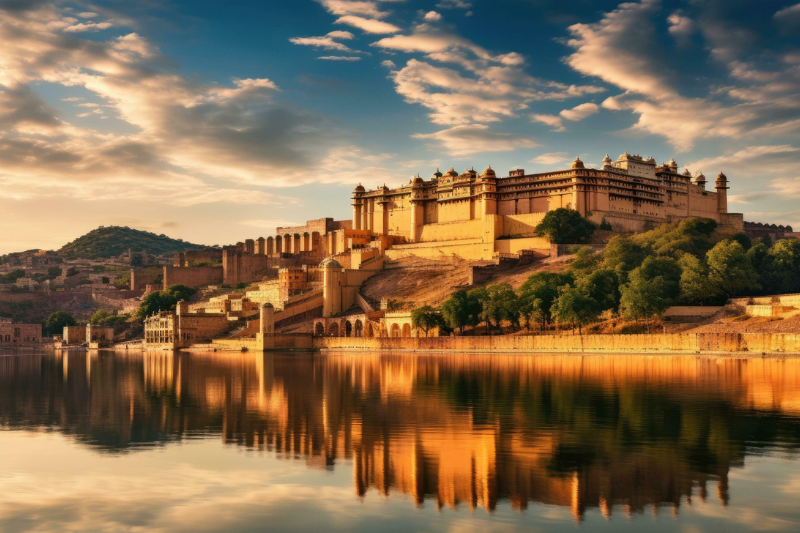
The foundation of Amber Fort was laid by Raja Man Singh in the late 16th century, with significant expansions undertaken by Jai Singh I in the early 1600s. Over the next 150 years, successive Kachhwaha rulers continued enhancing this architectural masterpiece until the capital shifted to Jaipur in 1727. Before the formal construction, the site had historical significance dating back to the 10th century when the Meenas tribe established a small settlement here.
The fort served as the principal residence and seat of power for Rajput Maharajas and their families. Its strategic hilltop location provided natural defense advantages while the massive ramparts and series of cobbled paths created formidable fortifications. Today, visitors exploring this heritage site with Janu Private Tours can witness the same grandeur that once housed Rajputana royalty.
Architectural Brilliance: Where Rajput Meets Mughal Design
The fort presents a fascinating blend of Hindu and Muslim architecture, constructed using red sandstone and white marble. This harmonious fusion creates a visual spectacle that distinguishes Amber Fort from other Rajasthani fortresses. The palace complex showcases intricate craftsmanship through detailed carvings, colorful frescoes, and exquisite mirror work that reflects the sophisticated aesthetic sensibilities of its creators.
The opulent palace is laid out on four levels, each featuring its own beautifully designed courtyard. This thoughtful architectural planning balances defensive military requirements with the luxurious comforts expected in royal residences. The strategic placement of gates, courtyards, and chambers demonstrates the advanced engineering knowledge possessed by medieval Indian architects.
Exploring the Main Attractions Within Amber Fort
Sheesh Mahal: The Mirror Palace
The Sheesh Mahal or Mirror Palace stands as one of the primary attractions of Amer Fort, with its ceiling and walls featuring innumerable pieces of concave mirrors adorned with stunning floral paintings. The ingenious construction creates a mesmerizing effect when even a single candle is lit, as the light reflects infinitely across the mirror-studded surfaces, illuminating the entire chamber. This architectural marvel demonstrates the sophisticated understanding of optics and aesthetics possessed by craftsmen of that era.
Visitors are often left spellbound by the intricate mirror work that transforms the chamber into a starlit sky. Each tiny mirror piece was carefully cut and embedded into the walls and ceiling, creating patterns that have survived centuries. When you visit with Janu Private Tours, knowledgeable guides explain the fascinating techniques used to create this glittering masterpiece.
Diwan-i-Aam: The Hall of Public Audience
The Diwan-e-Aam, or Hall of Public Audience, served as the space where the Maharaja would address his subjects and listen to their grievances. This expansive hall features rows of pillars supporting a pavilion where the ruler sat elevated, symbolizing his authority while remaining accessible to common people. The architectural design facilitated both ceremonial grandeur and practical governance.
The hall’s construction reflects principles of acoustic engineering that allowed the Maharaja’s voice to carry across the entire space. Double-columned galleries provided shade while maintaining an open, welcoming atmosphere. This balance between functionality and aesthetic appeal characterizes much of Amber Fort’s architecture.
Diwan-i-Khas: The Hall of Private Audience
Built in 1623 during the reign of Mirza Raja Jai Singh, the Diwan-i-Khas or Hall of Private Audience took approximately six years to complete. The Maharaja used this exclusive space to meet with special guests, counselors, and important dignitaries. The intimate setting contrasted sharply with the public hall, featuring more elaborate decorations and refined craftsmanship befitting private royal consultations.
Sukh Niwas: The Palace of Pleasure
The Sukh Niwas creates a cool climate artificially by utilizing winds that blow over a water cascade within the palace. This ancient air-conditioning system demonstrates remarkable environmental engineering. Water channels running through the marble floors and walls cooled the air naturally, providing comfortable temperatures even during scorching Rajasthani summers. The innovative cooling system represents early sustainable architectural practices that modern designers still study.
Ganesh Pol: The Ornate Gateway
Ganesh Pol is a beautifully painted gateway opening into the royal quarters, decorated with images of Lord Ganesha and intricate floral designs. This three-story structure serves both aesthetic and symbolic purposes, with Lord Ganesha representing auspicious beginnings and the removal of obstacles. The vivid paintings and detailed artwork make it one of the fort’s most photographed features.
The Majestic Approach: Entering Amber Fort
Visitors enter through Suraj Pol, the Sun Gate, which leads into Jaleb Chowk, the main courtyard where soldiers once assembled. This entrance sequence was strategically designed for both ceremonial processions and military functionality. The cobbled pathway ascending to the fort entrance offers panoramic views of Maota Lake and surrounding Aravalli hills.
Traditionally, visitors could ascend via elephant rides, though walking or jeep transportation are now more common. The uphill journey, while requiring moderate effort, rewards travelers with increasingly spectacular views. Each turn reveals new perspectives of the fort’s imposing ramparts and the landscape below.
Best Time to Visit Amber Fort
Rajasthan’s climate significantly impacts the visitor experience at Amber Fort. The ideal visiting period extends from October through March when temperatures remain pleasant, ranging from 10 to 27 degrees Celsius. Morning visits between 8 AM and 11 AM offer cooler temperatures and softer lighting perfect for photography. The fort opens daily from 8 AM to 5:30 PM, with sufficient time needed to explore its extensive courtyards and chambers.
Summer months from April to June see temperatures soaring above 40 degrees Celsius, making outdoor exploration challenging. However, early morning visits remain feasible. Monsoon season from July to September brings unpredictable weather but fewer crowds. When planning your Rajasthan heritage tour with Janu Private Tours, consider these seasonal variations to optimize your experience.
Sound and Light Show: History Comes Alive
Evening sound and light shows transform Amber Fort into an illuminated storytelling spectacle. Narrated presentations recount the fort’s history, legendary rulers, and significant events through dramatic lighting and audio effects. These shows operate in multiple languages and provide an enchanting conclusion to your visit, bringing centuries-old stories to life against the backdrop of ancient walls.
Practical Visitor Information
Entry Fees and Tickets
Standard entry tickets for Indian nationals are priced affordably, while foreign tourists pay slightly higher fees. Composite tickets covering multiple Jaipur monuments offer better value for those exploring several heritage sites. Photography within the fort premises is generally permitted, though certain restricted areas may require special permissions.
Accessibility and Transportation
Located approximately 11 kilometers from Jaipur city center, Amber Fort is easily accessible by taxi, auto-rickshaw, or private vehicle. Adequate parking facilities accommodate both individual tourists and tour groups. The fort’s hillside location involves climbing, though pathways are generally well-maintained. Visitors with mobility concerns should plan accordingly or arrange for jeep transportation to the entrance.
Guided Tours and Local Insights
Professional guides available at the entrance provide valuable historical context and architectural insights. However, booking tours with established operators ensures more comprehensive experiences. Private tour operators like Janu Private Tours offer customized itineraries combining Amber Fort with other significant Jaipur attractions, providing deeper cultural immersion and logistical convenience.
Nearby Attractions Worth Exploring
Jaigarh Fort
Underground tunnels connect Amer Fort to Jaigarh Fort, located on a higher elevation nearby. Jaigarh houses the world’s largest cannon on wheels and offers spectacular views of Amber Fort and surrounding landscape. Visiting both forts in one day provides a comprehensive understanding of the integrated defense system designed by Kachhwaha rulers.
Maota Lake
The picturesque lake reflecting Amber Fort’s grandeur creates stunning photographic opportunities, especially during sunrise and sunset. The lake historically served as the fort’s primary water source and remains an integral part of the landscape aesthetics.
Panna Meena Ka Kund
This beautiful stepwell located near Amber Fort showcases impressive symmetrical architecture. The stepped design allowed easy water access regardless of water levels, demonstrating advanced hydraulic engineering. The geometric patterns created by steps descending around the well make it a photographer’s paradise.
Tips for an Enhanced Amber Fort Experience
Plan Sufficient Time: Allocate at least 2-3 hours for thorough exploration. Rushing through diminishes appreciation of intricate details and architectural nuances.
Dress Appropriately: Wear comfortable walking shoes and modest clothing respecting cultural norms. Light, breathable fabrics work best in warm weather.
Stay Hydrated: Carry water bottles, especially during warmer months. Climbing and walking in the sun can be physically demanding.
Respect Heritage: Amber Fort is a protected monument. Avoid touching delicate mirror work, frescoes, or carvings. Littering is prohibited.
Photography Etiquette: While photography is generally allowed, be mindful of other visitors. Avoid using flash near fragile artwork or in restricted areas.
Hire Knowledgeable Guides: Understanding the historical context enriches the experience significantly. Well-informed guides reveal stories and details easily missed during self-guided tours.
Amber Fort’s Cultural Significance Today
Amber Fort transcends its role as a tourist attraction, serving as a living symbol of Rajasthan’s cultural heritage. The fort regularly hosts cultural events, traditional performances, and festivals celebrating Rajputana traditions. It appears frequently in Indian cinema, literature, and art, maintaining its relevance in contemporary cultural consciousness.
The fort’s recognition as a UNESCO World Heritage Site underscores its global significance. Conservation efforts ensure future generations can appreciate this architectural masterpiece. The blend of historical authenticity and modern tourism infrastructure makes it accessible while preserving its heritage value.
Also Read:- Rajasthan Forts and Palaces Tour
Conclusion
Amber Fort Jaipur represents more than magnificent architecture and historical significance; it embodies the spirit of Rajasthan’s glorious heritage. From the shimmering mirrors of Sheesh Mahal to the strategic brilliance of its four-level design, every aspect tells stories of royal grandeur, artistic excellence, and cultural sophistication. Whether you’re captivated by architectural marvels, fascinated by history, or seeking authentic cultural experiences, this majestic fort delivers unforgettably.
Planning a comprehensive Rajasthan heritage tour ensures you experience Amber Fort within the broader context of the region’s rich cultural tapestry. Professional tour operators specializing in Rajasthan tourism can craft itineraries maximizing your time while providing deeper insights into local history and traditions. The journey through Amber Fort is not merely sightseeing it’s a profound connection with centuries of heritage, artistry, and the enduring spirit of Rajputana culture.
Frequently Asked Questions About Amber Fort Jaipur
Q1: How much time is needed to explore Amber Fort completely?
A thorough exploration of Amber Fort requires approximately 2 to 3 hours. This allows sufficient time to visit major attractions like Sheesh Mahal, Diwan-i-Aam, Diwan-i-Khas, and Sukh Niwas. If attending the evening sound and light show, plan for an additional hour. Photography enthusiasts may want extra time to capture the fort’s architectural details and scenic views.
Q2: Are elephant rides still available at Amber Fort?
While elephant rides were traditionally popular for ascending to Amber Fort, their availability has become limited due to animal welfare concerns. Jeep transportation now serves as the primary alternative for reaching the entrance from the base. Walking up the cobbled path remains an option for those preferring exercise and wanting to enjoy panoramic views during the ascent.
Q3: What is the best way to reach Amber Fort from Jaipur city center?
Amber Fort is located approximately 11 kilometers from Jaipur city center, making it easily accessible by various transportation options. Taxis and auto-rickshaws are readily available and take about 20-30 minutes depending on traffic. Private tour operators offer comfortable transportation as part of comprehensive sightseeing packages. App-based cab services also operate in this area for convenient booking.
Q4: Can I visit Amber Fort during monsoon season?
Yes, Amber Fort remains open during monsoon season from July to September. However, rainfall can make surfaces slippery, requiring extra caution while walking. The advantage of monsoon visits includes fewer crowds and lush green surroundings. Weather can be unpredictable, so carrying umbrellas or raincoats is advisable. Check weather forecasts before planning your visit during this season.
Q5: Is photography allowed inside Amber Fort?
Photography is generally permitted throughout most areas of Amber Fort for personal use. Visitors can capture the stunning architecture, mirror work, and courtyard views freely. However, certain restricted sections may prohibit photography, and signs indicate these areas clearly. Commercial photography or videography requires special permissions from authorities. Flash photography near delicate artwork should be avoided to preserve historical surfaces.
- Published
Preparing for a journey to India requires more than just booking flights and accommodations. Understanding what to pack for India involves balancing personal style with cultural sensitivity, climate considerations, and practical comfort. Whether you’re planning to explore the majestic forts of Rajasthan with Janu Private Tours or venture into the spiritual heart of Varanasi, your packing choices can significantly impact your travel experience.
India’s diverse landscape spans from the snow-capped Himalayas to sun-soaked beaches, bustling metropolitan cities to serene rural villages. This cultural and geographical diversity means that smart packing becomes essential for any traveler seeking an authentic and comfortable Indian adventure.
Understanding India’s Climate and Regional Variations
Before filling your suitcase, consider India’s vast climate diversity. The country experiences several distinct seasons, and temperatures can vary dramatically depending on your destination and travel dates.
Northern regions like Rajasthan experience scorching summers where temperatures exceed 40°C (104°F), while hill stations such as Shimla and Darjeeling offer cooler respites. Coastal areas like Goa and Kerala maintain warm, humid conditions year-round, while monsoon season brings heavy rainfall to most parts of the country between June and September.
When planning your India packing list, research your specific destinations. If you’re booking customized tours through Janu Private Tours, their local expertise can provide valuable insights into seasonal weather patterns for your chosen itinerary. Winter months (November through February) bring pleasant temperatures to most regions but require warm layers for northern destinations and evenings.
Essential Clothing for Women Traveling to India
Women’s clothing choices in India should prioritize modesty while maintaining personal comfort and style. This doesn’t mean sacrificing fashion, it means adapting your wardrobe to respect local customs while staying comfortable.
Modest Dress Essentials
Loose-fitting clothing forms the foundation of appropriate attire in India. Long, flowing maxi skirts or dresses that reach at least calf-length work beautifully for both temple visits and casual exploration. Pair these with lightweight, breathable cotton or linen tops that cover your shoulders and chest area. Palazzo pants, wide-leg trousers, and loose-fitting capris offer comfortable alternatives that align with cultural expectations.
Kurtas traditional Indian tunics make excellent additions to your travel wardrobe. These versatile pieces can be purchased affordably in local markets and provide authentic style while meeting modesty requirements. When paired with leggings or loose pants, kurtas create comfortable outfits suitable for various occasions.
A collection of long scarves or shawls serves multiple purposes throughout your journey. These accessories can cover shoulders when entering religious sites, protect against unexpected temperature drops, provide modesty when needed, and add vibrant pops of color to your outfits. Choose lightweight fabrics that won’t add bulk to your luggage but offer adequate coverage.
Men’s Packing Essentials for India
Male travelers face fewer clothing restrictions but should still pack thoughtfully. Lightweight, loose-fitting pants prove more comfortable than jeans in India’s heat. Cotton or quick-dry materials work best, allowing breathability while maintaining a neat appearance.
Collared shirts and polo shirts strike the right balance between casual comfort and respectful presentation. Pack several t-shirts for relaxed days, but ensure they’re not overly fitted or sleeveless when visiting religious sites. Long-sleeve shirts made from breathable fabrics offer sun protection and meet temple dress codes without causing discomfort.
Comfortable walking shoes form the cornerstone of practical travel footwear. However, slip-on sandals or shoes become invaluable since you’ll frequently remove footwear when entering temples, homes, and certain restaurants. Consider packing both sturdy walking shoes for sightseeing and easily removable sandals for daily use.
Also Read:- Jaipur Shopping Tour with Pickup
Footwear Selection for Indian Travel
Choosing appropriate footwear for India requires balancing comfort, practicality, and cultural awareness. You’ll walk extensively on uneven surfaces, navigate crowded markets, and constantly remove shoes at religious sites.
Comfortable walking shoes with good arch support prove essential for long days exploring cities and historical monuments. However, avoid expensive designer footwear streets can be dusty, and shoes take considerable wear during Indian travels. Break in all footwear before your trip to prevent blisters during important sightseeing days.
Slip-on sandals or shoes become your best friends in India. Entering temples, gurudwaras, mosques, and many homes requires removing footwear, sometimes multiple times daily. Sandals that easily slip on and off save time and frustration. Ensure any sandals you bring have enclosed toes and backs for temple visits, as some religious sites have specific footwear requirements.
Pack a pair of flip-flops specifically for hotel rooms and bathrooms. While not suitable for extensive walking or temple visits, these lightweight shoes provide comfort during downtime and take minimal luggage space.
Cultural Dress Code for Religious Sites
Understanding temple etiquette and dress codes prevents uncomfortable situations during your spiritual explorations. Religious sites across India maintain specific guidelines that visitors must respect, regardless of their own faith backgrounds.
Most Hindu temples require both men and women to cover shoulders and knees. Women should wear long skirts, dresses, or pants, never shorts. Men should avoid shorts and wear collared shirts when possible. Some temples, particularly in South India, enforce stricter dress codes where men must wear traditional dhotis.
Sikh gurudwaras, including the magnificent Golden Temple in Amritsar, require all visitors to cover their heads. Bring lightweight scarves or bandanas specifically for this purpose. Many gurudwaras provide head coverings at the entrance, but having your own ensures availability and comfort.
When visiting mosques, women must cover their heads, arms, and legs completely. Some mosques provide abayas or robes for female visitors, but carrying your own long scarf ensures you’re always prepared. Men should wear long pants and shirts that cover their arms.
Remove shoes before entering any religious site. Most temples provide shoe storage areas, but consider bringing socks to wear inside if you’re uncomfortable walking barefoot.
Fabric Selection and Weather-Appropriate Clothing
India’s climate demands strategic fabric choices. Natural, breathable materials like cotton and linen become invaluable allies against heat and humidity. These fabrics allow air circulation, wick moisture, and dry quickly essential qualities for Indian weather conditions.
Avoid synthetic materials that trap heat and moisture. While polyester blends might resist wrinkles, they’ll leave you uncomfortable in India’s warm climate. Instead, embrace the casual, slightly wrinkled aesthetic that cotton naturally provides and it’s far more comfortable.
For cooler regions or winter travel, pack layers rather than bulky jackets. A lightweight fleece, cardigan, or pashmina shawl provides warmth without consuming excessive luggage space. These layers work well for air-conditioned spaces, which can be surprisingly cold compared to outdoor temperatures.
Quick-dry fabrics offer practical benefits for travelers planning to hand-wash clothing or deal with unexpected monsoon showers. Athletic wear made from moisture-wicking materials works well for yoga retreats or active excursions, though ensure these clothes meet modesty standards before wearing them in public spaces.
Accessories That Enhance Your Indian Journey
Strategic accessories elevate both your comfort and cultural integration during Indian travels. A wide-brimmed hat or cap protects against intense sun while exploring open-air monuments and markets. Choose styles that can be easily removed when entering buildings or religious sites.
Sunglasses with UV protection become non-negotiable items in your India packing list. The sun’s intensity, particularly in northern regions, can be overwhelming. Select durable frames that won’t easily break during your adventures.
A small crossbody bag or anti-theft backpack keeps valuables secure while navigating crowded areas. Choose bags with multiple compartments for organization and zippers that can be locked for added security. Many travelers prefer bags that can be worn in front of their bodies in busy marketplaces.
Jewelry should be minimal and understated. Leave expensive pieces at home they attract unwanted attention and risk loss. Instead, consider purchasing beautiful, affordable jewelry from local artisans during your travels. This approach supports local communities while providing unique souvenirs.
Shopping for Clothing in India
One of India’s greatest advantages for travelers is the availability of affordable, culturally appropriate clothing. If you arrive underprepared or want to fully embrace local fashion, Indian markets offer countless options.
Local bazaars and markets sell beautiful kurtas, salwar kameez sets, and other traditional clothing at reasonable prices. Shopping locally not only solves packing dilemmas but also provides authentic cultural experiences. When exploring Rajasthan’s vibrant markets with services like Janu Private Tours, you’ll discover stunning textiles, block-printed fabrics, and handcrafted garments unique to each region.
Bargaining forms an expected part of market shopping. Start negotiations at roughly half the initial asking price and work toward a mutually agreeable amount. This cultural practice shouldn’t feel uncomfortable; it’s simply how business operates in Indian markets.
Western-style clothing is available in major cities through international brands and modern shopping malls. However, prices often match or exceed what you’d pay at home, making these options less practical for budget-conscious travelers.
Practical Packing Tips for India Travel
Beyond clothing, several practical items enhance comfort during Indian travels. A reusable water bottle with built-in filtration helps you stay hydrated while avoiding single-use plastics. India’s heat requires consistent fluid intake, and having your own bottle ensures access to safe drinking water.
Pack a small first-aid kit including basic medications, bandages, and any prescription medicines. While pharmacies exist throughout India, having immediate access to common remedies provides peace of mind. Include anti-diarrheal medication, pain relievers, and any specific medications you regularly use.
Bring high-SPF sunscreen and insect repellent from home. While available in India, familiar products ensure you’re protected from day one. The sun’s intensity can cause burns even on cloudy days, and mosquito-borne illnesses remain concerns in certain regions.
A universal power adapter accommodates India’s electrical outlets. Indian outlets typically accept plugs with three large round pins, different from most international standards. Bring adapters for all electronic devices you plan to use.
Pack a small padlock for hostel lockers or hotel room security. While most accommodations provide safe environments, having your own lock adds personal security for valuables.
Laundry and Clothing Maintenance
Indian hotels and guesthouses typically offer affordable laundry services, allowing you to pack lighter than you might initially think. Many travelers find that bringing one week’s worth of clothing suffices for longer trips, as laundry can be done regularly.
Hand-washing clothes in your hotel room provides another option, particularly for undergarments and small items. Quick-dry fabrics prove their worth in these situations, drying overnight even in humid conditions.
If using hotel laundry services, count items carefully before sending them out and upon return. While most services are reliable, occasional mix-ups occur. Avoid sending expensive or sentimental items for washing.
Consider packing a small amount of concentrated laundry detergent or travel-sized packets for hand-washing. This preparation ensures you’re never stuck with dirty clothes during your journey.
Adapting Your Wardrobe Throughout Your Journey
As you travel through different regions, your wardrobe needs may shift. The clothing appropriate for Goa’s beaches differs significantly from what’s needed in Rajasthan’s desert climate or Himachal Pradesh’s mountain villages.
Remain flexible and willing to purchase items locally as needs arise. This adaptability reduces initial packing stress and allows you to experience India’s diverse textile traditions firsthand. Each region offers unique clothing styles, fabrics, and designs that tell stories about local culture and craftsmanship.
Pay attention to how locals dress in each area you visit. While you won’t always match local styles exactly, observing clothing norms helps you make respectful choices. Urban areas generally accept more Western-style clothing, while rural regions and smaller towns appreciate more conservative dress.
Remember that comfort and respect go hand-in-hand. You’ll enjoy your travels far more when dressed appropriately for the climate and culture. When planning private tours throughout India, companies like Janu Private Tours can provide specific guidance about regional dress expectations for your customized itinerary.
Balancing Personal Style With Cultural Respect
Packing for India doesn’t mean abandoning your personal style, it means thoughtfully adapting your wardrobe to honor local customs. Many travelers discover that modest dressing actually increases their comfort in India’s climate while helping them connect more authentically with local communities.
View clothing choices as opportunities to demonstrate respect for Indian culture rather than restrictions on your freedom. This mindset shift transforms packing from a frustrating challenge into an exciting aspect of travel preparation.
Express your personality through colors, patterns, and accessories rather than revealing cuts or fitted styles. India’s vibrant textile traditions offer endless inspiration for creating modest yet fashionable outfits that reflect your taste while respecting cultural norms.
The key to successful India travel packing lies in preparation, flexibility, and cultural awareness. Your clothing choices set the tone for your entire journey, influencing how comfortable you feel, how locals perceive you, and how deeply you can engage with this incredible country’s rich heritage and warm hospitality.
Also read:- Difference between tour operator and travel agent
Frequently Asked Questions
Q)What should women wear when visiting temples in India?
Women should wear clothing that covers shoulders and knees when visiting temples. Long skirts, maxi dresses, or loose pants paired with sleeved tops work best. Carry a lightweight scarf to cover your head if required, particularly in gurudwaras and mosques. Choose shoes that easily slip on and off since you’ll remove footwear before entering. Avoid tight, revealing, or transparent clothing to show respect for religious spaces.
Q)Can I wear shorts in India as a tourist?
While shorts are technically allowed in major cities and tourist areas, they’re generally discouraged, especially for women. Most Indians dress modestly, and shorts often attract unwanted attention or prevent entry to religious sites. Men might wear knee-length shorts in very casual settings like beaches, but long, lightweight pants prove more practical and culturally appropriate throughout most of India, keeping you comfortable while respecting local norms.
Q)What fabrics work best for India’s hot climate?
Natural, breathable fabrics like cotton and linen perform best in India’s heat and humidity. These materials allow air circulation, absorb moisture, and dry quickly compared to synthetics. Avoid polyester and other synthetic fabrics that trap heat and moisture against your skin. For active travelers, moisture-wicking athletic fabrics work well but should meet modesty standards. Lightweight, loose-fitting natural fabrics keep you coolest throughout your Indian journey.
Q)Should I buy traditional Indian clothing before my trip?
You don’t need to purchase traditional Indian clothing before traveling in fact, buying locally often proves more practical and affordable. Indian markets offer beautiful kurtas, salwar kameez, and other traditional garments at reasonable prices. Shopping locally provides authentic cultural experiences and supports local artisans. However, ensure you pack enough modest, comfortable clothing for your first few days while you explore local shopping options.
Q)How many outfits should I pack for a two-week India trip?
Pack approximately one week’s worth of clothing for a two-week trip. Most hotels and guesthouses offer affordable laundry services, allowing you to refresh your wardrobe mid-journey. Include five to seven tops, three to four bottoms, one warm layer, and appropriate undergarments. This approach keeps your luggage manageable while ensuring you have enough variety. Remember, you can always purchase additional items locally if needed, and lighter packing makes travel easier.
- Published
Nestled in the heart of Rajasthan and surrounded by the majestic Aravalli Hills, Ajmer stands as one of India’s most spiritually significant cities. This historic destination attracts millions of visitors annually, drawn by its religious landmarks, cultural heritage, and strategic location. For travelers seeking to explore this enchanting city and beyond, understanding car rental options becomes essential for a seamless journey.
Why Choose Car Rental Services in Ajmer
Ajmer serves as a perfect base for exploring central Rajasthan, with its proximity to Pushkar, Jaipur, and other tourist destinations. The city’s compact layout and surrounding attractions make private transportation the most practical choice for visitors who value flexibility and comfort during their travels.
Opting for car rental in Ajmer offers numerous advantages over public transportation. Travelers can create personalized itineraries, visit multiple destinations in a single day, and travel at their own pace without adhering to rigid bus or train schedules. This freedom becomes particularly valuable when visiting spiritual sites during specific times or capturing sunrise and sunset views at scenic locations.
The convenience factor cannot be overstated. With a rented vehicle and professional driver, tourists avoid the hassle of navigating unfamiliar roads, negotiating with local auto-rickshaw drivers, or waiting for public transport in Rajasthan’s intense heat. This comfort level transforms the travel experience from stressful to enjoyable.
Understanding Ajmer’s Tourist Landscape
Ajmer, surrounded by Aravalli Hills, has established itself as a famous tourist destination with must-visit places including Ajmer Sharif Dargah and Taragarh Fort. The city welcomes people of all faiths and religions, creating a unique atmosphere of spiritual harmony.
The Ajmer Sharif Dargah remains the city’s crown jewel, attracting pilgrims from across the globe who come to pay respects at this revered Sufi shrine. Beyond its religious significance, Ajmer boasts historical monuments like Adhai Din Ka Jhonpra, serene water bodies such as Ana Sagar Lake, and architectural marvels that reflect the region’s rich Mughal and Rajput heritage.
For visitors exploring these diverse attractions, having reliable transportation becomes crucial. The distance between major sites, combined with Rajasthan’s climate, makes walking impractical for comprehensive sightseeing. Quality car hire services bridge this gap effectively.
Also Read:-Why Foreigners Love Rajasthan: Real Stories from International Guests
Types of Car Rental Options Available
Self-Drive Car Rentals
Self-drive options appeal to experienced travelers familiar with Indian road conditions and comfortable navigating independently. This choice offers maximum autonomy but requires a valid driving license, familiarity with local traffic rules, and confidence in handling diverse road situations.
However, most international and domestic tourists prefer alternatives that eliminate the stress of driving in unfamiliar territory, especially given the unique driving culture and road conditions in Rajasthan.
Chauffeur-Driven Car Services
Chauffeur-driven car rental represents the most popular choice among tourists visiting Ajmer. This service combines the comfort of private transportation with the expertise of local drivers who know the area intimately. Professional drivers navigate efficiently, suggest optimal routes, and often provide valuable insights about local culture and hidden gems.
Travelers booking through reputable services like Janu Private Tours gain access to experienced chauffeurs who speak English and understand tourist needs. These professionals ensure safe, comfortable journeys while allowing guests to focus entirely on experiencing Rajasthan’s wonders.
Vehicle Categories for Different Needs
Car rental services typically offer various vehicle categories to match different group sizes and budget considerations. Sedan cars suit couples or small families seeking economical options with adequate comfort. SUVs and luxury vehicles cater to larger groups or travelers prioritizing premium experiences. Tempo travelers and mini-buses accommodate bigger tourist groups or family reunions.
Choosing the appropriate vehicle depends on factors including passenger count, luggage requirements, planned destinations, and budget allocation. Most professional tour operators help guests select the ideal vehicle type for their specific itinerary.
Key Destinations Accessible from Ajmer
Pushkar: The Sacred Twin City
Located just fourteen kilometers from Ajmer, Pushkar ranks among India’s most sacred cities. The holy Pushkar Lake, surrounded by ghats and temples, draws pilgrims and tourists alike. The famous Brahma Temple and the vibrant Pushkar Camel Fair make this destination unmissable. Having a private vehicle makes the Ajmer-Pushkar circuit effortless, allowing visitors to explore both cities comfortably.
Day Trips to Jaipur
Rajasthan’s capital city, Jaipur, lies approximately 135 kilometers from Ajmer, making it perfect for day trips via hired car. The Pink City’s magnificent forts, palaces, and bazaars offer endless exploration opportunities. With car rental services, tourists can visit the Amber Fort, City Palace, Hawa Mahal, and other landmarks without rushing.
Exploring Hidden Gems
Beyond major tourist circuits, Ajmer’s surroundings hide numerous lesser-known attractions worth discovering. Villages showcasing traditional Rajasthani life, ancient temples, wildlife sanctuaries, and scenic viewpoints become accessible with private transportation. These off-the-beaten-path experiences often create the most memorable travel moments.
Planning Your Ajmer Car Rental Experience
Booking Process and Timing
Booking ensures vehicle availability and often secures better rates, especially during peak tourist seasons or festival periods. Most professional operators, including Janu Private Tours, offer straightforward online booking systems where travelers can compare vehicle options, review pricing structures, and confirm reservations instantly.
Early booking proves particularly important during major events like the Pushkar Camel Fair or the Urs festival at Ajmer Sharif Dargah, when accommodation and transportation demand peak significantly.
Pricing Structures and Transparency
Understanding pricing models helps travelers budget accurately and avoid unexpected expenses. Reputable car rental services offer transparent all-inclusive rates covering fuel, driver allowances, parking fees, and applicable taxes. Some operators calculate charges based on daily kilometer limits, while others provide unlimited mileage packages.
Always clarify what the quoted price includes before confirming bookings. Hidden charges for toll taxes, additional hours, or extra kilometers can significantly inflate the final bill with less scrupulous operators.
Duration and Flexibility
Car rental services accommodate various duration needs, from half-day city tours to multi-week Rajasthan circuits. Most operators offer flexible packages that can be customized based on individual itineraries. This adaptability allows travelers to extend or modify their plans as they discover new interests during their journey.
Short-term rentals suit travelers with fixed schedules, while longer bookings often come with attractive discounts and greater flexibility for spontaneous exploration.
Essential Considerations for Car Hire
Safety and Reliability Standards
Prioritizing safety ensures worry-free travel experiences. Look for operators maintaining well-serviced vehicles, employing verified drivers with clean records, and providing comprehensive insurance coverage. Vehicle condition directly impacts journey comfort and safety, particularly on long-distance routes.
Established operators invest in regular maintenance, ensuring their fleet meets safety standards. They also conduct background checks on drivers and provide them with ongoing training about customer service and safe driving practices.
Local Knowledge and Communication
Drivers who understand the local landscape add immense value beyond transportation. They recommend authentic restaurants, suggest optimal visiting times for popular attractions, and help navigate language barriers when interacting with local vendors or communities.
When booking with services like Janu Private Tours, travelers benefit from drivers who combine local expertise with an understanding of tourist preferences, creating smoother, more enriching experiences.
Customization and Special Requirements
Different travelers have unique needs requiring personalized solutions. Families with young children might need child safety seats. Photographers may require early morning departures for golden hour shots. Some visitors prefer slower-paced journeys with frequent stops, while others maximize time efficiency.
Professional car rental services accommodate these varied requirements, customizing itineraries and services to match individual preferences. Clear communication about special needs during booking ensures appropriate arrangements.
Combining Car Rental with Complete Tour Packages
While standalone car rental provides transportation flexibility, comprehensive tour packages offer additional convenience by bundling accommodation, guides, and activities. Companies specializing in Rajasthan tourism, such as Janu Private Tours, create curated experiences that eliminate planning stress while maintaining personalization.
These packages typically include expertly designed itineraries balancing major attractions with unique experiences, pre-booked accommodations matching budget specifications, knowledgeable guides providing historical and cultural context, and all transportation arranged seamlessly. This approach suits first-time visitors to Rajasthan or travelers preferring hassle-free experiences.
The integration of reliable car rental within broader tour packages ensures consistency in service quality throughout the journey. Travelers enjoy the flexibility of private transportation combined with the expertise of professional trip planning.
Sustainable and Responsible Travel Practices
Responsible tourism becomes increasingly important as Rajasthan’s popularity grows. When hiring cars for travel, consider operators committed to sustainable practices. This includes maintaining fuel-efficient vehicles, training drivers in eco-friendly practices, and supporting local communities through employment and partnerships.
Travelers can contribute by respecting local customs, minimizing plastic waste, supporting authentic local businesses, and following guidelines at religious and heritage sites. These practices preserve Rajasthan’s cultural and natural treasures for future generations.
Making the Most of Your Ajmer Journey
Maximizing your Ajmer experience involves more than just securing transportation. Research destinations beforehand to prioritize interests, remain flexible to embrace unexpected discoveries, engage respectfully with local cultures and traditions, and balance structured sightseeing with spontaneous exploration.
The spiritual atmosphere of Ajmer encourages mindful travel, where quality experiences matter more than quantity. With reliable car rental services handling logistics, visitors can immerse themselves fully in the city’s unique character.
Photography enthusiasts find endless opportunities throughout Ajmer and the surrounding areas. From sunrise at Ana Sagar Lake to evening prayers at the Dargah, each moment offers captivating visual stories. Having a private vehicle ensures photographers can position themselves perfectly without worrying about transportation timing.
Beyond Transportation: Cultural Immersion
The relationship between travelers and their drivers often evolves into a cultural exchange. Local drivers share stories about Rajasthani traditions, explain religious practices, recommend family-run restaurants serving authentic cuisine, and sometimes facilitate interactions with local artisans and communities.
These connections transform transportation into meaningful cultural immersion, enriching the travel experience far beyond simple point-to-point movement. This human element distinguishes quality car rental services from mere vehicle provision.
Also Read:-Motorcycle Tour in Rajasthan: A Complete Travel Route Guide
Conclusion
Car rental in Ajmer, Rajasthan, represents more than convenient transportation; it unlocks the region’s full potential for exploration and discovery. Whether visiting the sacred Dargah Sharif, exploring the colorful markets of Pushkar, or venturing to Jaipur’s grand palaces, having reliable private transportation transforms good trips into extraordinary journeys.
The key lies in selecting professional operators who understand tourism dynamics and prioritize customer satisfaction. Services combining quality vehicles, experienced drivers, transparent pricing, and flexibility create the foundation for memorable Rajasthan experiences.
As you plan your Ajmer adventure, consider how car rental options align with your travel style, group composition, and exploration goals. With proper planning and the right transportation partner, Rajasthan’s wonders await your discovery at every turn of the road.
Frequently Asked Questions
Q.What is the average cost of a car rental in Ajmer for a day?
Car rental costs in Ajmer vary based on vehicle type, duration, and inclusions. Sedan services typically start around βΉ2,500-3,500 per day, while SUVs range from βΉ4,000-6,000 daily. These rates generally include driver charges, fuel, and basic tolls for specific kilometer limits, usually 250-300 km per day, with additional charges beyond that.
Q.Do I need an international driving permit for self-drive car rental in Ajmer?
Yes, international tourists planning self-drive rentals in India must possess both a valid driving license from their home country and an International Driving Permit. Additionally, most rental agencies require significant security deposits for self-drive options. However, chauffeur-driven services eliminate these requirements, making them the preferred choice for most foreign visitors.
Q.Can I hire a car in Ajmer for visiting only Pushkar?
Absolutely, car hire for short Ajmer-Pushkar trips is very common and economical. The fourteen-kilometer distance takes approximately 30 minutes by car. Most operators offer half-day packages perfect for Pushkar visits, allowing comfortable exploration of both cities within a single day without rushing. This flexibility lets travelers experience Pushkar’s spiritual atmosphere thoroughly.
Q.Are car rental services in Ajmer available for multi-city Rajasthan tours?
Yes, most professional car rental services offer extensive multi-city packages covering popular Rajasthan circuits. These itineraries typically include Ajmer, Pushkar, Jaipur, Udaipur, Jodhpur, and Jaisalmer, among others. Extended rentals often provide better per-day rates, and experienced drivers familiar with these routes ensure smooth inter-city travel with optimal stops along the way.
Q.What safety measures should I check before booking a car rental in Ajmer?
Verify that the rental service provides well-maintained vehicles with valid insurance coverage and pollution certificates. Confirm driver credentials, including license validity and background verification. Read customer reviews focusing on reliability and safety experiences. Reputable operators readily share vehicle and driver information transparently, demonstrating their commitment to passenger safety and service quality standards.
- Published
Imagine a palace emerging from the tranquil waters of a lake, its reflection creating a mirror image against the azure sky. This is Jal Mahal, one of Rajasthan’s most photographed and enigmatic architectural wonders. Standing majestically in the middle of Man Sagar Lake, this water palace has captivated travelers and history enthusiasts for centuries. Whether you’re planning a visit with Janu Private Tours or researching Jaipur’s heritage sites, understanding what makes Jal Mahal special will enhance your appreciation of this floating marvel.
The Historical Legacy of Jal Mahal: A Royal Summer Retreat
The story of Jal Mahal begins in the late 17th century, around 1699, when its foundation was first laid. However, the palace as we know it today owes much to the vision of Maharaja Jai Singh II of Amber, the founder of Jaipur city. In the early 18th century, specifically around 1750, this ambitious ruler undertook extensive renovations that transformed the structure into an architectural masterpiece.
Maharaja Jai Singh II was not just a ruler but an astronomer, scholar, and patron of the arts. His architectural legacy extends beyond Jal Mahal to include the famous Jantar Mantar observatory and the planned city of Jaipur itself. The water palace served as a luxurious hunting lodge and summer retreat for the royal family, offering respite from Rajasthan’s scorching heat.
Later, Maharaja Madho Singh II, during the 18th century, enhanced the palace’s interior by adding courtyard grounds that remain integral to its design. The palace witnessed royal gatherings, cultural performances, and celebrations, serving as a testament to the grandeur of Rajasthan’s princely states.
The Man Sagar Lake itself was created by constructing a dam across the natural flow of water from the surrounding Aravalli hills. This engineering feat not only provided water storage for the arid region but also created the perfect setting for this architectural jewel.
Jal Mahal Architecture: A Fusion of Rajput and Mughal Design
The architectural brilliance of Jal Mahal lies in its unique five-story structure that creates an optical illusion. When you view the palace from the banks of Man Sagar Lake, you see only the top floor, as the remaining four stories remain submerged beneath the water when the lake is full. This creates the mesmerizing effect of a palace floating on water, earning it the nickname Water Palace.
Red Sandstone Elegance and Symmetrical Design
Built primarily from red sandstone, Jal Mahal exemplifies the classic Rajput architectural style with significant Mughal influences. The symmetrical layout reflects the geometric precision that characterized 18th-century Indian palace construction. The warm pink-red hue of the sandstone creates a striking contrast against the blue waters of the lake, especially during sunrise and sunset when the light transforms the facade into varying shades of amber and crimson.
Distinctive Architectural Features
The palace’s roofline is adorned with four octagonal chhatris (domed pavilions) positioned at each corner of the monument. These ornate cupolas serve both aesthetic and functional purposes, providing ventilation while adding to the palace’s regal appearance. The chhatris feature intricate carvings and architectural finesse typical of the Rajput era.
On the terrace floor, four Tibaris (kiosks) face the cardinal directions—north, south, east, and west. These Tibaris are designed in the Bengal roof style architecture, showcasing the cultural exchange and artistic diversity that characterized Indian architecture during this period.
The Rooftop Garden and Interior Spaces
The palace once featured a magnificent terrace garden known as Chameli Bagh, offering panoramic views of the lake and the distant Aravalli hills. Though the original garden couldn’t be salvaged during restoration efforts, plans have been made to create a new terrace garden modeled after the famous rooftop garden at Amer Palace.
Inside, the palace boasts hand-painted artwork, grand corridors, elaborate arches, and spacious halls that once hosted royal festivities. The interior spaces reflect the opulent lifestyle of Rajasthan’s maharajas, though these areas are not currently accessible to the general public. The immaculate staircases and detailed craftsmanship demonstrate the skill of local artisans who created every element of this floating palace.
Also Read:-15 Offbeat travel destinations in India
The Lake That Frames a Palace: Man Sagar Lake
Man Sagar Lake is as much a part of Jal Mahal’s story as the palace itself. The lake has a maximum depth of approximately 15 feet, with shallower areas reaching only 4.9 feet. This relatively shallow depth was deliberately engineered to create the perfect water level for the palace’s visual effect.
The lake serves multiple purposes beyond aesthetics. It provided water storage for Jaipur city and the surrounding agricultural lands, demonstrating the practical water management systems employed by ancient rulers. The hills surrounding the lake create a natural catchment area, ensuring seasonal filling during monsoons.
Today, Man Sagar Lake has become a haven for birdwatchers. The restored ecosystem attracts numerous migratory birds, including pintails, kestrels, flamingos, pochards, and the Great Crested Grebe. The symbiotic relationship between the palace and its natural surroundings creates a unique ecological zone within the urban landscape of Jaipur.
Restoration and Revival: Bringing Jal Mahal Back to Life
For decades, Jal Mahal suffered from neglect, subsidence, and water damage. The constant exposure to water caused plaster deterioration and structural problems similar to rising damp. The palace appeared to be slowly succumbing to the very element that made it beautiful.
In the early 2000s, the Government of Rajasthan initiated an ambitious restoration project to preserve this heritage monument. The restoration work was spearheaded by Mitchell Crites, who heads Saray Design and specializes in Indian-Islamic art and architecture restoration. The project involved:
Structural stabilization to prevent further subsidence
Repair of water damage and seepage issues
Restoration of decorative elements and architectural features
Enhancement of the surrounding lake ecosystem
Installation of illumination systems that light up the palace at night
The restoration transformed Jal Mahal from a neglected monument into a magnificent jewel, though the project faced political challenges and debates about conservation approaches. The illuminated palace creates a spectacular sight after sunset, with its reflection dancing on the water’s surface.
Visiting Jal Mahal: What Travelers Need to Know
While Jal Mahal remains one of Jaipur’s most iconic landmarks, accessing the palace requires understanding current regulations and practical considerations.
Viewing Points and Photography
The palace can be viewed beautifully from the eastern banks of Man Sagar Lake, where a well-maintained promenade offers unobstructed views. This vantage point provides excellent opportunities for photography, particularly during golden hour when the soft light enhances the palace’s colors. Many travelers book customized tours through Janu Private Tours to visit Jal Mahal along with other Jaipur attractions like Amer Fort, City Palace, and Hawa Mahal.
Access Restrictions
Currently, entry inside Jal Mahal is not permitted for general tourists. The palace interior remains closed to preserve the restored structure and manage visitor impact. However, special permissions may occasionally be granted for cultural events, exhibitions, or official purposes. Despite these restrictions, viewing the palace from the lakeside provides a comprehensive appreciation of its architectural beauty.
Best Time to Visit
The ideal time to visit Jal Mahal is between October and March, when Jaipur’s weather is pleasant. Early morning visits offer serene views with fewer crowds, while sunset visits provide dramatic lighting conditions perfect for photography. Monsoon months (July to September) transform the landscape, filling the lake and creating lush green surroundings.
Nearby Attractions
Jal Mahal’s location makes it convenient to combine with other Jaipur sightseeing destinations. The palace sits on the Jaipur-Delhi highway, making it easily accessible. Nearby attractions include Amer Fort (approximately 10 kilometers), Nahargarh Fort with panoramic city views, and the Albert Hall Museum showcasing Rajasthani art and culture.
The Cultural Significance of Jal Mahal in Modern Jaipur
Beyond its architectural merit, Jal Mahal has become a symbol of Jaipur’s identity. The palace appears in countless promotional materials, paintings, and photographs representing Rajasthan tourism. It embodies the romantic vision of royal India—a place where aesthetics, engineering, and natural beauty converge.
The palace also represents successful heritage conservation efforts in India. Its restoration demonstrates how historical monuments can be preserved while adapting to modern urban environments. The ecological restoration of Man Sagar Lake serves as a model for sustainable heritage tourism, showing how built heritage and natural ecosystems can coexist beneficially.
For visitors exploring Rajasthan with Janu Private Tours, Jal Mahal offers insights into water management techniques, architectural innovation, and royal leisure culture. It stands as a testament to the foresight of rulers who created not just palaces but integrated living spaces that harmonized with their environment.
Planning Your Jal Mahal Experience
When planning your visit to this water palace, consider these practical tips:
Transportation: Jal Mahal is easily accessible from Jaipur city center by car, taxi, or auto-rickshaw. The drive takes approximately 20-30 minutes, depending on traffic. Private tour operators offer comprehensive Jaipur sightseeing packages that include Jal Mahal along with other major attractions.
Duration: Plan to spend 30-60 minutes at the site for viewing and photography. The lakeside promenade offers various angles for capturing the palace’s beauty.
Photography: The site is excellent for photography at any time of day, but sunrise and sunset provide the most dramatic lighting. Consider bringing a zoom lens to capture architectural details from the viewing areas.
Refreshments: Small vendors near the viewing area offer snacks and beverages. However, for a comfortable experience, plan your meals at nearby restaurants or include dining in your tour itinerary.
Guided Tours: While you can visit independently, experienced guides provide valuable historical context and point out architectural features you might otherwise miss. Many travelers prefer booking comprehensive tours that offer insights into Jaipur’s architectural heritage.
Conclusion: A Timeless Wonder in the Pink City
Jal Mahal stands as proof that great architecture transcends time. From its origins as a royal hunting lodge to its current status as one of India’s most photographed monuments, this water palace continues to inspire wonder. The ingenious five-story design, the harmonious blend of Rajput and Mughal architectural elements, and its symbiotic relationship with Man Sagar Lake make it a must-visit destination for anyone exploring Jaipur.
Whether you’re a history enthusiast, an architecture lover, or simply a traveler seeking beauty, Jal Mahal delivers an unforgettable experience. Its story encompasses vision, craftsmanship, decay, and revival—a complete narrative of India’s architectural heritage. As you stand on the banks of Man Sagar Lake, watching the palace reflect on the water’s surface, you’re not just seeing a building; you’re witnessing centuries of history, artistry, and human ambition captured in stone and water.
For those planning to explore this magnificent monument and other treasures of Rajasthan, professional tour services ensure you experience these sites with proper context and convenience, making your journey through India’s royal heritage both enriching and memorable.
Also Read:-Adventure Travel Route: From Jaipur to Leh via Himachal
Frequently Asked Questions About Jal Mahal
Q1: Can tourists enter inside Jal Mahal Palace?
Currently, entry inside Jal Mahal is not permitted for general tourists. The palace interior remains closed to preserve the restored monument and manage conservation efforts. However, visitors can view and photograph the magnificent structure from the well-maintained promenade on the eastern banks of Man Sagar Lake, which provides excellent vantage points for appreciating its architectural beauty.
Q2: Why was Jal Mahal built in the middle of a lake?
Jal Mahal was built in Man Sagar Lake to serve as a luxurious summer retreat and hunting lodge for Jaipur’s royal family. The water surrounding the palace provided natural cooling in Rajasthan’s hot climate, while creating a serene and picturesque setting for royal leisure activities. The unique location also showcased the engineering prowess and aesthetic vision of Maharaja Jai Singh II, making it an architectural wonder.
Q3: How many floors does Jal Mahal have, and why is only one visible?
Jal Mahal is a five-story palace, but only the top floor is visible above water when Man Sagar Lake is full. The remaining four floors remain submerged beneath the lake’s surface, creating the stunning optical illusion of a floating palace. This unique design was intentional, demonstrating innovative architectural planning where the structure functions at different water levels while maintaining its aesthetic appeal and structural integrity.
Q4: What is the best time to visit Jal Mahal for photography?
The best time to visit Jal Mahal for photography is during early morning hours (sunrise) or late afternoon (sunset) when the soft, golden light enhances the red sandstone’s natural hues. October through March offers pleasant weather conditions with clear skies. Monsoon season (July-September) presents a different beauty with the lake at full capacity and lush surroundings, though the weather can be unpredictable.
Q5: How far is Jal Mahal from other major Jaipur attractions?
Jal Mahal is conveniently located on the Jaipur-Delhi highway, approximately 10 kilometers from Amer Fort and about 8 kilometers from Jaipur city center. The palace can easily be combined with visits to Nahargarh Fort, Jaigarh Fort, and City Palace in a single-day itinerary. Most travelers include Jal Mahal as part of comprehensive Jaipur sightseeing tours that cover multiple heritage sites efficiently.
- Published
Jaipur, the enchanting capital of Rajasthan, stands as one of India’s most captivating destinations, drawing travelers from across the globe with its distinctive pink-hued architecture and regal charm. Founded in 1727 by Maharaja Sawai Jai Singh II, this meticulously planned city offers an extraordinary blend of historical grandeur, vibrant culture, and architectural marvels that transport visitors to an era of royal splendor. Whether you’re exploring majestic forts, wandering through bustling bazaars, or admiring UNESCO World Heritage sites, Jaipur promises an unforgettable journey through Rajasthan’s rich heritage.
Why Jaipur is Called the Pink City
Before diving into the must-visit attractions, understanding Jaipur’s unique identity adds depth to your exploration. The city earned its Pink City moniker in 1876 when Maharaja Ram Singh ordered the entire city to be painted terracotta pink to welcome Prince Albert and Queen Victoria. Pink traditionally symbolizes hospitality in Rajput culture, and this vibrant color scheme has been carefully maintained throughout the old city, creating a visually stunning landscape that distinguishes Jaipur from any other destination worldwide.
Amber Fort: The Crown Jewel of Jaipur Tourism
Perched majestically on a hilltop overlooking Maota Lake, Amber Fort represents the pinnacle of Rajput architecture and stands as one of the most popular tourist places in Jaipur. This magnificent fortress, constructed from pale yellow and pink sandstone with white marble embellishments, served as the ancient capital of the Kachwaha dynasty for centuries.
The fort’s architectural brilliance shines through its four distinct courtyards, each revealing unique artistic elements. The Sheesh Mahal, or Mirror Palace, dazzles visitors with thousands of tiny mirrors adorning its walls and ceilings, creating a mesmerizing effect when illuminated. The Diwan-i-Aam (Hall of Public Audience) and Diwan-i-Khas (Hall of Private Audience) showcase intricate marble work and stunning frescoes depicting scenes from Hindu mythology.
Visitors can reach the fort via elephant rides, jeep transfers, or a scenic uphill walk. The evening light and sound show narrates the fort’s fascinating history, making it an ideal way to conclude your visit. When planning your Jaipur sightseeing itinerary, allocate at least three hours to fully appreciate this architectural masterpiece.
Hawa Mahal: The Iconic Palace of Winds
No visit to Jaipur is complete without photographing the distinctive Hawa Mahal, arguably the city’s most recognizable landmark. Built in 1799 by Maharaja Sawai Pratap Singh, this five-story pyramidal structure features 953 intricately carved windows called jharokhas, designed to allow royal ladies to observe street festivities while maintaining purdah (privacy).
The palace’s unique honeycomb facade, constructed from red and pink sandstone, creates a stunning visual effect, especially during sunrise and golden hour. Despite its grand exterior, the interior consists of narrow corridors and small chambers rather than large halls. The top floors offer panoramic views of the City Palace, Jantar Mantar, and the bustling streets of the old city.
For photography enthusiasts, the best viewpoint is actually from the rooftop cafe across the street, where you can capture the entire facade without obstruction. This Jaipur attraction represents the perfect blend of aesthetic beauty and functional design that characterizes Rajput architecture.
City Palace: Where History Meets Royalty
The City Palace complex occupies the heart of Jaipur and serves as a living testament to the city’s royal heritage. Still partially occupied by the current royal family, this expansive complex combines Rajasthani, Mughal, and European architectural styles, creating a unique visual feast for architecture lovers.
Within the palace grounds, several museums house an impressive collection of royal artifacts, including elaborate costumes, weaponry, manuscripts, and artworks. The Chandra Mahal, with its seven floors, remains the residence of the royal family, while the Mubarak Mahal now functions as a textile museum showcasing royal garments and fabrics.
The palace’s courtyards feature stunning peacock gates (Pritam Niwas Chowk) decorated with four gates representing the four seasons. The Diwan-i-Khas houses two massive silver vessels, recognized by the Guinness Book of World Records as the world’s largest sterling silver objects. These vessels once carried Ganges water for Maharaja Madho Singh II during his voyage to England.
Jantar Mantar: A UNESCO World Heritage Astronomical Wonder
Jantar Mantar stands as a remarkable testament to ancient Indian astronomical knowledge and scientific advancement. Built by the city’s founder, Maharaja Sawai Jai Singh II, between 1727 and 1734, this collection of nineteen architectural astronomical instruments was designed to observe celestial bodies and predict astronomical phenomena with remarkable accuracy.
The Samrat Yantra, the world’s largest stone sundial, achieves accuracy within two seconds and dominates the site with its 27-meter-high gnomon. Each instrument serves specific purposes, from measuring time and predicting eclipses to tracking stars and determining celestial altitudes and azimuths.
This UNESCO World Heritage site represents one of the best-preserved historical observatories in India and demonstrates the sophisticated understanding of astronomy that existed in 18th-century India. When exploring Jaipur tourist places, Jantar Mantar offers educational value alongside architectural beauty, making it particularly fascinating for science enthusiasts and history buffs.
Jaigarh Fort: The Fort of Victory
Often overshadowed by its neighbor, Amber Fort, Jaigarh Fort deserves equal attention from travelers seeking comprehensive Jaipur sightseeing experiences. Built in 1726 by Sawai Jai Singh II to protect Amber Fort and the city, this imposing structure sits atop the Aravalli hills and offers breathtaking panoramic views of the surrounding landscape and Amber Fort below.
The fort’s main attraction is Jaivana, the world’s largest cannon on wheels, never fired in battle yet symbolizing the military might of the Rajput rulers. The fort complex includes palaces, gardens, temples, and a fascinating museum displaying arms, armor, and artifacts from the 18th century.
Unlike other more tourist-heavy locations, Jaigarh Fort maintains a relatively peaceful atmosphere, allowing visitors to explore its ramparts, watchtowers, and underground passages at leisure. The connected walls linking Jaigarh to Amber Fort once served as an escape route during sieges, adding intrigue to the site’s historical significance.
Nahargarh Fort: Sunset Views and Historical Significance
Nahargarh Fort, meaning abode of tigers, forms part of the defensive ring of forts protecting Jaipur and provides arguably the best sunset views in the entire city. Built in 1734 and extended in 1868, the fort stands on the edge of the Aravalli Hills and offers sweeping vistas of the Pink City sprawling below.
The fort’s architecture reflects Rajput sensibilities with its extended walls connecting it to Jaigarh Fort, creating an impressive defensive network. The structure includes several palaces, including Madhavendra Bhawan, built by Sawai Madho Singh for his nine queens, with each queen having identically designed apartments connected by corridors.
The fort’s restaurant and cafe provide perfect spots to relax while enjoying the sunset over Jaipur. When planning your visit with services like Janu Private Tours, consider timing your arrival for late afternoon to experience both the historical exploration and the magical golden hour transformation of the city below.
Jal Mahal: The Floating Palace
Situated in the middle of Man Sagar Lake, Jal Mahal creates one of Jaipur’s most photogenic scenes. This five-story palace, with four floors submerged underwater when the lake is full, appears to float serenely on the water’s surface, especially during the monsoon season.
Built in the 18th century by Maharaja Madho Singh I as a hunting lodge and summer retreat, the palace combines Rajput and Mughal architectural styles. Though currently not open for interior visits, the lake’s promenade offers excellent viewpoints for photography, particularly during sunrise and sunset when the palace reflects beautifully in the calm waters.
The surrounding area has been developed into a pleasant walkway where visitors can enjoy street food, shop for local handicrafts, and watch migratory birds that frequent the lake during winter months. This serene location provides a peaceful respite from the busier attractions in Jaipur.
Albert Hall Museum: Rajasthan’s Oldest Museum
The Albert Hall Museum, also known as the Government Central Museum, houses one of Rajasthan’s finest collections of artifacts. Designed by Sir Samuel Swinton Jacob and built in 1887, the building itself represents Indo-Saracenic architecture at its finest, combining European and Indian design elements.
The museum’s extensive collection spans decorative art, jewelry, carpets, ivory items, stone and metal sculptures, colorful crystal works, and a fascinating Egyptian mummy. The museum particularly excels in displaying traditional Rajasthani arts and crafts, providing visitors with comprehensive insights into the region’s cultural heritage.
Located in the Ram Niwas Garden, the museum’s illuminated facade creates a spectacular sight during evening hours. The building’s architecture alone justifies a visit, with its arches, domes, and intricate details representing 19th-century architectural excellence.
Exploring Jaipur’s Vibrant Markets and Bazaars
Beyond monuments and palaces, Jaipur’s bustling markets offer authentic cultural experiences and shopping opportunities that shouldn’t be missed. The old city’s bazaars each specialize in particular crafts, creating distinct shopping districts worth exploring.
Johari Bazaar specializes in precious and semi-precious gemstones, jewelry, and traditional Kundan and Meenakari work. Bapu Bazaar offers textiles, juttis (traditional footwear), handicrafts, and souvenirs at reasonable prices. Tripolia Bazaar is famous for lac jewelry, bangles, and ironware, while Chandpol Bazaar specializes in marble sculptures, woodwork, and paintings.
Visiting these markets provides opportunities to interact with local artisans, understand traditional crafts, and purchase authentic Rajasthani handicrafts. Bargaining is expected and part of the shopping experience, so don’t hesitate to negotiate prices respectfully.
Best Time to Visit Jaipur and Travel Tips
Planning your trip during the optimal season significantly enhances your Jaipur experience. The city experiences extreme temperatures, with summer months (April to June) reaching up to 45Β°C, making outdoor exploration uncomfortable. The monsoon season (July to September) brings relief from heat but can occasionally disrupt sightseeing plans.
The best time to visit Jaipur spans from October to March when temperatures remain pleasant, ranging between 10Β°C and 25Β°C. This period coincides with numerous festivals, including Diwali, Jaipur Literature Festival, and Teej, adding cultural vibrancy to your visit.
For travelers seeking a seamless experience exploring these magnificent Jaipur attractions, professional tour services provide invaluable assistance. Janu Private Tours specializes in customized Jaipur itineraries that accommodate different interests, budgets, and time constraints, ensuring visitors experience the Pink City’s highlights without the stress of independent navigation.
Getting Around Jaipur: Transportation Options
Navigating Jaipur requires understanding the available transportation options. Auto-rickshaws and metered taxis provide convenient point-to-point travel, though negotiating fares beforehand prevents misunderstandings. App-based services like Uber and Ola operate extensively throughout the city, offering transparent pricing and convenient booking.
For comprehensive sightseeing covering multiple attractions efficiently, private car services prove most practical, especially for groups or families. These services allow flexible itineraries and eliminate waiting times between attractions. Janu Private Tours offers professional drivers familiar with all major tourist sites, optimal routes, and timing to avoid crowds, making your exploration both comfortable and efficient.
The old city’s narrow lanes near markets and heritage sites often prove difficult for cars, making walking the best option for immersive experiences in these areas. Electric rickshaws and cycle rickshaws provide eco-friendly alternatives for short distances within the walled city.
Beyond the Pink City: Day Trip Options
While Jaipur itself offers several days’ worth of exploration, nearby attractions provide excellent day trip opportunities. The Chand Baori stepwell in Abhaneri, one of India’s deepest and largest stepwells, lies approximately 95 kilometers from Jaipur and features in numerous films for its geometric beauty.
The Sambhar Salt Lake, Asia’s largest inland saltwater lake, located about 80 kilometers west of Jaipur, offers unique landscapes and excellent birdwatching opportunities, especially during winter when thousands of flamingos migrate here. The ancient town of Sanganer, famous for hand-block printing and handmade paper production, provides insights into traditional Rajasthani crafts.
For wildlife enthusiasts, Ranthambore National Park, though requiring an overnight stay for optimal experience, can be visited as an extended day trip for those eager to spot tigers in their natural habitat.
Experiencing Jaipur’s Culinary Heritage
No exploration of Jaipur remains complete without savoring its distinctive cuisine. Rajasthani food, characterized by limited use of water and dairy products due to desert conditions, offers unique flavors and dishes unavailable elsewhere in India.
Must-try local specialties include Dal Baati Churma (lentils with baked wheat balls and sweetened crushed wheat), Laal Maas (spicy mutton curry), Ghewar (sweet disc-shaped dessert), and Pyaaz Kachori (spicy onion-filled pastry). Street food enthusiasts should explore MI Road and the old city lanes for authentic chaats, samosas, and lassi.
Traditional restaurants like Chokhi Dhani offer immersive cultural experiences combining authentic Rajasthani cuisine with folk performances, puppet shows, and village-style ambiance. These experiences provide comprehensive cultural immersion beyond architectural exploration.
Planning Your Perfect Jaipur Itinerary
Creating an effective itinerary depends on your available time and interests. A minimum two-day visit covers the essential highlights, though three to four days allow deeper exploration without rushed schedules.
A typical two-day itinerary might include Amber Fort and Jaigarh Fort on day one, followed by City Palace, Hawa Mahal, and Jantar Mantar on day two, with market exploration in the evenings. Adding a third day permits visiting Nahargarh Fort for sunset, Albert Hall Museum, and more relaxed market browsing.
For travelers preferring expertly crafted itineraries that maximize time efficiency while ensuring comprehensive coverage of Jaipur tourist places, professional tour operators provide valuable services. With customizable packages accommodating various budgets and preferences, guided tours eliminate planning stress while ensuring you don’t miss hidden gems or optimal visiting times for different attractions.
Also Read A Guide to Photography Tours in Jaipur & Rajasthan
Conclusion: The Timeless Appeal of Jaipur
Jaipur’s enduring appeal lies in its remarkable ability to preserve historical grandeur while embracing modernity. The city’s well-maintained monuments, vibrant markets, welcoming hospitality, and rich cultural traditions create an environment where history feels alive rather than merely preserved.
From the architectural magnificence of Amber Fort to the astronomical precision of Jantar Mantar, from the bustling energy of Bapu Bazaar to the serene beauty of Jal Mahal, every corner of the Pink City tells stories of royal heritage, artistic excellence, and cultural richness. These diverse experiences combine to create lasting memories that draw travelers back repeatedly.
Whether you’re a history enthusiast, architecture lover, photography enthusiast, or cultural explorer, Jaipur’s top attractions offer something special for everyone. The city’s accessibility, well-developed tourism infrastructure, and the availability of professional services ensure that both first-time visitors and returning travelers can create meaningful, enriching experiences in this magnificent Pink City.
Frequently Asked Questions About Jaipur Attractions
Q1: How many days do I need to explore the main attractions in Jaipur?
Ideally, allocate three to four days to comfortably explore Jaipur’s main attractions without feeling rushed. A two-day visit covers essential highlights like Amber Fort, City Palace, Hawa Mahal, and Jantar Mantar, but additional days allow deeper exploration of markets, museums, and nearby attractions. Consider your interests and travel pace when planning your itinerary for the Pink City.
Q2: What is the best way to visit Amber Fort from Jaipur city center?
Amber Fort is located approximately 11 kilometers from Jaipur city center, accessible via taxi, auto-rickshaw, or private car services. The journey takes 30-40 minutes, depending on traffic. From the parking area, visitors can choose between elephant rides, jeep transfers, or walking uphill to the main entrance. Booking transportation in advance ensures convenient, hassle-free travel to this magnificent attraction.
Q3: Are the forts and palaces in Jaipur wheelchair accessible?
Accessibility varies across Jaipur’s historical sites. City Palace and Jantar Mantar offer relatively good wheelchair access with ramps and smooth pathways in most sections. However, hilltop forts like Amber, Nahargarh, and Jaigarh have steep inclines, uneven surfaces, and numerous stairs, making wheelchair access challenging. Check specific accessibility details before visiting, and consider hiring assistance if needed for difficult terrain.
Q4: What are the entry fees and timings for major Jaipur attractions?
Entry fees for most attractions range from INR 50-550 for Indians and INR 200-1000 for foreign tourists, with composite tickets offering better value for multiple sites. Most monuments open between 9:00-9:30 AM and close at 4:30-5:30 PM. Timings may vary during festivals and summer months. Purchasing tickets online when available helps avoid queues, especially during peak tourist season from October to March.
Q5: Is hiring a local guide necessary for visiting Jaipur attractions?
While not mandatory, hiring knowledgeable guides significantly enriches your experience by providing historical context, architectural insights, and fascinating stories behind monuments that aren’t evident otherwise. Many attractions offer official guides at reasonable rates. Alternatively, comprehensive private tour services provide experienced guides, transportation, and customized itineraries, ensuring you gain maximum understanding and appreciation of Jaipur’s incredible heritage while exploring efficiently.