

Inspiring Journeys Start with Great Stories
Explore destination guides, local traditions, hidden gems, and travel advice curated by our India travel experts.
Explore All Articles
- Published
Ever dreamed of stepping into a living fairytale where maharajas once ruled and golden sandstone cities shimmer under desert sun? A 16 Days Tour of Rajasthan isn’t just a holiday it’s your ticket to experiencing India’s most magnificent state in all its royal glory.
Picture this: you’re standing atop the Mehrangarh Fort in Jodhpur, watching the blue city spread beneath you like an ancient carpet, while your guide shares stories that textbooks never taught you. That’s exactly what awaits on this comprehensive Rajasthan journey.
Why Choose a 16-Day Rajasthan Tour Package?
The Perfect Duration for Deep Exploration
Rajasthan isn’t a place you can rush through. With over 342,000 square kilometres of diverse landscapes, this 16 Days Tour of Rajasthan gives you enough time to:
Absorb the culture without feeling hurried
Build connections with locals and fellow travellers
Experience seasonal variations across different regions
Rest and rejuvenate between intensive sightseeing days
What Makes This Duration Special?
Unlike shorter trips that leave you breathless, sixteen days allow for:
Authentic experiences beyond tourist spots
Morning chai with local families
Sunset camel rides in Thar Desert
Traditional cooking classes with village women
Artisan workshops in hidden bylanes
Flexibility for spontaneous discoveries
Stumbling upon local festivals
Extended conversations with craftspeople
Unplanned detours to hidden temples
Time for personal reflection and photography
Complete 16-Day Rajasthan Itinerary Breakdown
Days 1-3: Delhi – The Grand Gateway
Day 1: Arrival and Old Delhi Exploration Start your Rajasthan tour packages journey in India’s capital. Explore Chandni Chowk’s bustling markets, visit Jama Masjid, and experience the chaos and charm of Old Delhi.
Day 2: New Delhi Highlights Cover India Gate, Lotus Temple, Humayun’s Tomb, and Qutub Minar. This sets the historical context for your upcoming royal adventures.
Day 3: Delhi to Jaipur Transfer Morning departure to the Pink City (280 km, 5-6 hours drive). Evening arrival and rest.
Days 4-6: Jaipur – The Pink City Magic
Day 4: Amber Fort and City Palace Morning elephant ride or jeep safari to Amber Fort. Afternoon exploration of City Palace complex and Jantar Mantar.
Day 5: Hawa Mahal and Local Markets Visit the iconic Palace of Winds, explore Johari Bazaar for gems, and experience traditional Rajasthani cuisine.
Day 6: Day Trip to Pushkar Sacred city famous for its lake, Brahma Temple, and vibrant markets. Return to Jaipur by evening.
Days 7-9: Jodhpur – The Blue City Wonder
Day 7: Jaipur to Jodhpur Morning departure (330 km, 6 hours). Afternoon rest and evening walk through blue-painted old city streets.
Day 8: Mehrangarh Fort and Jaswant Thada Explore one of India’s largest forts with its museum and panoramic city views. Visit the marble memorial Jaswant Thada.
Day 9: Village Safari and Cultural Experience Visit Bishnoi villages to understand local ecology and traditions. Interact with artisans and witness traditional crafts.
Days 10-12: Jaisalmer – The Golden City Experience
Day 10: Jodhpur to Jaisalmer Journey to the golden city (285 km, 5 hours). Evening exploration of narrow lanes within the living fort.
Day 11: Jaisalmer Fort and Havelis Morning tour of Jaisalmer Fort, Patwon ki Haveli, and Salim Singh ki Haveli. Afternoon rest before desert adventure.
Day 12: Sam Sand Dunes Desert Safari Full-day desert experience with camel riding, sunset viewing, cultural performances, and overnight camping under stars.
Days 13-15: Udaipur – The City of Lakes
Day 13: Jaisalmer to Udaipur Long journey day (555 km, 10 hours) with scenic stops. Alternative: domestic flight option available.
Day 14: City Palace and Lake Pichola Explore the magnificent City Palace complex and enjoy sunset boat ride on Lake Pichola with views of Lake Palace.
Day 15: Saheliyon ki Bari and Jagdish Temple Visit the beautiful gardens, intricate temple architecture, and enjoy leisure time shopping for miniature paintings.
Day 16: Departure
Morning departure to Delhi (395 km, 7 hours) or Udaipur airport for onward journey.
Essential Inclusions in Your All-Inclusive Package
Accommodation Standards
Heritage Hotels: Palace conversions and luxury heritage properties
Premium Hotels: 4-5 star accommodations with modern amenities
Desert Camps: Luxury tents with attached bathrooms in Jaisalmer
Boutique Properties: Unique stays that reflect local character
Transportation Excellence
Air-conditioned vehicles appropriate for group size
Professional drivers with route expertise
Fuel and toll charges completely covered
Airport transfers and inter-city transportation
Culinary Journey
Daily breakfast at all hotels
Welcome and farewell dinners with cultural performances
Special meals during desert camping and village visits
Cooking classes in select locations
Expert Guidance
Licensed local guides at major monuments
Cultural interpreters for authentic interactions
Photography assistance at scenic locations
24/7 support throughout the journey
Best Time for Your 16-Day Rajasthan Adventure
October to March: Peak Season
Weather: Pleasant days (20-25°C), cool nights (5-15°C)
Pros: Perfect weather, clear skies, comfortable sightseeing
Cons: Higher prices, crowded attractions
April to June: Summer Season
Weather: Hot days (35-45°C), warm nights (25-30°C)
Pros: Lower prices, fewer crowds, desert experience more authentic
Cons: Extreme heat, limited outdoor activities during midday
July to September: Monsoon Season
Weather: Moderate temperatures (25-35°C), high humidity
Pros: Lush landscapes, cultural festivals, rock-bottom prices
Cons: Unpredictable rainfall, some rural roads difficult
Cultural Experiences That Make This Tour Special
Traditional Arts and Crafts
Block printing workshops in Jaipur and Jodhpur
Miniature painting classes with master artists
Pottery making in local villages
Textile weaving demonstrations by skilled artisans
Musical and Dance Performances
Folk performances during desert camping
Classical music concerts in palace courtyards
Traditional dance shows at cultural centres
Puppet shows showcasing local folklore
Culinary Adventures
Dal-bati-churma preparation classes
Royal Rajasthani thali experiences
Street food tours in local markets
Traditional sweet making workshops
Budget Planning for Your All-Inclusive Tour
Luxury Range (₹1,50,000 – ₹2,50,000 per person)
Heritage palace hotels
Private air-conditioned transport
Personal guide throughout
Premium dining experiences
Helicopter rides and special experiences
Premium Range (₹80,000 – ₹1,50,000 per person)
4-star heritage and modern hotels
Shared air-conditioned transport
Professional guides at major sites
Mix of hotel and local restaurant meals
Standard inclusions with some upgrades
Standard Range (₹50,000 – ₹80,000 per person)
3-star hotels and heritage properties
Group transportation
Local guides at select locations
Hotel breakfasts and some meals
Essential inclusions covered
How Janu Private Tours Creates Your Perfect Rajasthan Experience
With over two decades of expertise in crafting memorable journeys, Janu Private Tours stands apart in the crowded travel landscape through their deeply personal approach to Rajasthan exploration.
What Makes Them Different
Local Insight That Goes Beyond Guidebooks Founded in 2002 under the visionary guidance of Mr. Shabbir (Janu) Khan, the company has evolved from understanding that travelers don’t just want to see Rajasthan they want to feel it. Their team of over twenty seasoned professionals doesn’t just know where the best photo spots are; they know the stories behind them.
Personalised Service Philosophy Rather than pushing generic packages, Janu impresses travelers with exceptional friendliness and deep knowledge of the region, being incredibly flexible in accommodating specific needs. Whether you’re a photography enthusiast wanting that perfect golden hour shot at Amber Fort, or a family with elderly members needing gentler-paced itineraries, they adapt.
Practical Excellence That Matters Their approach addresses real traveler concerns:
12-hour inquiry response time instead of leaving you hanging
24-hour detailed quote delivery with transparent pricing
Around-the-clock ground support from arrival to departure
Multilingual guides who are passionate about sharing Rajasthan’s heritage
Trust Built Through Experience Having hosted some of the world’s most distinguished individuals, from Hollywood celebrities to international cricket stars, they understand that exceptional service isn’t about celebrity treatment it’s about making every traveler feel their journey matters.
Their strength lies in removing the complexity of planning while preserving the authenticity of discovery. When you’re standing in a village home in Bishnoi territory, learning about their 500-year-old conservation practices, you’re not just ticking off a tour activity, you’re experiencing the living culture that their deep local connections make possible.
Practical Tips for Your 16-Day Journey
Packing Essentials
Clothing for All Seasons
Light cotton clothes for day wear
Warm layers for desert nights
Comfortable walking shoes
Modest clothing for temple visits
Photography Gear
Extra camera batteries (power cuts common)
Dust covers for equipment
Portable charger/power bank
Memory cards with ample storage
Health and Safety Preparations
Comprehensive travel insurance
Necessary vaccinations as per doctor’s advice
Basic medical kit with common medications
Hydration supplies and water purification tablets
Cultural Etiquette
Respect local customs at religious sites
Dress modestly particularly in rural areas
Ask permission before photographing people
Learn basic Hindi greetings for warmer interactions
Making Your Rajasthan Dreams Reality
A 16 Days Tour of Rajasthan transforms you from tourist to temporary local, allowing deep cultural immersion that shorter trips simply cannot provide. You return home not just with photographs, but with stories that become part of your own narrative.
Whether you’re drawn by architectural marvels, desert adventures, cultural richness, or simply the promise of experiencing India’s most royal state in its full splendor, this comprehensive journey delivers memories that last lifetimes.
Ready to trade your everyday routine for maharaja-worthy adventures? Your 16 Days Tour of Rajasthan awaits where every sunrise brings new discoveries and every sunset leaves you planning your return journey.
Ready to embark on your royal Rajasthan adventure? Connect with experienced tour specialists who understand that your journey should be as unique as the land of maharajas itself. Start planning your unforgettable 16 Days Tour of Rajasthan today!
Frequently Asked Questions
Q1: What’s the ideal group size for a 16-day Rajasthan tour?
Groups of 4-8 people work best, allowing personalized attention while keeping costs reasonable. Smaller groups offer more flexibility, while larger ones provide social interaction and shared experiences throughout the journey.
Q2: Is a 16-day Rajasthan tour suitable for elderly travelers?
Absolutely! The extended duration allows for a comfortable pace with rest days built in. Most tour operators can adjust itineraries, provide assistance with mobility, and select accommodations with elevators and accessible facilities.
Q3: What’s the difference between budget and luxury 16-day packages?
Luxury packages include heritage palace hotels, private transportation, personal guides, and exclusive experiences like helicopter rides. Budget options feature comfortable 3-star hotels, shared transport, and group guides while covering the same destinations.
Q4: Can dietary restrictions be accommodated during the tour?
Yes, Rajasthani cuisine offers excellent vegetarian options, and most tour operators can arrange vegan, gluten-free, or other specific dietary requirements with advance notice to hotels and restaurants throughout the itinerary.
Q5: What happens if weather conditions affect the planned itinerary?
Professional tour operators have backup plans for weather disruptions. Desert camps have indoor alternatives, and activities can be rescheduled. The 16-day duration provides flexibility to adjust plans without missing major highlights.
- Published
Ever wondered what it feels like to journey from the royal pink palaces of Rajasthan to the stark, breathtaking beauty of Ladakh’s moonscape? The Jaipur to Leh via Himachal adventure travel route is one of India’s most spectacular road trips, taking you through three distinct worlds in one epic journey.
Picture this: you start your morning sipping masala chai amid Jaipur’s bustling bazaars, and within days, you’re breathing thin mountain air at 11,500 feet, surrounded by snow-capped peaks that seem to touch the sky.
This isn’t just another road trip. It’s a complete transformation of landscapes, cultures, and experiences that will leave you with stories for a lifetime.
Also Read:- places to visit in jaipur at night
Why Choose the Jaipur to Leh Route via Himachal?
The Perfect Blend of Cultures and Landscapes
The Jaipur to Leh via Himachal adventure travel route offers something no other journey in India can match. You’ll witness:
Royal Rajasthani heritage in Jaipur’s magnificent forts and palaces
Spiritual serenity in Himachal’s mountain temples and monasteries
Rugged Ladakhi landscapes that look straight out of a sci-fi movie
Unlike the direct Delhi-Leh route that many tourists take, this path lets you acclimatize gradually while experiencing diverse Indian cultures.
Best Time to Travel This Route
May to September is the golden window for this adventure. Here’s why:
May-June: Perfect weather, clear roads, blooming valleys
July-August: Monsoon affects lower regions but mountains remain accessible
September: Post-monsoon clarity, fewer crowds, ideal temperatures
Avoid October to April when Himachal’s high passes remain snow-blocked.
Complete Itinerary: Jaipur to Leh Adventure Travel Route
Days 1-2: Jaipur – The Royal Beginning
Start your adventure in Rajasthan’s pink city. Essential stops include:
Must-Visit Attractions:
Amber Fort and its elephant rides
City Palace complex with stunning architecture
Hawa Mahal (Palace of Winds)
Jantar Mantar astronomical observatory
Local Experiences:
Shopping in Johari Bazaar for precious stones
Traditional Rajasthani thali dinner
Sunset views from Nahargarh Fort
Days 3-4: Jaipur to Shimla (342 km)
The first leg of your mountain journey begins here. The route takes you through:
Key Stops:
Neemrana Fort Palace – Perfect breakfast spot with heritage vibes
Dharuhera – Stretch your legs and grab local snacks
Solan – Known as the Mushroom City of India
Arrival in Shimla:
Check into heritage hotels on The Ridge
Evening stroll on Mall Road
Toy train ride to nearby stations
Days 5-6: Shimla to Manali (250 km)
This stretch offers some of the most scenic mountain driving in India.
Route Highlights:
Kullu Valley – Apple orchards and river rafting opportunities
Pandoh Dam – Stunning reservoir views
Mandi – Temple town with ancient architecture
Manali Adventures:
Solang Valley – Paragliding and cable car rides
Rohtang Pass (if open) – First taste of high-altitude landscapes
Old Manali – Hippie cafes and Israeli cuisine
Days 7-8: Manali to Keylong (115 km)
Now the real Himachal adventure travel begins as you enter Lahaul Valley.
Journey Highlights:
Rohtang Pass (13,050 ft) – Mandatory acclimatization stop
Koksar – First glimpse of Ladakhi-Buddhist culture
Sissu – Dramatic waterfalls and alpine scenery
Keylong Experience:
Overnight in this remote administrative center
Visit Kardang Monastery
Acclimatize to high altitude
Days 9-10: Keylong to Leh (335 km)
The final stretch – arguably the most spectacular drive in the world.
Epic Passes and Landscapes:
Baralacha Pass (16,040 ft) – Continental divide crossing
Nakee La Pass (15,547 ft) – Dramatic valley views
Tanglang La (17,582 ft) – One of world’s highest motorable roads
Arrival in Leh:
Complete rest for altitude acclimatization
Gentle exploration of Leh Market
Traditional Ladakhi cuisine
Essential Tips for Your Adventure Travel Route
Vehicle Requirements
Recommended Vehicles:
SUVs with high ground clearance (Innova Crysta, Fortuner)
Proper spare tires and repair kits
Snow chains (if traveling during shoulder seasons)
Permits and Documentation
Required Permits:
Inner Line Permit for certain Ladakh areas
Valid ID proofs for all travelers
Vehicle registration and insurance papers
Altitude Sickness Prevention
Smart Acclimatization Strategy:
Gradual ascent – Don’t rush the journey
Stay hydrated – 3-4 liters of water daily
Avoid alcohol at high altitudes
Carry basic medicines – Diamox, paracetamol, ORS packets
Packing Essentials
Clothing Must-Haves:
Layered clothing system (base, insulation, outer shell)
Warm woolen caps and gloves
Sturdy hiking boots
Sunglasses and sunscreen (mountain sun is intense)
Technical Gear:
Power banks and car chargers
First aid kit with altitude sickness medicines
Multi-tool and basic repair equipment
Cultural Experiences Along the Route
Also Read:- places to visit in jaipur for couples
Rajasthani Heritage in Jaipur
Experience the royal lifestyle through:
Heritage hotel stays in converted palaces
Traditional puppet shows and folk performances
Cooking classes featuring dal baati churma and laal maas
Himachali Mountain Culture
Unique Cultural Elements:
Buddhist monasteries in Lahaul Valley
Apple farming communities in Kinnaur region
Traditional wooden architecture in mountain villages
Ladakhi Buddhist Traditions
Immersive Experiences:
Monastery visits with prayer wheel spinning
Traditional homestays with local families
Festival participation (if timing aligns with Hemis or Losar)
How Janu Private Tours Transforms Your Himachal Adventure Experience
After 20+ years of crafting memorable journeys across India, Janu Private Tours understands that the Jaipur to Leh via Himachal adventure travel route demands more than just transportation – it requires expertise, local knowledge, and genuine care for traveler safety.
What Sets Janu Apart for Mountain Adventures
Specialized Route Knowledge: Unlike generic tour operators, Janu’s team has extensive experience navigating Himalayan routes. They understand weather patterns, road conditions, and optimal timing for each segment of your journey.
Diverse Fleet for Mountain Terrain: From comfortable SUVs perfect for family adventures to spacious coaches for group expeditions, their air-conditioned fleet is specifically equipped for high-altitude travel with proper maintenance and safety equipment.
24/7 Ground Support: Mountain adventures can be unpredictable. Janu provides round-the-clock assistance with a dedicated team member available throughout your journey – crucial when traveling through remote Himachal and Ladakh regions.
Cultural Integration: With multilingual guides passionate about Rajasthan, Himachal, and Ladakh cultures, Janu ensures you don’t just see the landscapes – you understand the stories, traditions, and people that make each region special.
Flexible Itinerary Management: Weather delays, road blocks, and altitude issues are common on this route. Janu’s expertise in handling these challenges while maintaining journey quality makes the difference between a stressful trip and an adventure of a lifetime.
Their comprehensive travel assistance includes hotel reservations in remote mountain locations, permit arrangements for restricted areas, and coordination with local authorities – services that become invaluable when traveling through India’s most challenging yet rewarding adventure route.
Conclusion
The Jaipur to Leh via Himachal adventure travel route isn’t just about reaching a destination – it’s about transforming yourself through one of the world’s most diverse and challenging journeys. From royal palaces to ancient monasteries, from desert landscapes to snow-capped peaks, this route offers experiences that will stay with you forever.
Remember, successful completion of this adventure requires proper planning, gradual acclimatization, and reliable local support. The memories you’ll create – watching sunrise over Rohtang Pass, sharing meals with mountain families, feeling the thin air of world’s highest roads – are worth every challenging moment.
Ready to embark on this life-changing Jaipur to Leh via Himachal adventure travel route? Your Himalayan dreams are just one decision away.
Ready to experience the ultimate Himalayan adventure? Connect with experienced travel professionals who understand the nuances of mountain travel and can transform your Jaipur to Leh dreams into perfectly executed reality. Your adventure begins with the first step of proper planning.
Frequently Asked Questions
Q: How many days should I plan for the complete Jaipur to Leh via Himachal route?
Plan minimum 10-12 days for a comfortable journey with proper acclimatization stops. Rushing this route can lead to altitude sickness and missed experiences.
Q: What’s the total distance from Jaipur to Leh via Himachal Pradesh?
The complete route covers approximately 1,042 kilometers, passing through Shimla, Manali, and Keylong before reaching Leh.
Q: Is it safe to drive this route independently or should I hire a local driver?
While possible independently, hiring experienced mountain drivers is recommended. They know road conditions, weather patterns, and emergency procedures specific to Himalayan routes.
Q: What permits do I need for the Jaipur to Leh adventure travel route?
You’ll need Inner Line Permits for certain Ladakh regions, available online or at designated checkpoints. Carry multiple ID proofs and vehicle documents.
Q: When should I avoid traveling this route due to weather conditions?
Avoid October to April when heavy snowfall blocks high passes. July-August has monsoon risks in lower regions but remains generally passable.
- Published
Ever wondered why some journeys feel like they change you from the inside out? If you’ve been craving that soul-stirring travel experience that goes beyond typical sightseeing, you’re not alone. Spiritual North India offers a transformative route covering Varanasi, Bodh Gaya, and Rajasthan, three destinations that have been drawing seekers, pilgrims, and curious souls for centuries.
Think of it as India’s ultimate spiritual triangle, where ancient wisdom meets modern wanderlust. This isn’t just about ticking off famous temples from your bucket list. It’s about experiencing the profound energy that has made these places sacred to millions.
Why This Spiritual Triangle Will Transform Your Perspective
Varanasi: Where Life and Death Dance Together
Step into Varanasi, and you’ll immediately understand why Mark Twain called it older than history, older than tradition, older even than legend. The city houses the Kashi Vishwanath Temple, one of the twelve Jyotirlinga shrines dedicated to Lord Shiva, making it a prominent Hindu pilgrimage site.
The ghats along the Ganges tell stories that’ll leave you speechless. Picture this: thousands of oil lamps floating on the river during the evening aarti ceremony, while pilgrims chant prayers that have echoed here for over 3,000 years.
What makes Varanasi unmissable:
Spiritual awakening at dawn boat rides on the Ganges
Life-changing perspective watching the cycle of life and death at Manikarnika Ghat
Deep meditation experiences in ancient temples and ashrams
Cultural immersion in one of the world’s oldest continuously inhabited cities
The real magic happens when you witness the complete acceptance of life’s impermanence. Locals go about their daily routines while profound spiritual ceremonies unfold nearby. It’s beautifully surreal.
Bodh Gaya: Following Buddha’s Footsteps
From the intensity of Varanasi, your spiritual route in North India naturally flows to Bodh Gaya, the place where Prince Siddhartha became the Buddha under a Bodhi tree 2,500 years ago.
The Thai Monastery in Bodh Gaya, with its traditional and impressive Thai design, offers pilgrims tranquility and regular prayers that help visitors understand Buddha’s teachings. The monastery represents how Bodh Gaya has become a global hub for Buddhist worship.
Walking around the Mahabodhi Temple complex feels like stepping into living history. Monks from Tibet, Thailand, Myanmar, and Sri Lanka gather here, creating this incredible multicultural spiritual atmosphere.
Essential Bodh Gaya experiences:
Meditation under the descendant of the original Bodhi tree
International monastery visits showcasing different Buddhist traditions
Mindfulness walks through the temple complex
Participation in group meditation sessions with monks from around the world
One traveller described it perfectly: Bodh Gaya doesn’t just teach you about Buddhism it shows you what inner peace actually feels like.
Rajasthan: Royal Spirituality Meets Desert Mysticism
Your spiritual North India journey reaches its crescendo in Rajasthan, where royal grandeur meets profound spirituality. Unlike the intense religious experiences of Varanasi and Bodh Gaya, Rajasthan offers a different kind of spiritual awakening, one wrapped in royal architecture and desert mysticism.
The state’s temples aren’t just places of worship; they’re architectural marvels that make you feel connected to something greater. The intricate carvings at Dilwara Temples in Mount Abu or the mirror work in Sheesh Mahal will leave you wondering about the devotion that created such beauty.
Rajasthan’s spiritual highlights:
Pushkar’s sacred ghats and the only Brahma temple in the world
Desert meditation retreats in the Thar Desert near Jaisalmer
Royal temple architecture that showcases devotion through art
Sufi music experiences at Ajmer Sharif Dargah
The desert sunsets here aren’t just Instagram-worthy, they’re genuinely spiritual experiences that make you reflect on life’s vastness.
Crafting Your Perfect Spiritual Route Through North India
The Logical Flow That Actually Works
Most people get this wrong by jumping randomly between destinations. Here’s the route that creates the most meaningful spiritual progression:
Day 1-4: Delhi to Varanasi Start your spiritual North India route covering Varanasi first. The intensity of this ancient city prepares you for deeper spiritual experiences ahead.
Day 5-7: Varanasi to Bodh Gaya The journey from Hindu spirituality to Buddhist mindfulness creates beautiful contrast and personal growth.
Day 8-15: Bodh Gaya to Rajasthan End with Rajasthan’s royal spirituality, allowing you to integrate your experiences while enjoying comfortable accommodations and stunning architecture.
Best Time to Experience This Spiritual Triangle
October to March offers the perfect weather for this transformative journey. You’ll avoid the scorching summer heat while experiencing clear skies perfect for sunrise meditations and desert contemplations.
Pro tip: Plan your Varanasi visit during Kartik Purnima (November full moon) or Dev Deepawali for the most magical spiritual atmosphere.
Transportation That Enhances Your Spiritual Journey
Getting between these destinations shouldn’t disrupt your spiritual flow. IRCTC’s Buddhist Circuit Tourist Train covers Bodhgaya, Varanasi, and connects to major North Indian destinations, making it convenient for spiritual travelers.
Smart transportation choices:
Private car with driver: Maximum flexibility for temple visits and meditation stops
Domestic flights: Quick connections between major cities
Buddhist Circuit Train: Specifically designed for spiritual tourism
Comfortable coaches: Perfect for group spiritual tours
How Janu Private Tours Elevates Your Spiritual North India Experience
After two decades of crafting transformative journeys across India, Janu Private Tours understands that spiritual travel requires more than just transportation and hotel bookings. Led by Mr. Shabbir Khan since 2002, their team of over 20 professionals specializes in creating meaningful connections between travellers and India’s spiritual heritage.
What sets them apart isn’t just their extensive network across the Golden Triangle and Rajasthan, it’s their deep understanding of how spiritual journeys unfold. Their multilingual guides don’t just explain historical facts; they share the living traditions that make these places sacred.
How Janu Private Tours enhances your spiritual route:
24/7 on-ground support ensuring your spiritual practices aren’t disrupted
Customized itineraries that respect your meditation schedules and spiritual interests
Local spiritual guide connections who understand both the religious significance and practical aspects
Flexible transportation options from comfortable sedans to spacious coaches for group spiritual tours
Their clients have included everyone from Hollywood celebrities seeking spiritual grounding to international cricket stars looking for inner peace. The common thread? Everyone leaves with experiences that go far deeper than typical tourism.
With over 1,600 TripAdvisor reviews highlighting their authentic approach to travel, Janu Private Tours has perfected the art of facilitating spiritual transformation while handling all practical details seamlessly.
Also Read:- Best Tours to India from Usa
Essential Spiritual Practices for Each Destination
Varanasi Spiritual Rituals
Sunrise boat meditation on the Ganges
Evening aarti participation at Dashashwamedh Ghat
Temple visits during early morning hours for peaceful reflection
Yoga sessions at riverside ashrams
Bodh Gaya Mindfulness Practices
Walking meditation around the Mahabodhi Temple
Group meditation under the Bodhi Tree
Monastery visits for learning different Buddhist traditions
Mindful eating at monastery kitchens
Rajasthan Desert Spirituality
Sunset meditation in the Thar Desert
Temple architecture appreciation as moving meditation
Sufi music experiences for heart-opening practices
Desert silence retreats for deep introspection
Practical Tips That Make Your Spiritual Journey Smoother
Accommodation Wisdom:
Book heritage havelis in Rajasthan for authentic royal spiritual ambiance
Choose Ganges-facing rooms in Varanasi for constant spiritual connection
Stay near monasteries in Bodh Gaya for easy morning meditation access
Cultural Sensitivity Guidelines:
Dress modestly at all spiritual sites
Remove shoes before entering temples and monasteries
Ask permission before photographing spiritual ceremonies
Maintain silence during meditation sessions
Spiritual Preparation:
Read basic texts about Hindu and Buddhist philosophy before traveling
Practice basic meditation techniques to enhance your experience
Keep a travel journal for spiritual insights and reflections
Maintain openness to unexpected spiritual moments
Creating Lasting Transformation Beyond Your Trip
The real test of any spiritual journey isn’t how enlightened you feel during the trip, it’s how those experiences continue shaping your daily life back home.
Integration practices:
Daily meditation using techniques learned in Bodh Gaya
Regular temple visits to maintain spiritual connection
Study circles to deepen understanding of philosophies encountered
Service practices inspired by the compassion witnessed
Many travellers report that their spiritual North India route becomes a reference point for major life decisions. The perspective gained from witnessing life’s impermanence in Varanasi, Buddha’s teachings in Bodh Gaya, and royal devotion in Rajasthan creates a spiritual framework that lasts lifetimes.
Also Read:- Top 15 must visit places in jaipur
Conclusion
Your spiritual North India route covering Varanasi, Bodh Gaya, and Rajasthan offers more than just sightseeing; it provides a structured journey toward personal transformation. From the ancient ghats of Varanasi to Buddha’s enlightenment site, ending with Rajasthan’s royal spiritual heritage, this triangle creates experiences that reshape how you see life itself.
Ready to embark on this life-changing journey? Connect with experienced guides who understand that spiritual travel requires more than logistics; it needs heart, wisdom, and deep cultural understanding. Your transformative spiritual North India adventure awaits.
Ready to Transform Your Life?
Don’t let this opportunity for spiritual awakening slip away. Connect with expert guides who specialize in crafting meaningful spiritual journeys across North India’s most transformative destinations. Your soul-stirring adventure through Varanasi, Bodh Gaya, and Rajasthan is just one conversation away.
Frequently Asked Questions
Q: What’s the best duration for a complete spiritual North India route covering Varanasi, Bodh Gaya, and Rajasthan?
Plan for 12-15 days minimum. This allows 3-4 days each in Varanasi and Bodh Gaya for deep spiritual immersion, plus 6-8 days exploring Rajasthan’s diverse spiritual sites without rushing your transformative experiences.
Q: Can beginners join this spiritual journey, or do I need prior meditation experience?
Absolutely perfect for beginners! These destinations naturally guide you into spiritual practices. Varanasi introduces you gently, Bodh Gaya provides structured meditation learning, and Rajasthan offers contemplative experiences through art and architecture.
Q: What should I pack differently for a spiritual tour versus regular sightseeing?
Include comfortable meditation cushions, modest clothing for temple visits, a spiritual journal for insights, basic first-aid for ashram stays, and sturdy walking shoes for extensive temple complexes and ghat explorations.
Q: How do I maintain spiritual practices learned during this North India route after returning home?
Create a daily meditation corner using techniques from Bodh Gaya, join local Buddhist or Hindu study groups, practice gratitude rituals inspired by temple experiences, and maintain the mindfulness cultivated during your transformative journey.
Q: Is it safe for solo female travelers to undertake this spiritual route through North India?
Yes, with proper planning. Stay in reputable accommodations, join organized spiritual groups when possible, dress conservatively, and choose experienced local guides who understand both spiritual tourism and safety protocols for female travelers.
- Published
Ever found yourself scrolling through travel photos at midnight, wondering which best places visit in world should top your bucket list? Trust me, you’re not alone. With countless destinations promising life-changing experiences, choosing where to spend your precious vacation days can feel overwhelming.
After exploring the globe and talking to countless travelers, I’ve curated this definitive list of the 15 most extraordinary destinations that deserve a spot on every wanderer’s itinerary. These aren’t just pretty places – they’re transformative experiences waiting to happen.
Asia’s Crown Jewels: Where Ancient Meets Modern
1. Rajasthan, India – Land of Kings
Picture yourself walking through palaces that once housed maharajas, their walls echoing with centuries of royal history. Rajasthan isn’t just a destination; it’s a living museum where every fort tells a story.
The Pink City of Jaipur dazzles with its iconic Hawa Mahal, while Udaipur’s floating palaces create reflections that seem too beautiful to be real. Don’t miss the golden sands of Jaisalmer, where camel safaris under star-studded skies create memories that last a lifetime.
2. Kyoto, Japan – Temple of Tranquility
Imagine bamboo forests so thick they filter sunlight into emerald beams, creating nature’s own cathedral. Kyoto perfectly balances ancient tradition with subtle modernity – where geishas still glide through historic districts, and temple bells mark the rhythm of daily life.
The Fushimi Inari shrine’s thousand red gates create tunnels of wonder that photographers dream about, while the Philosopher’s Path offers cherry blossom magic during spring.
3. Bali, Indonesia – Island of the Gods
Rice terraces cascade down mountainsides like giant green staircases, while Hindu temples perch on clifftops overlooking endless ocean vistas. Bali combines spiritual depth with tropical beauty in ways that make every sunrise feel sacred.
Europe’s Timeless Treasures
4. Santorini, Greece – Aegean Paradise
Those blue-domed churches against whitewashed buildings? They’re even more stunning in person. Santorini’s volcanic cliffs create dramatic backdrops for sunsets that paint the sky in shades you didn’t know existed.
5. Swiss Alps, Switzerland – Mountain Majesty
Snow-capped peaks reflect in pristine alpine lakes while meadows bloom with wildflowers. The Swiss Alps offer hiking trails that lead to panoramic views, and cozy mountain huts where hot chocolate tastes like liquid comfort.
6. Tuscany, Italy – Renaissance Romance
Rolling hills dotted with cypress trees, medieval hilltop towns, and vineyards that produce world-class wines – Tuscany embodies the art of slow living. Florence’s Renaissance art collections could keep culture enthusiasts busy for weeks.
7. Iceland – Land of Fire and Ice
Geysers shoot steaming water skyward while the Northern Lights dance across star-filled skies. Iceland’s dramatic landscapes include black sand beaches, massive waterfalls, and glacial lagoons filled with floating icebergs.
Also Read:- Top places to visit in jaisalmer rajasthan
The Americas: Natural Wonders and Cultural Richness
8. Machu Picchu, Peru – Lost City of the Incas
Reaching this ancient citadel requires effort, but the reward exceeds every expectation. Perched high in the Andes, Machu Picchu reveals Incan engineering mastery while offering views that stretch to infinity.
9. Patagonia, Argentina/Chile – Edge of the World
Glacier-carved landscapes create scenery so dramatic it seems otherworldly. Torres del Paine’s granite towers pierce the sky while countless hiking trails lead through wilderness that remains largely untouched.
10. New York City, USA – The City That Never Sleeps
From Broadway shows to world-class museums, rooftop bars to hidden speakeasies, NYC pulses with energy that’s absolutely infectious. Every neighborhood tells different stories, making each visit feel like discovering multiple cities within one.
Africa’s Wild Heart
11. Serengeti National Park, Tanzania – Wildlife Wonder
Witnessing the Great Migration means watching millions of wildebeest and zebras thunder across endless plains while lions, cheetahs, and leopards follow nature’s ancient rhythms. Safari game drives here offer front-row seats to Earth’s greatest wildlife spectacle.
12. Cape Town, South Africa – Where Two Oceans Meet
Table Mountain provides stunning backdrops while wine regions, penguin colonies, and historic townships create diverse experiences within short distances. Cape Town combines natural beauty with complex history in compelling ways.
Australia & Oceania’s Unique Treasures
13. Great Barrier Reef, Australia – Underwater Paradise
Diving or snorkeling here reveals an underwater universe teeming with colorful coral formations, tropical fish, and marine life found nowhere else on Earth. The reef’s biodiversity creates experiences that feel like swimming inside a living rainbow.
14. Fiordland National Park, New Zealand – Middle Earth Magic
Milford Sound’s dramatic fjords, surrounded by towering cliffs and cascading waterfalls, create landscapes so spectacular they’ve starred in countless movies. Hiking the Milford Track reveals pristine wilderness at every turn.
Also Read:- Best season to visit rajasthan
The Middle East’s Hidden Gem
15. Petra, Jordan – Rose City of Wonder
Carved directly into rose-colored sandstone cliffs, this ancient Nabataean city reveals architectural marvels that seem impossible. Walking through the narrow Siq canyon before emerging at the Treasury creates jaw-dropping moments that photographs can’t capture.
Planning Your Dream Journey: Smart Travel Tips
Choose destinations based on your interests:
Adventure seekers: Patagonia, Iceland, New Zealand
Culture enthusiasts: Rajasthan, Kyoto, Tuscany
Beach lovers: Santorini, Bali
Wildlife fans: Serengeti, Great Barrier Reef
Consider seasonal timing – some destinations shine brightest during specific months, while others offer year-round appeal.
Budget wisely by mixing expensive destinations with more affordable ones. Southeast Asia and parts of India offer incredible value, while Europe and Australia require larger budgets.
How Janu Private Tours Transforms Your Travel Experience
When exploring India’s incredible destinations, having local expertise makes all the difference. Janu Private Tours, established in 2002, specializes in creating extraordinary experiences across Rajasthan and India’s Golden Triangle.
Led by Mr. Shabbir (Janu) Khan, their team of over 20 seasoned professionals doesn’t just show you places – they reveal stories, traditions, and hidden gems that typical tourists miss. From comfortable SUVs to spacious coaches, their diverse fleet ensures pleasant journeys between destinations.
What sets them apart is their personal approach. They’ve hosted Hollywood celebrities, international cricket stars, and BBC personalities, yet they treat every traveler like family. Their multilingual guides possess deep knowledge of Rajasthan’s enchanting regions, sharing passionate insights that transform sightseeing into storytelling.
With 24/7 support, flexible cancellation policies, and the ability to customize every detail, Janu Private Tours eliminates travel stress while maximizing authentic experiences. They handle everything from hotel reservations to internal flights, letting you focus on creating memories.
Your Journey to the Best Places Awaits
These 15 destinations represent just the beginning of what our incredible planet offers. Each location promises unique experiences, unforgettable moments, and perspectives that expand your understanding of our world’s diversity.
Whether you’re drawn to ancient civilizations, natural wonders, or vibrant cultures, these best places visit in world offer transformative experiences that justify every mile traveled. Start planning your adventure today – because the world’s most extraordinary destinations are waiting to share their stories with you.
Ready to explore the world’s most incredible destinations? Connect with travel experts who understand your wanderlust and can transform your travel dreams into reality. The best places to visit in the world are calling – answer with confidence.
Frequently Asked Questions
Q: What’s the best time to visit most of these destinations?
Spring and fall typically offer ideal weather conditions for most destinations, though specific timing varies by location and your preferred activities.
Q: How much should I budget for visiting these places?
Costs vary dramatically by destination and travel style, ranging from -300 per day depending on accommodation, activities, and dining preferences.
Q: Which destinations are best for first-time international travelers?
Japan, Switzerland, and New Zealand offer excellent infrastructure and safety for beginners, while guided tours in India provide cultural immersion with support.
Q: How many destinations should I include in one trip?
Focus on 2-3 destinations maximum per trip to avoid travel fatigue and allow meaningful exploration rather than rushed sightseeing.
Q: What’s the most important factor when choosing travel destinations?
Match destinations to your genuine interests and energy levels rather than following trending locations that might not suit your travel style.
- Published
Embarking on a solo journey through India is nothing short of transformative, offering breathtaking landmarks, spiritual depth, and a kaleidoscope of colors. No matter if it’s your first visit or your hundredth, India delivers a one-of-a-kind experience steeped in history, tradition, and creativity. With warm-hearted locals and a vast train network connecting every corner, the country is a perfect gateway for solo travelers seeking adventure across Asia.

India is a boundless adventure, offering something new at every turn. In the north, the famed Golden Triangle links the bustling streets of New Delhi with the timeless Taj Mahal in Agra and the regal charm of Jaipur in Rajasthan. Head south, and the tempo slows along Kerala’s serene backwaters, where villages float by in harmony with the water’s flow. Every region reveals a different side of the country’s immense diversity, making exploration feel endless.
At the heart of India lies a rich tapestry of faith—Hindu, Muslim, Christian, Sikh, Buddhist, and Jain traditions all shaping its cultural rhythm. This spiritual variety fuels a calendar brimming with celebrations, from the twinkling lights of Diwali in autumn to the colorful revelry of Holi in spring. For those visiting for the first time, joining a group solo trip can be the ideal way to experience the beauty and complexity of India, offering both support and the freedom to explore independently.
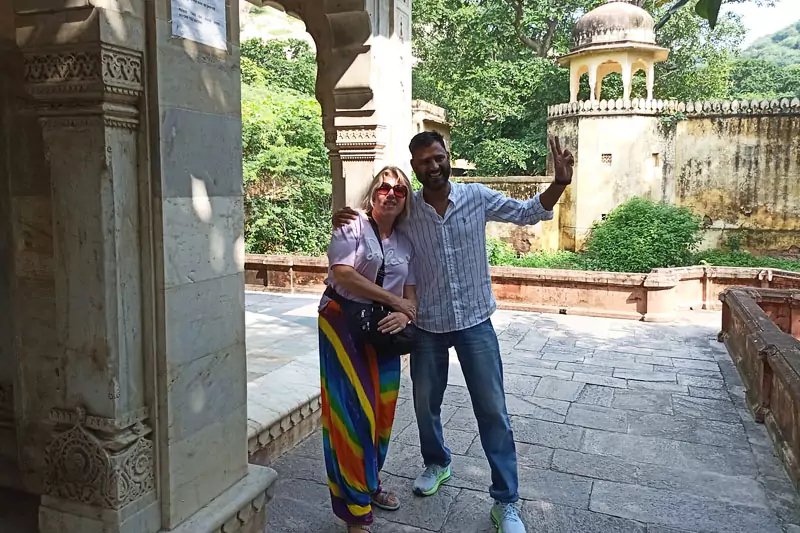
Quick Facts That Define India’s Spirit
Stretching from the deserts of Rajasthan in the north to the lush landscapes of Kerala in the south, India is a treasure trove of history and nature. The country boasts around 40 UNESCO World Heritage Sites, among them the Taj Mahal and Agra’s Red Fort, the planned beauty of Jaipur City, the grand hill forts of Rajasthan, and Humayun’s Tomb in Delhi—a Mughal masterpiece. Beyond its monuments, India is also framed by some of the world’s tallest mountains, the mighty Himalayas, and nourished by the sacred Ganges River. Flowing through cities like Varanasi, regarded as India’s spiritual heart, the river is both a source of life and a sacred thread woven into daily rituals and traditions.
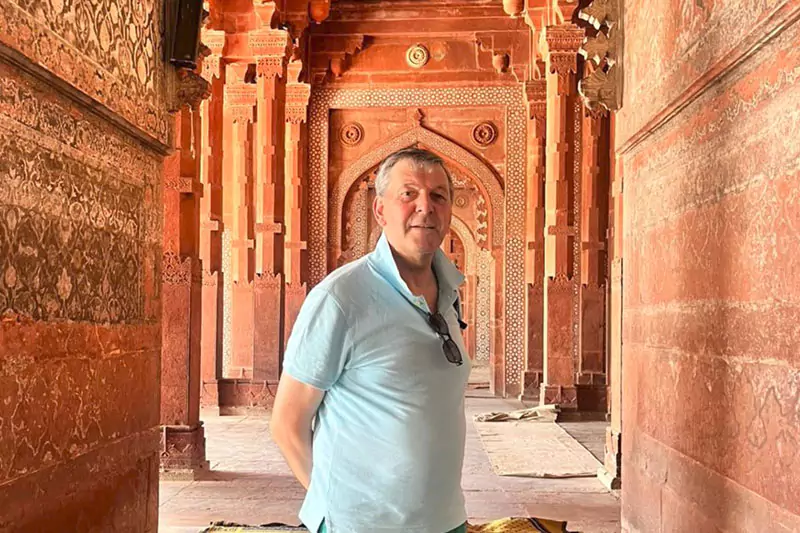
Solo Travel in India: The Truth You Need to Know
For those venturing out alone, India is an experience unlike any other. It’s a land where adventure comes naturally, and travel costs remain refreshingly budget-friendly. Whether you’re flying across states or winding your way through the countryside by train, getting around is both affordable and scenic. At the same time, India can feel intense—its crowds, colors, and sheer energy leave few travelers neutral. You’ll either be swept up in its magic or find it overwhelming, but indifference is never an option. Joining a guided group solo journey can ease the practical challenges, allowing you to immerse yourself fully. With curated experiences—like learning Bollywood moves in a private workshop or sharing stories in quiet village communities—you gain a richer, more personal glimpse into everyday Indian life.
Best Places to Visit in India on a Solo Trip
India’s vast and diverse landscape offers an exceptional canvas for solo travelers, providing a journey not only through varied regions but also into self-discovery. The ‘City of Lakes,’ Udaipur, for example, offers a serene and safe environment, with its majestic palaces and tranquil boat rides on Lake Pichola. For those seeking a more spiritual or introspective experience, the ancient city of Varanasi on the banks of the Ganges provides a profound glimpse into India’s spiritual heart. Its chaotic yet calming atmosphere, vibrant ghats, and the mesmerizing Ganga Aarti ceremony can offer deeply personal and transformative moments. Meanwhile, Rishikesh, known as the ‘Yoga Capital of the World,’ strikes a balance between adventure and tranquility, with opportunities for river rafting and bungee jumping alongside yoga retreats and quiet riverside reflection.
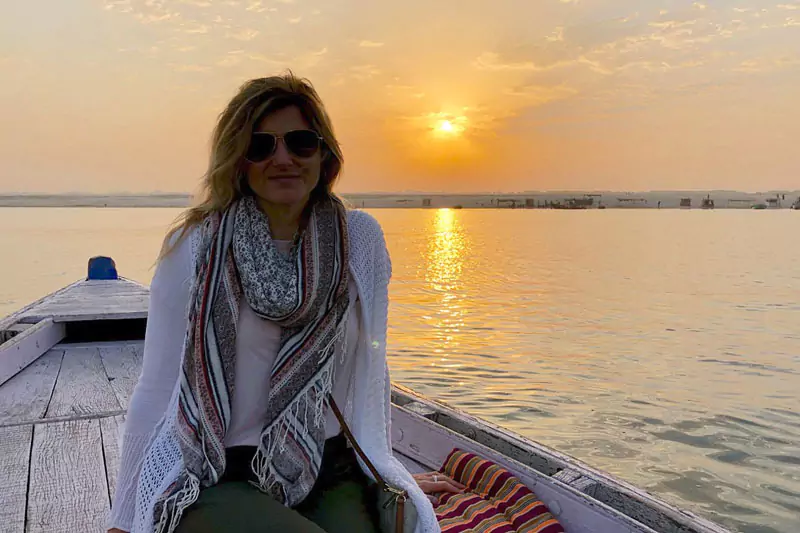
Beyond the conventional tourist circuits, India offers unique and enriching experiences for solo adventurers. The boulder-strewn landscape of Hampi, a UNESCO World Heritage Site, creates a surreal backdrop for exploring ancient ruins and engaging in bouldering adventures while immersing oneself in a rich historical tapestry. For a taste of French colonial charm, Pondicherry provides a relaxed coastal escape with quaint streets and the peaceful community of Auroville, ideal for quiet introspection. For the ultimate challenge and a profound connection with nature, the high-altitude deserts of Ladakh and the remote Spiti Valley showcase breathtaking landscapes and unique Buddhist culture, with trekking and bike expeditions as popular ways to explore. Each of these destinations, with its distinct flavor, invites the solo traveler to venture forth and create a truly personal journey.
Where to Stay as a Solo Traveler in India
India is known for its warmth and hospitality, making solo travelers feel welcome whether they stay in a boutique guesthouse or a luxury hotel. For a truly memorable experience, you can spend a night in converted palaces and heritage havelis—once the homes of Rajasthan’s maharajas—where modern comfort meets royal charm.
Nature lovers can opt for luxury tented camps in national parks, offering a safari-like adventure, or drift along Kerala’s tranquil backwaters on a privately-crewed houseboat. On curated group trips, accommodations are usually arranged so you can share a room with a fellow solo traveler, helping to avoid extra single-room costs, though private rooms are always an option.
How to Get to India
Reaching India is straightforward, with numerous direct international flights to major cities like Mumbai in the west, Kolkata in the east, and Hyderabad in the south. Delhi’s Indira Gandhi International Airport stands out as the country’s busiest gateway, offering extensive global connections. It also serves as a convenient launch point for exploring northern India, including iconic destinations like Agra and the Taj Mahal. From Delhi, travelers can easily hop on domestic flights to key cities such as Varanasi, Jaipur, or further south to Kerala’s hubs in Kochi and Trivandrum, making it simple for solo travelers to navigate the country efficiently.
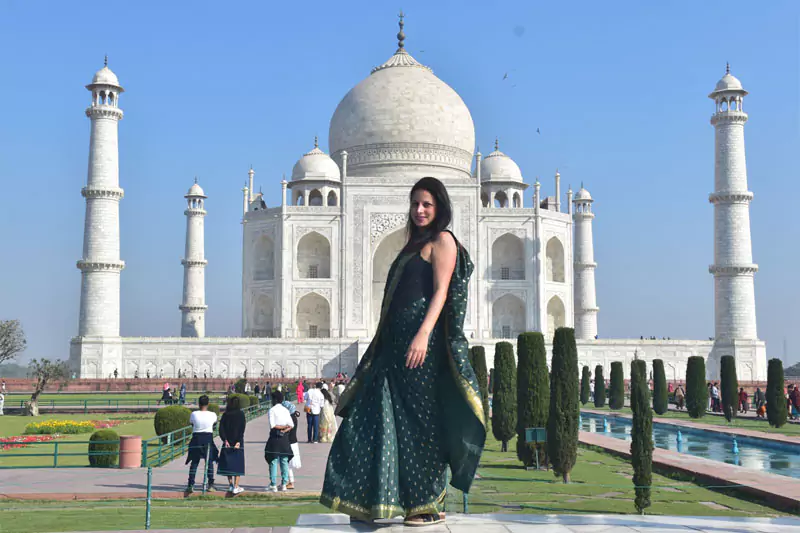
Getting Around India as a Solo Traveler
Exploring India by train is one of the best ways for solo travelers to experience the country like a local. With thousands of stations crisscrossing the nation, you can reach almost anywhere—while enjoying the changing landscapes along the way. Trains offer a range of options, from simple air-conditioned seats to private sleeper cabins, and longer journeys often include meals. Traveling in mid-range cabins is ideal for solo adventurers, as you’ll often find yourself chatting with locals eager to share tips, stories, and a little insight into everyday life.
Long-distance trains fill up fast, so booking in advance—up to 120 days—is wise. If you’re booking in India, major stations like New Delhi and Jaipur have tourist counters to make the process smoother. On organized trips, such as those with Janu Private Tours, all transfers are handled for you, allowing you to sit back, relax, and enjoy the scenery while India’s vibrant rhythm unfolds outside your window.
Best Time to Visit India for Solo Travelers
India’s vast size means its weather varies greatly across regions, so timing your trip can make a big difference. In general, the monsoon season lasts from May to September, bringing heavy rains and humidity. The rain usually begins in Kerala in the south and gradually moves northeast toward the Himalayas, which can make travel more challenging in some areas.
For most solo travelers, the ideal window is between November and March, when much of the country enjoys mild, pleasant conditions. Coastal regions like Goa are particularly inviting during this period, offering sun, sand, and calm waters. Note that by late May, when the monsoon arrives, many of Goa’s beach huts are required to close, reducing accommodation and beach facilities.
- Kerala and Tamil Nadu experience their peak heat in mid-summer, so visiting earlier in the year is recommended for comfort. For hiking enthusiasts, the Himalayas are at their best in late summer for trekking, but spring offers quieter trails with fewer crowds, perfect for a more peaceful experience. Planning your journey around these regional variations ensures a safer, more enjoyable, and stress-free solo adventure.
- Janu Private Tours offers an elegant solution to these logistical and security challenges. By providing a local tour leader, you gain an invaluable guide who not only navigates the bureaucratic maze of train tickets and local transport but also shares a deep well of insider knowledge, taking you beyond the typical tourist path. This blend of structured support and spontaneous adventure allows you to fully immerse yourself in the authentic Indian experience—from bustling streets to tranquil temples—without the constant stress of planning and self-navigation, ensuring your solo journey is safe, seamless, and truly unforgettable.
Tips for a Safe and Memorable Journey
Safety & Awareness
- Stay alert in crowded areas (markets, trains, tourist spots).
- Avoid isolated/poorly lit areas at night.
- Keep valuables secure (money belt/anti-theft bag).
- Have local contacts (hotel staff, guide).
- Carry copies of passport, visa, and important documents.
Destinations
- Safer cities: Delhi (tourist areas), Jaipur, Udaipur, Mumbai, Goa, Kerala, Hampi.
- Exercise caution: Border regions, remote northern areas, some northeastern states.
- Visit rural areas in daylight with local guidance.
Women Travelers
- Dress modestly.
- Avoid traveling alone at night.
- Choose reputable accommodations.
- Use apps like SafeCity to check safe areas.
Health & Essentials
- Stay hydrated, be cautious with street food.
- Carry portable charger, offline maps.
- Plan transportation in advance.
Transport Tips
- Use registered taxis or rideshare apps (Uber, Ola).
- Prefer AC coaches for trains.
- Avoid hitchhiking.
Mindset
- Be vigilant, respectful, and prepared.
- Solo travel can be highly rewarding and memorable.
Are You Ready for Your Next Adventure? Discover the Magic of India on a Solo Journey, Fully Arranged by Janu Private Tours. From carefully planned itineraries and safe accommodations to expert guidance and local experiences, we ensure your trip is not only safe and comfortable but also unforgettable. Travel at your own pace, explore India’s rich culture, breathtaking landscapes, and vibrant cities, all while having the support of Janu Private Tours to make your solo adventure truly seamless and memorable.
- Published
Planning your anniversary trip ideas in India for a couple can feel overwhelming when you’re scrolling through endless travel websites, wondering which destination will actually give you those butterflies-in-the-stomach moments again. You want something special, not just another generic honeymoon package that looks identical to everyone else’s Instagram feed.
The good news? India is practically a love letter written in landscapes, culture, and experiences that’ll make you fall for each other all over again. Whether you’ve been married for two years or twenty, these carefully curated anniversary trip ideas will help you rediscover romance in the most unexpected places.
Why India Is Perfect for Anniversary Celebrations
Think about it—where else can you watch the sunrise over the Taj Mahal (literally a monument to eternal love), cruise through backwaters on a houseboat under starlit skies, or dance together at a desert camp with folk music echoing around you?
India isn’t just a destination; it’s an emotion. Every state offers something different, every region has its own flavour of romance, and honestly, the diversity means you’ll never run out of ways to surprise each other.
Romantic Rajasthan: Where Every Palace Tells a Love Story
Udaipur – The Venice of the East
Udaipur isn’t called the City of Lakes for nothing. Picture this: you’re sitting on a rooftop restaurant, sipping chai, watching the sunset paint Lake Pichola in shades of gold while the City Palace stands majestically in the background.
What makes it perfect for anniversaries:
Private boat rides on Lake Pichola during golden hour
Heritage hotel stays in converted palaces (talk about living like royalty!)
Romantic dinners at restaurants overlooking the water
Cultural performances at Bagore Ki Haveli
Pro tip: Book a lake-facing room and wake up to views that’ll make you forget about your phone for hours.
Jaisalmer – Desert Romance Under a Million Stars
If your idea of romance involves endless horizons, camel rides, and sleeping under the clearest night sky you’ve ever seen, Jaisalmer is your answer.
The Golden City offers experiences you literally can’t get anywhere else in the world. Imagine riding camels into the Thar Desert as the sun sets, then spending the night in luxury tents with nothing but sand dunes and stars for company.
Must-do anniversary activities:
Camel safari to Sam Sand Dunes
Desert camping with cultural performances
Sunset photography sessions (your Instagram will thank you)
Heritage walks through the living fort
Kerala – God’s Own Country for Couples
Alleppey Backwaters – Houseboat Heaven
Kerala’s backwaters are like nature’s own private retreat center. You’ll spend days floating through narrow canals lined with coconut palms, watching kingfishers dive and local life unfold at a pace that’ll actually help you relax.
Why houseboats are perfect for anniversaries:
Complete privacy (it’s literally just you two and the crew)
Fresh seafood prepared onboard
Stunning sunsets reflected in the water
Digital detox opportunities (sketchy WiFi can be a blessing!)
Munnar – Hill Station Bliss
Rolling tea plantations that stretch to the horizon, misty mornings that feel like you’re in a fairytale, and temperatures that make cuddling a necessity rather than a choice—Munnar checks all the romantic getaway boxes.
Anniversary-worthy experiences:
Tea plantation walks (holding hands through emerald green rows)
Spice garden visits (you’ll actually enjoy cooking together more after this)
Wildlife spotting at Eravikulam National Park
Ayurvedic couple’s spa treatments
Goa – More Than Just Beaches
Yes, everyone knows Goa for its beaches, but here’s what most anniversary trip lists won’t tell you: the real magic happens in the quieter corners.
South Goa’s Hidden Gems
Skip crowded Baga and Calangute. Head south to Palolem, Agonda, or Cabo de Rama for beaches that feel like private discoveries.
What makes South Goa special:
Less crowded beaches where you can actually have conversations
Beach shacks serving the freshest seafood
Sunset points that aren’t overrun with tour groups
Portuguese heritage sites for culture lovers
Himachal Pradesh – Mountain Romance
Shimla and Manali – Classic Hill Station Love
There’s something about mountain air that makes everything feel more romantic. Maybe it’s the cooler temperatures that make holding hands natural, or the views that give you perspective on what really matters.
Perfect for couples who love:
Toy train rides (yes, they’re touristy, but also genuinely fun)
Apple orchards during harvest season
Adventure activities (paragliding, trekking, river rafting)
Cosy cafés with mountain views
Kasol and Tosh – For the Offbeat Couples
If your idea of romance involves discovering places before they become mainstream, the Parvati Valley is calling your names.
Golden Triangle with a Romantic Twist
Delhi – Urban Sophistication
Delhi gets overlooked for romance, but hear me out. The capital has some seriously underrated date spots.
Romantic Delhi experiences:
Sunset at India Gate (classic but effective)
Old Delhi food walks (bonding over street food is real)
Garden of Five Senses (especially during flower seasons)
Luxury hotel staycations (sometimes you just need good room service)
Agra – Beyond the Taj Mahal
Obviously, you’ll visit the Taj Mahal (and you should—it’s incredible at sunrise), but Agra has more romantic secrets.
Beyond the obvious:
Mehtab Bagh for Taj views without crowds
Agra Fort during sunset (amazing photography opportunities)
Local markets for marble inlay souvenirs
Mughlai cuisine experiences
Jaipur – The Pink City’s Romantic Side
Jaipur feels like a living museum where you can actually stay in palaces, eat like maharajas, and shop for treasures in bazaars that have operated for centuries.
Anniversary highlights:
Amber Fort elephant rides (yes, they’re touristy, yes, they’re fun)
City Palace heritage walks
Hawa Mahal photography sessions
Traditional Rajasthani dinners with folk performances
Andaman Islands – Tropical Paradise
If your anniversary falls during beach weather and you want something more exotic than Goa, the Andamans offer pristine beaches with crystal-clear water that looks almost artificial.
Perfect for:
Scuba diving and snorkelling (Havelock Island is world-class)
Beach hopping without crowds
Sunset sailing experiences
Complete digital detox (WiFi is limited, conversations are unlimited)
Planning Your Perfect Anniversary Trip: Practical Tips
Best Times to Visit Different Destinations
October to March: Perfect for Rajasthan, Golden Triangle, Goa
April to June: Ideal for hill stations like Shimla, Manali, Kashmir
September to May: Best for Kerala (avoid monsoon season)
October to May: Great for Andaman Islands
Budget Considerations
Luxury (₹20,000+ per day): Heritage hotels, private tours, premium experiences
Mid-range (₹8,000-15,000 per day): Comfortable hotels, mix of private and group activities
Budget (₹3,000-6,000 per day): Guesthouses, public transport, local experiences
The beauty is that India offers incredible experiences at every budget level. A sunset at the Taj Mahal costs the same whether you’re staying in a luxury hotel or a budget guesthouse.
Also Read:- 15 Offbeat travel destinations in India
How Janu Private Tours Makes Your Anniversary Unforgettable
After twenty-plus years of crafting romantic getaways across India, Janu Private Tours has mastered the art of creating those how did they know exactly what we wanted? moments that make anniversaries truly special.
What sets them apart isn’t just their expertise in Rajasthan and the Golden Triangle—it’s their understanding that anniversary trips need to feel personal, not packaged. When Mr. Shabbir Khan started the company in 2002, his vision was simple: treat every guest like a lifelong friend rather than just another booking.
Here’s why couples keep choosing them:
Their 24/7 ground support means if you want to extend that magical sunset dinner by the lake or need restaurant recommendations at 11 PM, someone’s actually there to help. No automated responses, no office hours only policies.
The multilingual guides don’t just recite historical facts—they share stories, local legends, and insider tips that transform standard sightseeing into genuine cultural immersion. Imagine learning about the love story behind a palace from someone whose family has lived in the city for generations.
Their flexible vehicle fleet (from intimate SUVs to spacious coaches) means your transportation actually matches your mood and plans, not the other way around. Want to make spontaneous stops for photos? No problem. Need to change the route because you discovered a hidden gem? They’re already mapping it out.
Most importantly, they handle the logistics so you can focus on each other. From hotel reservations that actually match their online photos to domestic flight bookings that don’t involve 6 AM departures unless you’re into that, every detail is managed by people who understand that anniversary trips have zero room for travel stress.
Creating Your Own Love Story in India
The most romantic anniversary trips aren’t just about stunning destinations—they’re about shared experiences that become stories you’ll tell for decades.
Maybe it’s getting caught in a sudden downpour in Old Delhi and discovering the best samosas of your lives while waiting for it to pass. Or realizing you both have terrible bargaining skills at a Jaipur market but laughing about it over dinner. Or watching your partner’s face light up when they spot their first elephant during a wildlife safari.
India has this magical ability to create these unexpected moments. The key is choosing destinations and experiences that match your relationship’s personality, not what looks good on social media.
Whether you’re the type of couple who bonds over adventure activities or prefers leisurely cultural experiences, who loves luxury hotels or thinks the best conversations happen over street food, India has anniversary trip options that’ll feel like they were designed specifically for you.
Start planning your perfect anniversary trip ideas India for couple now, and prepare to fall in love all over again—with each other and with this incredible country.
Ready to plan your dream anniversary getaway? Connect with experienced travel planners who specialize in creating personalized romantic experiences across India’s most enchanting destinations. Your perfect anniversary trip ideas India for couple adventure starts with a single conversation.
Also Read:- Rajasthan to Varanasi: A Spiritual Journey Through North India
Frequently Asked Questions
Q: What’s the best time for anniversary trips in India?
October to March offers pleasant weather for most destinations, with cool mornings perfect for sightseeing and comfortable evenings for romantic dinners outdoors.
Q: How much should couples budget for a 7-day anniversary trip in India?
Budget trips start around ₹21,000-42,000 total, mid-range experiences cost ₹56,000-105,000, while luxury anniversary trips can range from ₹140,000-300,000+ depending on destinations and accommodations chosen.
Q: Which Indian destination is most romantic for first-time visitors?
The Golden Triangle (Delhi-Agra-Jaipur) combined with Udaipur offers the perfect blend of iconic experiences, romantic settings, and cultural immersion for couples new to India.
Q: Are hill stations good for anniversary trips during summer?
Absolutely! Hill stations like Shimla, Manali, and Darjeeling offer cool temperatures, scenic beauty, and cozy atmospheres that make them perfect summer anniversary destinations.
Q: What should couples pack for anniversary trips in India?
Comfortable walking shoes, modest clothing for temples, light layers for varying temperatures, good camera, power bank, basic first-aid kit, and any prescription medications needed.
- Published
Ever dreamt of stepping into a fairytale where maharajas once ruled and palaces shimmer like golden mirages in the desert? Luxury tours Rajasthan India from UK offer exactly that – a chance to live like royalty while exploring India’s most enchanting state.
Planning a luxury trip to Rajasthan from the UK might seem overwhelming with so many operators promising the world. But here’s the thing – not all luxury tours are created equal. Some leave you feeling more like a tourist than a treasured guest, rushing through attractions without truly experiencing the soul of this magical land.
This comprehensive guide will walk you through everything you need to know about booking the perfect luxury tours Rajasthan India from UK, ensuring your journey becomes the adventure of a lifetime rather than just another holiday.
Why Rajasthan Should Top Your Luxury Travel List
The Land of Kings Beckons
Rajasthan isn’t just another Indian state – it’s where history comes alive in the most spectacular way imaginable. Picture this: you’re sipping champagne on a palace terrace as the sun sets over Udaipur’s Lake Pichola, or enjoying a private dinner under the stars in the Thar Desert while traditional musicians serenade you.
Rajasthan’s ancient patchwork of kingdoms – each with a distinct character – and its sheer number of iconic palaces, forts and havelis make it one of India’s most fascinating states. Every corner tells a story of valour, romance, and architectural brilliance that’ll leave you speechless.
Beyond the Ordinary Tourist Trail
What sets luxury tours apart isn’t just the five-star accommodations or private transport – it’s the access to experiences money can’t usually buy. Think private museum tours after closing hours, exclusive cooking classes with royal chefs, or helicopter rides over the Amber Fort.
The best part? You’ll explore places most tourists never see, guided by locals who’ve inherited stories passed down through generations.
Top Destinations for Luxury Tours Rajasthan India
Jaipur: The Pink City’s Royal Grandeur
Jaipur serves as the perfect introduction to Rajasthani luxury. The city’s rose-hued buildings aren’t just Instagram-worthy backdrops – they’re living testament to centuries of royal patronage.
Must-visit luxury experiences in Jaipur:
Private sunrise tour of Amber Fort before crowds arrive
Exclusive access to City Palace’s royal chambers
High tea at the iconic Rambagh Palace
Private shopping tours in traditional bazaars with expert guides
Udaipur: The Venice of the East
If Jaipur is royal grandeur, Udaipur is pure romance. This lake city offers some of India’s most luxurious palace hotels, where you can literally sleep where maharajas once held court.
The Lake Palace Hotel, floating serenely on Lake Pichola, isn’t just accommodation – it’s a destination in itself. Imagine arriving by private boat as traditional musicians welcome you with haunting melodies.
Jodhpur: The Blue City’s Majestic Charm
Jodhpur’s Mehrangarh Fort dominates the skyline like something from a fantasy novel. Find impressive mountaintop forts in Jodhpur and dive into crumbling sandstone ruins and majestic desert forts in Jaisalmer.
Luxury tours here often include private fort tours with the royal family’s descendants sharing untold stories, making history feel incredibly personal and immediate.
Jaisalmer: Golden Desert Dreams
Nothing quite prepares you for Jaisalmer’s golden sandstone architecture rising from the Thar Desert like a mirage made real. Luxury desert camps here redefine glamping, offering air-conditioned tents with marble bathrooms and butler service.
Evening camel safaris followed by private dining under million-star skies create memories that last lifetimes.
What Makes a Luxury Tour Truly Exceptional
Personalised Itineraries That Reflect Your Interests
The difference between good and extraordinary luxury tours lies in personalisation. Cookie-cutter itineraries might tick boxes, but they rarely create magical moments.
Key elements of exceptional luxury tours:
Pre-trip consultations to understand your interests
Flexible scheduling that adapts to your preferences
Access to local experts and artisans
Seamless logistics handled invisibly
24/7 support throughout your journey
Accommodation That Tells Stories
Luxury in Rajasthan isn’t just about thread counts and marble bathrooms – it’s about staying in places with soul. Heritage palace hotels like Taj Lake Palace, Rambagh Palace, and Umaid Bhawan Palace offer experiences money can’t buy elsewhere.
These aren’t just hotels – they’re living museums where every corridor whispers stories of bygone eras.
Authentic Cultural Immersions
The best luxury tours balance comfort with authenticity. You might start your day with yoga overlooking a desert sunrise, spend the afternoon learning miniature painting from master artists, and end with private classical music performances in palace courtyards.
Planning Your Luxury Rajasthan Adventure from the UK
Best Time to Visit for Ultimate Comfort
October to March represents the golden window for luxury tours Rajasthan India. During these months, daytime temperatures hover between 20-25°C – perfect for exploring forts and palaces without wilting in desert heat.
Winter months (December-February) offer the most comfortable conditions, though they’re also peak seasons. Book early to secure the best accommodations and rates.
Duration That Does Justice to the Experience
While you could technically see Rajasthan’s highlights in a week, luxury travel is about savouring experiences, not rushing through them. 10-14 days allows for:
Proper exploration of each destination
Time for spontaneous discoveries
Relaxation between activities
Meaningful cultural interactions
Recovery from jet lag
Budget Considerations for UK Travellers
Luxury tours Rajasthan India from UK typically range from £3,000-8,000 per person for a comprehensive 12-day experience, depending on accommodation choices and group size.
What affects pricing:
Season of travel (winter commands premium rates)
Accommodation category (heritage palaces cost more)
Group size (private tours cost more but offer better experiences)
Inclusions (some operators include international flights)
Transportation: Travelling in Royal Style
Private Vehicles with Expert Drivers
Forget cramped tour buses. Luxury Rajasthan tours feature air-conditioned vehicles with experienced drivers who know every shortcut and photo opportunity. Many operators provide vehicles ranging from comfortable sedans for couples to spacious SUVs for families.
Domestic Flights for Time-Conscious Travellers
For those preferring to maximise time over road journeys, domestic flights connect major Rajasthani cities efficiently. Luxury tour operators often include charter flights for ultimate convenience.
The Palace on Wheels: Train Travel Redefined
India’s most luxurious train, the Palace on Wheels, offers a unique way to explore Rajasthan. This heritage train recreates the travel experience of Indian royalty, with air-conditioned coaches designed like palace chambers.
How Janu Private Tours Elevates Your Rajasthan Experience
When choosing among luxury tour operators for your Rajasthan adventure, experience and personal touch matter immensely. Janu Private Tours stands out through their founder’s remarkable journey – from navigating tuk-tuks through Jaipur’s streets to becoming Managing Director of one of India’s premier travel companies.
Two Decades of Perfected Excellence
Since 2002, Janu Private Tours has refined the art of luxury travel in Rajasthan. Their team of over 20 seasoned professionals doesn’t just organize tours – they craft transformative experiences that exceed expectations while making you feel genuinely valued.
What sets them apart isn’t just their impressive client list, including Hollywood celebrities, international cricket stars, and prominent BBC personalities. It’s their commitment to the Indian principle of Atithi Devo Bhava – treating guests as divine beings rather than mere tourists.
Comprehensive Services That Eliminate Stress
Janu Private Tours handles everything from airport transfers and luxury accommodations to cultural experiences and 24/7 ground support. Their diverse fleet ranges from comfortable sedans to spacious 41-seat coaches, ensuring your transportation matches your group size and comfort preferences.
Their multilingual guides possess encyclopaedic knowledge of Rajasthan’s history, culture, and hidden gems, sharing their passion with infectious enthusiasm that transforms sightseeing into storytelling.
Quick Response and Flexible Planning
Understanding that luxury travellers value their time, Janu Private Tours acknowledges every inquiry within 12 hours and delivers detailed quotes within 24 hours. Their flexible cancellation policies and reserve now, pay later options accommodate changing plans without stress.
Most importantly, they offer round-the-clock assistance throughout your journey, with dedicated team members available from arrival to departure – ensuring help is always just a phone call away.
Essential Tips for UK Travellers
Visa Requirements Made Simple
UK passport holders need e-visas for India, which can be obtained online 3-4 weeks before travel. Most luxury tour operators assist with visa applications, making the process hassle-free.
Also Read:- Top 10 Routes in North India for Scenic Journeys
Health and Safety Considerations
Recommended vaccinations: Hepatitis A & B, Typhoid, and Japanese Encephalitis (if visiting rural areas)
Travel insurance: Essential for luxury tours, ensuring coverage for activities and high-value accommodations
Medical precautions: Carry hand sanitizer and stick to bottled water, even in luxury hotels
Cultural Sensitivity and Etiquette
Rajasthan’s luxury hotels and tour operators are well-versed in international guest preferences, but showing respect for local customs enhances your experience immensely.
Simple courtesies that matter:
Dress modestly when visiting religious sites
Remove shoes before entering temples and homes
Ask permission before photographing people
Learn basic Hindi greetings – locals appreciate the effort
Making the Most of Your Investment
Photography Opportunities
Rajasthan offers some of the world’s most photogenic landscapes and architecture. Luxury tours often include photography workshops with local experts who know the best lighting conditions and vantage points.
Golden hour locations:
Amber Fort’s mirror palaces at sunrise
City Palace courtyards during sunset
Mehrangarh Fort’s imposing walls
Lake Pichola’s reflections during blue hour
Shopping for Authentic Treasures
Luxury tours provide access to the best artisans and authentic products. Rather than tourist trap purchases, you’ll discover:
Hand-block printed textiles from traditional craftsmen
Miniature paintings by master artists
Precious and semi-precious jewelry
Antique artifacts and royal memorabilia
Your guides ensure authenticity and fair pricing, making shopping stress-free and rewarding.
Beyond Rajasthan: Extending Your Luxury Indian Adventure
The Golden Triangle Connection
Many luxury Rajasthan tours combine seamlessly with Delhi and Agra visits, creating the famous Golden Triangle circuit. This addition allows you to experience the Taj Mahal and India’s capital while maintaining consistent luxury standards.
South India Extensions
This tour spends an additional 7 nights discovering South India. Consider extending your luxury adventure to Kerala’s backwaters, Tamil Nadu’s temples, or Karnataka’s palaces for a comprehensive Indian experience.
Also Read:- How to Plan a Rajasthan Tour for First-Time Visitors
Conclusion: Your Royal Adventure Awaits
Luxury tours Rajasthan India from the UK offer more than just comfortable travel – they provide transformative experiences that connect you with India’s magnificent heritage while ensuring every moment feels special and memorable.
The key to an exceptional Rajasthan adventure lies in choosing operators who understand that luxury isn’t just about expensive amenities – it’s about creating meaningful connections, providing seamless experiences, and treating every guest like royalty.
Whether you’re drawn by palace hotels where maharajas once lived, desert adventures under starlit skies, or cultural immersions with master artisans, Rajasthan delivers experiences that exceed even the most vivid imaginations.
Your journey through this land of kings promises memories that will sparkle in your mind long after you’ve returned home. After all, the best luxury tours Rajasthan India from the UK don’t just show you destinations – they transform you into temporary royalty in one of the world’s most enchanting kingdoms.
Ready to embark on your royal Rajasthan adventure? Contact Janu Private Tours today for personalised luxury tours that transform dreams into unforgettable memories. Experience the difference that two decades of expertise and genuine hospitality can make in crafting your perfect Indian odyssey.
Frequently Asked Questions
Q: What’s the ideal duration for luxury tours Rajasthan India from UK?
10-14 days provides the perfect balance, allowing thorough exploration without rushing. This duration covers major destinations while including relaxation time and spontaneous discoveries that make luxury travel truly special.
Q: When is the best season for luxury Rajasthan tours?
October to March offers ideal weather conditions with comfortable temperatures (20-25°C) perfect for sightseeing. Winter months (December-February) provide the most pleasant climate but require advance booking due to peak season demand.
Q: What should I budget for a luxury Rajasthan tour from the UK?
Expect £3,000-8,000 per person for comprehensive 12-day luxury experiences, varying by accommodation level, group size, season, and inclusions. Palace hotels and private tours command premium pricing but deliver unmatched experiences.
Q: Are luxury tours in Rajasthan suitable for first-time India visitors?
Absolutely! Luxury tours provide the perfect introduction to India, offering comfort, expert guidance, and curated experiences that ease cultural adjustments while showcasing the country’s magnificent heritage and warm hospitality.
Q: How far in advance should I book luxury Rajasthan tours from the UK?
Book 3-6 months ahead for peak season (October-March) to secure preferred accommodations and dates. Luxury palace hotels have limited rooms and fill quickly, especially during festivals and winter months.
- Published
Ever dreamed of traveling like royalty through the land of maharajas, but felt overwhelmed by planning such an intricate journey from the USA? You’re not alone. Luxury India tour packages from USA have become the perfect solution for discerning American travelers who want to experience India’s grandeur without the hassle of complex logistics.
India isn’t just a destination – it’s a sensory symphony that awakens your soul the moment you step off that long international flight. From the majestic palaces of Rajasthan to the serene backwaters of Kerala, luxury India tours offer experiences that transform ordinary holidays into lifetime memories.
Also Read:- Jaipur Ranks 5th Best Travel Destination in 2025
Why Choose Luxury India Tour Packages from USA?
Planning a luxury trip to India from America involves more than just booking flights and hotels. The time difference, cultural nuances, and sheer diversity of experiences can feel daunting. That’s where luxury India tour packages become your travel lifeline.
The American Traveler’s Dilemma
Most Americans get just 2-3 weeks of vacation annually. You want every moment to count, especially when investing in a once-in-a-lifetime journey to India. Generic tour packages often miss the mark, cramming too many destinations into too little time.
Luxury packages solve this by:
Curating quality over quantity – focusing on meaningful experiences rather than checkbox tourism
Handling complex logistics – from airport transfers to inter-city travel coordination
Providing cultural bridges – expert guides who understand both Indian heritage and American expectations
Offering flexibility – customizable itineraries that adapt to your interests and pace
What Makes a Luxury India Tour Package Truly Premium?
Accommodation Excellence
Stay in lavish palaces turned into heritage hotels, dine in Michelin-starred restaurants, and experience personalized service fit for royalty. Think Taj Lake Palace in Udaipur floating on Lake Pichola, or Rambagh Palace in Jaipur where you sleep in rooms once occupied by maharajas.
Transportation That Pampers
Forget cramped buses and chaotic train journeys. Luxury packages include:
Private air-conditioned SUVs with professional drivers
Premium domestic flights between distant cities
Luxury train experiences like the Palace on Wheels or Deccan Odyssey
Exclusive Access and Experiences
Luxury travel trend for India 2025 is all about exclusivity and prestige. Travelers are looking for once-in-a-lifetime adventures, where they can access hidden gems, bespoke activities, and ultra-private locations.
This includes:
Private sunrise visits to the Taj Mahal
Exclusive dinner experiences in royal palaces
Personal cooking classes with renowned chefs
Private wildlife safaris with expert naturalists
Top Luxury India Destinations for American Travelers
The Golden Triangle: Delhi, Agra, Jaipur
This classic circuit remains popular for good reason. It showcases India’s historical timeline – from Mughal grandeur in Delhi and Agra to Rajput royalty in Jaipur.
Must-Do Luxury Experiences:
Private guided tour of Red Fort and Humayun’s Tomb in Delhi
Exclusive Taj Mahal visit at sunrise with champagne breakfast
Stay at Rambagh Palace, Jaipur, with royal treatment
Rajasthan: The Land of Kings
Beyond Jaipur, Rajasthan offers unparalleled luxury experiences:
Udaipur – The Venice of the East
Lake Palace hotel experience
Private boat rides on Lake Pichola
Sunset cocktails overlooking the City Palace
Jodhpur – The Blue City
Stay at Umaid Bhawan Palace
Private heritage walks through blue-painted old city streets
Exclusive access to Mehrangarh Fort’s royal chambers
Jaisalmer – The Golden City
Explore luxury India tours with air-conditioned desert camps
Private camel safaris into the Thar Desert
Exclusive cultural performances under starlit skies
Kerala: God’s Own Country
For Americans seeking tropical luxury:
Luxury houseboat cruises through palm-fringed backwaters
Ayurvedic spa retreats in heritage resorts
Private spice plantation tours with expert guides
Planning Your Luxury India Journey from the USA
Best Time to Visit
October to March offers the most comfortable weather for luxury travel, especially in North India. This coincides with peak season, so booking 6-8 months ahead ensures availability at premium properties.
Duration and Itinerary Planning
Most luxury India packages range from 10-21 days. Here’s how to maximize your investment:
10-12 Days: Focus on Golden Triangle with one additional destination (Udaipur or Kerala)
14-16 Days: Golden Triangle plus Rajasthan circuit or South India highlights
18-21 Days: Comprehensive luxury tour covering North and South India
Budget Considerations
The overall cost of a luxury India tour depends on the duration of your journey, accommodation preferences, transportation, destinations and experiences included in the itinerary. Whether you are planning a week-long getaway or an extended multi-destination journey, your travel arrangements can be tailored to your preferences and level of comfort.
Accommodation standards, private guided experiences and transport arrangements all contribute to the overall travel experience. Review the itinerary and service inclusions carefully to ensure they align with your travel expectations.
Cultural Experiences That Define Luxury India Tours
Culinary Adventures
India’s diverse cuisine deserves special attention in luxury packages:
Private cooking classes with celebrity chefs
Exclusive restaurant experiences including Michelin-starred establishments
Street food tours with expert guides ensuring safety and authenticity
Royal thali experiences in palace settings
Spiritual and Wellness Journeys
Many Americans seek India’s spiritual dimension:
Private yoga sessions with renowned masters
Meditation retreats in serene Himalayan settings
Ayurvedic treatments at luxury wellness resorts
Sacred site visits with spiritual guides
Arts and Crafts Encounters
Private workshops with master artisans
Exclusive textile tours in textile hubs like Jaipur and Varanasi
Jewelry design experiences with traditional craftsmen
Classical dance and music performances in intimate palace settings
How Janu Private Tours Elevates Your Luxury India Experience
When selecting from countless luxury India tour packages from USA, the operator’s expertise makes all the difference. Janu Private Tours, under the visionary leadership of Mr. Shabbir (Janu) Khan, represents over two decades of refined travel craftsmanship.
What Sets Janu Private Tours Apart
Deep Local Expertise: With more than 20 years specializing in Rajasthan and the Golden Triangle, they understand both the hidden gems and logistical challenges that generic operators miss.
Personalized Attention: Their team of 20+ professionals doesn’t just plan your trip – they craft experiences. From your first inquiry to your departure, you have dedicated support ensuring every detail exceeds expectations.
Celebrity-Level Service: Having hosted Hollywood celebrities, international cricket stars, and BBC personalities, they understand the discretion and excellence that discerning travelers demand.
Cultural Immersion Philosophy: Rooted in Atithi Devo Bhava (the guest is divine), they don’t just show you India – they welcome you into its heart, treating you as lifelong friends rather than temporary visitors.
Flexible Excellence: Their Reserve Now, Pay Later policy and flexible cancellation options recognize that luxury travel requires adaptability without compromising quality.
Also Read:- How to Plan a Rajasthan Tour for First-Time Visitors
Real Value Beyond the Premium Price Tag
What makes Janu Private Tours worth the investment isn’t just luxury accommodations and private transport – it’s their ability to unlock India’s essence. Their multilingual guides don’t just recite historical facts; they share passionate insights that transform sightseeing into storytelling.
Their 24/7 ground support means you’re never alone navigating cultural differences or unexpected situations. Whether it’s arranging a last-minute private dinner in a palace or handling flight changes, their round-the-clock assistance ensures your journey remains seamless.
Making the Most of Your Investment
Pre-Trip Preparation
Health consultations 6-8 weeks before departure
Cultural briefings to maximize appreciation of experiences
Packing guidance for climate and cultural considerations
Photography workshops to capture memories professionally
During Your Journey
Stay present – resist over-scheduling to truly absorb experiences
Engage with locals – luxury tours offer unique interaction opportunities
Document thoughtfully – balance capturing memories with living moments
Remain flexible – some of the best experiences come from spontaneous opportunities
Sustainable Luxury Travel in India
Modern luxury travelers increasingly seek responsible tourism. Quality operators now emphasize:
Supporting local communities through employment and sourcing
Preserving cultural heritage through respectful tourism practices
Environmental consciousness in accommodation and transportation choices
Authentic cultural exchange rather than performative displays
Conclusion
Luxury India tour packages from the USA offer a convenient way to explore India’s heritage, culture, and diverse destinations while enjoying personalized service and comfortable travel arrangements.
Whether you want to explore the Golden Triangle, experience Rajasthan’s royal heritage, or discover Kerala’s backwaters, your itinerary can be planned around your interests, available travel time, and preferred level of comfort.
Explore our Luxury India Tours to discover available itineraries and find a tour that matches your travel preferences.
The overall cost depends on your destinations, accommodation, transportation, trip duration, and selected experiences. Reviewing these details before booking can help you choose a package that matches your expectations.
Frequently Asked Questions
Q: What’s the best time to book luxury India tour packages from USA?
Book 6-8 months ahead for peak season (October-March) to secure premium accommodations and better prices. Last-minute bookings often mean settling for second-choice hotels or higher costs.
Q: How much should I budget for a luxury India tour from the USA?
The cost of a luxury India tour depends on the length of your trip, accommodation category, transport, destinations and private experiences. Request a customized quote for current pricing and confirmed inclusions.
Q: Do I need special vaccinations for luxury India travel?
Consult your physician 6-8 weeks before departure. Generally recommended: Hepatitis A/B, Typhoid, and Japanese Encephalitis. Luxury tour operators often provide detailed health guidance.
Q: What’s included in typical luxury India tour packages?
Most include luxury accommodations, private air-conditioned transport, English-speaking guides, entrance fees, daily breakfast, and some meals. International flights are usually separate.
Q: Can luxury India tours accommodate dietary restrictions and accessibility needs?
Reputable operators excel at customizing experiences for vegetarians, vegans, gluten-free diets, and mobility requirements. Communicate needs clearly during booking for seamless accommodation throughout your journey.
Plan Your Luxury India Tour
Contact Janu Private Tours to discuss your travel plans and explore customized itinerary options. Share your preferred destinations, travel dates, and accommodation preferences to receive a tour proposal suited to your requirements.