

India is a land of breathtaking diversity — where every region tells its own story through culture, cuisine, and tradition. From the snow-capped Himalayas of the North to the serene backwaters of the South, each corner offers a unique experience. This guide takes you through the essence of both regions — royal palaces and sacred temples, golden deserts and tranquil beaches — helping you discover which side of India speaks to your soul.
Planning a long-awaited trip to India but can’t decide whether to head north or south? India is a country of extraordinary contrasts — where every region unfolds a different story of culture, cuisine, and landscape.
In the north, the majestic Himalayas rise above royal palaces and desert forts, while in the south, tranquil backwaters, lush hills, and coastal charm await. Think Rajasthan’s regal grandeur versus Kerala’s serene beauty, or butter chicken versus idlis and dosas — each offering a flavor of India’s rich diversity.
Whichever side you choose, North or South, you’re guaranteed a journey filled with color, warmth, and unforgettable experiences. Let this guide help you craft your perfect India travel plan.
North or South India? The Ultimate Choice Awaits
India offers an endless array of experiences — from historic landmarks and vibrant festivals to breathtaking natural landscapes. But with so much to see and do, how do you choose between North India and South India?
We’re here to help you make that choice. In this guide, you’ll discover the unique culture, must-visit destinations, mouthwatering cuisines, and natural wonders that make each region of India truly special. Whether you’re drawn to the grandeur of the north or the serenity of the south, your perfect Indian adventure starts here.
What to See and Do in North India: Top Tourist Hotspots
North India mesmerizes travelers with its royal grandeur, ancient history, and vibrant cultural tapestry. This region is a treasure trove of majestic forts, marble mausoleums, sacred ghats, and snow-capped mountains, offering a kaleidoscope of experiences that capture the very essence of India’s rich heritage. From opulent palaces and spiritual cities to Himalayan adventures and colorful festivals, North India is where history, culture, and tradition converge in spectacular harmony.
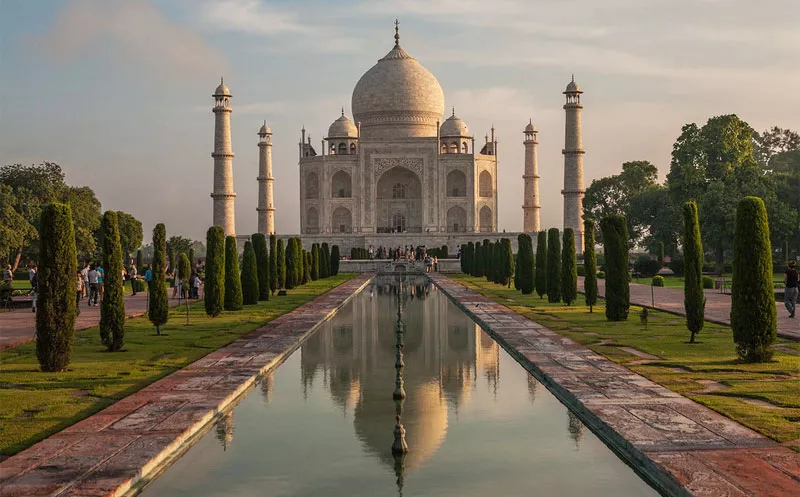
At the heart of it all lies the legendary Golden Triangle Tour — connecting Delhi, Agra, and Jaipur — the crown jewel of North India’s travel circuit. This iconic route perfectly captures India’s cultural essence, where Mughal elegance meets Rajput splendor. In Delhi, wander through bustling bazaars and grand Mughal monuments; in Agra, marvel at the eternal beauty of the Taj Mahal; and in Jaipur, soak in the pink hues of palaces, forts, and colorful markets that echo royal Rajasthan’s charm.
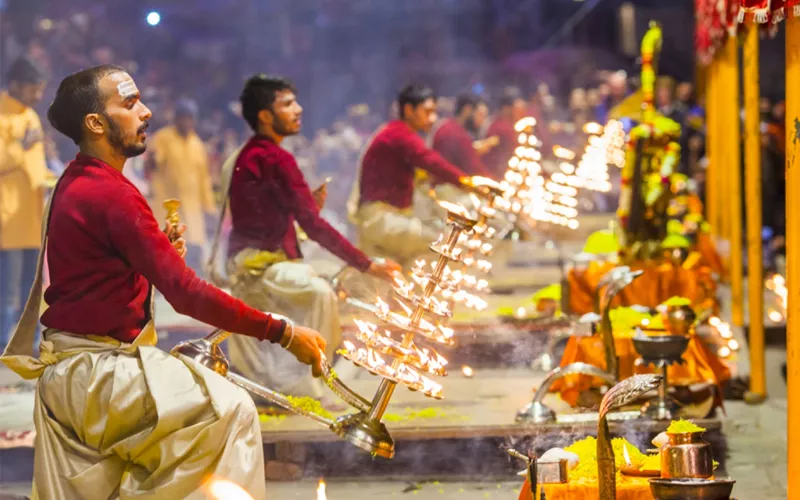
But North India’s magic stretches far beyond the Golden Triangle. Journey west to Udaipur, the “City of Lakes,” where shimmering waters reflect marble palaces. Head east to Varanasi, one of the world’s oldest living cities, and witness the mesmerizing Ganga Aarti — an experience that captures the spiritual soul of India.
To the north, lose yourself in the snow-draped landscapes of Kashmir, often called “Paradise on Earth,” or find adventure amidst the rugged peaks and serene monasteries of Ladakh. For those seeking tranquility and natural beauty, the hill stations of Himachal Pradesh — from Shimla to Manali — offer a refreshing escape.
Everywhere you go, North India unfolds stories of valor, devotion, and artistry — from the golden sands of Rajasthan’s Thar Desert to the peaceful ghats of Rishikesh and Haridwar.
Whether you’re exploring ancient temples, camel safaris, or snow-laden valleys, North India promises an unforgettable journey through time, culture, and tradition — a vivid portrait of India’s royal heart and spiritual soul.
What to See and Do in South India: Top Tourist Hotspots
If North India impresses with its regal palaces and grand history, South India captivates with its serene beauty, sacred traditions, and timeless charm. This enchanting region dazzles with gold-adorned temples, centuries-old monuments, vibrant culture, and Ayurvedic wellness retreats — all set against a lush tropical backdrop.
Distinct in language, customs, and identity, South India celebrates its own rhythm of life. Here, men wear the traditional lungi while women drape themselves in elegant silk saris, often adorned with fresh jasmine in their hair — a living symbol of beauty and tradition.
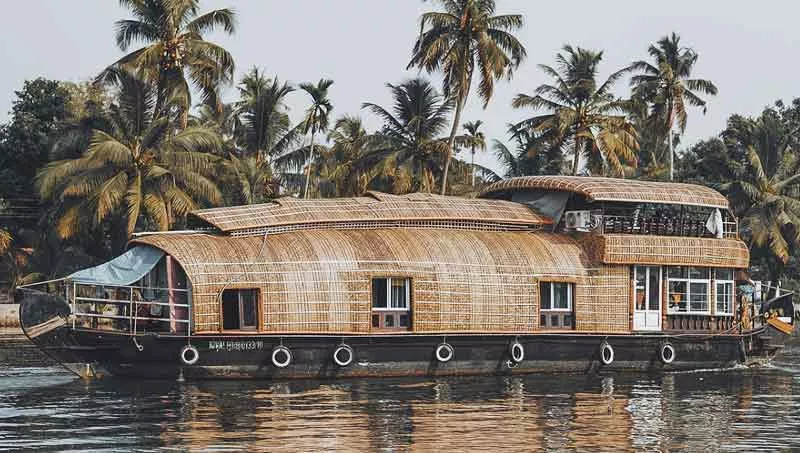
Start your journey in Kerala, often called “God’s Own Country.” Cruise peacefully along the backwaters of Alleppey, explore the tea-scented hills of Munnar, or stroll through Cochin’s colonial quarters, where Portuguese churches and spice markets sit beside stylish boutique hotels.
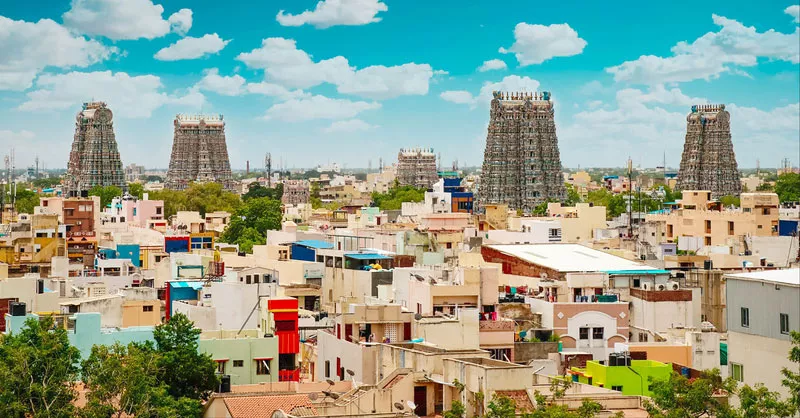
In Tamil Nadu, marvel at the grandeur of Meenakshi Temple in Madurai and Brihadeeswarar Temple in Thanjavur, magnificent examples of Dravidian architecture. Experience the devotion and spectacle of temple life in Chennai and Madurai, where flower-strewn courtyards, rhythmic chants, and long queues of devotees create a vibrant spiritual atmosphere.
Head north into Karnataka, home to the ancient rock-cut temples of Hampi, the exquisite carvings of Belur and Halebidu, and the royal elegance of Mysore Palace. Along the eastern coastline lies Pondicherry, a former French enclave where cobbled streets, colorful villas, and the spiritual township of Auroville embody peace and harmony.
Further west, Goa invites you to explore its old Portuguese churches, charming coastal towns, and sun-drenched beaches — perfect for relaxation after days of discovery.
End your South Indian journey at Kanyakumari, the country’s southernmost tip, where you can witness a rare spectacle — the sun setting and the moon rising over the same sea.
In the evenings, immerse yourself in South India’s performing arts — from the dramatic expressions of Kathakali dance to the melodies of Carnatic music and the ancient martial art of Kalaripayattu.
With its blend of nature, spirituality, and living tradition, South India invites travelers to slow down, breathe deeply, and experience India at its most soulful and authentic.
Nature and Wildlife in North and South India
The natural beauty of India displays itself in different areas in the north and south in a contrasting but equally attractive manner. At each part of the country, visitors will have the chance to have unforgettable moments with the wildlife, the landscapes, and adventures that will be remembered for a long time, if not for ever, after the journey ends.
North India: Where the Mountains Touch the Sky
North India is the ideal place for nature lovers and planet adventurers. With its cold winters, hot summers and refreshing mountain air, the diversity of the region is just amazing. It is turning even the most active ones into dreamers at the same time coming to the calm hill stations in Himachal Pradesh and Uttarakhand or hiking the rugged trails in the Himalayas.
The Himalayas set the room for nature and wildlife to flourish and so they do along with more visitors coming and engaging in different activities such as trekking through pine forests, rafting down the Ganges in Rishikesh, and camping under the stars in Ladakh. The north is a wildlife haven where one can follow the path of the Royal Bengal Tiger at Ranthambore National Park or see the pop of colors of surreal wildflowers in the Valley of Flowers, a UNESCO World Heritage Site in Uttarakhand, that seems to be a dream.
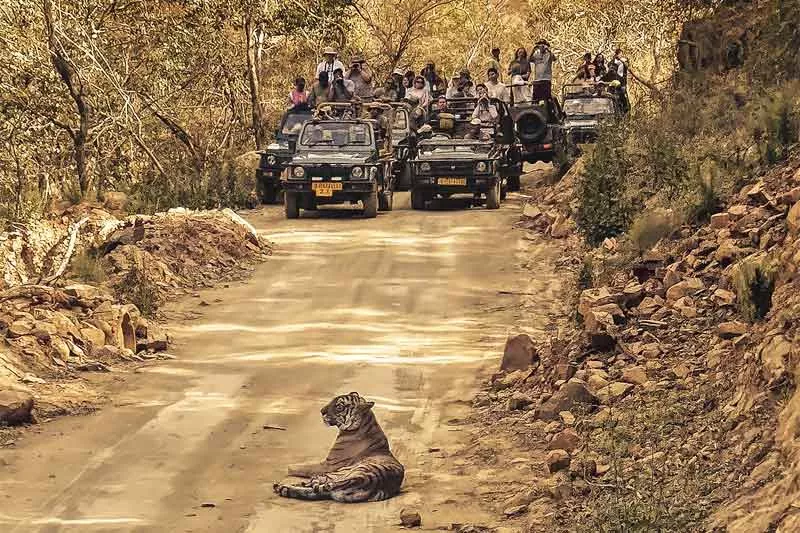
South India: Where Nature Whispers in Green
The southern part of the country is characterized by warm air, green landscapes and a much slower rhythm of life. The most amazing thing about South India is its tropical nature which is simply irresistible—the kind of place where one can find palm-lined beaches beside misty hilltops and where the silent backwaters are in sync with the pace of a gentler world.
One can go and glide through Kerala’s backwaters on a traditional houseboat and see life at its best along the canals – fishermen netting, children greeting from the banks, and coconut trees moving slowly in the cool breeze. Then, one can again be a different person through Ayurvedic treatments, yoga, and meditation by the sea or in the spice-scented hills of Munnar and Wayanad.
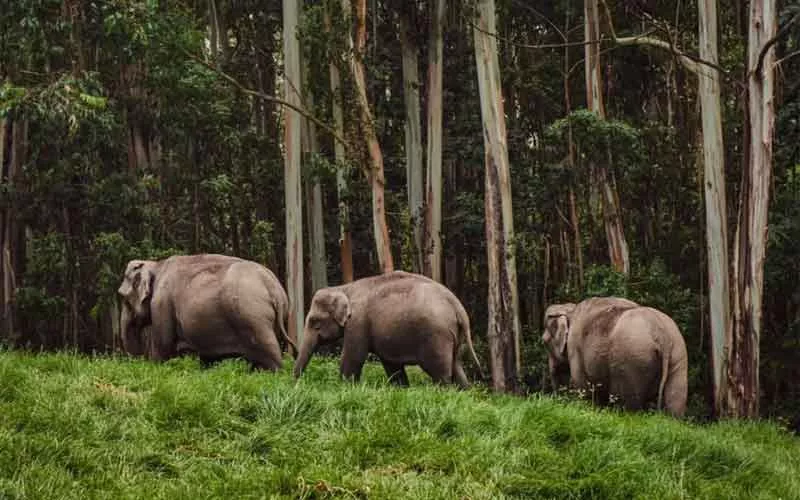
Nature enthusiasts can visit Nagarhole National Park or Periyar Tiger Reserve, where elephants, leopards, and rare birds are the main attractions. For a thrilling experience, do not hesitate to try rafting on bamboo in Periyar, diving in the crystal-clear waters of Havelock Island, or just wandering in the quiet wilderness that is so characteristic of the southern region.
Cuisines of North and South India: A Feast of Flavors
Food is the one thing that brings India together, but at the same time, it is food that beautifully shows how different each region is. The culinary journey from North to South India is a colorful exploration of flavors, traditions, and aromas that mirror the country’s wealth of diversity.
The North: Creamy Curries and Bread Baskets
North India is characterized by hearty, aromatic, and Mughal and Punjabi influenced meals. The cuisine in this region is known for its gravies that are rich, textures that are buttery, and perfection that is slow-cooked. Many dishes have a creamy, ghee, and yogurt base that gives them a unique indulgence and depth.
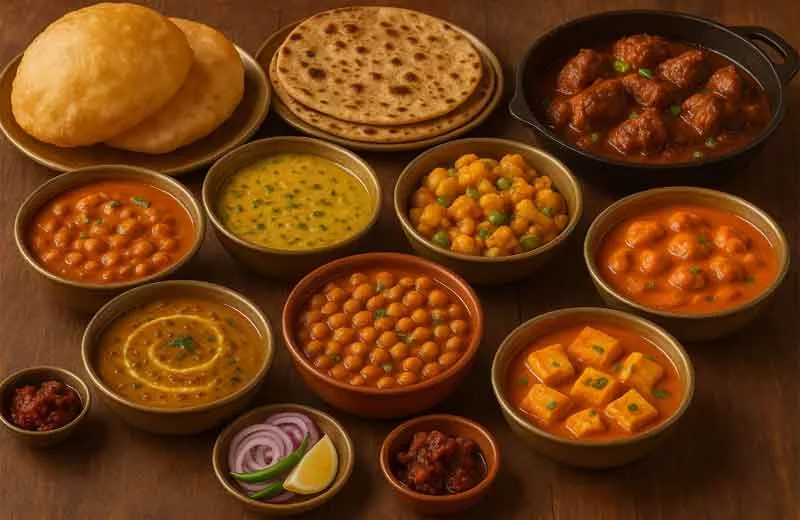
Naan, tandoori roti, and stuffed parathas are the staple breads that go with the flavorful dishes like butter chicken, paneer tikka masala, and dal makhani. Rice is not used as often, but when it is, it is nothing less than the fragrant biryanis and pulaos rich with nuts, saffron, and aromatic spices.
Desserts in this region are a grand celebration just like gulab jamun, jalebi, and kheer that are all very sweet and nostalgic. Every meal in the north feels like a festival — bold, comfortable, and totally indulgent.
The South: Spice, Coconut, and Coastal Charm
The South Indian cuisine is robust and has a refreshing turn. Rice and lentils with a huge quantity of coconut in all its forms— grated, milked, or toasted—are hallmarks of the South Indian food which is light and yet quite flavorful. The meals here are usually an excellent combination of spice, sourness, and earthy taste.
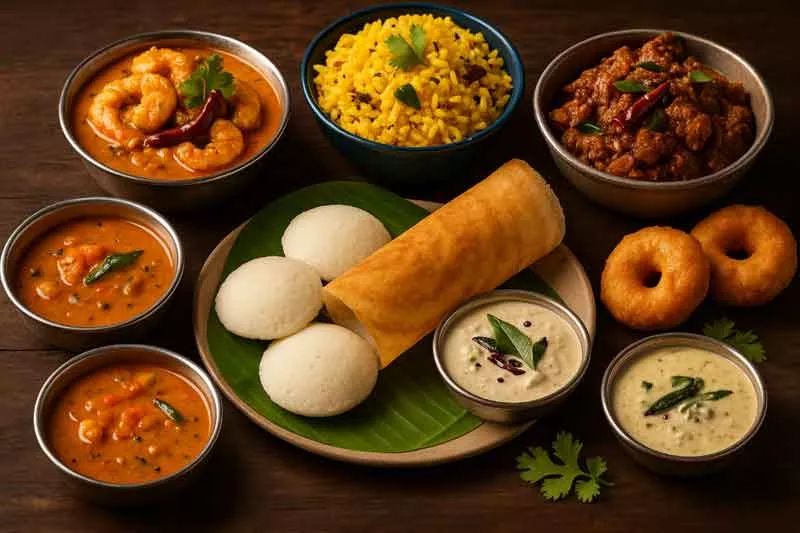
Breakfasts, all-time favorites, are the main events — hot idlis, crunchy dosas, and soft uttapams usually accompanied by piquant samba and fresh coconut chutneys. The curries are colorful and complex — tamarind, curry leaves, mustard seeds, and black pepper together release a flavor that lasts forever—surprisingly strong and exciting.
In places like Kerala and Karnataka along the coast, fish and other aquatic animals are at the top of the menu. Just to mention a few—Molee, that is, fish simmered in coconut milk, and Coorg’s hot Pandi Curry (pork) are the habitats, the most different ones, and so on. The French influence is also there, at least, in the case of the Pondicherry fusion cuisine. But the South Indian thali, served on a banana leaf traditionally, which is very often, continues to be the symbol of hospitality and culture with its richness.
A Nation United by Flavor
Now the question is — North or South India, which region is the winner? The reality is that both are very hard to overlook. North is very rich and creamy with its spicy curries and tandoori delights, while South is straight to the point with its heat, freshness, and comforting simplicity.
If you break a piece of naan to scoop up the sumptuous butter chicken or if you fold a thin dosa stuffed with spicy potato masala, each bite narrates a tale — that of history, that of geography, and that of the very heart of India.
Therefore, do not pick; rather, conquer with your taste buds the whole country. In India, every meal is more than just food it is an experience.
Conclusion
Whether it’s the majestic forts and snow peaks of the North or the serene beaches and temple towns of the South, each region offers a world of its own. North India thrills with adventure and history, while South India soothes with beauty and calm. In the end, the best choice depends on you — the explorer or the dreamer. But for those who seek the full Indian experience, the real magic lies in discovering both.
When a celebrated entertainer travels halfway across the world, every detail matters. Patti Boulaye OBE, the British-Nigerian singer, actress, and broadcaster who captured hearts after winning New Faces in 1978, recently discovered what makes a journey through India truly unforgettable. Her travels through Jaipur revealed something travelers often overlook: Planning a visit? Browse rajasthan tour packages to find the right fit before you arrive.
Patti’s testimonial speaks volumes. I’m Patti Boulaye, and if you’re coming to Jaipur, you need to check out Janu. He is the man. Her endorsement carries weight because someone who has performed on stages worldwide and appeared in over 100 television shows knows quality when she sees it.
Why Celebrity Testimonials Matter for Travel Services
Stars like Patti Boulaye travel constantly. They visit dozens of cities each year, meet hundreds of people, and work with countless service providers. When someone of her stature takes time to recommend a tour service, it tells you something real happened during that trip.
Travel testimonials from public figures carry authenticity because these individuals have nothing to gain from false praise. Patti could have traveled through Jaipur without mentioning her experience at all. Instead, she chose to share her thoughts about Janu Private Tours because the service genuinely impressed her.
Her words reflect a common challenge many travelers face: navigating a new city without getting lost, missing hidden gems, or falling into tourist traps. And you don’t have Janu on your side as a tour guide, you’re going to get lost, she explained. This simple statement highlights what separates memorable trips from frustrating ones.
Understanding Patti Boulaye’s Journey Through Rajasthan
Before exploring what made Patti Boulaye’s experience with Janu Private Tours special, understanding who she is provides context. Born Patricia Ngozi Komlosy in Nigeria on May 3, 1954, she rose to prominence in Britain’s entertainment scene during the 1970s and 80s. Her career spans musical theater, television, and public speaking. She has starred in London West End productions, including a critically acclaimed portrayal of Carmen in Carmen Jones.
Someone with her background approaches travel differently than casual tourists. She seeks authentic experiences, values professionalism, and appreciates when service providers understand cultural nuances. Her journey through India required a guide who could match her energy and curiosity.
Also Read:-which is the best travel company in India
What Makes Jaipur Special for International Visitors
Jaipur, known as the Pink City, presents both opportunities and challenges for visitors. The city’s majestic forts, grand palaces, and bustling markets create an overwhelming sensory experience. Streets wind through centuries-old neighborhoods where modern life intersects with ancient traditions. Without proper guidance, visitors can easily miss the stories behind the stones.
The Amber Fort sits majestically on a hilltop, its halls of mirrors catching light in ways that photographs rarely capture. The City Palace complex houses museums displaying royal artifacts, while Hawa Mahal’s honeycomb facade draws crowds who often rush past without learning its purpose. Each location holds layers of history that casual observation alone cannot reveal.
Here is why knowledgeable guides matter: they transform buildings into narratives. They explain why artisans created specific patterns, where royal families lived, and how historical events shaped the architecture tourists photograph today. This depth of understanding separates touring from truly experiencing a place.
Core Elements of Patti Boulaye’s Experience with Janu Private Tours
What did Patti Boulaye discover during her time with Janu Private Tours? While her testimonial remains brief, the underlying message speaks to several aspects of quality tour services.
Local Expertise That Prevents Getting Lost
Jaipur’s layout confuses first-time visitors. Markets branch into narrow alleys, similar-looking streets create disorientation, and language barriers complicate asking for directions. Patti emphasized this point directly: having Janu meant not getting lost. This practical benefit alone justifies working with local guides who know every turn and shortcut.
Personalized Attention
Janu Private Tours specializes in customized experiences rather than herding groups through predetermined routes. The company’s approach allows travelers to explore at their own pace, focus on interests that matter to them, and ask questions without competing for attention. For someone like Patti, whose schedule likely demanded flexibility, this personalized service proved crucial.
Cultural Bridge Building
Entertainment professionals understand performance and presentation. They recognize when someone genuinely cares about their craft versus merely going through motions. Patti’s enthusiastic recommendation suggests Janu demonstrated a passion for sharing Rajasthan’s heritage, creating connections between modern visitors and ancient traditions.
Reliability and Trust
Trust me, check out Janu, Patti concluded. Trust develops through consistent behavior, clear communication, and delivering on promises. When travelers book services in unfamiliar countries, they take risks. Patti’s confidence in recommending Janu Private Tours indicates the company established credibility through actions, not just words.
How Private Tours Differ from Group Experiences
The distinction between private and group tours shapes entire travel experiences. Group tours follow rigid schedules, limit photo opportunities, and accommodate the slowest walkers. They visit popular spots during peak hours when crowds obscure views and noise drowns out explanations.
Private tours flip this script. Travelers visit sites when lighting enhances photography, avoid crowds by adjusting timing, and spend extra time at locations that resonate personally. Guides answer specific questions rather than delivering rehearsed speeches. Lunch breaks happen when hunger strikes, not when the itinerary demands.
For Patti Boulaye’s experience with Janu Private Tours, this flexibility likely meant accommodating a busy schedule while ensuring she experienced Jaipur’s essence. Professional entertainers understand the difference between quality and quantity, between rushing through checklists and savoring moments.
Services Offered by Janu Private Tours
Janu Private Tours operates from a foundation of local knowledge and personalized service. The company provides:
Customized Itinerary Planning
Rather than forcing travelers into pre-packaged routes, the company works with clients to design trips matching their interests and budgets. Some visitors prioritize historical architecture, while others seek artisan workshops or culinary adventures. This flexibility ensures each journey feels unique.
Licensed and Knowledgeable Guides
Professional guides bring locations to life through stories, historical context, and answers to questions tourists didn’t know to ask. They explain architectural details, share local legends, and provide insights that guidebooks miss.
Comfortable Transportation
Air-conditioned vehicles with experienced drivers ensure smooth travel between locations. This matters when navigating Jaipur’s busy streets, where traffic patterns confuse unfamiliar drivers and parking near popular sites requires local knowledge.
Free Cancellation and Flexible Booking
Plans change, especially for busy professionals like Patti. Janu Private Tours accommodates schedule adjustments and offers payment flexibility, reducing stress associated with booking travel services internationally.
Support Throughout the Journey
Questions arise during trips. Having support available helps travelers address concerns quickly, whether about itinerary modifications, restaurant recommendations, or understanding local customs.
Planning Your Own Journey Through Rajasthan
Patti Boulaye’s testimonial offers lessons for anyone planning Rajasthan to travel. Start by identifying what matters most. Do historical sites fascinate you? Does local cuisine drive your curiosity? Would textile markets or jewelry shops enhance your experience?
Next, research thoroughly but recognize limitations. Online resources provide basic information, but they cannot replace local expertise. Reading reviews helps, though remember that what satisfied one traveler might not align with your priorities.
Contact tour providers early. Discuss expectations, ask about their experience with international visitors, and request sample itineraries. Companies like Janu Private Tours build trips around client interests rather than forcing everyone into identical experiences.
Book accommodations strategically. Staying near major sites reduces travel time but might sacrifice quiet evenings. Hotels in less touristy areas offer authentic neighborhood experiences but require longer commutes.
Pack practically. Rajasthan’s climate varies by season. Comfortable walking shoes matter more than fashion. Sunscreen, hats, and reusable water bottles prevent discomfort during long sightseeing days.
What to Expect from Quality Tour Services
Professional tour companies share common characteristics. They respond promptly to inquiries, provide clear pricing without hidden fees, and offer references or reviews from previous clients. They employ licensed guides with deep local knowledge and maintain well-maintained vehicles.
Quality providers also respect client time. They arrive punctually, keep groups moving efficiently, and adjust schedules when unexpected delays occur. They anticipate needs, suggesting water breaks before clients feel parched or bathroom stops before urgency strikes.
Communication separates good guides from great ones. They gauge group energy, modifying commentary depth based on interest levels. They welcome questions, admit when they don’t know the answers, and follow up with information later. They read body language, recognizing when clients need breaks versus when they want to push forward.
Safety consciousness matters. Reputable tour operators ensure vehicles meet safety standards, avoid risky situations, and provide guidance about navigating crowded markets or busy streets. They educate clients about local customs that might cause inadvertent offense.
Making the Most of Your Jaipur Experience
Once you arrive in Jaipur, embrace the chaos. Markets overflow with colors, sounds, and scents. Streets pulse with life. Auto-rickshaws weave through traffic while sacred cows wander peacefully. This sensory overload forms part of the authentic experience.
Ask questions constantly. Why do buildings display specific colors? What purposes did various palace rooms serve? How do artisans create intricate patterns? Guides appreciate curiosity because it shows genuine interest rather than checkbox tourism.
Taste local specialties. Rajasthani cuisine features unique flavors and techniques. Your guide can recommend authentic restaurants, avoiding tourist traps serving mediocre versions of traditional dishes.
Shop thoughtfully. Markets sell everything from textiles to jewelry to pottery. Quality varies dramatically. Guides help identify skilled artisans versus mass-produced goods, negotiate fair prices, and arrange shipping for delicate purchases.
Photograph respectfully. Some locations restrict photography or require permits. Religious sites might prohibit cameras in certain areas. Always ask permission before photographing people, especially in private workshops or residential areas.
Patti Boulaye’s experience with Janu Private Tours demonstrates what happens when travelers connect with guides who genuinely care about sharing their homeland’s beauty. Her straightforward endorsement cuts through marketing noise, speaking directly to what matters: reliable guidance that transforms potential confusion into confident exploration. Whether you follow in her footsteps through Jaipur or venture elsewhere in Rajasthan, the lesson remains clear: Planning a visit? Browse rajasthan tour packages to find the right fit before you arrive.
Also Read:-difference between a tour operator and a travel agent
Frequently Asked Questions
Q: Who is Patti Boulaye, and why does her testimonial matter?
Ans: Dr. Patti Boulaye OBE is a British-Nigerian singer, actress, and broadcaster who won New Faces in 1978 and became a leading entertainer. Her extensive career includes over 100 television appearances and London West End performances. Her testimonial matters because someone with her travel experience and public profile would not endorse services without genuine quality backing her words.
Q: What makes Janu Private Tours different from other Jaipur tour companies?
Ans: Janu Private Tours focuses on personalized experiences rather than group tours following fixed schedules. The company designs custom itineraries based on client interests and budgets. Licensed guides provide deep local knowledge, while flexible booking policies and reliable support throughout journeys ensure stress-free experiences. This approach particularly benefits travelers seeking authentic connections with destinations.
Q: How far in advance should I book a private tour in Jaipur?
Ans: Booking at least two to four weeks ahead allows tour companies time to customize itineraries and secure preferred guides. Peak tourist seasons from October through March require even earlier booking. Early contact also enables detailed planning conversations, ensuring tours match expectations. Last-minute bookings might work during slower periods, but they limit customization options.
Q: What should I budget for a private tour experience in Jaipur?
Ans: Private tour costs vary based on duration, group size, included amenities, and specific locations visited. Full-day tours typically cost more than half-day experiences. Multi-day packages across Rajasthan require larger budgets. Contact tour providers directly for accurate quotes based on your specific requirements. Quality companies provide transparent pricing without hidden fees and can suggest options fitting various budgets.
Q: Can private tours accommodate special dietary needs or mobility concerns?
Ans: Professional tour operators like Janu Private Tours customize experiences around client needs. They can arrange restaurant reservations accommodating dietary restrictions, modify itinerary timing to suit energy levels, and suggest sites with accessibility features. Communicate specific requirements during initial planning conversations so guides can prepare appropriate solutions and ensure comfortable, enjoyable experiences throughout your journey.
Why Do We Celebrate Holi? A Festival of Colours and Harmony
Holi, the festival of colours, marks the victory of good over evil, the arrival of spring, and the spirit of togetherness. Rooted in ancient Hindu legends, it carries deep cultural and spiritual significance.
One story celebrates the divine love of Lord Krishna and Radha. Concerned about their contrasting skin tones, Krishna playfully coloured Radha’s face, symbolizing love beyond differences — an act that inspired Holi’s joyful traditions.
Another legend tells of Prahlad and Holika, where faith triumphed over tyranny. When Prahlad’s father, King Hiranyakashipu, tried to destroy him through his sister Holika, divine power saved Prahlad while Holika perished — symbolizing the triumph of devotion and righteousness. This event is honoured through Holika Dahan, held on the eve of Holi.
On Rangwali Holi, people across India celebrate with colours, water balloons, and sweets like gujiya and thandai. The festival breaks social barriers, spreading happiness, forgiveness, and renewal — reminding everyone that joy and love always win over darkness.
If there’s one festival that truly captures the vibrant spirit of India, it’s Holi — the Festival of Colors. Once a year, streets and villages across the country transform into a living canvas of color, music, and laughter. It’s a time when strangers become friends, boundaries blur, and joy fills the air. For travelers, celebrating Holi in India isn’t just about witnessing a festival — it’s about experiencing the heart of Indian culture in the most vivid way possible.
Beyond Religious Rigidities, Holi in India has become a celebration of togetherness — a dazzling mix of colors, culture, and contagious joy. There’s nothing quite like joining locals in the lively color-splash battles — it’s one of the most unforgettable cultural experiences a traveler can have.
But planning a trip around Holi isn’t like any ordinary vacation. With festival dates varying each year and streets packed with celebrations, timing and organization matter more than ever. From navigating busy roads to fitting festival fun into your itinerary, it takes a bit of smart preparation.
In this post, we’ll walk you through everything you need to know to plan your Holi trip to India — from the best places to celebrate and ideal travel tips to how you can make the most of this vibrant festival of colors.
When Is Holi Festival Celebrated in India?
Holi, the Festival of Colors, is celebrated according to the Hindu lunar calendar, which means its date changes every year. The festival usually falls in late February or March, depending on the full moon of the Phalguna month.
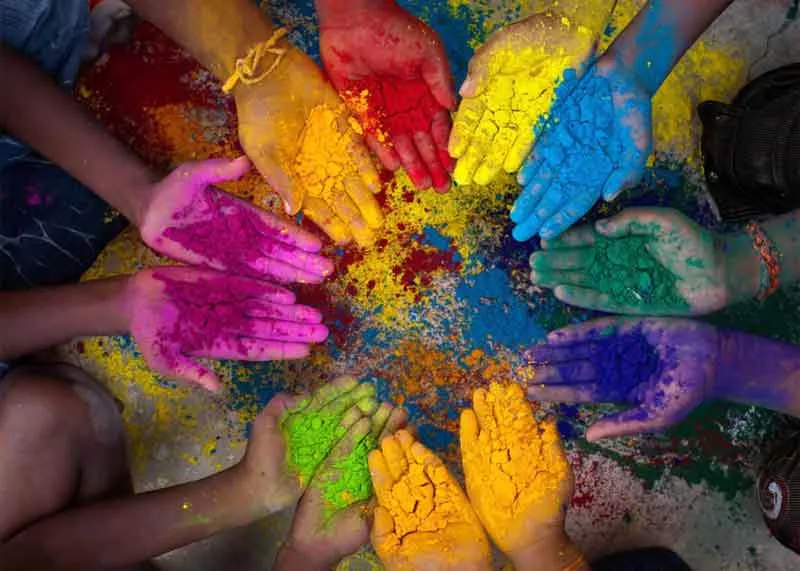
Keep in mind that while the dates below mark the main festivities, regional traditions can add several days of unique celebration! Booking your travel with these key dates in mind will ensure you’re right in the heart of the colored dust and merriment:
| Year | Holika Dahan (The Bonfire Night) | Rangwali Holi (The Main Day of Colors) |
| 2026 | Tuesday, March 3 | Wednesday, March 4 |
| 2027 | Sunday, March 21 | Monday, March 22 |
| 2028 | Friday, March 10 | Saturday, March 11 |
| 2029 | Wednesday, February 28 | Thursday, March 1 |
| 2030 | Tuesday, March 19 | Wednesday, March 20 |
In most parts of India, Holi is a two-day festival. The first evening, known as Holika Dahan, features bonfires and prayers symbolizing the victory of good over evil. The next morning brings the main celebration — a riot of colors, where people joyfully throw vibrant powders, dance, and share sweets.
If you’re looking for the most authentic and energetic Holi experiences, head to Barsana, Vrindavan, or Mathura. Here, the festivities stretch over nearly 10 days, starting a week before the main event. One of the most captivating traditions is Lathmar Holi, or “the Holi of Sticks”, celebrated around 6–7 days before Holi, where women playfully hit men with sticks while everyone cheers and laughs in good spirit.
Best Places to Celebrate Holi in India
Experience the Magic of Holi Across India Holi — the festival of colours — transforms India into a canvas of joy, laughter, and togetherness. While the celebrations are vibrant across the country, North India truly steals the show with its grand traditions and infectious energy.
In Mathura and Vrindavan, the birthplace of Lord Krishna, devotion and festivity intertwine in timeless rituals. Varanasi glows with spiritual fervour along the Ganges, while Udaipur, Jaipur, and Delhi blend royal heritage with modern flair, creating unforgettable Holi experiences.
Whether you dive into the lively streets or seek a more peaceful, private celebration, one thing is certain — wherever you go, Holi will embrace you in its joyful burst of colour and spirit.
1. Mathura & Vrindavan – The Birthplace of Holi
If you want to witness Holi in its most authentic and divine form, there’s no place like Mathura and Vrindavan — the land of Krishna himself. Here, the festivities begin weeks before the main day.
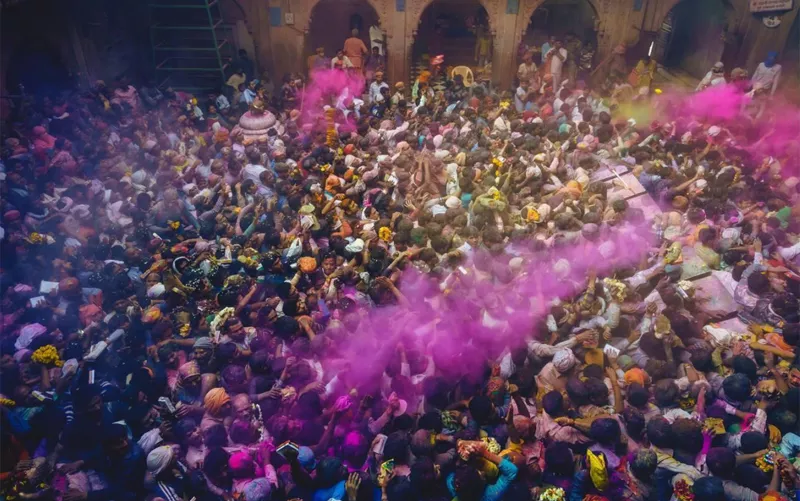
In Barsana, experience the lively Lathmar Holi, where women playfully chase men with sticks in a joyful mock battle. Then comes the enchanting Phoolon Ki Holi at the Banke Bihari Temple, where petals, not powders, fill the air with fragrance and colour.
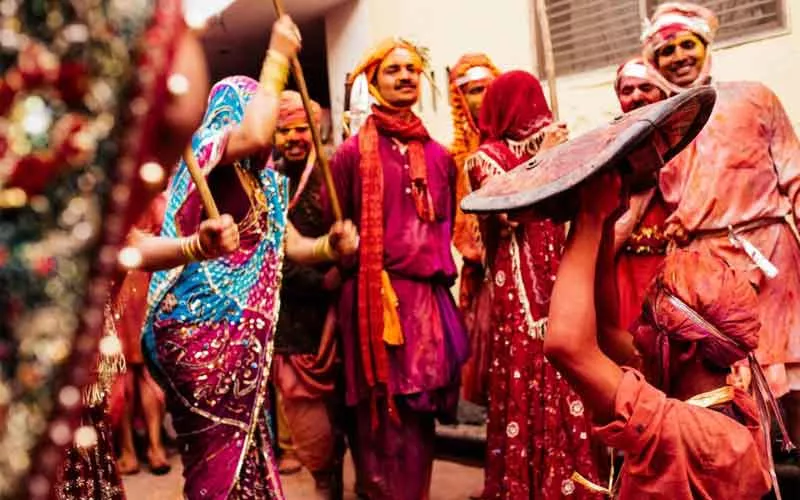
When the big day arrives, the temples of Dwarkadheesh in Mathura and Banke Bihari in Vrindavan turn into a swirl of music, devotion, and colour — a celebration that feels less like a festival and more like a spiritual awakening.
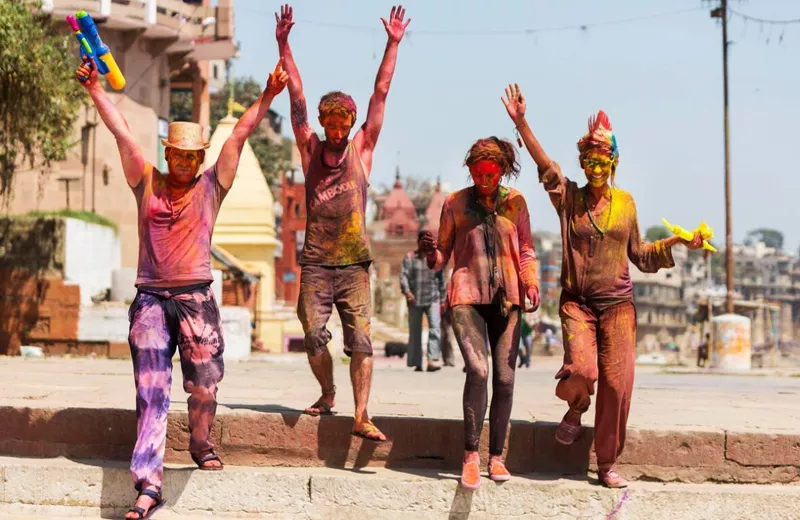
2. Varanasi: Experience the Sacred Colours of Holi
In Varanasi, Holi is where spirituality meets celebration. The ghats along the Ganges River come alive with bonfires, colours, and devotional chants, creating a magical harmony of faith and festivity. Locals follow the age-old tradition of applying herbal ubtan paste for good fortune, adding a touch of ritual purity to the revelry. Holi in Varanasi isn’t just celebrated — it’s felt in the soul.
3. Udaipur: Experience Holi Like Royalty
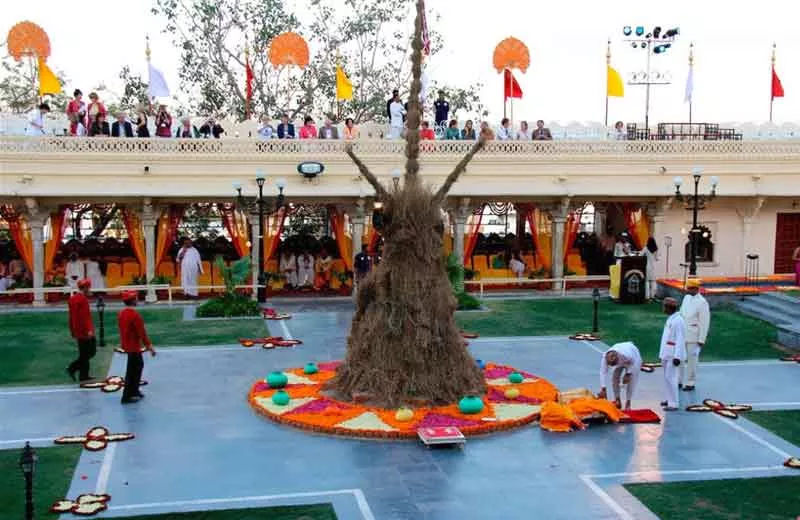
If you want to experience Holi with a royal twist, Udaipur is the place to be. The Mewar Royal Family hosts a stunning Holika Dahan at the City Palace, complete with a grand parade of decorated horses and elephants. The next day, the city bursts into colour at the lakeside ghats — music, laughter, and vibrant hues filling the air. Holi in Udaipur isn’t just a festival; it’s a royal celebration you’ll never forget.
4. Holi in Jaipur: A Splash of Colour, Culture, and Royalty
In Jaipur, Holi comes alive with a perfect blend of royal elegance and modern excitement. The city turns into a splash of colour, music, and laughter. At the Dhulandi Festival held at the historic Khasa Kothi Hotel, locals and travellers come together for a safe yet joyfully spirited celebration filled with colours, dance, and traditional sweets. Meanwhile, the Govind Dev Ji Temple glows with week-long devotional festivities, echoing with chants and drums that capture the city’s spiritual heart.
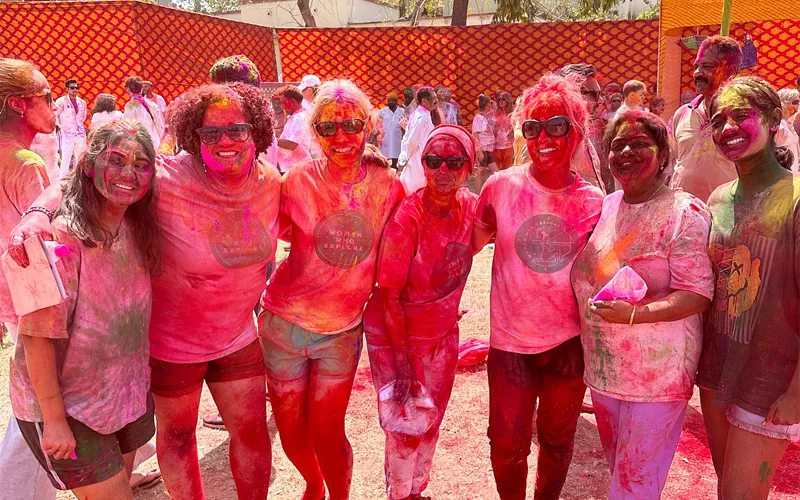
With its mix of heritage, culture, and youthful energy, Jaipur offers one of the most unforgettable Holi experiences in India — a celebration as royal as the Pink City itself.
If you’re in Jaipur during the Holi season, don’t miss the chance to celebrate it here! Experiencing Holi in Jaipur is a truly unique way to immerse yourself in the city’s vibrant culture, royal traditions, and festive spirit. Spend a day or two soaking in the colours, music, and warmth of the locals — it’s an experience that stays with you long after the colours fade.
5. Delhi: Celebrate Holi in the Heart of India
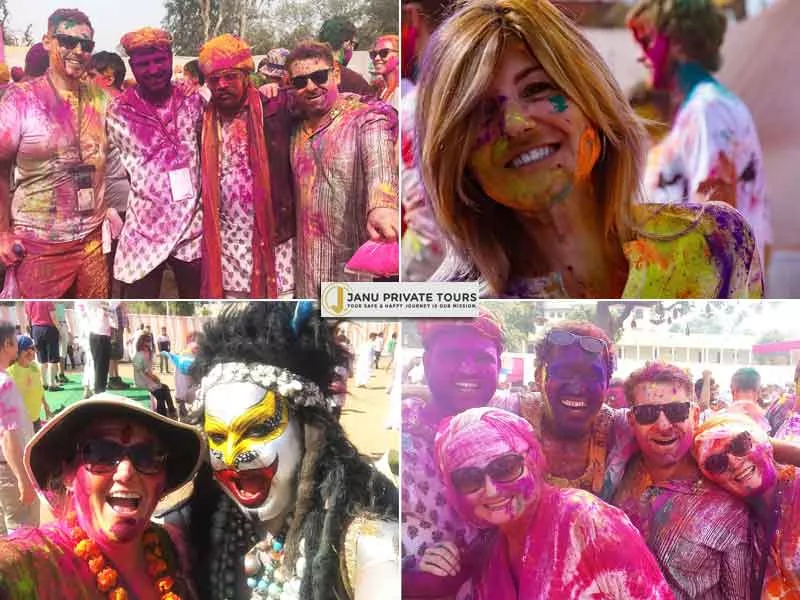
In Delhi, Holi takes on a life of its own — a vibrant fusion of tradition, music, and modern energy. From intimate family gatherings in old neighbourhoods to grand celebrations across the city, every corner bursts with colour and cheer. The iconic Holi Moo Festival is the highlight — featuring live music, organic colours, global artists, and local flavours, creating a safe yet exhilarating space for both locals and travellers. With its blend of chaos, culture, and creativity, Holi in Delhi is not just a festival — it’s an experience that captures the true spirit of India.
A Festival You’ll Never Forget
Holi in India isn’t just a festival — it’s a feeling. It’s the laughter that echoes through narrow lanes, the colours that fill the air, and the kindness of strangers who welcome you like family. Whether you join the grand celebrations in Mathura and Vrindavan, the royal festivities in Jaipur and Udaipur, or the lively parties in Delhi, every moment will leave you smiling, dancing, and drenched in colour.
So pack your whites, keep your heart open, and get ready to celebrate life the Indian way — with colour, joy, and togetherness. Holi in India is more than a trip; it’s an experience that will stay with you forever.
How Many Days Should You Spend on a Holi Trip?
Holi celebrations in India typically unfold over two main days — the first evening for Holika Dahan, when bonfires light up to mark the victory of good over evil, and the next day for Rangwali Holi, a joyful explosion of colours, music, and celebration.
If you’re planning your Holi adventure, here’s how to make the most of your stay depending on your travel style:
For a Short Holi Trip (3 Days)
A 3-day itinerary is perfect for travellers short on time but eager to experience the festive spirit.
- Day 1: Arrive, settle in, and explore major attractions like Amber Fort or the City Palace in Jaipur.
- Day 2: Witness the Holika Dahan ceremony in the evening — a magical mix of rituals, fire, and community spirit.
- Day 3: Join the Rangwali Holi celebrations with locals — play with colours, enjoy folk music, and savour traditional sweets. (Avoid long-distance travel this day as festivities often affect transport.)
For a Complete Cultural Experience (8–10 Days)
If you want to experience Holi’s diverse traditions and regional flavours, this 8–10 day itinerary blends culture, history, and celebration — taking you through North India’s most iconic destinations.
- Days 1–2: Arrive in Delhi, explore the city’s heritage sites like Humayun’s Tomb, India Gate, and Old Delhi’s Chandni Chowk. Then, travel to Vrindavan.
- Days 3–4: Experience Lathmar Holi in Barsana and Vrindavan, where women playfully tap men with sticks and colours fill the air. Afterward, head to Agra.
- Day 5: Visit the stunning Taj Mahal and Agra Fort, then continue your journey to Jaipur.
- Days 6–7: Explore Jaipur’s royal palaces and forts, and enjoy the city’s Dhulandi festivities — a colourful, royal-style Holi celebration. Later, travel back to Delhi.
- Days 8–10: Fly or take a train to Varanasi, where you’ll witness Holi on the ghats of the Ganges — a sacred and serene experience that blends devotion with festivity. Spend your final day exploring the spiritual heart of India before your departure.
Holi Safety Tips: Celebrate Smart and Stay Safe
Holi is full of joy and colour, but being prepared ensures you have a safe and happy experience. Here are a few simple tips to keep in mind:
- Start Early: Mornings are calmer, giving you time to enjoy before the crowds grow intense.
- Go With a Group: Celebrate with friends or a local guide, especially in busy areas like Mathura and Vrindavan.
- Dress Modestly: Long sleeves and comfortable clothes help you blend in and feel at ease, especially for female travellers.
- Be Careful With Bhang: Traditional drinks like bhang thandai can be intoxicating — enjoy in moderation.
- Mind Your Health: If you have allergies or asthma, use organic colours or join smaller gatherings instead.
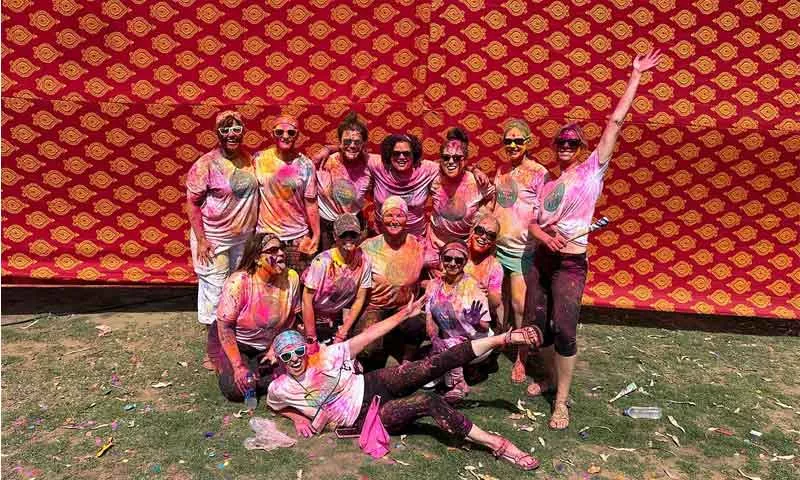
Packing Tips for Holi and Spring Travel in India
March brings pleasant weather across North India, with temperatures ranging from 16°C to 30°C (61°F–86°F) — perfect for outdoor fun!
Pack smart to stay comfortable and protected:
- Lightweight clothes for the day, plus a jacket or sweater for cooler evenings.
- Old clothes for Holi that you don’t mind getting stained.
- A hat, sunglasses, and long sleeves to shield from colours and sun.
- Apply coconut oil to your skin and hair before playing — it makes washing off colours much easier.
Bonus Tip: Make It a Cultural Journey
If you have extra days, turn your Holi trip into a journey through India’s rich culture. After celebrating in your chosen city, explore more of India’s incredible diversity — from the palaces of Rajasthan and spiritual ghats of Varanasi, to the bustling bazaars of Delhi.
Each destination adds a new hue to your Holi adventure — revealing India’s many stories, flavours, and traditions. It’s a journey that lets you not just witness Holi, but truly feel the heart of India.
Final Travel Inspiration
Holi in India is more than a festival — it’s a celebration of life, love, and togetherness. It’s laughter echoing through narrow streets, colours filling the sky, and kindness shared by strangers.
Whether you’re dancing in Vrindavan, celebrating with royalty in Jaipur, or soaking in the serenity of Varanasi, Holi will touch your heart in ways words can’t describe.
So come with an open spirit, embrace the chaos, and let India paint your memories in every shade of happiness. Because once you’ve experienced Holi here, you’ll never see colours the same way again.
Prima di partire per l’India, scopri tutto sul Triangolo d’Oro.
Conoscere davvero l’India in una sola settimana è impossibile: è un Paese sconfinato, ricco di sfumature, dove ogni luogo custodisce un’anima diversa. Eppure, in sei o sette giorni è possibile assaporarne la magia — lasciandosi incantare dai suoi capolavori millenari, dalle atmosfere che sembrano uscite da un sogno e dalle emozioni che restano impresse nel cuore ben oltre la fine del viaggio.
Se stai pensando di visitare l’India, questa è la guida perfetta al Triangolo d’Oro, il punto di partenza ideale per conoscere la straordinaria varietà di questo Paese. Il Triangolo d’Oro dell’India è uno degli itinerari più famosi, rapidi e affascinanti, amato da viaggiatori di tutto il mondo. Scopri insieme a noi che cosa rende questo percorso così speciale e perché è una delle mete più amate dell’India.
Che cos’è il Triangolo d’Oro?
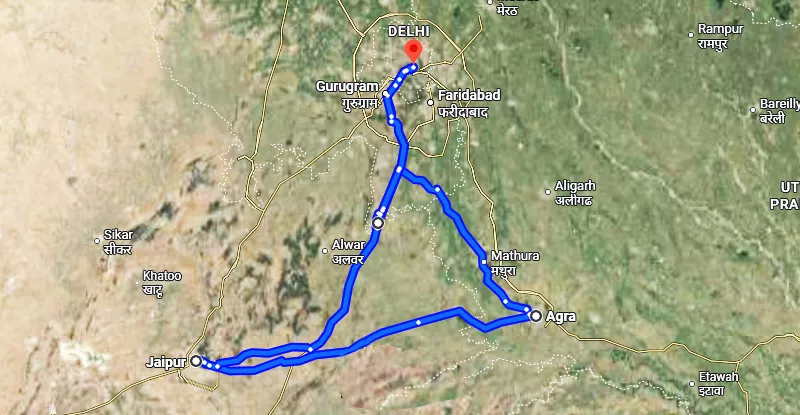
Il Triangolo d’Oro dell’India è uno dei modi migliori per scoprire la bellezza e la diversità di questo Paese straordinario, soprattutto se è la tua prima volta in India. Questo itinerario prende il nome dalle tre città che lo compongono — Delhi, Agra e Jaipur — situate nel nord del Paese e disposte sulla mappa in modo da formare quasi un triangolo equilatero.
Ognuna di queste città custodisce un’anima unica, fatta di storia, cultura, tradizioni e sapori, offrendo al viaggiatore esperienze molto diverse tra loro.
- Delhi, la vivace capitale, è un affascinante incontro tra antico e moderno: caotica e spirituale, ma anche cosmopolita e ricca di sapori autentici.
- Agra è il luogo dove sorge il leggendario Taj Mahal, simbolo eterno d’amore, insieme ad altri splendidi capolavori dell’arte moghul.
- Jaipur, la celebre Città Rosa, incanta con i suoi forti maestosi, palazzi regali e coloratissimi bazar, dove il passato del Rajasthan sembra ancora vivere tra le sue strade.
Un viaggio nel Triangolo d’Oro è molto più di un semplice itinerario: è un primo sguardo sull’anima autentica dell’India, un’esperienza che unisce meraviglia, spiritualità e cultura millenaria.
Mappa del Triangolo d’Oro dell’India

- Nuova Delhi affascina con i suoi grandi viali, i palazzi in stile coloniale e i giardini curati, mentre Vecchia Delhi ti accoglie con un labirinto di stradine animate, mercati profumati di spezie e un’energia travolgente.
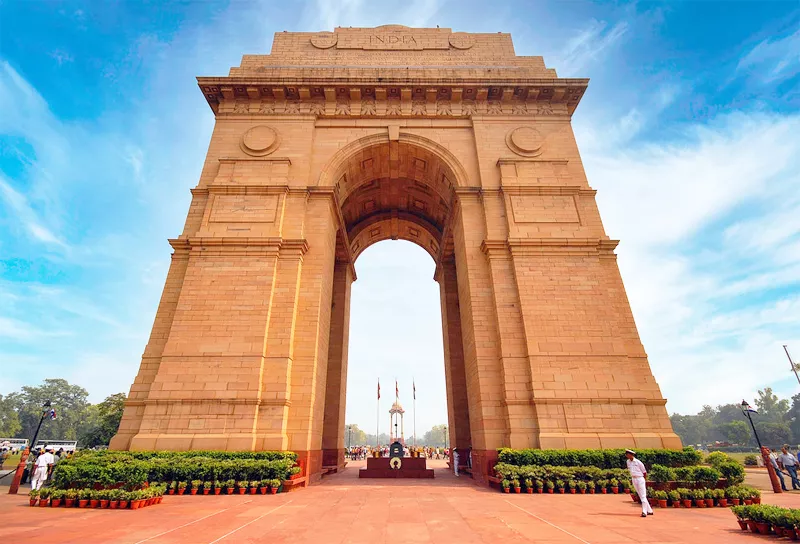
Passeggia lungo Rajpath, ammira la maestosità dell’India Gate e del Rashtrapati Bhawan, residenza ufficiale del Presidente dell’India. Fermati a Connaught Place per un assaggio della vivace vita cittadina tra caffè, negozi e ristoranti alla moda.
Immergiti poi nel cuore più autentico della città esplorando Chandni Chowk, dove ogni angolo racconta una storia e ogni bancarella nasconde un piatto irresistibile: da qui il soprannome di paradiso dei buongustai.
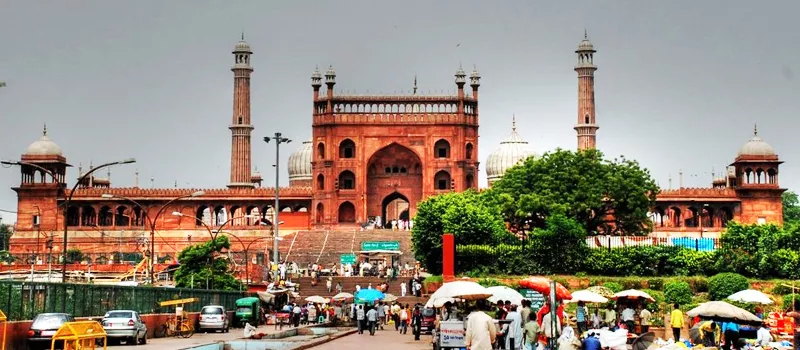
Tra i luoghi imperdibili ci sono la monumentale Jama Masjid, il maestoso Qutub Minar — patrimonio mondiale dell’UNESCO — e il raffinato Tomba di Humayun, che ispirò la costruzione del Taj Mahal.
Non perderti infine il leggendario Forte Rosso, anch’esso sito UNESCO, costruito in arenaria rossa e simbolo della potenza dell’Impero Moghul. All’interno, visita il Diwan-i-Khas (Sala delle Udienze Private), il Diwan-i-Aam (Sala delle Udienze Pubbliche) e il coloratissimo Rang Mahal, dove un tempo vivevano le regine.
Delhi non è solo una città: è una porta d’ingresso verso l’anima dell’India, un luogo dove passato e presente si fondono in un’armonia travolgente.
Agra – La Città del Taj Mahal
Nessun viaggio in India può dirsi completo senza una visita al maestoso Taj Mahal, simbolo eterno d’amore e una delle Sette Meraviglie del Mondo. Situato sulle rive tranquille del fiume Yamuna, questo capolavoro in marmo bianco fu fatto costruire dall’imperatore moghul Shah Jahan come mausoleo per la sua amata sposa Mumtaz Mahal. Da secoli, il Taj Mahal incanta milioni di visitatori provenienti da ogni parte del mondo con la sua perfezione architettonica e il suo significato romantico.
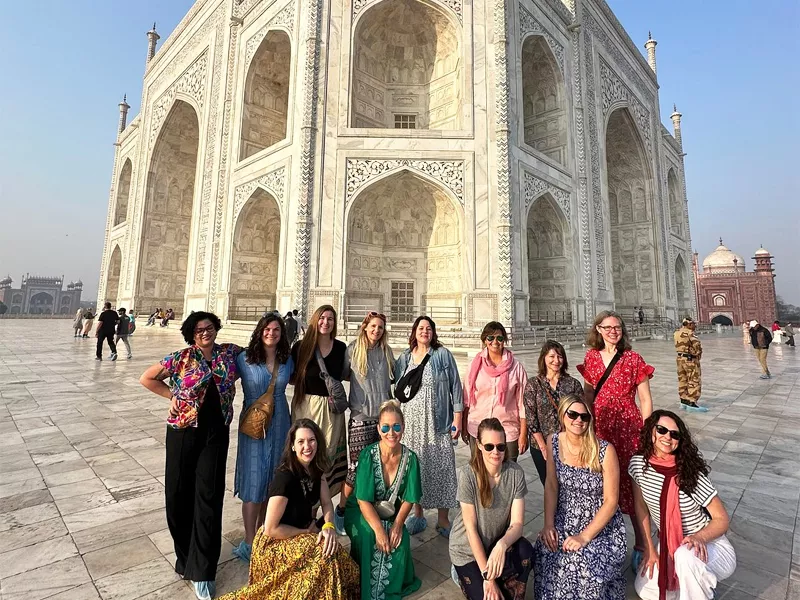
Da Delhi si raggiunge Agra in circa quattro ore d’auto, oppure in meno di due ore con il Gatimaan Express, il treno più veloce dell’India. Il viaggio è semplice e confortevole, ma l’arrivo davanti al Taj Mahal è un’emozione che nessuna fotografia potrà mai anticipare.
Vederlo dal vivo è un’esperienza indimenticabile: al sorgere del sole, il marmo assume sfumature rosate e dorate, mentre al chiaro di luna sembra galleggiare nell’aria, avvolto in un’aura quasi irreale. L’ingresso notturno è consentito solo durante le cinque notti di plenilunio ogni mese, per pochi fortunati visitatori.
Per una prospettiva diversa e più tranquilla, attraversa il fiume fino ai giardini di Mehtab Bagh: da lì, il Taj Mahal appare nella sua forma più poetica, riflesso nelle acque dello Yamuna.
Ma Agra non è solo il Taj Mahal. La città custodisce altri gioielli dell’epoca moghul come il delicato Itimad-ud-Daulah, noto come Baby Taj, e l’imponente Forte di Agra, un labirinto di palazzi, cortili e sale ornate di specchi, tra cui il celebre Sheesh Mahal.
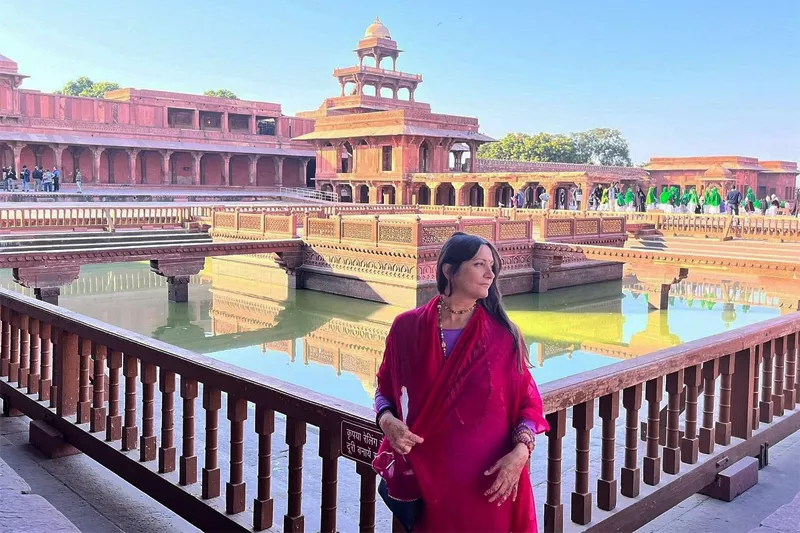
A pochi chilometri si trova anche Fatehpur Sikri, antica capitale dell’imperatore Akbar e oggi sito patrimonio UNESCO. Costruita nel 1569, la città fu abbandonata pochi anni dopo a causa della scarsità d’acqua, ma ancora oggi conserva intatta la grandiosità del suo passato, come una città sospesa nel tempo.
Agra è, in definitiva, un luogo dove l’amore, la storia e l’arte si fondono in un racconto che continua a incantare i viaggiatori di tutto il mondo.
Jaipur – La Città Rosa del Rajasthan
Conosciuta come la Città Rosa, Jaipur è un gioiello nel cuore del Rajasthan e un perfetto esempio di come la storia, l’arte e la cultura possano fondersi in un’armonia straordinaria. Le sue strade colorate, i palazzi maestosi e i mercati vivaci raccontano l’eredità regale dei Maharaja Rajput, facendo di Jaipur una delle destinazioni più affascinanti dell’India.
Il simbolo per eccellenza della città è l’incredibile Hawa Mahal, il “Palazzo dei Venti”: una struttura a cinque piani in arenaria rosa, decorata da centinaia di finestrelle da cui, un tempo, le donne della corte osservavano la vita cittadina senza essere viste.
Jaipur è spesso chiamata anche la “città dei forti”, e con buona ragione. Tra i più imponenti si trova l’Amber Fort (Forte di Amer), un capolavoro architettonico arroccato sulle colline Aravalli. Le sue mura, che si estendono per chilometri, sono considerate seconde solo alla Grande Muraglia Cinese per imponenza. Dalle sue terrazze, la vista sulla valle e sul lago Maota è semplicemente spettacolare.
Non meno affascinante è il City Palace, ancora oggi residenza della famiglia reale. Parte del complesso è stata trasformata in museo, dove potrai ammirare abiti d’epoca, armi finemente lavorate e preziosi oggetti appartenuti ai maharaja.
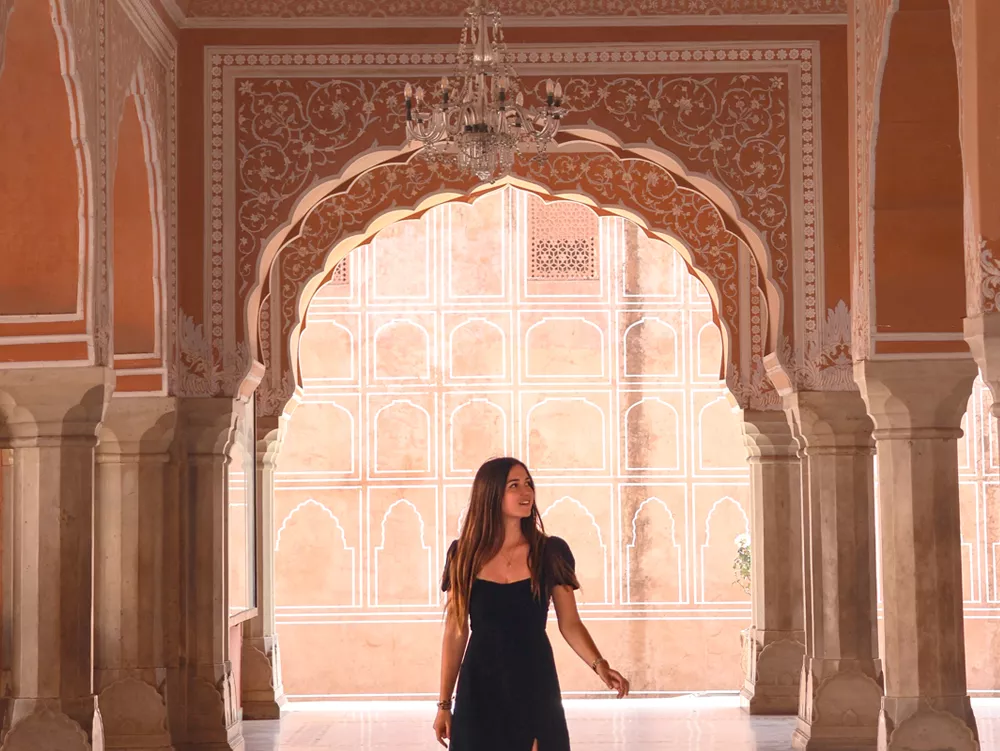
Un’altra tappa imperdibile è il Jantar Mantar, un osservatorio astronomico del XVIII secolo dichiarato Patrimonio dell’Umanità dall’UNESCO, ideato dal sovrano Jai Singh II, lo stesso che fondò Jaipur. Ogni strumento è una meraviglia di precisione, testimonianza del profondo legame tra scienza e spiritualità nella cultura indiana.
Tra le altre attrazioni da non perdere ci sono il romantico Jal Mahal, il suggestivo Nahargarh Fort, il potente Jaigarh Fort, il Tempio delle Scimmie (Galta Ji) e il luminoso Birla Mandir in marmo bianco.
Jaipur, però, non è solo monumenti e regge: è anche un paradiso per gli amanti dello shopping. Nei suoi bazar tradizionali potrai perderti tra bancarelle di gioielli, tessuti colorati, ceramiche, tappeti e oggetti d’artigianato locale. I mercati di Johari Bazaar e Bapu Bazaar sono veri scrigni di creatività rajasthana.
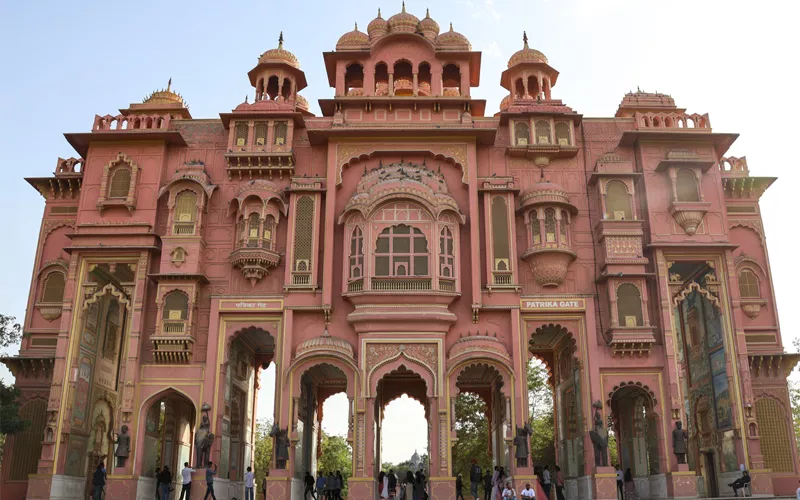
Tra profumi di spezie, risate di mercanti e il rosa caldo dei suoi edifici, Jaipur saprà conquistarti con la sua eleganza regale e la sua inesauribile vitalità — un luogo dove ogni angolo racconta una storia e ogni tramonto sembra dipinto d’oro.
Hai più tempo? Estendi il tuo viaggio nel Triangolo d’Oro!
Se puoi dedicare qualche giorno in più al viaggio, il Triangolo d’Oro dell’India può trasformarsi in un itinerario ancora più ricco, tra spiritualità, natura e cultura autentica.
Da Delhi, raggiungi Rishikesh, la capitale mondiale dello yoga ai piedi dell’Himalaya. Tra templi, ashram e rituali sul Gange, vivrai un’esperienza spirituale unica prima di proseguire verso Agra.
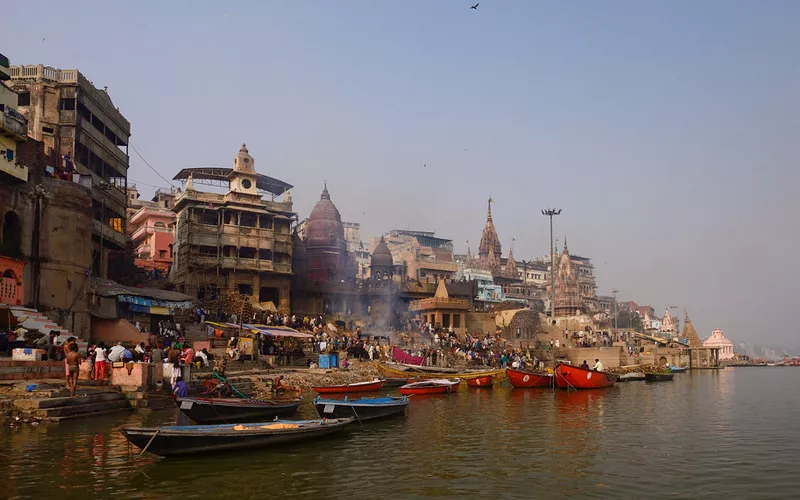
Un’altra tappa imperdibile è Varanasi, la città sacra sul fiume Gange. Qui potrai assistere alle suggestive cerimonie dell’Aarti, visitare il tempio di Kashi Vishwanath e immergerti nell’atmosfera mistica di una delle città più antiche del mondo.
Da Jaipur o Agra, puoi visitare il Parco Nazionale di Ranthambore, rinomato per le sue tigri e i paesaggi spettacolari, con l’antico Forte di Ranthambore che domina la valle.
Prosegui poi verso Udaipur, la romantica Città dei Laghi, dove i palazzi si specchiano nelle acque del lago Pichola, o scopri Pushkar e Jodhpur, con l’imponente Forte di Mehrangarh e le case blu che tingono la città di magia.
Estendere il viaggio significa andare oltre le mete classiche e scoprire il volto più autentico e affascinante dell’India.
Migliori mezzi di trasporto per il Triangolo d’Oro e come arrivarci
Il Triangolo d’Oro dell’India — Delhi, Agra e Jaipur — è perfettamente collegato e facile da esplorare.
Il modo migliore per vivere l’esperienza è viaggiare su strada. Noleggiare un’auto privata con autista ti consente di muoverti in totale libertà, fermarti nei villaggi e scoprire l’India autentica lungo il percorso. Le strade tra le tre città sono moderne e ben mantenute, rendendo il viaggio confortevole e panoramico.
Anche il treno è un’ottima opzione: comodo, sicuro e ideale per ammirare la campagna indiana. I collegamenti sono frequenti e, per chi desidera un tocco di lusso, il Maharajas’ Express offre un itinerario esclusivo proprio lungo il Triangolo d’Oro.
Per chi preferisce un’alternativa economica, ci sono autobus turistici moderni e climatizzati che collegano regolarmente le tre città.
All’interno di Delhi, Agra e Jaipur, puoi spostarti facilmente con tuk-tuk (auto rickshaw) o servizi come Ola e Uber, oppure optare per un’auto privata per l’intera durata del tour.
Qualunque mezzo tu scelga — strada, treno o bus — il viaggio nel Triangolo d’Oro sarà comodo, sicuro e pieno di meraviglie da scoprire lungo la via.
Dove alloggiare durante il viaggio nel Triangolo d’Oro
Durante il tuo tour del Triangolo d’Oro dell’India, potrai scegliere tra un’ampia gamma di alloggi, che spaziano da ostelli economici a resort di lusso, da eleganti boutique hotel a suggestivi palazzi storici. Qualunque sia il tuo budget, troverai la sistemazione perfetta per il tuo stile di viaggio.
Sistemazioni di Lusso e Heritage
Per chi desidera vivere un’esperienza regale, le antiche havelis e palazzi reali del Rajasthan trasformati in hotel offrono un soggiorno davvero unico.
- A Delhi: The Imperial, Taj Mahal Hotel, The Oberoi New Delhi
- Ad Agra: The Oberoi Amarvilas, ITC Mughal, Trident Agra
- A Jaipur: Rambagh Palace, Samode Palace, Raj Palace
Questi hotel combinano eleganza, storia e servizio impeccabile, permettendoti di vivere l’atmosfera autentica dei tempi dei maharaja.
Hotel di Fascia Media
Se cerchi comfort e qualità senza eccessi, le opzioni di fascia media offrono un ottimo equilibrio tra prezzo e servizi.
- A Delhi: Bloomrooms @ New Delhi Railway Station, Hotel Blue Pearl, Haveli Dharampura (heritage)
- Ad Agra: Crystal Sarovar Premiere, Radisson Agra, Howard Plaza – The Fern
- A Jaipur: Shahpura House, Dera Mandawa, Alsisar Haveli (heritage boutique)
Queste strutture offrono ambienti curati, ottime posizioni e autentica ospitalità indiana.
Budget Hotel e Ostelli
Per i viaggiatori con un budget contenuto o gli amanti dell’atmosfera informale, ci sono tantissimi ostelli moderni e accoglienti.
- A Delhi: Zostel Delhi, Madpackers Hostel, Joey’s Hostel
- Ad Agra: Moustache Hostel Agra, Joey’s Hostel Agra, Zostel Agra
- A Jaipur: Zostel Jaipur, Moustache Hostel Jaipur, The Hosteller Jaipur
Molti di questi offrono camere private, spazi comuni vivaci e attività per incontrare altri viaggiatori.
Esperienze nella Natura
Se il tuo itinerario include il Parco Nazionale di Ranthambore, scegli uno dei raffinati campi safari o eco-resort immersi nella giungla, come il Oberoi Vanyavilas, Taj Sawai o Ranthambore Kothi. Un mix perfetto tra lusso e natura selvaggia.
Il periodo migliore per visitare il Triangolo d’Oro
Il momento ideale per esplorare il Triangolo d’Oro dell’India va da ottobre a marzo, quando il clima è più piacevole e le temperature sono miti. In questi mesi potrai goderti al meglio le visite a Delhi, Agra e Jaipur, senza il caldo intenso dell’estate.
Tra ottobre e novembre, l’India si accende di luci e colori grazie alle celebrazioni del Diwali, mentre a marzo potrai vivere la magia di Holi, la famosa festa dei colori.
Evita i mesi di maggio e giugno, quando le temperature superano spesso i 45°C, soprattutto nel Rajasthan. Tuttavia, questo è anche il periodo ideale per un safari nel Parco di Ranthambore, se sei ben preparato contro il sole.
Durante il monsone (luglio–settembre), il nord dell’India riceve piogge moderate, ma il parco di Ranthambore resta chiuso.
In sintesi, il periodo tra ottobre e marzo è perfetto per vivere il Triangolo d’Oro al meglio — tra clima gradevole, feste tradizionali e panorami mozzafiato.
Consigli per visitare il Triangolo d’Oro
Il Triangolo d’Oro dell’India è un’esperienza unica, ma richiede un po’ di attenzione. Ecco i consigli essenziali per viaggiare in sicurezza e serenità:
- Tieni al sicuro i tuoi effetti personali e diffida da venditori insistenti o richieste sospette.
- Vestiti in modo rispettoso, soprattutto nei luoghi sacri.
- Adatta l’abbigliamento alla stagione: leggero in estate, impermeabile nei monsoni, caldo in inverno.
- Bevi solo acqua in bottiglia e evita quella del rubinetto.
- Assaggia lo street food con cautela, scegliendo solo cibi preparati al momento.
- Affidati a guide locali autorizzate per scoprire storia e cultura in modo autentico.
- Evita di muoverti da solo di notte, specialmente se viaggi in solitaria.
- Pianifica il viaggio in anticipo per sfruttare al meglio tempi e tappe.
Con un po’ di prudenza e curiosità, il Triangolo d’Oro ti regalerà un’esperienza indimenticabile nel cuore dell’India.
Cosa vedere in Rajasthan, India?
L’India non è solo un paese, è un universo a sé. Così vasta e ricca di contrasti da sembrare un mondo intero racchiuso in un solo luogo. È impossibile elencare tutto ciò che merita di essere visto — ogni angolo ha una storia, un profumo, un colore diverso.
Per questo voglio portarvi con me nel Rajasthan, la terra dei Maharaja, raccontandovi cosa vedere e vivere attraverso il mio itinerario e le mie emozioni. È un viaggio che non si misura in chilometri, ma in sensazioni.
Dell’India amo la sua infinita varietà: in un solo viaggio puoi attraversare giungle lussureggianti, deserti dorati, montagne maestose e città che pulsano di vita. Ogni stato ha un’anima propria, un sapore, una voce. E il Rajasthan… beh, il Rajasthan è poesia fatta pietra, sabbia e luce.
Se stai pensando di visitare l’India ma non sai da dove iniziare, lascia che ti sveli un segreto: comincia dal Rajasthan.
Il Rajasthan è un luogo che non somiglia a nessun altro al mondo. Qui l’anima regale dell’antica India si mescola al caos polveroso delle strade, agli asinelli che si incrociano con i cammelli, ai colori vivi che sembrano danzare nell’aria. È un equilibrio perfetto tra maestosità e semplicità.
Eppure, nonostante le sue contraddizioni, il Rajasthan rappresenta il modo più “dolce” per avvicinarsi all’India. Un paese intenso, affascinante, ma anche capace di mettere alla prova perfino i viaggiatori più esperti. Qui, però, ogni sfida diventa parte della magia.
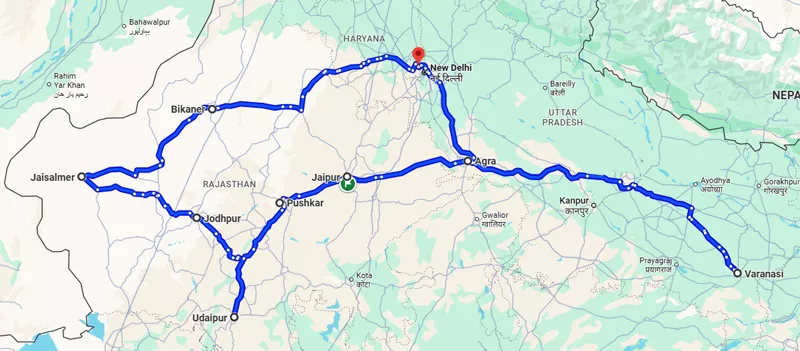
Mappa e Itinerario Consigliato di 15 Giorni in Rajasthan
Il nostro viaggio in Rajasthan ha seguito un itinerario piuttosto classico, ma carico di emozioni — un percorso che ci ha condotti attraverso la terra dei Maharaja, tra antichi palazzi, deserti infiniti e città dai colori accesi. Abbiamo concluso l’avventura con una delle sette meraviglie del mondo, il maestoso Taj Mahal, e due giorni sulle rive sacre del Gange, nella mistica Varanasi.
Chi ha letto il mio racconto “Varanasi nel ventre di Shiva” sa già di quale magia sto parlando.
Qui sotto trovate la mappa del nostro itinerario, pensata per accompagnarvi passo dopo passo lungo il viaggio.
Ci siamo spostati principalmente con mezzi pubblici — autobus e treni — per vivere appieno il ritmo e l’anima autentica dell’India. Una parte del tragitto l’abbiamo percorsa con un driver privato, mentre per il ritorno da Varanasi a Delhi abbiamo optato per un volo interno, comodo e rapido.
È stato un viaggio intenso, autentico e pieno di sfumature — proprio come l’India stessa: contrasti, profumi e poesia che restano nel cuore.
Con il senno di poi, ti consiglio vivamente di affidarti a un driver per il tuo viaggio in Rajasthan.
Muoversi in autobus attraverso questa regione è un’esperienza… diciamo, formativa 😅. Affascinante, certo, ma anche piuttosto snervante: attese infinite, strade interminabili e imprevisti a ogni chilometro. E se capiti qui durante il periodo dei monsone, l’avventura raggiunge un nuovo livello — le strade sterrate si trasformano in piccoli fiumi di fango e potresti ritrovarti fermo per ore in mezzo al nulla, con la pioggia che scandisce il tempo.
E poi ci sono loro, le mucche sacre — vere sovrane dell’asfalto indiano. Procedono lente e tranquille nel bel mezzo della carreggiata, costringendo autobus, auto e cammelli a fermarsi in rispettoso silenzio. Nessuno osa contrariarle: sono loro le vere regine del traffico del Rajasthan.
Un’esperienza autentica, caotica e irripetibile… ma fidati: con un buon driver, il Rajasthan si vive con un sorriso in più e molta meno fatica.
Delhi: Là dove la storia incontra la modernità
Anche se Delhi non fa parte del Rajasthan, è quasi certo che sarà la tua prima tappa in India. Ed è il punto di partenza perfetto per cominciare a immergersi nel ritmo, nei suoni e nei colori di questo Paese straordinario.
Arrivare a Delhi significa entrare in un mondo che vibra di vita. È una città frenetica, rumorosa, contraddittoria — ma irresistibilmente affascinante. Qui antico e moderno convivono in un equilibrio che sembra impossibile, eppure funziona. È proprio qui che si comprende davvero il senso della frase: “nel caos c’è ordine.”
Non esiste un posto come Delhi. Ogni senso viene travolto: i colori brillanti dei sari, l’odore delle spezie e dell’incenso, i clacson che si mescolano alle voci dei venditori ambulanti. È un’esperienza che può stordire, ma anche incantare.
Passeggiare tra le stradine di Old Delhi è come fare un salto indietro nel tempo.
Il maestoso Red Fort, con le sue mura di arenaria rossa, racconta i fasti dell’Impero Mughal e custodisce storie di potere e splendore.
Da lì, basta inoltrarsi lungo Chandni Chowk, una delle vie più antiche e affollate della città, per entrare nel cuore pulsante della vita quotidiana.
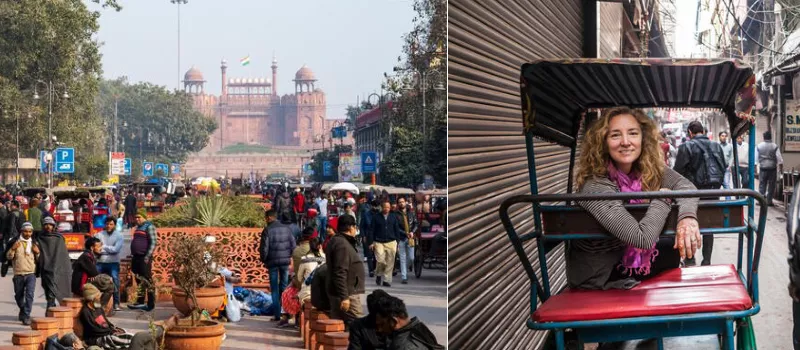
Tra i profumi del cibo di strada e i colori dei mercati, potrai visitare il Sisganj Gurdwara, un tempio sikh dove spiritualità e accoglienza si fondono in un’atmosfera di profonda serenità.
Più avanti, il Kinari Bazaar esplode di dettagli e colori: stoffe preziose, pizzi e ricami destinati ai matrimoni indiani, un trionfo di artigianato e tradizione.
Non lontano da qui si trova la Jama Masjid, la più grande moschea dell’India e una delle più imponenti al mondo. Le sue cupole maestose e il vasto cortile regalano una sensazione di pace e magnificenza difficile da descrivere.
Lasciando la parte antica e spostandoti verso Nuova Delhi, il paesaggio cambia: ampi viali, giardini curati e palazzi in stile coloniale.
Qui sorge la Tomba di Humayun, un capolavoro in arenaria rossa e marmo bianco, che anticipa per eleganza e proporzioni la bellezza del Taj Mahal. Poco distante, si erge l’imponente India Gate, un arco di trionfo alto 42 metri dedicato ai soldati indiani caduti durante la Prima Guerra Mondiale.
E poi c’è lui, il Qutub Minar, una delle meraviglie architettoniche più suggestive di Delhi. Con i suoi oltre 70 metri d’altezza, questo minareto in arenaria rossa — costruito nel XII secolo — svetta verso il cielo come un inno alla grandezza dell’antica India islamica. Camminare nel suo complesso, tra colonne scolpite e rovine antiche, è come sfogliare le pagine di un libro di pietra.
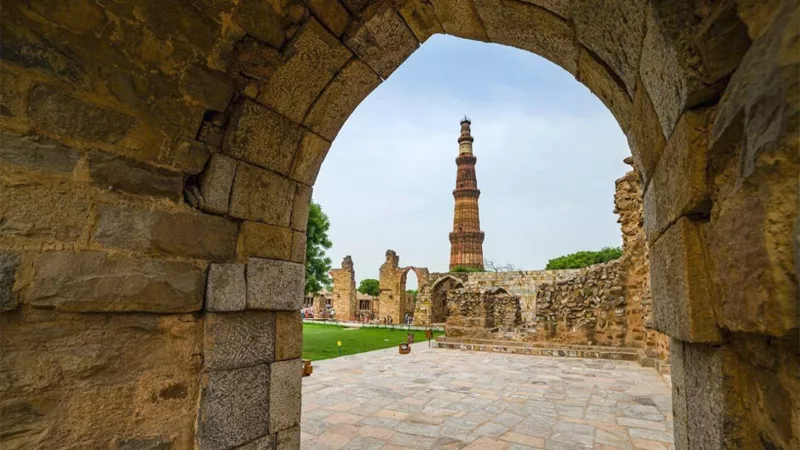
Se ami la storia, non perdere il Museo Nazionale, che custodisce migliaia di anni di arte, cultura e spiritualità indiana. Ogni sala racconta un frammento di un Paese che non smette mai di sorprendere.
Delhi è un vortice di contrasti: caotica e magnetica, spirituale e rumorosa, estenuante e meravigliosa.
Ti confonde, ti sfida, ma alla fine ti conquista.
È un luogo che non si dimentica — si vive, si sente, e in qualche modo, ti resta dentro per sempre.
Bikaner e il Tempio dei Topi – Karni Mata Temple
A pochi chilometri da Bikaner, nella piccola cittadina di Deshnoke, sorge uno dei luoghi più insoliti e affascinanti del Rajasthan: il Tempio di Karni Mata, conosciuto da tutti come il Tempio dei Topi.
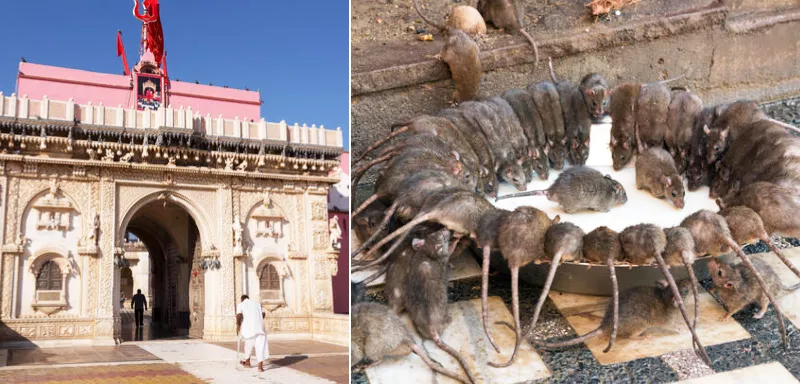
Bikaner in sé è una città tranquilla, dal fascino discreto. Oltre al suo imponente Forte di Junagarh e al raffinato Lalgarh Palace, un elegante edificio in arenaria rossa, non offre grandi attrazioni. Ma basta allontanarsi di una trentina di chilometri per entrare in un mondo che sembra appartenere a un’altra dimensione.
Il Tempio dei Topi è un’esperienza che potremmo definire… mistica, ma solo per i più coraggiosi.
Non tanto per la presenza dei topi — che qui sono migliaia, oltre 20.000, e corrono liberi ovunque — ma per il fatto che la visita si svolge a piedi nudi.
Sì, hai letto bene: niente scarpe, niente sandali. Solo tu, il marmo fresco del pavimento e un’infinità di piccoli roditori che ti sfrecciano accanto o ti sfiorano i piedi mentre bevono il latte dalle ciotole offerte dai devoti.
Eppure, nonostante tutto, questo luogo esercita un fascino ipnotico.
Il tempio in sé non è particolarmente maestoso, ma ciò che lo rende unico è la devozione con cui i topi vengono venerati come manifestazioni divine. Qui sono nutriti, accuditi e protetti con una cura che commuove. I fedeli li considerano sacri perché, secondo la leggenda, ospitano le anime dei seguaci di Karni Mata, una santa venerata come incarnazione della dea Durga.
La scena può sembrare surreale: migliaia di topi che mangiano, dormono e si arrampicano sulle decorazioni del tempio, mentre i devoti li osservano in silenzio o offrono cibo in segno di rispetto.
E guai a spaventarsi se uno ti passa sui piedi — anzi, è considerato un segno di buona fortuna!
Ma la vera benedizione è avvistare uno dei rarissimi topi bianchi, considerati sacri portatori di prosperità. Si dice che chi riesce a vederne uno, anche solo per un istante, riceva le grazie della Dea e la fortuna per sé e per la propria famiglia.
Lasciare il tempio significa uscire da un mondo sospeso tra il sacro e l’incredibile, dove la fede assume forme che sfidano la logica occidentale — eppure, in qualche modo, tutto qui sembra avere un suo profondo significato.
Jaisalmer – La Città d’Oro nel Deserto del Thar
Nel cuore del deserto del Thar, tra dune infinite e silenzi che sembrano sospesi nel tempo, sorge Jaisalmer, una delle meraviglie più affascinanti dell’India.
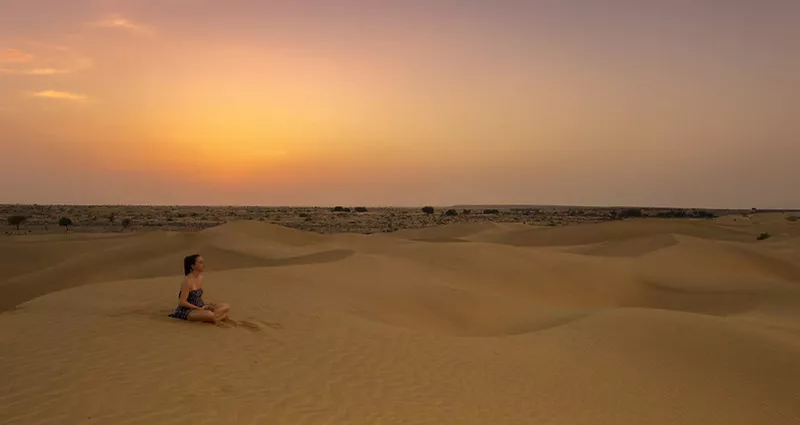
Da lontano appare come un miraggio dorato: mura d’arenaria che si accendono di luce al tramonto, torri che spuntano dalla sabbia e un’atmosfera così irreale da sembrare uscita da una fiaba.
Anticamente, Jaisalmer era una tappa fondamentale lungo le rotte carovaniere verso l’Occidente. Qui si fermavano mercanti e viaggiatori provenienti da terre lontane, e con la loro ricchezza costruirono splendide haveli, antiche dimore signorili intarsiate di pietra e decorate con dettagli minuziosi.
Tra tutte, la più celebre e spettacolare è la Patwon-ki Haveli, un vero capolavoro di arte e architettura del deserto.
Dominando la città dall’alto, il maestoso Forte di Jaisalmer è una meraviglia viva — una delle poche fortezze abitate al mondo. Le sue stradine strette e tortuose conducono a templi giainisti scolpiti con una delicatezza incredibile e a haveli che sembrano ancora custodire i segreti del passato.
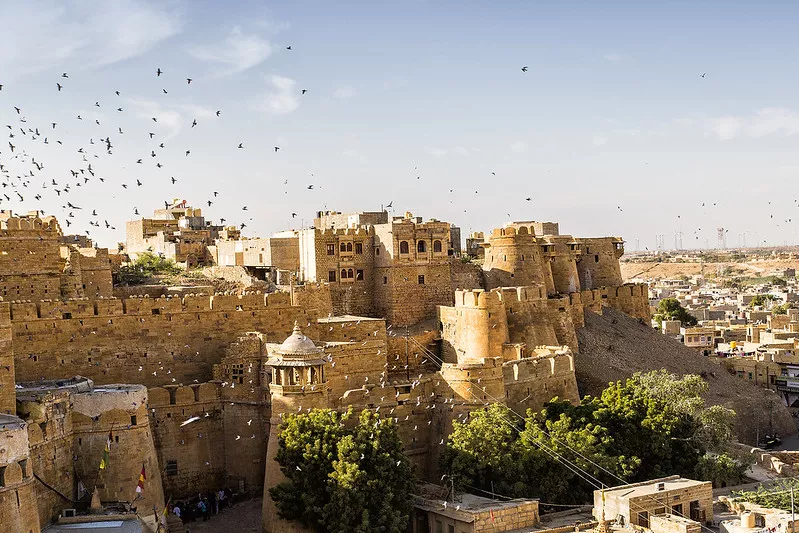
Nonostante il tempo e l’erosione ne minaccino la struttura, camminare tra le sue mura è come fare un salto indietro nel Medioevo: ogni pietra racconta una storia.
Concediti una pausa in uno dei palazzi trasformati in hotel di charme o in una tea room panoramica all’interno della fortezza: sorseggiare un tè guardando il deserto che si estende all’infinito è un momento di pura magia, difficile da dimenticare.
Ma Jaisalmer non è solo storia e architettura: è anche il deserto, con le sue notti stellate e il silenzio che ti entra dentro.
Trascorrere una notte in un campo tendato tra le dune, magari dopo un breve giro in cammello al tramonto, è un’esperienza da fare almeno una volta nella vita.
Le danze popolari intorno al fuoco, la musica del deserto, i piatti speziati serviti sotto un cielo trapunto di stelle… sì, può sembrare turistico, ma ti assicuro che è un’esperienza indimenticabile.
Jaisalmer non si visita soltanto — si sogna, si vive e si porta con sé.
Una città che brilla di luce propria, anche nel silenzio dorato del suo deserto.
Jodhpur – La Città Blu del Rajasthan
Chi non conosce la famosa Città Blu?
Con le sue case color indaco che si arrampicano ai piedi della fortezza, Jodhpur è una delle mete più iconiche del Rajasthan e una tappa imperdibile in ogni viaggio in India.
Il soprannome nasce dal colore delle antiche abitazioni dei bramini, una tradizione che ancora oggi regala alla città il suo fascino unico. Devo ammettere, però, che me l’aspettavo più intensamente blu… Ma la sua bellezza resta innegabile, soprattutto grazie all’imponente Mehrangarh Fort, che domina la città da 120 metri d’altezza. Dalle sue mura, la vista sul labirinto azzurro sottostante è davvero mozzafiato.
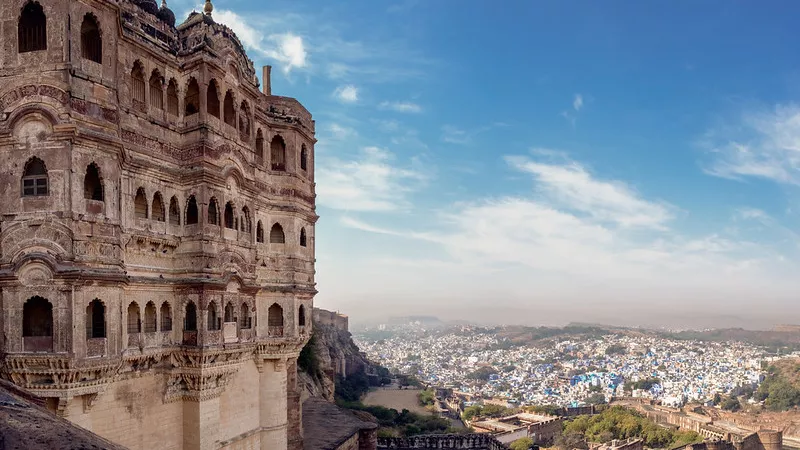
Poco distante si trova il raffinato Jaswant Thada, un cenotafio in marmo bianco che brilla alla luce del sole, e l’elegante Umaid Bhawan Palace, un capolavoro architettonico in arenaria dorata: metà residenza reale, metà hotel di lusso. Il palazzo, uno dei più grandi al mondo, incarna la grandiosità e il prestigio dei maharaja moderni.
Infine, perditi tra i vicoli della città vecchia: porte scolorite, botteghe artigiane e scene di vita quotidiana perfette da immortalare.
Forse meno blu di come la immaginavi, ma Jodhpur resta autentica, maestosa e viva — una città dove il passato regale incontra il ritmo vibrante dell’India di oggi.
I Templi di Ranakpur e il Forte di Kumbhalgarh
Immersi tra le colline del Rajasthan, i templi giainisti di Ranakpur sono un capolavoro scolpito nel marmo bianco. Il tempio principale conta 29 sale e 1.444 colonne, ognuna diversa dall’altra, intarsiate con una maestria che lascia senza parole.
Più che l’architettura, ciò che colpisce è l’atmosfera: una serenità mistica che avvolge il complesso, incastonato in una valle verde e silenziosa, dove i pinnacoli dei templi si stagliano verso il cielo.
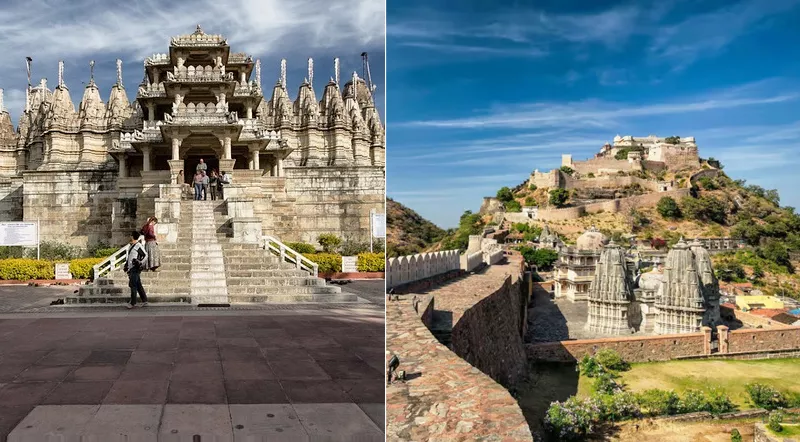
Proseguendo verso nord, dopo una strada lunga e tortuosa, si raggiunge il maestoso Forte di Kumbhalgarh, con le sue mura che si estendono per oltre 30 chilometri, seconde solo a quelle della Grande Muraglia Cinese.
All’interno si trovano antichi templi e rovine, ma il vero spettacolo è la vista panoramica sulla giungla e le colline circostanti — un luogo che racchiude tutta la forza e la magia del Rajasthan.
Udaipur – La Città Bianca del Rajasthan
Chiamata anche la Città Bianca o la Venezia d’Oriente, Udaipur è una delle mete più romantiche e affascinanti del Rajasthan.
Adagiata sulle sponde del Lago Pichola, regala scorci da fiaba e riflessi dorati al tramonto. Al centro del lago sorge il celebre Taj Lake Palace, lussuoso hotel in marmo bianco raggiungibile solo in barca e tra i più iconici dell’India.
Una crociera sul lago al tramonto è una delle esperienze più belle da vivere qui: l’acqua riflette il profilo del City Palace e le isole di Jag Mandir e Jag Niwas, creando un paesaggio incantato.
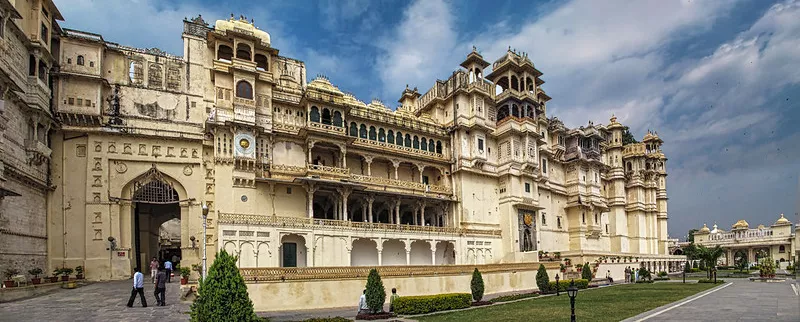
Il Jag Mandir Palace, con le sue cupole e giardini, merita una visita per la sua eleganza e atmosfera regale.
L’imponente City Palace domina la città con i suoi cortili, terrazze e decorazioni in marmo e mosaico. Costruito nell’arco di oltre 400 anni, oggi ospita un museo e due palazzi trasformati in hotel di charme: lo Shiv Niwas e il Fateh Prakash.
Nel cuore di Udaipur si trova anche il Tempio Jagdish, il più grande della città, ricco di sculture e dettagli finemente intagliati.
Romantica, luminosa e senza tempo, Udaipur è una città che incanta al primo sguardo — e rimane nel cuore per sempre.
Chittorgarh Fort – La Fortezza del Coraggio
Imponente e leggendario, il Forte di Chittorgarh è la più grande fortezza dell’India e un simbolo del coraggio dei Rajput.
La leggenda narra che il suo primo assedio fu scatenato dalla bellezza della regina Padmini, amata dal sultano di Delhi e difesa con eroismo dal suo sposo, in una storia di amore e sacrificio diventata leggenda.
La cittadella, estesa su oltre 300 ettari, è protetta da una muraglia monumentale che si snoda lungo la collina e custodisce palazzi, templi, bacini d’acqua e due splendide torri: la Kirti Stambh e la Vijay Stambh, simboli di fede e vittoria.
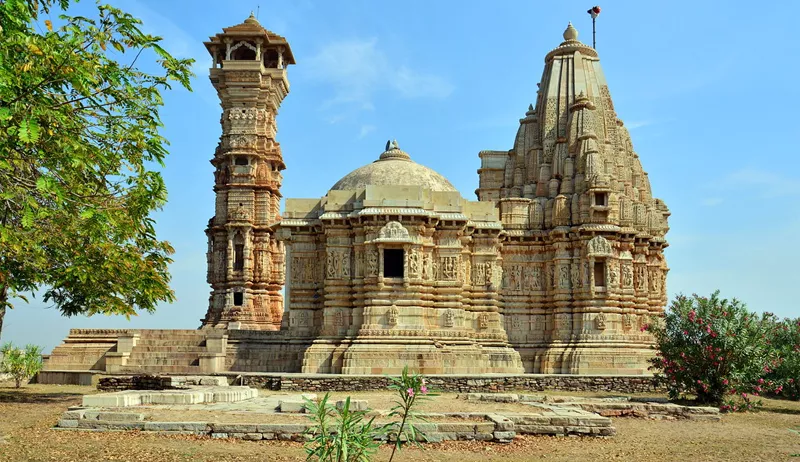
Si accede al forte attraverso sette porte monumentali, varcando le quali sembra di entrare in un’altra epoca — quella in cui l’onore valeva più della vita.
Pushkar: la città sacra del loto e della leggenda di Brahma
Assolutamente da non perdere, Pushkar è una piccola città dal fascino mistico. Secondo la leggenda, il dio Brahma lasciò cadere un fiore di loto e nacque così il lago sacro che oggi lambisce la città.
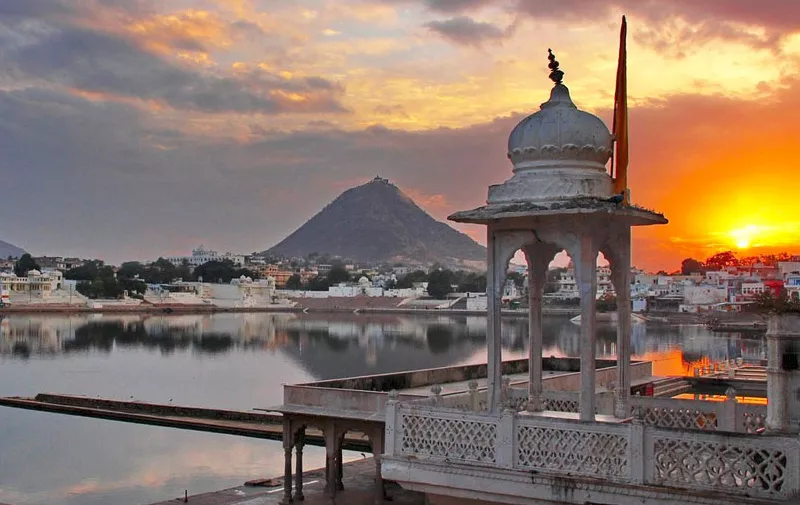
È l’unico luogo in India con un tempio dedicato a Brahma, un sito antico e venerato da oltre duemila anni. Accanto, il Tempio Varaha, distrutto e poi ricostruito nel XVIII secolo, racconta la forza della devozione locale.
Passeggiare lungo il lago, tra preghiere e musica, è l’esperienza più autentica. Per una vista mozzafiato, sali al Tempio Savitri o al rosa Tempio Pap Mochani: da lassù Pushkar appare come un miraggio tra deserto e spiritualità.
Jaipur: la città rosa del Rajasthan
Capitale del Rajasthan e parte del celebre Golden Triangle, Jaipur è una delle mete più visitate dell’India, un luogo dove storia e tradizione si fondono con eleganza. Chiamata “la città rosa” per il caratteristico colore dei suoi edifici, deve questa tonalità all’accoglienza riservata al Principe del Galles nel 1876, quando l’intera città venne dipinta di rosa in segno di benvenuto e ospitalità.
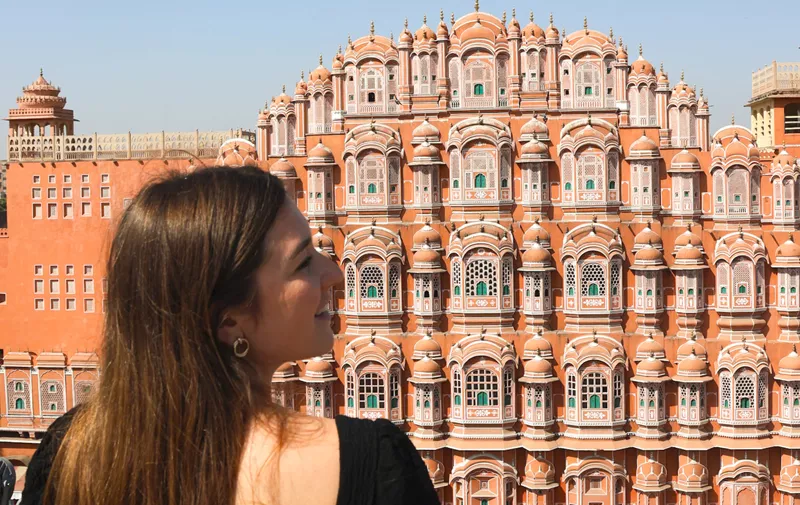
Tra le meraviglie da non perdere spicca il Palazzo dei Venti (Hawa Mahal), una facciata maestosa di finestrelle e balconcini decorati, che purtroppo oggi si affaccia su una strada trafficata e caotica. Imperdibile anche il City Palace, ancora residenza del Maharaja, e il Jantar Mantar, un osservatorio astronomico a cielo aperto, affascinante nella sua stravaganza e precisione.
Poco fuori città, il maestoso Forte di Amber domina le colline con le sue mura imponenti e gli interni riccamente decorati. Molti visitatori scelgono di raggiungerlo a dorso di elefante, ma forse il modo migliore per godersi la salita è a piedi o in jeep, per preservare il benessere degli animali e assaporare con calma la magia del luogo.
Agra: la città dell’eterno amore
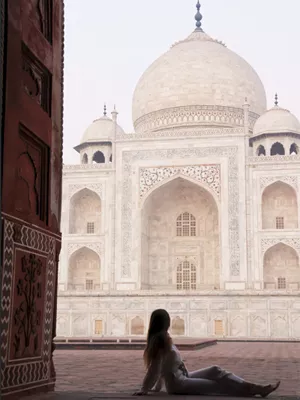
Famosa in tutto il mondo per i suoi capolavori architettonici, Agra è la patria di uno dei monumenti più iconici e amati di sempre: il Taj Mahal. Letteralmente mozzafiato, questa meraviglia in marmo bianco è una delle Sette Meraviglie del Mondo e il più grande tributo all’amore mai realizzato. Costruito dall’imperatore Shah Jahan in memoria della sua amata Mumtaz Mahal, il Taj incanta con la sua armonia perfetta, i raffinati intarsi di pietre preziose e i giochi di luce che lo rendono diverso a ogni ora del giorno.
Ma Agra non è solo il Taj Mahal. Vale assolutamente una visita anche il Forte Rosso (Red Fort), un’imponente cittadella in arenaria rossa che racchiude palazzi, cortili e giardini dal fascino regale. Si raggiunge facilmente con un breve giro in autorisciò dal centro città, ed è il luogo ideale per completare la scoperta della magnificenza moghul che ha reso Agra una leggenda senza tempo.
Varanasi: l’anima eterna dell’India
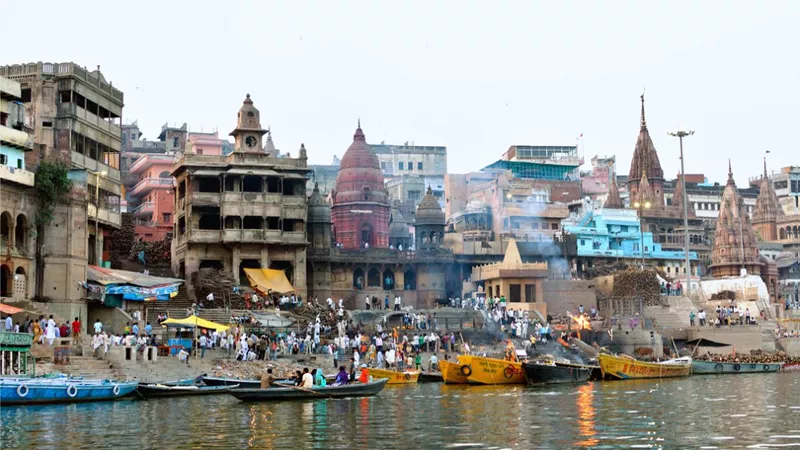
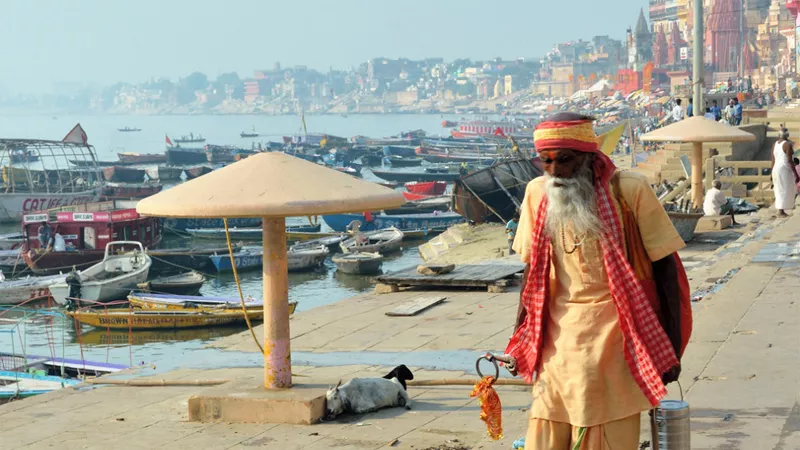
Questo è un viaggio straordinario nel Nord dell’India, che offre un perfetto connubio di cultura, patrimonio e spiritualità. Se desideri esplorare in profondità il Rajasthan, scopri il nostro Tour Classico del Rajasthan e inviaci una richiesta — penseremo noi a tutti i dettagli per rendere il tuo viaggio indimenticabile e senza pensieri.
Rajasthan, India’s largest state by area, is a treasure trove of historical grandeur, vibrant culture, and breathtaking landscapes. Among its many regions, Mewar and Marwar stand out as two distinct cultural zones that offer travelers an unforgettable journey through time. A Mewar and Marwar tour package provides the perfect opportunity to experience the contrasting yet complementary heritage of these royal kingdoms, from the romantic lakes of Udaipur to the golden deserts of Jodhpur.
Understanding the geographical and cultural differences between these regions enriches your travel experience significantly. While Mewar, centered around Udaipur, showcases mountain ranges, serene lakes, and lush greenery, Marwar presents the stark beauty of the Thar Desert with its sand dunes and arid landscapes. Both regions have left indelible marks on Rajasthan’s cultural tapestry through their unique traditions, architectural marvels, and legendary warrior history.
Understanding Mewar and Marwar: Two Kingdoms, One Heart
The distinction between Mewar and Marwar goes beyond geography. Mewar, historically known as Medpat, comprises the southern part of Rajasthan with Udaipur as its crown jewel. This region was ruled by the Sisodia dynasty of Rajputs, who built their legacy on valor and honor. The elevated plateaus, dense forests, and network of lakes create a landscape that feels almost fairy-tale-like, earning Udaipur the moniker Venice of the East.
Marwar, on the other hand, encompasses the western Thar Desert region, with Jodhpur serving as its historic capital. The Rathore dynasty governed these arid lands, establishing one of the most formidable kingdoms in Rajput history. The region’s name derives from Maruwat, meaning land of death, a reference to the harsh desert environment that its people transformed into a thriving cultural center.
The cultural differences between these regions manifest in their dialects, cuisine, and artistic expressions. Mewari, spoken in the Mewar region, differs from Marwari in pronunciation and vocabulary. Food preferences also vary, with Mewar’s cuisine incorporating more greens and lake fish, while Marwar specializes in desert-adapted dishes that can last longer without refrigeration, such as ker sangri and bajre ki roti.
Also Read:- Multi-Day Tours
Mewar Heritage: Exploring the Land of Lakes and Valor
Udaipur: The Jewel of Mewar
romantic soul of Rajasthan. The city was founded in 1559 by Maharana Udai Singh II after the fall of Chittorgarh, and it quickly became the new capital of Mewar. The City Palace complex, stretching along Lake Pichola’s eastern banks, remains one of India’s largest palace complexes. Its intricate peacock mosaics, silver furniture, and balconies overlooking the lake create an atmosphere of royal elegance.
Lake Pichola itself transforms into a canvas of reflection at sunset, with the Lake Palace (now a luxury heritage hotel) appearing to float on its waters. Jag Mandir, another island palace, served as a refuge for Prince Khurram (later Emperor Shah Jahan) during his rebellion against his father, influencing his later architectural masterpiece, the Taj Mahal.
The Monsoon Palace, perched atop the Aravalli hills, offers panoramic views of the city’s lakes and countryside. Built by Maharana Sajjan Singh in 1884, this hilltop retreat was designed to watch monsoon clouds, a precious sight in this semi-arid region.
Kumbhalgarh Fort: The Great Wall of India
Located approximately 85 kilometers from Udaipur, Kumbhalgarh Fort stands as a UNESCO World Heritage Site and represents medieval military architecture at its finest. Maharana Kumbha built this fortress in the 15th century, encircling it with a 36-kilometer-long wall that ranks second only to the Great Wall of China in length.
The fort’s massive walls, wide enough for eight horses to walk abreast, protected over 360 temples within its boundaries. Birthplace of Maharana Pratap, the legendary warrior who never surrendered to Mughal Emperor Akbar, Kumbhalgarh holds immense historical significance. The fort’s light and sound show narrates stories of Rajput bravery that echo through its ancient stones.
Chittorgarh: Symbol of Rajput Sacrifice
Though Chittorgarh witnessed some of history’s most tragic episodes, including three jauhar (mass self-immolation by women to avoid capture), it represents the unconquerable spirit of Mewar. The fort complex houses Vijay Stambh (Tower of Victory), built by Maharana Kumbha to commemorate his victory over Mahmud Khilji, and Kirti Stambh (Tower of Fame), an earlier Jain structure. These towers stand as testaments to different aspects of Mewar’s cultural diversity.
Marwar Heritage: The Blue City and Desert Majesty
Jodhpur: Where Blue Meets Gold
Jodhpur, the second-largest city in Rajasthan, earned its Blue City nickname from the distinctive indigo-painted houses in the old town. Originally adopted by Brahmins to distinguish their homes, the blue color spread across neighborhoods, creating a stunning visual spectacle when viewed from Mehrangarh Fort above.
Mehrangarh Fort dominates Jodhpur’s skyline from its perch 400 feet above the city. Built by Rao Jodha in 1459, this fort’s thick walls have never been breached by enemies. Inside, museums display an extraordinary collection of palanquins, royal cradles, miniature paintings, and weapons that narrate stories of Marwar’s glorious past. The fort’s intricate latticed windows (jharokhas) allowed royal women to observe street life while maintaining purdah.
Umaid Bhawan Palace, one of the world’s largest private residences, represents a different era of Marwar history. Built during the 1920s and 1930s, partly as a famine relief project, this Art Deco masterpiece now functions as a luxury hotel, museum, and royal residence. Its golden-yellow sandstone glows at sunset, creating a magical sight.
Desert Adventures in Marwar
The Thar Desert surrounding Jodhpur offers authentic desert experiences that contrast sharply with Mewar’s lake-focused tourism. Villages like Osian and Khimsar provide opportunities to witness rural Rajasthani life, where traditions remain largely unchanged. Desert safaris on camelback, camping under star-filled skies, and experiencing folk performances around bonfires create memories that last a lifetime.
The Bishnoi villages near Jodhpur deserve special mention for their 500-year-old environmental conservation tradition. The Bishnoi community’s 29 principles include protection of trees and wildlife, making them India’s original environmentalists. Visiting these villages offers insights into sustainable living practices that modern society is rediscovering.
Cultural Experiences: Festivals, Arts, and Traditions
Traditional Arts and Crafts
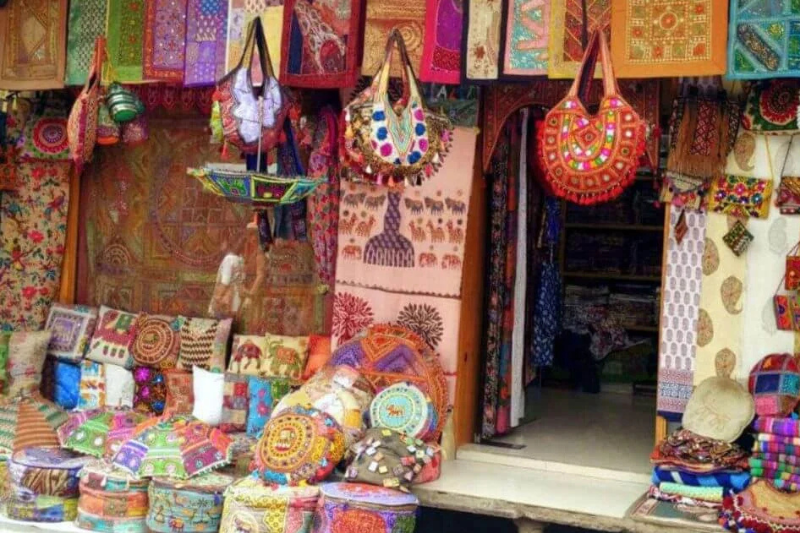
Both regions excel in distinct art forms. Mewar’s miniature paintings, known as Mewar School or Udaipur School, depict court scenes, hunting expeditions, and religious themes with exquisite detail. These paintings, created using natural pigments and gold leaf, represent one of India’s finest artistic traditions.
Marwar contributed significantly to folk music and dance. The Ghoomar dance, performed by women in swirling ghagras (long skirts), represents Rajasthan globally. The region’s musicians, particularly the Manganiyar and Langa communities, preserve ancient musical traditions through their soulful performances on instruments like the kamaycha and sindhi sarangi.
Handicrafts from both regions reflect their environments and histories. Mewar specializes in pichwai paintings (temple hangings depicting Lord Krishna), silver jewelry, and wooden toys. Marwar excels in blue pottery, leather juttis (traditional footwear), bandhani (tie-dye textiles), and metal crafts.
Culinary Journey Through Two Kingdoms
Mewari cuisine offers dishes like gatte ki sabzi (gram flour dumplings in yogurt curry), safed maas (white mutton curry prepared with nuts and cream), and the famous dal bati churma. The abundance of water bodies introduced fish preparations rarely found in other parts of desert Rajasthan.
Marwari cuisine, adapted to water scarcity and extreme temperatures, features preservation techniques that extended shelf life. Ker sangri (desert beans and berries), laal maas (fiery red meat curry), and various preparations of bajra (pearl millet) showcase the region’s culinary innovation. The Marwari community, known for their business acumen across India, spread their vegetarian cuisine nationwide, influencing modern Indian food culture.
Planning Your Mewar and Marwar Tour Package
Best Time to Visit
The ideal period for exploring both regions extends from October to March when temperatures remain pleasant for sightseeing. Winter months (December-February) bring cool evenings perfect for desert camping and outdoor activities. Monsoon season (July-September) transforms Mewar’s lakes and gardens, though travel can be challenging during heavy rains.
Suggested Itinerary Duration
A comprehensive Mewar and Marwar experience requires 7-10 days minimum. This allows adequate time to explore Udaipur’s palaces and lakes (2-3 days), visit Kumbhalgarh and Ranakpur (1 day), experience Jodhpur’s forts and markets (2-3 days), and enjoy desert adventures (1-2 days). Travel between cities takes approximately 4-6 hours, offering scenic views of the Aravalli Range.
Getting Around
When planning your Rajasthan adventure, choosing reliable tour operators becomes crucial for a seamless experience. Janu Private Tours specializes in customized travel itineraries across Rajasthan, offering private guided tours that cater to individual preferences and budgets. Their comprehensive services include transportation, experienced guides, and flexible scheduling that ensures you experience both regions at your own pace.
Professional tour companies handle logistics like hotel bookings, entrance tickets, and inter-city travel, allowing visitors to focus on experiencing the culture and heritage. Private tours offer advantages over group travel, providing flexibility to spend more time at locations that interest you most and the ability to adjust plans based on weather or personal preferences.
What to Pack
Clothing requirements vary by season. Winter visitors need warm layers for chilly mornings and evenings, especially in desert areas. Comfortable walking shoes are essential for exploring forts and palaces with uneven surfaces and long staircases. Modest clothing respecting local customs (covering shoulders and knees) ensures comfortable temple visits and cultural sensitivity.
Other essentials include sunscreen, sunglasses, a hat for sun protection, a reusable water bottle, and a camera or smartphone for capturing memories. A small backpack helps carry these items during day trips.
Adventure Activities for the Thrill-Seeker
In Mewar
Lake Pichola and Fateh Sagar Lake offer boating experiences that range from peaceful sunset cruises to early morning bird-watching trips. The surrounding Aravalli hills provide opportunities for trekking, with trails varying from easy walks to challenging climbs. Zip-lining has been introduced at several locations near Udaipur, offering aerial views of the landscape.
In Marwar
Desert activities dominate Marwar’s adventure offerings. Camel safaris remain the most authentic way to experience the Thar Desert, with options ranging from short evening rides to multi-day expeditions with overnight camping. Jeep safaris cover larger distances, reaching remote villages and sand dunes inaccessible by camel.
Parasailing and paragliding have become popular near Jodhpur, providing bird’s-eye views of the Blue City and Mehrangarh Fort. Flying fox (zip-lining) across Mehrangarh Fort offers an adrenaline rush combined with spectacular views.
Spiritual and Architectural Wonders
Ranakpur Jain Temple
Located between Udaipur and Jodhpur, the Ranakpur Jain Temple complex represents marble architecture’s pinnacle. Built in the 15th century, the main temple dedicated to Adinatha features 1,444 uniquely carved pillars, none identical to another. The play of light and shadow through the marble creates an almost otherworldly atmosphere.
Brahma Temple, Pushkar
Though technically in Ajmer district (historically connected to Marwar), Pushkar’s Brahma Temple warrants inclusion in any comprehensive Rajasthan tour. As one of very few temples dedicated to Lord Brahma worldwide, it attracts pilgrims and tourists equally. The annual Pushkar Camel Fair transforms the town into a vibrant celebration of Rajasthani culture.
Shopping: Taking Memories Home
Mewar Shopping Experiences
Udaipur’s markets overflow with traditional crafts. Bada Bazaar and Hathi Pol Bazaar offer miniature paintings, wooden toys, and traditional Rajasthani attire. Shilpgram, a crafts village on the city’s outskirts, hosts artisans from across Rajasthan demonstrating their skills and selling directly to visitors.
Silver jewelry from Udaipur represents some of Rajasthan’s finest craftsmanship. Local workshops allow visitors to watch craftsmen create intricate designs using techniques passed down through generations.
Marwar Shopping Treasures
Jodhpur’s old city markets, particularly around the Clock Tower, become labyrinths of discovery. Sardar Market specializes in textiles, handicrafts, and spices. The city’s famous bandhani sarees, featuring intricate tie-dye patterns, make excellent souvenirs or gifts.
Mojari (traditional embroidered footwear) from Jodhpur is renowned across India for its quality and design. Watching cobblers craft these shoes by hand provides fascinating insights into traditional craftsmanship. The city’s antique markets also attract collectors searching for vintage items from Marwar’s royal past.
Responsible Tourism: Preserving Heritage for Future Generations
Visiting these historic regions comes with responsibility to preserve their cultural and environmental integrity. Supporting local artisans by purchasing authentic handmade products directly contributes to community welfare. Choosing heritage hotels, many converted from historic havelis (mansions), helps maintain these architectural treasures while providing unique accommodation experiences.
Water conservation awareness is crucial in desert regions. Being mindful of water usage and supporting accommodations with sustainable practices makes tourism more sustainable. Respecting local customs, especially in religious sites and rural villages, ensures positive interactions between visitors and residents.
When booking through responsible tour operators like Janu Private Tours, you contribute to sustainable tourism practices that benefit local communities while preserving cultural heritage. Their focus on authentic experiences over commercialized attractions supports traditional craftspeople and guides whose knowledge brings history alive.
Also Read:- Inside Jal Mahal Jaipur: History, Architecture & Things to Know
Why Choose a Guided Tour?
Self-exploration has its charms, but guided tours offer distinct advantages in regions as culturally rich as Mewar and Marwar. Experienced local guides provide historical context that transforms ancient stones into living stories. They navigate language barriers, recommend authentic restaurants away from tourist traps, and ensure safety while exploring unfamiliar areas.
Private tours through companies like Janu Private Tours offer personalized attention impossible in large groups. They accommodate specific interests, whether you’re passionate about architecture, photography, cuisine, or adventure activities. Flexible itineraries adjust to your energy levels and interests, ensuring each day brings enjoyment rather than exhaustion.
Professional guides also facilitate meaningful interactions with local communities, translating conversations and explaining customs that might otherwise remain mysterious. These interactions often become trip highlights, providing deeper understanding of Rajasthani culture beyond what guidebooks offer.
Conclusion: A Journey Through Timeless India
A Mewar and Marwar tour package delivers more than just sightseeing it offers immersion into living history where ancient traditions coexist with modern life. From Udaipur’s romantic lakes reflecting palace splendor to Jodhpur’s imposing desert fort dominating the blue cityscape, every moment reveals new facets of Rajasthan’s magnificent heritage.
The contrast between these regions enhances appreciation for both. After experiencing Mewar’s water-blessed greenery and refined courtly culture, Marwar’s stark desert beauty and warrior traditions provide fascinating counterpoint. Together, they present a complete portrait of Rajasthani civilization that shaped Indian history through centuries of conflict, creativity, and resilience.
Whether you’re drawn by architectural grandeur, cultural richness, adventure activities, or simply the magic of exploring India’s most romantic state, a well-planned tour through Mewar and Marwar promises memories that last a lifetime. The key lies in choosing the right travel partner who understands these regions intimately and can customize experiences to match your dreams.
Start planning your Rajasthan adventure today, and prepare to discover why travelers worldwide fall in love with the land of kings and legends.
Frequently Asked Questions
Q1: What is the main difference between Mewar and Marwar regions in Rajasthan?
Mewar, centered around Udaipur, features mountain ranges, lakes, and lush greenery, while Marwar, with Jodhpur as its heart, showcases the Thar Desert’s arid beauty. Historically, Mewar was ruled by the Sisodia dynasty and Marwar by the Rathores. Cultural differences include distinct dialects (Mewari vs. Marwari), cuisine, and artistic traditions that reflect their contrasting geographical environments and royal heritage.
Q2: How many days are sufficient for a complete Mewar and Marwar tour?
A comprehensive tour requires 7-10 days minimum. This allows 2-3 days exploring Udaipur’s palaces and lakes, one day for Kumbhalgarh and Ranakpur temples, 2-3 days in Jodhpur visiting forts and markets, and 1-2 days for desert experiences. Additional time enables leisurely exploration of smaller towns, local markets, and cultural performances without rushing through these historically rich destinations.
Q3: What is the best time to visit Mewar and Marwar for tourism?
October to March offers the most comfortable weather for exploring both regions. Winter months (December-February) are ideal for desert camping and outdoor activities, with pleasant days and cool evenings. Monsoon season (July-September) beautifies Mewar’s lakes but can make desert travel challenging. Summer (April-June) brings extreme heat, making sightseeing difficult despite being the off-season with fewer crowds.
Q4: What are the must-visit attractions in a Mewar and Marwar tour package?
Essential Mewar attractions include Udaipur’s City Palace, Lake Pichola, Lake Palace, Jag Mandir, Kumbhalgarh Fort, and Ranakpur Jain Temple. In Marwar, don’t miss Jodhpur’s Mehrangarh Fort, Umaid Bhawan Palace, Jaswant Thada, blue city streets, and Clock Tower Market. Desert experiences like camel safaris and village visits complete the journey through both regions’ contrasting landscapes and heritage.
Q5: Are private tours better than group tours for exploring Rajasthan?
Private tours offer significant advantages including personalized itineraries, flexible scheduling, deeper cultural immersion, and attention to individual preferences. Professional operators customize experiences based on your interests whether architecture, cuisine, adventure, or photography. Private tours allow spontaneous stops, more time at preferred locations, and meaningful interactions with local communities through knowledgeable guides who adapt to your pace and interests throughout the journey.