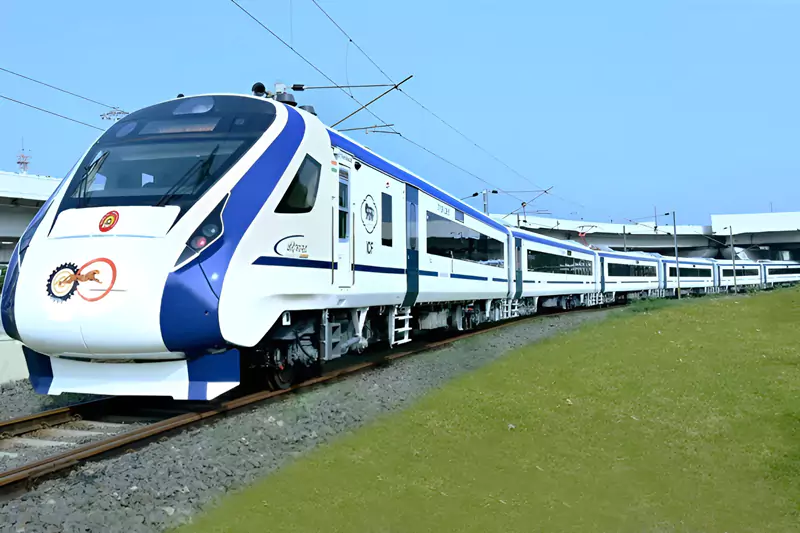
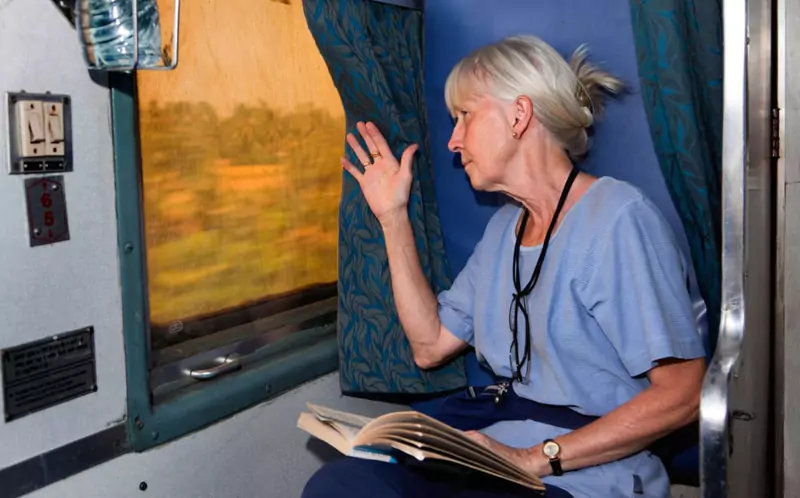
With the fourth-largest railway network in the world, India’s trains weave across the country in a vast, lively, and often wonderfully chaotic journey. For many travelers, train rides are among the most memorable experiences of exploring this land: sweeping landscapes, local connections, unpredictable delays, and the rhythmic clatter of steel wheels on the tracks. If you’re planning to travel across India by train, here’s what to expect, how to make your journey smoother, and tips for choosing the right class for your comfort.

Why Travel by Train in India?
- Picturesque & Cultural Experience: From spectacular Himalayan high passes to serene backwaters and lush landscapes, train travel lets you explore stunning offbeat places in India that are unreachable by plane or road. It also connects you with locals and everyday life in a way flights or buses never can.
- Cost-Effective: Train travel offers many ticket options, and once you get familiar with them, you’ll find most fares are very reasonable—especially for overnight journeys.
- Chair Car Coaches: Chair Car coaches have seats instead of berths, making them ideal for shorter, daytime journeys. AC Chair Cars (CC) provide air-conditioned comfort, while Non-AC Second Seating (2S) offers a more basic, budget-friendly option. These classes are perfect for travelers covering shorter distances during the day. Prices typically range from ₹200 to ₹800 per seat.
General Unreserved
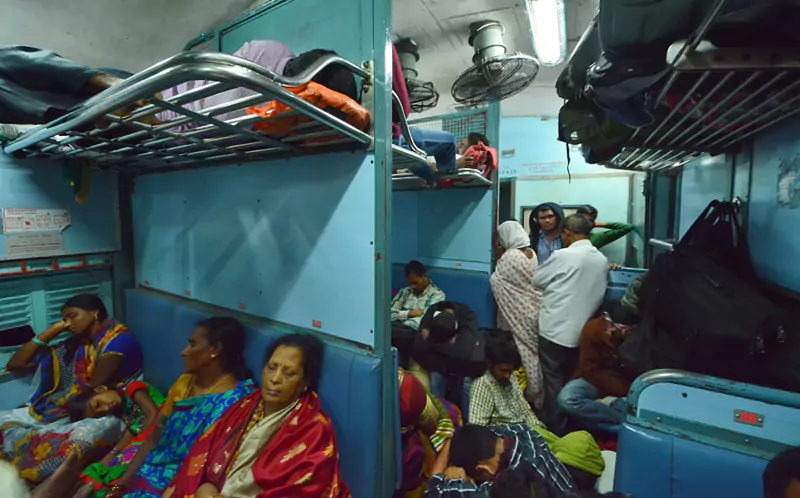
The General Unreserved coach is the most economical way to travel by train in India. Tickets do not require advance reservations, making it a convenient option for short-distance journeys. However, these coaches can become extremely crowded, especially during peak travel seasons and festivals.
General Unreserved is the most economical class, with no reserved seats and very basic facilities. Coaches are often crowded, especially on popular routes, making it a true local travel experience. This class is suitable for short-distance journeys or for travelers who don’t mind the hustle and bustle. Ticket prices typically range from ₹50 to ₹200.
- Note: Prices can vary significantly depending on the distance, type of train (express, superfast), and season.
- At the Railway Station:
Arrive at least 45–60 minutes before your train’s departure, especially if you’re boarding from a major station or metro city. Platforms can change, and stations can be crowded, so keep your tickets and passport handy. Ignore touts offering assistance unless they are official railway staff. - Packing & What to Bring During Your Train Journey:
- Onboard Etiquette & Safety:
Remove your shoes when heading to your berth and keep your belongings close, ideally near your head. Toilets in lower classes on long routes may be less sanitary, so plan accordingly. Sleepers and lower berths tend to be more exposed, while upper berths offer a bit more privacy and seclusion. - Waitlist (WL):
If your ticket is waitlisted, it means a confirmed seat is not yet assigned. You can check if your ticket clears before departure, as last-minute cancellations sometimes free up seats. - RAC (Reservation Against Cancellation):
An RAC ticket guarantees you a seat, though it may be a shared berth. If other passengers cancel, your seat could be upgraded to a full berth before departure. - Running Status:
You can track your train’s location and expected arrival using apps, websites, or by phone. Keep in mind that long-distance trains often experience delays, sometimes running several hours late.
Extra Tips for a Smooth Ride
- Opt for upper berths in Sleeper or 3A classes—they offer more privacy and are generally less disturbed by fellow passengers.
- For solo women travelers, 1A, 2A, or 3A are safer and more comfortable; lower classes often draw curiosity from other passengers.
- Download offline maps or travel apps, as mobile reception can be unreliable in remote areas.
- Carry a power bank, since onboard charging points aren’t always dependable.
- Stay flexible and embrace the journey’s unpredictability—often, the most memorable experiences come from unexpected moments on the train.
Final Thoughts
Traveling by train in India is more than just getting from point A to B—it’s a journey in itself. It’s the ever-changing scenery, the people you meet, the aroma of chai from station stalls, the soft glow of dawn through your window, and the shared laughter in a crowded carriage. With a little preparation, your journey can be comfortable, safe, and truly memorable. So book your ticket, pack light, and get ready to experience India from the rails.