
Blogs

Famous Forts in Rajasthan

Rajasthan epitomizes a life of royalty, resilience and remarkable architecture. The state’s landscape is dotted with grand forts, which once protected kingdoms and housed royal families amid centuries of battles, alliances and cultural evolution. These forts are not just stone buildings; they are the ultimate symbol of Rajput pride, architectural expertise, and military strategy.

Constructed between the 8th and 18th centuries, these forts represent a significant overlap of Rajput and Mughal architectural styles. The giant gates studded with iron spikes, the enormous walls for defence, the beautiful carvings, ornate palaces and splendid temples all tell a saga of artistic and military excellence of their time.

Some of these forts are part of UNESCO World Heritage Sites today and popular tourist destinations, visited by tourists from everywhere around the globe. Exploring these sights gives you an opportunity to witness the tales of valour, sacrifice and glory that created an identity for Rajasthan. Here, let us go through the ten most famous forts in Rajasthan that you shouldn’t miss visiting.

Forts in Rajasthan: Top 10 Forts Not To Miss When in Rajasthan

Here are the forts in Rajasthan that you cannot miss during your Rajasthan trip:

1. Amber Fort, Jaipur

Just outside of Jaipur sits Amber Fort (Amer Fort), one of the most famous forts in Rajasthan. Constructed in 1592 by Man Singh I, the fort is built on a hill and overlooks Maota Lake. Its red sandstone and marble structure stands majestically amidst hills.

Grand courtyards, royal halls and the famous Sheesh Mahal (Mirror Palace) are some of the other prominent elements of this complex, where thousands of small mirrors reflect light that creates a striking visual contrast. The amalgamation of Rajput and Mughal styles is apparent based on the intricate carvings, adorned doorways, and symmetric gardens.

Visitors can see the Diwan-e-Aam (Hall of Public Audience) and Diwan-e-Khas (Hall of Private Audience) and take in views over Jaipur’s rugged landscape. Amber Fort also hosts a popular light and sound show narrating the Kachwaha dynasty’s story.

2. Mehrangarh Fort, Jodhpur

Standing 400 feet tall above the Blue City of Jodhpur, Mehrangarh Fort is one of the most majestic forts in India. Established in 1459 by Rao Jodha, the fort’s gigantic walls seem to grow organically out of the rocky cliff on which it sits.

The fort complex houses a collection of palaces renowned for their beautiful latticework, stained glass windows, and beautiful courtyards. The fort’s museum houses royal palanquins, arms, costumes, and paintings that give a glimpse into the royal past of Marwar.

The fort’s ramparts provide a spectacular view, with the blue-painted houses of Jodhpur stretching out to the horizon. Mehrangarh Fort is not only a historical monument but also a bustling cultural hub, hosting music festivals and cultural events all year round.

3. Jaisalmer Fort, Jaisalmer

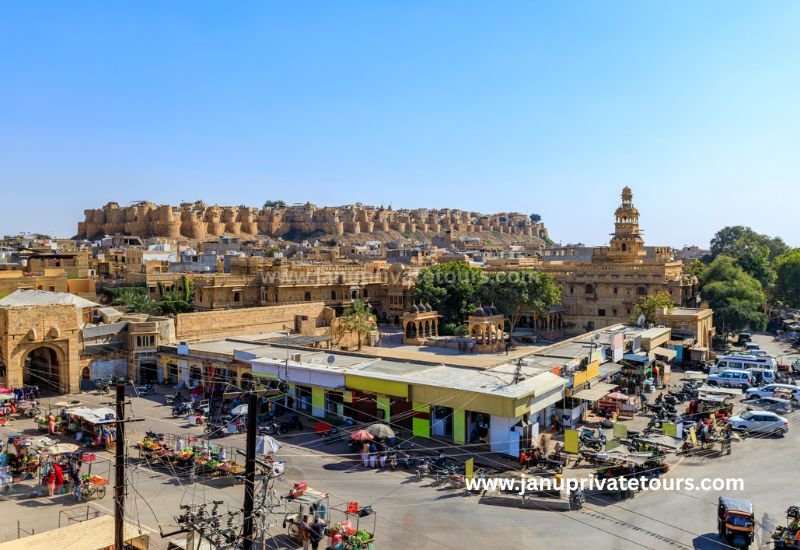
Jaisalmer Fort, also referred to as Sonar Quila or the Golden Fort, stands majestically amidst the Thar Desert. Founded in 1156 by Rawal Jaisal, it is one of the rare living forts across the globe, with businesses, residences, and temples operating within its walls.

The fort is made of yellow sandstone and shines golden in the sun’s rays, especially during sunrise and sunset hours. Inside the fortified walls of Jaisalmer Fort, tourists can discover the narrow alleys, intricately carved Jain temples, and historical havelis.

The architecture of the fort showcases the finest craftsmanship, with intricate carvings on the stones and balconies overlooking the desert. Exploring Jaisalmer Fort is like taking a journey back in time to a medieval desert kingdom.

4. Chittorgarh Fort, Chittorgarh

Covering an area of almost 700 acres, Chittorgarh Fort is the largest fort in India and a UNESCO World Heritage Site. It is a strong representation of the bravery and sacrifice of the Rajputs.

The fort has faced many sieges and is famous for its stories of bravery, such as the famous story of Rani Padmini. The main points of interest in the fort are the Vijay Stambh (Victory Tower), Kirti Stambh, Rana Kumbha Palace, and Padmini Palace.

The massive site consists of temples, water reservoirs, and old structures that depict the history of the site. Visiting Chittorgarh Fort takes time because the massive site is full of stories etched on stones.

5. Kumbhalgarh Fort, Rajsamand

Kumbhalgarh Fort is famous for its gigantic wall, which is 36 kilometers long, second only to the Great Wall of China. This fort was constructed in the 15th century by Rana Kumbha. It is situated in the Aravalli ranges.

This fort was a secure haven for the rulers of Mewar during the periods of war. It is also the birthplace of Maharana Pratap. Its clever architecture features seven fortified gates and over 300 temples.

The evening lighting of Kumbhalgarh Fort is a magical experience that showcases its majesty against the dark background of the hills.

6. Junagarh Fort, Bikaner

Junagarh Fort in Bikaner is one of the few forts in Rajasthan that is not situated on a hilltop but on the plains of Bikaner. The fort was built in 1589 by Raja Rai Singh and is famous for its lavishly decorated interiors and strong fort structure.

The fort complex houses palaces like Anup Mahal, Chandra Mahal, and Phool Mahal, which are decorated with intricate mirror work, paintings, and gold leafing.

Despite being attacked several times, Junagarh Fort was never conquered, which makes it an important historical monument. Its distinctive blend of Rajput, Mughal, and Gujarati styles of architecture makes it a must-visit destination.

7. Ranthambore Fort, Sawai Madhopur

Sitting inside the Ranthambore National Park, Ranthambore Fort is a destination that provides a unique blend of wildlife and history. The fort dates back to the 10th century and is situated on a hilltop surrounded by forests and lakes.

The fort’s location enabled the rulers to keep a check on the activities of the surrounding regions. Today, visitors can enjoy a tiger safari along with a historical tour of the fort.

The ancient temples, ruins, and scenic views of the national park make this fort a special experience.

8. Gagron Fort, Jhalawar

Gagron Fort is one of the best examples of a water fort, which is surrounded by rivers on three sides. The fort was constructed in the 12th century and is a testament to brilliant defence strategies that made use of natural resources.

Gagron Fort is a UNESCO World Heritage Site and is relatively less crowded compared to other forts in Rajasthan. The peaceful surroundings and rich history of the fort make it a perfect offbeat destination.

The architecture of the fort is a mix of Rajput and Afghan styles.

9. Nahargarh Fort, Jaipur

Nahargarh Fort is a beautiful structure that overlooks the Pink City of Jaipur. The fort was constructed in 1734 by Maharaja Sawai Jai Singh II. It was a part of the defense system of Jaipur along with Amber Fort and Jaigarh Fort.

The fort is most famous for its sunset points and the drive that takes you there. The Madhavendra Palace in the fort has a series of suites designed for royal queens.

Nahargarh Fort is a favorite destination for tourists who want to enjoy the views of the city from a distance and explore it at a leisurely pace.

10. Taragarh Fort, Bundi

One of the oldest hill forts in Rajasthan is the Taragarh Fort in Bundi, which dates back to the 14th century. It provides a more rugged and less commercialized experience compared to other large forts.

The fort is famous for its underground passages, water storage tanks, and panoramic views of the Bundi town. The worn-out walls and peaceful environment of the fort give it a mysterious and authentic feel.

Taragarh Fort is a treasure trove for those travelers who are looking for a less-visited historical destination.

Explore Rajasthan’s Forts with Janu Private Tours

Whether you are fascinated by royal buildings, photography, history, or immersion in culture, Janu Private Tours will design your trip according to your interests. From discovering the complex passages of Amber Fort to enjoying the sunset at Mehrangarh Fort, every experience is carefully crafted.

Janu Private Tours provides you with experiences that are more than just scratching the surface of sightseeing. With the help of expert local guides, customized itineraries, and convenient travel options, the tour will help you experience the heritage of Rajasthan in the most immersive way.

Conclusion

While the forts of Rajasthan are breathtaking in their own right, to truly appreciate their history, one needs to be guided by experts. There are levels of stories in each fort, from battles to royal politics, innovations to traditions, which are not always easy to see.

If you are ready to discover the majesty of forts in Rajasthan, Janu Private Tours will take you on an unforgettable royal experience that is all about history, grandeur, and authenticity. Contact us now to book your packages.
How i Met Janu Travel Story

A story of trust, travel, and a journey that grew beyond expectation

This story goes back to the end of 2025.

December was settling in, the year was coming to a close, and Gurgaon felt heavier than usual—thick air, constant noise, and a quiet craving to step away. I wanted to travel, but not too far. Somewhere familiar, yet comforting. Almost instinctively, Jaipur came to mind.

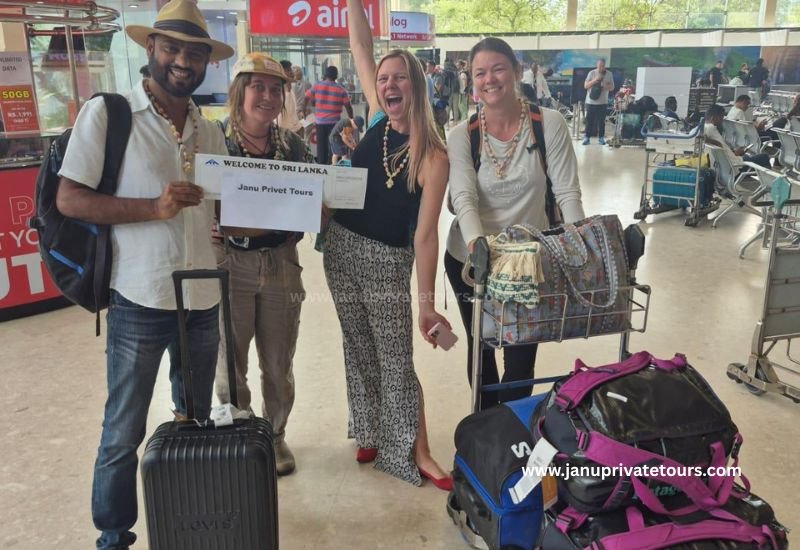
While looking for a place to stay, I came across Marigold Inn in Civil Lines—central, calm, and well-connected. I called the reception number listed on the online website. No response at first. A few minutes later, I received a call back. On the other end was Shabeeir Khan—known fondly as ‘Janu’.

At that moment, I assumed he was part of the booking team. Our conversation began formally, revolving around availability and dates. But within minutes, it felt different. He didn’t sound rushed or transactional. He listened.

I asked him a very honest question—is this even the right time to visit Jaipur? It’s year-end, won’t the city be unbearably crowded?

Without hesitation, he told me the truth. Yes, Jaipur was busy. Very busy. But instead of pushing the booking, he calmly explained what areas would be crowded, what timings would work better, and how the city could still be explored peacefully if planned mindfully. There was no sales pitch—only clarity.

In that ten-minute conversation, he gained my trust effortlessly. I booked my stay with realistic expectations and felt strangely at ease about the trip.

From a Voice on the Phone to a Face in Jaipur

When I reached Jaipur, Janu greeted me personally. That’s when I realised—he wasn’t just managing bookings. He was running the place.

Naturally, my curiosity grew. There was a certain awareness in the way he spoke—an understanding of travellers that went beyond tourist checklists. Curious, I asked him if he was a traveller himself. His smile hinted at a much deeper story.

That conversation marked the beginning of knowing Janu Shabeeir Khan—not just as a hotel owner or travel professional, but as someone shaped deeply by journeys, both his own and those of others.

Before Hotels and Itineraries

Long before Marigold Inn, before structured tours and logistics, Janu’s life looked very different.

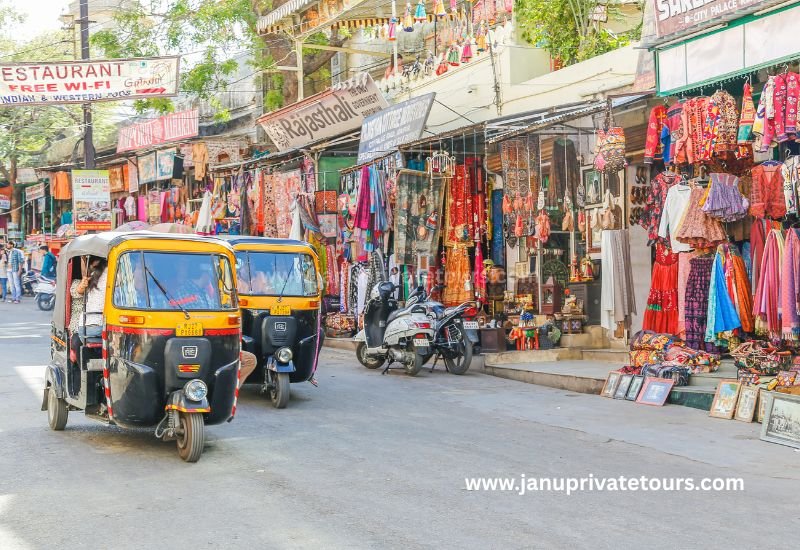
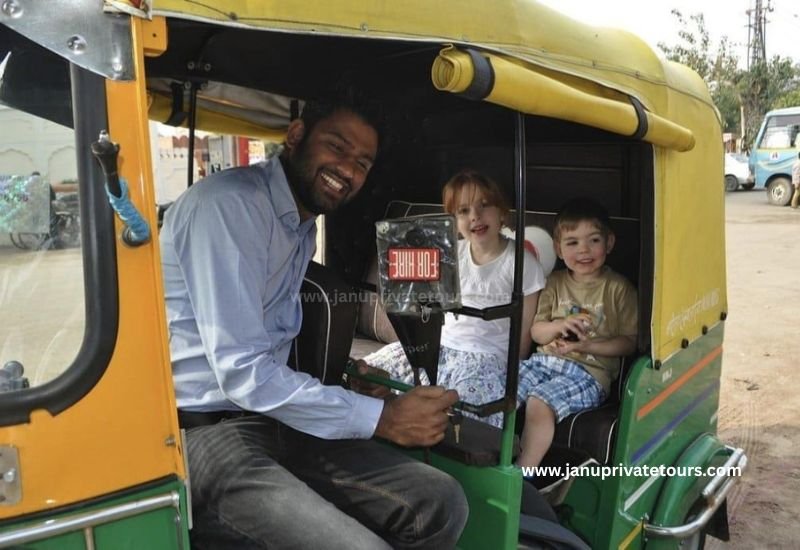
Due to difficult financial circumstances, he began working at an early age as a tuk-tuk driver in Jaipur. The city was his workplace, his routine, and unknowingly, his classroom. Every day, he met travellers from around the world—many curious, many overwhelmed, many unsure of how to navigate India.

What stood out was his natural inclination to help. He didn’t just take people from one point to another; he explained, reassured, shared stories, and offered context. Without realising it, he became a bridge between cultures.

width=800

Understanding the Traveller’s Reality

Over time, Janu noticed a recurring pattern. Travellers weren’t struggling because India lacked beauty—it was quite the opposite. They struggled because the experience could feel intense without guidance.

Language barriers, safety concerns, transport confusion, cultural misunderstandings—these small frictions often stood between travellers and meaningful experiences.

Janu saw this not as a business gap, but as a human one. Trust grew organically. One traveller recommended him to another. Conversations turned into connections.

His intention was simple: if someone has travelled so far to experience India, the least we can do is show them India the way we see it, with ease and honesty.

From Helping One Traveller to Many

What started as informal help slowly became a responsibility. Travellers began relying on his suggestions—for routes, stays, transport, and experiences that reflected the real India, not a curated version.

There was no overnight success story here. Trust grew one conversation at a time, one journey at a time. Recommendations followed naturally. Structure followed service.

A Travel Agency Built on Experience ‘Janu Private Tours’

Eventually, years of experience shaped into a travel agency named Janu Private Tours. It today operates tours and logistics across India, serving both international and Indian travellers.

What defines his work is not scale, but sensitivity—awareness of comfort, timing, expectations, and the emotional experience of travel.

The aim has never been to simply move people from one place to another, but to help them navigate India with confidence.

width=800

Becoming a Traveller Himself

width=800

To understand travellers better, Janu became one himself.

He has now explored more than 30 countries, gaining a global perspective on what makes travel seamless and enriching. Seeing the world refined his understanding of how India is perceived—and how responsibly it should be represented.

Travel didn’t distance him from his roots; it deepened them.

The Person I Met

width=800

Beyond roles and responsibilities, Janu is a warm, grounded individual. He listens, shares his life experience and carries an ease that immediately puts people at ease.

For him, travellers are not clients—they are guests. And hospitality, in his world, is not a service but a value.

Why This Story Stayed With Me

I share Janu’s story not because it is dramatic, but because it is honest. It speaks of dignity in work, growth through empathy, and success built patiently—without losing humanity along the way.

Sometimes, the most meaningful journeys begin with a simple phone call—and unfold into roads far wider than we ever imagined.

Things to do in Udaipur for Couples

Udaipur has the title of the most romantic city of India, and once you reach there, you will know why. Peaceful lakes, white marble palaces, narrow old streets, sunset viewing points and heritage hotels. These elements set Udaipur apart and create a slow, intimate and atmospheric environment. Romance in Udaipur is slow, unlike busy metro cities.

For new couples or those looking for an anniversary trip, a proposal getaway, or quality time together, the best things to do in Udaipur strike a great balance between luxury, culture, and privacy. If you are planning a romantic getaway, head to this destination for a memorable experience. You can enjoy everything here, from a boat ride to a palace dinner, from sunset walks to spa rituals.

1. Take a Sunset Boat Ride on Lake Pichola

A serene boat ride on Lake Pichola is one of the few things to do in Udaipur. As the sun goes down, the lake gleams golden, the palaces and the ghats shine as the day fades away. You will pass through the City Palace complex, Jag Mandir and other attractions on the boat while enjoying the city’s slow down for the night. The experience is peaceful, picturesque, and seriously romantic, making it ideal for couples wanting to start their day or finish it together without crowds or noise. Curated tours can arrange private boat rides or boat rides at sunset for an extra-special experience.

2. Explore the Royal Grandeur of the City Palace Together

A walk through the City Palace is like experiencing a royal romance. The palatial complex that overlooks Lake Pichola consists of a maze of courtyards, balconies, marble halls and ornate windows, all with spectacular views. Couples can take their time exploring the hand-inlaid walls, mirrored rooms, and quiet terraces. The lake and the city below appear calm and golden in the late afternoon from the palace balconies. A trip of history, architecture, and views is one of the most enriching activities in Udaipur for couples who enjoy culture and elegance.

3. Enjoy a Candlelight Dinner by the Lake

One of the most romantic things to do in Udaipur is dinner at an exquisite lakeside restaurant. Numerous heritage hotels and boutique restaurants are now putting up private candlelight arrangements with views of the water and illuminated palaces. Relax to soft music, traditional Rajasthani flavours, soft lighting and quiet surroundings that make a great place to propose or celebrate an anniversary, and perfect for honeymoon evenings. Couples usually reflect on dining under the sky, city-lit lakeside, long after their trip has come to an end. Couples seeking total privacy can also enjoy personal dining experiences.

4. Visit Jag Mandir

In the middle of the Pichola Lake, Jag Mandir overlooks the dreamy palace built for love. Reached by boat, this place offers quiet gardens, marble pavilions and stunning views over the lake. At the place, couples can hold hands in the courtyards, drink tea or refreshments, and sit together in water and silence. Being away from the city makes it extra intimate when we do visit. One of the best things to do in Udaipur, Jag Mandir is a beautiful, exotic escape that fosters togetherness.

5. Watch the Sunset from Sajjangarh (Monsoon Palace)

For couples who enjoy scenic places, watching Sunsets from the Sajjangarh Palace is a must. The palace is located at the top of a hill. Its location offers a stunning view of the whole of Udaipur, its lakes and the countryside. At sunset, the sky changes colour and down below, the lights in the city slowly come alive. When we stand here together in silence, we are sharing a sense of calm, among the most serene activities in Udaipur for couples fond of nature and tranquillity.

6. Stay in a Heritage or Palace Hotel

When planning romantic things to do in Udaipur, it is essential to choose the right stay. Rajasthan is not just about palaces and forts; it is also about the beautiful heritage hotels. Palace hotels have big rooms, balconies overlooking the lake, private courtyards and fine-tuned service. Gazing at the water and marble architecture, the moment you wake up, it sets a romantic tone for the day. Numerous hotels provide in-room meals, spa services, and private activities for couples. By choosing the right stay, even the ordinary, such as morning tea, evening walks, and balcony talk, can turn enjoyable.

7. Take a Heritage Walk Through the Old City

For couples that like to experience local life, a guided heritage walk through Udaipur’s old city is one of the most interesting things to do in Udaipur. The narrow lanes, local markets, traditional homes and the small temples of the city give away layers of its daily charm. Couples on these streets walk at their own pace, discover what is hidden and see the city beyond the palaces. To have a good experience, the early morning or late afternoon is the time to go. A knowledgeable guide can add valuable context and a leisurely, personal walk.

8. Indulge in a Couple Spa Experience

After days of enjoying the sights, one of the most relaxing things to do in Udaipur for couples is getting a spa session. In many luxury hotels, spa suites for couples offering Ayurvedic or modern wellness treatments are available. In the soothing atmosphere created by soft music and aromatic oils, couples can unwind. Spa treatments can prove to be great for honeymooners or other occasions. Ending the day with a spa treatment helps to complete the ‘slow romance’ of Udaipur.

9. Attend a Cultural Evening Together

The cultural performances in Udaipur, which include folk music and dance and traditional instruments, allow a couple to explore the artistic heritage of Rajasthan. Often, these performances take place in heritage venues with cozy seating. Cultural memories are created through music sharing and storytelling with low lighting. The Udaipur folk dance performances, although not well-known, are an enriching experience for couples wanting to learn about the local culture.

10. Take a Day Trip to the Countryside

Couples looking for a long stay may take short day trips to people, lakes, hills and others that add more things to do in Udaipur. These experiences boast unending views, empty streets, and an escape from the past of the city. Whether it is going on a countryside drive, a lakeside picnic, or a rural outing, most couples choose to enjoy nature in privacy.

Why is Udaipur Perfect for Couples?

Udaipur is different because of its pace. When you are together, share a stillness. Watching reflections on the water, listening to temple bells, or sharing a meal all add to your overall experience. Udaipur offers various things to do with your loved one. There are plenty of things to do in Udaipur for couples who don’t want to rush but want to enjoy the atmosphere.

Plan Your Romantic Udaipur Experience with Janu Private Tours

Planning a romantic trip should always be done thoughtfully. Janu Private Tours offers a variety of couple-friendly custom itineraries all over Udaipur and Rajasthan, including the popular Golden Triangle with Udaipur route. Every detail in our plan includes luxurious accommodation, private boats, curated dinners and experiences, all designed for your comfort, privacy and elegance. Whether you want to explore Udaipur in a comfortable manner or are looking to experience the best things to do in Udaipur, Janu Private Tours can do it all for you. Let us plan your memorable and romantic stay and experiences. Contact us now.

Things to do in Ranthambore

Ranthambore is not all about spotting tigers. It’s a place that combines wildlife, history, nature and slow travel very much in equilibrium. Lying in eastern Rajasthan, Sawai Madhopur, Ranthambore, displays raw forests, ruins as ancient as the hills themselves, lakes and village life that you wouldn’t think had heard of modern rush. In 2026, Ranthambore is still drawing tourists who are looking for more than a snap of crowded sightseeing.

Here’s a comprehensive list of the best things to do in Ranthambore that goes beyond safaris and will enable you to experience this region for all it is.

11 Best Things to Do in Ranthambore

Here are some of the best things that you don’t want to miss out on when you are here:

1. Go on a Tiger Safari in Ranthambore National Park

A wildlife safari is the heart of all the things to do in Ranthambore. The national park is one of the best places in India to view a Bengal tiger in its natural habitat. Thick forests, tall grasslands, lakes and rocky cliffs all come together to make sightings more likely than in many other reserves.

Morning safaris also present a different mood than the afternoon. Morning safaris are peaceful and cool, and afternoon game drives reveal animals congregating near water. Along with tigers, look for leopards, deer, wild boar, crocodiles and sloth bears here, as well as plenty of bird species.

2. Explore the Historic Ranthambore Fort

Inside the park is Ranthambore Fort, a UNESCO World Heritage site. Visiting the fort is one of the most interesting things to do in Ranthambore as it merges history with nature.

The fort’s origins are more than a thousand years old, and it provides panoramic views of forests and lakes below. In the fort, you will find old temples, stepwells, gates and ruined palaces that tell tales of Rajput kings and battles. Walking through the fort seems like entering another era, away from noise and wildlife. Overall, it is a surreal experience.

3. Visit Padam Talao and Jogi Mahal

Padam Talao is the biggest lake of Ranthambore, and it is also one of the most beautiful places in this park. It’s also one of the finest places in the world for wildlife photography.

Jogi Mahal, near the lake, has now been converted into a royal rest house. Today, tourists can admire its architecture and also take in a view of the lake where animals frequently approach to drink water. Watching the reflection of trees and birds on the still water is one of the most peaceful things to do in Ranthambore.

4. Enjoy Birdwatching Around Ranthambore

Ranthambore is a paradise for bird lovers. More than 300 bird species have been observed in these lands, and amongst these, birdwatching is one of the more silent but rewarding things to do in Ranthambore.

You can see kingfishers, painted storks and some owls, parakeets, vultures and migratory birds in winter. Bird watching is best early in the morning, when birds are most active. Lakeshore, forest edges and open grassland are preferable places for bird-sighting.

5. Experience Village Life Around Ranthambore

Beyond the park boundaries, villages in Ranthambore’s vicinity include a window into rural Rajasthan. It’s also one of the most rewarding things to do in Ranthambore for culture enthusiasts. You can meet locals, see traditional homes, observe farming techniques and learn how communities live alongside wildlife. Such visits usually include folk tales, simple food and honest discussions that leave lasting impressions.

6. Take a Nature Walk with a Naturalist

Guided nature walks around buffer zones and forest edges are becoming popular. These walks allow you to observe smaller wildlife, as well as plants, bugs and animal tracks.

A silent walk through the wilderness gives you a perspective of how beautifully intricate the surroundings can be, something that you often miss during jeep safaris. Understanding medicinal plants, trees, and animal behaviour makes this one of the most educational things to do in Ranthambore.

7. Relax at a Jungle Resort or Lodge

Ranthambore is famous for its luxurious, nature-immersed jungle resorts. Time spent at your resort is not time wasted; it’s part of the experience.

Relish slow mornings, sights and sounds of nature, views to the forest and evenings under a clear star-filled sky. Yoga classes, guided talks and bonfire evenings are offered by many resorts. Relaxation in itself also becomes one of the most underrated things to do at Ranthambore.

8. Try Wildlife Photography

From stunning scenery to varied wildlife, Ranthambore is a photographer’s paradise. The park’s open terrain makes for great shots, even for beginners.

Photography-centred safaris, early light conditions and landscapes add to the charm of this being one of the most creative things to do in Ranthambore. Tigers walking through ruins or birds reflected in lakes create unforgettable frames.

9. Visit Rajiv Gandhi Regional Museum of Natural History

This museum near the park entrance provides insightful context into Ranthambore’s wildlife and habitats. Exhibits range from animal models and environmental displays to information about conservation efforts.

Those who visit the museum before or after safaris have a better understanding of what they are seeing in the forest. It’s also one of the more educational things to do in Ranthambore for families, particularly.

10. Watch the Sunset Over the Forest

Ranthambore sunsets happen slowly and dramatically. The experience of watching the sky change color over forests and hills is both simple and profound. Sunsets, from a viewing point, fortress rampart or resort terrace, all serve to remind you why slow travel makes sense. These are the quietest moments and among the most soulful things to do in Ranthambore.

11. Learn About Conservation and Tiger Protection

Ranthambore is one of India’s most important tiger sanctuaries. It also enhances your visit to know something about these projects. A few lodges and guides share insights on tracking, conservation struggles and local community work. Learning about how the tourism industry aids in protecting wildlife makes this one of the most rewarding things to do in Ranthambore.

Best Time to Experience Things to Do in Ranthambore

Choosing the right season is a big part of how you experience Ranthambore. As Ranthambore is an animal-abundant region, the weather has a direct impact on the safaris and sightseeing comfort, as well as travel pace. Every season has something different to offer, depending on what kind of journey you’re looking for.

The ideal time to visit Ranthambore is between October and March. The weather is still perfect for jungle safaris, fort complexes, birding, and nature walks. Migratory birds arrive during winter, adding to the park’s biodiversity. This period suits families, senior travellers, and first-time visitors who prefer cooler temperatures and balanced wildlife activity.

The best time to visit is April through June, when animal sightings, especially of tigers, are at their peak. As the water dries, tigers are concentrated around lakes and attractions, making for good visibility. Temperatures may be high, but it is revered by wildlife photographers and wildlife-oriented enthusiasts for the sightings and not so much for comfort.

The monsoon season is from July to September, when the park remains closed.

Why is Ranthambore More Than a Wildlife Destination?

What makes Ranthambore special is the balance. It offers excitement through safaris, calm through nature, and depth through history. You don’t feel like you’re ticking boxes, you feel present.

The things to do in Ranthambore suit solo travellers, families, photographers, and nature lovers equally well.

Plan Your Ranthambore Experience with Janu Private Tours

To really experience the best things to do in Ranthambore, it’s all about doing a little planning. Ranthambore Tour packages itineraries are tailored by Janu Private Tours, whether it may be safaris, heritage, relaxation time or the local experience. From picking the best safari zones, to comfortable jungle stays and knowledgeable naturalists, Janu Private Tours will make sure that your journey in Ranthambore is smooth, ethical and incredibly enriching. So what are you waiting for? Let us help you plan a great safari experience. Contact us now.

Jaipur Hot Air Ballooning

As the sun rises over this historic city, it’s your turn to rise. Vast and vibrant pink-hued forts, red-stone palaces, beautiful fields, and a landscape intricately woven with history and colour. The floating, calm, panoramic view of the rooftops, and the soft whispering wind make the Hot Air Balloon Ride in Jaipur one of the most memorable experiences of Rajasthan.

Jaipur is more than just palaces, bazaars, or rich culture. India has some of the finest sites for hot air ballooning. Taking a balloon ride here is not only about speed. Having a different perspective on a city. Feeling nature under your feet. Taking a moment that is tranquil yet exhilarating. There are many reasons why you should take a hot air balloon ride in Jaipur, whether you are a first-time traveller or an experienced one. Here are the top five reasons that won’t let you miss out on this experience.

5 Reasons to Experience a Hot Air Balloon in Jaipur

Here are some of the reasons you cannot miss experiencing hot air balloon in Jaipur:

1. See Jaipur From a Stunning New Perspective

Many tourists view Jaipur from the ground level, by walking through markets, exploring forts, or taking jeep rides. That’s great, as every sight feels close and personal. The experience of a hot balloon ride in Jaipur offers you something unique.

From above, Jaipur appears to be a planner’s dream. You observe the winding roads, heritage structures lie in symmetry, and the countryside lies wild and open. It is like walking in the same city again, but discovering things that only make sense from a height. The light of sunrise adds magic to everything. In the warmth of the evening, the city becomes shrouded with a quiet stillness that is not easily visible from the ground. For many travelers, soaring above a city that continues to thrive below is the trip’s highlight.

2. A Serene Escape from the Hustle and Bustle

Jaipur is a beautiful place, but it is also a place that moves at a very lively pace. Markets are bustling, streets are full of life, and historical sites are full of people. All of this is part of the beauty of the place, but sometimes a person just needs a moment of peace.

A Hot Air Balloon Ride in Jaipur provides a moment of peace.

As your balloon begins to rise into the air, there is a moment of pause. Time seems to slow down. The only real sound you can hear is the gentle hiss of the burner as it ignites. All of the other sounds, like the sounds of the city, the sounds of traffic, and everything else, fade into the background and are left behind.

The sensation of drifting gently above ancient farmland, rivers, small villages, and green fields is almost like a breath of fresh air. It is a peaceful sensation that is not always possible when you are on the ground. This sensation, in the middle of a travel schedule that is normally full and busy, is one of the most precious sensations of the whole experience.

3. Perfect Photos and Unforgettable Views

If you are a person who loves capturing moments through pictures, a hot air balloon ride is going to offer you images that are difficult to match.

When you are flying high, you get to see:

  • The fort walls of the city extend outwards

  • The Amber Fort and Nahargarh Fort stand tall on the hills

  • The pink and orange roofs of the buildings merge with the desert colors

  • The farmland and small water bodies reflect the color of the sky

  • The long shadows of the early morning sun

These are not merely beautiful images. These images tell a story of history, geography, and human settlement. And since hot air balloon rides are so serene and slow, you get ample opportunities to click pictures from angles that are difficult to access otherwise.

Professional hot air balloon services usually have guides who point out directions for better viewing, so you are not merely drifting aimlessly.

4. Ideal for All Types of Travelers

A hot air balloon ride in Jaipur is not just for thrill-seekers. It works for different types of travelers. Couples find it romantic, quiet mornings, soft rise, and feel like a private viewing. Families appreciate the serenity of a floating balloon as they journey through idyllic fields. The solo traveller feels an exceptional freedom. Even senior travelers who are not into extreme adventures can comfortably join in the hot air ballooning experience, as it is slow and steady and doesn’t require much effort. As the balloon flight is early at sunrise, it fits easily within your travel plans. You can return in time for breakfast and continue sightseeing without any haste. It is thus one of the most accessible and easy experiences in Rajasthan.

5. A Memorable Start to Your Day in Jaipur

A hot air balloon ride in Jaipur gives you this unique moment early on in your journey. Starting your day overlooking the city makes everything feel larger, brighter, and more connected. You’ll begin your day with good hospitality, as almost all balloon ride operators serve tea or coffee before the flight. After which you shall float, breathe in the sights, and return by breakfast time with a fresh take on wherever you are.

What to Expect on a Hot Air Balloon Ride in Jaipur

A standard Hot Air Balloon Ride in Jaipur will consist of the following:

  • Early morning pick-up or arrival: Hot air ballooning is typically done at sunrise. This is done to avoid the heat of the sun and to get the best light.

  • Ground briefing: This is where experts brief you on safety and what to expect. The balloons are large and safe, and the pilots are trained professionals. Only 4 people are generally allowed.

  • Lift-off: The experience of lift-off is tranquil and peaceful. You will feel you are slowly lifting off the ground rather than getting lifted off the ground directly.

  • Time in the air: Flying as high as you will give great views, but it does not feel too far away. Flights average about 45 minutes to an hour.

  • After Landing: After you land, some operators would serve you light refreshments or certificates on landing to complete the experience of the flight. The flights are planned according to wind and weather conditions because safety is paramount.

Tips for a Great Balloon Ride Experience

To get the best out of your Hot Air Balloon Ride experience in Jaipur, here are some tips:

  • Dress comfortably; the desert can become quite chilly in the mornings. Choose garments that you can remove as the heat of the day increases.

  • Remember to take along your camera or smartphone to capture beautiful snapshots. It is essential to be ready to take the gear, but keep yourself safe as well.

  • A company might require you to reach the venue before sunrise. Thus, it’s better to reach the venue early. This will give them time to get set up, and you can settle in.

  • Heed the pilot’s advice as he gives tips on wind, sights, and the safety of the ride. It’s all part and parcel of the experience.

  • If you’re interested in going on a hot air balloon ride, make bookings in advance. These rides are pretty popular, and so during peak travel seasons, it can be tough to get the date you want.

These small steps make the adventure smoother and more enjoyable.

Safety and Comfort Considerations

Many first-time ballooners may have safety concerns regarding their first experience; however, the reality is that ballooning is a very safe experience, provided the company you are with is a reputable one. The specialists are highly trained professionals, and the balloons fly at safe speeds and altitudes. Our flights are keeping a close eye on the weather, and planes can be rebooked if necessary.

Comfort levels differ across organizations, but overall you can expect:

  • The baskets are sturdy and safe.

  • The altitudes travelled are moderate.

  • The staff will assist you before, during, and after your flight.

With this level of safety and comfort, even the most anxious traveler will be able to enjoy this.

Best Time for Hot Air Ballooning in Jaipur

The ideal months for getting on a hot air balloon in jaipur range from October to March because:

  • The climate is cool and pleasant.

  • It is calmer in the morning winds.

  • The sky has cleared a bit, and the views are improving.

Ballooning cannot be done in summer as it can get too hot, and the monsoon can have variable winds. Thus, those having an interest in this activity make their trip to Jaipur in the cooler season.

Final Thoughts

Going on a hot air balloon ride in Jaipur is not just another thing to do and throw on a checklist. The tranquillity of dawn has power as it is quiet and transforms everything with wonder and magic. It reminds us that traveling is not just seeing, but feeling. If you want this unforgettable experience at sunrise in Jaipur and wish to have a trip that does not make you worry through comfort, care, and sound planning, contact Janu Private Tours to book your hot air balloon ride experience. By paying attention to detail and careful planning, your hot air ballooning trip is definitely going to be a moment that you will cherish for a lifetime from your Rajasthan trip.

Best Desert Camp in Jaisalmer

Sleeping beneath a blanket of stars, amidst drifting golden dunes, and in the midst of the endless desert is an experience like no other. A Desert Camp in Jaisalmer is significantly more than just a place to stay. The experience is a perfect balance of adventure, culture, hospitality, and tranquility. You probably haven’t seen a landscape quite like that of the Thar Desert. The sand changes colour with the light, the wind carries stories of caravans that passed this way centuries ago, and the nights feel more profound and clear than almost anywhere else.

Staying in a luxury desert camp makes your trip even more memorable. The charm of traditional desert life meets contemporary comfort. These camps allow you to experience desert life that is beautiful yet still comfortable, from candlelight dinners in the middle of the sand dunes to morning camel rides. In this guide, we will walk you through the best Desert Camps in Jaisalmer for an upscale stay, what each of them offers, and handy tips to pick the right experience for you.

What Makes a Desert Camp in Jaisalmer Special

Before we get into the individual camps, it helps to understand why camping in the desert here is so special. A Desert Camp in Jaisalmer is more than just tents pitched on the sand. Multiple camps provide:

  • Tents, beds, and linens that are spacious.

  • An attached washroom or toilet.

  • Cozy bonfires in the evening with folk music.

  • Rajasthani Cuisine under the open sky.

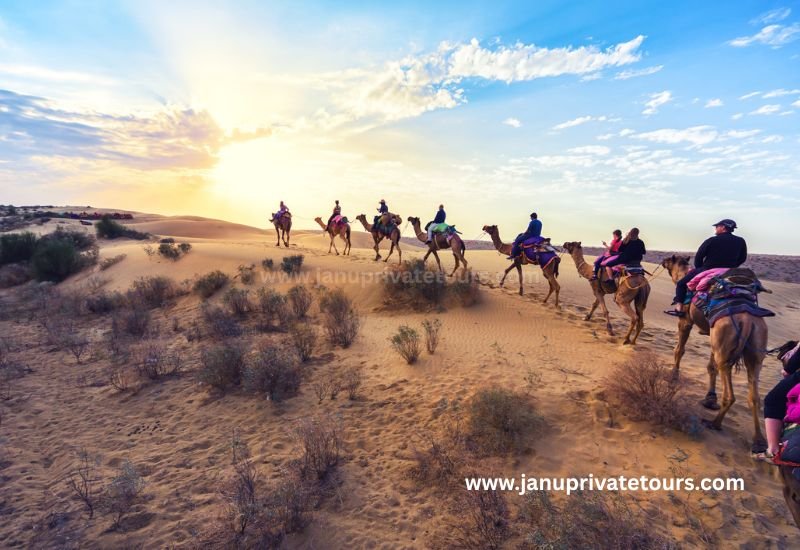
  • Camel rides and dusk views over the dunes.

Luxury camps enhance the experience, with thoughtful amenities such as regionally inspired decor, warm hospitality, comfortable seating, private dining, and candlelight dinners on the dunes.

Desert Camp in Jaisalmer: Top Options to Consider

Here are the top options of desert camps in Jaisalmer to consider:

1. Exotic Luxury Camps

The Exotic Luxury Camp, which is the most popular Desert Camp in Jaisalmer, is located peacefully outside the city in Sam Dunes. Luxury blended with desert authenticity here. Your stay begins with a warm, small walk through the camp’s well-designed pathways to the beautifully appointed tents.

What to Expect:

  • Tents featuring king-size beds or twin beds.

  • Options to choose from include luxury and non-AC.

  • Washrooms with hot shower attached.

  • Evenings have folk dance and music shows.

  • Camel rides and sunset sightseeing.

Why Choose It:

This camp is a perfect choice if you are looking for an intimate desert experience. The serene environment makes it ideal for couples, families, and anyone looking for a quiet desert getaway.

2. Royal Pavilion Camp

Royal Pavilion Camp, as the name suggests, offers a royal experience and is a classic choice for anyone looking for a complete luxury desert experience. A stay at this Desert Camp in Jaisalmer means huge tents, attentive service, and a memorable setting with folk performances.

Highlights:

  • Rooms designed with traditional elements.

  • Local music and dance for evening entertainment.

  • Cozy bonfire sittings

  • You can go for camel rides or jeep safaris.

  • Camp staff who are friendly and helpful.

If you’re visiting Jaisalmer for the first time or repeating the journey, this camp is a fine way to enjoy Rajasthan hospitality in comfort in the desert.

3. Rajwada Desert Camp

The Rajwada Desert Camp is your best bet for a stay in the desert that is regal and elegant. This camp, packed with Rajasthani motifs and relaxed settings, is a classic way to spend some time in the Thar. Guests frequently mention the warmth of the staff and the comfort they feel during their stay here.

What Makes it Special:

  • Spacious tents with good air flow.

  • Seating Areas Outside the Tents.

  • Rajasthani Traditional Dishes.

  • Sharing stories around the campfire.

  • Camel safari alternatives at sunrise and sunset.

This is yet another Desert Camp in Jaisalmer that fuses heritage with comfort, which is ideal for those travellers who appreciate hospitality along with culture and views.

4. Sand Voyages Camp

The camp is located close to Sam Sand Dunes, allowing you a rich desert experience. The camp offers early morning camel rides and evening walks in the sand, which every type of traveler can enjoy.

Features:

  • Tents equipped with basic amenities.

  • Rajasthani culture hospitality

  • Sit outside to catch the sunset.

  • Cultural entertainment is performed in the evening.

  • Camel and jeep safaris are organized.

  • The camp serves Rajasthan’s traditional food.

If you want to explore the desert by day and unwind in comfort at night, this camp is for you.

5. Damodra Desert Camp

Experience the raw beauty of the Thar Desert with a stay in the Damodra Desert Camp. With so much open space, big skies, and traditional experiences on offer, this camp made me feel part of the landscape, not just a visitor.

What You Will Enjoy:

  • Tents are spacious and well-equipped.

  • Outdoor activities in the desert.

  • Cultural nights and campfire songs.

  • Camel and jeep ride opportunities available.

  • Food of Rajasthan.

This is a desert camp that seems simple and real, yet comfortable enough for a relaxed stay.

7. Limra Desert Camp

Limra Desert Camp is a simple yet affordable and welcoming place with a Desert Camp Vibe. If you love the charm of the desert but not the hassle, it’s a great option. Even though the tents are simpler, the evenings spent at the camp are no less memorable, and the music, food, and open-air ambiance have not changed.

Key Things to Know:

  • Budget camp accommodation with reasonable comforts.

  • The spot is ideal for sunsets and sunrises.

  • Cultural events in the evening.

  • Camel rides nearby.

  • Outdoor seating with vistas of sand dunes.

Most travelers on a budget will find Limra perfect for a memorable Desert Safari in Jaisalmer.

What to Expect at Luxury Desert Camps

Staying at a luxury Desert Camp in Jaisalmer offers certain things, which include:

Real Hospitality

Visitors are often offered tea as a warm welcome. You will feel at ease, making you one with the desert.

Cultural Nights

The various camps feature Rajasthani music and dance around a bonfire. Folk musicians perform tunes that are rhythmic and timeless.

Dining in the Desert

Food usually consists of Rajasthani Cuisine and local sweets. Some camps provide special dinners like candlelight dinners on the dunes.

Camel Safaris and Jeep Safaris

Camel rides are offered at luxury camps at sunset and sunrise. Jeep safaris allow you to explore deeper into the dunes and beyond, providing exciting views.

Stargazing Experience

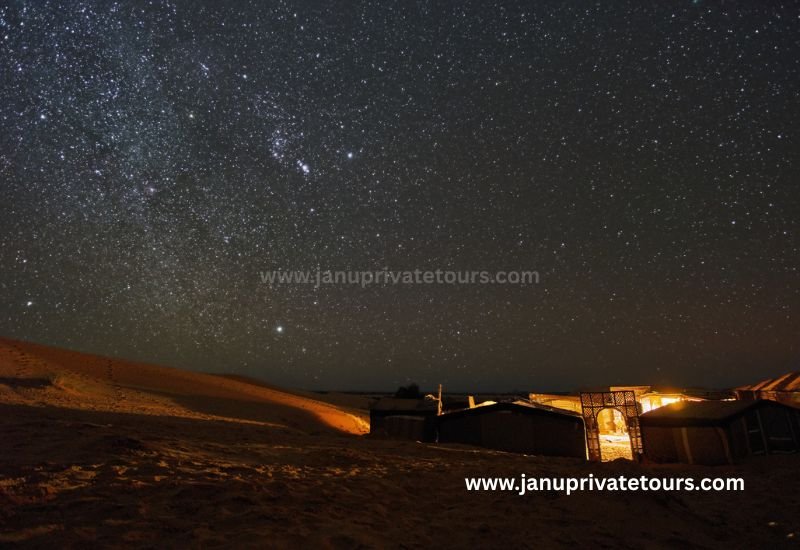
Once the sun goes down, the absence of city lights makes the night great. You can enjoy your night gazing at the sky filled with stars.

These shared experiences are what make a Desert Camp Jaisalmer feel like a whole destination and not just an overnight stay.

Best Time to Book Your Desert Camp Stay

The ideal time for a luxury stay in Jaisalmer lies between the months of October and March. The weather is cool and pleasant, which makes it all the more enjoyable safari experience. Activities in the desert are not pleasant because of the hot and scorching sun. Advance booking is recommended. Campsites and beautiful sunset locations near the dunes fill up quickly, especially during busy travel seasons or holiday times.

Practical Tips for a Comfortable Desert Stay

  • Prepare for changing weather. Daytime warmth, chilly nights. Layers are essential.

  • It is best to wear comfortable shoes that are appropriate for the sand.

  • Sunglasses, hats, and sunscreen can offer protection from the sun and dust.

  • Pack your water bottles: You want to stay hydrated in the dry desert.

  • Follow camp rules. Be safe around campfires and at night, animals.

These little things make your desert experience easier and more fun. If you’re planning a broader itinerary, you can also extend your Golden Triangle to Jodhpur and Jaisalmer, combining iconic cities like Delhi, Agra, and Jaipur with the magical desert landscapes of Rajasthan for a complete travel experience.

Conclusion

A desert camp in Jaisalmer is undoubtedly one of the highlights of a Rajasthan tour. No matter if you go for extravagant luxury or authentic desert simplicity, you will forever cherish the warmth of the people, the beauty of the dunes, and the quietude of the desert nights.

If you want a carefully curated and hassle-free desert experience, let Janu Private Tours make it happen. We create customized trips that include the best luxury desert camps, local cultures, safaris, and expert support every step of the way. Your desert stay should be a delightful experience that you will cherish, and that is precisely what Janu Private Tours guarantees to make it!

Shopping in Rajasthan

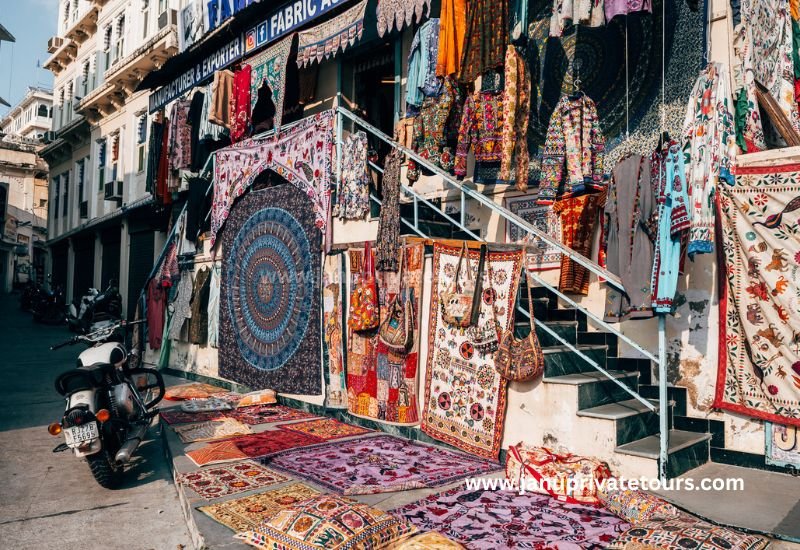
Rajasthan offers unique shopping experiences that you’ll never forget. It is about knowing the state’s heritage and people, along with the craft traditions that have endured for ages. Each area possesses its unique style, materials, and stories. Shopping in Rajasthan is an immersion in living museums where artisans continue to exercise their crafts. From bright fabrics and handmade jewellery to blue pottery and leather goods, these vibrant offerings are sure to catch your eye.

In contrast to contemporary malls, the market here has an extraordinary personality. You’ll hear traders haggling, see craftsmen at work, and spot items that are often made in small batches. This Rajasthan shopping guide contains details on what to buy, where to shop, and other useful tips and tricks for you.

Why is Shopping in Rajasthan special?

Rajasthan’s crafts flourished with royal patronage. The kings and queens patronised local artisans, helping to uphold regional crafts such as weaving, metalwork, stone carving, and painting styles. These customs are still preserved and followed by many families today. Shopping in Rajasthan is culturally exclusive and authentic. You’re not looking for factory-made souvenirs. You will buy products that represent the local culture, climate, and lifestyle. Each region has something different. All regions offer a distinctive product shaped by their geography and history.

What to Buy in Rajasthan?

Here are some of the things you cannot miss buying when here:

Traditional Textiles

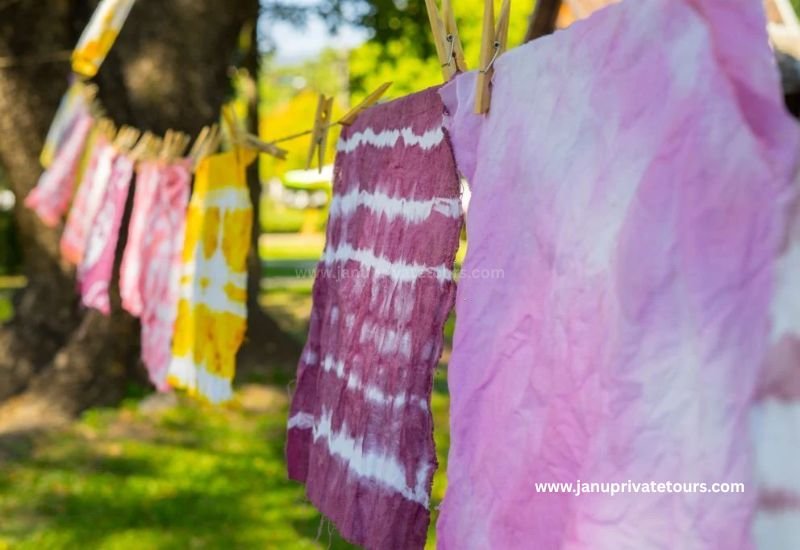
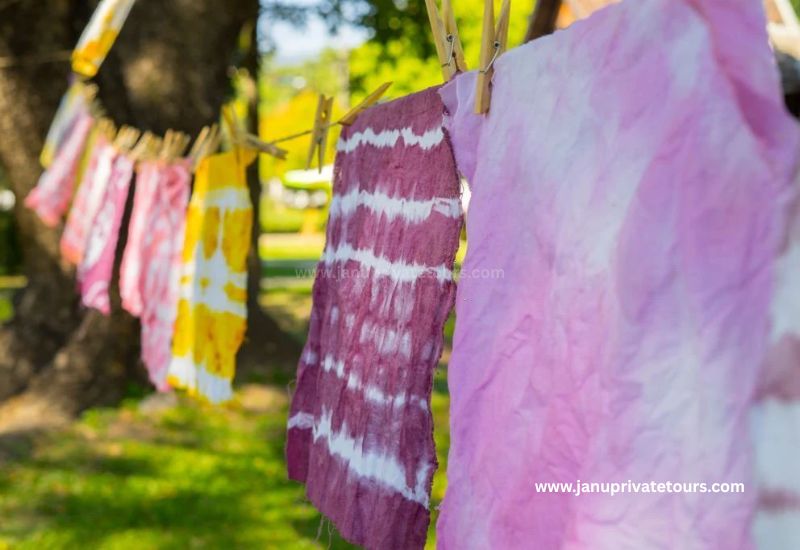
Handwoven and hand-dyed fabric is famous in Rajasthan. Bandhani, block prints, and leheriya patterns are well known. These textiles are used in sarees, dupattas, scarves, and home furnishings.

Made from the fiber of cotton plants, cotton fabric is versatile and breathable. Certain regions’ woollen shawls are in demand during the winter.

Handcrafted Jewellery

width=800

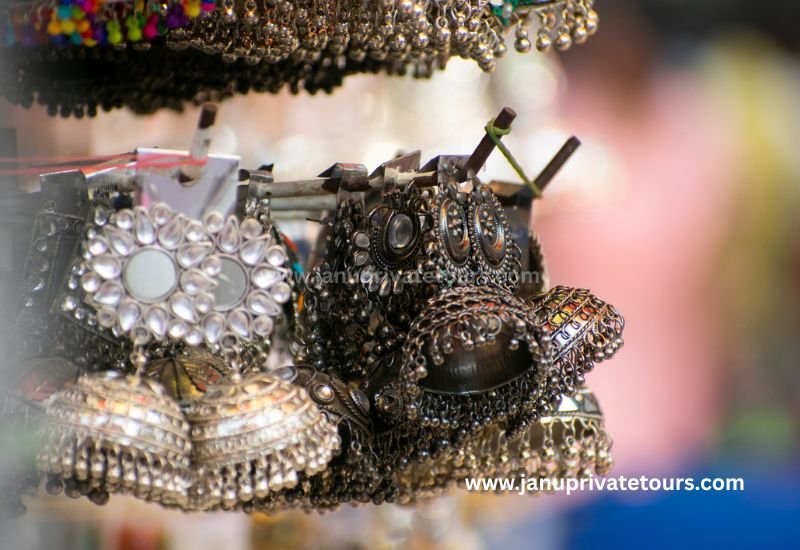
When going shopping in Rajasthan, one of the most sought-after items is silver jewellery. Regional designs for tribal style, gemstones, and meenakari work. The state offers a jewellery collection that varies from city to city, with different stones and motifs.

Blue Pottery and Ceramics

width=800

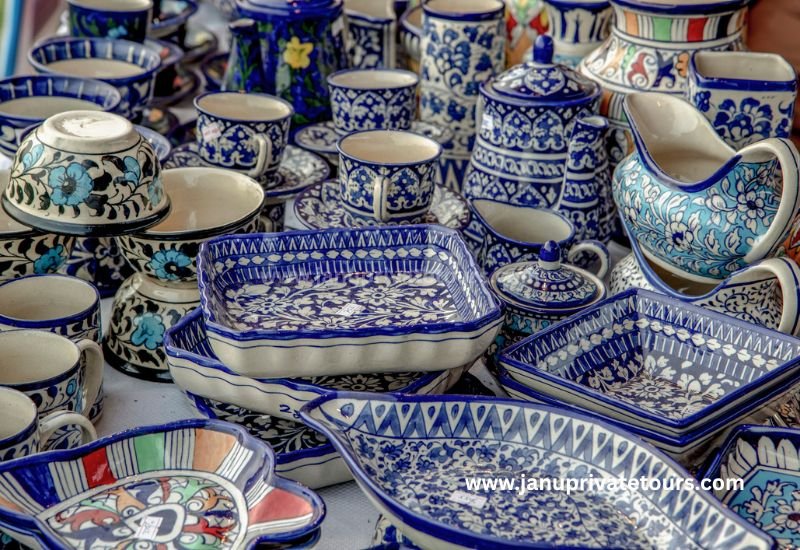
One of the most recognizable crafts of Rajasthan is Blue pottery. Recognized for their vivid blue, green, and white designs, the product range includes plates, tiles, vases, and decorative items. They are delicate yet beautiful, which is why they make for popular gifts.

Leather Goods

width=800

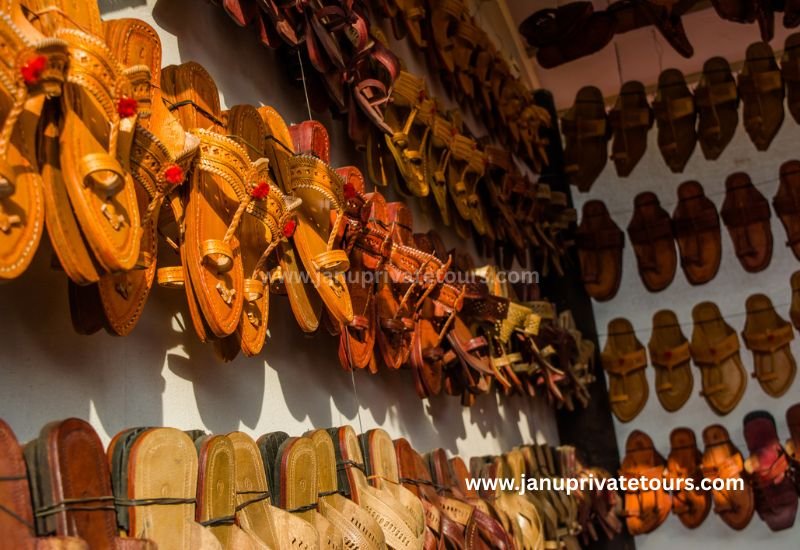
Rajasthan has a fantastically strong industry making goods such as juttis, bags, belts, and journals. They are mostly handmade and fairly cheap. Camel leather products are another unique product of the desert regions.

Paintings and Art

Stories from mythology and local legends are depicted in miniature paintings and folk art pieces. Natural pigments are often used in these artworks.

Best Cities for Shopping in Rajasthan

Every city in Rajasthan has something special to offer when you visit. This includes:

Jaipur

Jaipur is one of the best cities for shopping in Rajasthan. It has traditional bazaars and organized craft centres according to your choice. Items that are in great demand are jewelry, textiles, blue pottery, and gemstones. There are markets here that range from busy bazaars to government-run emporiums.

Jodhpur

Wooden furniture, handicrafts, and antiques make Jodhpur very famous. Shops here often focus on heritage-style decor and textiles. Local markets give a chance to buy things you would see people using.

Udaipur

Udaipur has miniature paintings, handloom textiles, and artistic crafts. The shopping scene is quiet, thanks in part to beautiful boutiques and lakeside market streets.

Jaisalmer

Jaisalmer is famous for its leather products, embroidered textiles, mirror work, and anything crafted from the desert sand. All these represent the desert and trade.

Bikaner

Shops in Bikaner sell wool products, leather goods, mojris, and other local sweets and snacks. Shopping here is much quieter and rooted in desert life.

Famous Shopping Markets in Rajasthan

While shopping in Rajasthan, here are some famous markets that cannot be missed.

Johari Bazaar, Jaipur

Johari Bazaar is a famous street of Jaipur and an important place for shopping in Rajasthan. This market is synonymous with traditional jewellery, and it is also famous for precious and semi-precious stones. Numerous shops here are run for generations by the family; vendors indulge in kundan, meenakari, and polki work. While prices may be higher than street markets, the quality and craftsmanship are usually dependable, making it ideal for buyers. Book Jaipur Shopping Tour with pickup package from Janu Private Tour to explore more places for shopping in jaipur, Rajasthan.

Bapu Bazaar, Jaipur

width=800

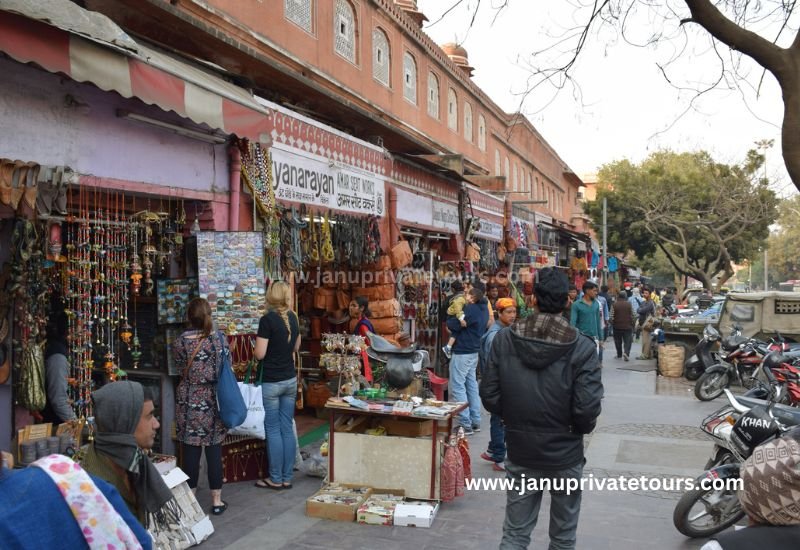
Bapu Bazaar is ideal for those looking for affordable, colorful shopping for souvenirs. You are in the midst of fancy shops that sell block-printed textiles, bandhani fabrics, mojris, handbags, scarves, and souvenirs. Many locals and tourists enjoy the place as it has a vibrant atmosphere. You will negotiate here and getting a good deal takes time. In this market, visitors get a real experience of daily shopping in Rajasthan.

Sardar Market, Jodhpur

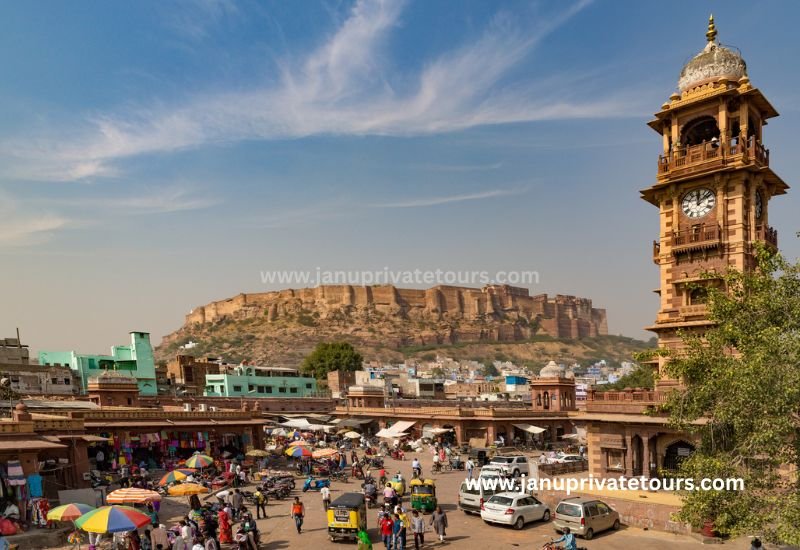
Sardar Market is located next to Jodhpur’s well-known clock tower. It is the busiest trading area in Jodhpur. You can get spices, crafts, metal items, textiles, and local snacks in the market. If you walk through the narrow lanes, you’ll find vendors selling everything from chilli powders to embroidered fabrics. This is a wonderful spot to shop for practical and cultural items while watching local life in action.

Hathi Pol Bazaar, Udaipur

Art lovers and collectors love Hathi Pol Bazaar the most. This market mainly specializes in handicrafts, wooden items, miniature paintings, and ethnic wear. Many shops run by artists themselves, allowing for a better understanding of the craft and techniques one is involved with. The atmosphere here, in comparison to bigger bazaars, is calmer. You can roam around easily while enjoying the art of Udaipur.

Manak Chowk, Jaisalmer

Manak Chowk is a vibrant market that is located in the proximity of Jaisalmer Fort. Also, it represents the desert culture of the city. The place is renowned for its leather goods, embroidered textiles, mirror work, jewellery, and camel-leather products. In the evening, the shops are all open, and the markets are full of life. Prices are usually fair, and with some bargaining expected, it’s a popular stop for travellers exploring the desert regions of Rajasthan.

Street Shopping vs. Boutique Stores

Street shopping in Rajasthan is affordable as well as varied. Prices tend to fluctuate, so bargaining is welcome. Boutique shops and emporiums offer fixed prices, better quality control, and product information.

Tips for Smart Shopping in Rajasthan

  • In local markets, it is always good to bargain politely.

  • Before you purchase, compare it in various shops.

  • Inquire about the quality of materials and workmanship.

  • Stay Away from Impulse Buys in the First Shop

  • Be careful with fragile items.

Spending time browsing can improve shopping choices.

Shipping and Packing Tips

Most stores organize shipping, especially for big items such as furniture and pottery. Make sure it is packed properly and keep the receipt for customs clearance. Padded packaging is advised for small items.

Best Time for Shopping in Rajasthan

The period from October to March is the best time to visit Rajasthan for shopping. The weather is perfect, and the markets are bustling. It could be a hot summer month, which could affect market hours. During festival times, there are special collections and local fairs.

Conclusion

Shopping in Rajasthan is a journey into the state’s soul. Each textile, ornament, and handicraft reflects the hallmark of a bygone era. Shopping for souvenirs at bazaars or artisan studios is more than just the price tag. Janu Private Tours offers curated, personalized travel experiences for one of the finest shopping expeditions across Rajasthan, which includes the best markets, artisan interactions, and cultural insights. With us, you get the best shopping experience, with meaningful, comfortable, and authentic planning and local expertise.

Desert Safari in Jaisalmer

A desert safari in Jaisalmer is a unique experience. It’s something that sticks with you long after the sand has been shaken off your shoes. Located in the Thar Desert, Jaisalmer comprises one of India’s most authentic and visually stunning desert journeys. Experience the golden dunes, slow sunsets, folk music under the open sky, and the sound of camels walking, which is a timeless experience.

Unlike fast-paced adventure safaris to other places, the Desert Safari of Jaisalmer is about pace, ambience, and the land. The desert unfolds slowly, whether you’re sitting around a campfire listening to local musicians or riding on a camel across rolling dunes. f you’re planning a broader Rajasthan trip, you can extend your Golden Triangle to Jodhpur and Jaisalmer to make the most of this region. This guide looks at what makes it special how best to enjoy it, and some practical tips to help you plan it.

What makes the Desert Safari in Jaisalmer special?

The Thar Desert is one of the earliest human habitats in the world. These sands have been crossed for centuries by traders, travellers, and nomads. The legacy of the sands gives the Dubai Desert Safari depth beyond sheer thrill or adventure.

Different things make the Desert Safari in Jaisalmer a balanced one. You experience scenic beauty without crowds, adventure without the rush, and culture without overwhelming. The silence of the dunes, broken only by the whisper of the wind or the distant tolling of bells, becomes part of the experience.

Types of Desert Safari in Jaisalmer

There are different types of desert safari. Jaisalmer features multiple formats for different types of travellers.

Camel Safaris

Camel safaris are one of the most traditional ways to explore the desert. The rides retrace old caravan routes and are never rushed. A camel safari may last from one to several hours, depending on the selected route. A safari lasting many days may include a visit to a village and a meal in the desert. It is suitable for those who prefer slower and more authentic experiences.

Jeep Safari

width=800

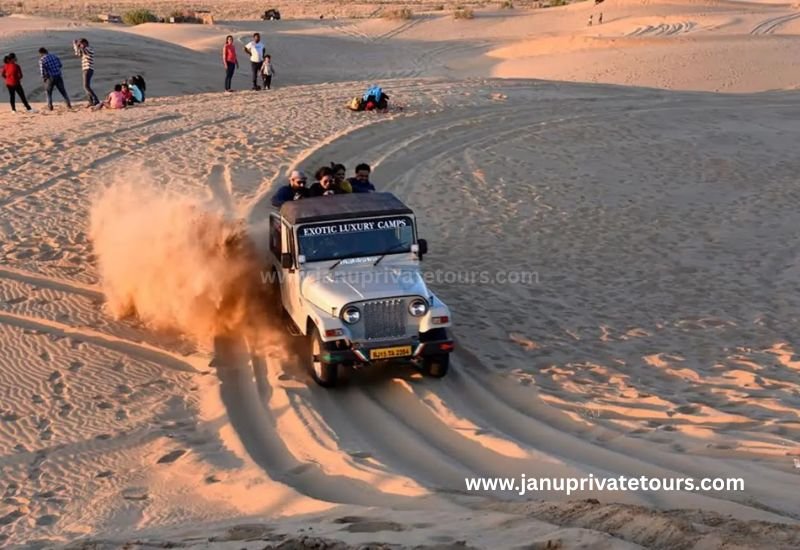
Jeep safaris cover larger desert areas in a short span of time. People who want to enjoy a range of activities but don’t want to spend too long at each usually pick this option. Jeep safaris often reach dune zones that camels cannot access. They are quick, adaptable, and ideal for family or more senior travelers.

Overnight Desert Safari

width=800

An overnight desert safari can be done for both travel and stay. Around evening time, after reaching a remote camp, the travellers enjoy folk songs, local delicacies, stargazing, and thereafter sleep in tents or under the open sky. Experiencing the desert in this way is one of the best experiences.

What Will You See in the Jaisalmer Desert Safari?

The desert safari in Jaisalmer unfolds in stages.

Your journey, the Desert Safari begins from Jaisalmer city to the desert region. The journey gives a chance to see desert villages, animals, and open plains.

When you are in the desert, you slow down. On a camel ride or jeep drive, you will be taken into the dunes. Desert life, wildlife and local traditions as narrated by guides.

As the evening approaches, the highlight arrives. In the desert, sunset is silent and dramatic. After sunset, the camps spring to life with soft lights, folk tunes and traditional dishes. On many journeys, the part that stays with you the most is the night sky: away from the city, the canopy that reveals the stars.

Cultural Experiences During Desert Safari

The Desert Safari at Jaisalmer is closely associated with culture.

Often evenings include the following:

  • Folk songs with a rural origin.

  • Kalbelia or Manganiyar traditional dance.

  • The tale of desert lore.

  • Rajasthani meals are cooked over open fires.

These performances are usually intimate rather than staged spectacles. When done correctly, they are living traditions instead of tourist shows.

Best Time for Desert Safari in Jaisalmer

When selecting the ideal time to go on a desert safari in Jaisalmer, comfort level is of the utmost importance. Since the desert can have extreme weather, timing your visit according to the climate can greatly improve your overall experience.

October to March is considered the best time for a desert safari in Jaisalmer. During these months, pleasant daytime temperatures make camel rides and jeep safaris enjoyable. The evenings and nights are cooler, making it perfect to relax around the campfire and enjoy cultural performances. This is also the peak season for tourism, so many travellers combine their safari with exploring other places to visit in Jaisalmer.

During this period, most desert camps remain fully operational, offering a wide variety of safari experiences&mdash- from short sunset rides to overnight stays under the stars. Visitors can easily book customized experiences through popular Jaisalmer Tour Packages, which often include desert camping, sightseeing, and local cultural activities.

April to June are the hottest summer months, when daytime temperatures can become intolerable. Desert safaris during this season can feel exhausting, and many camps reduce services or temporarily close. Outdoor activities are limited, and overnight camping is not as common.

From July to September, the monsoon season brings higher humidity and unpredictable weather. Although rainfall is rare, road conditions can affect camp operations. Still, some travellers visit during this off-season for a quieter experience, along with exploring other unique things to do in Jaisalmer beyond the desert.

Most travellers find the winter months the best time for comfort, accessibility, and the true desert atmosphere that makes Jaisalmer such a memorable destination.

What to Wear for Desert Safari?

Wearing the right clothes can significantly enhance your desert safari in Jaisalmer. The desert experiences a dramatic shift in temperature from day to night. Hence, your choice must be comfortable and practical. Wearing light clothing will keep you cool during the day, and proper layering will surely keep you warmer when the sun comes down. In the desert, sand, sun and wind are your constant companions. This is why your outfit must shield you from all three without constraining you.

Opting for lightweight and breathable fabrics will make it easier for you to enjoy camel rides, jeep safaris and strolls around the camp. Do not wear clothing made from heavy fabric or that is tight-fitting. Neutral colours are best since they help reflect heat, while you also curl up in a scarf if it gets too much.

Here is what you can consider wearing:

  • Lightweight cotton outfits for daytime comfort.

  • You should take a jacket or a warm layer for the cool evenings.

  • Wearing closed shoes will prevent sand from entering your feet.

  • A sunscreen and a pair of sunglasses.

  • A scarf or shawl to cover your face and neck from dust.

  • Simplicity is key when it comes to clothing for desert enjoyment.

Food Experience in the Desert

Food during a desert safari is usually warm and fresh. You will be served dal, vegetables, rotis, rice and simple desserts. At camps or villages, meals are often cooked fresh.

Luxury desert camps may offer an elaborate menu, whereas the traditional safari offers authentic flavours.

Desert Safari Photography Guide

The desert offers a visual delight. The best light is early in the morning or at sunset.

  • Don’t shoot portraits around noon.

  • Use wide shots to depict scale.

  • Concentrate on the textures, ripples, footmarks, and shadow.

  • Clear skies make night photography work very well.

  • Always be respectful of the local people and ask them first before capturing their photos.

Responsible Desert Travel

The ecosystem of the desert is delicate. Responsible traveling ensure it remains untouched for future travellers.

  • Do not litter.

  • Stick to the routes.

  • Respect wild animals and local communities.

  • Select operators who support local communities.

  • A good Desert Safari in Jaisalmer shouldn’t leave a trace.

Common Mistakes to Avoid

When booking packages avoid these mistakes:

  • Making a Safari booking without checking eviews.

  • Going to crowded dunes at busy times.

  • Packing Too Much

  • Disregarding the climate.

Understanding what you want helps avoid disappointment.

Choosing the Right Safari Operator

A well-planned safari ensures a comfortable and memorable experience. Choose operators who:

  • Have familiar local guides.

  • Restricted group sizes.

  • Have simple plans.

  • Place priority on safety and comfort.

  • Encourage sustainable tourism.

  • Personalized planning facilitates easier execution.

Conclusion

Desert Safari in Jaisalmer does not only mean speeding and thrilling. It is about silence, space and stories written in sand. In the contrasting environment of the desert, one learns to slow down and notice. If done thoughtfully, it will become one of the most meaningful experiences in Rajasthan. To enjoy the desert up close and in genuine comfort, you can opt for carefully customized desert safari experiences in Jaisalmer by Janu Private Tours. Janu Private Tours’ team of dedicated local guides, along with their attention to detail and tailored plans, ensures you are immersed in the desert while remaining safe.

Bike Trip in Rajasthan

Rajasthan is among the most thrilling regions to explore by bike in India. It’s big. It’s bold. It’s packed with history, colour, roads stretching out as far as the eye can see, and landscapes shifting from deep desert to lumpy hills. For riders, the state offers roads that feel designed for adventure: sweeping highways, small village lanes, forts on hilltops, lakeside towns and sunsets that glow like fire on the dunes.

A bike trip in Rajasthan is not just about riding from one place to another. It’s an opportunity to feel the sun on your face, hear age-old stories reflected in fort walls, take stops at roadside tea stalls and slow down enough to notice the way of the world. But the key to complete enjoyment of this experience is getting the timing right. The weather in these parts can be harsh, and selecting the right season will determine whether you have a wonderful trip or an uncomfortable one.

Why Does Timing Matter on a Bike Trip in Rajasthan?

Rajasthan mostly falls in the arid region of India. The summer is hot. The winter is cool. Monsoon rains are brief, and the region turns green. All these factors will impact how pleasant your journey will be, how safe you feel, and how much you can enjoy your sightseeing stops. Going for a bike trip in Rajasthan during the wrong time of the year means dealing with scorching heat, dusty roads, or cold nights that make even a simple bike trip a challenge.

The right Bike Trip in Rajasthan plan will take into consideration:

  • Daytime temperatures

  • Nighttime chills

  • Road conditions

  • Festival seasons

  • Crowd levels

Choose the right time, and your bike trip will seem like a breeze. Go at the wrong time, and the heat or weather will hold you back even before you reach the first fort.

Best Season for a Bike Trip in Rajasthan

For most riders, the best time to motorcycle tour through Rajasthan is from October to March. This period includes the autumn and winter seasons. The days are pleasant, with temperatures ranging from cool to mild, while the nights are comfortable and not freezing. The roads are also dry and free from rain, making riding easier. It is also the best time to visit the cities of Jaipur, Jodhpur, Jaisalmer, Udaipur, and Pushkar, as the weather is not extreme, and the desert wind is pleasant when you are riding on a bike for several hours.

October – Early November

This is one of the most welcoming times to go for a ride. The climate is warm but not hot, and the landscape retains the colors of early autumn. If your trip coincides with the Pushkar Camel Fair (usually in October-November), you can also include a colorful cultural experience in your ride.

December – February

The nights can be quite cold, especially near the desert, but the afternoons are ideal for a ride. This is also the peak tourist season in Rajasthan, with clear skies and smooth roads. Taking an early morning ride with mist rising above the desert landscape is a memory that many bikers hold dear.

March

March is still quite pleasant before the summer months make the climate too hot for a comfortable ride.

What to Expect in Other Seasons

April – June: Summer

The summers in Rajasthan are known for their scorching heat, with temperatures touching 40°C and above. The heat makes riding exhausting, and it’s best to avoid this season unless you’re an experienced biker who’s prepared for the conditions.

July – September: Monsoon

The monsoon season in Rajasthan is not as heavy as in the rest of India, but the humidity levels are high, and the roads may become slippery due to rain. The monsoon season brings shades of green to the desert landscape, but most riders avoid this season for comfort and safety.

Routes That Work Well in the Best Season

When planning the best bike trip in Rajasthan, consider these popular routes that highlight the diversity of the state:

Jaipur to Jodhpur

Begin your journey from the Pink City. Ride through forts and markets, then move southwest towards the Blue City. The route is scenic with stops at Ajmer and Pushkar.

Jodhpur to Jaisalmer

This route takes you further into the Thar Desert. Towards the end of the day, the sand dunes and massive fort walls provide a stunning backdrop. The route is open, serene, and exhilarating.

Jaisalmer to Udaipur

This route is a favorite among bikers. It has a mix of desert, hill, lake, and lakeside town routes, with a transition from dusty trails to cooler roads.

Pushkar Loop

A favourite short route, which will take you to Pushkar from Jaipur and back. The lakeside town of Pushkar is a beautiful, serene and fascinating cultural break. These roads should be ridden when the climate and road conditions are cool, i.e. between October and March.

Rider Comfort and Health

The distances between destinations in Rajasthan can be quite long. Proper planning helps in ensuring that:

  • You stay cool and not overheated

  • Your body doesn’t get exhausted from the sun

  • Riding in the morning and evening is comfortable

  • You don’t get heat exhaustion and dehydration

In the winter season, layers are necessary for early morning chills, and sunscreen is still required on sunny days.

Rider Tips for Best Weather Months

Here are a few practical tips to ensure your trip goes smoothly when the weather is best:

1. Start early each day

A cool early morning is ideal for long rides. Fewer cars on the road, and shadows on forts from sunrise make great photos.

2. Dress in layers

While winter mornings and evenings may be cool, afternoons can turn warm. Layers allow you to adjust.

3. Hydrate frequently

Dry desert air can quickly dehydrate, even in winter. Have water and electrolytes on hand.

4. Plan stops wisely

Break up long rides with cultural or scenic stops to rest and enjoy local culture.

5. Check weather forecasts before you start

Unpredictable changes in weather may happen even during the winter months, so it is important to stay updated. These tips will make a bike trip in Rajasthan even more exciting.

Motorcycle and Gear Suggestions

Motorcycle and gear selection is one of the most critical aspects of planning a successful bike trip in Rajasthan. Rajasthan has long highways, desert roads, undulating rural roads, and at times, gravel paths. Therefore, comfort, stability, and ruggedness are more desirable than speed.

Motorcycle Selection

Touring and adventure motorcycles are the most suitable for a bike trip in Rajasthan. Motorcycles that have a comfortable riding position, a strong mid-range engine, and good suspension can easily tackle long distances. Motorcycles such as Royal Enfield Himalayan, Interceptor 650, Classic 350, KTM Adventure, or other touring motorcycles are suitable for both highway and rugged road riding. A motorcycle with a large fuel tank is always preferable, as there are times when you may have to travel long distances without finding a fueling station in the desert. Before embarking on your trip, make sure your motorcycle is properly serviced, with functional brakes, tyres, chains, and lights.

Essential Riding Gear

A certified helmet is an absolute necessity. Select a full-face helmet with good ventilation to cope with heat and dust. Riding jackets made of breathable material and armor will shield you from the sun, wind, and unexpected accidents. Gloves will enhance grip and reduce hand fatigue during long journeys. Riding boots or sturdy ankle-high shoes will offer stability and security, especially on rough roads.

Weather-Friendly Accessories

It is always a good idea to carry thermal liners or light clothing for cold mornings and evenings, especially during the winter months. Sunglasses or a tinted visor will help you cope with strong sunlight. A hydration pack or an easily accessible water bottle is a must, as the dry climate of Rajasthan can lead to dehydration in no time.

Proper planning with the right motorcycle and gear will make a long Rajasthan ride a comfortable, safe, and enjoyable experience.

Conclusion

A bike trip in Rajasthan is an experience you will never forget if the weather is conducive to your adventure. The period from October to March is the most preferable as it is the coolest and most pleasant time with clear blue skies and beautiful landscapes that simply do not tire your senses. The winter and late autumn seasons. Planning your bike trip here during this time ensures that you enjoy the experience of biking, people, and places along the way.

Bagru Block Printing

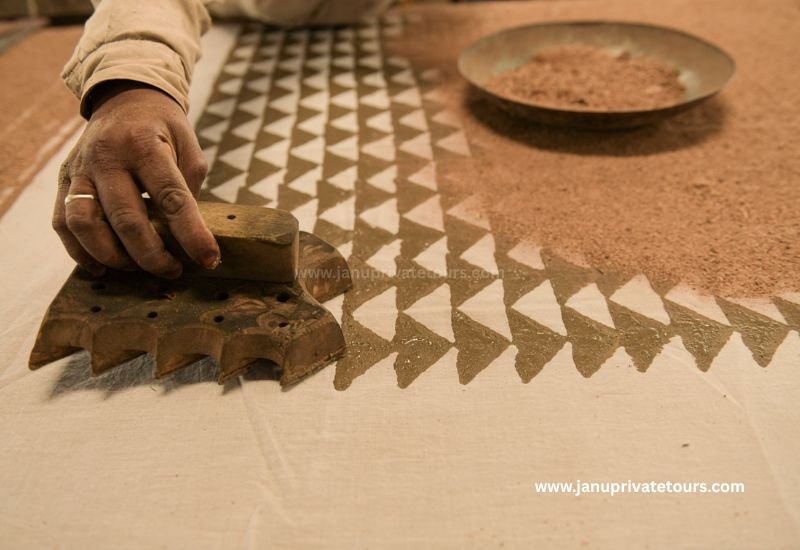
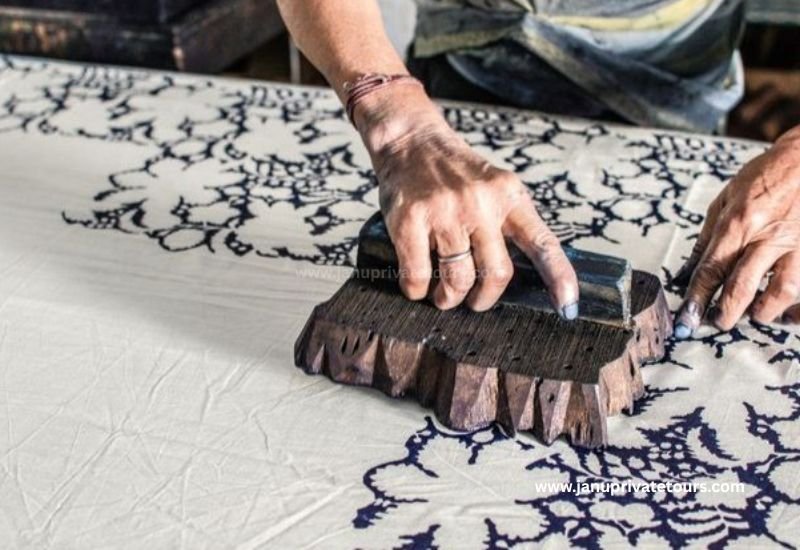
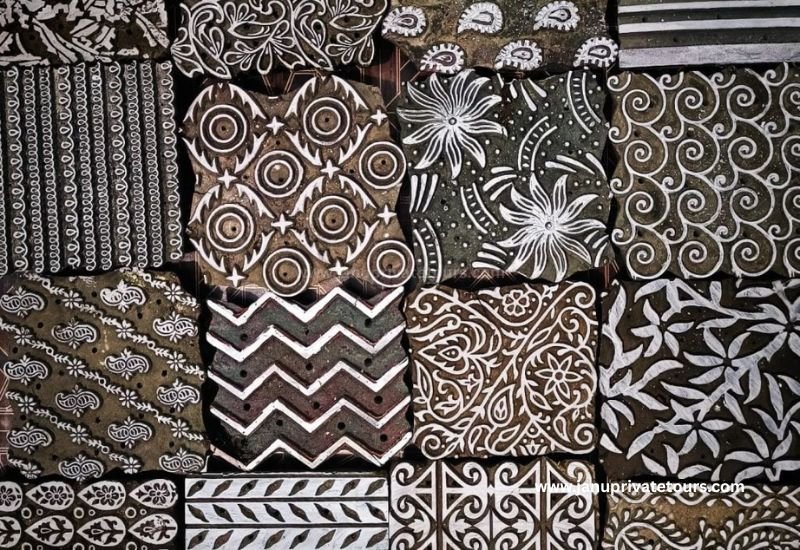
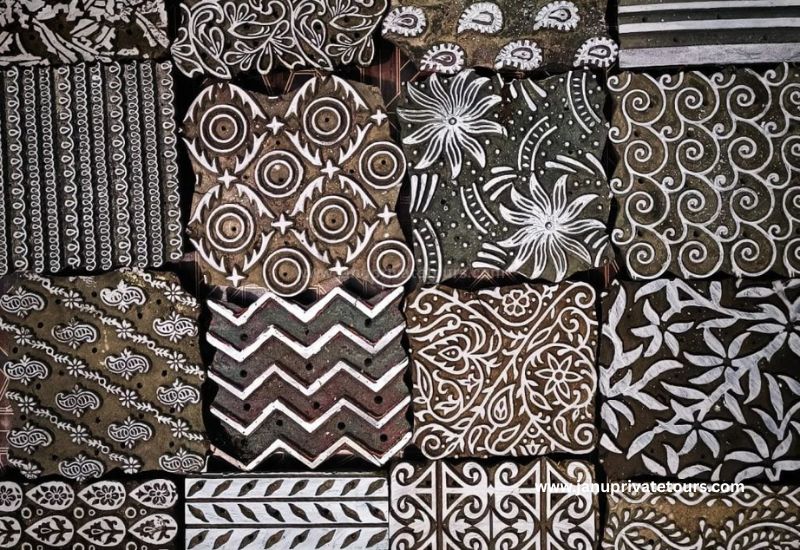
Bagru block printing is not merely a textile technique. It is a living tradition shaped by soil, water, wood, and years of practice. This craft of Rajasthan highlights stories of migration, adaptation, and a work of art. In 2026, when mainstream markets are flooded with fast fashion, Bagru block printing continues to be a strong example of slow fashion. If you have ever liked the earthy red and black prints on soft cotton, the Bagru work is what you were admiring. This post details the origins, materials, techniques, motifs, cultural relevance, and the process of Bagru block printing. Let us get started.

Where Is Bagru and Why Is It Important?

Bagru is a small town in Rajasthan located 30 km from Jaipur. Small in size, big in significance for the textile industry of India. The town has strong associations with the Chhipa community, who are traditional textile printers that have been practicing block printing for many centuries.

The term Chhipa is a derivative of the Hindi word chhapna, which means to print. According to historical evidence, these craftsmen came to Rajasthan centuries ago and settled in Bagru because of its special natural resources. The qualities of black clay soil and mineral-rich water help in natural dyeing and washing processes.

Bagru block printing became famous for its distinct earthy hues with bold floral and geometric shapes. Unlike brighter printing styles from other regions, Bagru designs carry a rustic charm that reflects the desert landscape.

Origins of Bagru Block Printing

Bagru block printing is more than 400 years old. It evolved as a community-based craft passed down within families. The whole family was involved in the production process. The men would carve the blocks and take care of printing while the women prepared the fabric. In addition, they would assist in washing and drying.

The Bagru technique advanced alongside the famous Sanganeri printing of Rajasthan. Sanganeri prints are noted for their fine motifs and bright colours, while the motifs in Bagru prints have bold outlines created from the sun and soil of the region. The Bagru prints are characterized by bold outlines and natural dyes mostly in black, red, indigo, and beige.

Bagru artisans relied heavily on natural materials that are easily available. The climate of the desert was a key factor. Drying of fabric between the printing processes needs sunlight. This strong link between environment and craft still reflects in Bagru block printing even today.

What Makes Bagru Block Printing Unique?

Bagru block printing has several features that set it apart from other traditions. Let us go through them:

1. Natural Dyes

width=800

Bagru printing is done through natural dyes. Black is obtained from iron filings, which are soaked in jaggery and water. Alum and madder root give the red colour. Indigo is responsible for blue colors. These dyes give the Bagru fabric a natural and earthy look.

2. Dabu Technique

width=800

One of the most famous techniques done in Bagru is Dabu, a mud resist printing. A paste composed of clay, gum, and other natural materials is applied to fabric with a wooden block. The dye then penetrates the cloth. The mud functions as a resist that prevents the dye from reaching particular areas.

3. Earthy Color Palette

width=800

Bagru prints display subtle colors that are not as bright as synthetic ones. The colors combine beautifully with cotton and silk fabrics.

4. Hand Carved Wooden Blocks

All of the designs begin with a carved wooden block. Carving these blocks usually takes days, and they are often made of seasoned teak wood.

The Complete Bagru Block Printing Process

The process of Bagru block printing is detailed and labor-intensive. It requires precision, patience, and coordination. Here is a step-by-step breakdown.

Bagru block printing is more complicated and labour-intensive than you think. It requires precision, patience, and coordination. Here is the step-by-step breakdown:

Step 1: Preparing the Fabric

To remove dirt and impurities, raw cotton fabric is washed. This is known as “hari sarana.” The cloth is soaked and beaten to soften. Then, it is treated with a mixture of natural ingredients to help the dye bind well.

Step 2: Harda Treatment

Fabric is soaked in a solution of powdered myrobalan, or harda, locally. The fabric absorbs color better with this treatment, which also gives the base fabric a slight yellow tint.

Step 3: Block Preparation

In the meantime, the wooden blocks are carved with the selected design. Each color needs its own block. Alignment is critical. A small deviation will change the outcome of the pattern.

Step 4: Printing

Artisans dip the wooden block into dye paste and press it on the fabric firmly. The printing table is cushioned for equal pressure. The craftsman performs the action rhythmically across the cloth, which ensures perfect alignment.

Step 5: Dabu Application

For resist printing, mud paste is applied with a block. To avoid smudging, the wet mud is sprinkled over sawdust. The fabric is dried prior to dyeing.

Step 6: Dyeing

The fabric is immersed in natural dye baths. Indigo vats play a significant role in Bagru. The fabric undergoes drying in sunlight after dyeing.

Step 7: Washing and Finishing

The fabric is then cleaned in a stream of running water to remove excess dye and mud. It is then dried and ironed. The result is a lovely piece of fabric with interesting textures and hues.

The stages are dependent on natural materials like the sun and water, and so block printing in Bagru has an important link with nature.

Common Motifs in Bagru Printing

Designs created on traditional Bagru printing are inspired by nature and real life. Such designs might feature

  • Floral patterns such as marigold

  • Leaf and vine arrangements

  • Paisley shapes

  • Geometric grids and dots

  • Traditional jaal patterns

These motifs tend to be symmetrical and repetitive in nature, thus producing a harmony in appearance.

Bagru Block Printing in Contemporary Fashion

In 2026, Bagru block printing expanded its reach beyond traditional garments and furnishings. Sarees, kurtas, dupattas, scarves and even western wear feature Bagru print designs now. This method is also widely used in home decoration. Cushion covers, tablecloths, and curtains featuring Bagru prints are experiencing a surge in demand. Due to the high global interest in sustainable fashion, Bagru block printing techniques are becoming very popular. Using natural dyes for the process also increases the eco-friendliness quotient.

Challenges Faced by Bagru Artisans

Bagru block printing has faced many challenges. Modern manufacturing of textile products is now on a large and industrial scale, with cost-effective alternatives using synthetic dye & digital printing. Climate change also affects the process. Disrupted pattern of rainfall impacts dyeing and washing operations. However, some of the artisan communities have adapted to the situation through the introduction of recycling technology.

Conclusion

Bagru block printing is a part of the rich textile heritage of India, and from its origins in this little Rajasthan town, it has come a long way into the latest fashion trends. It has moved with the times, changing and yet retaining its traditional character.

Knowing the beginnings and process behind Bagru block printing lets one appreciate not just the final product but also the time, the skill, and the cultural history woven into every piece. Supporting this craft means supporting artisans, sustainability, and centuries of artistic legacy.

Bagru Block printing is not about the mere patterns on fabric; it is about keeping stories alive along with traditions and the beauty of hand-made excellence.

If you want to see Bagru block printing close up and explore the textile history of Rajasthan, Janu Private Tours can help you create custom textile tours to visit artisan workshops and traditional printing villages. Meet master craftsmen, observe the printing process live, and understand the stories behind every motif through an authentic, guided cultural journey.

Chat with Us