

Feeling stressed or mentally exhausted? What if your next India trip will give you more than just photographs and sightseeing? What if it could also give you a peaceful moment to reconnect with yourself…
That’s where Osho Himalayas brings a refreshing idea. Here, you can step away from the usual rush and explore meditation and mindfulness and simple moments of being present.
Curious about what awaits you? This complete guide will delve into everything from the retreat and meditation along with wellness experiences to location, accommodation, activities, best time to visit as well as some of the practical tips for planning your stay.
Let’s dig deeper into it…
Osho Wellness Retreat Himalayas: What Might Surprise You Before You Arrive?
Mountain retreat: A peaceful escape near Dharamshala
Meditation: Explore different mindful experiences
Self-discovery: Slow down and reconnect within
Longer stays: Choose experiences that suit you
Beyond meditation: Nature, movement, relaxation
International visitors: Get a different way to experience India
Surroundings: Himalayan views become part of your stay
What Is Osho Himalayas: What This Mountain Retreat Really About?
Osho Himalayas is simply a place that brings together: Meditation. Mindfulness. Wellness. Nature. Self-discovery…all in a peaceful Himalayan setting. You can join meditation experiences and connect with nature to find the calmness inside.
Here you can get away from busy streets and everyday distractions. No matter if you’re completely new to meditation, Osho Himalayas will offer you a different kind of spiritual retreat experience… that feels absolutely right for you.
Where Is Osho Himalayas—and Why Does the Location Matter?
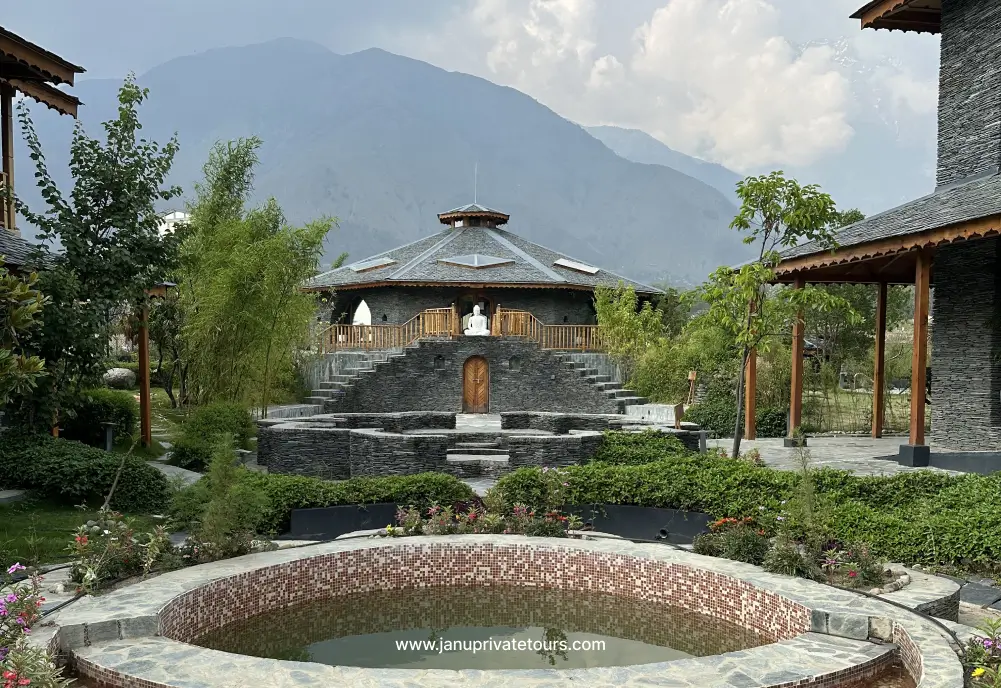
The environment can completely change your mindset…isn’t it? And that’s what OSHO Himalayas can do for you. It is located in Village Jia, Palampur, near Dharamshala, Himachal Pradesh, India—176059. It is surrounded by mountain scenery and lush greenery.
If you are someone coming from a busy and crowded city, then this will be a complete change for you. You get time for meditation and self-discovery.
A few things to know about the setting:
Near Dharamshala: Easy to connect when exploring North India
Mountain surroundings: Nature is part of the experience
Quieter atmosphere: A welcome break from busy cities
Retreat + exploration: Balance mindful time with local experiences
Easy to combine: Works well within an India travel guide for first-time visitors
Mindfulness & Self-Discovery: What Can Himalayan Silence Help You Notice?
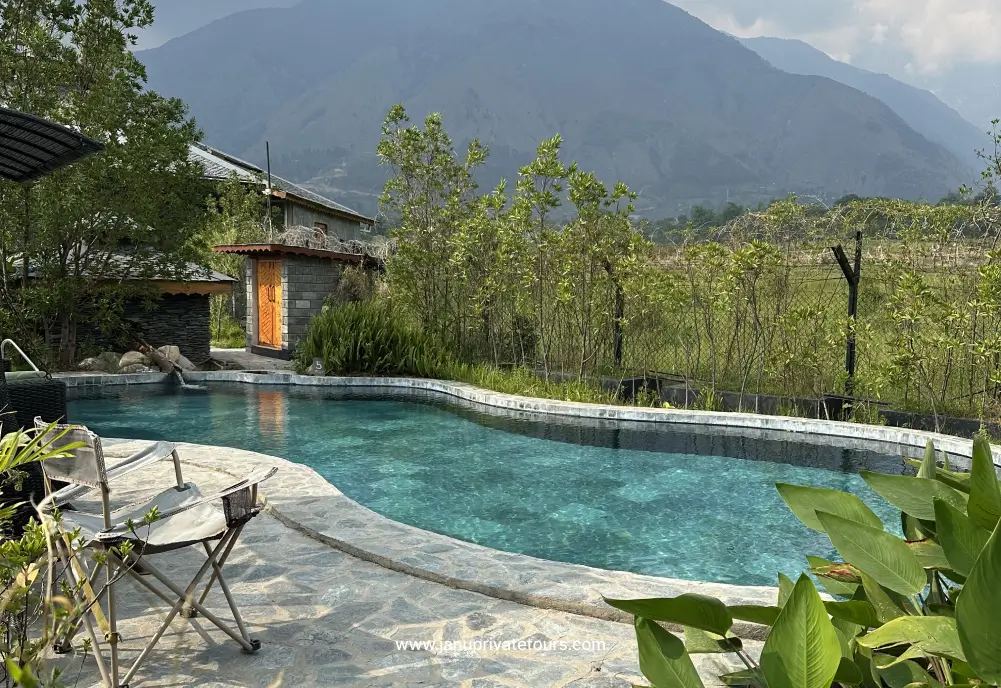
Want to wake up without immediately checking your phone or rushing into the day? At Osho Himalayas, these peaceful surroundings will give your thoughts space to enjoy the present moment.
You can meditate and simply spend time in nature. That little break is enough to begin feeling more mindful and connected with yourself.
Less screen time, more presence
Space to hear your thoughts
Time to slow down
Nature without the usual rush
A moment for self-discovery
More Than a Mountain Escape: What Could You Experience at Osho Himalayas?
A regular Himalayan holiday is mostly about simply exploring. An Osho Himalayas retreat will add another layer, i.e., meditation, mindfulness, wellness as well as personal reflection.
You Want To… | Osho Himalayas Gives You… |
Slow down | Meditation & quiet time |
Explore mindfulness | Guided meditation experiences |
Focus on wellness | Wellness & recreational facilities |
Spend time in nature | Himalayan surroundings |
Meet like-minded people | Shared retreat experiences |
Take a break from routine | A slower daily rhythm |
In a nutshell: It’s a worthy option for you if you really want this Himalayan trip to include more than just sightseeing.
Scheduled Osho Himalayas Courses: What Can You Join During Your Stay?
Planning your visit around a particular experience? Osho Himalayas has different scheduled courses throughout the year, from meditation and silence to healing and self-awareness. The dates are fixed, so you can check the calendar first and then plan your India trip around the course that interests you most.
Meditation & Wellness Course | Main focus |
Inner Child Healing | Inner child healing & self-exploration |
Art of Living & Dying | Exploring life & dying with awareness |
Meditation for Busy People | Meditation for people with busy lives |
Dance of Joy & Stillness | Dance, joy & stillness |
Autumn Awakening: The Art of Letting Go | Letting go, celebration & meditation |
OSHO Mystic Rose | Laughter, tears, silence, meditation |
Shiva Shakti Retreat: Dance, Painting & Meditation | Dance, painting & meditation |
Festival of Lights | Meditation & celebration |
The Chakra Experience | Exploring the chakras through meditation |
Vigyan Bhairav Tantra | Exploring the depths of meditation |
OSHO Born Again | Reconnecting with playfulness & childhood |
Path of Love | Conscious relating & intimacy |
New Beginnings: Meditate & Celebrate | Meditation, joy & new beginnings |
Meditation Intensive Silent Retreat | Silence, meditation & inner awareness |
The Heart Sutra | Opening the heart, love & joy |
OSHO Talking to Your BodyMind & Training | Focused on harmony in the body & mind. |
Satori: Awareness Intensive | Awareness & self-inquiry |
Quick thought: You don’t necessarily have to pick the course immediately. Just think about what you actually want from your time at Osho Himalayas… more meditation or emotional exploration or simply a different experience and then decide accordingly. Or we’ll help you pick the best one for you.
Osho Himalayas Experiences Available All Year
Don’t want to plan your entire trip around a fixed course? Don’t worry… Osho Himalayas also has all year experience courses. It gives you more flexibility with your travel dates and this can be especially useful if you’re already planning a longer India itinerary.
Experience | Availability | Good for |
OMG Experience | Open all year | A flexible introduction to meditation & retreat life |
Extended OMG Experience | Open all year | A longer, more immersive retreat stay |
A Week in Silence | Open all year | Quiet time, reflection & stepping away from distractions |
The OMG Experience can work well if you don’t want a fixed course schedule, and the Extended OMG Experience will give you more time to settle into the retreat environment. And if what you really need is a break from constant screen time and everyday noise, A Week in Silence offers a completely different kind of stay.
Before booking: See the course dates along with the program details. It changes anytime, so make sure you check the official Osho Himalayas course calendar for the latest schedule before you even decide to finalize your flights as well as your itinerary.
Who Is Osho Himalayas Actually For?
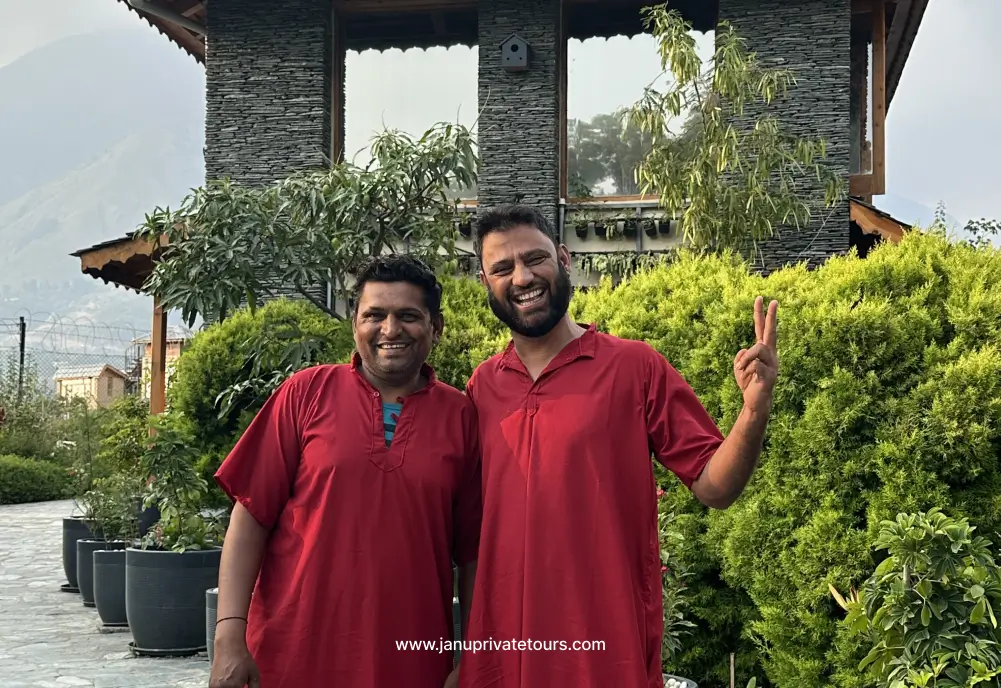
Wondering… “But I’ve never done anything like this before…” That’s perfectly okay. You can simply come here with an open mind and see what actually works for you.
You don’t need to be an experienced meditator to visit Osho Himalayas. If you’re simply curious about meditation or spending some quiet time in the mountains, then this is the go-to place to explore for you.
First-time meditators: You can start without previous experience.
Solo travelers: A good way to enjoy personal time and meet others.
Couples & friends: Explore the retreat together while having your own space.
Wellness seekers: Try meditation, movement and relaxation experiences.
Experienced practitioners: Explore deeper meditation and retreat programs.
From Morning Meditation to Himalayan Evenings: What Can a Day Look Like?
A day at Osho Himalayas has a fairly structured rhythm for you. You move between meditation sessions, meals, group activities, personal time, with the Himalayan surroundings to slow down in between.
Part of the Day | What You May Experience |
Morning | OSHO Dynamic Meditation |
Breakfast | Breakfast and time to settle |
Late Morning | Meditation or group sessions |
Afternoon | Lunch + afternoon activities/sessions |
Later Afternoon | Kundalini Meditation + tea/snacks |
Evening | OSHO Evening Meeting |
Night | Dinner + occasional night events |
The exact schedule depends on your courses or programs, so don’t treat this as a fixed timetable. Different retreats can have different sessions and timings.
No Meditation Experience? Here’s What to Expect at Osho Himalayas
Never tried meditation before? No worries. At Osho Himalayas, you can simply explore these meditations and mindfulness slowly and give yourself space for inner peace.
No experience? Don’t worry, you can begin as a complete beginner with no anxiety.
Feeling unsure? Our expert guidance will help you understand the practices.
New to mindfulness? Take it at your own pace.
Looking inward? Use the experience for self-reflection.
Need a reset? Let the Himalayan setting help you slow down.
What Will You Eat During Your Osho Himalayas Stay?
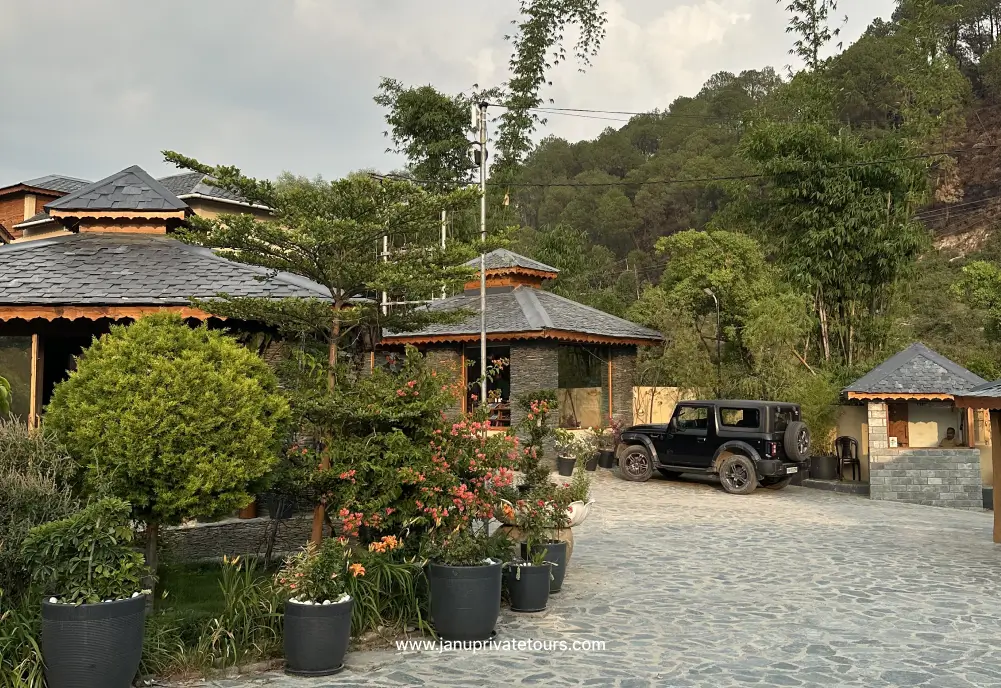
Food at Osho Himalayas is kept simple and wholesome. You can enjoy the delicious vegetarian meals here. The cuisine can include Indian as well as international influences. Here, guests with specific dietary needs need to communicate their requirements in advance.
Vegetarian meals
Indian flavours & international flavours
Dietary needs: Check and communicate beforehand
Where Will You Stay at Osho Himalayas?
You can keep your stay comfortable, so you can simply focus on the vacation instead of these everyday arrangements. You may get accommodation and meditation sessions as part of an all-inclusive experience, all depending on your chosen program.
Accommodation: Comfortable retreat stay
Included: Meals, snacks & meditation sessions on applicable packages
Experience: Stay, practice, relax and enjoy the Himalayan surroundings
Packing for Osho Himalayas: What Will You Actually Need?
You don’t need to overpack for a retreat. Think comfortable and practical. You’ll want clothes that let you move easily during meditation or activities, plus a few things for the best things to do in Rishikesh and the Himalayas
What to Pack | Why You’ll Need It |
Comfortable, modest clothes | Easy for meditation & daily activities |
Warm layers | Mountain weather can change |
Comfortable walking shoes | For walks & exploring |
Swimwear | If using the pool |
Personal essentials | Keep your stay hassle-free |
Meditation clothing/robes | For programmes where required |
Quick tip for you: Check your specific meditation and wellness program before your packing, especially if it has particular clothing or even activity requirements.
What Should You Wear at Osho Himalayas? A Few Simple Things to Know
There’s no need to stress about dressing perfectly. For regular retreat time, comfortable clothing works well. However, certain meditation sessions may have specific clothing requirements, so it’s worth checking your programme beforehand.
Maroon robes for sessions
White robes for evenings
Comfortable everyday clothing
Respect shared spaces
International Travelers: What Might Surprise You at Osho Himalayas?
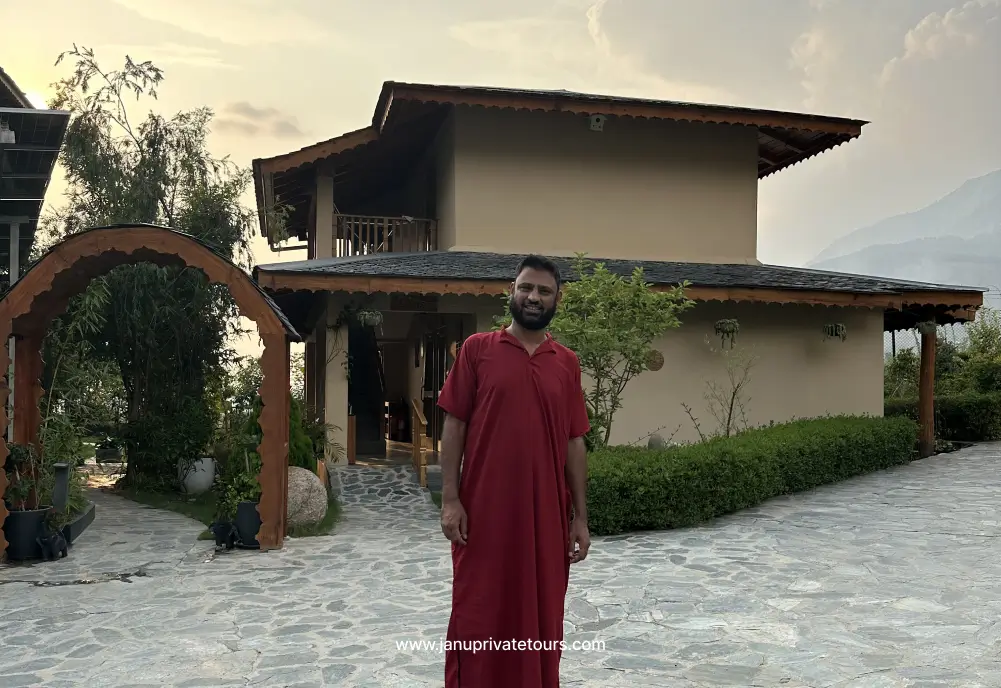
Traveling to India for a relaxing vacation—but also wondering, “Will I know what to expect once I get there?”
Language and daily routines to meditation sessions and getting around, a few things may feel somewhat different from your home.
But here’s some good news for you: You don’t need to know Hindi or be an experienced meditator to start exploring the Osho Himalayas experience.
How to Reach Osho Himalayas: What’s the Easiest Way to Get There?
Getting to a mountain retreat? This can feel like the tricky part and especially when you’re traveling from another city or country. The good news is that you have a few practical options depending on your starting point.
Starting Point | Travel Option | Next Step |
Delhi | Flight | Fly to Dharamshala → road transfer |
Delhi | Train | Train to Amb Andaura → road transfer |
Dharamshala | Road | Private/local transfer to the retreat |
Other Indian cities | Train + road | Connect via a suitable rail route |
Traveling by train? You can also look at whether a Vande Bharat Express route fits your itinerary before continuing by road.
When Should You Visit Osho Himalayas—and Should You Plan Around a Course?
There isn’t one perfect month for everyone. Your timing will absolutely depend on the mountain weather and the meditation course you’re interested in. If you’re already planning a customized India itinerary, then it also makes sense to check the vacation dates first.
Pleasant weather: Choose comfortable seasons
Specific course: Check dates first
Quieter escape: Consider your preferred atmosphere
India itinerary: Plan retreat + sightseeing together
How Many Days Do You Really Need at Osho Himalayas?
Honestly, there’s no magic number, of course. It simply depends on if you just want to try meditation or just give yourself enough time… for deeper mindfulness and self-discovery.
Stay Length | Best For |
Short stay | First taste of the retreat |
Several days | Meditation & structured programmes |
7+ days | Deeper retreat experience |
Longer stay | A more immersive experience |
If it’s your first time, then your shorter stay can be a more comfortable way and see how the experience feels before committing to something longer.
From Delhi & the Taj Mahal to 5 Nights of Himalayan Stillness: A 10-Day India Journey
You don’t have to choose between seeing India’s famous sights or giving yourself time to slow down. You can actually experience both in one perfectly planned journey.
Janu Private Tours will help you with this. We can combine 2 nights in Delhi, 2 nights in Agra and 5 nights at Osho Himalayas near Dharamshala into a 10-day, 9-night itinerary. After exploring Delhi and the Taj Mahal, you’ll return to Delhi and continue towards the Himalayas by train or flight, followed by a private cab to Osho Himalayas.
— Days 1–2: Discover Delhi Before Slowing Down
Begin your journey in Delhi with two nights to experience the contrasts of India’s capital. Explore its historic landmarks, colorful bazaars, along with the different sides of Old and New Delhi before moving towards Agra.
2 nights in Delhi:
Explore Old and New Delhi
Visit major historic sights
Experience the energy of India’s capital
Enjoy a comfortable private travel experience
— Days 3–4: Agra & the Taj Mahal
From Delhi, you can continue to Agra for two nights. This gives you enough time to experience the Taj Mahal without even making your visit feel like a hectic stop between destinations.
Take your time exploring Agra’s Mughal heritage before returning to Delhi for your onward journey to the Himalayas.
2 nights in Agra
Visit the Taj Mahal
Explore Agra’s historic heritage
Enjoy a more relaxed sightseeing pace
Return to Delhi for your Himalayan connection
— Day 5: Delhi to Osho Himalayas — From City Energy to Mountain Calm
After returning to Delhi from Agra, the journey changes completely.
From Delhi, you can continue towards Dharamshala by flight or train, depending on your itinerary and preference. From there, a private cab can take you onwards to Osho Himalayas.
It’s almost like changing the pace of your India trip in one day—from busy city streets and historic monuments to mountain landscapes and a quieter environment.
— Days 5–9: Five Nights at Osho Himalayas
With five nights at Osho Himalayas, you have enough time to settle into the mountain environment rather than arriving for just a quick overnight stay.
You can explore meditation, mindfulness, wellness experiences as well as the retreat’s scheduled activities while also having personal time to simply enjoy the Himalayan surroundings.
You can plan your stay around a scheduled Osho Himalayas course or choose one of the experiences available throughout the year, depending on your travel dates.
5 nights at Osho Himalayas
Explore Osho meditation experiences
Take part in a scheduled course, if your dates match
Enjoy wellness and recreational facilities
Spend time surrounded by the Himalayas
Slow down after your Delhi and Agra sightseeing
Let Janu Private Tours Connect Both Sides of Your India Trip
The beauty of this 10-day tour itinerary is that you don’t have to organize the city sightseeing and Himalayan relaxation as two completely separate trips.
Janu Private Tours will help you arrange the Delhi and Agra sightseeing, return journey to Delhi, onward train or flight connection, private cab to Osho Himalayas and the wider travel arrangements around your vacation dates.
So you get to experience the Delhi–Agra highlights first and then leave the sightseeing pace behind for five nights of Himalayan retreat time. One side will give you the India you came to see. The other will give you the space to simply slow down and experience it differently.
To Wrap Up: See India And Make the Journey Yours
Yes, you experience the busy streets or ancient monuments and somewhere between it all, a quiet Himalayan can pause you. Add an Osho Himalayas retreat to your plan and give yourself time to slow down a bit and reconnect with yourself…
With Janu Private Tours, you can bring both sides together and explore everything, then make space for self-discovery and inner peace in these mountains.
Planning to see the Taj Mahal, Jaipur’s grand forts and Delhi’s famous sights? Trust me, it’s a truly amazing way to see India. But what if you could experience even the quieter side of the Golden Triangle too?
Between the famous tourist attractions, you will find temples, morning prayers, yoga, meditation or even peaceful places where you can slow down and feel the soothing peace.
Want to know… What spiritual retreat in India actually involves, where should you go, and can you even add one to your Golden Triangle trip?
In this guide, we’ll look at where to find the spiritual side of the Golden Triangle, why Rishikesh is worth considering, different types of retreats, how to choose the right retreat center, and what to check before booking.
Let’s get started…
The Golden Triangle Has a Spiritual Side—You Just Have to Slow Down
Most travelers fill their Golden Triangle trip with the Taj Mahal, Jaipur’s forts and Delhi’s famous sights. But when you rush from one place to the next, you will miss those quieter side.
Slow down a little to experiences that feel more personal:
Visit a temple in the morning
Watch local prayers and rituals
Try a yoga or meditation session
Take a break from busy tourist spots
Learn about local spiritual traditions
Leave some free time instead of filling every hour
Delhi, Agra and Jaipur: Where Can You Find the Quieter Side of the Golden Triangle?
You don’t have to leave the Golden Triangle just to experience a more spiritual side. That spirituality is already there… you just have to stop rushing.
In Delhi, Agra and Jaipur, spiritual traditions are deeply integrated into everyday life, so even a short pause will make you feel completely different.
— In Delhi, Look Beyond the Crowds
Delhi can feel intense at first—traffic and noise. But when you see other side of it, you’ll find temples and spiritual traditions where locals come to sit and pray.
After a busy morning of sightseeing, even taking some time for a peaceful visit or meditation can give you a different feel for the city.
Worth experiencing:
A quiet morning temple visit
Local prayers and rituals
Meditation or yoga
Peaceful time away from the busiest areas
— In Agra, Don’t Let the Taj Mahal Be the Whole Story
Of course, you will visit the Taj Mahal. But instead of just treating Agra as a quick stop for “see the Taj and take the photo,” give yourself some time. Notice the city’s religious traditions along with quieter moments around its historic spaces.
Try to leave room for:
A slower morning around the city
Exploring local religious and cultural traditions
Quiet moments away from the main tourist flow
Taking in the atmosphere rather than constantly taking photos
— Jaipur Has a Spiritual Side Too
Jaipur is popular for its forts and colorful markets, but you can also experience its spiritual side. You can visit temples and try yoga or meditation, or just simply take some quiet time… during your sightseeing day.
You don’t need to change your whole trip… just keep some free time in your itinerary so you can enjoy Jaipur at a slower pace.
Want More Than a Few Peaceful Moments? That’s Where Spiritual Retreats Come In
Do you know… There’s a major difference when you add a spiritual experience to your trip and actually stay at a retreat. A few days at a retreat will give you more time for meditation and personal wellbeing.
So, what particular type of mystical retreat should you look for? Well, that really depends on what you want from the experience.
If you’re looking for… | A retreat focused on… | What your experience may feel like |
More calm and focus | Meditation retreats | Guided meditation, quiet time and a slower daily rhythm |
Yoga beyond a holiday class | Yoga retreats | Yoga practice, mindfulness, breathing and reflection |
A real break from daily noise | Silent retreats | Less talking, fewer distractions and more personal space |
Traditional Indian wellness | Ayurveda retreats | Ayurvedic practices, relaxation and holistic wellbeing |
Deeper personal reflection | Spiritual wellness retreats | Meditation, mindfulness, reflection and wellbeing activities |
A mix of different practices | Holistic retreats | Yoga, meditation, wellness and other complementary practices |
And this is why searching for the best spiritual retreats can get a little confusing for many…isn’t it?. If you’re looking for relaxation or a more personal experience, you might prefer a spiritual healing retreat over an experience designed mainly around yoga.

Rishikesh: India’s Spiritual Retreat Hub & Heart of Yoga and Meditation
Want to actually spend a few days focusing on yourself? Rishikesh will be best for you… It is where you’ll find yoga classes, meditation, ashrams along with plenty of relaxing options here.
You can keep it simple with a short beginner program or you can even stay longer if you want more time for yourself. And if you’re searching for transformative spiritual retreats in Rishikesh with India Holistic Retreats, then this is worth exploring.
Things to expect in Rishikesh:
Yoga and meditation programs
Ashram stays and spiritual practices
Peaceful time beside the Ganga
Short retreats for beginners
Longer, deeper retreat experiences
Dedicated wellness and spiritual programs
With so many choices, finding among the best yoga retreats in India really comes down to what kind of experience you want—not simply how popular the retreat is.
Yoga, Meditation or Something Deeper? Which Retreat Fits You?
Some escapes will let you explore your emotions, reconnect with your body, spend time in silence, get creative or simply reset your daily routine. The right choice will only depend on what you want to experience…
— Yoga Retreat
It can be perfect for you if you want to move. stretch. breathe. relax while learning more about yourself. A good yoga vacation will combine daily practice with meditation, healthy food, nature and plenty of time to slow down.
What makes it worth trying?
Yoga with mountain or nature views
Morning and evening sessions
Breathing and mindfulness practices
Beginner-friendly sessions
— Meditation Retreat
Want to switch from notifications and everyday noise? A meditation retreat will give you time to sit quietly and focus. Some programs are simple for beginners and others will offer deeper to advanced meditation practices. The choice is yours…
What could your days look like?
Quiet or technology-free periods
Guided meditation sessions
Peaceful morning routines
Time for reflection
— Spiritual Healing Retreat
Looking for more than just relaxation? Spiritual healing retreat will be good for you. These experiences will include meditation and body-based practices. Also, some other holistic activities are designed to help you slow down as well as reconnect with yourself.
What might you experience?
Guided self-reflection
Holistic healing practices
One-to-one sessions
Time for emotional wellbeing
— Ayurveda & Wellness Retreat
Want to experience traditional Indian wellness while also taking a proper break? Ayurveda retreats will bring you together treatments, healthy meals, yoga, meditation as well as relaxation. This will give you a chance to interact with an important part of wellness culture.
What can you experience here?
Traditional Ayurveda therapies
Wellness-focused meals
Yoga and meditation
Relaxing treatments and therapies
— Silent Retreat
Here’s an option many first-time visitors don’t expect: spending several days speaking very little—or not at all. A silent retreat removes much of the usual conversation and distraction, giving you more time to observe your thoughts and enjoy your surroundings.
Ready to experience real quiet?
Dedicated silence periods
Reduced phone use
Longer meditation sessions
More personal space
— Creative & Expressive Retreat
Not every spiritual journey has to involve sitting still. Some retreats use dance, painting, music, movement or other creative activities to help you relax and express yourself in a completely different way.
What makes this one different?
Art and creative sessions
Dance or movement
Music-based experiences
A relaxed, playful atmosphere
— Nature & Spiritual Retreat
Imagine starting your morning surrounded by mountains, walking through nature and ending the day with meditation. These retreats combine time outdoors with wellness or spiritual practices, making them especially appealing if you want a break from busy city life.
Why might you love it?
Mountain or forest surroundings
Nature walks and hikes
Outdoor meditation
Peaceful evening experiences
— Before You Book, Look Beyond the Photos
Don’t choose a retreat just because the website has beautiful mountains, peaceful rooms and perfect-looking yoga photos. Check what your days will actually look like. The best spiritual retreats in India are the ones that match your interests and the kind of experience you’re hoping to take home.
Check these before booking:
What happens during a normal day?
How much free time will you get?
Are beginners welcome?
What’s included in the price?
Is the retreat social or highly structured?
Are therapies and activities included or extra?
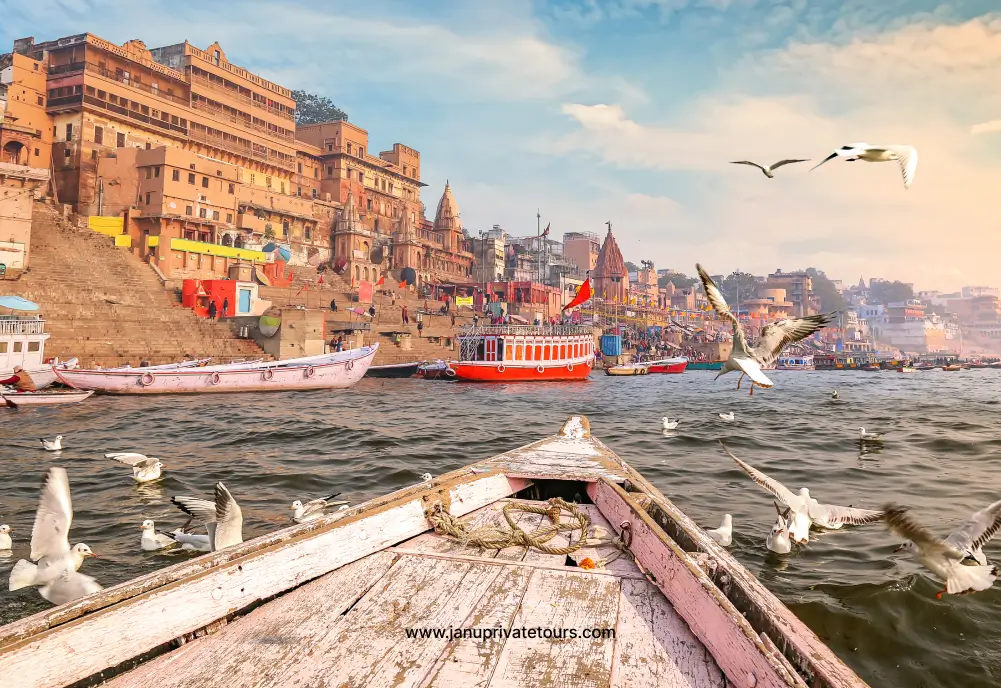
How Do You Choose the Right Spiritual Retreat Center in India?
Before you book the first retreat that looks peaceful on Instagram, take a closer look at what you’re actually signing up for. A beautiful location is great, but your experience will depend much more on the program, people, schedule and what’s included. Start by checking these details:
What to check | Why it matters |
What’s included? | Check if stay, meals, sessions and activities are included. |
How long is it? | Choose a length that fits your trip and comfort level. |
What’s the daily schedule? | See how much time goes into yoga, meditation and other activities. |
Is it beginner-friendly? | Important if this is your first retreat. |
Who leads the sessions? | Check the teachers’ experience and background. |
What will you practise? | Know whether it focuses on yoga, meditation, healing, Ayurveda or a mix. |
Where will you stay? | Look at rooms, facilities, privacy and comfort. |
Is free time included? | You may want time to relax, explore or simply do nothing. |
How large is the group? | Smaller groups can offer a more personal experience. |
What do guests say? | Reviews can give you a better idea of the actual experience. |
What Should You Ask Yourself Before Booking?
Think about the kind of break you actually want. Do you want a quiet place to meditate, a structured yoga program or simply a few days to relax and reset? Once you know that, it becomes much easier to compare different spiritual retreat centers in India.
The goal isn’t to find the retreat that looks best online. It’s to find one that feels right for you. A little research beforehand can make the difference between simply staying somewhere peaceful and having an experience you genuinely remember.
Spiritual Retreats in India Booking: What Should You Check Before Paying?
Found a retreat you love? Great. Before you click “Book,” take a minute to check the details. A peaceful location and beautiful photos can be tempting, but you want to know exactly what your money covers and what your days will actually look like.
Before booking, check:
Exact retreat dates and duration
Accommodation and room type
Meals and drinks included
Yoga, meditation or other sessions included
Airport pickup or local transportation
Cancellation and refund policy
Beginner requirements or experience needed
Language used during sessions
Daily schedule and timings
Whether the program is structured or flexible
Any extra costs you may need to pay
And one important thing: a more expensive retreat isn’t automatically a better retreat. What matters is whether the program, accommodation, activities and overall setup match what you’re actually looking for.
So, when comparing options for spiritual retreat bookings, don’t just ask, “Which one looks best?” Ask, “Which one is right for me?”
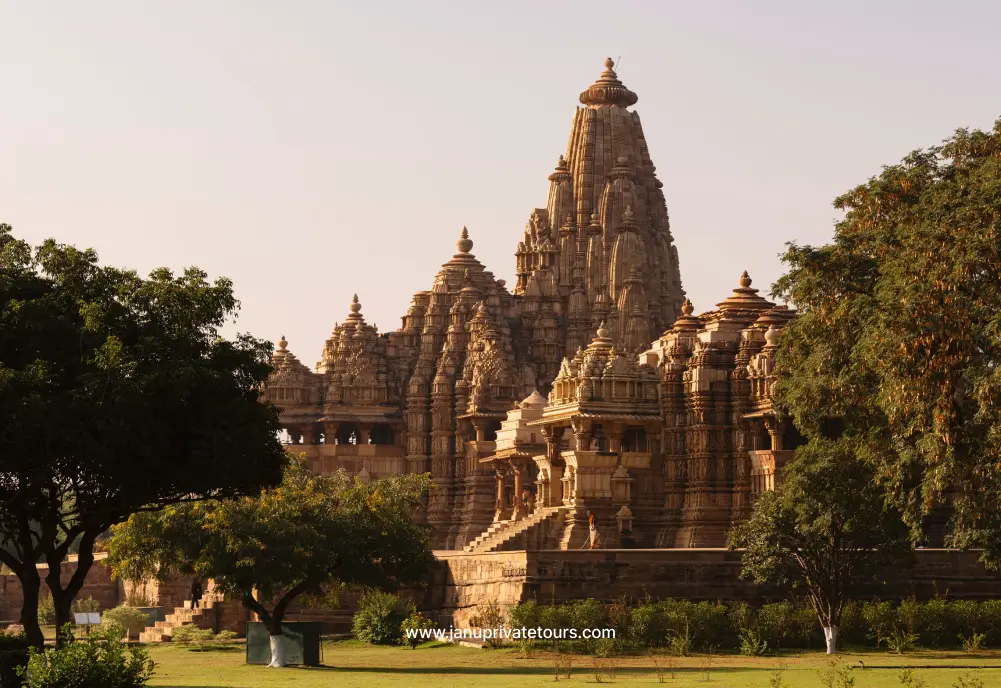
Planning a Spiritual Retreat in India? Let Janu Private Tours Handle Your Journey
A spiritual retreat should give you time to slow down—not leave you worrying about trains, transfers, hotels or what to do next. That’s where Janu Private Tours can make the journey easier. Instead of giving you a fixed itinerary, Janu Private Tours can help build the trip around the kind of experience you actually want.
With Janu, you can:
Choose a retreat that fits your interests and travel style
Combine a spiritual retreat with the Golden Triangle
Arrange private transfers between cities and retreat locations
Add Delhi, Agra, Jaipur or other destinations before or after your retreat
Keep your itinerary flexible instead of rushing between places
Get help planning the practical side of your India journey
You focus on the experience, the people and the place. Janu Private Tours will take care of the journey around it, so your spiritual retreat can feel like part of your India experience—not another complicated booking to manage.
Don’t Just See India—Give Yourself Time to Experience It
You came to India to see the Taj Mahal and explore Jaipur as well as see Delhi… so enjoy all of it. But with that, leave some time for a morning ritual, yoga, meditation or just simply sitting quietly. And if you find yourself wanting more of those moments, a spiritual retreat in India can take that experience deeper.
“Should I just fly?”
“Wait… do I really want to spend half my day at an airport… just to save a few hours?”
That’s probably the first thought when you see how far you need to travel across India.
If you’re planning a long journey across India, you may find yourself asking exactly that. A flight might be faster, but a comfortable overnight train will surely save you from some of the airport hassle—and even a hotel night.
That’s where the Rajdhani Express comes in. But is the Rajdhani Express train actually worth choosing over a flight or a regular train?
In this guide, we’ll talk about the Rajdhani Express routes, ticket booking, classes, fares, onboard experience and everything else you should know before choosing Rajdhani.
Now, let’s dig into what you should know…
Rajdhani Express at a Glance: What Should You Know Before You Board?
Want to experience some of the best trains in India beyond the usual flight-and-car combination? Rajdhani Express is a renowned train for you. It connects Delhi with several major cities across the country.
And because many journeys run overnight, you can settle in, have your meal, get some sleep and wake up much closer to where you’re headed.
A few things worth knowing:
Premium, superfast train service
Connects Delhi with major cities across India
Primarily offers AC accommodation
Different classes for different comfort levels
Meals available on applicable services
Several routes are ideal for overnight travel
A practical option for long-distance journeys
Why Do Travelers Still Choose Rajdhani for Long-Distance Journeys?
You could always take a regular express train, so why pay more for a Rajdhani Express ticket?
For a long journey, the difference comes down to comfort. You’re getting primarily AC accommodation, a more premium onboard experience, meals on applicable services as well as the convenience of covering major distances, often overnight. When you’re travelling for many hours, those little extras can make a pretty big difference.
Rajdhani makes the most sense when:
You’re travelling a long distance
You prefer AC travel and more comfort
You’re happy to pay a little more for convenience
You want to travel overnight
You’re planning a multi-city India trip
Just to inform you that Rajdhani Express is not the only Indian train. You can also travel with Vande Bharat Express and Shatabdi Express. It depends on your route, schedule and travel style.
Where Can Rajdhani Express Take You—and When Does It Make More Sense Than Flying?
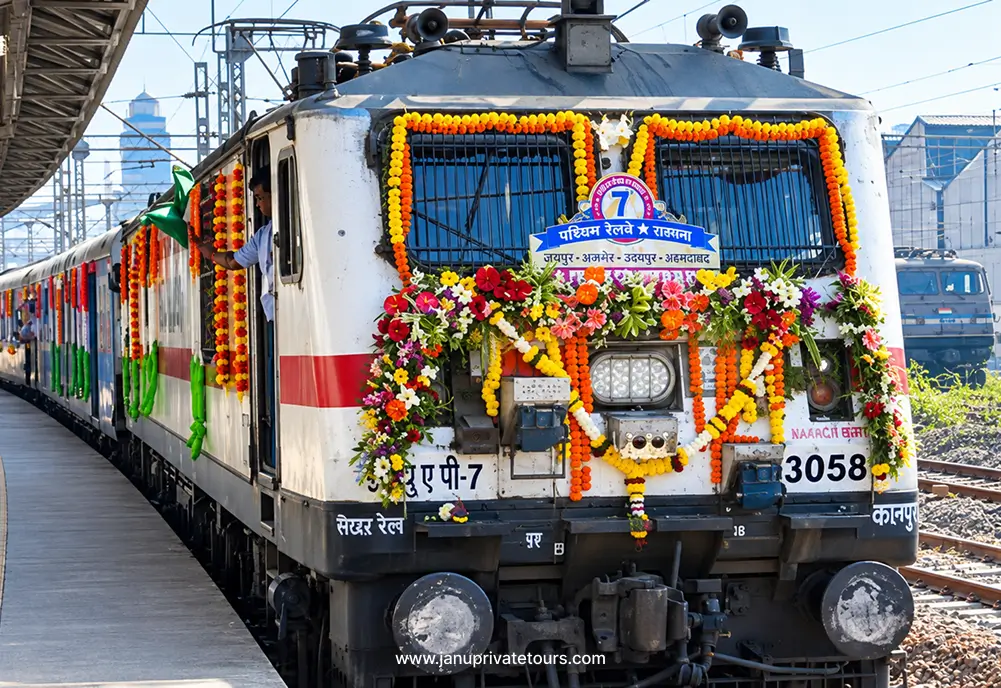
So, where does the Rajdhani Express fit into your India itinerary? Pretty well, especially when you’re travelling between cities that are far apart.
Let’s say you take the Delhi to Mumbai Rajdhani Express. You leave Delhi in the evening, settle into your berth, sleep through much of the journey and finally arrive in Mumbai the next day. This way you can save your valuable daytime for sightseeing.
If you want to… | Rajdhani Express makes sense when… | Flying may be better when… |
Save daytime | You can travel overnight | You need to arrive as quickly as possible |
Stay comfortable | You prefer an AC berth for a long journey | You don’t mind a shorter, faster trip |
Avoid airport hassle | You’d rather board and settle in | You already have a convenient direct flight |
Save a hotel night | Your journey runs overnight | Flight timings work better for your itinerary |
Experience India | You enjoy watching the landscape change | You mainly want to reach the next city |
The same logic works for other distant routes. If your itinerary has some flexibility, a Rajdhani Express train will make the journey itself part of your tour experience… especially when you’re moving between major cities as part of a Golden Triangle tour in India or a longer multi-city trip.
And yes, flying is still the better choice if you have less time. But for a long journey where you want comfort and a different way to see India, Rajdhani is definitely worth it.
Rajdhani Express Ticket Booking: Get the Ticket Right and Pick Your Comfort Level
Book Early When Your Dates Are Fixed
Got your India itinerary sorted and know when you’ll be travelling? That’s the best time to look at your Rajdhani Express ticket booking. Popular routes can fill up, so checking availability early gives you more class and timing choices.
Check dates before booking
Confirm boarding station
Check train number
Compare available classes
Review availability carefully
Check Your Rajdhani Express Ticket Price
Seeing different fares while booking? Don’t assume something is wrong. Your Rajdhani Express ticket price depends on the journey and class selected, along with applicable charges. Check the fare shown for your exact trip before paying.
Compare different available classes
Check current displayed fare
Review applicable charges
Confirm total payment
Don’t assume fixed pricing
Choose 1A, 2A or 3A Comfort
This is where your personal preference matters. Spending several hours or travelling overnight? This feels different depending on your berth and privacy needs. AC First Class, AC 2-Tier and AC 3-Tier will give you different comfort levels to consider.
1A: More privacy and space
2A: Comfortable middle-ground choice
3A: Practical budget-friendly option
Consider your journey length
Match comfort with budget
Double-Check Everything Before Payment
Nobody wants to get into the wrong station after booking. Take a few seconds to check the date, train, stations, passenger details and class you’ve selected.
Recheck passenger information
Confirm boarding station
Verify destination station
Check journey date
Review selected class
Spend More Only When It Helps
If you’re travelling overnight and value privacy or extra comfort, paying more may feel beneficial. If budget matters more, 3A can be perfectly practical.
Long journey? Prioritise comfort
Privacy matters? Consider 1A
Balanced choice? Consider 2A
Budget matters? Consider 3A
Choose what suits you
What Is It Actually Like to Spend the Night on a Rajdhani Express?

You leave one city in the evening, settle into your berth and slowly switch out of “travel mode.” That’s what makes an overnight Rajdhani Express journey interesting—you can have your meal, relax and let the train cover the distance while you sleep.
Settle into your AC berth
Keep essentials within reach
Enjoy dinner during journey
Relax after a busy day
Watch the scenery outside
Once dinner is over, the coach gradually becomes quieter and your berth becomes your space for the night. You’ll have a different level of comfort and privacy, depending on your chosen class. So your class choice really matters on longer overnight journeys
Overnight train = travel time + sleeping time + saved sightseeing hours. That’s what makes an overnight Rajdhani journey so practical. |
Taking Rajdhani for the First Time? A Few Things International Travelers Should Know
— Don’t Arrive at the Station Five Minutes Before Departure
If this is your first Indian train journey, give yourself some breathing room. Large railway stations can be busy, and finding your platform and coach may take longer than expected. Arriving early simply makes everything less stressful.
Arrive with extra time
Check platform information
Keep ticket easily accessible
Find your coach early
— Pack So You Can Actually Move Around
That huge suitcase might look fine in your hotel room, but carrying it through a busy railway station is another story. Keep your luggage manageable, especially if you’re changing trains or travelling between multiple Indian cities.
Keep luggage easy-moving
Avoid unnecessarily heavy bags
Keep valuables close
Label larger luggage clearly
— Not Sure Where Your Coach Is? Don’t Panic
The coach number on your ticket is your best friend here. Check it before reaching the platform, then look for the coach indicators. If you’re unsure, simply ask railway staff or another passenger for directions.
Check coach number beforehand
Follow platform coach indicators
Confirm berth details
Ask staff when unsure
— Keep Your Important Things Beside You
Once you’re comfortably settled into your Rajdhani Express train, you won’t want to keep opening your main luggage. Keep your phone, charger, travel documents, water and other essentials somewhere you can reach easily.
Keep phone and charger
Carry travel documents
Keep water nearby
Pack personal essentials
— The Station May Feel Chaotic—That’s Normal
If the crowds and loud announcements feel like a lot at first, don’t worry. Indian railway stations can be very lively. Give yourself a few minutes to understand what’s happening and follow your train information.
Expect busy railway stations
Listen for announcements
Follow coach information
Stay aware of belongings
— Once You’re Onboard, Just Relax
Honestly, the hardest part for first-time visitors is all about how to settle down at the station. Once you’re in the right coach, find your berth, settle your luggage and then you can relax. From there, the Rajdhani Express experience becomes much easier to enjoy.
Find your berth
Settle your luggage
Keep essentials nearby
Enjoy the journey
Rajdhani + Private Tour: Let the Train Take You Further, Then Explore Your Way

Long-distance travel? This doesn’t have to be like spending half your trip inside a car. You can take the Rajdhani Express between major cities and enjoy the overnight journey. Once you arrive, then switch to private transport for the places you actually want to explore.
That combination becomes especially useful when you’re planning a multi-city India trip. Janu Private Tours can help bring the different pieces together, from private sightseeing and transfers to a customized itinerary that fits your pace rather than forcing you into a fixed schedule.
Comfortable long-distance train journeys
Private transport after arrival
Flexible sightseeing schedules
Local support when needed
Easy city-to-city connections
More time for actual exploring
Why worry about how to reach when you can spend more time wondering what more to explore? Let our Janu Private Tours team will handle everything for you so you can only focus on making stunning memories.
There is a special flow of joy and freshness of the Holi celebration in the air of the ‘Pink City of Rajasthan’, Jaipur. Every year, Jaipur has a lot of tourists coming with a lot of excitement to celebrate the Holi festival. The festival is packed with iconic delicacies, colors, entertainment and musical performances.
Holi is not just throwing some colors around; it is much more. In this lively festival of spring, people spread happiness and celebrate the victory of virtue over evil.
You can experience India’s festival of colour in the Pink City along with visiting its vibrant Holi markets, palaces and forts of Jaipur.
Janu Private Tours offers tailored private tours, guided tourist attractions and comfortable standard transport around Rajasthan. We also provide specialized Holi festival itineraries for those who desire a carefully planned and individualized experience.
What Is Indian Holi?

What is Indian Holi? It is among the major festivals in the country. It is often connected with the arrival of spring and the triumph of virtue over evil. Holika Dahan and the vibrant Holi or Dhulandi celebration are the two major occasions that typically comprise the celebration.
This festival is all about the story of Prahlad and Holika. The next day, Holika Dahan, is a party of colors, music, food and friendship. Holika Dahan means the end of evil.
Jaipur brings the customs to life, where you see the rich cultural heritage of Rajasthan. Holi festival Jaipur is the best combination of culturally rich festivities, together with the royal vibe of the city.
When Is Holi?
When is Holi? It is the main question to plan your trip to Jaipur: when you can enjoy this celebration. The date of this festival changes every year as it is based on the Hindu solar calendar.
Knowing when Holi falls in 2027 is very important for people who plan their trip to Rajasthan.
According to the holiday calendar, Holi is scheduled for March 22, 2027, which falls on a Monday. Janu Private Tours also confirms that their 2027 Holi Festival Tour will occur on March 22, 2027. It is best to start planning because Holi is a hot season for sightseeing. Places to stay, ways to get around and planned celebrations can get busy.
Why Experience Holi Festival Jaipur?

The Holi festival Jaipur celebration offers something different from an ordinary sightseeing trip. You are not simply visiting monuments and taking photographs. You get an opportunity to experience a living Indian tradition.
Holi in Jaipur is a festival of vibrant energy. Markets are decorated with bright gulal and traditional Holi products while sweet stores prepare popular sweets such as gujiya and malpua. Music, dancing, local food and community meetings contribute to the atmosphere.
The history of the city makes the experience even more special. Before or after the celebrations, you can visit Jaipur’s well-known sites, such as
Jaipur Experience | What to experience |
Amber Fort | Mughal-Rajput architecture and panoramic views |
City Palace | Royal heritage and traditional architecture |
Hawa Mahal | Jaipur’s iconic facade and historic charm |
Jantar Mantar | Observatory recognized by UNESCO |
Jal Mahal | Scenic palace surrounded by Man Sagar Lake |
Old City Markets | Local handicrafts, textiles, colors and festive shopping |
Janu Private Tours offers sightseeing tours in Jaipur with English-speaking guides and scheduling flexibility. Tourists can combine learning about the city’s culture with having fun.
Celebrate Holi with Local Culture
The best way to enjoy the Holi festival Jaipur is to learn about the customs rather than just watching them. If a celebration is well-planned, it can introduce visitors to:
Traditional Holi colors and customs
Local music and dance
Rajasthani food and sweets
Community celebrations
Cultural performances
Local family experiences
Festive gatherings with residents and fellow travelers
Janu Private Tours’Holi itinerary includes a visit to a local festival. Guests can enjoy music, traditional foods, performances and dancing with other travelers and locals. Their plan also includes having lunch with a nearby family, which makes the trip more personal and cultural.
Holi and Jaipur’s Royal Heritage
One of the most attractive aspects of the Holi festival Jaipur is its link to the city’s regal past. The festival celebrates this historical connection beautifully.
Jaipur is famous for its lavish palaces, castles, traditional crafts, fabrics and vibrant bazaars. Jaipur was built as a planned royal metropolis. Visiting these places around Holi gives visitors a chance to experience Jaipur’s ancient grandeur. It also allows them to witness its vibrant contemporary culture.
You can enjoy one part of your trip seeing Amber Fort and City Palace, walk around the old city, browse for local handicrafts and then allocate another day to celebrating Holi.
This combination makes the Holi festival journey in Jaipur ideal for travelers who want culture, history, food and photography. It is perfect for those seeking celebration in one trip.
Plan a Complete Holi Journey with Janu Private Tours
For travelers visiting India only for the Holi festival, a multi-destination itinerary might make the vacation even more pleasant.
Janu Private Tours’ 2027 Holi Festival Tour is a 9 nights/10 days tour visiting Delhi, Agra, Ranthambore, Jaipur and Delhi. The schedule includes UNESCO World Heritage Sites, guided walking tours and the regal heritage of Rajasthan. It also features wildlife encounters, sightseeing in Jaipur and Holi festivities.
We also offer a shorter 6-day Holi tour that goes from Delhi to Jaipur to Jodhpur to Udaipur. This package features cultural encounters, heritage tours, private transfers and a Holi celebration with locals.
This flexibility is handy if you want to build a trip around your leisure rather than a fixed tour schedule.
What to Expect During Holi in Jaipur
New to Holi in Jaipur? Prepare for a colorful day of fun. Dress to get messy. Keep your phone and camera away from water and colors. Jaipur’s Holi celebration combines colors, music and joy to delight you. Here are some practical tips to enjoy the Holi festival Jaipur:
Wear comfortable and old clothes.
Carry sunglasses to protect your eyes from color powder.
Safeguard electronic gadgets.
Colors should be natural or skin-friendly.
Maintain hydration throughout the day.
Follow local conventions and maintain your personal boundaries.
If you like structure, choose a planned celebration.
Pre-book travel and accommodations.
Make Holi More Than a Festival
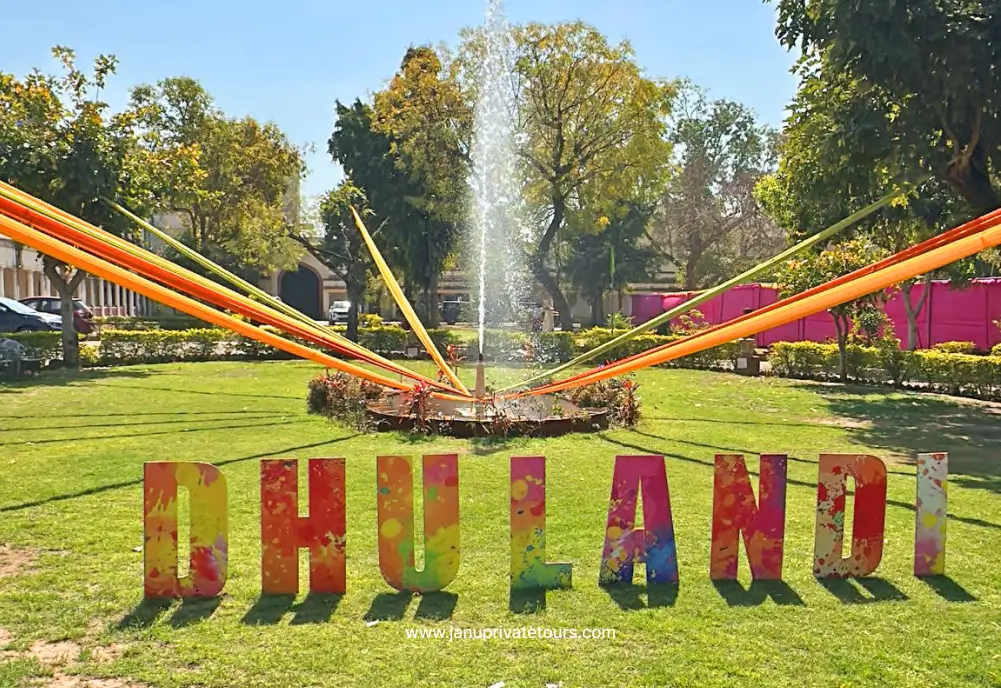
You can explore another phase of southern Rajasthan by planning your tour during the Holi Festival Jaipur. This trip will take you on a guided heritage tour to see and enjoy Rajasthani cuisine, local ancient markets and old architecture with the colors of happiness.
Janu Private Tours focuses on private and flexible India tours that can be carried out with Agra and Ranthambore thrilling trips. We create tour plans that match what our clients or guests really want. We focus on their interests, hobbies and favorite places to make sure their trip is fun and stays with them for a long time.
Conclusion
Holi festival in Jaipur is an opportunity to experience India, rather than just seeing it. From the initial burst of color to traditional food, music, dance and local interaction, Holi produces wonderful memories. These memories endure long after the colors have passed and reflect the rich heritage of the Pink City.
Whether you are planning your first vacation to India or looking for a spectacular color festival India tour, Jaipur is a place to look at. If you are planning a wider Rajasthan visit, then Jaipur should be on your list too.
Janu Private Tours can tailor your Holi festival Jaipur tour into a pleasant and unforgettable trip through Rajasthan. We provide customized plans, private vehicles, pre-arranged tours, cultural events and special Holi packages.
If you have been asking when is Holi in 2027, note March 22, 2027 on your calendar. Start organizing your Pink City vacation. Colors, traditions, customs, cuisines and comfort of India in a tour created around you. Visit Janu Private Tours to start planning your colorful journey today.
Rajasthan has a history of tourism and tourists enjoy its heritage, artistic and old-fashioned sites. Natural resources and wildlife are the last part that takes it to the highest level. For this, a Ranthambore tiger safari tour is the best plan where you can explore various flora and fauna of this region.
After exploring colorful ancient markets, camel rides, royal castles and historical forts of Rajasthan, a Ranthambore National Park safari will give a thrilling blow to your trip.
To be more specific, people come here to see Bengal tigers in the wild. There are dry deciduous woods, rocky areas, thorny shrubs and open grasslands all over this national park.
A popular wildlife site in India is Ranthambore National Park in Sawai Madhopur. It is a unique destination that gives a natural calm to your mind. You can have an amazing wildlife experience along with photography, boating and sightseeing. It’s the best way to spend your holidays in Ranthambore tiger safari with your family and friends.
Why Is Ranthambore Worth Discovering?
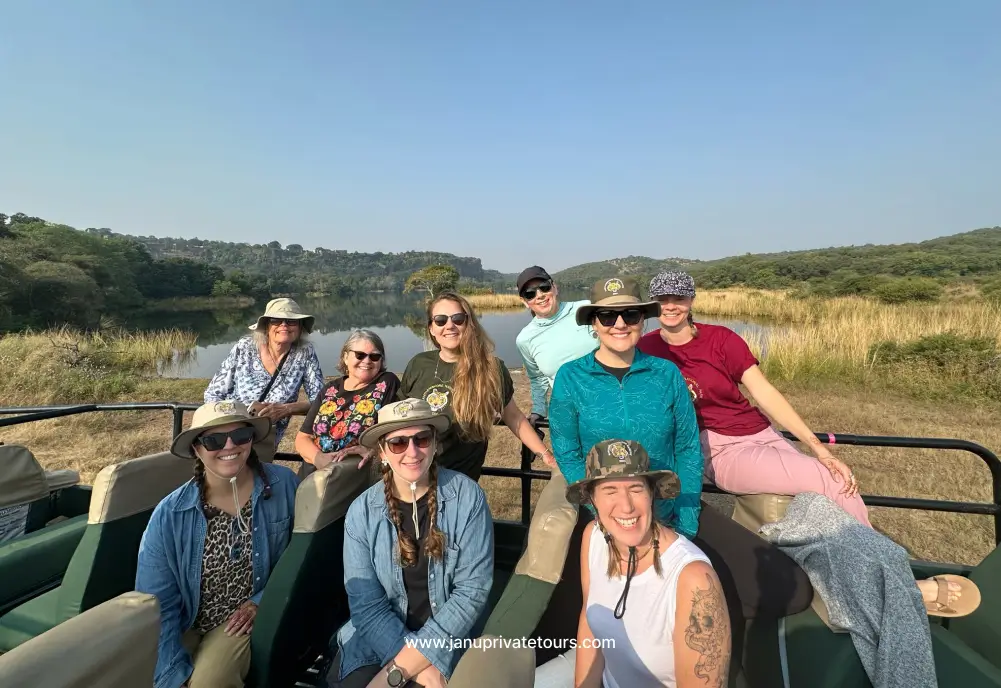
Yes, Ranthambore is worth exploring because it has interesting wildlife that will make your trip unique. Some things make Ranthambore stand out from other places to see wildlife. There are woods and lakes all around the huge Ranthambore Fort, which stands out from the rest of the land.
Ranthambore National Park has big lakes, dry green forests, green spaces and ridges with rocks. What is a Ranthambore Tiger Safari? It’s more than just a trip for tourists to see tigers. It involves exploring a forest where every turn is a new adventure.
Ranthambore National Park: A Landscape Full of Life
There are many other animals in Ranthambore National Park besides the famous Bengal tigers. This place is also worth going for the views. During a safari, you can pass through:
Dry deciduous forest
Open grasslands
Rocky landscapes
Lakes and water bodies
Shrub-covered areas
Historic ruins and fort surroundings
Many tourists think of a very different mood when they think of Rajasthan because of the mix. Where there used to be endless dunes, there are now forests, rocky hills, bodies of water and paths for wildlife.
With so many plant and animal species, there is still a lot to see when the tiger isn’t out. Some examples are:
Sambar deer
Spotted deer or chital
Nilgai
Wild boar
Indian leopard
Sloth bear
Striped hyena
Langur and rhesus macaques
Marsh crocodiles
Numerous species of resident and migratory birds
What Is a Ranthambore National Park Safari Like?
A Ranthambore National Park safari begins before entering the forest. The early morning air in Sawai Madhopur is different from Rajasthan’s big cities. Travelers are often quite excited as they approach the safari gate. The people are ready to see what the forest has to offer. They own cameras and jackets for colder temperatures.
Safaris work morning and afternoon shifts, depending on the season and sunrise/sunset. Safaris usually last many hours. It goes beyond driving haphazardly. Safari areas, forest tracks, animal movements, water availability, weather and guides’ and naturalists’ knowledge affect what you see.
A safari without tigers can still be great. A leopard hiding behind rocks, a crocodile near water, a giant sambar monitoring your vehicle, or a lovely bird flying through the forest can become your favorite memories.
Ranthambore Jeep Safari or Canter Safari?
Standard safaris use jeeps or canters. Close Ranthambore jeep safaris are popular. Less cramped and more forest-like in the smaller car. There are fewer people behind you and the landscape attracts photographers.
While the canter is a larger open bus, the jeep safari uses an open-top gypsy-style vehicle. The two options offer unique experiences, so picking one depends on the cost, group size and desire.
A jeep safari may suit you if:
You prefer a smaller group.
Wildlife photography is important to you.
You want a more immersive forest experience.
You are travelling as a couple or small family.
You enjoy a quieter, more personal safari atmosphere.
A canter may suit you if:
You are travelling with a larger group.
You want a more economical safari option.
You enjoy sharing with other travelers.
Keep in mind that wildlife is still unpredictable no matter what convenience you choose. There is no way to be sure of seeing a tiger in a more expensive car.
The Landscape Makes the Safari Different
The Ranthambore Tiger Safari scenery is stunning to enjoy an adventurous and thrilling trip. Ranthambore defies the tropical rainforest label. Its landscape is harsh and dramatic. Rocks rise above dry woodlands and grasslands and lakes provide vegetation. Then there is Ranthambore Fort.
The historic fort adds an extraordinary cultural dimension to the landscape. The centuries-old fort, a UNESCO World Heritage Site, reminds us that nature and humans have sculpted this region.
This blend distinguishes Ranthambore visually. Safaris here can take you through Rajasthan’s animals, history, architecture, religion and natural beauty.
When Is the Best Time for a Ranthambore Tiger Safari?
The optimum time for your Ranthambore Tiger Safari would depend on your desired experience.
Tiger-seeking travelers may find hotter months interesting. During these times, animals may hang out near surviving water sources. Still, temperatures can be high. Lower temperatures balance safaris and sightseeing for those who desire greater comfort.
October to November: After the rainy season, the forest starts to look green and the weather gets better over time.
December to February: This is a popular time to visit Rajasthan because the weather is cooler. It can be cold in the morning, so clothing with lots of layers is helpful.
March to April: As temperatures rise, water-based species become more interesting.
May to June: Very hot months can motivate wildlife to spend more time near waterways, producing pleasant wildlife encounters.
How to Reach Ranthambore
Most people who want to visit Ranthambore National Park go to Sawai Madhopur first. The town is about 11–14 km from the main gate to the park, which makes it a good place to stay while on safari. Ranthambore is only 180 km away by car from Jaipur, making it easy to add to a trip to Rajasthan.
From Jaipur to Ranthambore, people can also take the road. It is possible to combine this location with well-known stops in North India, such as Agra, Delhi, Bharatpur and more.
Add Ranthambore to the Golden Triangle
With the Golden Triangle Tour with Ranthambore, you can see Delhi, Agra, Jaipur and the wildlife-rich areas around Ranthambore. The choice of this package will allow you to enjoy both wildlife nature and cultural trip as well.
If you start your trip in Delhi, you could see the beautiful Taj Mahal in Agra and the streets and castles of Jaipur. Then you could leave the city life behind for a Ranthambore Tiger Safari.
A Golden Triangle Tour with Ranthambore is great for international tourists. It allows visitors to see many different parts of India. Within one itinerary, you can go for:
Visit to Delhi’s historical monuments
Visit to Agra and the Taj Mahal
Jaipur Tour
Wildlife and nature of Ranthambore
Traditional Rajasthani landscapes and villages
You can visit Ranthambore Tiger Safari as part of the Golden Triangle tours, which is the best idea.
Tips for a Better Ranthambore Tiger Safari
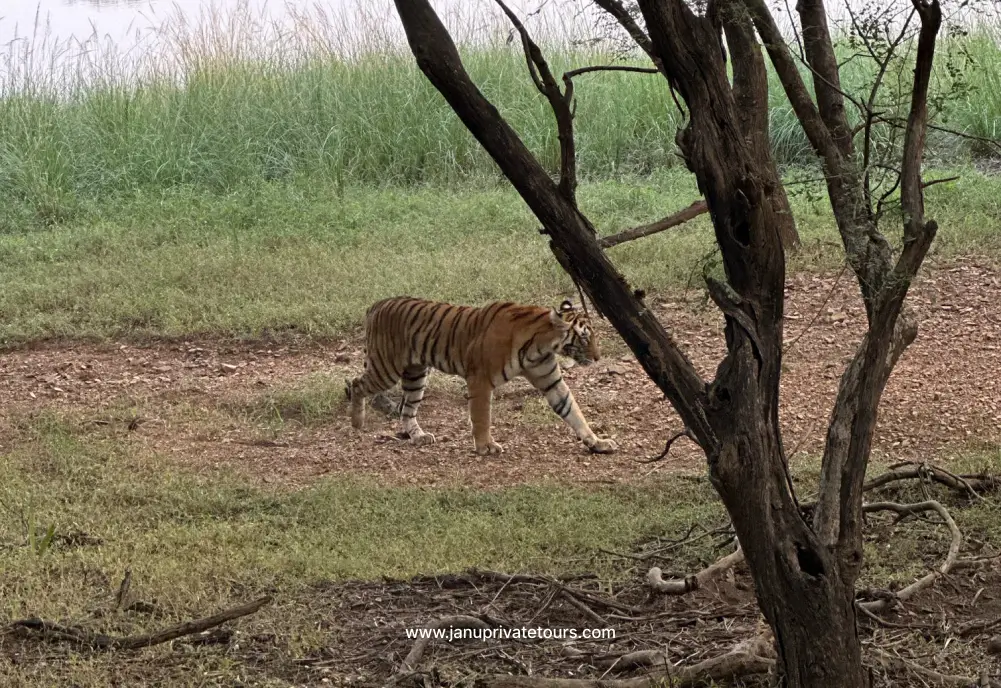
For a comfortable trip, here are some important things to keep in mind if you’re planning a Ranthambore Tiger safari tour:
1. Book ahead: It is essential to go for booking to make your trip go smoothly. You may require permits for vehicle entry in the Ranthambore National Park.
2. Carry suitable clothing: It is required for tourists to carry comfortable and light clothes or heavier clothes depending upon the season or timings.
3. Bring binoculars: Binoculars are one of the important assets for your wildlife tour. It helps to view your favourite animal close to you even from a distance.
4. Protect your camera: As a tourist, you must keep your camera with sufficient memory and battery efficiency. Just ensure you keep the camera lens clean and protected to capture your traveling views.
5. Listen to your naturalist: As a good traveler, you must listen to the guidelines of your naturalist to understand and enjoy the habitat of Ranthambore tiger safari. This will keep your trip safe and secure.
6. Don’t expect a guaranteed tiger: Ranthambore Tiger Safaris are wildlife experiences, not shows. The tiger may appear. Experience the forest rather than just seeing it.
7. Respect the forest: Follow your guide and forest officials, talk quietly and don’t trash. Responsible travel preserves Ranthambore’s unique habitat.
Plan Your Ranthambore Adventure
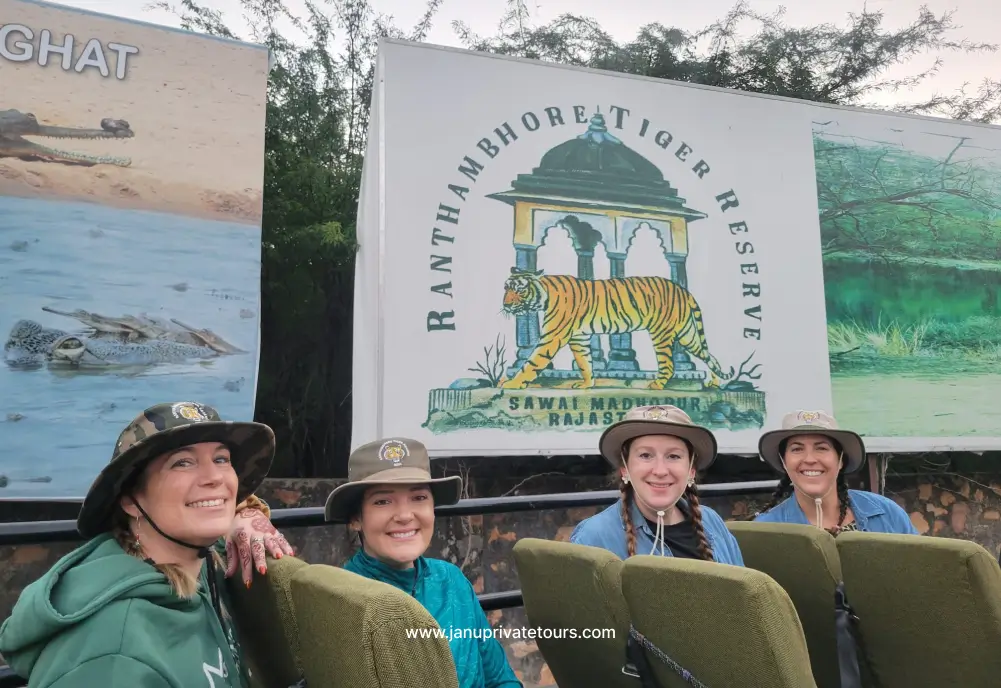
You need sufficient time to enjoy the different phases of the Ranthambore tour with a well-organized plan. It can only be completed by choosing the best tour operator like Janu Private Tours. Perfect stay arrangements for one or more nights with comfortable safari tours can make your trip nice.
To make your trip to Rajasthan longer, you can visit Ranthambore and go on a Rajasthan Tiger Safari Tour at the same time. This tour is special as it interlinks history and nature in India.
Conclusion
If you have planned your tour in Rajasthan, then the views of Ranthambore must not be missed. This will make your trip more exciting, where you can explore the different species of vegetation and animals. Here, regal heritage meets the natural wilderness.
An Aravalli Tiger Safari in Ranthambore lets you feel like you’ve found something new that you can’t get from just looking around. This is true whether you choose a short trip from Jaipur or add wildlife to your Golden Triangle itinerary. You can also plan a longer Rajasthan adventure. Safaris are always different, with new things to look forward to. You might go into the bush and see a Bengal tiger in the wild.
Janu Private Tours provides the best packages for Rajasthan, wildlife and the Golden Triangle. These packages include different types of travel styles and routes suitable as per the tourist’s choice. We design a customized tour plan to deliver the best level of comfort to our guests.
In addition to Ranthambore, our programs can also take you to places like Jaipur, Agra and Delhi. This makes it easier to include a Ranthambore Tiger Safari in a memorable trip through Rajasthan.
As you go on a Ranthambore Tiger Safari, you can enter the wild and listen to the forest. You will also learn about the wild side of the state. Discover the thrill of Ranthambore and book your Tiger Safari trip with Us Today!
You can explore one of the nice historical regions of our country by opting for the Golden Triangle tour of India. This tour package will fulfil your desire to travel to three cultural and historical cities. It will cover the three famous cities of India, which will take you through Delhi, Agra and Jaipur. The trip can become unforgettable with traveling through the royal forts, historical tombs and artisan bazaars.
A Golden Triangle Tour India is the greatest way to see the nation in an organized and flexible way. The journey can be easily completed by focusing on affordable and desirable travel services. It includes safe and secure transportation along with the management of good accommodation and expert local guides.
It also provides delicious food and enough free time to really enjoy the places you see. The trip is interesting enough to last for a week or more, but not so long that it’s too long for a vacation.
We’ll talk about why the Golden Triangle Tour India is still the most popular way to travel in the country. You can enjoy it in complete comfort with help from local experts. We’ll also discuss what makes it a perfect mix of history and luxury.
City | What You’ll Discover | Signature Experience |
Mughal history, colonial landmarks and modern India | Red Fort, Qutub Minar, Humayun’s Tomb, Jama Masjid, India Gate | |
Mughal architecture and timeless romance | Taj Mahal, Agra Fort, Mehtab Bagh, Itmad-ud-Daulah | |
Rajput royalty, colorful markets and magnificent forts | Amber Fort, City Palace, Hawa Mahal, Jantar Mantar |
What Is the Golden Triangle Tour India?
Delhi, Agra and Jaipur are all part of the Golden Triangle tour, which draws a lot of people to India. The map shows that these three towns are close to each other. Getting from one to the other is easy and quick.
There isn’t a better way for someone exploring India for the first time to learn about the country’s northern history. A typical Golden Triangle tour in India covers:
Why the Golden Triangle Tour India Is the Ultimate Blend of Heritage and Luxury
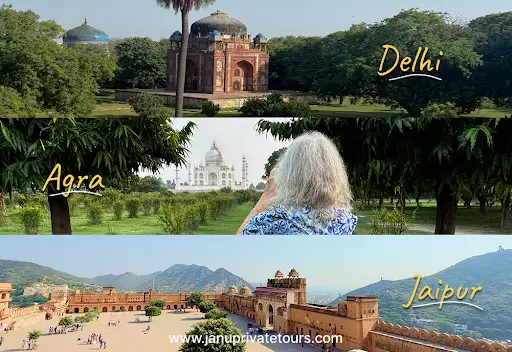
The Golden Triangle Tour India is unlike any other travel circuit in the world. It combines two apparently opposed worlds of ancient royal heritage and fully modern luxury into one amazing experience.
1. Royal Heritage at Every Turn
The Taj Mahal, a World Wonder, is near Agra. If you visit, you can view Agra Fort and Fatehpur Sikri.
Delhi is a historical city related to the Mughal Empire and the British colonial period. You can visit the historical landmarks like Qutub Minar, Red Fort and Jama Masjid.
To view the royal heritage of Rajput you must visit Jaipur, founded by Kings like Maharaja Sawai Jai Singh II. Here, in the Pink City, the mirror room of Amber Fort is known as Sheesh Mahal.
2. Modern Luxury Woven In
Today’s passengers can be real and comfortable. Indian historical hotels like the Oberoi Amarvilas near the Taj Mahal in Agra are likewise excellent. Delhi’s Lalit is also prestigious. An amazing tour includes private air-conditioned vehicles along with the healthy support of talented local guides.
More travelers today choose a Luxury Golden Triangle Tour over a sightseeing package for this reason. Experience India’s royal heritage through a pleasant, well-organized and individualized lens, not merely by looking at monuments.
Highlights of a Golden Triangle Tour India
Golden Triangle Tours India allow you to explore and enjoy royal heritage, authentic cuisine and ancient shopping in vibrant bazaars of Delhi, Agra or Jaipur. You must visit the mentioned sites where you can make your visit unforgettable:
Sunrise at the Taj Mahal
Amber Fort
Hawa Mahal
City Palace
Jaipur
Old Delhi Rickshaw Ride
Fatehpur Sikri
Jaipur’s Heritage Bazaars
Fine Dining
Heritage Stays
Golden Triangle Tour Package Options
The Golden Triangle Tour India is great because it can be changed to fit your needs. Yes, there is a Golden Triangle Tour Package that will work for you, whether you have a long vacation or a couple of weeks. Here is a quick list of the most common tour plans:
Duration | Best For | What’s Typically Included |
2 Days | Quick layover travelers | Agra & Taj Mahal express visit |
4 Days | First-time visitors on a short trip | Delhi, Agra, Jaipur essentials |
5–6 Days | Balanced sightseeing and leisure | All three cities with more free time |
7+ Days | In-depth cultural immersion | Extensions to Udaipur, Pushkar, Ranthambore, or Jodhpur |
You can also visit the following sites by choosing a Golden Triangle tour:
Choosing a Luxury Golden Triangle Tour
When choosing a luxury Golden Triangle tour that provides a good level of comfort in your trip, ask for good value for money. Here are a few things that deliver luxury experiences:
Heritage Locations to Stays: This package will fix your comfortable stay in the best locations, like, Rambagh Palace, Taj Lake Palace or Oberoi Amarvilas.
Private Transportation: Having an air-conditioned car will make your journey more comfortable and you will be able to easily enjoy shopping and sightseeing.
Personalized Itineraries: Schedules that are flexible and can be changed to fit your needs and hobbies instead of following a set plan.
Curated Experiences: You can go for Indian cooking classes in Jaipur, a boat ride near the riverside fort and camel trips.
Early Access to Locations: You can get early access to the Taj Mahal and Amber Fort by choosing this package.
With the right Luxury Golden Triangle Tour, a trip to see places becomes a royal experience. You can experience India’s history in the same style and comfort as a maharaja.
Overview of a Standard Itinerary
You can plan to visit the royal and historical sites of the North states with this Golden Triangle Tour of India. It can be covered within 6 days:
First Day Plan: Enjoy your Delhi vacation by visiting the Red Fort, Humayun’s Tomb and India Gate.
Second Day Plan: Explore the Taj Mahal’s sunset spots and Agra’s history.
Third Day Plan: Travel from Agra to Jaipur through Fatehpur Sikri.
Fourth Day Plan: Visit Amber Fort, City Palace, Hawa Mahal and small bazaars in Jaipur.
Fifth Day Plan: You can also visit Pushkar, Sariska, or a village, which is optional for your tour.
Sixth Day Plan: Connecting facilities are available for the return journey to Delhi or for onward travel.
Best Time to Take a Golden Triangle Tour India
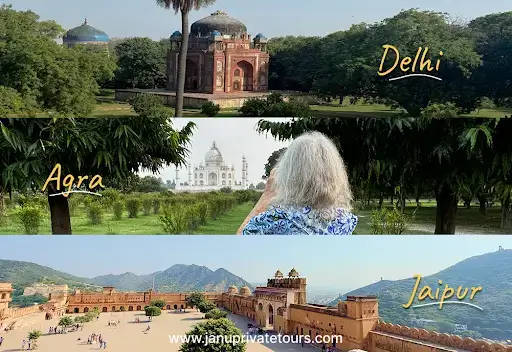
There are different times when tourists enjoy this Golden Tour India to make their trip memorable with its sightseeing, shopping and Indian recipes.
October to March: Travelers love this period to enjoy sightseeing, shopping, food and culture.
April to June: During this time period, you will have to plan your sightseeing as per the suitable time in early mornings or evenings.
July to September: Travelers who enjoy traveling during the monsoon can visit at this time, as these cities offer beautiful views of surrounding greenery.
As a result, we suggest that the safest time to enjoy your tour is between October and March.
Tips for Planning Your Golden Triangle Tour India
If you are planning to have a Golden Triangle Tour along with your family and friends, you must follow the mentioned tips to make your trip safe and secure. It involves:
Early Bookings: It is important to book your stay sites early at locations like Rambagh Palace and Taj Lake Palace, which rent out very quickly.
Choose a private guide: An experienced local guide can help to make your trip easy and interesting.
Carry safe dressings: Take care of your clothes for safe sightseeing in Delhi and Agra Winter mornings.
Wear comfortable footwear: You can’t complete your trips without walking and you have to walk on uneven or harsh paths. Here, you are required to wear comfortable footwear to enjoy your views.
Conclusion
The Golden Triangle Tour in India takes you through the roots of Indian civilization. This journey connects you with a special taste, joy, bravery, architecture and art. By choosing this tour, you can get deeply involved in the combination of royal traditions and premium facilities.
Janu Private Tours brings you an array of itineraries for the Golden Triangle and Rajasthan. We allow full customization of luxury tours through this iconic region. We provide a safe stay at royal hotels like Oberoi and Taj that provide private cars for traveling.
For over two decades, Janu Private Tours has delighted countless travelers. We provide smooth and unforgettable experiences on the classic Golden Triangle Tour in India’s royal heartland.
Janu Private Tours can help you plan your own trip and look at more Golden Triangle routes.
If you are planning to visit Rajasthan state, then just ensure plan a sufficient time to visit Jaisalmer tourist places.
The golden fort in the Thar Desert makes Jaisalmer a unique and remarkable place of tourism. Walking through historic tunnels and watching the desert sun transform the sandstone architecture is amazing in the Golden City.
There are historical havelis, royal tombs, vibrant bazaars and deserted villages outside the walls of the fort. Besides this, desert towns, calm lakes, golden dunes and ancient relics complete the trip.
There are several places to visit in Jaisalmer that showcase a diverse side of the city. These include historical locations and desert trips.
You can explore some of the most captivating Jaisalmer Tourist Places and activities with the help of this guide. It will tell you about the roots of the Golden City.
Jaisalmer Fort: Start With the Icon, Then Look Beyond It
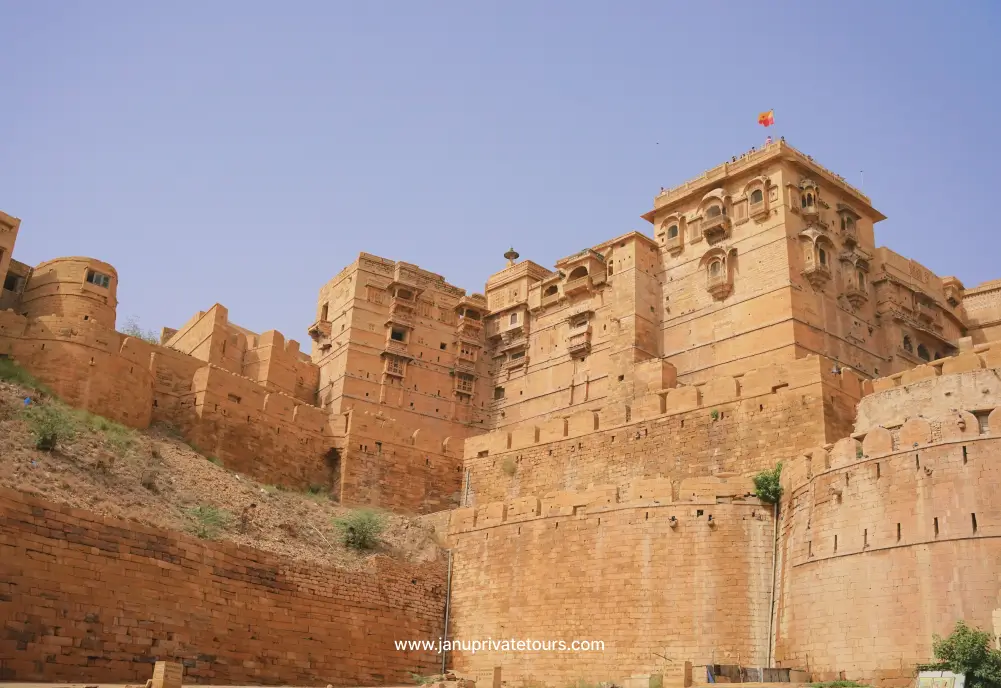
Tourists must visit Jaisalmer Fort, also called Sonar Quila or the Golden Fort. It was built in 1156 AD as one of the most important landmarks in the city. It is also a UNESCO World Heritage Site. You can look around inside the fort:
Beautifully carved Jain temples
The historic Raj Mahal
Traditional shops selling local crafts
Narrow lanes filled with sandstone architecture
Viewpoints overlooking the city and desert
Rooftop spaces offering beautiful sunset views
During the day, the yellow limestone looks different. The fort looks pale and bright in the early morning and during sunsets the vision becomes a brighter yellow hue.
Even if the fort seems like a decent starting point, keep investigating. This is meaningless without visiting the beautiful Jaisalmer tourist spots outside the wall.
Patwon Ki Haveli: A Glimpse Into Merchant Wealth
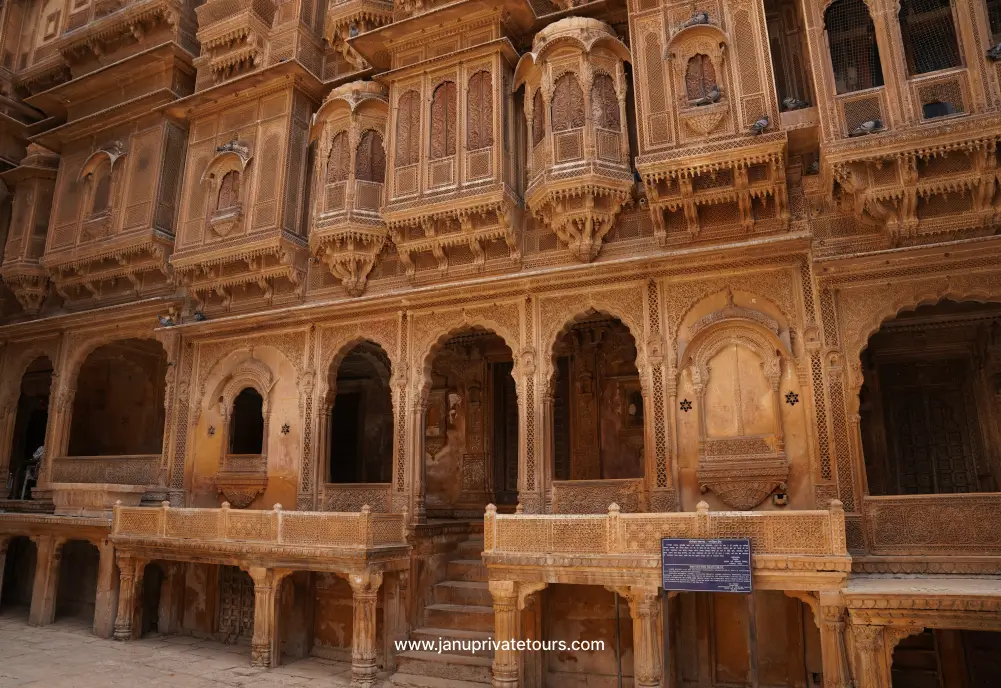
The Patwon Ki Haveli is one of the most interesting places to visit in Jaisalmer. Here, the fort is beside this amazing construction of five interconnected havelis. They were built for the Patwa merchant family.
This place lets you appreciate:
Detailed sandstone carvings
Traditional balconies and jharokhas
Historic rooms and courtyards
City’s commercial history shapes architecture
Rajasthani artwork and decorative details
Patwon Ki Haveli is widely considered one of the best Jaisalmer sightseeing tours for photography lovers.
Bada Bagh: Where History Meets the Desert
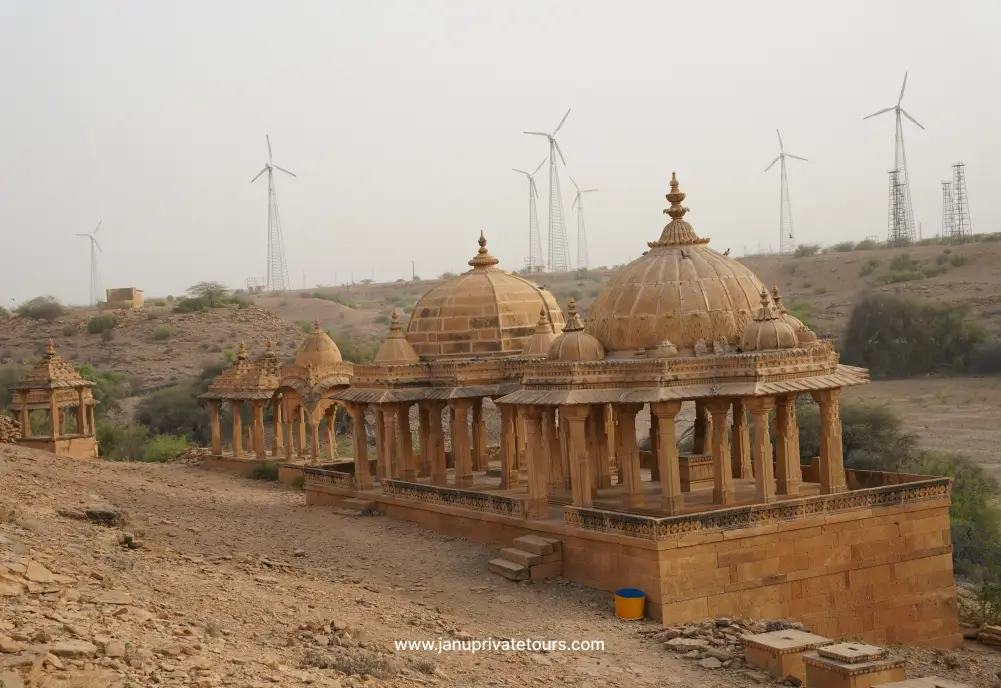
Bada Bagh has a distinct vibe away from the city center. Sandstone chhatris honoring Jaisalmer’s previous kings are the site’s specialty.
The intricate construction contrasts with the barren landscape. Bada Bagh looks great at sunset. As the light softens, the sandstone structures turn gold and orange.
If you want to do more than explore the fort in Jaisalmer, visit Bada Bagh. It can be relaxing and unforgettable.
Gadisar Lake: A Quiet Side of the Golden City
Gadisar Lake is the main source of attraction for tourists. It was historically an important source of city water resources. A visit to Gadisar Lake can include:
Taking a peaceful boat ride
Photographing the surrounding architecture
Watching birds around the water
Enjoying the quiet atmosphere
Experiencing a slower side of Jaisalmer
To see special desert sights along with ancient architecture, you must visit Gadisar Lake, one of the best Jaisalmer tourist places.
Kuldhara Village: Tales, Quietness and Mysteries
You must go to Kuldhara if you are interested in knowing the history and regional legend more deeply. It is one of the most interesting places to visit in Jaisalmer.
The ruined settlement is associated with Paliwal Brahmin legends. Kuldhara became famous for its mysterious background and rumored abandonment.
The old village’s derelict homes, streets and sandstone monuments can be visited today.
The attitude is more important than the sights. The desert scenery, peaceful town and empty buildings contrast with Jaisalmer’s crowds.
In pursuit of lesser-known Jaisalmer tourism spots, try Kuldhara.
Sam Sand Dunes: Discover the Thar in All Its Glory
A trip to Jaisalmer feels incomplete without experiencing the Thar Desert. Sam Sand Dunes is one of the most popular destinations for travellers looking to experience the desert landscape.
Thar Desert trip is the most exciting phase of the Jaisalmer tour. Travelers can experience and enjoy the desert landscape by visiting the popular Sam Sand Dunes.
A desert visit can include:
Camel rides across the dunes
Sunset views
Jeep rides over the sand
Traditional folk music
Rajasthani dance performances
Camping overnight in the desert
Evening cultural programmes
Campfire experiences
Camel and jeep safaris across the desert to observe the big dunes are popular Jaisalmer sightseeing activities. Photographers can photograph gorgeous sunsets with changing sand colors.
Khuri Village: A More Peaceful Desert Experience
Khuri Village is a peaceful and less crowded desert. The town is differentiated with local culture, mud houses and dunes. Visitors can explore desert cultures and environments in addition to adventure sports. Khuri appeals to travelers who want:
Experience village life
Explore quieter dunes
Enjoy traditional local food
Meet local communities
Watch traditional performances
Spend a peaceful evening in the desert
Among the different Jaisalmer Tourist Places, Khuri represents the quieter and more authentic side of the destination.
Desert National Park: Discover the Wildlife of the Thar
A diverse assortment of hardy-adapted fauna and flora live there. Discover the Thar Desert ecology at Desert National Park. The park has desert scenery and the threatened Great Indian Bustard.
Depending on the season, visitors may see desert native animals and birds. Exploring wildlife nature is another exciting part to be included in the list of things to do in Jaisalmer. It allows you to discover different flora and fauna of the desert environment. It is different and adventurous from camel and jeep safari tours.
Walk Through Jaisalmer’s Local Markets
Famous Jaisalmer places to visit are not monuments. Daily life unfolds on these streets and markets.
Walking through local markets lets you see Rajasthan’s colorful textiles, traditional jewelry, handicrafts, leather goods, embroidered goods, souvenirs and other artistic things.
The experience is better when you calm down instead of rushing from attraction to attraction.
Keep an eye out for:
Handcrafted jewellery
Colourful textiles
Traditional embroidery
Leather products
Decorative items
Rajasthani handicrafts
Local souvenirs
Taste the Flavours of Rajasthan
Jaisalmer is also known for its best food flavours, which have traditional roots in Rajasthani cuisine. Here are some of the dishes that discover the soul of Jaisalmer:
Dal Baati Churma
Gatte ki Sabzi
Ker Sangri
Bajra-based dishes
Traditional Rajasthani Desserts
Local snacks and tea
Your trip to Jaisalmer tourist places is incomplete until you go through follow food tastes of Jaisalmer, which have the best spicy taste for Dal Baati Churma, sour taste for Ker Sangri and sweet taste for Gherwar.
Watch the Sunset Over the Golden City
The light changes all the time in Jaisalmer. In the morning, afternoon and evening, the same brick building can look very different. So, watching the sunset is one of the easiest and best things to do in Jaisalmer.
Here are some places to think about for sunset:
Jaisalmer Fort viewpoints
Bada Bagh
Sam Sand Dunes
Desert camps
Selected rooftop locations
Spend an Evening With Rajasthani Folk Culture
After nightfall, Jaisalmer’s culture shines. Music, dance, storytelling and native food are common at desert camps and cultural venues. The performances let you see Rajasthan beyond its walls. Traditional dance and music are more than entertainment. They represent generations-old communities’ stories, customs, festivities and daily heritage. Instead of packing every hour with tourism, leave an evening for culture in Jaisalmer Tourist Places.
Try Dune Bashing and Jeep Safari
Many visitors avoid desert camel rides. Jeep and dune safaris are faster and more entertaining. Four-wheeling through dunes and deserts transforms your perspective. Camel rides and jeep safaris make a balanced desert experience:
Camel safari for a traditional desert journey
Jeep safari for adventure
Sunset at the dunes for scenery
Folk performances for culture
Campfire evenings for relaxation
Explore the City Beyond Its Famous Landmarks
One of the biggest mistakes travellers can make is trying to see Jaisalmer only through a checklist. The real charm of the city often appears in small moments:
A craftsman working on a traditional product
A quiet lane outside the main tourist area
The sound of temple bells
A local shopkeeper explaining a handmade item
The changing colour of sandstone
A cup of tea during a peaceful evening
The silence of the desert before sunrise
Folk music playing around a desert camp
These moments may not always appear on lists of Jaisalmer tourist places, but they often become the memories travellers carry home.
Best Way to Plan Your Jaisalmer Experience
Jaisalmer’s attractions are located around the city and the desert, so organizing your schedule can save time. You can balance your trip by allocating your days to specific places:
Day 1: Heritage Jaisalmer
Jaisalmer Fort
Jain temples
Local markets
Patwon Ki Haveli
Traditional food
Sunset from a suitable viewpoint
Day 2: History and Desert
Bada Bagh
Kuldhara Village
Sam Sand Dunes
Camel safari
Sunset
Folk music and cultural evening
Day 3: Slow Jaisalmer
Gadisar Lake
Local shopping
Desert National Park, if suitable for your itinerary
Khuri Village or another desert experience
Relaxed evening
This kind of plan lets you see the most important things to do in Jaisalmer without feeling rushed.
When to Explore Jaisalmer
It is important to plan your trip for suitable weather for any of the locations. The same goes for Jaisalmer tourist places, which can be easily enjoyed in cooler months. You must take care of the following points to explore Jaisalmer sightseeing:
Starting outdoor sightseeing earlier in the day
Keeping afternoons flexible when temperatures are higher
Carrying water during excursions
Using sun protection
Travel comfortably with clothes and shoes
Keeping evenings free for desert and cultural experiences
Conclusion
Every year, a lot of tourists come to Jaisalmer tourist places to enjoy. They capture different captivating and precious shots in their cameras and minds.
is not a place that should be visited quickly. Jaisalmer sightseeing tour is filled with different specialties that make it unique for a memorable trip. It includes historical architecture, artistic creativity, culture, wildlife and the Thar Desert’s golden charm. Secret tunnels and medieval castles let you enjoy the city at your own pace. The peaceful view of sunset behind the dunes gives a special moment to your journey.
You can enjoy visiting special Jaisalmer tourist places by choosing the correct and authentic trip planner, like Janu Private Tours. We provide a well-organized plan for our tourists where they can explore the beauty of this city with full comfort and versatility. You just have to pack your bags with safety tips to follow our well-planned and safe trip.
Ready to see the Golden City? Need assistance organizing your trip? To design your perfect trip, email inquiry@januprivatetours.com with all your questions.
Solo Women Travel Groups are a great way for women to enjoy the freedom of traveling alone. By planning your tour with this group, you can return with wonderful, memorable moments. You will have the opportunity to spend time with a woman or a group you didn’t know before; this will give you a different experience.
Going on a trip with a group can make your dream of going by yourself easier, more fun and more special. You can enjoy quiet lakes, beautiful forts, dry landscapes and traditional ways of life. Walking through historic streets and visiting markets will give you a chance to discover new things about Indian culture.
If you are planning your first trip by yourself, Solo Women Travel Groups can make your trip special. Following one of these groups is a great way to enhance your experience. This experience becomes a collection of stories you can share with other guests.
Why Solo Women Travel Groups are Becoming Popular
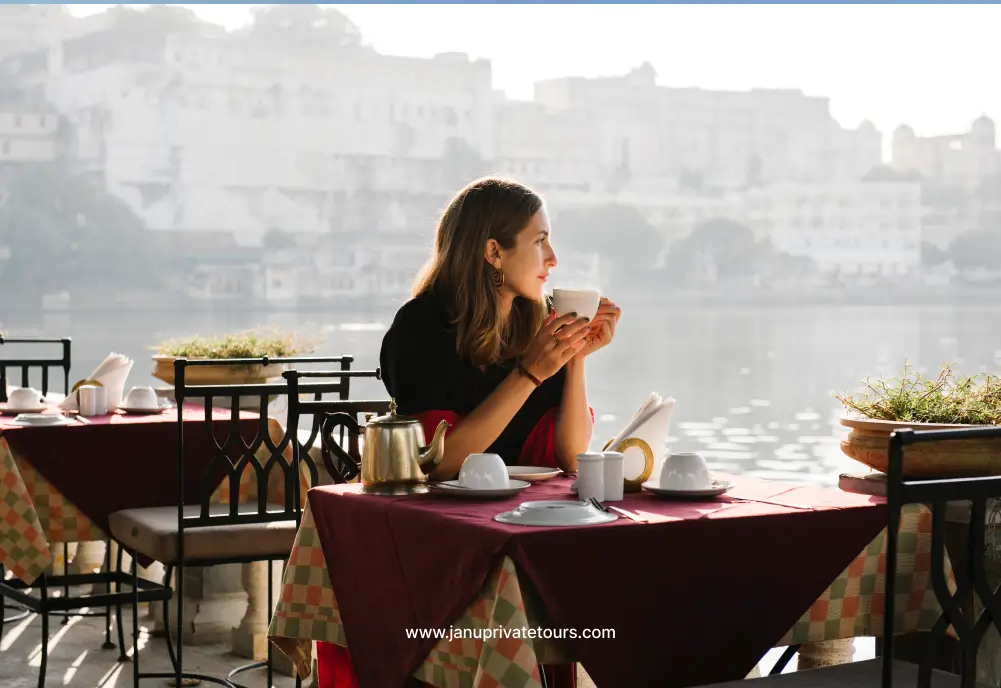
Solo women travel groups are becoming popular as these groups provide positive reviews after completing their tour. They go with new friends as they are unknown to each other and make lasting memories together during their tour. You can enjoy your own room while sharing activities, tours, dining and cultural events. Women today seek freedom without breaking ties.
Especially women who:
Want to explore new destinations independently
Prefer traveling with other women
Are planning their first solo trip
Want companionship during sightseeing
Enjoy cultural and local experiences
Prefer organized travel instead of handling every detail themselves
Want to meet people with similar interests
Solo women travel groups are great because they are balanced. You can plan your trip alone to enjoy your trip with this supportive solo travel group for safety and joy.
Embrace Solo Travel, Create New Connections
A solo travel plan gives you a lot of experiences. During this trip, you meet different people and get the opportunity to learn new things about their traditions and cultures.
If you are visiting alone, you can join a group for sightseeing. You can walk around town with new mates to share your new thoughts. These connections lead to expanding your online social friend circle.
This is why women who want independence and company are becoming more interested in solo travel groups.
The Magic of Women Traveling Together
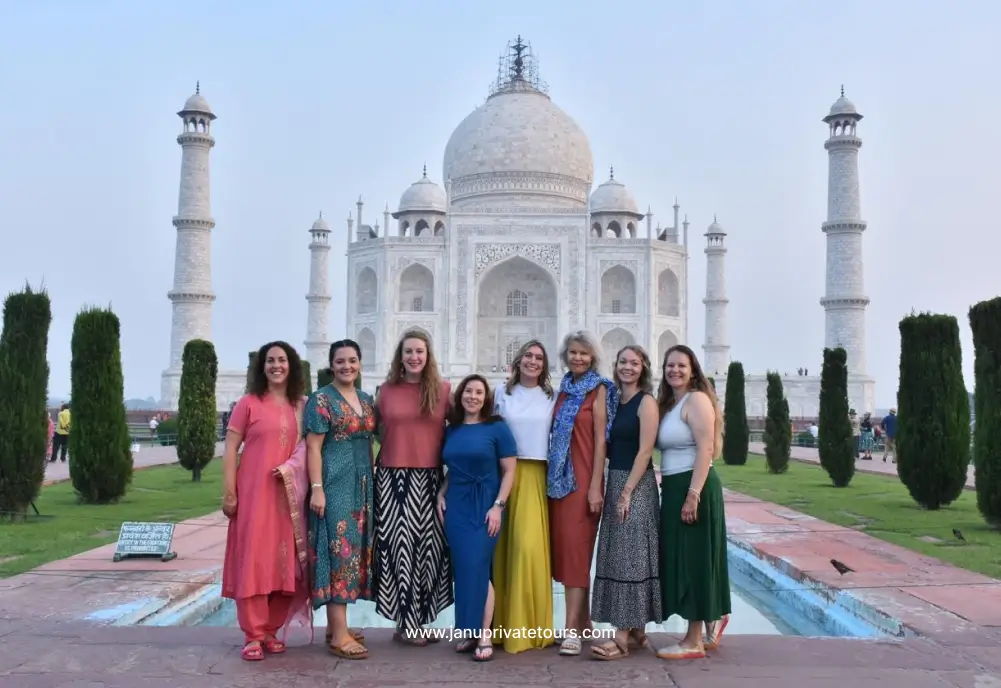
Women traveling together make their trip unforgettable by talking easily and taking pictures that turn into shared memories. Normal trip moments can turn into stories that everyone remembers.
Solo women travel groups walk through Jaipur’s colorful streets to enjoy its ancient traditions along with delicious taste, design and culture. Jodhpur’s blue alleyways, Udaipur’s lakes and palaces and Jaisalmer’s desert landscape are all worth seeing.
Travel goes beyond crossing sites off a list. We may share experiences, learn from each other and observe a place from different angles. Solo Women Travel Groups also encourage travelers to ask questions, share tips and try new things.
From Jaipur’s Heritage to Jaisalmer’s Deserts
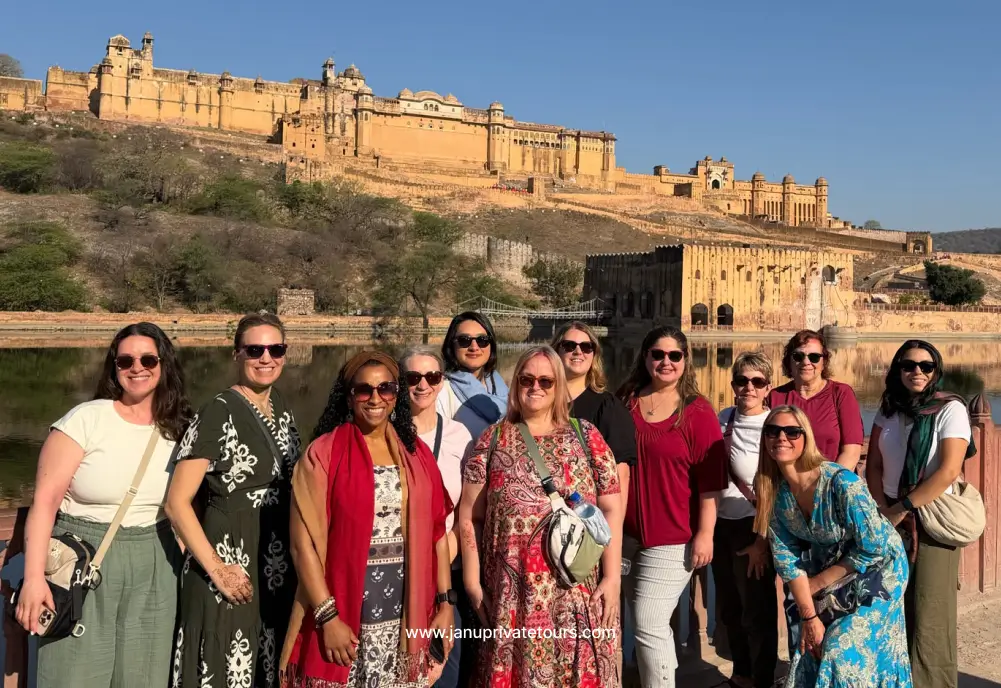
India has a huge range of places for women to visit that mix history, culture, adventure and relaxation.
In particular, Rajasthan is a beautiful place for Solo Women Travel Groups. The area has royal buildings, colorful bazaars, old castles, creative customs, desert scenery and a lively local culture.
Jaipur
People who want to learn about history and culture should start their trip in the Pink City. There is a lot to see and do in Agra, including the Amber Fort, the City Palace and the Hawa Mahal. You can also enjoy the colorful marketplaces, culinary adventures and archaeological tours.
A group can see the city together while still giving each person time to do things they enjoy, like shopping, taking pictures, or trying the local food.
Jodhpur
Jodhpur, the Blue City, has historic buildings, vibrant streets and traditional markets. Local walks show Mehrangarh Fort’s character and offer stunning city vistas.
For Solo Women Travel Groups, Jodhpur offers sightseeing and collaborative discovery.
Udaipur
Udaipur makes you feel calm, positive and peaceful with its atmosphere. For tourists who like beautiful scenery, its lakes, palaces, gardens and historical sites make it a great place to visit.
One simple group activity that everyone will remember long after the trip is over is a boat ride on Lake Pichola.
Jaisalmer
Jaisalmer is a separate Rajasthan for bold women. Desert camps, camel rides, historic havelis, desert scenery and golden architecture provide a city break unlike any other.
Viewing the sunset over the dunes or attending cultural acts under the stars in the desert is especially memorable when done together.
Pushkar
Pushkar blends spirituality, colorful marketplaces, temples and local culture to offer a new viewpoint on Rajasthan. It can add variety to a trip to India’s cultural diversity.
What makes a Great Solo Vacation for a Woman?

Solo vacation woman must choose a perfect destination with a trustworthy travel planning company like Janu Private Tours. The experience should fit your hobbies, level of comfort, way of traveling and time frame. Before choosing a trip, consider:
Travel Priority | What to Look For |
Comfort | Reliable accommodation and convenient transportation |
Culture | Heritage sites, local markets, food and traditions |
Social Experience | Opportunities to meet other travelers |
Flexibility | Time for personal exploration |
Activities | Experiences that match your interests |
Planning | Clear itineraries and dependable local support |
Pace | Enough time to enjoy destinations without rushing |
Journeys with longer plans aren’t always the best ones. They let you spend enough time at each place to really enjoy visiting them.
How to choose the best Solo trips for Women
Each woman has her own ideal solo trip. One traveler may prefer thrills, imaging, shopping, or eating, while another wants a calm cultural vacation.
Before picking the trustworthy solo travel groups, you should think about what you want to get out of the trip. Checking these important points can help you pick the best solo trips for women traveling alone:
Choose a destination that matches your interests
Check the Travel Pace
Look for Authentic Experiences
Consider Your Comfort Level
Solo Travel Groups Can Make First-Time Travel Easier
Questions often come up on the first trip by yourself.
Will I be lonely? Will I have enough time to handle everything? What if I get lost? How am I going to meet people?
Some of these worries can be resolved by incorporating solo travel groups where people can share their experiences and make plans together.
Travelers don’t have to worry about every little thing, so they can just enjoy their destination. A guided tour, organized modes of transportation, scheduled events and knowledge of the area can all make the trip feel easier.
This is especially helpful when going to a place for the first time.
Building Friendships Along the Way
Solo Women Travel Groups offer a beneficial effect you might not expect. They give you the chance to meet people you would not normally meet.
Shared mornings, lengthy drives, market trips, amusing travel errors and memorable meals can soon become memorable. These moments become nice trip memories for travelers and their groups. Every trip friend doesn’t have to be there for life. Having a companion to share a certain part of your trip with can be valuable in and of itself.
When people travel, they share a world for a short time and those times can become unexpectedly significant.
Travel with Freedom, But Plan with Care
One of the best things about solo travel for women is the freedom it gives them, but it’s still important to be ready. Before you leave, think about:
Researching your destination and local customs
Keeping crucial papers accessible
Trusting someone with your plan
Saving emergency contact information
Selecting trustworthy conveyance
Keeping backup payment options
Awareness of your environment
Allowing enough time between activities
Book decent accommodations beforehand
Good planning does not take away from spontaneity. Instead, it gives you the confidence to enjoy it.
Turning Solo Dreams into Shared Memories
The best thing about Solo Women Travel Groups is that they can change what it means to travel by yourself.
You can start the trip with your own list of things you want to do. You could wish to take pictures of a palace, look around an old fort, or buy traditional crafts. You could also watch the sun go down in the desert or just relax by a lake.
Travelers turn their dreams into experiences with other people by:
Sharing a joke about a picture
Enjoying their long drive with interesting and memorable chats
Sharing their thoughts on the new places they visit or have visited before
Why India Works So Well for Group Adventures
India is an excellent spot to see a lot in one trip. The locations of different Heritage cities, spiritual places, animal viewing, local markets, along with unique food experiences, fulfill the memorable trip.
Women travelers can see the top heritage sites like Jaipur’s royal buildings, Udaipur’s lakes and Jodhpur’s blue streets. It also depicts Pushkar’s spirituality and Jaisalmer’s desert.
For Solo Women Travel Groups, this range means that each day can bring something new while still keeping the trip together.
There are a lot of different ways to make a plan based on your own hobbies. You can learn about different cultures, see wildlife and learn about history.
A Journey that Starts With You
If you want to take the next step, solo women travel groups can help. You can still enjoy the love of shared adventures, though. It mixes the freedom to discover with the ease of having other people around and being alone with someone to talk to. Finding out about themselves happens by going on adventures with a group.
Whether it’s your first solo vacation where women can travel safely or another trip with a group of passionate women, the perfect travel experience awaits. A location becomes much more memorable when you have that ideal journey.
Conclusion
Solo Women Travel Groups can be the start of something special, an exploration where liberty meets relationship. This trip allows women’s solo ideas to turn into shared adventures. It doesn’t matter if you want a short cultural getaway or a longer trip through Rajasthan.
Janu Private Tours is a well-experienced tour planner who knows how to fulfill all the needs of trips by customizing them. You can plan your own unique trips in Rajasthan and India through our tour packages. We offer organized tours, private transport and flexible schedules. Our travel experts can help you organize a planned vacation to Jaipur, Jodhpur, Udaipur, Jaisalmer, Pushkar, Delhi and Agra. Get in touch with us right away to learn more about our solo travel group packages. We can help you turn your travel dreams into amazing shared experiences. Start an adventurous solo adventure today by booking your package!