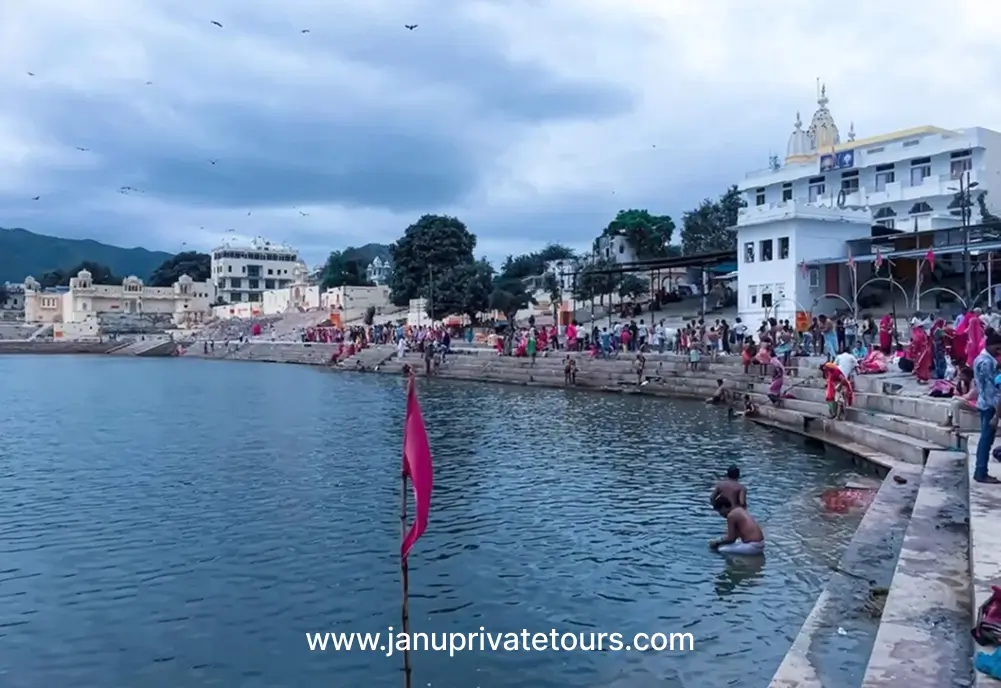

Travel Planning

Planning Your Dream Trip to India? Here’s the Ultimate Guide to the Best Time to Visit India

Planning a trip to India but also wondering when the best time to travel is? To be honest, it depends on what a visitor is actually looking for. India is huge, and the best time to visit will change accordingly if you want to explore Rajasthan’s forts, or see the Taj Mahal, relax in Kerala, or admire the mountains.

But October to March is a popular travel period for many because here the weather is generally more comfortable.

But does this automatically make it the best time to visit India for you or your family?

No, not necessarily!

In this guide, we’ll delve into some main travel seasons, the best months to visit different regions, or the ideal time for sightseeing, wildlife and festivals, as well as what to consider if you’re travelling on a budget and more.

Let’s find the right season for your adventure…

Know About India’s Travel Seasons: Weather, Crowds and Experiences

The best season to go to India really depends on what you want to experience along with how comfortable you want to feel while travelling.

Want to explore forts and palaces in Rajasthan without intense heat? Or you’re dreaming of lush green landscapes or a monsoon escape?

Each season will show you a different side of India. Here’s a quick look at what you can expect throughout the year:

Travel Season

What You Can Expect

October–March

Cooler weather in many regions, making it popular for sightseeing and heritage tours.

April–June

Hotter weather across many plains, while hill stations can offer a more comfortable escape.

June–September

Monsoon rain, greener landscapes and different travel conditions across regions.

September–November

Changing weather, improving conditions in many areas and the beginning of the popular travel season.

October to March: Is This the Best Time to Visit India?

Planning your first trip? If Delhi, Agra, Jaipur or even Rajasthan is on your list, October to March will be a more comfortable time for you. You’ll generally get better conditions for taking walks around forts and spending full days sightseeing.

Here’s the quick breakdown:

  • October–November: Pleasant for sightseeing along with improving weather across North India.

  • December–January: Cooler mornings, but also comfortable for exploring many popular tourist spots. Fog affects some parts of North India.

  • February: A good balance of cooler weather as well as thrilling sightseeing in many northern destinations.

  • March: Warmer days begin, although it will still work well for many city and heritage trips.

Looking for classic routes such as the Golden Triangle Tour? Then hotels and private transfers can get busier, especially around Christmas, New Year along with major festivals. SO make sure you check the details before you visit…
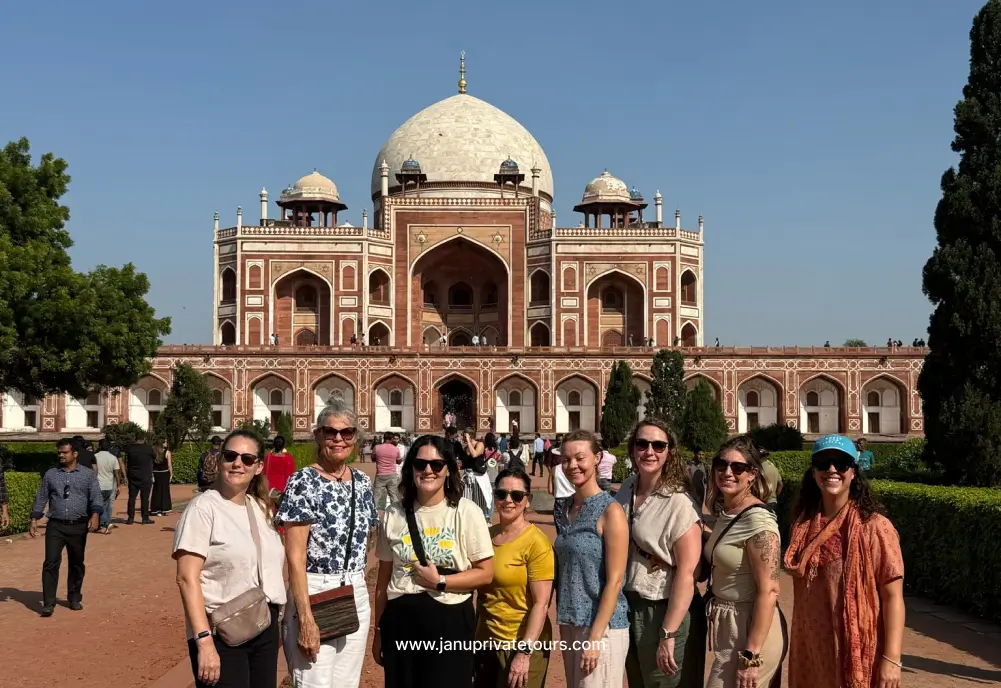
Best Time to Visit India by Region: Where Should You Go and When?

Here’s where India gets interesting: the best time to visit India can change completely from one region to another. So, instead of picking one season for the whole country, match your dates accordingly to your destinations.

 North India: Delhi, Agra, Jaipur, Varanasi & Rajasthan

Planning the classic India experience? October to March is generally comfortable for exploring North India’s cities, monuments, forts as well as markets, especially when you’ll be outdoors for hours.

Quick takeaways:

  • Best window: October–March

  • Great for: Golden Triangle, Rajasthan, Varanasi

  • Watch for: Chilly mornings or fog in December–January

 South India: Kerala, Tamil Nadu & Coastal Destinations

Going south? Kerala, Tamil Nadu, as well as coastal areas will all have different weather patterns. Check your specific destination before deciding when the best time to travel is.

Simple takeaways:

  • Kerala: November–February is popular for comfortable travel

  • Tamil Nadu: Cooler months can suit sightseeing

  • Coastal trips: Check local rainfall patterns

 Himalayas: Himachal Pradesh, Uttarakhand & Ladakh

Dreaming of mountains? Don’t automatically follow the usual India travel season. Himachal Pradesh, Uttarakhand as well as Ladakh have extremely different conditions, particularly at higher elevations.

Quick conclusions:

  • Hill stations: Spring and summer can be pleasant

  • Ladakh: Summer is generally the main travel window

  • Winter: Snow can create a completely different experience—and road access can vary

 Goa & the Western Coast

Time is of the essence if beaches are calling. Monsoon brings heavier rain, but Goa along with parts of the western coast are popular during the dry months.

Key takeaways:

You will see the Northeast as if it were another world, complete with its own weather. Assam, Meghalaya, Sikkim, as well as other destinations. Each has unique conditions.

  • Beach holidays: November–February is popular

  • Monsoon: Lush scenery and a different coastal experience

  • Tip: Check seasonal conditions before planning outdoor activities

 Northeast India: A Different Seasonal Story

Quick highlights:

  • Weather varies: Region to region

  • Nature trips: Choose dates around your planned activities

  • Tip: Don’t assume the usual October–March window works equally everywhere

A useful rule? Start with your destination, not the calendar. Once you know where you want to go, choosing the best season to go to India becomes much easier.

What Is the Best Month to Visit India? A Month-by-Month Guide

Still wondering, “Okay, but which month should I actually choose?” Good question! So instead of going through all those 12 months, group them smartly by weather as well as travel experience so you will quickly spot the period that fits your plans.

 January–February: Looking for Comfortable Winter Sightseeing?

Want to spend your days exploring forts, palaces, temples and historic cities without intense heat? January and February are popular for North India sightseeing and cultural trips, with generally cooler conditions across many tourist destinations.

Good for:

Delhi, Agra, Jaipur, Rajasthan, cultural tours and heritage trips.

 March: Fancy Festivals Along With Your Trip?

Thinking about experiencing India during a festival? March brings warmer days in many places, while Holi can add a colourful cultural experience, depending on the year and location. It can be an exciting month if festivals are part of your plans.

Good for:

Cultural experiences, festivals, heritage trips and selected wildlife destinations.

 April–June: Too Hot for the Plains? Head to the Hills!

Wondering if summer means skipping India altogether? Not necessarily!

While many plains become very hot, hill destinations can offer a more comfortable escape. This period can work well if mountains, cooler temperatures or high-altitude landscapes are on your list.

Good for:

Himachal Pradesh, Uttarakhand and selected mountain destinations.

July–September: What If You Want to See India in the Rain?

Monsoon changes the experience completely. You’ll find greener landscapes and fewer typical sightseeing conditions in some destinations. But for travelers who enjoy dramatic scenery and slower journeys, it can be an interesting time.

Good for:

Monsoon landscapes, greenery, selected Kerala trips and nature experiences.

 October–November: Ready for India’s Travel Season to Pick Up?

As the weather improves across many popular destinations, October and November can be an appealing time to travel. These months are especially useful if you’re planning North India sightseeing, heritage tours or a longer multi-city itinerary.

Good for:

Delhi, Agra, Jaipur, Rajasthan, heritage tours and wildlife trips.

 December: Want a Classic Winter India Experience?

December is a popular travel month, particularly for first-time visitors exploring North India. Cooler weather, festive celebrations and the excitement of peak travel season make it appealing—but popular destinations can also become busier.

Good for:

Golden Triangle, Rajasthan, cultural tours and festive travel.

So, what’s the best month to visit India? There’s no single answer. The best months to visit India depend on your destination, weather preference and travel plans. Start with where you want to go, then choose the month that makes the experience work for you.

Best Time to Visit India for Different Travel Experiences

So, what are you actually coming to India for? A Taj Mahal sunrise, a wildlife safari, a beach break, or a few quiet days in the mountains? Your ideal travel season can change depending on the experience you have in mind.

Planning a Golden Triangle or Heritage Tour?

If Delhi, Agra, Jaipur and Rajasthan are on your list, October to March is generally a comfortable period for long sightseeing days and outdoor heritage visits.

Quick question

Your answer

Best window?

October–March

What can you enjoy?

Forts, palaces, markets and monuments

One thing to know?

December–January can bring cooler mornings and fog

 Hoping to Spot Wildlife?

Thinking about a safari? The best time to go to India for wildlife depends on the park, but many popular safari destinations are especially suitable during cooler, drier months.

Quick question

Your answer

Often suitable?

October–April

What can you enjoy?

Safari drives and wildlife viewing

Before you book?

Check the park’s opening dates

 Dreaming of Beaches and Backwaters?

If your idea of India involves beaches, palm-lined coastlines or Kerala’s backwaters, cooler and drier months can make outdoor activities more comfortable.

Quick question

Your answer

Popular period?

November–February

What can you enjoy?

Goa, Kerala and coastal escapes

Want something different?

Monsoon brings lush landscapes and a greener Kerala

Want Mountains, Trekking or a Cooler Escape?

Here’s where choosing the best season to go to India gets interesting. Himalayan destinations follow different seasonal patterns, so your dates depend on altitude and the experience you want.

Planning this?

Consider this

Hill stations

Spring and summer can work well

Ladakh

Summer is generally the main travel period

Snow experience

Winter can offer a completely different trip

 Want Festivals and Local Culture?

If festivals are a big reason you’re visiting, don’t choose your dates based on weather alone. Plan around the celebration you actually want to experience—and remember that festival dates can change each year.

Curious about?

Usually falls around

Holi

February–March

Diwali

October–November

Planning tip

Check the exact dates before booking

 Looking for a Spiritual or Wellness Retreat?

Want to slow things down rather than race between sightseeing spots? For spiritual and wellness trips, the best time to visit India depends on your destination, retreat schedule and preferred weather.

Thinking About?

What to know

Popular choices

Rishikesh, Kerala and other wellness destinations

Northern retreats

October–March can be comfortable

Before booking

Check the retreat’s seasonal schedule

The simple rule? Choose the experience first, then the season. That way, you’re not just picking a convenient travel date—you’re choosing a time that actually fits the India trip you’ve been imagining.
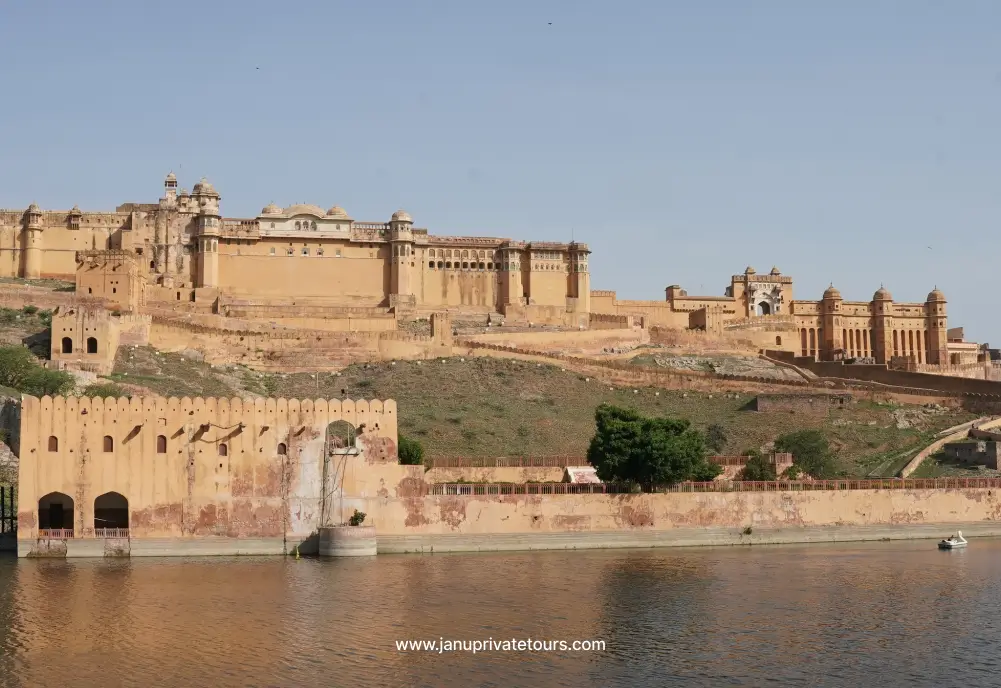
When Is the Best Time to Travel to India on a Budget?

Trying to keep your India trip within budget? There’s no magic “cheapest month.” Prices can change with destination, festivals, hotel demand and how flexible your dates are. Instead, think about what kind of travel period suits your priorities.

— Peak, Shoulder or Low Season — What’s the Difference?

Peak season usually means more travellers and stronger demand. Shoulder periods sit between busy and quieter seasons, while low season can bring fewer visitors—but sometimes less predictable weather too.

  • Peak: More demand, busier attractions and potentially higher prices

  • Shoulder: A possible balance between weather, crowds and costs

  • Low: Fewer tourists, but weather may be less comfortable

 Does Weather Affect Your Travel Budget?

Absolutely. When weather is comfortable, popular destinations can become busier. During hotter or wetter periods, demand may change, but that doesn’t mean every hotel or tour automatically becomes cheaper.

  • Check hotel prices for your exact dates

  • Compare different accommodation options

  • Look at tour and transport availability before booking

 Fewer Tourists Doesn’t Always Mean Better

A quieter season might sound perfect, right? But if heavy rain, extreme heat or limited access affects your plans, saving money may not be worth much. The best time of year to visit India should still work for your itinerary.

  • Check local weather conditions

  • Consider outdoor activities carefully

  • Look beyond price when choosing dates

 Got Flexible Dates? Use That to Your Advantage

If your schedule allows some flexibility, compare nearby dates instead of locking yourself into one exact week. You may find differences in accommodation or travel demand without having to change your entire itinerary.

  • Compare dates around peak periods

  • Avoid major festivals if crowds aren’t your thing

  • Keep a little flexibility in your itinerary

 Why Does Your Destination Matter So Much?

This is the big one. The best season to go to India on a budget can be completely different depending on where you’re headed. A season that works for Rajasthan may not suit Kerala, Goa or the Himalayas.

Don’t ask only, “When is the cheapest time to visit India?” Ask, “When can I get the weather and experience I’m comfortable with?” That’s a much better way to plan.

When Should You Avoid Visiting India? Weather and Planning Challenges

There’s no single “bad” season for all of India. Some periods can simply be more challenging depending on where you’re going.

April–June can be very hot across parts of North and Central India, while June–September may bring heavy monsoon rain and travel disruptions. In high-altitude Himalayan areas, winter can mean snow, colder conditions and road closures.

Keep these in mind:

  • Summer: Very hot in many plains; plan outdoor sightseeing carefully.

  • Monsoon: Rain can affect roads, transfers and outdoor activities.

  • Winter: Check accessibility before heading to high-altitude destinations.

  • Destination matters: Conditions vary widely across India.

  • Stay flexible: Leave some room to adjust your itinerary if weather changes.

So, when is the best time to travel to India? Rather than avoiding an entire season, match your dates to your destination, activities and comfort level.
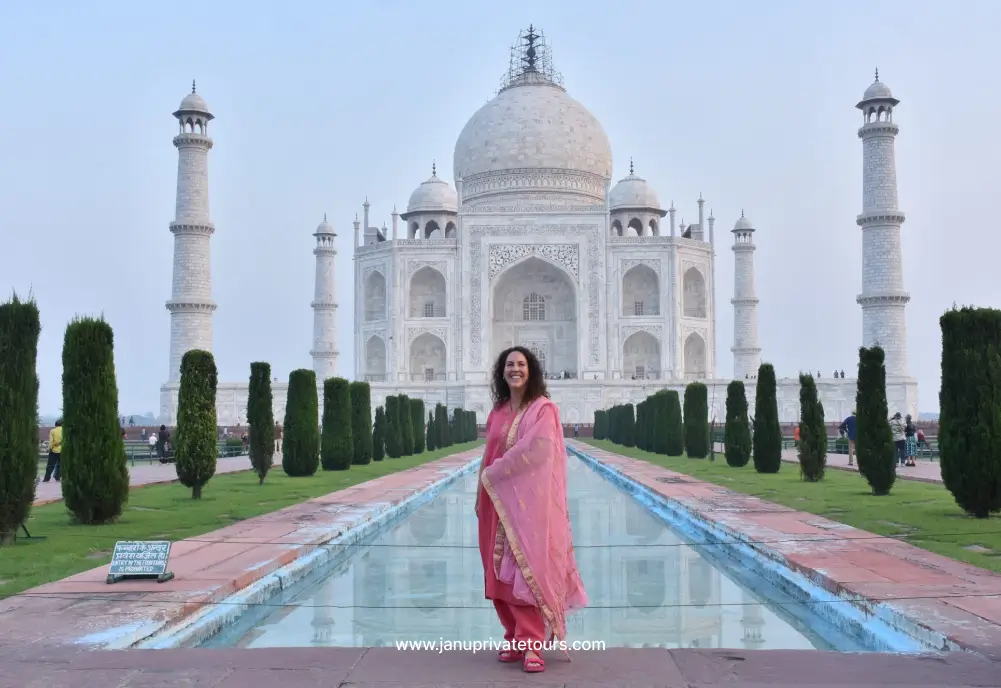
Planning Your India Trip? Start With What Matters to You

Still wondering about the best time to visit India? Start with your destinations, then work backwards to your travel dates. The best time of the year to visit India isn’t just about weather—it’s about making sure the season actually fits the kind of trip you want.

Before you book, keep these simple things in mind:

Step

Quick Check

1. Pick your places

Rajasthan, Kerala, Goa, Himalayas—or a mix?

2. Match the season

Does the weather suit your route?

3. Choose your pace

Packed sightseeing or slow exploration?

4. Check the calendar

Any festivals or holidays during your trip?

5. Build breathing room

Enough time for transfers and unexpected changes?

6. Review the whole route

Does everything work together?

And if you’re still asking, “When is the best time to travel to India for my trip?”—you don’t have to figure it all out alone.

Planning your India adventure? Let Janu Private Tours help you choose the right travel season and create a private journey you actually want.

Planning Your India Journey With Janu Private Tours

India can be wonderfully exciting—and a little overwhelming when you’re trying to connect different cities, seasons and experiences on your own. The right itinerary should feel thoughtful, comfortable and personal, not like you’re simply ticking destinations off a list.

Before you finalize your plans, think about:

  • Where you want to go

  • What you want to experience

  • Which season feels right for you

  • How much time you have

  • How you want to travel between destinations

Still unsure how to put it all together? Janu Private Tours can help you choose the right travel period and create a private India journey around your interests and travel style. Your India trip shouldn’t feel like someone else’s itinerary. Let us help you make it yours.
 

Ajmer Tour with Janu: A Local Guide to the City’s Must-See Sights

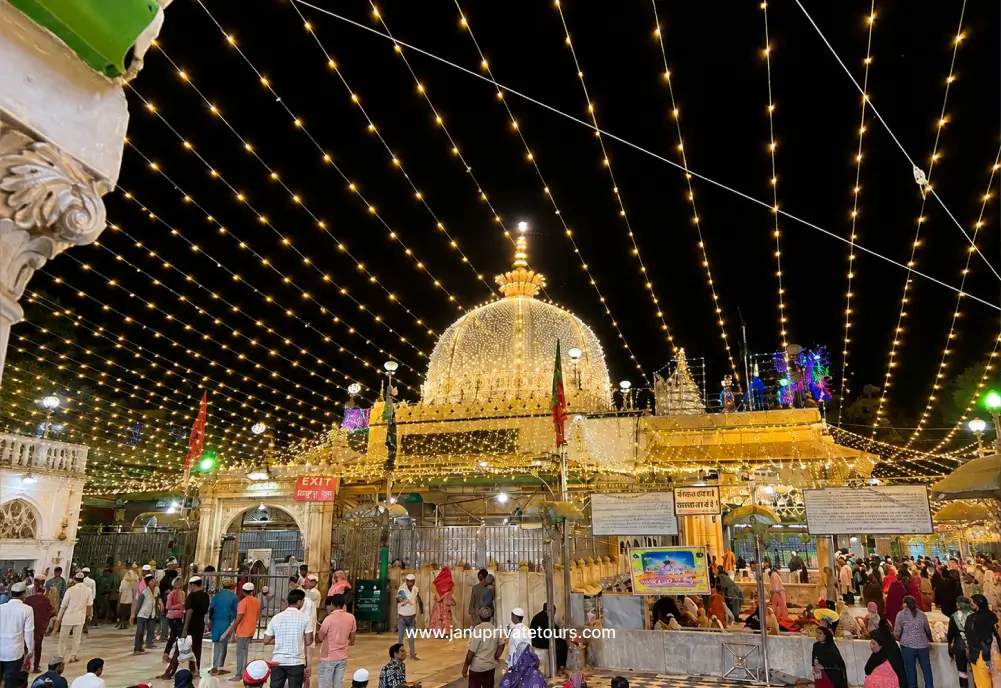
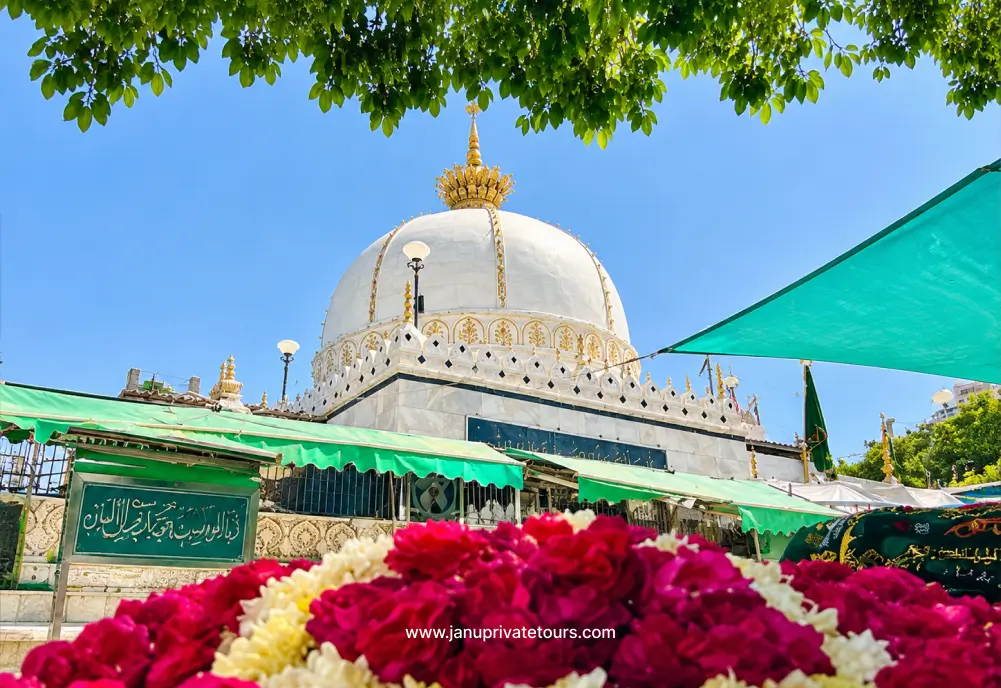
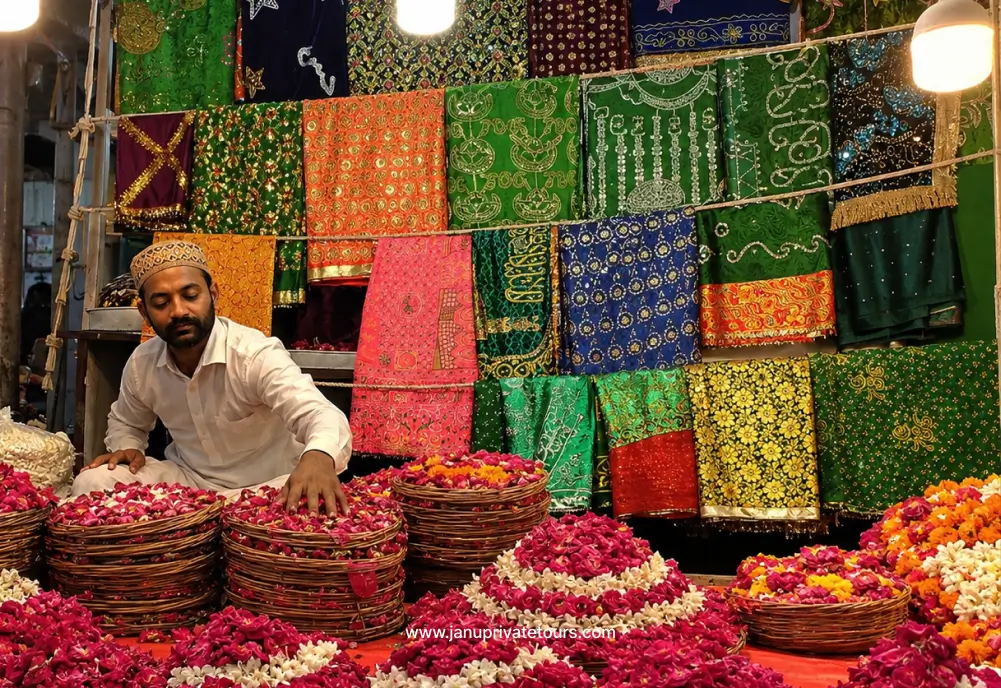
Ajmer is popularly known as the ‘Heart of Rajasthan’ and the ‘City of Dargahs’ for its prime location and deep spiritual legacy. The soul of the city provides a connection of religious ties with cultural heritage.

By visiting the Ajmer Sharif Dargah, tourists can experience the serenity and traditions of ancient Indian culture.

An Ajmer Tour with Janu Private Tours is an excellent option for getting to know the city. The expertly planned, customizable itinerary provides a local perspective. From Ajmer Fort to the specialty shopping districts, Ajmer has a lot to offer. An Ajmer Tour with Janu can help you see the best of it all in one day.

This Ajmer travel guide lists the best places to see, things to do and useful tips to make the most of your trip.

Why Choose an Ajmer Tour with Janu?

Ajmer is small enough to easily walk around. However, the stories behind its sights are best experienced with the benefit of a local guide. Rather than spending time on a group tour schedule, guests on a private tour can take in the sights on their own schedule.

Janu has the flexibility to customize the Ajmer tour plan as per your choice of holiday. Be it a spiritual holiday, sightseeing, or a combination of both, you can get the tour according to your preference.

This way of planning tours is based on:

  • Personalized itineraries

  • Private sightseeing experiences

  • Local destination knowledge

  • Comfortable transportation

  • Flexible schedules

  • Guided cultural and heritage experiences

The travel service also focuses on personalized trips with private cars, expert guides and help during the trip.

Top Places to Visit in Ajmer

There are various popular attractive places to visit in Ajmer. These attractions should be included in your itinerary if you are planning an Ajmer tour. 

            Attraction

  What Makes It Special

          Ideal For

Ajmer Sharif Dargah

Important spiritual and architectural landmark

Spiritual travelers

Adhai Din Ka Jhonpra

Historic Indo-Islamic architectural site

History lovers

Taragarh Fort

Historic fort with impressive hilltop views

Heritage enthusiasts

Ana Sagar Lake

Scenic lake surrounded by hills and city views

Families & photographers

Akbari Fort & Museum

Historic fort showcasing regional heritage

History lovers

Nareli Jain Temple

Peaceful modern Jain temple complex

Architecture & spirituality

Pushkar

Sacred town near Ajmer

Culture & religious tourism

1. Ajmer Sharif Dargah

Ajmer sightseeing tour is incomplete without a visit to Ajmer Sharif Dargah. Every year, thousands of pilgrims visit the Dargah of Khwaja Moinuddin Chishti, one of India’s holiest pilgrimage sites.

It has grand gateways, courtyards and marble buildings as well as a truly spiritual ambiance. This is a place of pilgrimage and its visitors may be of any religion, nationality and class.

With an Ajmer tour with Janu, you can experience the spirituality and cultural significance of Ajmer’s most revered monument. You can take time to marvel at the splendor of the marble buildings and monuments.

2. Adhai Din Ka Jhonpra

It is one of the popular ancient monuments standing near Ajmer Sharif. It is one of the most interesting places to visit in Ajmer. It gives you a unique look at the style of architecture called Indo-Islamic.

Intricately carved arches, pillars and epigraphy, as well as the building’s overall layout, have survived the test of time. Take a close look at the stonemasonry and architecture to get a sense of the era’s aesthetic.

3. Taragarh Fort

Star Fort, or Taragarh Fort, is a stunning Ajmer, Rajasthan, landmark. This rocky hilltop stronghold is one of the region’s strongest. It was built in 1354 on a rocky peak, but plants have invaded the crevices. Chauhan king erected the Star Fort. The fort has three gates:

  • Lakshmi Pol

  • Phuta Darwaza

  • Gagudi Ki Phatak

Many of the majestic gates are in ruins. The hilltop tunnels of Taragarh Fort were famed. Since there is no guide, they are closed to guests today. Bhim Burj, a 16th-century castle with a massive Garbh Gunjam or Thunder from the Womb cannon, is its strongest hold.

                     Experience

Why Add It to Your Tour?

Explore historic ruins

Discover Ajmer’s royal and military heritage

Enjoy hilltop views

See the city from an elevated viewpoint

Photography

Capture architecture and landscapes

Guided exploration

Understand the stories behind the monument

Adding Taragarh Fort to your Ajmer Tour with Janu can give your trip more history and exploration.

4. Ana Sagar Lake

The Ana Sagar Lake is a nice spot to relax and take in the views. The hills around this beautiful lake make it a great spot to take pictures and take a leisurely walk. You can take as much time as you want to enjoy this place’s beauty. There’s no need to rush.

5. Akbari Fort & Museum

History buffs should surely visit Akbari Fort. It has a museum showcasing collections of artifacts that are undeniably linked with the history of Rajasthan. This monument will help travelers to enrich their knowledge about the region’s past, exploring an intriguing place at the same time.

The Ajmer travel guide recommends visiting this place. It is a great chance to learn about the city’s ties to various eras of Indian history.

6. Nareli Jain Temple

Nareli Jain Temple is situated on the outskirts of Ajmer and is famous for its structural designs. This makes it a picture-perfect destination.

Architecture lovers and city outsiders visit the temple complex for its elaborate design and peaceful atmosphere on weekends.

It can be included in the Ajmer sightseeing tour for those interested in exploring the spiritual side of this place. It is also ideal for those who prefer less crowded destinations.

Ajmer and Pushkar: A Perfect Combination

A trip to Ajmer with a halt in Pushkar is great. Pushkar’s sacred Lake, Brahma Temple, colorful streets and ghats and active culture make it famous. Differences make the two places a good combo for a Rajasthan schedule.

Janu’s Ajmer Tour adapts your schedule to fit your interests and time constraints.

What You Can Experience

  • Famous temples and religious locations

  • Walk around Pushkar’s colorful markets

  • Visit Pushkar Lake

  • Discover Ajmer’s historic monuments

  • Experience local culture and architecture

  • Enjoy a flexible private sightseeing schedule

How to Plan Your Ajmer Sightseeing Tour

A little planning can make your visit much more comfortable. When creating your itinerary, consider the following:

  1. Start early

  2. Dress comfortably

  3. Honor religious traditions

  4. Flexibility in your itinerary

  5. Combine destinations

  6. Use local guidance

On an Ajmer Tour with Janu, tourists can talk about what they want and make a plan that fits their interests. Our tour service can plan your trip in a way that fits your needs instead of just using standard schedules.

Best Experiences to Include in an Ajmer Tour

There is more to Ajmer than just a list of monuments. Try to make time for things that will help you understand what the city is like. Think about including:

  • Exploring historic architecture

  • Visiting spiritual landmarks

  • Photographing traditional streets and monuments

  • Enjoying peaceful moments beside Ana Sagar Lake

  • Discovering local markets

  • Integrating Ajmer and Pushkar

  • Exploring Rajasthan’s varied culture

An Ajmer Tour with Janu can benefit tourists who prefer to have a private and relaxed experience. This tour package is good for people who do not like the organized group schedule.

Why a Local Perspective Makes a Difference

A monument may look stunning in a photograph, but only knowing its background and history increases the experience. Local guides are able to give insight into the architectural, cultural, historical and significant value of the monuments and destinations that you visit.

Janu Private Tours specializes in the region and offers professional guidance, tailored recommendations, personalized experiences and private travel. We provide multilingual guides who have extensive knowledge of Rajasthan.

An Ajmer tour with Janu is suitable for families, couples and solo travelers. It is also perfect for those seeking to discover Rajasthan for the first time.

A Simple One-Day Ajmer Itinerary

                            Time

Suggested Experience

Morning

Ajmer Sharif Dargah

Late Morning

Adhai Din Ka Jhonpra

Afternoon

Lunch and local exploration

Late Afternoon

Taragarh Fort or Akbari Fort & Museum

Evening

Ana Sagar Lake

Optional Extension

Continue to Pushkar

This itinerary can be adjusted depending on your interests, opening hours, travel arrangements and available time.

Conclusion

Ajmer is a land of mysticism and history, a land of monuments, beautiful landscapes and local color. Majestic temples, ancient forts, unique palaces and charming lakes are among the many things that Ajmer is famous for.

Ajmer Sharif, Adhai Din Ka Jhonpra, Taragarh Fort and Ana Sagar Lake are popular tourist attractions in Ajmer. These are the places of interest that provide a visitor with an opportunity to satisfy their curiosity.

For those searching for a flexible, private and personalized Ajmer tour solution, an Ajmer tour with Janu can be a great option. It helps you fully discover this incredible city and have more time for enjoying the local wonders. A local guide will assist you in any small or large Ajmer tour. Whether you’re looking for a quick half-day excursion, a comprehensive sightseeing tour, or a combined Ajmer-Pushkar excursion, we can help.

Janu Private Tours helps guests by offering tailored itineraries, private vehicles, professional guides and individualized travel assistance. An Ajmer Tour with Janu is ideal for those who want to see the city’s highlights. Contact us to arrange a personalized Ajmer Tour with Janu and explore the city’s spiritual landmarks, hidden treasures and historic sites with ease.

For Curious Foreign Travelers: The Things to Do in Jodhpur Beyond the Usual Tourist Stops

You’ve probably heard about Mehrangarh Fort. Maybe you’ve seen those famous photos of Jodhpur’s blue houses, Jaswant Thada and Umaid Bhawan Palace too.

But here’s the interesting part… What if those famous places are only the beginning?

For a foreign traveler, the fun in Jodhpur starts when you stop thinking, “Okay, what’s the next attraction?” Leave the usual route and turn into a blue lane, look at a local craft being made, grab something from a busy market, try a dish you’ve never heard of and watch everyday Jodhpur happening around you.

So, if you’re wondering what to do in Jodhpur beyond the usual tourist stops, this guide is especially for you.

Let’s explore the city a little differently…

What Makes Jodhpur Worth Exploring Beyond the Famous Forts?

Mehrangarh Fort is a must-see, of course. But don’t make your whole Jodhpur trip about forts and palaces. Walk around the blue lanes, stop for a kachori, check out the markets, chat with a shopkeeper or just watch the city go about its day.

That’s the Jodhpur you’ll remember. Think of it as two sides of Jodhpur—the GRAND Rajasthan, which you came to see and the EVERYDAY India you discover along the way. Look beyond the usual attractions for:

  • Blue-painted neighborhoods and old-city lanes

  • Traditional markets and local shopping

  • Authentic Rajasthani food experiences

  • Local crafts and artisan traditions

  • Quiet viewpoints and sunset moments

  • Village and cultural experiences outside the city

  • Everyday life around Jodhpur’s historic landmarks

So, keep some space for wandering, eating, shopping and simply seeing the city, when you are actually planning things to do in Jodhpur.

Start With Mehrangarh Fort—But Don’t Stop There

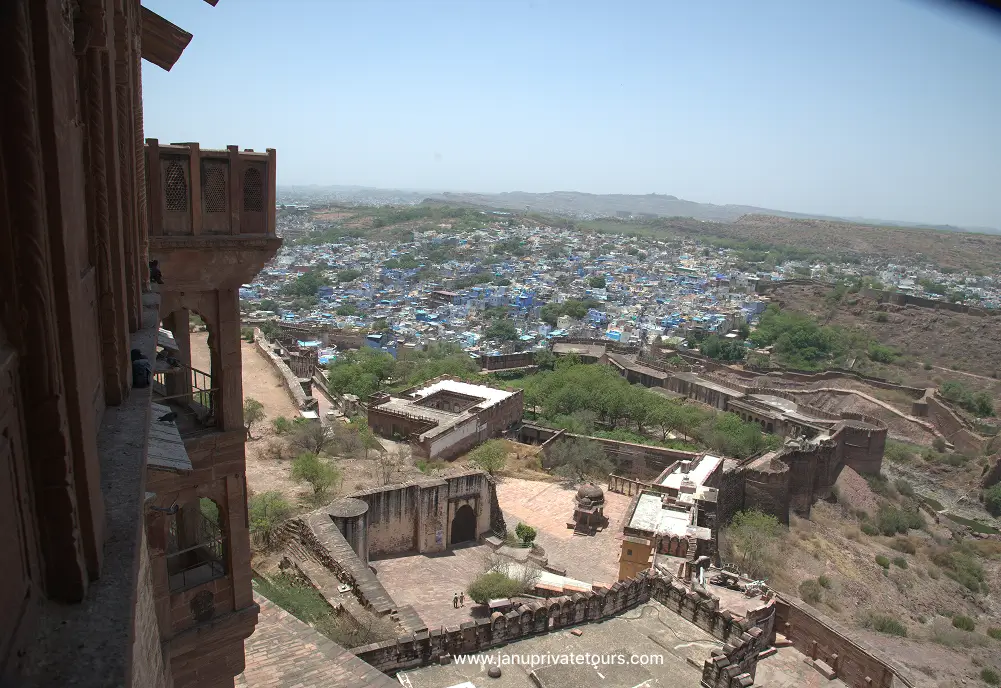
Mehrangarh Fort rises around 400 feet above Jodhpur, so yes—you’re going to notice it. And honestly, skipping this city’s biggest landmarks wouldn’t make much sense.

And if you are a first-time visitor, it’s one of the Jodhpur tourist attractions that actually lives up to the hype. The huge fort walls, royal rooms, museums and those incredible views over the Blue City give you the perfect first look at Jodhpur.

So, put it on your list of places to visit in Jodhpur—just don’t make it your entire Jodhpur experience. Once you’ve seen the city from above, let’s head down and see what’s happening in those blue lanes, markets and neighborhoods.

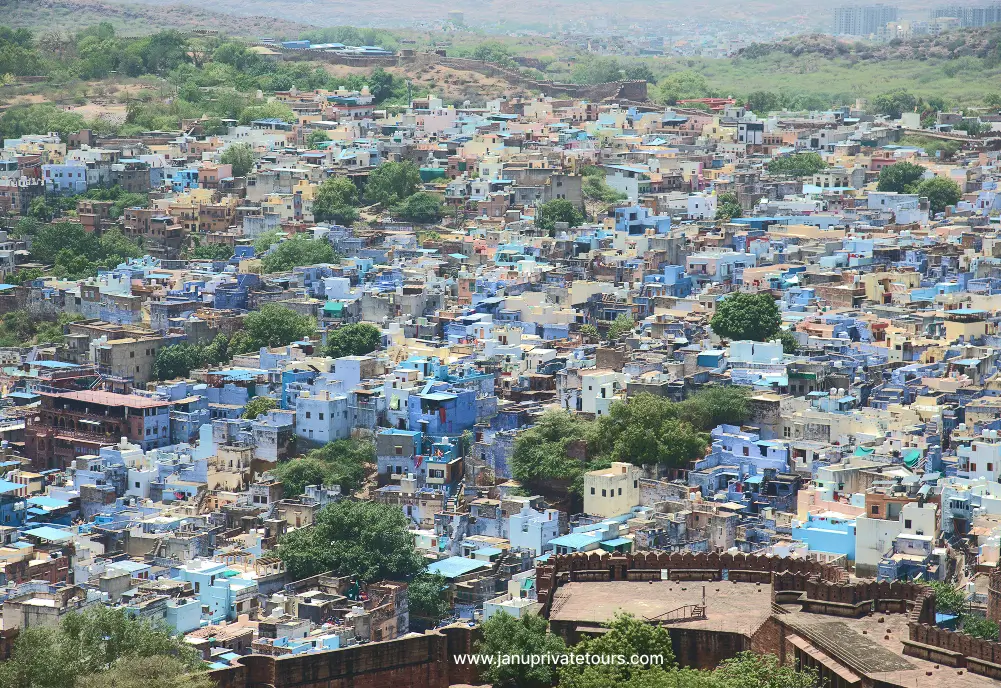
Want to See the Real Blue City? Walk Beyond Jodhpur’s Main Roads

Already seen those famous blue houses from Mehrangarh Fort? Now go a little closer. Walk through the old neighborhoods and you’ll see how the Blue City actually works— homes, tiny shops, temples, doorways, people and everyday life… all packed into the same maze of lanes.

A few things to notice:

  • Blue-painted walls in different shades

  • Old wooden doors and balconies

  • Tiny shrines tucked into neighborhood corners

  • Local shops opening onto the lanes

  • Mehrangarh Fort appearing between buildings

Curious fact: Jodhpur’s “Blue City” isn’t actually one particular blue 💙. Count how many different shades of BLUE you can spot as you walk the old lanes.

 Why So Blue? Jodhpur Has a Few Stories to Tell…

Here comes the most exciting part. Ever wondered why Jodhpur appears so blue? Blue houses have long been associated with the old city, particularly in the area near Mehrangarh. This color is also usually linked with Brahmin households.

It also connects the color with cooling homes and discouraging insects, but it’s better not to treat these as the single reason behind Jodhpur’s blue appearance.

Look closely at:

  • How different shades of blue appear next to each other

  • Faded paint revealing older layers

  • Blue walls contrasting with colourful doors

  • Decorative details around entrances

You’ll See Everyday Jodhpur, Not Just Tourist Jodhpur

This is where sightseeing in Jodhpur becomes more interesting. People are living their normal lives. Everyday activity is exactly what gives the Blue City its character.

You may come across:

  • Traditional neighbourhood shops

  • Local food sellers

  • Families going about daily routines

  • Small religious spaces

  • Artisans and craftspeople at work

For foreign travelers: You don’t need to photograph every few minutes. Sometimes simply sitting somewhere appropriate and watching the neighborhood move around you is part of the experience.

 Bring Your Camera—But Don’t Forget Your Manners

Yes, you’ll probably need hundreds of photos. Blue walls, colorful doors, old architecture, and a fort rising above the neighborhoods can make almost any corner appealing.

But remember: these are people’s homes and neighbourhoods. A beautiful doorway may look like a perfect travel photograph to you, but someone lives behind it.

A good rule to follow:

  • Photograph public streets and architecture freely where appropriate

  • Ask before photographing people

  • Ask permission before focusing on private homes

  • Avoid photographing children without a parent or guardian’s permission

  • Don’t block doorways or narrow lanes for a photograph

A simple smile and polite question can make the interaction much more comfortable—and sometimes lead to a warmer travel memory than a quick photograph ever could.

Walking Gives You a Completely Different Jodhpur

You could see several Jodhpur tourist attractions from the back seat of a car, but you won’t experience the same details that way. Walking puts you at street level, where the small things become impossible to miss.

You hear the sounds, smell the food, notice tiny shops and occasionally have those spontaneous interactions that simply don’t happen when you’re moving between attractions.

Walking lets you experience:

  • The scale of the old neighborhoods

  • Local architecture up close

  • Street food and shopfronts

  • Unexpected viewpoints

  • The rhythm of everyday life

And that’s really the difference between seeing Jodhpur and experiencing Jodhpur.

 Don’t Try to “Complete” the Blue City

There’s no prize for covering every blue lane. In fact, rushing through them can take away exactly what makes the experience worthwhile.

Choose a comfortable route, wander for a while, stop when something catches your attention and leave enough time to enjoy the surroundings without constantly checking what comes next on your itinerary.

Best approach:

  • Start after visiting Mehrangarh Fort

  • Walk during comfortable daytime hours

  • Wear shoes you can comfortably walk in

  • Carry water

  • Keep your camera ready

  • Leave room for spontaneous discoveries

Because sometimes, the best things to do in Jodhpur, Rajasthan, aren’t the ones you planned at all.

Want to See How Jodhpur Really Lives? Start Walking…

Want to know more about Jodhpur beyond its big monuments? Just walk… and see this old city with narrow lanes. colorful doors. tiny shops. little temples and unexpected corners. Make sure you also know what to wear while visiting specific places.

You can stop for chai and look around a local shop. Sightseeing in Jodhpur is sometimes about wandering through the streets and seeing how the city actually lives around its historic attractions.

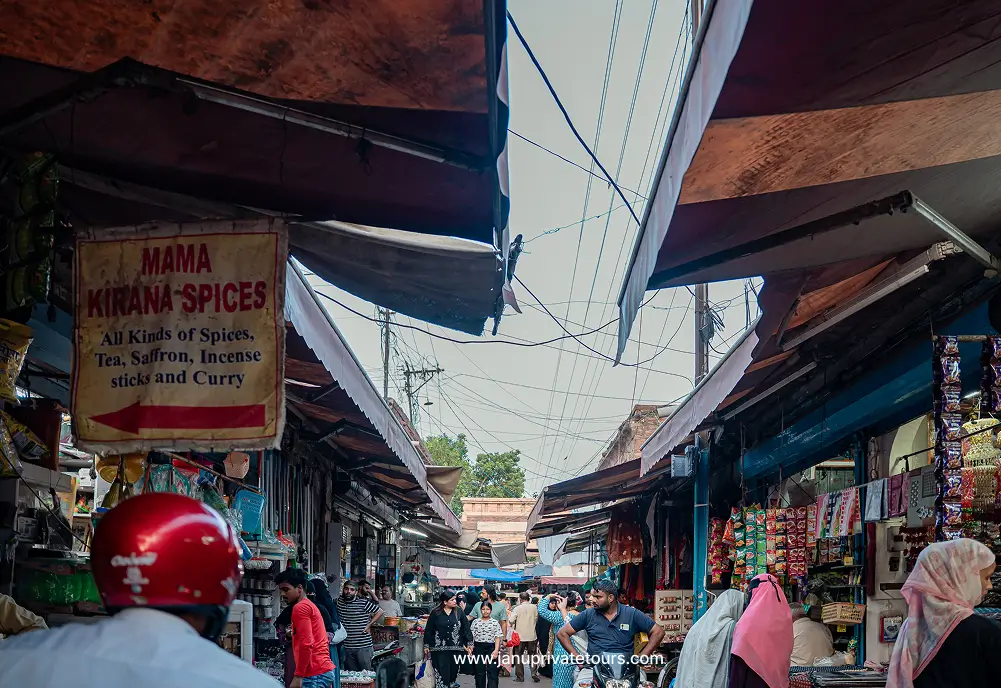
Visit Sardar Market for a More Local Side of Jodhpur

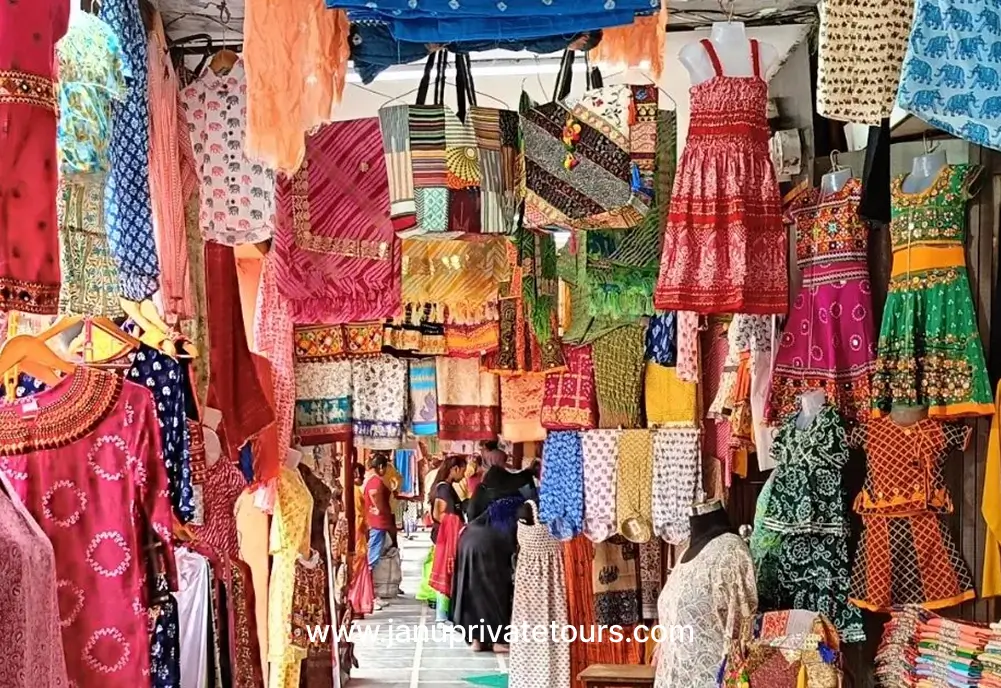
If you want to experience Jodhpur’s local side and walk towards Sardar Market as well as Ghanta Ghar. The market spreads around one of the Old City’s best-known landmarks, with stalls and shops selling spices, textiles, handicrafts, jewellery and traditional Rajasthani goods.

If you’re shopping, look out for:

  • Indigo block-print fabrics

  • Bandhej and Bandhani textiles

  • Jodhpuri juttis and mojaris

  • Rajasthani handicrafts

  • Local spices and masalas

  • Silver jewelry & Lac bangles

  • Small décor pieces & Leather goods

  • Colorful scarves and fabrics

And Don’t Leave Without Trying Something Local

Sardar Market is also a good place to turn shopping into a food stop. Shri Mishrilal Hotel, near the southern side of Sardar Market, is particularly known for its Makhaniya Lassi, while Jodhpur’s famous Pyaaz Kachori and Mawa Kachori are worth trying if you want to taste something strongly associated with the city.

For a first visit, try this little combination: Clock Tower → Sardar Market → browse the textile and spice shops → try Makhaniya Lassi → continue exploring the Old City.

That way, Sardar Market becomes more than a shopping stop. You’re seeing a landmark, exploring local streets, tasting something famous and picking up a few things to remember Jodhpur by—all in one walk.

New to Rajasthani Food? Here’s What to Try in Jodhpur

You can’t really experience Jodhpur without eating your way through it a little. The city has its own mix of spicy snacks, rich Rajasthani dishes, cooling drinks and sweet treats.

If you’re visiting Jodhpur for the first time, the easiest way to know what’s worth trying is to start with these local favorites. Here’s a quick look at some of the foods and drinks you’re likely to come across:

Try in Jodhpur

What to expect

Good for

Mirchi Vada

Crispy fried chilli snack with a spicy kick

Snack lovers

Pyaaz Kachori

Flaky pastry filled with spiced onion

First-time food explorers

Makhaniya Lassi

Thick, sweet and creamy local drink

Cooling down after spicy food

Dal Baati Churma

Dal with baked baati and sweet churma

Trying classic Rajasthani food

Rajasthani Thali

Several curries, breads, dal, rice and sweets together

Sampling many flavours

Mawa Kachori

Sweet, rich kachori with a dessert-like filling

Sweet tooth travellers

Local Sweets

Traditional milk, nut and syrup-based treats

Ending a food stop

Chai

Milky Indian tea with spices and sugar

A simple everyday experience

A little tip if Indian food is new to you: start with smaller portions and ask about the spice level. And if you’re not sure what’s worth ordering, a local food guide will save you from randomly pointing at a menu.

Want to Take Home More Than a Souvenir? Discover Jodhpur’s Crafts

Jodhpur’s markets are full of colourful textiles, handmade crafts, leather goods and traditional jewellery. Instead of grabbing anything you see, take a little time and look around… You will surely find something far more special and unique.

Shop for

Look for

Quick tip

Bandhej & textiles

Colorful tie-dye fabrics

Check fabric quality

Mojaris

Traditional leather footwear

Try them before buying

Leather goods

Bags, belts & wallets

Check stitching

Handicrafts

Handmade décor & gifts

Compare a few shops

Wooden crafts

Carved decorative pieces

Consider packing space

Metalwork

Traditional décor

Check weight & finish

Jewellery

Silver & colourful designs

Compare prices

Spices

Local masalas & blends

Check packaging

—: Shop a Little Smarter

Browse first, buy later. Compare similar items and bargain politely where appropriate. And if you’re travelling internationally, think about size and packing before buying that beautiful souvenir.

Slow Down, Then Step Into Jodhpur’s Quieter & Royal Sides

Once you’ve had enough of the busy Old City, slow things down at Jaswant Thada. Then switch gears completely at Umaid Bhawan Palace, where Jodhpur’s royal history comes alive through grand architecture and its museum.

  • Jaswant Thada — Peaceful marble monument with gardens and lake views

  • Umaid Bhawan Palace — Grand architecture and royal heritage

  • Palace Museum — Vintage cars, royal collections and history

  • Best part — A nice contrast to the busy streets and markets

These are two very different places to visit in Jodhpur, but both add something beyond the usual sightseeing checklist.

Sometimes You Don’t Need Another Attraction—Just Stay Until Sunset

Here’s something you don’t need a ticket for: watch Jodhpur change color at sunset time. From a rooftop, you can see the blue houses glow against Mehrangarh Fort, and then watch the city slowly switch into its evening mood.

  • Catch golden-hour views

  • Find a rooftop facing Mehrangarh

  • Browse evening markets

  • Try local food at night

  • Enjoy the city’s illuminated landmarks

Small tip: For night walks, stick to busy, well-lit areas and use trusted transportation.

Meet Local Communities, Learn to Cook & Find Hidden Corners

Want to experience things to do in Jodhpur that feel a little more personal? Spend time with local culture rather than simply moving from one monument to the next.

A village experience with the Bishnoi community can introduce you to traditions and a strong connection with nature, while a cooking class in Jaipur lets you get hands-on with local spices and dishes.

You can also wander into stepwells, temples and quieter neighborhood corners that show another side of the city.

  • Bishnoi village experience — Learn about traditions, nature and wildlife

  • Local cooking class — Prepare Rajasthani dishes and try the spices behind them

  • Stepwells & temples — See historic spaces away from the main tourist trail

  • Quiet neighbourhoods — Walk, observe and look for everyday Jodhpur

  • Why it matters — You’re experiencing the culture, not just photographing it

For international travelers, these can be some of the most memorable places to visit in Jodhpur precisely because they give you something to do, learn and experience—not just another monument to see.

Build Your Own Jodhpur Experience Around What You Love

Trust me. You really don’t need to follow someone else’s perfect Jodhpur itinerary. You can choose the experiences that actually interest you and give yourself enough time to enjoy them.


Your travel style

Don’t miss

First visit

Fort + Blue City

Food-focused

Local food + markets

Photography

Blue lanes + sunset

Culture

Crafts + Bishnoi experience

Shopping

Sardar Market + artisan shops

History

Fort + Jaswant Thada + palace

Slow travel

Walks + rooftops

Adventure

Rural experiences + outdoors


For most travelers, 2 days give a comfortable introduction, and 3+ days let you explore beyond the standard sightseeing route. And if walking is a big part of your plan, then October to March is the most comfortable season for visiting.

Don’t Just See Jodhpur. Experience It Your Way With Janu Private Tours

You could plan every fort, market and meal yourself—and sometimes that’s half the fun. But rather than spending the whole time figuring out arrangements, give yourself time to enjoy Jodhpur. Janu Private Tours will make your experience wonderful.

Want the famous sights? Done. More interested in food, markets, Rajasthan local culture or quieter corners? You can shape the day around that too. And if Jodhpur is only one stop on your Rajasthan trip, your itinerary can continue beyond the Blue City.

Because the best Jodhpur trip isn’t necessarily the one where you see the most. It’s the one where you actually enjoy what you came to India to experience.

Agra Sightseeing Tour: Beyond the Taj Mahal, Explore the City of Mughal Grandeur

The Taj Mahal is the initial landmark of Agra that attracts tourists. But there’s much more in the city to explore. Beyond its famed white marble front is a fascinating world filled with Mughal forts, medieval gardens and intricate workmanship. Dynamic markets, traditional food and centuries-old legends complete this remarkable destination.

A good Agra sightseeing tour is not only about viewing the Taj Mahal and departing. It is also about experiencing the larger side of the city. From the majestic Agra Fort and the beautiful Itmad-ud-Daulah to the sunset vistas from Mehtab Bagh. Each destination contributes uniquely to Agra’s rich historical narrative. The old lanes of Agra further enrich this narrative with their historical charm.

Janu Private Tours provides private Agra local sightseeing tour guides and private transportation. We offer easy pick-up and drop-off along with well-planned sightseeing experiences for guests searching for luxury and personalization.

Why Agra Is More Than the Taj Mahal

Taj Mahal is one of the huge site of attraction for tourists arriving in Agra. It is a famous cultural heritage site of India that brings foreigners to our country. Agra local sightseeing tour with Taj Mahal gives a romantic moment to your tour. You can complete your tour by visiting the other heritage sites:

Place

What You Can Experience

Taj Mahal

Iconic Mughal architecture, marble craftsmanship and a beautiful sunrise experience

Agra Fort

Mughal history, royal courtyards, palaces and views of the Taj Mahal

Baby Taj

Delicate marble inlay work and early Mughal architectural design

Mehtab Bagh

Peaceful gardens and beautiful sunset views of the Taj Mahal

Fatepur Sikri

Historic Mughal buildings, grand gateways and royal architecture

Local Markets

Traditional handicrafts, marble products, leather goods and local shopping

Agra Food

Traditional sweets and local flavours that add to the travel experience

These places will enhance the travel experience for history enthusiasts, photographers and architects. It is also perfect for families and those looking to comprehend India’s royal past.

1. Begin with the Magnificent Taj Mahal

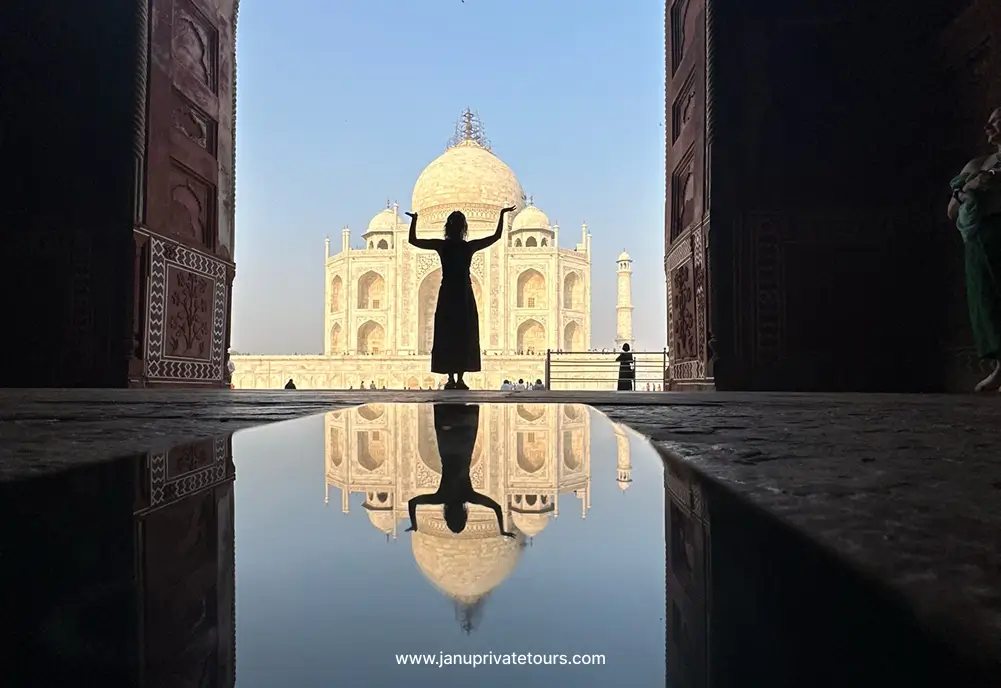
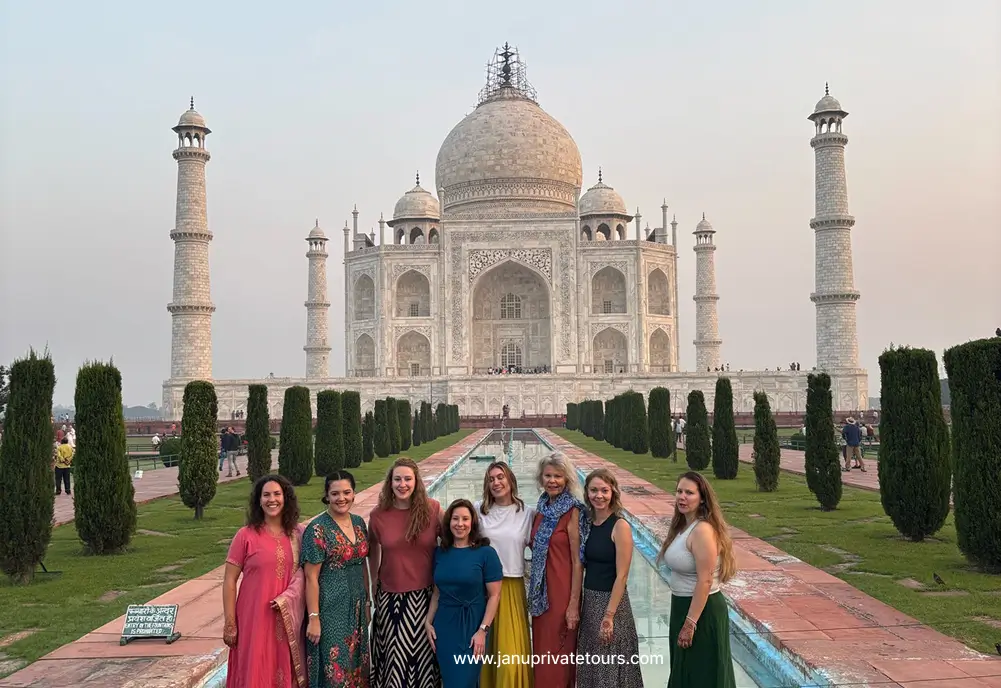
Agra sightseeing is incomplete without the Taj Mahal. The monument is known for its white marble construction, rich detailing, symmetry and emotive story. It was built by Shah Jahan in remembrance of Mumtaz Mahal.

A sunrise visit is spectacular. Marble tints change with morning light, while gardens and mirroring pools enhance the backdrop.

Janu Private Tours offers a Taj Mahal tour with experienced interpreters. Our guides clarify the landmark’s history, architecture, significance and fascinating tales instead of just walking around.

2. Discover the Grandeur of Agra Fort

Agra Fort is near the Taj Mahal. It was a key center of Mughal authority for generations, a huge fort built of red sandstone fort.

Agra Fort is one of the main attractions for tourists as it gives a special look of the Taj Mahal from it. You must visit this destination on any Agra sightseeing tour, as it is the association between these two buildings.

3. See the Beauty of the Baby Taj

The Tomb of Itmad-ud-Daulah or the Baby Taj, as it is sometimes called, provides an altogether distinct architectural experience.

The large and luxurious Taj Mahal stands out from the smaller and more fragile Baby Taj. An important part of a luxury hotel in Agra is its intricate marble carvings and patterns.

Janu Private Tours states that Itmad-ud-Daulah is a “draft of the Taj Mahal.” It is important for understanding the evolution of Mughal marblework.

Make sure you visit this site as part of your tour of the landmarks in Agra. You can now see the beautiful details that the Taj Mahal’s size tends to hide.

4. Watch the Taj Mahal at Sunset from Mehtab Bagh

There’s another way to experience the Taj Mahal too! That would be Mehtab Bagh on the other side of the Yamuna River.

The calm and tranquil gardens of Mehtab Bagh provide the best site for clicking memorable and lovely photographs. The fluctuating light of the setting sun makes a dramatic backdrop for shots.

5. Explore the Mughal era at Fatehpur Sikri

Fatehpur Sikri should be added to your Agra local sightseeing tour if you have time. This ancient Mughal city is outside of Agra. It was built by Emperor Akbar and then left empty. Its well-kept buildings today give tourists an interesting look at Mughal city planning, building design and royal living.

Fatehpur Sikri Attraction

What to Explore

Panch Mahal

A five-storey structure known for its unique architectural design

Buland Darwaza

A magnificent gateway and one of the most impressive structures in Fatehpur Sikri

Tomb of Salim Chishti

A beautiful marble mausoleum with intricate decorative work

Jama Masjid

A historic mosque showcasing the grandeur of Mughal architecture

The route designed by Janu Private Tours includes Fatehpur Sikri and Agra’s most important heritage sites. The trip is meant to cover three UNESCO World Heritage Sites:

  • The Taj Mahal

  • Agra Fort

  • Fatehpur Sikri

You can also experience Fatehpur Sikri and the wider Mughal heritage trail as part of a Golden Triangle tour, which links Agra with Delhi and Jaipur.

6. Explore Agra’s Local Markets and Handicrafts

Agra’s heritage is not confined to its monuments. Another way to discover the city’s culture is through its markets.

On an Agra local sightseeing tour, you will go to local shopping areas and learn about crafts that are made traditionally. You can find nice leather goods, souvenirs and things with marble carving in these shops.

Janu Private Tours features local markets such as Sadar Bazaar. These markets allow visitors to shop and see the real side of the city.

On select itineraries, you will have the opportunity to visit local markets and handicraft workshops for a richer cultural experience. You may observe traditional artistry more closely at these locations.

7. Taste the Flavours of Agra

Agra city has the best options for food lovers, which can refresh their mood during the trip. Famous desserts of the city attract tourists and have cultural significance in festivals or in general. They are really delicious, prepared by experienced and well-known shops in Agra city.

For food lovers, Janu Private Tours offers an Agra Food Tour, giving travelers another way to explore the city beyond its monuments.

What to Include in an Agra Local Sightseeing Tour with Taj Mahal?

An Agra local sightseeing tour with Taj Mahal can be organized around the city’s top landmarks if you just have one day. A sensible itinerary might consist of:


Time

Experience

Early Morning

Taj Mahal sunrise visit

Late Morning

Agra Fort

Afternoon

Lunch and local sightseeing

Afternoon

Itmad-ud-Daulah’s Tomb

Evening

Mehtab Bagh sunset

Optional

Local markets and handicraft shopping

On longer trips, Fatehpur Sikri can be included in the Mughal historical experience. Janu Private Tours delivers the facilities of hotel, train station and airport pick-up and drop-off in air-conditioned vehicles.  We also offer professionally English-speaking guides to make your tour comfortable.

Why Choose Janu Private Tours for Your Agra Experience?

You must choose an experienced tour expert who can help you learn deeply about the historic features of Agra city. It will make your trip easier and less stressful and you can capture special moments from your trip.

Janu Private Tours is all about private India journeys created by local specialists. The organization also has over 20 years of experience, over 12,000 pleased passengers, fully personalized trips and exclusive and safe tours.

Its Agra experiences include transportation, skilled local assistance, sightseeing and meticulously planned itineraries. You can have a quick city tour or see the Taj Mahal. Other Mughal history tours include a visit to the town of Fatehpur Sikri.

Conclusion

It is important to Taj Mahal in an Agra sightseeing tour. You can explore the ancient marketplaces, traditional delicacies and historical budget for your trip with family and friends.

Agra Fort, the Baby Taj, Mehtab Bagh and Fatehpur Sikri should be added to the Agra trip to have more fun and excitement.

Mehtab Bagh is a garden of four Mughal-style Charbaghs belonging to the Agra palace. It is situated exactly on the opposite side of the Taj Mahal. It is located on the northern side of the Yamuna River in Agra. Tomb of Itmad-ud-daulah (also called Baby Taj) is a fascinating Mughal mausoleum in Agra, India, which is considered an inspiration for the Taj Mahal.

Janu Private Tours offers assistance for an Agra local sightseeing tour, which provides affordable packages. You can have your own customized trip according to your demands and comfort.

If you are interested in exploring the history, culture, as well as mysteries hidden in Agra, then make it a point to have an amazing tour with us. This Agra sightseeing tour offers an exciting insight into the city’s rich cultural heritage. It is conducted by professional local guides in a private vehicle, which makes your journey comfortable and convenient. Get in touch with us to start planning your Agra tour.

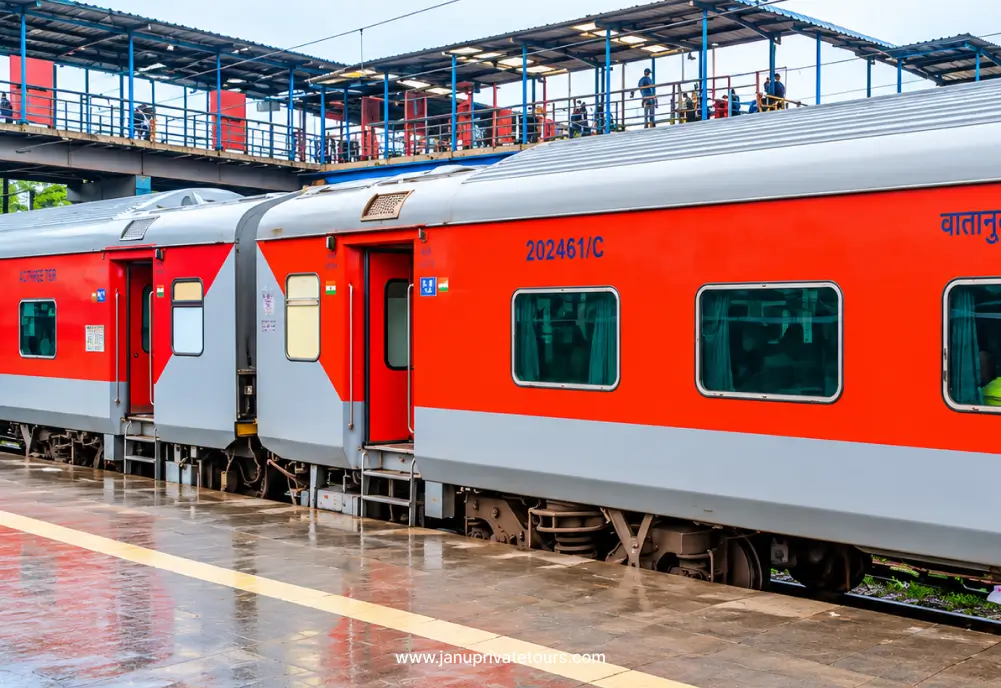
Why Rajdhani Express Should Be Your First Choice for Long-Distance Train Travel in India

“Should I just fly?”

“Wait… do I really want to spend half my day at an airport… just to save a few hours?”

That’s probably the first thought when you see how far you need to travel across India.

If you’re planning a long journey across India, you may find yourself asking exactly that. A flight might be faster, but a comfortable overnight train will surely save you from some of the airport hassle—and even a hotel night.

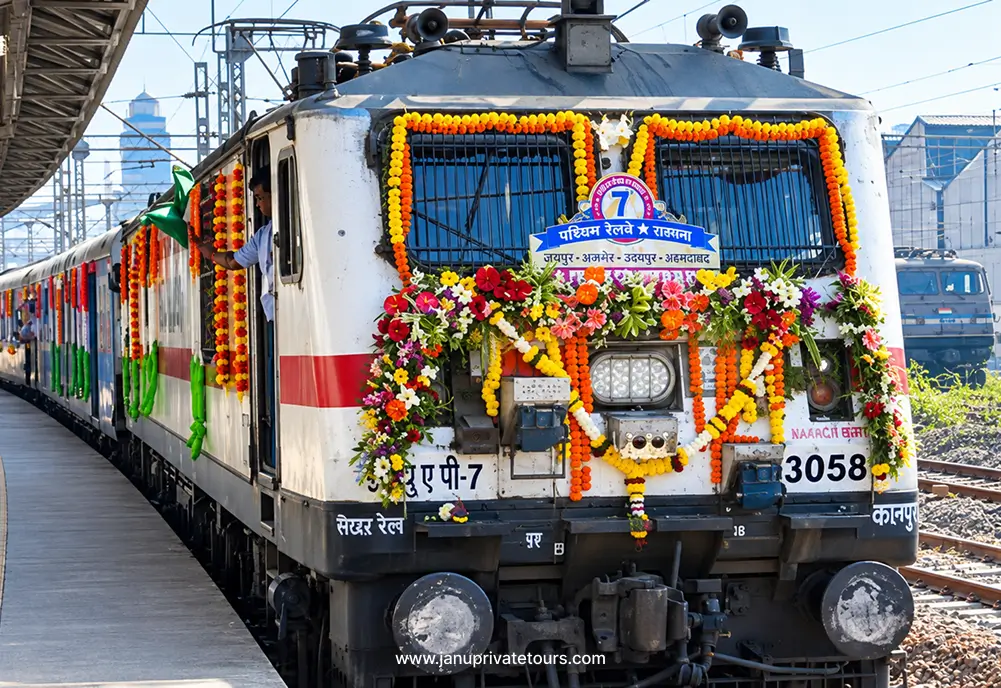
That’s where the Rajdhani Express comes in. But is the Rajdhani Express train actually worth choosing over a flight or a regular train?

In this guide, we’ll talk about the Rajdhani Express routes, ticket booking, classes, fares, onboard experience and everything else you should know before choosing Rajdhani.

Now, let’s dig into what you should know…

Rajdhani Express at a Glance: What Should You Know Before You Board?

Want to experience some of the best trains in India beyond the usual flight-and-car combination? Rajdhani Express is a renowned train for you. It connects Delhi with several major cities across the country.

And because many journeys run overnight, you can settle in, have your meal, get some sleep and wake up much closer to where you’re headed.

A few things worth knowing:

  • Premium, superfast train service

  • Connects Delhi with major cities across India

  • Primarily offers AC accommodation

  • Different classes for different comfort levels

  • Meals available on applicable services

  • Several routes are ideal for overnight travel

  • A practical option for long-distance journeys

Why Do Travelers Still Choose Rajdhani for Long-Distance Journeys?

You could always take a regular express train, so why pay more for a Rajdhani Express ticket?

For a long journey, the difference comes down to comfort. You’re getting primarily AC accommodation, a more premium onboard experience, meals on applicable services as well as the convenience of covering major distances, often overnight. When you’re travelling for many hours, those little extras can make a pretty big difference.

Rajdhani makes the most sense when:

  • You’re travelling a long distance

  • You prefer AC travel and more comfort

  • You’re happy to pay a little more for convenience

  • You want to travel overnight

  • You’re planning a multi-city India trip

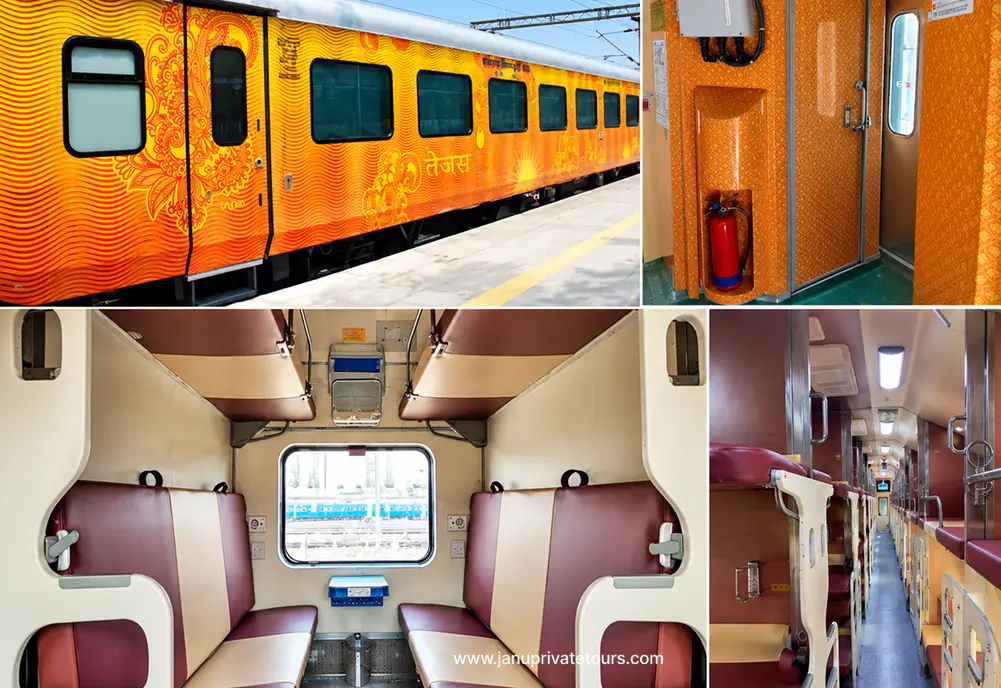
Just to inform you that Rajdhani Express is not the only Indian train. You can also travel with Vande Bharat Express and Shatabdi Express. It depends on your route, schedule and travel style.

Where Can Rajdhani Express Take You—and When Does It Make More Sense Than Flying?

So, where does the Rajdhani Express fit into your India itinerary? Pretty well, especially when you’re travelling between cities that are far apart.

Let’s say you take the Delhi to Mumbai Rajdhani Express. You leave Delhi in the evening, settle into your berth, sleep through much of the journey and finally arrive in Mumbai the next day. This way you can save your valuable daytime for sightseeing.

If you want to…

Rajdhani Express makes sense when…

Flying may be better when…

Save daytime

You can travel overnight

You need to arrive as quickly as possible

Stay comfortable

You prefer an AC berth for a long journey

You don’t mind a shorter, faster trip

Avoid airport hassle

You’d rather board and settle in

You already have a convenient direct flight

Save a hotel night

Your journey runs overnight

Flight timings work better for your itinerary

Experience India

You enjoy watching the landscape change

You mainly want to reach the next city


The same logic works for other distant routes. If your itinerary has some flexibility, a Rajdhani Express train will make the journey itself part of your tour experience… especially when you’re moving between major cities as part of a Golden Triangle tour in India or a longer multi-city trip.

And yes, flying is still the better choice if you have less time. But for a long journey where you want comfort and a different way to see India, Rajdhani is definitely worth it.

Rajdhani Express Ticket Booking: Get the Ticket Right and Pick Your Comfort Level

 Book Early When Your Dates Are Fixed

Got your India itinerary sorted and know when you’ll be travelling? That’s the best time to look at your Rajdhani Express ticket booking. Popular routes can fill up, so checking availability early gives you more class and timing choices.

  • Check dates before booking

  • Confirm boarding station

  • Check train number

  • Compare available classes

  • Review availability carefully

Check Your Rajdhani Express Ticket Price

Seeing different fares while booking? Don’t assume something is wrong. Your Rajdhani Express ticket price depends on the journey and class selected, along with applicable charges. Check the fare shown for your exact trip before paying.

  • Compare different available classes

  • Check current displayed fare

  • Review applicable charges

  • Confirm total payment

  • Don’t assume fixed pricing

Choose 1A, 2A or 3A Comfort

This is where your personal preference matters. Spending several hours or travelling overnight? This feels different depending on your berth and privacy needs. AC First Class, AC 2-Tier and AC 3-Tier will give you different comfort levels to consider.

  • 1A: More privacy and space

  • 2A: Comfortable middle-ground choice

  • 3A: Practical budget-friendly option

  • Consider your journey length

  • Match comfort with budget

 Double-Check Everything Before Payment

Nobody wants to get into the wrong station after booking. Take a few seconds to check the date, train, stations, passenger details and class you’ve selected.

  • Recheck passenger information

  • Confirm boarding station

  • Verify destination station

  • Check journey date

  • Review selected class

 Spend More Only When It Helps

If you’re travelling overnight and value privacy or extra comfort, paying more may feel beneficial. If budget matters more, 3A can be perfectly practical.

  • Long journey? Prioritise comfort

  • Privacy matters? Consider 1A

  • Balanced choice? Consider 2A

  • Budget matters? Consider 3A

  • Choose what suits you

What Is It Actually Like to Spend the Night on a Rajdhani Express?

You leave one city in the evening, settle into your berth and slowly switch out of “travel mode.” That’s what makes an overnight Rajdhani Express journey interesting—you can have your meal, relax and let the train cover the distance while you sleep.

  • Settle into your AC berth

  • Keep essentials within reach

  • Enjoy dinner during journey

  • Better for solo travelers

  • Relax after a busy day

  • Watch the scenery outside

Once dinner is over, the coach gradually becomes quieter and your berth becomes your space for the night. You’ll have a different level of comfort and privacy, depending on your chosen class. So your class choice really matters on longer overnight journeys

Overnight train = travel time + sleeping time + saved sightseeing hours. That’s what makes an overnight Rajdhani journey so practical.

Taking Rajdhani for the First Time? A Few Things International Travelers Should Know

— Don’t Arrive at the Station Five Minutes Before Departure

If this is your first Indian train journey, give yourself some breathing room. Large railway stations can be busy, and finding your platform and coach may take longer than expected. Arriving early simply makes everything less stressful.

  • Arrive with extra time

  • Check platform information

  • Keep ticket easily accessible

  • Find your coach early

— Pack So You Can Actually Move Around

That huge suitcase might look fine in your hotel room, but carrying it through a busy railway station is another story. Keep your luggage manageable, especially if you’re changing trains or travelling between multiple Indian cities.

  • Keep luggage easy-moving

  • Avoid unnecessarily heavy bags

  • Keep valuables close

  • Label larger luggage clearly

— Not Sure Where Your Coach Is? Don’t Panic

The coach number on your ticket is your best friend here. Check it before reaching the platform, then look for the coach indicators. If you’re unsure, simply ask railway staff or another passenger for directions.

  • Check coach number beforehand

  • Follow platform coach indicators

  • Confirm berth details

  • Ask staff when unsure

— Keep Your Important Things Beside You

Once you’re comfortably settled into your Rajdhani Express train, you won’t want to keep opening your main luggage. Keep your phone, charger, travel documents, water and other essentials somewhere you can reach easily.

  • Keep phone and charger

  • Carry travel documents

  • Keep water nearby

  • Pack personal essentials

— The Station May Feel Chaotic—That’s Normal

If the crowds and loud announcements feel like a lot at first, don’t worry. Indian railway stations can be very lively. Give yourself a few minutes to understand what’s happening and follow your train information.

  • Expect busy railway stations

  • Listen for announcements

  • Follow coach information

  • Stay aware of belongings

— Once You’re Onboard, Just Relax

Honestly, the hardest part for first-time visitors is all about how to settle down at the station. Once you’re in the right coach, find your berth, settle your luggage and then you can relax. From there, the Rajdhani Express experience becomes much easier to enjoy.

  • Find your berth

  • Settle your luggage

  • Keep essentials nearby

  • Enjoy the journey

Rajdhani + Private Tour: Let the Train Take You Further, Then Explore Your Way

Long-distance travel? This doesn’t have to be like spending half your trip inside a car. You can take the Rajdhani Express between major cities and enjoy the overnight journey. Once you arrive, then switch to private transport for the places you actually want to explore.

That combination becomes especially useful when you’re planning a multi-city India trip. Janu Private Tours can help bring the different pieces together, from private sightseeing and transfers to a customized itinerary that fits your pace rather than forcing you into a fixed schedule.

Why worry about how to reach when you can spend more time wondering what more to explore? Let our Janu Private Tours team will handle everything for you so you can only focus on making stunning memories.

Golden Triangle Tour India: Where Royal Heritage Meets Modern Luxury

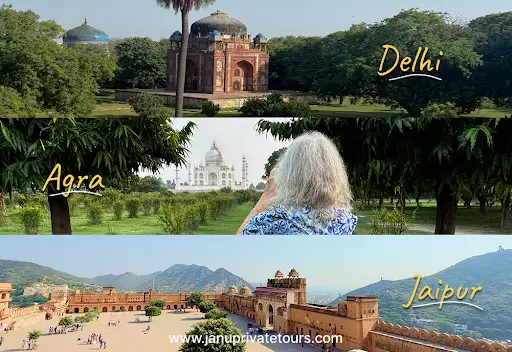
You can explore one of the nice historical regions of our country by opting for the Golden Triangle tour of India. This tour package will fulfil your desire to travel to three cultural and historical cities. It will cover the three famous cities of India, which will take you through Delhi, Agra and Jaipur. The trip can become unforgettable with traveling through the royal forts, historical tombs and artisan bazaars.

A Golden Triangle Tour India is the greatest way to see the nation in an organized and flexible way. The journey can be easily completed by focusing on affordable and desirable travel services. It includes safe and secure transportation along with the management of good accommodation and expert local guides.

It also provides delicious food and enough free time to really enjoy the places you see. The trip is interesting enough to last for a week or more, but not so long that it’s too long for a vacation.

We’ll talk about why the Golden Triangle Tour India is still the most popular way to travel in the country. You can enjoy it in complete comfort with help from local experts. We’ll also discuss what makes it a perfect mix of history and luxury.

City

What You’ll Discover

Signature Experience

Delhi

Mughal history, colonial landmarks and modern India

Red Fort, Qutub Minar, Humayun’s Tomb, Jama Masjid, India Gate

Agra

Mughal architecture and timeless romance

Taj Mahal, Agra Fort, Mehtab Bagh, Itmad-ud-Daulah

Jaipur

Rajput royalty, colorful markets and magnificent forts

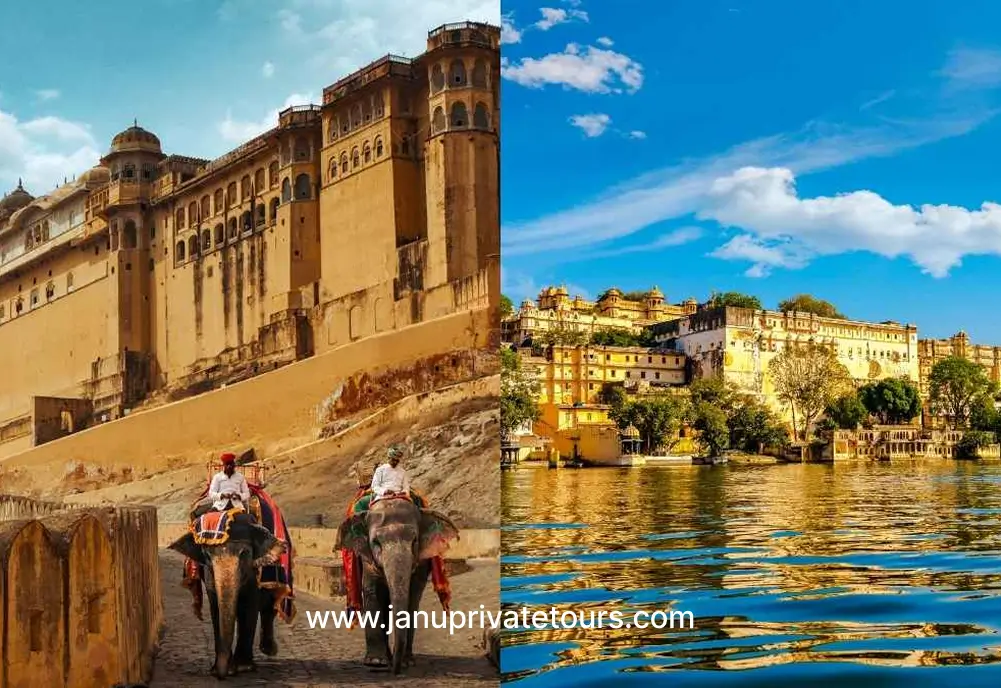
Amber Fort, City Palace, Hawa Mahal, Jantar Mantar

What Is the Golden Triangle Tour India?

Delhi, Agra and Jaipur are all part of the Golden Triangle tour, which draws a lot of people to India. The map shows that these three towns are close to each other. Getting from one to the other is easy and quick.

There isn’t a better way for someone exploring India for the first time to learn about the country’s northern history.  A typical Golden Triangle tour in India covers:

Why the Golden Triangle Tour India Is the Ultimate Blend of Heritage and Luxury

The Golden Triangle Tour India is unlike any other travel circuit in the world. It combines two apparently opposed worlds of ancient royal heritage and fully modern luxury into one amazing experience.

1. Royal Heritage at Every Turn

  • The Taj Mahal, a World Wonder, is near Agra. If you visit, you can view Agra Fort and Fatehpur Sikri.

  • Delhi is a historical city related to the Mughal Empire and the British colonial period. You can visit the historical landmarks like Qutub Minar, Red Fort and Jama Masjid.

  • To view the royal heritage of Rajput you must visit Jaipur, founded by Kings like Maharaja Sawai Jai Singh II. Here, in the Pink City, the mirror room of Amber Fort is known as Sheesh Mahal.

2. Modern Luxury Woven In

Today’s passengers can be real and comfortable. Indian historical hotels like the Oberoi Amarvilas near the Taj Mahal in Agra are likewise excellent. Delhi’s Lalit is also prestigious. An amazing tour includes private air-conditioned vehicles along with the healthy support of talented local guides.

More travelers today choose a Luxury Golden Triangle Tour over a sightseeing package for this reason. Experience India’s royal heritage through a pleasant, well-organized and individualized lens, not merely by looking at monuments.

Highlights of a Golden Triangle Tour India

Golden Triangle Tours India allow you to explore and enjoy royal heritage, authentic cuisine and ancient shopping in vibrant bazaars of Delhi, Agra or Jaipur. You must visit the mentioned sites where you can make your visit unforgettable:

  • Sunrise at the Taj Mahal 

  • Amber Fort

  • Hawa Mahal

  • City Palace

  • Jaipur

  • Old Delhi Rickshaw Ride

  • Fatehpur Sikri

  • Jaipur’s Heritage Bazaars

  • Fine Dining

  • Heritage Stays

Golden Triangle Tour Package Options

The Golden Triangle Tour India is great because it can be changed to fit your needs. Yes, there is a Golden Triangle Tour Package that will work for you, whether you have a long vacation or a couple of weeks. Here is a quick list of the most common tour plans:

Duration

Best For

What’s Typically Included

2 Days

Quick layover travelers

Agra & Taj Mahal express visit

4 Days

First-time visitors on a short trip

Delhi, Agra, Jaipur essentials

5–6 Days

Balanced sightseeing and leisure

All three cities with more free time

7+ Days

In-depth cultural immersion

Extensions to Udaipur, Pushkar, Ranthambore, or Jodhpur

You can also visit the following sites by choosing a Golden Triangle tour:

  • Ranthambore or Sariska

  • Pushkar or Haridwar-Rishikesh

  • Jodhpur and Udaipur

Choosing a Luxury Golden Triangle Tour

When choosing a luxury Golden Triangle tour that provides a good level of comfort in your trip, ask for good value for money. Here are a few things that deliver luxury experiences:

  • Heritage Locations to Stays: This package will fix your comfortable stay in the best locations, like, Rambagh Palace, Taj Lake Palace or Oberoi Amarvilas.

  • Private Transportation: Having an air-conditioned car will make your journey more comfortable and you will be able to easily enjoy shopping and sightseeing.

  • Personalized Itineraries: Schedules that are flexible and can be changed to fit your needs and hobbies instead of following a set plan.

  • Curated Experiences: You can go for Indian cooking classes in Jaipur, a boat ride near the riverside fort and camel trips.

  • Early Access to Locations: You can get early access to the Taj Mahal and Amber Fort by choosing this package.

With the right Luxury Golden Triangle Tour, a trip to see places becomes a royal experience. You can experience India’s history in the same style and comfort as a maharaja.

Overview of a Standard Itinerary

You can plan to visit the royal and historical sites of the North states with this Golden Triangle Tour of India. It can be covered within 6 days:

  1. First Day Plan: Enjoy your Delhi vacation by visiting the Red Fort, Humayun’s Tomb and India Gate.

  2. Second Day Plan: Explore the Taj Mahal’s sunset spots and Agra’s history.

  3. Third Day Plan: Travel from Agra to Jaipur through Fatehpur Sikri.

  4. Fourth Day Plan: Visit Amber Fort, City Palace, Hawa Mahal and small bazaars in Jaipur.

  5. Fifth Day Plan: You can also visit Pushkar, Sariska, or a village, which is optional for your tour.

  6. Sixth Day Plan: Connecting facilities are available for the return journey to Delhi or for onward travel.

Best Time to Take a Golden Triangle Tour India

There are different times when tourists enjoy this Golden Tour India to make their trip memorable with its sightseeing, shopping and Indian recipes.

  1. October to March: Travelers love this period to enjoy sightseeing, shopping, food and culture.

  2. April to June: During this time period, you will have to plan your sightseeing as per the suitable time in early mornings or evenings.

  3. July to September: Travelers who enjoy traveling during the monsoon can visit at this time, as these cities offer beautiful views of surrounding greenery.

As a result, we suggest that the safest time to enjoy your tour is between October and March.

Tips for Planning Your Golden Triangle Tour India

If you are planning to have a Golden Triangle Tour along with your family and friends, you must follow the mentioned tips to make your trip safe and secure. It involves:

  • Early Bookings: It is important to book your stay sites early at locations like Rambagh Palace and Taj Lake Palace, which rent out very quickly.

  • Choose a private guide: An experienced local guide can help to make your trip easy and interesting.

  • Carry safe dressings: Take care of your clothes for safe sightseeing in Delhi and Agra Winter mornings.

  • Wear comfortable footwear: You can’t complete your trips without walking and you have to walk on uneven or harsh paths. Here, you are required to wear comfortable footwear to enjoy your views.

Conclusion

The Golden Triangle Tour in India takes you through the roots of Indian civilization. This journey connects you with a special taste, joy, bravery, architecture and art. By choosing this tour, you can get deeply involved in the combination of royal traditions and premium facilities.

Janu Private Tours brings you an array of itineraries for the Golden Triangle and Rajasthan. We allow full customization of luxury tours through this iconic region. We provide a safe stay at royal hotels like Oberoi and Taj that provide private cars for traveling.

For over two decades, Janu Private Tours has delighted countless travelers. We provide smooth and unforgettable experiences on the classic Golden Triangle Tour in India’s royal heartland.

Janu Private Tours can help you plan your own trip and look at more Golden Triangle routes.

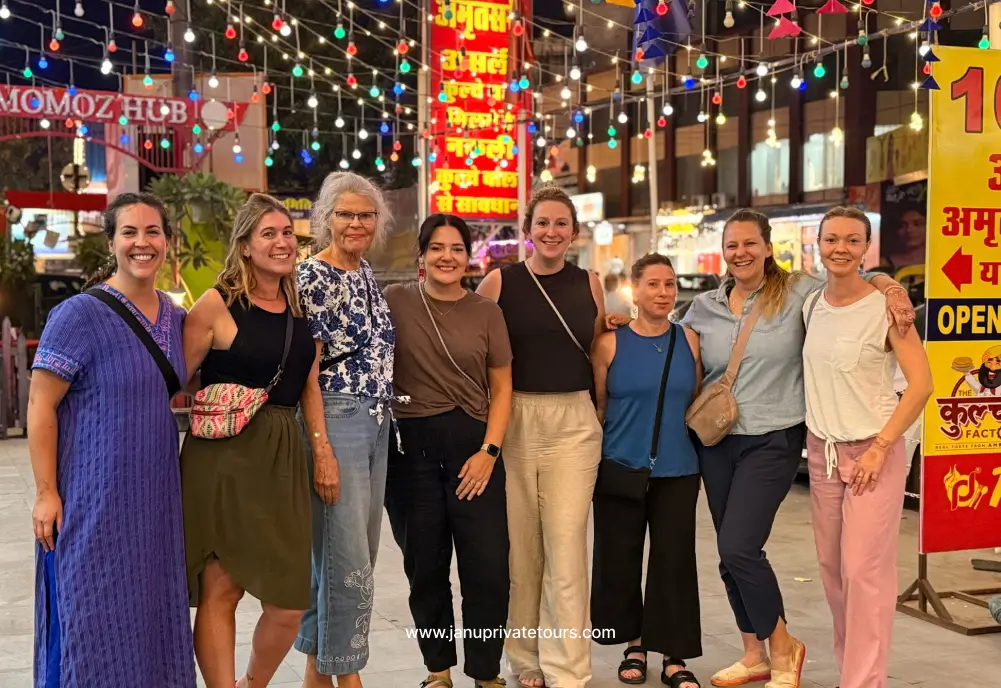
Solo Women Travel Groups: From Solo Dreams to Shared Adventures

Solo Women Travel Groups are a great way for women to enjoy the freedom of traveling alone. By planning your tour with this group, you can return with wonderful, memorable moments. You will have the opportunity to spend time with a woman or a group you didn’t know before; this will give you a different experience.

Going on a trip with a group can make your dream of going by yourself easier, more fun and more special. You can enjoy quiet lakes, beautiful forts, dry landscapes and traditional ways of life. Walking through historic streets and visiting markets will give you a chance to discover new things about Indian culture.

If you are planning your first trip by yourself, Solo Women Travel Groups can make your trip special. Following one of these groups is a great way to enhance your experience. This experience becomes a collection of stories you can share with other guests.

Why Solo Women Travel Groups are Becoming Popular

Solo women travel groups are becoming popular as these groups provide positive reviews after completing their tour. They go with new friends as they are unknown to each other and make lasting memories together during their tour. You can enjoy your own room while sharing activities, tours, dining and cultural events. Women today seek freedom without breaking ties.

Especially women who: 

  • Want to explore new destinations independently

  • Prefer traveling with other women

  • Are planning their first solo trip

  • Want companionship during sightseeing

  • Enjoy cultural and local experiences

  • Prefer organized travel instead of handling every detail themselves

  • Want to meet people with similar interests

Solo women travel groups are great because they are balanced. You can plan your trip alone to enjoy your trip with this supportive solo travel group for safety and joy.

Embrace Solo Travel, Create New Connections

A solo travel plan gives you a lot of experiences. During this trip, you meet different people and get the opportunity to learn new things about their traditions and cultures.

If you are visiting alone, you can join a group for sightseeing. You can walk around town with new mates to share your new thoughts. These connections lead to expanding your online social friend circle.

This is why women who want independence and company are becoming more interested in solo travel groups.

The Magic of Women Traveling Together

Women traveling together make their trip unforgettable by talking easily and taking pictures that turn into shared memories. Normal trip moments can turn into stories that everyone remembers.

Solo women travel groups walk through Jaipur’s colorful streets to enjoy its ancient traditions along with delicious taste, design and culture. Jodhpur’s blue alleyways, Udaipur’s lakes and palaces and Jaisalmer’s desert landscape are all worth seeing.

Travel goes beyond crossing sites off a list. We may share experiences, learn from each other and observe a place from different angles. Solo Women Travel Groups also encourage travelers to ask questions, share tips and try new things.

From Jaipur’s Heritage to Jaisalmer’s Deserts

India has a huge range of places for women to visit that mix history, culture, adventure and relaxation.

In particular, Rajasthan is a beautiful place for Solo Women Travel Groups. The area has royal buildings, colorful bazaars, old castles, creative customs, desert scenery and a lively local culture.

Jaipur

People who want to learn about history and culture should start their trip in the Pink City. There is a lot to see and do in Agra, including the Amber Fort, the City Palace and the Hawa Mahal. You can also enjoy the colorful marketplaces, culinary adventures and archaeological tours.

A group can see the city together while still giving each person time to do things they enjoy, like shopping, taking pictures, or trying the local food.

Jodhpur

Jodhpur, the Blue City, has historic buildings, vibrant streets and traditional markets. Local walks show Mehrangarh Fort’s character and offer stunning city vistas.

For Solo Women Travel Groups, Jodhpur offers sightseeing and collaborative discovery.

Udaipur

Udaipur makes you feel calm, positive and peaceful with its atmosphere. For tourists who like beautiful scenery, its lakes, palaces, gardens and historical sites make it a great place to visit.

One simple group activity that everyone will remember long after the trip is over is a boat ride on Lake Pichola.

Jaisalmer

Jaisalmer is a separate Rajasthan for bold women. Desert camps, camel rides, historic havelis, desert scenery and golden architecture provide a city break unlike any other.

Viewing the sunset over the dunes or attending cultural acts under the stars in the desert is especially memorable when done together.

Pushkar

Pushkar blends spirituality, colorful marketplaces, temples and local culture to offer a new viewpoint on Rajasthan. It can add variety to a trip to India’s cultural diversity.

What makes a Great Solo Vacation for a Woman?

Solo vacation woman must choose a perfect destination with a trustworthy travel planning company like Janu Private Tours. The experience should fit your hobbies, level of comfort, way of traveling and time frame. Before choosing a trip, consider:

Travel Priority

What to Look For

Comfort

Reliable accommodation and convenient transportation

Culture

Heritage sites, local markets, food and traditions

Social Experience

Opportunities to meet other travelers

Flexibility

Time for personal exploration

Activities

Experiences that match your interests

Planning

Clear itineraries and dependable local support

Pace

Enough time to enjoy destinations without rushing

Journeys with longer plans aren’t always the best ones. They let you spend enough time at each place to really enjoy visiting them.

How to choose the best Solo trips for Women

Each woman has her own ideal solo trip. One traveler may prefer thrills, imaging, shopping, or eating, while another wants a calm cultural vacation.

Before picking the trustworthy solo travel groups, you should think about what you want to get out of the trip. Checking these important points can help you pick the best solo trips for women traveling alone:

  • Choose a destination that matches your interests

  • Check the Travel Pace

  • Look for Authentic Experiences

  • Consider Your Comfort Level

Solo Travel Groups Can Make First-Time Travel Easier

Questions often come up on the first trip by yourself.

Will I be lonely? Will I have enough time to handle everything? What if I get lost? How am I going to meet people?

Some of these worries can be resolved by incorporating solo travel groups where people can share their experiences and make plans together.

Travelers don’t have to worry about every little thing, so they can just enjoy their destination. A guided tour, organized modes of transportation, scheduled events and knowledge of the area can all make the trip feel easier.

This is especially helpful when going to a place for the first time.

Building Friendships Along the Way

Solo Women Travel Groups offer a beneficial effect you might not expect. They give you the chance to meet people you would not normally meet.

Shared mornings, lengthy drives, market trips, amusing travel errors and memorable meals can soon become memorable. These moments become nice trip memories for travelers and their groups. Every trip friend doesn’t have to be there for life. Having a companion to share a certain part of your trip with can be valuable in and of itself.

When people travel, they share a world for a short time and those times can become unexpectedly significant.

Travel with Freedom, But Plan with Care

One of the best things about solo travel for women is the freedom it gives them, but it’s still important to be ready. Before you leave, think about:

  • Researching your destination and local customs

  • Keeping crucial papers accessible

  • Trusting someone with your plan

  • Saving emergency contact information

  • Selecting trustworthy conveyance

  • Keeping backup payment options

  • Awareness of your environment

  • Allowing enough time between activities

  • Book decent accommodations beforehand

Good planning does not take away from spontaneity. Instead, it gives you the confidence to enjoy it.

Turning Solo Dreams into Shared Memories

The best thing about Solo Women Travel Groups is that they can change what it means to travel by yourself.

You can start the trip with your own list of things you want to do. You could wish to take pictures of a palace, look around an old fort, or buy traditional crafts. You could also watch the sun go down in the desert or just relax by a lake.

Travelers turn their dreams into experiences with other people by:

  • Sharing a joke about a picture

  • Enjoying their long drive with interesting and memorable chats

  • Sharing their thoughts on the new places they visit or have visited before

Why India Works So Well for Group Adventures

India is an excellent spot to see a lot in one trip. The locations of different Heritage cities, spiritual places, animal viewing, local markets, along with unique food experiences, fulfill the memorable trip.

Women travelers can see the top heritage sites like Jaipur’s royal buildings, Udaipur’s lakes and Jodhpur’s blue streets. It also depicts Pushkar’s spirituality and Jaisalmer’s desert.

For Solo Women Travel Groups, this range means that each day can bring something new while still keeping the trip together.

There are a lot of different ways to make a plan based on your own hobbies. You can learn about different cultures, see wildlife and learn about history.

A Journey that Starts With You

If you want to take the next step, solo women travel groups can help. You can still enjoy the love of shared adventures, though. It mixes the freedom to discover with the ease of having other people around and being alone with someone to talk to. Finding out about themselves happens by going on adventures with a group.

Whether it’s your first solo vacation where women can travel safely or another trip with a group of passionate women, the perfect travel experience awaits. A location becomes much more memorable when you have that ideal journey.

Conclusion

Solo Women Travel Groups can be the start of something special, an exploration where liberty meets relationship. This trip allows women’s solo ideas to turn into shared adventures. It doesn’t matter if you want a short cultural getaway or a longer trip through Rajasthan.

Janu Private Tours is a well-experienced tour planner who knows how to fulfill all the needs of trips by customizing them. You can plan your own unique trips in Rajasthan and India through our tour packages. We offer organized tours, private transport and flexible schedules. Our travel experts can help you organize a planned vacation to Jaipur, Jodhpur, Udaipur, Jaisalmer, Pushkar, Delhi and Agra. Get in touch with us right away to learn more about our solo travel group packages. We can help you turn your travel dreams into amazing shared experiences. Start an adventurous solo adventure today by booking your package!


Why Choose Janu Private Tours for Solo Female Travel in India?

For many women, choosing to travel solo is one of the most courageous tasks in their lives. If you’ve done any research whatsoever, you know the opinions on online platforms are all over the map. Some blogs would say women traveling alone are risky in India. Some would tell you it’s one of the most rewarding experiences you will ever take. The truth is somewhere in the middle, and it boils down to one thing: who you travel with.

It is a talent to prepare yourself to be self-supported as a solo female traveler in India. India is home to a wide variety of landscapes. These range from the forested ghats of Varanasi to the palm-lined backwaters of Kerala to the pink sandstone walkways of Jaipur. Our country presents a variegated environment across all these regions. It has a way of transforming people. For single women travelers, that transition is even more powerful. This is only true, however, if logistics, safety, and cultural navigation are done right.

The individuals who run these things have to know what a female traveling solo desires. That’s exactly where Janu Private Tours comes in. Janu Private Tours has an experienced team of more than twenty travel specialists with more than twenty years of experience. The organization has earned its name for creating itineraries that seem personal, safe, and unforgettable. Solo female travel in India is a terrific opportunity to explore real places and significant encounters. If you want to find female-friendly India trips that don’t lose authenticity too, this guide is for you too.

Is India Safe for Female Solo Travel in India?

It’s a question that everyone interested in solo female travel in India asks before booking a trip. Because India is so large and diverse, people’s perceptions of their own safety might differ greatly depending on where they live. In general, popular tourist places like Jaipur, Udaipur, Kerala, and Goa are adequately equipped to accommodate visitors from around the world. Extra caution is required in some remote or difficult-to-reach areas for solo females or any other tourist.

India may be marvelously secure for solo female travel. With the correct support system in place, this is achievable. That’s the core philosophy behind Janu Private Tours.

Instead of leaving you to work out language obstacles, unknown cities, and transport systems on your own, every journey is designed around:

  • Verified, female-friendly accommodations vetted for location, security, and comfort
  • Private, trained drivers instead of unpredictable public transport at odd hours
  • A dedicated local guide or tour leader who knows the culture, customs, and safest routes
  • 24/7 support so you’re never truly “alone” even when traveling solo

Independent travel and guided travel don’t have to be opposites. With Janu Private Tours, solo female travel in India gives you the freedom of traveling independently with the support and security of a trusted local team.

What Safety Measures Does Janu Private Tours Offer for Women Travelers?

If you’ve searched for safety measures for solo female travel in India, you’ve probably noticed most advice stops at generic tips. These tips typically include “dress modestly” or “avoid walking alone at night”. Useful, but not enough. Janu Private Tours takes safety a step further by building it into the actual structure of the trip. We don’t just offer advice about it. As safety guidelines for our solo female travelers, we keep the following items in mind:

  • Real-time itinerary monitoring so your team always knows where you are
  • Background-checked drivers and guides who are briefed specifically on solo female travelers
  • Hotels in the city centre, in brightly illuminated and reputable neighborhoods that are female-friendly
  • Pre-trip briefings on local etiquette, clothing standards and cultural norms for each region
  • Emergency contact mechanisms and dedicated support throughout your trip
  • Flexible pacing, so you’re never rushed through unfamiliar or crowded spaces

It’s the same disciplined approach that has helped the company safely host Hollywood celebrities and top polo teams for years. We have also hosted international cricket players and BBC personalities using this approach.

After twenty years of protecting high-profile guests, a corporation becomes accustomed to that rigor. Our meticulous approach makes solo female travel in India safer and more enjoyable for all our clients.

What Makes Female Friendly India Tours Different From Standard Packages?

There are some of the special features by which we design female-friendly India tours. Conventional itineraries generally presuppose a group structure, shared logistics, or a companion who is taking care of the practical side of the trip. Female-friendly India excursions turn it upside down. The fully woman-centered itinerary considers things such as:

  • Room configurations that avoid unnecessary shared spaces unless requested
  • Timing of activities, avoiding late-night transfers through unfamiliar areas
  • Cultural context, such as appropriate temple attire or local customs around interacting with strangers
  • Pacing that allows for rest, rather than a packed schedule that leaves no room to breathe
  • A guide who is aware of the emotional as well as the practical aspects of a solo traveler

Janu Private Tours builds each itinerary around the individual traveler rather than fitting her into a rigid template. Every itinerary is designed to facilitate solo female travel in India, whether it’s a spiritual trip through Rishikesh and Varanasi. Our packages also include a cultural tour of Rajasthan’s forts and palaces, or a wildlife safari in Ranthambore.

How Do Solo Travel Female Packages in India Compare on Price?

Budget is a legitimate concern, and it’s one of the most searched aspects of planning a trip. “Solo travel female packages India price” and “solo travel India female packages” are the inquiries that practically every traveler enters in Google before committing anything.

Solo travel packages with private transport, hand-picked guides, and pre-vetted lodging would naturally cost more than a bare-bones backpacking budget. But the value comparison isn’t just about price, but what that amount truly gets you.

With Janu Private Tours, your investment typically covers:

  • Private, air-conditioned transport with a professional driver
  • Handpicked, safety-vetted hotels and heritage stays
  • A knowledgeable local guide for cultural context and navigation
  • Pre-planned entry to major attractions, avoiding long queues and scams
  • Full itinerary customization based on your interests, timeline, and comfort level

As each trip is bespoke and not templated, the price will vary depending on the destinations, length of the trip, and lodging tier. Lodging options can range from mid-range comfort to complete luxury. The only way to get an accurate number is to talk directly with the Janu Private Tours team. We can then construct a package around your budget without compromising on safety.

Which Destinations Work Best for Female Solo Travel in India?

You don’t have to hit every region on your first solo vacation. Good preparation means selecting destinations that provide a complete experience without difficulties. Here are some of the most rewarding stops for women who travel alone:

  • Jaipur and Rajasthan: Palaces, forts and colourful bazaars in a region ripe for tourism
  • Udaipur: One of Rajasthan’s most romantic and safest destinations, the “City of Lakes,” is ideal for solo female travel in India.
  • Varanasi: Very touching and spiritually intense, ideal with a trained local guide
  • Rishikesh: The world’s yoga capital, merging adventure with meditation
  • Kerala’s backwaters: Beautiful, peaceful, and excellent for a relaxing tour.
  • Ranthambore: For nature enthusiasts in search of a tiger safari with safety led by experts

Each of these destinations offers something different. A well-planned schedule connects each stop, making the trip meaningful rather than merely a list of tasks.

Why Do Solo Women Travelers Keep Choosing Janu Private Tours?

Janu Private Tours has over twenty years of experience in the travel sector and a team of more than twenty experienced professionals. The organization quietly has become one of the most trusted names for tailored Indian travel. But qualifications are just part of the story. The real proof is in who continues coming back, and who the organization has been trusted to host.

Janu Private Tours has taken care of the travel arrangements for Hollywood celebrities, top polo teams, worldwide cricket stars, and the famous BBC personalities. People having access to the greatest travel agents in the world choosing a company for their India vacation says volumes. This is a reflection of the care, sensitivity, and professionalism that goes into each itinerary.

For solo females, that translates into tangible peace of mind. You’re not booking with an anonymous online platform hoping for the best. You’re with a company that has spent two decades refining what it means to travel through India safely, comfortably, and meaningfully. We create one thoughtfully designed journey at a time.

How Do You Start Planning Your Solo Trip With Janu Private Tours?

If you’ve made it this far, chances are you’re seriously considering female solo travel in India. You deserve a partner who takes that decision as seriously as you do.

Planning starts with a simple fact of yours:

  • interests
  • comfort level
  • your timeline
  • your budget

After which, the Janu Private Tours team will craft a bespoke itinerary just for you. As you make your plans, bear in mind the following:

  • Most of India has warm weather from November to March, making it the best time to visit.
  • 2-3 weeks gives you time to mix North and South India without hurrying
  • Bring along modest, breathable attire so you may comfortably get around between cities, temples, and markets
  • A reliable operator will book your transport, lodging, and daily logistics for you

Best solo travel female packages might trigger or inspire the whole women’s era to seek numerous spots and sights on their own. You can empower yourself by planning your tour intentionally with our perfect assistance.

Come, let’s explore our country with creative thoughts and ideas. Reach out to Janu Private Tours to start building a solo itinerary designed around your safety, your interests, and your sense of adventure.

Why the Pushkar Camel Fair Should Be on Your Travel Bucket List in 2026?

Every year, the Rose Garden of Rajasthan blooms to its full grandeur between October and November. Yes, we are talking about Pushkar during its vibrant annual 5-day camel and cattle fair.

Known as the oldest spiritual town of Rajasthan, Pushkar is loved by locals and foreigners alike. Its popularity comes only second to the world’s largest cattle fair, the Pushkar Camel Fair, held here each year. This event brings thousands of camels, livestock traders, local artisans, folk performers, pilgrims, photographers and travelers from around the world. While it began as a commercial fair where livestock traders and nomads would trade camels and other livestock, it has now evolved into one of the world’s largest tourist attractions.

If you are a cultural and spiritual enthusiast following the traditional hippie trail, you’re in the right place. In this guide, we will explore the cultural significance of the Pushkar Camel Fair, top experiences, a full 5-day itinerary and insider tips to explore the best of this vibrant festival.

Why is the Pushkar Camel Fair Tour so popular among foreigners?

The Pushkar camel fair, or the Pushkar Mela, started centuries ago as a local livestock trading event in the Thar Desert. Each year, thousands of livestock owners travel to Pushkar to buy, sell and showcase their prized animals and partake in the biggest livestock trading event. Over the years, the event has evolved into the annual celebration of tradition and culture, featuring quirky competitions, Rajasthani folk performances and spiritual gatherings for Hindu pilgrims.

While camel trading remains at the heart of the fair, visitors quickly discover that the event offers much more. For anyone visiting India to bask in its rich tradition and ancient culture, the Pushkar Camel Fair Tour is the best choice.

Throughout the festival, the fairgrounds come alive and you can enjoy various cultural activities, including but not limited to:

  • Traditional Rajasthani folk music and dance performances

  • Colorful cultural competitions

  • Camel beauty contests and races

  • Puppet shows and storytelling

  • Local handicrafts and artisan markets

  • Authentic Rajasthani cuisine

  • Rural sports and family-friendly entertainment

Cultural and Religious Significance of the Pushkar Fair Tour

Every year, the Pushkar Fair Tours India coincides with the auspicious occasion of Kartik Purnima, the full moon night in the Hindu lunar month of Kartik, often spanning late October to mid-November. It is believed that on this night, many Gods and Goddesses descended upon Pushkar to consecrate its sacred lake, making it a divine destination for pilgrims.

Because of this, each year, thousands of Hindu pilgrims gather at Pushkar to take a holy dip in the Pushkar Lake to receive divine blessings. Devotees further visit the famous Brahma temple, one of the very few temples dedicated to Lord Brahma in the world. Many visitors from all over the world have started to partake in these spiritual activities, hoping to receive divine blessings themselves.

A well-planned Pushkar Fair Tour Rajasthan offers travellers from all over the world an authentic glimpse into the region’s culture while allowing them to experience both the festive celebration and spiritual significance of this remarkable event.

Top Experiences You Can Enjoy at the Pushkar Fair Tour Rajasthan

The Pushkar Fair Tour is one of the most vibrant, experience-rich events in Rajasthan. There is a wide range of activities and experiences for everyone to enjoy at the fair. The top highlights of the fair include:

Overflow of Majestic Camels

Watching caravans of thousands of majestic camels arrive, as the sun breaks over the desert, is one of the most magical sights and a once-in-a-lifetime experience you can only have here. No wonder it is the most photographed moment of the entire fair.

The Traditional Camel Competitions

As if witnessing the camels walk through the golden dust wasn’t enough, the Pushkar Camel Fair Tour hosts several camel competitions as its biggest attraction. You can watch camel races, camel dancing performances, camel decoration contests, beauty competitions, longest moustache competitions and many other traditional rural games

Enjoy Folk Music and Dance

It’s not just the camels that showcase their talent; throughout the event, you can enjoy various energetic performances by local artists on the cultural stages. You can experience various traditional performances, including Kalbelia dance, Ghoomar performances, Traditional Rajasthani folk music, Puppet shows and Fire performances, creating an unforgettable atmosphere.

Shop Your Heart Out

The fair is not just rich in experiences but is a paradise for shoppers too. You can find various handmade textiles, silver jewelry, leather goods, colorful turbans, embroidered bags, traditional paintings, decorative home accessories and many other authentic local souvenirs that you will find nowhere else.

Enjoy a Hot Air Balloon Ride

Witnessing the beauty of the entire Pushkar all at once from a hot air balloon is one of the most unforgettable moments. It is one of the most enjoyable activities in the fair and loved and adored by people of all ages. Since balloon rides operate only under suitable weather conditions and have limited daily departures, it’s advisable to book them well in advance as part of your Pushkar Fair Tour.

Watch the Golden Sand Dunes at Sunset

Nothing tops the feeling of witnessing the Golden light, camel silhouettes and panoramic desert views creating the most magical scenes at the nearby sand dunes at sunset, making it perfect for relaxation and ethereal photography.

Visit the revered Brahma temple and Pushkar Ghats

Along with enjoying an amazing time at the fair, you also get to visit the famous Brahma temple and Pushkar Ghats in the Pushkar Fair Tour. Visit the iconic Jagatpita Brahma temple, one of the very few temples in the world dedicated to Lord Brahma and visit the sacred Pushkar lake, where you get to explore its 52 holy ghats, including the revered Brahma Ghat.

Pushkar Fair Tour: The Ultimate Paradise for Photographers

Imagine standing amidst Golden sunrays, surrounded by camel silhouettes and vibrant traditional attires and crafts and not wanting to capture it.

The idea in itself sounds absurd and how could it not? The Pushkar Camel Fair photography tour is often considered one of the finest photography destinations in India.

Photographers and culture lovers from all over the world travel to Pushkar each year to access incredible subjects and capture the colorful beauty of Pushkar throughout the day.

The fair offers so many wonderful photography opportunities, including golden sunrise over the camel grounds, camel silhouettes against the desert sky, portraits of local traders, decorated livestock, traditional Rajasthani attire, daily rural life, cultural performance, evening celebrations and so much more.

The photographs are exceptionally ethereal at golden hour, especially near the camel camps and surrounding sand dunes.

While drones are prohibited in public spaces, ghats and crowded fairgrounds without a formal permit, joining a guided Pushkar Camel Fair Photography Tour still offers many opportunities for the best photography. If you are a photography enthusiast looking for your next best capture, the Pushkar Camel Fair Photography Tour is the right choice for you.

Hiring experienced local guides can further benefit you as they often know the best photography locations, optimal lighting conditions and culturally appropriate ways to interact with local communities, helping photographers capture authentic moments respectfully.

Is it better to travel Solo or consider a Pushkar fair group tour?

Such is the beauty of the Pushkar Camel Fair that it appeals to every type of traveller. Whether to travel solo, as a couple or in a group, the Pushkar Fair group tour has something for everyone.

Solo travelers can safely explore the fair through guided tours that offer local insights and personalized recommendations. Couples can cozily enjoy romantic desert sunsets, cultural performances and leisurely sightseeing. Families with children can enjoy the camel races, puppet shows, colorful performances, as well as the educational and cultural experiences. And those travelling with their friends or in a group can enjoy a varied number of activities and experiences, including shopping, photography, cultural events, desert excursions, etc.

What is the best Pushkar Fair Tour Itinerary?​

Although itineraries often vary depending on the traveller’s needs and plans, most well-planned tours often follow the following itinerary:

Day 1 – Arrival in Pushkar

  • Airport or hotel pickup

  • Check-in

  • Evening market walk

  • Sunset viewpoint

Day 2 – Explore the Camel Fair

  • Early morning camel grounds

  • Livestock trading

  • Cultural competitions

  • Folk performances

  • Shopping

  • Evening cultural events

Day 3 – Village Experiences

  • Visit traditional Rajasthani villages

  • Meet local artisans

  • Rural lifestyle experiences

  • Camel safari

  • Authentic local meals

Day 4 – Pushkar Sightseeing

  • Pushkar Lake

  • Pushkar Ghats

  • Brahma Temple

  • Local temples

  • Scenic viewpoints

  • Free time for shopping and photography

Day 5 – Departure

  • Breakfast

  • Final sightseeing if time permits

  • Transfer to your next destination

A well-planned Pushkar Fair Tour Itinerary customised as per your unique needs can ensure that you enjoy the best of the Pushkar Fair Tour while leaving enough flexibility to explore the rest of the city and personal interests.

Travel Tips for Your Next Pushkar Fair Tour

If you’re visiting Pushkar Fair Tour Rajasthan for the first time, it is often advisable to book through a trusted tour provider to ensure safe travels. However, if you wish to navigate the adventure on your own, here are a few tips that will help make your tour more enjoyable.

  • Wear lightweight clothing during the day, but also carry something for the cooler nights of Rajasthan.

  • It is recommended to wear comfortable shoes, since you will be on foot for long hours while exploring the fair.

  • Carry sufficient cash, as many local and tribal vendors may not accept digital payments.

  • Carry a water bottle, sunscreen, sunglasses and a hat to protect yourself from the day’s heat.

  • Show respect for local customs, especially while visiting temples and religious sites.

  • Always seek consent before clicking photographs of locals.

  • Arrive early for popular events to avoid crowds and secure the best viewpoints.

Explore the Best Pushkar Fair Tour Package with Janu Private Tours

Last year, we at Janu Private Tour hosted not one but seven different clients from different parts of the world. Three of them travelled solo, one wonderful couple and the rest booked the Pushkar Fair Group Tour with us. Though the private tours varied in size, needs and other logistics, one thing was the same in all of them – a deep love and endless curiosity for the culture of India.

That’s the biggest need we cater to in our private groups.

 We understand exploring the Pushkar Camel Fair can be overwhelming, especially during peak festival days when thousands of visitors fill the town. This is why we at Janu Private Tours aim to offer the best Pushkar fair tour package to all our clients. Our professional team is committed to making each experience smooth, comfortable and truly immersive.

 Whether you’re a first-time visitor, avid history lover, photography enthusiast or simply want to witness the iconic world’s largest livestock training event with beautiful, decked-up cattle everywhere, we are here for you.

Contact us today and let’s plan your next adventure to the Pushkar Fair Tour together!

Chat with Us