
Discover India

Holi Festival Celebration Guide


The Holi Festival Celebration is among the most joyful and popular festivals in India. It is a celebration of the coming of spring, unity, and people coming out on the streets with colors, music, laughter, and food. For tourists, Holi is more than a festival to observe. It is a festival to experience, feel, and cherish.

Holi Celebration in India is not the same. Holi is celebrated in different ways in different parts of India. Some places are noisy and playful. Some places are spiritual and peaceful. Some places celebrate Holi in one day, while others celebrate Holi for a week or more. This guide will help you understand Holi Celebration in India, learn about different traditions, learn about the important dates of Holi Celebration in 2026, and plan your trip easily.

What Is the Holi Festival Celebration?

The Holi Festival Celebration has its origins in ancient Indian culture. Essentially, Holi symbolizes the triumph of good over evil, the end of winter, and the beginning of a new season. It is also a day when all social distinctions are forgotten. No one cares about age, background, or status when colors fill the air.

The Holi Festival Celebration is typically observed over a period of two days. The first day is Holika Dahan, which is observed by lighting bonfires in the evening. The second day is Dhulandi, which is observed by playing with colors, water, and music. However, in many places, the celebrations begin much earlier and go for two weeks.

Holi Celebration in India: Why It Feels So Special

What makes the Holi Celebration in India special is the emotional association that people have with this festival. It is not an organized event. It takes place in homes, temples, streets, and villages. Families meet. Friends meet. Strangers smile at each other.

Food is an important part of this celebration. Sweets such as gujiya, malpua, and laddoos are shared among each other. Traditional beverages such as thandai are made in many homes. Music, drums, and folk songs fill the streets. In some places, devotion is the cause of celebration. In other places, fun and frolic take center stage.

Holi Celebration in 2026: Important Dates

In 2026, Holi will take place in early March. Although the dates may differ slightly in different regions, the important dates for the celebration are as follows:

  • Holika Dahan: Tue, 3 Mar, 2026

  • Dhulandi (Colour Holi): Wed, 4 Mar, 2026

In some places, especially in the Braj region, Holi celebrations begin a week or even two weeks prior to the actual date. It is necessary to plan well in advance, especially in popular destinations, as hotels and transport get filled up quickly during the Holi Celebration in 2026.

Types of Holi Celebrations Across India

Knowing the types of Holi celebrations is essential for tourists to decide which one to opt for. Some of the most popular and significant Holi celebrations in India are listed below.

Lathmar Holi – Barsana and Nandgaon

This is one of the most distinctive Holi celebrations. In Barsana, women beat men with sticks playfully, and men attempt to protect themselves. This celebration is rooted in the legends of Radha and Krishna. It is very vibrant, noisy, and energetic. Tourists normally come to watch and not to participate, as it can get very crowded.

Phoolon Ki Holi – Vrindavan

Phoolon Ki Holi is a celebration where flower petals are used instead of colors. This celebration takes place mostly in the Banke Bihari Temple. This Holi celebration is spiritual and very peaceful. Devotional songs, flower showers, and temple rituals are all a part of this celebration. This is the best option for tourists who are looking for a peaceful celebration of the Holi Festival.

Royal Holi – Jaipur and Udaipur

In Rajasthan, Holi becomes a royal event. The palace grounds are filled with traditional events, performances, and organized color play. Jaipur and Udaipur are the most sought-after destinations for those who wish to celebrate Holi with culture, comfort, and festivities. This type of Holi Celebration in India looks sophisticated and organized.

Basanta Utsav – West Bengal

In this region of India, Holi is a cultural festival. Students celebrate Holi by wearing yellow-colored clothes and engaging in music, dance, and poetry recitation. The colors are applied softly, and the festival is all about art and spring. It is a totally different experience from Holi in North India, but it is no less memorable.

Yaosang – Manipur

In Manipur, Holi is celebrated for several days. It is known as Yaosang and includes traditional folk dances, sports, and community activities. The festival is a mix of Manipuri culture and Holi celebrations, making it one of the most diverse cultural forms of Holi celebrations in India.

Shigmo – Goa

Shigmo is the spring festival of Goa, celebrated around the same time as Holi. It includes colorful processions, folk dances, and street shows. Visitors can enjoy a mix of local culture and celebrations without the full-blown color celebrations.

Best Places to Experience Holi Festival Celebration

If you are planning to travel during the Holi festival celebration, here are some of the best places to celebrate Holi:

  • Vrindavan and Mathura will celebrate Holi in a religious manner.

  • Jaipur and Udaipur will celebrate Holi in a royal manner.

  • Varanasi to celebrate Holi at the ghats.

  • Goa is to celebrate Holi in a cultural manner.

These places have a completely different vibe altogether. The places to celebrate the Holi festival depend on what you are looking for – devotion, celebration, or both.

Travel Tips for Holi Celebration in 2026

It is the need of the hour to make proper arrangements for a comfortable and safe experience during the Holi Celebration in 2026.

  • Hotels and transport should be booked in advance.

  • Old clothes and comfortable shoes should be worn.

  • Apply oil to skin and hair.

  • No valuable item should be carried during color play.

  • Local traditions and temple regulations should be followed.

  • It is necessary to stick to your group in crowded areas.

It would be easier to handle Holi celebrations with a guided tour, especially in crowded tourist destinations.

Holi Tour Packages: Why They Matter

Traveling during the Holi festival celebration can be difficult for tourists without proper guidance. Roads might be closed, temples might operate on special timings, and the crowd can be too much to handle. This is where Holi Tour Packages come into play.

A well-organized tour package generally includes:

  • Comfortable stays

  • Guides who are aware of local traditions

  • Safe transport during Holi celebrations

  • Proximity to major celebrations

  • Balanced schedules with breaks

Organized tour packages would help international tourists stay safe and informed, and also gain a better understanding of the festival.

Why Choose Janu Private Tours for Holi?

It is a pleasure to witness the Holi Festival Celebration, but it is even more important to experience it in the right way. Janu Private Tours offers customized Holi Tour Packages that emphasize comfort, authenticity, and respect for the culture.

With Janu Private Tours, you will not be pushed into the crowded streets without any direction. Rather, you will be introduced to the Holi Festival Celebration in a proper manner through selected locations, local hosts, and flexible timings. Whether you are interested in a spiritual Holi experience in Vrindavan, a royal Holi experience in Rajasthan, or a cultural Holi experience in multiple cities, Janu Private Tours will help you create experiences that are not only meaningful but also safe.

As the Holi Celebration in 2026 draws near, it is important to book your tour well in advance with a seasoned travel agency so that you can experience the celebration without any hassles.

Conclusion

The Holi Festival Celebration is more than just colors and merriment. It is about history, faith, renewal, and connection. From temple ceremonies to public celebrations, from palace grounds to village roads, the Holi Celebration in India has innumerable experiences that are defined by local traditions.

Understanding the types of Holi, the correct dates for Holi Celebration in 2026, and making informed travel plans can make your holiday a lifetime experience. If you want to enjoy Holi celebrations closely, comfortably, and authentically, you may want to consider booking your Holi Tour Packages with Janu Private Tours, where every travel experience is carefully planned with thoughtfulness, understanding, and personal attention.
Holi Celebration in India


You must have seen those images of people completely drenched in colour, from head to toes. Loud music, streets jam-packed with dancing, jumping and laughing people. Friends running after each other with water guns. Most people always remember the Holi celebration in India.

What you don’t see in those images is the rest of the Holi Celebration in India, which is so much bigger, older, and more intricate than a single image.

In different corners of the country, Holi takes on different versions depending on where you visit. You will witness flowers instead of colour powders, playing with sticks instead of colours. Even turmeric, mud, music and martial arts take the centre stage. These acts come from regional history, mythologies and cultural values of the local communities and are centuries old.

For the foreign traveller, that is the richness of the incredible Holi Celebration in India. You are not simply viewing the same festival played out in a dozen different places in a similar way. You are walking into many different interpretations of a common theme of joy, rejuvenation and coming together.

In this post, we will be covering the various types of Holi celebration in India and their significance.

Religious Roots Behind Holi

Before we get into the types of celebrations you could enjoy, let us have a look at the legend of Holi a little more in detail so that you could understand the diversity and, most importantly, respect the festival more.

There is one legend that has to do with Prahlad and Holika, and the triumph of good over evil through the act of Holika Dahan bonfire.

A different, but more popular Holi legend highlights the playful love between Radha and Krishna, in which the throwing of colours is an expression of that love. In some other parts of the country, Holi is connected to Kama and Rati, celebrating desire and union. Some trace its celebration back to local folklore, or even tribal traditions and rituals.

Sikh communities, too, have their own version of Holi through a festival called Hola Mohalla. These legends exist together, sometimes intersecting, sometimes contradicting each other. This diversity is the very beauty of the Holi celebration in India.

Understanding the Different Types of Holi Festivals in India

Below are the most important types of Holi festivals to know what happens, and also the reasons behind them.

1. Lathmar Holi – Barsana and Nandgaon, Uttar Pradesh

Holi Lathmar is one of the most intense and misunderstood Holi celebrations.

Held in Barsana and Nandgaon, which are villages linked to the stories of Radha and Krishna, it has a central activity where women beat men with sticks. Legend has it that once, Krishna paid a visit to Barsana and began teasing Radha and her friends. Hence, this prompted the women to chase him away with sticks, also known as lathis.

Traditionally, the women will symbolically hit men with sticks, and the men will try to protect themselves. The sticks only lightly touch, but the act is aggressive, performed by community members only.

Lathmar Holi is a popular Holi festival for many tourists, but you should know that the rules of engagement are strict, and outsiders cannot freely join in. Lathmar Holi is not a festival of violence, but a performance of custom.

2. Phoolon Ki Holi – Vrindavan, Uttar Pradesh

Phoolon Ki Holi is a type of Holi Festival Celebration in India where colour play is replaced mainly by flower petals. Priests shower flower petals on devotees at temples like Banke Bihari in Vrindavan while bhajans fill the air.

Crowds are dense, but the atmosphere is more serene and less aggressive. There is no pushing, no water balloons, and no wild colour play. For many pilgrims, this is the purest way to celebrate Holi.

Phoolon Ki Holi is a type of Holi celebration in India that reflects surrender, joy through prayer, and spiritual intimacy rather than outward excitement.

3. Laddu Holi – Barsana

Before Lathmar Holi, Barsana hosts Laddu Holi.

Temple balconies shower sweets like laddus on devotees instead of color. The sweets symbolize abundance, blessing, and celebration before the more intense rituals of the festival begin.

Devotees gather laddus as prasad and offer prayers. The atmosphere is fun and joyful, but not chaotic. It is the starting point for the Braj Holi calendar.

This type of Holi Celebration in India highlights the fact that the festival often takes place over a number of days rather than one.

4. Royal Holi – Jaipur and Udaipur, Rajasthan

Royal Holi is less about the playfulness of the festival and more about history.

Royal Holi is the legacy of the past. Historically, the erstwhile ruling families would conduct more formal celebrations with ritual processions, folk performances, and public blessings.

A version of this still exists today. Parts of the tradition are kept alive by royal families and in palace courtyards and heritage spaces.

The Holi celebration in Jaipur and Udaipur are the most famous examples of Royal Holi. In Jaipur, events are more organized, traditional, and ceremonial. In Udaipur, Holika Dahan is still performed by the former royal family members.

This type of Holi Celebration in India is less about active participation, more about watching and experiencing the festival. It is more suitable for travelers looking for cultural elegance.

5. Basanta Utsav – Shantiniketan, West Bengal

Basanta Utsav is Holi as an art form. Started by Rabindranath Tagore, Basanta Utsav is a fusion of Holi with poetry, music, and classical dance. Students of Visva-Bharati University wear yellow clothes to welcome spring. There is no shouting, chasing, or playing with water in this Holi type. Basanta Utsav, as a Holi celebration in India, is all about expression, art, and rhythm.

6. Yaosang – Manipur

Yaosang is a Holi festival that lasts for up to six days. This type of Holi is observed mainly in Manipur and other states in North East India. The festival integrates Holi with local customs and traditions. Color is a part of the celebration, but folk dances, sports, and community rituals receive equal attention. Thabal Chongba, a traditional group dance, is performed and is a major highlight.

7. Manjal Kuli – Kerala

In a few parts of Kerala, Holi is called Manjal Kuli. Turmeric mixed with water is used as the colour. It symbolizes purification, healing, and prosperity. The festival is quieter and more ritualistic, practiced mainly by Konkani and Gaud Saraswat Brahmin communities. Manjal Kuli is a South Indian form of Holi Celebration in India that shows how the festival traveled outside the northern Indian origins and adapted to the local belief systems.

8. Shigmo – Goa

Goa’s spring festival is called Shigmo, and this is its version of Holi. Colour play exists, but Shigmo places more emphasis on folklore through parades, street performances, and mythological storytelling. Local communities narrate stories of gods and heroes through group dances. Shigmo, as a Holi celebration in India, emphasises performance, heritage, and community pride.

9. Rang Panchami – Maharashtra

Rang Panchami takes place a few days after the main Holi festival. Colour play, water fights, and community gatherings are the main focus of this Holi type. In some areas, Dahi Handi is included, where human pyramids are formed to break a pot. Rang Panchami is a type of Holi Celebration in India that represents the playfulness of the festival, without intense religious rituals.

10. Dolo Jatra – Eastern India

Dolo Jatra is a festival that is observed in Odisha, Assam, and parts of Bengal. Radha and Krishna idols are mounted on decorated swings. Devotees apply color powder on the idols and offer prayers. The festival is devotional and relatively slow-paced with music and chanting. Dolo Jatra is a type of Holi Celebration in India that is a must for travellers who want to explore temple culture and spirituality.

11. Hola Mohalla – Punjab

Hola Mohalla does not involve colours at all. It is a showcase of martial arts, mock battles, and physical skills. Sikh warriors put on a display of discipline, courage, and readiness. Guru Gobind Singh started it, and it occurs on the day after Holi. Hola Mohalla, as a Holi festival in India, shows you that this festival has multiple interpretations.

12. Tribal Holi – Bhagoria Haat, Central India

Bhagoria Haat is the Holi festival of tribal communities in Madhya Pradesh and Maharashtra. It celebrates the harvest season and features markets, music, dance, and socializing. Color play is a part of the festival, but ritual, identity, and tradition are more important.

Conclusion

Holi is celebrated with varying traditions in different parts of India. Rituals, mythology, and culture that have been imbibed over centuries in these regions turn Holi into a series of much more profound events than just playing with color. Ranging from devotional and artistic Holi celebrations to those that include displays of arms and even tribal Holi, this festival of India represents diversity in its essence.

If you wish to experience the festival closely with the perfect blend of accessibility, comfort, and insight, you must plan and book your Holi Tour Packages through Janu Private Tours. With tours planned keeping all your needs in mind, you can witness these celebrations respectfully, safely, and comfortably while never missing the moments you matter the most.

Holi Celebration at Vrindavan

Holi at Vrindavan is not a one-day affair. It is a series of experiences spread over several days, woven with devotion, tradition, and community living. For those who seek the ultimate Holi Celebration experience in India, Vrindavan is a name that stands out. The town associated with Lord Krishna comes alive each spring with colour, music, and ritual in a way that feels more like a pilgrimage than a tourist experience.

In Holi Celebration 2026, Vrindavan once again becomes the heart of Braj Bhoomi festivities. The streets, temples, and ghats in the town will be bustling with activity as residents and tourists alike participate in events that relive stories from Krishna’s life and are steeped in time-honoured traditions. From flower showers at temples to energetic colour play in the streets, experiencing Holi in Vrindavan is an experience that goes beyond celebration.

Holi at Vrindavan 2026: What Makes It Special

Holi celebration in Vrindavan usually starts off a few days before the main festival and stretches over the coming days across different towns in the Braj region. The entire build-up to the main day of Holi is filled with a palpable sense of anticipation. Pilgrims, devotees, photographers, and curious travellers begin to arrive from all corners of India and the world to witness Holi being celebrated in its most authentic form.

Holi in Vrindavan is unique in how seamlessly it blends devotion and celebration. Behind every ritual is a story. Every event is tied to Krishna’s playful pastimes in some way. Nothing feels staged or forced. Celebration feels organic and natural to participate in.

The town does not celebrate Holi as a performance. It celebrates it as remembrance.

Why is Vrindavan One of the Best Places for Holi Celebration in India?

Vrindavan is part of the Braj region, which consists of four towns: Mathura, Barsana, Nandgaon, and Vrindavan. These towns together host some of the most well-known Holi traditions across India. Of these four, Vrindavan remains the emotional epicentre of the celebrations.

Here are some reasons why travellers call Vrindavan one of the best places for Holi Festival celebrations in India:

  • The celebrations last several days, not just the main day of Holi.

  • Temple rituals take centre stage.

  • A range of different Holi types are celebrated.

  • The town has a strong spiritual atmosphere throughout the day.

  • Easy access to nearby locations to celebrate Holi in Braj.

Vrindavan Holi Dates 2026

Here are the dates for the Holi Festival in and around Vrindavan in 2026:

  • February 26, 2026 (Thursday) – Barsana: Laddoo Holi

  • February 27, 2026 (Friday) – Barsana: Lathmar Holi

  • February 28, 2026 (Saturday) – Nandgaon: Lathmar Holi

  • March 1, 2026 (Sunday) – Vrindavan: Phoolon Wali Holi

  • March 3, 2026 (Tuesday) – Vrindavan and Mathura: Holika Dahan

  • March 4, 2026 (Wednesday) – Dhulandi Holi

Note: The dates may change slightly depending on announcements from the temples. It is best to plan with local assistance.

Types of Holi Celebrated in Vrindavan and Braj

Vrindavan is one of the top picks for travellers because of the different types of Holi being celebrated. These are not just symbolic terms. Each Holi is a distinct ritual with its own significance. Let us understand here:

Laddoo Holi in Barsana

Venue: Shri Radha Rani Temple, Barsana

Laddoo Holi marks the beginning of all of the Holi celebrations in Braj. Devotees celebrate by showering each other with sweets rather than colours. Laddoos rain down from the temple balconies amidst the ringing of bells and devotional music.

The ritual symbolises joy and abundance. Laddoo Holi sets a sweet tone for the festivities to come.

Barsana is considered the home of Radha, and the crowd for this event is huge. It is essential to reach early to make the most of it.

Lathmar Holi in Barsana

Venue: Streets around Shri Radha Rani Temple

Lathmar Holi is the most talked-about Holi tradition in India. During this ritual, women from Barsana hit men with sticks, and the men ward them off using shields.

Inspired by legends of Krishna teasing Radha and her friends, this ritual may look chaotic from the outside, but it follows an unspoken structure that the locals are well-versed in. It is energetic, loud, and incredibly traditional.

Lathmar Holi in Nandgaon

Venue: Main streets of Nandgaon

The following day, the celebration moves to Nandgaon, Krishna’s village. Men from Barsana visit Nandgaon, and the ritual continues in a reversed narrative.

This celebration starts in the late afternoon and builds slowly. Singing, dancing, and colour play fill the streets as the crowd moves together.

Nandgaon’s Lathmar Holi feels slightly more controlled but just as vibrant.

Phoolon Wali Holi in Vrindavan

Venue: Banke Bihari Temple, Vrindavan

This is one of the most iconic moments of Holi in Banke Bihari Temple, Vrindavan. Priests, instead of sprinkling coloured powders on devotees, shower them with flower petals. The celebration window is short, but the emotional intensity is high. The temple is filled with devotional songs, chanting, and the energy of the collective.

Temple doors open in the afternoon, but queues build up much earlier than that. There is very strict crowd management, and not much space to carry around luggage or bags.

Holika Dahan in Vrindavan and Mathura

The eve of Holi is marked with bonfires being lit in Vrindavan and Mathura. The ritual symbolises the triumph of good over evil.

Devotees gather around the bonfires to offer prayers and sing bhajans. This ritual is more subdued in comparison to other events but more spiritual.

In Vishram Ghat in Mathura and major temples across Vrindavan, this ritual has special significance.

Dhulandi Holi in Vrindavan

The main day of Holi is marked by streets across Vrindavan coming alive in a riot of colours. Gulal powder flies in the air. Devotional songs are sung continuously, and people dance.

The most meaningful and special Holi tradition being revived in Vrindavan during Dhulandi is Widows’ Holi.

Traditionally, widows were not allowed to celebrate Holi in public, let alone enjoy the festival’s festivities. Since 2013, special arrangements have been made to allow widows to celebrate Holi publicly in Vrindavan, dressed in white saris and taking part in all the colour and music with everyone else.

The initiative is an important social and cultural shift and is one of the most moving Holi traditions in Vrindavan.

Holi Celebration in India: Why Vrindavan Feels Different

India celebrates Holi with colours, music, and joy. But Holi experiences vary, and each place has a different vibe. The festival in metros often means huge parties, ticketed music festivals, or even neighbourhood events around eating and entertainment. Of course, such gatherings are fun and festive, but they also disassociate the festival from its root meaning.

Vrindavan celebrates differently. Holi here is not event or performance-driven. It is belief-driven. The town does not treat Holi as a day off from devotion but as an extension of its rituals. Temples are the hub of action. Rituals set the tone and tempo. Celebration happens naturally around prayer, storytelling, and active participation.

Several factors make Holi in Vrindavan stand apart:

  • Ritual comes before entertainment

  • Devotion guides celebration

  • Participation feels communal, not commercial

  • Traditions remain unchanged despite popularity

For travelers who want Holi to feel meaningful rather than overwhelming, Vrindavan offers a depth that few destinations can match.

Holi Tour Packages for Vrindavan 2026

Trying to experience Holi at Vrindavan on one’s own is challenging and often ends up being frustrating. Roads get blocked by early morning at the height of the celebration. Crowds are dense and multiply quickly, and entry to temples becomes restricted and time-bound. If travelers do not plan their logistics, they often miss out on prime viewing or spend hours in transit trying to reach key events.

Most reliable Holi Tour Packages for Vrindavan 2026 include:

  • Guided visits to Barsana, Nandgaon, and Vrindavan

  • Temple entry planning for Phoolon Wali Holi

  • Safe and reliable transport during peak days

  • Accommodation close to celebration zones

  • Local guides to explain rituals and timing

Travel Tips for a Hassle-Free Holi Experience in Vrindavan

Holi in Vrindavan is immersive and intense. Preparation is not optional. It directly affects how enjoyable the experience will be.

Here are practical tips that genuinely help:

  • Book accommodation well in advance: Travel options are booked out several months in advance, and late planners are left with hotels and guesthouses on the outskirts of the action.

  • Stay close to the temple zone: Walking access is more reliable than vehicles during peak times.

  • Wear old and preferably white clothes: Colours do not wash out entirely, and white lets the colours pop and look festive.

  • Protect skin and hair: Apply coconut or mustard oil before going out. It will make colour removal easier.

  • Carry minimal luggage: A small pouch with essentials is easier to manage than backpacks or handbags.

  • Stick together in the crowd: Mobile networks can get unreliable at peak hours.

  • Respect local norms and religious spaces: Avoid overconsumption of alcohol and rowdiness, especially around temples.

Experience Holi the Right Way in Vrindavan

The Holi Celebration in Vrindavan is more than colours. It is a history carried through ritual, devotion expressed as joy, and community participation steeped in centuries-old tradition. If you are seeking the most authentic Holi Celebration in India, Vrindavan is unmatched.

To experience it without confusion or compromise, travel with people who know the region well. Janu Private Tours curates thoughtfully crafted Holi journeys that respect tradition while balancing comfort, safety, and seamless movement around Braj.

Plan your Holi 2026 in Vrindavan the way it is meant to be experienced. Janu Private Tours is here to make the experience memorable. Book your packages today.

Best Shopping Places in Jaipur: A Pink City Shopper’s Paradise

Your Complete Guide to Handicrafts, Jewelry, Textiles, and Cultural TreasuresJaipur is not only one of the most culturally significant destinations in India but also one of the most colorful. While Jaipur’s palaces, forts, and architectural marvels are a major draw for international travelers, many tourists also consider shopping in Jaipur to be a dream come true.

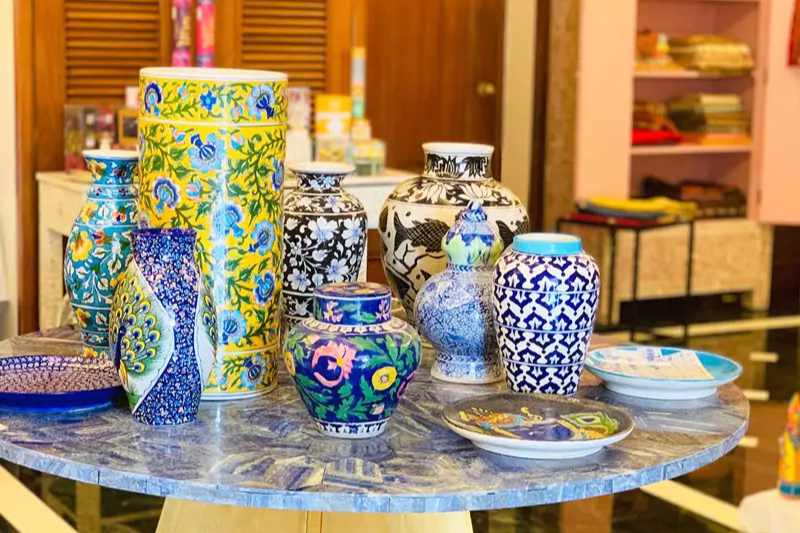
If you are a fan of jewelry, textiles, handicrafts, home décor, blue pottery, traditional clothes, or antiques, Jaipur has the finest shopping experience for everything Rajasthan has to offer. The experience of shopping in Jaipur is a world-class expedition into the city’s royal legacy, which is royal, artistic, sumptuous, and traditional all at once. You will also be able to view centuries of craftsmanship while walking through the aisles of these vibrant markets.

Visiting with an expert tour agency like Janu Private Tours means that your experience in Jaipur will be relaxed and uncomplicated, whether you want to browse jewelry or visit traditional artisan ateliers far from tourist-trap markets. You will receive access to authentic artisan ateliers, just pricing, expert local information about lesser-known markets, and cultural narratives and history. Janu Private Tours will also offer you comfortable transportation, local guidance, and other essential resources. Their professionals are confident that you will have a positive shopping experience in Jaipur, whether you are looking for jewelry, textiles, or handicrafts.

In this post, you’ll learn about all of the best shopping places in Jaipur and why they are some of the most popular in the world.

Why Jaipur Is the Shopper’s Paradise

Jaipur has earned a worldwide reputation for unmatched artisanship, and here are a few reasons why.

1. World-Renowned Gemstone Capital

Jaipur is one of the world’s top destinations for gemstone cutting, polishing, and jewelry manufacturing.

2. A Textile Heritage

Bandhani, block printing, leheriya, Sanganeri prints, and handmade quilts are well-known all over the world.

3. Traditional Handicrafts

Whether it’s marble carving or wood doll-making, Jaipur’s artisans are the custodians of the state’s millennia-old handicraft traditions.

4. Shop from Reasonably Priced to Premium Designer Goods

You can also purchase inexpensive souvenirs or upscale designer wares in one location.

5. Culture-Packed Shopping Experience

The bustling roads, vibrantly painted stores, delectable aromas, and street performances by local musicians and dancers provide visitors with an out-of-this-world retail experience.

Also Read:-Top 5 Desert Destinations in North India

​width=800

1. Johari Bazaar – The Gem & Jewelry Capital of Jaipur

Jaipur’s Johari Bazaar is one of the city’s oldest and most well-known shopping centers, and it’s well-known for its fine jewelry made by skilled artisans.

  • Things to Buy in Johari Bazaar

  • Kundan jewelry

  • Polki jewelry

  • Meenakari art pieces

  • Semi-precious stones jewelry

  • Bridal jewelry sets

The jewelry-making method is as royal, traditional, and refined as the city’s culture, which is why it appeals to both collectors and enthusiasts.

Why Visit the Market

The market serves as the city’s epicenter for jewelry making, with hundreds of shops that sell high-quality gemstone jewelry.

2. Bapu Bazaar – The Best Market for Textiles & Jaipuri Items

Bapu Bazaar is a must-visit destination if you’re looking to shop for Jaipur (Jaipur’s traditional products and textiles.

  • Popular Items to Buy

  • Mojari (Traditional Rajasthani footwear)

  • Handbags and embroidered purses

  • Bedcovers and quilts

  • Block-printed textiles

  • Decorative Home Items

Jaipuri Razai, a lightweight, hand-quilted blanket that serves as a light quilt and is also an excellent gift, is one of the top products to buy from the market.

Why Tourists Love the Market

Prices are fair, the goods are extensive, and the market is a lot of fun to explore.

3. Tripolia Bazaar – Lac Bangles & Metal Craft Center

The Tripolia Bazaar is Jaipur’s top market.

  • Lac bangles

  • Brassware

  • Ironware

  • Traditional home goods

  • Hand-carved metal décor

The beautiful and elegant Rajputana culture is reflected in the lacquer bangles, which are available in hundreds of distinct styles.

Visit if You Love Bangles

In fact, you may even observe artisans handcrafting bangles using the same old approach.

4. Chandpole Bazaar – Home of True Artisan Workshops

Chandpole is one of Jaipur’s most traditional markets, and it is also where you can still discover artisans working.

  • Marble

  • Sandstone

  • Wood

  • Clay

  • Metal

It’s Khazane Walon ka Rasta, which is a street with purely handmade products, and is famous all over the world.

Best Things to Buy

  • Marble sculptures

  • Wooden handicrafts

  • Rajasthani puppets

  • Colorful pottery

For those of you who are interested in purchasing authentic and handmade souvenirs, Chandpole is the place to go.

5. Nehru Bazaar – Famous for Jootis & Textiles

If you’re in the market for Jaipuri Jootis (Jaipur’s traditional embroidered footwear), look no further than Nehru Bazaar.

  • What to Expect

  • Embroidered jootis

  • Colorful textiles

  • Souvenirs

  • Home décor pieces

Shopping in this neighborhood is one of the most fun experiences in Jaipur because of the stunning atmosphere.

6. MI Road – The Perfect Blend of Modern and Royal Shopping

MI Road (Mirza Ismail Road) is a one-of-a-kind market because it has both traditional boutiques and modern showrooms.

  • Best Things to Buy Here

  • Blue pottery

  • Jewelry

  • Carpets

  • Designer clothing

  • Handicrafts

It is also the best spot to purchase high-quality and fixed-price products, making it an excellent destination for visitors who want a less complicated shopping experience.

7. Sireh Deori Bazaar – Spectacular Views Opposite Hawa Mahal

Tourists shopping in this market will be captivated by the beauty of Hawa Mahal.

  • Famous For

  • Leather bags

  • Rajasthani textiles

  • Handicraft souvenirs

  • Decorative wall hangings

It is also one of the best Jaipur locations to purchase puppets, a symbol of Rajasthani folklore and storytelling.

8. Purohit Ji ka Katla – The Bridal Shopping Hub

Wedding shopping in Jaipur is a must, and this market in the heart of the old city is well-known for it.

  • What to Buy

  • Bridal lehengas

  • Sarees

  • Embroidered clothing

  • Jewelry sets

  • Fabrics

The designs are opulent, traditional, and ideal for any special occasion.

Shopping in Jaipur with Janu Private Tours – Trusted and Safe

Jaipur’s markets are indeed impressive, but they can also be disorienting and intimidating, particularly for first-time visitors. The majority of the shops in Jaipur are primarily aimed at tourists and overcharge several times.

Janu Private Tours’ Jaipur trip will provide the following benefits:

  • Access to authentic artisan workshops

  • Fair pricing

  • Insider knowledge of hidden markets

  • Cultural storytelling and history

  • Comfortable transportation & local guidance

Their crew will also go out of its way to make certain that your shopping experience in Jaipur is simple, enjoyable, and safe. Whether you’re looking for something to buy jewelry, textiles, or handicrafts, their service is guaranteed.

Also Read:-Why Rajasthan is the Best Starting Point for Exploring North India

Best Shopping Markets in Jodhpur: Blue City Shopper’s Guide

Shopping for Handicrafts, Textiles, Spices & Royal Souvenirs in Rajasthan’s Blue Jewel, Jodhpur’s royal past, desert vibe, and laidback yet colorful culture make it one of the most magical places in India. While the city’s majestic Mehrangarh Fort and blue-painted houses attract visitors from around the world, Jodhpur is also one of Rajasthan’s most popular shopping destinations. From handcrafted textiles to spices, antiques, leather goods, silver jewelry, and traditional Rajasthani art, shopping in Jodhpur will be an unforgettable experience.

Exploring Jodhpur’s markets is a journey through a living museum. Every narrow lane is packed with skilled artisans who are committed to preserving traditions passed down over centuries. And when you explore Jodhpur markets with expert local operators like Janu Private Tours, you will visit the most authentic shops, get fair prices, and discover hidden artisan quarters and bazaars that tourists never find.

This comprehensive in-depth guide to the best shopping markets in Jodhpur will help you discover culture, craft, and classic souvenirs to take back home.

Why Jodhpur is a Shopper’s Paradise

Jodhpur’s markets are a perfect reflection of the city’s royal history, desert lifestyle, and artisanal excellence. Here are some of the reasons why shopping in Jodhpur is so special.

1. Home of Royal Textiles

Jodhpur is famous for handwoven textiles, bandhej (tie-dye), and block-printed fabrics.

2. World-Class Handicrafts

The city is home to some of the finest wooden furniture, metalwork, and other handicrafts from India.

3. Famous Spices & Teas

Jodhpur is renowned for its spice markets. Explore colorful, aromatic spice blends that you can’t find elsewhere in Rajasthan.

4. Leather Goods Hub

Shop for authentic, affordable leather bags, belts, and Jodhpur’s famous mojari (handcrafted) shoes in these markets.

5. Tradition Meets Modernity

In Jodhpur, you can find a unique fusion of centuries-old artisan techniques with modern Rajasthani design and aesthetic—ideal for finding one-of-a-kind souvenirs.

Also Read:-places to visit in jaipur for shopping

1. Sardar Market: The Heartbeat of Jodhpur’s Shopping Scene

Located just next to Jodhpur’s iconic Ghanta Ghar (Clock Tower), Sardar Market is the most well-known and largest shopping area in Jodhpur.

  • Must-Buy Items

  • Handcrafted textiles

  • Spices (especially Mathaniya red chilli)

  • Traditional jootis (Rajasthani footwear)

  • Silver jewelry

  • Marble artifacts

  • Turbans and traditional Rajasthani clothing

The entire market is full of people from early morning to late evening. It’s a vibrant hub of activity, with shoppers haggling, vendors calling out their wares, and tourists snapping photos. Photographers will also love it, as the narrow alleyways and bustling crowds make for interesting street photography. The sheer variety and volume of shops are enough to keep shoppers occupied for hours.

Why Visit Sardar Market?

This market truly captures the authentic local spirit. It’s vibrant, lively, and full of cultural charm and history.

2. Clock Tower Market: Best for Spices & Handpicked Collectibles

Located right next to Sardar Market is Jodhpur’s famous Clock Tower area, which is a must-visit for spice lovers and collectors.

  • What to Buy

  • Mathaniya red chili

  • Hand-ground masalas

  • Herbal teas

  • Sandalwood & saffron

  • Dry fruits

The market is also known for copper products, antique home décor, handmade utensils, and woollen shawls.

​width=800

A Foodie’s Paradise

You can’t leave without trying out local snacks like mirchi vada and mawa kachori!

3. Nai Sarak: A Textile Lover’s Dreamland

Nai Sarak is one of Jodhpur’s best markets for buying bandhej and block-printed fabrics, which are the mainstays of Rajasthani fashion.

  • Best Buys

  • Bandhani sarees

  • Dupattas

  • Kurtas

  • Dress materials

  • Handwoven scarves

  • Embroidered fabrics

These are some of the markets where travelers looking for authentic Rajasthani textiles will have a great experience. The colors, patterns, and quality are exceptional here.

​Why Visit Nai Sarak?

Prices are good, and you will find high-quality, hand-dyed, and handcrafted textiles made by local artisans.

4. Sojati Gate Market: Best for Traditional Rajasthani Souvenirs

This market is the ideal place to shop.

  • Handcrafted jewelry

  • Colorful bangles

  • Lac art

  • Rajasthani mirrors

  • Home décor items

  • Puppets & folk art

Sojati Gate is also famous for its vibrant mehndi (henna) artists. As you explore, they will decorate your hands with intricate, traditional Rajasthani designs.

Best For:

Travelers want to shop in a culturally rich environment full of street art, music, and local traditions.

5. Umaid Bhawan Palace Market: Luxury Shopping in Jodhpur

For luxury and high-end handcrafted products, head to the Umaid Bhawan Palace area to visit shops with a range of premium products.

  • Buy From Here

  • Designer jewelry

  • High-end home décor

  • Exclusive clothing

  • Handwoven carpets

  • Royal-inspired souvenirs

  • Perfect For Luxury Travelers

For luxury travelers who love top-quality and sophisticated Rajasthani designs, this is a perfect market in Jodhpur.

6. Mochi Bazaar: Leather Goods Central

Mochi Bazaar (Sabji Mandi) specializes in leather goods and is an excellent place to shop for leather products.

  • What to Buy

  • Jodhpur jootis

  • Leather bags

  • Wallets

  • Belts

  • Saddles

  • Camel leather goods

Why Shop at Mochi Bazaar?

Mochi Bazaar leather goods are very affordable, and you will be buying authentic, 100% handcrafted products made by families who have been practicing this art for generations.

7. Kapraa Bazaar: Best for Clothing & Fabrics

Kapraa Bazaar specializes in modern and traditional Rajasthani clothing. Here are some popular items that travelers and locals shop for.

  • Popular Purchases

  • Lehenga cholis

  • Kurta sets

  • Everyday clothing

  • Bridal wear

  • Dress materials

If you love vibrant outfits with Rajasthani royal inspiration, this is the place to shop for clothes.

Explore Jodhpur’s Markets with Janu Private Tours

Shopping in Jodhpur is great fun, but can be challenging to figure out the best places to visit in these crowded and noisy lanes. Tourists’ markets have many shops with inflated prices, and bargaining takes all the fun out of shopping in these stores.

Shopping with Janu Private Tours ensures:

  • Authentic shops recommended by locals.

  • Guarantee of fair prices.

  • Stories & context about the craft and culture behind every item.

  • Actual artisan workshops (many hidden from tourists).

  • Comfortable transportation to and from the markets.

  • Help with bargaining and navigating each market.

  • Safe, enjoyable, and genuine market visits.

Janu’s local guides know exactly where to find the best hand-made products, spices, textiles, and more. They will help every traveler discover truly meaningful souvenirs from Jodhpur.

Shopping Tips for Jodhpur Travelers

Bargain Smartly

Bargaining is expected in most markets. The best practice is to start at 30–40% below the shopkeeper’s asking price.

Check Product Quality

Handicrafts vary in quality, so buy from reputed stores or trusted markets with a guide.

Carry Cash

Digital payments are on the rise in India, but many small vendors only accept cash.

Avoid Tourist Traps

Look for places where locals shop or use Janu Private Tours for reliable recommendations.

Also Read:-places to visit in jaipur for couples​

Best Shopping Spots in Bikaner: From Spices to Handicrafts

The best local markets, desert crafts & cultural souvenirs

Bikaner is known for its grand forts, camel safaris, and deep-rooted traditions that go back hundreds of years. But it’s also home to another desert gem, beloved by travelers, that doesn’t often get the recognition it deserves: Bikaner shopping. This colorful city has a lot to offer, from leatherwork and embroidery to local textiles, snacks and namkeen, sweets, and more.

The bazaars are full of items that are typical of royal, desert towns like Bikaner, and local artisans proudly continue crafts that have been passed down for generations. The market streets are also filled with Rajasthani souvenirs, spices, and handcrafted décor and jewelry for all the amazing and curious gifts you’ll find in India. Guided tours with Janu Private Tours make it easy to find the best shops and artisan workshops in the city and enjoy shopping without tourist traps or overpricing.

Read on to discover the best places to shop in Bikaner to enjoy local products that reflect Rajasthan’s art, culture, and cuisine.

Also Read:- Delhi to varanasi travel route

Why Is Bikaner a Secret Shopping Destination in Rajasthan?

Instead of jostling with crowds like the bigger tourist cities, Bikaner has an easy, authentic, and cheaper atmosphere when it comes to shopping. Here’s why it’s so popular.

Artisan-rich Heritage

Craftsmen in Bikaner are known for their pottery, embroidery, leatherwork, and block printing.

World Famous Spices & Namkeen

The city is home to Bikaneri Bhujia, sweets, snacks, and other delectable Rajasthani spices.

Desert-Inspired Souvenirs

Camel leather goods, embroidered textiles, and finely carved wooden items are popular gifts.

Commercial-free & Authentic

Prices are fair and the quality is great, not overpriced or manufactured for tourists.

Must-Visit for Culture Buffs

Shopping here is a cultural experience, featuring colors, flavors, and traditional craftsmanship.

1. Kote Gate Market – The Top Shopping Destination in Bikaner

Kote Gate Market is easily the most famous and busiest Bikaner shopping destination. Located near the old city walls, this market is a cultural and traditional hub, with both brick-and-mortar shops and street vendors selling local products.

Key Items to Buy

  • Camel leather products
  • Rajasthani mojari shoes
  • Lac bangles
  • Jodhpuri suits
  • Spices & pickles
  • Wooden handicrafts
  • Colorful textiles

This market is lively, colorful, and a great spot for travelers to shop for an authentic Bikaneri experience.

Reasons for its Popularity

Everything in one place. You can find handicrafts, clothing, food, décor items, and souvenirs all in one place, and the prices are fair.

2. Mahatma Gandhi Road – Best for Clothing & Fabrics

If you love textiles and ready-to-wear clothing, Mahatma Gandhi Road is the place for you.

What to Buy

  • Bandhani sarees
  • Embroidered dupattas
  • Traditional lehengas
  • Suit sets
  • Dress material
  • Woollen shawls & blankets

Clothing stores in Bikaner offer a nice range of traditional and modern clothing styles and are great for shoppers interested in textiles and clothing.

Who Should Visit?

Fashion enthusiasts, people looking for bridalwear, and shoppers interested in classic Rajasthani fabrics.

3. Station Road Market – The Best Handicraft Market in Bikaner

Located adjacent to Bikaner Railway Station, this market is packed with handicraft shops and stalls.

What to Find

  • Wooden carvings
  • Camel leather bags
  • Miniature paintings
  • Marble and sandstone statues
  • Rajasthani puppets
  • Decorative home items

This is a very famous market for its detailed and skilled Usta art, a type of traditional Bikaner gold-embossed artwork.

Why to Visit

Witness firsthand local craftsmanship and buy many items that are handmade on-site.

4. Sadar Bazaar – Spices, Namkeen & Local Snacks

If you’re visiting Bikaner, a visit to its world-famous namkeen and spices is a must.

Best Purchases

  • Bikaneri Bhujia
  • Mixture namkeen
  • Sweets (Rasgulla, Ghewar)
  • Dry fruits
  • Mathaniya red chilies
  • Spices & masalas

The smell of spices, namkeen, and snacks will instantly make you hungry as you walk through the market.

Ideal for Foodies

The best market for food gifts, gourmet namkeen, and Rajasthani snacks and sweets.

5. Rampuria Carpet Market – Handwoven Handicrafts

Rampuria Carpet Market is where you will find Bikaner’s stunning carpets and durries.

What to Buy

  • Woolen carpets
  • Durries
  • Runners
  • Geometric & Persian-inspired motifs

Each carpet and durali is carefully handcrafted with attention, patience, and quality materials.

Why Visit?

The best place to buy sturdy and exquisitely crafted handwoven carpets directly from the artisans.

6. Junagarh Fort Market – Souvenirs with a Royal Touch

Outside of Junagarh Fort, there are also some great but small stalls selling.

  • Miniature paintings
  • Carved souvenirs
  • Traditional jewelry
  • Leather curios
  • Local décor items

Products at these stalls are ideal for shopping for gifts and low-priced souvenirs.

Discover Bikaner Markets with Janu Private Tours

The markets of Bikaner are fun to browse, but for first-time visitors, the city’s network of twisting and turning lanes can feel confusing. Janu Private Tours offers significant value here.

Why Book with Janu Private Tours?

  • They take you to authentic artisan shops, not tourist traps.
  • They will help you with bargaining and ensure fair prices.
  • They tell you about the history and share cultural stories.
  • They know the hidden markets, little-known crafts, and local workshops.
  • They offer comfortable transport, safety, and local guidance.
  • Their local expertise turns your shopping trip into a cultural experience.

Bikaner Shopping Unique Selling Points (USPs)

Camel Leather Goods

Incorporating its desert heritage, Bikaner is well known for camel leather products, which are an eco-friendly, biodegradable, and sustainable alternative.

Usta Art & Miniature Paintings

Stunning gold-embossed work that is a testament to the city’s royal history.

Snacks, Sweets & Spices

Bikaneri Bhujia, namkeen, Mathaniya red chilies, and other snacks and sweets from Bikaner are famous all over the world.

Authentic Rural Artisanship

Bikaner has less commercialized and touristy markets than other places in Rajasthan, and still has many original traditional crafts.

Bikaner Shopping Tips

Bargain is the norm

Expect to bargain in most places, and start with a low price, then smile and keep negotiating.

Check the leather authenticity:

Camel leather is unique, but can only be bought from trusted shops or with a guide.

Sample before you buy (food items)

Most of the shops selling spices and snacks will offer free samples to taste.

Bring a tote bag:

You’ll probably buy more than you think, and Bikaner has some amazing deals.

Shop with a local guide:

Experts like Janu Private Tours will take you to the true artisan areas of Bikaner.

Also Read:- The 16 Days Tour of Rajasthan (INDIA) All Inclusive

Pushkar Camel Fair, Rajasthan: Travel Guide with Dates, Attractions and Tips


  • Pushkar Mela is more than just a fair — it’s a living, breathing celebration of Rajasthan’s vibrant spirit. Each year, the quiet desert town of Pushkar transforms into a mesmerizing spectacle of color, culture, and tradition. As the crisp desert winds of autumn sweep through, the town awakens with the rhythm of drums, laughter, and folk songs, marking the arrival of India’s most iconic desert festival.
  • Day 1: Arrive in Delhi
    Arrive at Delhi Airport, meet your representative, and transfer to your hotel. Relax and prepare for your journey through India’s cultural heart. Overnight in Delhi.
  • Day 2: Explore Delhi
    Discover Delhi’s blend of history and modernity — visit India Gate, Humayun’s Tomb, Lotus Temple, and Qutub Minar.
    In Old Delhi, explore Red Fort, Jama Masjid, and enjoy a rickshaw ride through Chandni Chowk. Overnight in Delhi.
  • Day 3: Delhi to Agra (4 hrs)
    Drive to Agra, check into your hotel, and visit Agra Fort and Itmad-ud-Daula (Baby Taj).
    Enjoy sunset views of the Taj Mahal. Overnight in Agra.
  • Day 4: Agra to Jaipur via Fatehpur Sikri
    Depart for Jaipur, stopping at Fatehpur Sikri, Emperor Akbar’s once-grand capital. Check into your hotel and unwind.
    Overnight in Jaipur.
  • Day 5: Discover Jaipur – The Pink City
    Visit Amber Fort, City Palace, Hawa Mahal, Jal Mahal, and Birla Temple. Shop for gemstones, textiles, and handicrafts in the lively bazaars. Overnight in Jaipur.
  • Day 6: Jaipur to Pushkar – The Camel Fair Begins
    Drive to Pushkar, check into your desert camp, and experience the Golden Triangle with Pushkar Camel Fair — enjoy camel parades, folk performances, and handicraft stalls.
  • Day 7: Explore Pushkar Mela & Holy Sites
    Spend the day soaking in the fair’s festive charm — races, music, and traditional competitions. Visit Brahma Temple and take part in the aarti at Pushkar Lake. Overnight in Pushkar.
  • Day 8: Departure
    After breakfast, drive to Jaipur Airport or Ajmer Station for your onward journey, carrying memories of Rajasthan’s most enchanting festival.

How to Reach Pushkar Mela 2026

Reaching Pushkar Mela 2026 is easy and well-connected by road, rail, and air. The nearest major city is Ajmer, located just 15 km away, which serves as the main transit hub. From Ajmer, travelers can hire a taxi, take local buses, or hop on a short auto-rickshaw ride to Pushkar.

  • By Air: The nearest airport is Kishangarh Airport (40 km), with regular flights from Delhi, Jaipur, and Mumbai. Alternatively, Jaipur International Airport (150 km) offers broader connectivity.
  • By Train: Ajmer Junction is the closest railway station, linked to major cities like Delhi, Jaipur, Mumbai, and Udaipur.
  • By Road: Pushkar is well-connected via the NH-48 highway, with frequent buses and private taxis available from Jaipur, Ajmer, and other Rajasthan cities.

Once you arrive, the town’s compact size makes it easy to explore on foot, by rickshaw, or even by camel — adding a touch of desert adventure to your journey!


Pushkar Camel Fair Travel Tips

To make the most of your visit to the Pushkar Camel Fair, it helps to plan thoughtfully. These practical tips will ensure your experience is comfortable, respectful, and deeply rewarding.

  • Dress Smart and Respectfully
    Pushkar is a sacred town, so modest attire is appreciated — especially when visiting temples and ghats. Light cotton clothing is ideal for the desert climate, keeping you cool during the day and warm in the evenings.
  • Carry Cash and Digital Payment Options
    While most hotels, restaurants, and shops accept UPI payments and cards, small stalls and local vendors often prefer cash. Keep a mix of both handy to avoid any inconvenience while shopping or dining.
  • Respect Local Customs
    Pushkar’s spiritual rhythm is part of its charm. Always remove footwear near temples and ghats, avoid photographing religious rituals without permission, and follow local signs and traditions. Respecting customs allows you to experience Pushkar’s culture more meaningfully.
  • Capture the Best Views
    Pushkar is a photographer’s delight. For unforgettable shots, head to the Savitri Temple hilltop for sunrise, the Pushkar Lake ghats at sunset, and the colorful alleyways of Pushkar Bazaar alive with local life and vibrant handicrafts.
  • For Solo Women Travelers
    Pushkar is one of Rajasthan’s more welcoming and peaceful towns, even for solo travelers. Dress modestly, stay in well-lit areas after dark, and avoid isolated paths. The locals are friendly and helpful, making it easy to explore with confidence.
  • Footwear & Comfort
    Since footwear isn’t allowed around temples and ghats, opt for shoes that are easy to slip on and off. Comfortable sandals or walking shoes are best for exploring the fairgrounds and bustling markets.

Conclusion

Pushkar is a destination that captures the true essence of Rajasthan — a mesmerizing blend of spirituality, culture, and desert beauty. From peaceful lakeside mornings and sacred aartis to the lively rhythm of the Pushkar Camel Fair, every experience here leaves an indelible mark on the soul.

Whether you’re drawn by faith, photography, or the thrill of cultural discovery, Pushkar promises a journey unlike any other — one that lingers in your heart long after the sands have settled.

Bishnoi Village Day Trip from Jodhpur

Nestled amid the golden dunes and arid landscapes of Rajasthan, the Bishnoi villages offer travelers an extraordinary window into a world where environmental consciousness meets centuries-old traditions. A Bishnoi Village day trip from Jodhpur presents an authentic cultural experience that goes far beyond typical tourist attractions, immersing visitors in a community that has protected nature for over 500 years.

Understanding the Bishnoi Community and Their Legacy

The Bishnoi community stands as one of India’s earliest examples of environmental guardianship. Founded in the 15th century by Guru Jambheshwar, this remarkable society follows 29 principles that emphasize wildlife protection, tree conservation, and sustainable living. Their deep-rooted commitment to preserving nature has created a unique ecosystem where humans and wildlife coexist harmoniously.

What makes the Bishnoi people truly exceptional is their willingness to sacrifice their lives for environmental causes. Historical accounts document instances where community members protected trees and animals at great personal cost. This dedication continues today, making the villages around Jodhpur living museums of ecological wisdom and cultural authenticity.

The community’s philosophy centers on the belief that all life forms deserve protection. Visitors often witness blackbuck antelopes, chinkaras, and various bird species roaming freely without fear, a testament to generations of protection. This harmonious relationship between humans and nature creates an atmosphere unlike anywhere else in Rajasthan.

What to Expect on Your Bishnoi Village Safari

A typical Bishnoi Village day trip from Jodhpur begins early morning, when the desert landscape awakens with activity. Most tours utilize open jeeps that allow unobstructed views of the countryside and wildlife. The journey takes you approximately 22-25 kilometers from Jodhpur’s city center, transitioning from urban bustle to serene rural landscapes.

During your safari, you’ll visit multiple villages, each offering distinct experiences. The itinerary typically includes stops at Guda Bishnoi Lake, where migratory birds congregate and blackbucks come to drink. This natural watering hole serves as a crucial ecosystem point, attracting numerous species throughout the year.

Traditional craft demonstrations form another highlight of the experience. Skilled artisans showcase pottery-making techniques passed down through generations, while weavers demonstrate the intricate process of creating hand-woven textiles. These aren’t staged performances but authentic glimpses into daily village life, where crafts serve both functional and economic purposes.

Interaction with local families provides the most memorable moments. Visitors often receive invitations into traditional homes, where they can observe carpet weaving, sample authentic Rajasthani cuisine, and engage in conversations about community customs. The warmth and hospitality of Bishnoi families create genuine connections that transcend cultural boundaries.

Wildlife Encounters in Bishnoi Territory

The wildlife viewing opportunities on a Bishnoi village tour rival many established national parks. The protective environment created by the community has allowed various species to flourish. Blackbuck antelopes, India’s fastest land animals, graze peacefully near villages, their distinctive spiral horns and graceful movements captivating observers.

Chinkaras, also known as Indian gazelles, share the landscape with their larger cousins. These delicate creatures demonstrate remarkable adaptability to desert conditions. Bird enthusiasts find particular satisfaction in the diversity of avian species, including peacocks, partridges, demoiselle cranes, and sometimes the rare Great Indian Bustard.

The Guda Bishnoi Lake area serves as a prime wildlife viewing location. During winter months, migratory birds arrive in impressive numbers, creating a spectacular display. The lake’s importance extends beyond aesthetics; it functions as a vital water source for the entire ecosystem, supporting both resident and migratory species.

Cultural Immersion and Traditional Crafts

Exploring Bishnoi villages offers profound insights into sustainable craftsmanship. Pottery workshops demonstrate ancient techniques where artisans create functional and decorative pieces using locally sourced clay. The process involves shaping vessels on hand-turned wheels, a skill requiring years of practice to master.

Textile weaving represents another cornerstone of village economy and culture. Families produce dhurries, carpets, and fabrics using traditional looms. The intricate patterns reflect cultural symbolism and regional aesthetics. Many travelers purchase these handmade items, directly supporting artisan families while acquiring unique souvenirs.

Block printing and natural dye techniques showcase the community’s resourcefulness. Using wooden blocks carved with traditional motifs, craftspeople create stunning textile designs. The preference for natural dyes aligns with Bishnoi environmental principles, particularly their historical avoidance of indigo, which required extensive water resources.

Planning Your Bishnoi Village Day Trip from Jodhpur

Organizing a village safari requires some practical consideration. Most tours operate year-round, though October through March offers the most comfortable weather conditions. Early morning departures maximize wildlife sighting opportunities and avoid afternoon heat.

Several tour operators in Jodhpur specialize in Bishnoi village experiences. When selecting a provider, prioritize those demonstrating genuine respect for local communities and environmental conservation. Janu Private Tours offers thoughtfully curated experiences that balance cultural immersion with responsible tourism practices, ensuring your visit benefits local families while preserving the area’s delicate ecosystem.

Tour durations vary from half-day excursions to full-day adventures. Half-day trips typically last 4-5 hours and cover essential highlights, while full-day options allow deeper exploration and include authentic village meals. Consider your interests and schedule when choosing the appropriate duration.

Transportation from Jodhpur hotels is typically included in organized tours. The journey itself provides scenic views of rural Rajasthan, passing through agricultural fields, small settlements, and desert landscapes. Professional guides share historical context and facilitate meaningful interactions with community members.

The Best Time to Visit Bishnoi Villages

Seasonal variations significantly impact the safari experience. Winter months from November to February present ideal conditions, with comfortable temperatures and increased bird activity. Migratory species arrive during this period, enhancing wildlife viewing opportunities.

Spring months of March and April offer pleasant weather before summer intensity begins. Wildflowers bloom across the landscape, creating colorful vistas. However, temperatures start rising, making early morning departures essential.

Monsoon season from July to September transforms the desert into a verdant landscape. While humidity increases and some roads may become challenging, this period offers unique photographic opportunities and a different perspective on desert ecology. Post-monsoon months witness renewed vegetation and active wildlife.

Authentic Rajasthani Cuisine and Village Hospitality

Culinary experiences form an integral part of Bishnoi village visits. Traditional meals prepared by village families showcase authentic Rajasthani flavors using locally grown ingredients. The predominantly vegetarian cuisine reflects the community’s principles, featuring dishes like bajra roti, ker sangri, and various lentil preparations.

Sharing meals in village homes creates intimate cultural exchanges. Families often prepare fresh chapatis on traditional chulhas (clay stoves) and serve food on brass utensils. The simplicity of ingredients contrasts beautifully with the complexity of flavors achieved through traditional cooking methods.

Chai sessions represent another cherished ritual. Freshly brewed tea, sometimes prepared with goat milk from local herds, accompanies conversations with hosts. These moments of hospitality reveal the generous spirit that characterizes Bishnoi culture.

Also Read:- Top 10 Routes in North India for Scenic Journeys

Photography Opportunities and Ethical Considerations

The visual richness of Bishnoi villages attracts photographers ranging from casual snapshooters to serious professionals. The interplay of desert light, traditional architecture, colorful textiles, and candid portraits creates endless compositional possibilities. However, respectful photography requires sensitivity and permission.

Always ask consent before photographing individuals, particularly women and children. Many community members welcome photography but appreciate the courtesy of being asked. Some craftspeople may request small fees for photography during demonstrations, which directly supports their livelihoods.

Wildlife photography near Guda Bishnoi Lake demands patience and appropriate equipment. Telephoto lenses capture detailed shots without disturbing animals. Early morning light provides optimal conditions for landscape photography, casting golden tones across the desert terrain.

Responsible Tourism and Supporting Local Communities

Sustainable tourism practices ensure Bishnoi villages retain their authentic character while benefiting economically from visitor interest. Purchase crafts directly from artisans rather than intermediaries, ensuring fair compensation for their work. Avoid bargaining too aggressively, remember that modest prices already reflect village economics.

Respect cultural norms regarding dress and behavior. While Bishnoi communities welcome visitors, conservative attire shows cultural sensitivity. Women should consider covering shoulders and wearing long skirts or pants; men should avoid shorts.

Environmental consciousness extends to visitor behavior. Avoid littering, stay on designated paths to prevent vegetation damage, and maintain quiet around wildlife. These practices honor the conservation principles that make Bishnoi villages special.

When booking through reputable operators like Janu Private Tours, inquire about their community engagement initiatives. Responsible tour companies contribute to local development projects, employ local guides, and operate with minimal environmental impact.

Beyond the Safari: Connecting with Bishnoi Philosophy

Understanding Bishnoi environmental ethics enriches the village experience beyond surface observations. Their 29 principles include prohibitions against cutting green trees, killing animals, and wasting resources. These guidelines, established over 500 years ago, anticipate modern environmental movements by centuries.

The community’s reverence for nature stems from spiritual beliefs rather than secular environmentalism. This connection between faith and conservation creates a powerful framework for sustainable living. Observing this philosophy in practice offers valuable lessons applicable to contemporary environmental challenges.

Stories of sacrifice for nature’s protection resonate deeply with visitors. The famous 1730 incident, where Amrita Devi Bishnoi and hundreds of villagers sacrificed their lives to prevent tree felling, demonstrates the community’s unwavering commitment. The Indian government’s Amrita Devi Bishnoi Wildlife Protection Award commemorates this legacy.

Conclusion: An Unforgettable Rajasthan Experience

A Bishnoi Village day trip from Jodhpur transcends conventional tourism, offering profound insights into sustainable living, cultural preservation, and human-nature harmony. The experience combines wildlife encounters, traditional craftsmanship, authentic cuisine, and warm hospitality in ways that leave lasting impressions on every visitor.

The journey challenges modern assumptions about progress and development, demonstrating how traditional wisdom addresses contemporary environmental crises. Witnessing a community that has protected nature for centuries while maintaining cultural identity provides hope and inspiration for sustainable futures.

Whether you’re a wildlife enthusiast, cultural explorer, photographer, or simply curious traveler, the Bishnoi villages near Jodhpur deliver experiences unavailable elsewhere in Rajasthan. The memories created during your village safari, from blackbucks grazing peacefully to shared meals with welcoming families, will resonate long after your Rajasthan adventure concludes.

Also Read:- How to Plan a Rajasthan Tour for First-Time Visitors

Frequently Asked Questions

Q.How long does a Bishnoi Village day trip from Jodhpur typically take?

A standard Bishnoi village safari usually lasts between 4 to 6 hours for half-day tours, while full-day excursions extend to 8-10 hours. The duration depends on the number of villages visited, wildlife sighting opportunities, and meal inclusions. Most tours depart early morning around 8-9 AM to maximize wildlife viewing when animals are most active and temperatures remain comfortable for exploration.

Q.What wildlife can I expect to see during the village safari?

Visitors commonly encounter blackbuck antelopes, chinkaras, peacocks, and various bird species including cranes and partridges during their safari. The Guda Bishnoi Lake area attracts numerous migratory birds, especially during winter months. While wildlife sightings cannot be guaranteed, the protective environment maintained by the Bishnoi community creates favorable conditions for animal encounters. The experience focuses equally on cultural immersion alongside wildlife observation.

Q.Is the Bishnoi Village tour suitable for families with children?

Yes, the Bishnoi Village day trip from Jodhpur is family-friendly and educational for children of all ages. Kids often enjoy wildlife spotting, interacting with baby goats, and watching traditional crafts like pottery-making. The cultural experience provides valuable lessons about environmental conservation and different lifestyles. However, consider the jeep safari duration and ensure young children can handle moderate heat and dusty conditions during warmer months.

Q.What should I wear and bring on the village safari?

Wear comfortable, conservative clothing suitable for desert conditions long pants or skirts, covered shoulders, and closed-toe shoes. Bring sunscreen, sunglasses, a hat, and plenty of water. A camera with extra batteries is essential for capturing memorable moments. Consider bringing small denominations of cash if you wish to purchase handicrafts directly from artisans. Binoculars enhance wildlife viewing, though not essential for enjoying the experience.

Q.Can I book a customized Bishnoi village experience?

Many tour operators, including Janu Private Tours, offer customizable Bishnoi village experiences tailored to specific interests and schedules. You can adjust the itinerary to focus on wildlife photography, craft demonstrations, or extended cultural interactions based on preferences. Private tours provide flexibility in timing and village selection, creating more intimate experiences. Contact tour providers in advance to discuss customization options that align with your travel goals and interests.

Jaisalmer Sam Sand Dunes Day Trip


The golden expanse of the Thar Desert holds treasures that transform ordinary travels into extraordinary memories. A Jaisalmer Sam Sand Dunes day trip offers an authentic glimpse into desert life, where rippling sand formations meet vibrant cultural traditions under vast azure skies. This comprehensive guide reveals everything you need to plan an unforgettable desert adventure.

Understanding the Sam Sand Dunes Experience

Located approximately 40-42 kilometers from Jaisalmer city, the Sam Sand Dunes represent one of Rajasthan’s most iconic desert landscapes. These sweeping dunes offer stunning landscapes and unique wildlife that showcase the Thar Desert’s rare beauty and tranquility. The dunes form part of the Jaisalmer Desert National Park, creating a protected ecosystem where desert flora and fauna thrive.

What makes Sam Sand Dunes exceptional is their accessibility combined with authentic desert character. Unlike smaller dune formations, these massive sand structures create the classic desert panorama that photographers and travelers dream about. The undulating golden waves stretch toward the horizon, shifting subtly with desert winds and changing dramatically with the sun’s movement.

The area has evolved into a cultural hub where traditional Rajasthani heritage meets modern tourism sensibilities. The place comes alive with a carnival atmosphere from late afternoon till the next morning, with desert campsites organizing cultural programs that showcase the state’s rich culture through folk dances.

  • Also read:- Best luxury tours in Rajasthan, India from uk
  • Morning Departure (10:00 AM – 11:00 AM) Begin your journey from Jaisalmer, allowing time for comfortable travel and roadside photo opportunities. The drive itself offers scenic desert views and occasional wildlife sightings.
  • Midday Arrival (11:00 AM – 12:00 PM) Arrive at Sam Sand Dunes and acclimate to the environment. Many visitors use this time for initial exploration and photographs before the afternoon heat intensifies.
  • Afternoon Activities (12:00 PM – 4:00 PM) Check-in time at desert camps typically occurs between 3:00 PM and 4:00 PM. Spend early afternoon hours resting in the shade or enjoying camp facilities. As temperatures moderate, begin your camel or jeep safari.
  • Sunset Experience (5:00 PM – 7:00 PM) Position yourself on high dunes for sunset viewing. This golden hour provides the most spectacular photography opportunities and comfortable temperatures for outdoor activities.
  • Evening Entertainment (7:00 PM – 9:00 PM) Enjoy cultural performances, traditional dinner, and bonfire gatherings. These activities create lasting memories and provide insight into local traditions.
  • Return Journey (9:00 PM – 10:30 PM) Depart for Jaisalmer, arriving back in the city with time to rest before the next day’s adventures.

What to Pack for Your Desert Adventure

  • Smart packing ensures comfort throughout your desert experience. Essential items include:
  • The Sam Sand Dunes offer extraordinary photographic opportunities, but desert conditions require specific techniques:
  • Preserving the Sam Sand Dunes’ pristine beauty requires conscious effort from all visitors. Follow these guidelines:
  • While a Jaisalmer Sam Sand Dunes day trip focuses on desert experiences, the surrounding region offers additional attractions:
  • Budget Planning: Day trip costs vary based on activity choices and service levels. Basic camel safaris start around 400-500 rupees per person, while comprehensive packages including meals, entertainment, and multiple activities cost more. Booking through established operators ensures transparent pricing and quality guarantees.
  • Health Precautions: The desert environment can challenge unprepared visitors. Stay hydrated constantly, apply sunscreen regularly, and avoid overexertion during peak heat hours. Travelers with respiratory conditions should consider air quality impacts from desert dust.
  • Communication: Mobile network coverage exists but can be unreliable in remote dune areas. Inform your hotel or contacts about your itinerary and expected return time.
  • Seasonal Variations: Winter months require warm clothing for evening activities, while early and late season visits demand heat management strategies. Research specific weather patterns for your travel dates.

Making Lasting Memories

A Jaisalmer Sam Sand Dunes day trip delivers experiences that resonate long after desert sand shakes from your shoes. The combination of natural beauty, cultural richness, and adventure activities creates multifaceted memories appealing to diverse interests.

Whether watching the sunset paint golden dunes in vibrant hues, feeling a camel’s rhythmic gait beneath you, or listening to ancient musical traditions under star-filled skies, the desert works its magic. These moments transcend typical tourism, offering genuine connections with landscape, culture, and heritage.

The key to maximizing your experience lies in thorough planning, respectful engagement, and openness to unexpected moments. While itineraries provide structure, the desert’s most magical moments often arrive unplanned: a chance encounter with local herders, an unexpected wildlife sighting, or a perfect photographic moment as wind shapes the sand.

Late afternoon to evening provides the optimal experience, as you can enjoy comfortable temperatures, stunning sunset views, and evening cultural programs. Arriving around 3-4 PM allows time for camel or jeep safaris before sunset, followed by traditional dance performances and dinner. Sunset, occurring around 5:30-6:30 PM depending on the season, offers the most spectacular photography opportunities. Morning visits are excellent for those seeking cooler temperatures and peaceful dune exploration without crowds.

  • Q.Are Sam Sand Dunes suitable for families with young children?
  • Q.What should I wear for a desert day trip?

Wear light-colored, loose-fitting cotton clothing that covers your arms and legs for sun protection while keeping you cool. Women should bring scarves for additional sun coverage and cultural respect. Comfortable closed-toe shoes or sturdy sandals work better than flip-flops in sand. Bring a light jacket or shawl for evening temperature drops, especially during the winter months. Avoid synthetic fabrics that trap heat. A wide-brimmed hat and quality sunglasses are essential for sun protection throughout your desert adventure.

Q.Can I visit Sam Sand Dunes independently, or should I book a tour?

Both options are viable, depending on your preferences and experience level. Independent visitors can hire taxis from Jaisalmer and arrange activities directly at the dunes, offering flexibility and potential cost savings. However, organized tours through providers like Janu Private Tours offer significant advantages, including expert guides, optimized timing, activity coordination, and deeper cultural insights. Tour packages eliminate logistical stress, provide safety assurance, and often include hidden gems that independent travelers might miss, making them an excellent value for comprehensive experiences.

The Best Luxury Train in India: Find Your Perfect Journey


  • Luxury Trains in India: The Ultimate Royal Journey
  • Route: Delhi → Jaipur → Sawai Madhopur → Chittorgarh → Udaipur → Jaisalmer → Jodhpur → Bharatpur → Agra → Delhi

Highlights of the Journey

  • Delhi – Iconic landmarks such as India Gate, Qutab Minar, Humayun’s Tomb, and Lotus Temple.
  • Jaipur (The Pink City) – Amber Fort, Hawa Mahal, City Palace, Jantar Mantar, and vibrant bazaars.
  • Sawai Madhopur & Chittorgarh – A wildlife safari in Ranthambore and the legendary Chittorgarh Fort with its sound-and-light show.
  • Udaipur (The City of Lakes) – The grand City Palace, Saheliyon ki Bari, Crystal Gallery, and a romantic boat ride on Lake Pichola.
  • Jaisalmer (The Golden City) – Jaisalmer Fort, Patwon ki Haveli, Jain temples, and camel rides at the Sam Sand Dunes.
  • Jodhpur (The Blue City) – Mehrangarh Fort, Jaswant Thada, Umaid Bhawan Palace, and colorful markets.
  • Bharatpur – Birdwatching at the Keoladeo Ghana National Park.
  • Agra – The majestic Agra Fort and the timeless Taj Mahal, the jewel of India’s heritage.

The Royal Rajasthan on Wheels – A Regal Journey Through India

Discover one of India’s finest luxury trains and experience royal travel like never before.

width=800

The Royal Rajasthan on Wheels was once among the most celebrated luxury trains in India, showcasing the grandeur of Rajput culture and heritage. Designed to reflect the opulence of Rajasthan’s royal era, the train offered an unmatched blend of elegance, comfort, and regal hospitality. Every detail—from its lavish interiors to its curated itineraries—was crafted to deliver an experience fit for royalty.

width=800

Though immensely popular, the Royal Rajasthan on Wheels was eventually merged with the legendary Palace on Wheels in September 2017. Today, it continues its legacy under the Palace on Wheels banner, carrying forward the tradition of royal journeys across India with timeless charm and sophistication.

Royal Rajasthan on Wheels Routes

The Royal Rajasthan on Wheels embarks on an unforgettable 7-night, 8-day journey, beginning in Delhi and covering some of India’s most iconic destinations. Along the way, travelers experience royal heritage, wildlife adventures, spiritual centers, and world-famous monuments.

  • Route: Delhi → Jodhpur → Udaipur → Chittorgarh → Sawai Madhopur → Jaipur → Khajuraho → Varanasi → Agra → Delhi
  • width=800
  • width=800
  • 1. The Indian Splendour (6 Nights / 7 Days)

Route: Delhi – Agra – Ranthambore – Jaipur – Bikaner – Jodhpur – Udaipur – Balasinor – Mumbai
Highlights: Taj Mahal, tiger safari, palaces of Rajasthan, and Gujarat’s fossil park.

  • 2. The Heritage of India (6 Nights / 7 Days)
  • 3. The Indian Panorama (6 Nights / 7 Days)

Route: Delhi – Jaipur – Ranthambore – Fatehpur Sikri – Agra – Orchha – Khajuraho – Varanasi – Lucknow – Delhi
Highlights: Spiritual heritage in Varanasi, temples of Khajuraho, and historical gems like Orchha and Fatehpur Sikri.

  • 4. Treasures of India (3 Nights / 4 Days)
  • 1. Jewels of South (5 Nights / 6 Days)

Starting from Bengaluru, this journey covers some of South India’s most iconic landmarks. Guests visit Mysuru, Hampi, Kabini River, Hassan, Badami, and Goa before returning to Bengaluru.

  • 2. Pride of Karnataka (5 Nights / 6 Days)
  • 3. Glimpses of Karnataka (3 Nights / 4 Days)

A shorter yet equally enriching journey, this trip starts in Bengaluru and takes guests to Bandipur, Mysuru, and Hampi, before returning to the city. It’s ideal for those seeking a quick luxury escape.

Journey Highlights

  • Operational Months: October – March
    Duration: 3 Nights / 4 Days or 5 Nights / 6 Days
    Dining: A choice of vegetarian and non-vegetarian cuisines, with menus inspired by both regional delicacies and international flavors.
  • Pre & Post Services: Trains do not include services before boarding or after the journey concludes. Arrangements in Delhi, Mumbai, or other boarding points must be made separately.
  • Additional Services: Facilities like visa assistance, foreign exchange, or city tours are not handled by the train but can be arranged through a professional travel agency.
  • Booking Process: Reservations can be complex, with cabins selling out months in advance. It’s best to book early and specify any dietary or medical requirements at the time of booking.

Your Luxury Train Journey, Simplified

Choosing the right travel partner ensures a smooth and worry-free experience.

  • Pre & Post Journey Planning – complete experiences in cities like Delhi and Mumbai.
  • Booking Assistance – managing the complex reservation process for luxury train cabins.
  • Traveler Services – from foreign exchange to onward travel arrangements within India or abroad.
  • Special Requirements – ensuring dietary, medical, or personal needs are met with ease.

Conclusion – Royal Journeys, Unforgettable Memories

Luxury trains in India redefine travel, turning every journey into an immersion in royal heritage, culture, and comfort. From the palaces of Rajasthan to the temples of Khajuraho, and from tiger safaris to exclusive cultural performances, each itinerary is crafted for unforgettable experiences.

Guests are treated like royalty with ornate cabins, gourmet dining, personalized service, and exclusive off-train excursions that no other travel service can offer. Whether it’s your first visit to India or a return to discover new wonders, a journey aboard one of these trains is a memory of a lifetime.

When planning your next trip, consider one of India’s luxury trains. These rolling palaces promise unique adventures, regal hospitality, and cherished memories that will stay with you forever. Explore our Luxury India Tours to find the perfect royal journey crafted just for you.

Note: Routes, schedules, boarding points, and tariffs for luxury trains in India are subject to change as per the Government of India’s directions, with prior notice.

Chat with Us