
Discover India

Why Choose Janu Private Tours for Solo Female Travel in India?

For many women, choosing to travel solo is one of the most courageous tasks in their lives. If you’ve done any research whatsoever, you know the opinions on online platforms are all over the map. Some blogs would say women traveling alone are risky in India. Some would tell you it’s one of the most rewarding experiences you will ever take. The truth is somewhere in the middle, and it boils down to one thing: who you travel with.

It is a talent to prepare yourself to be self-supported as a solo female traveler in India. India is home to a wide variety of landscapes. These range from the forested ghats of Varanasi to the palm-lined backwaters of Kerala to the pink sandstone walkways of Jaipur. Our country presents a variegated environment across all these regions. It has a way of transforming people. For single women travelers, that transition is even more powerful. This is only true, however, if logistics, safety, and cultural navigation are done right.

The individuals who run these things have to know what a female traveling solo desires. That’s exactly where Janu Private Tours comes in. Janu Private Tours has an experienced team of more than twenty travel specialists with more than twenty years of experience. The organization has earned its name for creating itineraries that seem personal, safe, and unforgettable. Solo female travel in India is a terrific opportunity to explore real places and significant encounters. If you want to find female-friendly India trips that don’t lose authenticity too, this guide is for you too.

Is India Safe for Female Solo Travel in India?
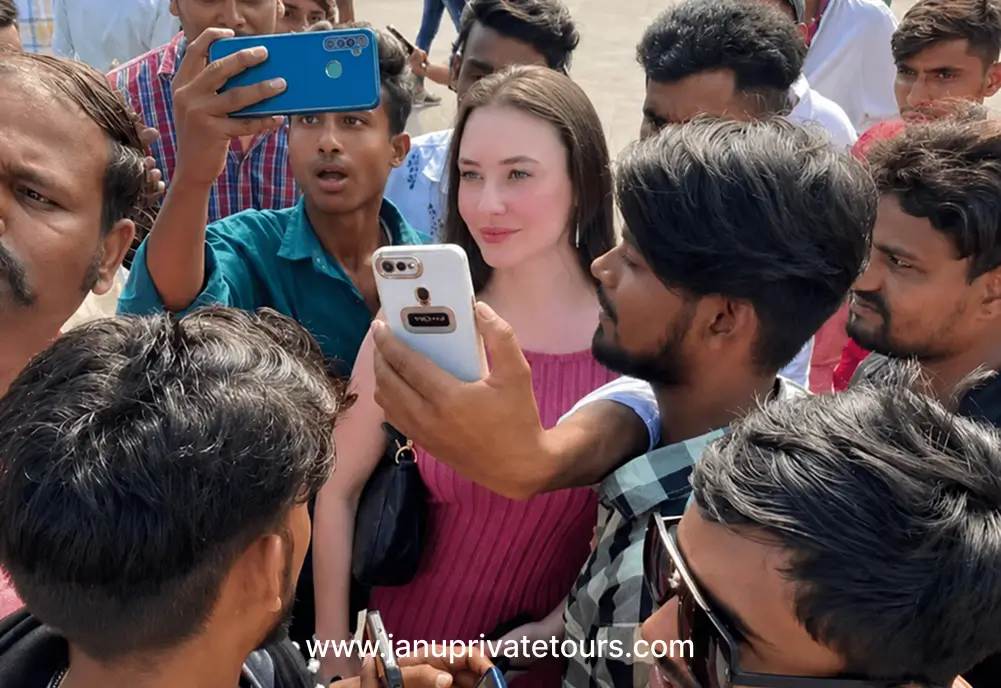
It’s a question that everyone interested in solo female travel in India asks before booking a trip. Because India is so large and diverse, people’s perceptions of their own safety might differ greatly depending on where they live. In general, popular tourist places like Jaipur, Udaipur, Kerala, and Goa are adequately equipped to accommodate visitors from around the world. Extra caution is required in some remote or difficult-to-reach areas for solo females or any other tourist.

India may be marvelously secure for solo female travel. With the correct support system in place, this is achievable.Β That’s the core philosophy behind Janu Private Tours.

Instead of leaving you to work out language obstacles, unknown cities, and transport systems on your own, every journey is designed around:

  • Verified, female-friendly accommodations vetted for location, security, and comfort
  • Private, trained drivers instead of unpredictable public transport at odd hours
  • A dedicated local guide or tour leader who knows the culture, customs, and safest routes
  • 24/7 support so you’re never truly “alone” even when traveling solo

Independent travel and guided travel don’t have to be opposites. With Janu Private Tours, solo female travel in India gives you the freedom of traveling independently with the support and security of a trusted local team.

What Safety Measures Does Janu Private Tours Offer for Women Travelers?

If you’ve searched for safety measures for solo female travel in India, you’ve probably noticed most advice stops at generic tips. These tips typically include “dress modestly” or “avoid walking alone at night”.Β Useful, but not enough. Janu Private Tours takes safety a step further by building it into the actual structure of the trip. We don’t just offer advice about it. As safety guidelines for our solo female travelers, we keep the following items in mind:

  • Real-time itinerary monitoring so your team always knows where you are
  • Background-checked drivers and guides who are briefed specifically on solo female travelers
  • Hotels in the city centre, in brightly illuminated and reputable neighborhoods that are female-friendly
  • Pre-trip briefings on local etiquette, clothing standards and cultural norms for each region
  • Emergency contact mechanisms and dedicated support throughout your trip
  • Flexible pacing, so you’re never rushed through unfamiliar or crowded spaces

It’s the same disciplined approach that has helped the company safely host Hollywood celebrities and top polo teams for years. We have also hosted international cricket players and BBC personalities using this approach.

After twenty years of protecting high-profile guests, a corporation becomes accustomed to that rigor. Our meticulous approach makes solo female travel in India safer and more enjoyable for all our clients.

What Makes Female Friendly India Tours Different From Standard Packages?

There are some of the special features by which we design female-friendly India tours. Conventional itineraries generally presuppose a group structure, shared logistics, or a companion who is taking care of the practical side of the trip. Female-friendly India excursions turn it upside down. The fully woman-centered itinerary considers things such as:

  • Room configurations that avoid unnecessary shared spaces unless requested
  • Timing of activities, avoiding late-night transfers through unfamiliar areas
  • Cultural context, such as appropriate temple attire or local customs around interacting with strangers
  • Pacing that allows for rest, rather than a packed schedule that leaves no room to breathe
  • A guide who is aware of the emotional as well as the practical aspects of a solo traveler

Janu Private Tours builds each itinerary around the individual traveler rather than fitting her into a rigid template. Every itinerary is designed to facilitate solo female travel in India, whether it’s a spiritual trip through Rishikesh and Varanasi. Our packages also include a cultural tour of Rajasthan’s forts and palaces, or a wildlife safari in Ranthambore.

How Do Solo Travel Female Packages in India Compare on Price?

Budget is a legitimate concern, and it’s one of the most searched aspects of planning a trip. β€œSolo travel female packages India price” and β€œsolo travel India female packages” are the inquiries that practically every traveler enters in Google before committing anything.

Solo travel packages with private transport, hand-picked guides, and pre-vetted lodging would naturally cost more than a bare-bones backpacking budget. But the value comparison isn’t just about price, but what that amount truly gets you.

With Janu Private Tours, your investment typically covers:

  • Private, air-conditioned transport with a professional driver
  • Handpicked, safety-vetted hotels and heritage stays
  • A knowledgeable local guide for cultural context and navigation
  • Pre-planned entry to major attractions, avoiding long queues and scams
  • Full itinerary customization based on your interests, timeline, and comfort level

As each trip is bespoke and not templated, the price will vary depending on the destinations, length of the trip, and lodging tier. Lodging options can range from mid-range comfort to complete luxury. The only way to get an accurate number is to talk directly with the Janu Private Tours team. We can then construct a package around your budget without compromising on safety.

Which Destinations Work Best for Female Solo Travel in India?
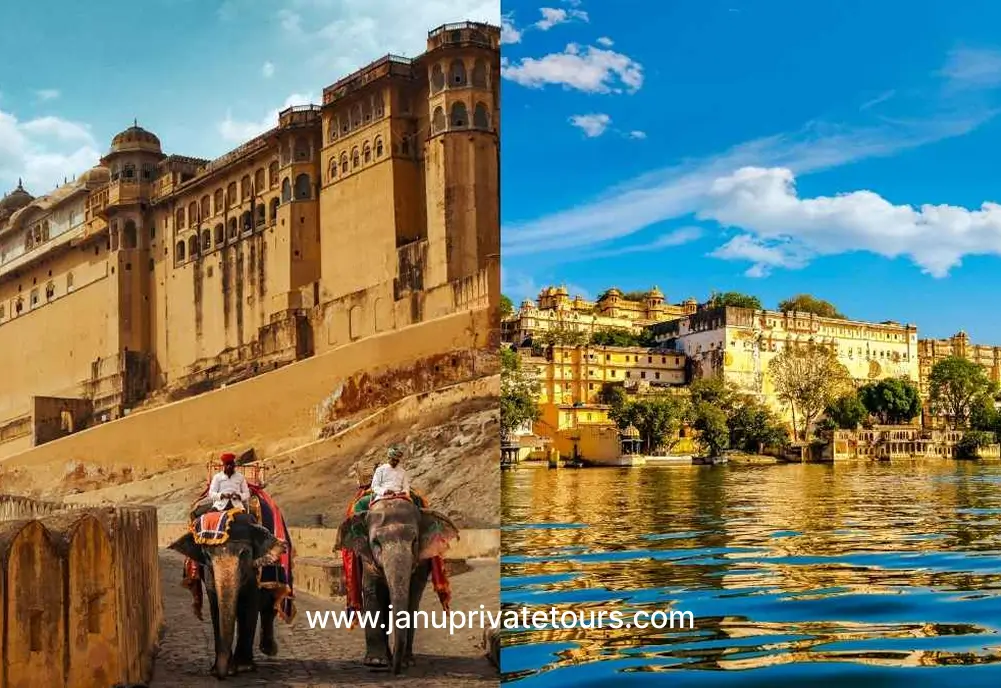
You don’t have to hit every region on your first solo vacation. Good preparation means selecting destinations that provide a complete experience without difficulties. Here are some of the most rewarding stops for women who travel alone:

  • Jaipur and Rajasthan: Palaces, forts and colourful bazaars in a region ripe for tourism
  • Udaipur: One of Rajasthan’s most romantic and safest destinations, the “City of Lakes,” is ideal for solo female travel in India.
  • Varanasi: Very touching and spiritually intense, ideal with a trained local guide
  • Rishikesh: The world’s yoga capital, merging adventure with meditation
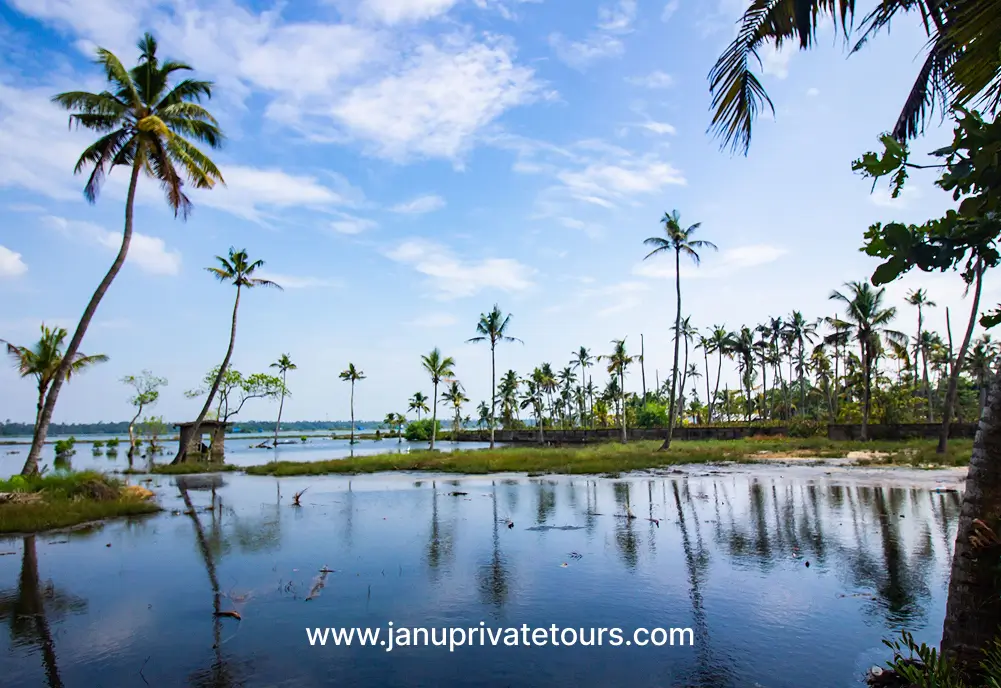
  • Kerala’s backwaters: Beautiful, peaceful, and excellent for a relaxing tour.
  • Ranthambore: For nature enthusiasts in search of a tiger safari with safety led by experts

Each of these destinations offers something different. A well-planned schedule connects each stop, making the trip meaningful rather than merely a list of tasks.

Why Do Solo Women Travelers Keep Choosing Janu Private Tours?

Janu Private Tours has over twenty years of experience in the travel sector and a team of more than twenty experienced professionals. The organization quietly has become one of the most trusted names for tailored Indian travel. But qualifications are just part of the story. The real proof is in who continues coming back, and who the organization has been trusted to host.

Janu Private Tours has taken care of the travel arrangements for Hollywood celebrities, top polo teams, worldwide cricket stars, and the famous BBC personalities. People having access to the greatest travel agents in the world choosing a company for their India vacation says volumes. This is a reflection of the care, sensitivity, and professionalism that goes into each itinerary.

For solo females, that translates into tangible peace of mind. You’re not booking with an anonymous online platform hoping for the best. You’re with a company that has spent two decades refining what it means to travel through India safely, comfortably, and meaningfully. We create one thoughtfully designed journey at a time.

How Do You Start Planning Your Solo Trip With Janu Private Tours?

If you’ve made it this far, chances are you’re seriously considering female solo travel in India. You deserve a partner who takes that decision as seriously as you do.

Planning starts with a simple fact of yours:

  • interests
  • comfort level
  • your timeline
  • your budget

After which, the Janu Private Tours team will craft a bespoke itinerary just for you. As you make your plans, bear in mind the following:

  • Most of India has warm weather from November to March, making it the best time to visit.
  • 2-3 weeks gives you time to mix North and South India without hurrying
  • Bring along modest, breathable attire so you may comfortably get around between cities, temples, and markets
  • A reliable operator will book your transport, lodging, and daily logistics for you

Best solo travel female packages might trigger or inspire the whole women’s era to seek numerous spots and sights on their own. You can empower yourself by planning your tour intentionally with our perfect assistance.

Come, let’s explore our country with creative thoughts and ideas. Reach out to Janu Private Tours to start building a solo itinerary designed around your safety, your interests, and your sense of adventure.
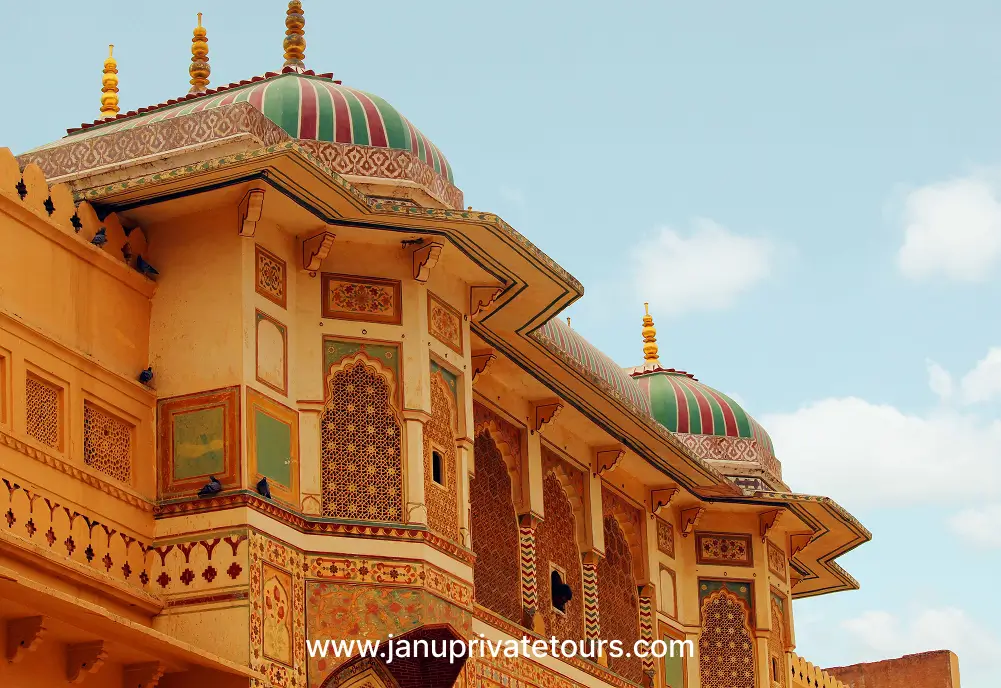
Solo Female Travel India: Best Places, Safety Tips & Female-Friendly Tours

Traveling alone is still a dream for many women and many simply enjoy the rush of freedom, the thrill of independence, the solace of simply enjoying their own company while marveling at the wonderful sights from all around the world.

Over the past few years, solo female travel India has gained significant popularity as more and more women visit India each year to witness its beauty, culture, rich heritage and warm hospitality. India truly has something for every palate. From the colorful streets ofΒ RajasthanΒ and the peaceful backwaters of Kerala to the spiritual retreats of Rishikesh and the French-inspired charm of Pondicherry, India offers something for every type of traveler.

Β However, many female travelers still wonder if India is truly safe for solo female travelers. If you’re a female traveller wondering the same thing, you’re at the right place. In this guide, we will cover everything you need to know before your solo trip to India, including the safest destinations, practical travel tips and how choosing a trusted travel partner like Janu Private Tours can help you experience India with confidence.

Is India Safe for Solo Female Travelers?

Let’s start right off the bat.

Is India Safe for Solo Female Travelers?

This is one of the most commonly asked and searched questions online.

The answer?

Yes!
Yes, India is safe for solo female travelers. However, like any other place, it requires awareness, preparation, smart travel choices and standard safety precautions.

India is a vast country with diverse cultures, customs and experiences and its tourism has evolved tremendously over the years. Many major tourist destinations such as Jaipur, Udaipur, Meghalaya, Rishikesh, etc have established tourism infrastructure, experienced guides and accommodations that regularly host solo travelers.

Sure, some regions are safer than others and like visiting any new country, it is essential to stay aware of your surroundings, use trusted transportation, avoid isolated areas after dark, etc. It is also recommended that solo female travelers book a private guided tour and accommodation from a trusted provider with positive reviews. This will offer reliable local support while still enjoying the flexibility and freedom of independent travel.

All in all, female solo travel in India is less about the country and more about traveling wisely, thoughtfully and with the right support.

Best places in India for solo female travelers

Choosing the right destination can make all the difference when traveling to India as a solo female. Some of the best, most welcoming and easy-to-navigate regions for solo female travel in India include:

The Pink City of Rajasthan

Jaipur, popularly known as the Pink City, is generally considered one of the best and safest places for solo female travelers in India. The city is known for its majestic architecture, salmon-hued historic center, vibrant streets and warm hospitality. Its various iconic landmarks, such as Hawa Mahal, Amber Fort, Jantar Mantar, City Palace and colorful bazaars such as Johari Bazaar and Bapu Bazaar, full of handmade textiles, jewelry, pottery and traditional crafts, make it an excellent choice for female travelers.

The City of Lakes

Not far from Jaipur is situatedΒ Udaipur, India’s most romantic city. Also known as the Venice of the East, this city of lakes is equally ideal for women as one of the best places in India for solo female travelers.
Its peaceful lakes, elegant palaces, charming cafΓ©s and relaxed atmosphere create a slower pace than many larger cities. At the same time, there are plenty of reputable hotels, restaurants and guided experiences designed for international visitors, making it one of the safest places for solo female travelers in India.

The Spice Coast of India

Popularly known as β€œGod’s Own Country”,Β KeralaΒ is ideal for those looking for a combination of relaxation, wellness and breathtaking natural beauty. Its lush tea plantations, wildlife sanctuaries, pristine beaches and traditional Ayurvedic wellness retreats welcome travelers from all over the world, especially solo female travelers.
The Yoga Capital of the World

Nestled in the foothills of the Himalayas along the banks of the River Ganga is the beautiful city of Rishikesh. The town’s internationally renowned yoga schools, meditation retreats, wellness centers and spiritual atmosphere attract thousands of solo female travelers each year. The city is ideal not just for lovers of peace and wellness but for adventure enthusiasts as well. The town also offers a range of adventure sports, including white-water rafting, trekking, bungee jumping and camping, making it a perfect blend of peace and adventure.

Paris of the East

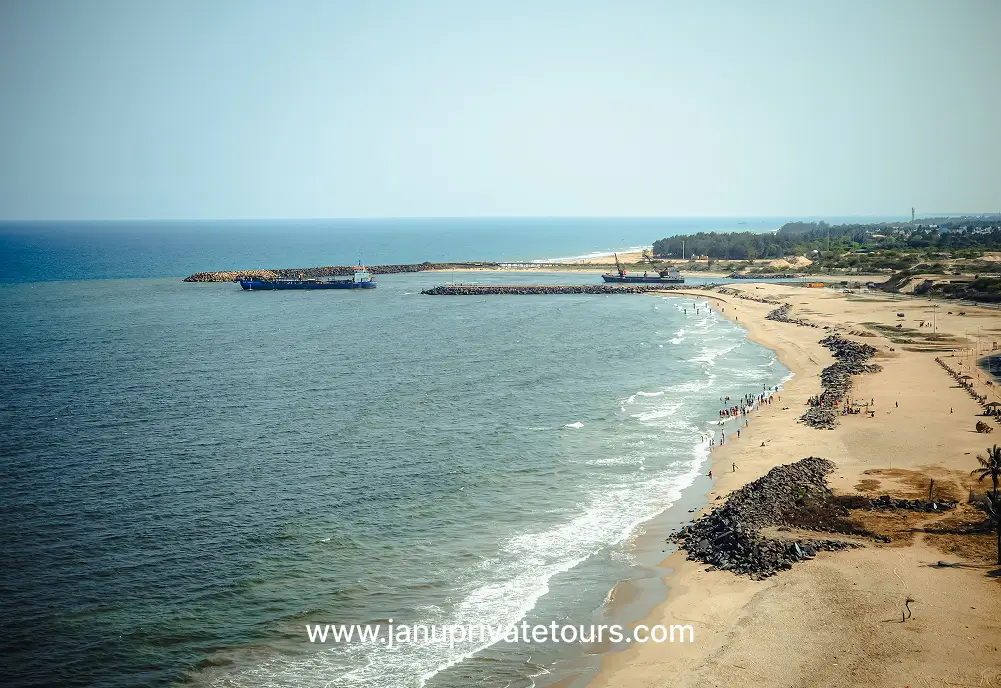
Pondicherry offers a different side of India. The town is popular for its charming French Quarter, pastel-colored colonial buildings, tree-lined streets, boutique cafes and peaceful benches, earning itself the title of β€œParis of the East”.Β  The town is ideal due to its walkable neighborhood, welcoming atmosphere and laid-back lifestyle, making Pondicherry one of the best places in India for solo female travelers.

City of Ruins

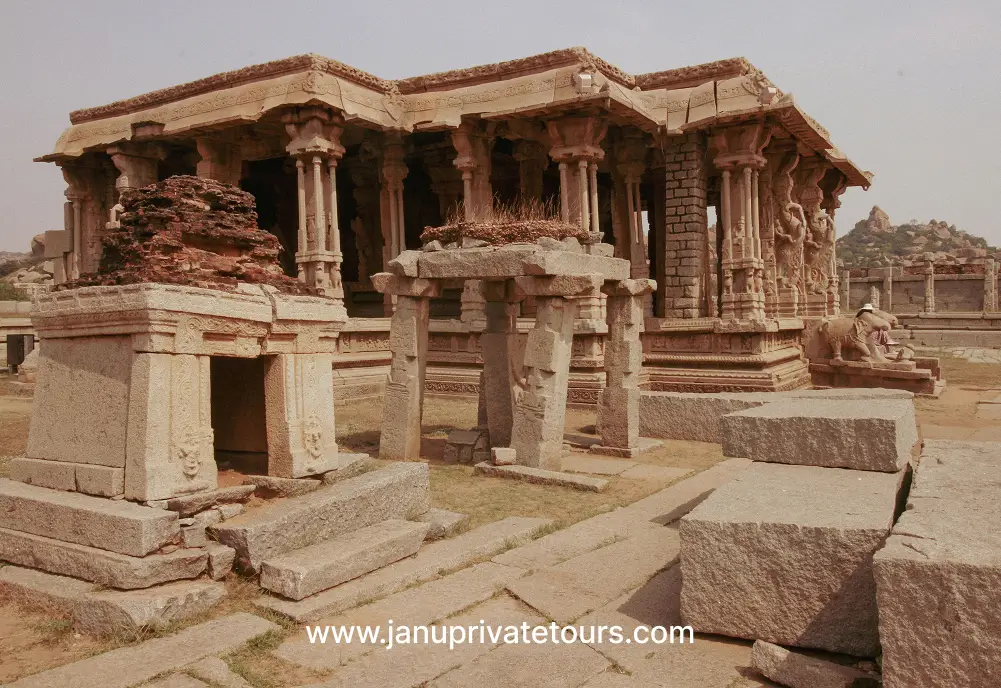
Known worldwide for its ancient ruins and dramatic landscapes, Hampi is a destination unlike any other in India. If you’re a history enthusiast, this UNESCO World Heritage Site is perfect for you. Famous for its centuries-old temples, giant boulder formations and fascinating history as the former capital of the Vijayanagara Empire, the city has a friendly, safe backpacking culture, making it perfect for female travelers on their solo adventure.

Abode of Clouds

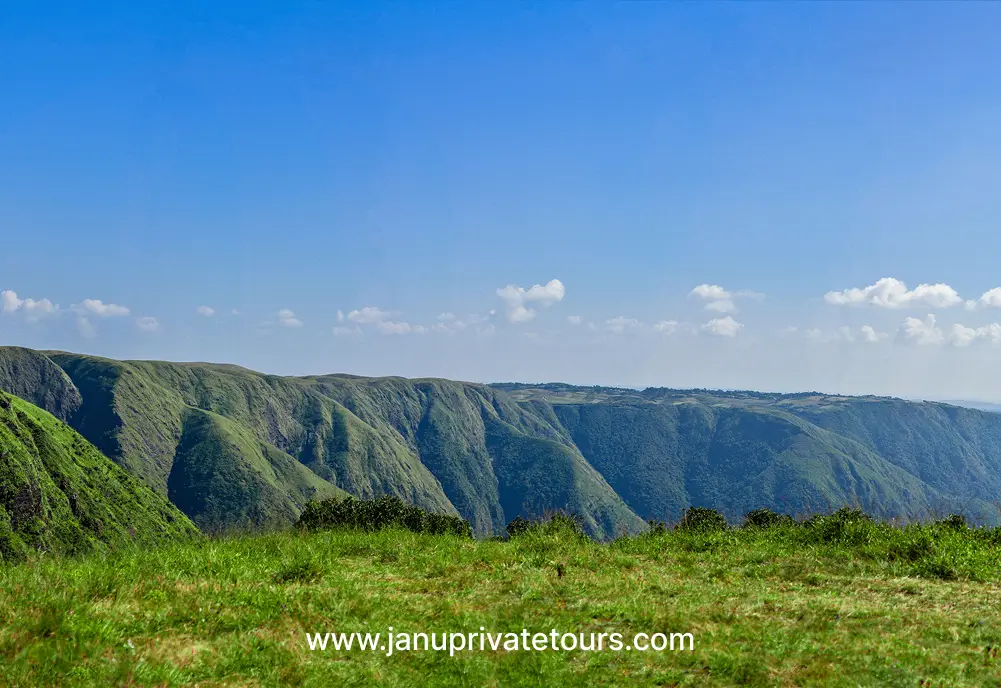
If mountains, lush green landscapes and waterfalls are more your vacation vibe, then Meghalaya is perfect for you!

This northeastern state is home to living root bridges, crystal-clear rivers, mist-covered hills and some of the cleanest villages in Asia, making it a haven for all nature lovers. Not only this, but Meghalaya is one of the few places in the world that is home to several matrilineal communities, making it one of the safest places for solo female travelers in India

Safety Measures for Solo Female Travel India

Though India is relatively safe for solo female travelers, it is always advisable to take standard safety precautions, especially when traveling to new places. Here are a few practical precautions all female travelers should take to ensure maximum safety and ease on their trip to India.

  • Book Verified Accommodation in Advance

  • Use Trusted Transportation

  • Avoid Secluded Areas After Dark

  • Buy A Local SIM

  • Stay In Touch With Friends and Family

  • Carry Digital and Physical Copies of Important Documents

  • Always Trust Your Instincts

Common Mistakes to Avoid during Solo Female Travel India

traveling solo, especially if it’s your first time, can be a little unnerving. Even the most seasoned travelers make mistakes at times, but it’s always better to learn from those mistakes and avoid them so you can travel with as much ease as possible.

Some of the most common mistakes you can easily avoid include:

  • Avoid overpacking to make it easier to move between destinations.

  • Avoid accepting rides from strangers and always use trusted transportations

  • Try to follow local customs, especially when visiting temples or rural communities

  • Avoid sharing your live location on social media

  • Avoid traveling with excessive cash and opt for secure digital payment methods when available.

  • Avoid overplanning your itinerary and leave time blocks in between for rest

  • Make sure you have your travel insurance done beforehand.

Why Should You Book Private, Female-Friendly India Tours?

While many women enjoy planning and traveling all on their own, there are instances when a little local support can make your tour significantly better. This is especially true if you’re planning your first solo female travel India.

In such instances, booking a private guided tour through a trusted tour provider will be the best choice for you. These tours can help make your travel safe and comfortable and ensure your female friendly India tours offer real value.

A private tour doesn’t take away the freedom of solo travel. Instead, it gives you the confidence to explore independently while knowing experienced local professionals are there to support you whenever needed. A high-quality private tour includes:

  • Seamless Airport Pickups and Transfers

  • Reliable Private Transportation

  • Expert Local Guides

  • Flexible Itineraries

  • Pick verified accommodations

  • Local Support throughout the trip

Final Thoughts

Planning your solo adventure should be fun and feel liberating, not stressful. With a little bit of research, the right information and a trusted local partner, your next solo female travel India can easily become a once-in-a-lifetime experience.

We at Janu Private Tours aim to make every trip to India memorable. Our team designs every itinerary to help travelers experience India’s incredible culture while enjoying comfort, flexibility and dependable local support.

Whether you dream of exploring India’s rich heritage and natural beauty, planning your first solo female travel India, or looking for a private tour customised especially for you, we at Janu Private Tours offer personalized experiences that let you travel independently while enjoying the confidence of trusted local expertise.


Why the Pushkar Camel Fair Should Be on Your Travel Bucket List in 2026?

Every year, the Rose Garden of Rajasthan blooms to its full grandeur between October and November. Yes, we are talking about Pushkar during its vibrant annual 5-day camel and cattle fair.

Known as the oldest spiritual town of Rajasthan, Pushkar is loved by locals and foreigners alike. Its popularity comes only second to the world’s largest cattle fair, the Pushkar Camel Fair, held here each year. This event brings thousands of camels, livestock traders, local artisans, folk performers, pilgrims, photographers and travelers from around the world. While it began as a commercial fair where livestock traders and nomads would trade camels and other livestock, it has now evolved into one of the world’s largest tourist attractions.

If you are a cultural and spiritual enthusiast following the traditional hippie trail, you’re in the right place. In this guide, we will explore the cultural significance of the Pushkar Camel Fair, top experiences, a full 5-day itinerary and insider tips to explore the best of this vibrant festival.

Why is the Pushkar Camel Fair Tour so popular among foreigners?

The Pushkar camel fair, or the Pushkar Mela, started centuries ago as a local livestock trading event in the Thar Desert. Each year, thousands of livestock owners travel to Pushkar to buy, sell and showcase their prized animals and partake in the biggest livestock trading event. Over the years, the event has evolved into the annual celebration of tradition and culture, featuring quirky competitions, Rajasthani folk performances and spiritual gatherings for Hindu pilgrims.

While camel trading remains at the heart of the fair, visitors quickly discover that the event offers much more. For anyone visiting India to bask in its rich tradition and ancient culture, the Pushkar Camel Fair Tour is the best choice.

Throughout the festival, the fairgrounds come alive and you can enjoy various cultural activities, including but not limited to:

  • Traditional Rajasthani folk music and dance performances

  • Colorful cultural competitions

  • Camel beauty contests and races

  • Puppet shows and storytelling

  • Local handicrafts and artisan markets

  • Authentic Rajasthani cuisine

  • Rural sports and family-friendly entertainment

Cultural and Religious Significance of the Pushkar Fair Tour

Every year, the Pushkar Fair Tours India coincides with the auspicious occasion of Kartik Purnima, the full moon night in the Hindu lunar month of Kartik, often spanning late October to mid-November. It is believed that on this night, many Gods and Goddesses descended upon Pushkar to consecrate its sacred lake, making it a divine destination for pilgrims.

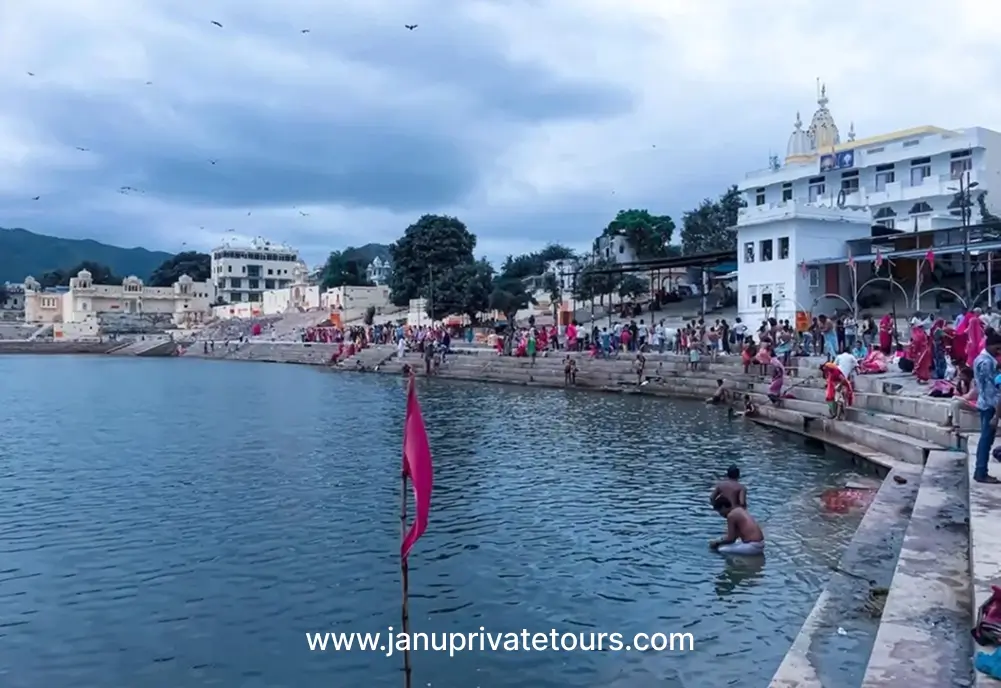
Because of this, each year, thousands of Hindu pilgrims gather at Pushkar to take a holy dip in the Pushkar Lake to receive divine blessings. Devotees further visit the famous BrahmaΒ temple, one of the very few temples dedicated to Lord Brahma in the world. Many visitors from all over the world have started to partake in these spiritual activities, hoping to receive divine blessings themselves.

A well-planned Pushkar Fair Tour Rajasthan offers travellers from all over the world an authentic glimpse into the region’s culture while allowing them to experience both the festive celebration and spiritual significance of this remarkable event.

Top Experiences You Can Enjoy at the Pushkar Fair Tour Rajasthan

The Pushkar Fair Tour is one of the most vibrant, experience-rich events inΒ Rajasthan. There is a wide range of activities and experiences for everyone to enjoy at the fair. The top highlights of the fair include:

Overflow of Majestic Camels

Watching caravans of thousands of majestic camels arrive, as the sun breaks over the desert, is one of the most magical sights and a once-in-a-lifetime experience you can only have here. No wonder it is the most photographed moment of the entire fair.

The Traditional Camel Competitions

As if witnessing the camels walk through the golden dust wasn’t enough, the Pushkar Camel Fair Tour hosts several camel competitions as its biggest attraction. You can watch camel races, camel dancing performances, camel decoration contests, beauty competitions, longest moustache competitions and many other traditional rural games

Enjoy Folk Music and Dance

It’s not just the camels that showcase their talent; throughout the event, you can enjoy various energetic performances by local artists on the cultural stages. You can experience various traditional performances, including Kalbelia dance, Ghoomar performances, Traditional Rajasthani folk music, Puppet shows and Fire performances, creating an unforgettable atmosphere.

Shop Your Heart Out

The fair is not just rich in experiences but is a paradise for shoppers too. You can find various handmade textiles, silver jewelry, leather goods, colorful turbans, embroidered bags, traditional paintings, decorative home accessories and many other authentic local souvenirs that you will find nowhere else.

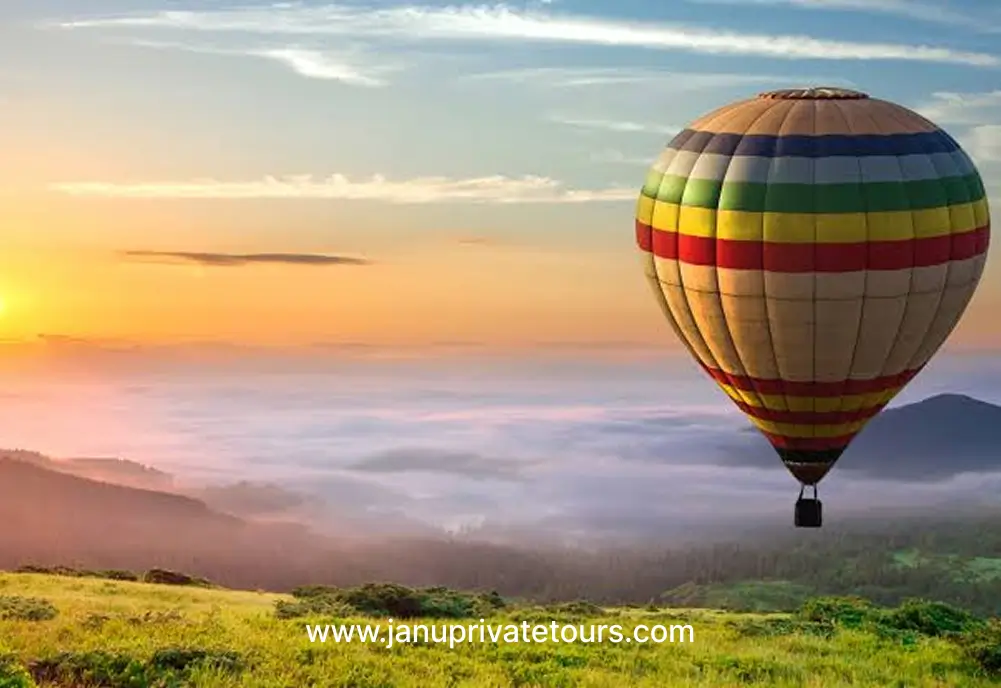
Enjoy a Hot Air Balloon Ride

Witnessing the beauty of the entireΒ PushkarΒ all at once from a hot air balloon is one of the most unforgettable moments. It is one of the most enjoyable activities in the fair and loved and adored by people of all ages. Since balloon rides operate only under suitable weather conditions and have limited daily departures, it’s advisable to book them well in advance as part of your Pushkar Fair Tour.

Watch the Golden Sand Dunes at Sunset

Nothing tops the feeling of witnessing the Golden light, camel silhouettes and panoramic desert views creating the most magical scenes at the nearby sand dunes at sunset, making it perfect for relaxation and ethereal photography.

Visit the revered Brahma temple and Pushkar Ghats

Along with enjoying an amazing time at the fair, you also get to visit the famous Brahma temple and Pushkar Ghats in the Pushkar Fair Tour. Visit the iconic Jagatpita Brahma temple, one of the very few temples in the world dedicated to Lord Brahma and visit the sacred Pushkar lake, where you get to explore its 52 holy ghats, including the revered Brahma Ghat.

Pushkar Fair Tour: The Ultimate Paradise for Photographers

Imagine standing amidst Golden sunrays, surrounded by camel silhouettes and vibrant traditional attires and crafts and not wanting to capture it.

The idea in itself sounds absurd and how could it not? The Pushkar Camel Fair photography tour is often considered one of the finest photography destinations in India.

Photographers and culture lovers from all over the world travel toΒ PushkarΒ each year to access incredible subjects and capture the colorful beauty of Pushkar throughout the day.

The fair offers so many wonderful photography opportunities, including golden sunrise over the camel grounds, camel silhouettes against the desert sky, portraits of local traders, decorated livestock, traditional Rajasthani attire, daily rural life, cultural performance, evening celebrations and so much more.

The photographs are exceptionally ethereal at golden hour, especially near the camel camps and surrounding sand dunes.

While drones are prohibited in public spaces, ghats and crowded fairgrounds without a formal permit, joining a guided Pushkar Camel Fair Photography Tour still offers many opportunities for the best photography. If you are a photography enthusiast looking for your next best capture, the Pushkar Camel Fair Photography Tour is the right choice for you.

Hiring experienced local guides can further benefit you as they often know the best photography locations, optimal lighting conditions and culturally appropriate ways to interact with local communities, helping photographers capture authentic moments respectfully.

Is it better to travel Solo or consider a Pushkar fair group tour?

Such is the beauty of the Pushkar Camel Fair that it appeals to every type of traveller. Whether to travel solo, as a couple or in a group, the Pushkar Fair group tour has something for everyone.

Solo travelers can safely explore the fair through guided tours that offer local insights and personalized recommendations. Couples can cozily enjoy romantic desert sunsets, cultural performances and leisurely sightseeing. Families with children can enjoy the camel races, puppet shows, colorful performances, as well as the educational and cultural experiences. And those travelling with their friends or in a group can enjoy a varied number of activities and experiences, including shopping, photography, cultural events, desert excursions, etc.

What is the best Pushkar Fair Tour Itinerary?​

Although itineraries often vary depending on the traveller’s needs and plans, most well-planned tours often follow the following itinerary:

Day 1 – Arrival in Pushkar

  • Airport or hotel pickup

  • Check-in

  • Evening market walk

  • Sunset viewpoint

Day 2 – Explore the Camel Fair

  • Early morning camel grounds

  • Livestock trading

  • Cultural competitions

  • Folk performances

  • Shopping

  • Evening cultural events

Day 3 – Village Experiences

  • Visit traditional Rajasthani villages

  • Meet local artisans

  • Rural lifestyle experiences

  • Camel safari

  • Authentic local meals

Day 4 – Pushkar Sightseeing

  • Pushkar Lake

  • Pushkar Ghats

  • Brahma Temple

  • Local temples

  • Scenic viewpoints

  • Free time for shopping and photography

Day 5 – Departure

  • Breakfast

  • Final sightseeing if time permits

  • Transfer to your next destination

A well-planned Pushkar Fair Tour Itinerary customised as per your unique needs can ensure that you enjoy the best of the Pushkar Fair Tour while leaving enough flexibility to explore the rest of the city and personal interests.

Travel Tips for Your Next Pushkar Fair Tour

If you’re visiting Pushkar Fair TourΒ RajasthanΒ for the first time, it is often advisable to book through a trusted tour provider to ensure safe travels. However, if you wish to navigate the adventure on your own, here are a few tips that will help make your tour more enjoyable.

  • Wear lightweight clothing during the day, but also carry something for the cooler nights of Rajasthan.

  • It is recommended to wear comfortable shoes, since you will be on foot for long hours while exploring the fair.

  • Carry sufficient cash, as many local and tribal vendors may not accept digital payments.

  • Carry a water bottle, sunscreen, sunglasses and a hat to protect yourself from the day’s heat.

  • Show respect for local customs, especially while visiting temples and religious sites.

  • Always seek consent before clicking photographs of locals.

  • Arrive early for popular events to avoid crowds and secure the best viewpoints.

Explore the Best Pushkar Fair Tour Package with Janu Private Tours

Last year, we at Janu Private Tour hosted not one but seven different clients from different parts of the world. Three of them travelledΒ solo, one wonderful couple and the rest booked the Pushkar Fair Group Tour with us. Though the private tours varied in size, needs and other logistics, one thing was the same in all of them – a deep love and endless curiosity for the culture of India.

That’s the biggest need we cater to in our private groups.

Β We understand exploring the Pushkar Camel Fair can be overwhelming, especially during peak festival days when thousands of visitors fill the town. This is why we at Janu Private Tours aim to offer the best Pushkar fair tour package to all our clients. Our professional team is committed to making each experience smooth, comfortable and truly immersive.

Β Whether you’re a first-time visitor, avid history lover, photography enthusiast or simply want to witness the iconic world’s largest livestock training event with beautiful, decked-up cattle everywhere, we are here for you.

Contact usΒ today and let’s plan your next adventure to the Pushkar Fair Tour together!

Best Places to Visit in Jaipur with Family in 2026: Complete Travel Guide

Planning a trip with Family is no easy feat. You have to take various points and logistics into consideration when travelling with family, rather than when travelling solo.

If you are planning your next trip with family to none other than the charming pink city of India, Jaipur, you have come to the right place. In this guide, we will cover why Jaipur is the perfect destination for your next family trip, the best places to visit in Jaipur, things to keep in mind when travelling there and anything and everything you need to know before visiting the vibrant city of Rajasthan.

Why is Jaipur the perfect destination for a family trip?

Jaipur, the vibrant capital of Rajasthan, seamlessly blends century-oldΒ heritageΒ with vibrant life experiences, making it the perfect spot for people of all ages. The children love the straight-out-of-fairy-tale forts, while adults adore the walkable palaces and the vibrant markets of Jaipur.
Popularly known as the Pink City due to its warm, terracotta pink colored walled city, Jaipur welcomes millions of travelers each year with its majestic forts, royal palaces, colorful markets, rich traditions and unforgettable culinary experiences. From the magnificent forts on the Aravalli Hills to royal courtyards, the city’s well-connected roads and other family-friendly attractions ensure there is no shortage of memorable experiences.

The city is also known for its safety and accessibility. Most of its major attractions are well-maintained and easily accessible and can be easily explored using private transportation.

Jaipur is also popular among food lovers and shopping enthusiasts. From authentic Rajasthani thalis and famous sweets to colorful handicrafts, gemstones, textiles, blue pottery and traditional souvenirs in the city’s bustling markets, the city offers something exciting for everyone.

That’s not it.Β 

In 2025, Jaipur secured the 5th spot in the 2025Β Travel + Leisure World’s Best Cities List, making it one of the best destinations for your next family trip. So, whether you’re planning a vacation with young children, teenagers, parents, or grandparents, Jaipur awaits to welcome you with its entire grandeur.

Best Places to Visit in Jaipur with Family

Jaipur offers a plethora of historic, cultural and iconic tourist places to explore for people of all ages. Some of the most popular tourist places to visit in Jaipur include:

Amber Fort

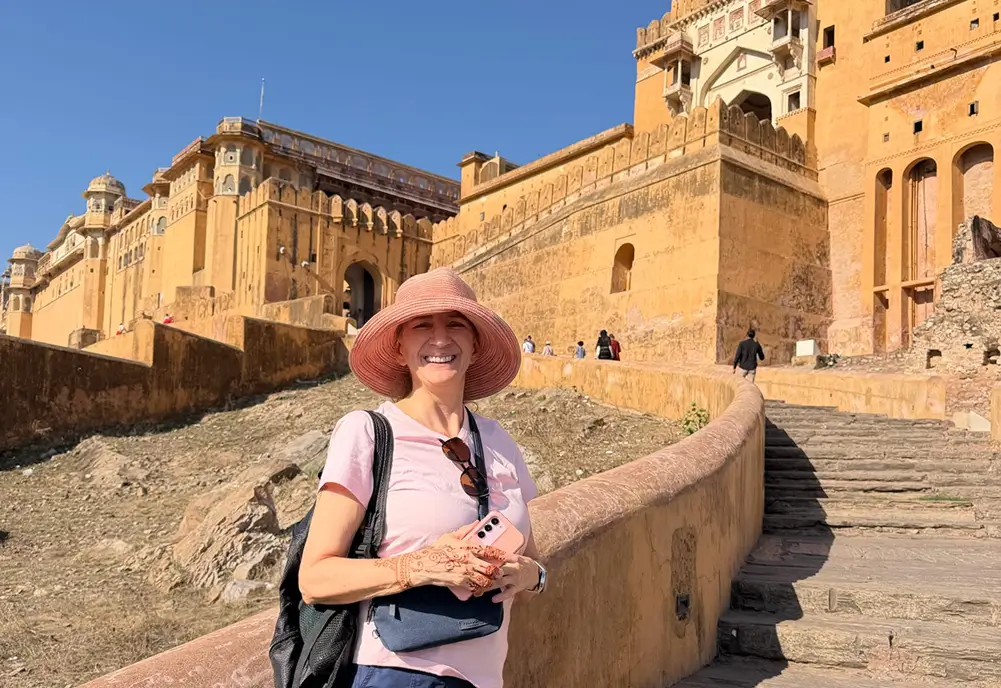
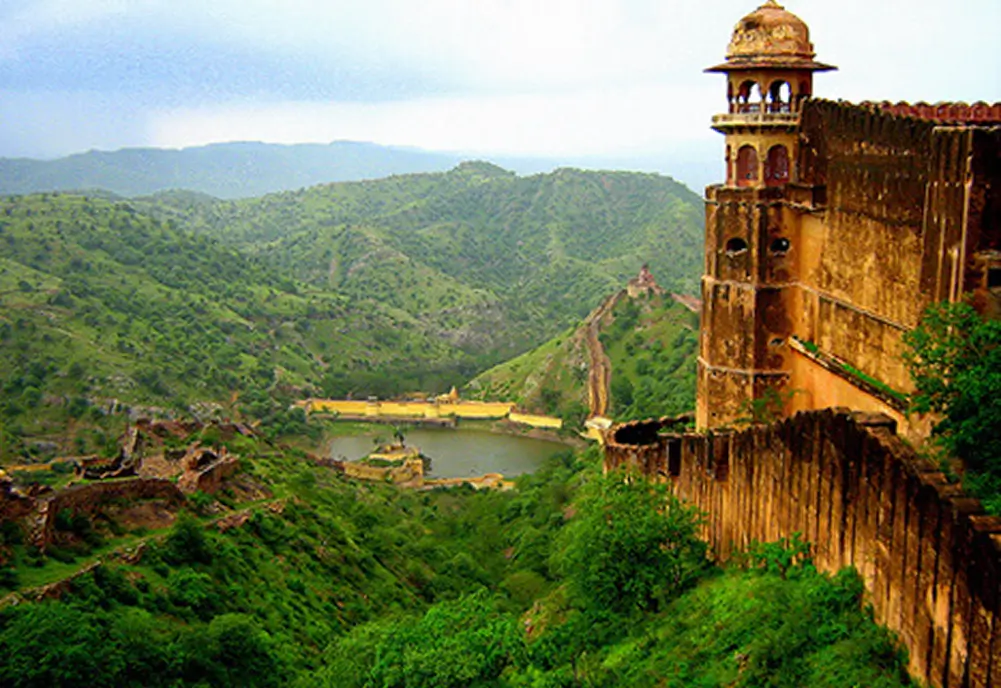
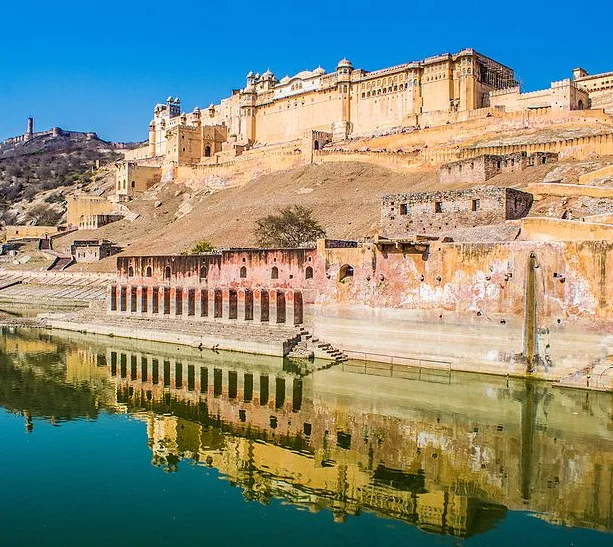
Standing majestically atop a hill overlooking Maota Lake,Β Amber FortΒ is a UNESCO World Heritage Site. This stunning fortress is situated 11 kilometers away from the central city and is well known for the breathtaking views and fascinating stories of Rajasthan’s royal past.

Amber Fort, also known as Amer Fort, was built using red sandstone and marble and never fails to impress visitors with its grand gateways, sprawling courtyards, ornate palaces and intricate mirror work.

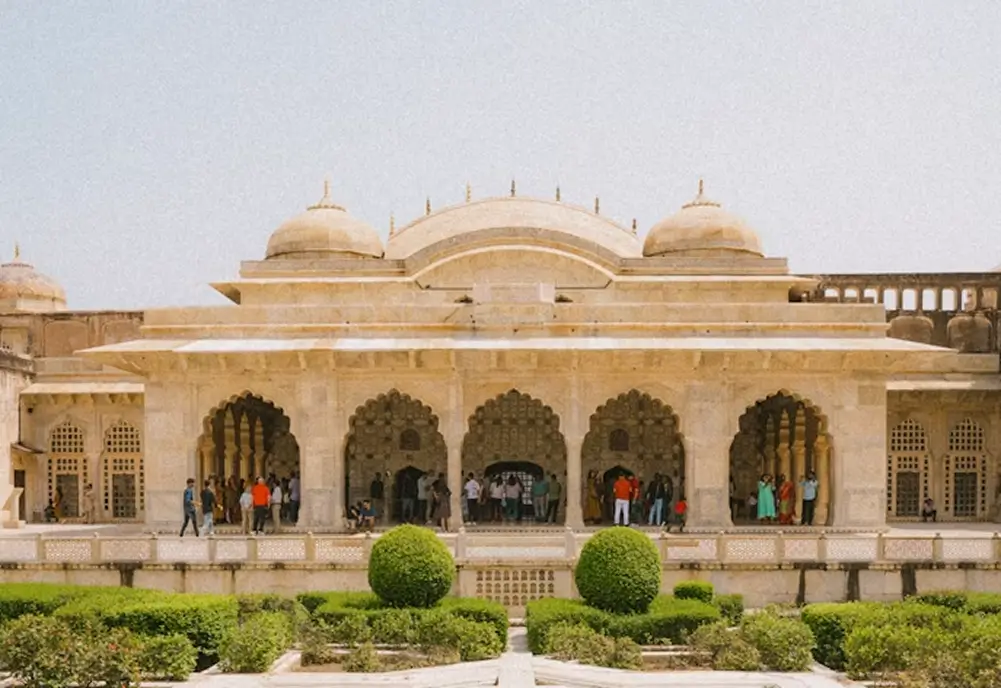
Families especially enjoy exploring the beautiful Sheesh Mahal (Mirror Palace), where thousands of tiny mirrors create a dazzling display of reflected light. While adults are often amazed by the intricate design, children find themselves captivated by the fort’s secret passages.

The nearby Elephant Village also offers opportunities to learn about elephant conservation through ethical and responsible tourism experiences.

Finally, the fort offers a spectacular Light and Sound Show in the late evenings, narrating Jaipur’s rich history through music, storytelling and vibrant lighting.

This perfect blend of history, architecture and scenic beauty makes Amber Fort one of the most iconic tourist places to visit in Jaipur.

City Palace

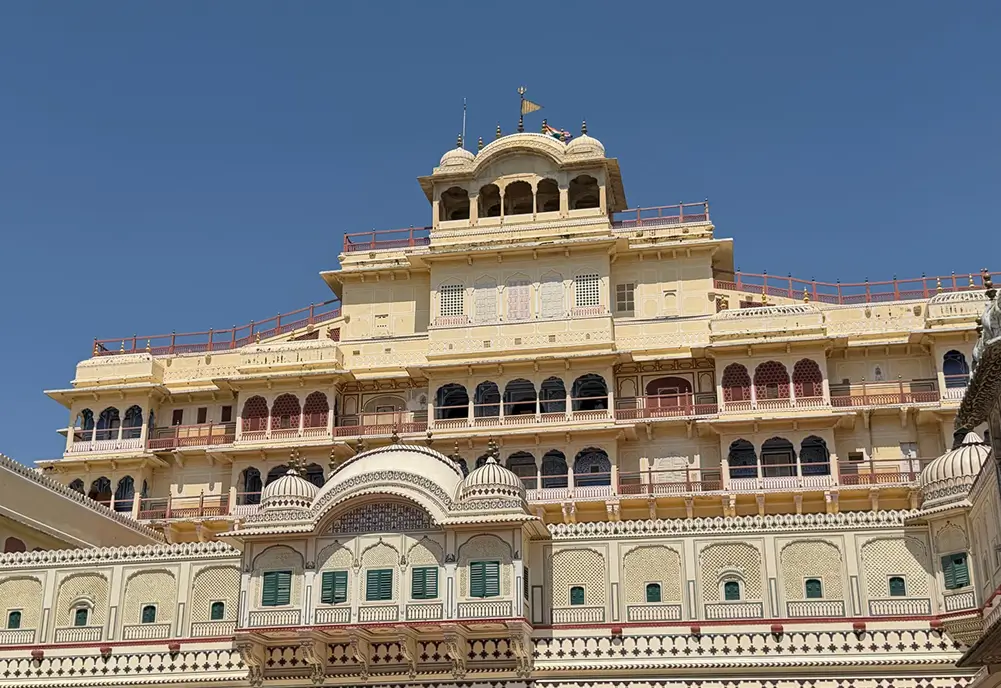
Jaipur is known for its royalty and one cannot talk about the best places to visit in Jaipur without mentioning City Palace, the royal residence. Located in the heart of the city, the palace showcases the grandeur of Rajasthan’s royal heritage.

Not only this, a section of the palace remains home to Jaipur’s royal family even today. The rest of the complex has been converted into museums and exhibition spaces open to visitors.

The City Palace is often loved by families for its magnificent courtyards, intricately designed gateways, royal costumes, ancient weapons, manuscripts and impressive art collections, all of which serve as a testament to the lives of former rulers. The biggest highlight of the palace is the famous Peacock Gate, known for its exquisite craftsmanship. It is also one of the most photographed spots, loved by families looking to capture memorable vacation pictures.

Hawa Mahal

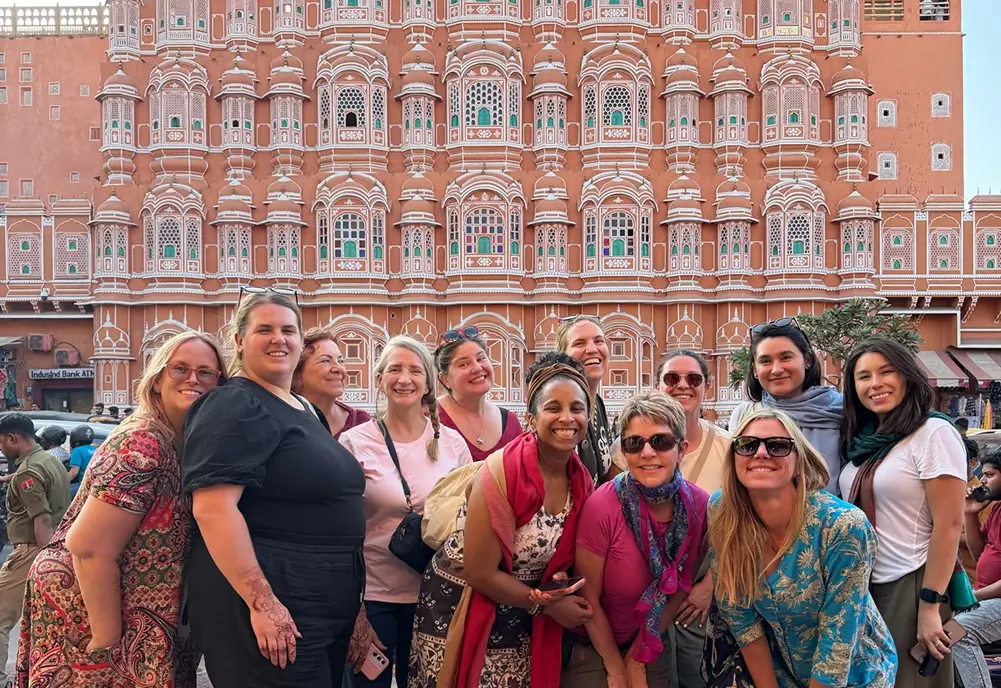
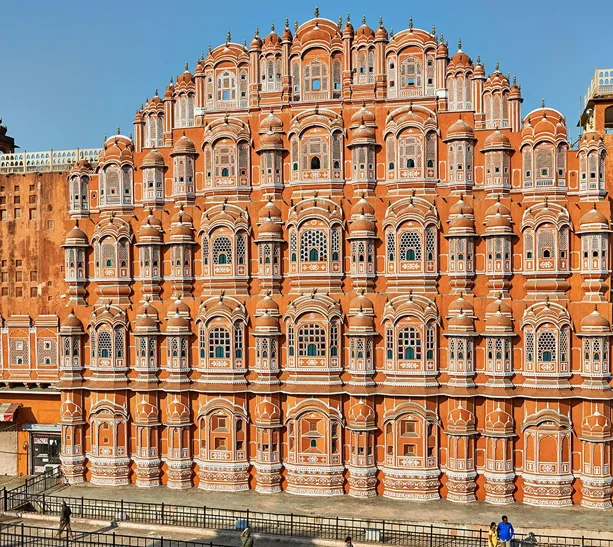
Hawa Mahal is one of the first monuments people recognise when it comes to Jaipur. Built with red and pink sandstone, the iconic Hawa Mahal, or the Palace of Wind, has become a symbol for Jaipur.

The palace was built by Maharaja Sawai Pratap Singh in 1799 to allow royal women to observe street festivals without being seen. It is uniquely designed in a honeycomb-shaped faΓ§ade and features 953 intricately designed windows. This design not only offered privacy for the royal women but also provided excellent ventilation for the building, keeping the palace cool, even during warmer months.

It is not only the architecture of Hawa Mahal that attracts families from all over the world, but also the vibrant markets of Bapu Bazaar and Johari Bazaar nearby. These markets offer excellent shopping streets ideal for purchasing handcrafted jewelry, colorful textiles, traditional footwear and a plethora of local food favorites such as kachoris, lassi and kulfi.

Whether you’re interested in history, photography, shopping, or architecture, Hawa Mahal tops the list of famous places in Jaipur to visit with your family.

Jantar Mantar

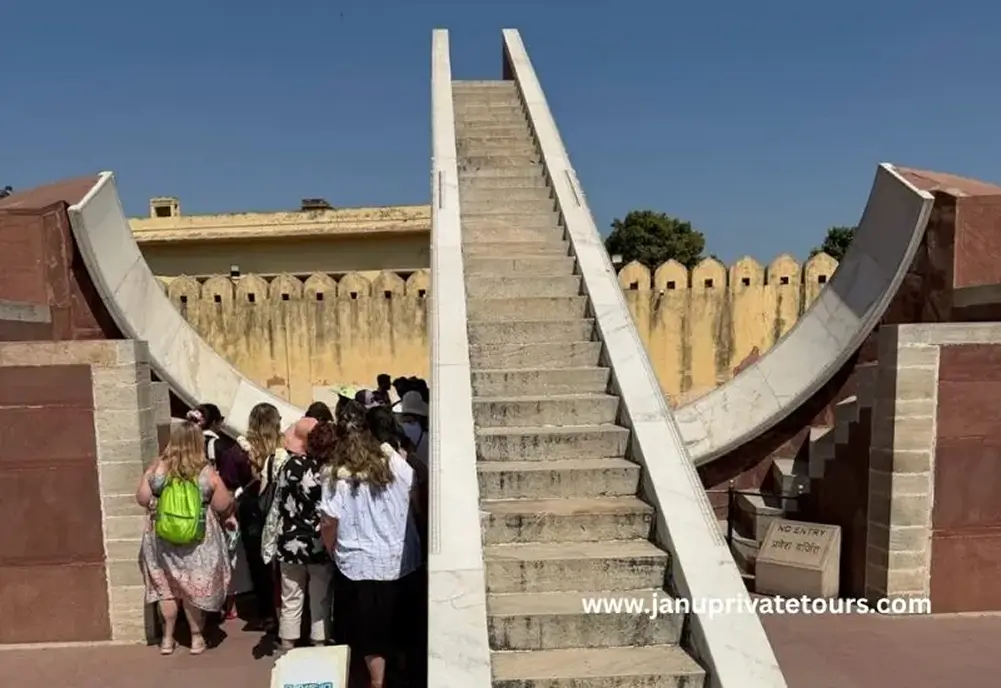
Situated adjacent to the City Palace is another UNESCO World Heritage Site and India’s most fascinating historical attraction, Jantar Mantar.

Built in the early 18th century, it is a remarkable observatory and features some of the world’s largest and most accurate stone astronomical instruments.

Jantar is often loved by the children due to its interactive learning experience and they find the enormous sundials and geometric structures most intriguing. Children and even adults can learn how ancient astronomers measured time, tracked celestial movements, predicted eclipses and studied the changing seasons long before modern technology existed.

For families seeking to mix a little educational learning with entertainment, Jantar Matar is undoubtedly one of the top places to visit in Jaipur.​

Jal Mahal

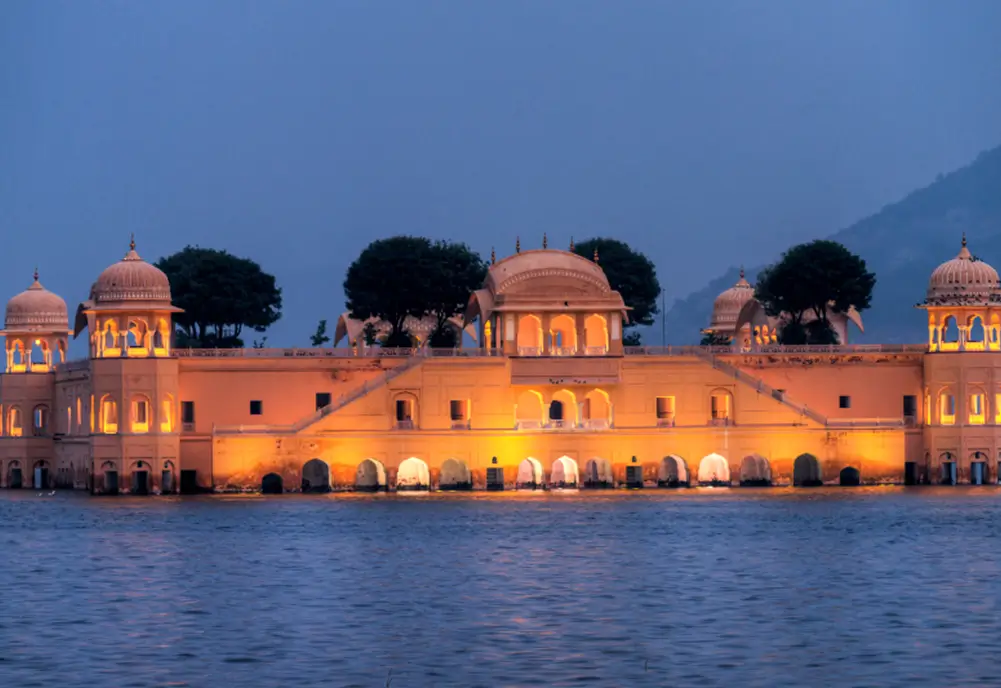
Jal Mahal in Jaipur is one of the most fascinating places to visit in Jaipur. Although the visitors are not allowed to enter the palace, the palace itself, floating gracefully in the middle of Man Sagar Lake and its stunning location and tranquil surroundings make it a favorite stop for families exploring the city.

The palace is a mesmerising treat to the eyes, especially in the evening, when the golden light from the sunset transforms it into a magical and one of Jaipur’s most photogenic sites, making it another excellent contender in the list of top tourist places to visit in Jaipur​.

Nahargarh Fort

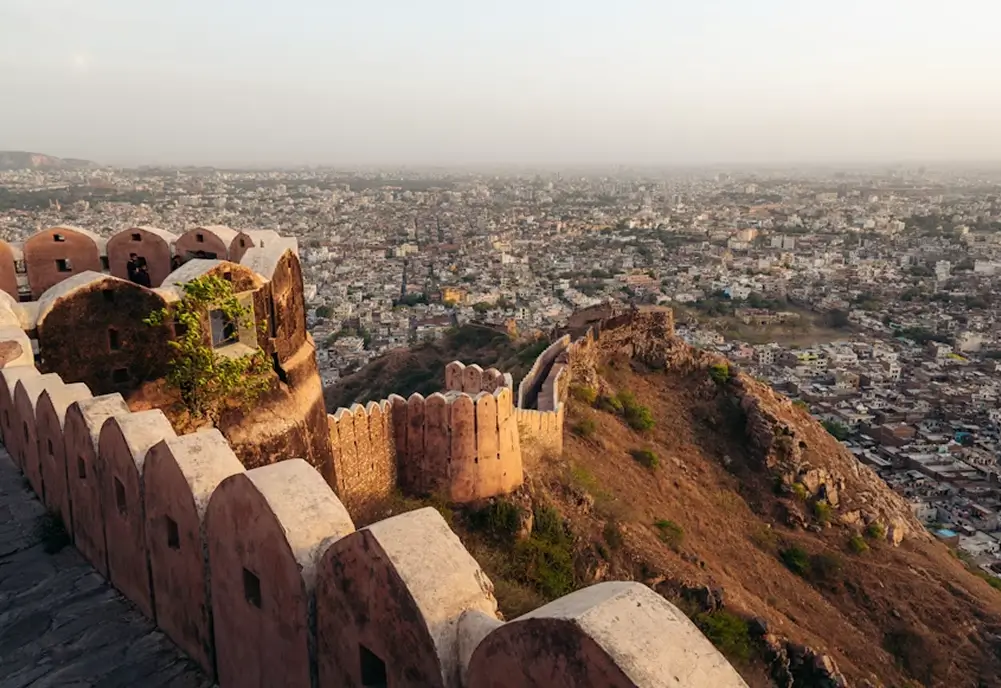
Nahgarh fort, also known as the Abode of Tigers, is one of the most fascinating spots to visit in Jaipur. Perched high on the Aravalli Hills, offers a spectacular panoramic view of the Pink City.

The only thing more popular than the scenic views here is the famous fable tied to how the palace got its name. The palace was built by Maharaja Sawai Jai Singh II in 1734 as a defensive outpost and hunting retreat for the royal family. However, it is believed that at the time of construction, the site was haunted by the ghost of a prince named Nahar Singh Bhomia. Workers often found the walls they had built the previous day mysteriously destroyed. That is, until they created a temple inside and named the Fort Nahargarh in his honor.

Families visiting Nahargarh Fort often enjoy the drive up the winding hillside, the stunning view and the intricate architecture of the palace. People can also enjoy cycling on the routes leading to the fort and the nearby restaurants make this the perfect afternoon spot to relax before continuing their sightseeing journey.

Jaigarh Fort

Built to protect the Amber Fort and the surrounding area in the early 18th century, Jaigarh stands proudly onΒ  Cheel Ka Teela (Hill of Eagles) and offers a fascinating glimpse into Rajasthan’s military history.

The fort is especially famous for housing the legendary Jaivana Cannon, considered one of the world’s largest wheeled cannons ever built. The fort also houses museums displaying ancient weapons, armor, maps and royal artifacts that bring Jaipur’s rich history to life, making it one of the top places to visit in Jaipur for families who enjoy history, architecture and panoramic landscapes.

Albert Hall Museum

One of the oldest museums of Rajasthan, the Albert Hall Museum is perfect for families looking to mix exploration and education in one trip. Located in the beautiful Ram Niwas Garden, it is one of the city’s finest examples of Indo-Saracenic architecture and houses an extensive collection of artifacts, including ancient sculptures, miniature paintings, musical instruments, carpets, pottery, textiles, coins, tribal art and decorative objects collected from across Rajasthan.

Children are often fascinated by the exhibition of the Egyptian Mummy inside the museum while adults enjoy relaxing in the surrounding gardens.

Whether you’re passionate about history or simply looking for an educational family outing, Albert Hall Museum remains one of the best places to visit in Jaipur, India.

Chokhi Dhani

If you are a family looking to experience Rajasthan’s authentic culture, Chokhi Dhani deserves a spot on your itinerary.

Located on the Tonk Road, Chokhi Dhani is an ethnic village resort that recreates the atmosphere of a traditional Rajasthani village while offering an evening filled with entertainment, food and cultural experiences. You can enjoy camel rides, bullock cart rides, puppet shows, folk dances, magic performances, traditional music, local craft demonstrations and delicious local specialties such as dal baati churma, gatte ki sabzi, ker sangri, bajra roti and an assortment of sweets.

The lively atmosphere, colorful dΓ©cor and warm hospitality make Chokhi Dhani one of the best places to visit in Jaipur with family, particularly in the evening.

And many more hidden gems of Jaipur

Along with the mentioned iconic tourist sites, there is a plethora of the best places to visit in Jaipur. Other iconicΒ must-visitΒ destinations and hidden gems of Jaipur you should visit with your family include Birja Temple, Sisodia Rani Garden, Galtaji Monkey Temple, Panna, Meena Ka Kund, Patrika Gate, Royal Gaitor, Kanak Vrindavan Garden and so many more.

Best time to visit Jaipur for Families

Jaipur welcomes its visitors throughout the year. However, depending upon your plans, some seasons may be better than others.

Winter, from October to March, is often considered the ideal time to visit Jaipur. The comfortable temperature makes visiting forts, gardens, markets and outdoor attractions all the more enjoyable. It is also the busiest tourist season; hence, booking tours, hotels and other services in advance is always recommended.

Summers, from April to June, can be a little uncomfortable if you’re not accustomed to extremely high temperatures. Travelling during early morning or late evening is recommended during this period.

Monsoon, from July to September, is the best season to explore Jaipur for nature enthusiasts. The moderate rain showers and lush greenery on the surrounding hills make Jaipur particularly scenic during this period.

For cultural enthusiasts, there is no time better than the festival season to visit Jaipur. Planning your trip around popular festivals such asΒ Teej,Β Gangaur,Β or the world-famous Jaipur Literature Festival can add a unique cultural dimension to your visit.

Best tips for families travelling to Jaipur

When travelling with family, being prepared in advance allows you to make your trip more seamless and enjoyable. Here are a few tips that can help make your visit to Jaipur as efficient as it can be.

  • Start your sightseeing early in the morning to avoid crowds and midday heat.

  • Always carry reusable water bottles, sunscreen, hats and comfortable walking shoes.

  • Book monument tickets online beforehand for a hassle-free trip.

  • Hire a local, licensed guide to better understand Jaipur’s history and architecture.

  • Dress modestly when visiting temples and religious sites.

  • Keep some cash handy for local markets and street vendors.

  • Try authentic but hygienic Rajasthani cuisine, especially when traveling with children or the elderly.

  • Always negotiate politely. Though bargaining is common in Jaipur’s bazaars, most of the goods are authentically hand-made and can be pricey depending upon the work required.

  • Most importantly, choose private transportation to avoid navigating unfamiliar roads and multiple taxi bookings throughout the day.

Why Families Pick Janu Travels for Their Jaipur Tour?

Planning a family vacation can be both exciting and stressful. Navigating new areas, the language barrier, lack of knowledge about local culture and so many tiny details can make sightseeing slightly hectic.
To solve this concern for as many families as possible and make traveling both efficient and enjoyable for them, we at Janu Private Tours offer tours designed around comfort, interests and schedule.

Whether you’re traveling with children, senior family members, or a large group, our private tours provide the flexibility that standard group tours simply can’t match.

When you book with Janu Private Tours, instead of worrying about transportation, parking, or navigating unfamiliar roads, you can simply enjoy:

  • Comfortable air-conditioned private vehicles

  • Professional and experienced local drivers

  • Flexible itineraries tailored to your family’s interests

  • Convenient hotel pickup and drop-off

  • Optional English-speaking local guides

  • Visits to both famous attractions and hidden gems

  • A relaxed sightseeing pace with plenty of time for photography, meals and breaks

Whether you’re looking for a one-day city tour or a multi-day Rajasthan adventure, Janu Private Tours ensures every journey is smooth, personalized and memorable.

Book your Jaipur family tour today and explore the best places to visit in Jaipur with families with ease and comfort.

Final Thoughts

Exploring new cities with your family is one of the most cherished moments of your life. Visiting Jaipur, the Pink City, with your family can be enjoyed and a chance to create lifelong memories, if done right.

Whether you want to explore iconic forts, discover Jaipur’s hidden gems, enjoy shopping in colorful bazaars, or savour authentic Rajasthani cuisine with your family, we at Janu Private Tours can make sure your every journey is truly seamless.

With personalized itineraries, comfortable private transportation and local expertise, you can experience the very best of Jaipur at your own pace.

Visit ourΒ websiteΒ today and start planning your next family adventure to the famous Pink City of Rajasthan.


Epic Expeditions: Discovering the Heart of Rajasthan

Rajasthan, a mesmerizing land of royal heritage and stunning landscapes, offers a wealth of experiences just waiting to be discovered. Often referred to as the Land of Kings, this vibrant Indian state is a rich blend of culture, history, and adventure. Join us on an extraordinary journey through Rajasthan, where every moment reveals the grandeur of its past and the warmth of its people.

The Royal Route: Jaipur, Jodhpur, and Udaipur

Our journey begins in Jaipur, the bustling capital of Rajasthan, famously known as the Pink City. Here, the grand architecture and rich history blend seamlessly with modern vibrancy.

Jaipur was founded in 1727 by Maharaja Sawai Jai Singh II, who was also an astronomer. The city was meticulously planned with a grid layout and distinct sectors for different trades.

Jaipur: The Pink City

Must-See:

  • Amber Fort: A stunning example of Rajput architecture, perched on a hilltop, offers breathtaking views and a glimpse into royal life.
  • City Palace: A complex of courtyards and gardens showcasing a fascinating collection of artifacts.
  • Hawa Mahal: The iconic Palace of Winds, with its intricate latticework and numerous windows.

Art and Handicrafts

Jodhpur: The Blue City

Next, we travel to Jodhpur, renowned as the Blue City for its striking blue-painted houses.

Must-See:

  • Mehrangarh Fort: One of the largest forts in India, standing tall with its imposing walls and stunning architecture. Don’t miss the museum inside that narrates the history of the region.
  • Jaswant Thada: A beautiful marble cenotaph built in memory of Maharaja Jaswant Singh II, offering serene gardens and views of the fort.

Art and Handicrafts

Udaipur: The City of Lakes aka VENICE OF THE EAST!

Our journey culminates in Udaipur, the City of Lakes, famous for its enchanting lakes and palatial structures.

Must-See:

  • City Palace: A majestic complex overlooking Lake Pichola, showcasing a blend of Rajasthani and Mughal architecture.
  • Lake Pichola: Take a serene boat ride at sunset, capturing the magical views of the palaces reflecting on the water.
  • Jag Mandir: A picturesque island palace that offers a tranquil escape.

Art and Handicrafts

The Desert Adventure: Jaisalmer and Thar Desert

Jaisalmer: The Golden City

From the lakes of Udaipur, we head to Jaisalmer, known as the Golden City for its yellow sandstone architecture.

Founded in 1156 by Rawal Jaisal, the city is strategically located on the ancient trade routes of the Silk Road. It has a rich history tied to the Rajputana era and is known for its strategic fortifications.

Must-See:

  • Jaisalmer Fort: A UNESCO World Heritage Site, this living fort is bustling with shops, cafes, and residences.
  • Patwon Ki Haveli: A series of ornate havelis showcasing intricate carvings and craftsmanship.

Desert Festival: Held annually in January or February, this festival showcases Rajasthani culture through music, dance, camel races, and other traditional events, attracting visitors from around the world.

Thar Desert: A Journey into the Sands

The Heritage Trail: Pushkar and Ajmer

Pushkar: The Sacred Town

Our next stop is Pushkar, known for its holy lake and vibrant bazaars.

Must-See:

  • Pushkar Lake: A sacred site for Hindus, surrounded by ghats and temples, perfect for a peaceful stroll.
  • Brahma Temple: One of the few temples dedicated to Lord Brahma, attracting pilgrims and tourists alike.

Ajmer: A Spiritual Journey

Ajmer: The Spiritual City

Adjacent to Pushkar lies Ajmer, famous for its spiritual significance.

Must-See:

  • Ajmer Sharif Dargah: A revered shrine of the Sufi saint Khwaja Moinuddin Chishti, drawing visitors from all faiths.

Closing Thoughts: A Weave of Memories

Ultimately, Rajasthan presents colorful vibes on rich with royal history, stunning scenery, and diverse cultural traditions. Each destination offers its own unique story, inviting visitors to engage with its vibrant past and warm-hearted people. From the towering forts that stand as guardians of time to the bustling streets brimming with local crafts, every experience is a celebration of Rajasthan’s spirit. As you explore this extraordinary land, you’ll find that it is not just a journey, but an immersive adventureβ€”each encounter deepening your appreciation for its rich heritage.

for more information please connect with us @ +91 9929 1 52 946 / +91 8905 6 31 046

info@januprivatetours.com

UNESCO World Heritage Sites in Rajasthan !


Referred to often as the Land of Kings, Rajasthan continues to be one of the most prominent presences in India’s rich cultural legacy. This state – the largest of the nation by area – has succeeded in the safekeeping of the remnants of its historical bequest. As an act of recognising its socio-cultural importance, The United Nations Educational, Scientific and Cultural Organisation or UNESCO bestowed nine places of the state with the title of world heritage sites in Rajasthan.

1. Jaisalmer Fort

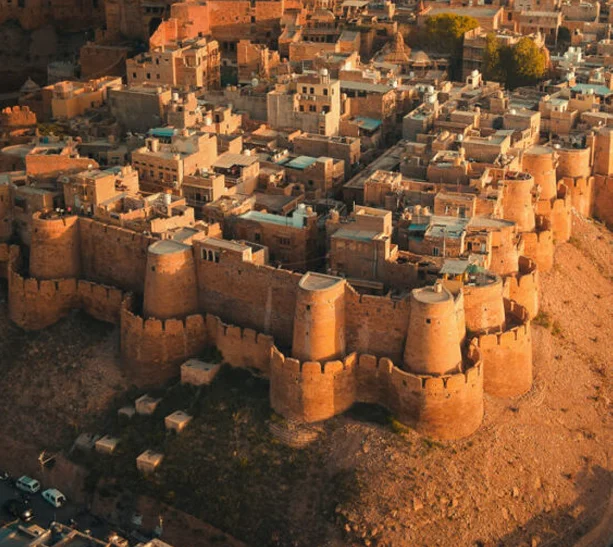
Jaisalmer Fort has continued to mesmerise enthusiasts of history and art alike – even recurring in some of the greatest literary works from the country. This celebrated piece of architecture – colloquially referred to as the Golden Temple due to its colour – was built under the state’s founder himself, Bhati Rajput ruler Rawal Jaisal. Location: Fort Road, Dhibba Para, Manak Chowk, Amar Sagar Pol, Jaisalmer.
Best Time to Visit: As Jaisalmer is a desert city, it is best to travel to the fort during the comparatively chillier months. So, the span of October to March is considered to be ideal in this regard.
Hours of Operation: The fort remains open to the general public from 9:00 AM to 6:00 PM every day of the week. Entry Fee: For Indian visitors β‚Ή50 For foreign visitors β‚Ή250
NOTE: However, please note that if you want to do photography and videography inside the fort, a minimal additional charge must also be paid.]

2. Jantar Mantar

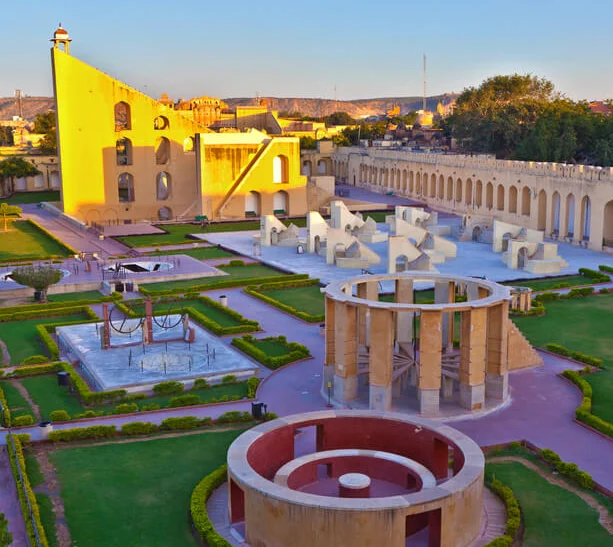
Much like its namesake from New Delhi, Jantar Mantar in Jaipur has been an astonishing example of ancient India’s progressive scientific mentality. This world heritage site in Rajasthan is an observatory consisting of 19 different astronomical equipment like Vrihat Samrat Yantra, Digamsa, Nadivalaya, and Karnti Vritya. Moreover, tourists have routinely gathered at this fort to witness its sundial – which is the biggest of its kind in the entire world.
Location: Gangori Bazar, J.D.A. Market, Pink City, Jaipur
Best Time to Visit: October to February is considered the ideal period to visit Jantar Mantar. This way, you can sidestep facing the adverse effect of excessive heat. On the other hand, avoiding monsoon weather enables you to experience the functions of the stone sundial better.
Hours of Operation: For the general public, this observatory remains open from 9:00 in the morning to 4:30 in the evening. However, you may consider visiting Jantar Mantar at noon. This way, the vertically above position of the sun will allow you to interpret the operations of the instruments present with comparative ease.
Entry Fee: For Indian visitors β‚Ή50 For foreign visitors β‚Ή200 [NOTE: Notably, now you can avail of the tickets via both online and offline ]

3. Chittorgarh Fort

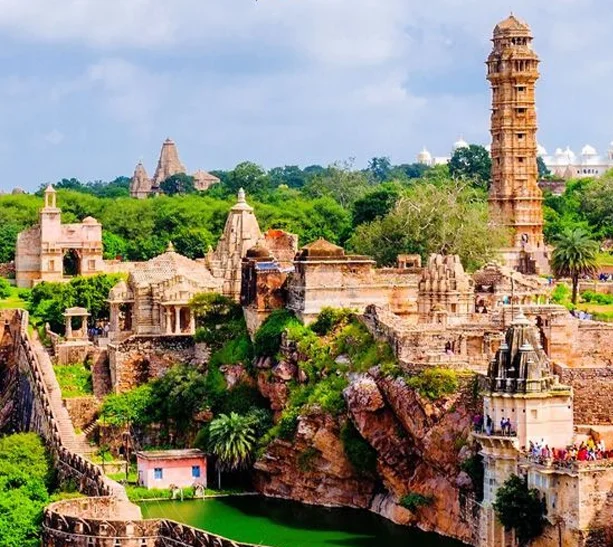
A former capital of Mewar, the Chittorgarh Fort was central to the political narratives of the Khalji, Rajput, and Mughal dynasties. With its limestone bridge, bricked walls, and adjacent lake, the fort continues to appeal to art enthusiasts. Vijaya Stambha, a triumph tower within the fort, is known as the Symbol of Chittorgarh.
Location: Chittor Fort Road, Chittorgarh, Rajasthan
Best Time to Visit:
Winter (December – February) and monsoon (June – September) offer comfortable weather for exploration.
Hours of Operation: Open daily from 9:00 AM to 6:00 PM. Note: The adjacent museum is closed on Mondays.
Entry Fee: For Indian visitors β‚Ή50 For children β‚Ή25 For foreign visitors β‚Ή200

4. Amber Fort

Also known as Amer Fort, this is the largest fort in Jaipur and represents a fusion of Hindu and Islamic architecture. The fort’s Sheesh Mahal (Mirror Palace) is a prime example of this blend.
Location:
Devisinghpura, Amer, Jaipur, Rajasthan
Best Time to Visit:
November to January is ideal for visiting Amber Fort.
Hours of Operation: Open from 9:00 AM to 5:00 PM. Night tourism is available from 7:00 PM to 10:00 PM. Entry Fee: For Indian visitors β‚Ή50 For foreign visitors β‚Ή550

5. Ranthambore Fort


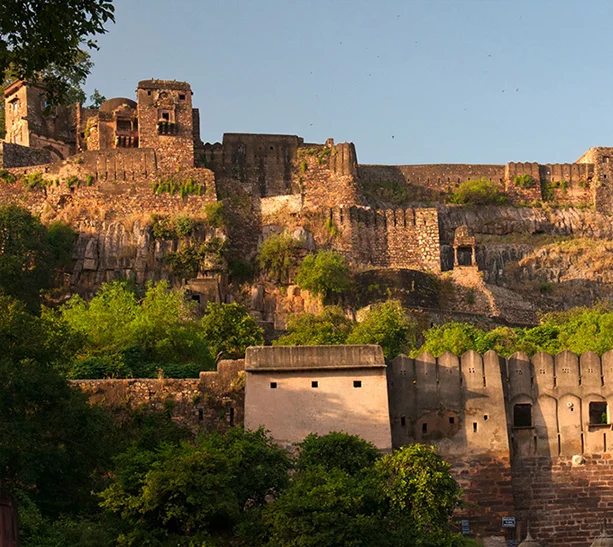
Located within Ranthambore National Park, this fort has witnessed the political history of Rajasthan. It houses several Hindu and Jain temples and was once ruled by the Kachwaha Maharajas of Jaipur.
Location:
Ranthambore Road, Vigyan Nagar, Sawai Madhopur, Rajasthan
Best Time to Visit:
November to February is ideal for comfortable weather. For wildlife watching, visit between April and June.
Hours of Operation:
Open daily from 6:00 AM to 6:00 PM. Entry Fee:Free

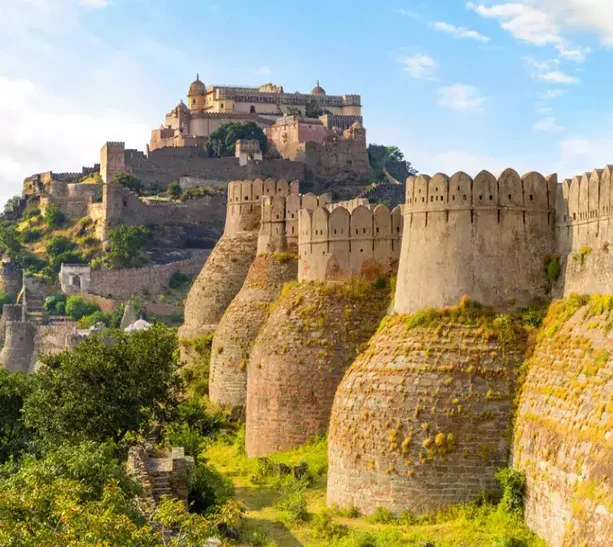
6. Kumbhalgarh Fort


With its 36-kilometer long wall, Kumbhalgarh Fort is one of the largest forts in the world. It is over seven centuries old and was the birthplace of Maharana Pratap.
Location:
Rajsamand district, Aravalli Hills, Rajasthan
Best Time to Visit:
September to March is recommended.
Hours of Operation:
Open daily from 9:00 AM to 6:00 PM.
Entry Fee: For Indian visitors β‚Ή15 For South Asian and Bay of Bengal Initiative visitors β‚Ή15 For foreign visitors β‚Ή200

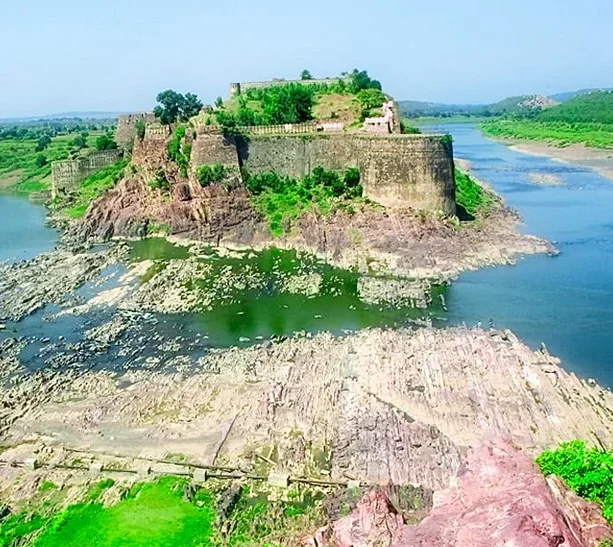
7. Gagron Fort

Known as Jaladurga or Water Fort, Gagron Fort is surrounded by water bodies, making it an impenetrable stronghold for the Khinchi kingdom. It has been controlled by Rajput, Sur, and Mughal rulers.
Location:
Jhalawar, Hadoti region, Rajasthan
Best Time to Visit:
August to March is ideal.
Hours of Operation: Open daily from 9:00 AM to 6:00 PM.
Entry Fee: Free

8. Keoladeo National Park


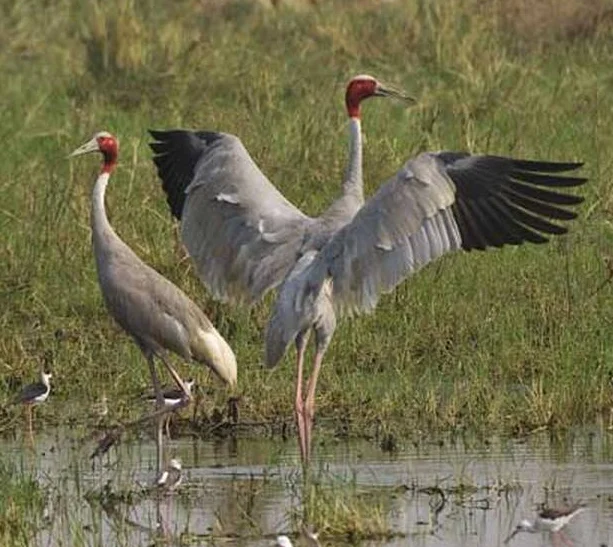
Originally a hunting ground, Keoladeo National Park is now a protected sanctuary home to a diverse range of wildlife. It is a popular spot for bird watching and observing other fauna.
Location: Bharatpur, Rajasthan
Best Time to Visit:
October to February for comfortable climate conditions.
Hours of Operation:
March to October: 6:00 AM to 7:00 PM; November to January: 7:00 AM to 6:00 PM.
Entry Fee:
For Indian visitors β‚Ή75 For foreign visitors β‚Ή200

9. The City of Jaipur


Jaipur, the capital city of Rajasthan, was listed as a UNESCO World Heritage site on July 6, 2019. Known as the Pink City, Jaipur is recognized for its unique architecture and historical significance.
Location:
North-western Rajasthan, India
Best Time to Visit:
October to March is the ideal time for visiting Jaipur.

Exploring Jaipur from the Skies : A Hot Air Balloon Adventure

Jaipur, the majestic Pink City is known for its royal heritage, stunning forts, and vibrant culture. But what if we told you there’s a way to experience Jaipur’s grandeur from a completely different perspectiveβ€”from the skies?

A hot air balloon ride over Jaipur offers an unparalleled way to take in the city’s magnificent sights, with a bird’s-eye view of its palaces, forts, and picturesque landscapes. Here’s everything you need to know to make your hot air balloon adventure in Jaipur a truly unforgettable experience.

Why Choose a Hot Air Balloon Ride in Jaipur?

The charm of Jaipur lies not only in its bustling markets and intricate palaces but also in the beautiful landscape surrounding the city. A hot air balloon ride allows you to capture the essence of the city from an entirely different angle.

The journey floats you above the city’s historic landmarks and into the serene Aravalli hills, giving you a panoramic view of the Amer Fort, Nahargarh Fort, Jaigarh Fort, and Jal Mahalβ€”all framed by the backdrop of the vibrant Rajasthan desert.

Whether you’re a thrill-seeker or a peace-lover, a balloon ride offers a unique blend of both. It’s an experience that will leave you with breathtaking memories and incredible photographs.

The Perfect Timing for Your Balloon Ride

The best time to take a hot air balloon ride in Jaipur is during the cooler months of October to March. The weather in Jaipur is ideal during this period, with mild temperatures and clear skies that enhance visibility.

  • Morning Rides: The ride typically starts at sunrise (around 6:00 AM). As the sun rises, you get to witness Jaipur bathed in golden lightβ€”a magical sight that no other form of transportation can offer.
  • Evening Rides: Don’t Hesitate to Contact Us

What to Expect During Your Hot Air Balloon Tour

A hot air balloon ride in Jaipur is more than just a flight; it’s a journey that will leave you in awe. Here’s a sneak peek into the experience:

  • Pre-Flight Briefing: Before you board the balloon, the ground crew provides a detailed safety briefing. The crew ensures you know the dos and don’ts and answers any queries you may have about the flight.
  • The Balloon Ride: Once you’re in the balloon basket, it’s time to ascend. As the balloon gently floats above the ground, you’ll feel a sense of serenity. The panoramic views of Jaipur’s historical forts, the tranquil landscape, and the vibrant desert terrain below will make the entire experience surreal.
  • Post-Flight Celebration: Once your balloon lands, there’s usually a small celebration. Operators provide a traditional welcome, complete with a champagne toast or light refreshments, and you may even receive a certificate to commemorate your adventure.

Popular Hot Air Balloon Operators in Jaipur

There are a few well-known operators who offer hot air balloon rides in Jaipur, ensuring safety, comfort, and incredible experiences.

  • SkyWaltz Balloon Safari: One of India’s most reputable hot air balloon operators, SkyWaltz offers rides over Jaipur’s iconic landmarks. Their experienced pilots and top-notch equipment guarantee a safe and exciting experience.
  • JANU PRIVATE TOURS: Known for their professional services, JANU PRIVATE TOURS offers various packages, including private rides for a more intimate experience. Also offer different packages tailored to group and private bookings.

What You Need to Know Before You Go

  • Cost: Prices for a hot air balloon ride in Jaipur can vary depending on the time of day, duration, and operator. Keep in mind that private and premium packages will be more expensive.
  • Booking in Advance: It’s recommended to book your ride in advance, especially during peak tourist seasons (October to March), as rides often get fully booked.
  • Safety First: Hot air ballooning is a safe activity when conducted by certified operators. The pilots are highly trained, and the balloons undergo regular checks. Nonetheless, make sure to check reviews and the safety records of the operators before booking your ride.
  • Health Considerations: Balloon rides are generally safe for most people, but pregnant women, children under five years old, and individuals with severe heart conditions are advised to consult with the operators beforehand.
  • Dress Appropriately: Dress in light, comfortable clothing and sturdy footwear. Early mornings can be chilly, so it’s best to bring a light jacket or sweater.

Final Thoughts: An Unforgettable Experience

Taking a hot air balloon ride in Jaipur is an adventure that will stay with you forever. Whether you’re a first-time visitor or a frequent traveler to Rajasthan, this experience offers a fresh perspective of Jaipur’s beauty. Imagine floating above the ancient forts, palaces, and serene lakes as the city slowly wakes up below youβ€”it’s nothing short of magical.

So, the next time you’re in Jaipur, make sure to add a hot air balloon ride to your itinerary. It’s not just an adventure; it’s an experience that will make you fall in love with the Pink City all over again!

Pro Tip: Don’t forget to bring your camera and enjoy the spectacular aerial views. You won’t want to miss capturing the beauty of Jaipur from above !

Contact Us

for more information please connect with us @ +91 9929 1 52 946 / +91 8905 6 31 046

info@januprivatetours.com

https://www.januprivatetours.com/

Jaipur Food & Walking Tour : The Spice Route of Jaipur

The Royal Flavor Trail : Jaipur’s royal heritage and the culinary delights you can experience on the tour.

A food and walking tour of Jaipur offers a perfect blend of the city’s rich culture, vibrant history, and mouthwatering cuisine. Jaipur, the capital of Rajasthan, is known for its palatial architecture, colorful streets, and delicious food. Here’s a suggested itinerary for a day of exploring the best of both the city’s heritage and its culinary delights:

Start at the City Palace

  • Time: Morning (Around 9:00 AM)
  • What to See: Begin your walking tour at the City Palace, a majestic blend of Mughal and Rajasthani architecture. While you explore the palace, its courtyards, and museums, you’ll get a glimpse of Jaipur’s royal past.
  • Food Tip: You can stop by the palace’s Cafe Coffee Day for a quick cup of chai or coffee.

Walk through the Pink City ( Walled City )

  • Time: 10:30 AM
  • What to See: Head out to the iconic streets of the Pink City, Jaipur’s historical old town, where the bustling bazaars, narrow alleys, and centuries-old havelis await. Walk through Johari Bazaar and Bapu Bazaar. The architecture here is a perfect example of the Indo-Saracenic style, with every building painted in a soft pink hue.

Snack on Street Food at Choti Chaupar

  • Time: 10:30 AM – 11:30 AM
  • What to Eat: Try some of Jaipur’s famous street food. Choti Chaupar is a central point where you’ll find many street vendors offering traditional snacks:
  • Pav Bhaji (spicy vegetable mash served with buttered bread)
  • Kachori (fried pastry filled with spiced lentils or peas)
  • Samosa (crispy pastry stuffed with spiced potatoes)
  • Dahi Puri (crisp puris stuffed with yogurt, chutney, and potatoes)
  • Bhel Puri (a spicy puffed rice snack with tamarind chutney)
  • Ghevar (a traditional Rajasthani sweet, perfect for a mid-morning treat)

Visit Hawa Mahal (Palace of Winds)

  • Time: 12:00 PM – 12:30 PM
  • What to See: Walk over to Hawa Mahal, one of Jaipur’s most iconic landmarks. This five-story palace with hundreds of small windows (jharokhas) was designed for the royal ladies to observe street life without being seen. The architecture is a beautiful blend of Mughal and Rajput styles.

Lunch at a Multi-Cuisine Restaurant ” The Curry Spoon”

  • Time: 1:00 PM – 2:00 PM

Stroll Through the Albert Hall Museum & Ram Niwas Garden

  • Time: 2:30 PM – 3:30 PM
  • What to See: After lunch, take a walk over to the Albert Hall Museum, a beautiful structure that houses an impressive collection of Rajasthani artifacts, textiles, and sculptures. From here, you can also walk through the Ram Niwas Garden, a peaceful park perfect for digesting all the delicious food.

Tea Time at Gulabji Chai

  • Time: 4:00 PM – 4:30 PM
  • Where to Eat: For a relaxed tea break, head to Wind View Cafe, which offers a lovely view of Hawa Mahal. Enjoy a traditional masala chai with a light snack such as dahi vada (fried lentil dumplings in yogurt).

Evening Walk in the Amer Fort Area

  • Time: 5:30 PM – 6:30 PM
  • What to See: Take a cab or walk towards the Amer Fort, about 30 minutes outside the city center. While the fort itself is a grand architectural wonder, the surrounding area is full of charm, with the Maota Lake offering a picturesque backdrop.

Dinner at a Rooftop Restaurant

  • Time: 7:30 PM – 9:00 PM
  • What to Eat:
  • Pulao or Biryani (fragrant rice dish)
  • Rajasthani Sweets such as Mawa Kachori or Malai Ghevar

Finish with a Sweet Treat

  • Time: 9:00 PM – 10:00 PM
  • Where to Eat: Before concluding your tour, stop by a local sweet shop for a final indulgence. for delicious Mawa Kachori, Jalebi, and other Rajasthani sweets.

Tips for the Tour:

  • Walking Shoes: Jaipur’s streets are often uneven and dusty, so comfortable shoes are a must.
  • Hydration: Carry water and drink often, especially in the warmer months.
  • Local Customs: Be respectful when photographing people or royal properties.
  • Bargaining: In the markets, haggling is common and part of the experience.

This walking and food tour of Jaipur will not only give you a taste of its rich flavors but also offer a deep dive into the city’s history and vibrant atmosphere!

Contact Us

for more information please connect with us @ +91 9929 1 52 946 / +91 8905 6 31 046

info@januprivatetours.com

https://www.januprivatetours.com/

Elephant Safari in Jaipur : A day with Elephants

“A Majestic Day with Elephants: Jaipur Safari Experience”

Elephants in Jaipur are often seen as symbols of royalty, grandeur, and spirituality, and they play an important role in the city’s heritage, festivals, and tourism. A day with Elephants in Jaipur is an unforgettable experience, and if you’re visiting the city, it’s an absolute must.
Elephants in Rajasthan are far more than just animals; they’re living symbols of royalty, tradition, and grace. A day at the Elephant Village gives you the chance to connect with these majestic creatures on a deeper level, beyond the typical zoo or safari experience.

You’ll spend time feeding, bathing, and even painting the elephantsβ€”activities that allow you to understand the bond between the animals and their caretakers. This isn’t just a “tourist attraction”; it’s a chance to witness the profound cultural and spiritual significance these elephants hold in local life.

If you’re interested in something real, immersive, and a bit off the beaten path, the Elephant Village tour will be one of the most enriching things you can do in Jaipur. If you’re looking for a superficial, quick glance at the elephants, then this might not be for you. But if you’re open to learning and experiencing firsthand the intricate relationship between elephants and their human caretakers, this is as authentic as it gets.
Cultural Significance
β€’ Symbol of Royalty: Historically, elephants were closely associated with royalty in Jaipur and Rajasthan. The Maharajas (kings) of Jaipur used elephants in grand processions and battles. They were seen as powerful symbols of strength and majesty.
β€’ Religious Importance: In Hinduism, elephants are closely linked to Lord Ganesha, the elephant-headed deity of wisdom and prosperity. The presence of elephants in Jaipur is often seen as a reflection of spiritual significance and blessing.
Elephant Rides : In the Footsteps of Royals
β€’ Amber Fort (Amer Fort): One of the most popular attractions for tourists in Jaipur is elephant rides to Amber Fort. Tourists can experience the royal style of travel by riding on elephants that transport them up the hill to the fort’s entrance. The elephants are often adorned with bright fabrics and jewelry, adding to the charm of the experience.
β€’ Heritage Experience: Riding an elephant at Amber Fort offers a sense of history and tradition, as this was once the royal way to ascend to the fort.
Elephant Conservation and Care
β€’ Mahouts and Care: Jaipur’s elephants are cared for by mahouts (elephant caretakers), who train and tend to the animals. The mahouts are an integral part of the elephants’ lives, ensuring they receive the proper care, feeding, and health checks.
β€’ Enclosures and Sanctuaries: There are efforts to ensure the elephants are well-treated, especially in places like Elephant Village in Jaipur, where visitors can interact with the elephants in a more sustainable and ethical way. Here, elephants are cared for in an environment that mimics their natural habitat, and the focus is on promoting animal welfare and conservation.
Elephant Art and Paintings
β€’ Elephant Paintings: In Jaipur, it is common for elephants to be painted with vibrant, intricate designs during festivals and events. These painted elephants are an iconic symbol of Jaipur’s colorful cultural heritage.
β€’ Symbolism in Art: The painted elephants often symbolize good fortune, beauty, and spiritual energy. Their depictions in art are a popular motif in Rajasthani folk art, often seen in madhubani paintings, miniature art, and textile designs.
Ethical Tourism: Many tourists now prefer visiting places like the Elephant Village, where they can interact with the elephants in a more ethical and responsible manner, learning about their needs and natural behaviors. Visitors are encouraged to feed, bathe, and paint elephants in ways that respect their dignity.
Art and Crafts
β€’ Craftsmanship: Jaipur is also known for its handicrafts and traditional Rajasthani art. Elephant motifs appear prominently in block prints, paintings, and handicraft work such as carvings and textiles.
β€’ Elephant Figurines: You will often find intricately carved elephant figurines in Jaipur’s bazaars and art galleries, made from wood, marble, and brass. These elephant statues are popular souvenirs for visitors and collectors.
Elephants and Festivals
β€’ Village Processions: elephants are used during local festivals and village celebrations, where they are adorned in festive attire and participate in local processions, adding an element of grandeur and spirituality.
β€’ Elephant Blessings: In many parts of Jaipur, elephants are revered, and people often visit elephants for blessings during religious festivals like Diwali and Ganesh Chaturthi. Elephants are considered auspicious animals, believed to bring good luck and prosperity.
Final Reflections: A Mosaic of Moments
Experience the magic of Jaipur’s Elephant Safari. Spend a day with majestic elephants, enjoy thrilling rides, feed and bathe these gentle giants, and discover their royal heritage in Jaipur.elephants in Jaipur continue to capture the imagination of tourists and locals alike. Efforts are also underway to improve the welfare and conservation of these magnificent creatures, ensuring that they continue to be a source of pride and joy for generations to come.
for more information please connect with us @ +91 9929 1 52 946 / +91 8905 6 31 046
info@januprivatetours.com
https://www.januprivatetours.com/

Spiritual Tours of Jaipur’s Monkey Temple

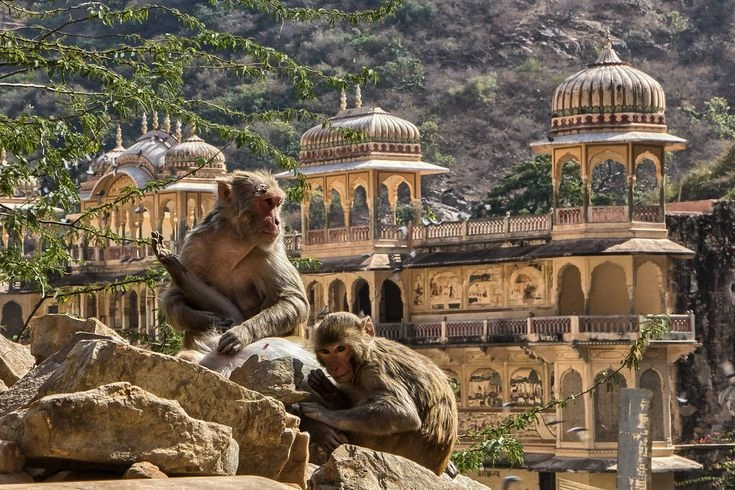
Galtaji is an ancient Hindu pilgrimage about 10 km away from Jaipur. The site consists of a series of temples built into a narrow crevice in the ring of hills that surrounds Jaipur. A natural spring emerges high on the hill and flows downward, filling a series of sacred kunds (water tanks) in which pilgrims bathe. Visitors and pilgrims can ascend the crevasse, continuing past the highest water pool to a hilltop temple from there are views of Jaipur and its fortifications spreads out across the valley floor. It is believed that a Saint named Galav lived here, practiced meditation, and did penance (tapasya).


“The Temple of Monkeys: A Sacred Journey to Galtaji”

Key Highlights of the Monkey Temple ( Galtaji ) Visit:

The Sacred Pools:

  • The temple is known for its sacred water tanks, which are believed to have healing powers. Pilgrims come here to take a dip in the holy waters, and the monkeys often play around these pools. Visitors can enjoy the tranquil surroundings while watching the playful monkeys frolic in the water.
  • The Ram Kund and Hanuman Kund are two main reservoirs where both locals and tourists come to bathe. The monkeys are attracted to the water and can often be seen swimming or drinking from the pools.

Monkeys Everywhere:

  • As the name suggests, the temple is home to a large number of Rhesus Macaque monkeys. These monkeys are the main attraction for visitors. They are often seen climbing the temple steps, jumping from one ledge to another, and interacting with visitors. While they are friendly and playful, they are also known to be mischievous, so it’s important to keep an eye on your belongings.
  • It’s advised not to feed the monkeys as this can encourage aggressive behavior.

The Architecture:

  • Galta Ji Temple consists of several small temples, pavilions, and a large central temple dedicated to Lord Hanuman, the monkey god in Hindu mythology. The complex is an interesting mix of ancient architecture and natural beauty.
  • The Suryan Kund (Sun Temple) is another prominent feature within the complex, with spectacular views of the surrounding hills.

Scenic Views and Peaceful Surroundings:

  • The temple offers a peaceful, serene environment with stunning views of the Aravalli hills surrounding the valley. The surrounding landscape is quite beautiful, making it a great spot for photography and for enjoying the natural beauty of Jaipur’s countryside.
  • The area is a popular destination for locals to relax, enjoy nature, and connect with their spirituality.

Religious and Cultural Significance:

  • Galta Ji Temple is an important pilgrimage site for Hindus. It is associated with Saint Galav, who is said to have meditated at this spot. According to legend, Saint Galav lived here and performed penance by taking regular dips in the holy ponds.
  • The temple is especially significant during the Makar Sankranti festival, when a large number of devotees visit for a holy dip in the pools.

Monkey Temple Tour Experience:

If you decide to take a tour of the Monkey Temple in Jaipur, here’s what you can expect:

  • Arriving at the Temple: You’ll likely travel by car or taxi from Jaipur city center, which takes about 20-30 minutes. The last stretch of the journey is a scenic drive through rural areas leading up to the temple complex.
  • Exploring the Temple Grounds: Once you arrive, you can explore the temple grounds and its surroundings at your own pace. There are multiple temples and sanctuaries dedicated to various Hindu deities, and you can take your time to walk around and soak in the spiritual atmosphere.
  • Monkey Watching: As you explore, you’ll encounter monkeys that inhabit the temple. They are often friendly but can be cheekyβ€”watch out for them swiping food or belongings!
  • Interacting with Locals and Pilgrims: The temple is a place of active worship, so you’ll likely see local pilgrims taking part in religious rituals or bathing in the holy pools. The local culture and practices are an integral part of the experience.

Visiting Tips:

Best Time to Visit:

The best time to visit the Monkey Temple is either early in the morning or late in the afternoon, as it can get quite hot during the midday, especially in the summer months. Early mornings also offer a tranquil atmosphere with fewer crowds.

  • Wear Comfortable Shoes: The temple is located on a hill, and the approach involves walking up steps or paths, so comfortable footwear is essential.
  • Monkeys: Be mindful of the monkeys, as they can get aggressive if they feel threatened or if food is left unattended. It’s best to avoid feeding them, as it can encourage them to become more aggressive towards visitors.
  • Dress Modestly: Since this is a religious site, it is advisable to dress modestly, covering shoulders and knees.
  • Entrance Fee: While the entrance to the temple is generally free, there may be a small fee for parking or certain areas of the temple.

Nearby Attractions:

If you’re visiting the Monkey Temple, you may want to explore some other nearby attractions in Jaipur, such as:

  • Amber Fort: A stunning hilltop fort with beautiful architecture and a rich history.
  • Jal Mahal: A beautiful water palace located on the outskirts of Jaipur.
  • City Palace: The opulent residence of the Maharajas of Jaipur.
  • Hawa Mahal: The iconic “Palace of Winds,” known for its stunning facade.

The Monkey Temple is a beautiful blend of nature, history, and spirituality, making it an interesting and unique spot to visit while in Jaipur.

Contact Us

for more information please connect with us @ +91 9929 1 52 946 / +91 8905 6 31 046

info@januprivatetours.com

https://www.januprivatetours.com/

Chat with Us