

Rajasthan has been on your travel wishlist for ages. The grand forts, beautiful palaces, and colorful markets, along with the royal stories of kings and queens, feel almost unreal.
But then another thought creeps in…
“I’m travelling all the way to India on my own… Will I feel comfortable?
How will I get around? Can I enjoy these places without constantly worrying about what comes next?”
If these inner thoughts sound familiar, you’re not alone.
Planning a solo trip as a woman from abroad means thinking about more than sightseeing. You want to feel at ease, meet local people, discover real traditions, as well as still have the freedom to follow your curiosity.
In this guide to Rajasthan Heritage Tours India, we’ll explore where to go, what to experience, how to plan comfortably, and how a private journey can help you discover Rajasthan at your own pace.
Let’s dig deeper into this…
Beyond the Forts and Palaces: Where Can You Experience Rajasthan’s Living Heritage?
The forts are magnificent, but what if… Your favorite Rajasthan memory comes from somewhere unexpected?
Maybe it’s chatting with a local artisan or sharing a traditional meal. These little moments will bring you closer to Rajasthan’s living heritage.
With thoughtfully planned Rajasthan Heritage Tours, you can simply go beyond the usual landmarks and experience the local traditions. This will make every city feel different.
Look beyond the famous landmarks:
- Explore colorful local bazaars
- Discover traditional crafts firsthand
- Taste authentic Rajasthani food
- Meet skilled local artisans
- Enjoy folk music and performances
- Wander through historic neighborhoods
Will You Feel Safe, Comfortable, and Free to Explore on Your Own?
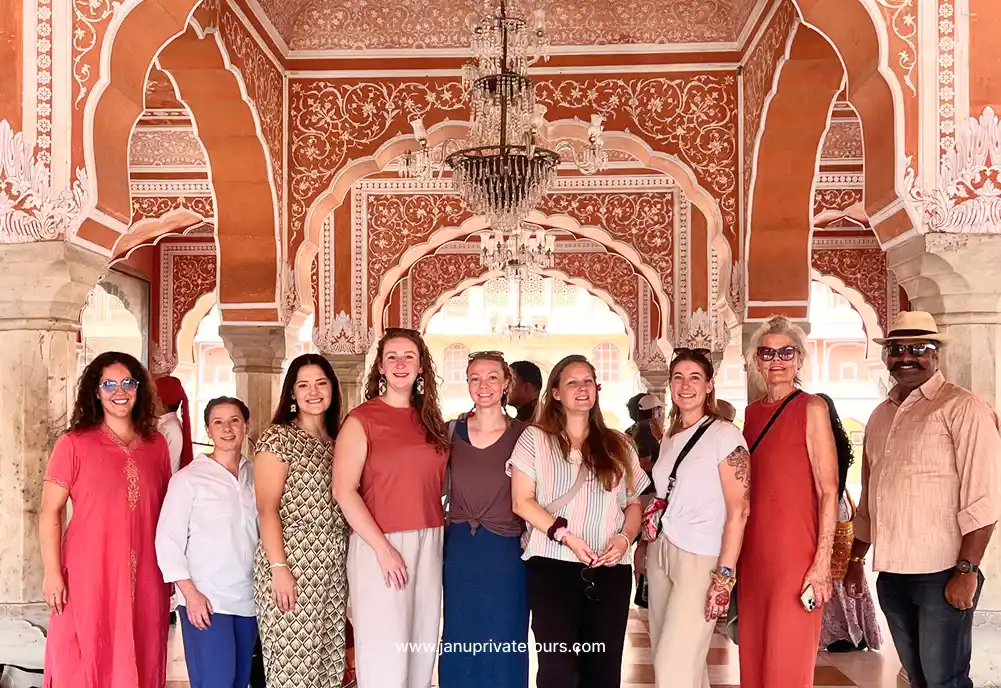
You’re excited about Rajasthan but wondering…
“What if I get lost?
What if I feel uncomfortable in this new place?”
And honestly, I believe these are fair questions to ask as a woman travelling alone in a new country.
You want to wander through colorful markets and admire those beautiful palaces, as well as enjoy your freedom without constantly worrying about… what comes next.
That’s where your little yet thoughtful planning will help you. What can make your solo journey feel easier?
- A welcoming, well-reviewed place to stay
- Your own trusted driver
- A local guide who understands your concerns
- Flexible sightseeing without feeling rushed
- Someone to contact when plans change
- Freedom to say yes or no
Jaipur, Jodhpur, or Udaipur: Which Rajasthan Experience Feels Right for You?
Wondering where to start? Each city has its own charm… right? No matter if you love colorful markets or peaceful lakeside evenings, there’s a special corner of Rajasthan just waiting to make you fall in love.
| Destination | What You’ll Love | Best For |
| Jaipur | Pink streets, royal palaces, lively bazaars | Shopping and architecture |
| Jodhpur | Mighty Mehrangarh Fort, blue lanes, local food | History and local Rajasthan cultural tours |
| Udaipur | Lake views, romantic palaces, peaceful boat rides | Slow travel and scenic moments |
| Jaisalmer | Golden fort, desert landscapes, folk music | Desert culture and adventure |
| Pushkar | Sacred lake, colourful markets, laid-back cafés | Spiritual charm and relaxed exploring |
A little tip for you… Travelling solo for you should simply mean you will choose the places that excite you the most, and we will help you plan your Rajasthan heritage tour around the experiences you want.
How Do You Experience Rajasthan’s Royal Traditions Without Feeling Like an Outsider?
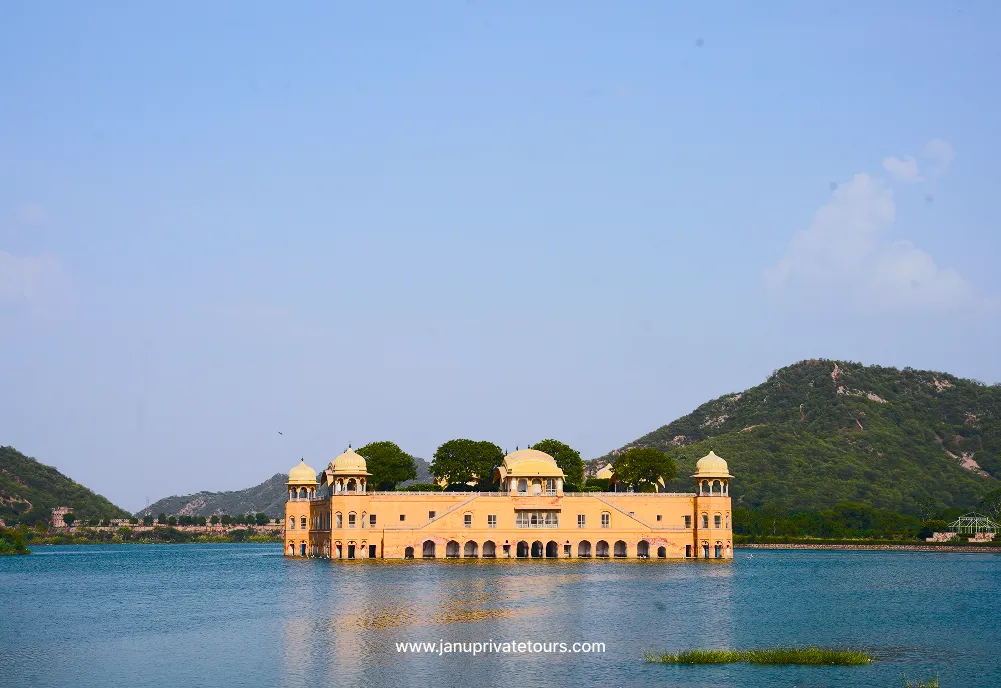
Ever worried about what to wear, how to greet someone, or whether you can take a photo? Don’t let those little doubts stop you from connecting with Rajasthan.
Locals are people and a little curiosity and respect can open up wonderful conversations. You can try a traditional Rajasthani meal, watch local artisans at work, explore heritage havelis, or also enjoy folk music.
Dress comfortably. Cover yourself up when you are visiting religious places. Always ask before photographing people… These all will help you stay away from sudden troubles.
You don’t need to know every custom beforehand; just stay curious, be respectful, and enjoy discovering a culture different from your own.
Should You Join a Group Tour or Choose a Private Rajasthan Heritage Tour?
Travelling solo doesn’t mean you have to do everything alone. The right choice depends on whether you enjoy meeting fellow travelers or prefer exploring Rajasthan on your own terms.
| What Matters to You | Group Tour | Private Heritage Tour |
| Daily plans | Follow a fixed itinerary | Explore at your pace |
| Personal space | Share time with others | Enjoy more independence |
| Meeting people | Easy to meet travellers | More local interactions |
| Sightseeing | Stick to group timings | Spend longer where you love |
| Transport | Shared with the group | Private vehicle and driver |
| Local experiences | Follow planned activities | Choose experiences around your interests |
A few things to consider:
- Check group size before booking.
- Read reviews from solo female travellers.
- Confirm transport arrangements and pickup details.
- Ask about flexibility before choosing a tour.
- Choose what feels right for your comfort and budget.
If independence and personal attention matter most, a private Rajasthan heritage tour can be a great fit.
With Janu Private Tours, you can shape your journey around the places you want to see and the experiences you want to enjoy.
Can You Experience Rajasthan’s Heritage in Comfort Without Losing Its Local Charm?
You want a beautiful heritage hotel, a comfortable car, and someone who makes the journey easy.
But you didn’t travel all this way just to look at Rajasthan through a car window, right?
You want to wander through old streets, taste food you’ve never tried, meet local artisans, and discover stories you won’t find in a guidebook.
That’s where thoughtfully planned Indian heritage luxury tours can make a difference.
Your journey can include:
- Heritage stays full of character
- Private transport between destinations
- Local guides who share real stories
- Authentic food and craft experiences
- Flexible plans built around you
With heritage India private tours from Janu Private Tours, you can enjoy the comfort you need while leaving room for the unexpected moments that make travelling special.
How Can You Plan a Rajasthan Heritage Journey That Feels Truly Yours?
Your solo adventure, your choices!
Let Janu Private Tours help you explore Rajasthan comfortably and at your own pace.
- Pick the cities calling you
- Choose dates that feel right
- Explore without rushing yourself
- Travel with trusted local support
- Discover Rajasthan beyond the forts
- Make your budget work for you
You can simply experience India’s royal past while making the journey entirely your own… All with uniquely personalized Rajasthan Heritage Tours.
To Wrap Up…
Rajasthan is a place to feel and remember long after you’ve returned home… So, with the right planning, your solo journey will be full of royal wonders along with little moments that especially belong only to you.
Happy solo travels!
India is a country with different attractive and unique holiday destinations. These places are filled with deep knowledge, remarkable art, distinctive traditional histories and much more. Yoga, meditation and Ayurveda are essential parts of Indian culture that nourish your body and soul.
Those who want to go home refreshed can try other traditional wellness practices. India’s contrasts give many experiences and opportunities to learn about distinct cultures and traditions. These include Rishikesh’s Ganges tour, Kerala’s greenery and Rajasthan’s royal cities.
A Yoga & Wellness tour in India is a terrific way to see the country. Yoga, healthy eating and sacred locations improve their well-being. Morning yoga, relaxation and fresh food can replace hurrying from one place to another. Visitors can also visit local religious sites. You can choose an Ayurvedic treatment, therapeutic practice, or cultural landmark tour.
India is an excellent wellness tour destination. Ideal for relaxing or combining fitness and sightseeing. Travel destinations and itineraries are recommended in the book. It will offer wellness travel suggestions to make it more enjoyable.
Why Should You Go on a Yoga and Wellness Tour in India?
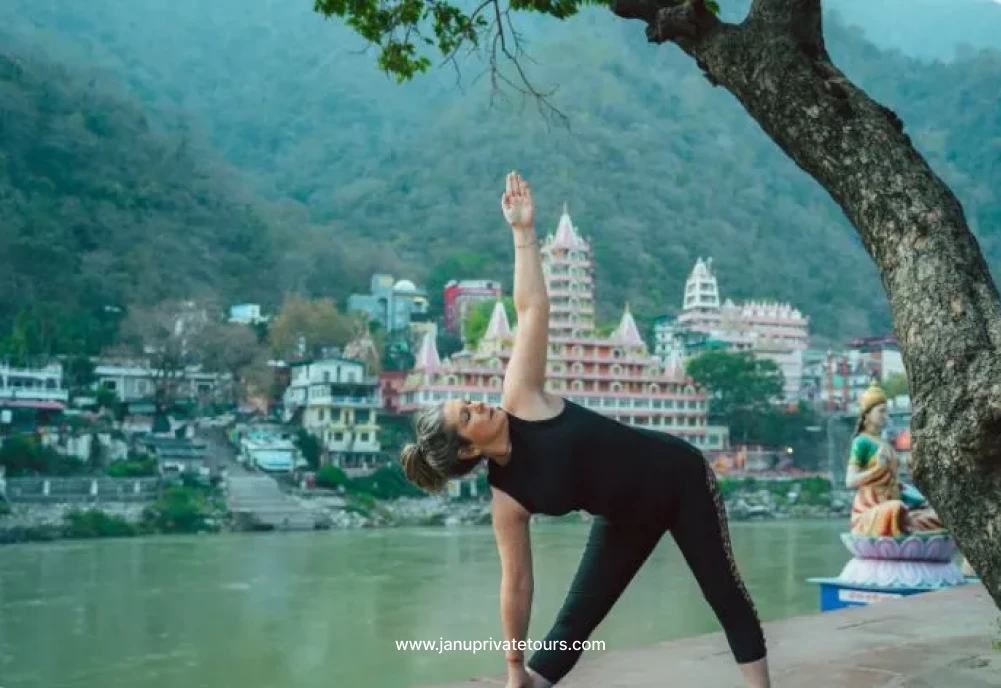
Choosing a yoga and wellness tour India will bring you closer to nature. It lets you explore the depths of nature in several different places. This tour will give you physical and mental state of relaxation. To help you plan a good trip, here are some important facts:
- Authentic roots: The Indian chronicles gave rise to yoga, meditation and Ayurveda. Integrating them into your daily life yields amazing results.
- A slower rhythm: Your stay will include fewer hotel changes, slower mornings and more downtime.
- Mind and body benefits: Meditation along with daily asanas and pranayama will boost your mental and physical energy.
- Cultural depth: The lessons on wellness will take you to the depth of cultural and historical roots of Indian culture.
- Personal attention: Private lessons can be tailored to your personal level, interests and goals.
If you want to get a sense of the country beyond wellness, check out these things to do in India. They offer ideas on what to do before or after your retreat days.
Yoga Tours India: Where the Practice Feels Most Alive
A few places keep coming up when people look for yoga tours India has to offer. There is a different feel to each one.
| Destination | Best For | Atmosphere | Ideal Stay |
| Rishikesh, Uttarakhand | Ashram-style instruction, yoga, meditation | Himalayan foothills, the Ganges, a spiritual energy | 3–5 nights |
| Haridwar, Uttarakhand | Sacred river rituals, evening Ganga Aarti | Pilgrim town, devotional and lively | 1–2 nights |
| Kerala | Ayurveda treatments, backwater serenity | Tropical, green, gentle | 4–6 nights |
| Rajasthan (Jaipur, Pushkar, Udaipur) | Yoga combined with palaces, forts and heritage | Colorful and royal | 3–5 nights |
| Varanasi | Spiritual immersion, sunrise on the Ganges | Intense, ancient, deeply moving | 2 nights |
| Himalayan regions | Silence, meditation, mountain views | Quiet and remote | 3+ nights |
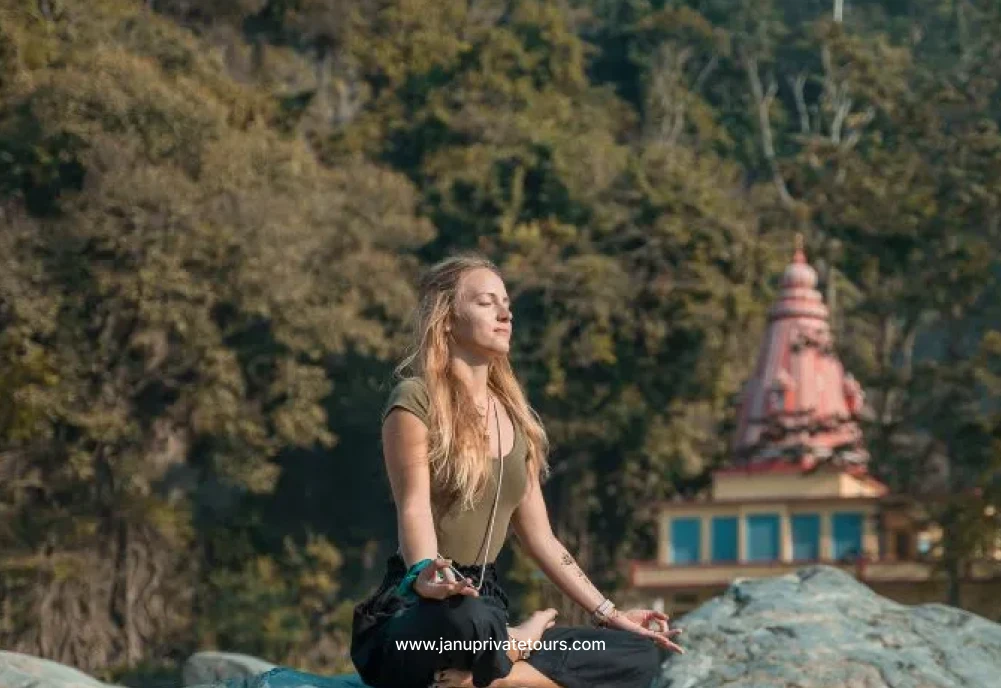
Rishikesh: The Yoga Capital
Yoga tours in India most often include Rishikesh. Mornings begin with riverside practice. Daytime includes meditation, intellectual discussions and peaceful walks. Evenings end with Ganga Aarti lamps. Great venue for beginners and for established practitioners who wish to expand their practice.
Haridwar: Where the Ganges Meets the Plains
Haridwar is only a short distance from Rishikesh but has a more spiritual vibe about it. The two operate nicely in tandem. The Golden Triangle with Haridwar and Rishikesh trip talks about this combination. This trip combines the cultural wonders of Delhi, Agra and Jaipur with time spent on the banks of the Ganges.
India Yoga Retreat: Choosing Your Style
What an India yoga retreat is like might vary greatly depending on the place you go and what you require. Some folks like to have a regular schedule with numerous classes a day. Others want one soft morning routine and the rest of the day free.
Before you decide, think about these questions:
- Your experience level: Beginners do well with gentle Hatha or restorative classes. Experienced students may prefer Ashtanga or Vinyasa.
- Your goals: Stress relief, flexibility, spiritual growth, detox, or simply rest.
- Your comfort needs: Simple ashram stays or comfortable boutique hotels.
- Your time: A long weekend gives a taste, but a week or more gives real change.
A retreat doesn’t have to entail staying in one area the entire time. People like Yoga & Wellness Tours in India because they include days of meditation and visits to interesting places. Visitors wander in the afternoons and practice yoga in the mornings.
Ayurveda Tour India: Healing Through Ancient Science
The Indian medical system, Ayurveda, is considered the oldest in the world. It’s all about balance, mind, body and surroundings. A typical Ayurveda tour India package commences with a consultation during which the practitioner determines your constitution (dosha). After reviewing the findings, they will suggest therapy, nutrition and daily routines.
What an Ayurveda Experience May Include
- Personal consultation with an Ayurvedic doctor
- Herbal oil massage and therapeutic therapies
- Meals suited to your constitution
- Herbal teas and easy detox routines
- Guidance you can take home
Kerala is the mythical land of Ayurveda with its lush backwaters, coconut trees and time-honored practices of treatment. You can end your northern yoga days on a quiet and slow note with the Luxury Kerala Tour Package. Alternatively, you can explore the whole range of South India excursions for a southern circuit.
Spiritual Wellness India: More Than Exercise
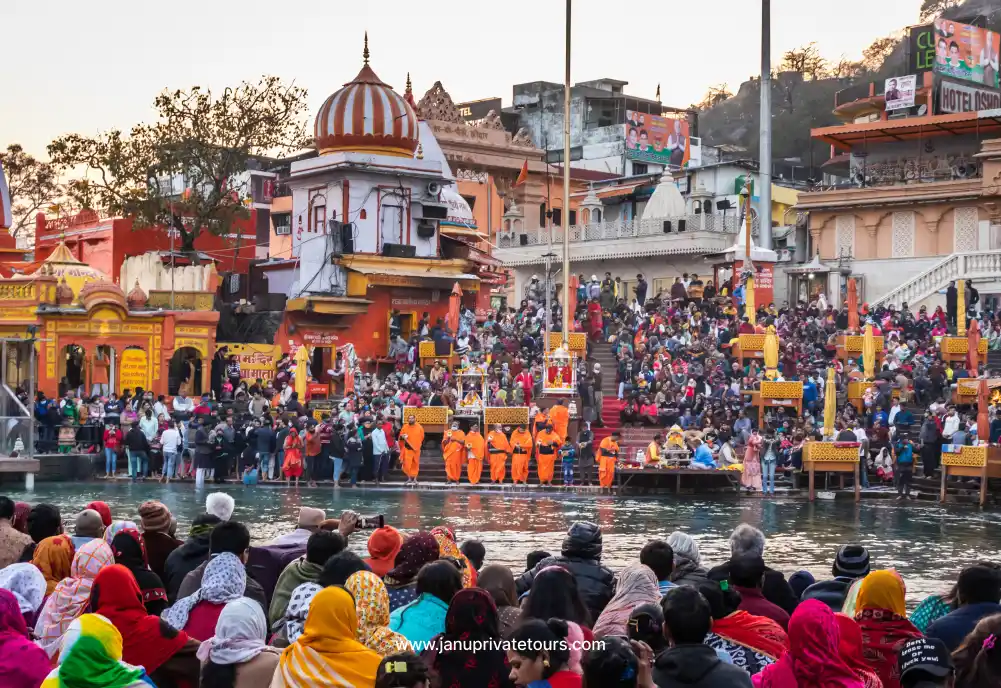
India’s idea of wellness goes beyond a tight hip. Spiritual wellness India offers some calm times that are tough to get at home:
- Watching sunrise over the Ganges in Varanasi
- Sitting in silence at a riverside ghat
- Joining a candlelit Ganga Aarti ceremony
- Visiting ancient temples and learning the stories behind them
- Meditating in the Himalayan foothills
To enjoy these moments, no religion is required. Many tourists say these are their most thrilling experiences. As a reliable tourist, you need to have faith in Indian history; this thought will make your tour more exciting, thrilling and enjoyable. What do you need to do to complete it?
Just look for authentic travel partners like Janu Private Tours that offer Spiritual Tours in India and Spiritual North India Tour Package. Our packages will connect you with northern holy cities for a longer spiritual trip. Visit the Osho Himalayas page to mix meditation and mountain climbing.
Wellness Tours India: A Sample Journey at a Glance
A well-planned Yoga & Wellness Tour in India balances movement, rest and culture. Here is a sample pattern for a 9-day journey that starts in Delhi, similar to an 8-night, 9-day Yoga & Wellness Tour.
| Phase | Focus | What to do |
| Arrival (Delhi) | Arrival and Relaxation | Rest, a gentle orientation, a light introduction to Indian culture |
| Cultural days | Heritage and gentle sightseeing | Visit iconic monuments at an easy pace |
| Journey to the Ganges | Transition | Travel north toward Haridwar and Rishikesh |
| Wellness days | Yoga, meditation, Ayurveda | Morning practice, treatments, quiet time, river ceremonies |
| Return | Reflect | Return to Delhi with time for departure |
Wellness tours India are becoming more popular because of fast-paced trips like these. Without rushing, you get to see the country.
Wellness Travel India: The Case for Slowing Down
Traveling slowly is a big part of wellness travel in India. When you stay longer in fewer places, you have more time to really experience each one.
India’s slow travel offers:
- Less stress
- Healthy Food
- Real Social Connection
- Better sleep and energy
Start your trip with a tour of the Golden Triangle and add health days to make it more relaxing. Check out the travel guide to Rajasthan to find places that have both a royal past and peace.
Best Time for a Yoga & Wellness Tour in India
| Season | Months | What to Expect | Good For |
| Winter | October – March | Cool and pleasant, clear skies | Rajasthan, Delhi, Rishikesh, Varanasi |
| Spring | February – April | Mild weather, blooming landscapes | Himalayan foothills, most regions |
| Monsoon | June – September | Green, humid, fewer crowds | Kerala Ayurveda (a traditional treatment season) |
| Summer | April – June | Hot in the plains | Higher Himalayan regions |
India’s best time for a Yoga & Wellness Tour covering cities and the Ganges is from October to March. This period is ideal for most first-time visitors.
Tips for a Comfortable Yoga and Wellness Tour
Explore yoga and health to relax, replenish and reconnect. Prepare and follow particular steps. Bring the right gear, rest and adapt to the local cuisine. These tips will improve your holiday. Keep these things in mind for a healthy and happy yoga and wellness vacation in India. Follow the mentioned tips to make your trip smooth:
- Pack Comfortable Clothing
- Carry Your Yoga Essentials
- Allow Time to Adjust
- Share Your Health Requirements
- Maintain Hydration with Light Food
- Stay Open to New Experiences
Also Read: a-week-in-silence-at-osho-himalayas-what-the-experience-is-really-like
Plan a Yoga & Wellness Tour in India Your Way
Each traveler has unique needs. Friends may wish to take classes, while couples may seek a romantic retreat. Some solo adventurers may want a private teacher and extra time for themselves. This makes a bespoke private plan the perfect fit for your India Yoga & Wellness visit. You can pick how hard to attempt the tasks. You can also choose your accommodations, classes and excursions.
Not sure where to start? You can choose your preferred destinations, dates and activities on a customized India tour.
Conclusion
A Yoga & Wellness Tour in India will allow one to relax, refresh and discover the beauty of India away from the rush and bustle of major cities. There are many possibilities from Rishikesh to Kerala to revitalize your body, mind and spirit and explore India beyond the famous Taj Mahal and other historical places.
Janu Private Tours will assist you in customizing a trip with inspiring places to visit, unique cultural experiences and a range of activities if you are looking for an energetic Yoga & Wellness tour in India or a spiritual vacation, or a more private and unhurried vacation with yoga practices at its heart. When you choose Janu Private Tours, your private Yoga & Wellness Tour in India awaits.
For more planning ideas, our travel blog has guides such as North India Tour Packages: What Can You Really Experience in 7, 10 or 14 Days? and Luxury India Tours: How to Plan a Private Journey Across India’s Most Iconic Regions.,
Wait… a whole week without talking? No constant phone checking and no usual everyday noise?
Sounds peaceful… But will I be able to manage it?
If that’s what you’re thinking, then you are not alone, and you really don’t have to worry!
An Osho Himalayas silent retreat will offer you a unique way to spend time in the mountains, with silence and meditation… a quiet space away from your usual routine.
But what will these seven days of silence actually involve for you? What happens during the day, how might the first few days feel, and do you actually need meditation experience before you go?
In this guide, we’ll walk through all the experience, meals, accommodation, preparation, and what beginners like you must know before booking an Osho silent retreat in India.
Curious? Let’s explore what a week in silence could really look like…
What Happens During Your First Day at a Silent Meditation Retreat in Himachal Pradesh?
“So, I’ve finally arrived… but what happens now? Do I stop talking straightaway? Where do I go?”
If this is your first silent meditation retreat Himachal Pradesh, you probably have a few questions. Don’t worry! You don’t need to know everything before you arrive.
At Osho Himalayas, A Week in Silence follows a planned routine of meditation and silent sitting, and you will surely enjoy it…
Your first day is all about settling in and slowly understanding the guidelines. Here’s what you can expect:
- Settle into your room and surroundings
- Understand the silence guidelines before sessions begin
- Get familiar with meditation sessions and their routine
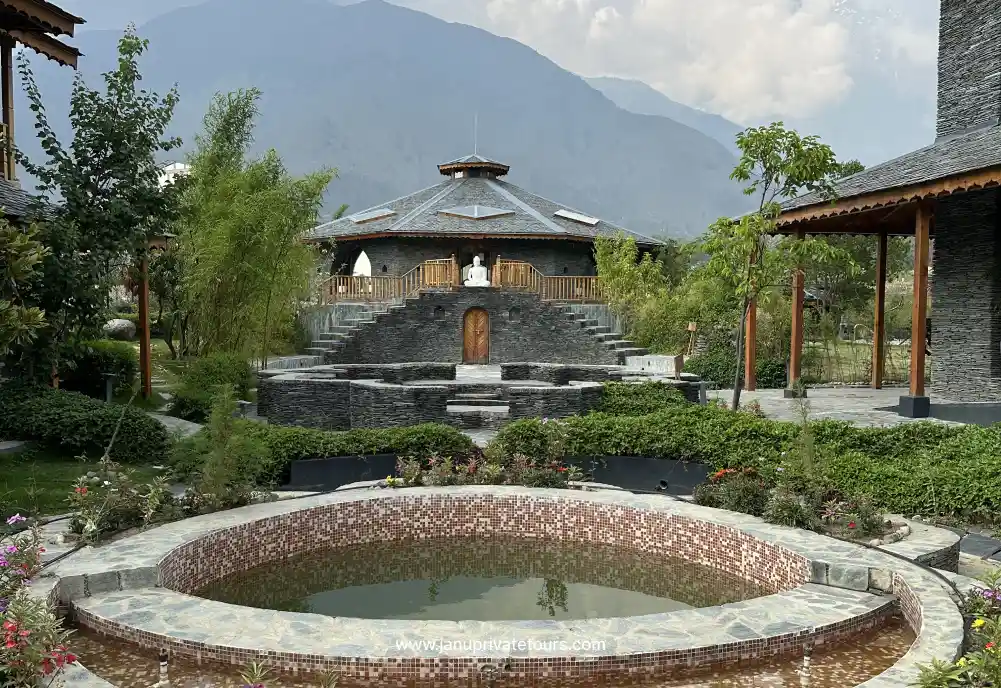
- Explore the Silence Dome for silent sittings
- Take time to adjust without rushing yourself
To be honest… your first day will surely feel different for everyone. You will feel relaxed.
Don’t worry. There’s no need to force yourself to feel peaceful immediately. Before you arrive, remember to check:
- Current arrival and check-in timings
- Programme dates and availability
- Silence rules and instructions
- What’s included in your stay
A little preparation can help you arrive feeling more comfortable and ready to experience your Osho retreat in Himachal Pradesh.
What Does a Typical Day of Silence at Osho Himalayas Look Like?
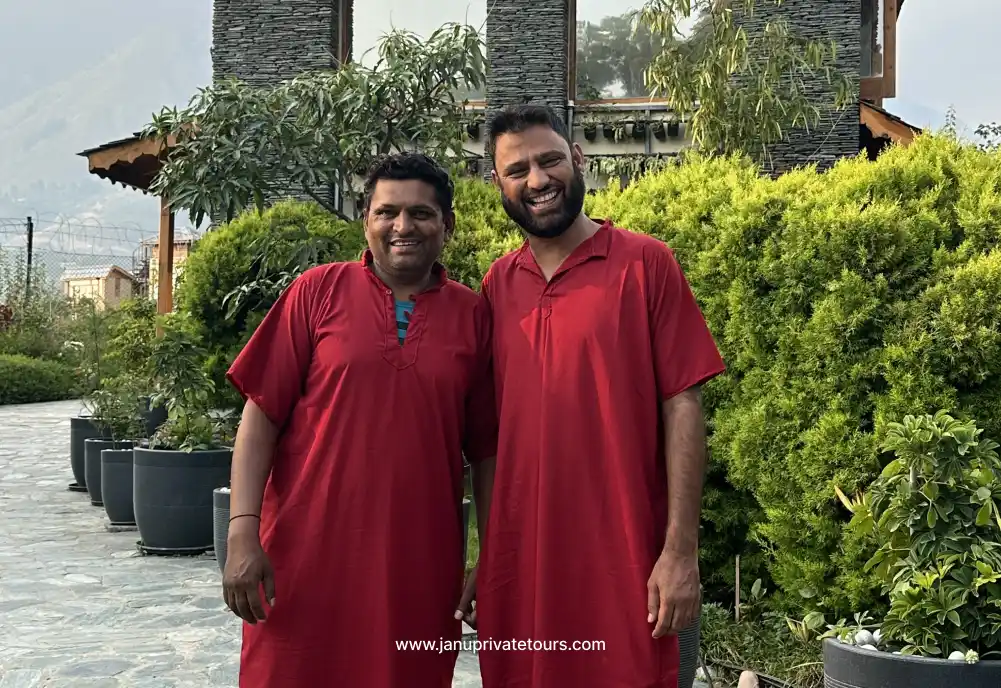
Curious about what you’ll do all day without talking? At the Osho Himalayas meditation retreat, your day will follow a simple rhythm of meditation and silent sitting and meals with breaks.
You’ll also have proper time to rest and enjoy these peaceful mountain surroundings.
A typical day may include:
- Early morning meditation sessions
- Silent sitting in the Silence Dome
- Breakfast, lunch, and dinner
- Short breaks between sessions
- Time to rest and recharge
- Evening meditation and quiet sitting
The exact schedule depends on the program, so check the latest timings and activities before booking your Osho Himalayas retreat.
Will Seven Days of Silence Feel Peaceful, Awkward, or Difficult at First?
“Seven days without chatting or following my boring routine? Will I actually manage?”
It’s normal if you are wondering how you’ll feel during an Osho Himalayas silent vacation.
Everyone experiences silence differently, especially when it’s new.
| You might feel | What to remember |
| Awkward at first | Give yourself time to adjust |
| Restless or bored | You don’t need to force calm |
| Distracted by thoughts | Your mind may stay busy |
| Missing everyday chats | Familiar habits take time to change |
| Calm at certain moments | Let the experience unfold naturally |
Do You Have to Meditate All Day? What About Meals, Rooms, and Free Time?
Are you wondering if meditation will be the main focus of your stay? The program you select will determine your day.
Osho Himalayas will offer you access to certain facilities and scheduled meditation sessions. Check your program’s schedule before making any reservation, as it limits the available free time and activities.
— Do You Get Any Free Time Between Meditation Sessions?
Your day will include scheduled meditation sessions along with meal breaks. You will have time to enjoy the resort’s shared facilities or relax between activities. It will depend on the program you select…
Make sure you check the spa treatments in detail, as well as other additional experiences separately, rather than assuming they are included.
- Swimming pool access
- Open-air gym
- Library with Osho books
- Spa and massage services
- Sauna and jacuzzi
- Float tank and bonfires
— What Will You Eat During Your Stay?
Osho Himalayas will include wholesome vegetarian food in its listed all-inclusive programs. The official website notes that eggs are sometimes served, too.
The restaurant offers Indian and international cuisines. If you have dietary restrictions or specific food needs, contact the retreat before booking to confirm what can be arranged.
- Wholesome vegetarian meals
- Indian and international cuisines
- Eggs served on some occasions
- Dietary needs confirmed in advance
— What Kind of Room Can You Book?
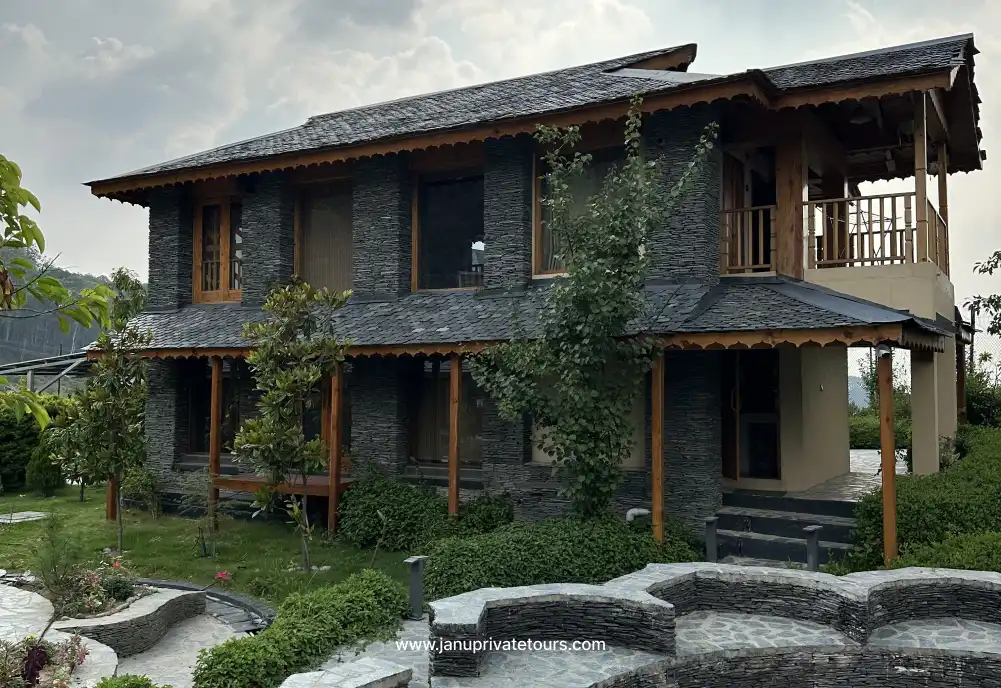
You can simply choose from shared accommodation and several private-room options. Room features and availability will vary, and that’s why you have to check the details for your dates.
- Shared dormitory for four guests
- Daya Rooms with mountain views
- Meera Rooms with private balconies
- Air conditioning and heating options
- Radha Rooms with panoramic views
— What’s Included in Your Booking?
Osho Himalayas offers all-inclusive packages for its listed programs. These can cover the course fee, accommodation, food, scheduled OSHO meditations, swimming pool access, library access, and open gym access.
Some program packages also list the Silence Dome and taxes. Inclusions vary by program, so check the exact package before booking.
- Course fee and accommodation
- Food during your stay
- Scheduled OSHO meditation sessions
- Swimming pool and library access
- Open gym access
Before you book:
Confirm your room type, meal arrangements, program schedule, as well as which facilities are included.
Don’t assume that every wellness treatment or even recreational activity is covered by the package.
Is an Osho Silent Retreat in India Suitable for Beginners?
Never tried meditation before? Don’t let that stop you from exploring an Osho silent retreat in India.
You don’t need to be an experienced meditator to consider the experience, but it’s important to choose a program that feels right for you.
A few things to keep in mind:
- No previous experience? Check the program’s entry requirements.
- Unsure about silence? Read the guidelines before booking.
- Worried about the routine? Review the daily schedule.
- Want a shorter introduction? Explore the available program options.
Actually, you really don’t need to figure out everything before you arrive. Just understand what’s expected and some questions you have to ask only that suit your comfort level and travel plans.
When Can You Join A Week in Silence, and How Should You Prepare?
Planning to visit the Osho Himalayas? Check the available dates before booking your flights and choose a program that actually fits your travel plans easily.
Before you go:
- Confirm dates and timings.
- Pack warm, comfortable clothes.
- Check silence guidelines.
- Confirm package inclusions.
- Arrange local transport.
How Can You Plan Your Osho Himalayas Retreat With Your India Trip?
Why choose between exploring India and taking time to slow down when you can experience both? Combine Delhi’s vibrant streets, the Taj Mahal in Agra, and a peaceful stay at Osho Himalayas in one personalized journey.
Janu Private Tours can help you arrange:
- Custom itineraries around your retreat dates
- Delhi and Agra sightseeing
- Train or flight connections
- Private transfers to the retreat
- Extra destinations before or after your stay
No matter if you are planning a week-long meditation retreat in India or a longer exciting adventure, we’ll help you customize the journey to your interests and travel pace. Every part of your trip will fit together comfortably with our team.
Thinking about India? Exciting… But where do you actually begin? Delhi and the Taj Mahal? Rajasthan’s royal palaces? Or maybe Varanasi’s spiritual charm and Kerala’s peaceful backwaters?
Wondering, “How do I fit my favorite places into one trip without spending half my holiday travelling?” Focus on what matters most!
Here’s the best option for you… You really don’t have to see all of India in just one go. You just need to match your journey to simply align with your travel interests and available time.
That’s where the best India tour packages from Canada with a private and flexible itinerary will work like magic for you.
In this guide, we’ll explore which tours will suit your different travel styles, how many days you actually need, what affects your budget, plus how to plan your leisurely India trip.
Now, let’s talk about the practical side…
Which India Tour Should You Choose for Your Travel Style?
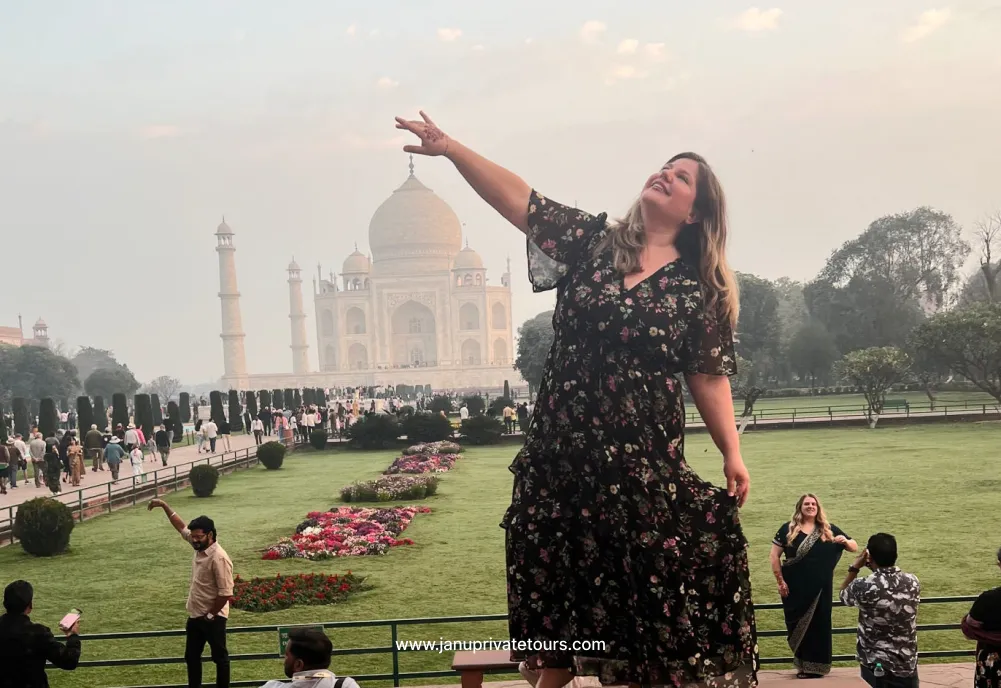
Flying from Canada is a big trip, so you’ll want to choose destinations that make your time in India worthwhile.
But what kind of experience are you actually looking for? Iconic Landmarks. Royal Palaces. Local Culture. Spiritual Experiences or a little bit of everything?
Here’s a simple comparison to help you find the right fit.
| Tour Option | Highlights | Best For | Ideal Duration |
| Golden Triangle Tour Package from Canada | Delhi, Taj Mahal, Jaipur forts | First-time visitors | 5–7 days |
| Rajasthan Tour Packages from Canada | Palaces, forts, desert culture | History and culture lovers | 7–12 days |
| Rajasthan Private Tour Packages from Canada | Flexible routes, private travel | Couples, families, small groups | 7–12 days |
| India Women’s Tour Packages from Canada | Cultural visits, flexible sightseeing | Solo women, women’s groups | Depends on itinerary |
| Golden Triangle with Varanasi | Iconic sights, Ganga Aarti | Culture and spirituality lovers | 7–10 days |
| Golden Triangle with Kerala | Heritage, backwaters, nature | Families, couples, nature lovers | 10–14 days |
| Customized Private India Tour | Destinations chosen around you | Flexible, personalized travel | Depends on itinerary |
Travel between cities and arrival or departure days can reduce sightseeing time. Still unsure which tour suits you? Think about what excites you most: the Taj Mahal, Rajasthan’s palaces, Varanasi’s spiritual charm, or Kerala’s backwaters.
You don’t have to see everything in one trip. Choose what matters most and build your itinerary around your vacation time.
How Many Days Do You Actually Need to Explore India?
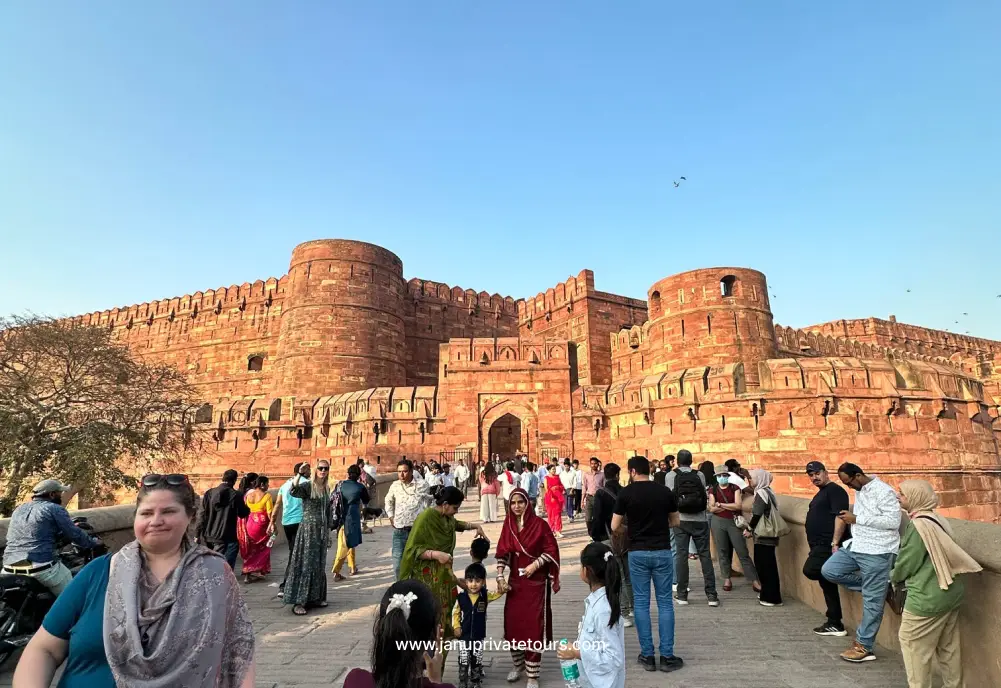
So, you’ve finally planned that trip from Canada… but how much time should you actually set aside for India? A week, two weeks, or maybe longer?
Well, it depends on how much you want to explore without turning your holiday into a race between cities.
▶ 7–10 Days: Want to See India’s Famous Highlights?
If this is your first trip to India and your vacation time is limited, start with Delhi, Agra, and Jaipur.
You’ll experience iconic monuments, local markets, and royal history without squeezing in too many destinations.
▶ 12–14 Days: Feel Like Exploring a Little More?
Got nearly two weeks? Great! You can go beyond the usual highlights and add Rajasthan’s heritage cities or Varanasi’s spiritual experiences.
Just choose your route carefully, so you have time to enjoy each stop.
- Rajasthan: Palaces and colorful markets
- Varanasi: Ghats and Ganga Aarti
- Extra time: Explore without rushing
▶ 2–3 Weeks: Why Not Experience More of India?
If you can take a longer break from work, you’ve got more freedom. Think about combining North India with Kerala or exploring Rajasthan in greater depth.
You won’t have to fit everything into a few busy days.
- North India: Heritage and culture
- Kerala: Backwaters and green landscapes
- Your pace: More time to unwind
And here’s something worth remembering: your first day may be spent recovering from a long flight, and travel between cities can eat into your sightseeing time. Plan for the experiences you want to enjoy…
What Can You Expect to Spend on India Tour Packages from Canada?
Planning your India trip or wondering how much to set aside? Here comes your budget, which will depend on the kind of holiday you actually have in mind.
Let’s look at what affects your travel tour cost before you even start comparing packages.
▶ What Affects Your Tour Cost?
A 7-day Golden Triangle trip will cost you differently from a 2-week Rajasthan adventure. Hotel choices, travel season, group size as well as the number of destinations, all make a difference.
| Cost factor | What changes the price? |
| Trip length | More days mean additional hotel nights and travel costs. |
| Hotels | Standard stays, heritage hotels, and luxury properties have different rates. |
| Destinations | Adding cities means more transport and accommodation. |
| Private travel | Vehicle type, distance, and guide services affect the cost. |
| Group size | Travelling with family or friends may help share vehicle costs. |
| Season | Popular travel periods can mean higher hotel rates. |
▶ What About Your Flight from Canada?
Your international flight is usually separate from your India land tour. Keep your return airfare in CAD as a separate budget item, along with any domestic flights needed for your itinerary.
▶ Is Everything Included in the Package?
Before you head to the booking process, check whether hotels, airport transfers, private transport, guides, meals, or monument tickets are covered or not.
Some packages include only selected services, so be careful and make sure you ask about extra-costing things such as tips, shopping, optional activities.
Here’s the best tip for you… Juat shares your travel dates and must-see places with our Janu Private Tours experts and request a personalized tour quote. This way, you can understand the costs before even committing.
Why Choose a Private India Tour Instead of a Fixed Group Package?
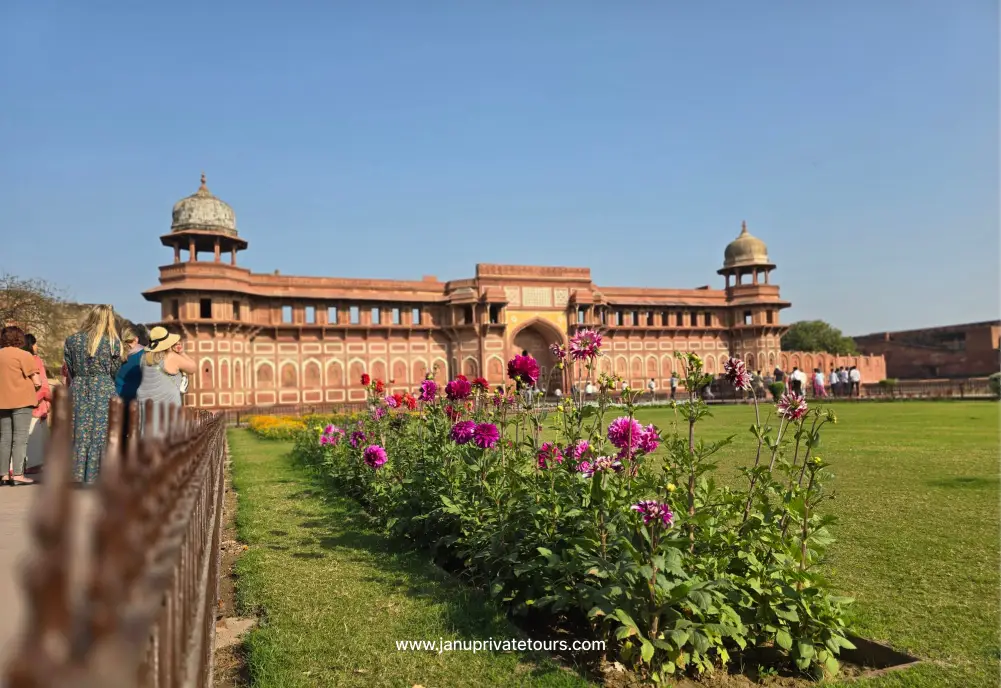
Wondering about joining a group tour? It can be a good option for you, but what if you want to spend longer at the Taj Mahal or choose hotels that genuinely fit your budget? India private tours from Canada will surely give you more flexibility in this:
- Choose your destinations: Your favorite places
- Travel at your pace: No rushing around
- Private transport: Comfort between cities
- Choose your hotels: Stays within budget
- Local experiences: Food, culture, and more
- Your travel needs: Couples, families, or friends
With a fixed group tour, you generally follow a set route and schedule. A private tour gives you more control over the details, while Janu Private Tours helps organize the journey around your interests and preferences.
What Should You Know Before Travelling from Canada to India?
First time travelling to India? You might be wondering what to pack, how to handle money, or what happens after that long flight.
Don’t worry, you don’t need to figure everything out at once. Here are a few things to sort out before you leave Canada.
| What Are You Wondering About? | Quick Tip for You |
| Long flight ahead? | Rest after landing. |
| Visa sorted? | Check official Indian visa requirements. |
| What should you pack? | Dress for the season and region. |
| How will you pay? | Carry some rupees and check card fees. |
| How will you get around? | Arrange transfers and long journeys ahead. |
| Local customs confusing? | Dress respectfully and ask before taking photos. |
One last thing: You don’t have to plan every little detail yourself. With your route and transfers organized in advance, you can spend less time worrying about logistics and more time enjoying your India trip.
Make Your India Trip Truly Yours With Janu Private Tours
Flying all the way from Canada? Make every day count! With Janu Private Tours, you can shape your India trip around the places and experiences you love.
- Add Varanasi to your Golden Triangle tour.
- Explore Rajasthan beyond the usual highlights.
- Choose hotels that fit your budget.
- Enjoy private transport and flexible sightseeing.
- Plan comfortably for couples or families.
Ready to plan your India adventure? Share your dates and dream destinations with Janu Private Tours, and our tour experts will start planning everything according to your customized trip.
Udaipur is one of the most beautiful places in Rajasthan that attracts tourists. It is famous for its breathtaking beauty, royal palaces, lively bazaars and cultural heritage. It is a great place to spend a romantic weekend, make a family trip, or have a short trip with friends. There are plenty of places to visit and activities to do. Moreover, you can explore the city and experience everything that Udaipur offers within two or three days.
The right Udaipur tour package will help you discover the full magnificence of the “City of Lakes”.
It keeps you from wasting time on the way from one attraction to the next. See the royal homes and ride a lakeboat. You can also see historic temples and try local cuisine.
Finding a fit between tourism and city exploration is crucial. The highlights of Udaipur are covered in a well-planned 2-day tour. Visit the city’s hidden small streets and panoramic views on a 3-day tour and learn about local culture. You can explore the various attractive sites of Udaipur by following this guide below:
Why Choose Udaipur for a Short Holiday?
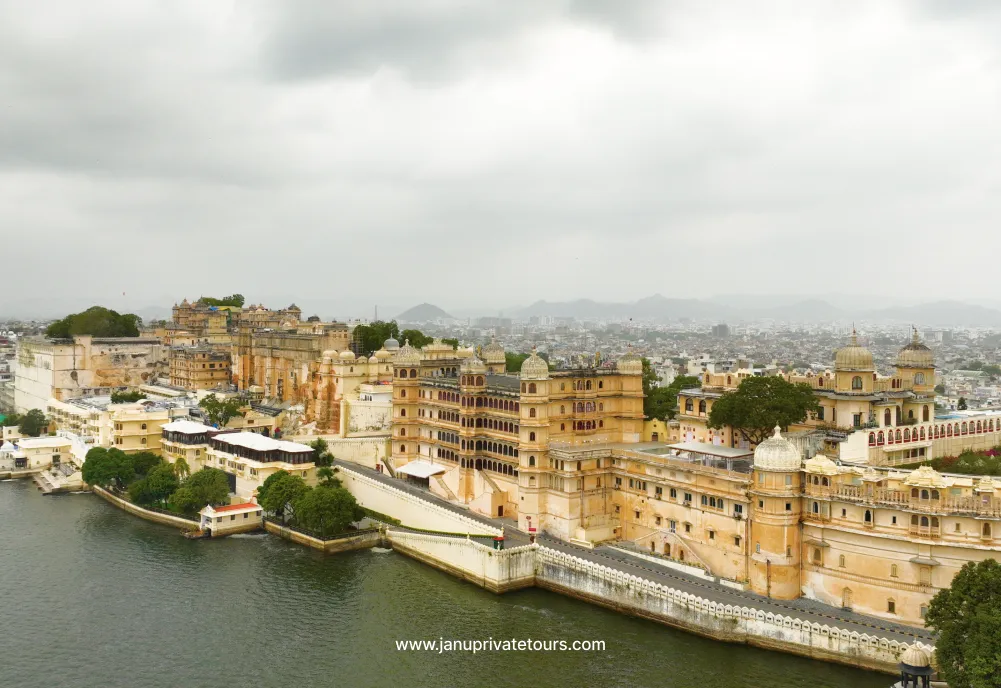
Udaipur is a combination of regal heritage, natural beauty and day-to-day Rajasthani living. Between attractions, you will need several days to visit wherever you go. The major sights of Udaipur may be seen in a rather compact itinerary.
This is why the city is a must-visit:
- Lakeside scenery
- Royal heritage
- Shopping finds
- Rajasthani flavours
- Culture and craft
- Peaceful evenings
A perfect Udaipur Tour Package is a combination of all these experiences, not merely landmarks. This way, you get to learn about the city’s history and experience its comfortable vibe.
Best Time to Plan Your Udaipur Tour Package
The most suitable season to visit Udaipur is from October to March. The weather during this period is more appropriate for sightseeing and outdoor activities.
| Season | What to expect | Travel advice |
| October to March | Pleasant weather and comfortable sightseeing conditions | Ideal for palace visits, walking tours and lakeside evenings |
| April to June | Hot afternoons and strong sunshine | Start early and plan indoor attractions during the hottest hours |
| July to September | Monsoon scenery and greener surroundings | Before traveling, check lake activities and weather |
Winter season is the best time to enjoy the locations of Udaipur. During this period, you will have the chance to visit the Udaipur locations calmly with your family, friends, or couples.
How to Plan a 2-Day Udaipur Tour Package
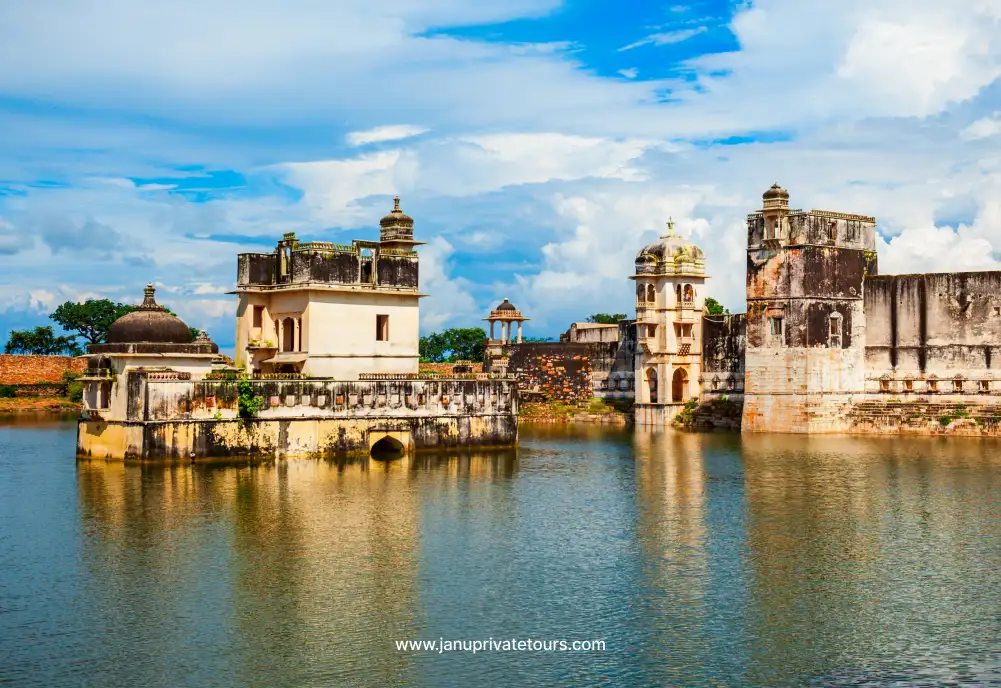
A 2-day Udaipur tour package from an authentic tour planner company like Janu Private Tours will allow you to enjoy freely. You can come solo or in a group to explore the attractive locations of Udaipur along with traditional themes.
Day 1: Explore Royal Palaces and Historic Landmarks
You should begin your first day by visiting the royal palaces situated across the river.
Morning: City Palace and Jagdish Temple
You can begin your trip with the charming landmark named City Palace. Mewar-era balconies, patios, museums and architecture decorate Lake Pichola’s vast royal complex.
Stone sculptures and ancient architecture make the Hindu Jagdish Temple famous. Early morning sightseeing is easy near City Palace.
Afternoon: Lake Pichola and Old City
Visit Lake Pichola after lunch. One of Udaipur’s most famous attractions, the lake overlooks palaces, ghats and hills. During this time, you can enjoy the following views:
- Boat rides are available
- Lake Palace and Jag Mandir have water views
- Enjoy evenings at ghats and lakes
- Leather shopping
- Artisan shopping
Walking tours in Udaipur’s Old City reveal traditional markets, local artisans and historic streets.
Evening: Sunset and Local Dining
You can eat dinner at a rooftop or lakeside restaurant. Rajasthani food enhances your day with its flavor and healthiness.
Day 2: Gardens, Scenic Lakes and Local Culture
The second day of the tour will be perfect to enjoy the natural scenes of the garden and lakes.
Morning: Saheliyon Ki Bari and Fateh Sagar Lake
You must begin your morning in the popular garden, Saheliyon Ki Bari. Tourists enjoy this historic park with its planted grounds, fountains and marble pavilions. The sides of Fateh Sagar Lake give a calm atmosphere for boat rides and photo sessions.
Afternoon: Museums and Traditional Arts
In the afternoon, you can enjoy the artistic value of Udaipur in its different museums:
- Bharatiya Lok Kala Mandal
- Vintage and Classic Car Museum
- Art Ahar Cenotaphs
Evening: Local Markets and Departure
You can spend your evening exploring local markets to buy attractive, handmade clothes and showpieces to keep your trip memories alive before departure.
A well-organised 2-day Udaipur tour package can make your moments enjoyable by visiting the main royal locations of Udaipur.
3-Day Udaipur Itinerary for a More Relaxed Experience
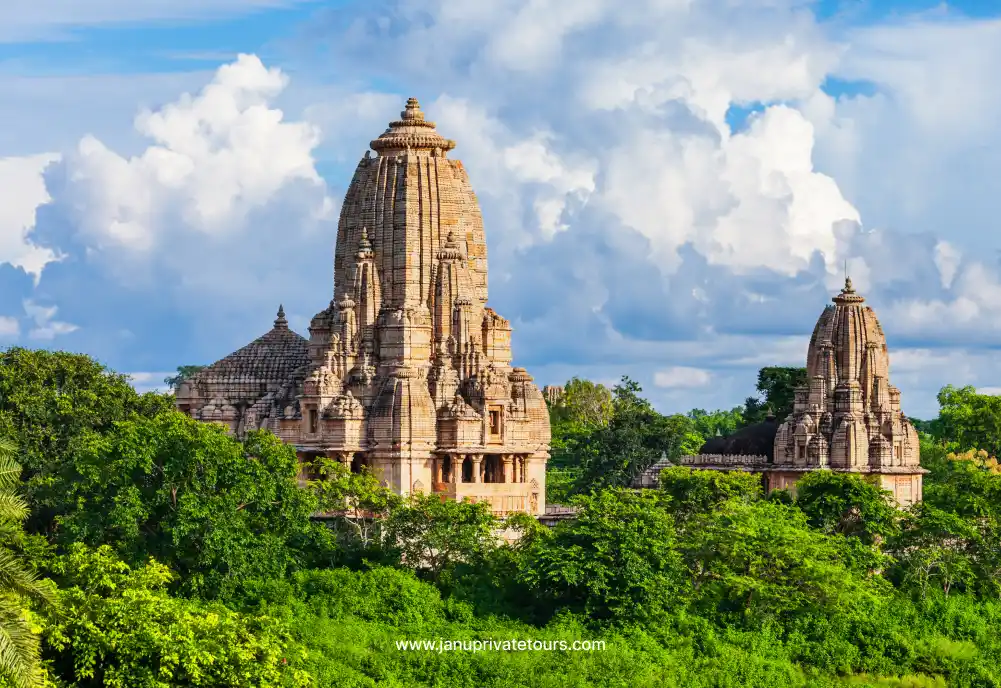
You can enjoy your 3-day Udaipur tour more easily. You can visit the historical landmarks of Udaipur. At the same time, you can enjoy the cultural themes and food of Udaipur with your family, friends, or couple.
Day 1: Discover Udaipur’s Royal Heritage
- City Palace has museums and courtyards.
- Enjoy Jagdish Temple’s architecture.
- Walk through historic city streets.
- Lake Pichola boat rides make the evening perfect.
- Lakefront restaurants for dinner.
Day 2: Explore Gardens, Lakes and Hilltop Views
- Early morning at Saheliyon Ki Bari.
- Beauty awaits at Fateh Sagar Lake.
- Discover the Vintage & Classic Car Museum or the Bharatiya Lok Kala Mandal.
- For panoramic views, visit Sajjangarh, the Monsoon Palace, if time and access allow.
- Taste local cuisine or see a show.
Day 3: Experience Local Life and Hidden Corners
Use your third day to enjoy a slower side of Udaipur instead of repeating the main sightseeing route.
- Explore the old bazaars
- Enjoy a heritage walk
- Try local cuisine
- Visit a local art or craft space
- Enjoy a relaxed lakeside afternoon
The 3-day Udaipur itinerary allows you to have a relaxed trip to Udaipur. By getting sufficient time for this tour package, you will enjoy the natural, historical and traditional aspects of Udaipur. At the same time, this tour will let you collect different memorable clicks and articles through photography and shopping.
2-Day vs. 3-Day Udaipur Tour Package: Which Is Better?
The right duration depends on how much you want to explore and how relaxed you want your holiday to feel.
| Feature | 2-day Udaipur tour package | 3-day Udaipur tour package |
| Best For | Weekend trips and short holidays | Relaxed holidays and deeper exploration |
| Main Attractions | City Palace, Jagdish Temple, Lake Pichola, Saheliyon Ki Bari and Fateh Sagar Lake | Main attractions plus markets, cultural experiences and additional viewpoints |
| Sightseeing Pace | Relatively busy | More comfortable |
| Local Experiences | Limited time for additional activities | More opportunities for walks, food and shopping |
| Flexibilty | Requires careful scheduling | Easier to adjust plans |
| Ideal Travellers | First-time visitors with limited time | Couples, families, photographers and culture enthusiasts |
Which should you choose?
Two days are enough to explore the top sights of Udaipur, whereas a 3-day tour package allows you to visit landmarks. The choice of Udaipur tour package depends upon the limits of your time and budget.
How to Make the Most of Your Udaipur City Tour
A well-planned Udaipur city trip should go beyond iconic monuments. Markets, local food, neighborhoods and customs make the city charming. Make your visit memorable with these tips:
1. Discover Old City’s Streets
The Old City’s stores and cafes are historic and architectural. Check out the City Palace and Jagdish Temple to round up the excursion.
2. Experience a Scenic Boat Ride on Lake Pichola
Boats reveal Udaipur’s palaces and riverfront. Beautiful late afternoon photography is slowed by weather, water and availability.
3. Taste Traditional Rajasthani Food
Make time for regional dishes such as:
- Dal baati churma
- Gatte ki sabzi
- Ker sangri
- Pyaaz kachori
- Ghewar and other local sweets
Ask residents or your guide for recommendations that suit your taste and budget.
4. Shop for Local Handicrafts
Udaipur markets are widely popular for various articles. It includes paintings, jewelry, textiles and handicrafts. You can make your best collections of these articles during your trip to Udaipur.
5. Include a Cultural Performance
Traditional folk dances or puppet shows are very attractive to tourists. They are a special part of Rajasthan’s art and a source of income for the residents.
Why Choose a Private Udaipur Tour Package?
A personalized Udaipur tour package offers more flexibility than a set itinerary. It helps when you have two or three days to see the city at your own speed. Here are the benefits that you can get by choosing a private Udaipur tour package:
- Flexible timing
- Personalised sightseeing
- Convenient transfers
- Local guidance
- Comfortable travel
It would be better to compare and select an affordable private Udaipur tour package based on different criteria. This will make your trip safe and memorable from arrival to departure.
Is an Udaipur Tour with Driver Worth It?
You can make your short trip easier by choosing an authentic Udaipur tour with driver. This package saves you time. How? An experienced local driver covers the essential locations of the city for your trip.
Through this plan, you don’t have to hire a cab again and again to different destinations. You can easily travel from City Palace to Fateh Sagar Lake to Saheliyon Ki Bari and other places in a short period. Besides this, the driver will help you with your arrival and pick-up from railway stations or airports.
Before you confirm your transportation, check the following facts:
- Ensure vehicle type, capacity and safety.
- Check for fuel, tolls and taxes as per distance.
- Investigate hotel, airport and train station pickup and drop-off facilities.
- Find out if monument access and boat cruises are included.
- Check the profile of the driver to see whether they are good for sightseeing.
- Tell us your favorite sights so we can plan the route.
Private vehicles allow travelers to see more in a short time. However, some parts of the old city are better visited on foot, so driving and walking works nicely.
You can compare the sightseeing arrangements offered through this Udaipur Sightseeing Tour when planning your transport and attractions.
Practical Tips Before Booking Your Udaipur Tour Package
You can enjoy your vacation more and waste less time traveling if you do a little planning ahead. Here are some of the important tips that you should follow before booking:
- Book your accommodation early
- Check attraction timings
- Plan your arrival and departure
- Carry comfortable footwear
- Dress appropriately
- Carry water and sun protection
- Keep some flexibility
Conclusion
You may find royal palaces, see the sunset on Lake Pichola, find local shops and eat traditional Rajasthani food. Investing your time and money in an Udaipur tour package will provide you with a lovely experience. You will get the opportunity to collect traditional jewelry, decor items and clothes. Your taste buds will be refreshed with the new Rajasthani spicy dishes along with different desserts.
Udaipur might be different every day. It’s easy to see all the important sights in 2 days with an Udaipur tour plan. With three days, you can take your time and explore at your convenience.
Travelers who want organized sightseeing, private transportation and custom-made travel plans can choose from Udaipur sightseeing experiences and premium Rajasthan tour choices through Janu Private Tours. Visit the official Janu Private Tours website to find out more about the services they offer and to plan a trip to Udaipur that includes lakes, palaces and real experiences with the locals.
Frequently Asked Questions
How many days are enough to explore Udaipur?
Two days are enough for major attractions, while three days allow more time for local experiences.
What are the best places to include in a Udaipur Tour Package?
Visit City Palace, Jagdish Temple, Lake Pichola, Saheliyon Ki Bari and Fateh Sagar Lake.
What is the best time to book a Udaipur Tour Package?
October to March is ideal for sightseeing because the weather is generally pleasant.
Is a 2-day Udaipur tour package enough for first-time visitors?
Yes, two days are enough to explore Udaipur’s main palaces, temples, lakes and gardens.
What can I do during a 3-day Udaipur itinerary?
Explore historic sites, enjoy boat rides, visit local markets, taste Rajasthani food and discover local crafts.
Why should I choose a private Udaipur tour package?
It offers flexible timings, comfortable transportation, personalized sightseeing and local guidance.
Is booking a Udaipur tour with a driver a good idea?
Yes, it makes travel between attractions easier and saves time during your trip.
What local food should I try during my Udaipur tour?
Try dal baati churma, gatte ki sabzi, ker sangri, pyaaz kachori and ghewar.
What activities can I enjoy during a Udaipur city tour?
Enjoy lake boat rides, heritage walks, local shopping, cultural performances and traditional Rajasthani dining.
What should I check before booking a Udaipur Tour Package?
Check the itinerary, accommodation, transportation, pickup and drop-off services, attraction fees and inclusions.
What if the real magic of Diwali in India lies elsewhere? While the vibrant imagery of diyas, fireworks and sweets that instantly comes to mind when talking about Diwali is indeed quintessential, it only constitutes part of a rich five-day celebration.
Diwali in India in 2026 will occur on 8 November. In addition to providing an overview of traditions associated with the festival of lights, this article will assist you in selecting the most rewarding destinations for experiencing Diwali in India. Furthermore, learn how to turn your Diwali trip into an unforgettable adventure.
What Diwali Actually Celebrates
Diwali is the “festival of lights,” celebrating the victory of light over darkness and good over evil. Different regions have different stories about it:
- North India: Lord Rama’s return to Ayodhya after 14 years of exile.
- West India (especially Gujarat and Rajasthan: Adoration of the Goddess Lakshmi and the commencement of the new business year.
- East India (Bengal): Kali Puja, worshiping the terrible goddess on the darkest night.
- South India: the dawn celebration of Lord Krishna’s vanquish of the demon Narakasura, with oil baths and new garments.
This is why each place in India has a different Diwali ambiance. From different points of view, the same festival has different personalities.
The Five Days of Diwali: Customs Worth Knowing
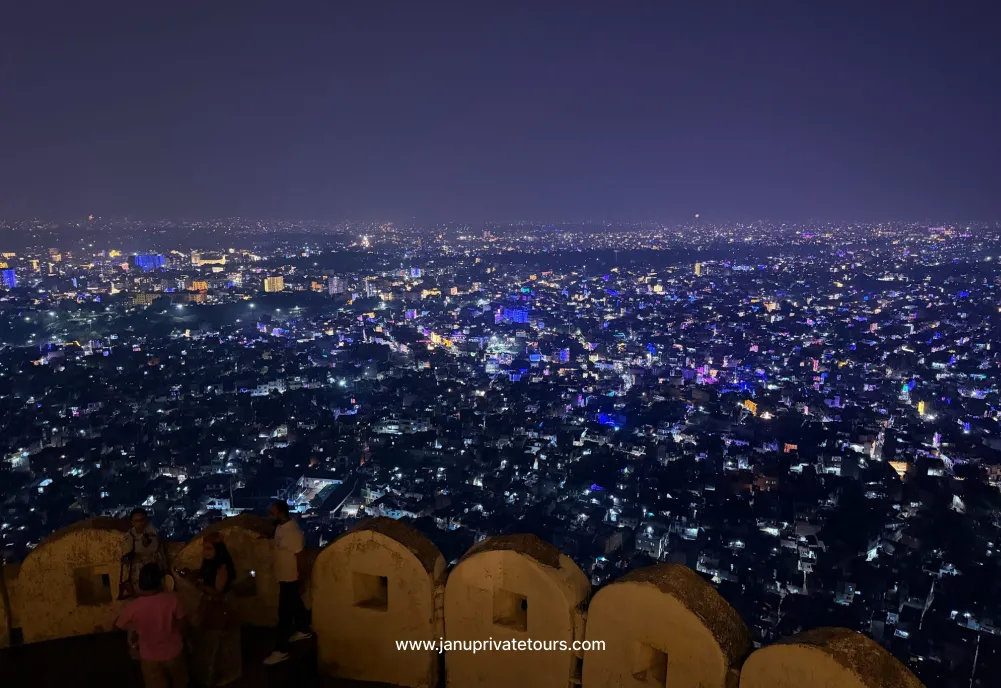
The event lasts for five days, but many people only stay for one night.
| Day | Festival Celebrated | What Happens |
| Day-1 | Dhanteras | People buy gold, silver, or new utensils for good fortune. Homes are cleaned and lamps are lit for Lakshmi. |
| Day-2 | Choti Diwali / Naraka Chaturdashi | Small lamps are lit, rangoli patterns are drawn and families prepare for the main night. |
| Day-3 | Diwali / Lakshmi Puja | The main day. Families perform Lakshmi Puja, light hundreds of diyas, exchange sweets and watch fireworks. |
| Day-4 | Govardhan Puja / Annakut | Temples offer mountains of food to the deity. In Gujarat and parts of Rajasthan, it marks the New Year. |
| Day-5 | Bhai Dooj | Brothers and sisters celebrate their bond with prayers, gifts and shared meals. |
Customs you’ll see
- Rangoli: To welcome prosperity, people decorate their front doors with intricate designs made of powder, petals and rice.
- Diyas and lanterns: Clay lamps dot windowsills, balconies, rooftops and banks of rivers.
- Lakshmi Puja: A prayer for riches and wellbeing offered in the evening that can be conducted at home or the office.
- Sweet exchanges: Families, friends and even strangers eagerly swap boxes of kaju katli, jalebi and laddoo.
- New clothes and cleaning: An ideal opportunity to refresh one’s image ahead of the celebration.
The best thing about these traditions for tourists is their warmth. At the first meeting, they are invited to the house, offered sweets and wished “Shubh Deepavali”.
Cities Where Diwali in India Feels Most Special
Each city offers a different mood. Here’s a quick comparison to help you choose.
| City | Best For | Diwali Highlights |
| Jaipur | Royal heritage and markets | Illuminated bazaars such as Johari Bazaar and Bapu Bazaar, glowing forts and festive shopping |
| Varanasi | A spiritual Diwali experience | Ganga Aarti, rows of diyas on the ghats and Dev Deepawali, which follows 15 days after Diwali |
| Delhi | Big-city festivities | Market lights in Old Delhi, grand home celebrations and sweet shops at their peak |
| Amritsar | Faith and devotion | The Golden Temple glowing at night during Bandi Chhor Divas |
| Udaipur | Romance and lakes | Lamps reflected on Lake Pichola and illuminated palaces |
| Kolkata | Cultural contrast | Kali Puja pandals, art and a night-long atmosphere |
Jaipur: the Pink City in festive gold
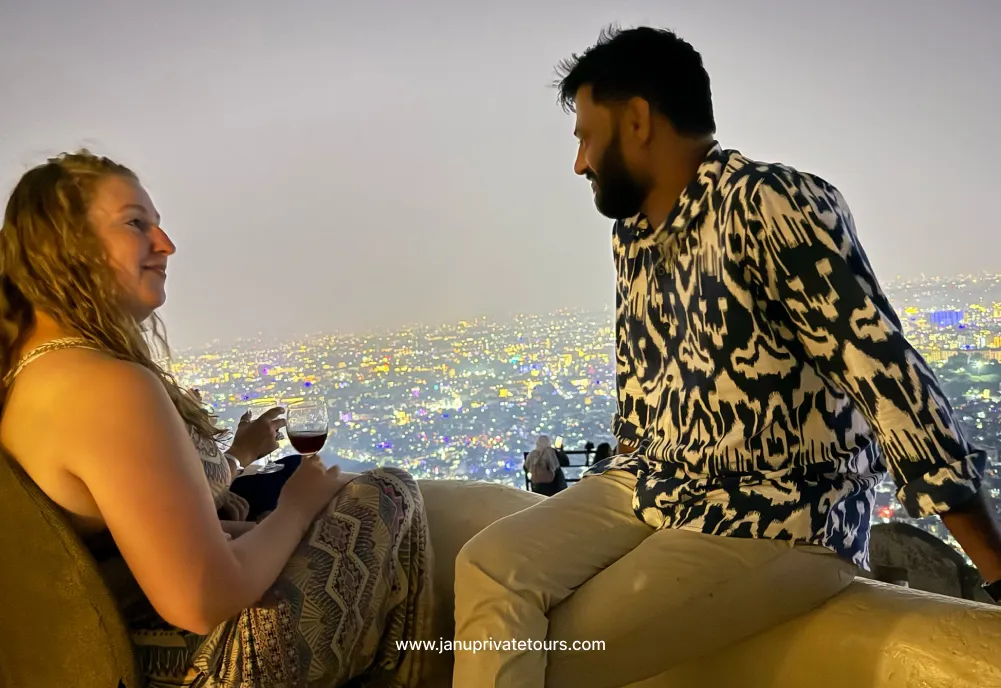
For Diwali in India, Jaipur is among the most beautiful places, where you can enjoy and capture lovely moments. The markets of Jaipur’s old quarter are illuminated during the night by thousands of softly glowing lamps, creating a magical atmosphere. The bazaars are crowded with people shopping for sweets, gifts and lamps.
A private night tour of Jaipur includes a discovery of the illuminated streets and is called Jaipur After Dark: Premium Night Tour.
A private buying tour of Jaipur’s Hidden Markets is a great way to find real diyas, textiles and holiday gifts. Looking for more ideas? Check out Jaipur’s things to do.
Varanasi: where faith meets fire and water
Varanasi is the best place to be for an authentic spiritual Diwali experience. In India, the evening aarti is one of the most moving ceremonies. Thousands of lamps float down the Ganga. There are longer stays available on the Varanasi tour pages. The Ganga Aarti Evening Tour lets you view it with a guide who can explain what it all means.
Delhi and Agra: festival meets history
In Delhi, you can spend the day in Old Delhi among the lanterns and at Humayun’s Tomb, which is full of Mughal grandeur. Many people keep going to Agra to see the Taj Mahal and then on to Jaipur. The Golden Triangle tour is so great for visiting during festivals.
Udaipur and Amritsar: quieter, more reflective
Udaipur tour goes nicely with Rajasthan Itineraries. When lit, Udaipur’s lakeside palaces look enchanting. The atmosphere in Amritsar is very different during Bandi Chhor Divas. The Golden Temple is all lit up on this day, which falls on the same day as Diwali.
Experiences That Go Beyond the Fireworks
If you’re going on Diwali travel India-style, build in some time beyond the major night:
- Shop the festival bazaars: Explore markets filled with diyas, torans, glittering textiles and snacks.
- Learn rangoli: Many local families and artists are happy to show how it’s done.
- Taste festive food: Try the freshly produced mithai, namkeen and local thalis.
- Attend an evening aarti: Diwali week is the most atmospheric time to visit temples and river banks.
- Visit a home celebration: If you’re lucky enough to be invited, accept. It’s often the highlight of the trip.
- Watch the city from above: The best places to see fireworks and lit-up cities are from restaurant rooftops and hotel terraces.
With these little touches, a trip becomes a real Indian festival experience. Instead of just a trip to see the places, it unfolds against the background of a festival.
Planning Diwali Travel in India: Practical Tips
Diwali is a busy time; therefore, a little preparation helps a lot. Here are some of the important tips for planning your Diwali tour:
- Book early
- Expect crowds and traffic
- Dress respectfully
- Be mindful of fireworks
- Carry small gifts
- Hire a local guide
Sample Diwali route ideas
| Trip Length | Suggested Route | Ideal For |
| 5–6 days | Delhi → Agra → Jaipur | First-time visitors who want culture and the Taj Mahal |
| 8–10 days | Delhi → Agra → Jaipur → Udaipur | Travellers who want palaces and lakeside evenings |
| 10–11 days | Delhi → Agra → Jaipur → Varanasi | Those seeking a spiritual Diwali experience alongside heritage |
If you want a ready-made alternative, the Diwali festive Tour India is designed around this kind of festive excursion. You can also view the whole Festivals in India collection, or check out the spiritual tours in India for lengthier pilgrimage-style excursions.
Why Diwali in India Is Worth the Journey
There are many festivals that are beautiful to look at. One thing that makes Diwali in India unique is how individualistic it feels. You’re not just standing there and watching. People in stores give you sweets, families welcome you to light a diya and strangers tell you how blessed they are. Of course the lights are gorgeous, but what stays with you is how kind everyone was.
If you’re here for Diwali, it’s worth seeing others too. For example, Holi is an entirely distinct, vibrant Indian festival experience. You may browse the Holi Festival Tour Package 2027 when you’re ready to plan. The travel site also provides recommendations on destinations, routes and planning for further ideas.
Conclusion
Diwali in India is a holiday that brings family and friends closer to celebrate light and happiness with each other. There is the taste of sweets and meals, the look of flowers and colors and many other things. Your trip can be very different depending on the city, guide and plans you make. If you plan it right, you can enjoy the royal beauty of Jaipur, the spiritual atmosphere of Varanasi, or both on a Golden Triangle tour. These things can all be planned to go with the event. Expert planning helps you make the most of the festival itineraries. This approach lets you avoid the stress of crowds and logistics.
These are the services that Janu Private Tours offer. We have been providing our services since 2002 and have gained more than 1700 five-star reviews on TripAdvisor. We offer a personalized tour of the city with professional local guides, transportation in private vehicles and round-the-clock assistance. With them, you can plan and book your holiday both on weekends and during holidays. We offer many packages, including Diwali Festival Tour India. Alternatively, you can choose your own adventure with their local guides in Rajasthan, North India, or any other destination. Just pick a date for your trip and tell them what activity you want to do to have a stress-free and fantastic experience.
Ready to plan your festival getaway? To get a customized itinerary visit januprivatetours.com or write to inquiry@januprivatetours.com.
Frequently Asked Questions
1. When is Diwali in India in 2026?
Diwali in India will be celebrated on 8 November 2026.
2. Why is Diwali known as the Festival of Lights?
Diwali symbolizes the victory of light over darkness and good over evil. People light diyas, decorate their homes and pray for prosperity and happiness.
3. How many days does the Diwali festival last?
Diwali is traditionally celebrated over five days, from Dhanteras to Bhai Dooj, with different customs observed each day.
4. Which city is best for experiencing Diwali in India?
Jaipur is ideal for illuminated markets and royal heritage, while Varanasi offers spiritual experiences. Udaipur, Delhi, Amritsar and Kolkata also provide unique celebrations.
5. What are the best things to do during Diwali in India?
Explore festive markets, admire decorated streets, try traditional sweets, learn rangoli-making, attend an evening aarti and experience local celebrations.
6. Is Diwali a good time to visit India?
Yes, Diwali is a wonderful time to experience Indian culture, traditions, food and festivities. However, expect crowds and busy travel routes.
7. How many days should I plan for a Diwali trip to India?
A 5–6-day trip is suitable for Delhi, Agra and Jaipur. An 8–11-day itinerary allows you to explore additional destinations such as Udaipur or Varanasi.
8. What should I pack for a Diwali trip to India?
Pack comfortable clothing, respectful outfits for religious sites, walking shoes, personal essentials and any necessary travel documents.
9. Should I book my Diwali tour in advance?
Yes, booking flights, hotels, transportation and guided tours early is recommended because Diwali is a popular travel period.
10. Can I book a private Diwali tour in India?
Yes, Janu Private Tours offers personalized itineraries, private transportation and local guides to help you experience Diwali in India comfortably. Visit januprivatetours.com to explore your options.
You’ve seen the Taj Mahal, heard stories of Jaipur’s royal forts, and also explored Delhi’s history.
But what about watching the Ganga Aarti in Varanasi?
Why not take a sunrise boat ride on the Ganges and walk through ancient lanes to witness these centuries of life?
A Golden Triangle Tour with Varanasi will bring these experiences together.
In this complete tour guide, we’ll dig deeper into how many days you actually need, the best way to travel from Jaipur to Varanasi, what not to miss so that you won’t regret it, and what your GTT with Varanasi tour package should include to make the journey genuinely worth it.
Let’s get started…
Why Add Varanasi to Your Golden Triangle Tour, and How Many Days Do You Need?
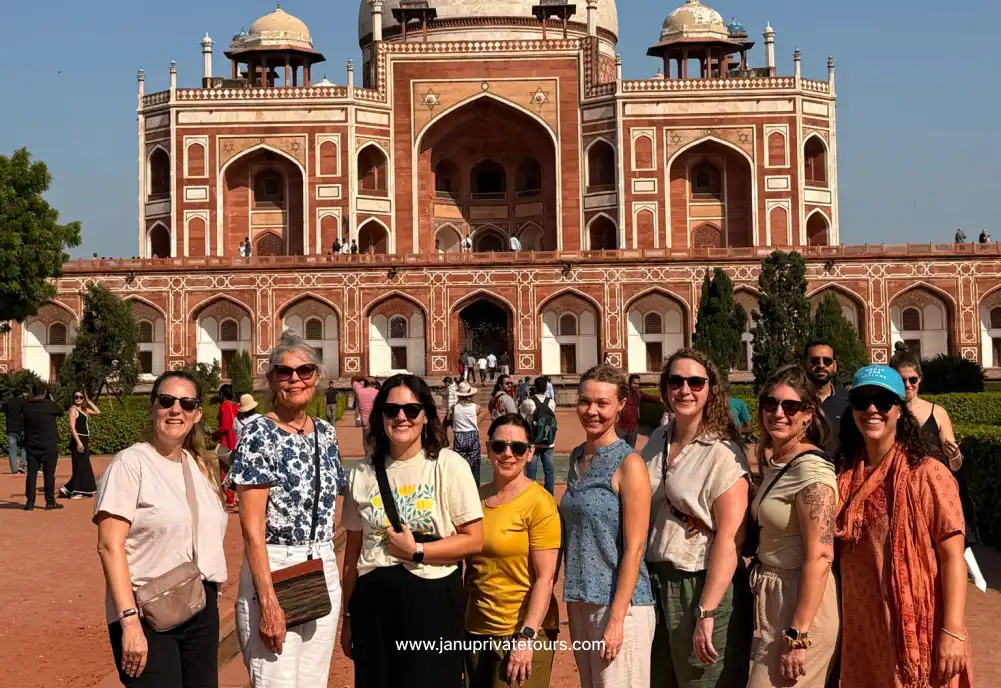
Seen Delhi’s busy streets, or the Taj Mahal in Agra, or even Jaipur’s royal forts? Now let’s add Varanasi, where you can enjoy a glowing sunrise over the Ganges with ancient lanes and experience the mesmerizing evening Ganga Aarti.
For this, you actually need seven to eight days if you deeply want to immerse yourself in these main attractions.
Golden Triangle with Varanasi Itinerary: An 8-Day Plan
| Day | Destination | Main Experiences |
| 1 | Delhi | Arrival, rest, and nearby sights |
| 2 | Delhi | Old Delhi, Jama Masjid, India Gate, and local markets |
| 3 | Agra | Travel from Delhi, visit Agra Fort, and explore the city |
| 4 | Agra to Jaipur | Sunrise Taj Mahal visit, then travel to Jaipur |
| 5 | Jaipur | Amber Fort, City Palace, Hawa Mahal, and local crafts |
| 6 | Jaipur to Varanasi | Flight or connecting journey; evening Ganga Aarti if timing allows |
| 7 | Varanasi | Sunrise boat ride, old city lanes, and temple visits |
| 8 | Varanasi and departure | Sarnath only if your departure time allows; otherwise, onward travel |
|
What Should You Actually See and Do in Varanasi?
Coming all the way to Varanasi? Then don’t just visit a temple and walk away. Give yourself a little more time to explore its old lanes as well as experience the rituals. This actually makes this place so different from Delhi, Agra, Jaipur.
Here are five experiences I’d strongly recommend adding to your itinerary.
— Watch the Ganga Aarti Up Close
Make your way to Dashashwamedh Ghat in the evening. You’ll see priests performing rituals with large lamps as chants fill the air and crowds gather along the river. My advice? Arrive early to find a good viewing spot, especially during festivals.
— Take a Sunrise Boat Ride
Set your alarm early for this one. As your boat moves along the Ganges, you’ll see the ghats come alive with morning prayers and locals beginning their day. It’s a wonderful way to see Varanasi from a different angle.
— Explore the Old City Lanes
Leave some time to wander through the narrow streets around the ghats. You’ll come across: Flower Sellers. Little Shrines. Traditional Shops. Tempting Local Snacks. So don’t rush from one landmark to another.
— Visit Kashi Vishwanath Temple
Want to understand Varanasi’s religious importance? You have to make time for this revered Shiva temple. Make sure you check the latest entry rules and security restrictions before you visit.
— Discover Buddhist Heritage at Sarnath
Want a quieter experience after the busy riverfront? You can simply head to Sarnath, where Buddha delivered his first sermon. You will feel the soothing peace and the place will show you something completely different from the world.
Here you can explore its stupas and ancient remains and enjoy a different perspective on the spiritual history of this region.
Should You Watch Ganga Aarti from the Ghats or a Boat?
From both, you can see and feel the enchanting Ganga Aarti. It’s all your choice whether you prefer being closer or watching it from the river.
| From the Ghats | From a Boat |
| Closer view of rituals | Wider view of riverfront |
| Feel the crowd’s energy | Watch from the water |
| Heavy crowds, limited space | Depends on boat availability |
| Best for an up-close experience | Best for panoramic views |
My tip: Choose the ghats for a closer experience or a boat for wider views. Confirm boat prices before boarding and allow extra time during busy periods.
How Many Days Do You Need, and When Should You Go?
Planning your Golden Triangle Tour with Varanasi? Two things can make a big difference: how much time you have and when you travel.
You’ll need to balance sightseeing across four cities with travel time and the experiences you don’t want to miss.
How long should you stay?
| Trip Length | What to Expect |
| 6 days | Fast-paced highlights |
| 7–8 days | More balanced sightseeing |
| 9–10 days | Extra time to explore |
Remember, your arrival and departure days count too. A seven-day package doesn’t mean seven full days of sightseeing, especially when you’re travelling between cities.
When should you visit?
— October to March:
Generally more comfortable for sightseeing and exploring outdoors.
— April to June:
Expect intense heat, so plan outdoor visits for mornings and late afternoons.
— July to September:
Monsoon rain and changing river conditions may affect travel and boat rides.
Want to experience a major festival? It can add something special to your trip, but expect larger crowds and higher demand for hotels and transport. Book ahead and keep your plans flexible, especially in Varanasi.
What Should You Know Before Visiting Varanasi?
A little planning can make your Varanasi visit much easier, especially if it’s your first time in the city. The lanes can get crowded, and temple rules may also change from time to time…
Keep these simple tips in mind so simply you can enjoy the experience without unnecessary stress.
- Wear comfortable walking shoes
- Allow extra time for crowds
- Check temple entry and phone rules
- Confirm boat prices before boarding
- Respect local religious customs
- Ask before taking people’s photos
- Plan for older travelers’ comfort
One extra tip: Travelling with older family members? Plan shorter walking routes and check access arrangements beforehand. Some ghats and narrow lanes involve steps or uneven surfaces, so a little preparation will surely help you.
What Should Your Golden Triangle Tour Package Include?
Not every Golden Triangle Tour Package will cover the same things. Before booking, check whether your hotels, breakfast, private transport, airport transfers, guides, monument tickets, meals are simply included.
Also confirm how you’ll travel from Jaipur to Varanasi and whether boat rides or other activities cost extra. With Janu Private Tours, you can simply customize your Golden Triangle Tour with Varanasi around your travel style.
Want some more time exploring Jaipur’s markets, another morning in Varanasi, comfortable hotels, or a slower pace? Our tour guide will help customize the route, transport, guides, local experiences to suit your priorities.
Before confirming your package, check:
- Hotels: Category and breakfast
- Transport: Private vehicle and transfers
- Sightseeing: Guides and entry tickets
- Varanasi: Boat rides and activities
- Intercity travel: Jaipur to Varanasi
- Extra costs: Meals and exclusions
Ask for a written cost breakdown, so you know exactly what’s covered. Comparing the total expected cost will surely help you choose a package that fits both your budget and the experience you want.
Why Plan Your Journey with Janu Private Tours?
Explore Delhi, Agra, Jaipur, and Varanasi with a journey customized to your time, interests, and comfort. Janu Private Tours helps you plan the route and enjoy each destination at your own pace.
- Routes Tailored to Your Schedule
- Smooth Transfers Between Cities
- Flexible Sightseeing at Your Pace
- Clear Costs Before You Book
- Local Support Throughout Your Journey
Ready to plan your trip? Share your travel dates and preferred pace with Janu Private Tours to start planning your journey.
FAQs About the Golden Triangle Tour with Varanasi
1. How many days do you need for a Golden Triangle Tour with Varanasi?
Seven to eight days is a good starting point. If you prefer a relaxed trip, plan for nine to ten days.
2. Can you cover the Golden Triangle with Varanasi in 6 days?
Yes, but it will feel rushed. You’ll have less time to explore each city and may need to prioritize the main attractions.
3. What is the best time to visit Varanasi?
October to March is generally best for comfortable sightseeing. If you’re visiting during a major festival, book your hotels and transport early.
4. How do you travel from Jaipur to Varanasi?
Flying is usually the quickest option. Train travel is another possibility, but check schedules and journey times before finalizing your itinerary.
5. Is the Ganga Aarti included in a Varanasi tour package?
It depends on your package. Ask whether Ganga Aarti visits, boat rides, local guides, and transfers are included or cost extra.
6. Can you customize a Golden Triangle Tour with Varanasi?
Yes. With Janu Private Tours, you can simply customize your travel dates, hotels, sightseeing, transport, and pace to suit your preferences.
Jaipur, commonly known as the Pink City, is a land of grandeur, with opulent forts, palaces, bustling bazaars, rich culture and delicious food. A lot of travelers want to know how to quickly see all the most important sights. A Jaipur Tour Package can help them plan and simplify their trip.
With private tours, one can explore at their own pace, be it a 2-day tour or a 4-day tour. As there is no strict schedule to follow, itineraries can be created keeping in mind your personal preferences. You may want to relax and do other things apart from sightseeing, such as shopping and local dining.
A Jaipur Tour Package could include private transfers and hotel pickups and drop-offs, sightseeing and local tours with a guide and heritage walks. It may also feature food tasting, shopping stops and more. So what should you include in a 2-day Jaipur tour package or 3-day Jaipur tour package, or a four-day private tour of Jaipur? Here is a sample itinerary.
What Should a Jaipur Tour Package Include?
Before you decide on how many days to plan for, it helps to know what experiences make a Jaipur trip perfect. A nice Jaipur Tour Package can include:
- Amber Fort and Jaipur’s royal heritage
- City Palace and its historic courtyards
- Hawa Mahal and its famous pink façade
- Jantar Mantar and Jaipur’s astronomical heritage
- Jal Mahal and scenic photography stops
- Nahargarh Fort and panoramic city views
- Jaipur Old City and local neighbourhoods
- Traditional Rajasthani food
- Local bazaars and handicraft shopping
- Evening sightseeing and illuminated monuments
- Private, chauffeur-driven transportation
- Guided experiences for deeper historical and cultural understanding
2-Day Jaipur Tour Package: The Essentials
If you have only two days, concentrate on the most important royal sights of Jaipur and then a sample of its local culture.
If it’s your first time visiting Jaipur, a 2-day Jaipur tour package is great. Whether you’re a couple, a family, or adding Jaipur to a longer Rajasthan or Golden Triangle trip, this package works perfectly for you.
Day 1: Forts, Palaces and Iconic Jaipur
Start your first day with the city’s major heritage attractions.
Morning
Starting with Amber Fort, one of Jaipur’s most beautiful monuments. Here, visitors can see the royal palace, court, great architecture and panoramic vistas.
Panna Meena ka Kund, Jal Mahal and Man Sagar Lake are the best locations to click nice shots for your memorable trips.
Afternoon
You can enjoy the real regal heritage of Jaipur by visiting its unique historic architecture after your lunch.
Head to Jantar Mantar, the ancient astronomical observatory erected by Maharaja Sawai Jai Singh II.
Evening
Explore Hawa Mahal in Jaipur to end the day. This palace’s renowned façade makes for a superb photo. You can enjoy the lovely view of the local market in the evening.
Day 2: Old City, Culture and Local Experiences
The second day can move beyond the major monuments and introduce you to Jaipur’s everyday culture. On the second day, you can walk around the Old City and see more of it. This will let you know about various traditional facts of the city like:
- Local street-food tasting
- Johari Bazaar and Bapu Bazaar
- Traditional textiles and handicrafts
- Jewellery shopping
- A cultural evening
- Nahargarh Fort for panoramic views
- Illuminated landmarks after sunset
This makes a 2-day Jaipur tour package more reasonable as it combines tourist attractions with experiences instead of focusing only on landmarks.
3-Day Jaipur Tour Package: A More Complete Experience
If you can spend three days here, then you will have plenty of time to enjoy Jaipur without feeling hurried on your trip.
3 days jaipur tour package is a perfect option for those who want to witness heritage, culture, food and shopping all together.
Day 1: Jaipur’s Royal Heritage
Use the first day to explore the essential monuments:
- Amber Fort
- Panna Meena ka Kund
- Jal Mahal
- City Palace
- Jantar Mantar
- Hawa Mahal
A private vehicle lets you go between these sights comfortably and keeps the day organized.
Day 2: Old Jaipur and Local Culture
The second day should be for the Pink City’s character.
A guided Old City walk can show you more than just the usual tourist spots. You can see old streets, traditional markets, architecture, local food and how people in Jaipur live their daily lives.
You can add these:
- Hawa Mahal area
- Jalebi Chowk
- Tripolia Bazaar
- Isarlat Sargasooli
- Albert Hall Museum
- Local street food
- Traditional handicrafts
You can also make a food experience the best part of your Jaipur Tour Package. Traditional foods from Jaipur include dal-baati-churma and gatte ki sabzi. Tourists enjoy having the taste of sweets and snacks like pyaz kachori, ghewar and many more.
Day 3: Shopping, Views and Jaipur After Dark
Keep the third day flexible. You can spend your third day exploring the markets of Jaipur. You can collect huge memories by purchasing the following items:
- Handcrafted textiles
- Jewellery and gemstones
- Carpets and rugs
- Traditional clothing
- Rajasthani handicrafts
- Souvenirs
You can relax at your hotel or go to another attraction in the afternoon.
After that, as the sun goes down, go to Nahargarh Fort to get a great view of Jaipur. Continue your drive in the evening to see famous buildings like the Jal Mahal, Hawa Mahal and Albert Hall Museum. These buildings are beautifully lit up at night.
This mix makes a 3-day Jaipur tour package much more interesting than a simple sightseeing plan.
4-Day Jaipur Tour Package: Slow Down and Explore More
A four-day trip is the best way to see Jaipur without having to keep an eye on the time.
With a 4-day Jaipur tour package, you can break up your sightseeing into smaller chunks. This gives you more time to do things that you might not be able to do on a shorter trip.
Day 1: Amber Fort and Northern Jaipur
Begin with:
- Amber Fort
- Panna Meena ka Kund
- Jal Mahal
- Nahargarh Fort
Spend the evening relaxing or exploring Jaipur’s local dining scene.
Day 2: Royal Jaipur
Focus on the central heritage attractions:
- City Palace
- Jantar Mantar
- Hawa Mahal
- Albert Hall Museum
- Old City streets
This day can focus more heavily on history, architecture and Jaipur’s royal past.
Day 3: Jaipur Culture and Cuisine
Make the third day experiential.
A private Jaipur itinerary can include an Old City heritage walk combined with local food tasting. This allows travellers to experience Jaipur beyond its famous monuments.
You can also explore:
- Local markets
- Traditional crafts
- Blue pottery
- Street food
- Rajasthani cuisine
- Historic neighbourhoods
- Local shopping areas
This can make a basic Jaipur sightseeing package into a more in-depth Jaipur cultural tour package. It appeals to tourists who are really interested in culture. It also includes Jaipur village tours.
Day 4: Shopping and Flexible Exploration
Plan activities around your interests on your last day. Shopping, attractions, pictures, local food and Jaipur’s surroundings are all options.
Shopping for textiles, jewelry, carpets and handicrafts in local markets is fun. Learn about the city on a guided walking or eating tour. Four days in Jaipur offer you time to see local attractions.
2 vs 3 vs 4 Days: Which Jaipur Tour Package Is Right for You?
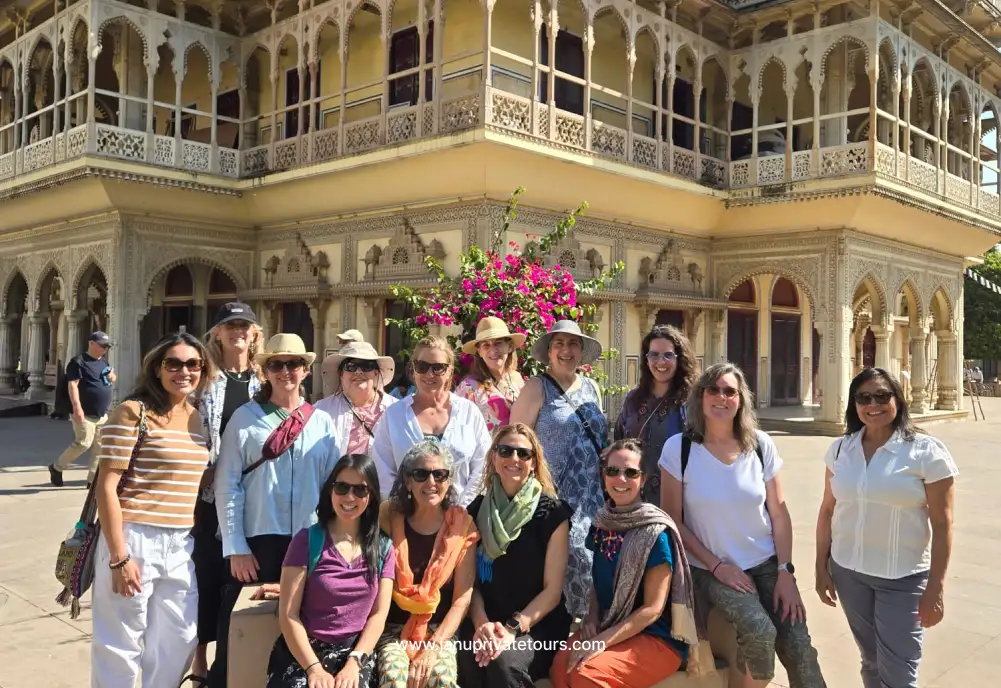
| Trip Length | Best For | Main Experience | Travel Style |
| 2 Days | First-time visitors and short holidays | Amber Fort, City Palace, Hawa Mahal, Jantar Mantar, Jal Mahal, Old City | Fast-paced but comprehensive |
| 3 Days | Culture and history lovers | Major monuments, Old City, food, shopping, evening sightseeing | Balanced |
| 4 Days | Slow travellers and experience seekers | Heritage, culture, food, shopping, nightlife and optional excursions | Relaxed and flexible |
Jaipur Tour Packages should be based on how you wish to enjoy the city rather than how many sites you can see.
Why Choose a Jaipur Tour with Driver?
Transportation plays a big role in your Jaipur experience. With drivers, you can skip the hassle of arranging transportation, coping with foreign roads and renting a car at every new destination.
Private, chauffeur-driven tours provide:
- Hotel, airport, or railway-station pickup
- Air-conditioned private transportation
- Convenient sightseeing between attractions
- Parking and fuel arrangements
- Flexible movement between locations
- Hotel drop-off after sightseeing
- More privacy than a shared group tour
The site offers private sightseeing with an air-conditioned chauffeur-driven vehicle, pickup and drop-off, parking, petrol, taxes and bottled water. Monument entrance fees, meals, personal costs and driver gratuities are individually stated. A private Jaipur tour package is convenient for travelers.
What to Include in Your Jaipur Sightseeing Package
When evaluating itineraries, don’t just compare the number of attractions on offer. In a good Jaipur sightseeing package, the following should ideally be balanced:
| Category | Recommended Experiences |
| Heritage | Amber Fort, City Palace, Hawa Mahal, Jantar Mantar |
| Scenic | Jal Mahal, Nahargarh Fort |
| Culture | Old City walk, traditional markets, local neighbourhoods |
| Food | Rajasthani thali, kachori, lassi, kulfi, ghewar |
| Shopping | Textiles, jewellery, carpets, handicrafts |
| Evening | Illuminated landmarks, sunset views, night markets |
| Transport | Private AC vehicle with driver |
| Guidance | Local guide for major sightseeing and cultural experiences |
This approach ensures that your Jaipur Tour Package is not simply a checklist of monuments.
Add a Jaipur Cultural Tour Package to Your Trip
Apart from the rich history of Jaipur, the city’s culture can also be explored. You can find it in shopping, food, crafts, buildings and the way people live together.
People who take a cultural tour of Jaipur can walk around the old part of the city. They can find out about customs and ways of life in the area. They can visit notable landmarks including Jalebi Chowk, Tripolia Bazaar, Isarlat Sargasooli and Albert Hall Museum.
Moreover, food lovers can go on a food tour and taste the local specialties. These include dal-baati-churma, gatte ki sabzi, pyaz kachori, lassi, kulfi and rabri ghewar.
Those seeking a more comprehensive cultural experience may consider a heritage tour combined with a food tour. An evening tour around Jaipur is also available.
Make Your Private Jaipur Tour Package More Personal
One of the best things about traveling alone is that you can plan your days however you want. Pick out what’s most important to you instead of striving to include everything.
For history lovers
Prioritise:
- Amber Fort
- City Palace
- Jantar Mantar
- Hawa Mahal
- Albert Hall Museum
- Nahargarh Fort
For food lovers
Prioritise:
- Old City food walk
- Rajasthani thali
- Pyaz kachori
- Lassi
- Kulfi
- Traditional sweets
For shoppers
Prioritise:
- Johari Bazaar
- Bapu Bazaar
- Textiles
- Jewellery
- Carpets
- Handicrafts
For photographers
Prioritise:
- Hawa Mahal
- Jal Mahal
- Amber Fort
- Panna Meena ka Kund
- Nahargarh Fort
- Illuminated Albert Hall Museum
What Is Usually Included in a Private Jaipur Tour?
Always examine the benefits and limitations carefully before booking. A Private Jaipur Tour Package can comprise:
- Private air-conditioned vehicle
- Professional local guide
- Hotel pickup and drop-off
- Airport or railway station pickup
- Fuel and parking
- Applicable taxes
- Bottled water
- Flexible sightseeing
Depending on the selected experience, you may need to pay separately for:
- Monument entrance fees
- Camera fees
- Meals
- Personal shopping
- Personal expenses
- Driver or guide gratuities
This distinction is important when comparing different Jaipur packages. The affordable headline price may not always represent the same level of service.
Tips for Planning Your Jaipur Tour Package
To receive the best results for your tour, consider following practical points:
- Start major sightseeing early
- Keep shopping flexible
- Include local food
- Add an evening experience
- Wear comfortable shoes
- Dress appropriately for temples
- Choose private transportation
Conclusion
The greatest Jaipur Tour Package isn’t always the longest one. By choosing the perfect Jaipur tour package, you can explore the heritage and local culture of the city on a 2-day, 3-day, or 4-day tour. Organizing your tour with an experienced tour planner will give you a chance to enjoy a stress-free trip to Jaipur. But how? This will plan your trip with an expert guide along with a private driver. Their knowledge will help you to enjoy your tour with traditional shopping, sightseeing and delicious cuisines.
Janu Private Tours offers private Jaipur sightseeing and cultural experiences. We offer the appropriate travel needs to complete your satisfaction. Our target is to make your trip smooth, flexible and safe with our comfortable services. Contact us immediately to arrange your perfect Jaipur tour package and make a pleasant and unique vacation to the Pink City.
Frequently Asked Questions
- What is included in a Jaipur Tour Package?
A Jaipur Tour Package may include private transportation, sightseeing, a local guide, heritage walks, food tours, shopping stops and hotel pickup and drop-off.
- Is a 2-day Jaipur tour package enough to explore Jaipur?
Yes, a 2-day Jaipur tour package is enough to visit major attractions such as Amber Fort, City Palace, Hawa Mahal, Jantar Mantar and Jal Mahal.
- What can I see in a 3-day Jaipur tour package?
A 3-day Jaipur tour package allows you to explore major monuments, walk through the Old City, enjoy local food, shop in traditional markets and experience Jaipur at night. - What are the benefits of a 4-day Jaipur tour package?
A 4-day Jaipur tour package gives you more time to explore historical sites, experience local culture, enjoy traditional cuisine, shop and visit nearby attractions.
- Is a private Jaipur tour package better for families?
Yes, a private Jaipur tour package offers greater flexibility, comfortable transportation and the freedom to plan sightseeing according to your family’s interests. - Can I book a Jaipur tour with a driver?
Yes, you can choose a Jaipur tour with a driver for convenient travel between attractions, with options for hotel pickup and drop-off. - Which places should I include in a Jaipur sightseeing package?
Include Amber Fort, City Palace, Hawa Mahal, Jantar Mantar, Jal Mahal and Nahargarh Fort in your Jaipur sightseeing package.
- What can I experience in a Jaipur cultural tour package?
A Jaipur cultural tour package can include Old City walks, traditional markets, local food tasting, handicraft shopping and visits to historical landmarks. - What local foods should I try during my Jaipur trip?
Try traditional dishes such as dal-baati-churma and gatte ki sabzi, along with local favourites like pyaz kachori, lassi, kulfi and ghewar. - How can I book a Jaipur Tour Package?
You can contact a private tour operator to choose a suitable itinerary, confirm the inclusions and arrange your Jaipur Tour Package according to your travel dates and preferences.